The Venice Biennale is the oldest art Biennale in the world, and it has been happening since 1895. Since 1980, an Architecture Biennale has also been added and the Art and the Architecture event alternate. I had been thinking of attending the Art Biennale happening in 2026. Due to some schedule changes, I was able to make it only at the very fag end of the Biennale and I visited it on 19th, 20th and 21st of November just before the doors closed on the 22nd of November. It had been inaugurated on 9th of May. This was my first time at the Venice Biennale, and I was very glad I could make it as I found it quite enjoyable and enriching.
The Curator for this edition of the Biennale was Ms. Koyo Kouoh, who was appointed as the Curator in December 2024. Unfortunately, she passed away in May 2025, aged just 57. However, in a press conference held in February 2026, the Biennale stated that Kouoh had fully developed the curatorial project for the show. It was complete in its theoretical framework, artistic choices, editorial structure and exhibition layout. Accordingly, this version of the Venice Biennale was realised by the team she had appointed.
I found that the curation was quite sharp and focused in the international art exhibition that Kouoh had handled; I found many works on colonisation and its impact on the Black people and on women and gender issues. The curatorial notes were written in a language that could be easily understood and to the point, a pleasant change from the rather obtuse and often insensible notes I had found in other shows. Along with the main exhibition, there were also shows hosted by the various country pavilions (including India, after a seven year gap) and these had been curated by other people, though in line with the main curatorial vision.
Here are some artworks that I photographed, and I present them here without any commentary from my side; perhaps, the very selection is the commentary. All text given below are the curatorial notes that accompanied each display. These are not presented in any particular order.
Maria Magdalena Campos Pons
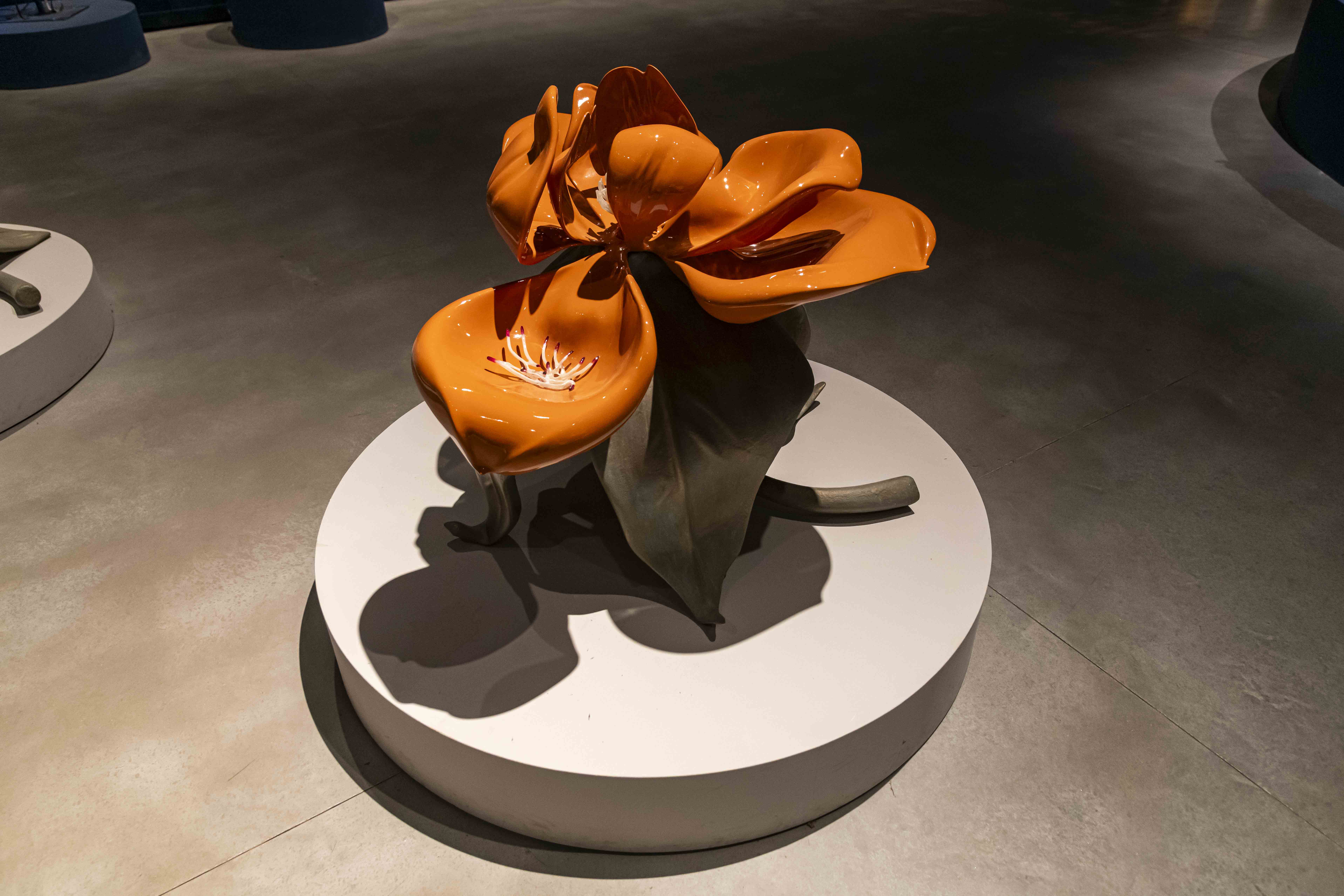
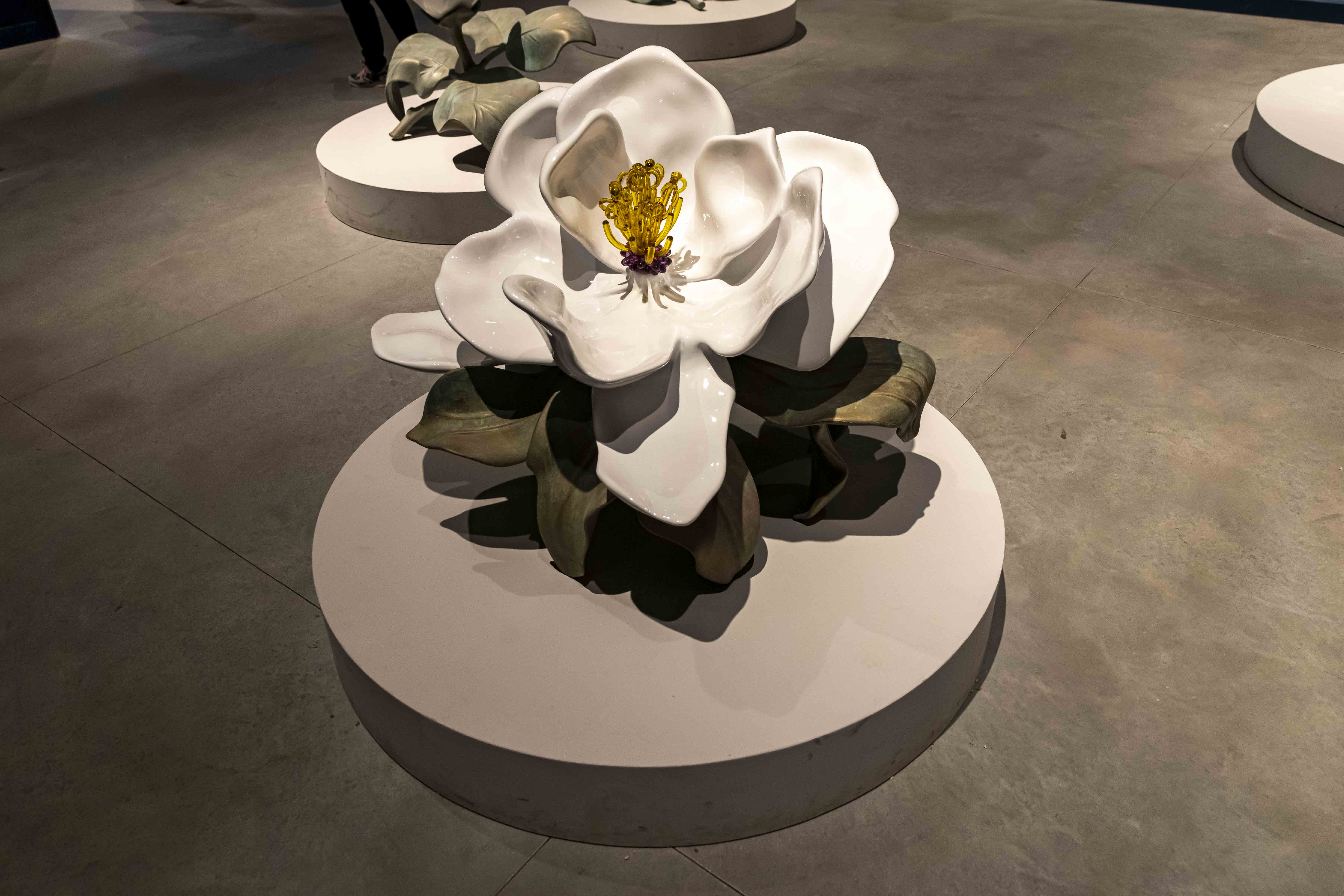
Maria Magdalena Campos-Pons’s Anatomy of the Magnolia Tree for Koyo Kouoh and Toni Morrison (2026) is a monument in floral form. Eight tall panels hold portraits of Mossion, the first Black woman to win the Nobel Prize in literature, and Kouoh, the first African woman to curate the Biennale Arte, while seven sculptures in resin and glass express form of the magnolia, the iconic flower of the American South. Anchored in Black women’s solidarity, this work holds its subjects in relation across disciplines, generations and geographies.
Kouoh and Morrison each devoted their work to the minor keys – “the quiet tones, lower frequencies, hums, consolations of poetry”, as Kouoh wrote in her curatorial statement. Morrison’s novels are love letters to the interior lives of Black women, while Kouoh cultivates gardens for Global South artists to contend with what Morrison described as “unyielding earth” in The Bluest Eye.
Through the installation’s scale, Campos-Pons performs a quiet inversion, making the minor major. In tandem, a soundscape by Kamaal Malak – bass guitar, synthesisers and layered loops in minor keys – treats lower frequencies as the room’s very architecture. Together, portraits and sound form a duet, inviting us to listen for the frequencies through which Black women’s work keeps remaking the workd.
—Grace Aneiza Ali
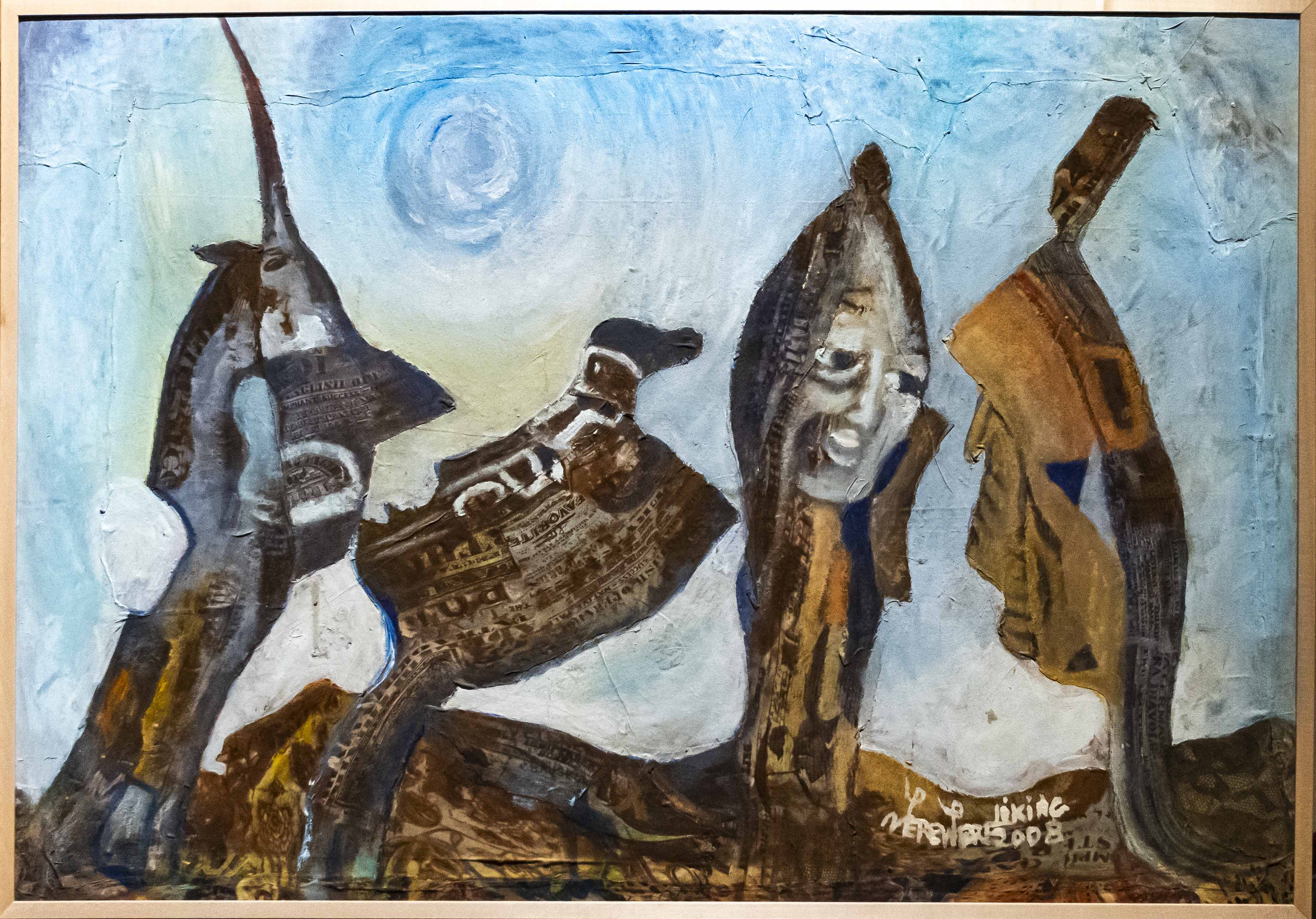
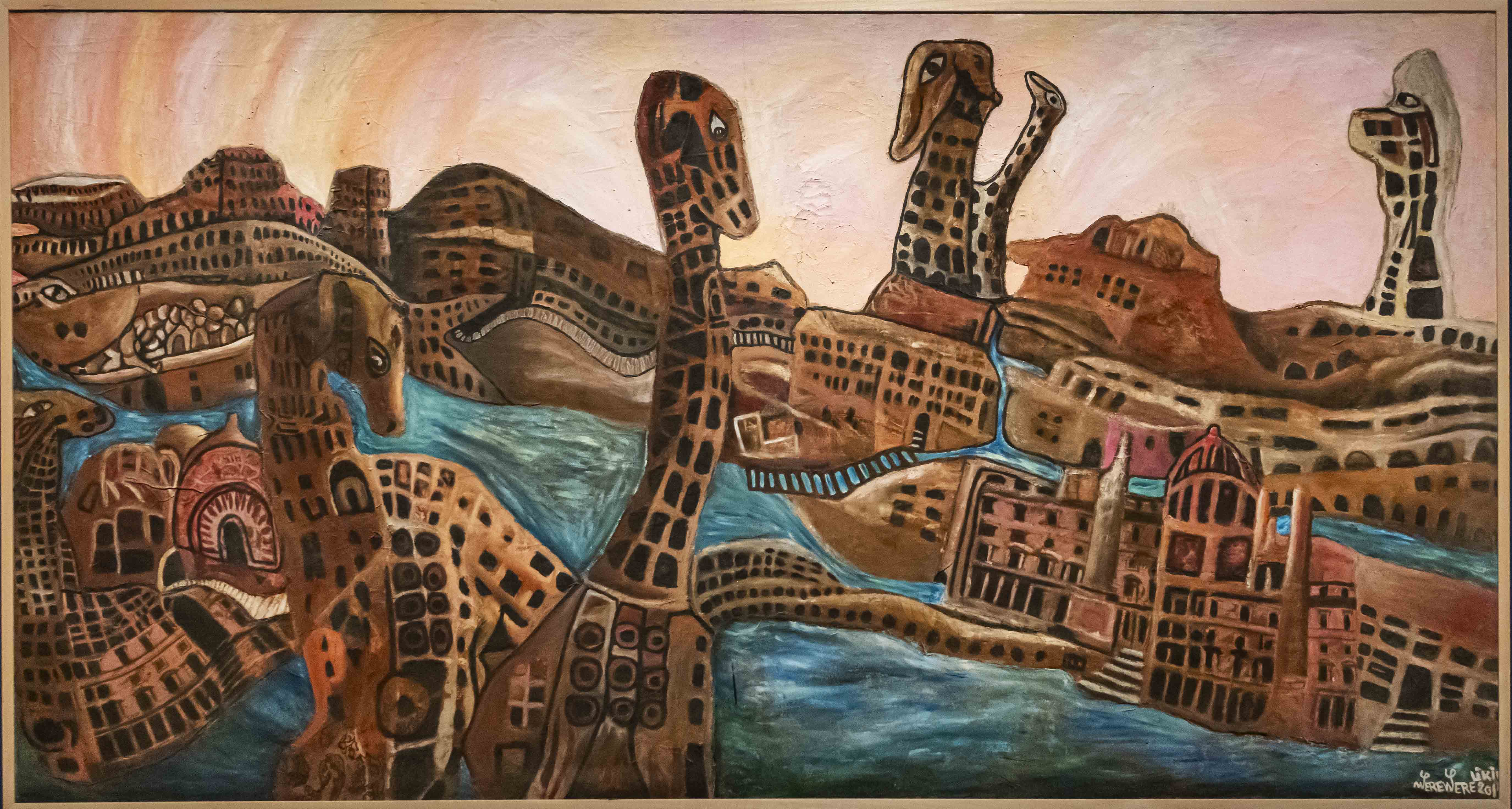
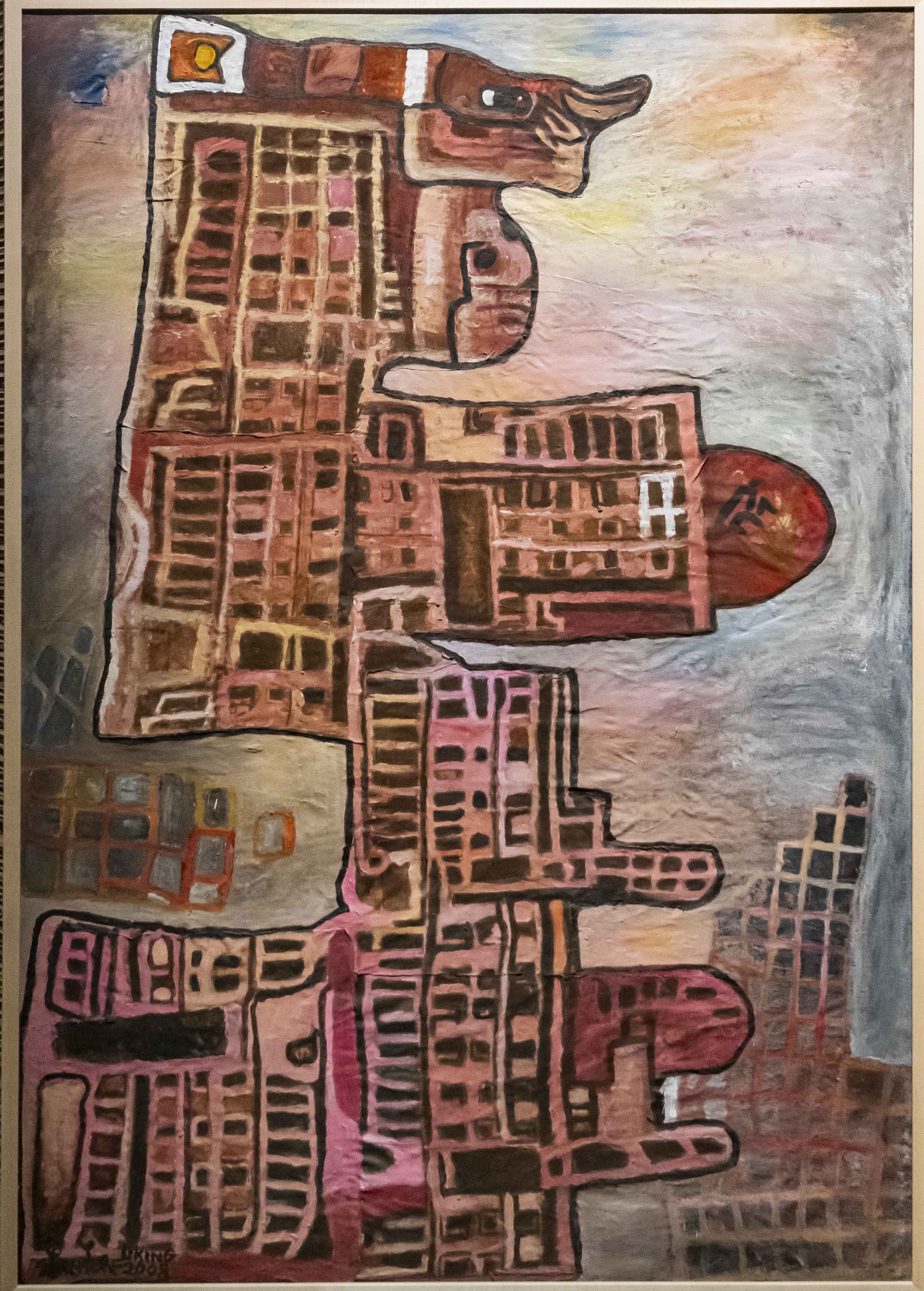
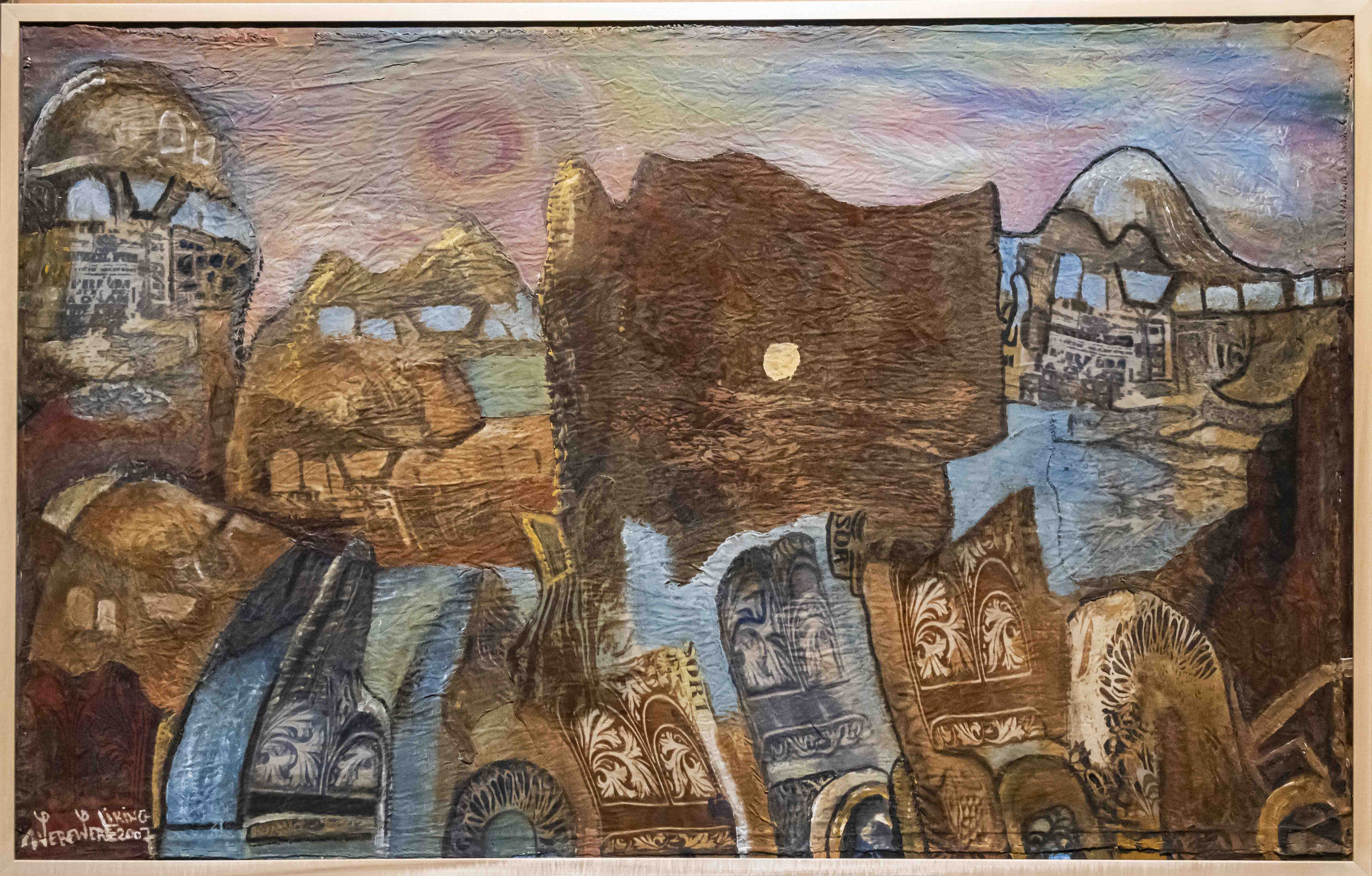
Werewere Liking
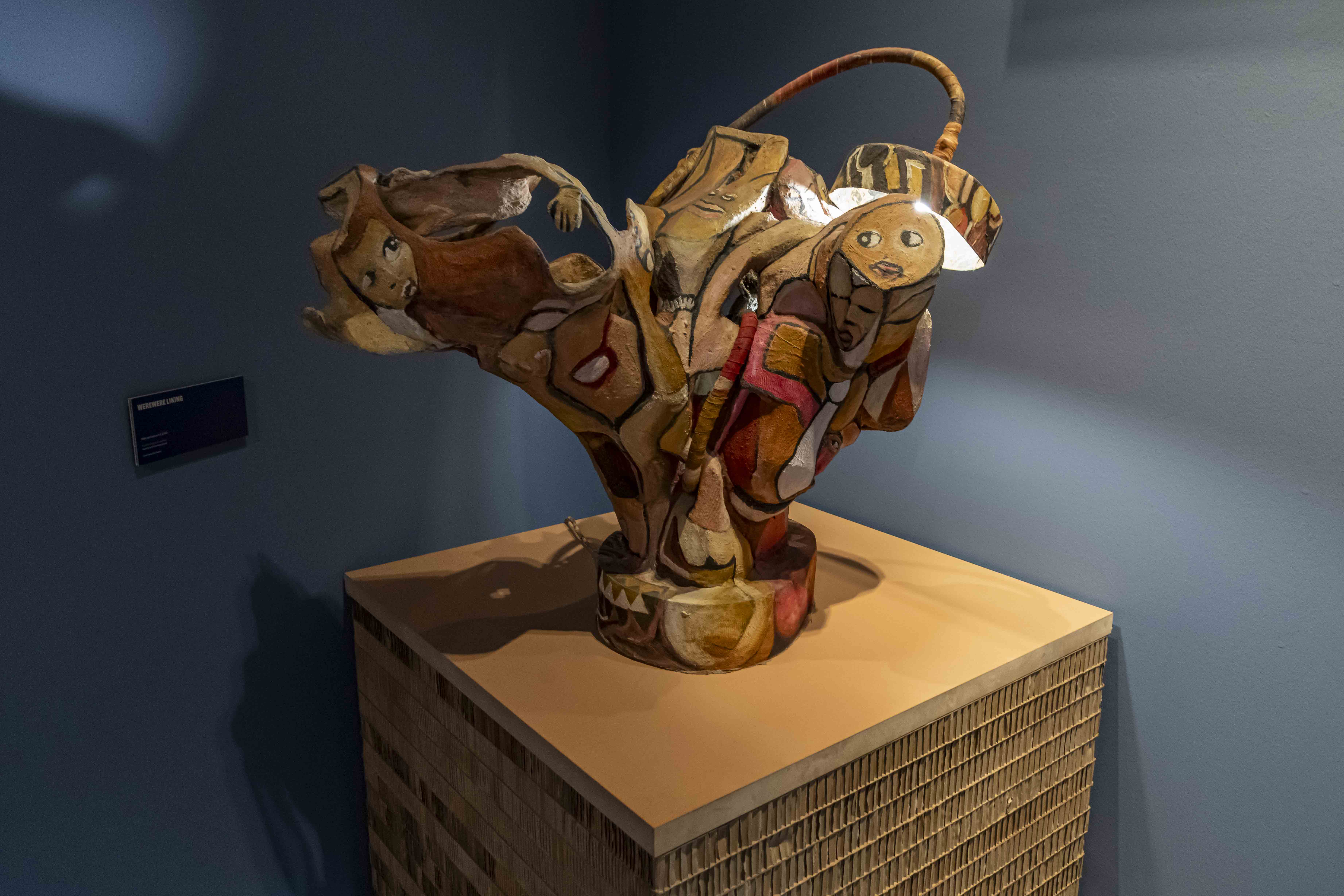
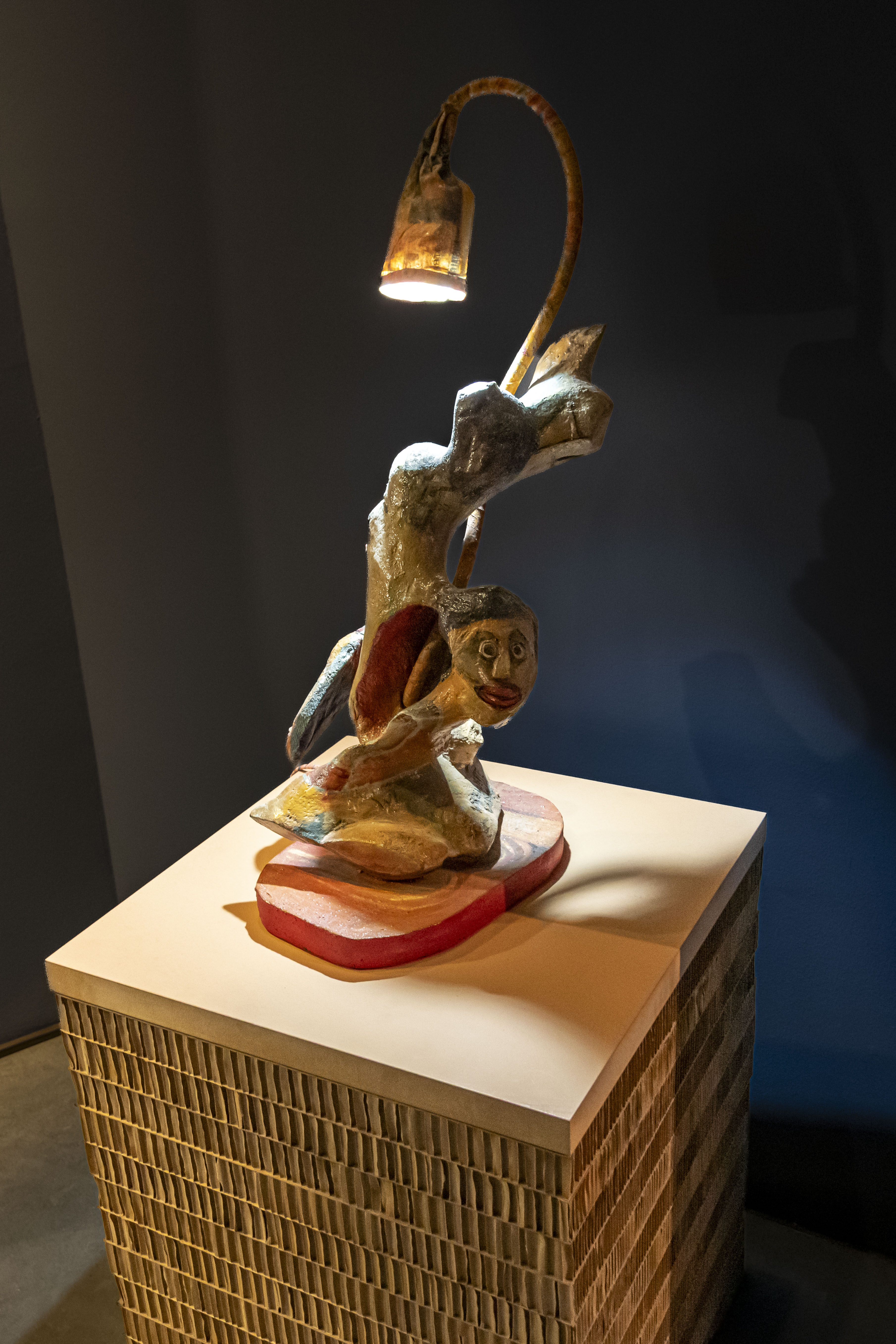
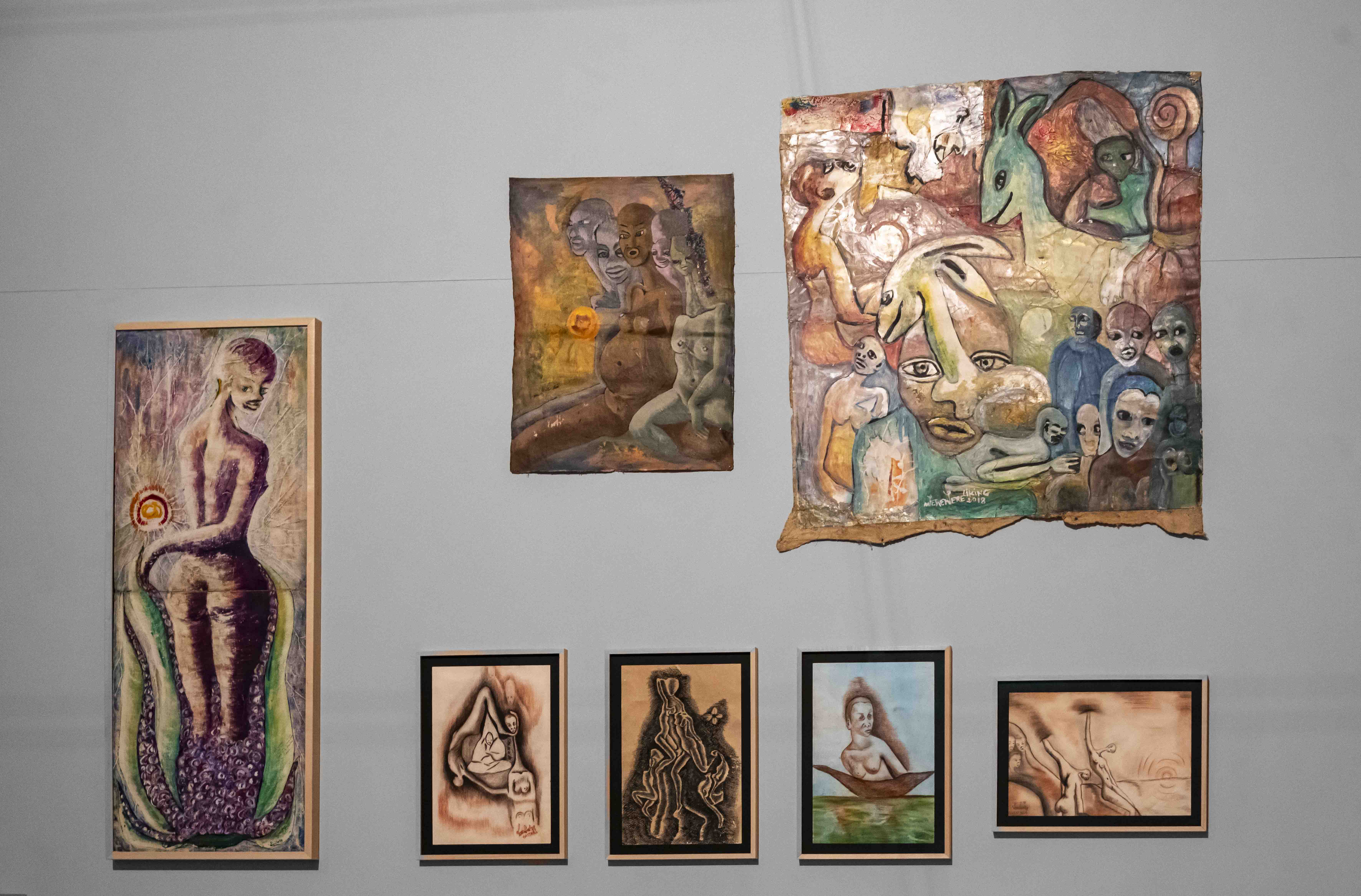
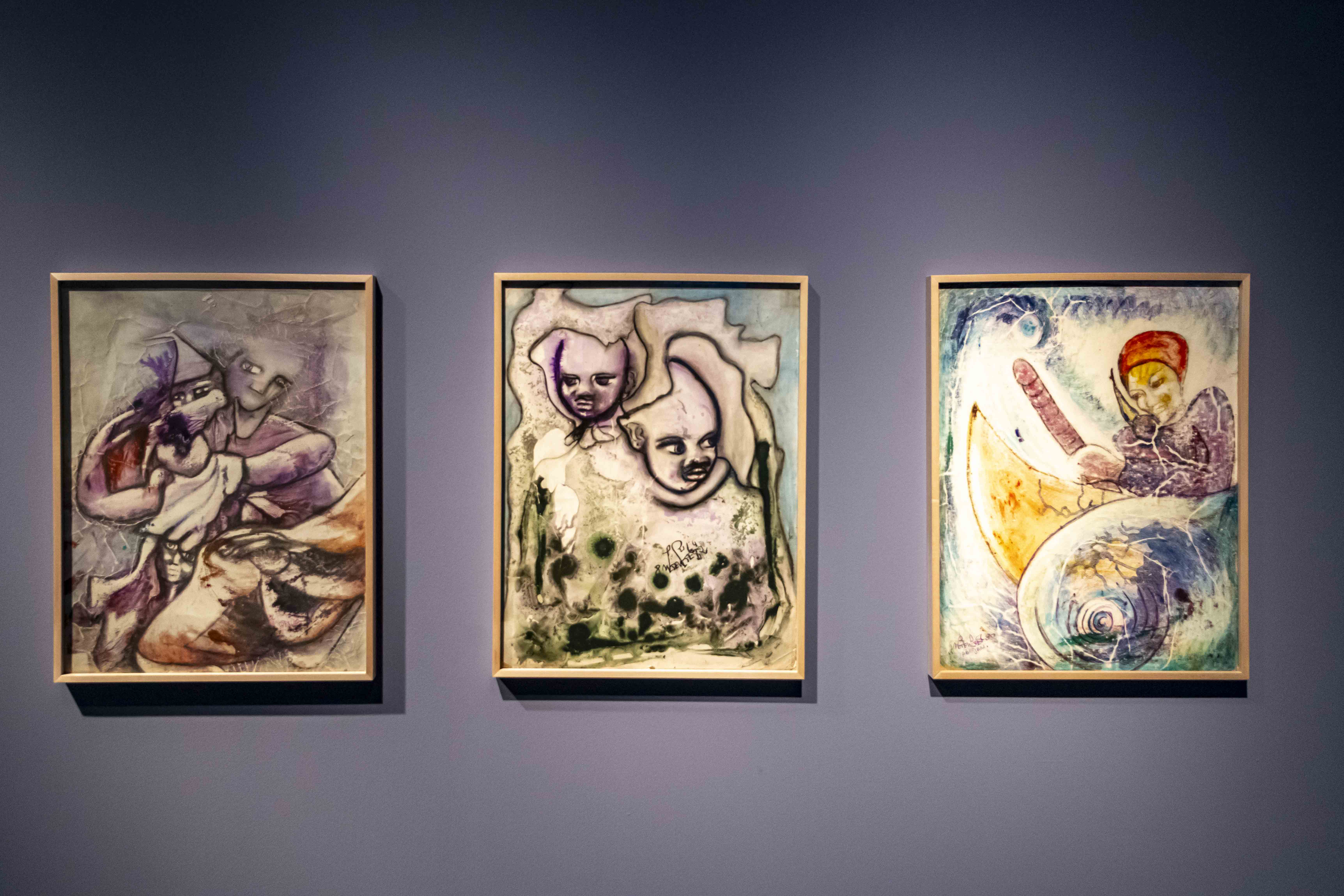
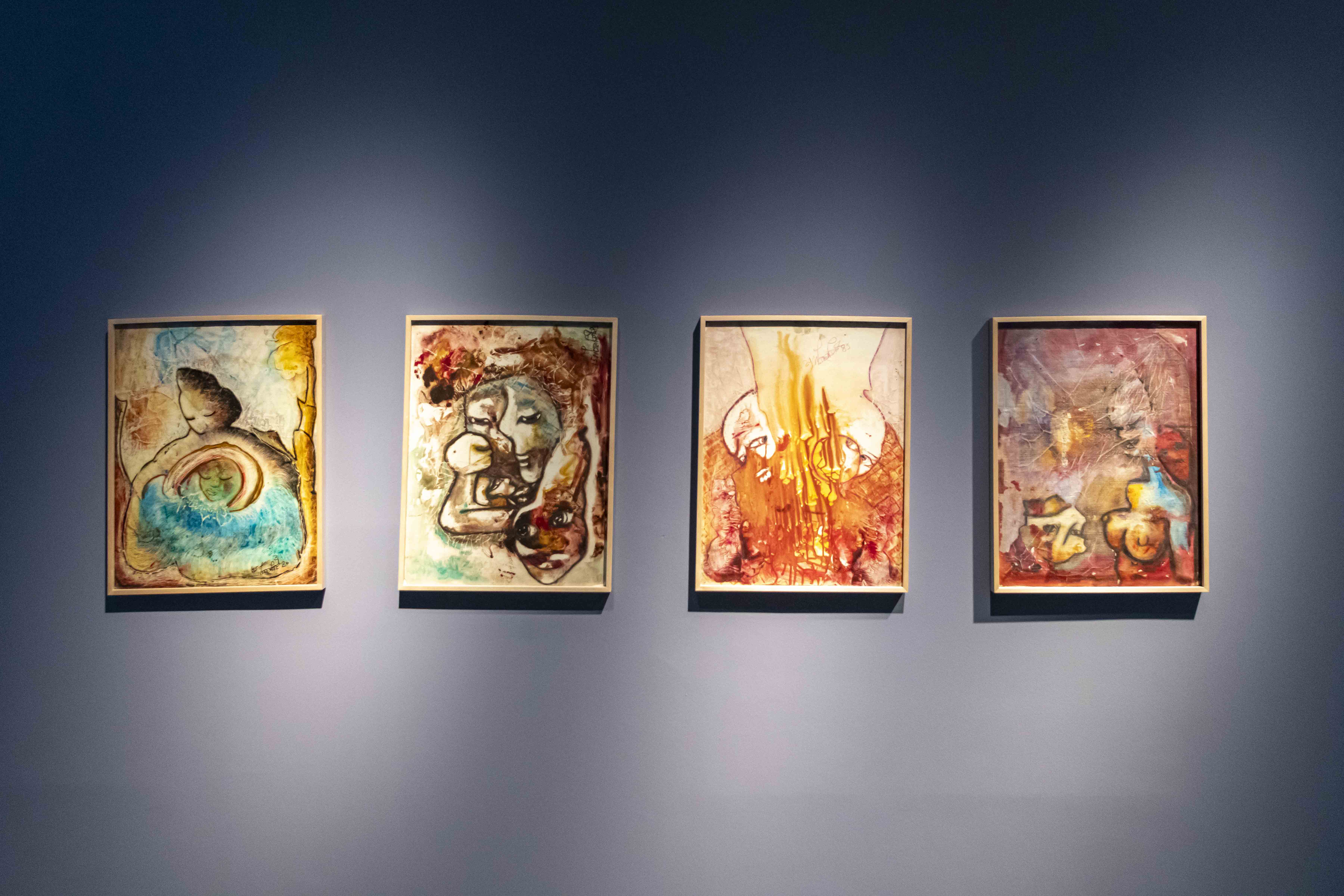
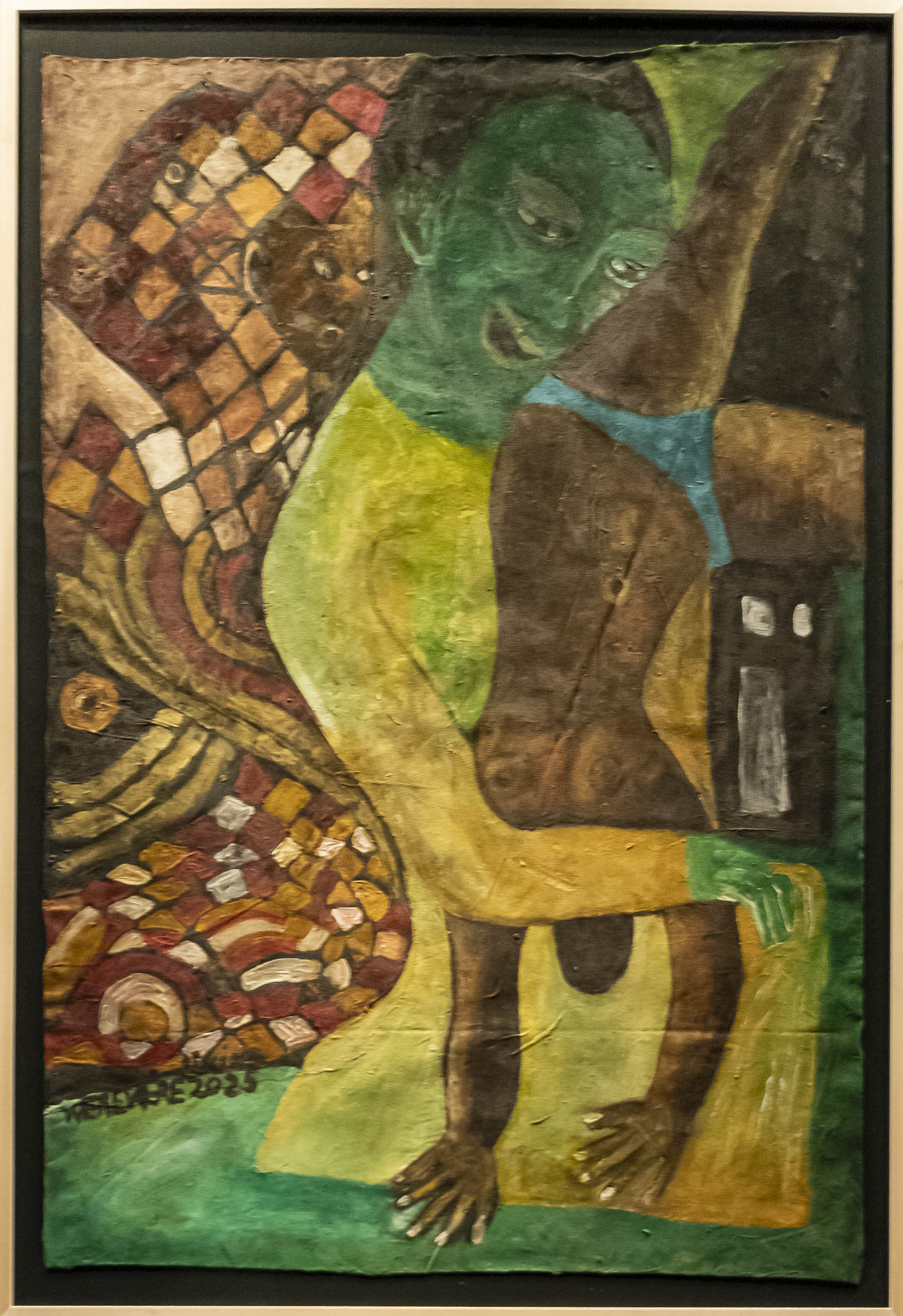
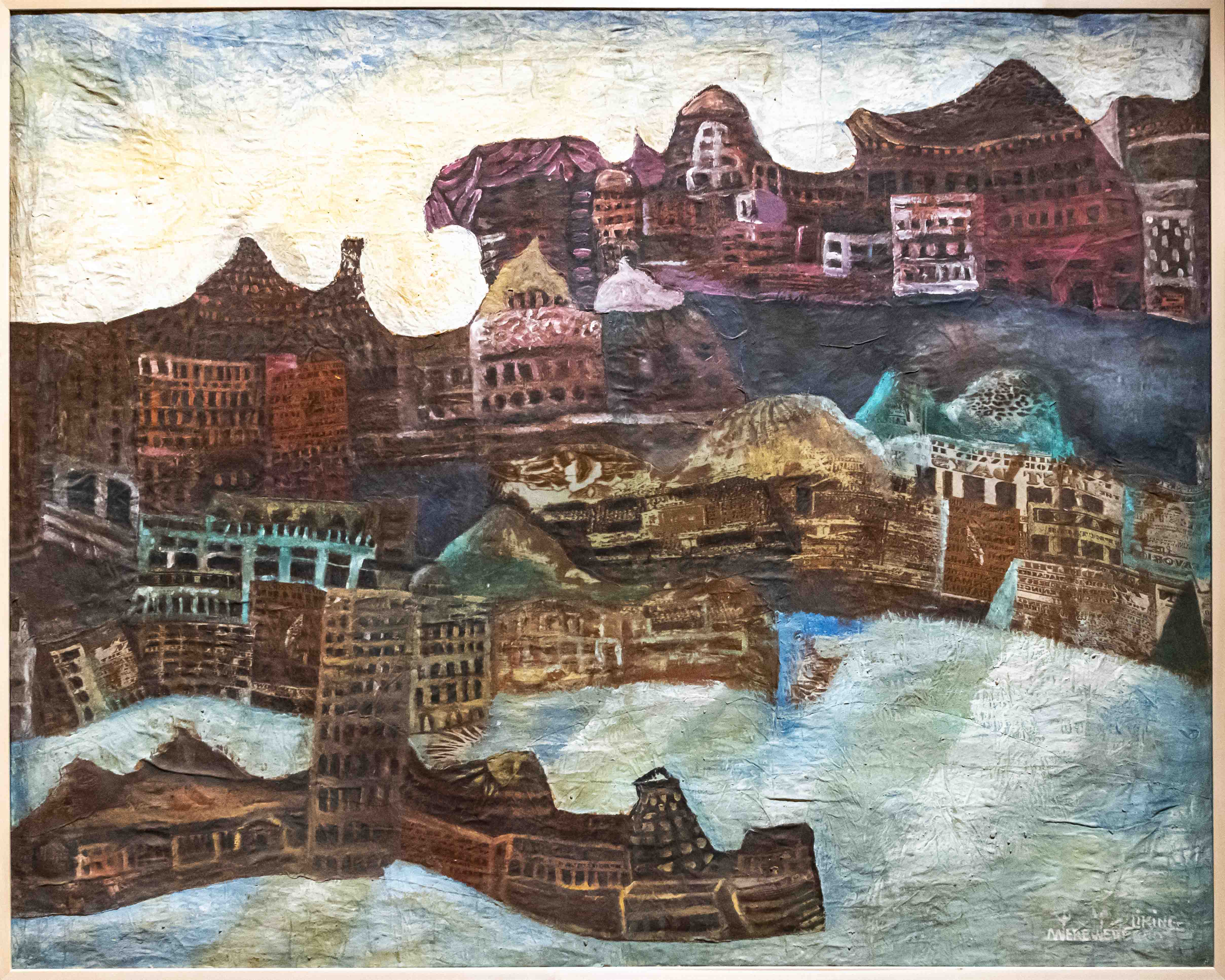
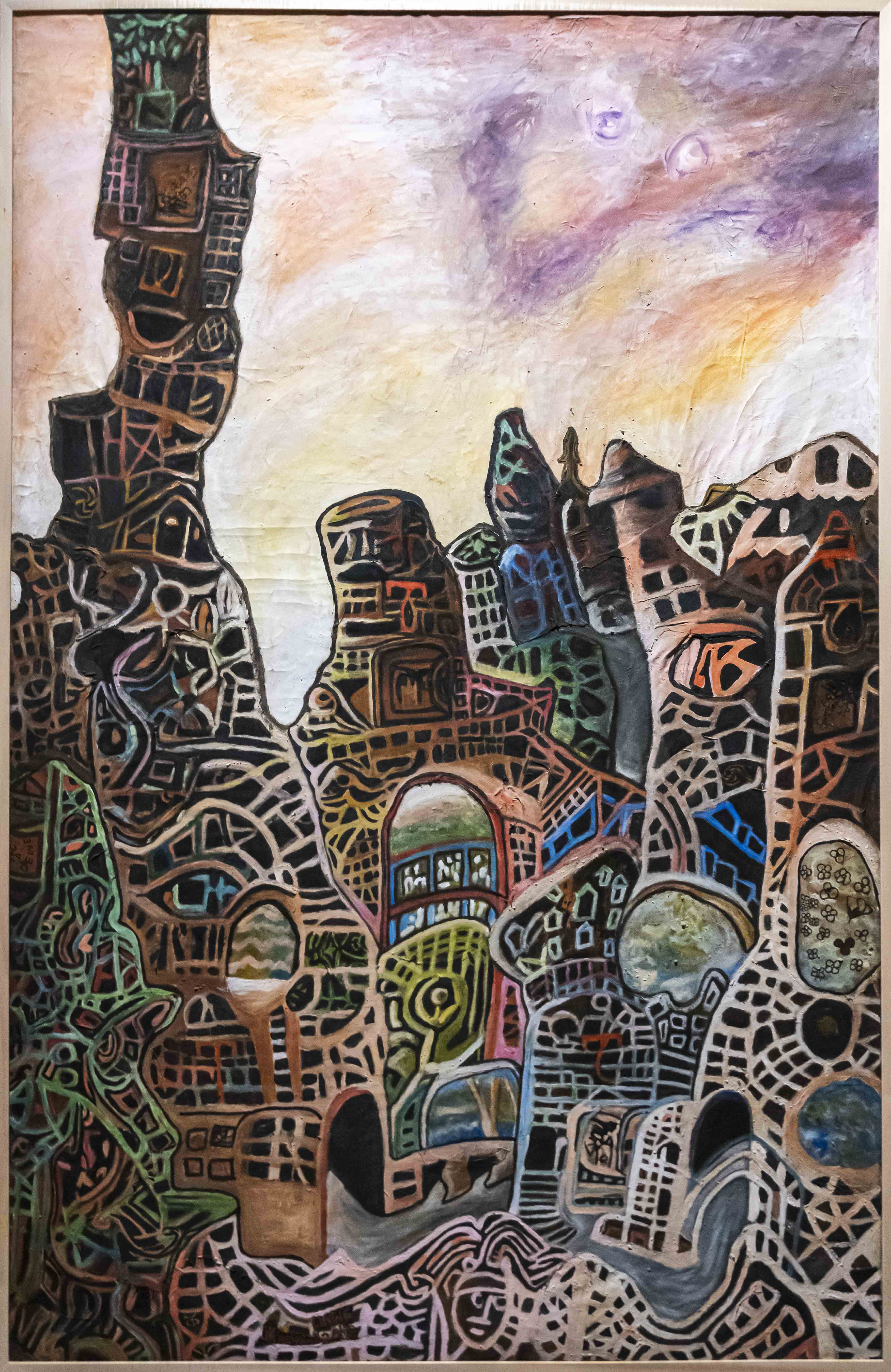
Werewere Liking is an artist and scholar whose roots are in Cameroon but who has been based in Cote d’Ivoire for over forty years. Her practice spans writing – including poetry, theatre, essays and critical theory – painting, sculpture, drawing and performance, exemplifying the definition of total art. Liking’s practice operates as a cosmic compass that opens vibratory fields between the spiritual and the earthly. Genealogies of Lights, a series of sculptures made of wood and of collected, recycled and re-invested objects, are animated bodies inscribed with memory and fable. They re-activate what was discarded to forge new cosmogonies where narrative and politics overlap.
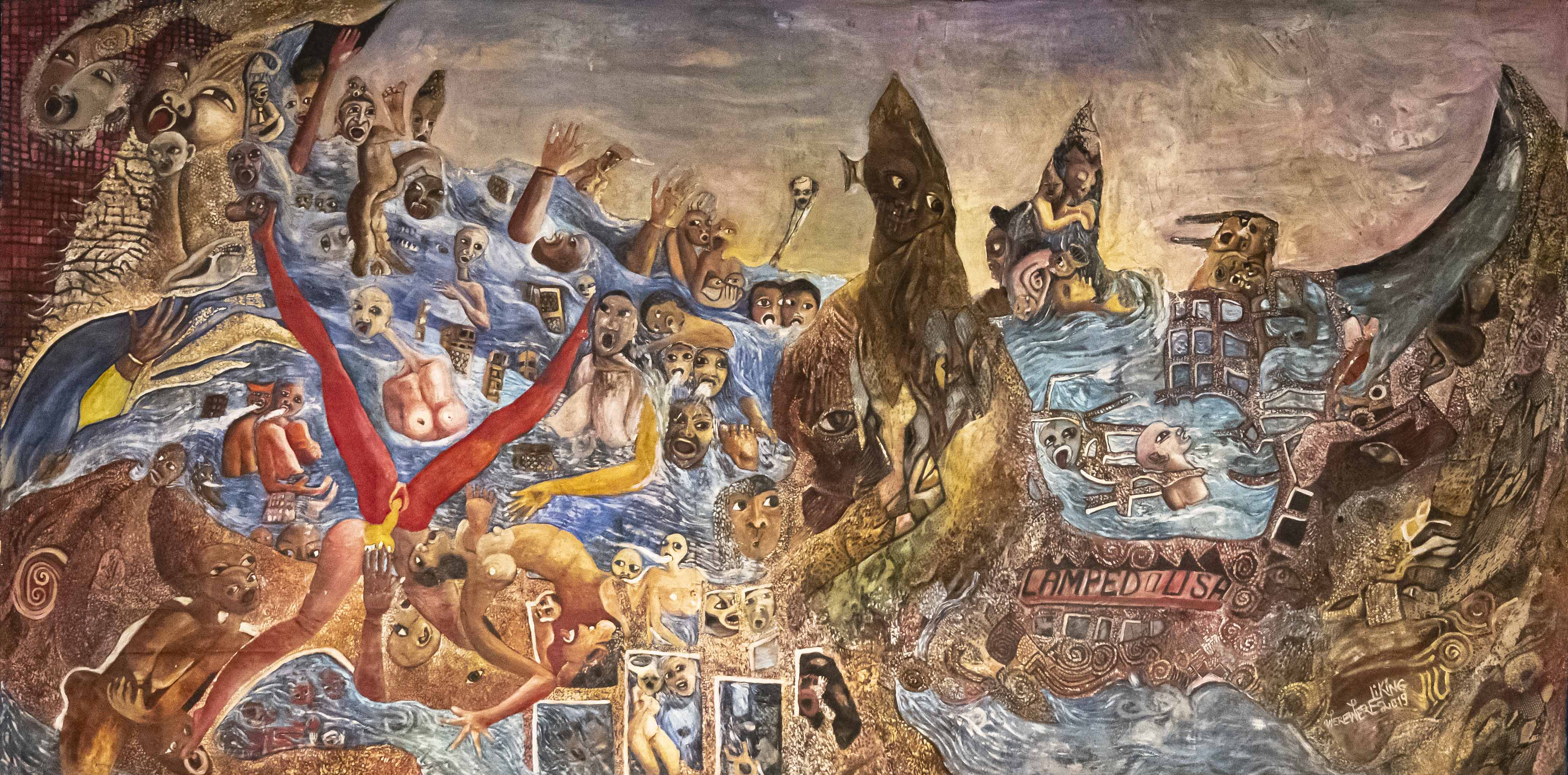
Likings’s paintings and drawings give expression to her dreams and ruminations. Her use of mended tree bark as canvas, and recurrent motifs including the sun, moon, trees, pregnant female figures and broken pots, allude to a long journey of spiritual grounding and connection, feminine power, and healing rituals. In another register, Lampedusa (2019) depicts a hectic scene unfolding in the waters of the Mediterranean Sea, where people are drowning. Here, Liking denounces the political inequalities emanating from so-called illegal migration, the water transformed into a cemetery for thousands of black bodies searching for hope and a better future.
—Marie Helene Pereira
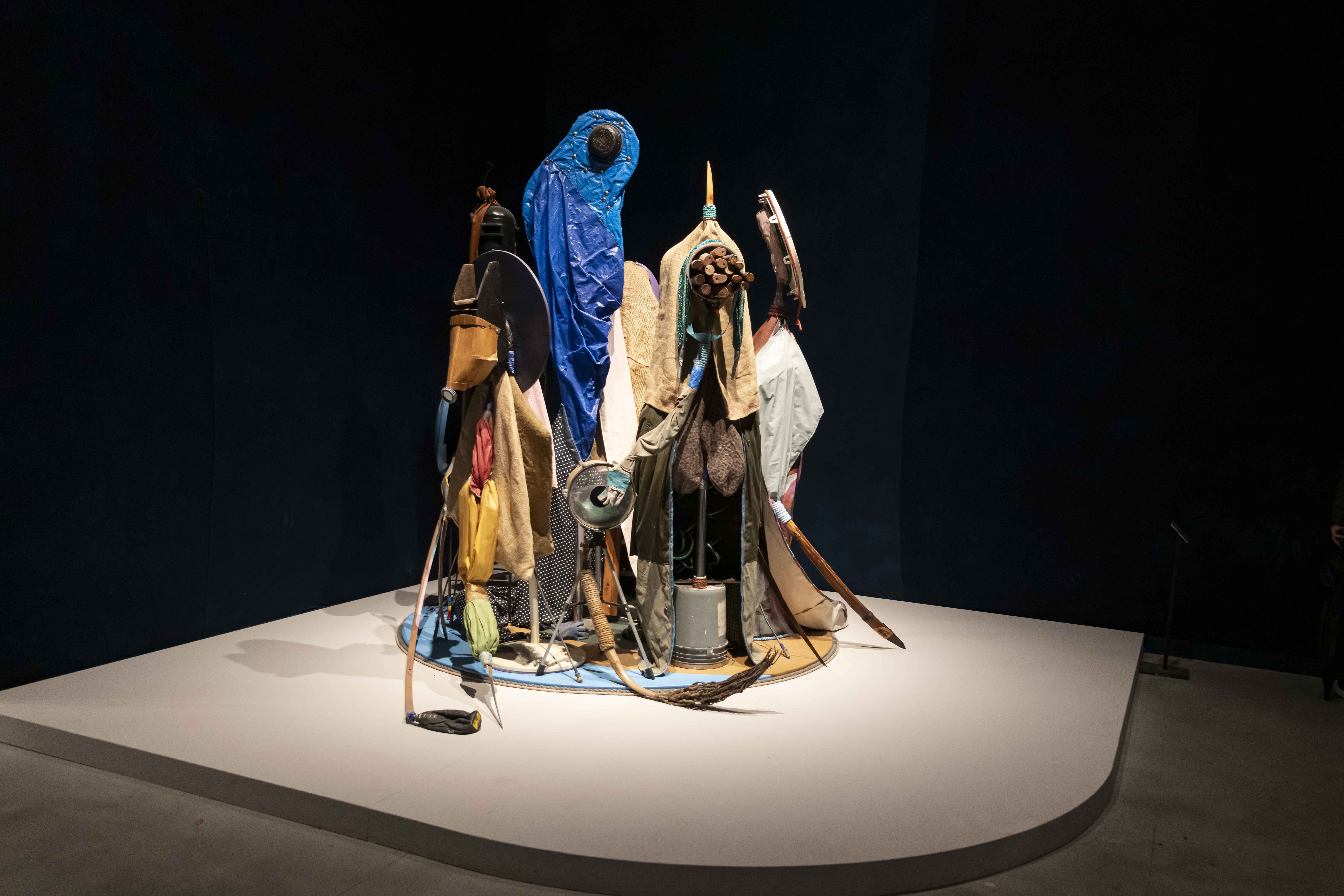
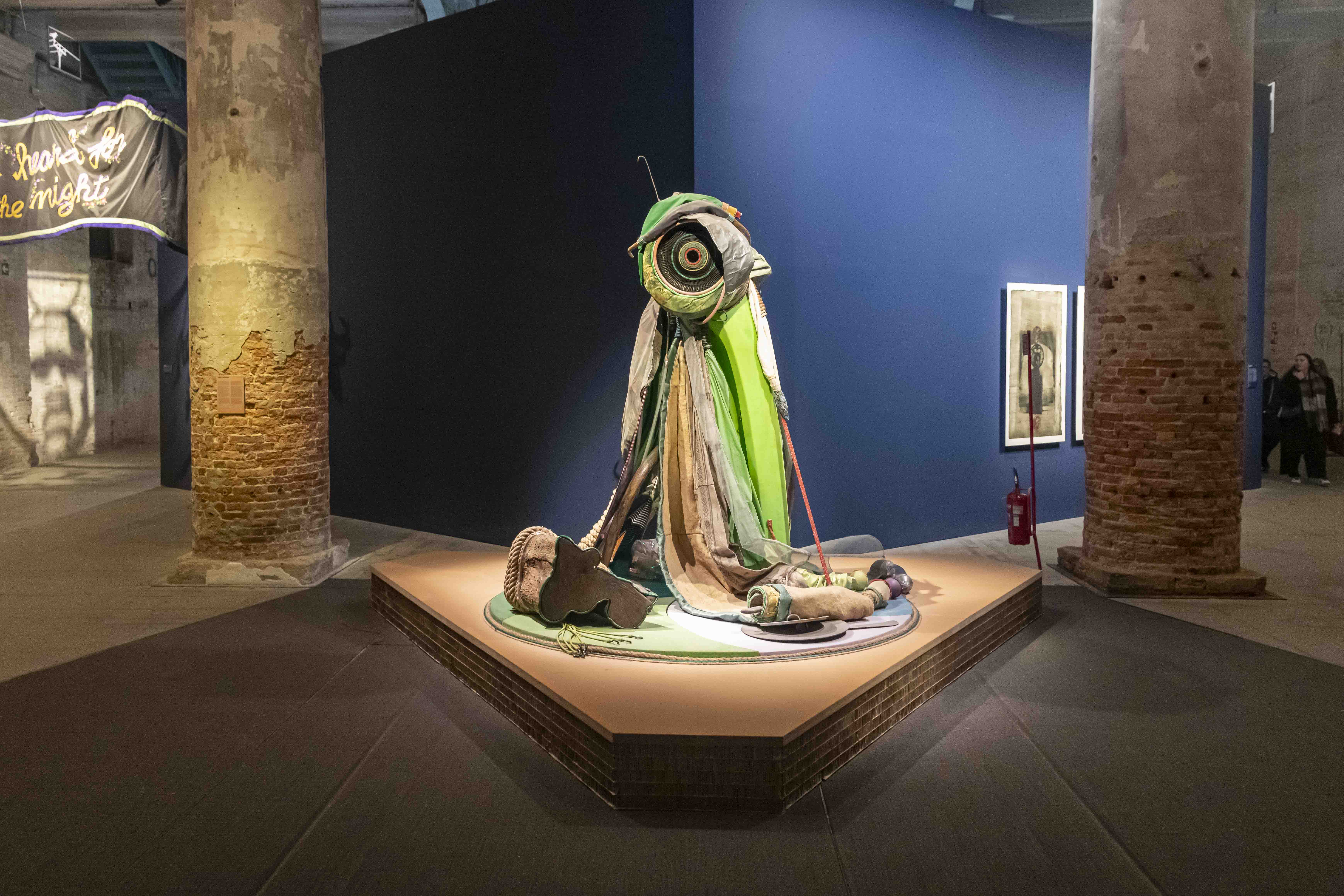
Daniel-Lind Ramos
At the heart of Daniel Lind-‘s practice are large-scale assemblages of found objects, often objects gifted to him by friends and neighbours, or those he comes across after a hurricane, when they are thrown, helter-skelter, into environments where they do not necessarily belong.
The sculptures Lind- presents at the Biennale Arte 2026 conjure the history of maroonage and escape. “Guardaverde” (2024-2025) takes as its point of departure the plastic kayak, an object that, for Lind-, symbolises the ongoing stakes of water-bound travel for black life, past and present, in Puerto Rico. Between the seventeenth and nineteenth centuries, a large number of people escaping slavery fled by boat there, taking refuge in the area’s dense mangroves. Meanwhile the found objects in “Talegas de la memoria II” (2023-2024), exhibited at the Central Pavilion, and “Centinelas de la luna nueva” (2022-2023) combine to create sentinel-like entities, paying homage to those stewards who have watched over the land.
Together the three works narrate commingling historical threads: of the land protecting people from the regime of the plantation, and of people protecting the land from the ecological terror that is inseparable from that very same regime. In Lind-‘s figures, we see the twinned needs for preservation of the environment and preservation of black life in assemblages that speak life over and against death.
—Zoe Hopkins
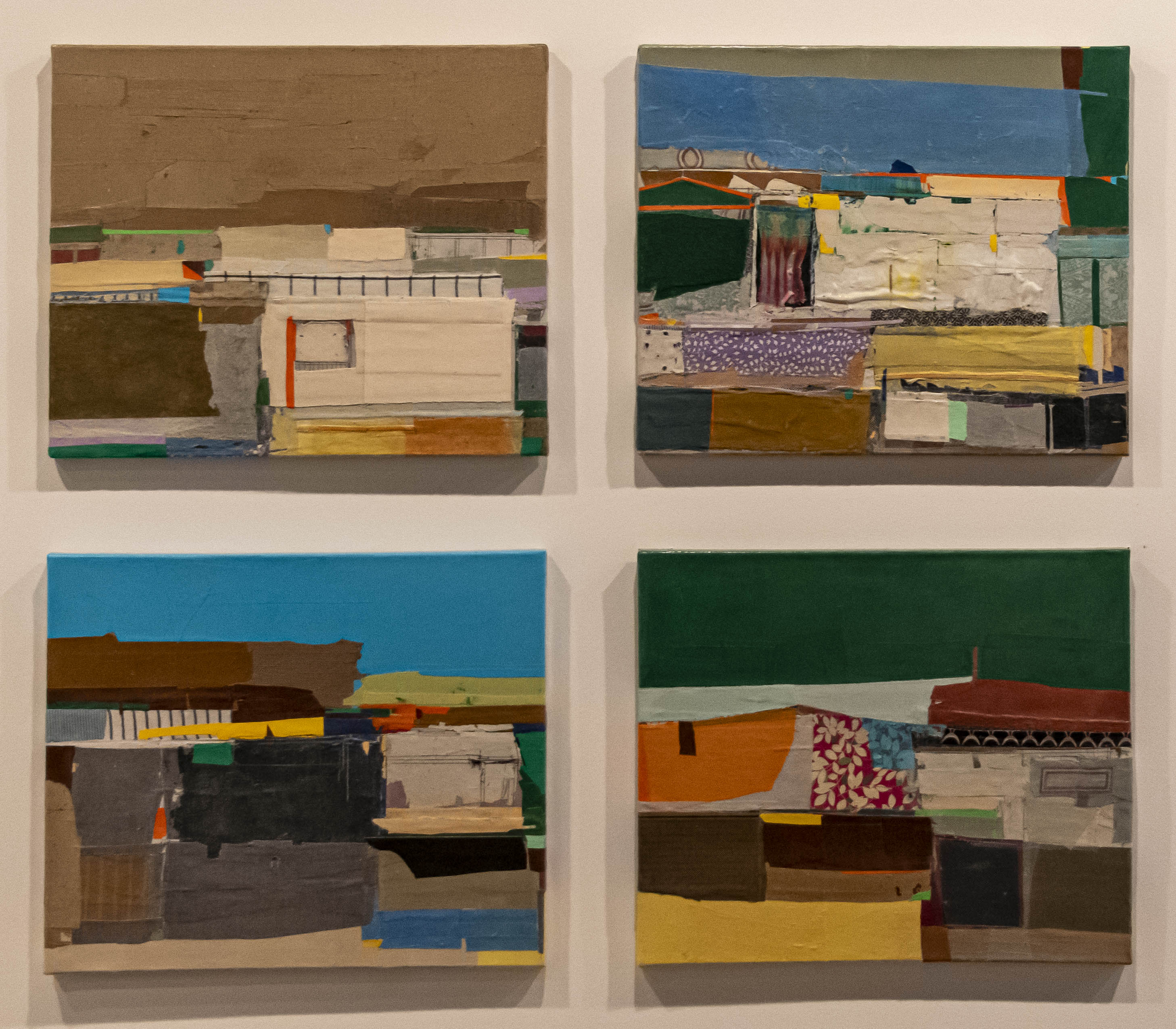
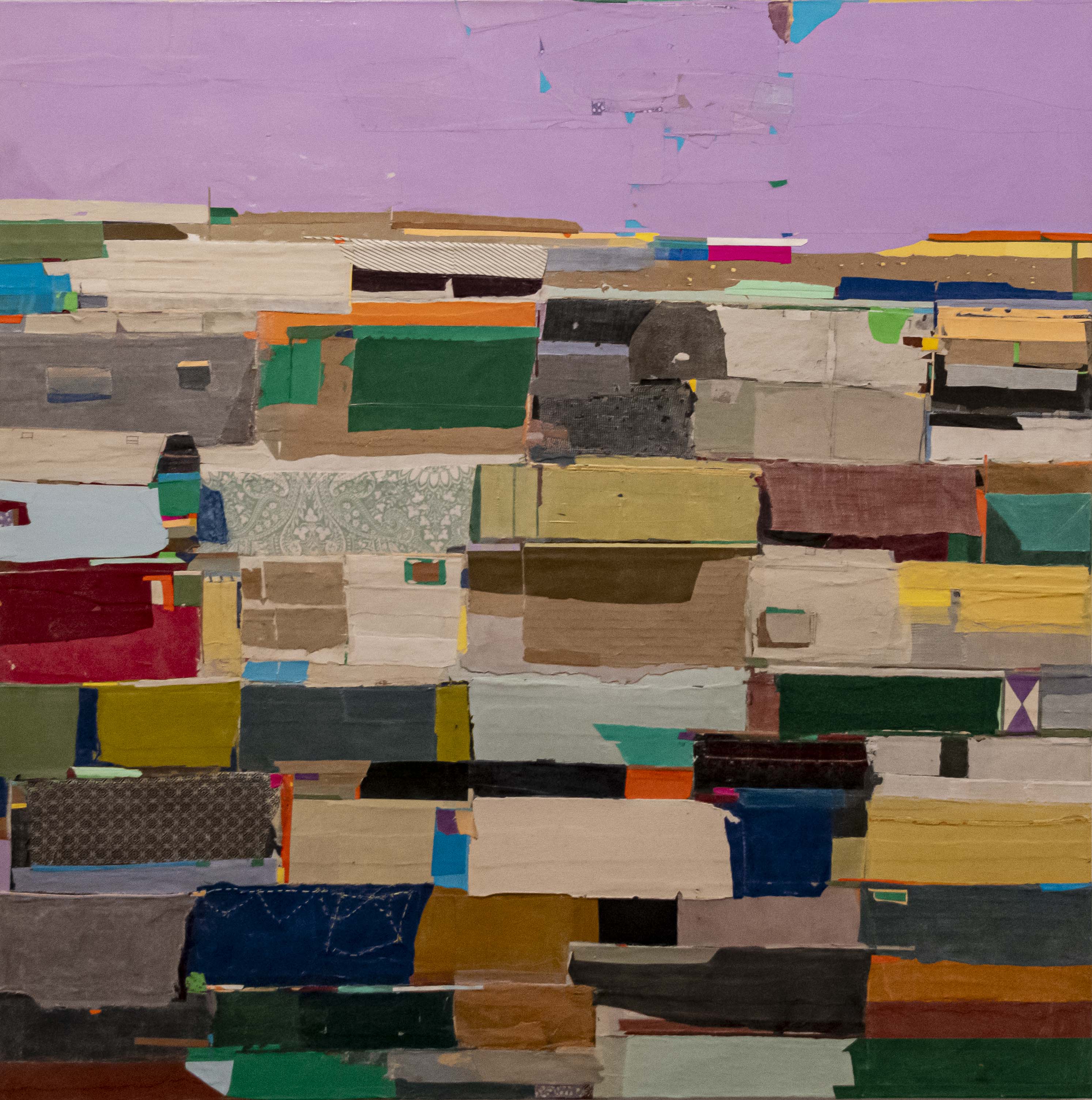
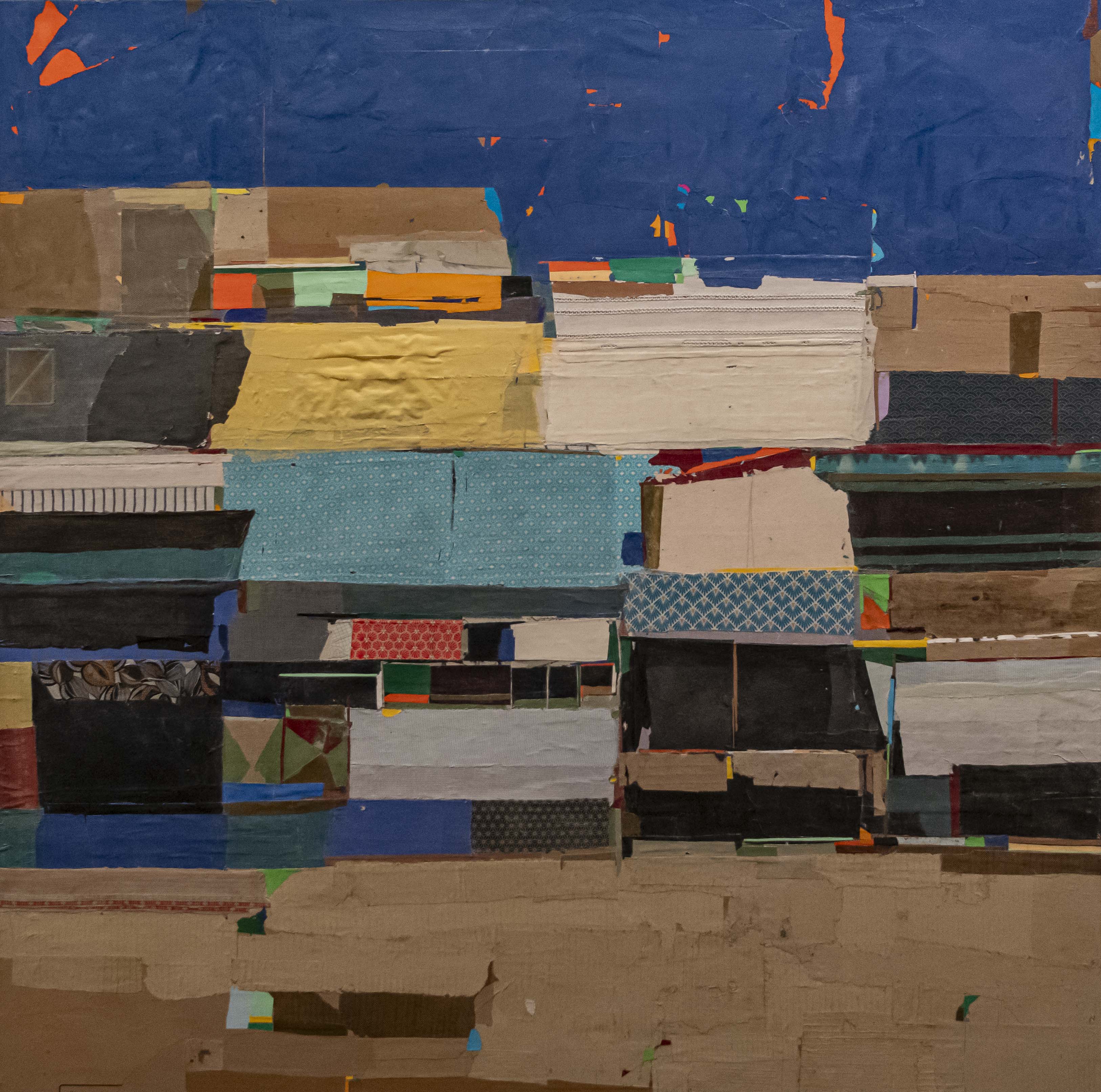
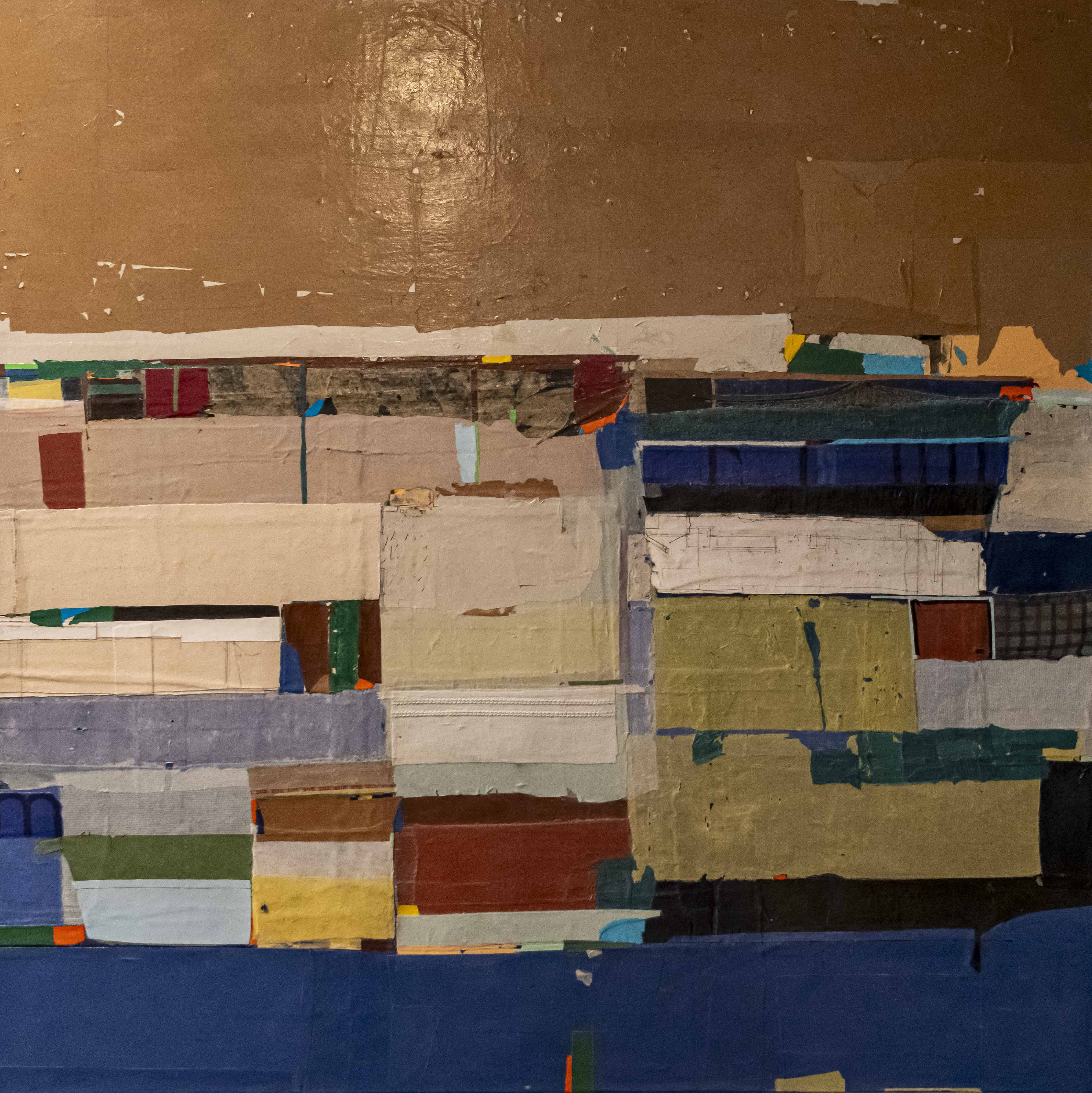
Mohammed Joha
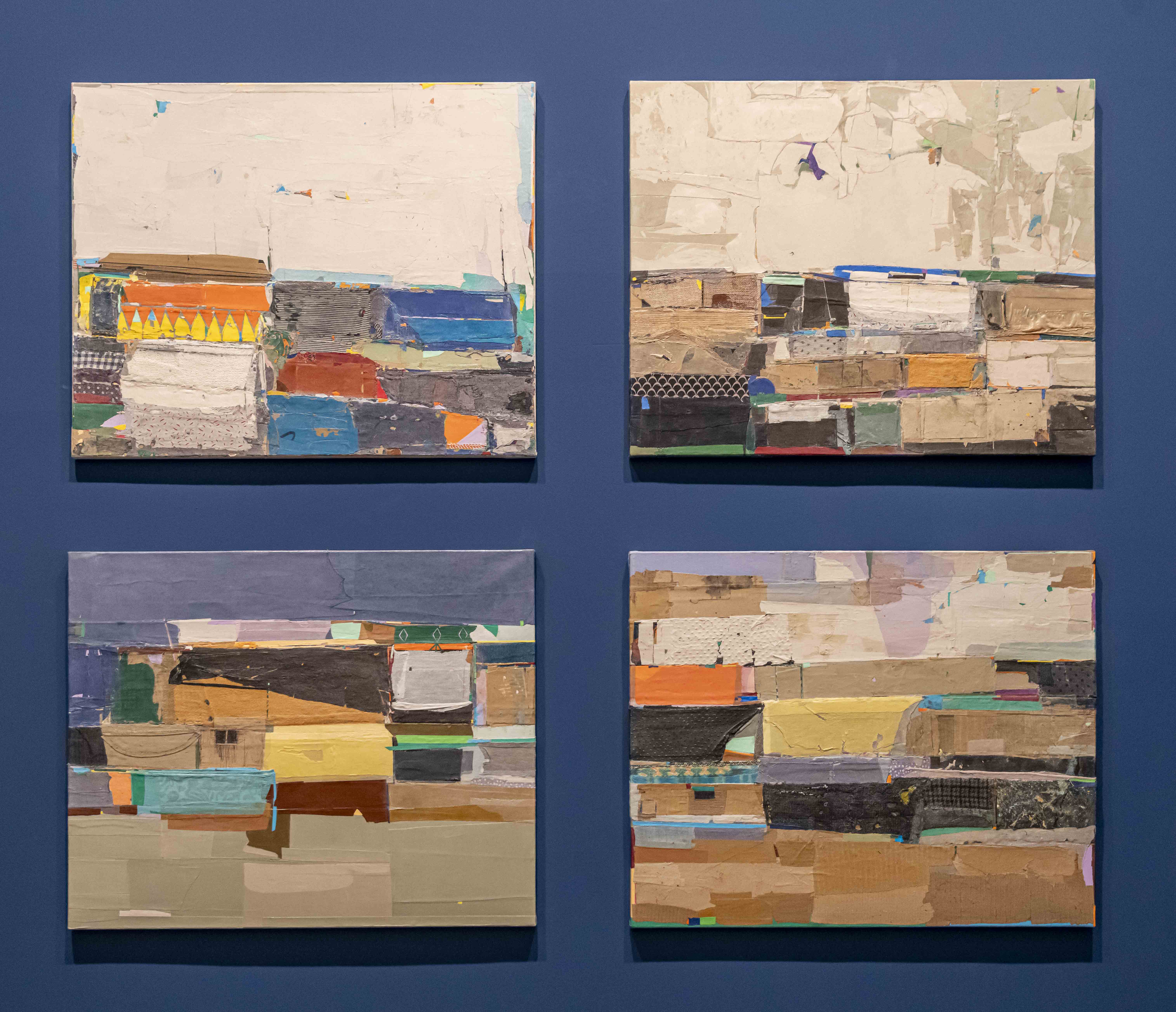
Mohammed Joha trained at Al-Aqsa University in Gaza City, and received mentorship, in Jordan, from the late Syrian-German artist Marwan Qassab-Bachi. But a fundamental formative influence was his childhood in Gaza. Joha left Gaza in 2004, but it remains the core of his work.
Joha’s collaging technique, in which he overlays discarded materials – paper, cardboard, fabric – on to canvas in vibrant compositions, takes it cue from everyday practices of Gazans caught in ceaseless cycles of destruction and rebuilding. He made the series No Shelter while witnessing the near-total annihilation of Gaza on the screen. Although formally abstract, the collages bear an intense charge. The act of repurposing becomes a testament to the creative resilience of a population who have been left to expire while the powerful watch with indifference.
No Shelter also includes a series of watercolour paintings that depict landscapes of Gaza in gentle stokes, with minimal detail but equally evocative power. Theya re often spotted with a brighter colour, like a pulse of life that will not be extinguished. No Shelter is not merely a mournful chronicle of indignity, forced displacement and loss. It is also an elegy for steadfastness, care and the refusal to disappear.
—Rasha Salti
Edouard Duval-Carrie
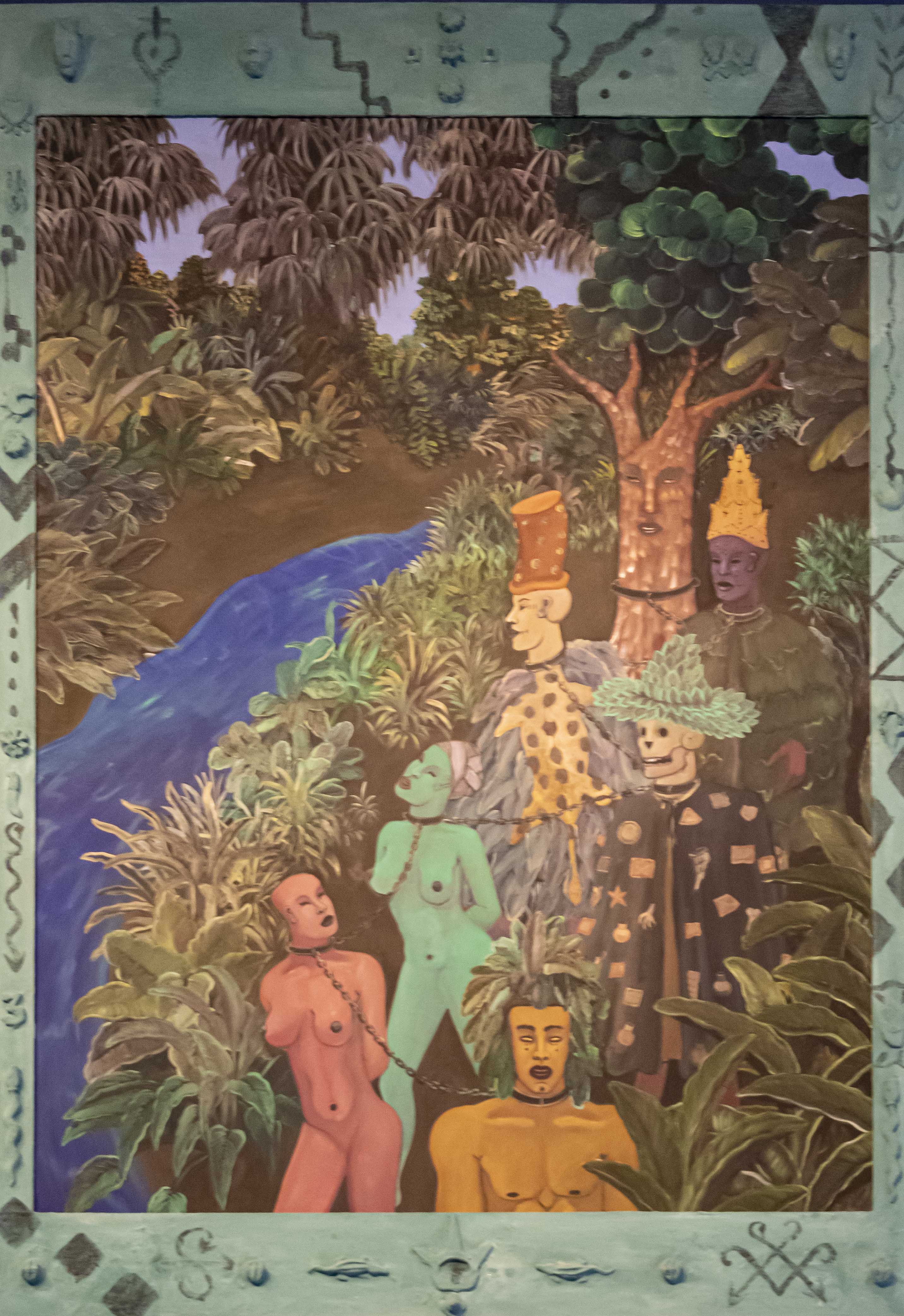
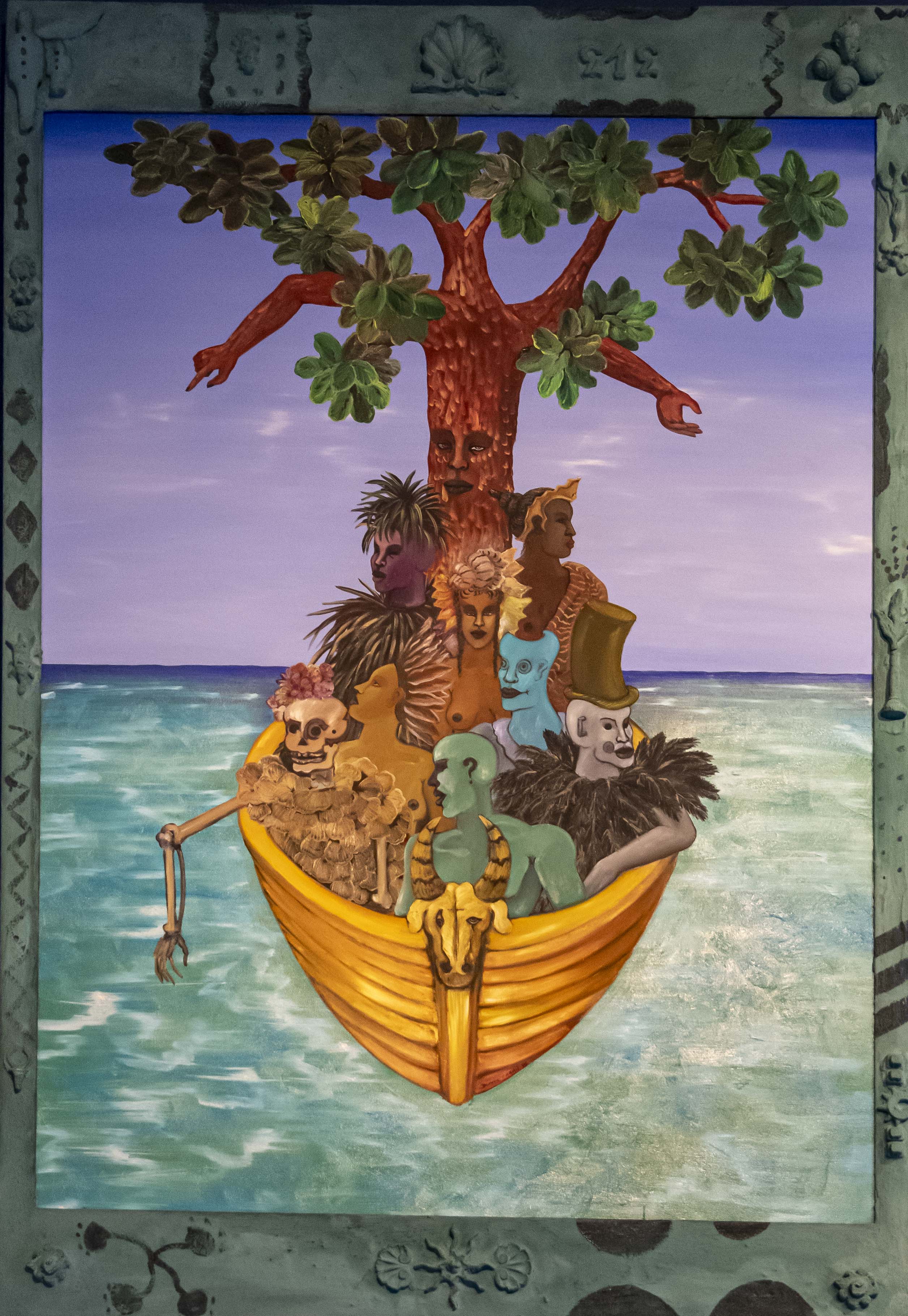
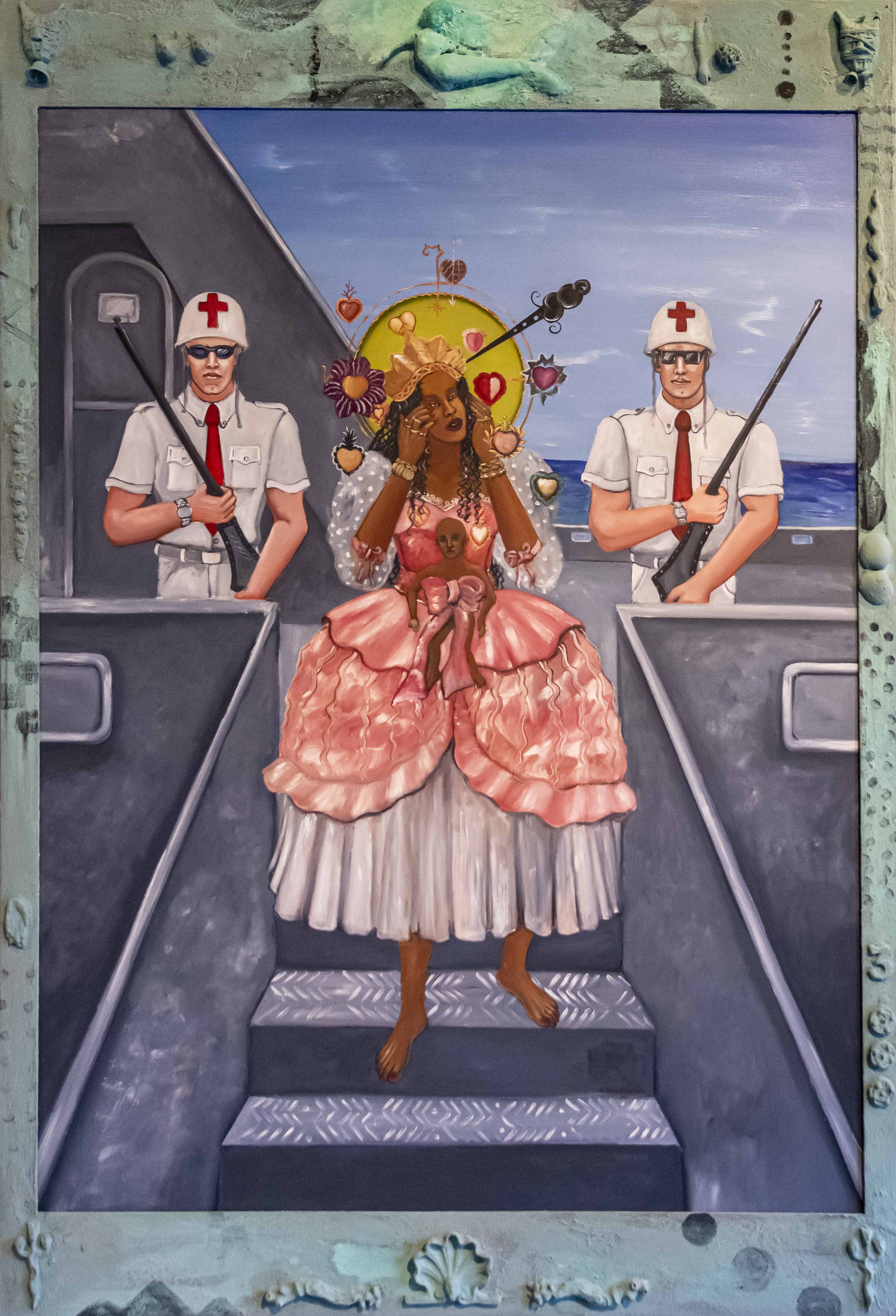
After the 1991 military coup, thousands of Haitians fled the country. Edouard Duval-Carrie had recently moved to Miami, where he observed this mass migration. Stories of Haitians drown in the Caribbean evoked memories of the transatlantic slave trade. The artist wondered, What did the Haitian people bring with them? The answer was clear: the spirits known as the Iwas. Adapted and reconfigured from various parts of Africa, the Iwas are central to Haitian vodou, a religious practice, a cosmology and a system of thought deeply embedded in the cultural, social and political history of Haiti and central to the Haitian revolutions (1791-1804).
Thus emerged a series of deities in bronze and oil on canvas. We stand before this pantheon – before the Bawon Samdi, who reminds us of death and rebirth; before Ezili, who is dressed in her finest, surrounded by US Marines – and understand that the artist has not only illuminated history but intervened in a historic moment. Duval-Carrie’s makes clear that the spirits/gods/Iwas are always amongst the Haitian people. His work imagines a rich panoply of Iwas that create the counter-symbolic imaginative order of Haiti.
—Anthony Bogues
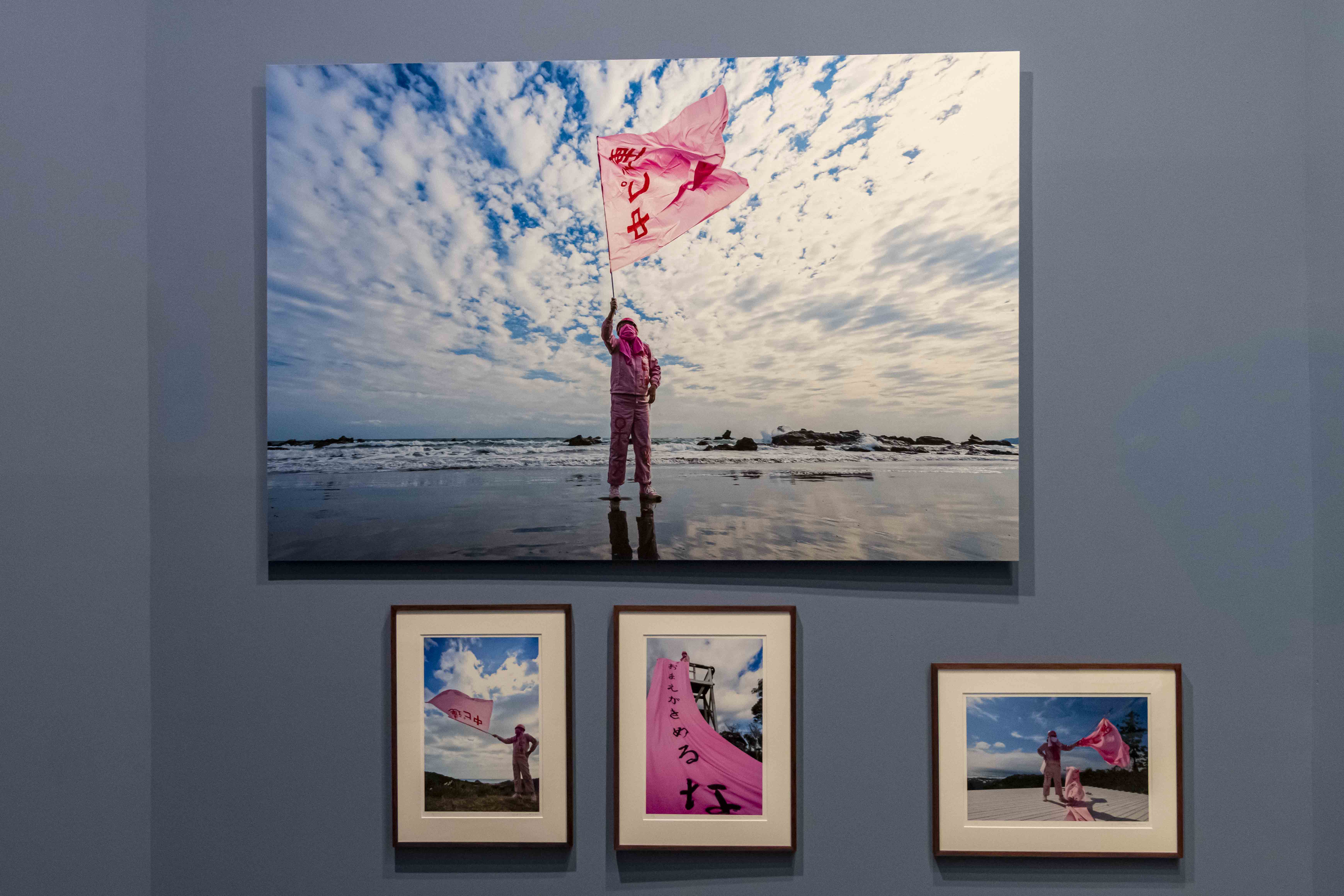
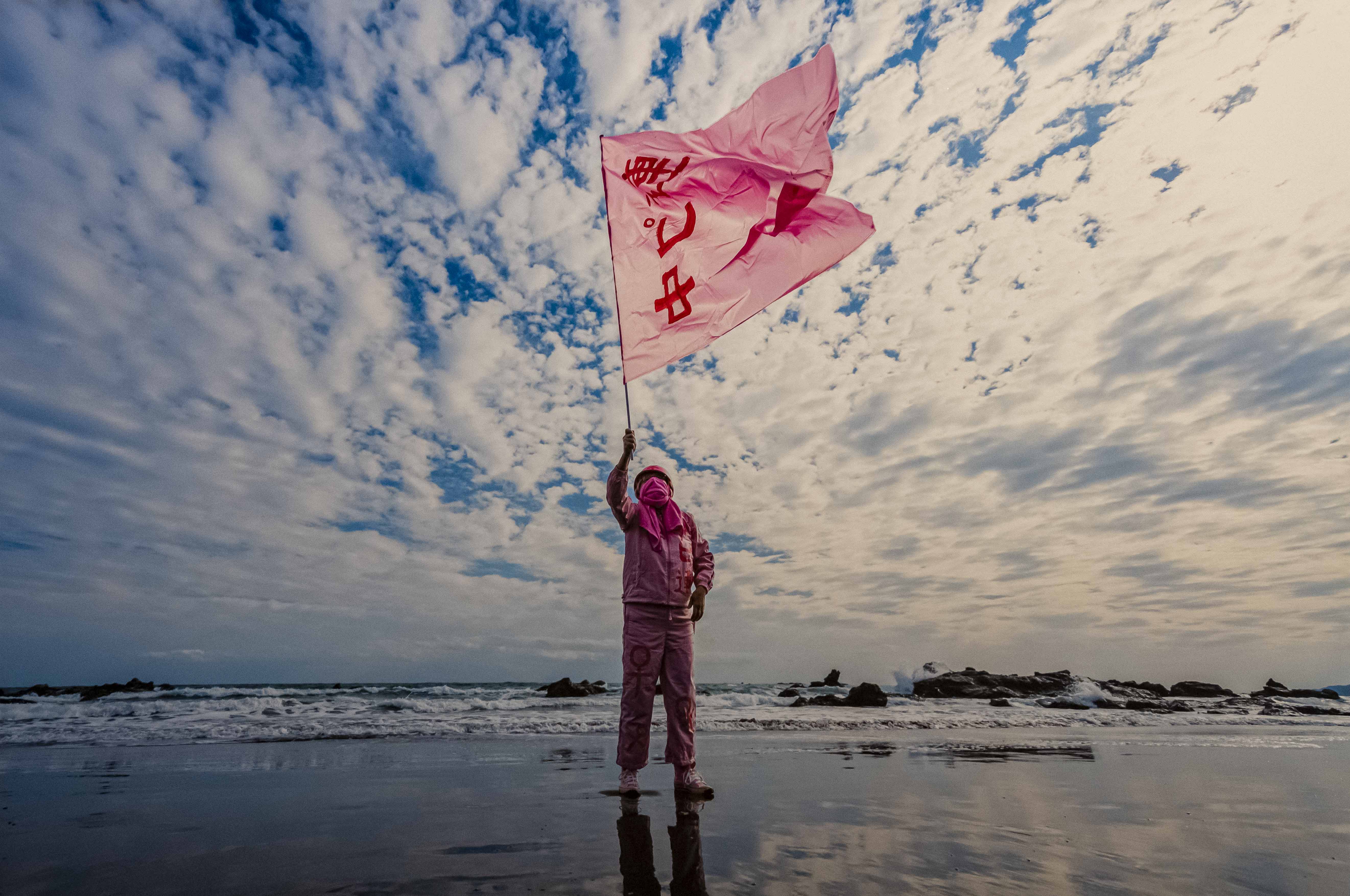
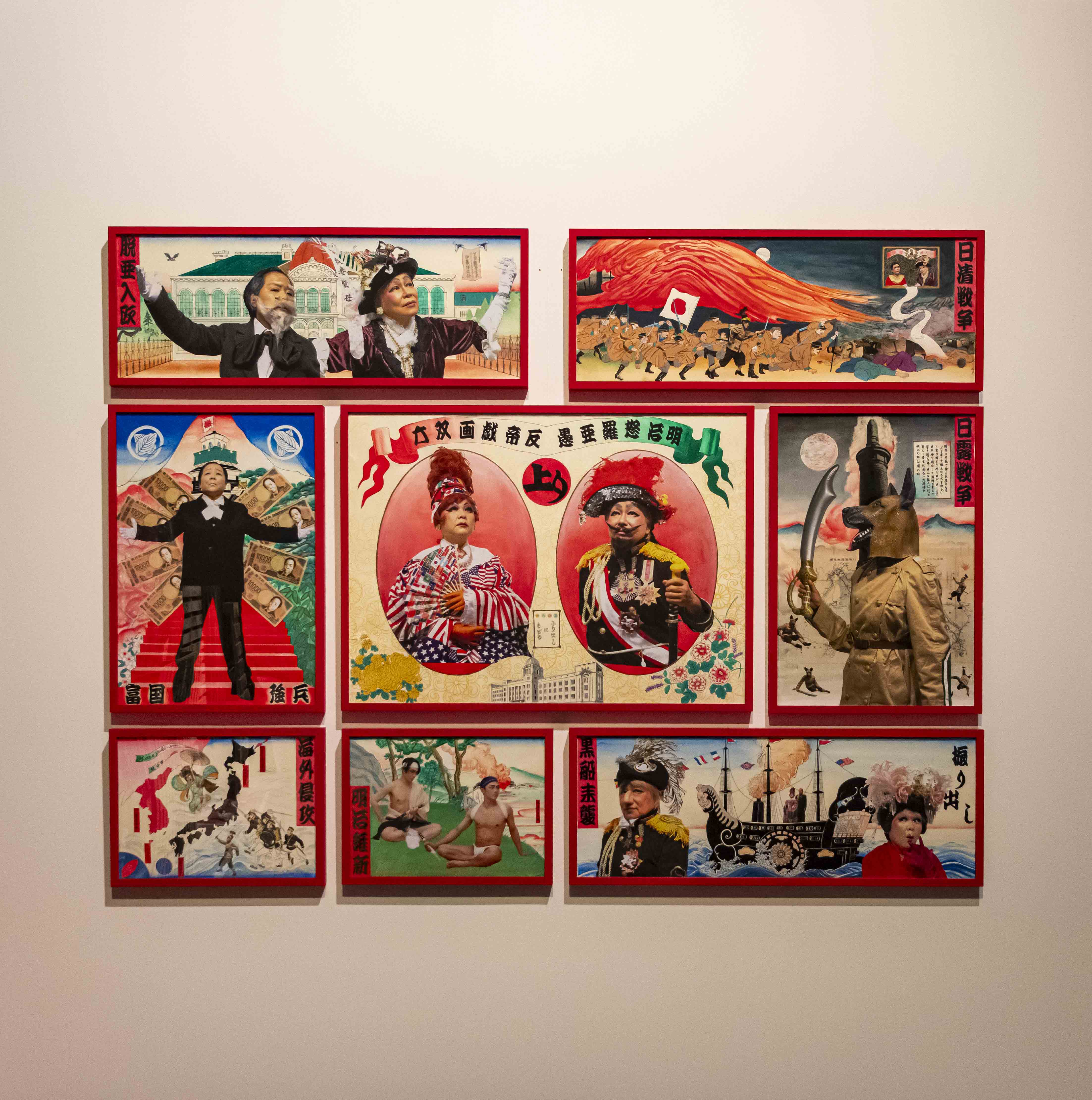
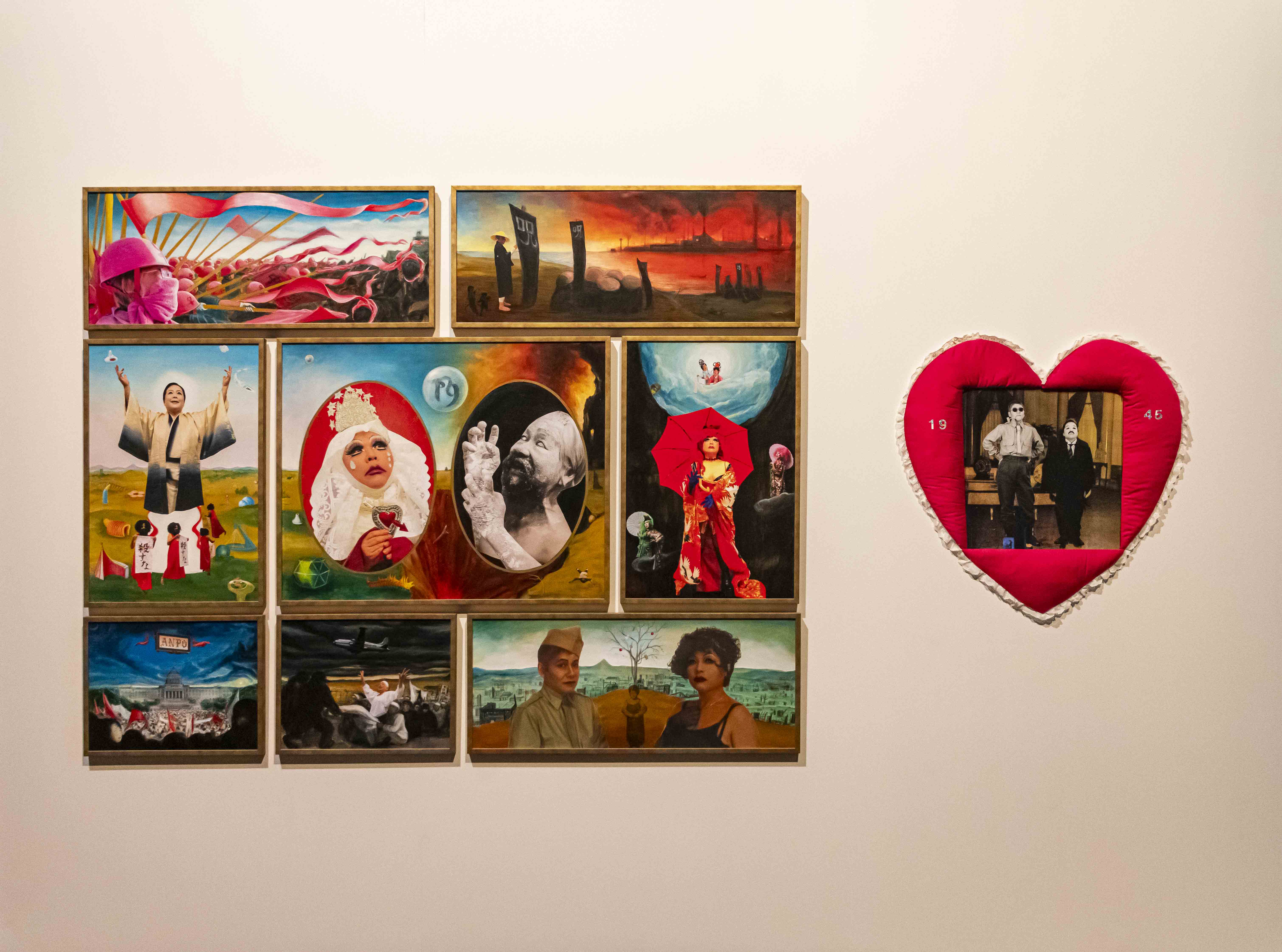
Yoshiko Shimada
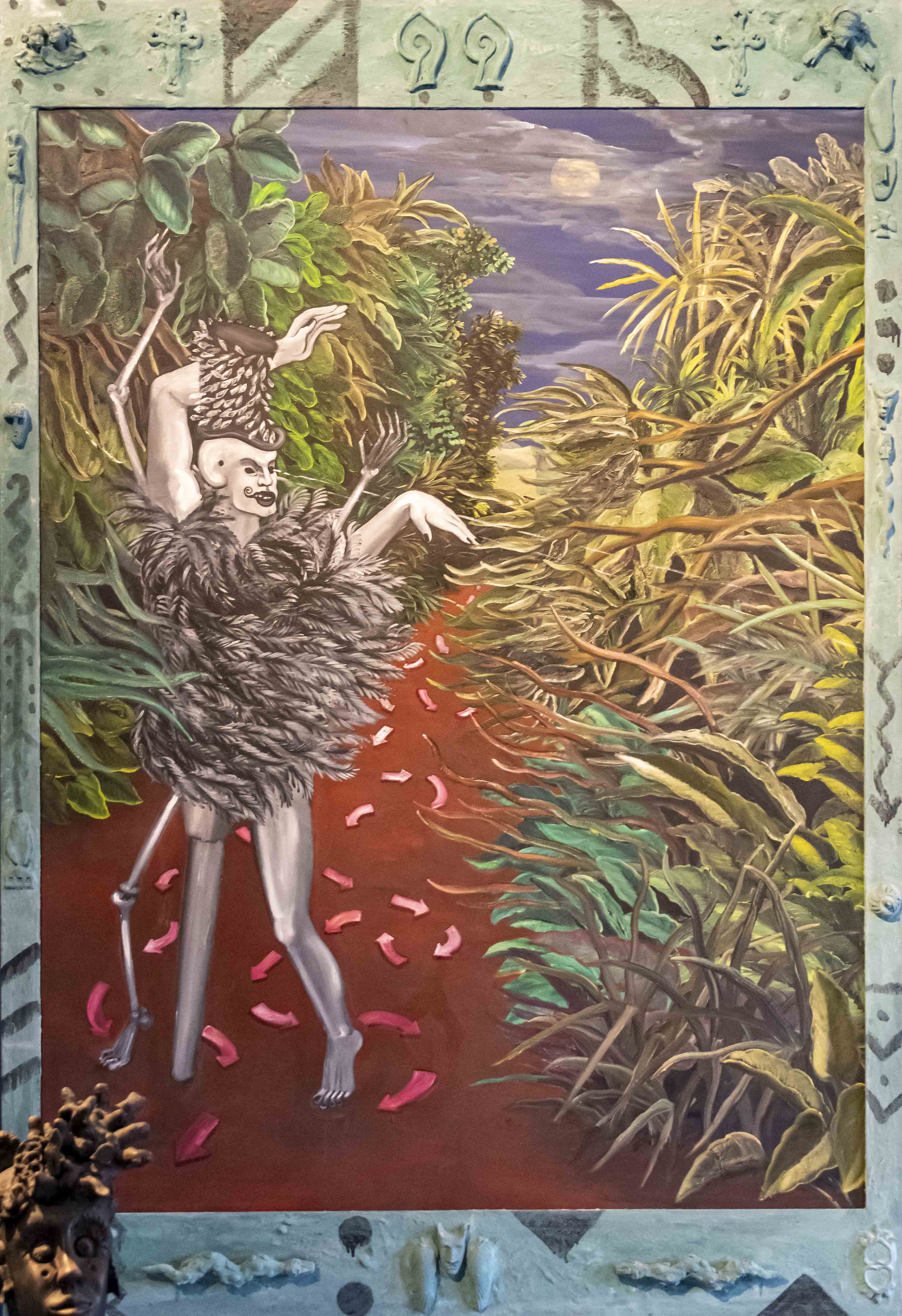
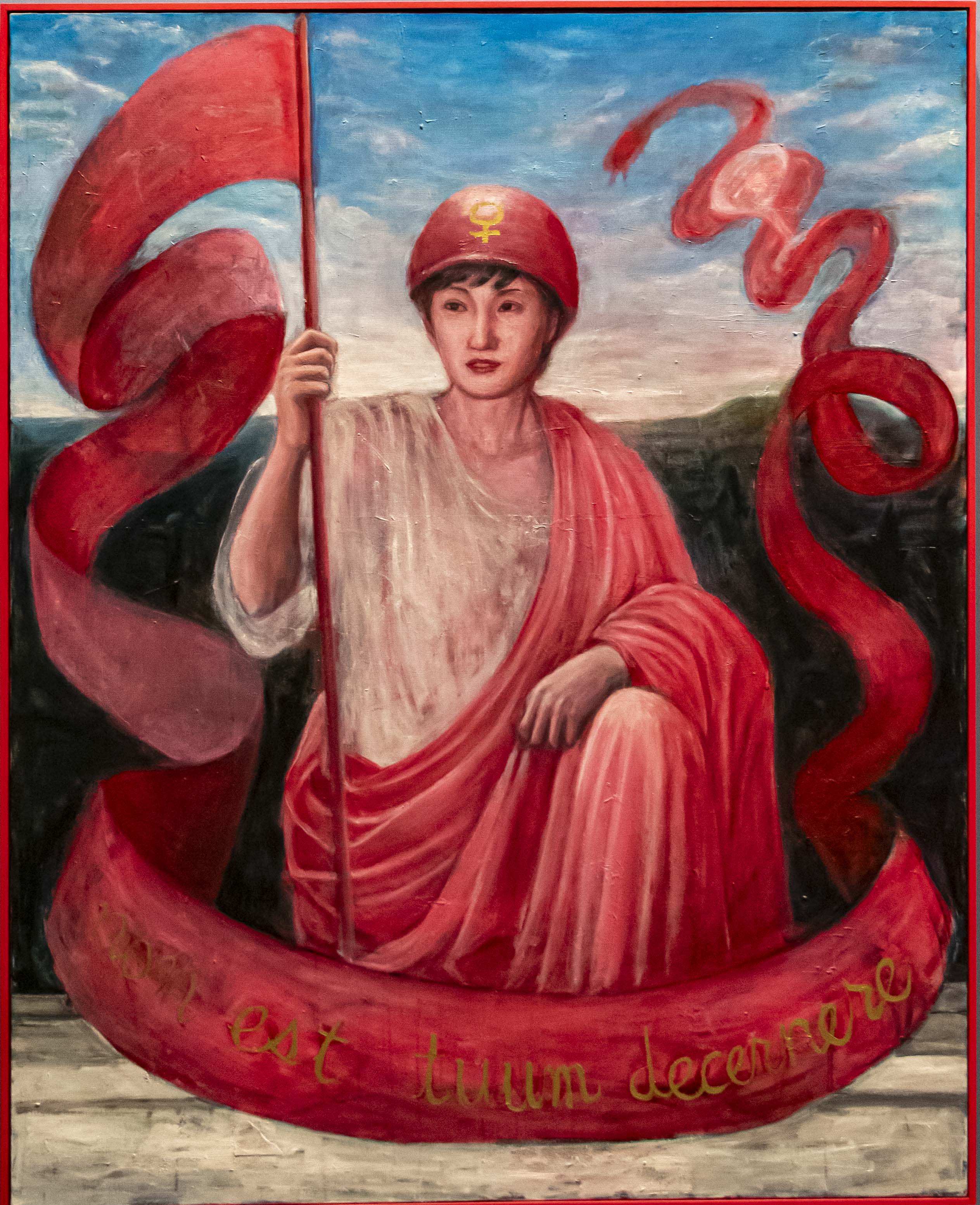
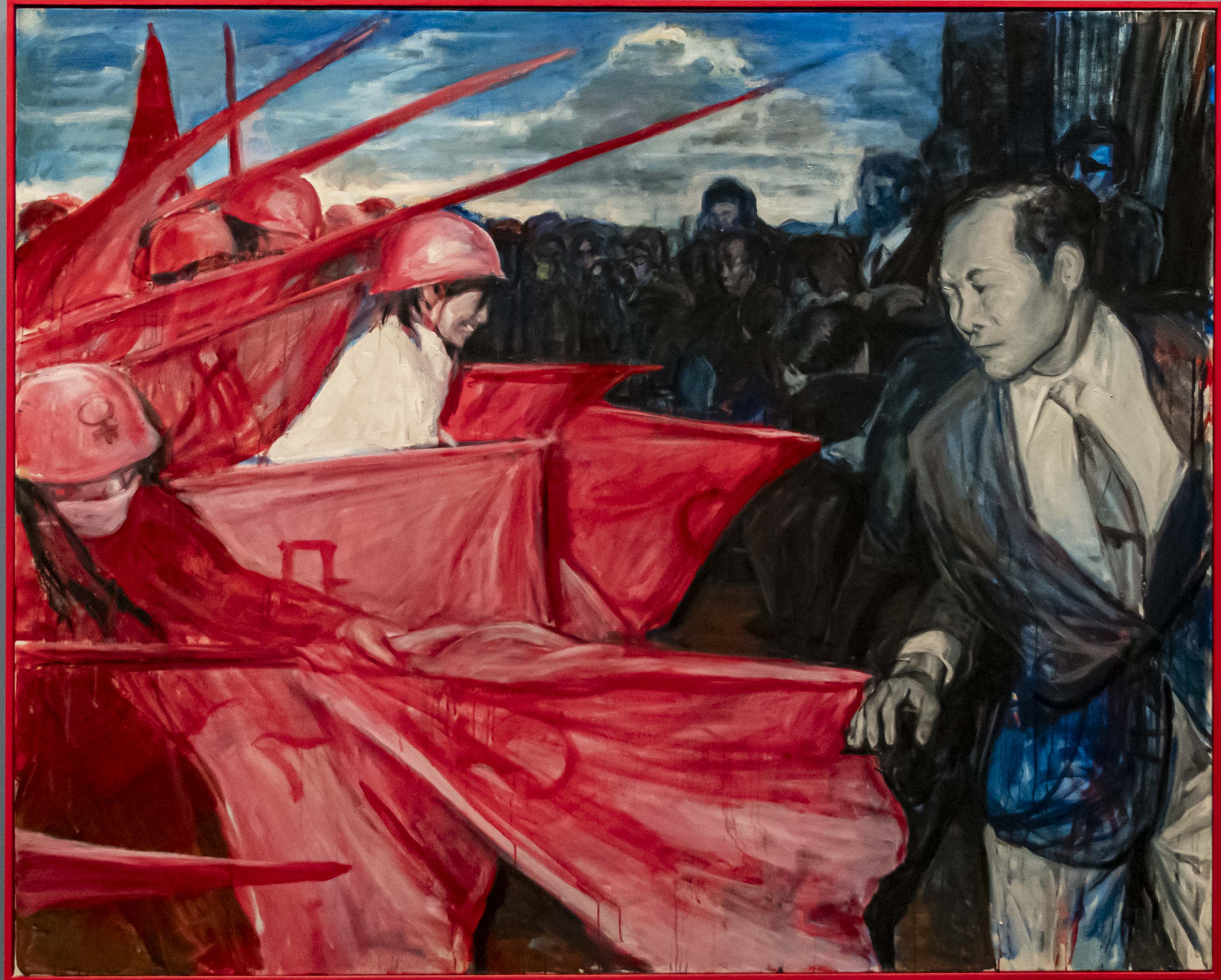
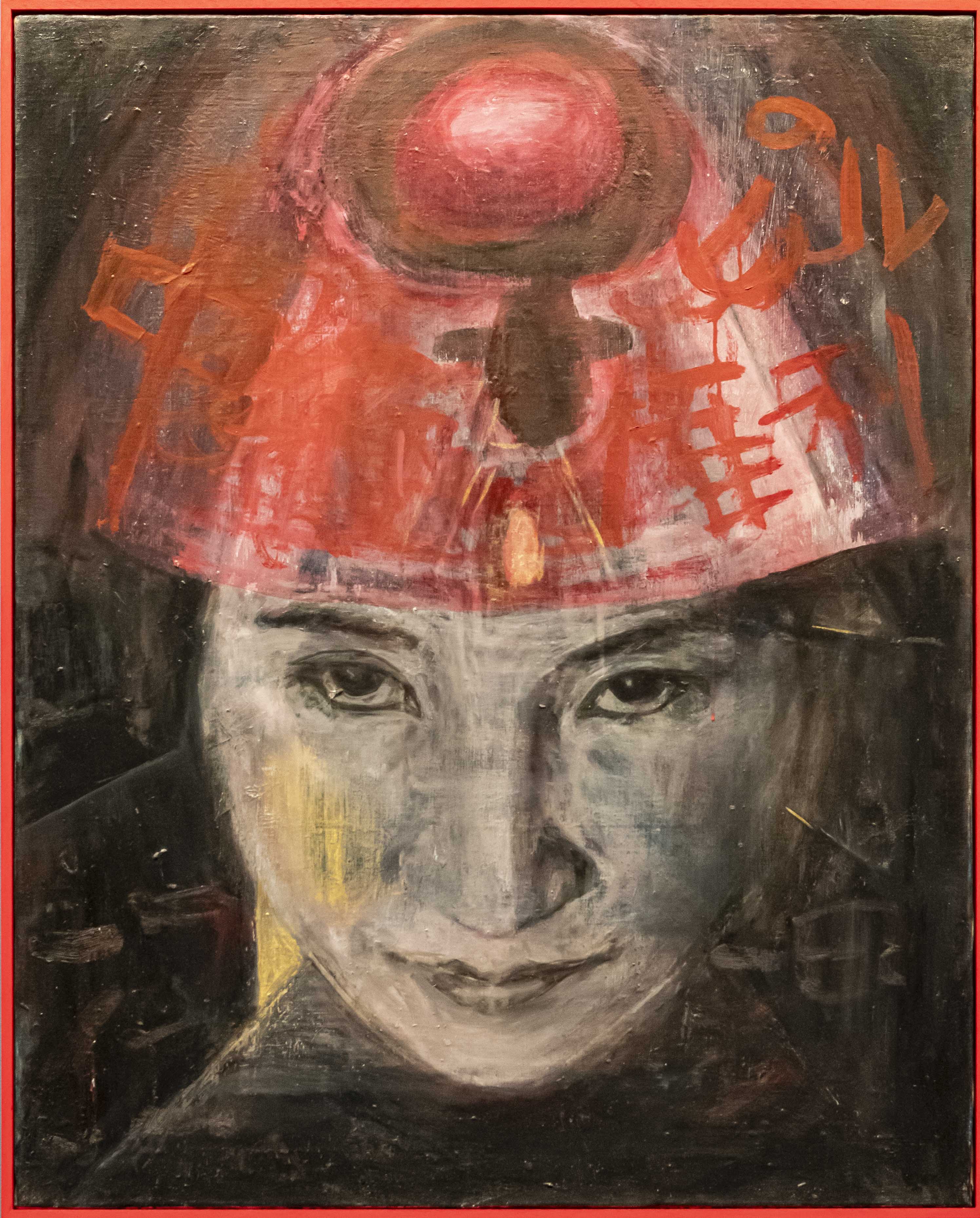
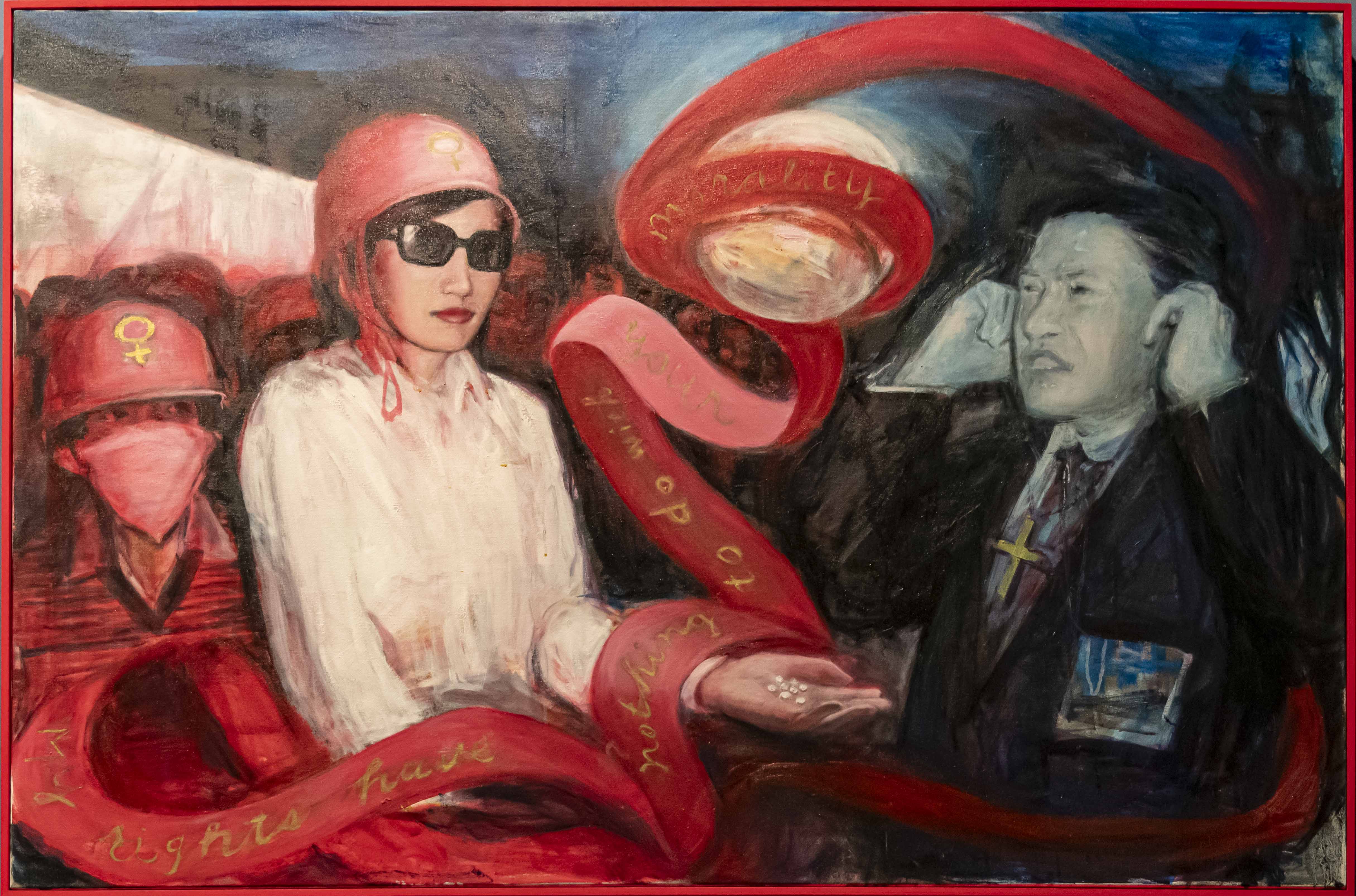
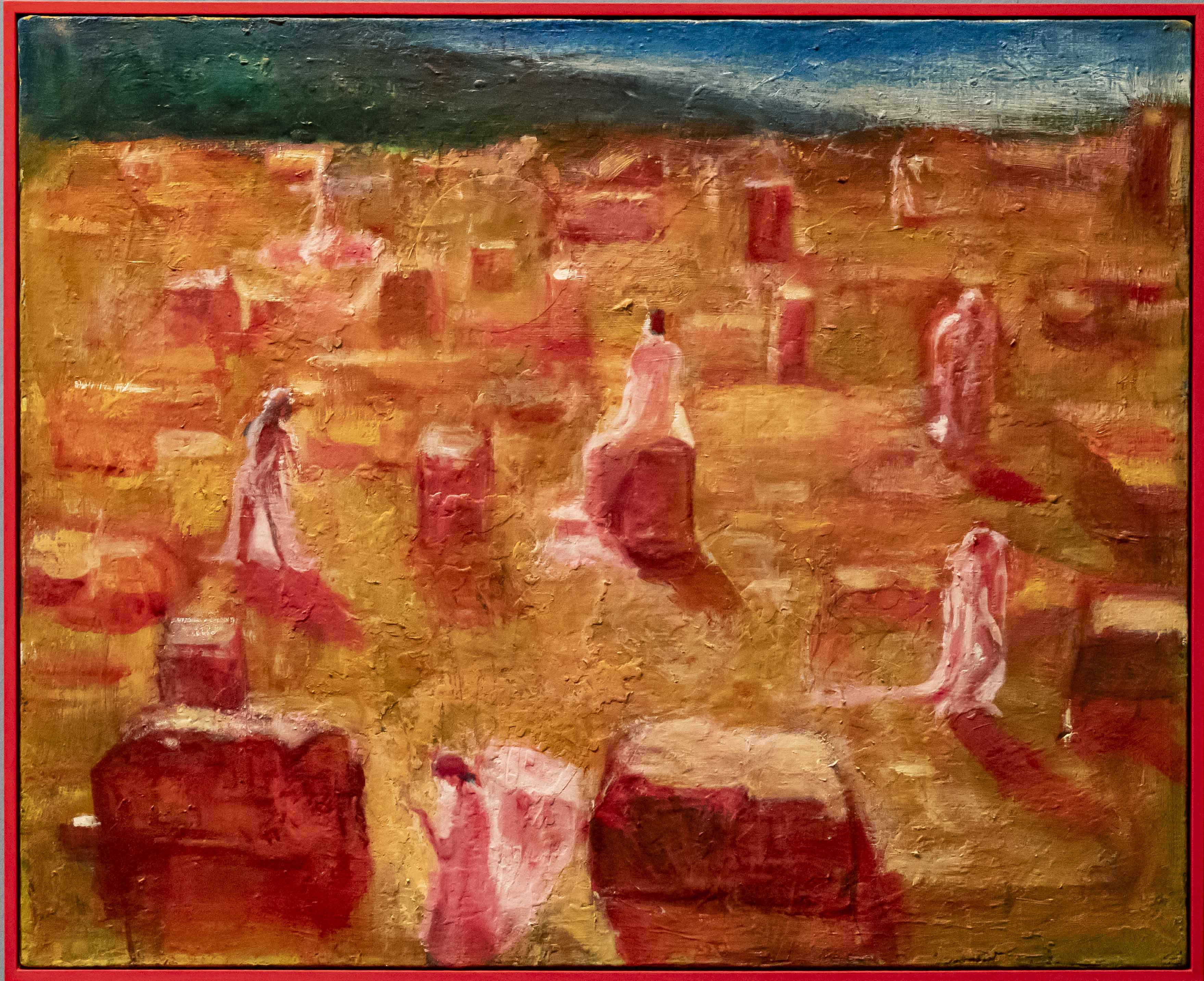
Since the 1990s, Yoshiko Shimada has explored cultural memory and the role of women as both aggressors and victims the Asia-Pacific War (1941-1945), through print making, installation, video, performance, research and archiving. In the late 1990s she collaborated with BuBu de la Madeleine for the two-person exhibition Made in Occupied Japan (1998), incorporating performance and drag into her practice for the first time. In 2012 she performed Being a Statue of a Japanese Comfort Woman in Japan, London, Seoul and Los Angeles.
After Japan fell into a strong anti-feminist backlash in the 2000s, Shimada was largely prevented from showing her work. As a result, she began researching art and politics of the 1960s and 1970s, a period that paved the way for the third and fourth waves of feminism. Shimada’s most recent work has focused on the feminist political group Chupiren, a militant organisation that emerged in the 1970s and incorporated street theatre into its activism. With their distinctive pink helmets, these activists, led by Misako Enoki, fought for access to contraception and sexual and reproductive health: their advocacy still resonates with the current struggle for women’s bodily autonomy. To this day, it remains the only feminist movement in Japan to mount a national election campaign.
—Johann Fleuri
Johannes Phokela
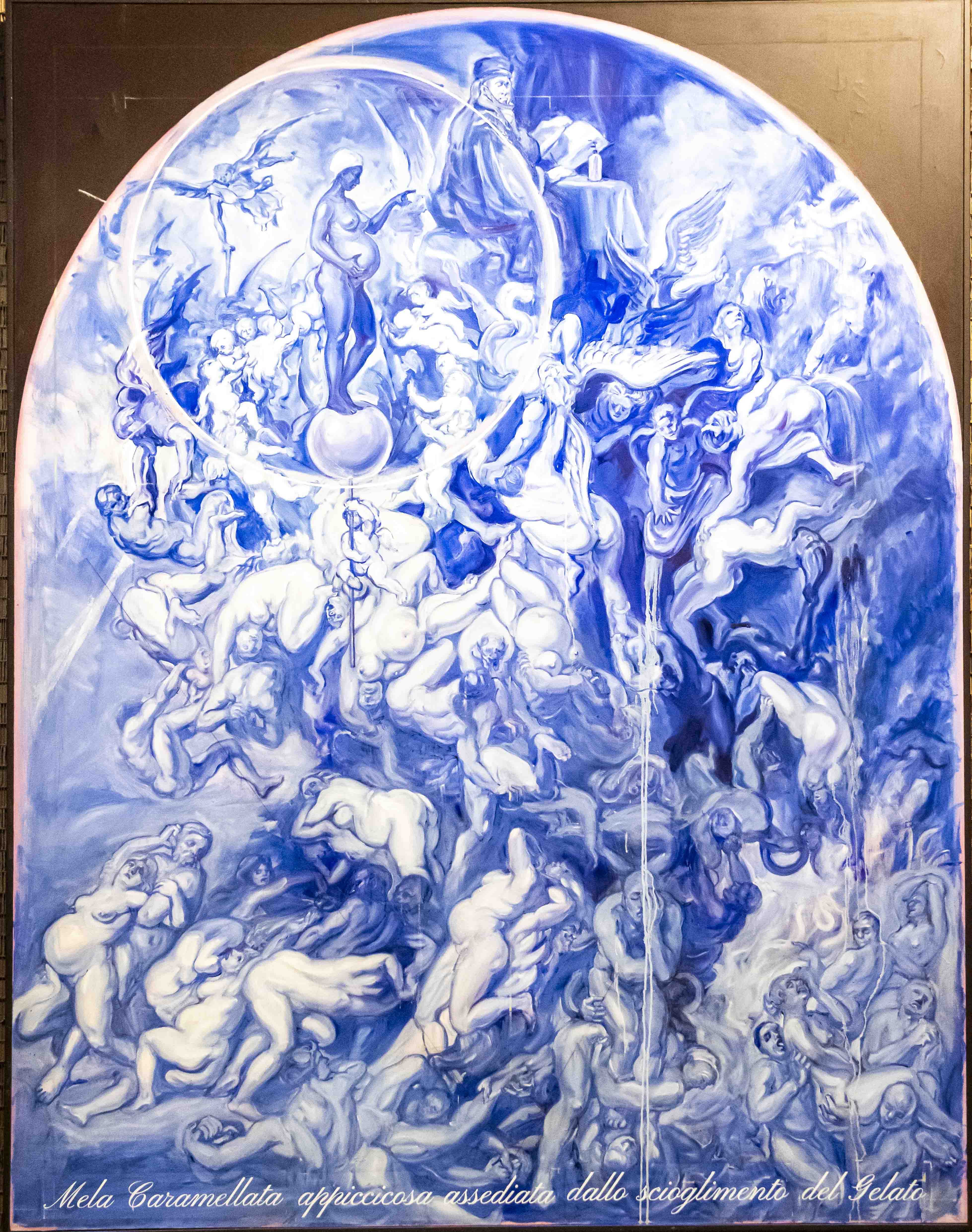
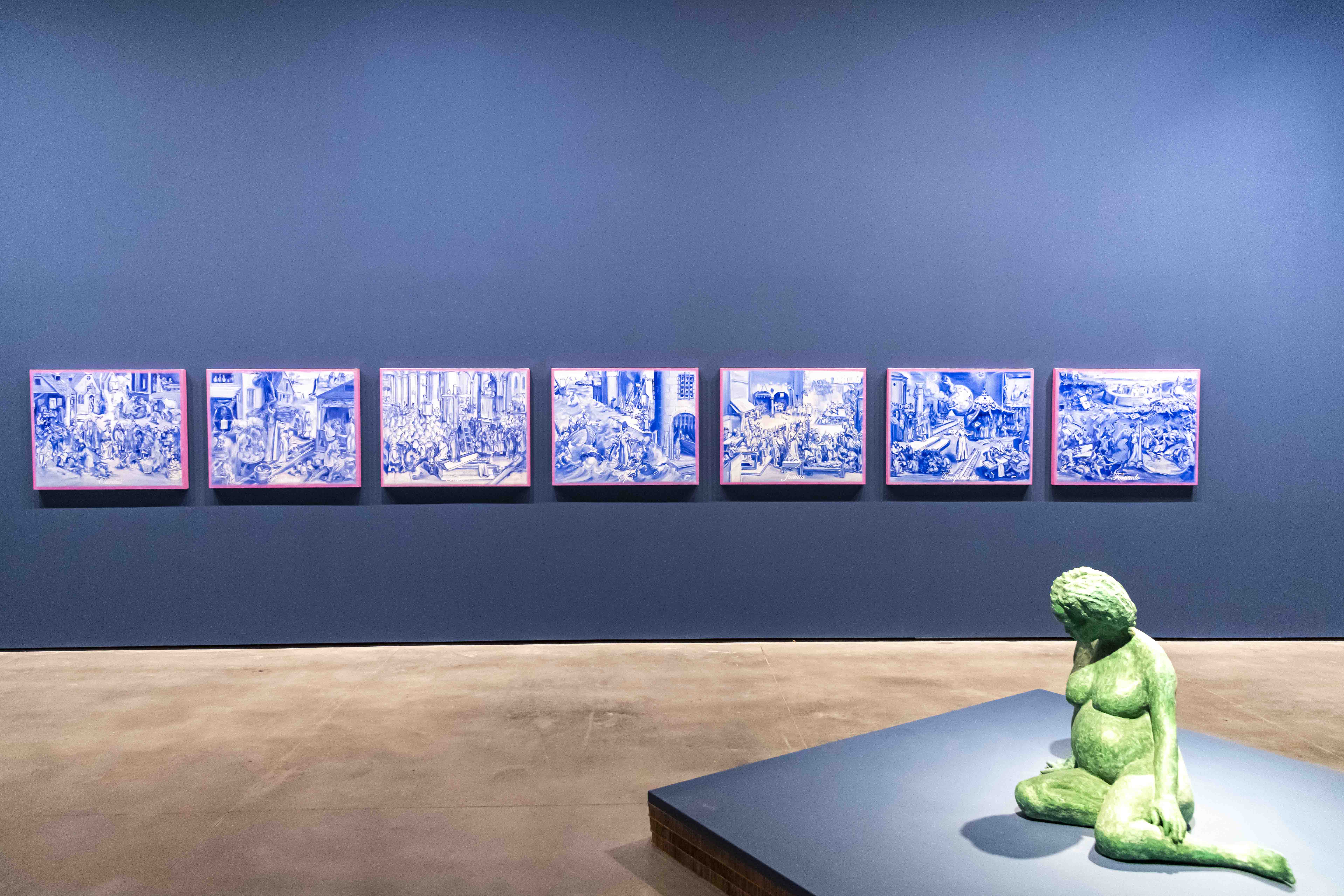
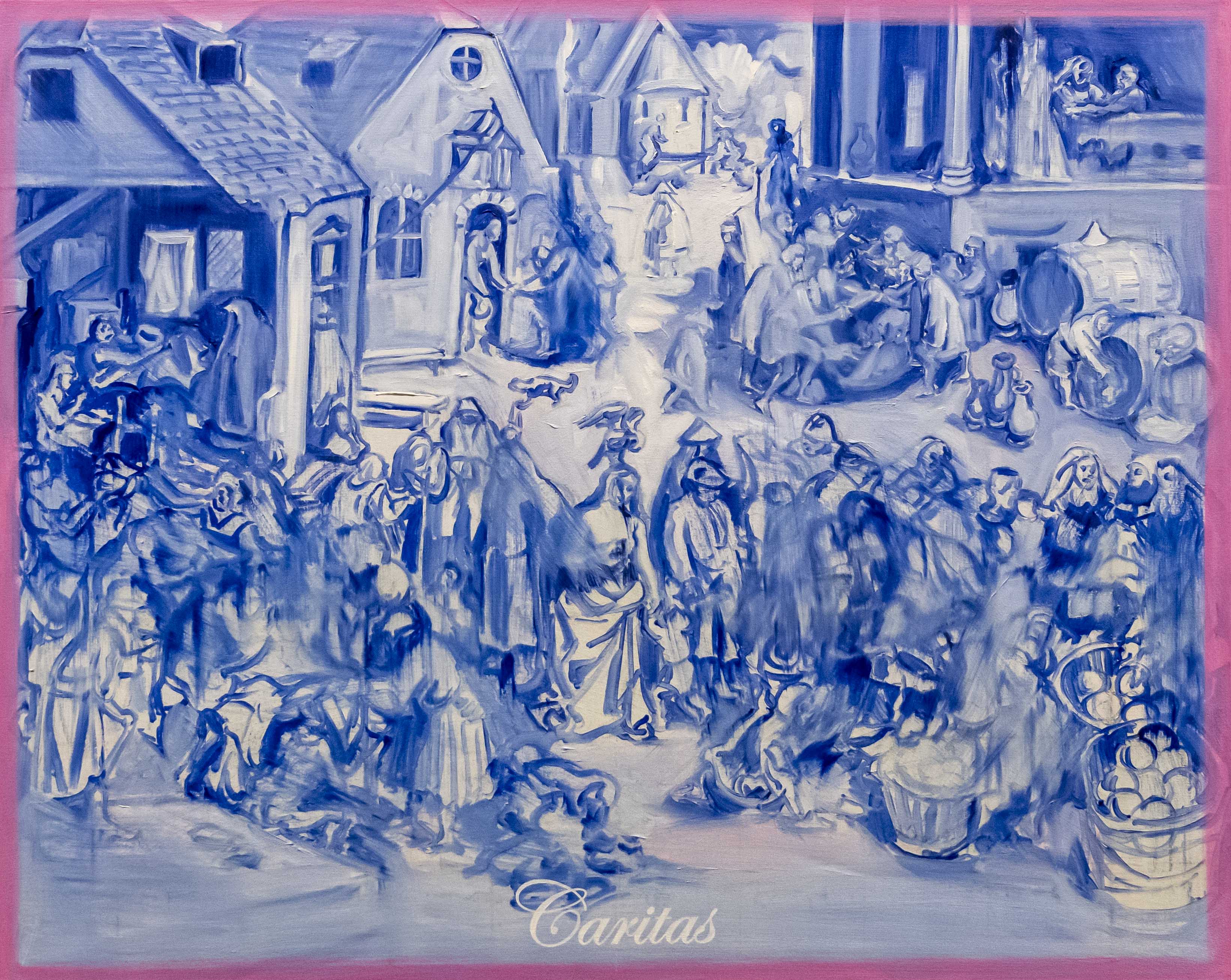
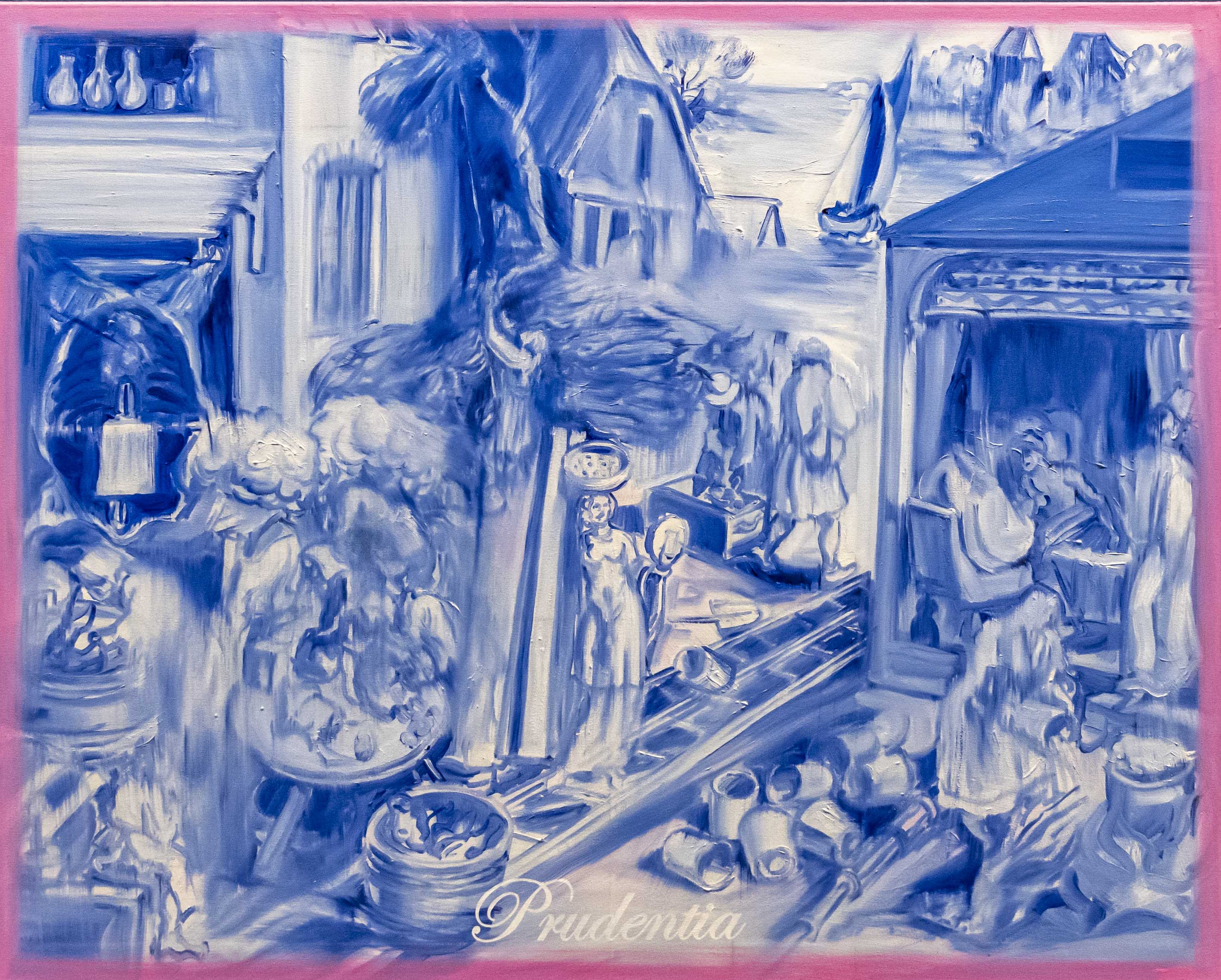
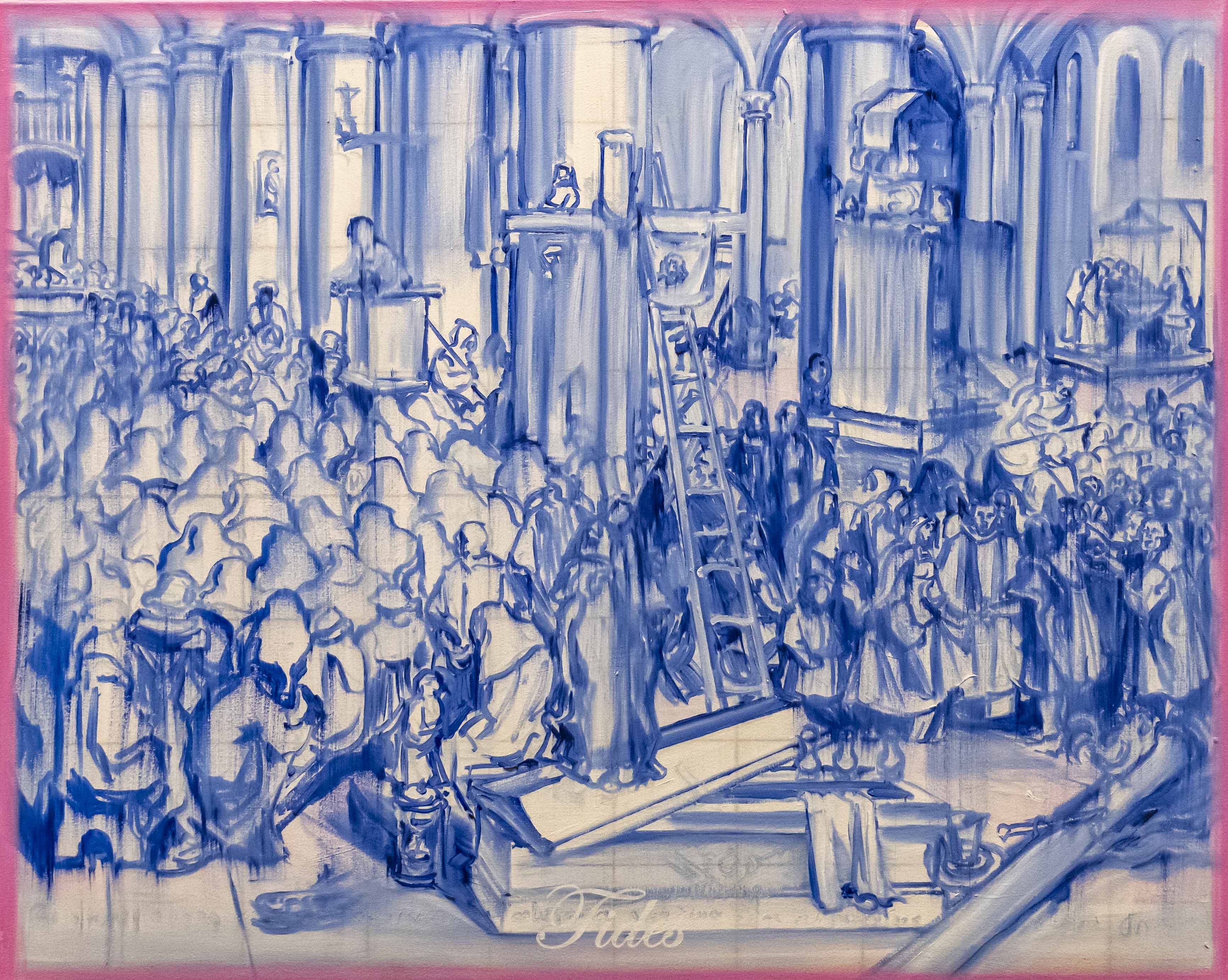
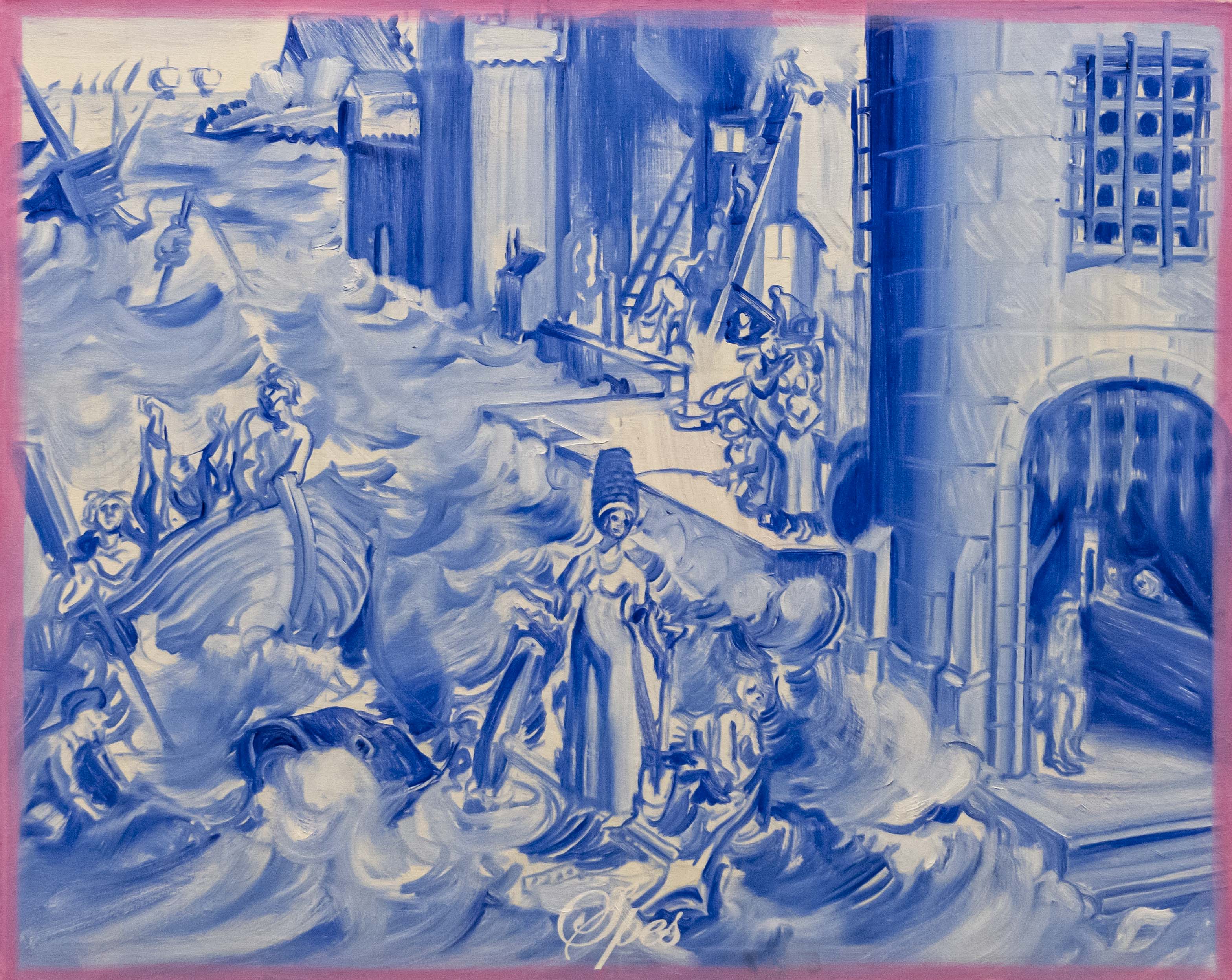
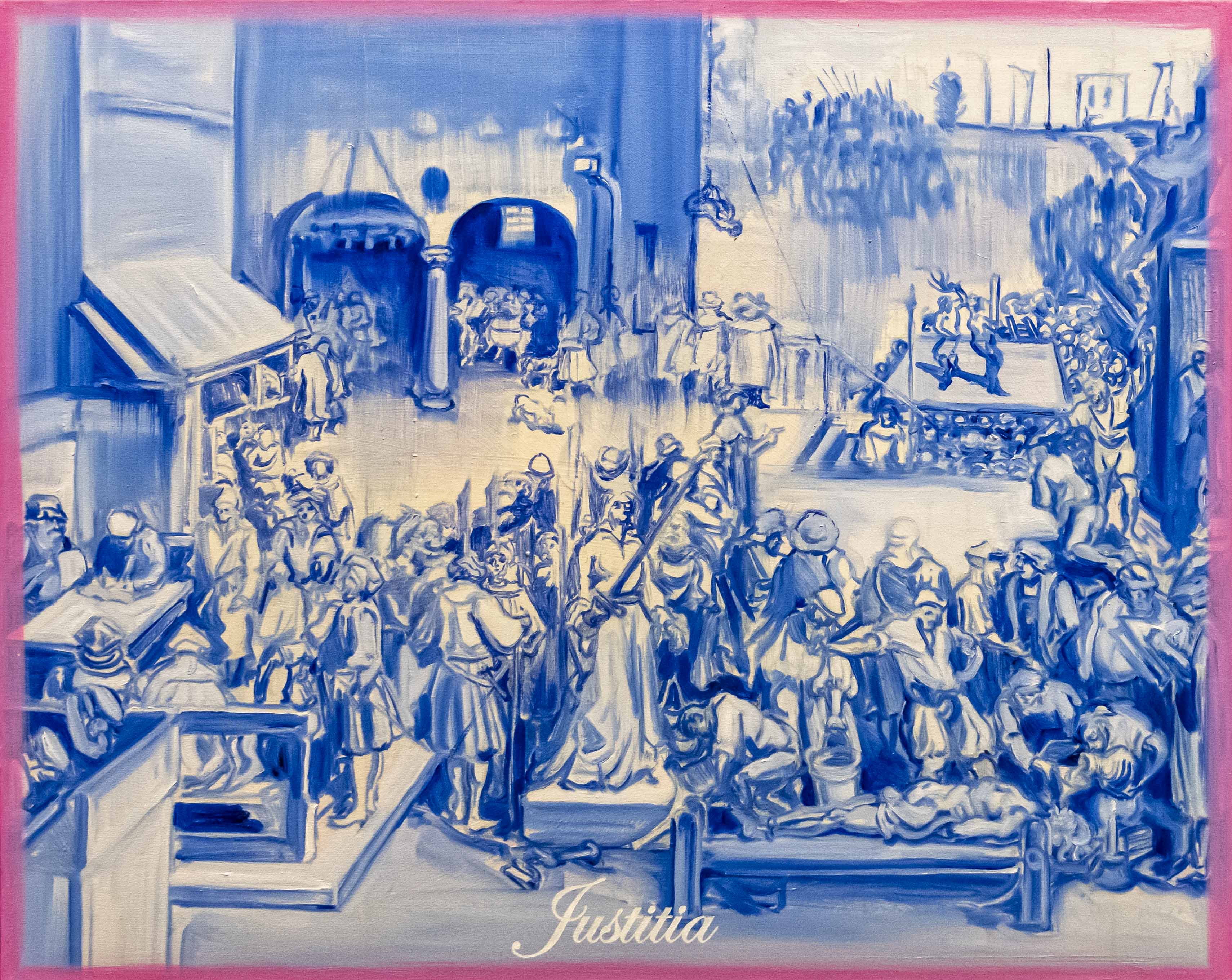
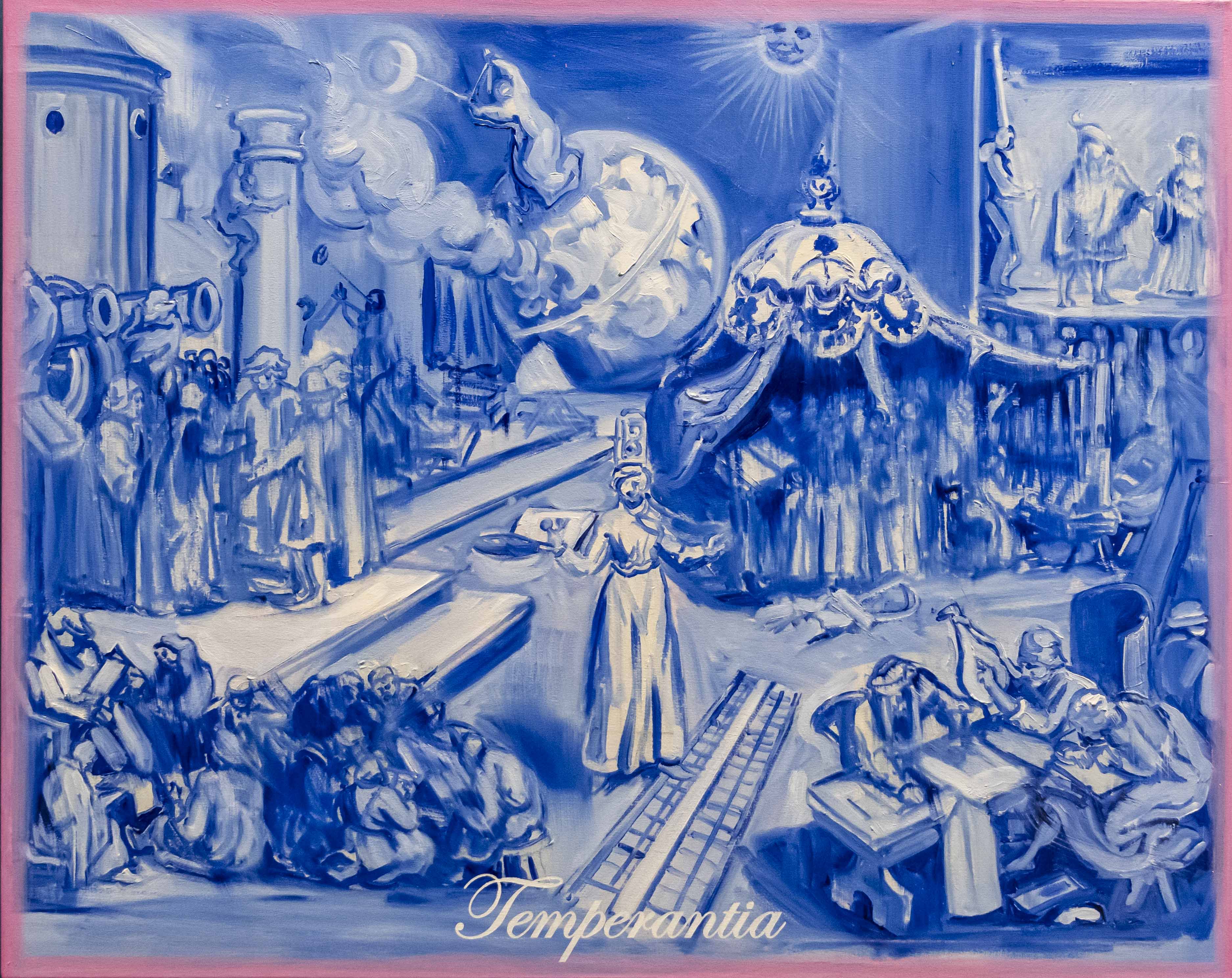
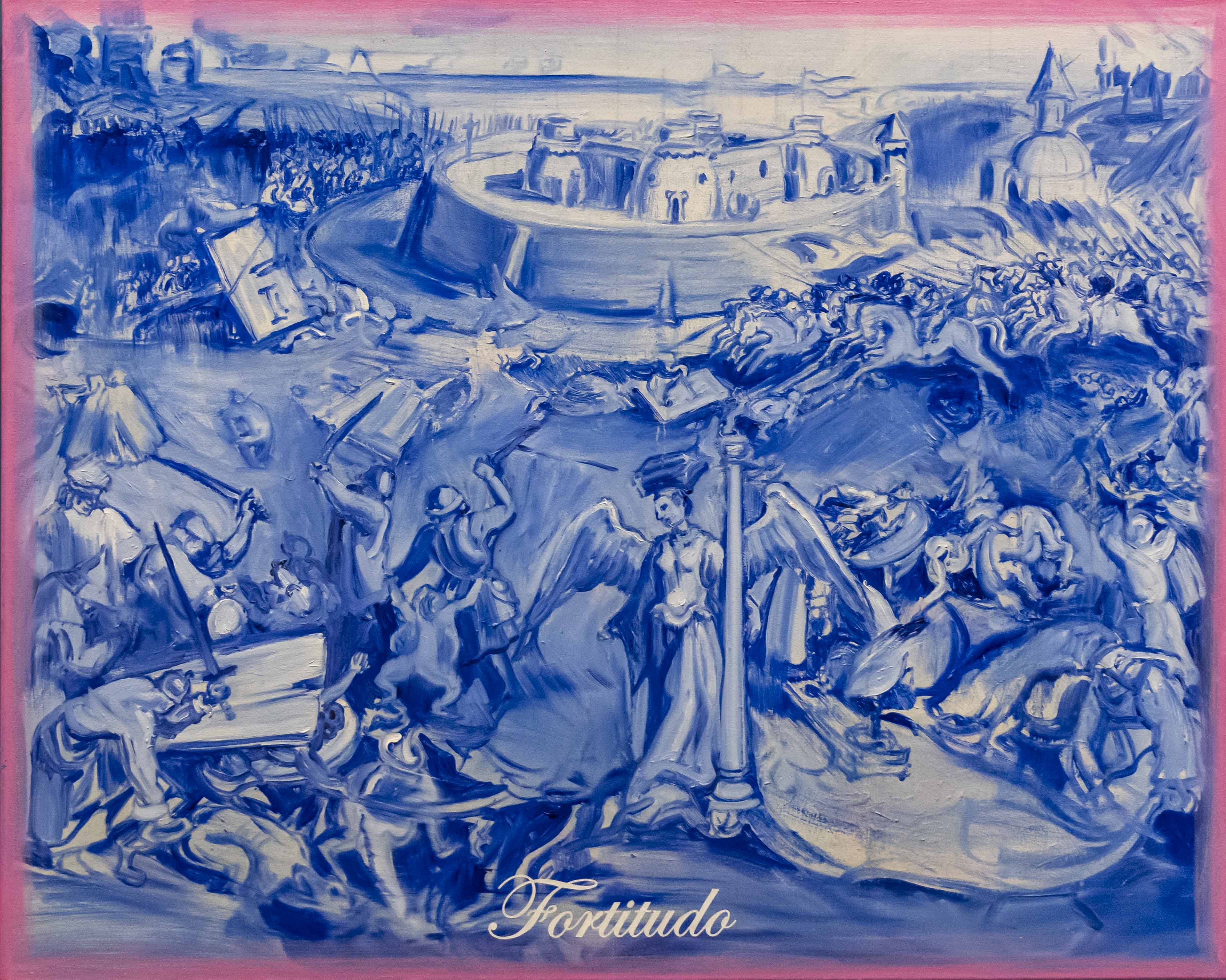
Consider that Johannes Phokela is a South African history painter and that history is never finished. It is now and now and now, erupting all about us. Consider that Phokela was born in Soweto in 1966, ten years before the Soweto Uprising and the years of state violenece and repression that followed it. Consider that he is a devoted and furtive iconoclast – an artist who hijacks genealogy of representation of Africans across European Art and turns its tropes back on their source. Consider that blue and white, the chosen palette for these works, were the colours of the Chinese and Japanese porcelain imported by the Dutch East India Company – the largest corporation in human history – and the decorations on those became a primary source by which the Netherlandish public visualized non-Western cultures and people.
Phokela interrogates and upends the qualities vaunted by Western Christendom. Original Sin (Inner Circle) (2021), on view at the Corderie, Arsenale, revisits a theme from Rubens, but now only a pregnant Black woman survives the Last Judgment. In the allegorical suite The Seven Virtues (2024), unhinged pride, greed, wrath, envy, lust gluttony and sloth, erupt into a carnival of reversal and subversion. Co-opting the satirical strategies of Hieronymus Bosch and Pieter Brueghel the Elder to his own ends, Phokela depicts a perverse world awash with chaos and violence.
—Alexandra Dodd
Walid Raad
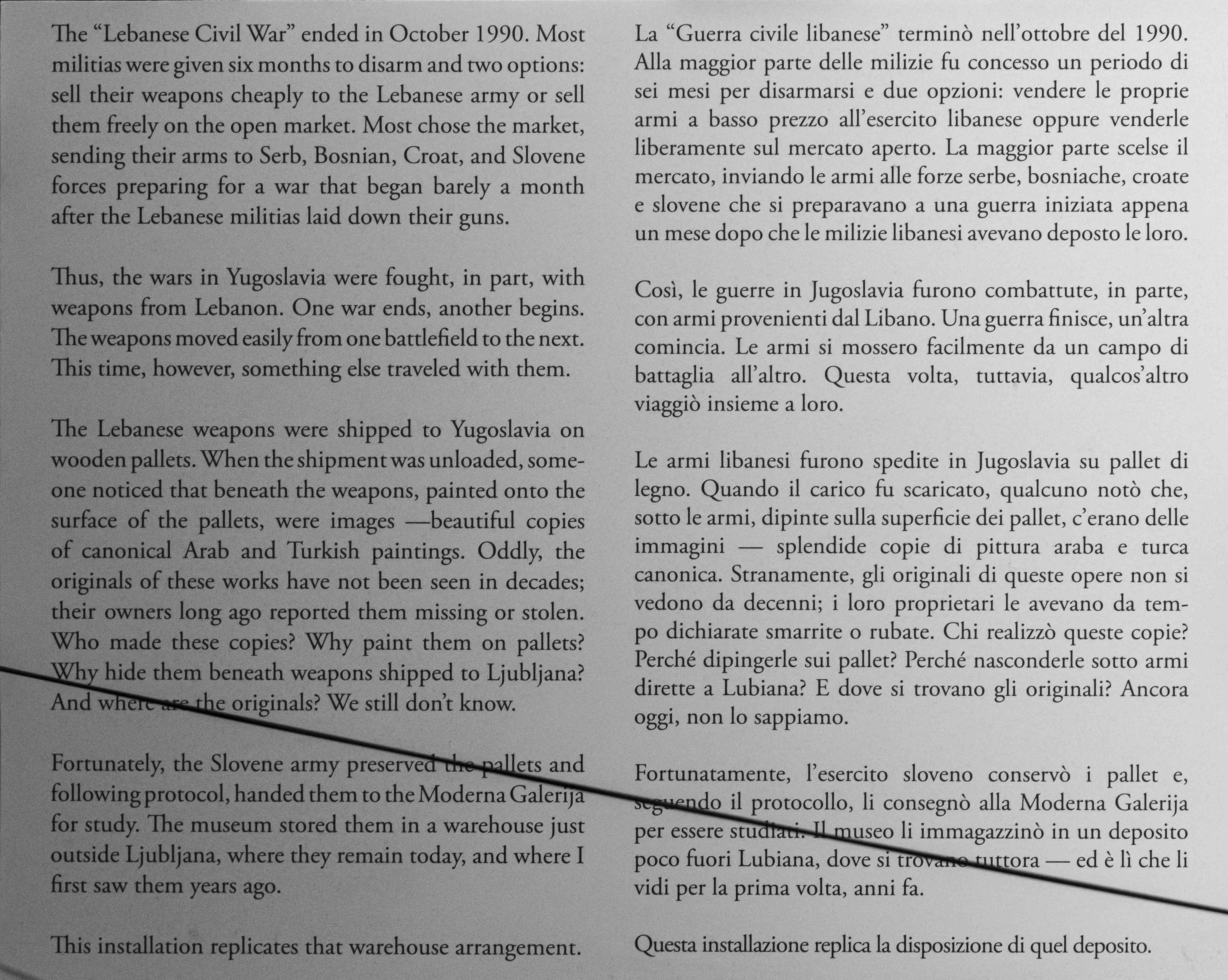
Walid Raad develops manuals for rescue operations. Rescue operations? For whom? For arrested artworks and their shadows, the latter lost or amputated due to involuntary confinements. We see rescue operations for lost or missing paintings, for injured angels, for artworks gone nuts, for falsely reassembled sculptures, architectural maquettes – sometimes even for people who have gone missing, dictators and political leaders included.
Raad’s labyrinths are sliding language operations. All those names and titles, all those grammatical declinations, repeats, erring deviations, slippages of dates, meandering titles together with the evidence of objects and documents form a protective shield by which Raad provides safe passage for endangered artworks and their shadows.
Wars, the artist explains, have the power to damage artworks in ways that even colours, shapes and motifs are affected – not by direct impact but, more ominously by the occupiers’ grip, which turns them into doppelgänger trophies. Just as smugglers or lovers use subterranean tunnels for escape, colours, shapes and motifs may “hide, take refuge, hibernate, camouflage, and/or dissimulate” in places where one would least expect them. Out of the blue, they turn up “out of nowhere” – on pallets used for international shipping, on business cards, footnotes, or on the backs of paintings stored in warehouses for far too long. —Almut Sh. Bruckstein
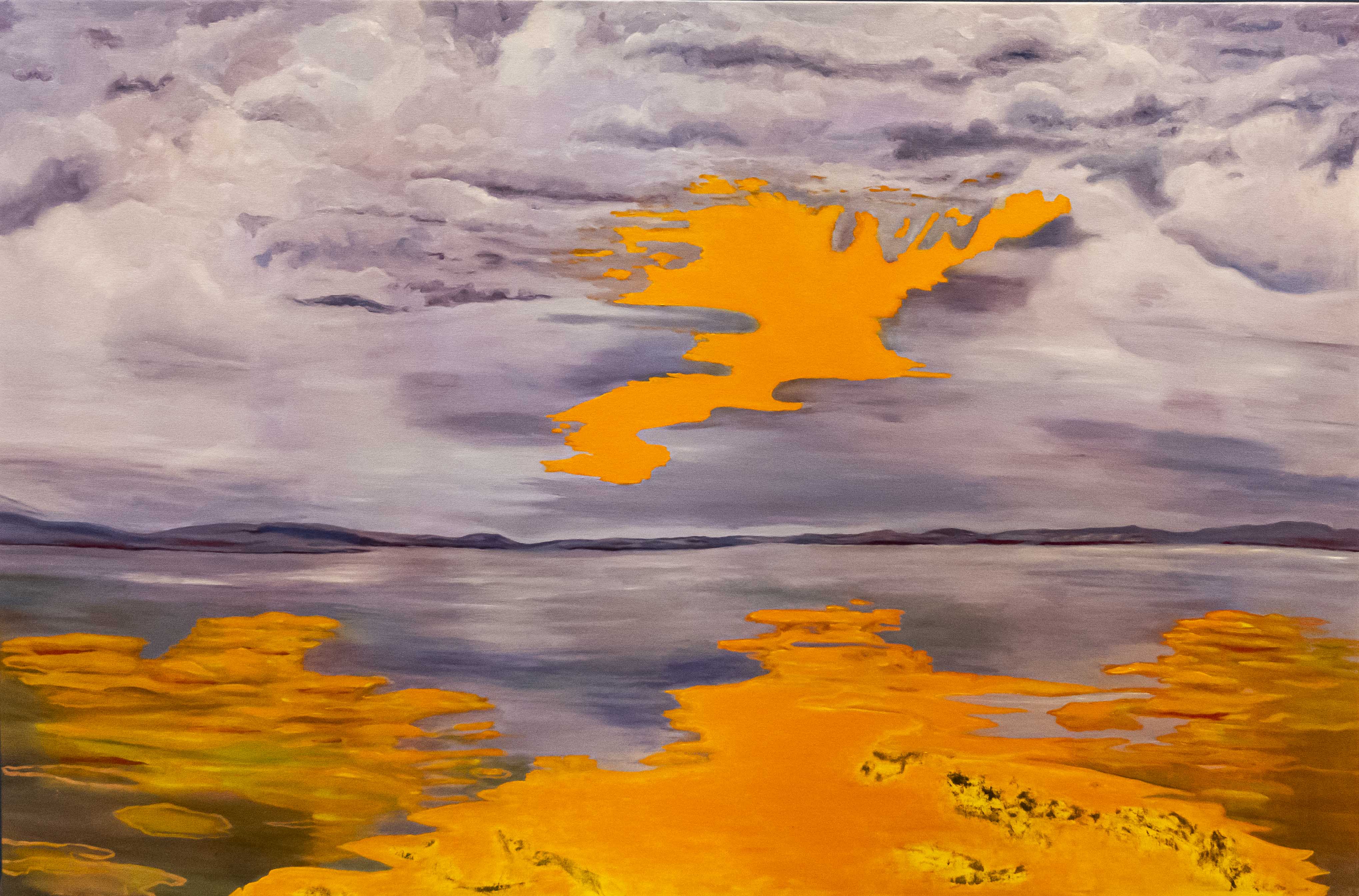
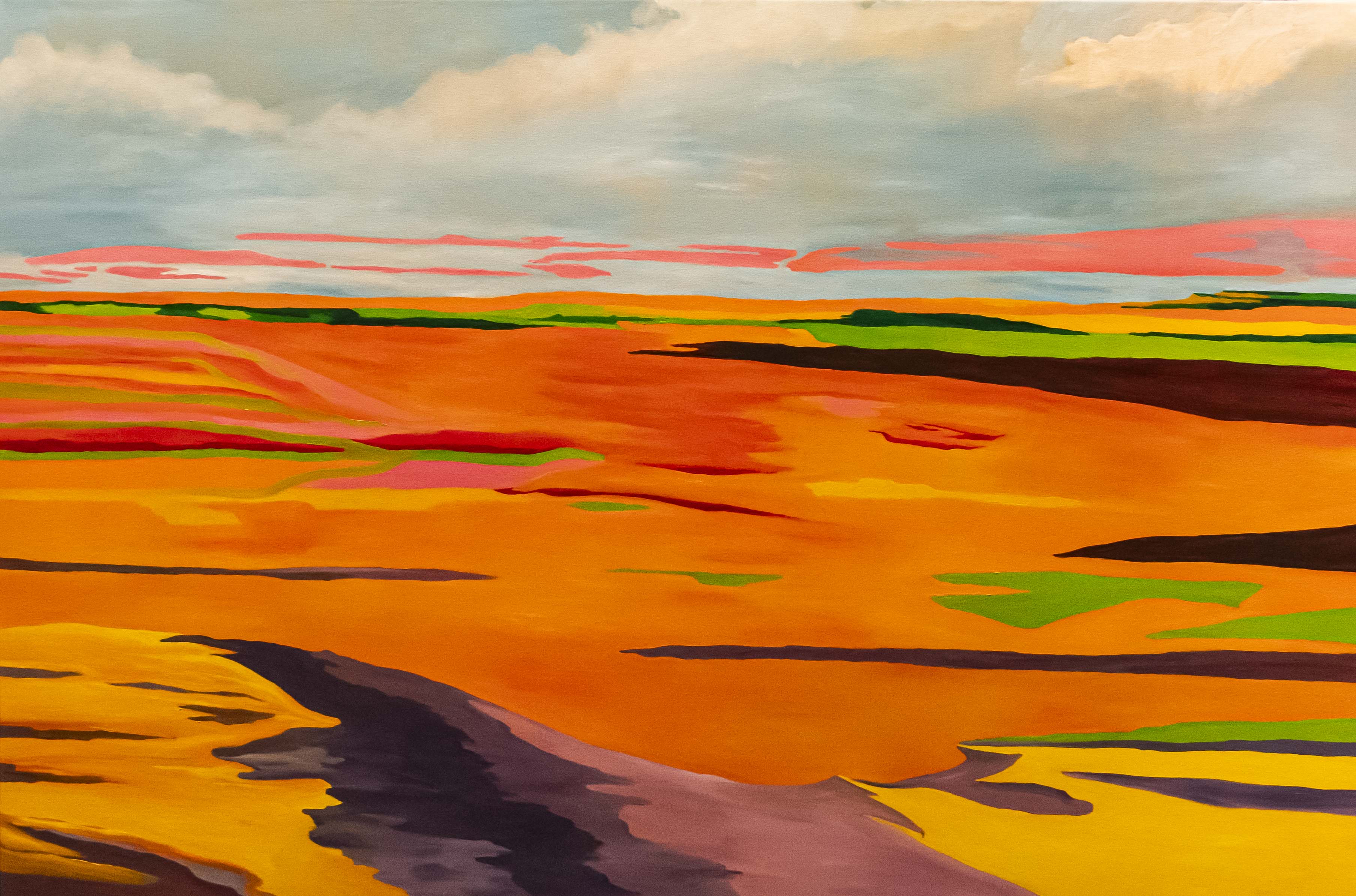
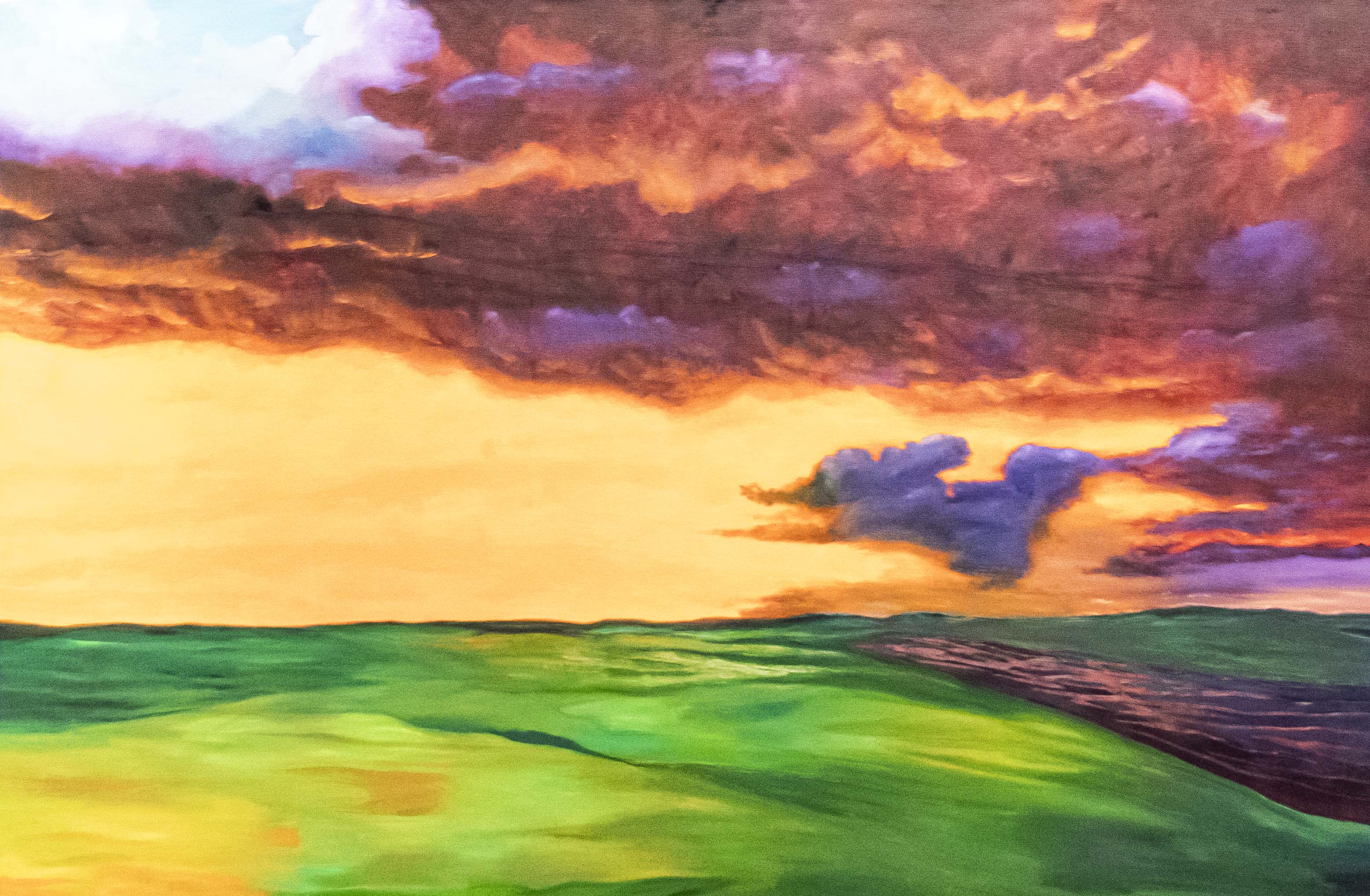
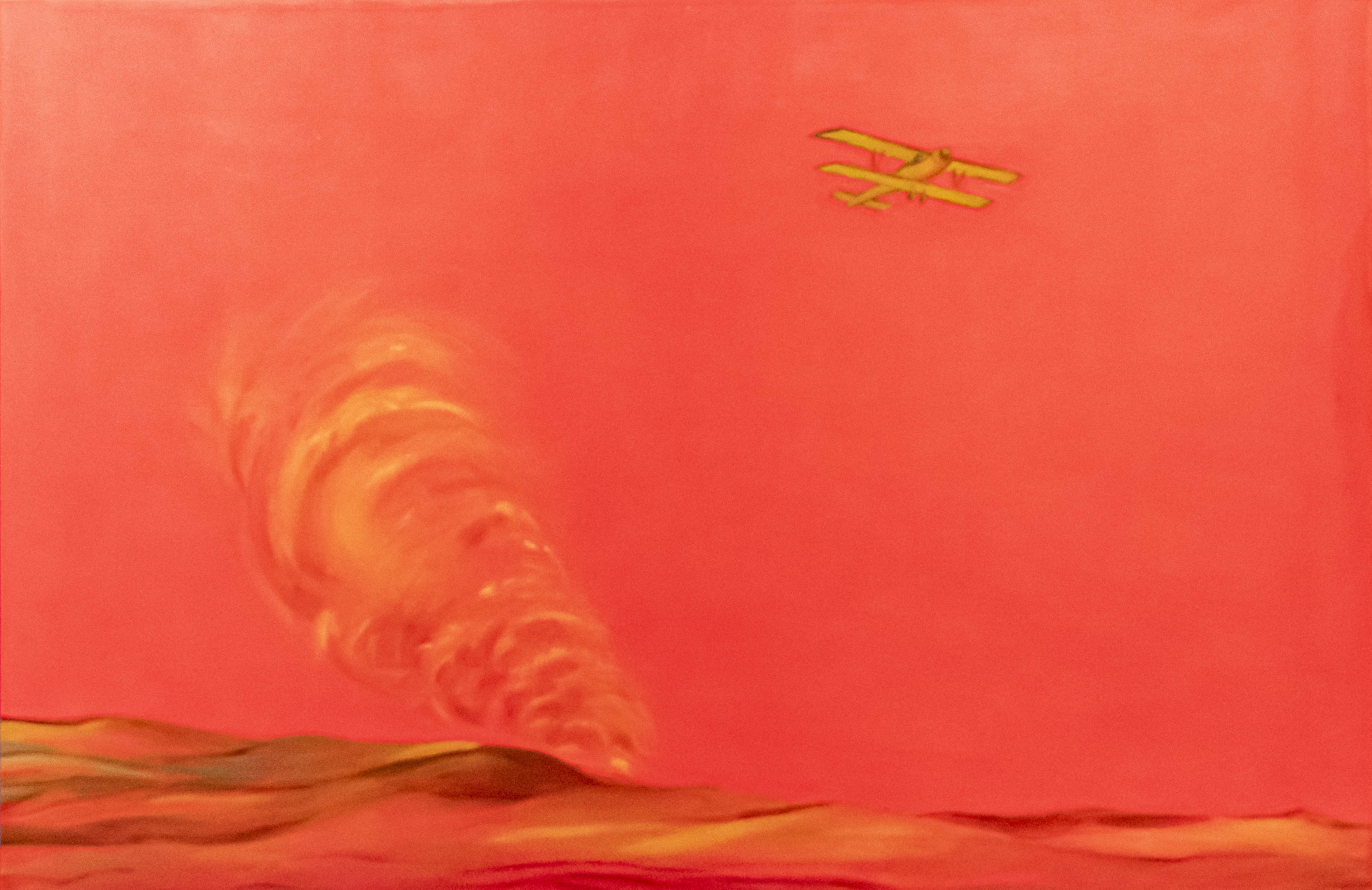
Bonnie Devine
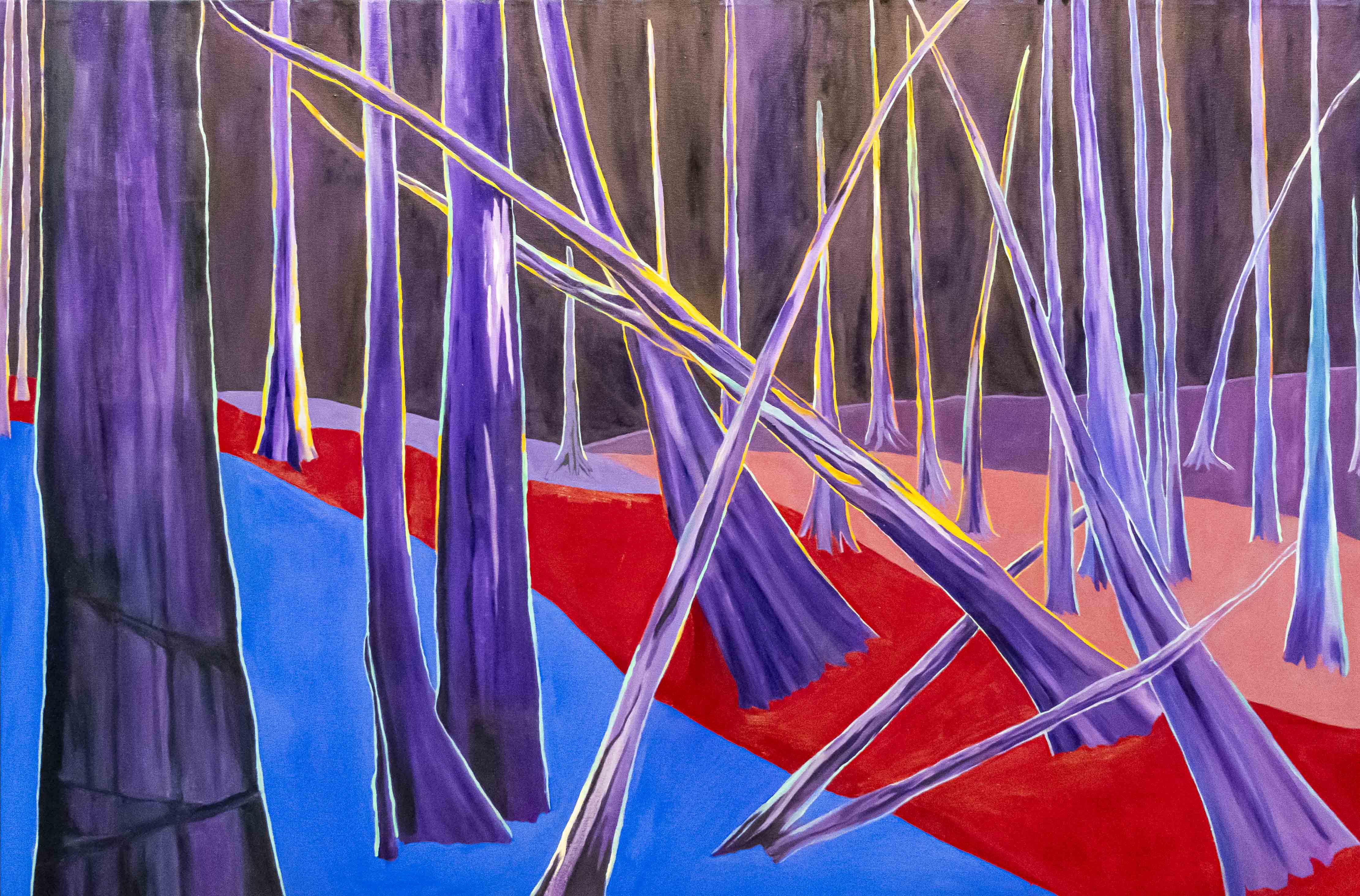
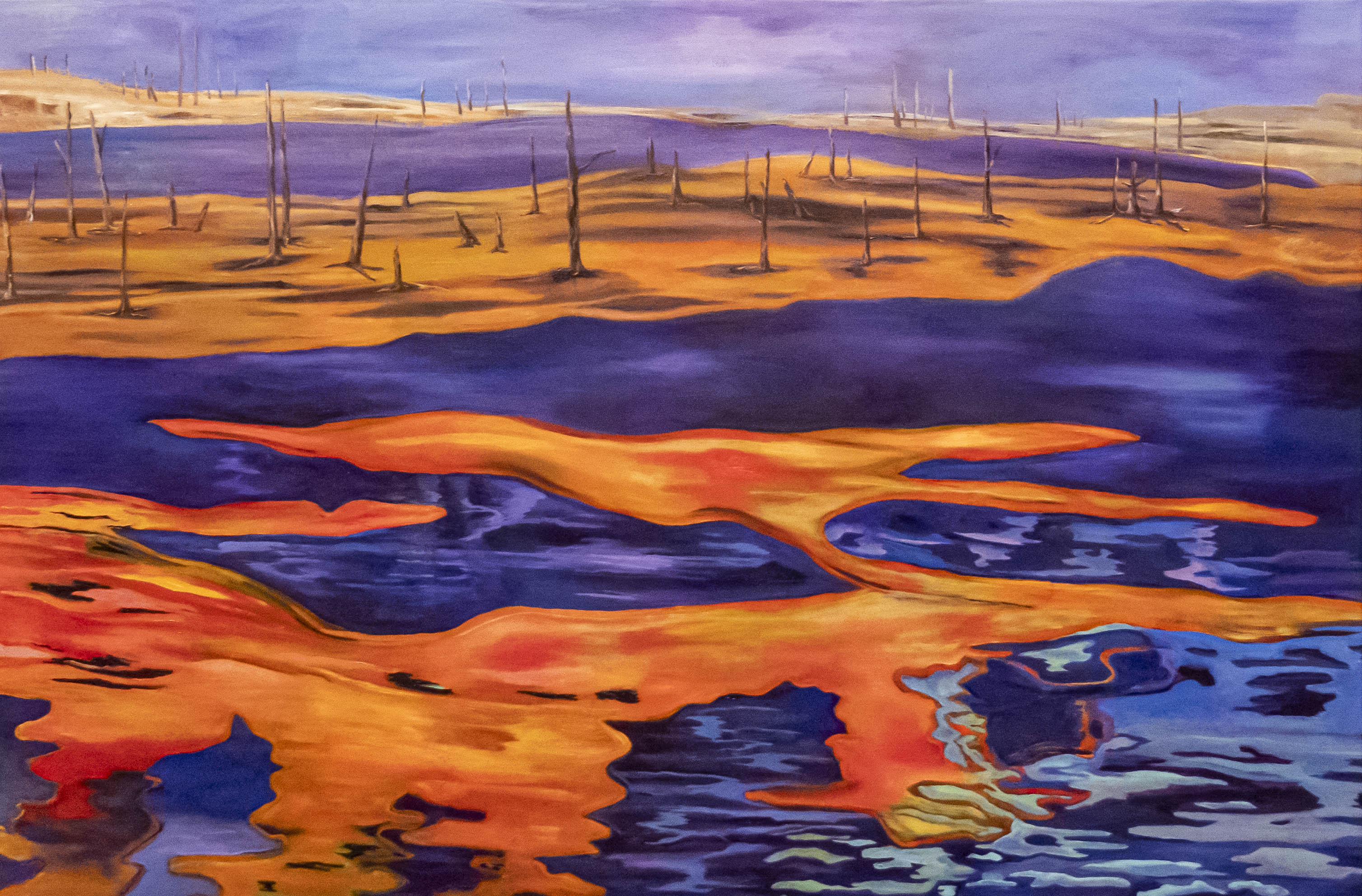
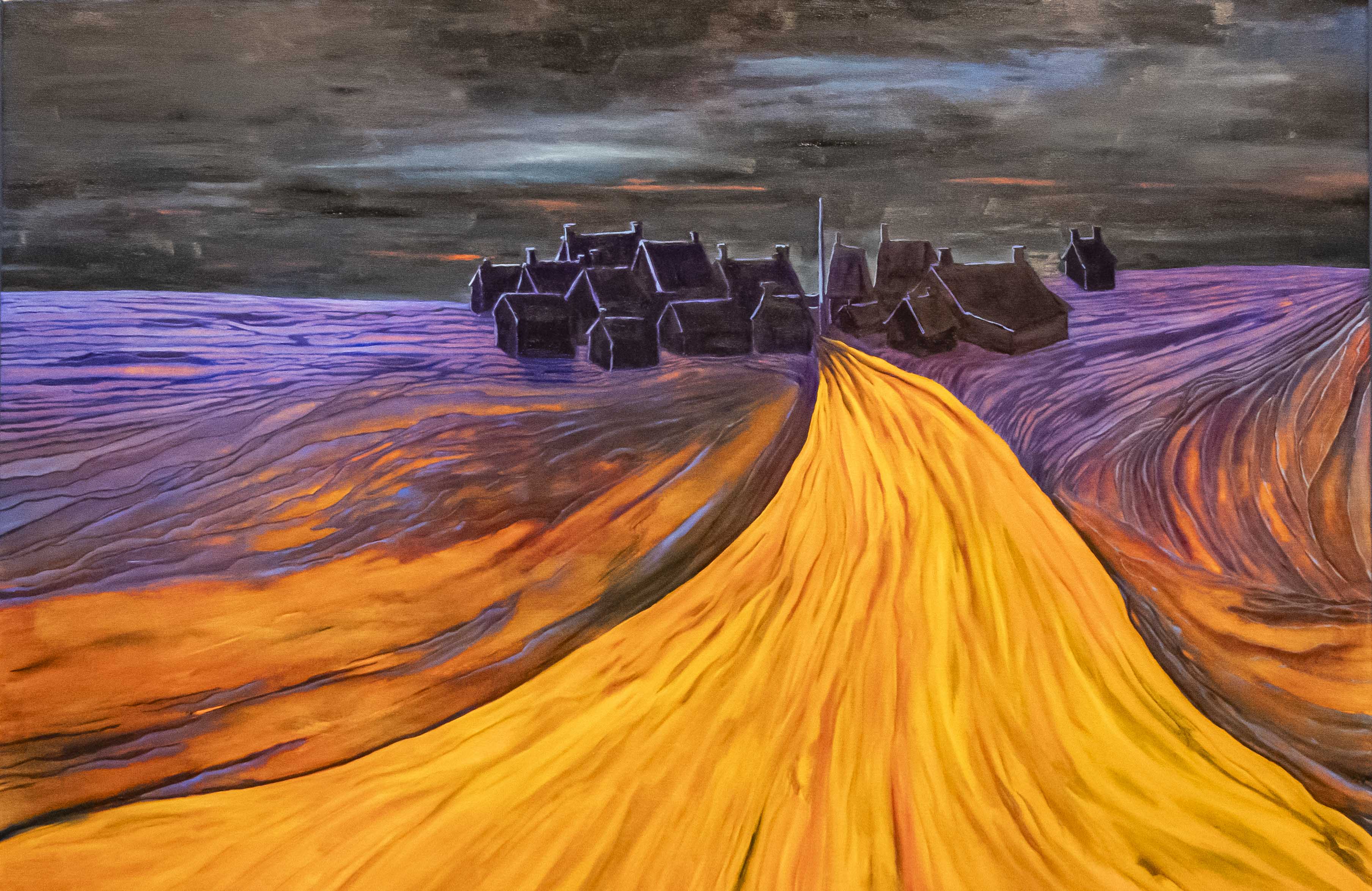
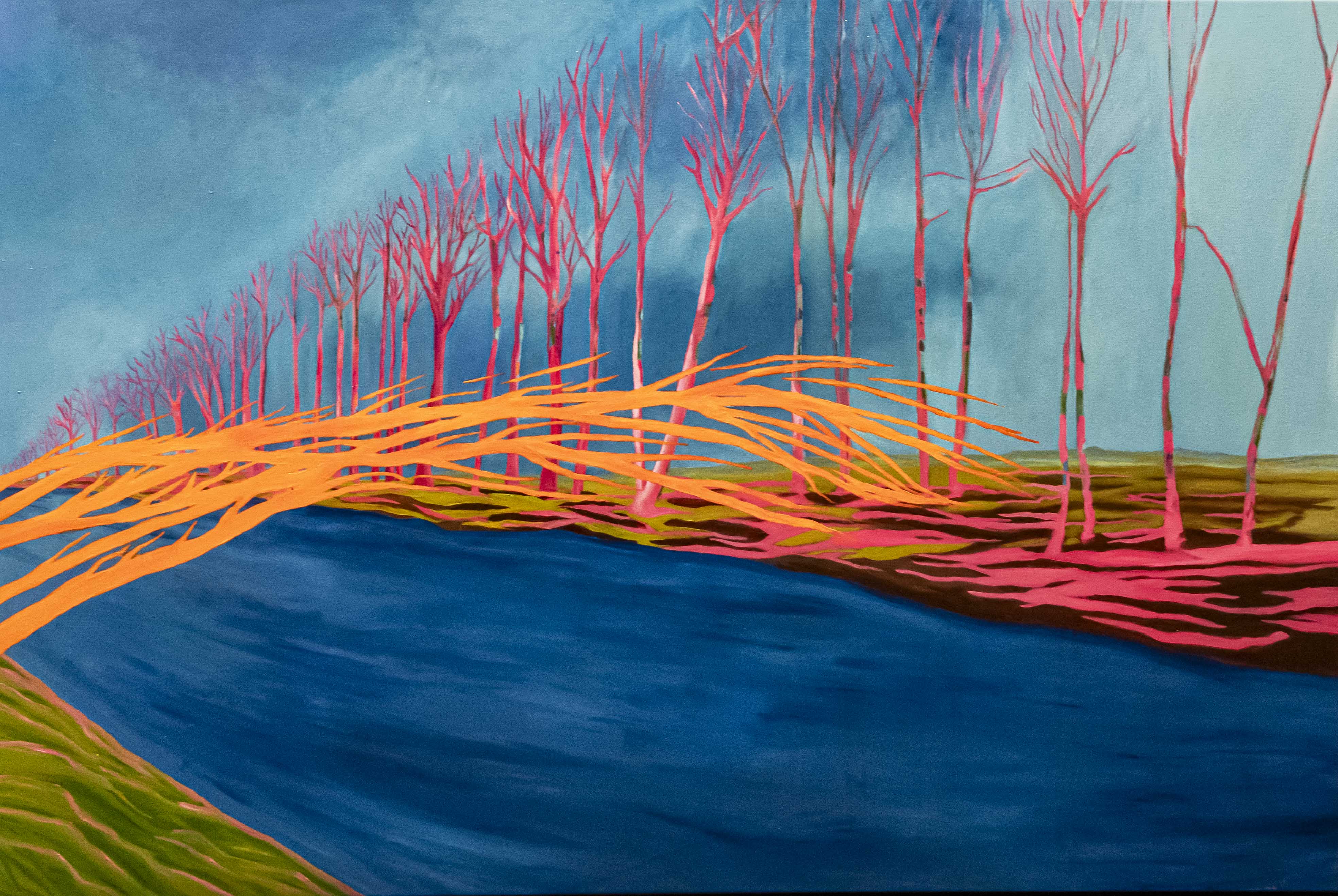
Bonnie Devine erodes the colonial world, shaping the imaginings of a decolonial one. In the process of erosion, water and time sculpt the earth in soft and persistent ways. An artist’s observation, too, is an energetic shaping of their worlds. This is why I know that Devine has made art but has also made a world that I live in, one concerned with surfacing truths lost to colonisation, while honouring the trauma still moving through it.
Shorelines, where waters meet land, are interstitial sites of cultural exchange and intertwined histories in Devine’s series of eight vivid landscapes, Land in War (2024-2025). In them, the artist examines the experiences of veterans, including her father, who fought on distant shores in conflicts produced by colonial attempts to conquer territories.
In the monumental Battle for the Woodlands (2014), Devine restores a colonial map of Upper and Lower Canada that shows only Lakes Ontario and Erie, offering a fuller understanding of this waterscape. Devine depicts the Great Lakes in red oxide leaping off the surface, fugitives from the confines of being mapped.
In the works that examine her home, the Anishinaabe community of Genaabaajing Serpent River First Nation, she painstakingly unearths the impacts of uranium mining in the watershed of the radioactive Serpent River as in Stories from the Shield: Radiation and Radiance (1999).
—Tania Willard
Alfredo Jaar
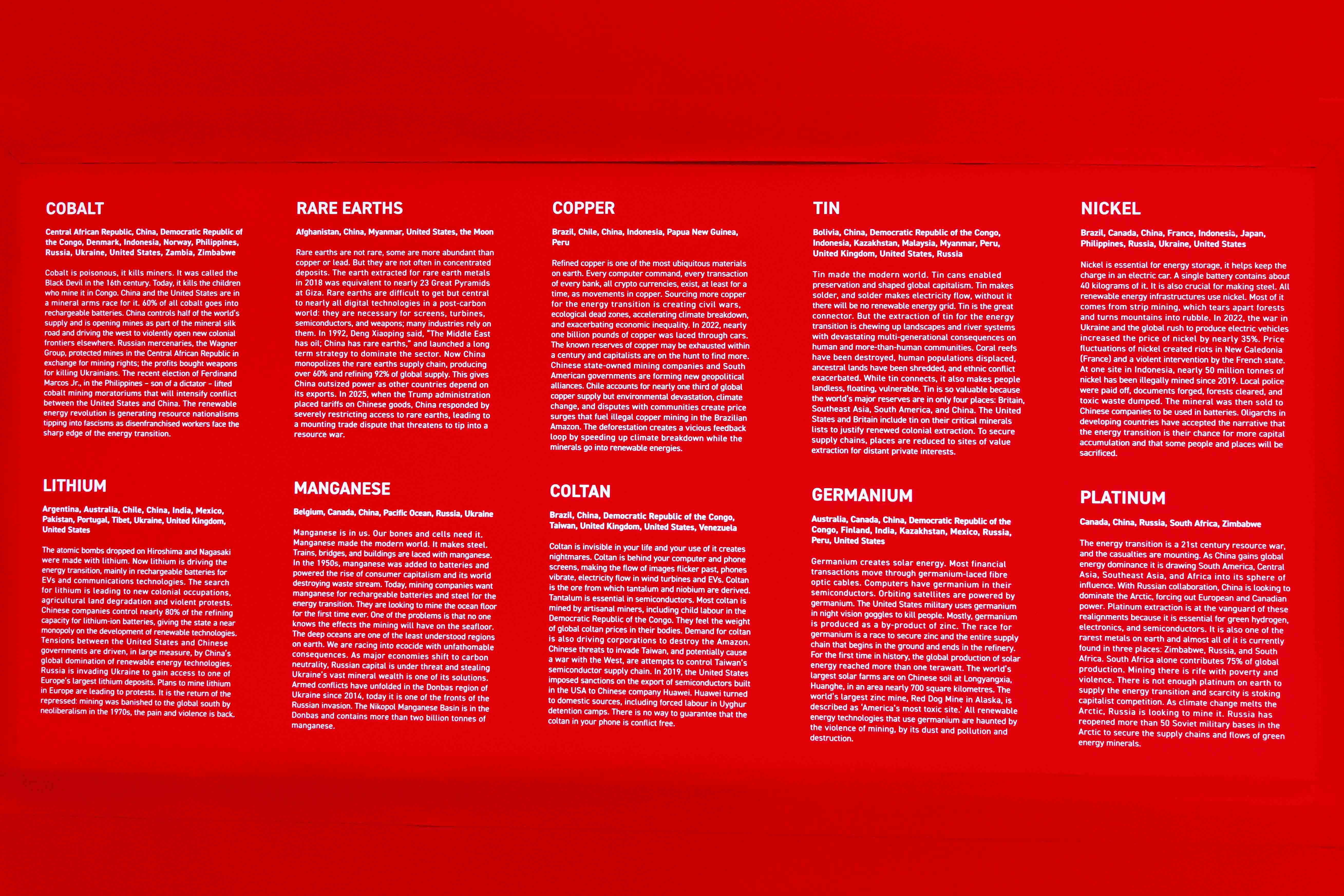
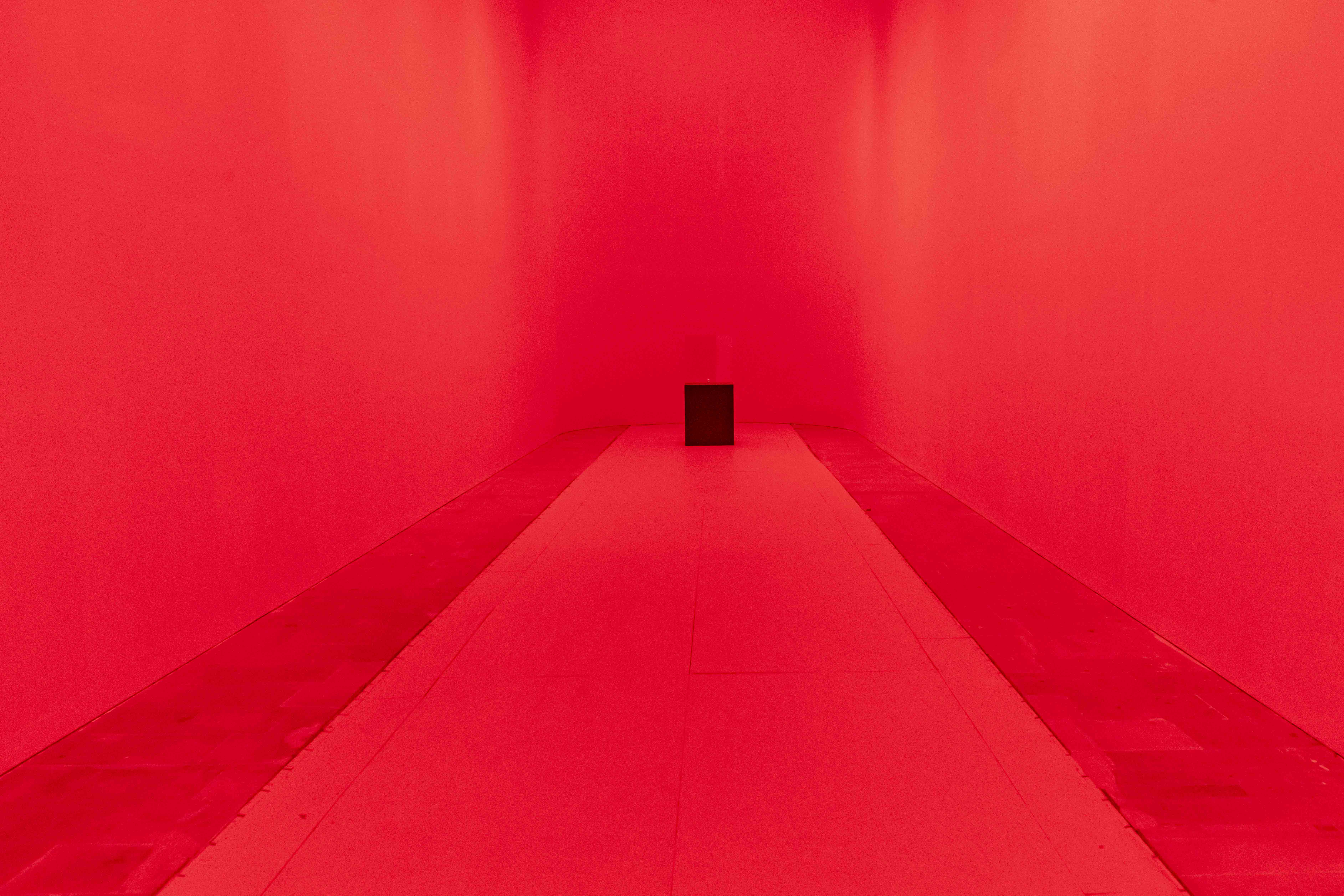
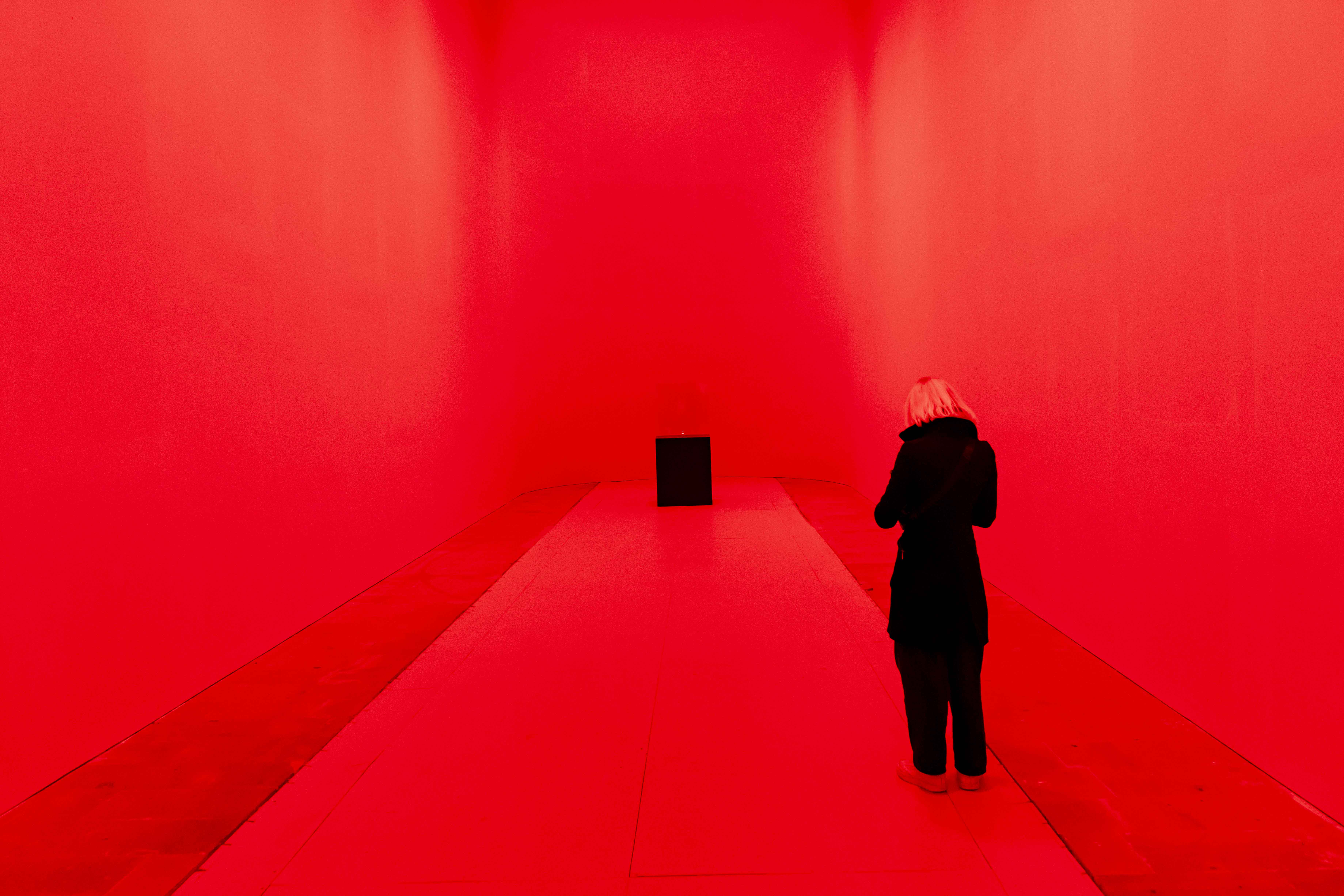
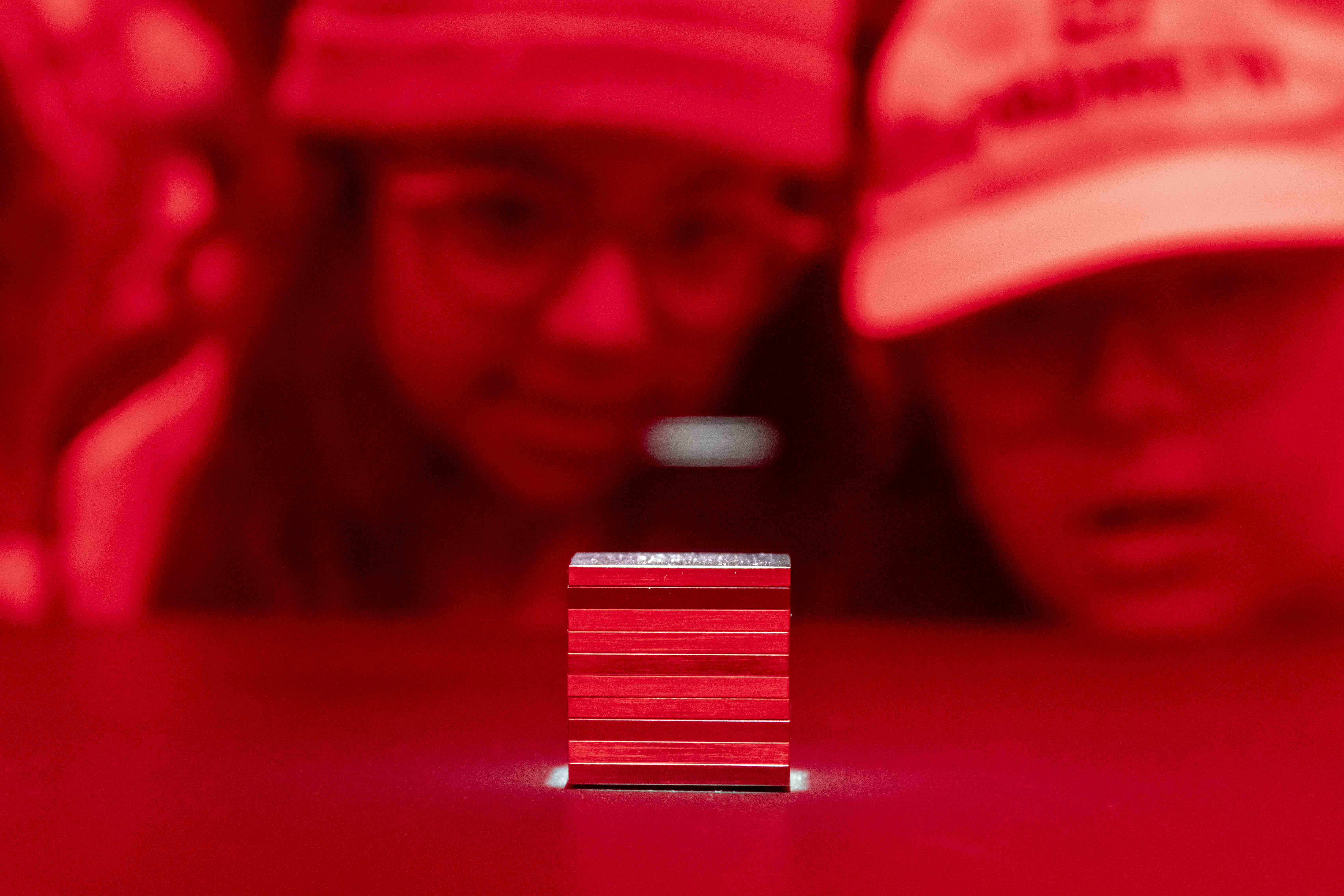
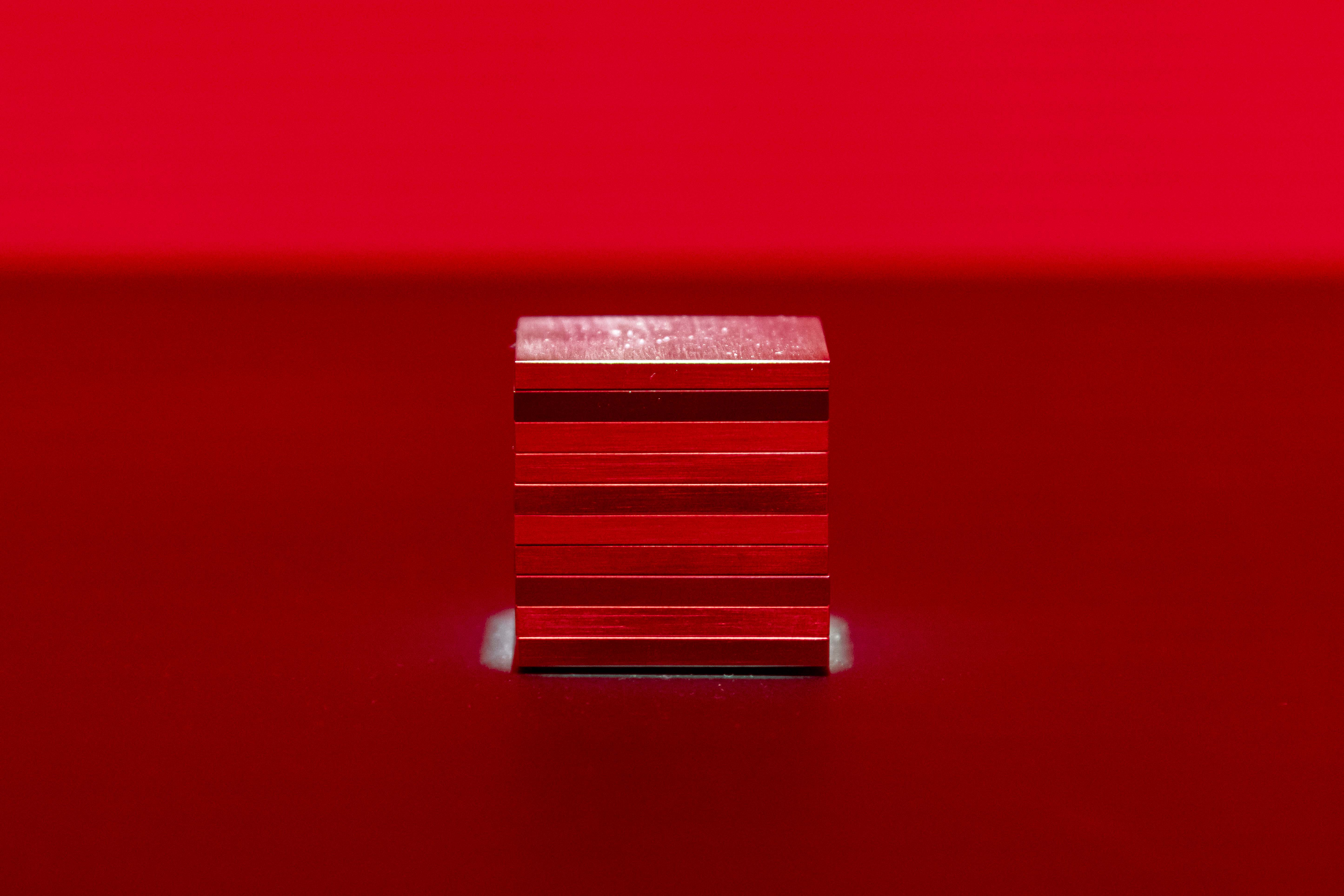
In The End of the World (2023-2024), cobalt, rare earths, copper, tin, nickel, lithium, manganese, coltan, germanium and platinum are pressed into a four-centimetre-square cube. These metals are ten of the most critical minerals in the world today, essential for technologies at the centre of both the green transition and war-making. They carry with them their trajectories and origins: the vastness of strip mines cut into the earth; the shadowy ocean depths with their as yet unstudied ecosystems that are plumbed and pillaged for manganese; the rapacious appetite of a society planning to mine the moon, seeing it as another nowhere to conquer and consume. Each layer of the cube is at the centre of raging geopolitical tensions; the physical, environmental and human consequences of acquiring these metals is dizzying.
Placed in the centre of a soaring, cathedral-like space, the small form frames the Arsenale as part of the work. With this precise gesture, Alfredo Jaar condenses the vast tangles of global tragedies into a precise work of pathos and poetry that leaves no space for us to escape.
The cube glistens.
We desire it. We need it. The world ends, again and again.
—Allyn Aglaïa
Laurie Anderson
Some say our empire is passing as all empire do.
And others haven’t a clue what time it is or even where the clock is.
As America! We saw it. We tipped it over. And then we sold it.
I’m standing here in dawn’s early light
In this country made of stories
Sleepwalking into the future.
Here it comes,
An immersive installation, with images, words and sounds. Notebook is a collection of stories, lyrics, theories, quotations, jokes, dreams and questions. Culled from daily notes, they are also a kind of diary. Some are personal notes, others are notes about other projects and comments on the process of living in the current United States. A kind of map.
“I believe the world is made of stories. In America we are living in a reality crisis. But it’s really a story crisis. A clash between stories about end times, justice and progress. These are the filters through which we look at our stories: end-times fables, climate collapse, artificial intelligence, and survival strategies.” Other stories in Notebook are centred around love, fake news, US history and the Bible. “America, why are your libraries full of tears?” wrote Allen Ginsberg. “When people ask me what I do I say I tell stories. Sometimes they look like paintings. Sometimes songs. Sometimes they look like films. What are stories? How do they work? And who’s telling them? And to who? That’s not always very clear.”
Language is a self-generating system that we never fully control – the relation is rather that it plays us like an instrument.
—Laurie Anderson
Oriol Vilanova (presented in the Spanish pavilion)
“Los restos” (The remains) transforms the Spanish Pavilion into a surrogate museum structured around accumulation, repetition, memory and subtle deviance. Conceived by Oriol Vilanova, the project stems from an artistic practice shaped by a sustained and almost obsessive act of collecting postcards — an activity the artist has pursued for over twenty years through flea markets and second-hand shops. This expanding personal collection brings in marginal economies and everyday practices that destabilise the regimes of governance underpinning the institutional aura of the museum.
These postcards are fragments of personal correspondence from a bygone era, modest images once circulated, written on, sent, forgotten, and eventually discarded. Removed from their original destinations, they reenter the system as residues of lived experience. In Los restos, these materials no longer serve as representations of places or monuments, but as fragile witnesses to the ways memory fades in and out.
The exhibition unfolds as a seamless mural composition, in which accumulation resists hierarchy and narrative closure. Forgoing a monumental display, Vilanova foregrounds sustained gestures of gathering as a way of reflecting on what remains when stories are filtered through ordinary materials.
Tony Wranes (presented in the Nordic Countries pavilion)
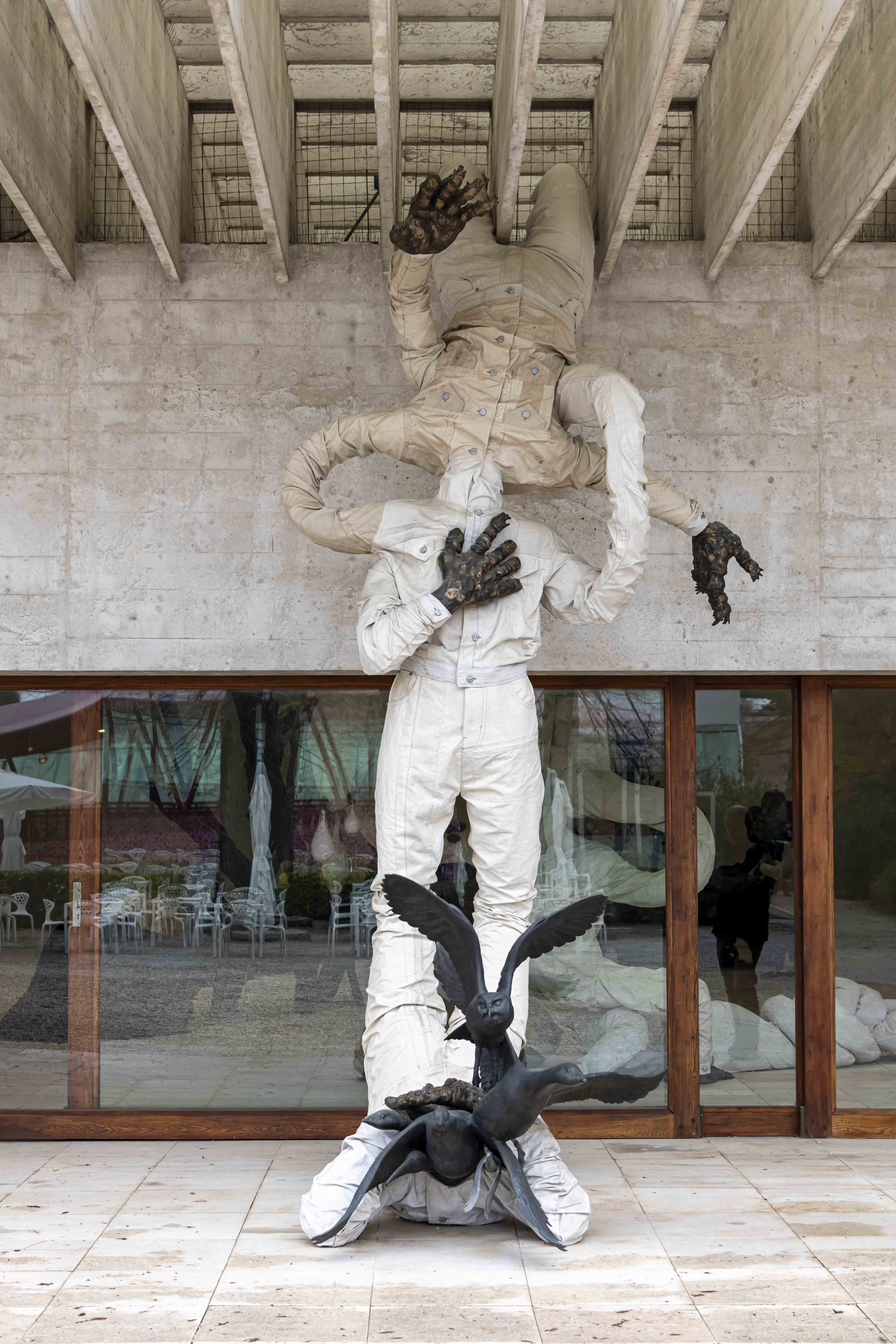
How Many Angels Can Dance on the Head of a Pin? approaches the Nordic Countries Pavilion as a site of compression, where architecture actively shapes experience. Works by Tori Wrånes, Klara Kristalova, and Benjamin Orlow explore how bodies, materials, sound, and memory coexist under pressure. Transformation is understood as a process rather than a conclusion; bodies disperse and reassemble, structures remain provisional, and space becomes a lived condition where sensation accumulates over time rather than resolving into clarity.
Wranes’s work moes through and beyond the building. Headless figures – formed from sails, once shaped by wind and raw will – lift and bind themselves into a continuous structure. Bodies extend, bend, and intertwine with the architecture, while birds emerge from within them, carrying movement, time and transformation. A foghorn, vital in low visibility, signals every hour to warn of hazards and ensure safe navigation.
Klara Kristalova
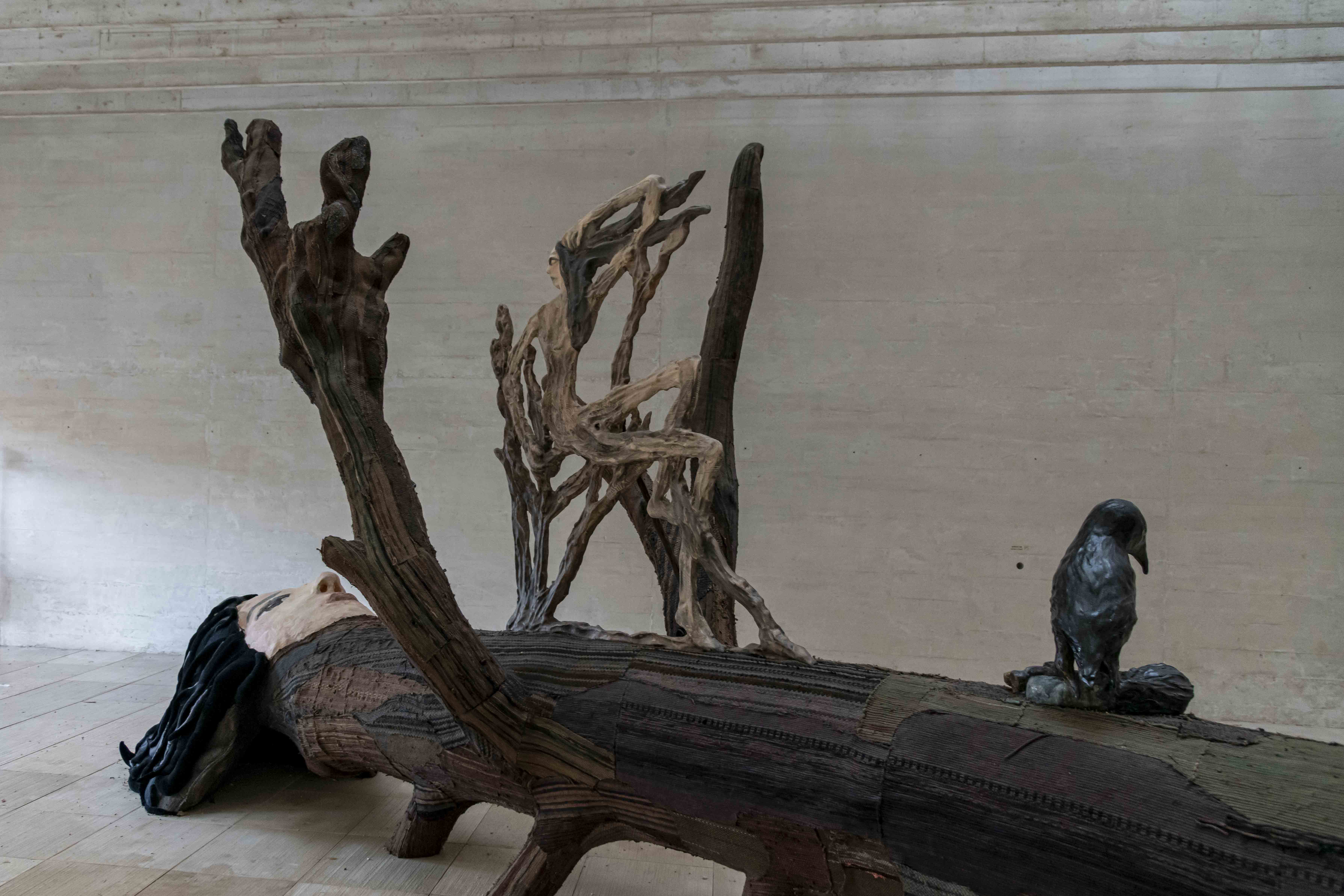
In Kristalova’s Lust for Life, creatures gather along a fallen tree, emerging from and clinging to its surface. Her ceramic figures appear to hold and absorb space, their surfaces marked by processes of shaping, firing, and fracture. Each sculpture is expressive, reflecting different emotional states: endurance, dependency, and quiet alertness. The work balances weight and delicacy, suggesting both shelter and exposure. It carries a sense of energy that allows humour to coexist with vulnerability.
Henrike Naumann (presented in the German pavilion)
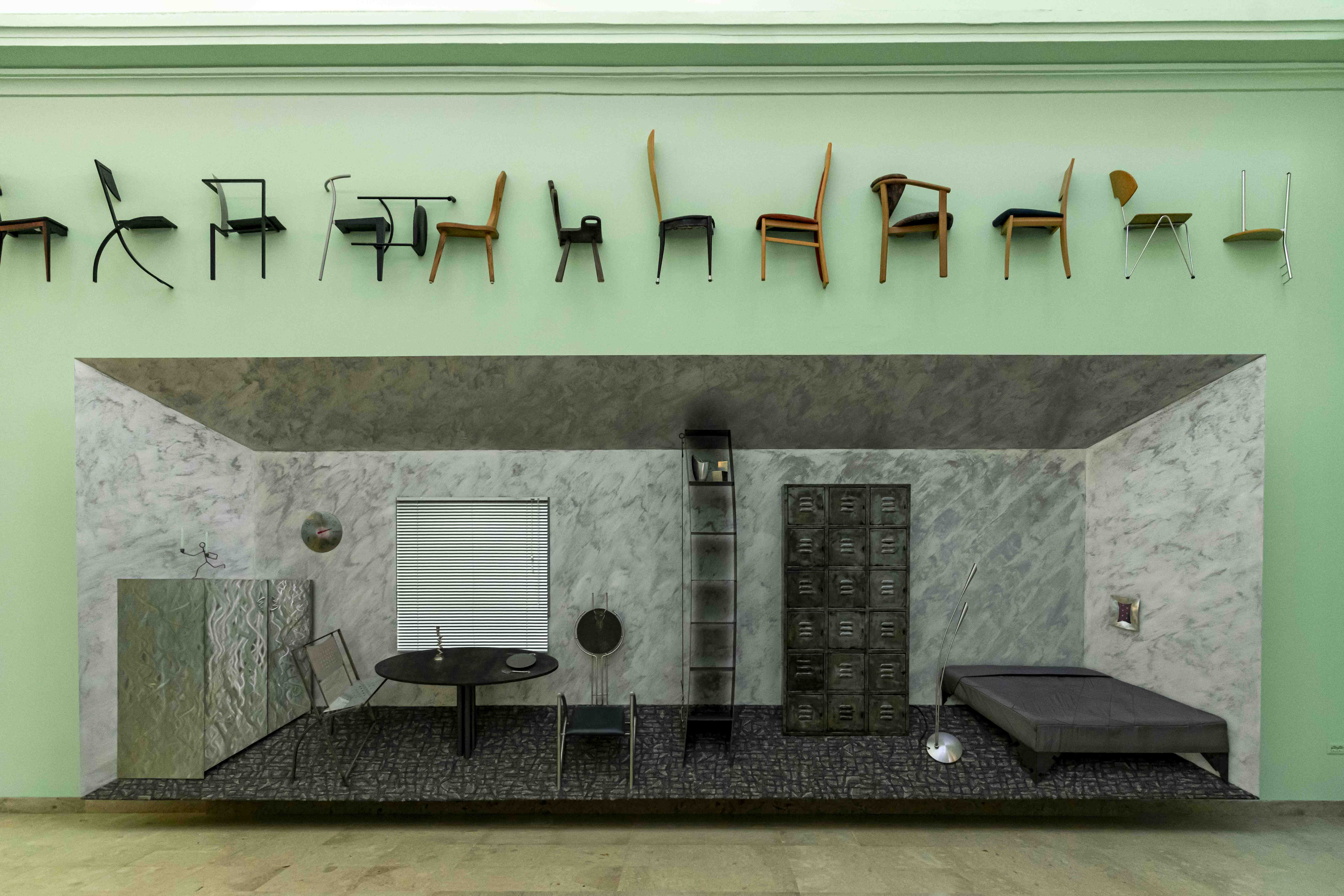
Henrike Naumann’s immersive, multi-part installation work The Home Front (Die Innere Front) (2026) is a site where she explores the past, present, and future of societal militarization. The space is divided into sections labelled “War”, “1990” and “Pre-War”, through which visitors move in a linear progression.
Her formerly three-dimension spatial installations have been flattened into condensed all reliefs. The walls are painted in the mint-green color used in the ruins of former Soviet Army barracks in East Germany.
Inspired by traditional miniature dioramas of farmhouse scenes as found in the East German Erzgebirge region, a relief frame presents a domestic setting furnished in New German Design (a West German postmodern design movement from the 1980s). An upholstered and furnished reinterpretation of a socialist realist mural bears the motif of Die Mechanisierung der Landwirtschaft (The Mechanisation of Farming) (1960/61), a work created by Naumann’s artist-grandfather Karl Heinz Jacob in Karl-Marx-Stadt (today: Chemnitz).
Chair reliefs represent a chronology of 20th and 21st century German history, while rows of shot-up and injured curtains fracture the notion of domestic comfort as a space of retreat. This destabilization culminates in a central curtain composed of hauberks, referring to the suspension of time after the Cold War’s Iron Curtain fell: the re-militarization following de-militarization – and the anticipation of the war to come.
The wall of small-scale objects, which the artist called hieroglyphs, function as an encoded map of what Naumann described as the “inner front”, offering orientation while simultaneously obscuring meaning.
Naumann’s complex installation traces what she described as an alternative “archaeological prehistory of the present”. For her, the “worst form” of deconstructing or destroying the German Pavilion is to “make it crazy”, while one realizes at “every juncture (…) there is no such thing as ‘comfortable’ here.”
Lubaina Himid (presented in the British pavilion)
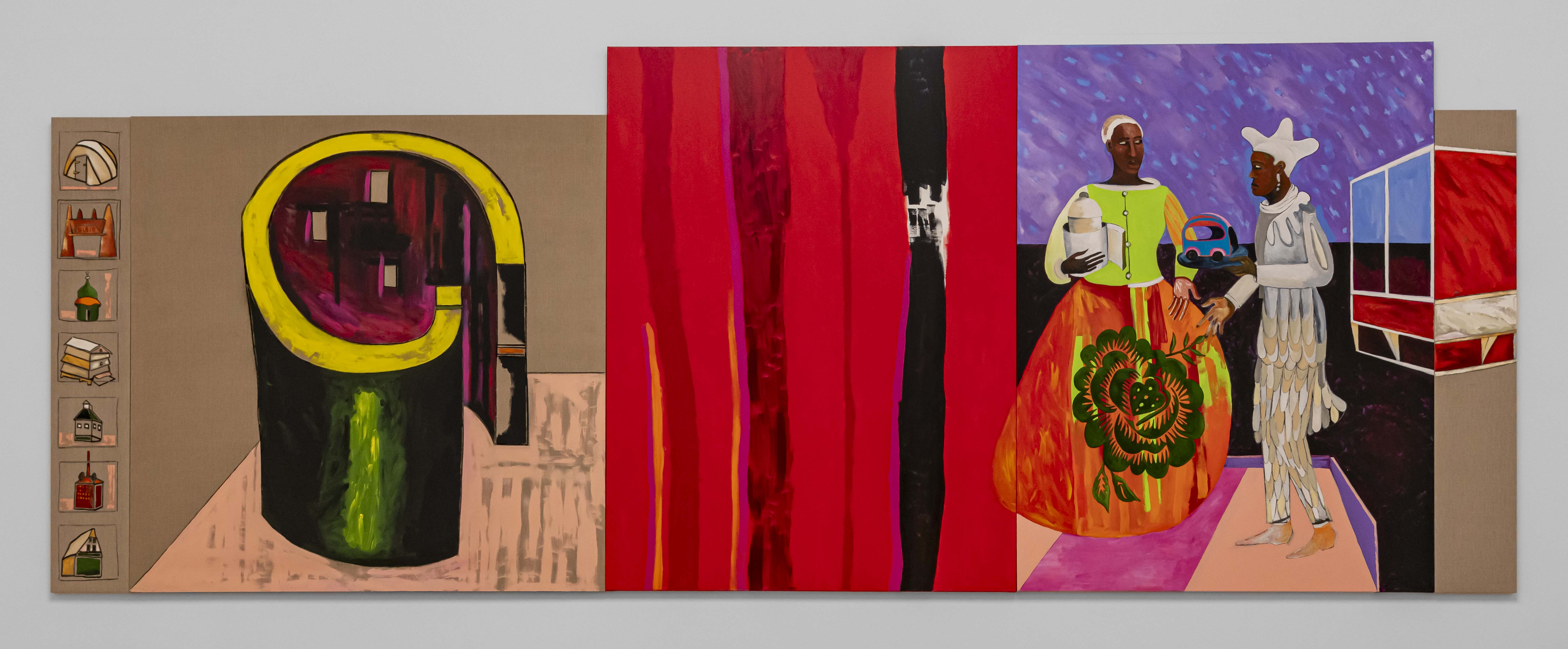
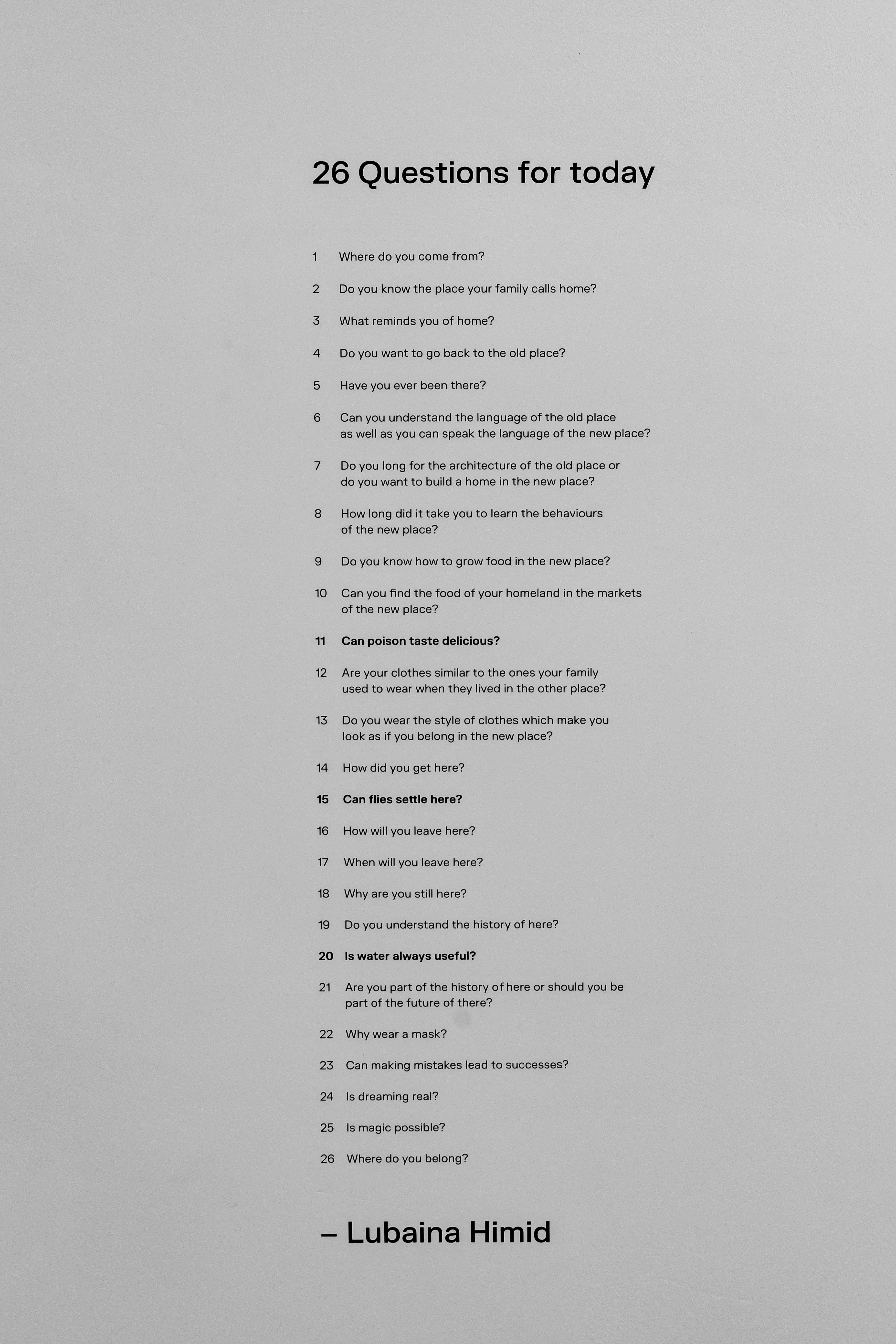
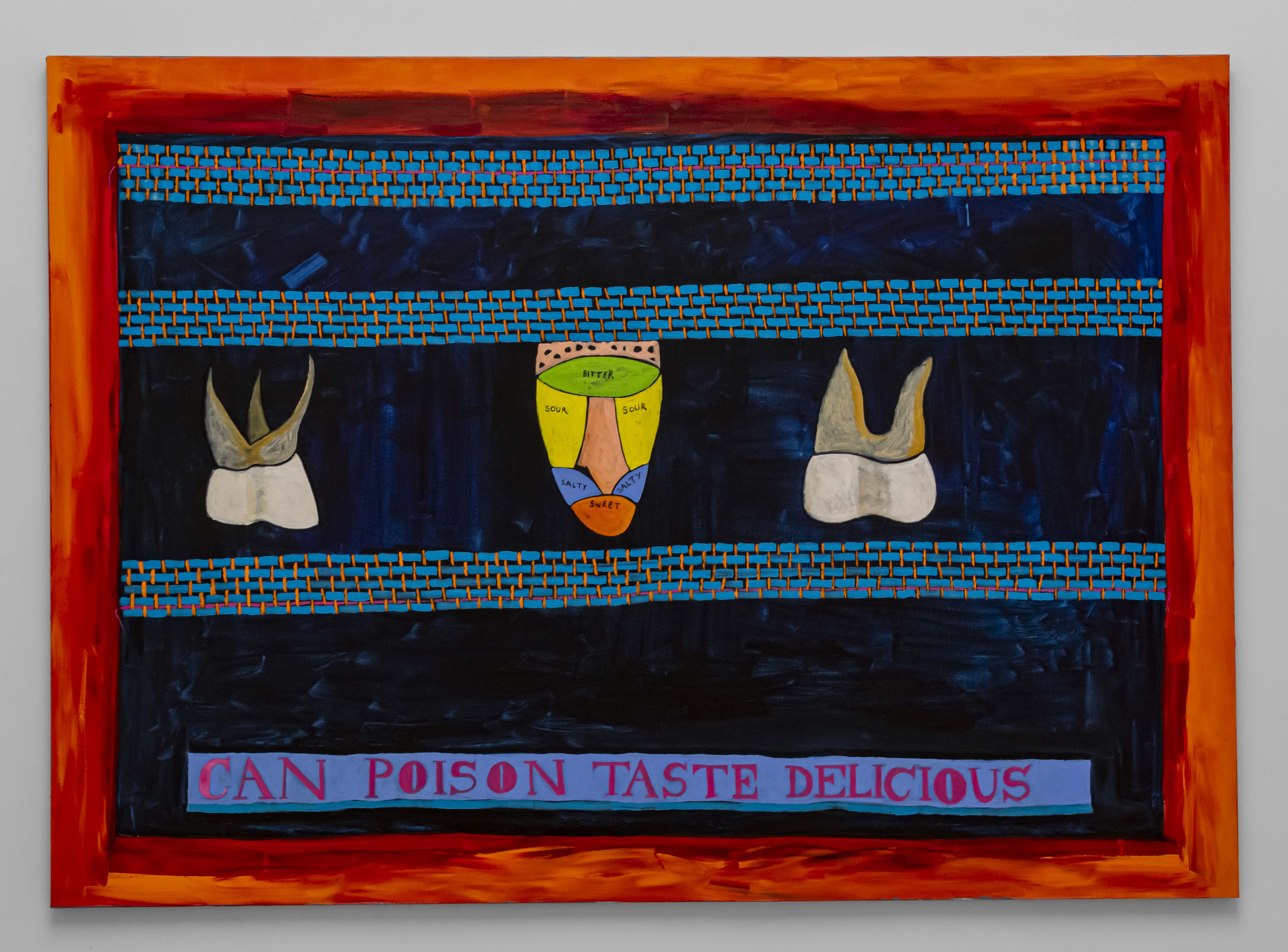
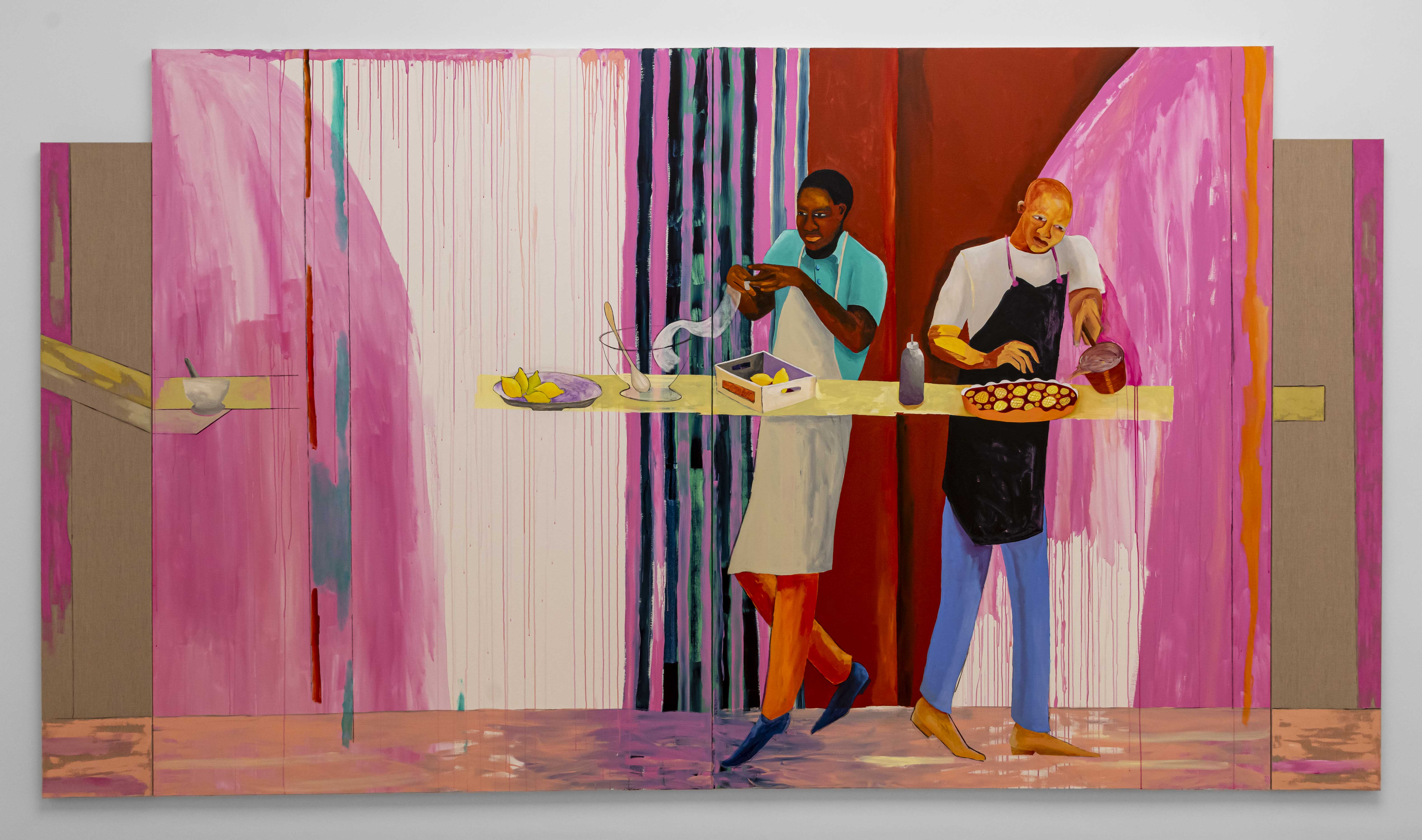
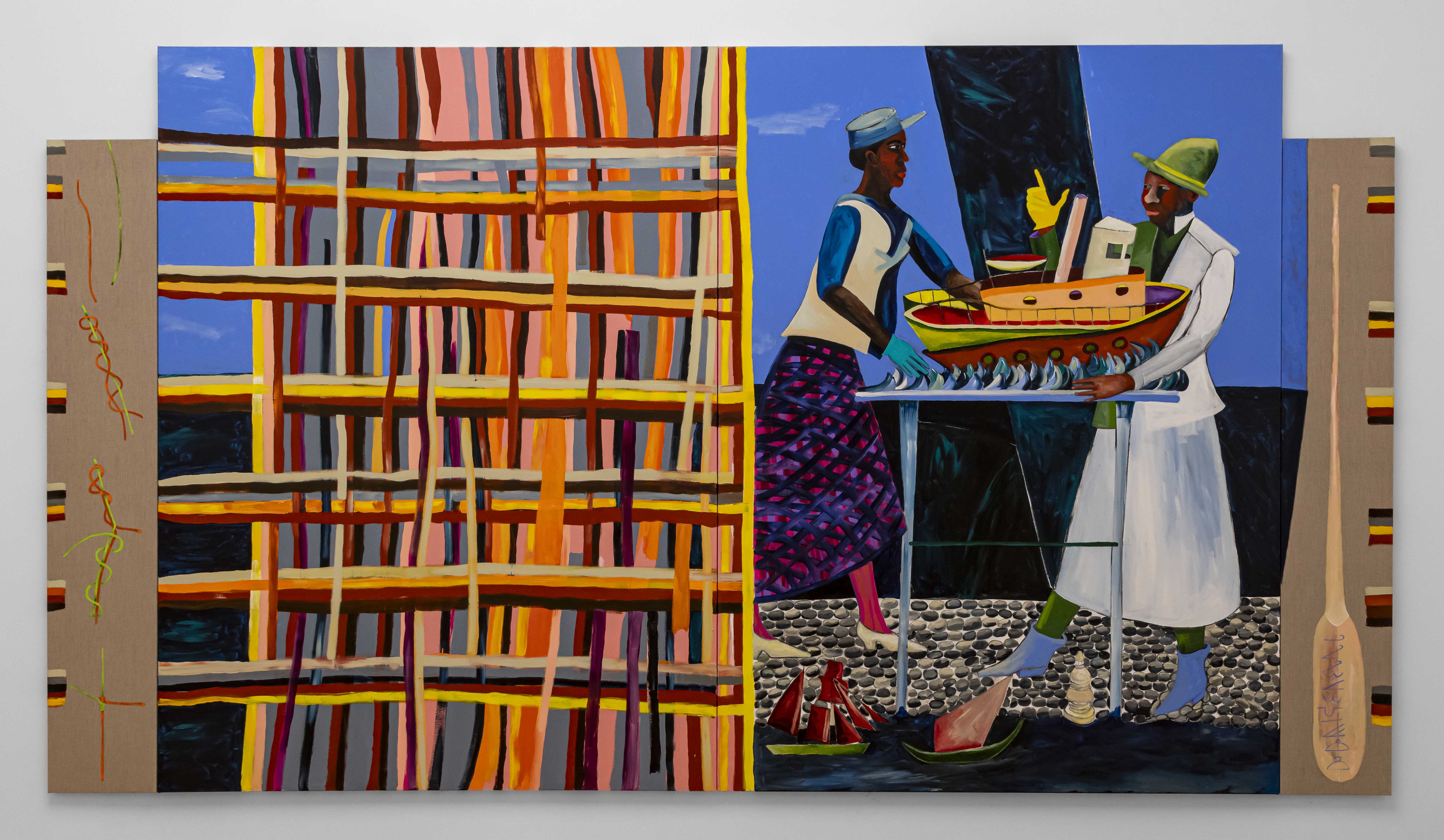
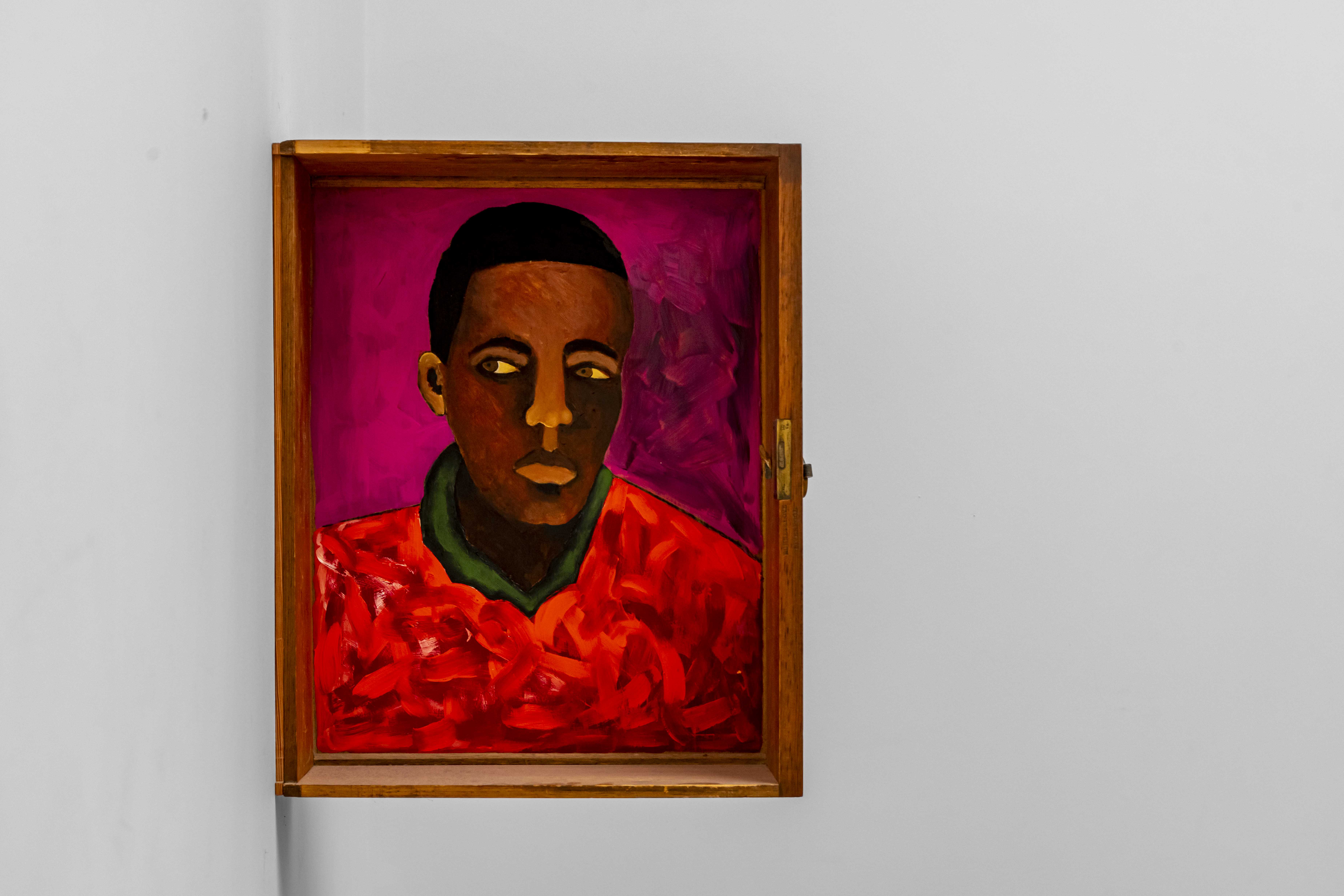
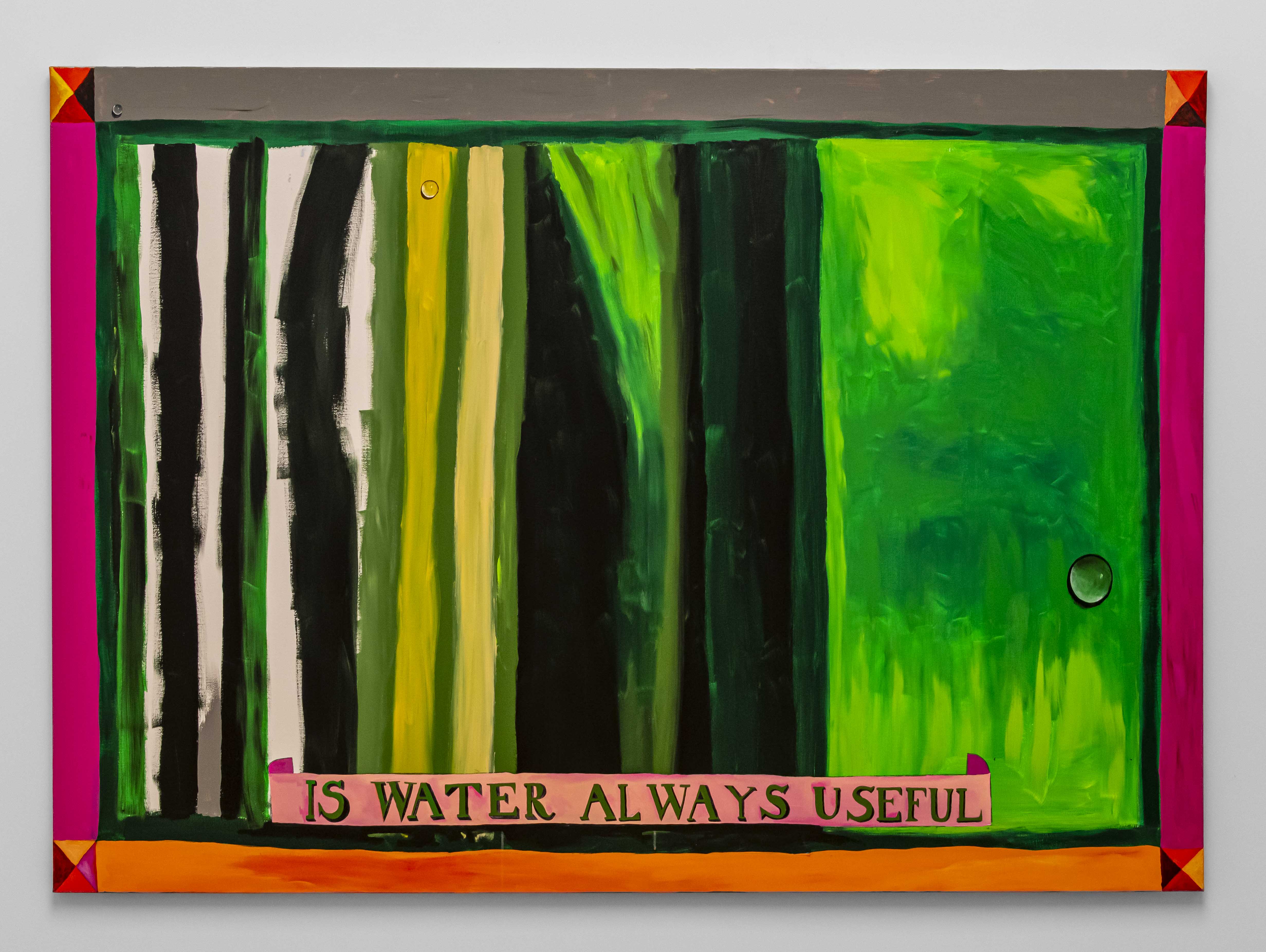
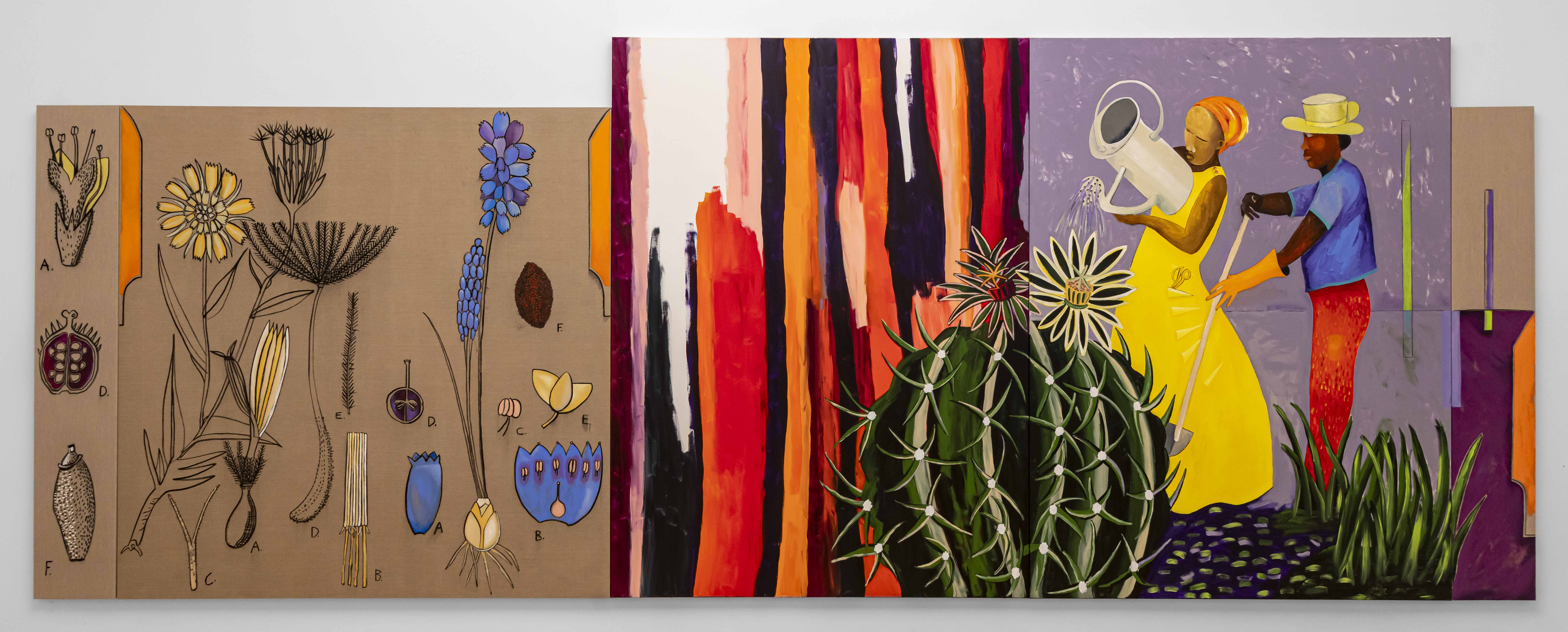
Lubaina Himid’s newly commissioned work offers a meditation on the nature of belonging and the place we call home. She describes the exhibition as a guide to navigating life in places outside of one’s roots, coming to terms with what home truly signifies and learning to ‘make yourself at home’, wherever that may be.
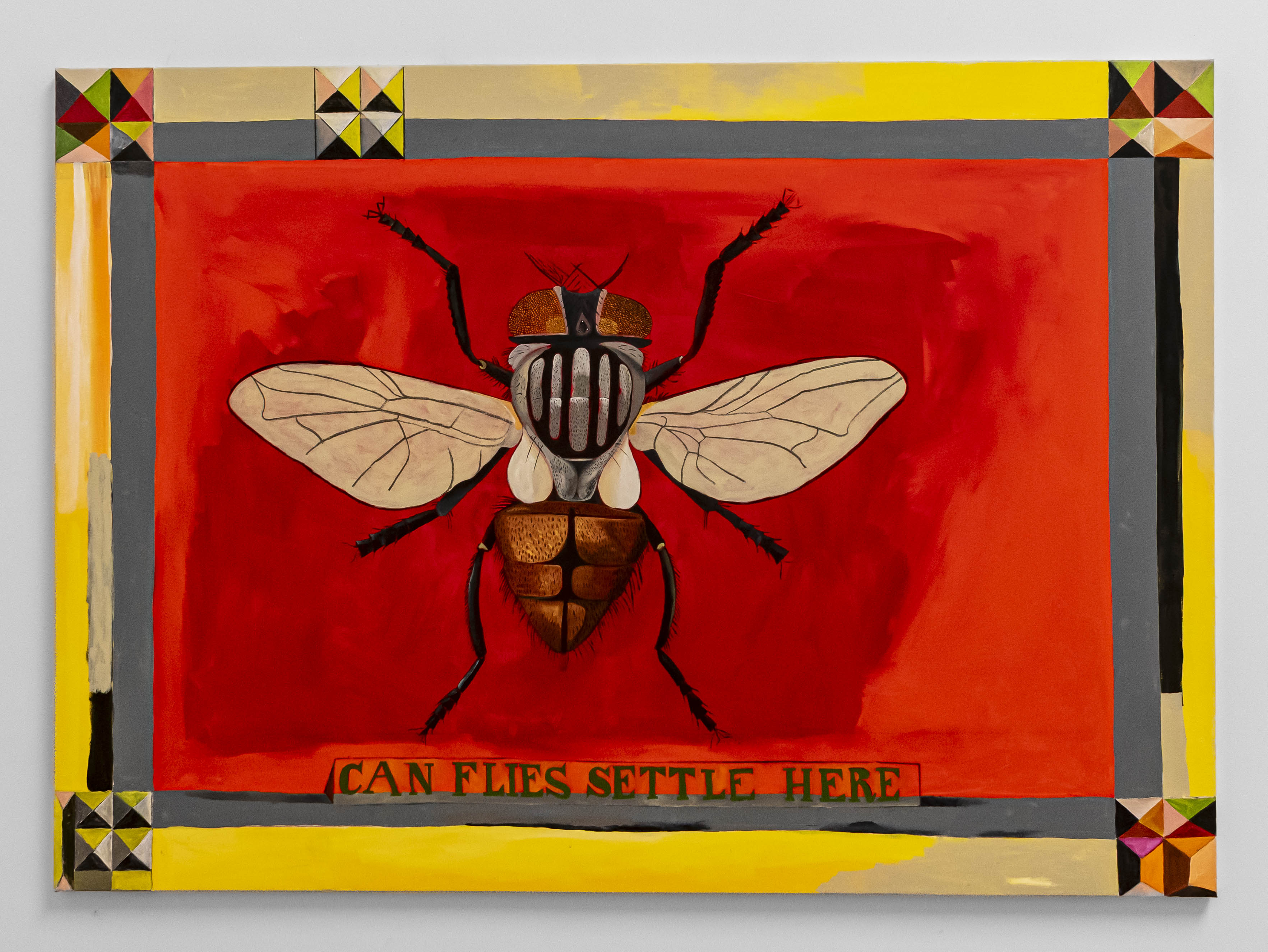
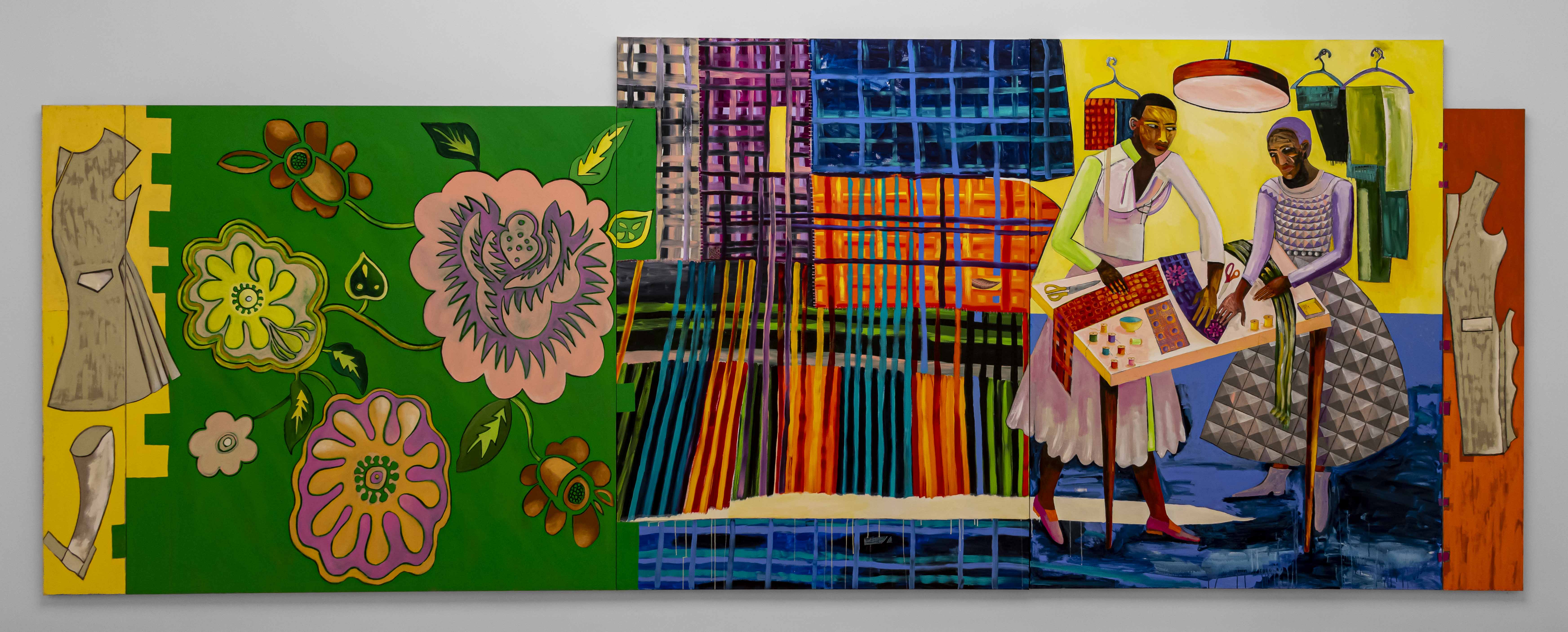
Himid’s choice of title implies some of the complexities of this task: history cannot be predicted and translation is always a fluid approximation. The exhibition is anchored by five multi-panel paintings of industrious figures – chefs, architects, boatbuilders, tailors and gardeners – who work intently in surreal settings, debating how to adapt to an unfamiliar place. In the large painting in Room 1, two architects argue the merits of their different designs: one proposed a home on wheels, for a quick escape if things go wrong; the other devises a permanent structure, in which to stay and take shelter. Listen closely to the soundscape created in collaboration with Magda Stawarska and you’ll hear the sounds of a pastoral idyll gradually overrun by buzzing insects, while nearby paintings pose disquieting questions – Can Poison Taste Delicious? Can Flies Settle Here?
The artist states that the exhibition is about ‘our real desire to belong and how difficult that is, whoever you are.’ Himid conceived this new suite of works with the British Pavilion oin mind and uses the building’s neo-classical architecture to stand in for Britain itself. On first impression, the space sems welcoming and airy; yet its underlying tensions are revealed through subtle sounds, text, and imagery that inject a sense of unease.
Himid creates dynamic paintings that activate the space. Her scenes leave room fopr the viewer’s imagination to inhabit – allowing the audience to enter into the narrative and join the conversation. Influenced by a love of opera and early training in the theatre, she stages encounters that unsettle assumptions and provoke self-reflection. Her lush paintings engage our senses but avoid easy answers, while maintaining and unshakeable belief in art’s capacity to reshape how we see the world and our place within it.