“He was an old man who fished alone in a skiff in the Gulf Stream and he had gone eighty-four days now without taking a fish.” Thus starts the story of Santiago and one of the most famous novels in modern literature – The Old Man and the Sea. This novella marked the highest point in Ernest Hemingway’s literary career, and such was its impact that the committee specifically mentioned this book when they awarded Hemingway the Nobel Prize for Literature in 1954 (a rare occurrence as the Nobel Prize is given for lifetime work and not any specific work). It is believed that Hemingway conceived this story during his time in Cuba, from the various stories he heard from the locals. Hemingway had a deep love affair with Cuba and even today, when you visit Havana after sixty years of his death, you find that Hemingway still lives on in Cuba.
Hemingway is one of my favourite authors and in my travels, whenever I have come across a location connected with Hemingway, I have always made it a point to visit the place. I have been to his house in Key West[1] and to the bar he used to frequent in Venice. Thus, Hemingway was very much on my agenda when I landed in Havana. The first day itself, I went on a tour of old Havana with a guide and came across Hotel Ambos Mundos where Hemingway used to live when he first arrived in Cuba in 1932. This is a beautiful building in the heart of the historic and picturesque old town. Supposedly, Hemingway moved from here to a house outside Havana in 1939 when the view from his fifth-floor room was obstructed by a new building that came up.
[1] Captured in my blog post: https://yezhuvath.wordpress.com/2016/10/04/key-west-in-a-day/


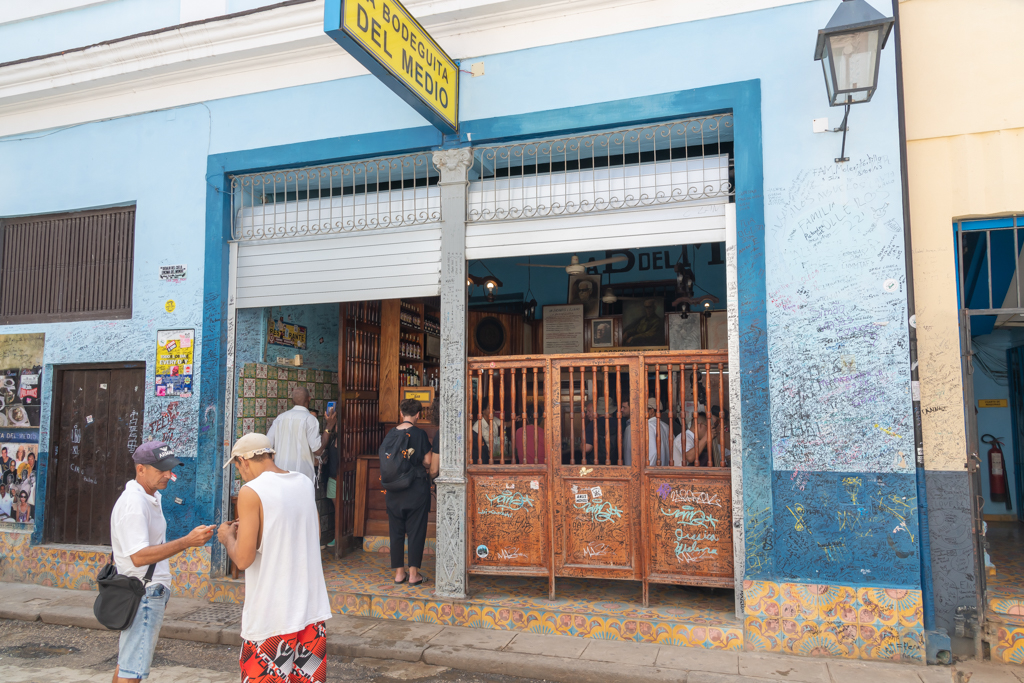
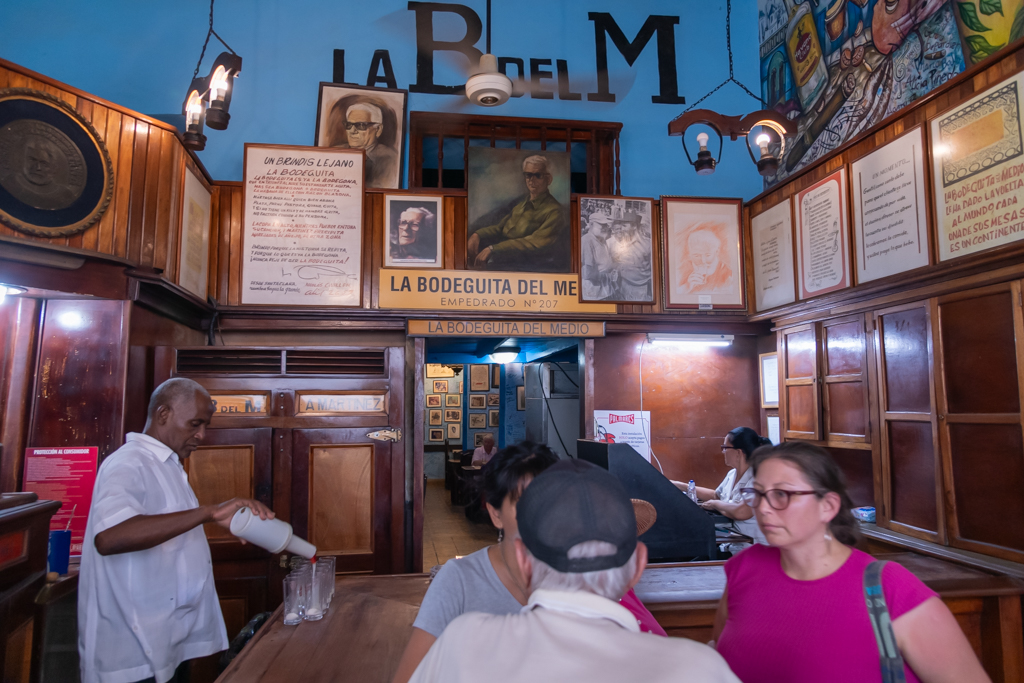
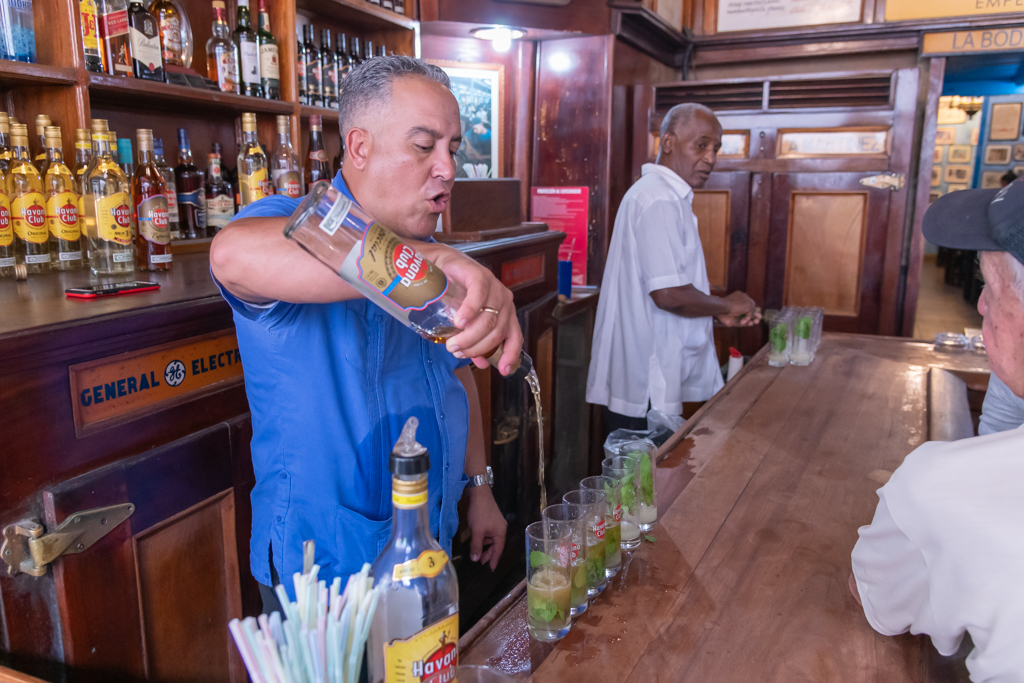
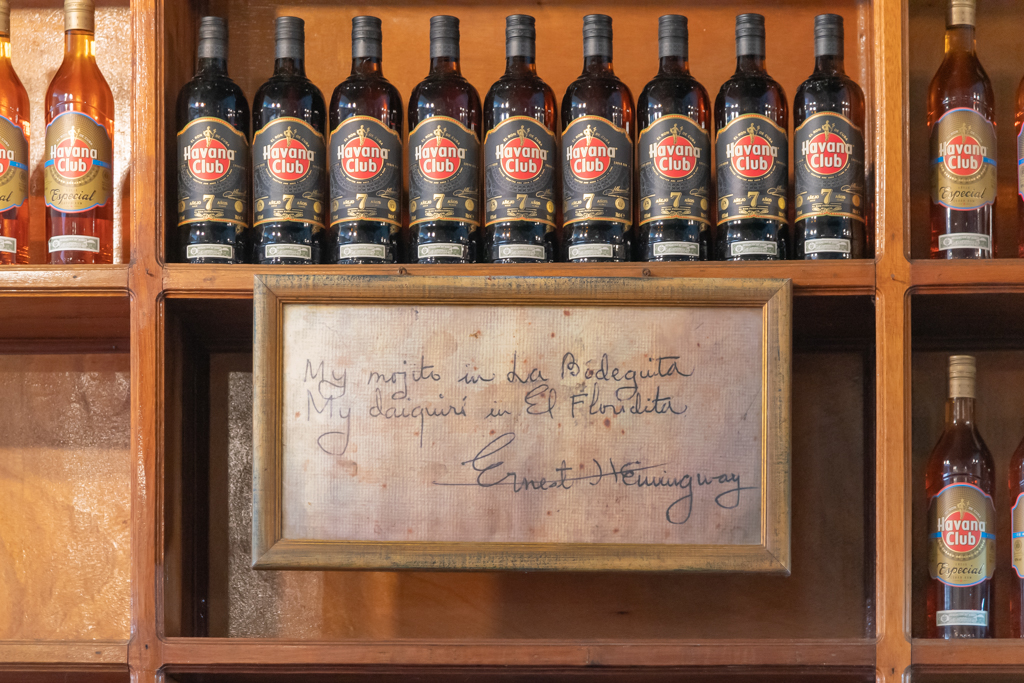
Very close to Hotel Ambos Mundos is La Bodeguita del Medio, a bar that claims to have invented the cocktail Mojito. Hemingway used to visit this bar (though not frequently) and they have a board that is supposedly signed by him. His biographer Philip Greene says it is unlikely this was actually signed by Hemingway as there are differences in the signature. In any case, La Bodeguita does brisk business because of this connection, and I too was a visitor there. The Hemingway connection must obviously be very profitable for them, given the high price (compared to going prices in Havana) they charged for my Mojito. Frankly, it did feel like a bit of a tourist trap.
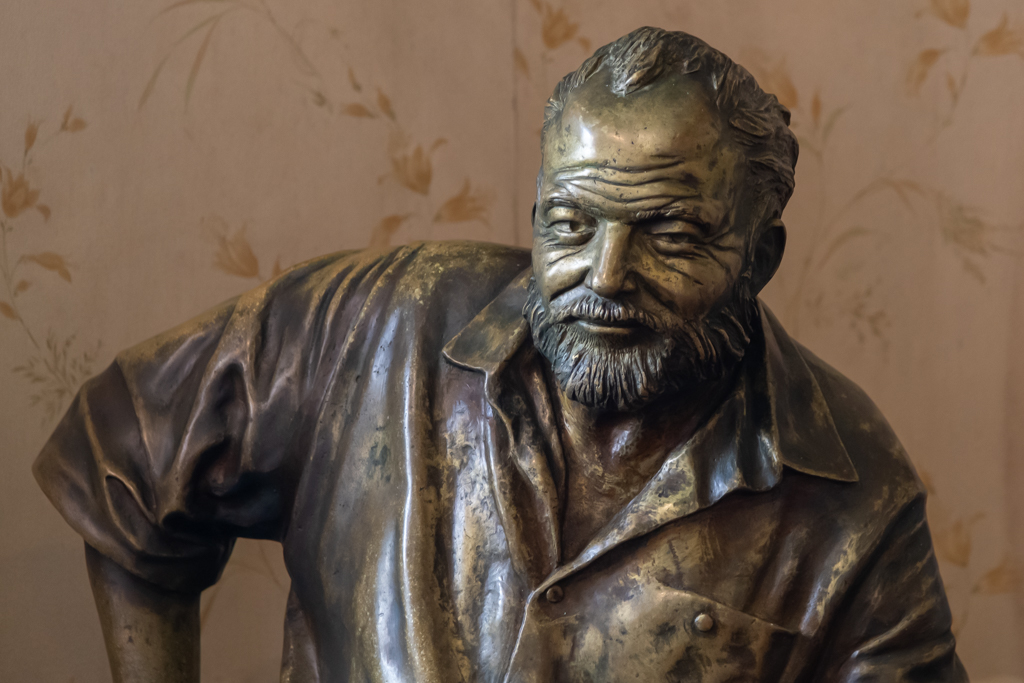
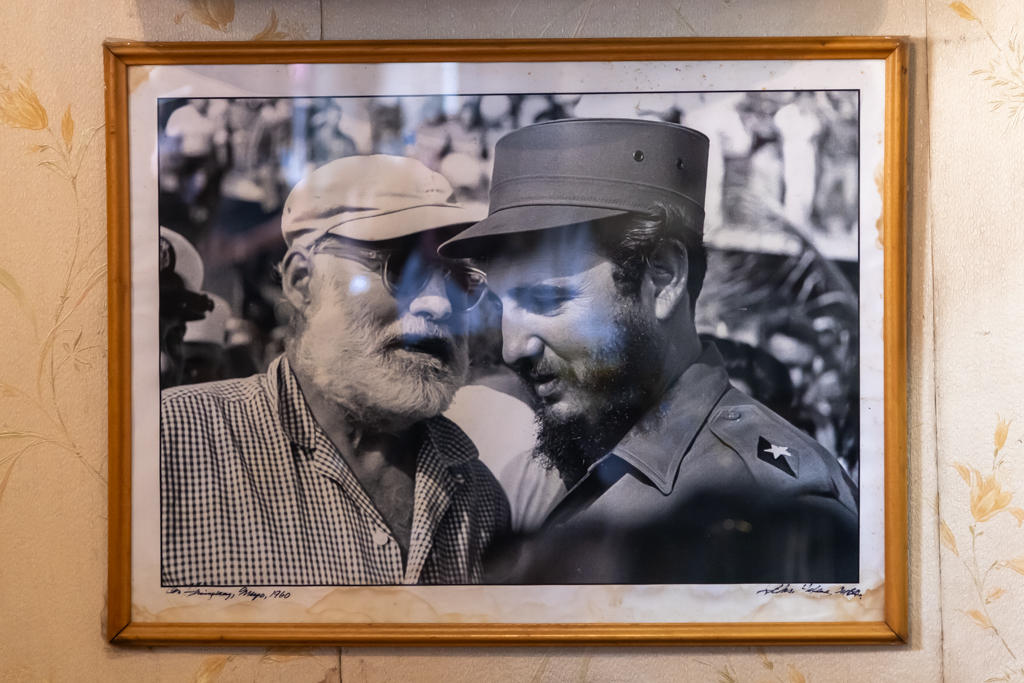
There is another restaurant and bar that Hemingway did use to frequent, named El Floridita, which is also in Old Town and just a short walk from Hotel Ambos Mundos. El Floridita holds the distinction of being the inventor of the cocktail Daiquiri. Unlike the La Bodeguita, this place had a different charm with the rather lifelike bust of Hemingway that you see at the end of the bar (sculpted in 2003 by Cuban artist José Villa Soberón) and it does feel like you are in his presence. For me it was magical to sit at the bar and have a Daiquiri thinking of Hemingway and the times he must have spent at the bar. As mentioned, I had been to Harry’s Bar that Hemingway used to frequent in Venice. When I was there, I was having a Martini thinking about him and his novel “Across the river and into the trees”, parts of which he wrote in Harry’s Bar (the bar itself is mentioned in the book). However, my meditative musings at Harry’s Bar were rudely interrupted by the arrival of four, rather loud Americans who set about complaining about the bar promptly and about how it lacked a view. I was quite irritated and left quickly. Thankfully, El Floridita was a very different experience. People were friendly and there were many photos of Hemingway including a photo of Hemingway and Castro. Supposedly, that was the only time they met, during a fishing competition. However, Castro was quite an admirer of Hemingway and was instrumental in ensuring that his house was preserved and converted into a museum.


In 1939, Hemingway moved out to a farmhouse called Finca Vigía, which is just outside Havana. After Hemingway’s death in 1961, this was converted into a museum through the active intervention of Fidel Castro. Hemingway had wanted the house to go to the people of the locality after his death. It is now preserved as it was when Hemingway left Cuba in 1959. Unfortunately, you cannot enter the house itself as it is roped off; it seems visitors were carrying off memorabilia from the house and so the authorities banned entry for everyone. It is a small, unimposing house with an outhouse attached to it.
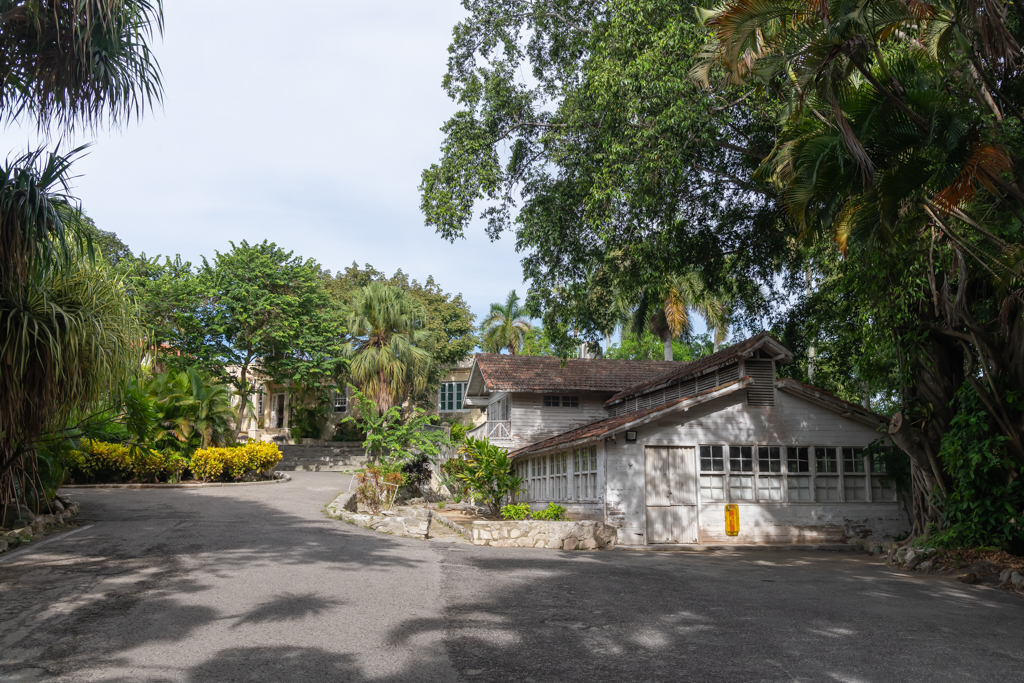
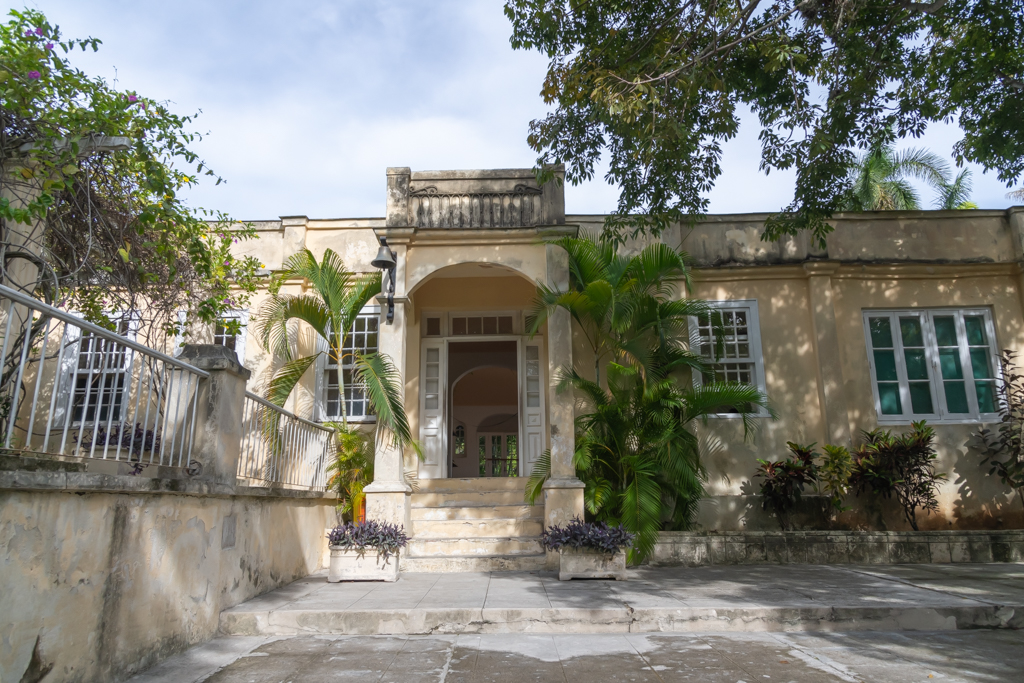
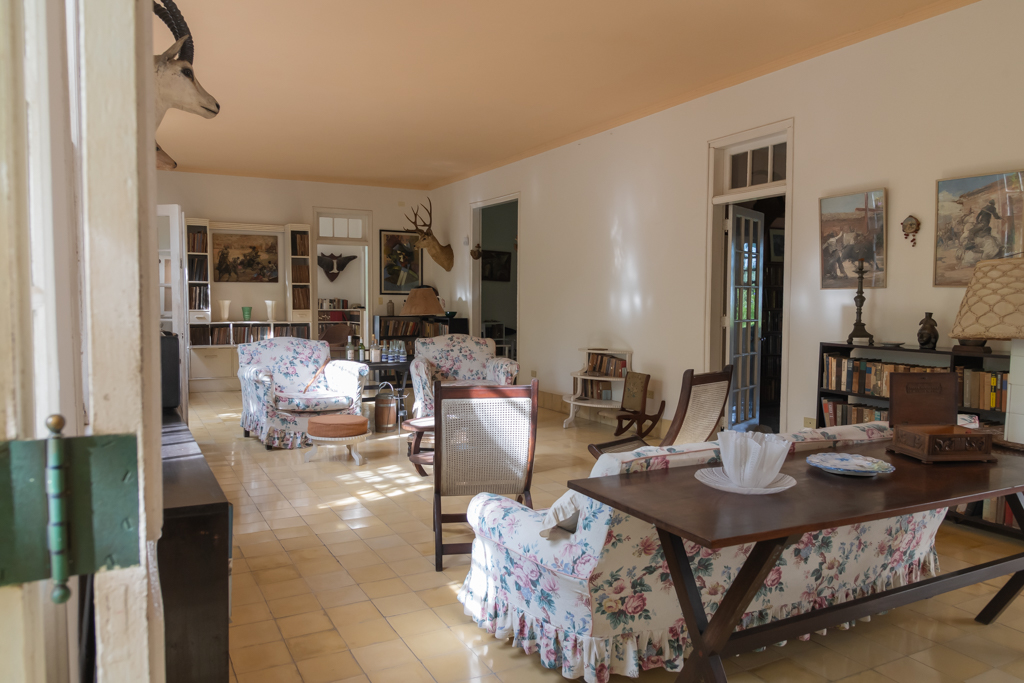
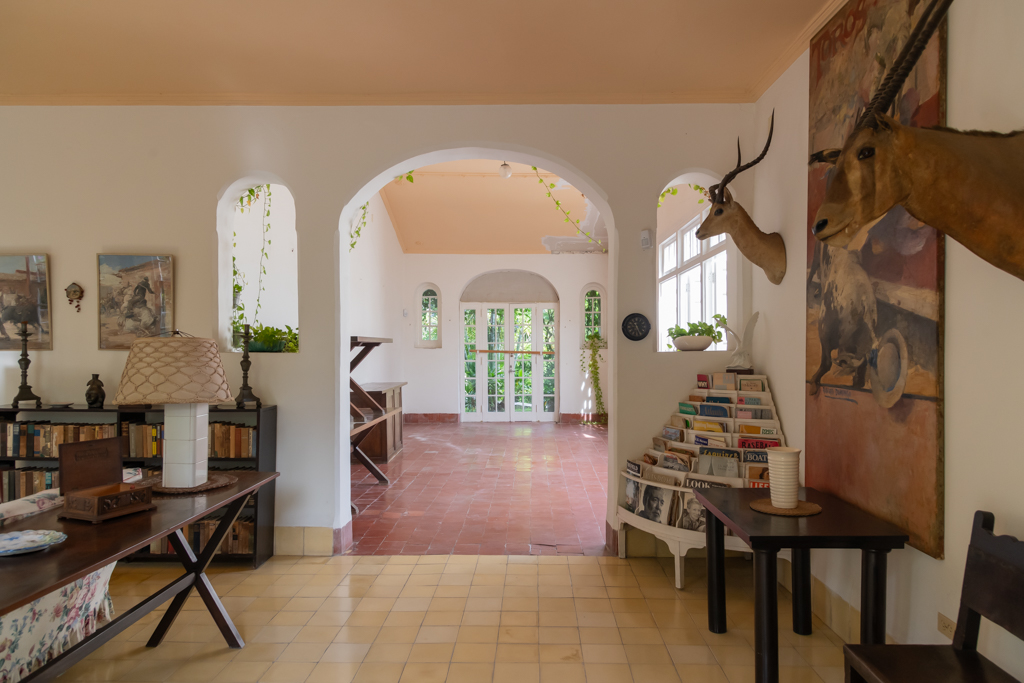

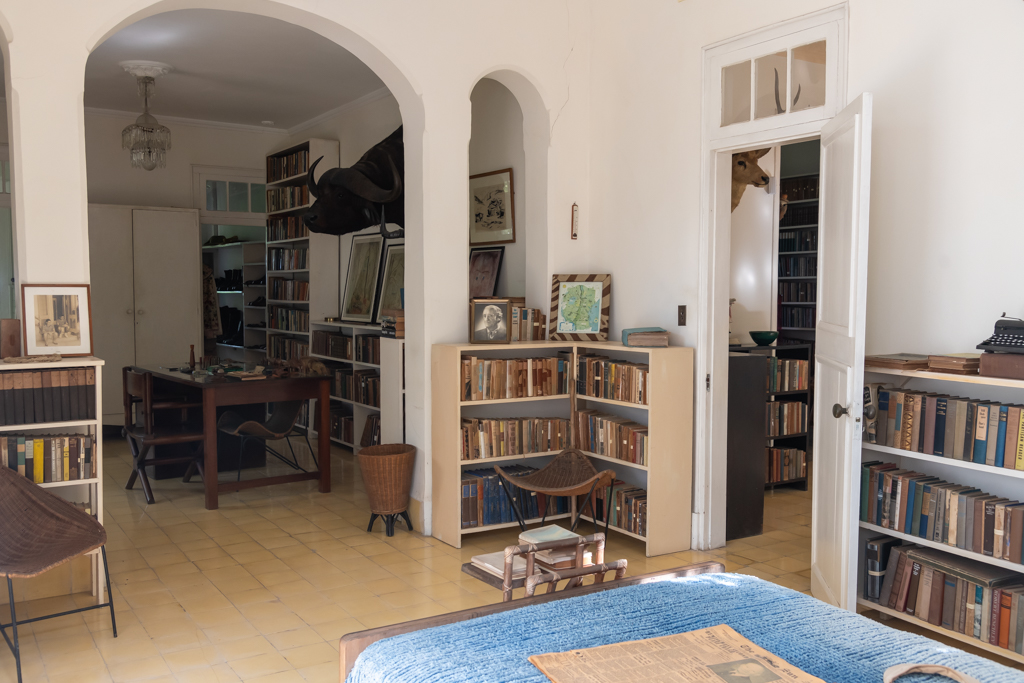
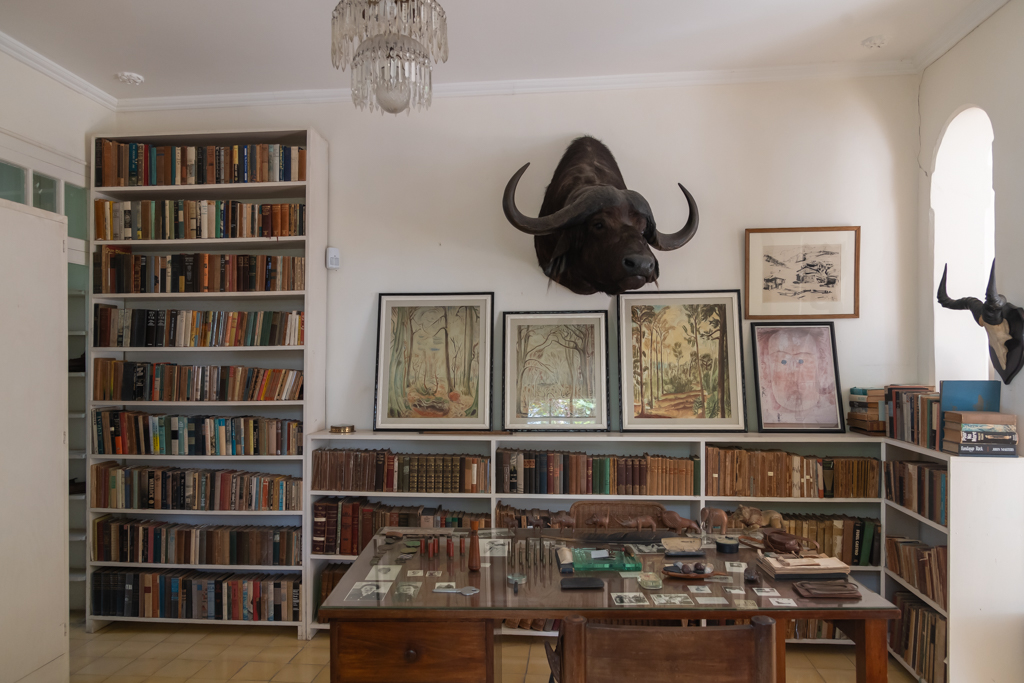
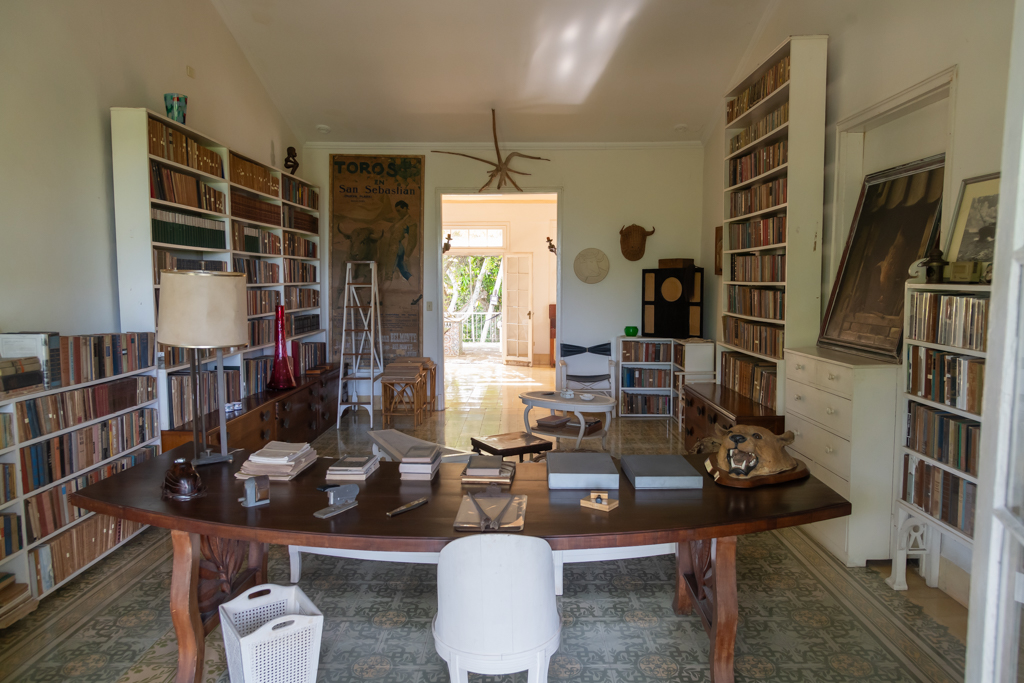


Hemingway was an avid hunter as well and often went to Africa on hunting trips and you can see some of his trophies on the walls. Another interesting aspect is that the house is filled with books, and you see them everywhere including the bathroom! There are about 9000 books in the house.
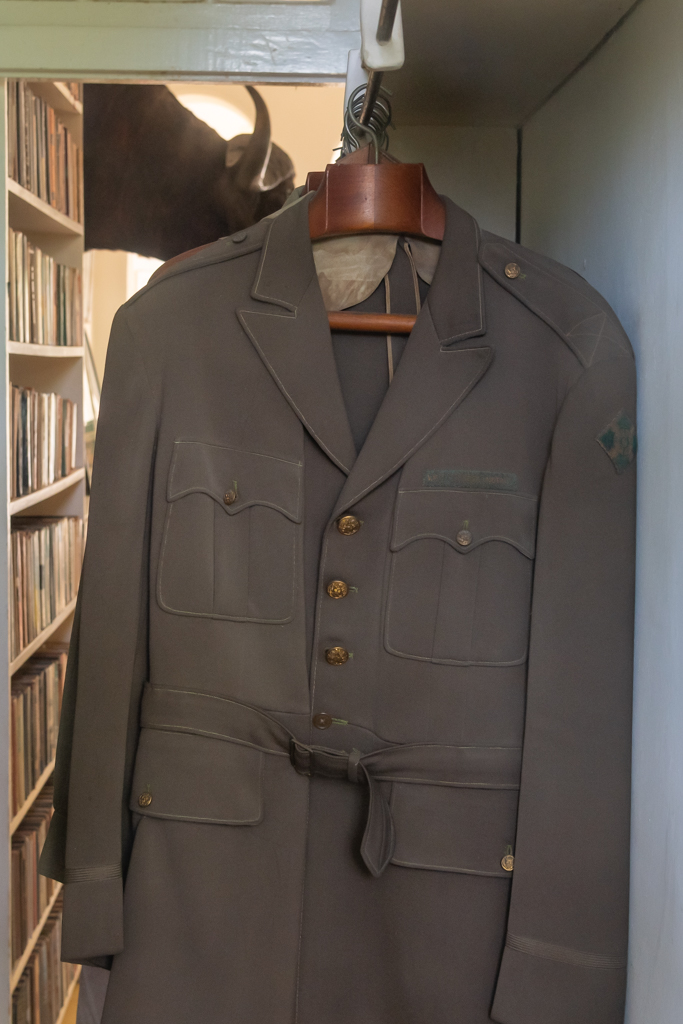
Uniform that Hemingway wore in the Spanish Civil War.
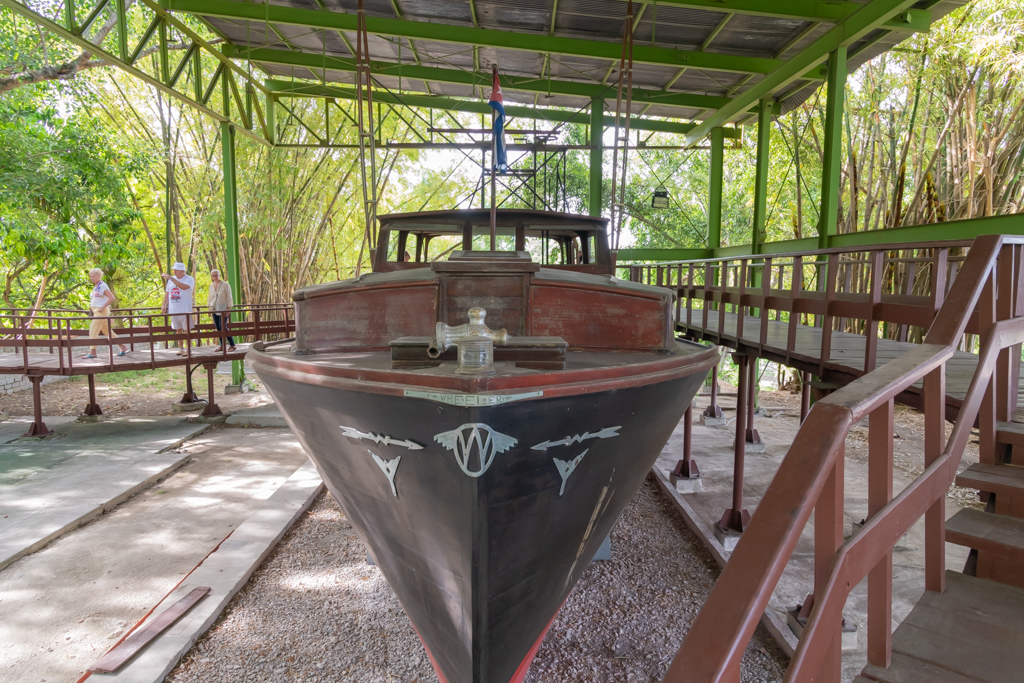
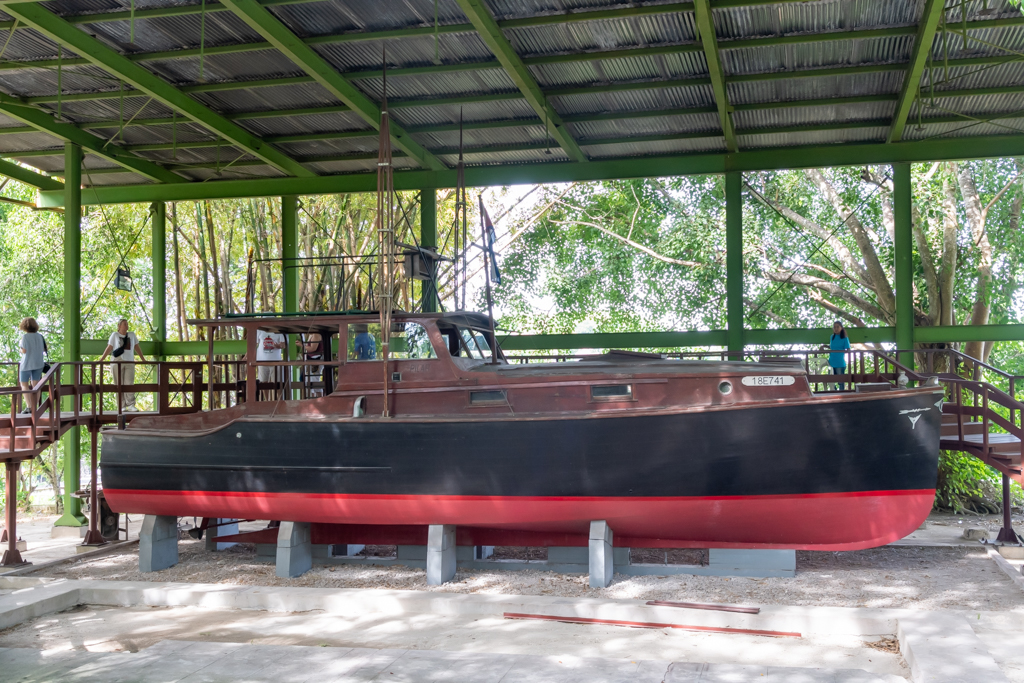
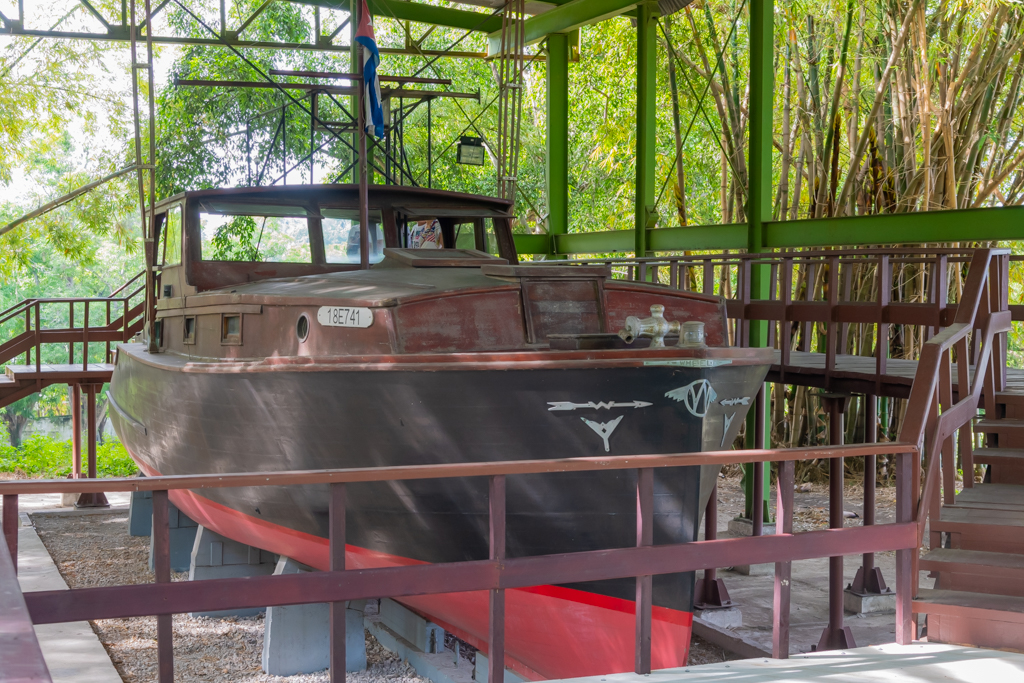
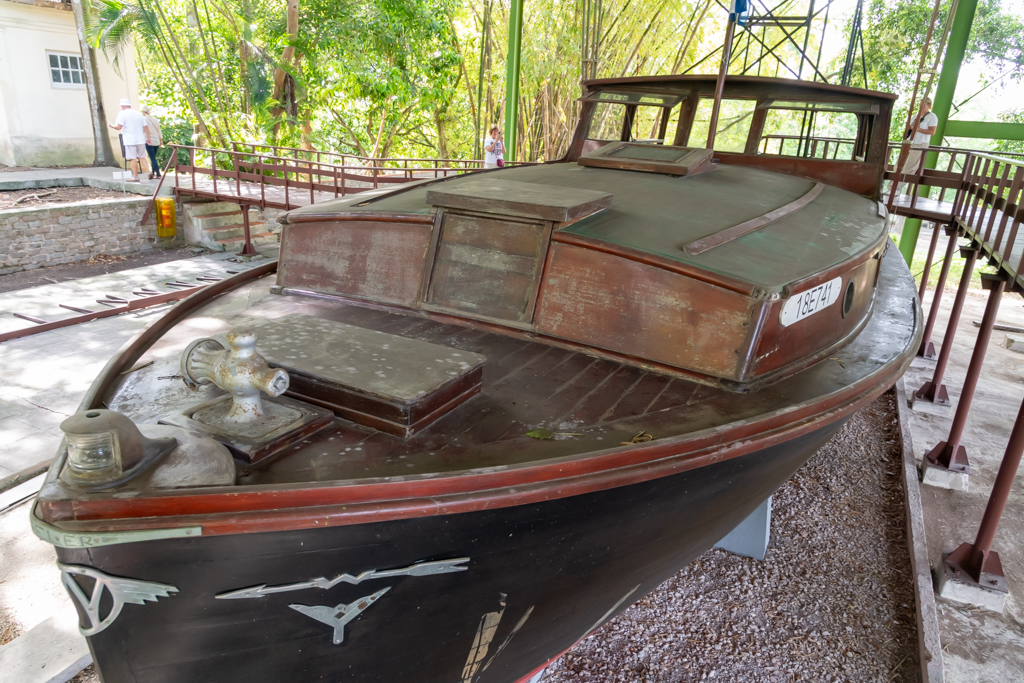
As anyone who has read Hemingway can make out, fishing was an important part of his life. In 1934, he acquired a yacht and named it Pilar. It was the nickname of his second wife, Pauline, and also the name of one of the characters in “For Whom the Bell Tolls”. He spent a lot of time on this boat and even used it to search for German U-boats; well, at least, that is what he claimed but Hemingway being the colourful man he was, there were allegations that this was just a fast one he pulled to get some extra gas rations. Whatever the case may be, he was very fold of Pilar and many of his works have been influenced by his experiences aboard this boat. When he left Cuba, he gifted the boat to his captain and friend Gregorio Fuentes, who donated it to the people of Cuba. Pilar is now on display at the museum.

Hemingway used to frequent a small fishing village called Cojimar, which is a short distance away from Finca Vigía. One of his haunts was the restaurant La Terraza de Cojimar and that was my next stop. This is a beautiful restaurant right by the sea and there is a corner table that Hemingway used to sit at. It is now cordoned off and Hemingway is still there in the form of a small bust. The walls of the restaurant are lined with photographs including a couple with Castro.
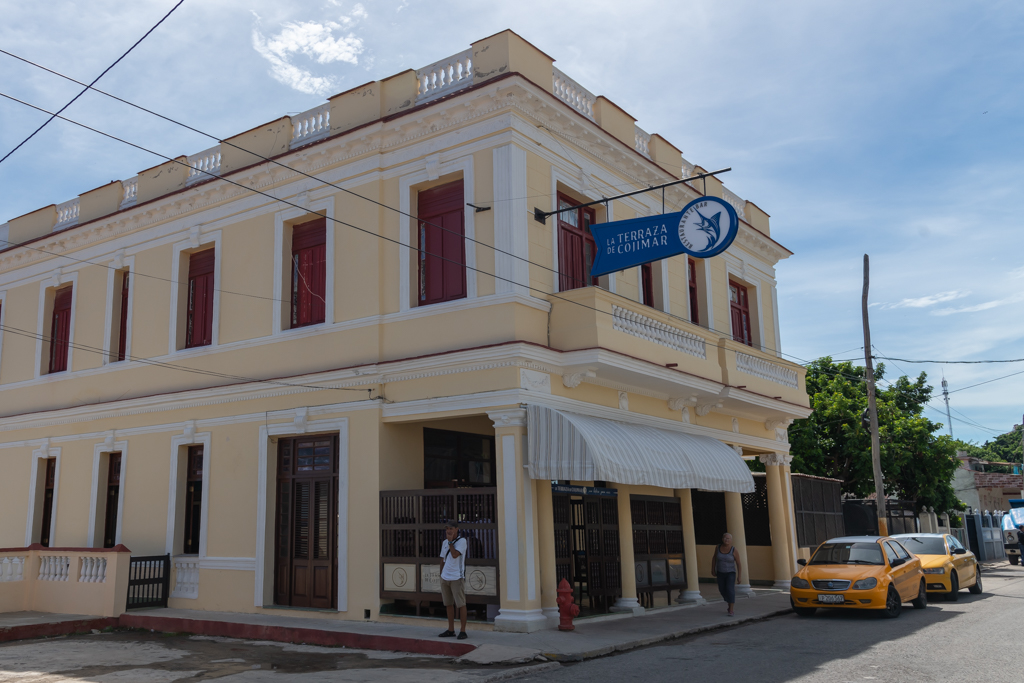


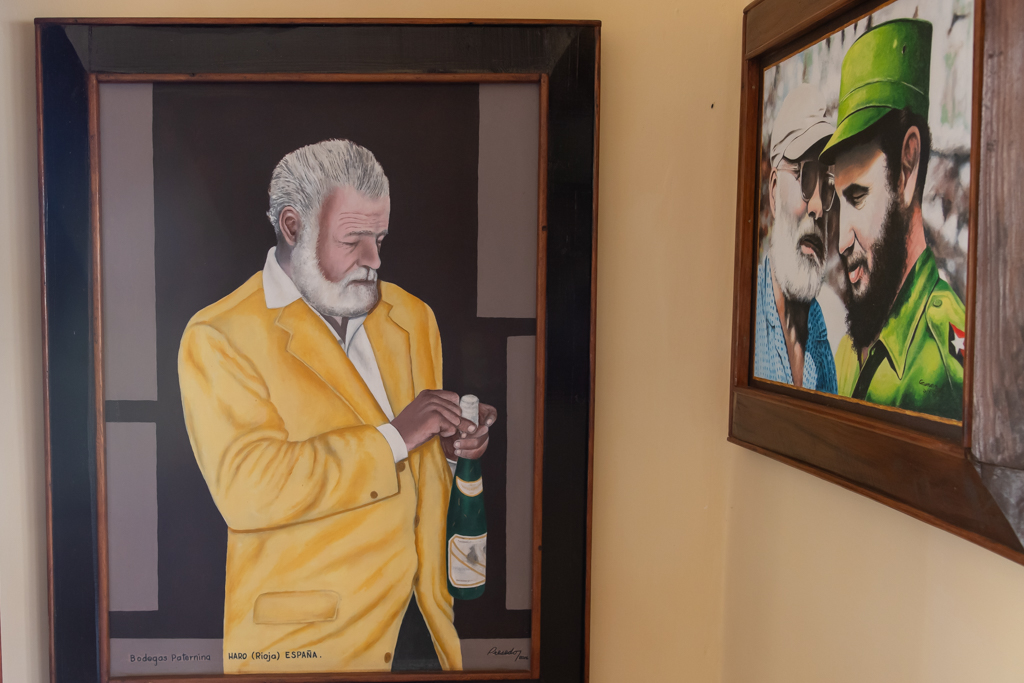
Hemingway spent a lot of time here with Gregorio Fuentes and also met a lot of fishermen here. It is likely he got the spark for The Old Man and the Sea from Cojimar. A story involving an old fisherman and a giant marlin had been part of the lore of the fisherfolk in Cojimar for several years. There is a photo of an old fisherman in the restaurant, and some say that Hemingway’s character is modelled on that man though my guide didn’t seem to agree with that. This restaurant is mentioned in the book quite a few times (The Terrace), including at the end where a woman sitting in the restaurant along with her friends, sees the spine of the fish.
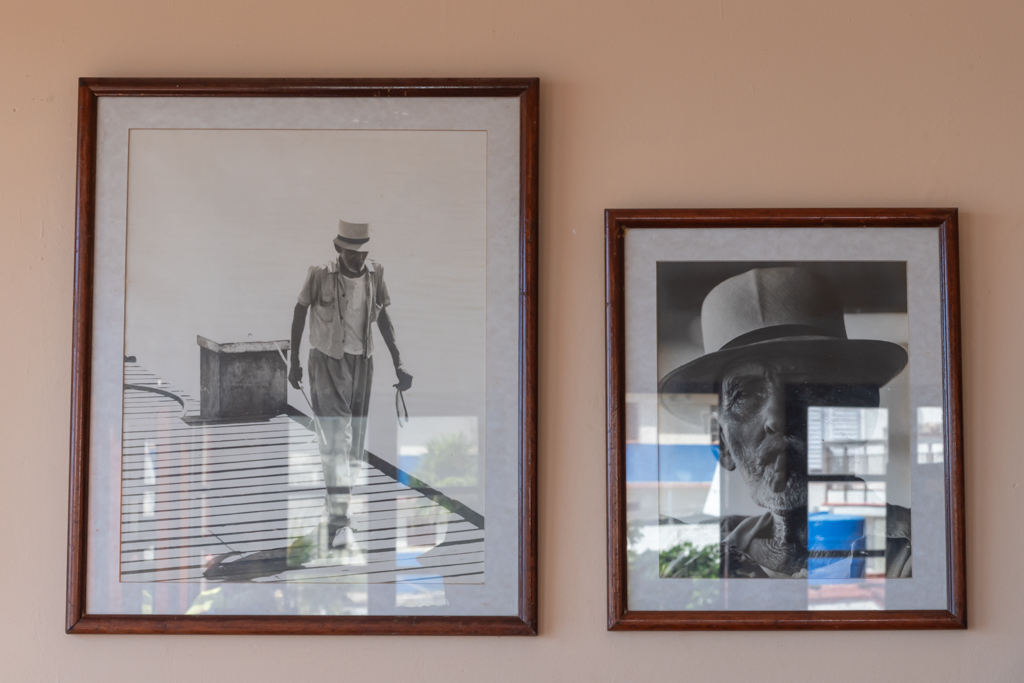

Hemingway considered The Old Man and the Sea to be his best work and he revised it countless times before he was happy for it to be published. Just before he wrote it, he had published “Across the river and into the trees” but that hadn’t been received well and Hemingway was hurt by the criticism. Personally, I was surprised to hear that this had not been received well as it remains one of my favorite Hemingway books. The Old Man and the Sea was a response to the critics and I read somewhere that Santiago was Hemingway himself, showing the critics that his skill and craft was still second to none. His first novel “The Sun Also Rises” was published in 1926 and it took him another 26 years to get to the pinnacle of his literary career with The Old Man and the Sea, while writing a series of great books along the way.
Hemingway was a man of the masses and was friendly with everyone around and the fishermen at Cojimar were no exception. When he died in 1961, they were so saddened that they decided to build a monument for him in Cojimar a year after his death. They were poor and had no money but somehow found a sculptor who was willing to make the bust free of cost. However, there was still the problem of finding money to buy the metal needed to make the statue. They solved that by melting the propellers and other fittings of their own fishing boats!
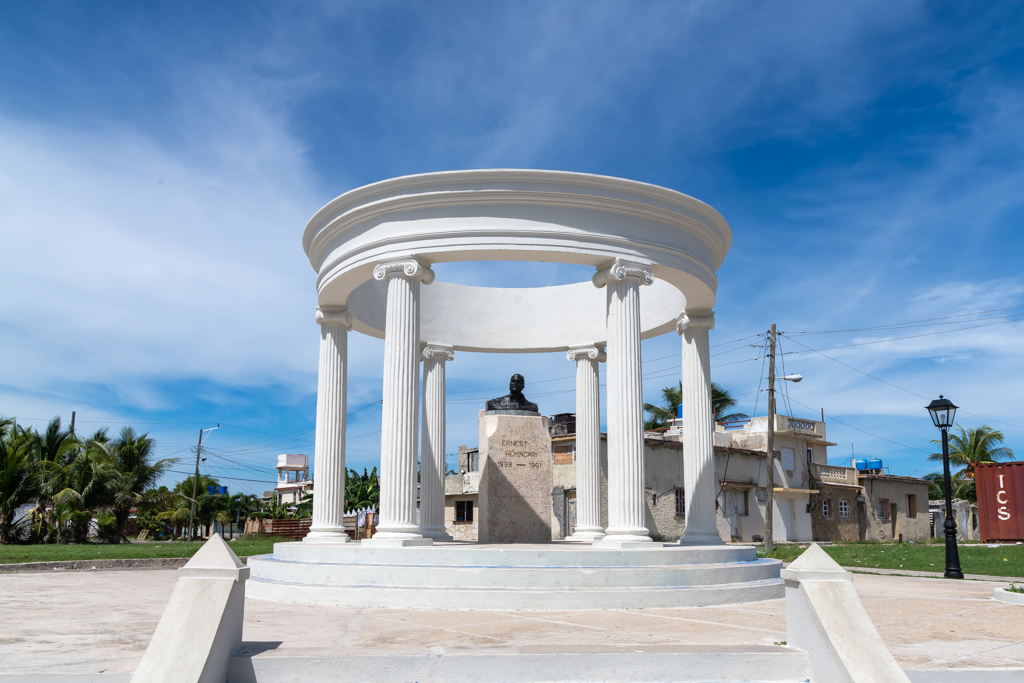
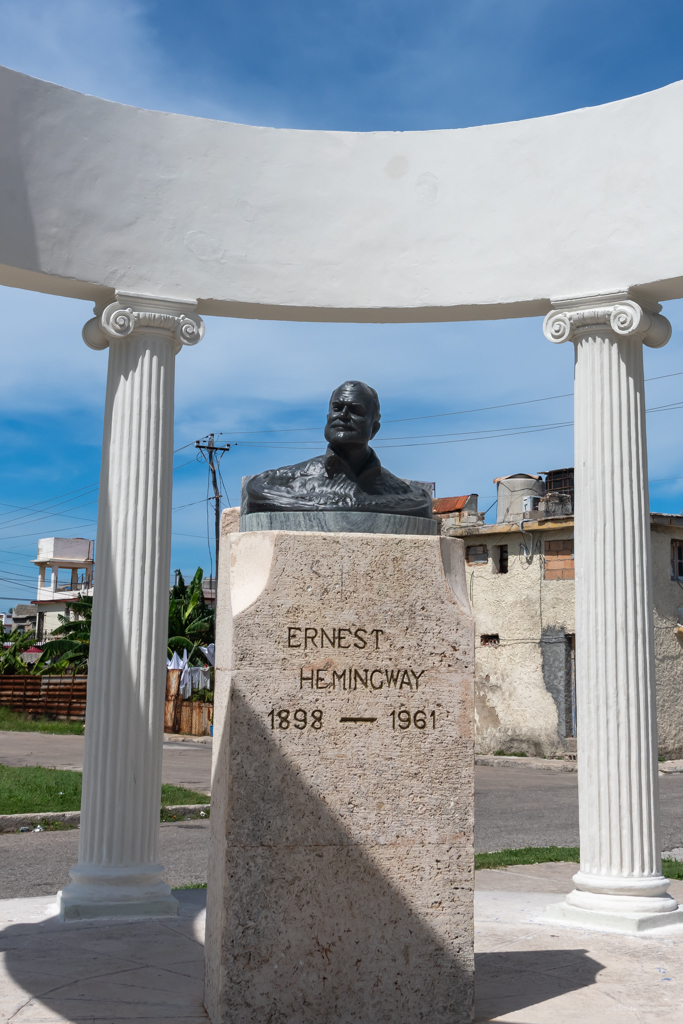
I don’t think a grander monument can ever be built for a writer and off the top of my head, I couldn’t think of many writers who would have been honoured like this, by the masses. But then, that was Hemingway and his relationship with Cuba and its people. He lived life to the fullest, much like his style in writing – direct and without frills. He mingled with everyone regardless of who they were, and they loved him back in return; so, Hemingway lives on in Cuba.
 Kaazhchakal
An absorbing read. You take the reader along on your travels, through your words and images. So many of the people and places one has only heard and read about come alive as one reads.
Thanks a lot, Mini!
Very good Read Sudeeshetta!it is like walking with you through Cuba with memories of Ernest Hemingway!!Thank you for sharing the experience & history.
Thanks, Aboo!
Very well written Sudeesh with lot of details and excellent photos
Thanks, Arun