Posts Tagged ‘Travelogue’

Well, not footloose really, as I had planned everything for the trip – cities to visit, what I would see, where to stay…and booked everything as well. You see, I am not the guy who would just pick up a backpack and figure out stuff as it comes. I have been told that the uncertainty is fun; perhaps it is. But to me, it is a bit stressful. So, I started out after charting out everything but with a willingness to change, if the need arose. 

The focus of the trip was to visit some cities in Eastern European countries that I had not visited in the past (Prague, Bratislava, Budapest, Zagreb, Split, Ljubljana, Cesky Krumlov, Tallinn, Riga and Vilnius) as well as some cities in Northern Europe (Helsinki and Copenhagen) and then end with a drive in the Scottish wilderness. The expected duration was six weeks, and this would be the longest solo trip I had been on, so far. Of course, about 10 days after I started, Sri joined for a few days and then she left. Then Jay and Sri joined me in the last few days at Scotland. That was welcome as it broke the “monotony” of the solo trip. 

I started my trip in Amsterdam as my SCHENGEN visa was issued by The Netherlands. A chance encounter in a tram sent me to the contemporary art museum there and that seemed to set the tone for the whole trip as I only visited contemporary art museums and photography museums in all the cities I visited and not a single museum that showed traditional or classical European art. In most museums I visited, I felt the art is evolving. To my untrained eye, it looks a bit behind the times, though each museum had some brilliant work or the other. Of course, the issues they are focused on, are different. In the countries that used to be within the Iron Curtain, they are coming to terms with freedom and the issues caused by Capitalism. In the Northern cities like Helsinki, climate change is a real existential issue. At the Helsinki Biennale, I watched a brilliant video titled “Teardrops of our grandmother” by Jenni Laiti & Carl-Johan Utsi, which clearly brings out the issue they face because of climate change and glaciers melting. A sentence from the film stuck with me – “we should not live at a pace faster than that of the land and the body”. 

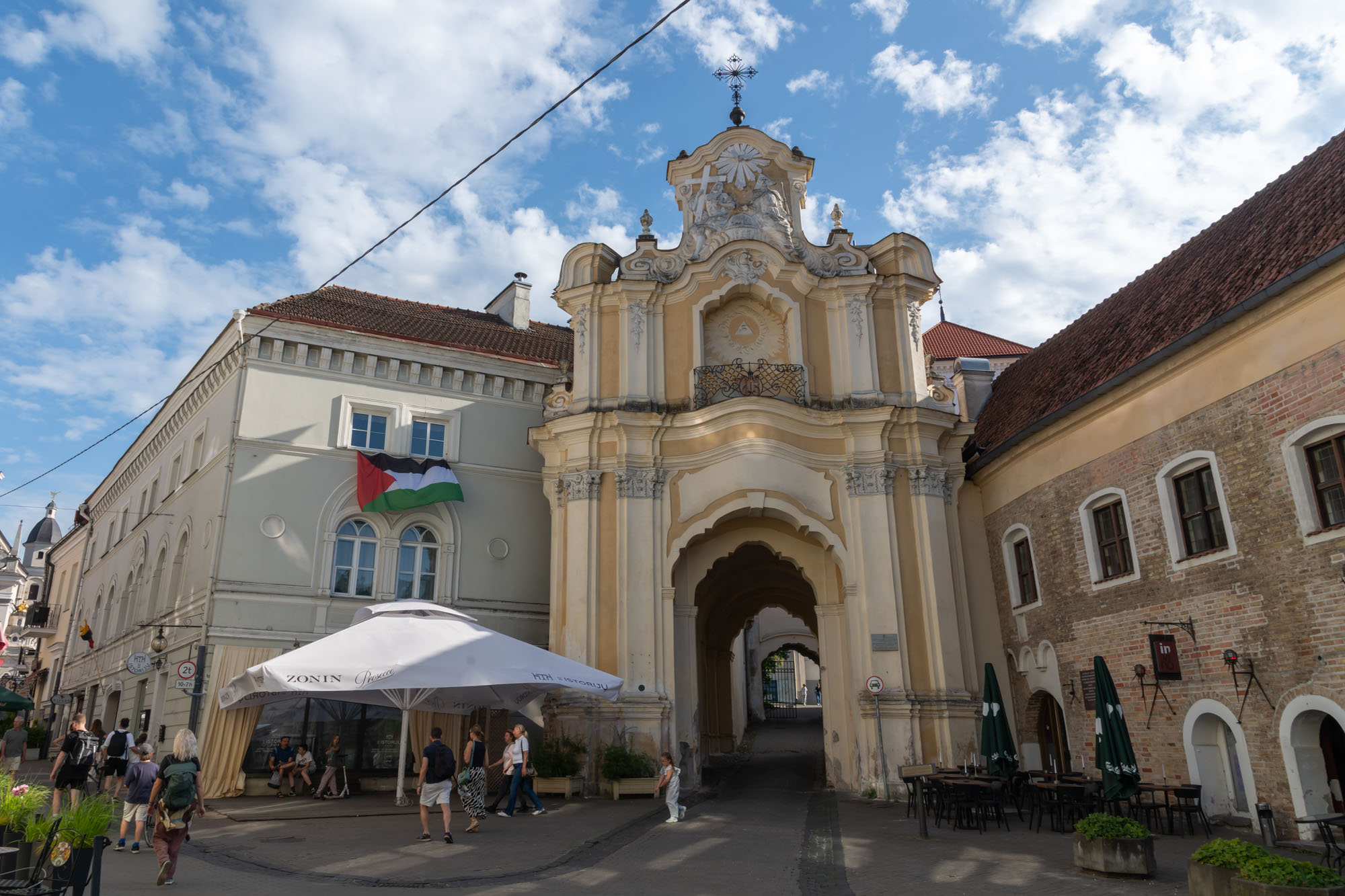
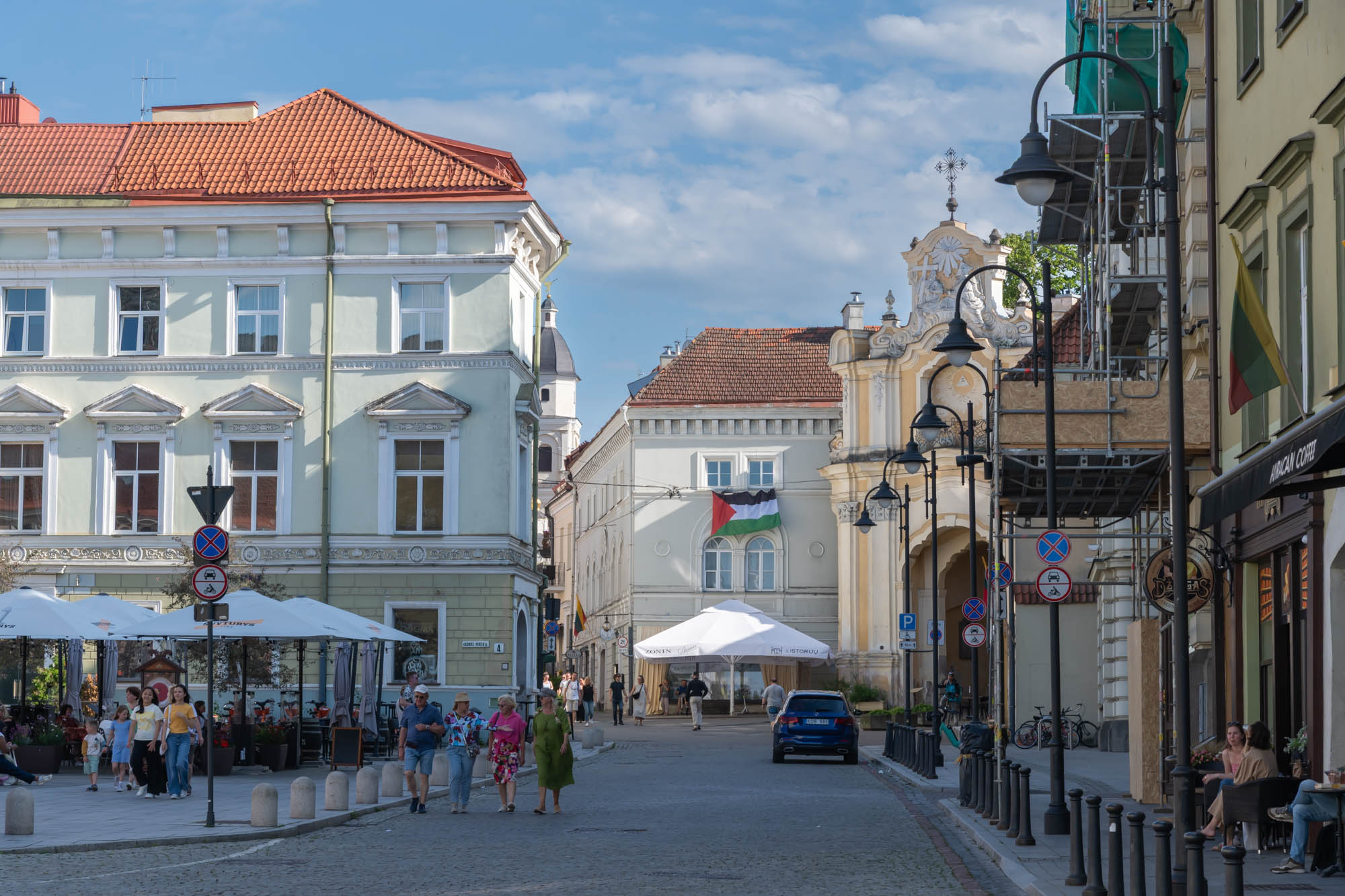
Europe’s official response to the Palestine issue has been downright deplorable and while you did find some instances of public support being displayed for the Palestinians (like the Ukranian church in Vilnius flying a Palestinian flag), the museums were noticeably silent on the issue, which is a shame. 
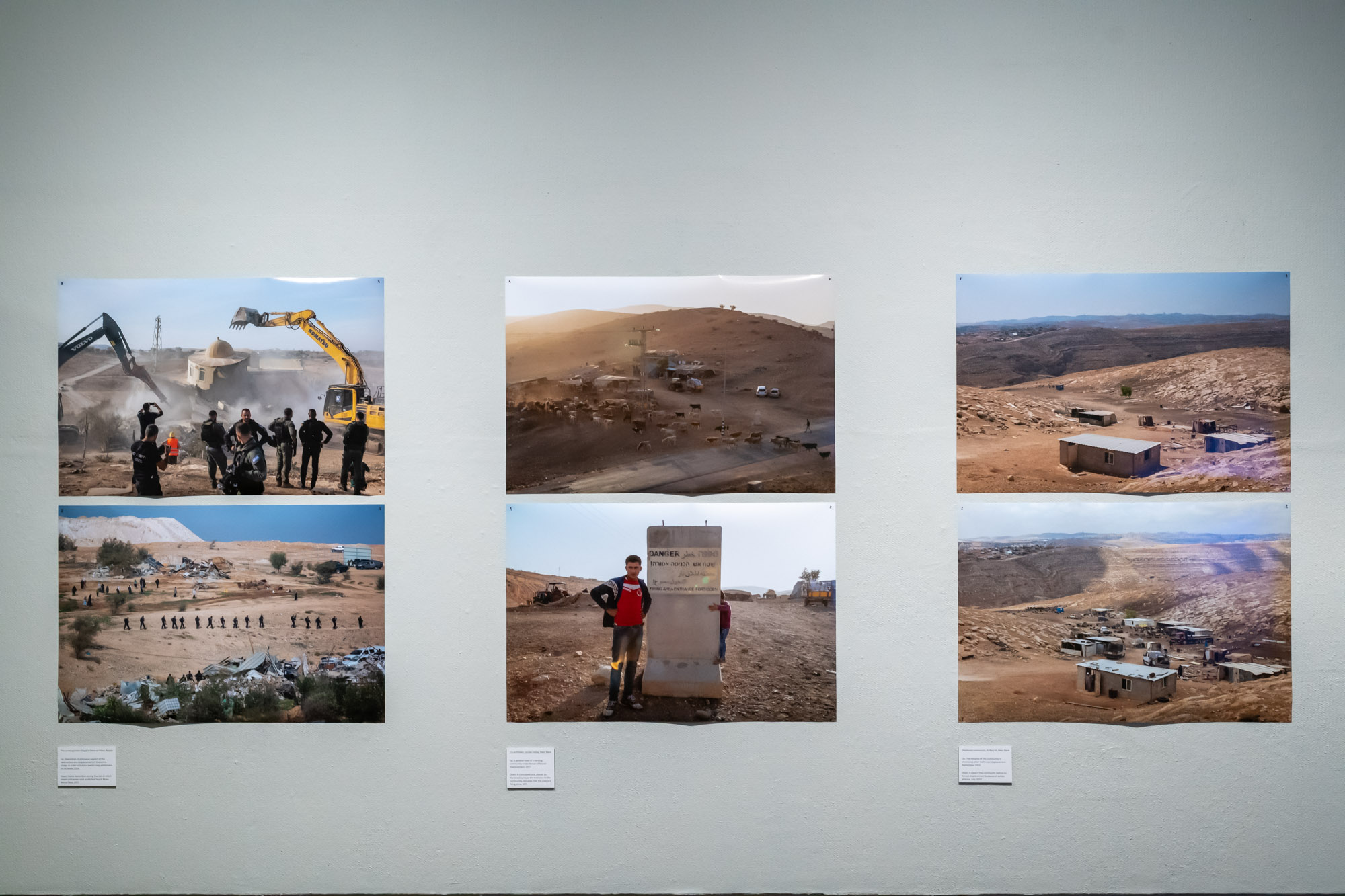
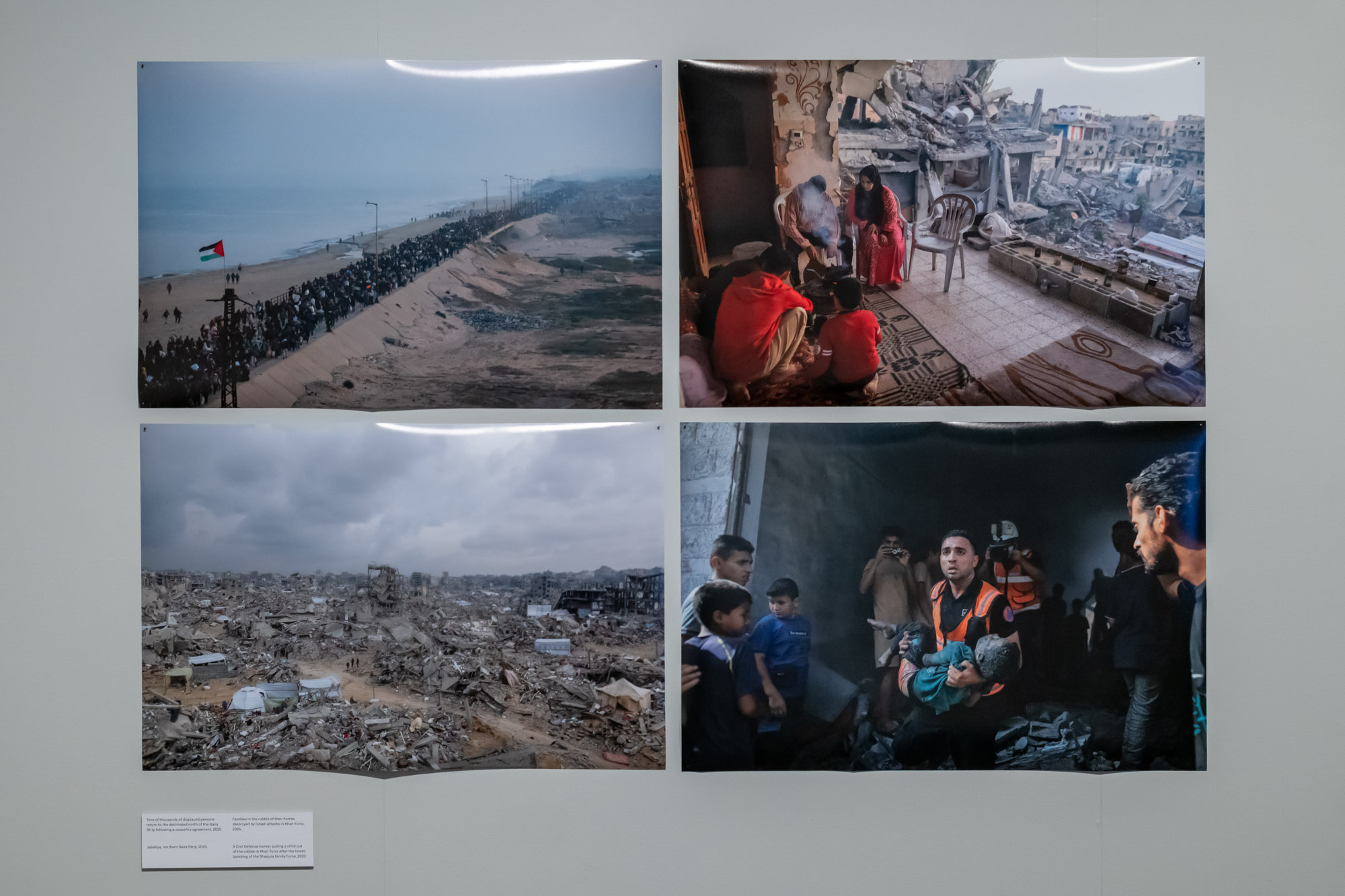
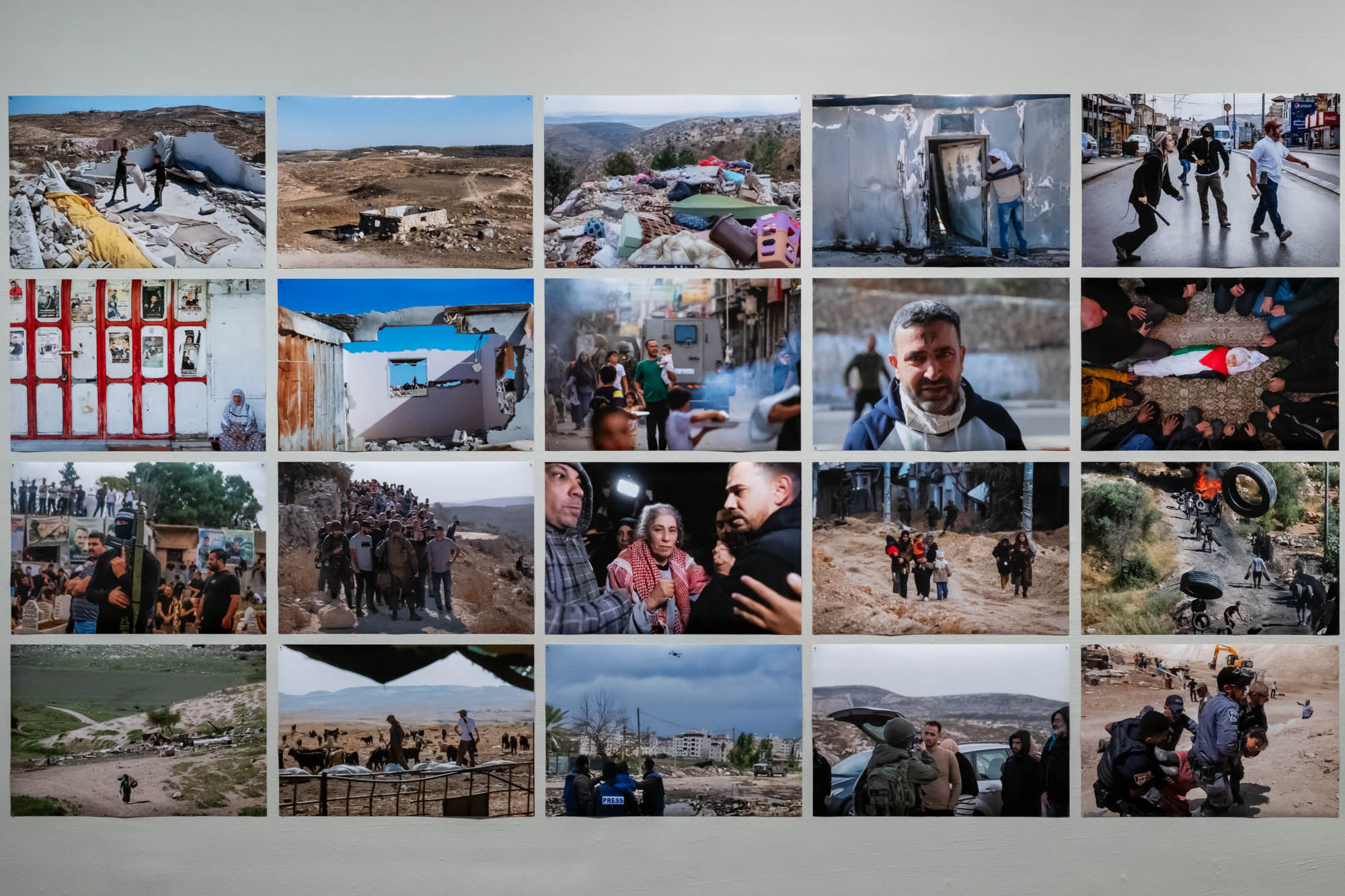
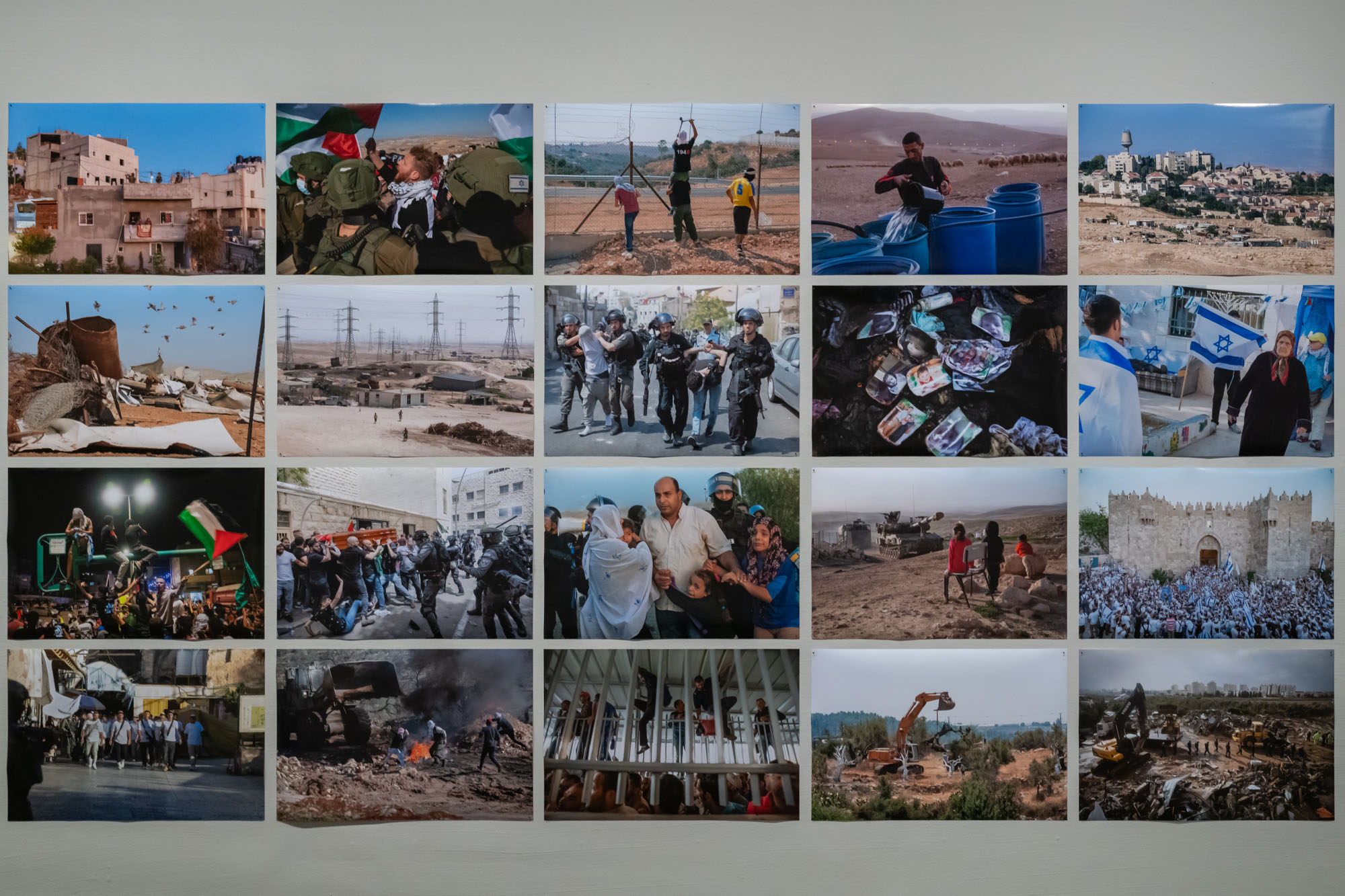
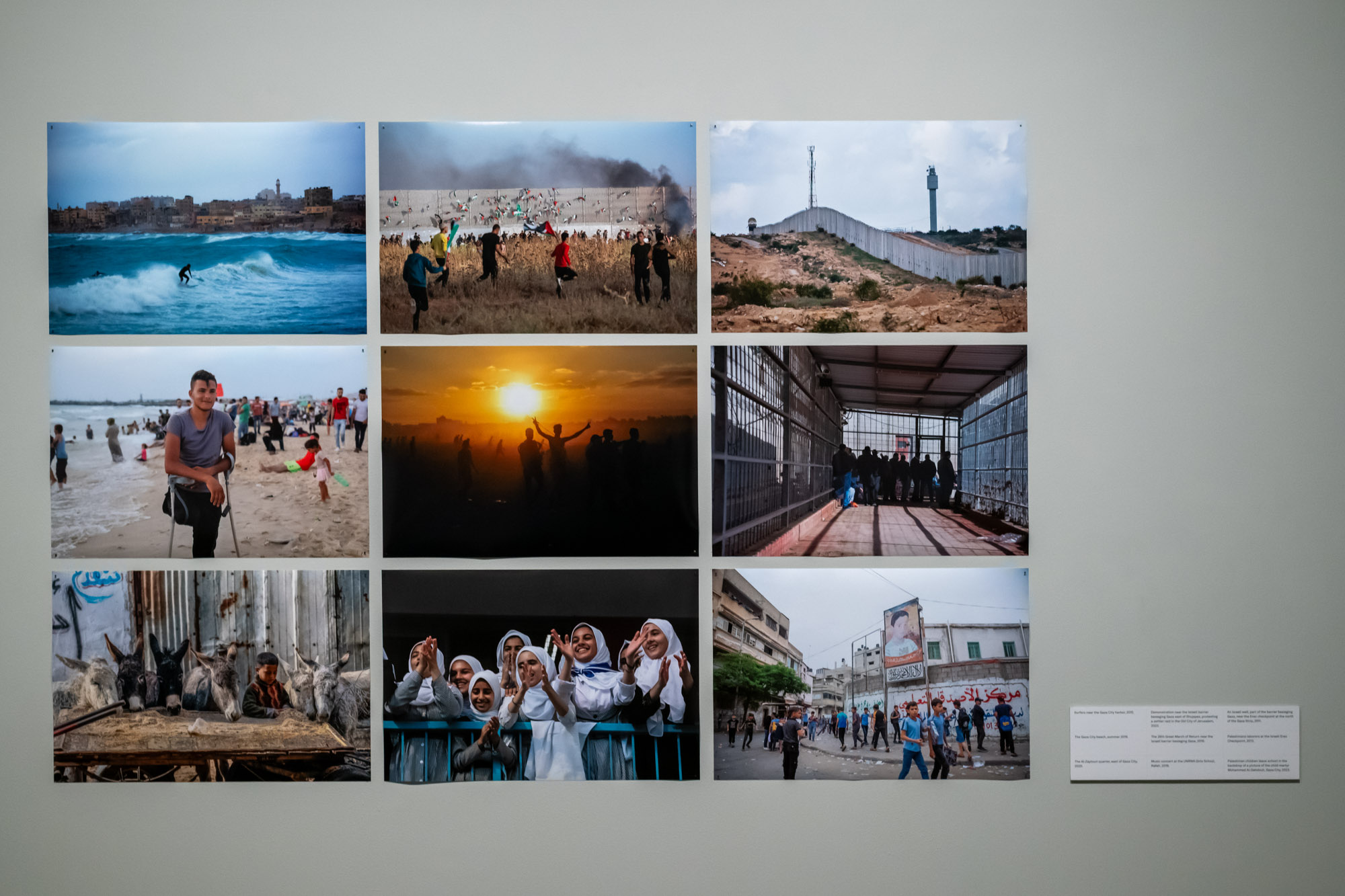
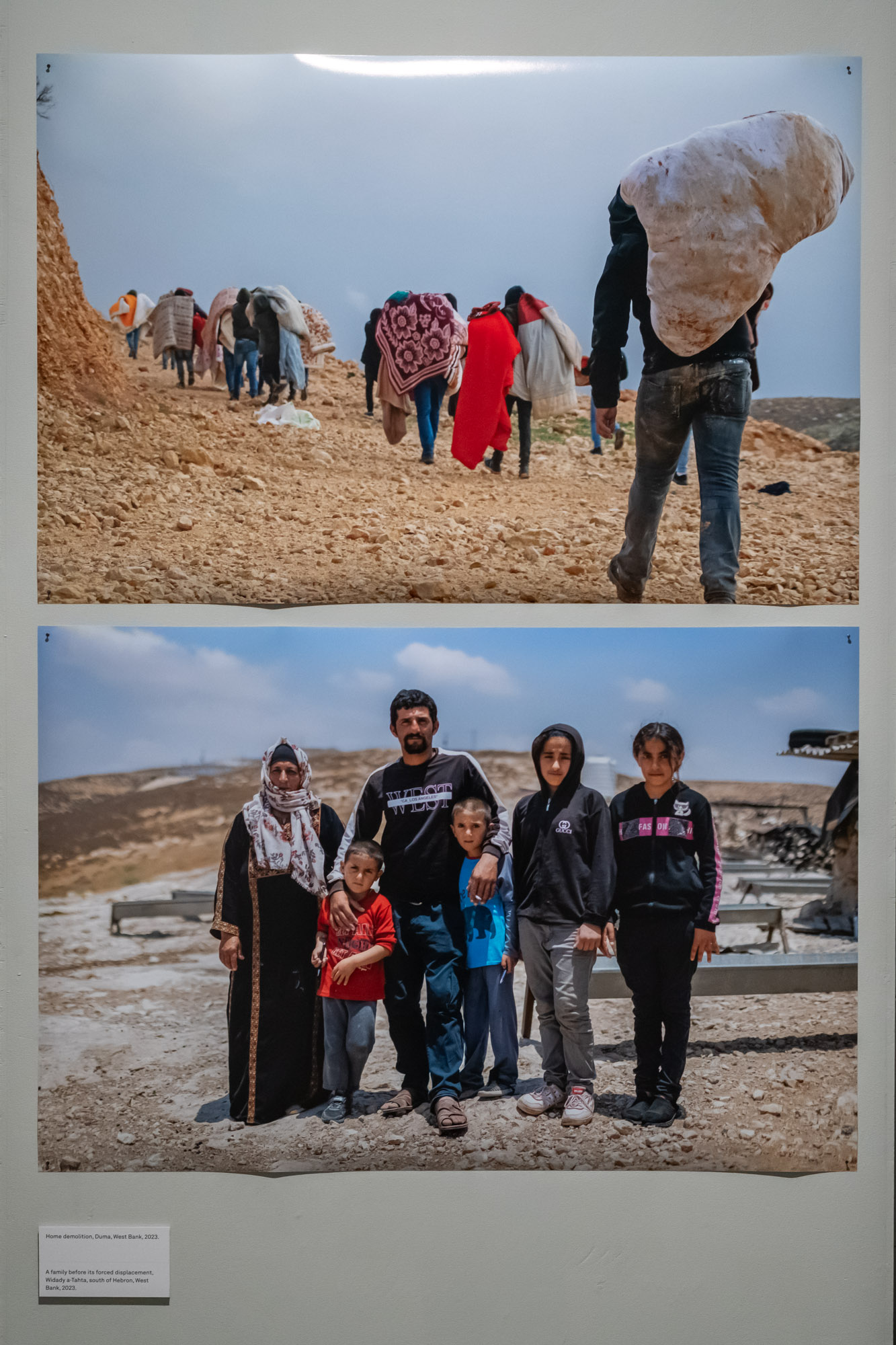
A welcome surprise was The Finnish Museum of Photography in Helsinki, which had organised an exhibition of photographs taken by a photography collective called “Activestills”. They have been documenting Israeli colonial violence and Palestinian resistance since 2005. 
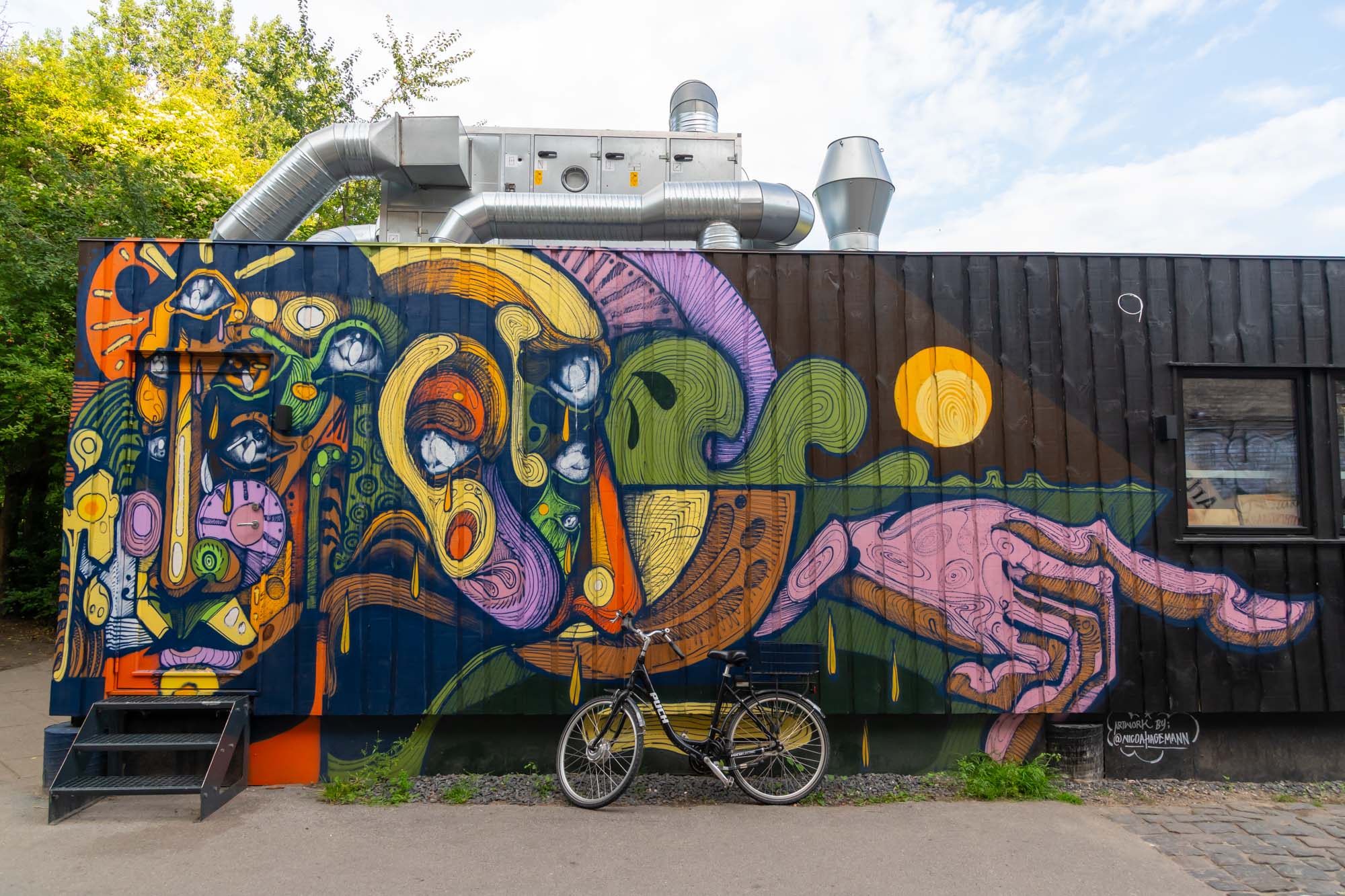
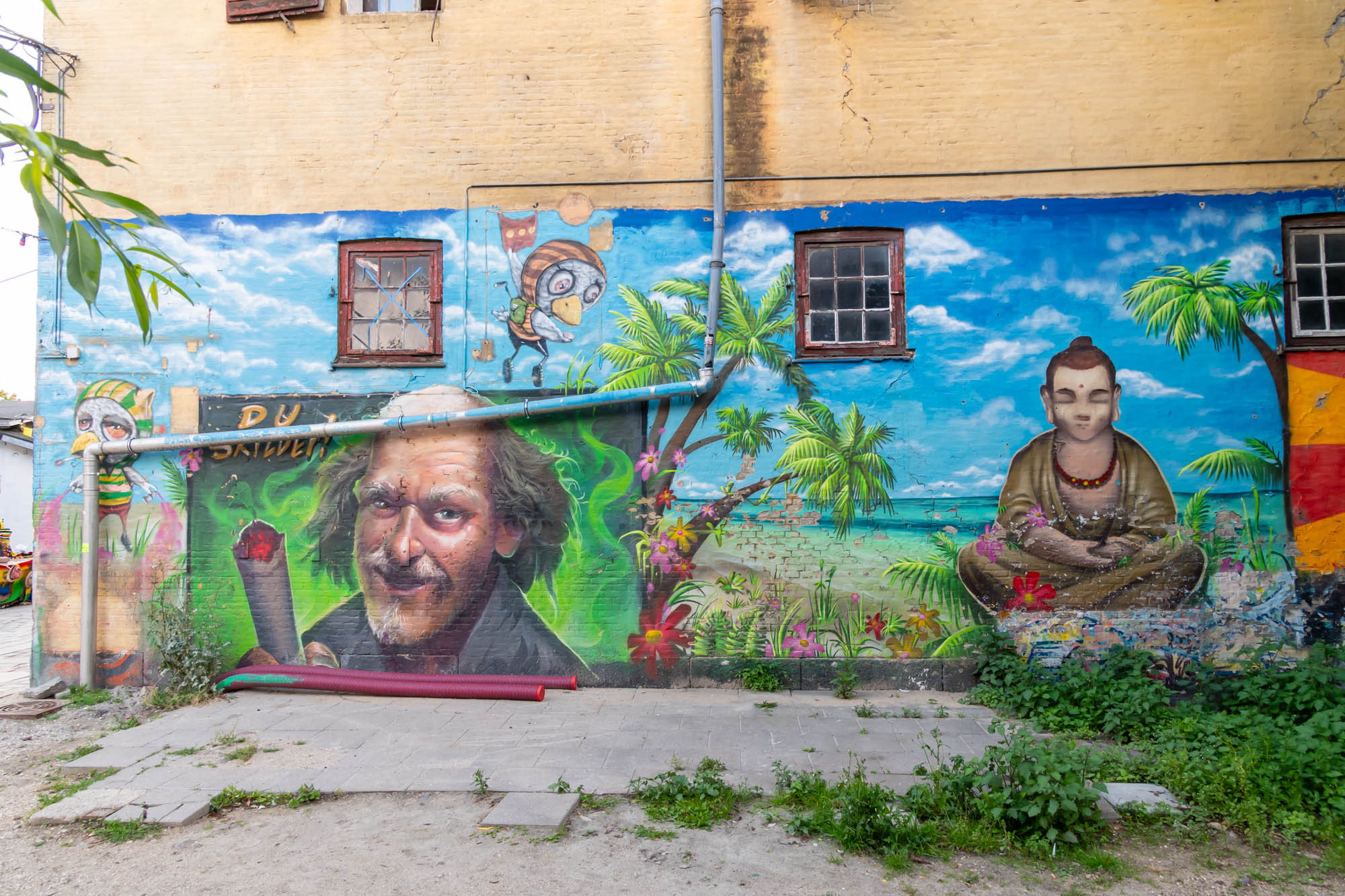
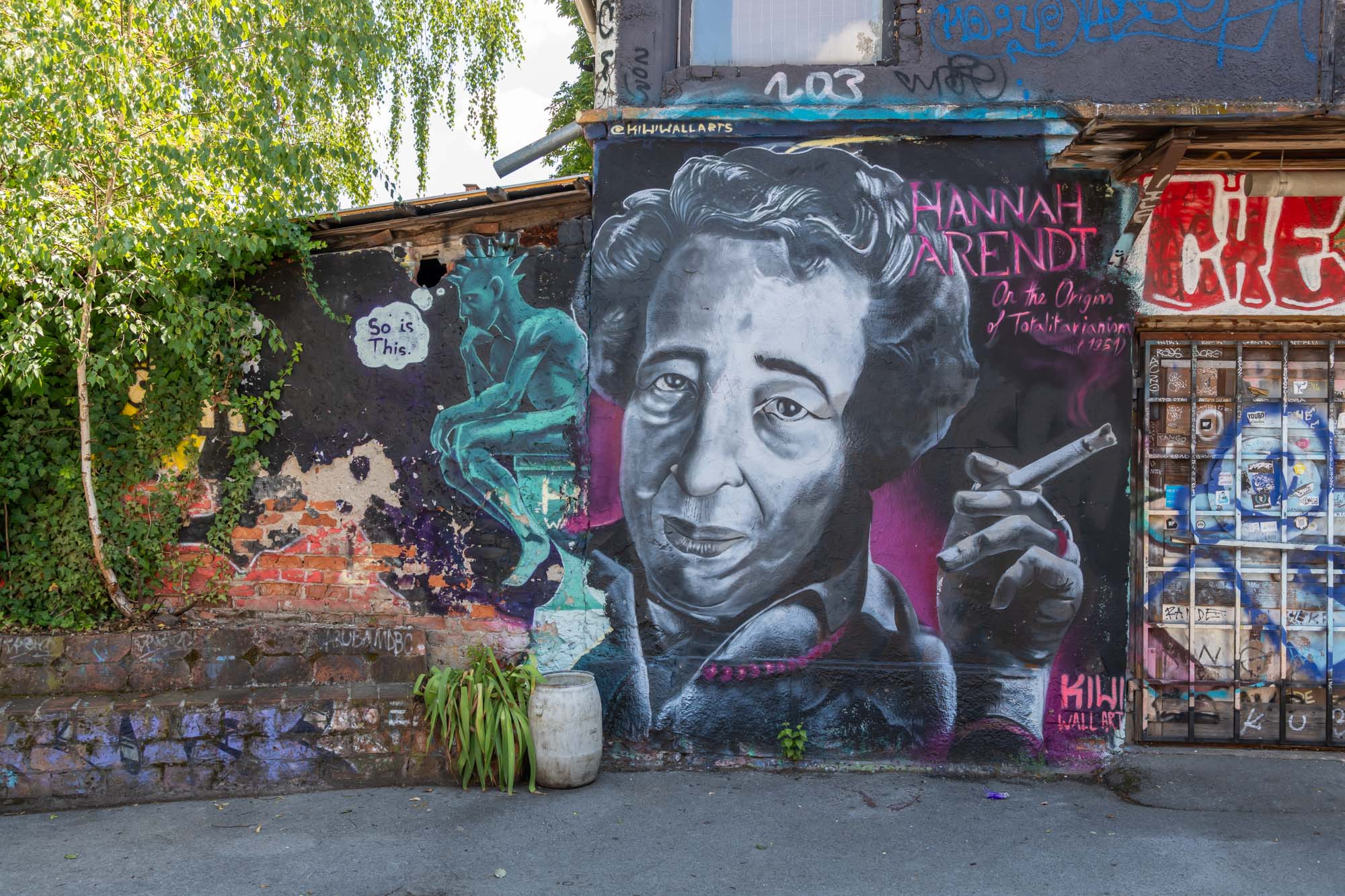
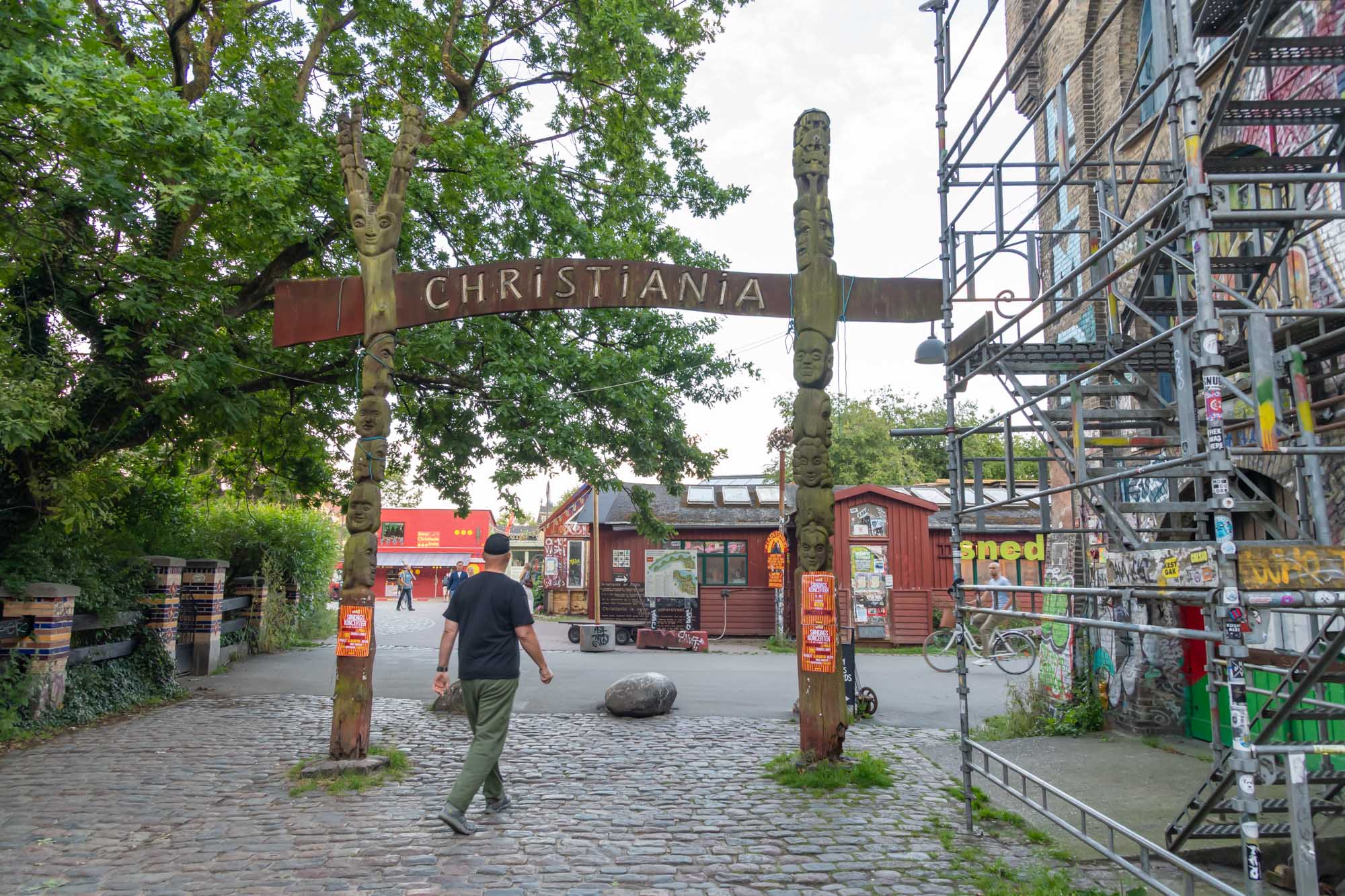
Later, when I was walking in the “independent region” of Christiania in Copenhagen, I met a gentleman with the Palestinian shawl Keffiyah draped around his shoulders. He said that he lives in Copenhagen and walks around like that quite often. It seems when he did that in Germany, he was warned by a friend to take it off as that could get him arrested. It seems he also got beaten by the police once during a protest, while he had the Keffiyah on him. He showed me various photos he had taken about protests in Denmark related to different issues. We talked a little bit about the rise of right-wing politics and such; two souls sharing their pain.

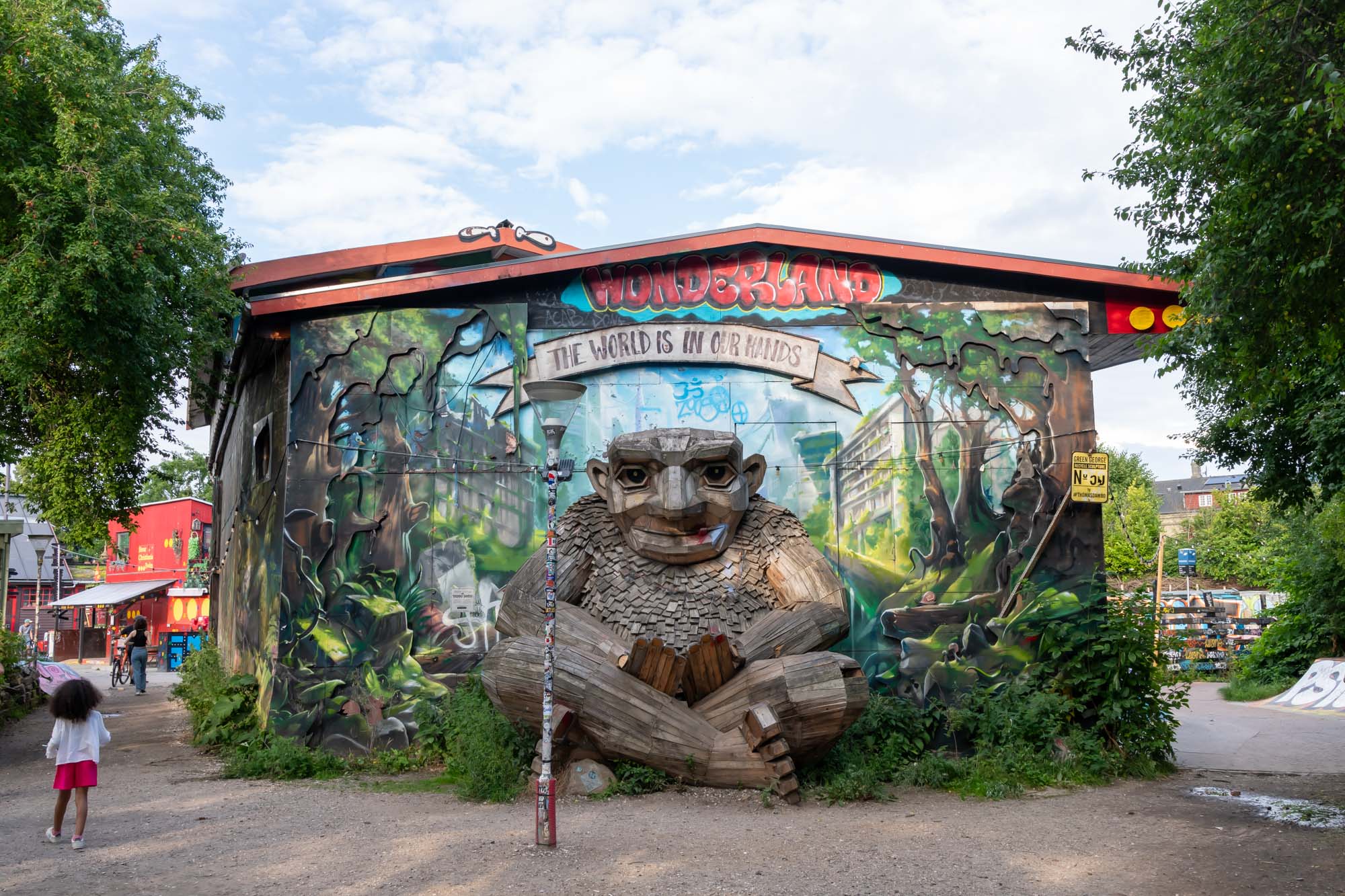
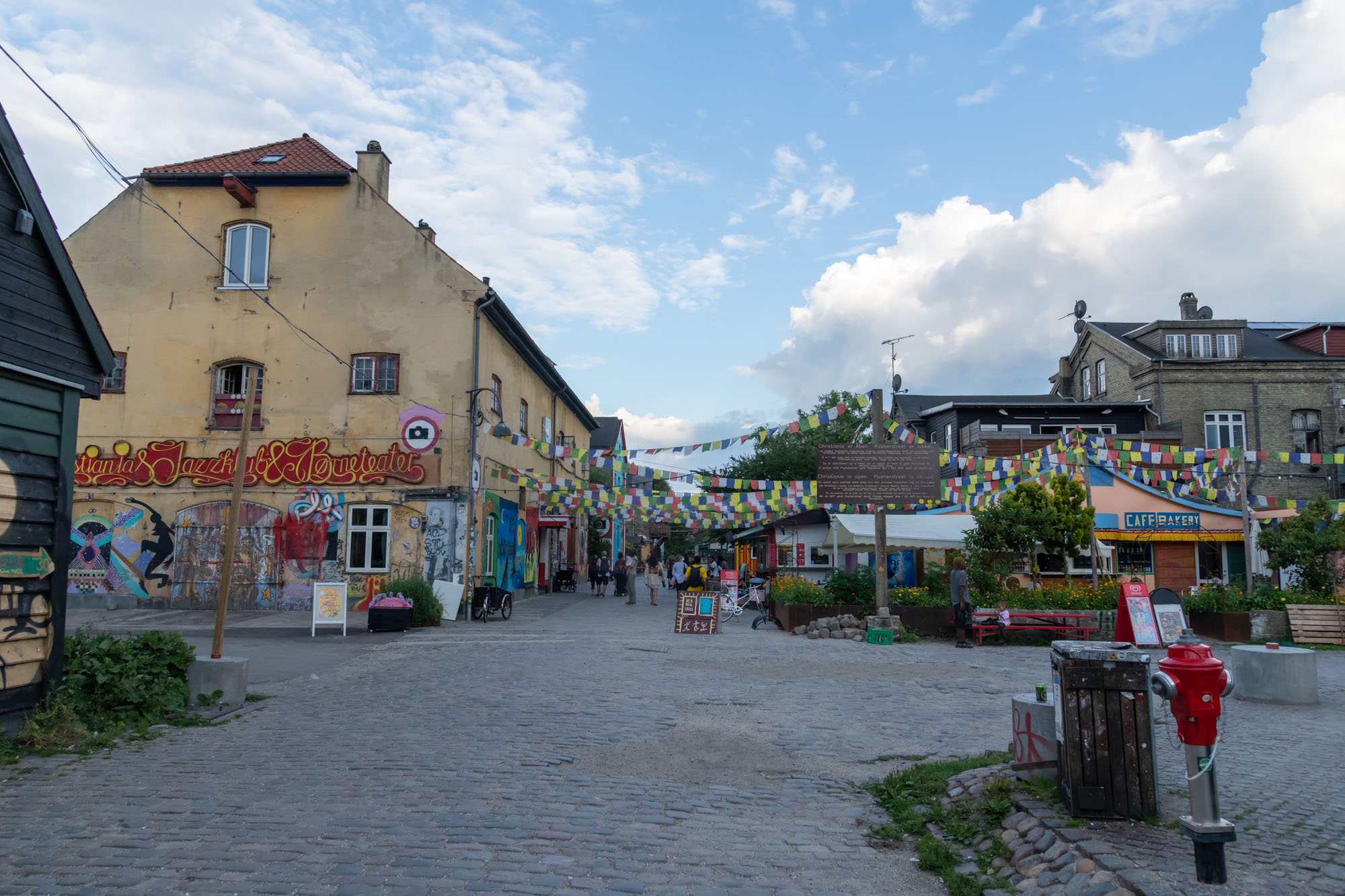
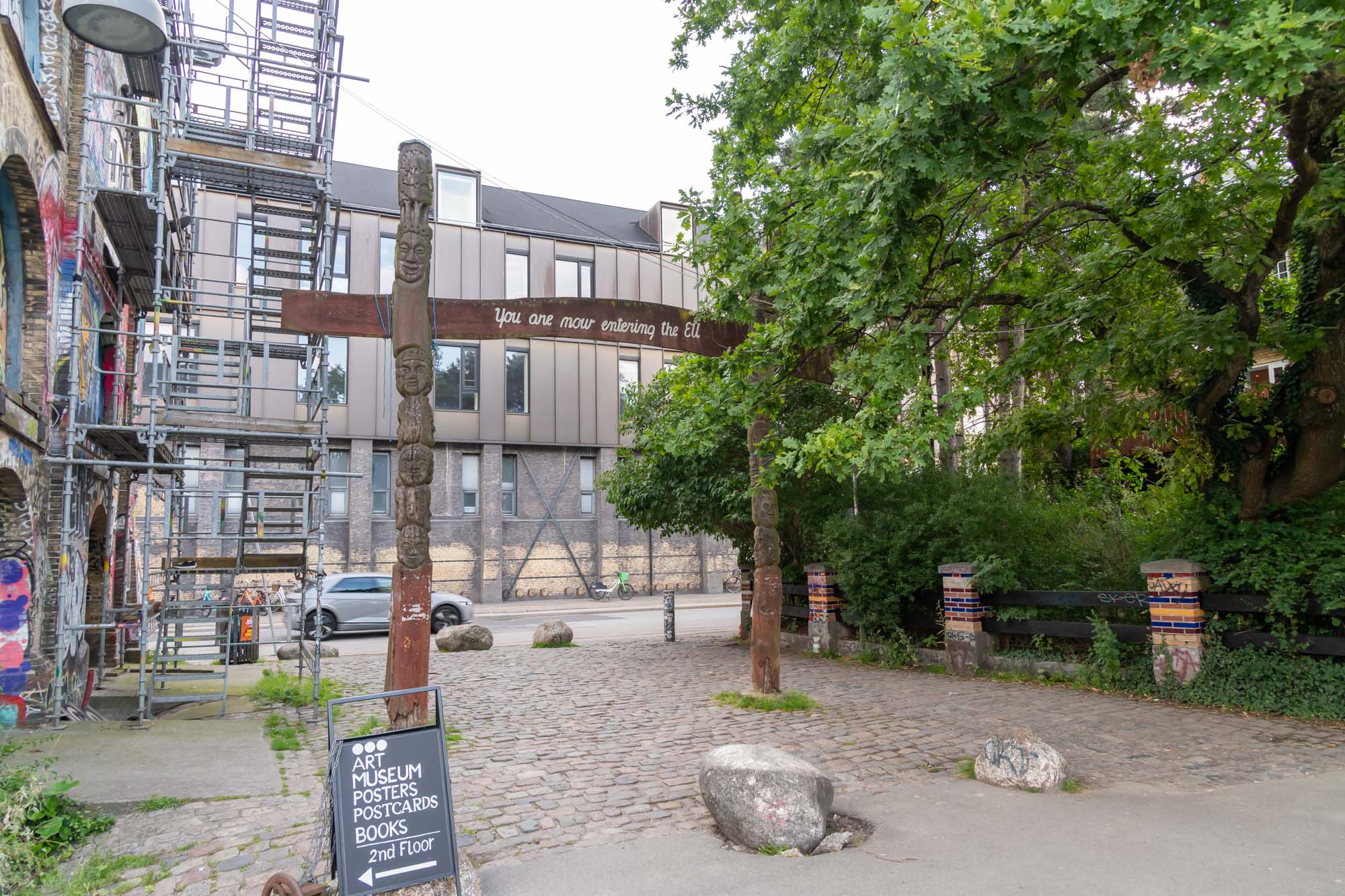
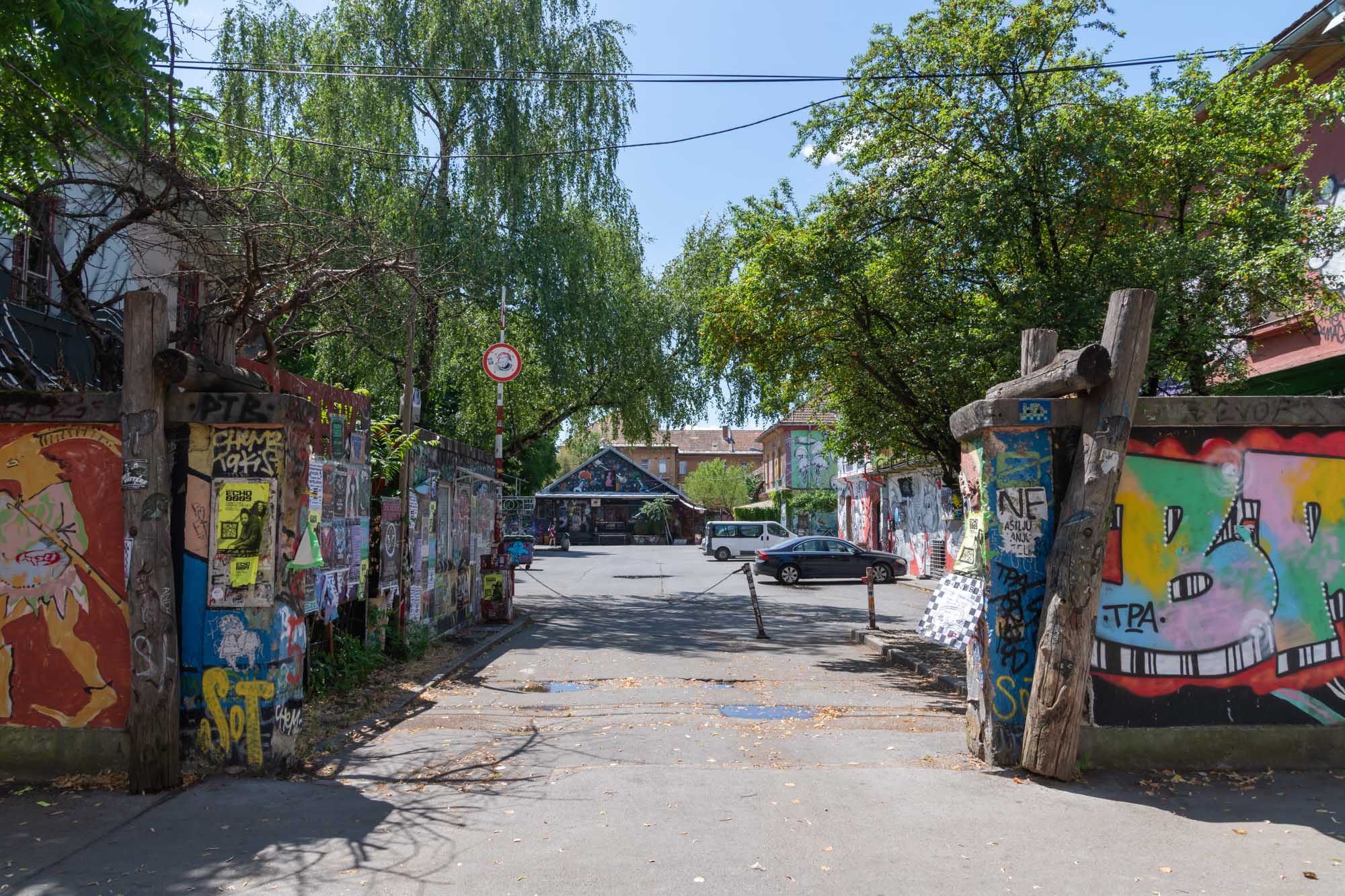
Christiania or Freetown Christiania is an anarchist commune that started in 1971, squatting on an old military base. It was a space for an alternate model of living and the place had its own currency and rules. The idea was to be a community that had space for all and be away from exploitation and discrimination. Over the years, some gangs started to dominate Christiania, and it became a paradise for drug peddlers with the main street being called Pusher Street. From the early 2000s the government started a push to bring Christiania under its control and now, it has more or less succeeded. Some of the erstwhile squatters in Christiania have bought their properties and now there is a move to evict all squatters. Cannabis and drug peddling is still going on, though much less visible now. There are about 800 to 1000 residents in Christiania now, spread over an area of about 19 acres. 

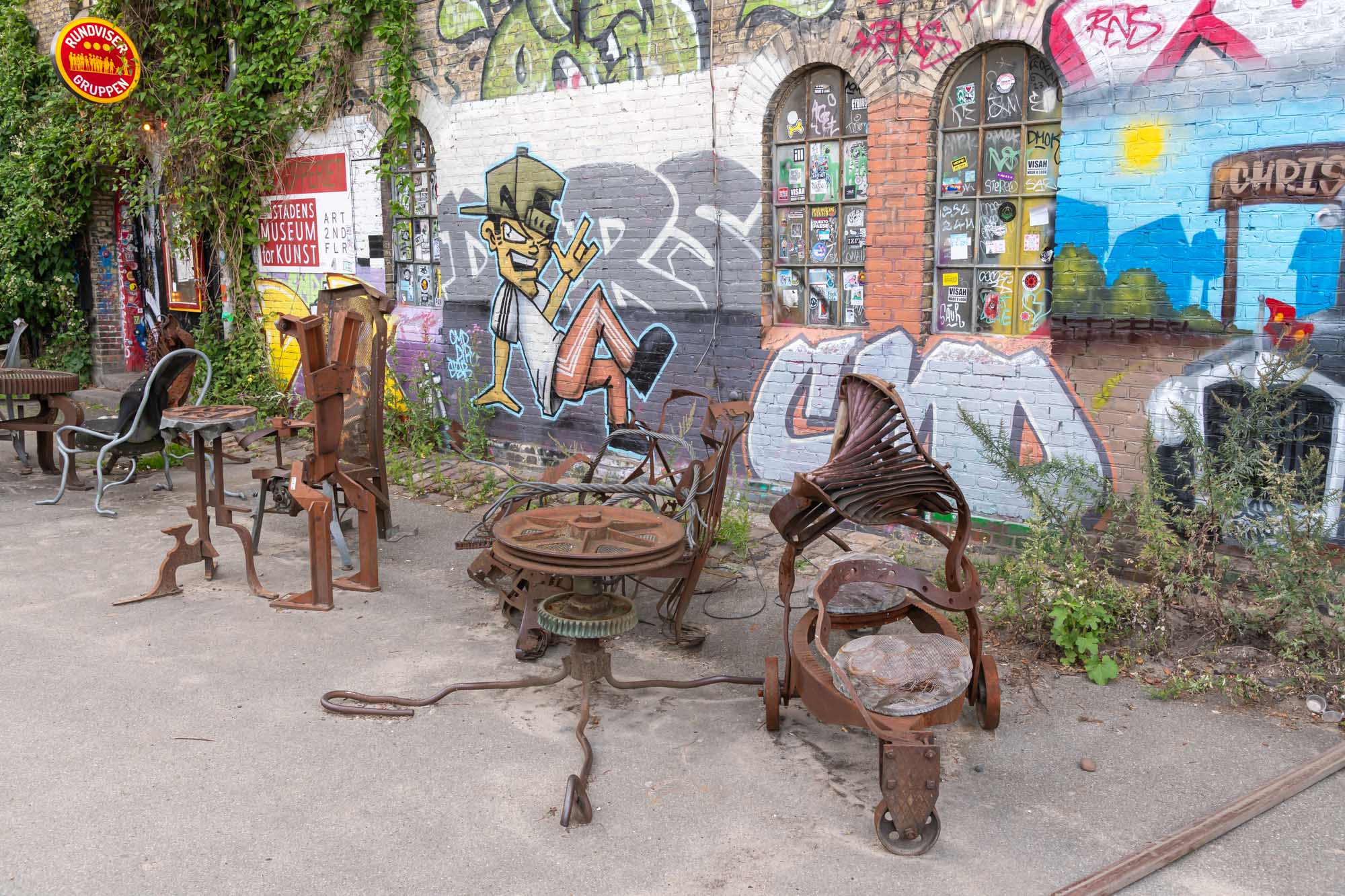
Today, Christiania has become a tourist attraction, and you find tourists walking around the place with little regard for the people that live there or their principles. These are people with an independent mindset and against the exploitative systems of capitalism and big corporations. Privacy is a very important concern for them. I had done my research before going there and so I was mindful that people would be wary of cameras there. I saw some furniture made of machine parts, which I wanted to photograph. There were a couple of people sitting near those and I asked one guy whether he was comfortable with me photographing the furniture. Something in the way I asked him, or my manner seemed to appeal to him, and he started talking to me. He told me that most of the tourists are a problem as they never spend anything in the place to support the local economy but were simply voyeuristic and looking at the residents as if they were some museum pieces. I agreed with him, and he told me he was speaking with me as he didn’t find that in me. Right then, an Indian family walked by with the man holding up a GoPro type camera and recording everything around him. Even I found it irritating and the gentleman I was speaking with (let us call him X), did not like it at all. However, he was polite in how he told the guy to not record. The man stopped his recording, but I found him doing it again later in another part of Christiania.

I spoke for quite some time with X and his friend, and he took me inside his workshop and showed me stuff he was working on. They told me that they are very sad at Christiania being gentrified and when I asked him whether the earlier model of a free town was workable, they were quite sure it was. They said the drug trade didn’t bother anybody, and people were using it on their freewill but then drugs weren’t the mainstay or the fundamental reason behind the commune. The idea was to have an alternate lifestyle, which was not dictated by the corporations. Christiania used to produce many goods that were consumed by the local people, and the economy was doing well. Sadly, corporations are taking over now and people who had been squatting there for 30-40 years are being kicked out. X himself has been staying there since the last forty years. 

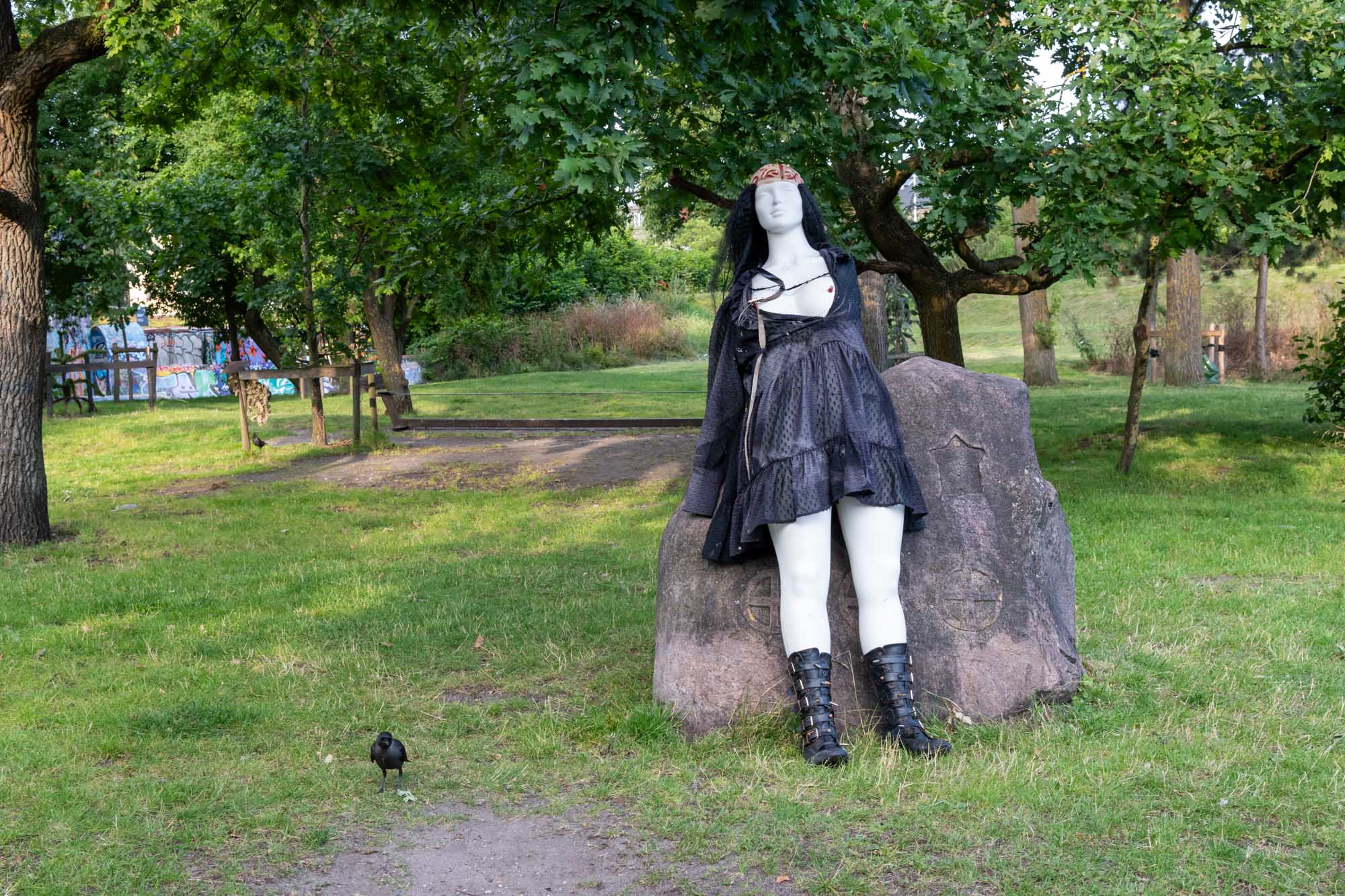
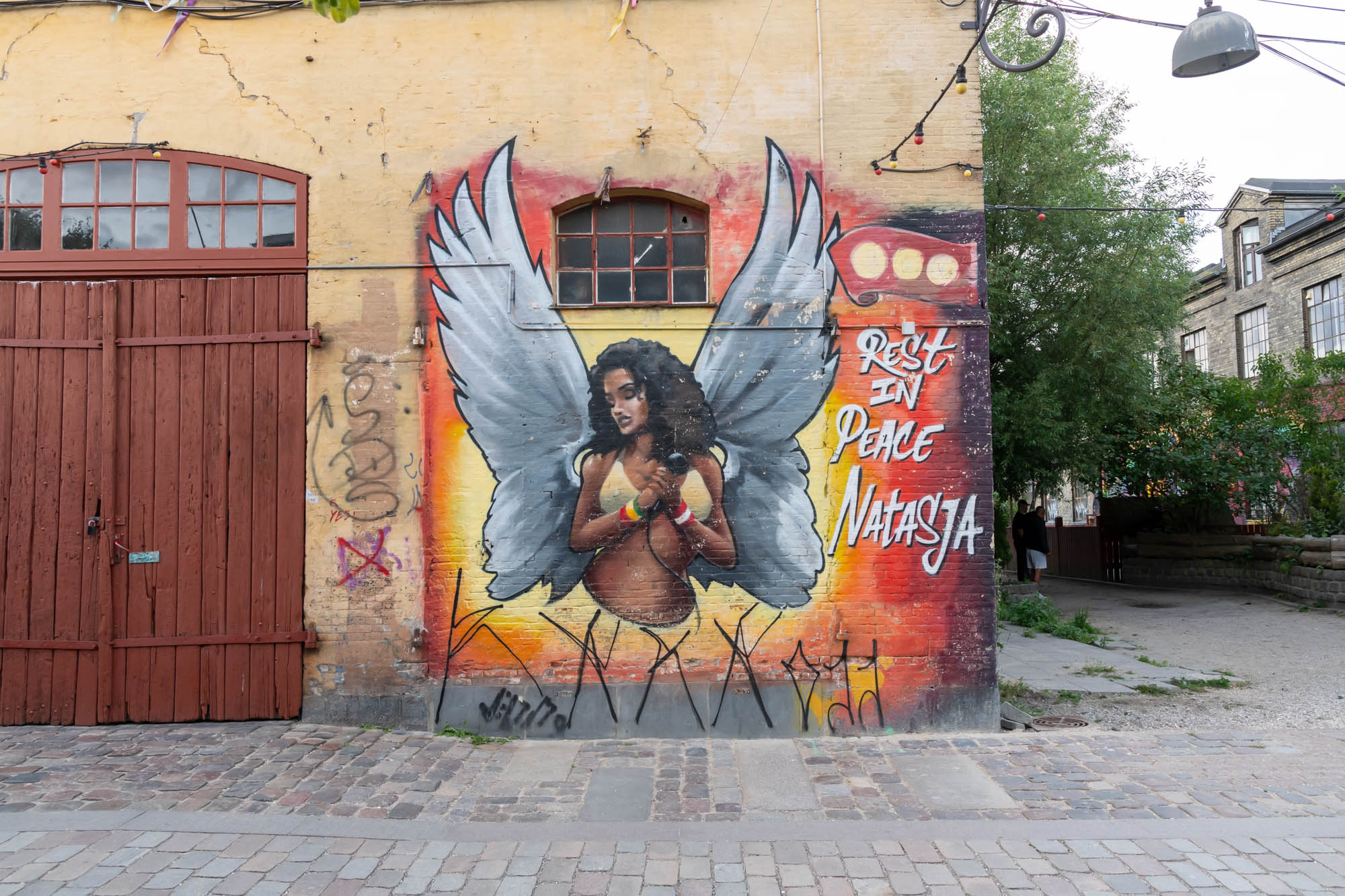
I had beer at their local brewery (yes, they brew their own, with hemp in it) and roamed around for a bit and left. As could be expected, there was a lot of graffiti and the whole place was interesting. I would have wanted to go back and spend more time there with more conversations, but I couldn’t find the time. Personally, my view is that communities like Christiania cannot hold on in these times. 
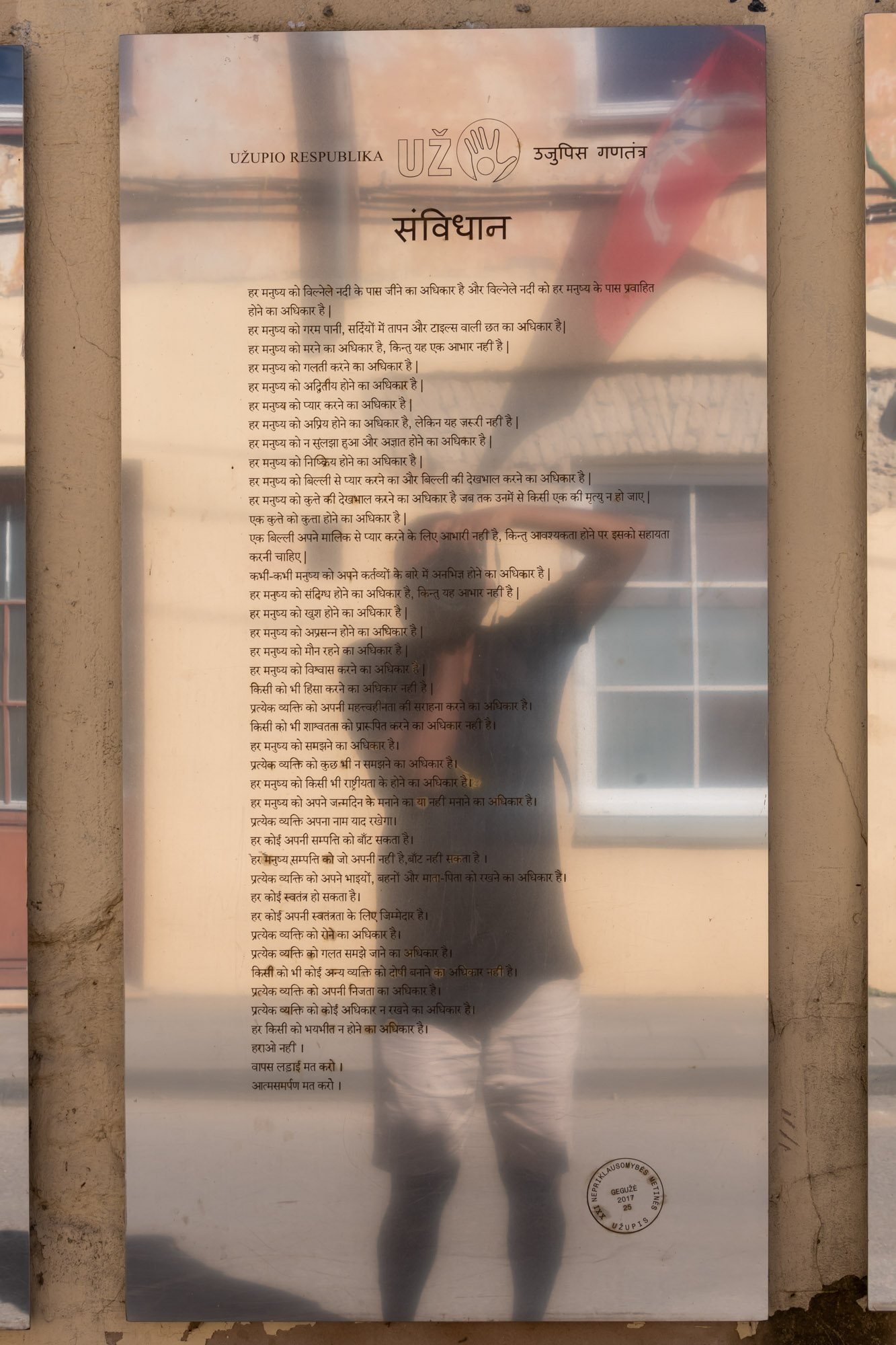
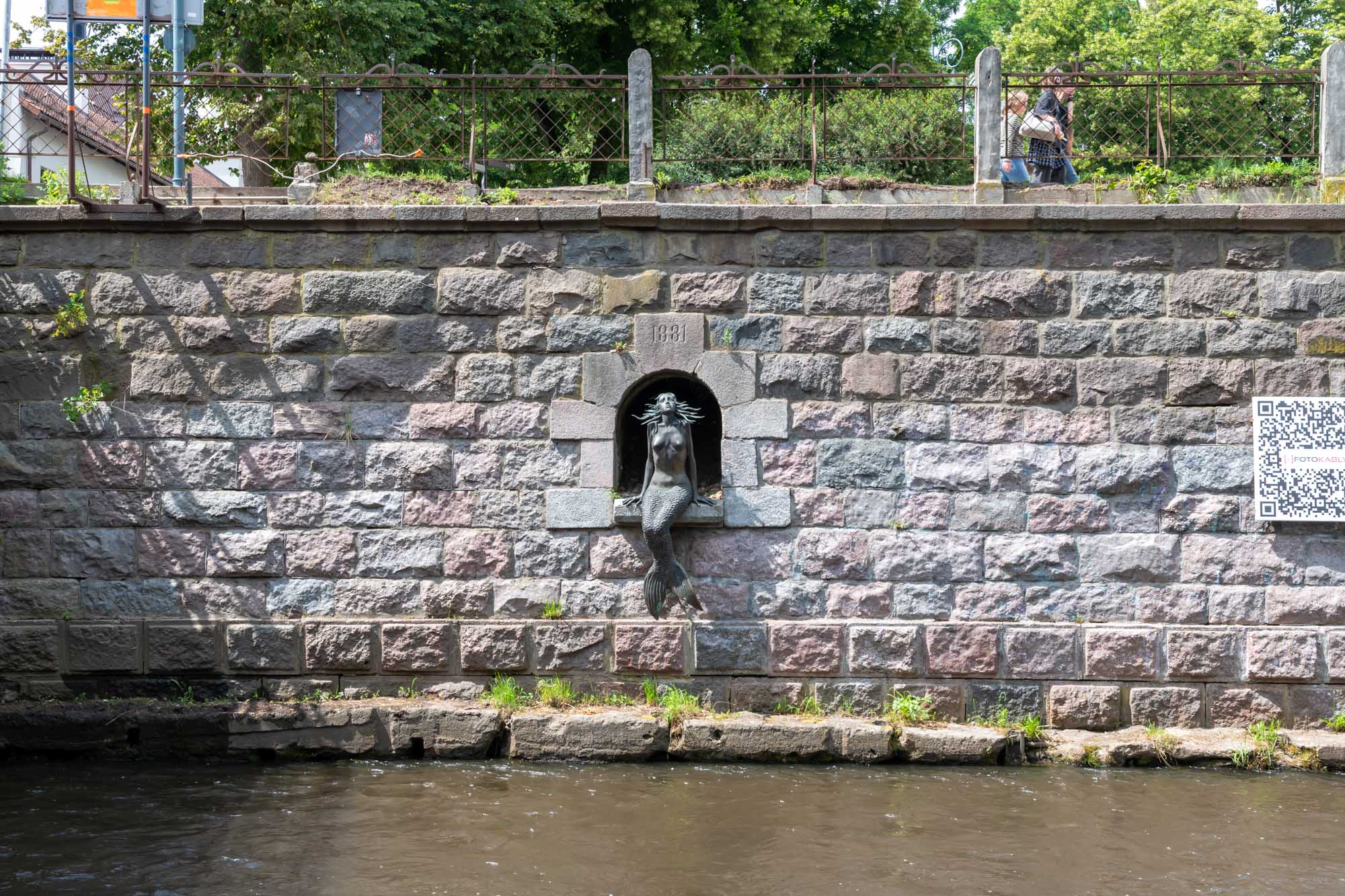
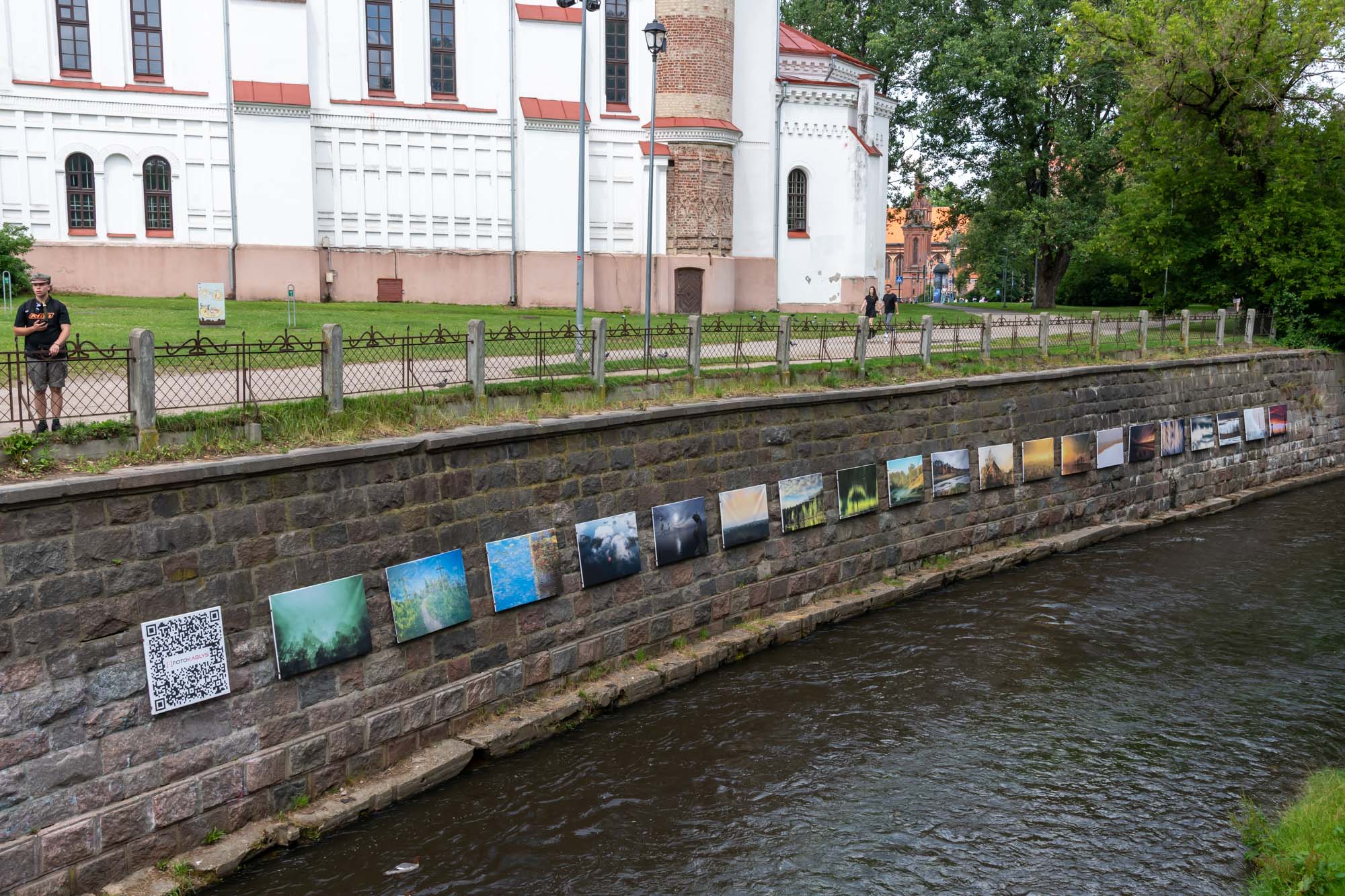
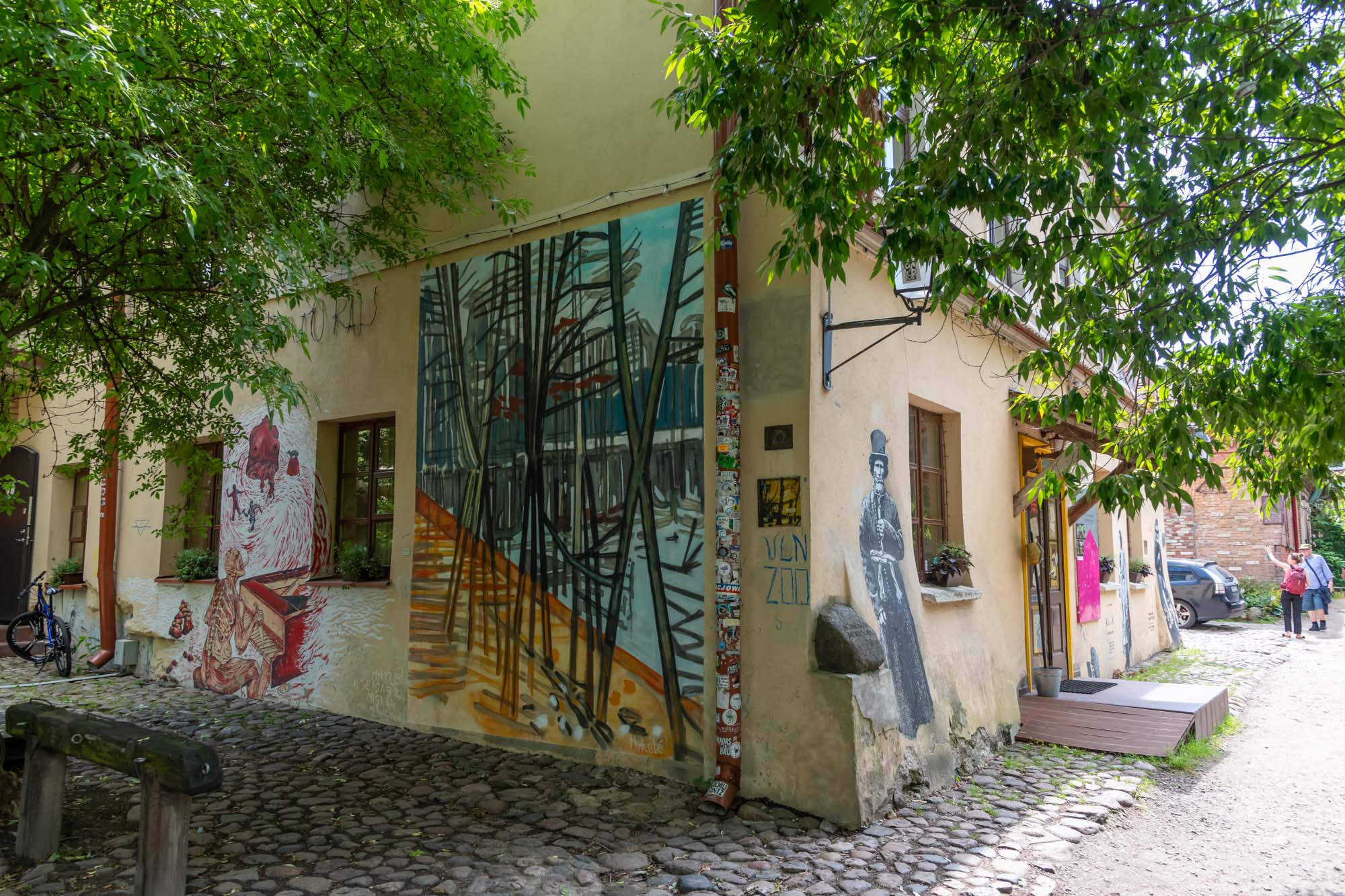
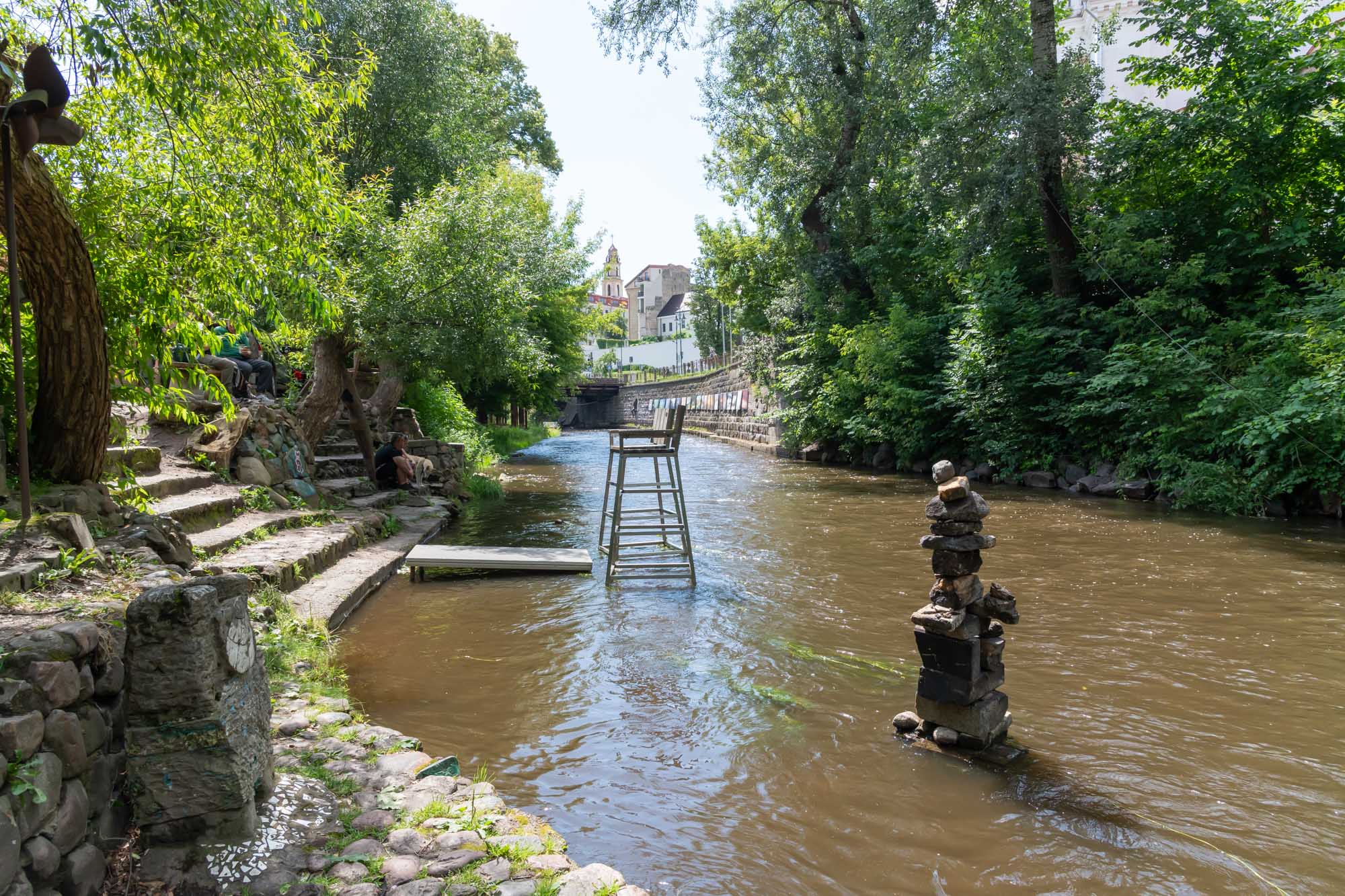
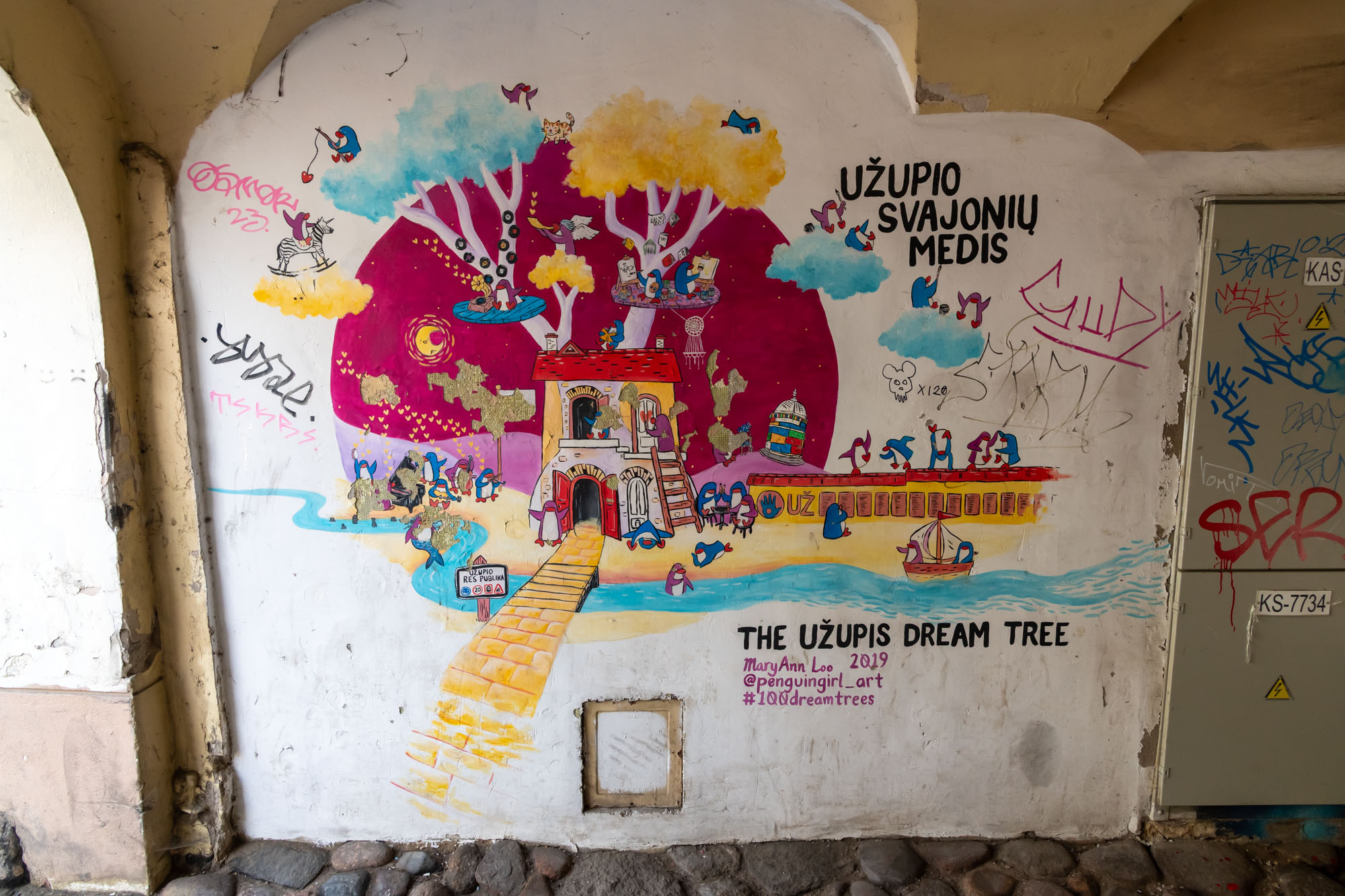
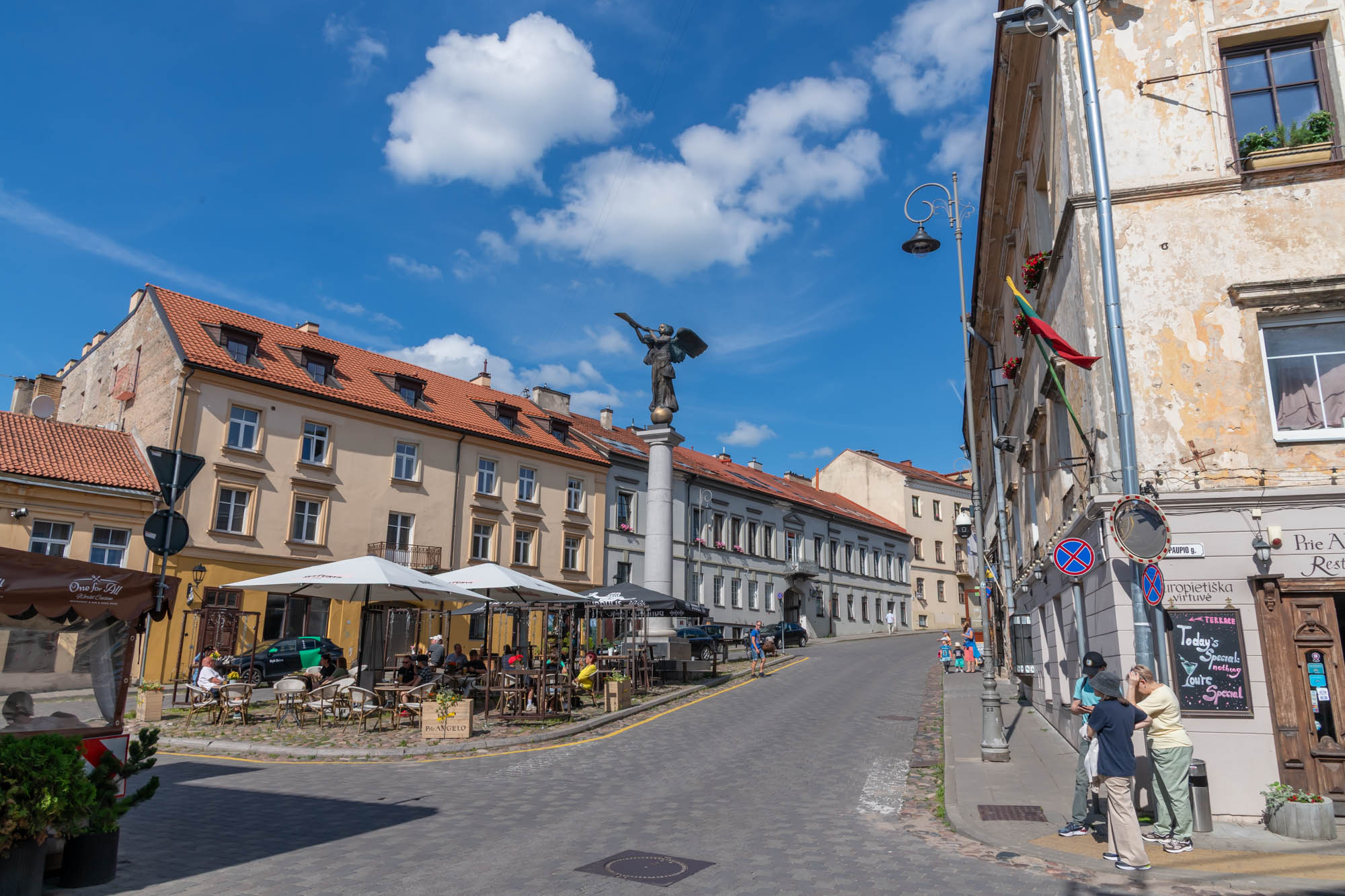
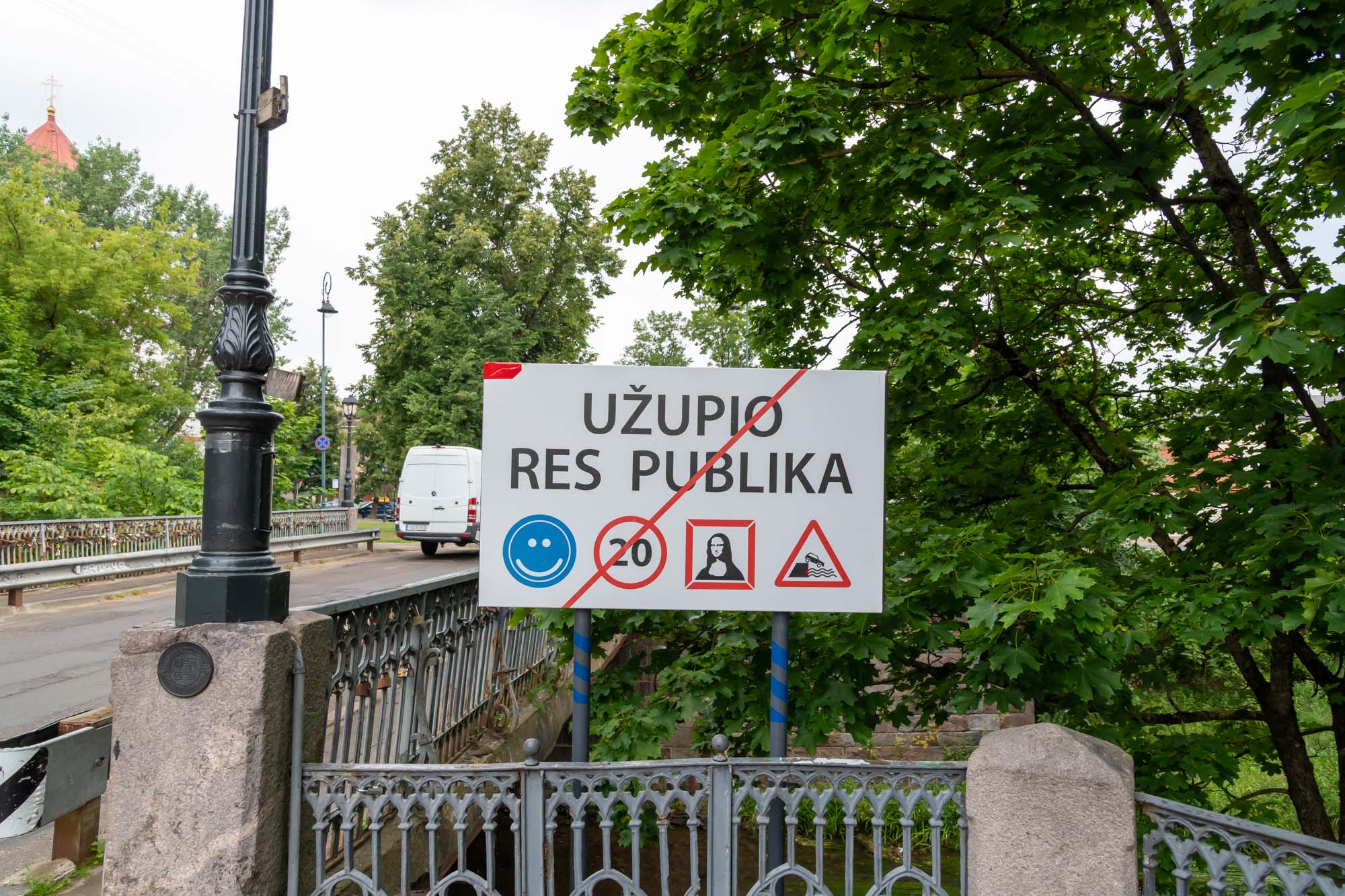
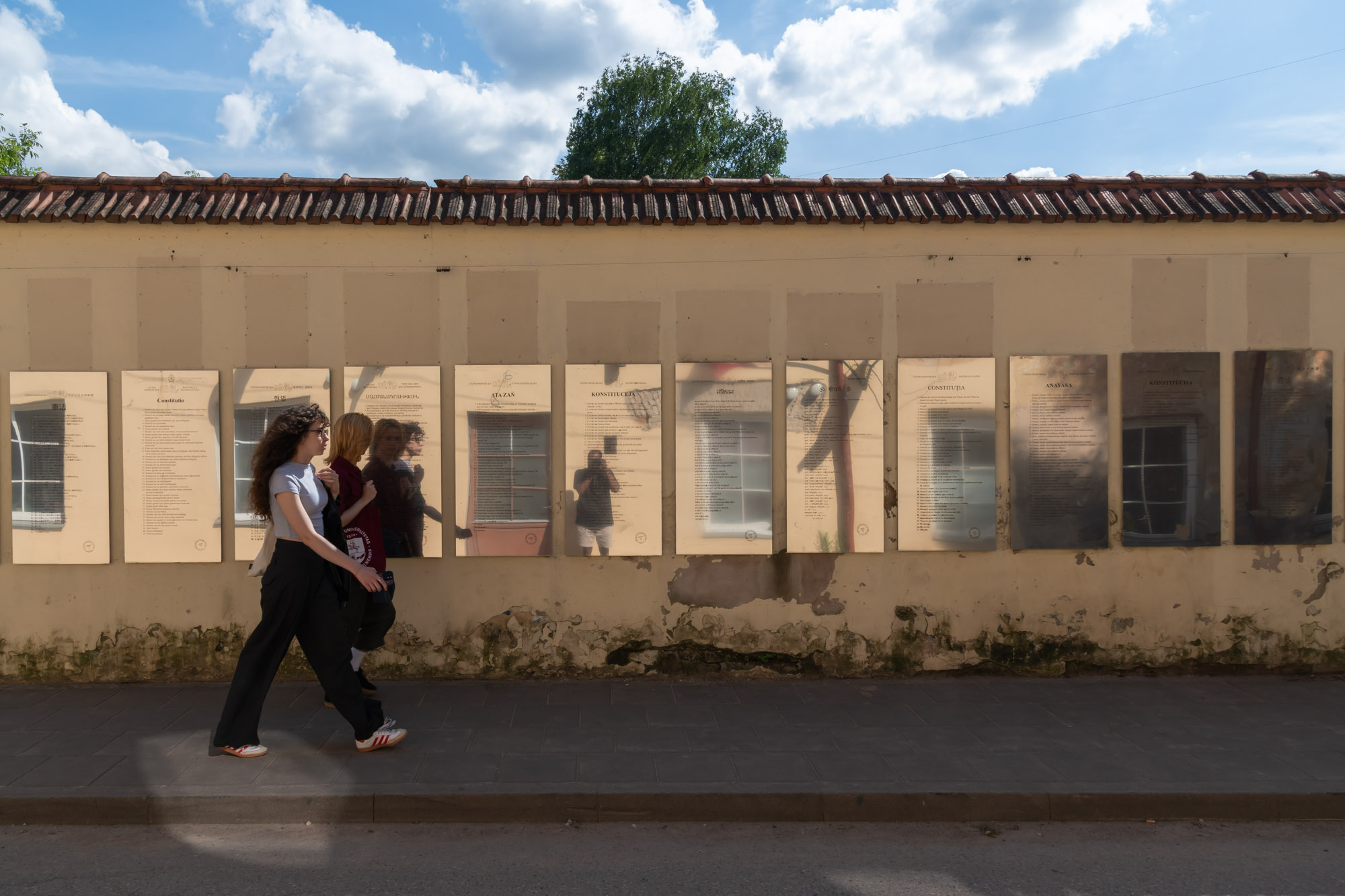
When I was in Christiania, I was reminded of the Republic of Uzupis, which I had visited just a week back. That was another free “country” with their own constitution and all, smack in the middle of Vilnius, the capital of Lithuania. The Constitution was displayed in many languages in a particular location, including in Hindi and Sanskrit! 
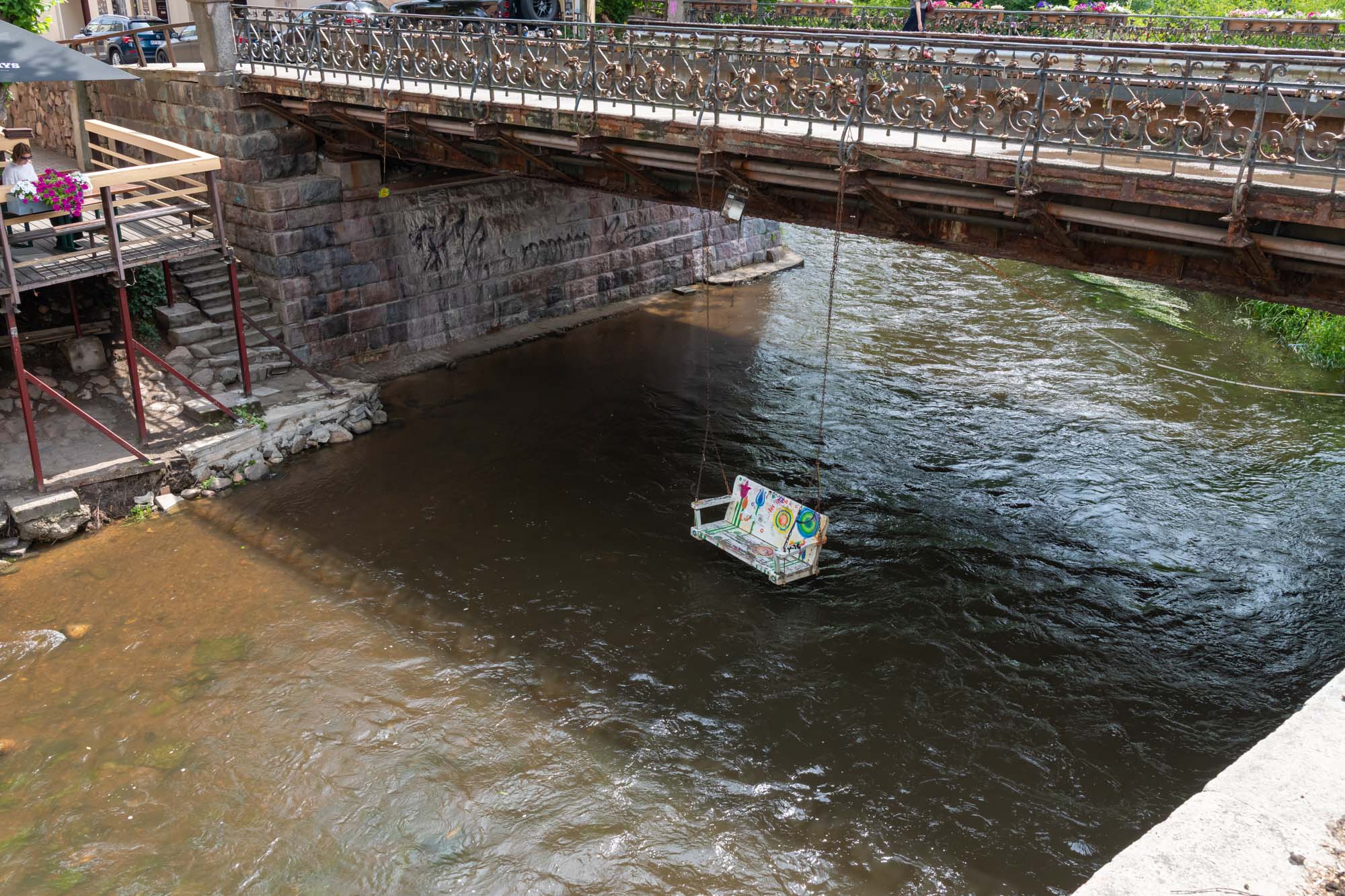
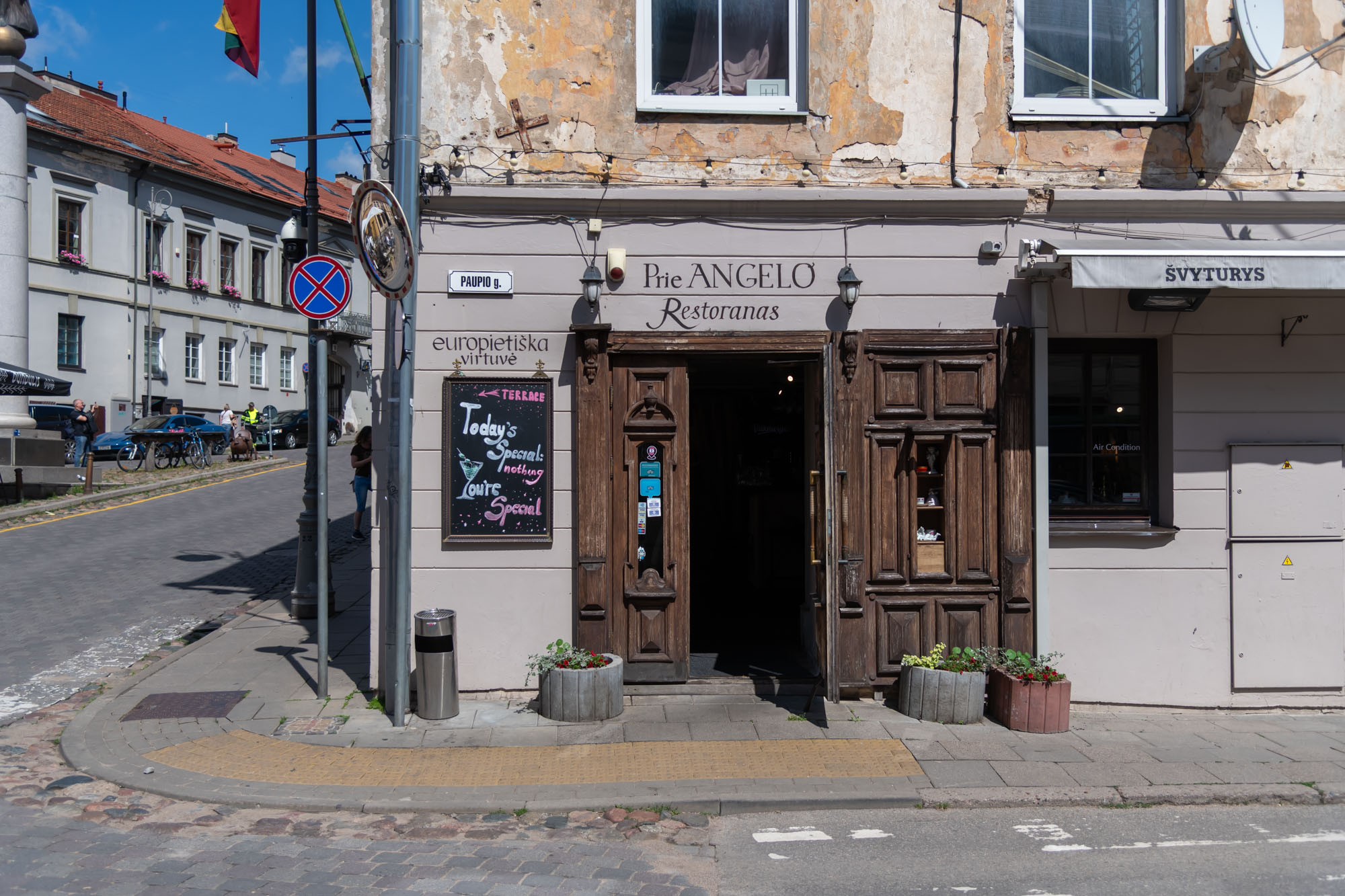
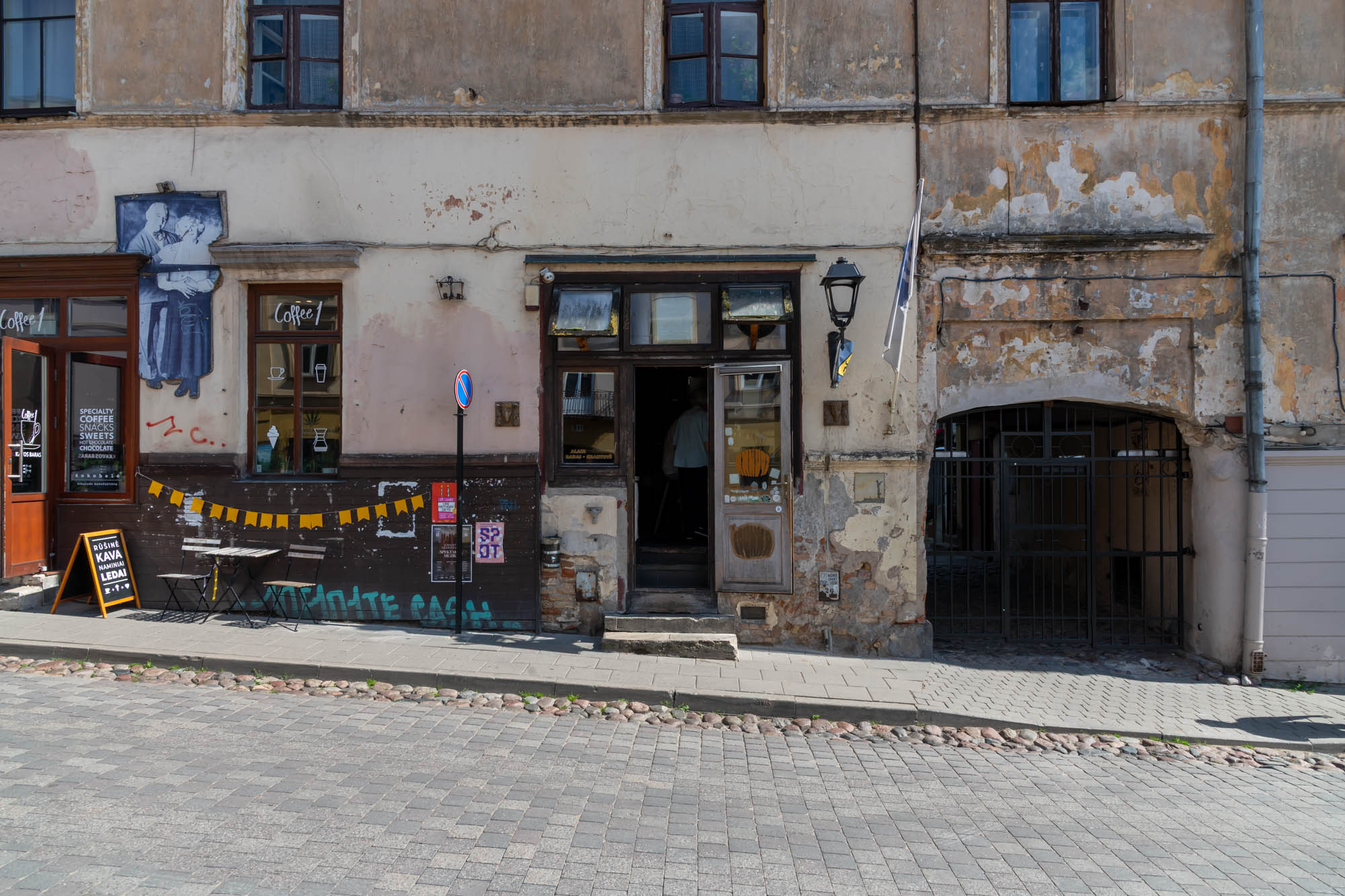
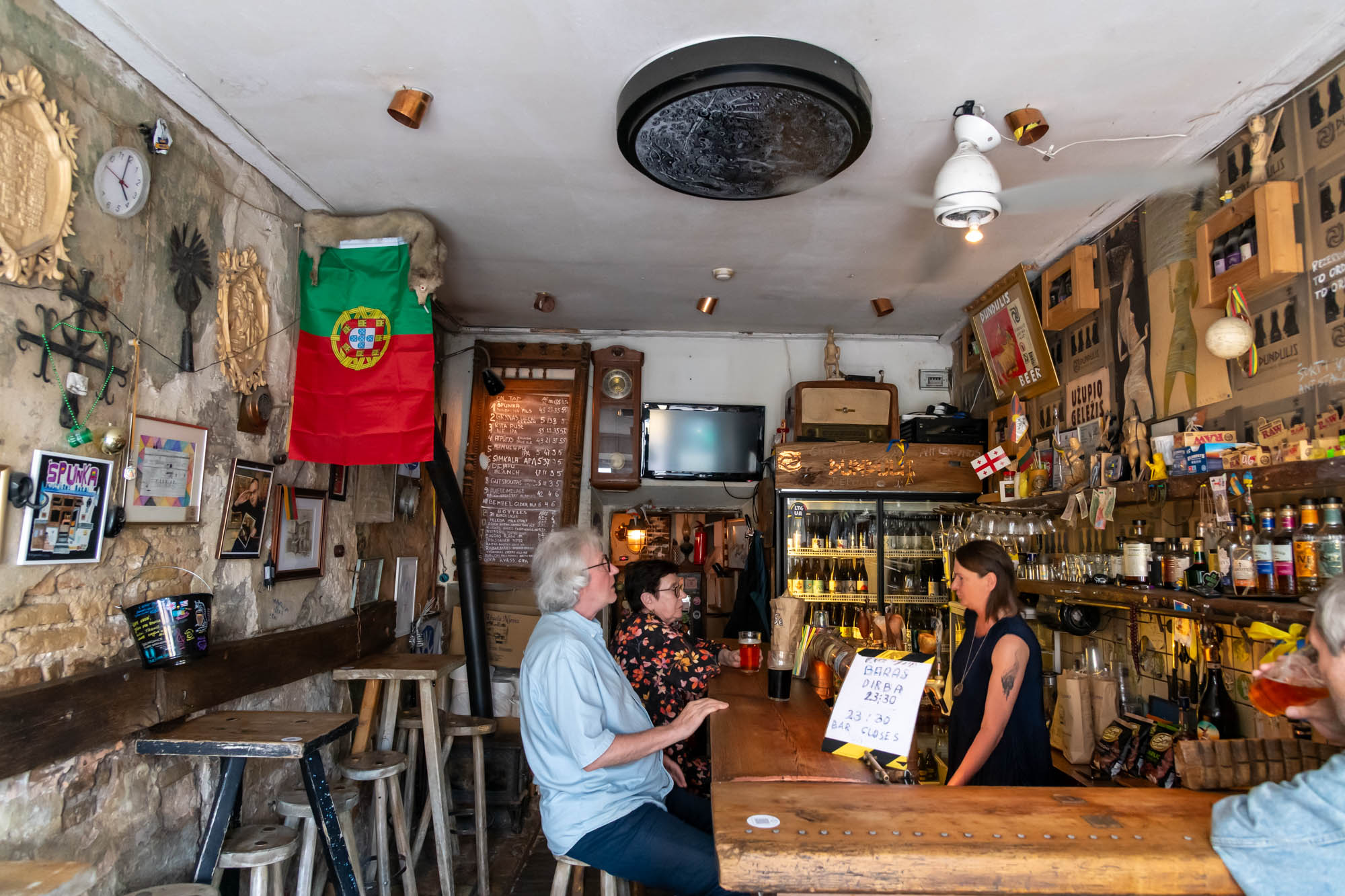
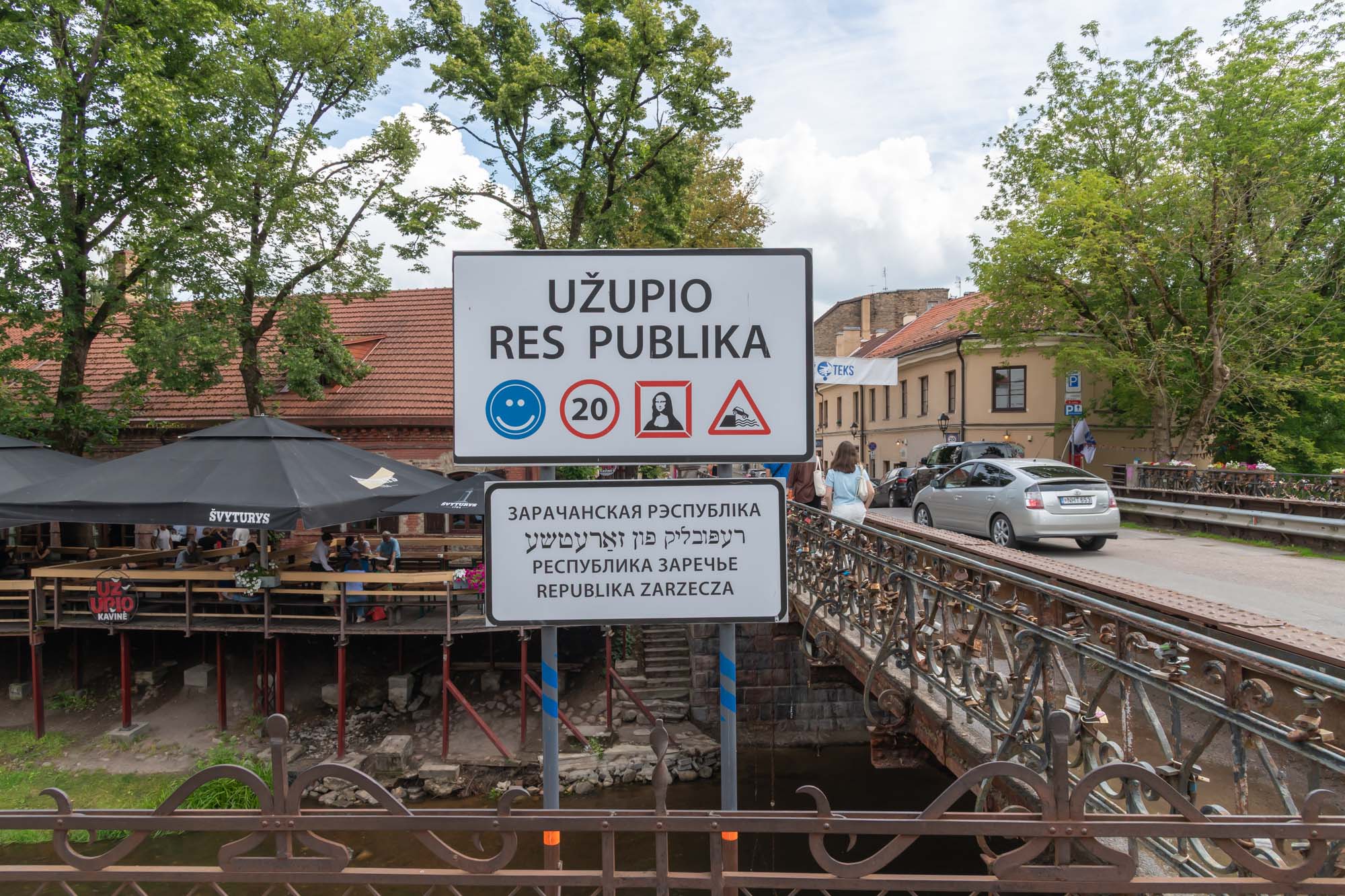
Uzupis too had its currency once and was an alternate community, mostly of artists. Nowadays, it is a proper touristy place, and I saw a lot of expensive cars around. It all looked very genteel and orderly – there was only one bar I found that looked like it was from the old times. That was a nice place and everyone who came there seemed to know each other. 
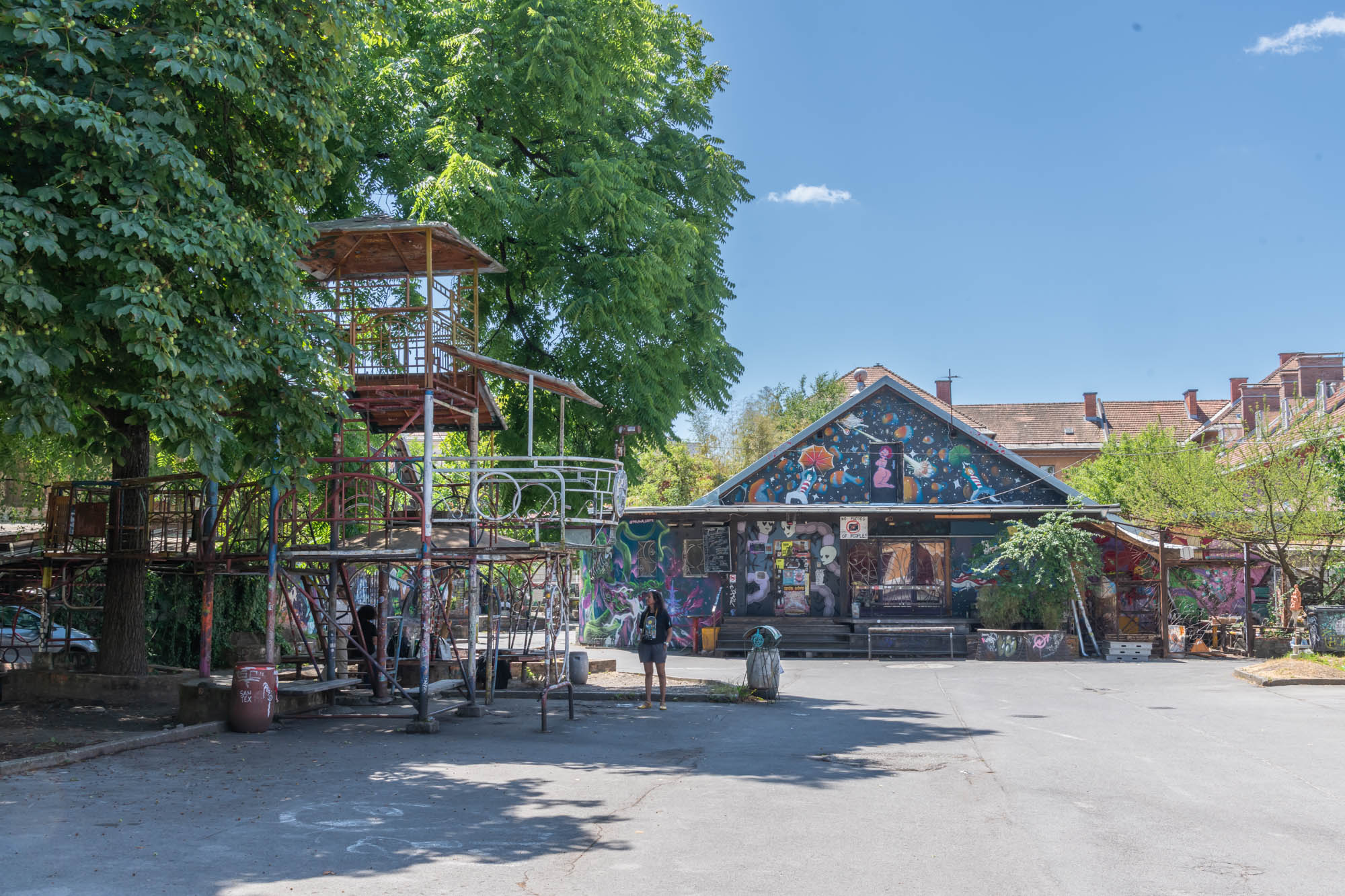
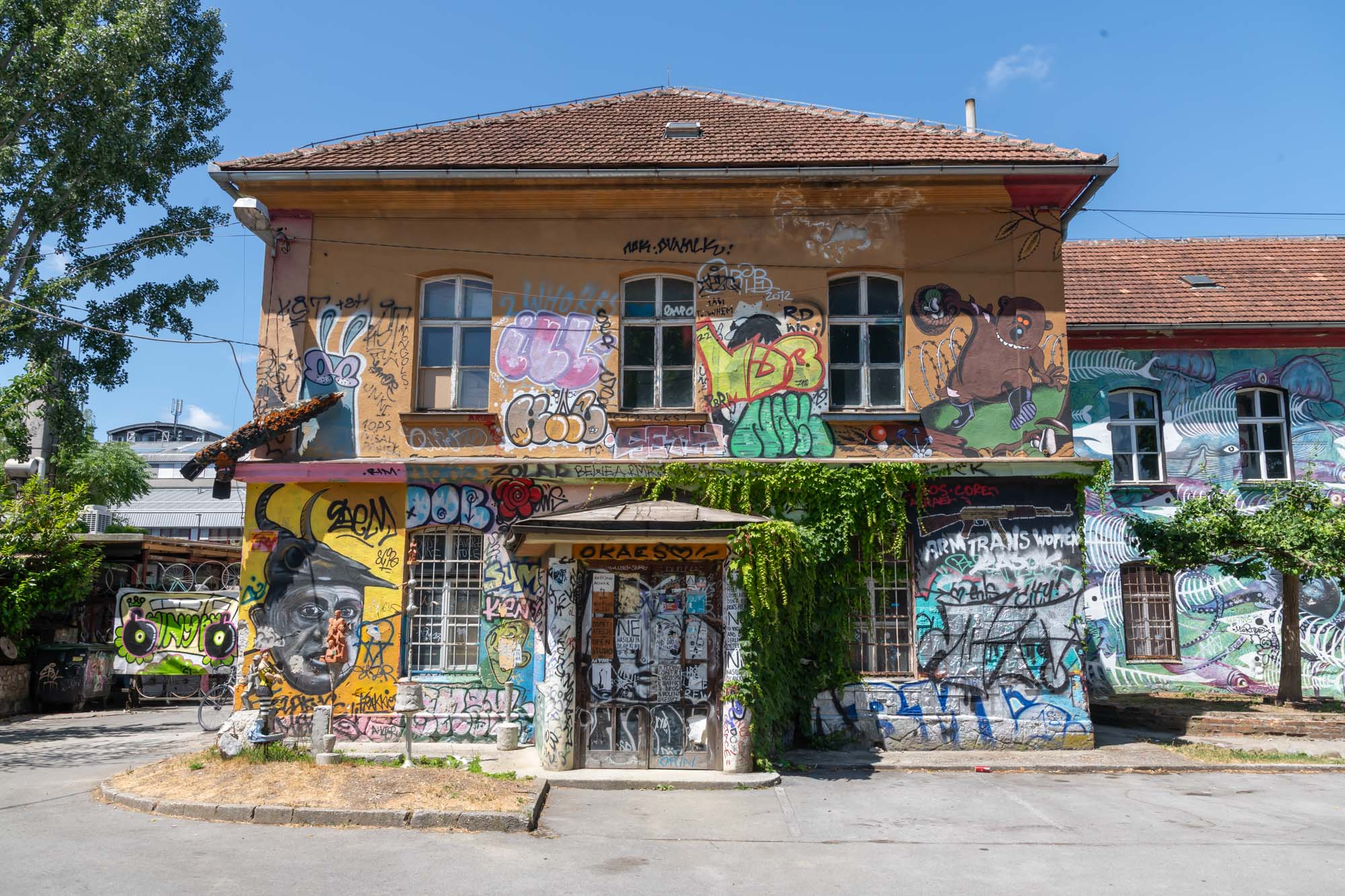
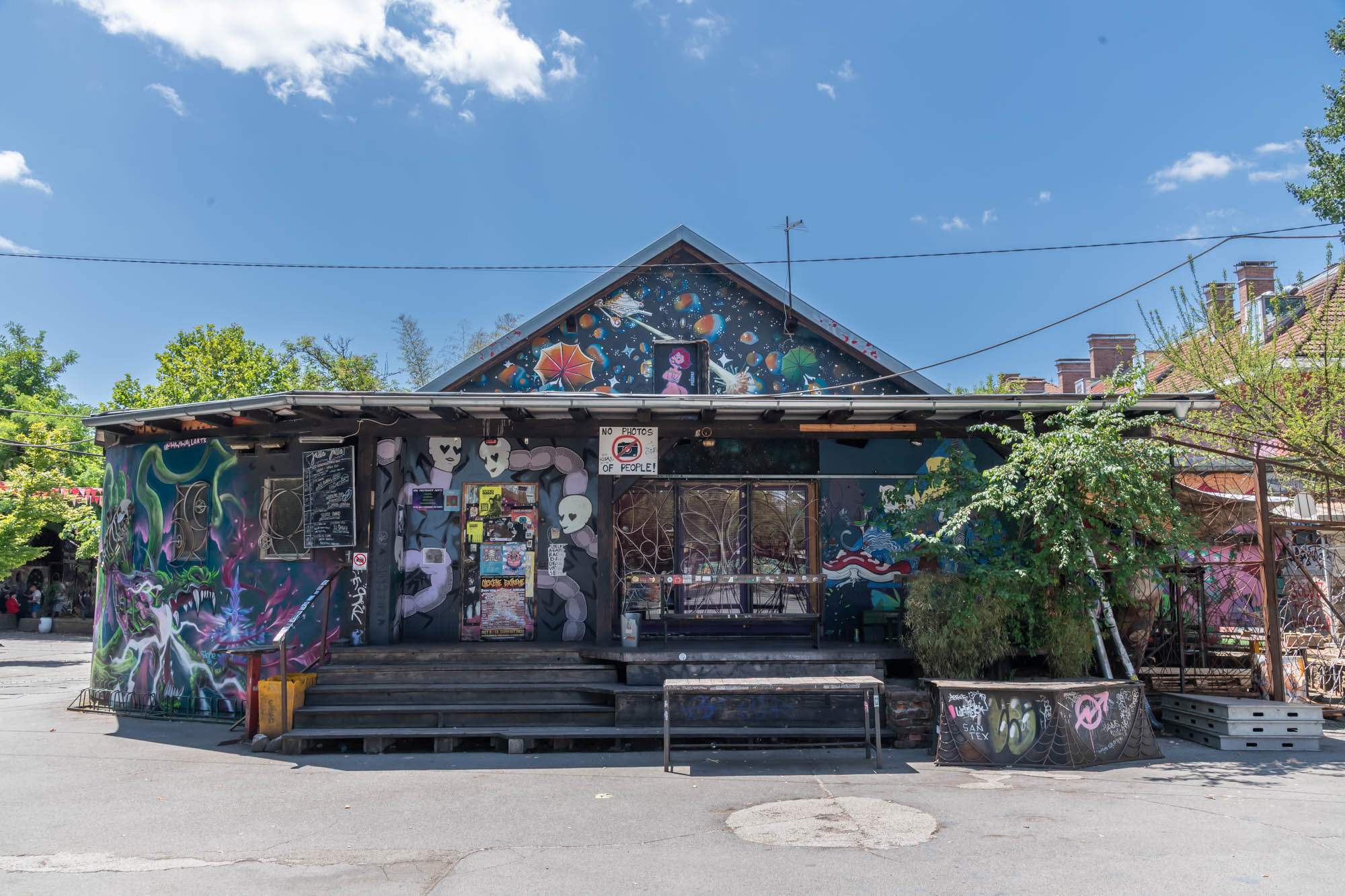
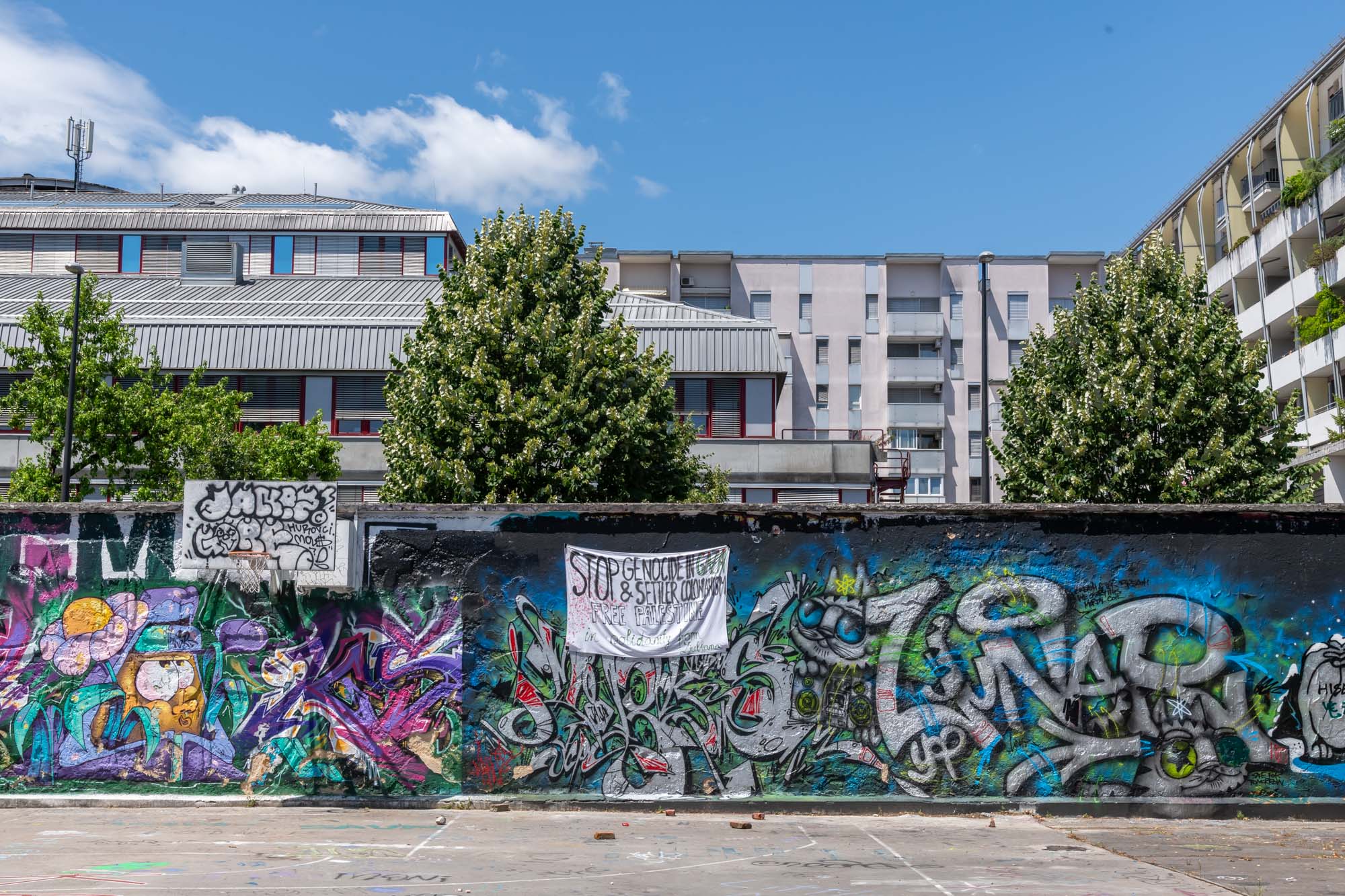
There is a similar, though much smaller, space in Ljubljana called AKC Metelkova mesto, which is an autonomous cultural centre. It is much smaller in size and is basically an old military site that squatters have taken over. It is still of dubious legal status though it has been recognised as a national heritage site since 2005. I spent some time there and the rebellious nature of the space is quite evident. 

I wasn’t aware of these kinds of spaces and alternate communities before this trip. The hollowness and exploitative nature of Capitalism have spawned these initiatives. Not everybody is willing to go along with the flow, and some show the mettle to be different.

I was looking forward to visiting the Baltics ever since I read about their independence movement. Estonia, Latvia and Lithuania had won their independence when the Soviet Union crumbled. One of the key activities in that movement was the “Baltic Way” which was a human chain that was formed on 23 August 1989, which stretched for 690 kilometres, from Tallinn to Vilnius. The total population of these three countries at that time was about 8 million and it is estimated that 2 million of those participated in this! It was held to mark the 50thanniversary of the Molotov-Ribbentrop Pact wherein Poland, Finland, Estonia, Lativa, Lithuania and Romania were divided (illegally) between the Soviet Union and Nazi Germany and occupied. 

In Tallinn, I met with a lady who had participated in the Baltic Way, as an eleven-year-old child. She remembers going on a bus with her parents and that there were big traffic jams and a lot of people. Estonia won its independence in a truly non-violent fashion with its Singing Revolution. People came together and sang songs and when I asked the lady why the Russians did not do anything violent, she said it was perhaps because the Soviet Union was crumbling and the Soviet soldiers in Estonia at that time were from places like Belarus, who had no particular affinity towards Russia or any stake in attacking Estonians fighting for their independence.

It seems matters got very tense just before the day independence was declared as Russian tanks moved into Tallinn and the borders that were open before were declared closed. There was much talk that the Soviet Union would regain control, and the situation would be back to what it was. So, there was much fear of retribution among those that were involved in the uprising. This lady’s brother had gone to Finland to take part in some competition and that was when the borders were closed, leaving him stranded. She said that was very traumatic and even now, tears started rolling down her cheeks when she narrated the story. She said she gets emotional every time she tells the story. Thankfully, the situation was resolved soon, and Estonia got its independence, and her brother was back home. I noticed that the family ties in Estonia are quite strong indeed and it can be understood from the story above. The weather was nice and there were a lot of people walking and relaxing in the gardens and most of them had kids around them. 

When I was talking to this lady, I realized that there was a lot of fear around Russia. The trauma of the days under Soviet Union seems to be so strong that those memories make them quite fearful again. I sensed this in Riga when I was talking to a guy who runs a café. During the conversation, he mentioned that the people in Baltics keep to themselves and don’t talk to strangers. I asked him why this was so, and he said perhaps it was a habit they developed during the Soviet days. In those days, it was best not to stand out or be noticed and you never knew whether any given person was a snitch or not. Hence, people pretty much kept to themselves and was apprehensive of speaking their mind, even amongst friends. 

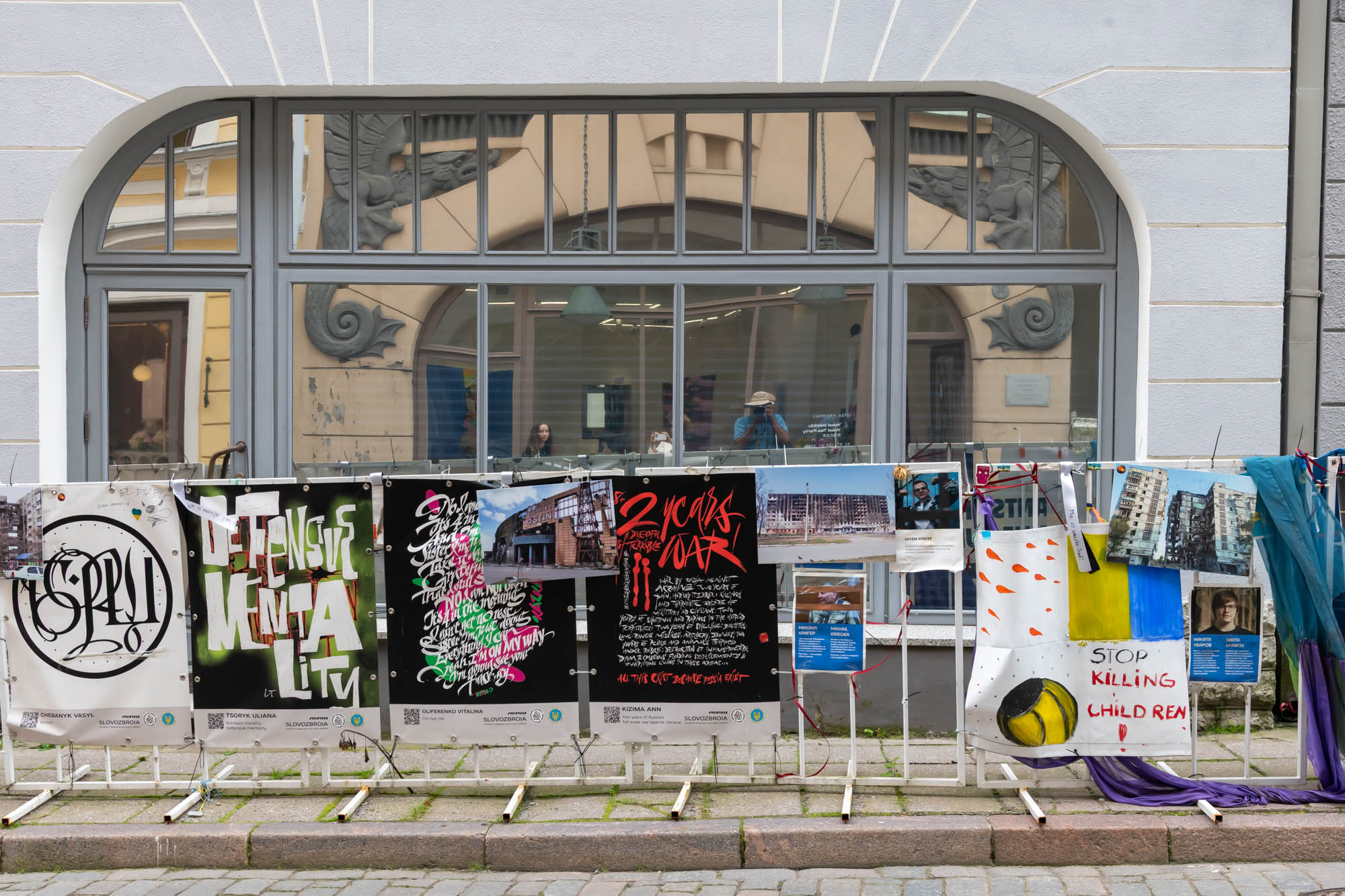
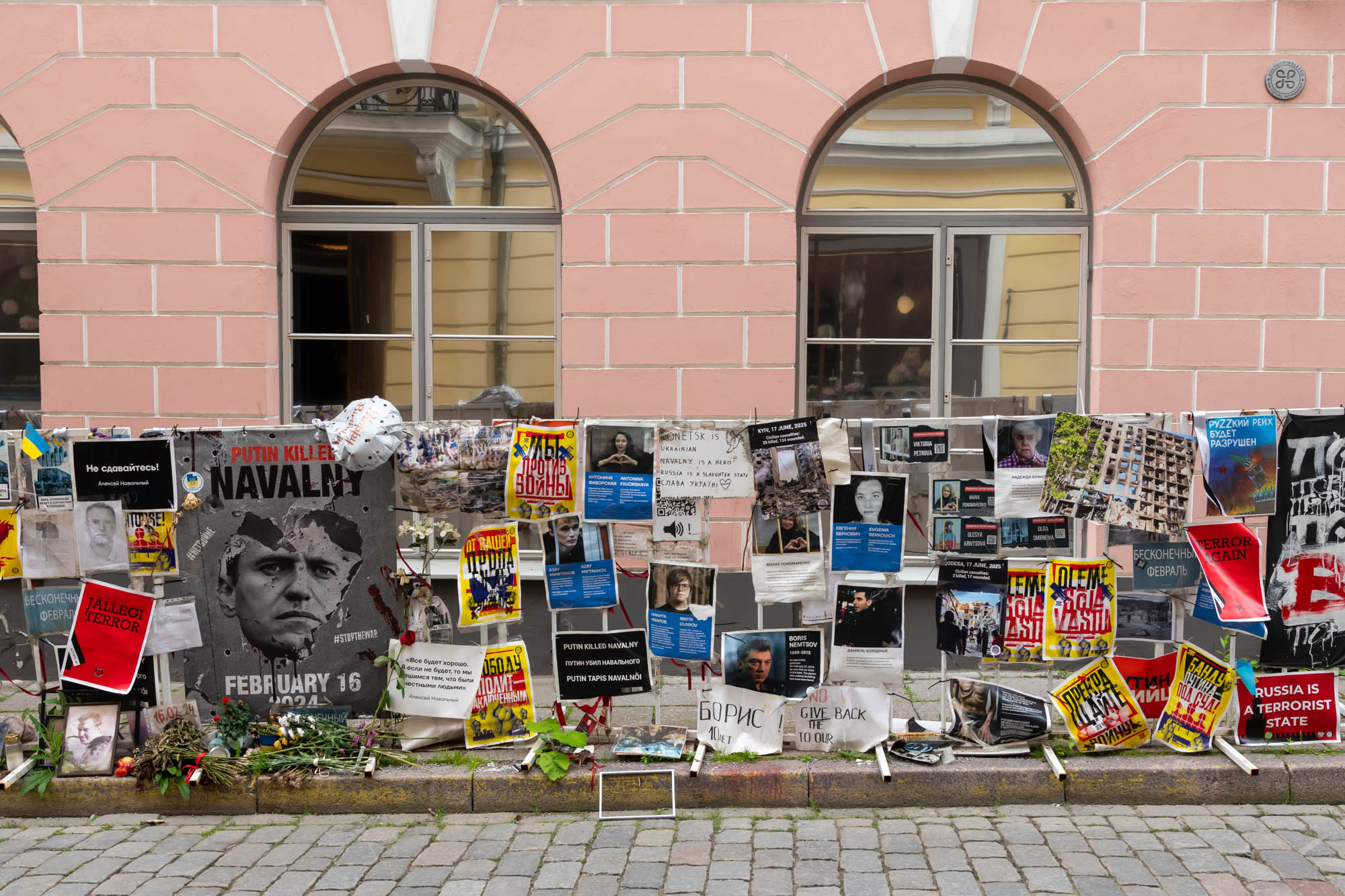
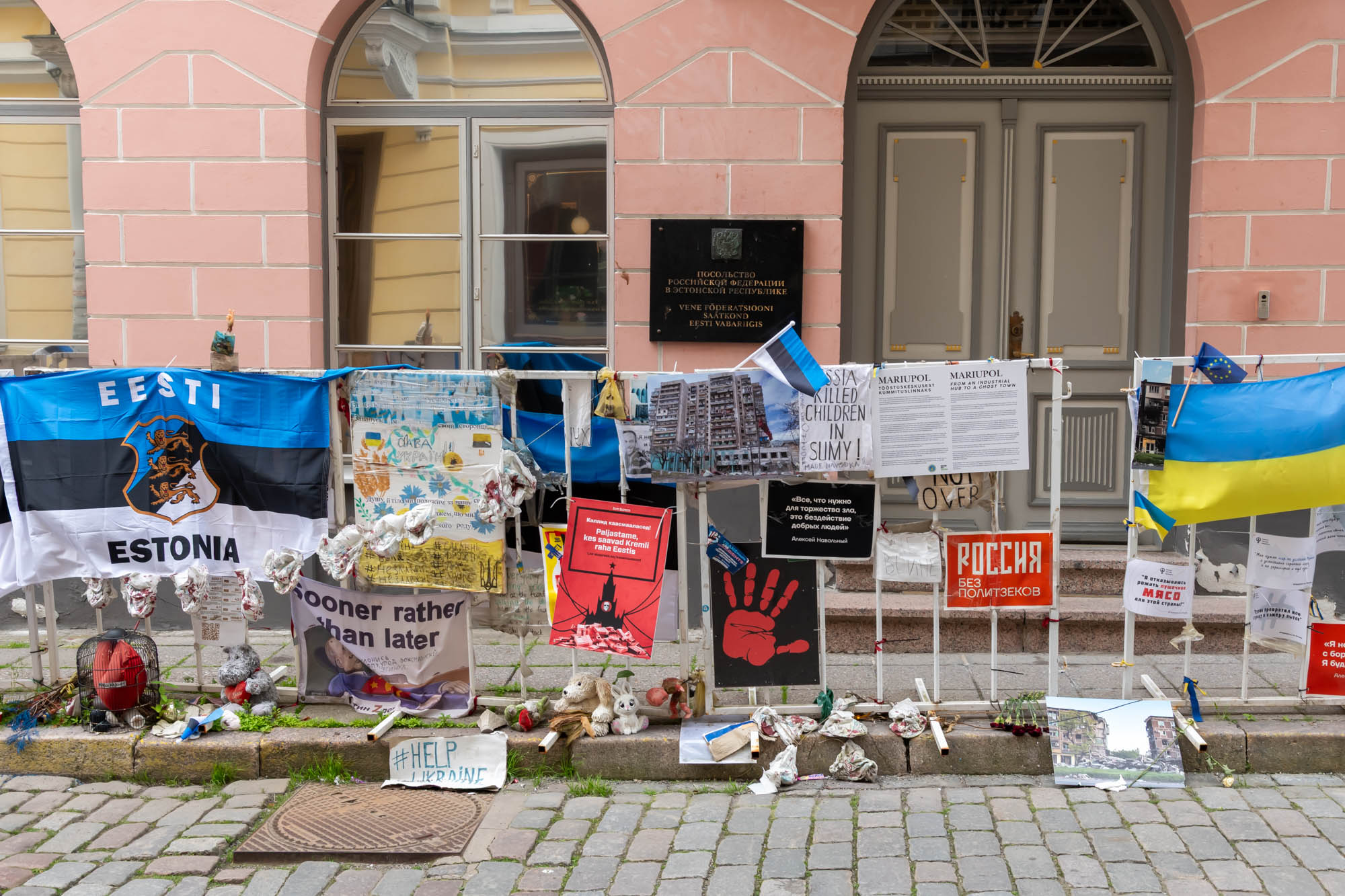
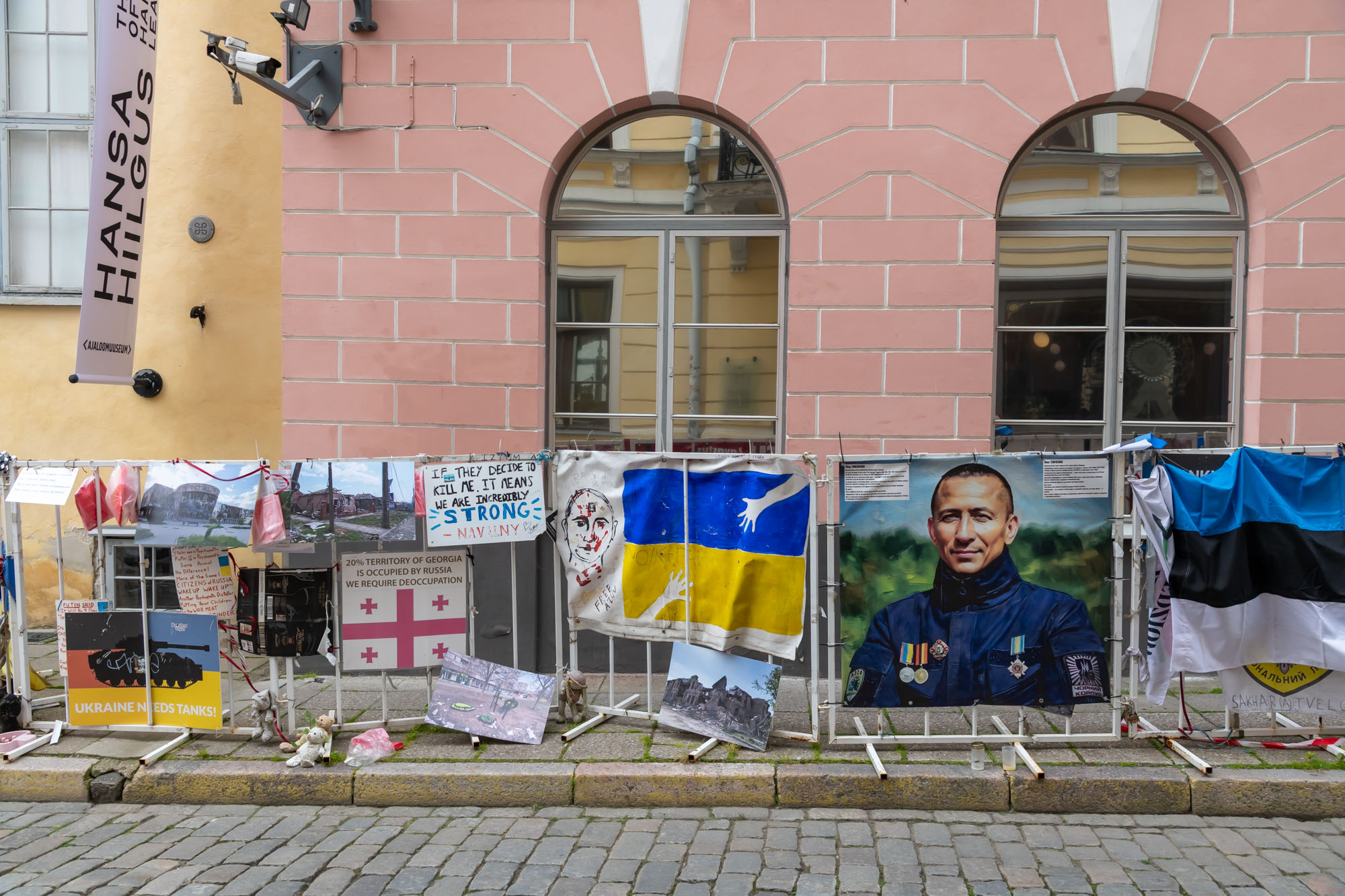
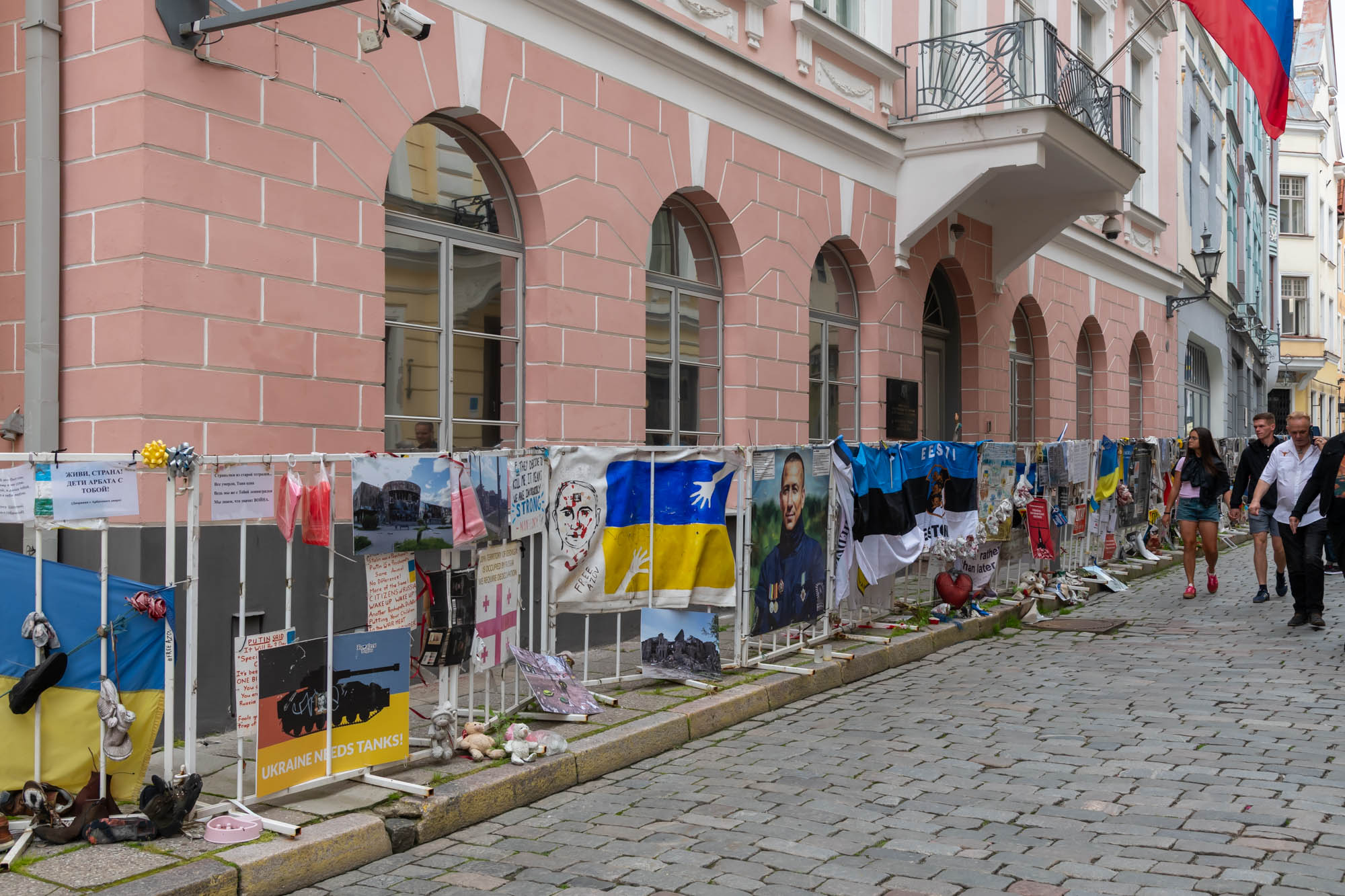
In Tallinn, I came across a protest against Russian aggression. This was a kind of exhibition just outside the Russian Embassy in the old town.
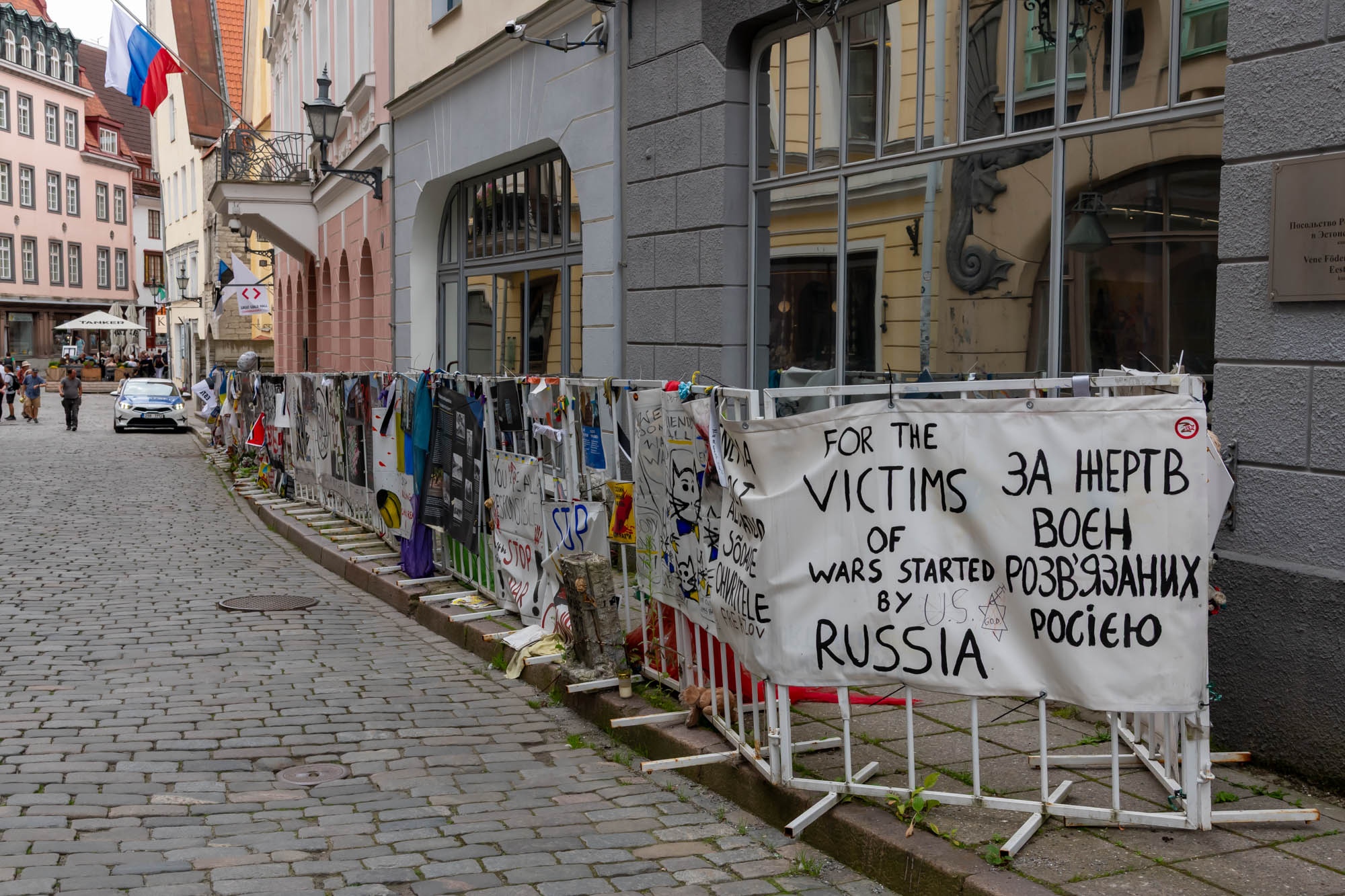
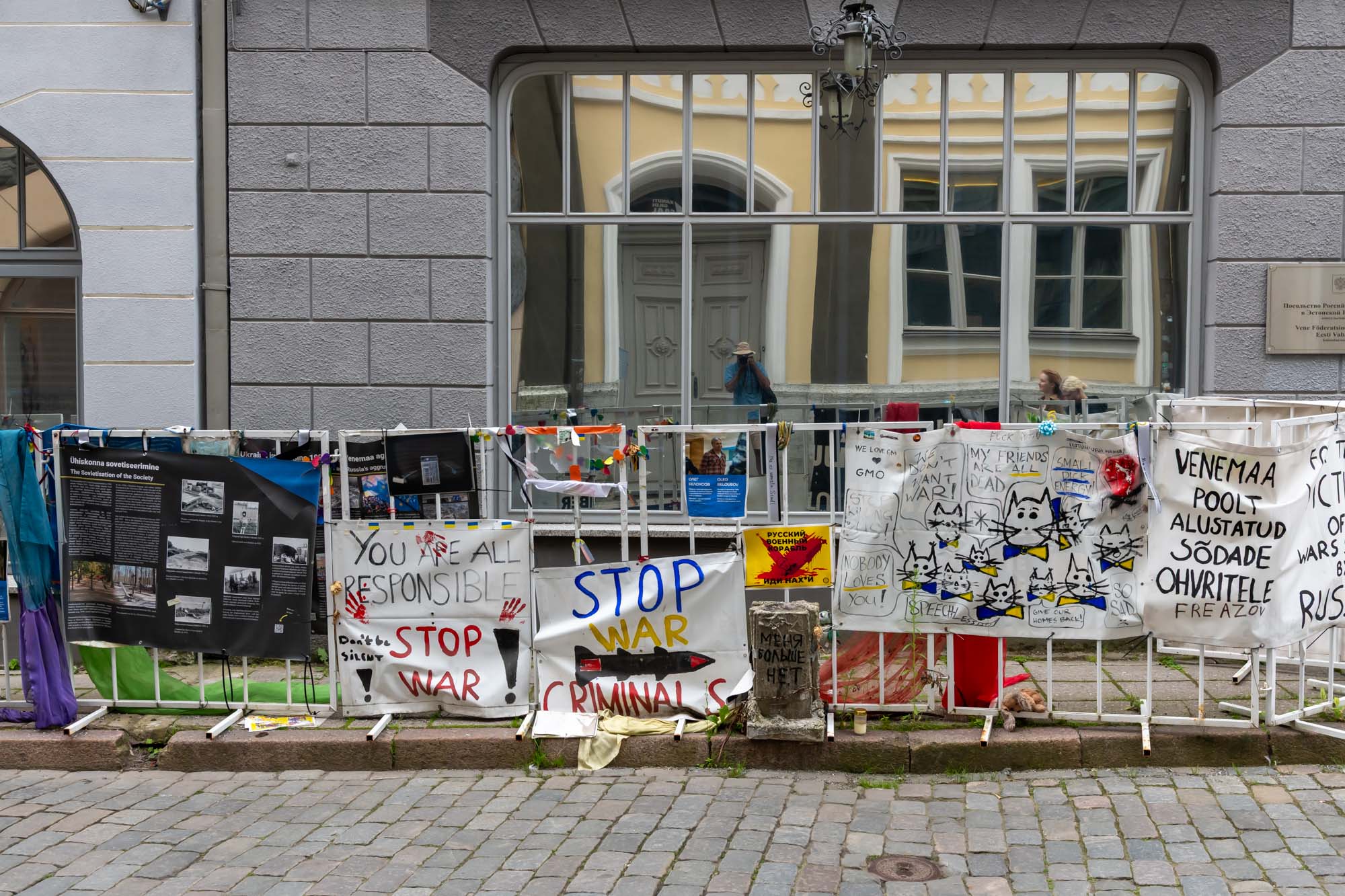
This fear seems to be burnt deeply into them and added to that, they say that the Russian psyche has always been an expansionist one, which believed in the superiority of Russia and everything Russian, right from the Czarist period. They view the current conflict in Ukraine as evidence of this expansionist mindset. When I was talking to a professor in the Czech Republic, she too expressed the same point, and she told me about how Finland was building a wall across the 2000 km long border with Russia. She was of the opinion that it was very likely that Russia would attack a small country like Estonia within a couple of years to see how far they could push NATO. The lady I met in Tallinn told me that investment into Estonia had slowed down because of this fear that Russia might attack them. I have no idea whether this was the opinion of just a few people but all the interactions I had with people seemed to support this view. This was kind of a surprise to me as I wasn’t aware that there was such a fear around current day Russia.

Music has been big in Estonia and as I mentioned before, even their independence movement was anchored on singing. They have a big music festival that is held in Tallinn every two or three years; unfortunately, I missed it by three or four days. The festival is held in the same ground where the Singing Revolution began and since there was tight security in place for the festival, I couldn’t get to see the ground. Musicians come from all over Estonia and a hundred thousand people were expected to come to watch them play – this is almost ten percent of the country’s population! In preparation for the festival some bands were performing in the main square in Tallinn’s old town. Their music was quite wonderful, and people were enjoying themselves. 

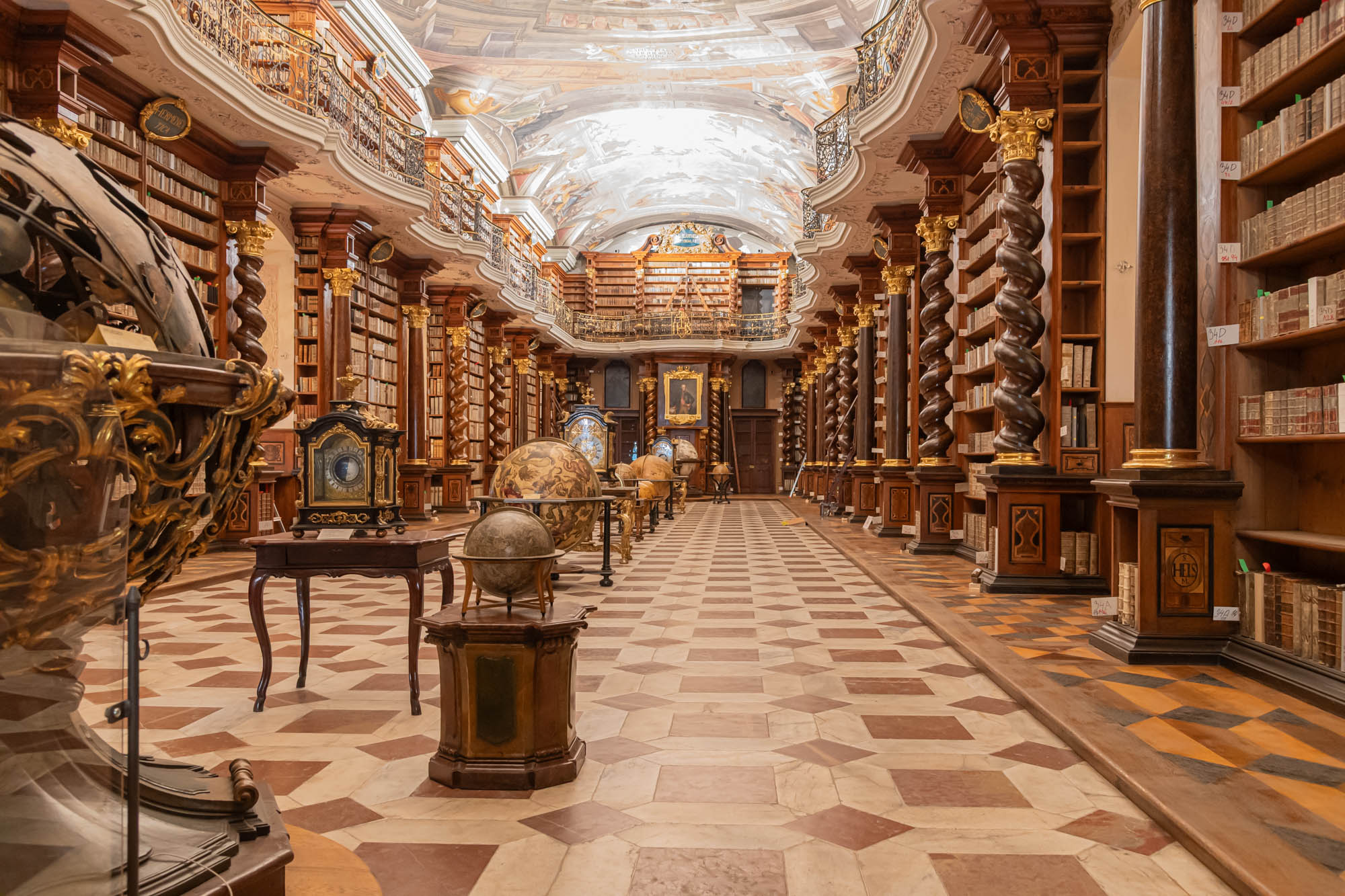
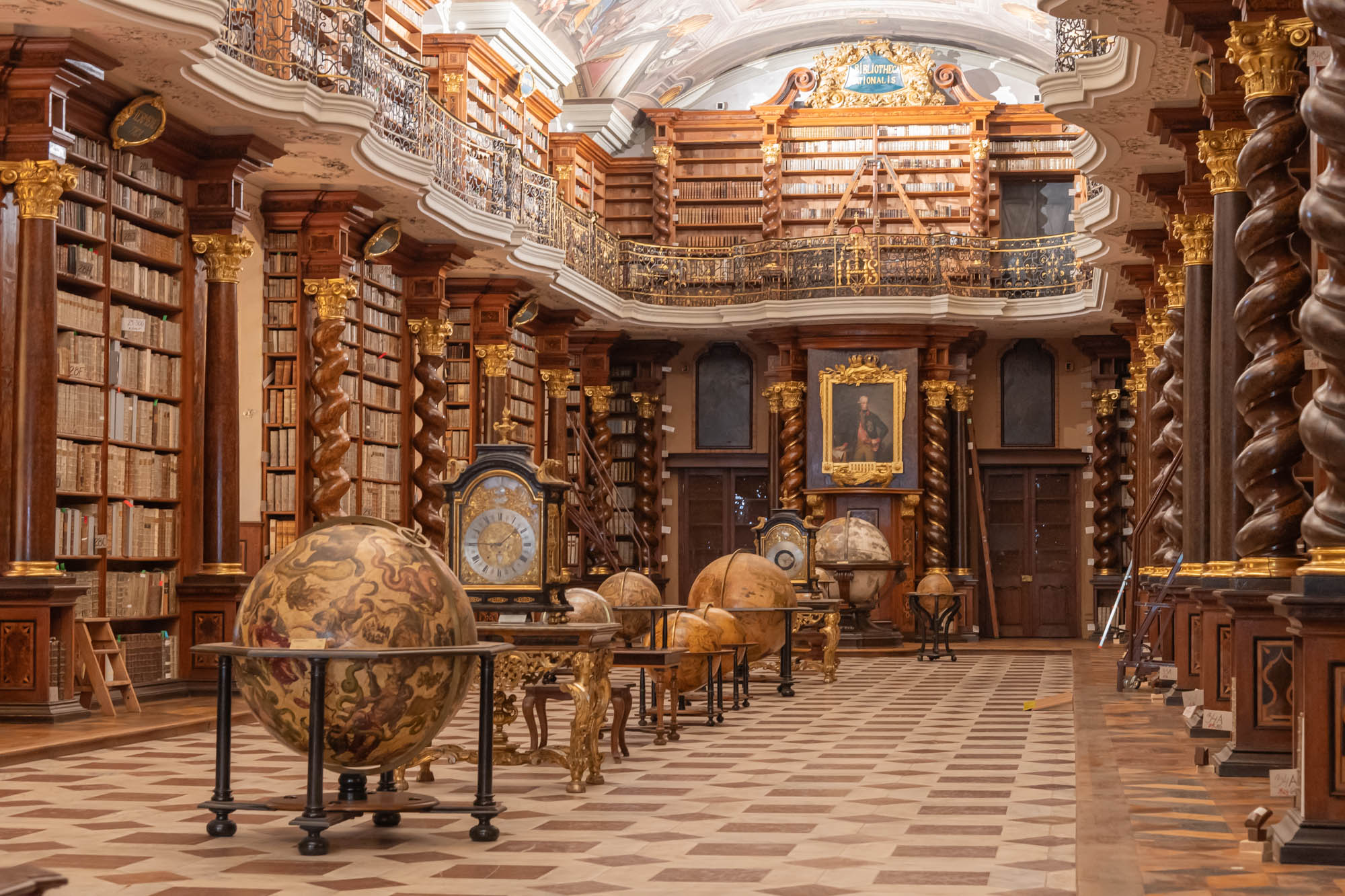
In Prague, a great attraction for me was the Clementium which had started as a Jesuit college in 1556. The college merged with the Charles University in 1654. It was well known for its astronomical research, and the tourism website says that Albert Einstein taught there. The Clementium today has a great old library with about 27,000 printed books. Arguably, it is one of the most beautiful libraries in the world with its wonderful Baroque styling. Public is not allowed inside the library for fear that the precious books may get damaged. We could get a peek through the door, and it was simply breathtaking.
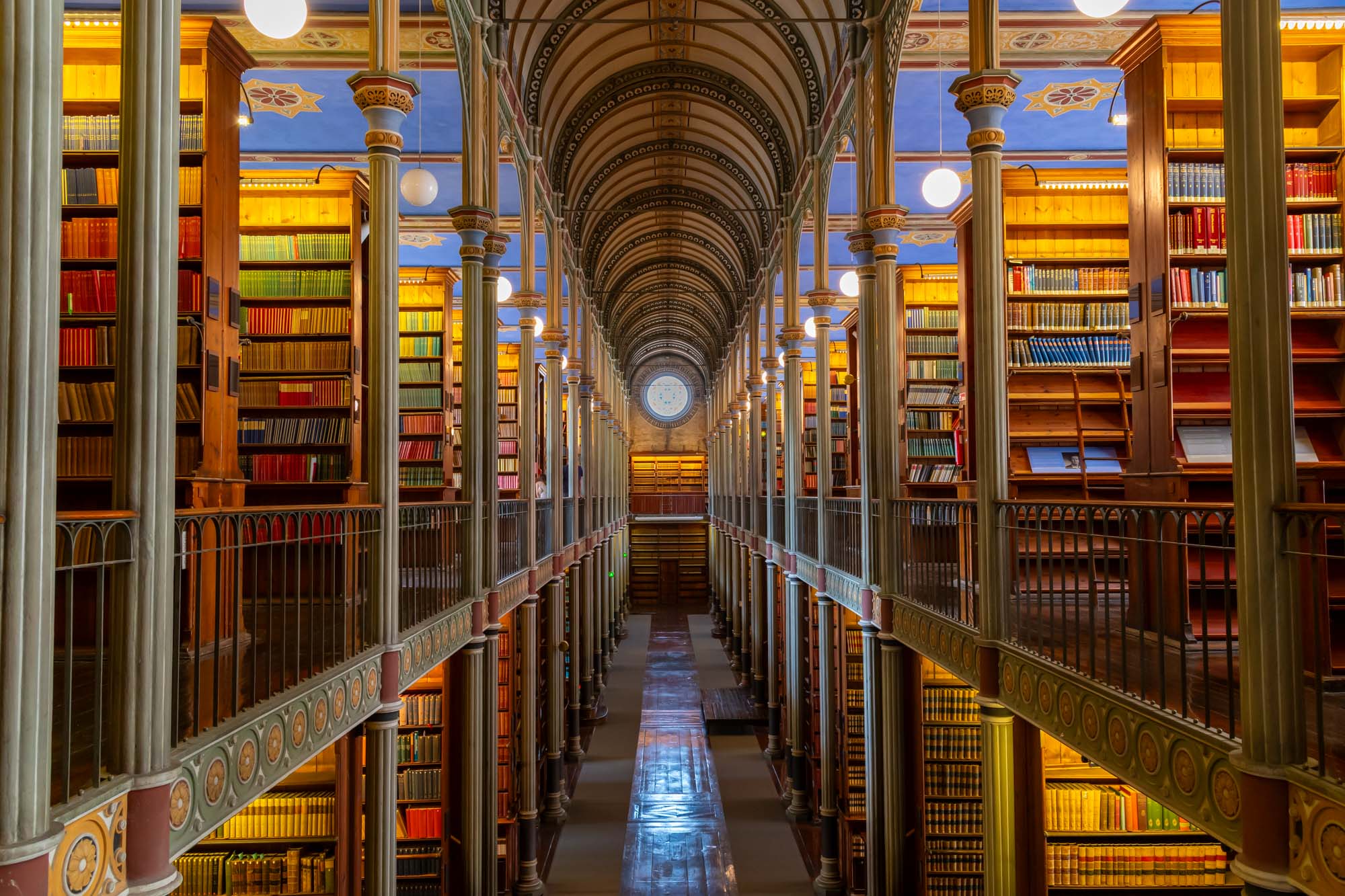
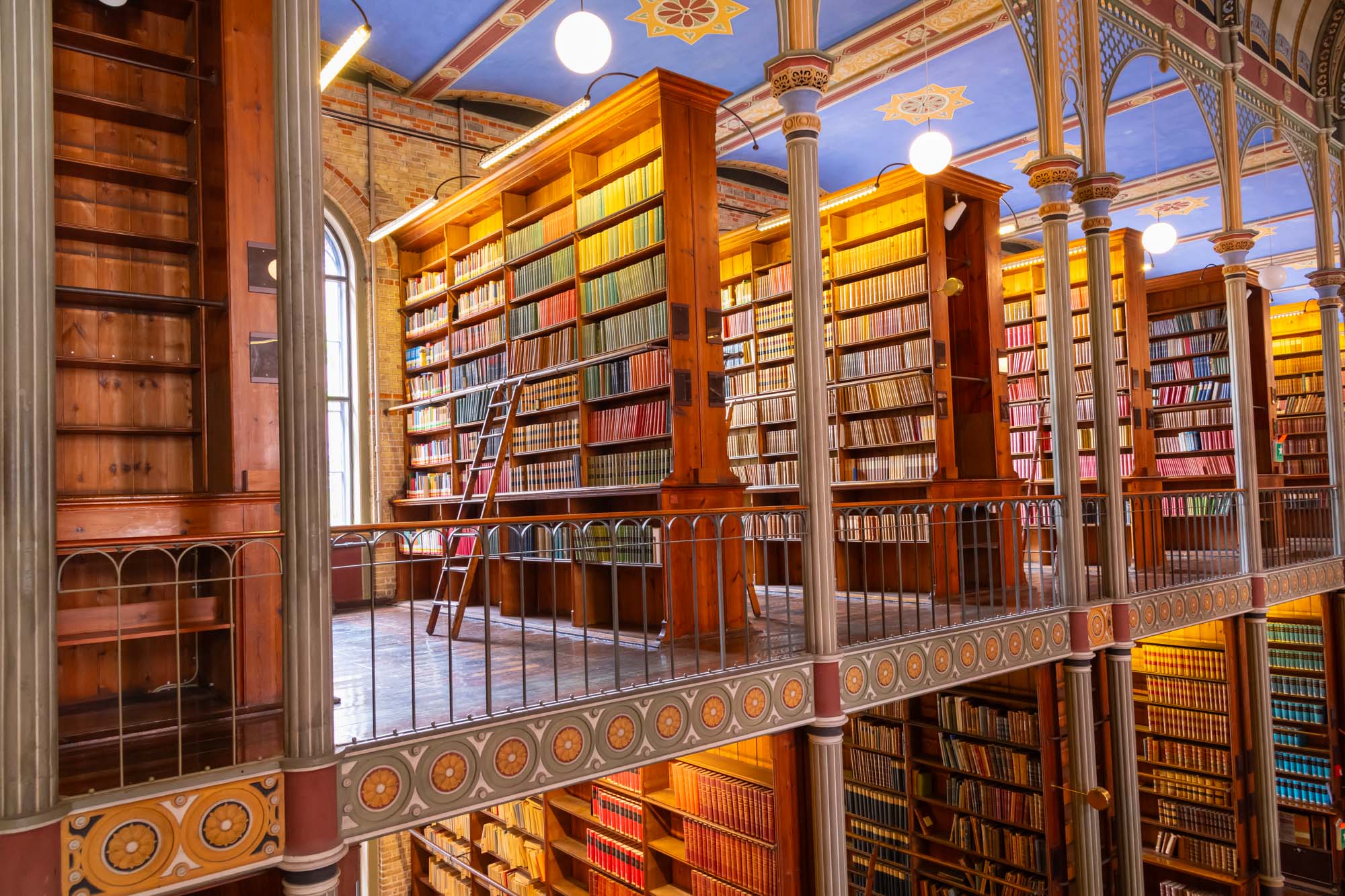
Copenhagen has understood that old libraries can be a big tourist attraction and so when the old University of Copenhagen library closed in 2009, after five hundred years of history, they decided to convert it to a kind of art installation. So, in this library, you have books arranged very aesthetically and it is quite a sight indeed. There are a hundred and twenty-five thousand books in this library now. One of the staff in the library conducts a guided tour and as she explained, the book covers have been designed to make them look attractive when displayed and the books per se are not of any great value. They are arranged kind of randomly as I found out, when I took down a couple of books. The visual impact is quite stunning, and you can happily send a couple of hours in this library, as I did.
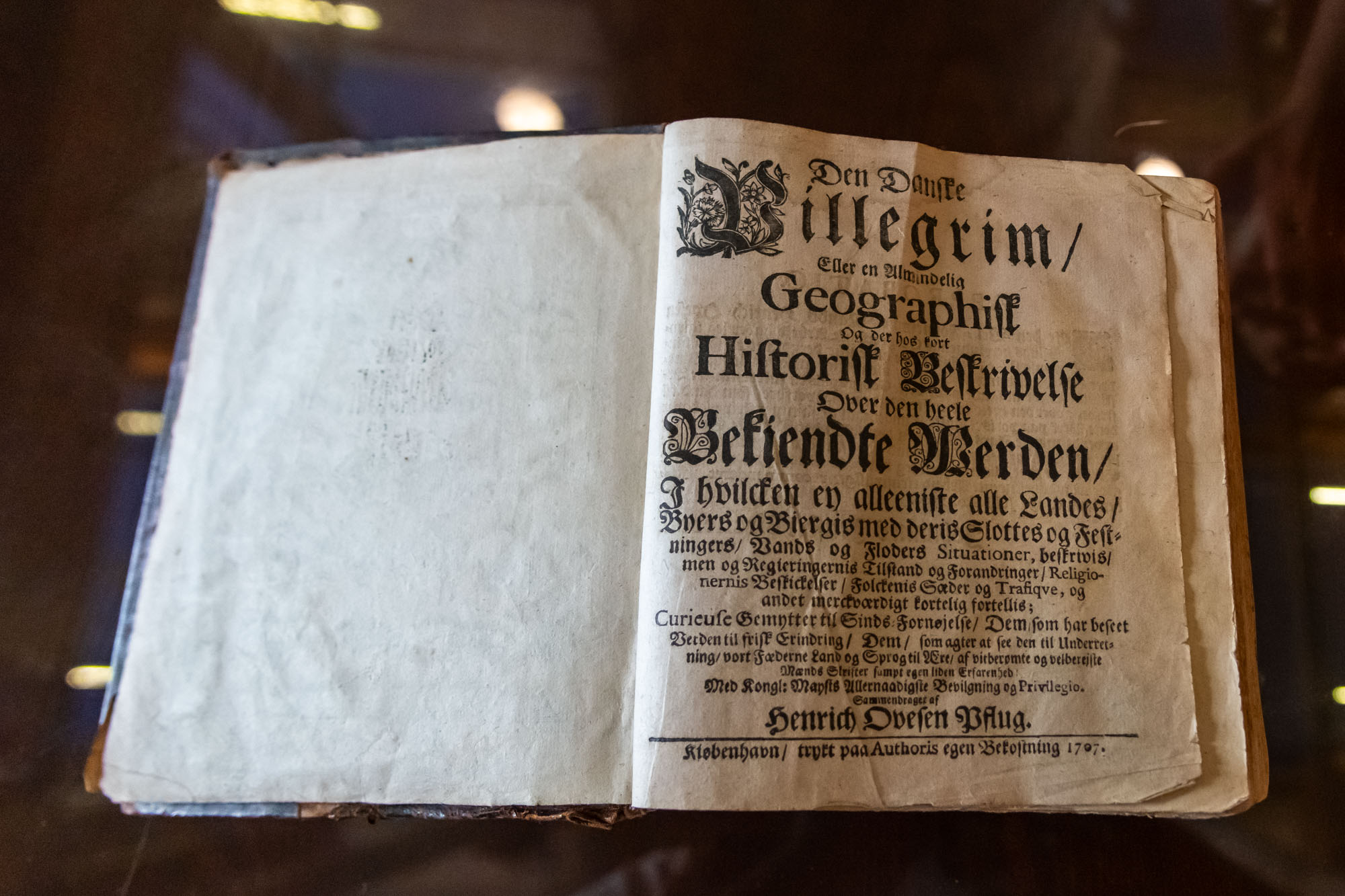
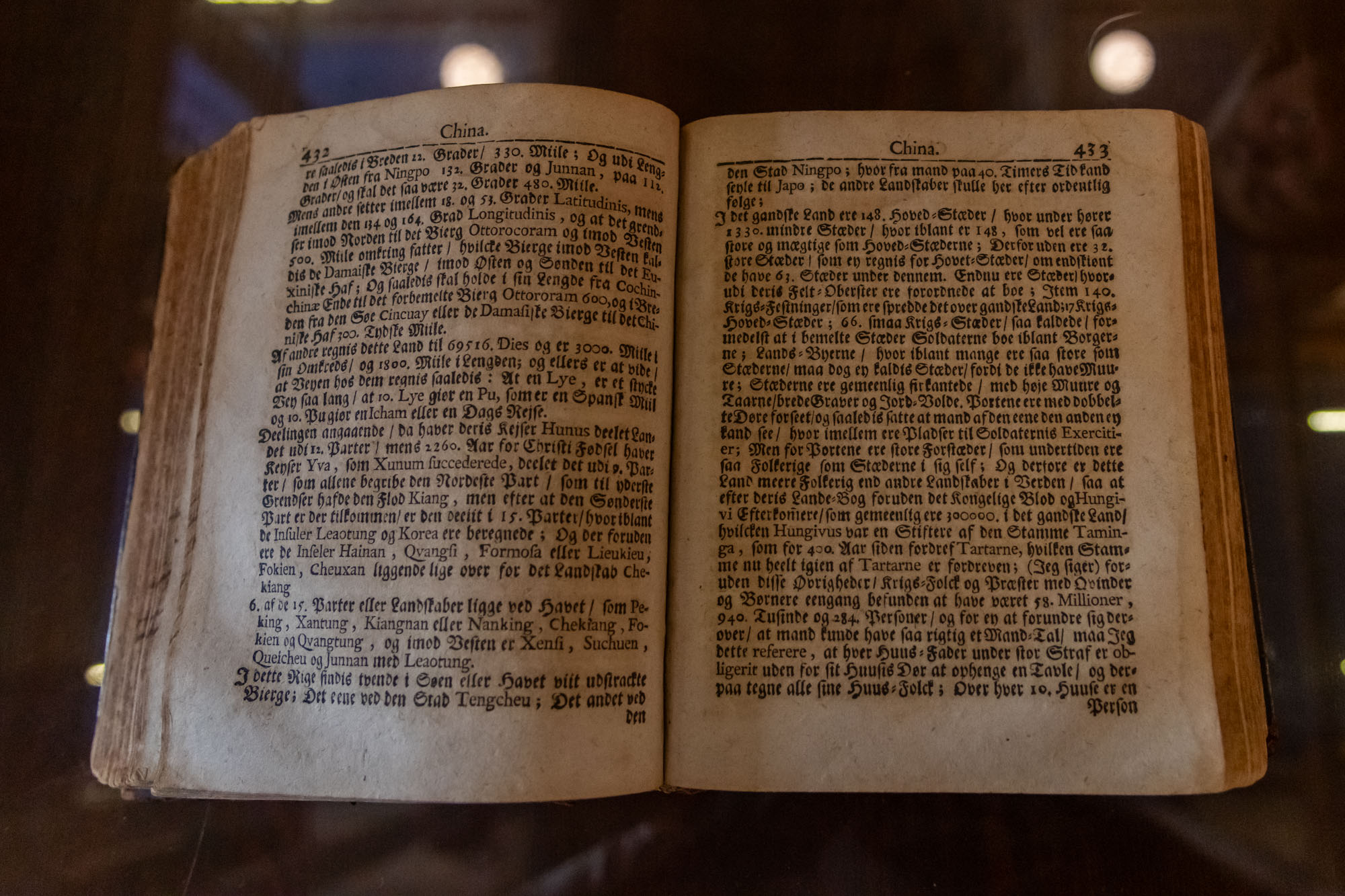
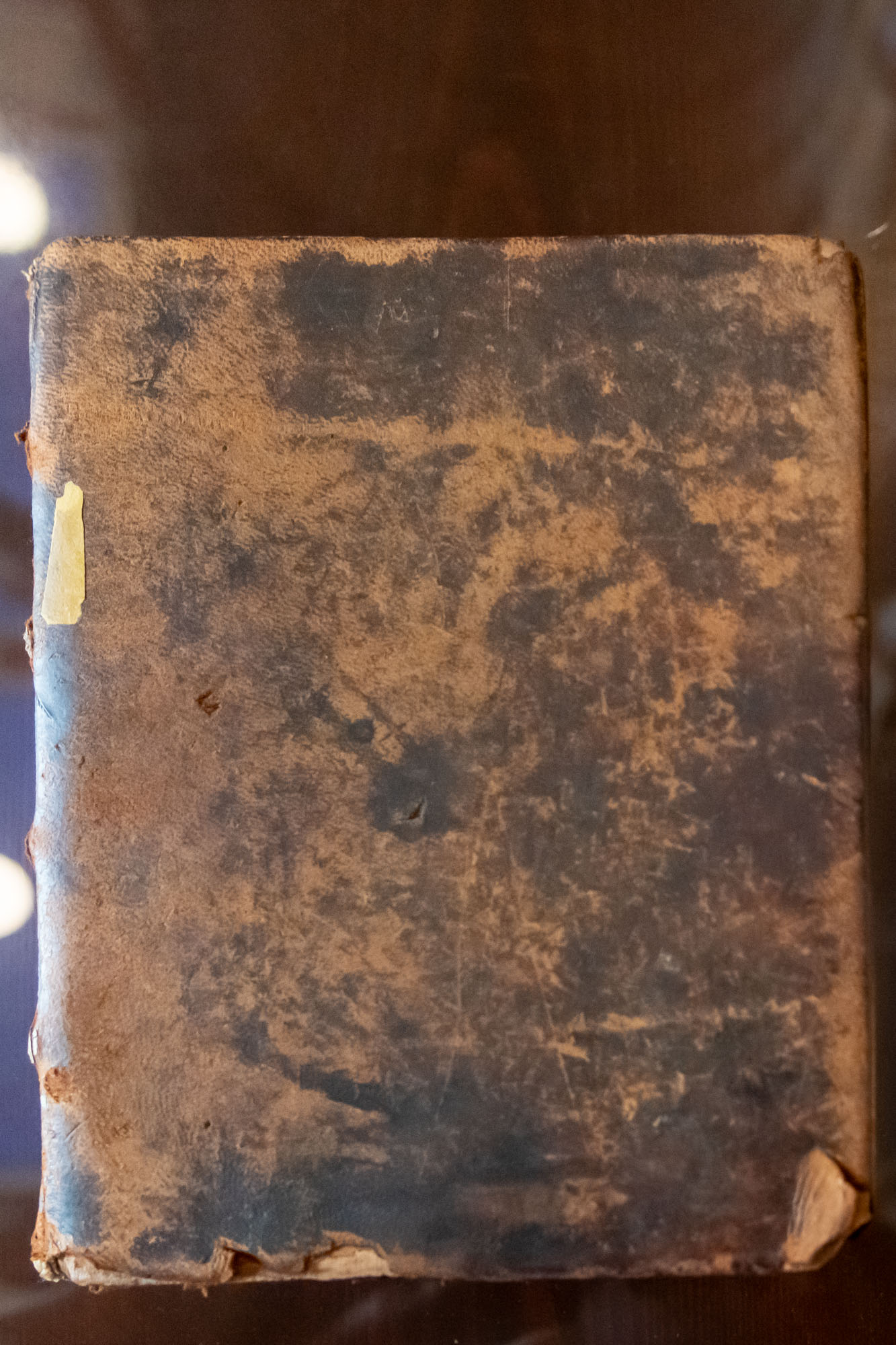
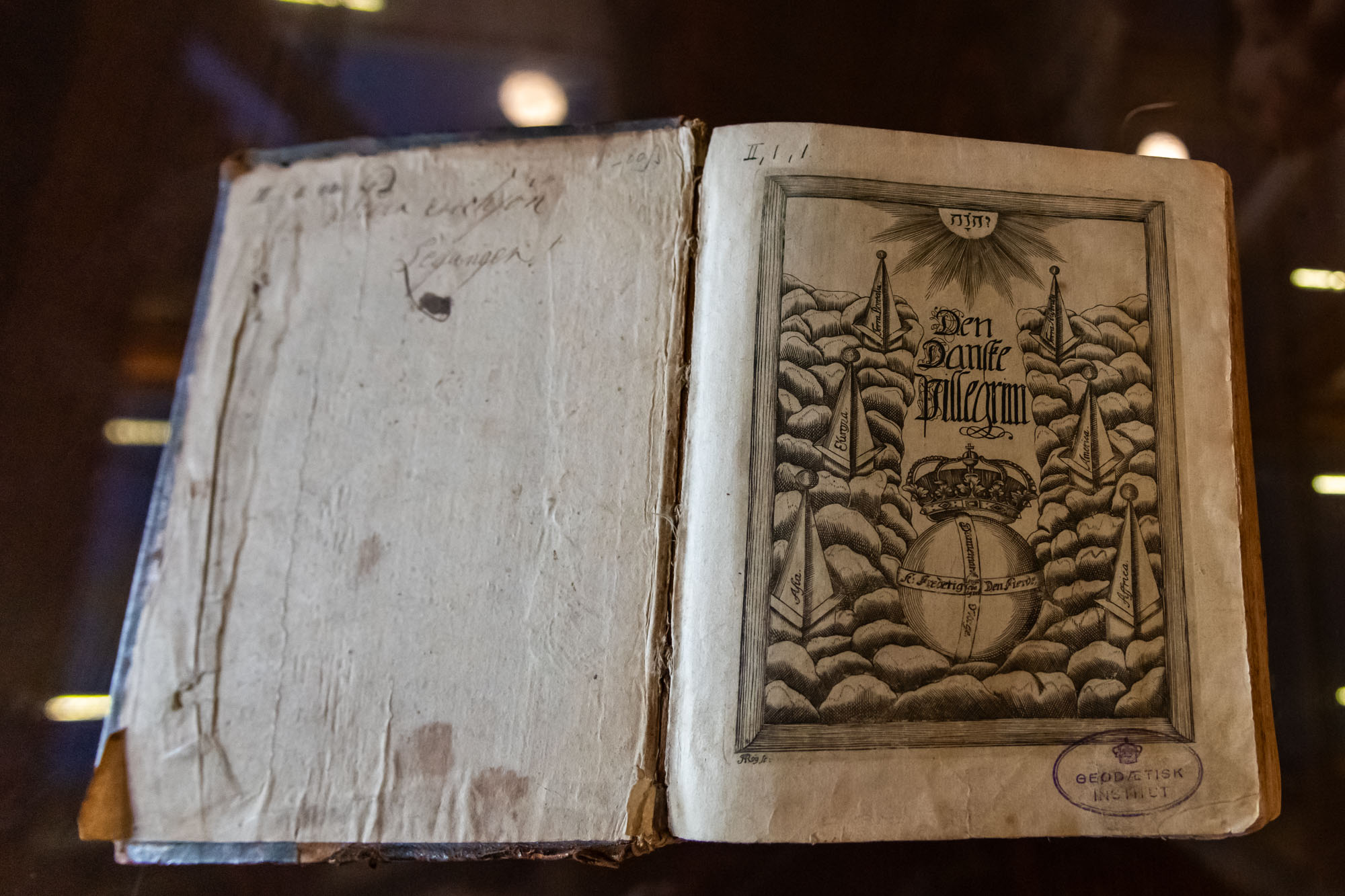
Perhaps because of my obvious interest in the library, the guide told me that she could show me the oldest book in the library. It is from 1707 and the title in the first page reads “Danish Pilgrim” and the one in the second page reads “Geographical and Political Description of the Whole Known World”. Supposedly, it is a collection of random details about various places. For instance, it might speak about the natural aspects of a location and be silent about its trade and commerce and vice versa about some other place. It seems this is a printed book and not a hand-written one. The guide handed over the book to me and when I leafed through the pages, I found a chapter on China but there was no information on India. The family of the person whose name is scribbled inside the cover did some research and found that he was the captain of a ship. This book must have belonged to him. This was a very special experience for me as this is the oldest book I have held in my hands! It was almost like touching history and going back three centuries!
One of the most interesting aspects of European cities is the presence of public spaces. You find squares large and small scattered everywhere across the cities. Some are old and some are new, but they are there, and everyone has access to those. They are maintained well with seating provided and people use them well. Since I was travelling in summer, I saw many people always gathered in these squares, especially in the evenings. They were friends and families, connecting and having a good time. Some of the squares are very large and would be ideal places for public gatherings and demonstrations. In Helsinki, I noticed that there would be a café selling drinks like beer, wine, coffee etc. in the square and I saw many people coming there to socialize, after dinner. In some places, there were free concerts and such other events. Overall, there was a lot of life around these public spaces, and I feel this is one significant thing we are missing in our cities. We used to have such spaces before but now with our uncontrolled “development” most of these have been lost. There would be a few parks here and there but that would be about it and even those won’t be available in the newer areas. In smaller towns, especially in Kerala, the athanis around temples or aaltharas, which play this role, are still present but they are mostly male dominated spaces and even these are changing in character today to become even more exclusive. 

Getting around most of these cities is quite easy as the public transport is pretty good. I had a car with me in some cities like Budapest and I found that to be a liability as parking was a hassle and a bit expensive. Most cities seem to have made parking very expensive to discourage people from using cars; maybe it also an avenue for the city council to generate income. Buses, trams and metros were very convenient, and you could buy daily tickets or trip tickets. The whole experience of buying these tickets was also very, very seamless through their app or website or simply tapping your credit card on the machines inside the vehicles. In most cities, they seem to rely on people’s honesty in buying tickets as you could just hop in and hop out without having to present the ticket. There is random checking, of course, and the fines are quite hefty. Cars are needed if you want to go to the countryside but otherwise, in cities, the public transport was more than enough. Moreover, these days, with Google maps available, you really don’t need to be familiar with the city as the app will guide you perfectly. Of course, this means that you need to have mobile connectivity wherever you go. 

One thing I noticed was that the use of taxis has come down drastically, over the years. Even when using taxis, people are using ride hailing apps like Uber or Bolt. I went to Helsinki from Tallinn by ferry and from the port, out of curiosity, I decided to take a taxi. I had seen that my hotel was only three or four kilometres from the port. Taxi drivers were calling out and competing for passengers and with that itself my antennae went up. Sure enough, even before the taxi and left the compound of the port, the meter was showing 25 Euros! I pointed this out to the driver and then the discussion started with us finally settling on 30 Euros for the whole drive; my feeling was that the correct rate would only have been 15 or 20 Euros. 

This incident was the only negative experience in the whole trip that lasted 45 days and in general, travelling in Europe was a smooth experience. People were friendly and trusting. One day, in Ljubljana, we were eating at a temporary local market set up in a square and we wanted a glass of wine. The vendor had stepped out and his friend was minding the cart, and he didn’t know the price of the wine we wanted. He just poured us the wine and asked us to come back and pay later. We could have just walked away without paying but he trusted us. In interior Scotland the roads are very narrow and sometimes, you have to wait at a particular spot so that the vehicle coming against you can pass. People waited patiently and politely and waved at each other when they passed. There was no honking and light flashing. In fact, the attitude around flashing one’s headlight best describes the difference. In India, when we flash our headlight, we intend to convey to the other driver that we are going, and she or he should wait; it often is a contest of who flashed first. In Europe (and many other countries including US), when they flash their headlight at you, they are conveying that they will wait, and you can go ahead. One is about me, and the other is about you. Such small, everyday instances make or break your experience. 

As mentioned, there is hardly any abrasive experience when travelling in Europe. This is not the situation when we travel around India. The traffic is violent, there is much haggling, pushing and shoving which basically leaves you exhausted. I was just wondering how Europe got to be like this. In the medieval times, Europe was one of the most violent places in Earth with their inhumane colonization and such. Even if you look at the nature of the punishments they handed out like “hung, drawn and quartered”, it was just horrible. In those times, violence was an everyday event as well, as I understood. I was curious on how such a violent people become so peaceful. This is not to say that there are no violent crimes in these places; there are. I am talking about the small incidents in everyday life. 

Of course, I mean only the people in their everyday lives and not nation states, which continue to be violent as we can see from their behaviour in Iraq, Palestine, Ukraine and such other places across the world. I don’t have an answer to this question, and I did discuss this with a couple of people. The only theory I could come up with was that maybe the people have made the state the owners of violence and decided to move away from it in their individual capacity. Of course, it might only be a thin layer of veneer that covers the underlying violent nature. Whatever it be, it makes everyday interactions a bit less stressful. I guess it must have something to do with education and culture. For instance, every city, big or small, has museums, theatres and such other cultural institutions. They take care to ensure that school children have exposure to these from a very young age. I am not sure what they are doing right or whether it is intentional; but is sure seems to have an effect. 
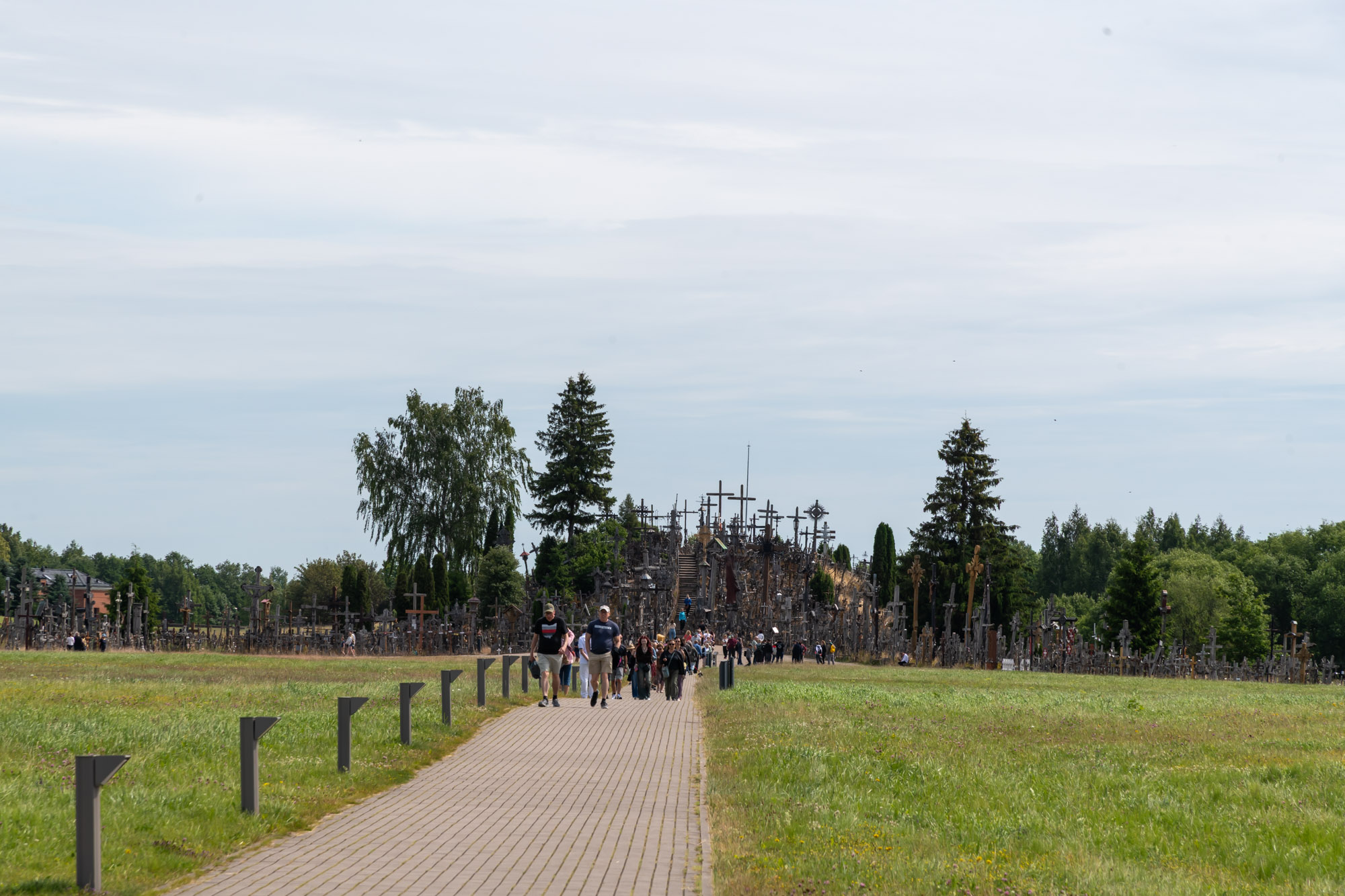
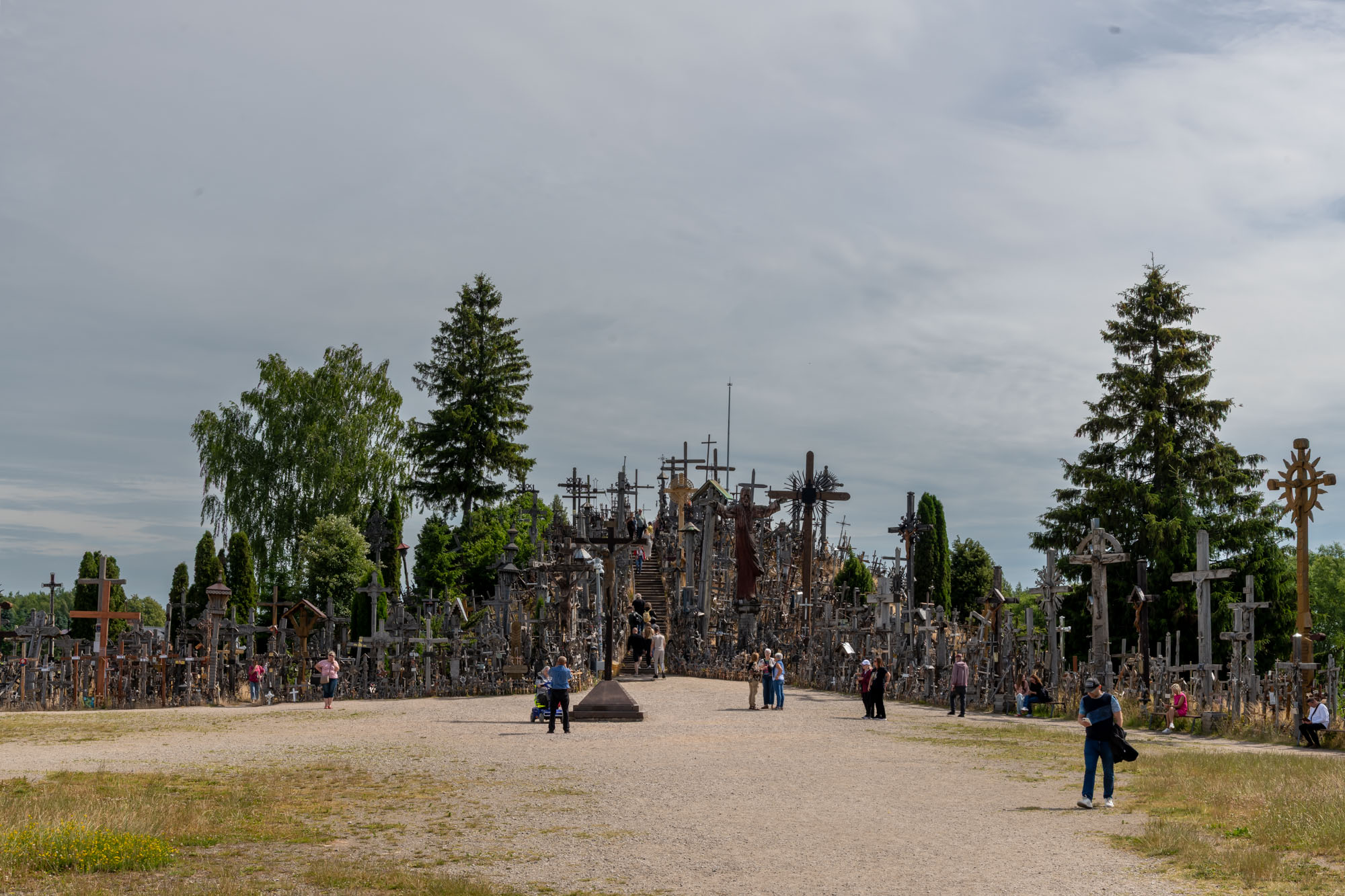
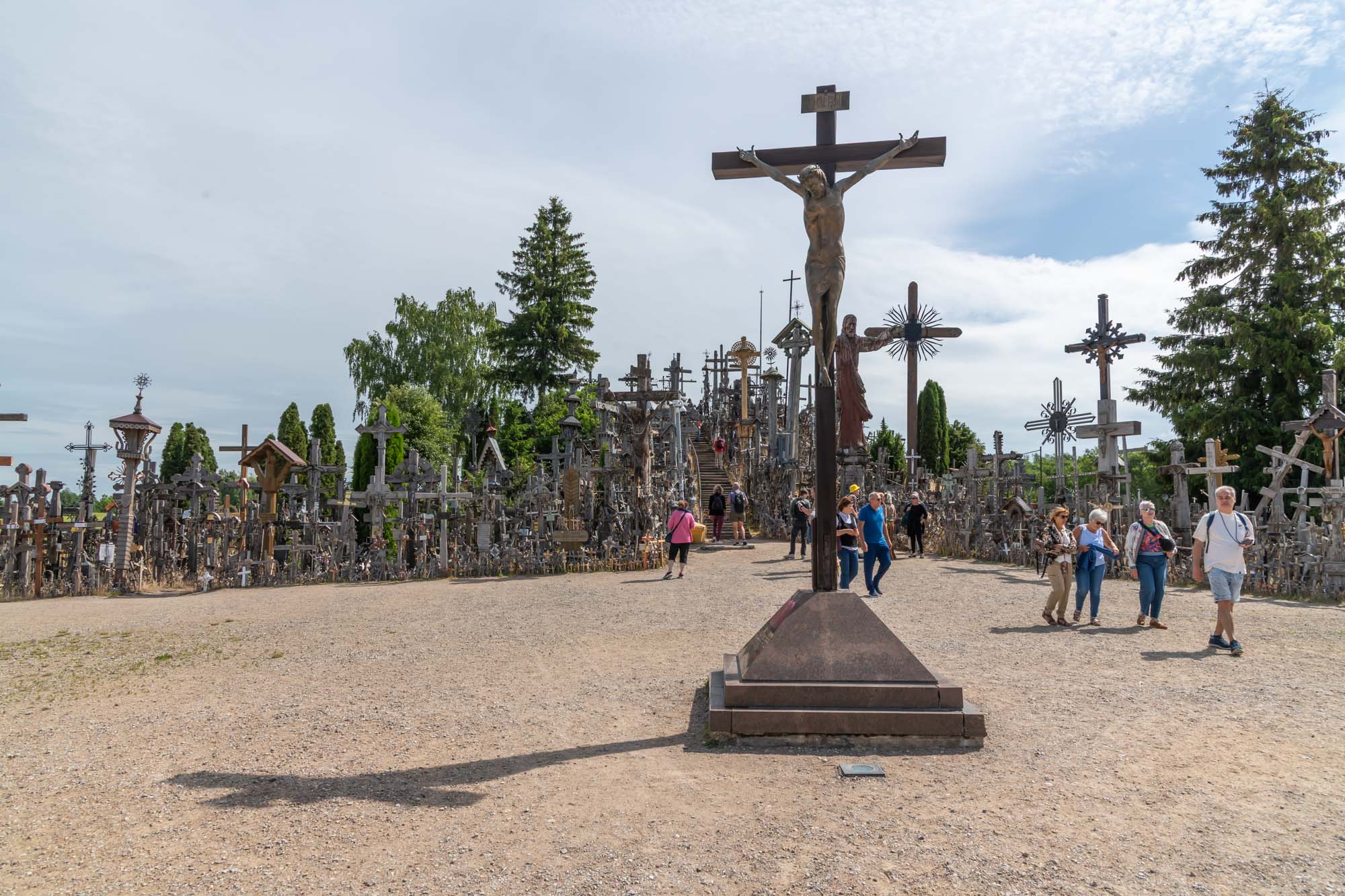
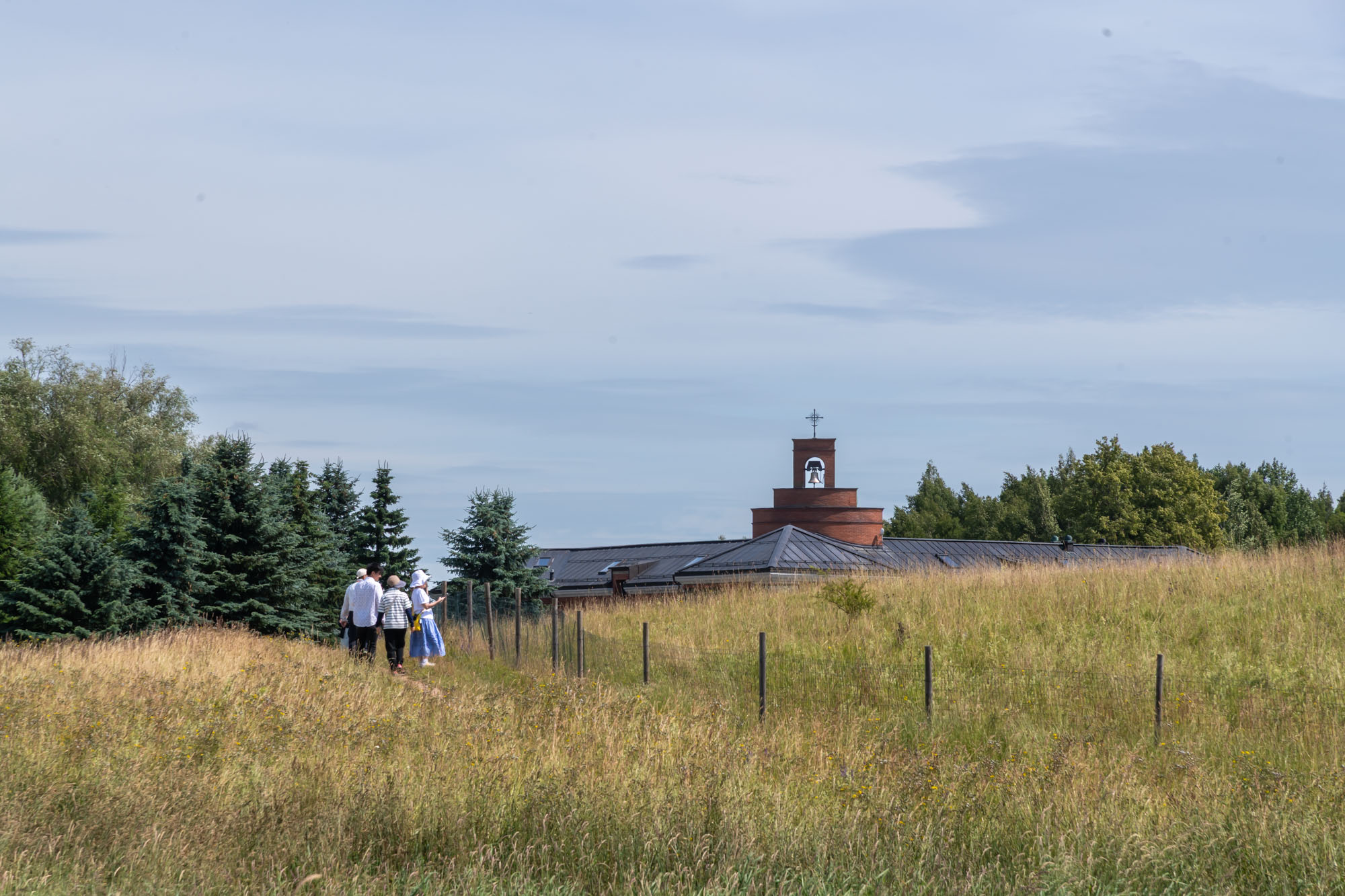
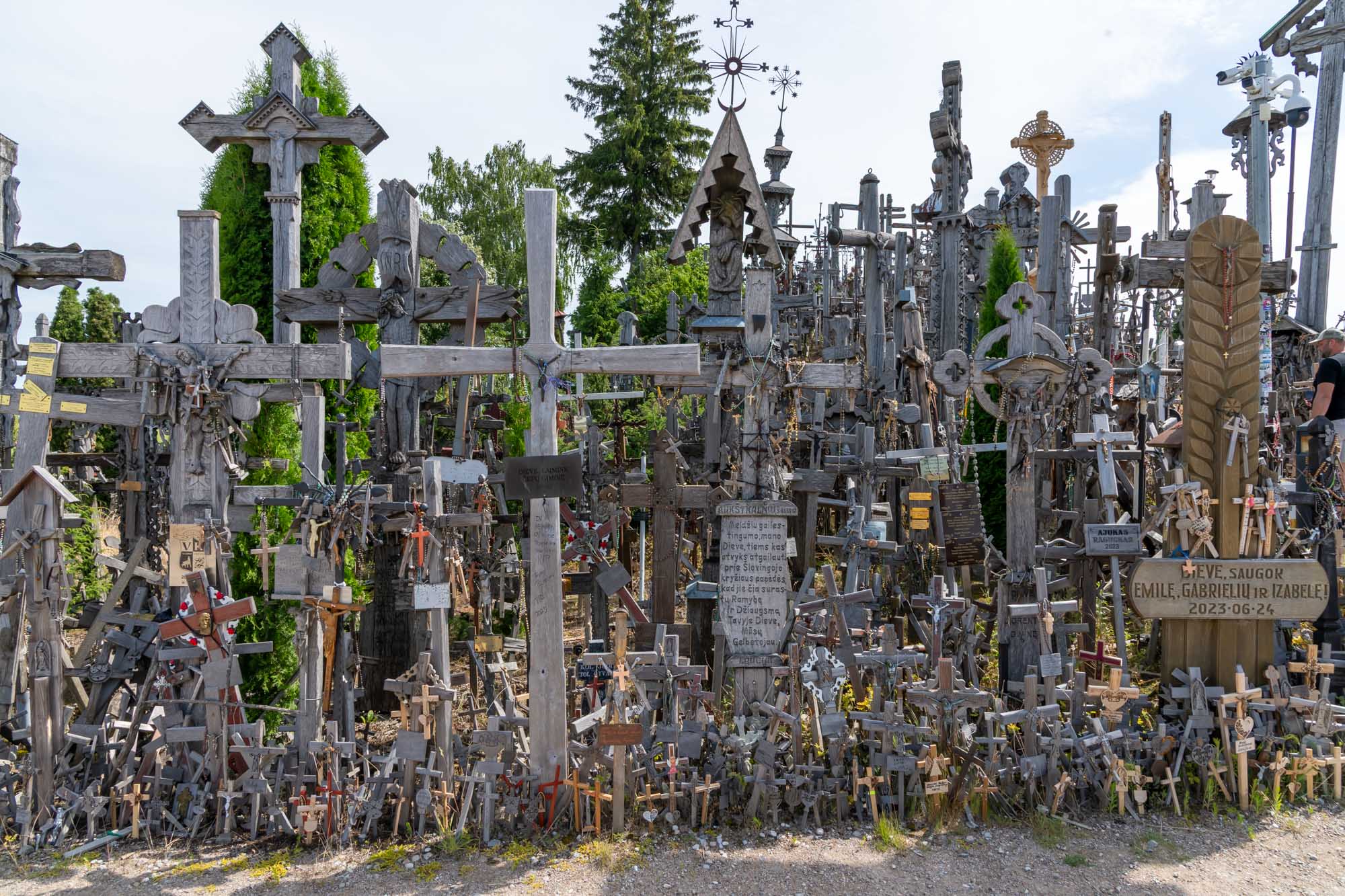
Yuval Harari sees religion as something that can cause people to come together and co-operate. An example of that theory is the site called the Hill of Crosses, which is situated in Lithuania and is just a small deviation from the Riga – Vilnius route. I had come across this site during my search and it was easy enough for me to visit as I was driving from Riga to Vilnius. 

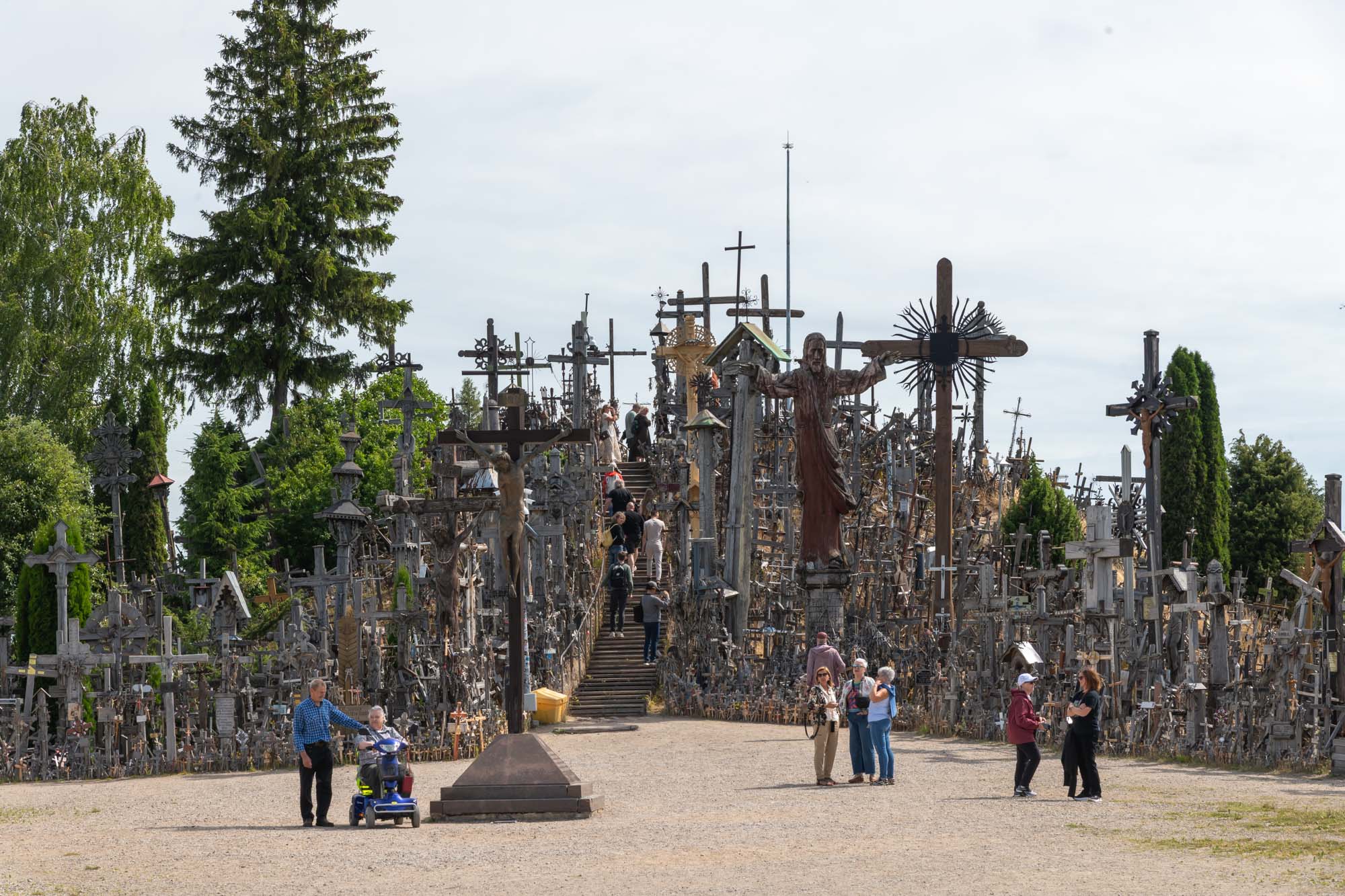
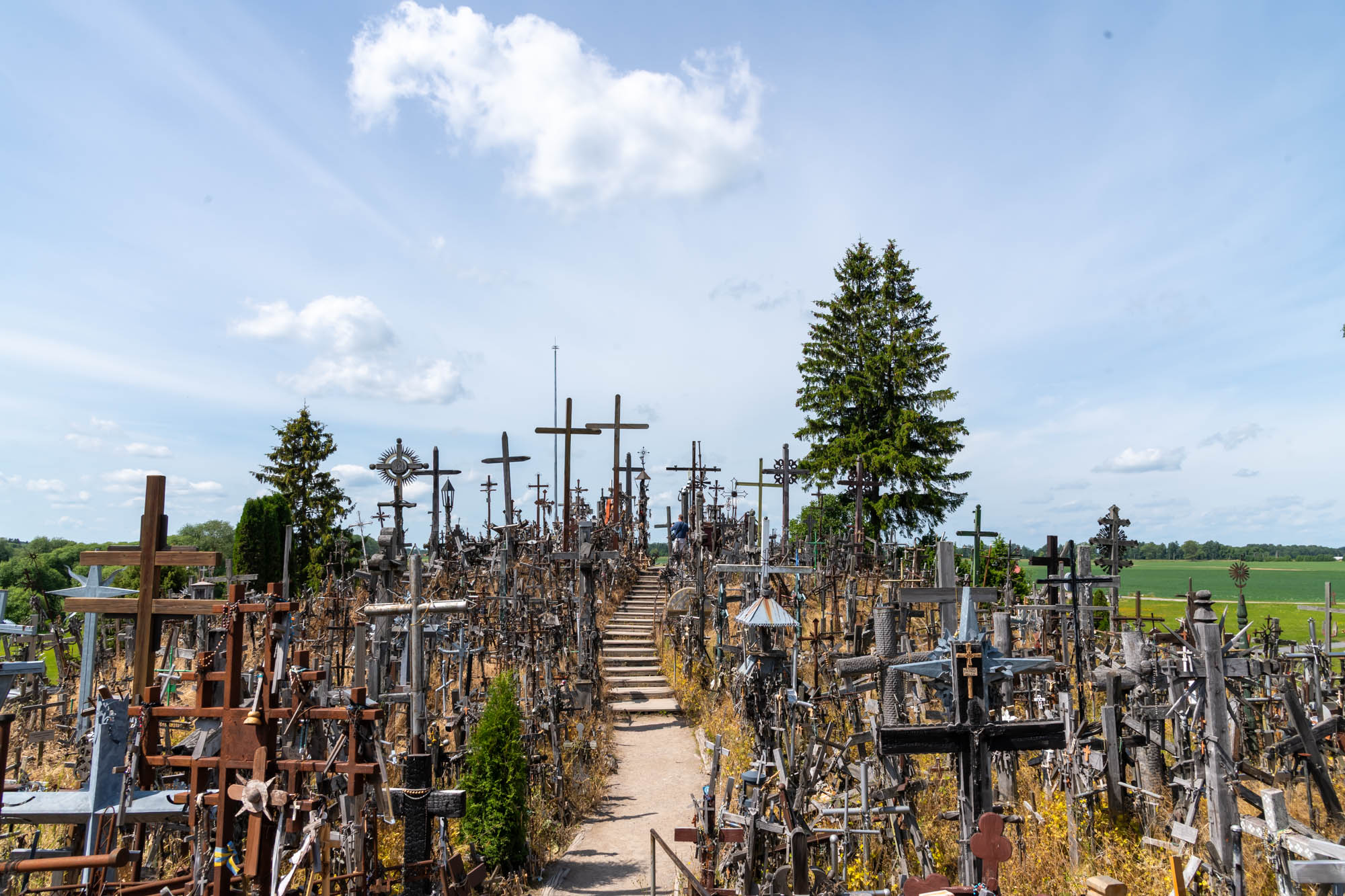
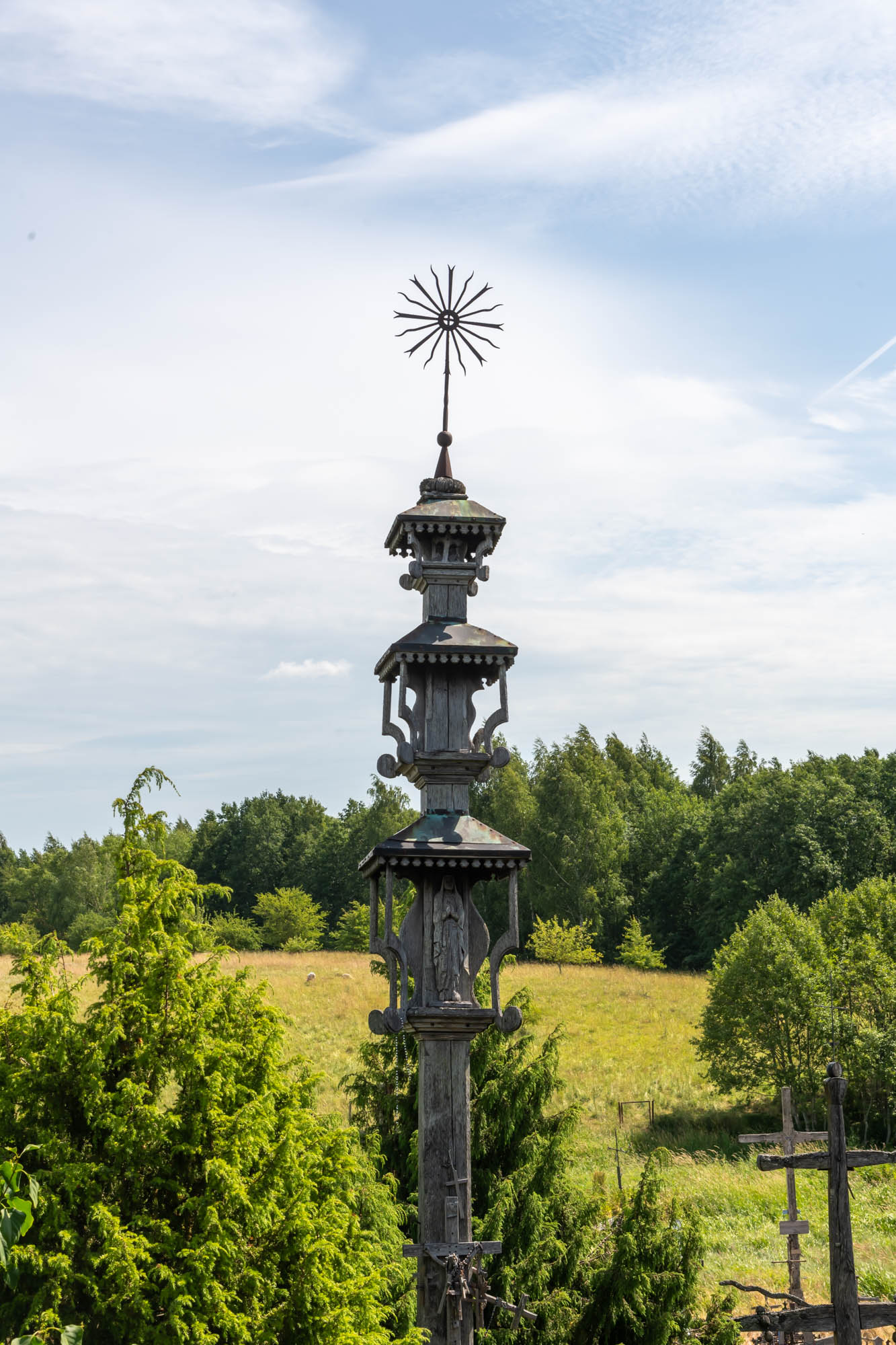
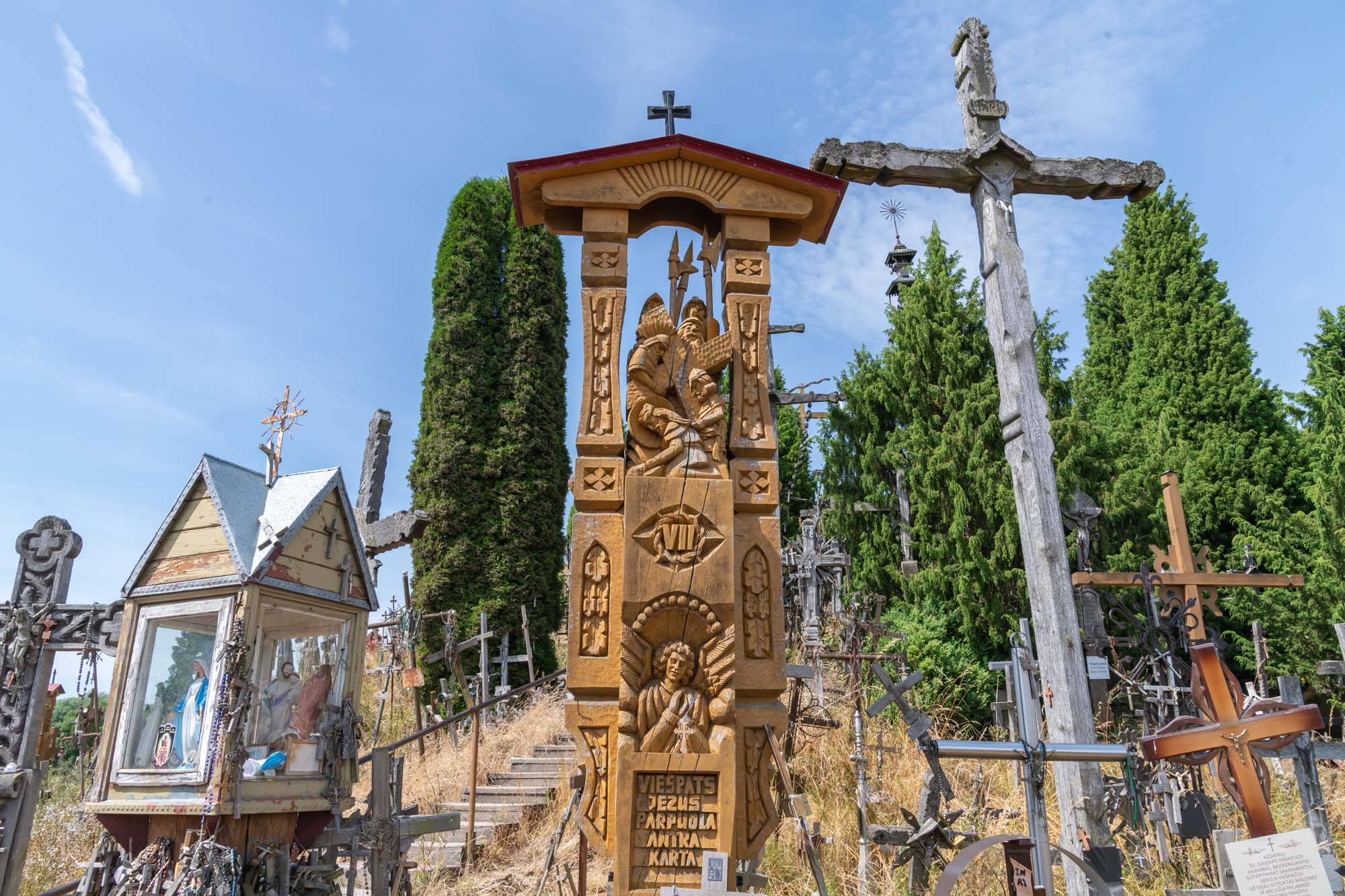
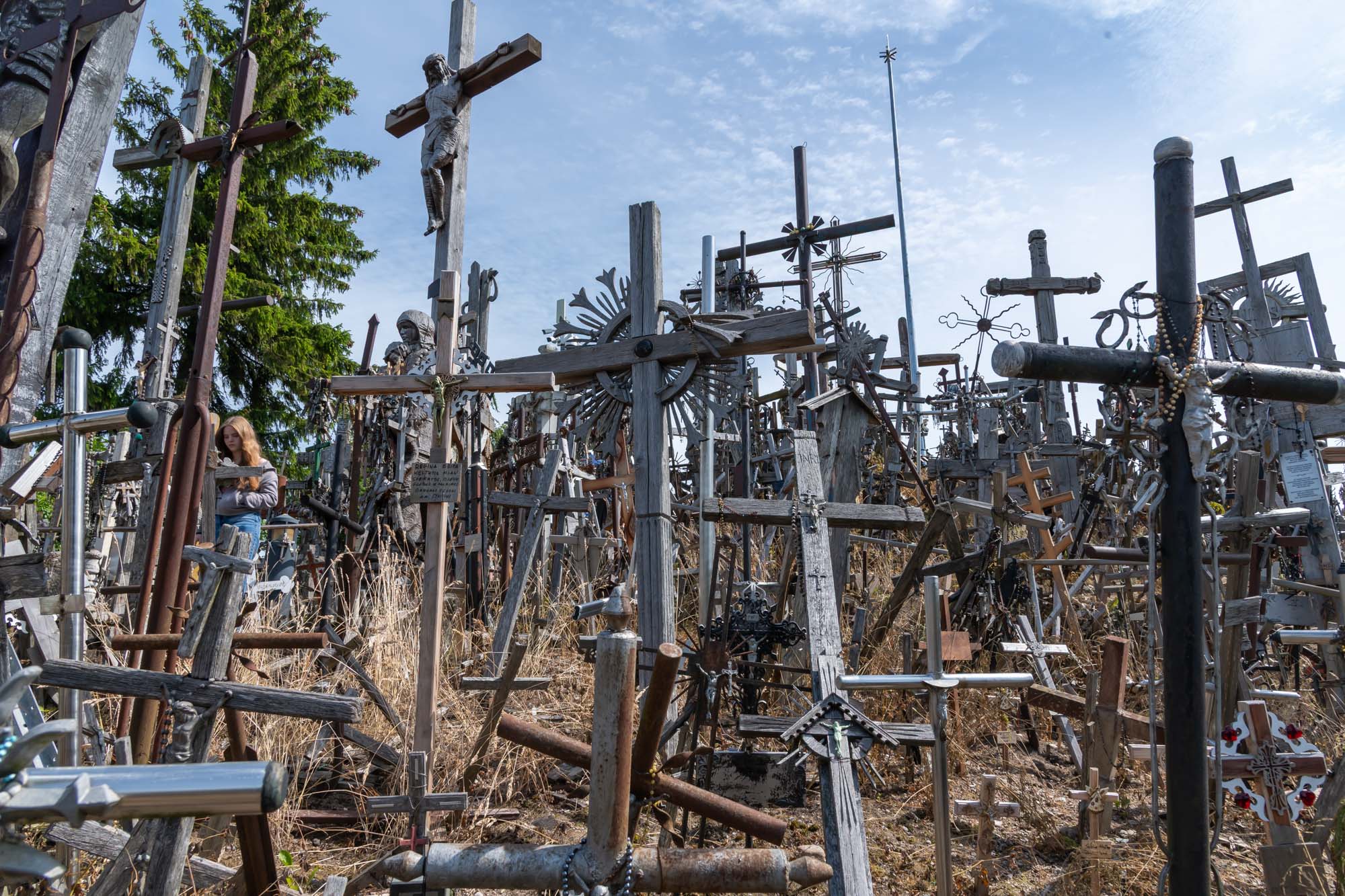
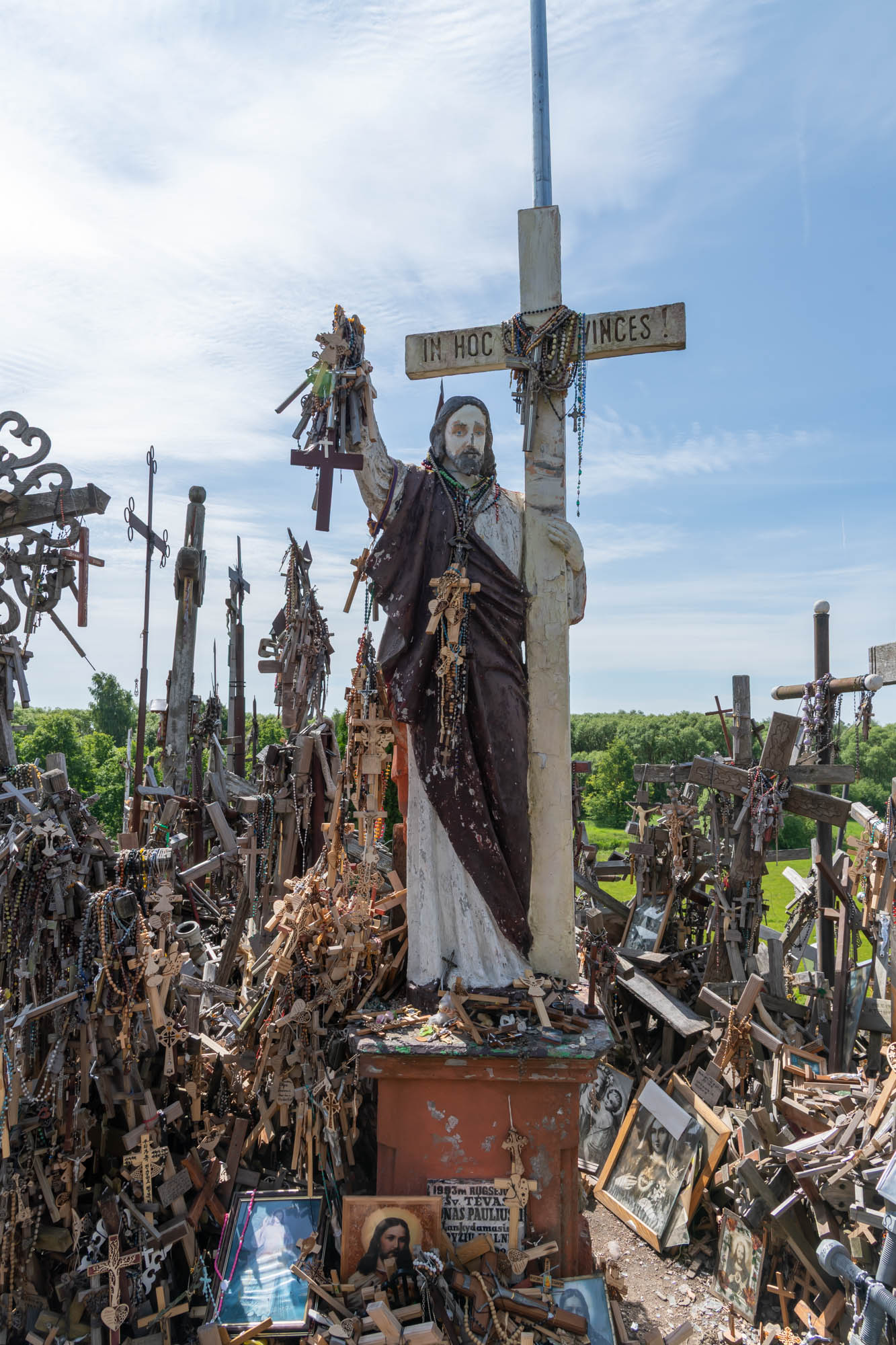
The name is actually a very truthful description of what it is – a hill full of crosses. It is full of crosses of all sizes and even some statues, rosaries etc. The actual number of crosses here is not known, with some estimates mentioning 150,000 as the number, which has increased form the estimate of 55,000 in 1990. Today, any visitor can choose to install a cross in the hill (provided it is less than a certain height) and you can see many vendors selling crosses on the way to the hill. 

It is not clear as to how the practice of erecting crosses on this small hill began but it is believed that the first crosses started appearing after the rebellion of the Lithuanian and Polish people against the Russian empire in 1831. Lithuania was part of the Russian empire then. The 1831 revolution was unsuccessful, and families started outing up crosses on the site of an old hill fort, in memory of their loved ones that died in the revolution and whose bodies could not be found.

Lithuania became a free country in 1918, and the Hill continued to flourish. However, Lithuania became a part of the USSR in 1944 (what the Lithuanians call as Soviet occupation) and under the Soviet regime, religious freedom was not allowed. Priests and practitioners were persecuted and naturally, the Russians did not have any liking for the Hill. Visiting the Hill and erecting crosses there was declared illegal and could result in penalties and jail. The KGB was alert to the possibilities that the Hill presented and supposedly, they bulldozed it three times. Roads were blocked and access to the Hill denied.

Yet, people continued to bring crosses to the hill surreptitiously. For, to them, the Hill became a symbol of resistance. It was their site of protest against the occupation by Russia. Thus, a religious site transformed into a site of resistance. 

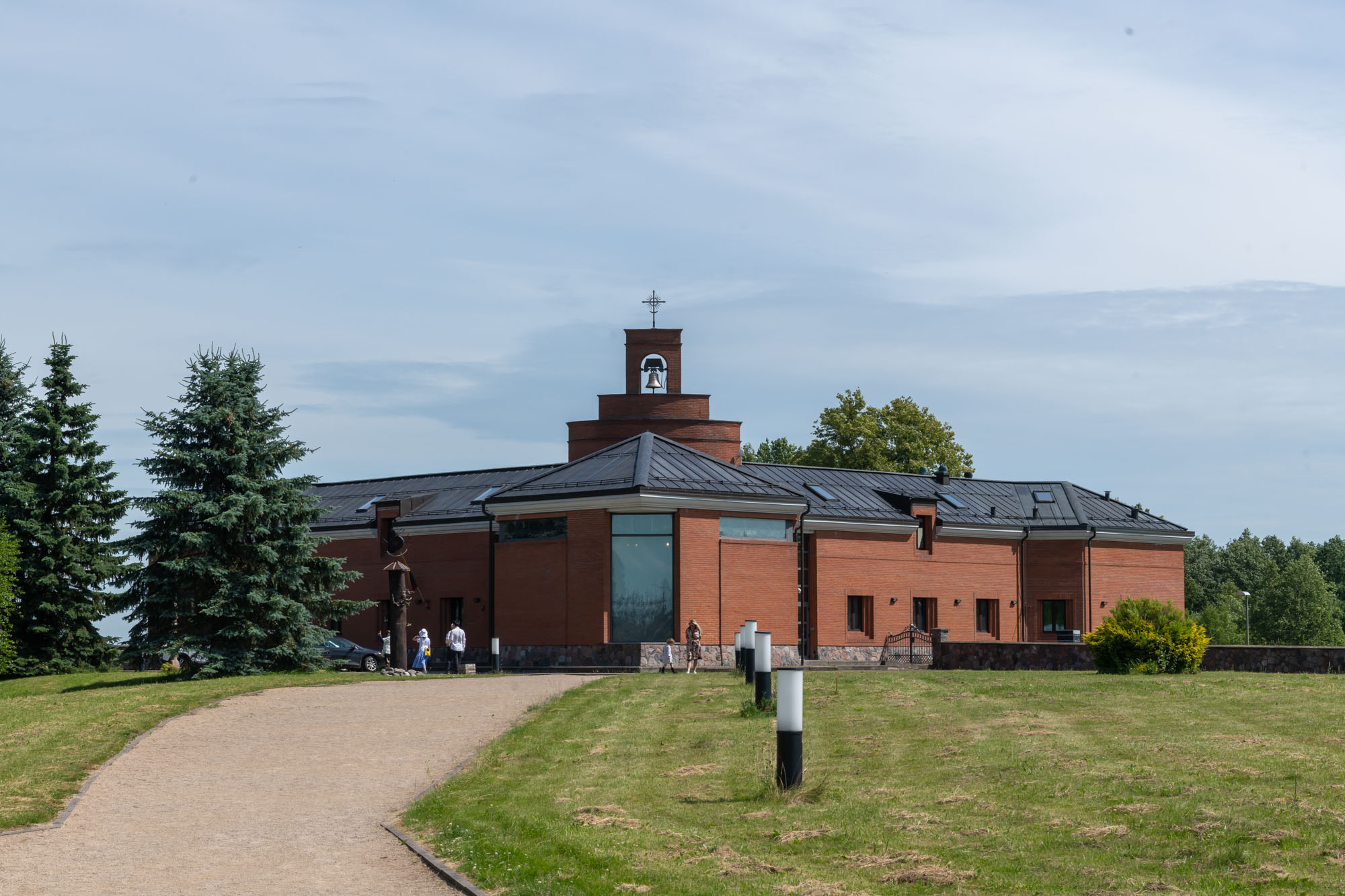
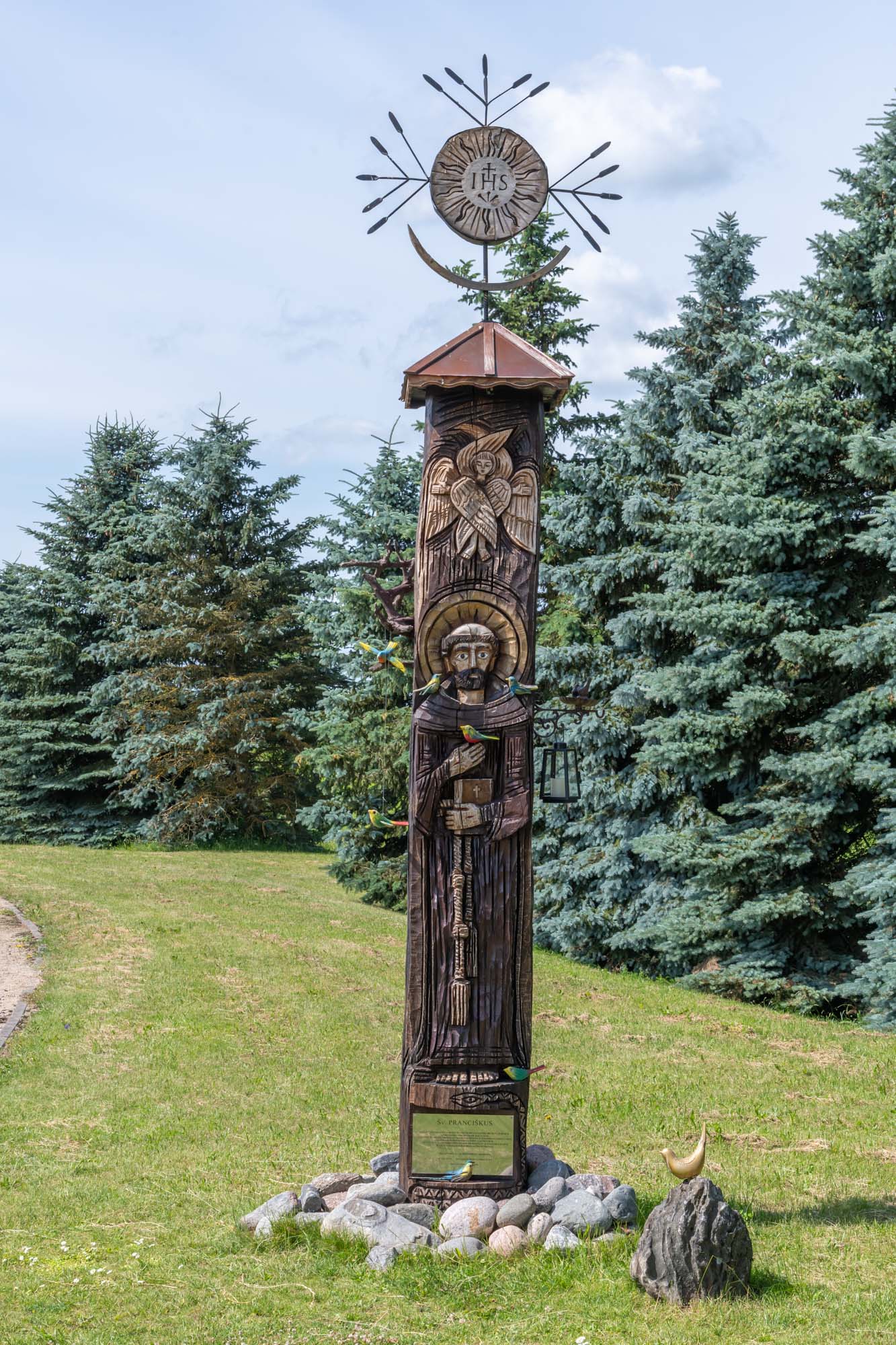
After Lithuania became a free country in 1990, Hill of Crosses started flourishing once again. In 1993, Pope John Paul II visited the Hill and conducted a mass here. On his suggestion a monastery of the Franciscan order was set up behind the hill, at a short distance.

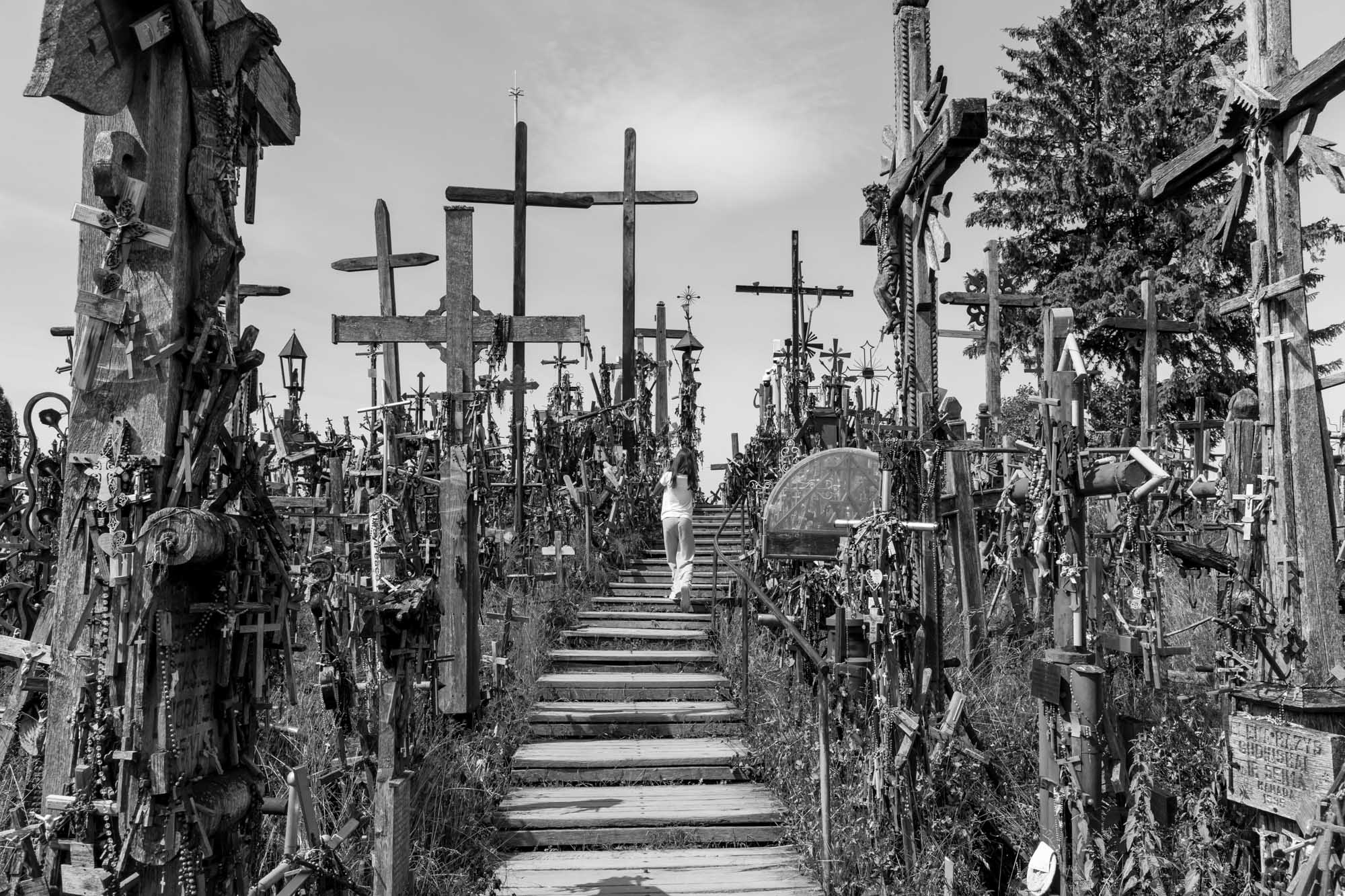
The Hill is not a beautiful or peaceful site, by any stretch of imagination. The crosses stand out everywhere and are even jarring to the eye. Yet, you find the spirit of a people here and you can feel it when you stand in that jungle of crosses. 

It is indeed true that you can never kill an idea using force; it will survive, as these crosses and the Hill have. 

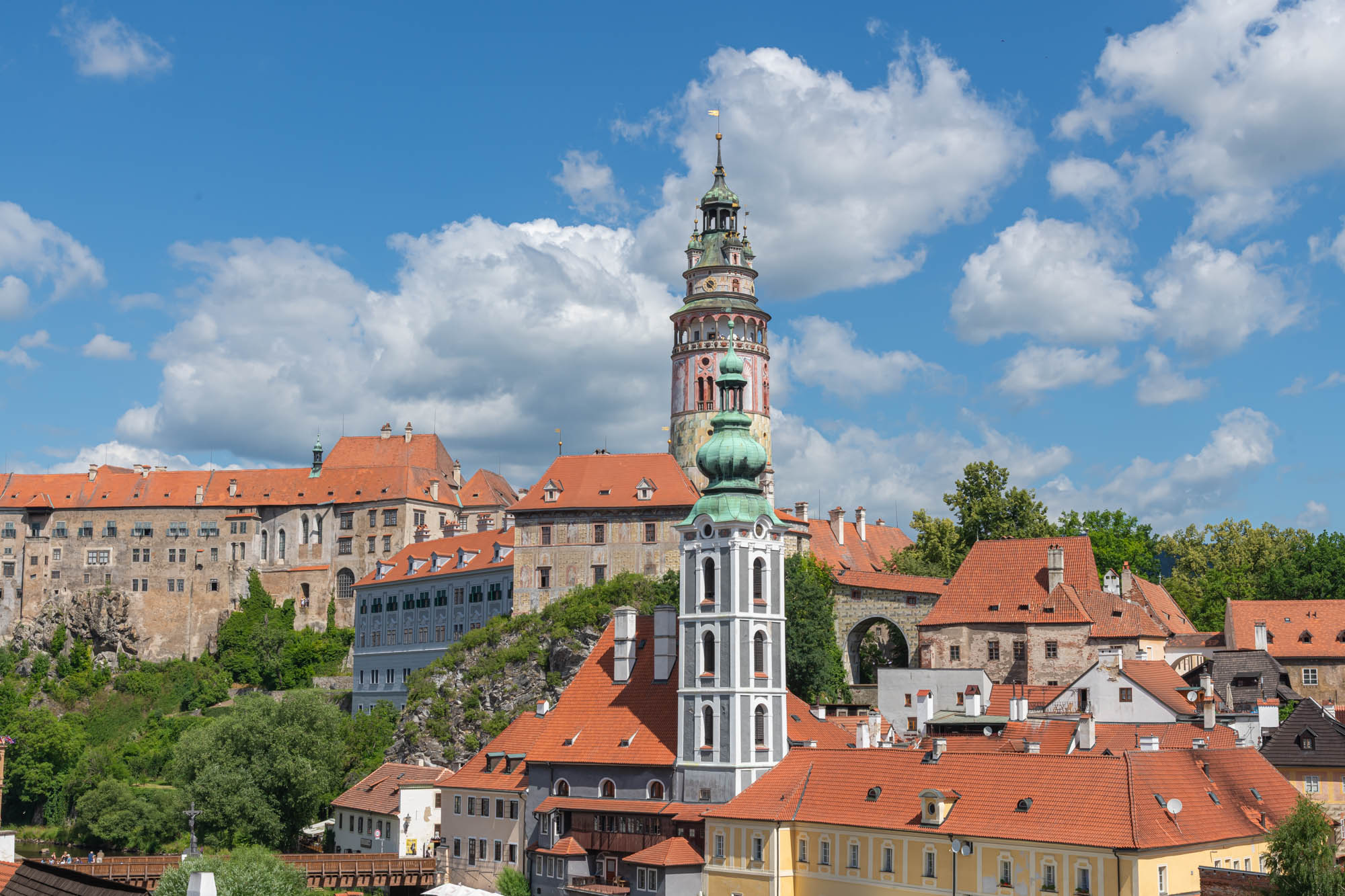
Having travelled around Prague, Budapest, Ljubljana and all and after having looked at many castles and churches, I was contemplating whether I should give Český Krumlov a miss and spend an extra day in Prague. I had read that the main attraction in Český Krumlov was the castle and that it is the second most visited destination in Czech Republic after Prague. In the end, I decided to go to Český Krumlov and what good fortune that I took that call!

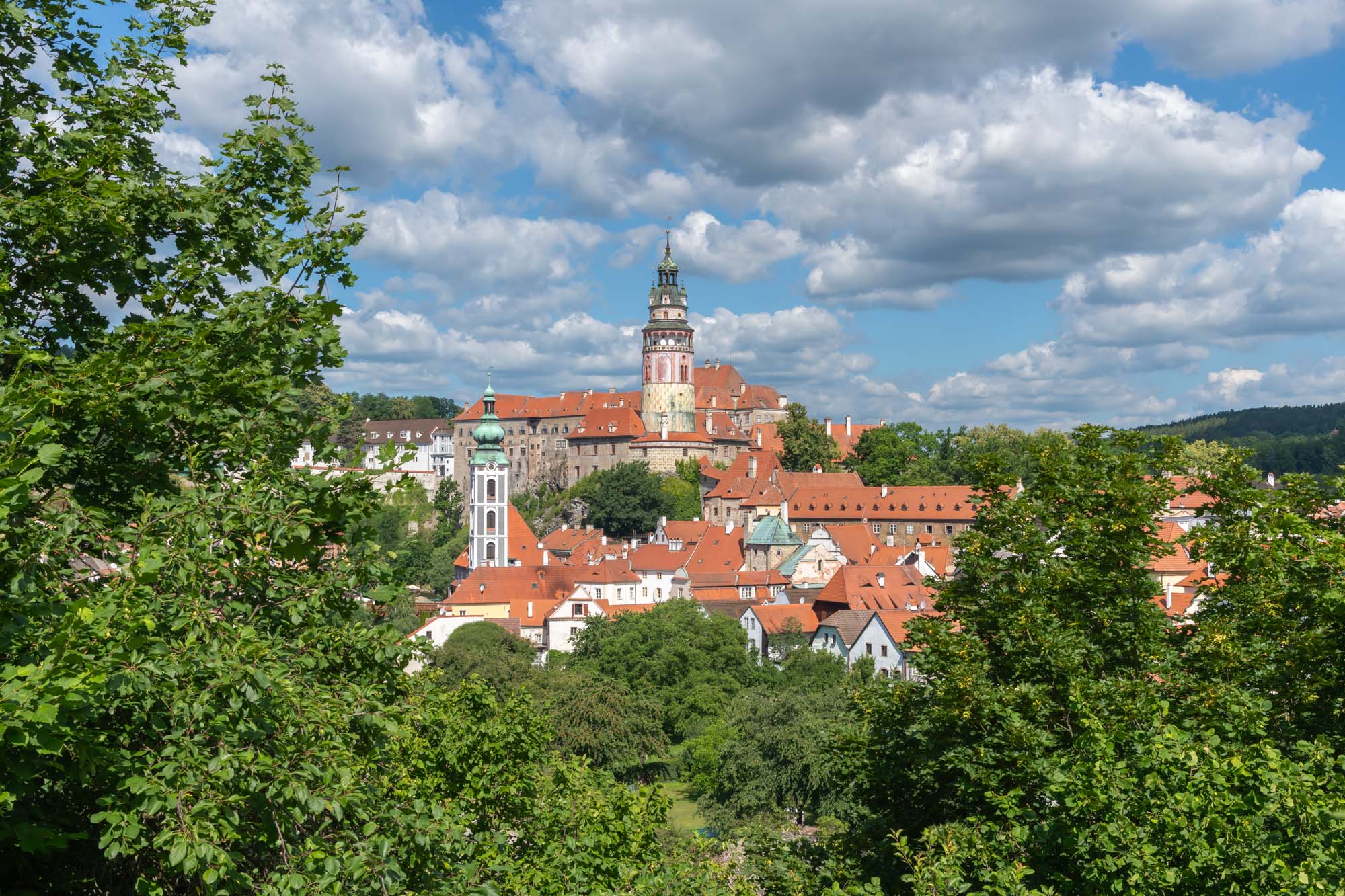
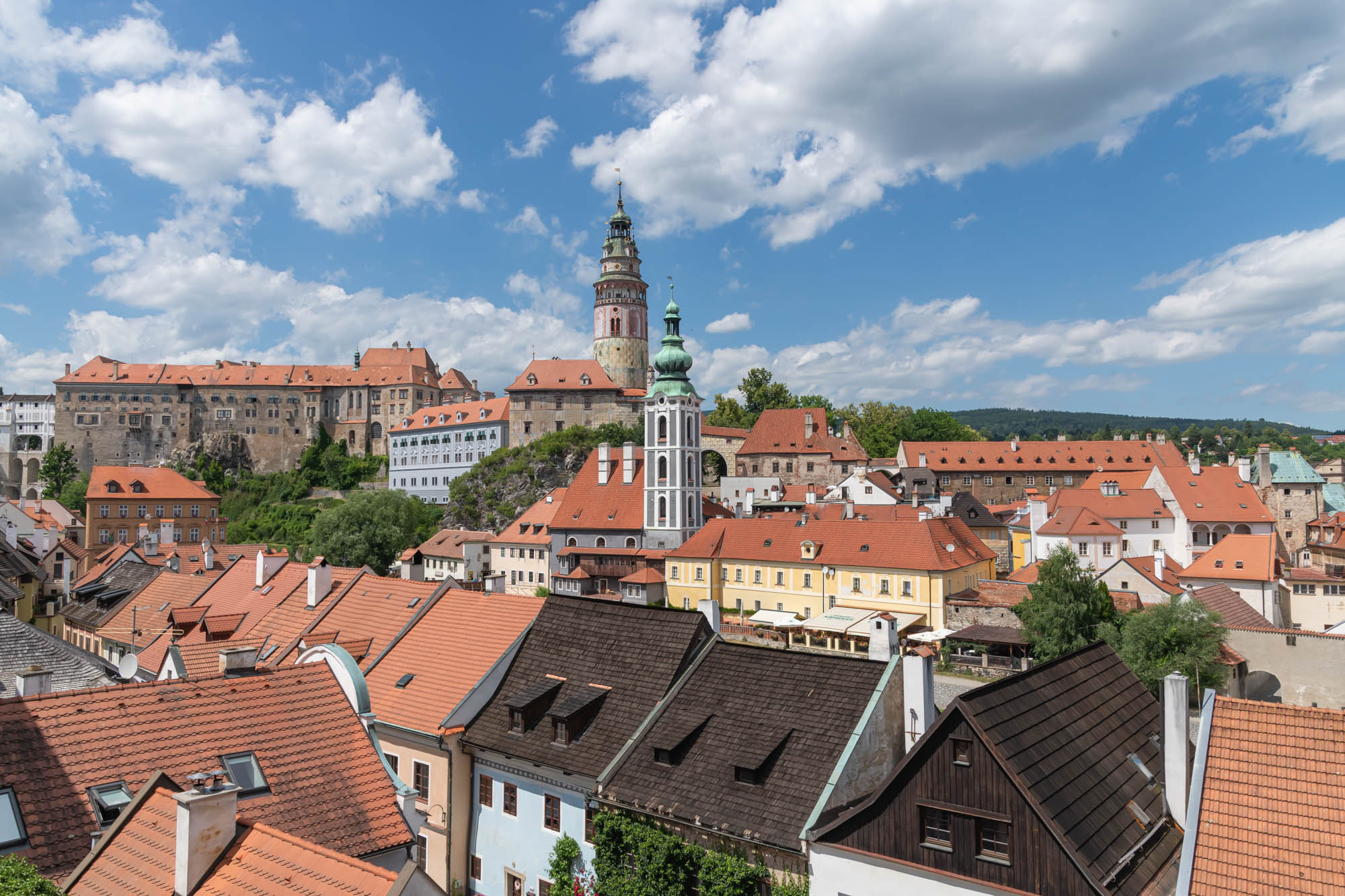
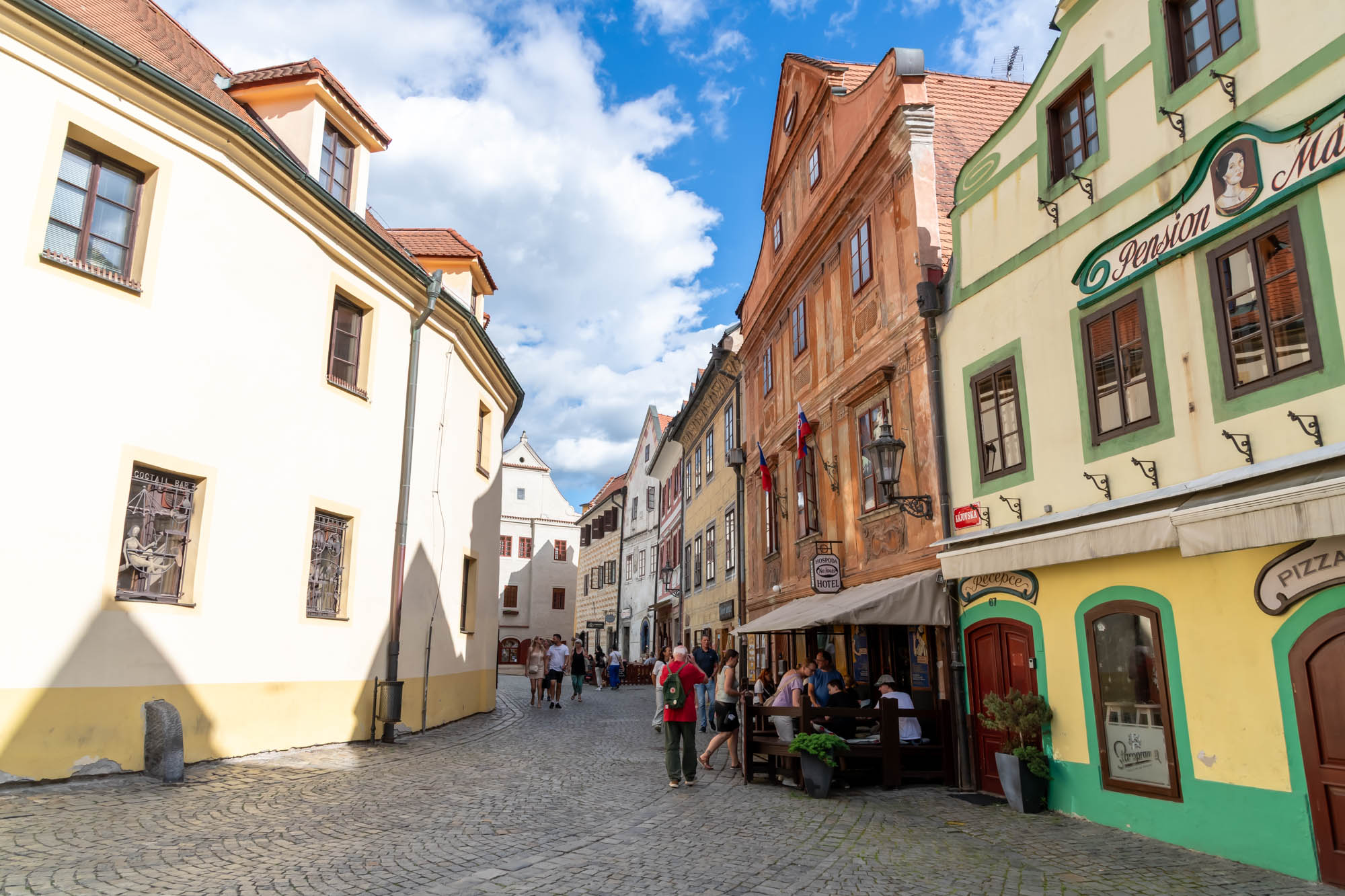
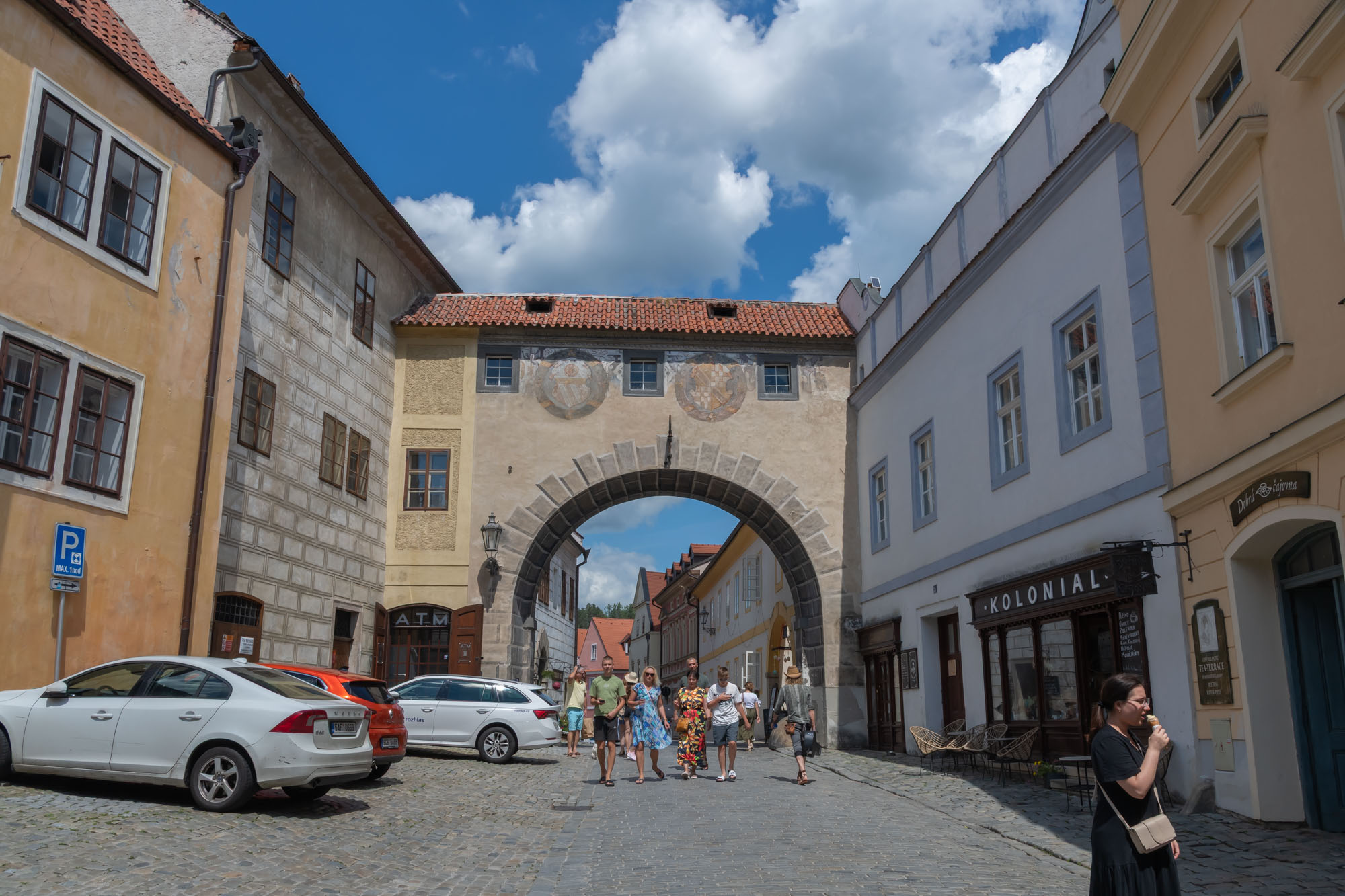
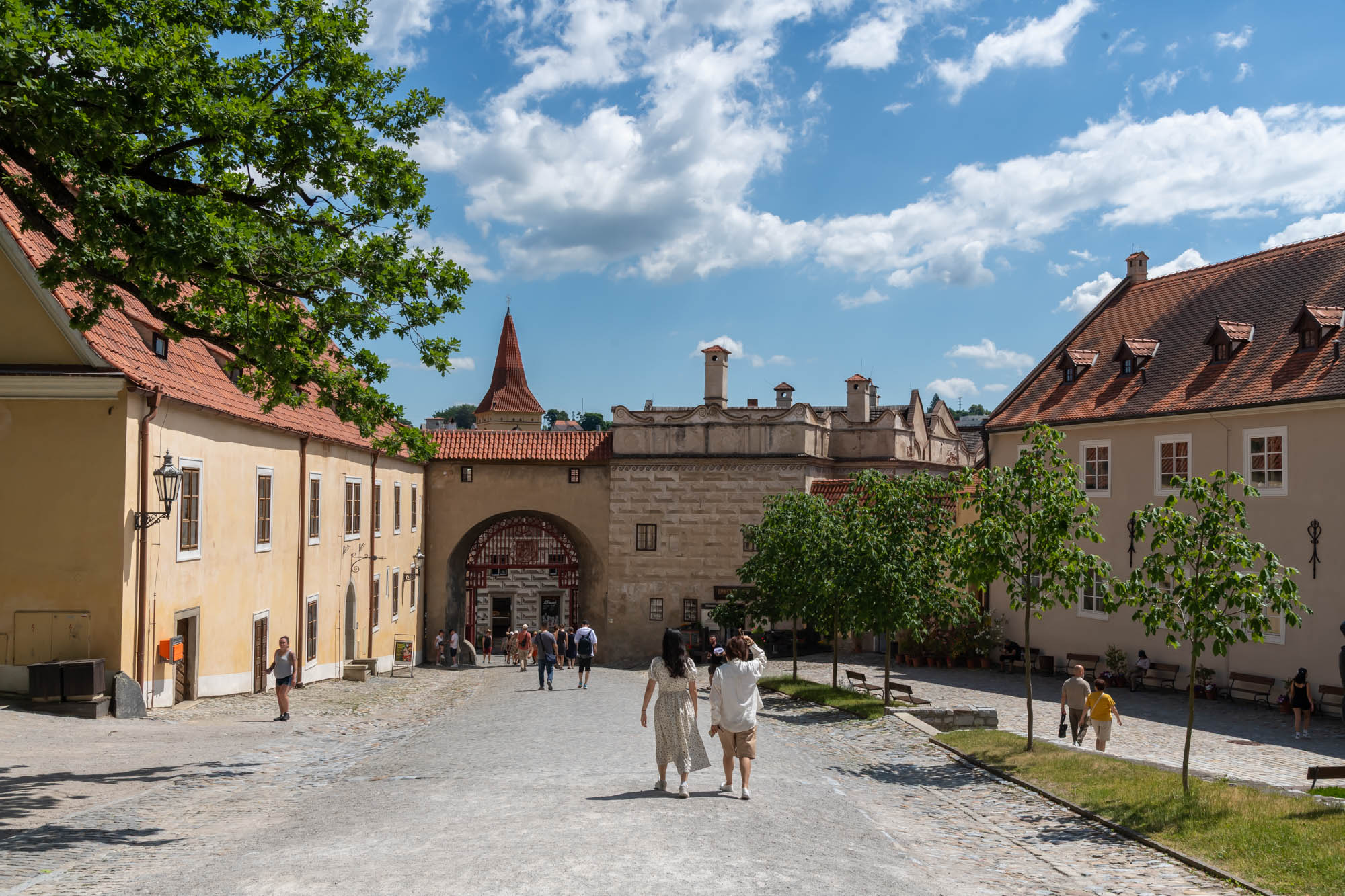
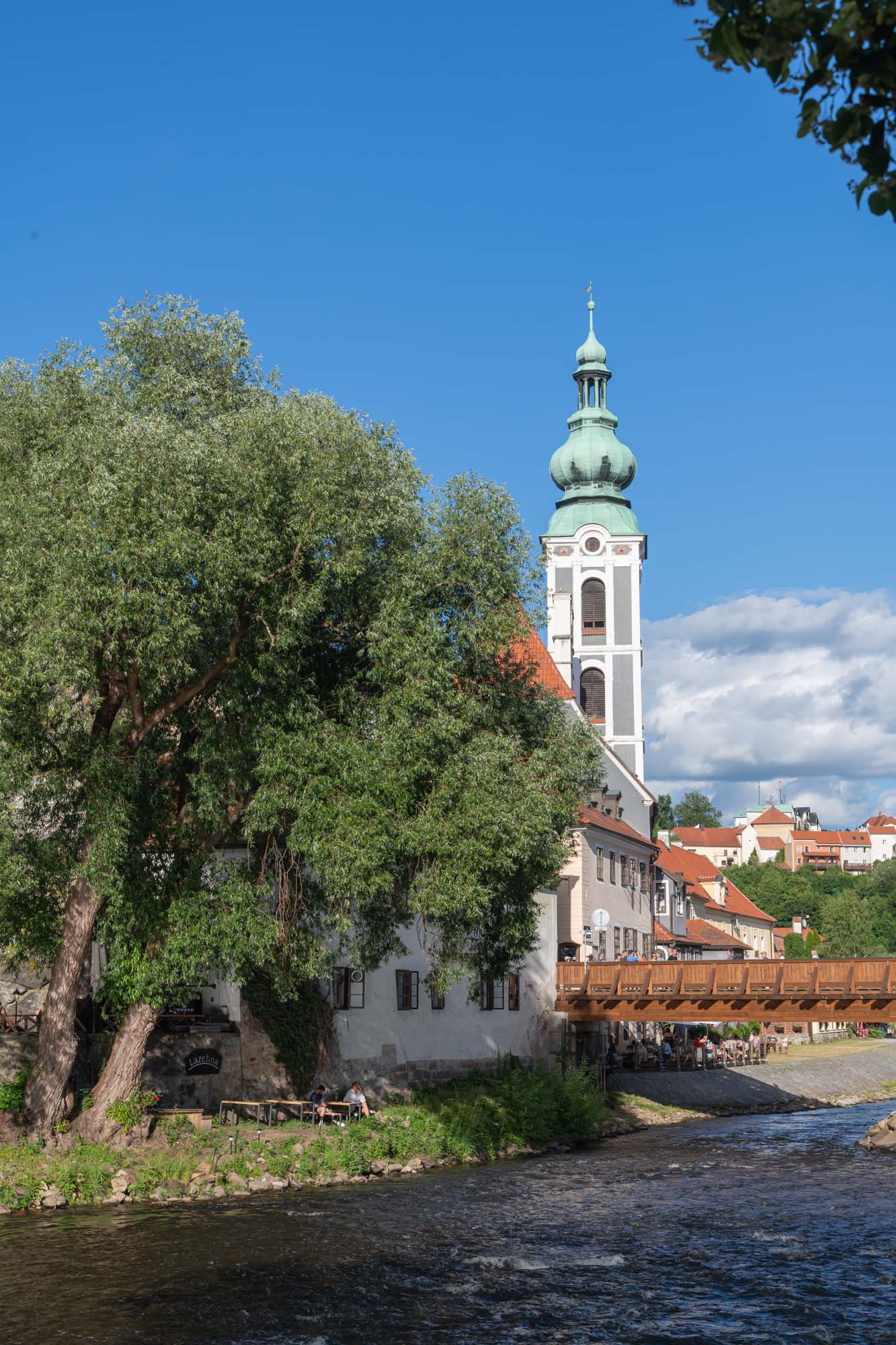
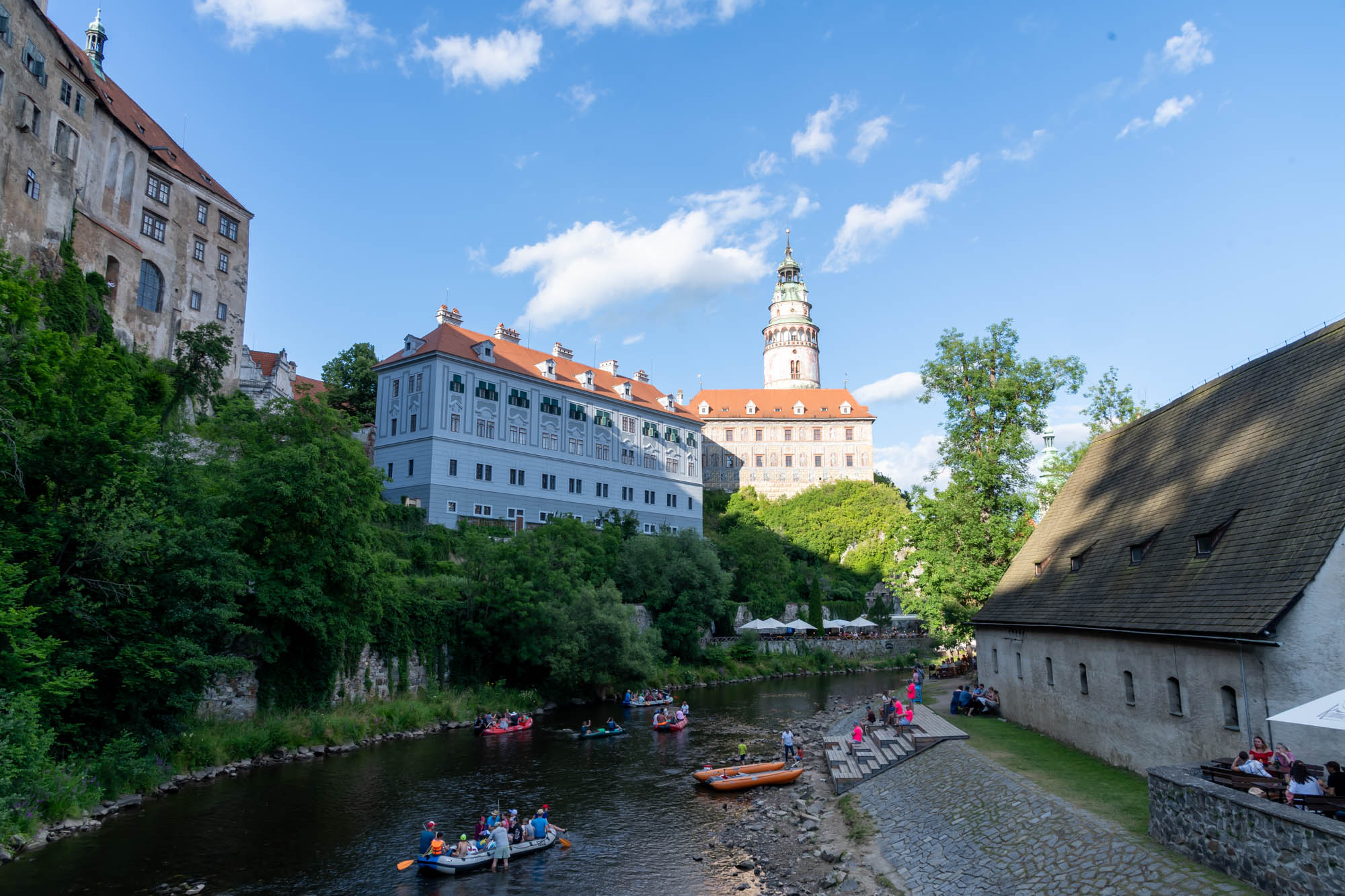
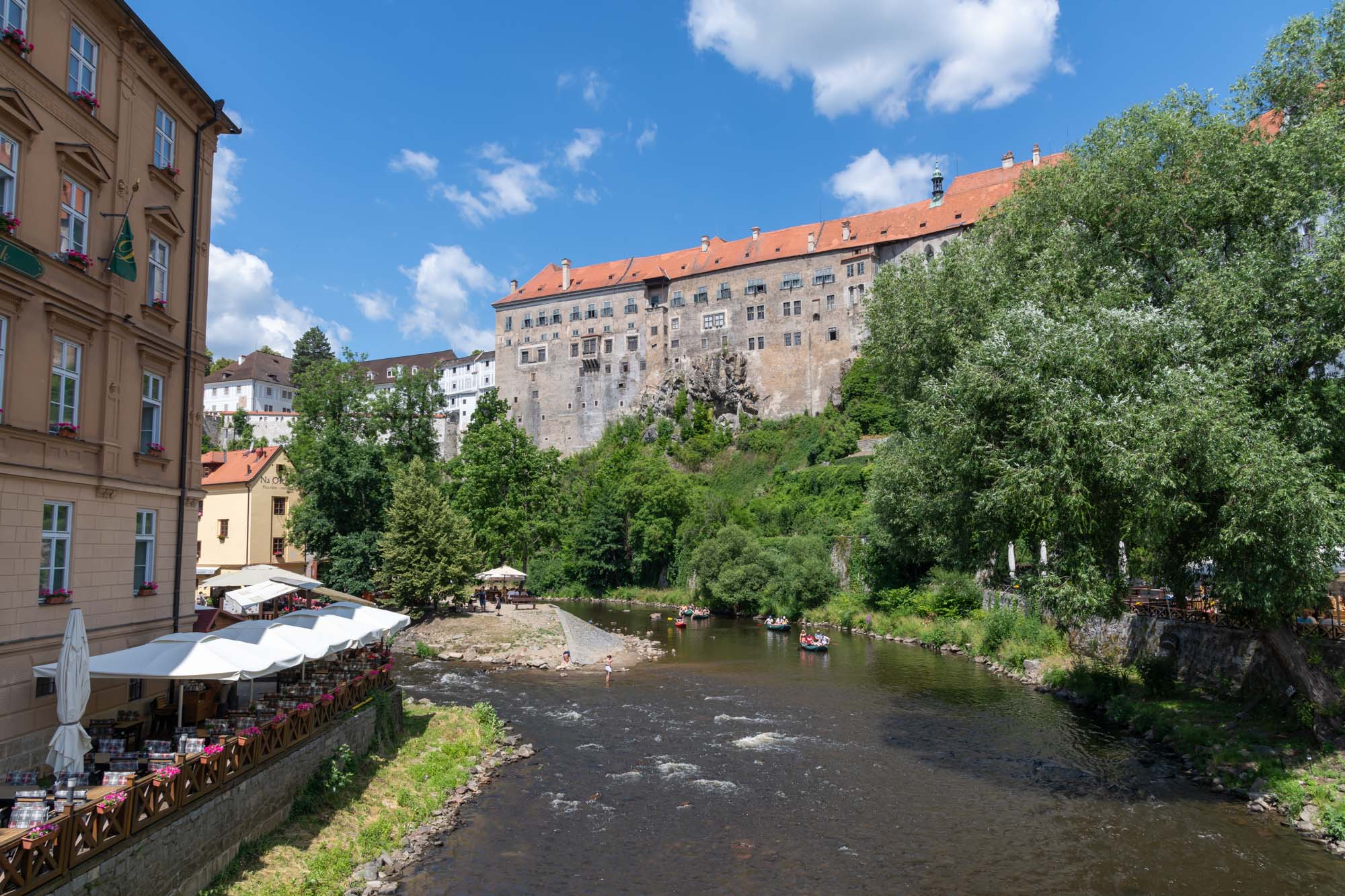
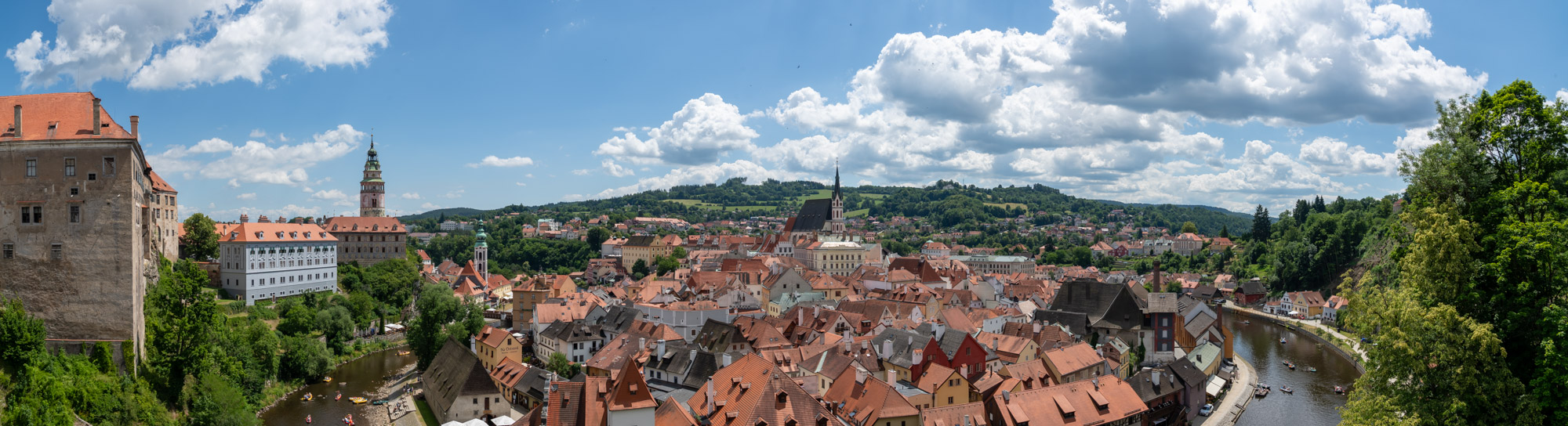
Český Krumlov is about 2 hours’ drive, South of Prague. However, I went to Český Krumlov from Ljubljana. The sky was a bit overcast when I arrived, but the sun started shining soon. The old town and the castle looked so beautiful. The old town has been preserved very well with help from UNESCO. During the Communist times, the heritage had been ignored and good amount of it had fallen into disrepair. But now, the town looks like something out of a fairy tale; well, most of it.

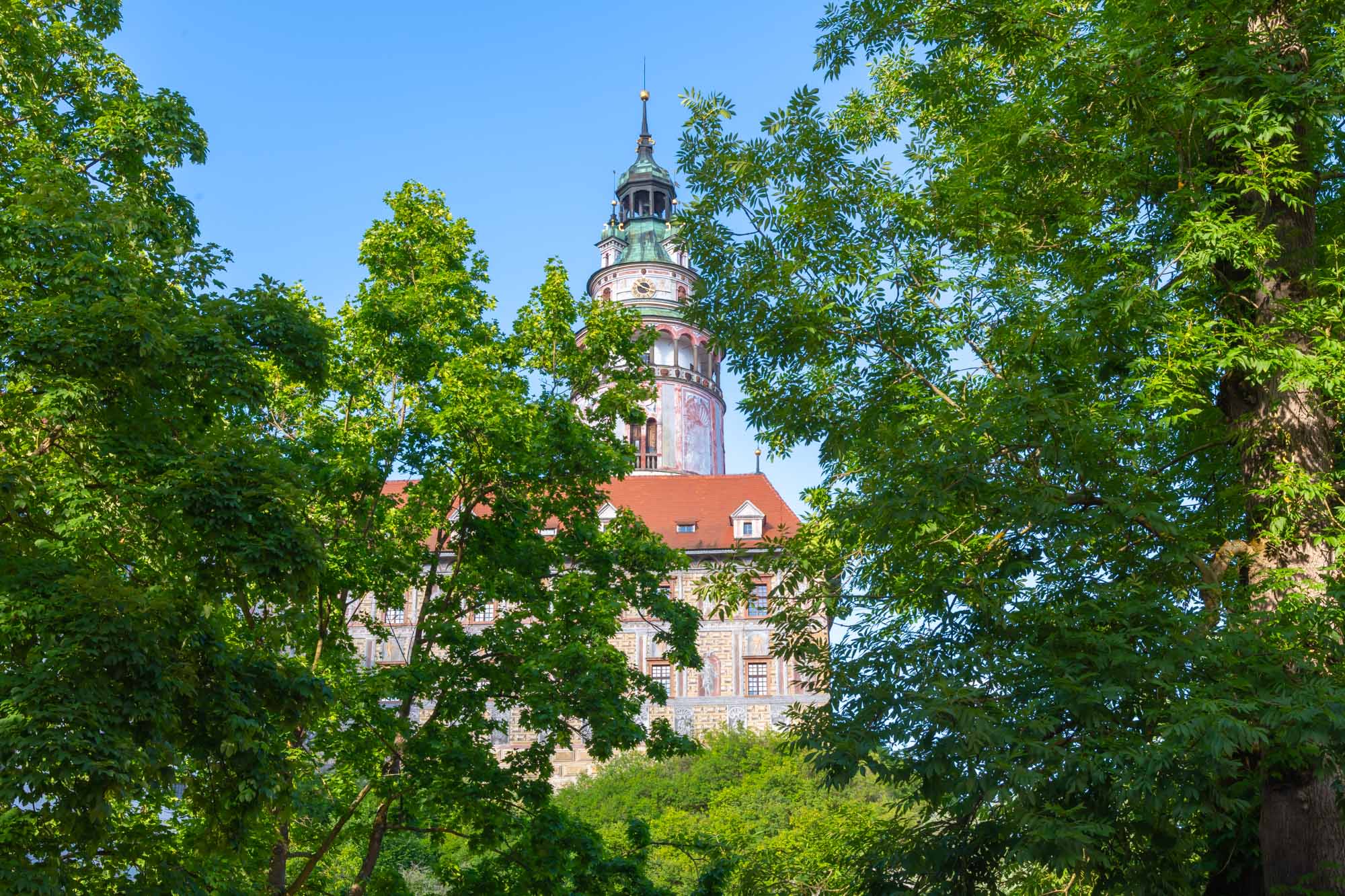
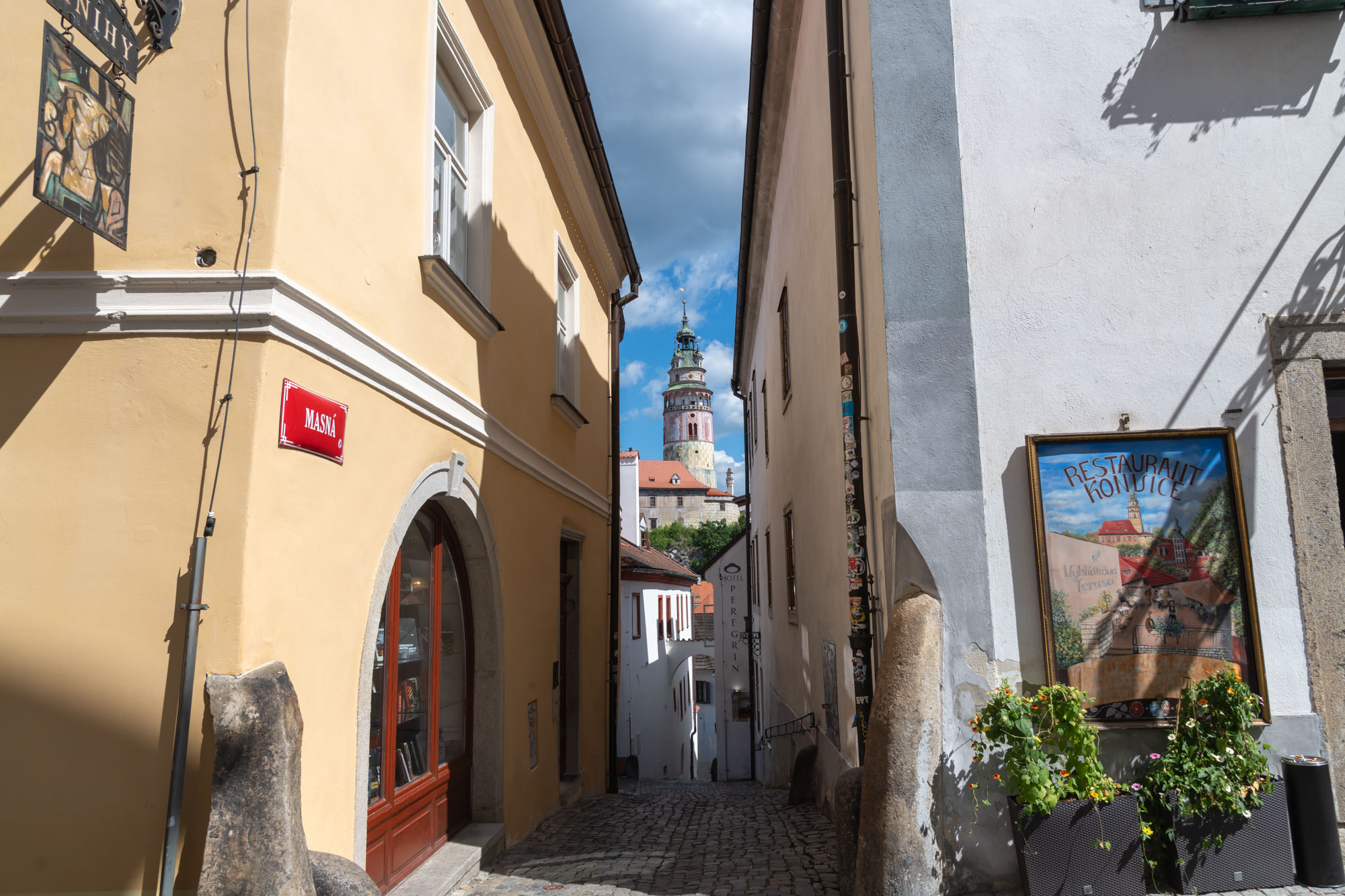
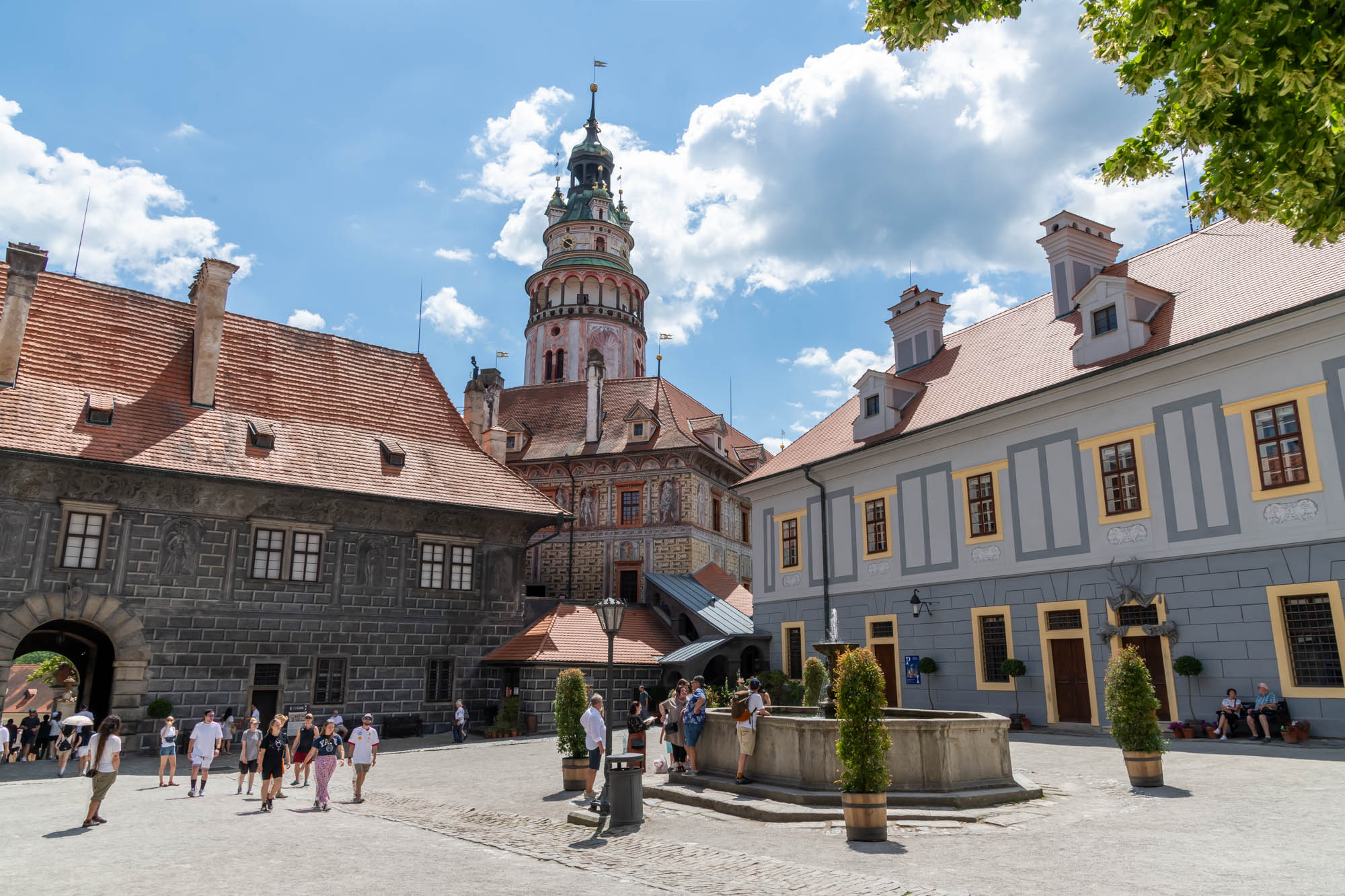
As you walk into the cobble stone paved old town of Český Krumlov, you get a view of the castle tower and from then on, you are in love with this little town! 

It is located on the banks of the Vlatava river, just like Prague is. Given its location by the river, this area has been permanently inhabited since the Older Stone Age and it seems the river was given its name by the Celtic settlers who were here in the 4th century BC. The castle was founded around 1250 AD by a local noble family called Vitkovci. There are records of the presence of Czech and German nationalities from that time on. In AD 1302, the Vitkovci family became extinct, and the castle was passed on to the Rosenberg family. They promoted trade (carp being a major export) and Český Krumlov was flourishing as gold was also found nearby. From 1719 to 1947, the castle was with the House of Schwarzenberg. In 1938, it was annexed by Nazi Germany and after the Second World War, it was part of the Communist Czecholsovakia. In 1992, after the Velvet Revolution, Czech Republic was born, and Český Krumlov is one of its crown jewels in the Bohemian region.

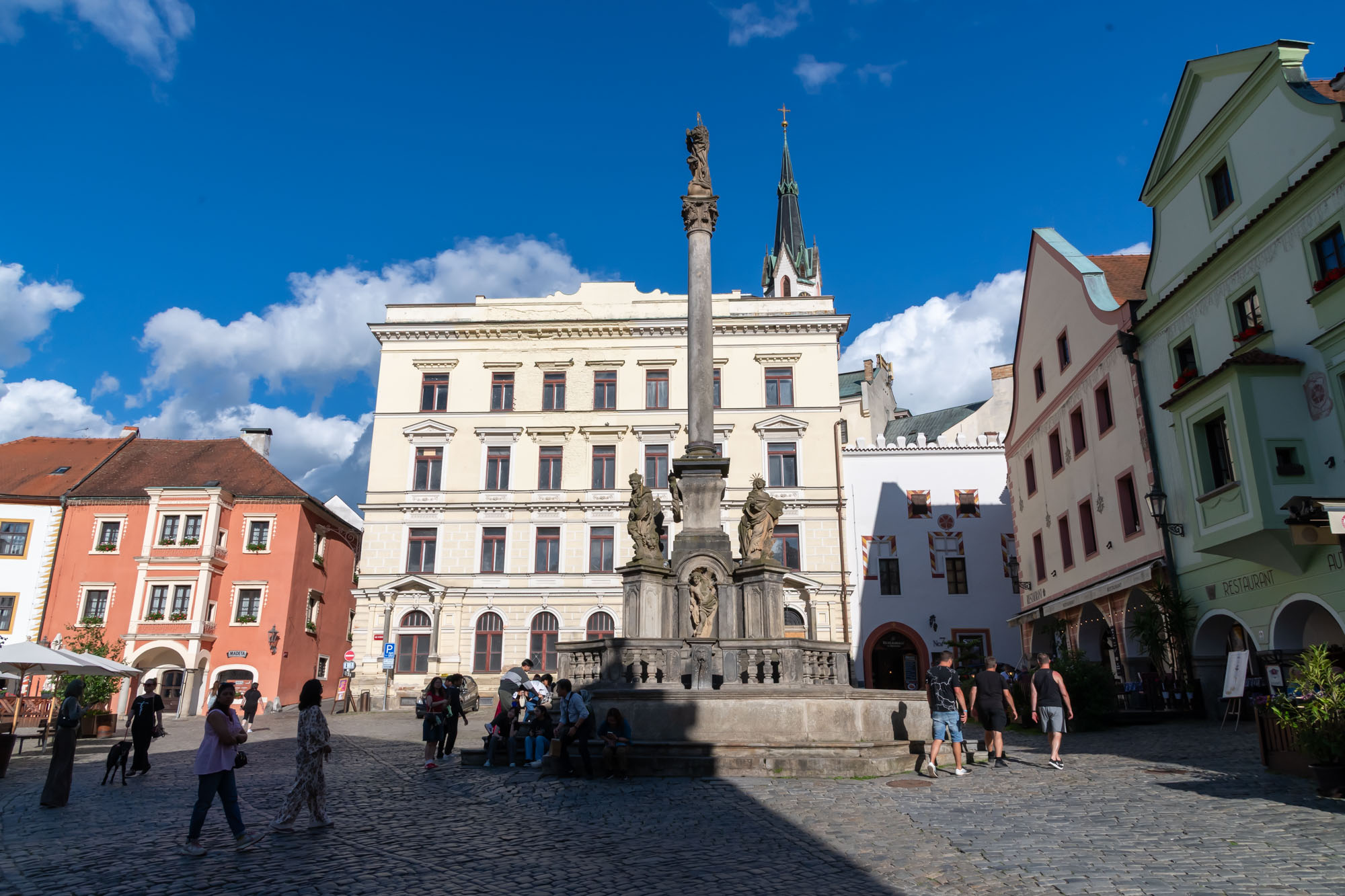
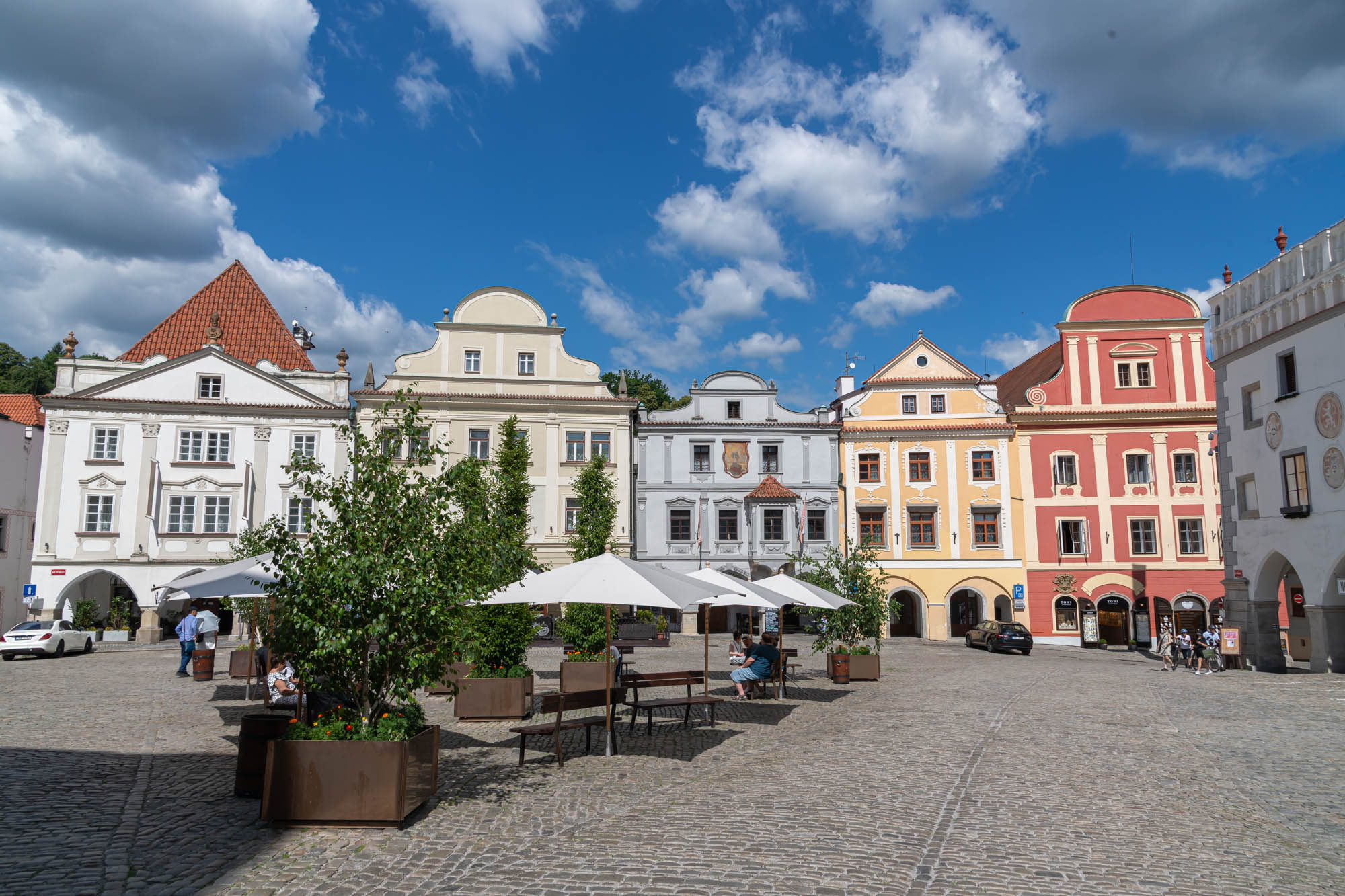
The entire old town area is paved with cobble stones and wonderful buildings line the street. The square is just amazing and when the light was proper, it was glowing! 

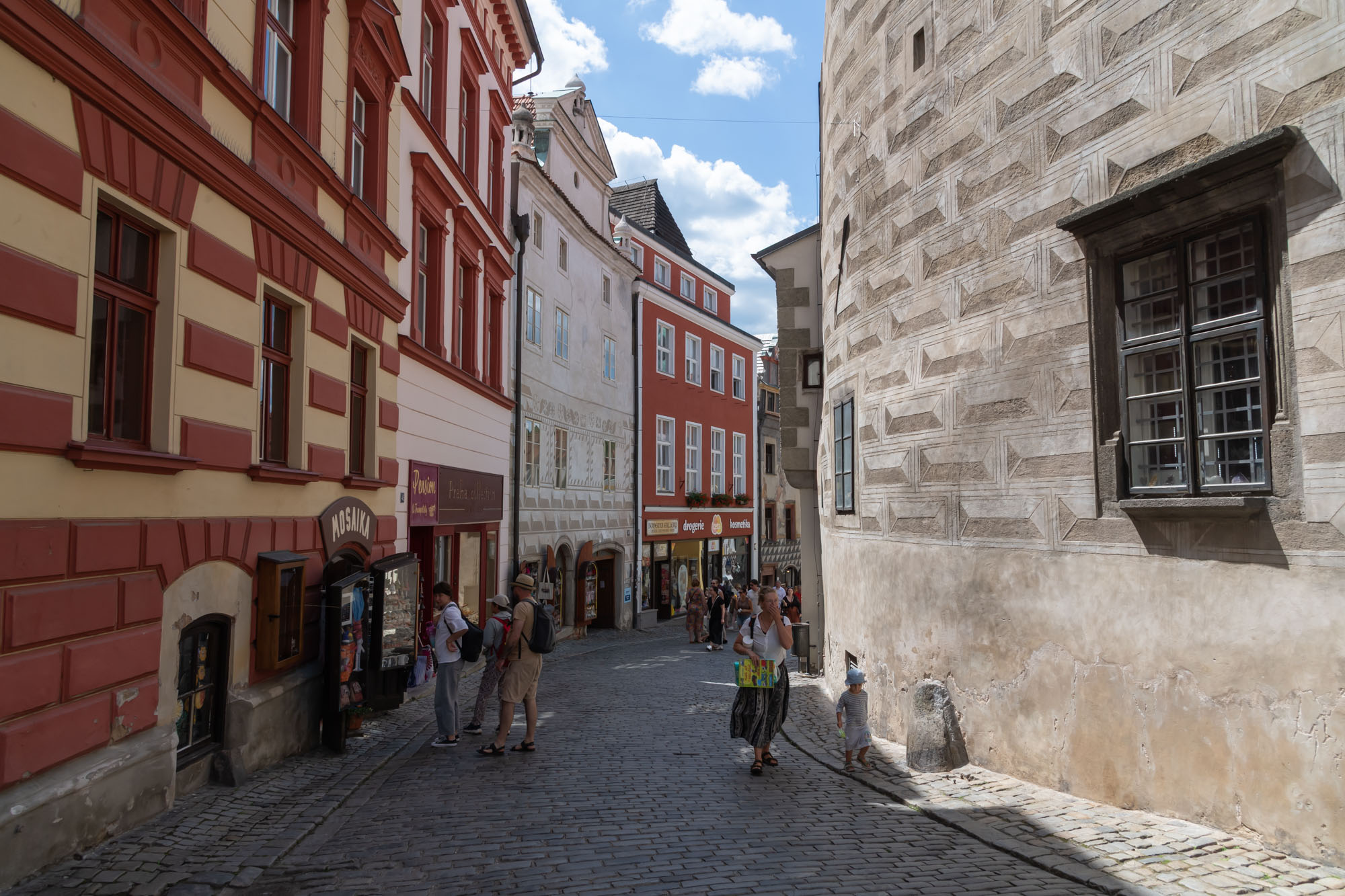
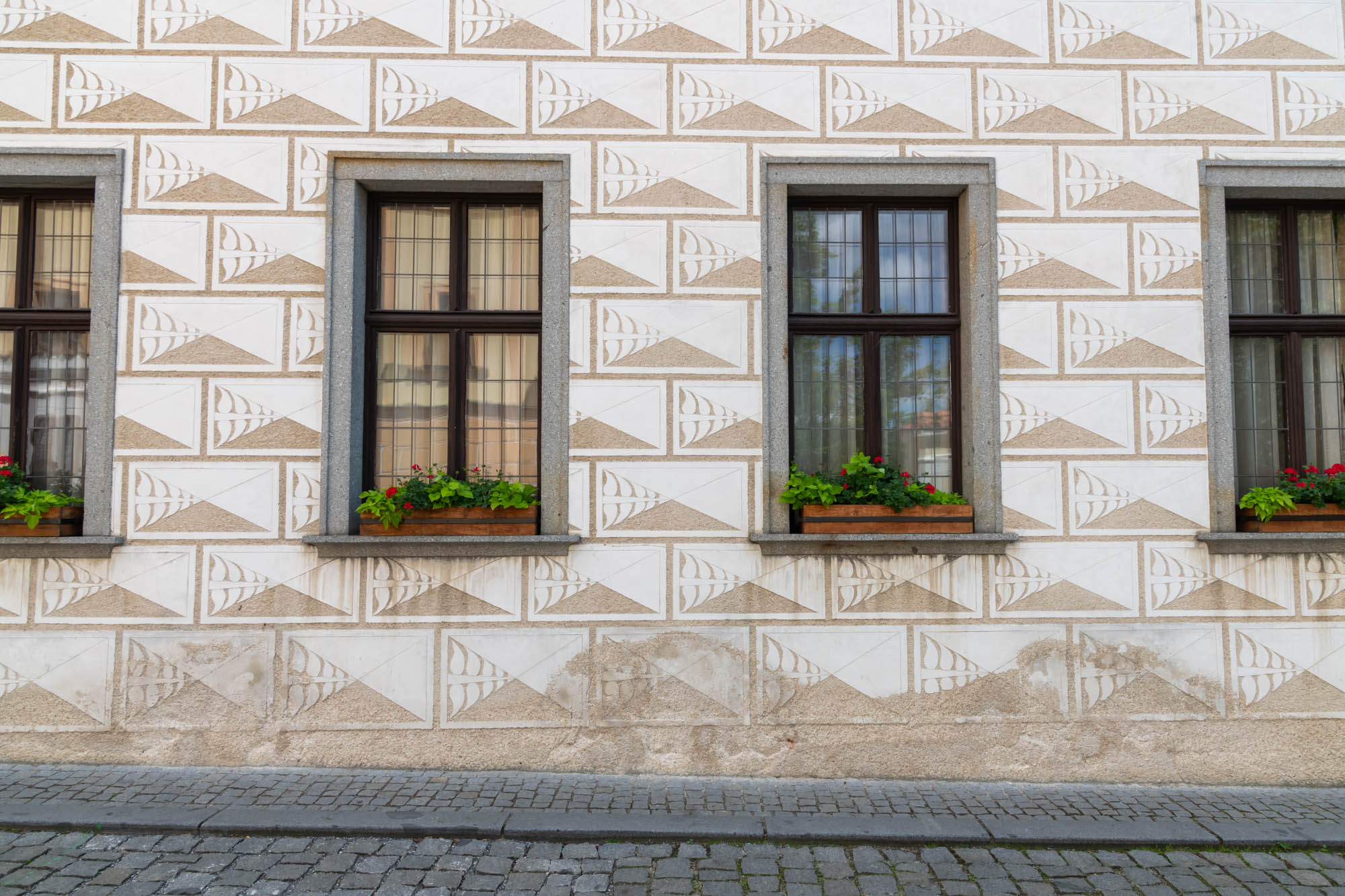
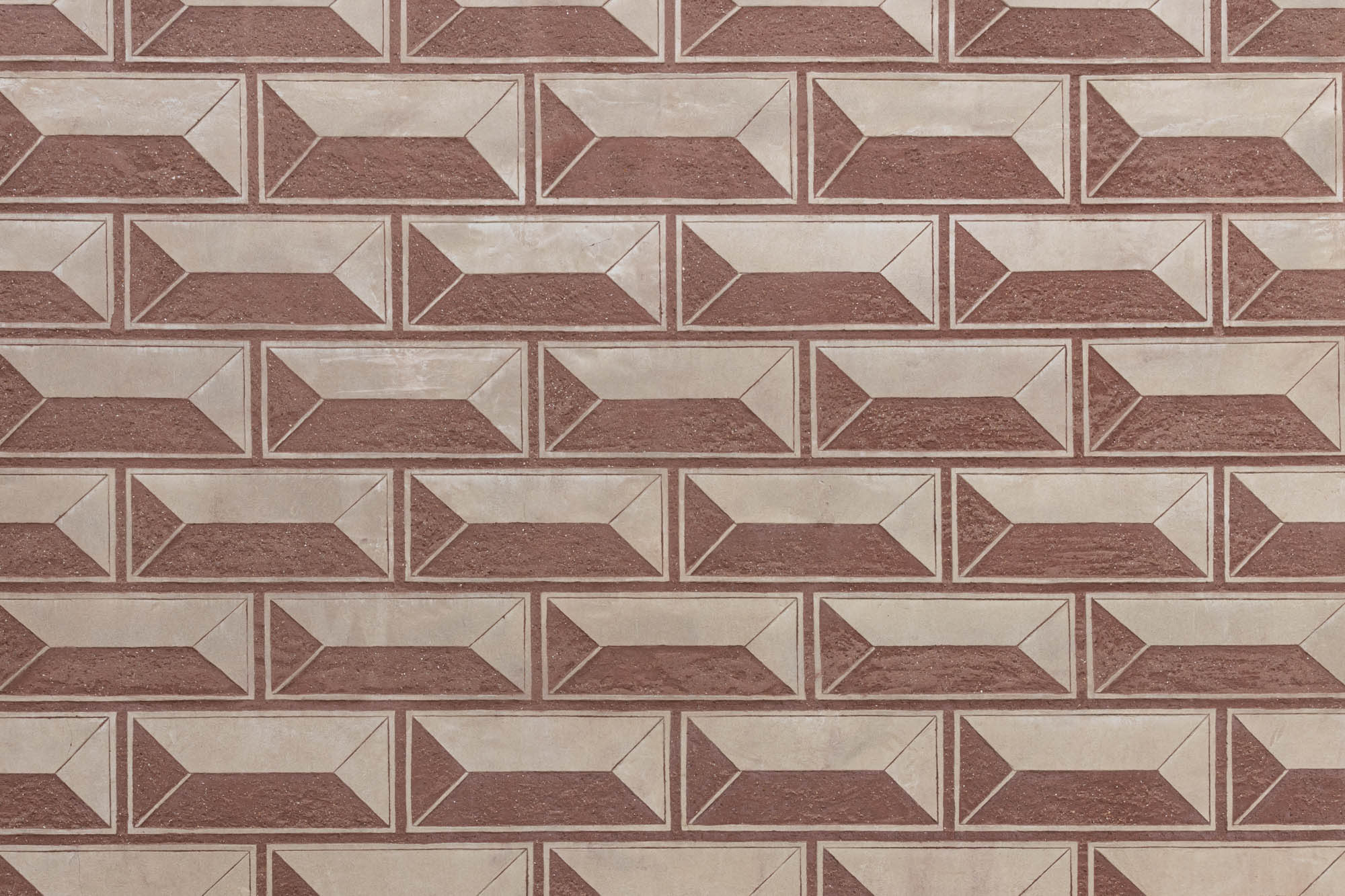
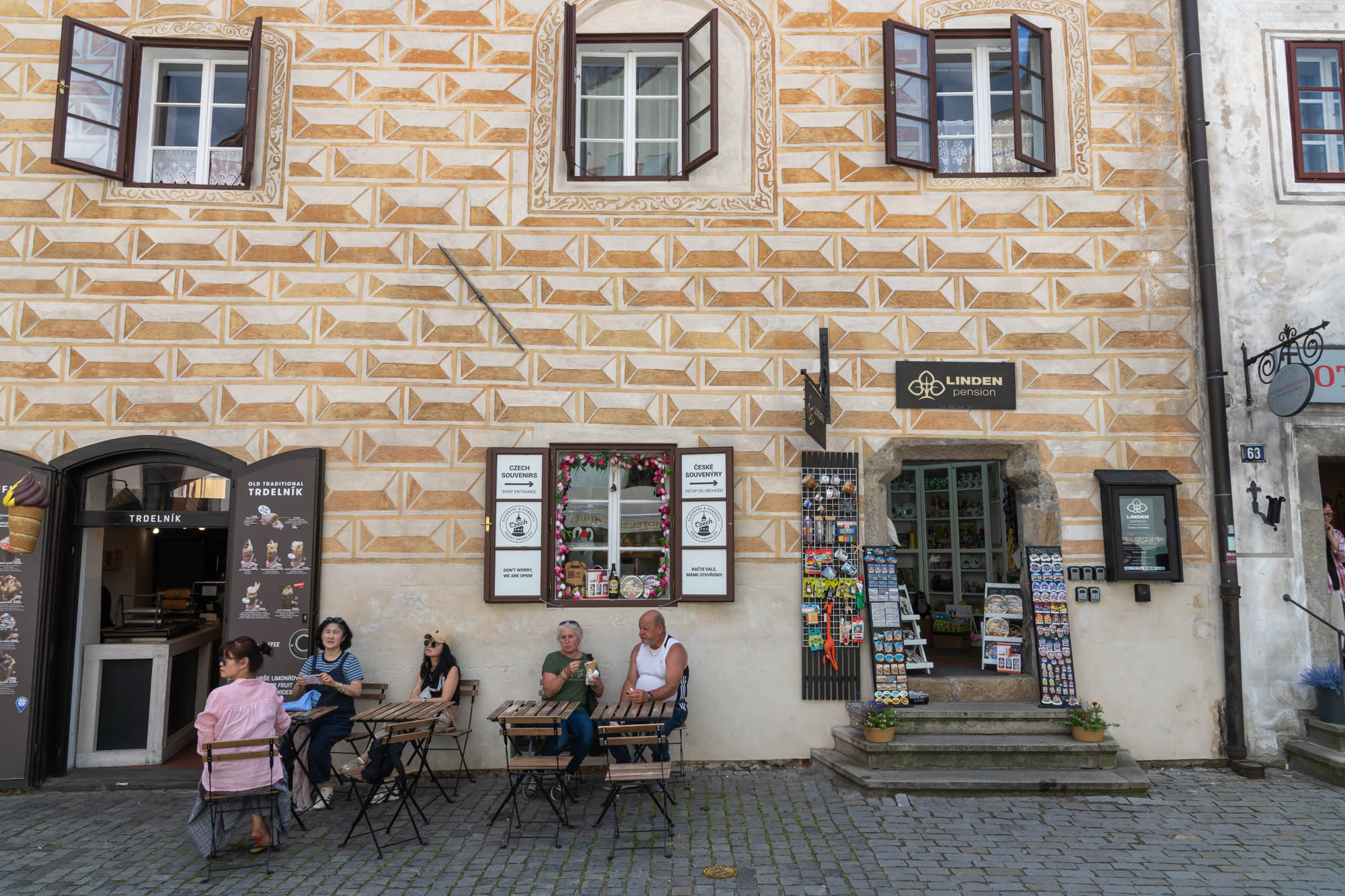
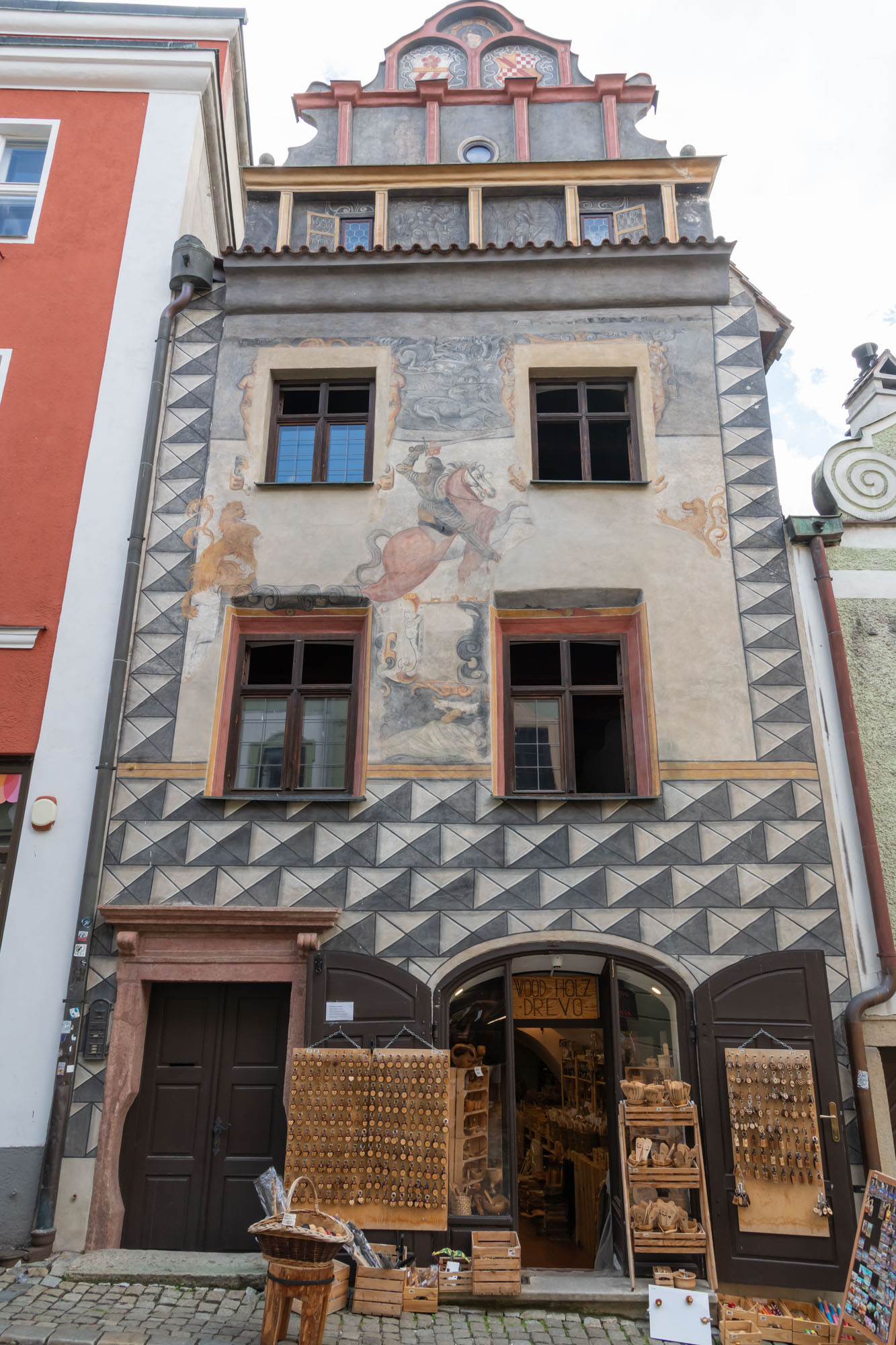
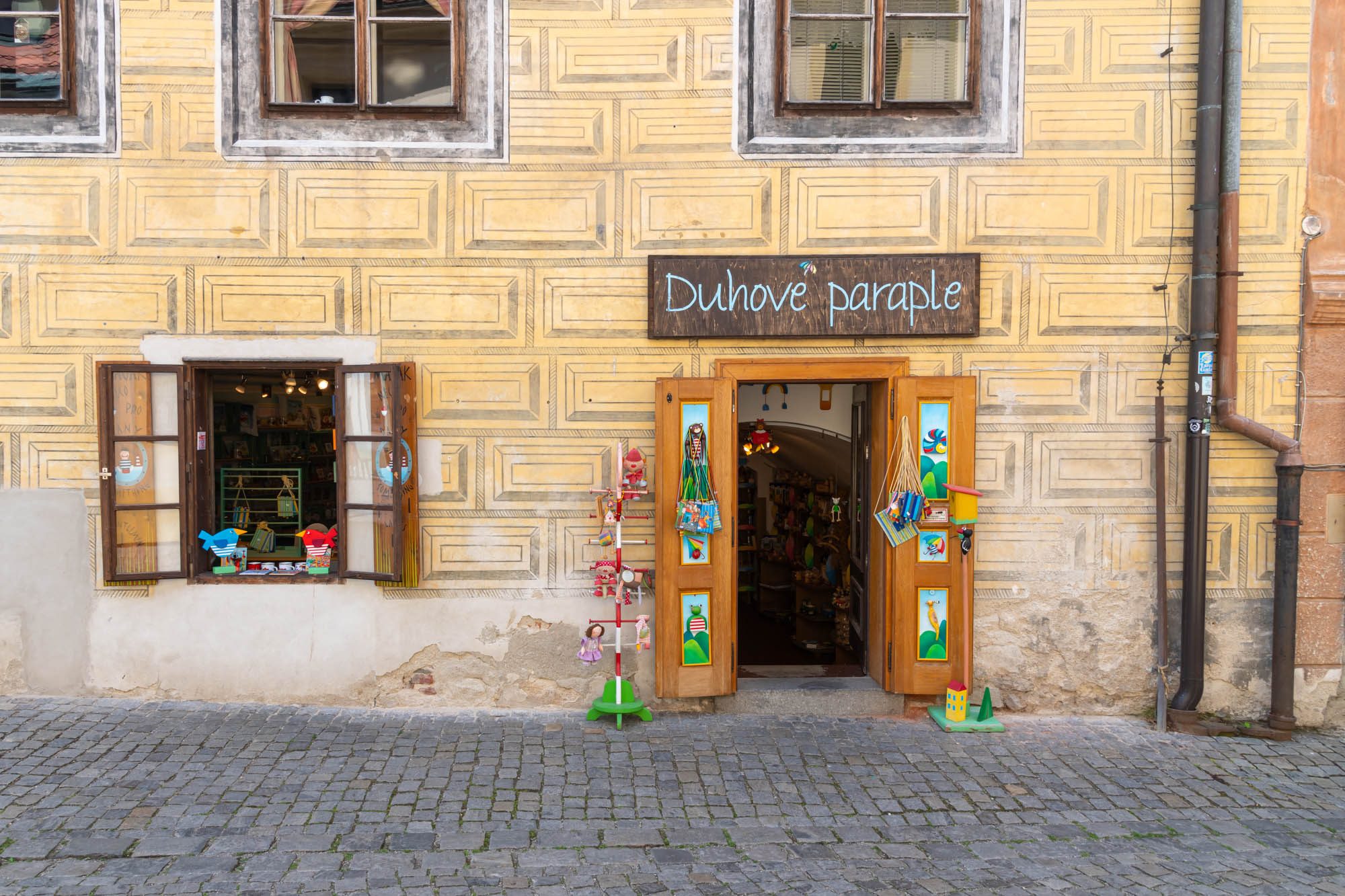
I had signed up for a walking tour and the guide explained that there are two styles of architecture (or more precisely, wall décor) used in the buildings in town. One is called the “sgraffiti” in which two layers are plastered on to the wall and then parts of the top layer are scratched off to make a design. This was a labour intensive and thus expensive affair. I could see this style in numerous buildings across town.

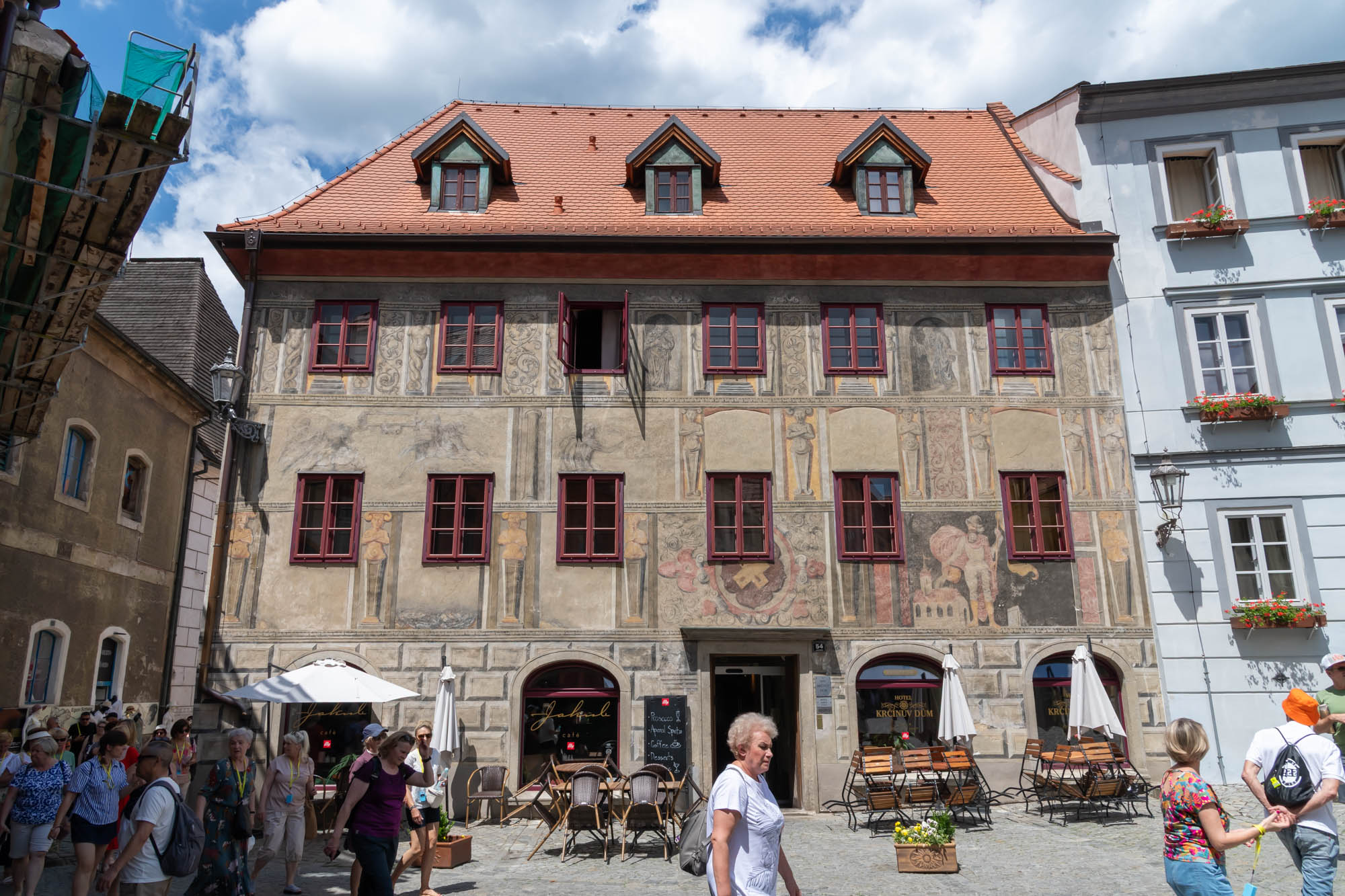
The other style is called “fresco” wherein the paint is applied while the plaster is still wet so that the colours penetrate the plaster and become permanent. An example of this is given below.

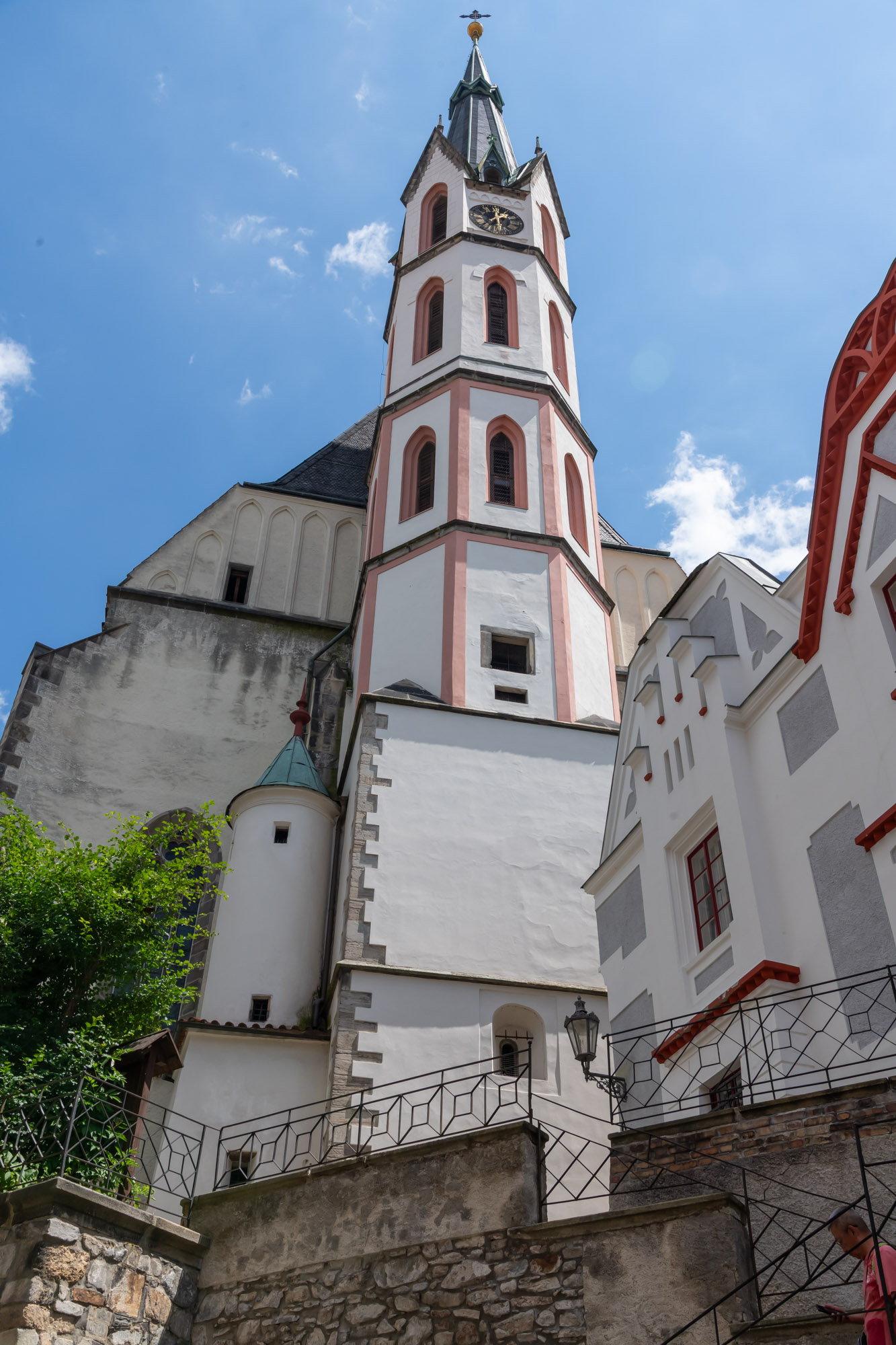
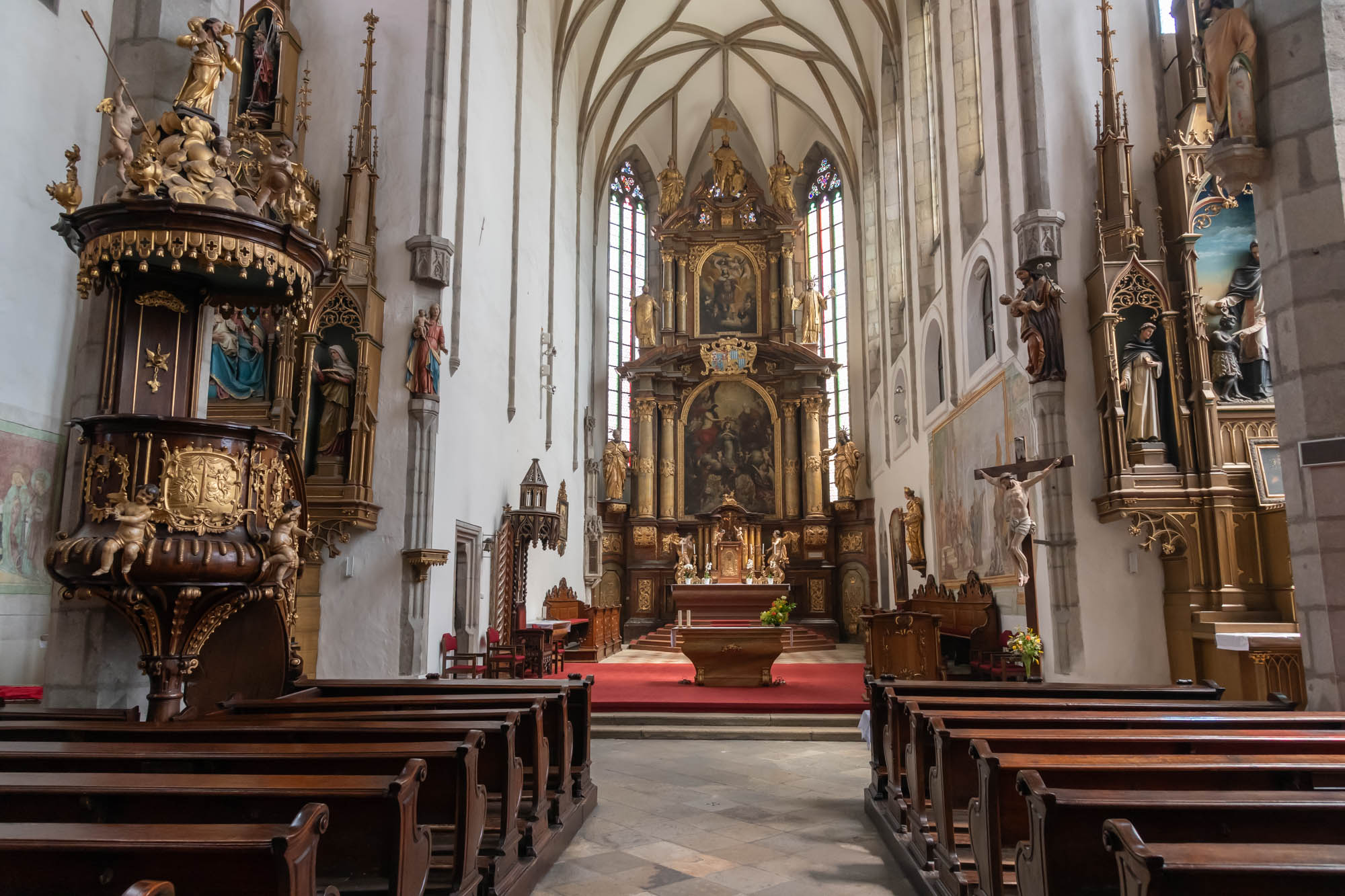
The St. Vitus Church in Český Krumlov dates back to the 14th century though the present building is from the 15th century. Since it stands on a narrow street, I could not get a proper picture of it. 

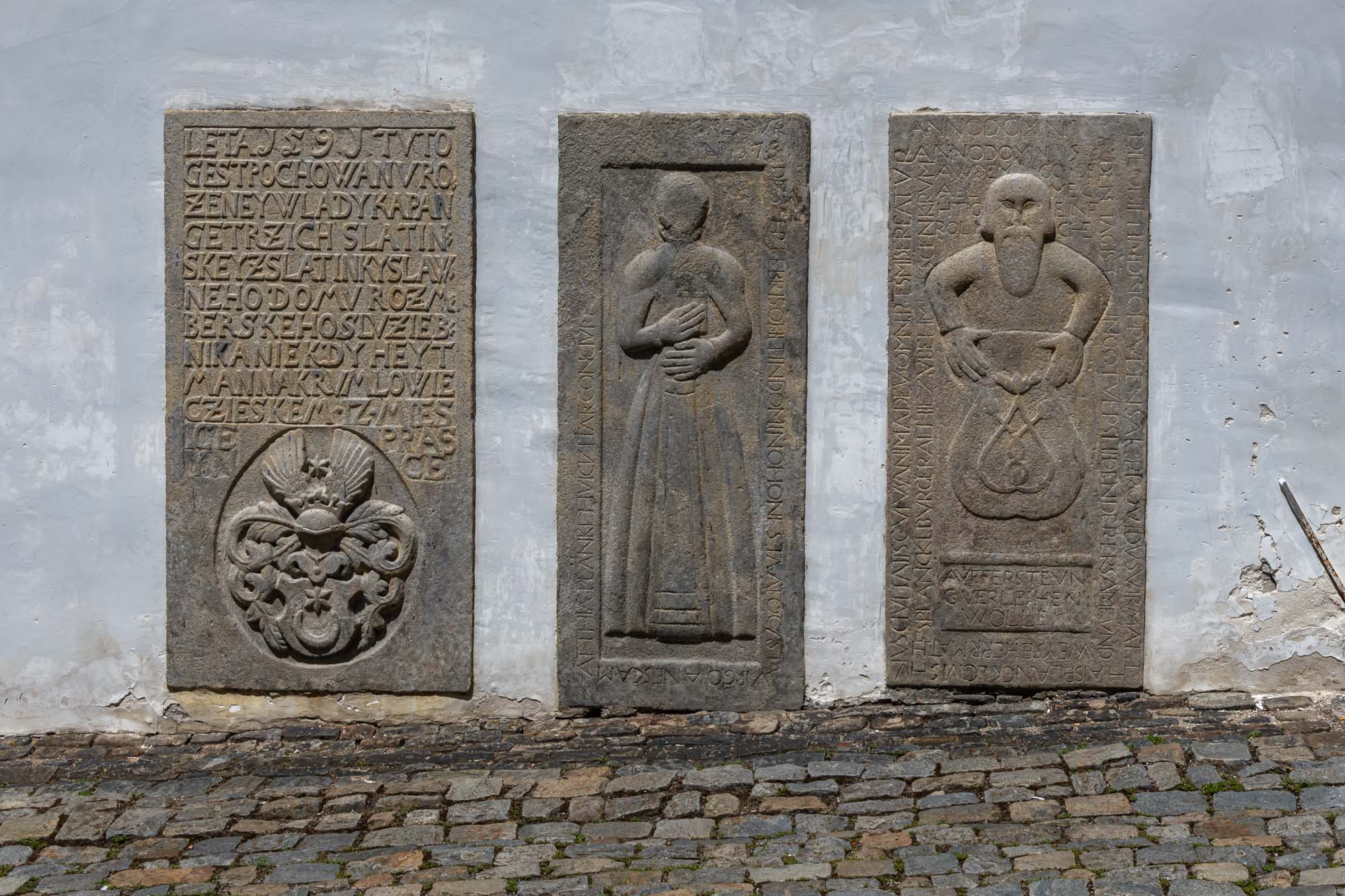
The guide told us an interesting story about the church. Supposedly, the church was built on a location where a baker lived with his family, and he was not willing to give up his house for the church. After much negotiation, he agreed, under the condition that a mass be said every week for him and his wife, after their death. The priest did this religiously after the baker died but the new priest that came when the old priest died, wasn’t aware of the contract and didn’t continue this mass for the baker and his wife. The baker’s ghost was none too impressed with this breach of contract and started causing all sorts of troubles. This caused the priest to conduct some research into old documents, and the contract was unearthed. He restarted the mass and lo and behold, the ghost was pleased, and all was back to normal. For good measure, a tablet of the baker and his wife was also erected near the church. 

The interior of the church is quite simple and you can see a fresco there which dates back to the 15th century.

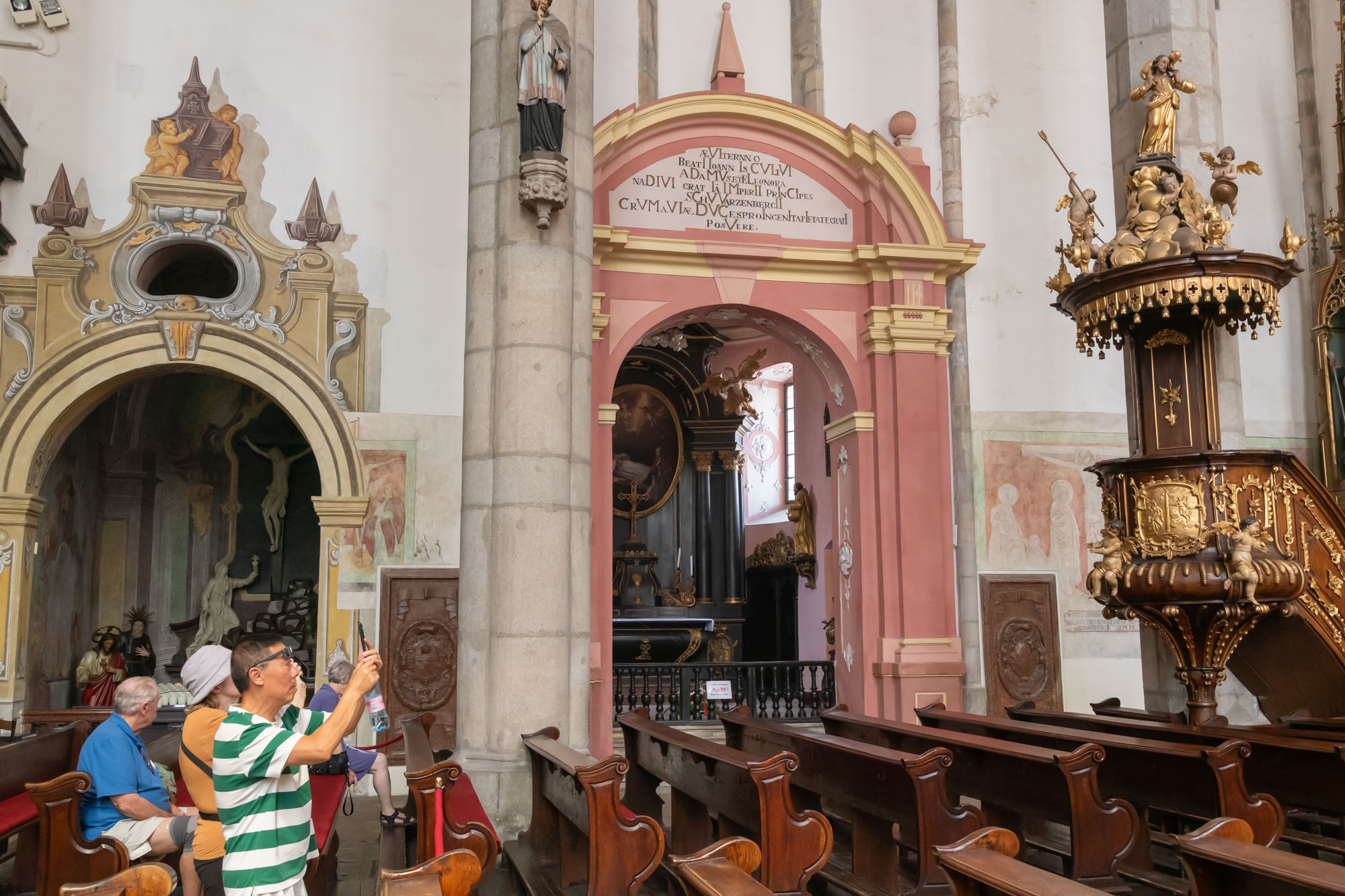
The guide pointed out that in the image, the cross was more like a “T” and not a real cross. Someone from the group asked her as to why that is so, and she said that she believes the whole idea of the cross was something invented by the Christians much later. Czech Republic is not very religious, and the guide seems to be a representative sample indeed. I mentioned to her privately that in Kerala we have images of the cross from 6th or 7th century. 

Inside the church there are a couple of chapels, and the guide told us that the Schwarzenberg family had a practice of extracting the hearts when someone from the family died and then burying the heart in the pink-coloured chapel. The guide also told us that the only body buried in the chapel was that of the “Vampire Princess” of the Schwarzenberg family – Eleonora von Schwarzenberg. It seems she used to keep wolves in the castle with her, as she thought wolf milk would help her to get pregnant. These wolves used to howl at night, and the locals connected this to her being a vampire. To top it all, when she died and they did an autopsy on her body they found that she was pregnant with a “vampire” child. The guide said that this was basically a tumour and since people weren’t familiar with such things at that time, they thought it was a vampire child. Her heart was also buried in the chapel and in addition, the body was also buried in the same chapel “deep under heavy stones” so that the vampire would not come out!

The whole town was rebuilt in the Renaissance style in the 16th Century by one of the most prominent members of the Rosenberg family – William. He was very much in love with Renaissance and everything connected with it. It seems he also brought a trumpet player from Italy and the trumpet player has been reproduced on the wall of one of the buildings in town.

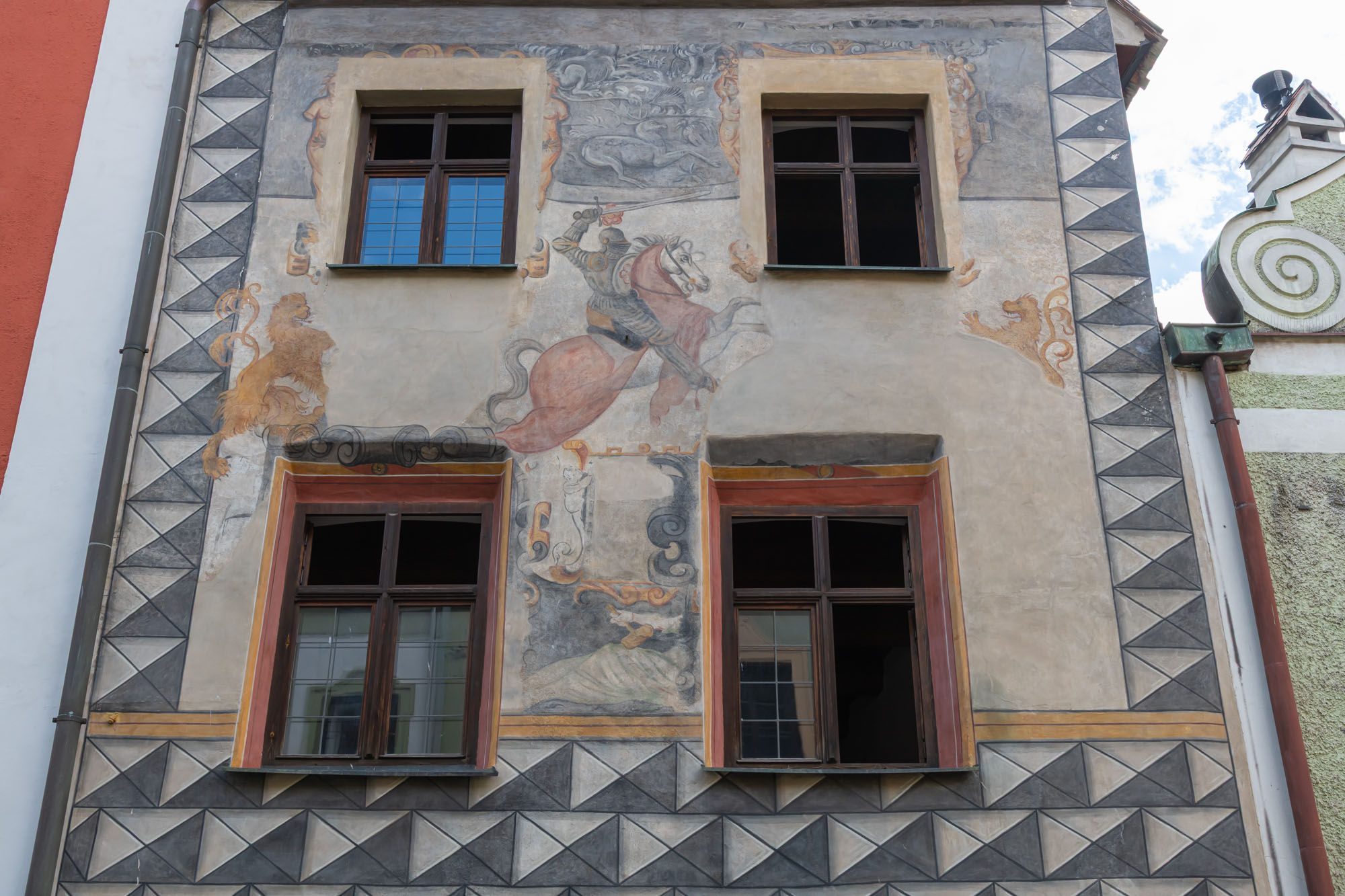
William was very influential, and he married four times but remained childless. For his third marriage to Anna Maria of Baden, he invited guests from all over Europe. They were so many that all could not be accommodated at the castle, big as it was. Hence, some houses nearby were used to accommodate some guests, and these houses were painted afresh. One such original fresco is surviving even now. During the Communist times, there was no attention paid to maintaining these heritage sites and often they were painted grey. You can see that some parts of the fresco have been damaged beyond repair.

The castle stands on a small hill (as it the case with most medieval castles) and it is so big that the family that owned it at the end found it too expensive to maintain or modernize. So, they built a smaller palace a few kilometres away and settled there, at the beginning of the twentieth century.

You can see that the walls are just painted normally as the family didn’t have the money to have it done in the sgraffiti style, according to the guide. 

It seems there is a Baroque theatre inside the castle, but I couldn’t see it as you can visit it only as part of a tour and the timings didn’t suit me. This is one of the only surviving Baroque theatres in Europe, where plays are still conducted. There is a very nice sundial on one of the walls of the castle.

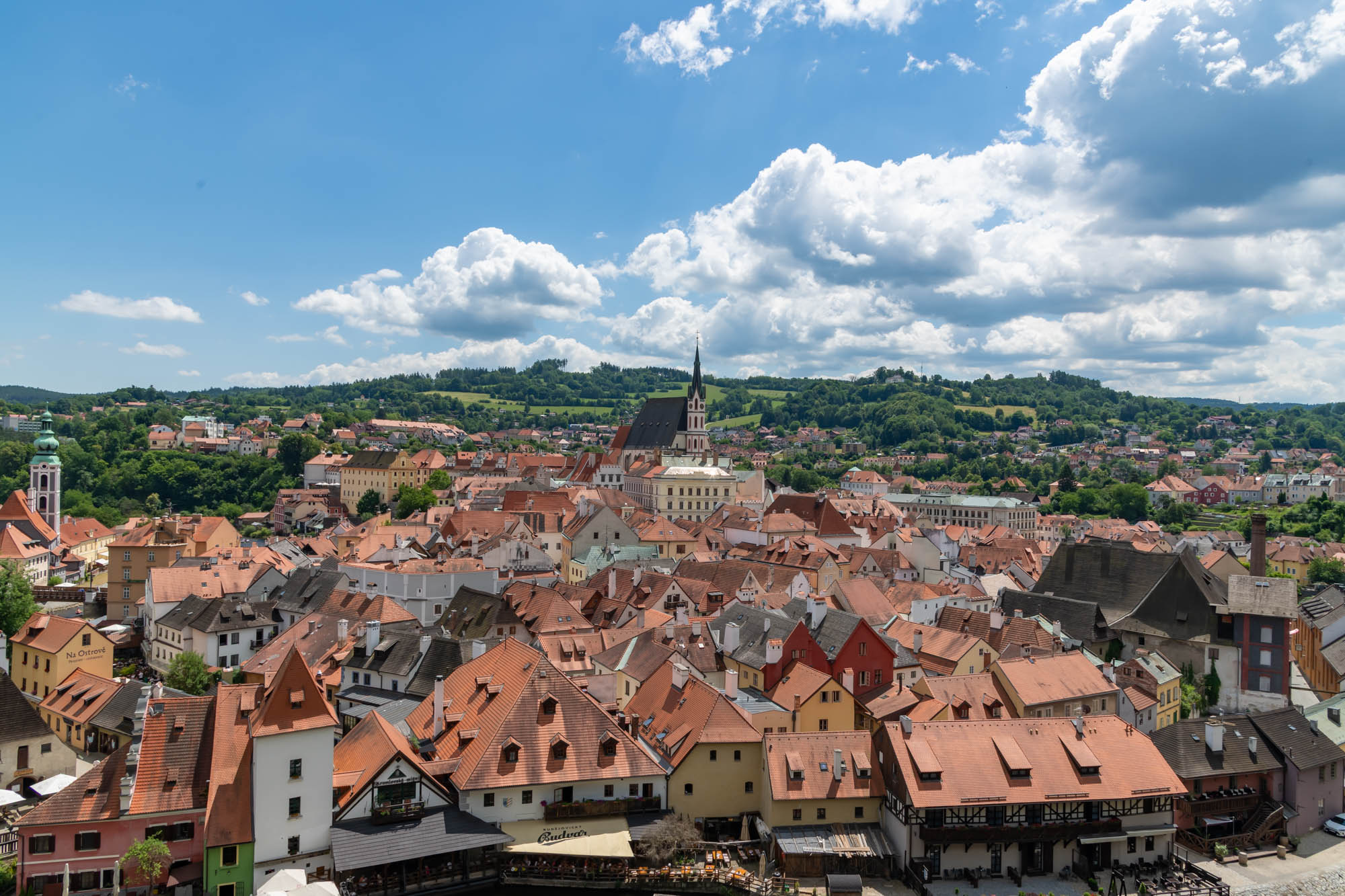
The views of the old town from the castle are quite stunning.

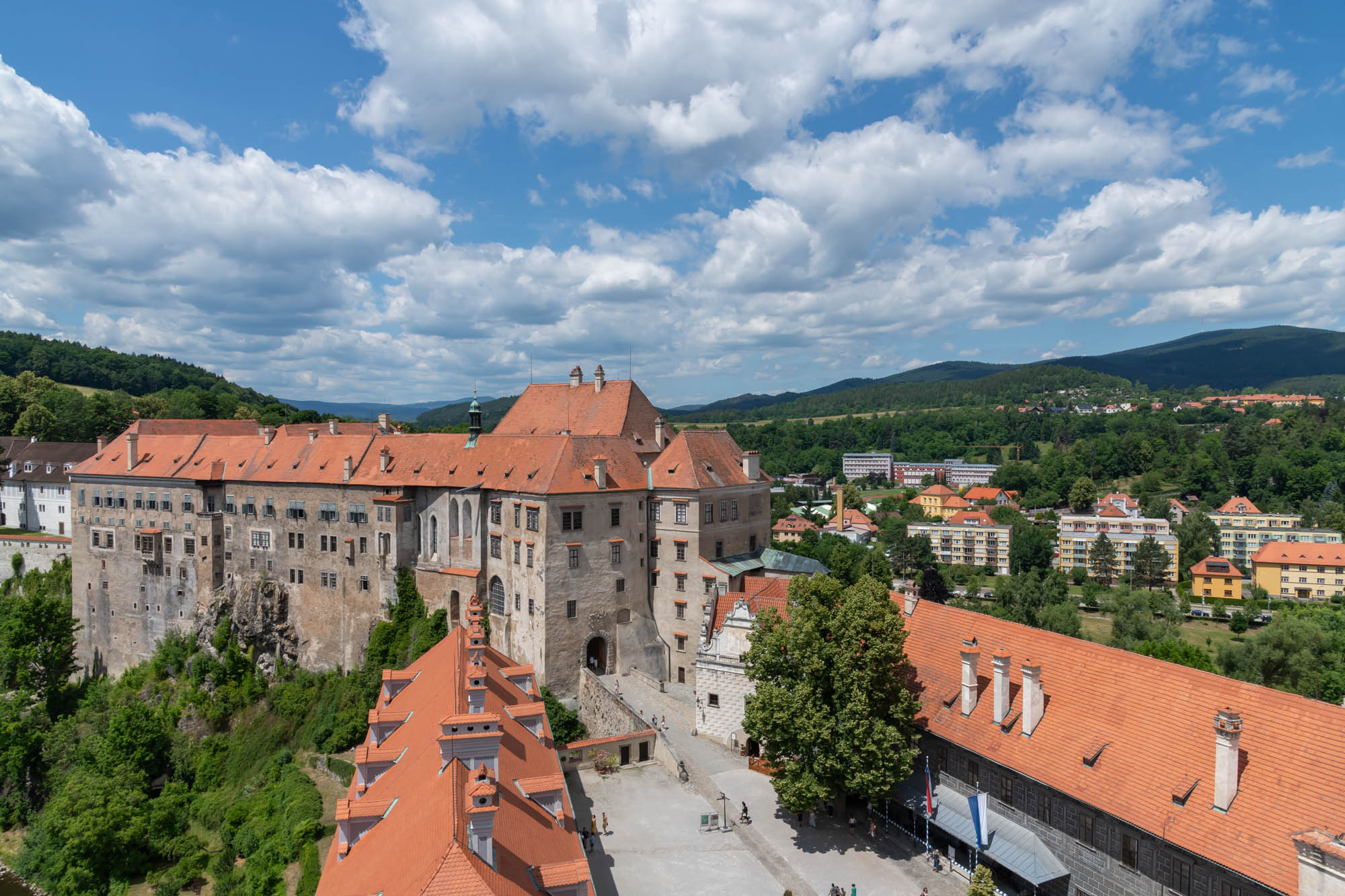
There is a tower in the castle, which provides some great views of the castle itself.

As mentioned, Český Krumlov lost its sheen during the Communist times and the buildings were not maintained properly. After the gold mines ran out, graphite was discovered, and pencil factories were functioning in the area (they still are). After the formation of Czech Republic in 1992, UNESCO stepped in to help revive the buildings and the town became a very popular tourist destination and tourism provides sustenance for the town now. However, it also seems to have brought its own tension between locals and the effects of tourism. I could sense a level of bitterness in the comments of our guide, who said it is impossible for locals to live in Český Krumlov now, as everything has become more expensive because of tourism and UNESCO has so many stipulations that they cannot make even very minor modifications to their houses to make them more comfortable. I have seen such tension in other places as well and tourism often has a very disastrous effect on locals, while it also helps their economy – the balance is very fine and difficult. 

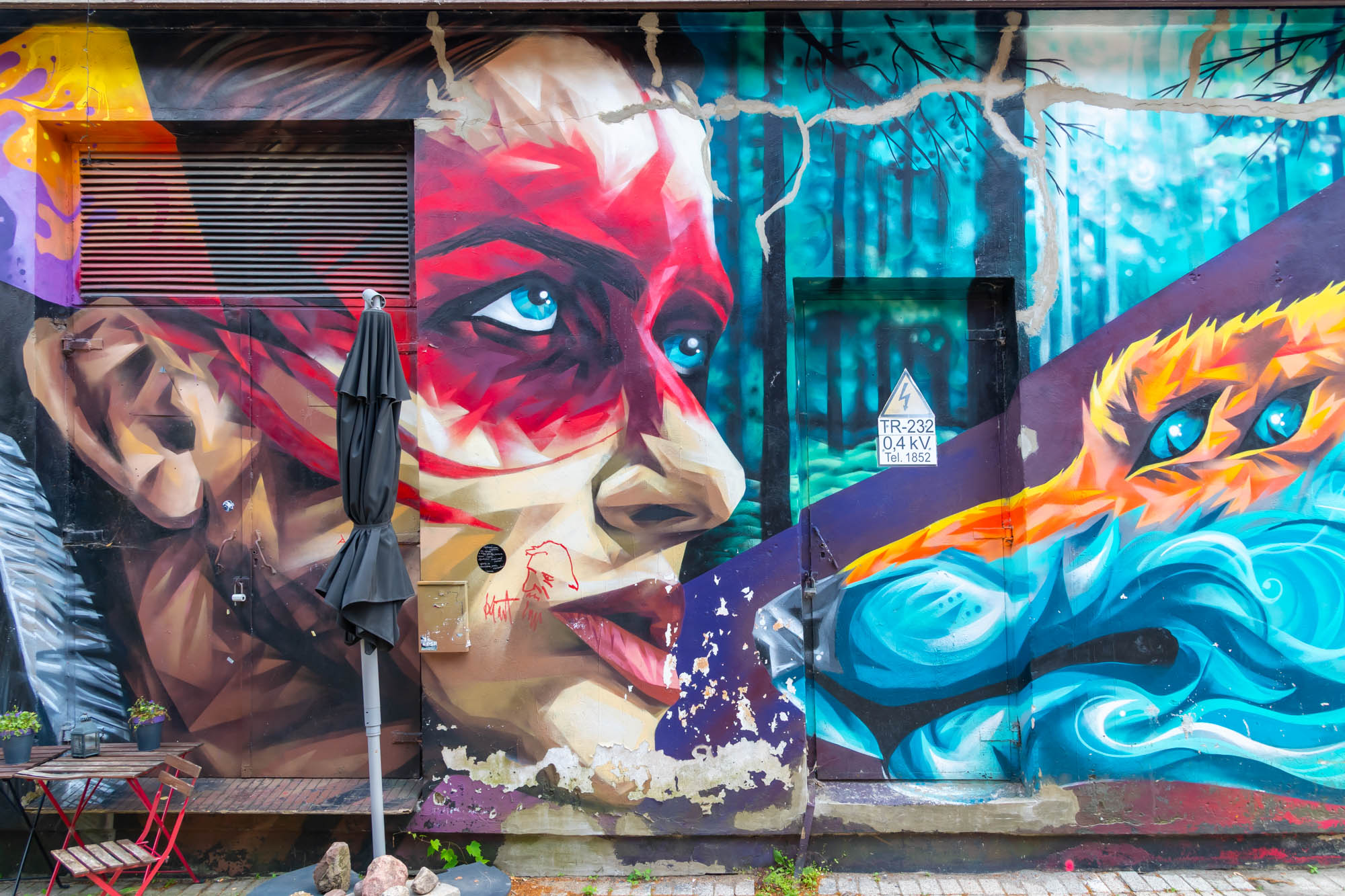
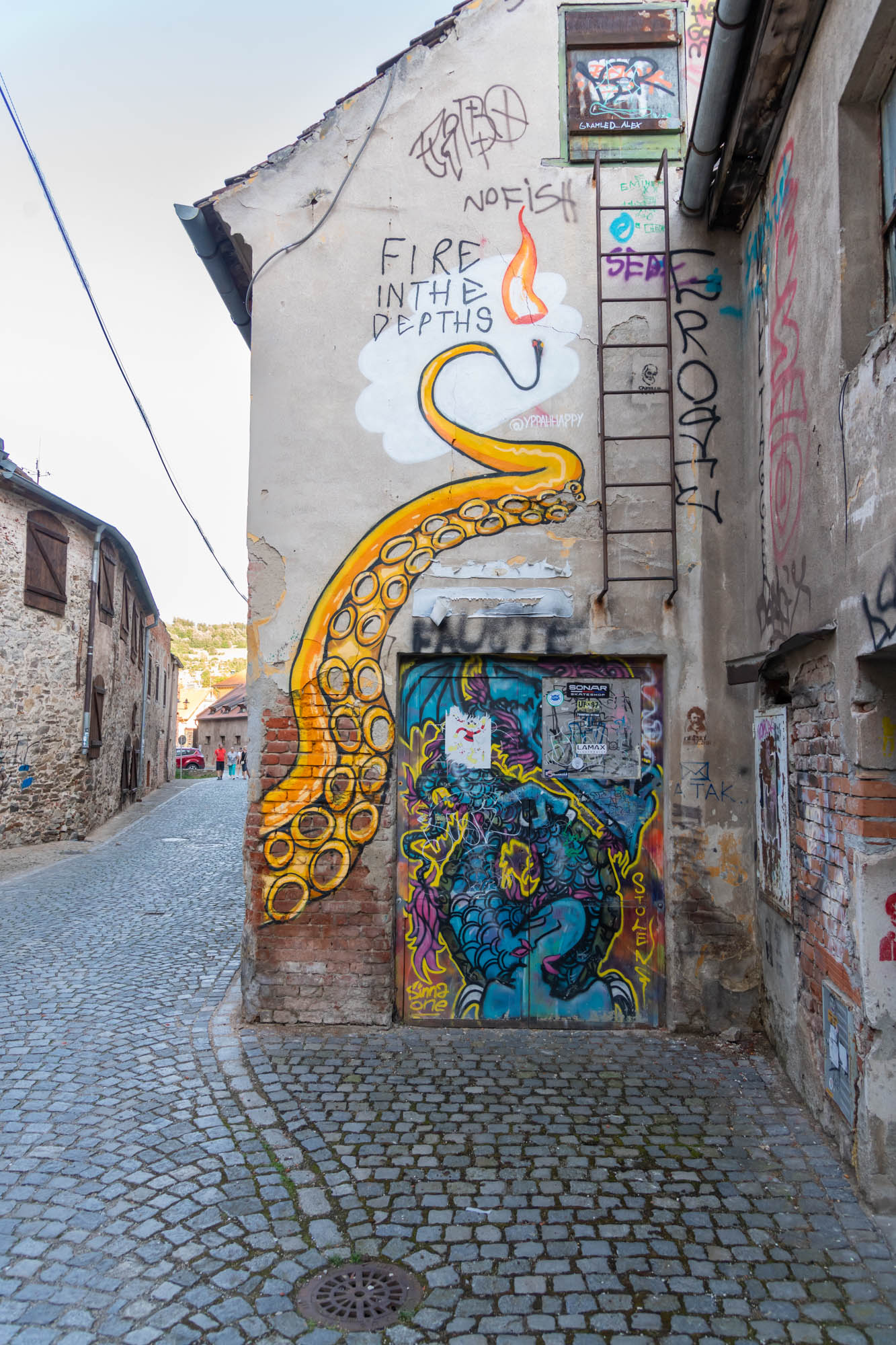
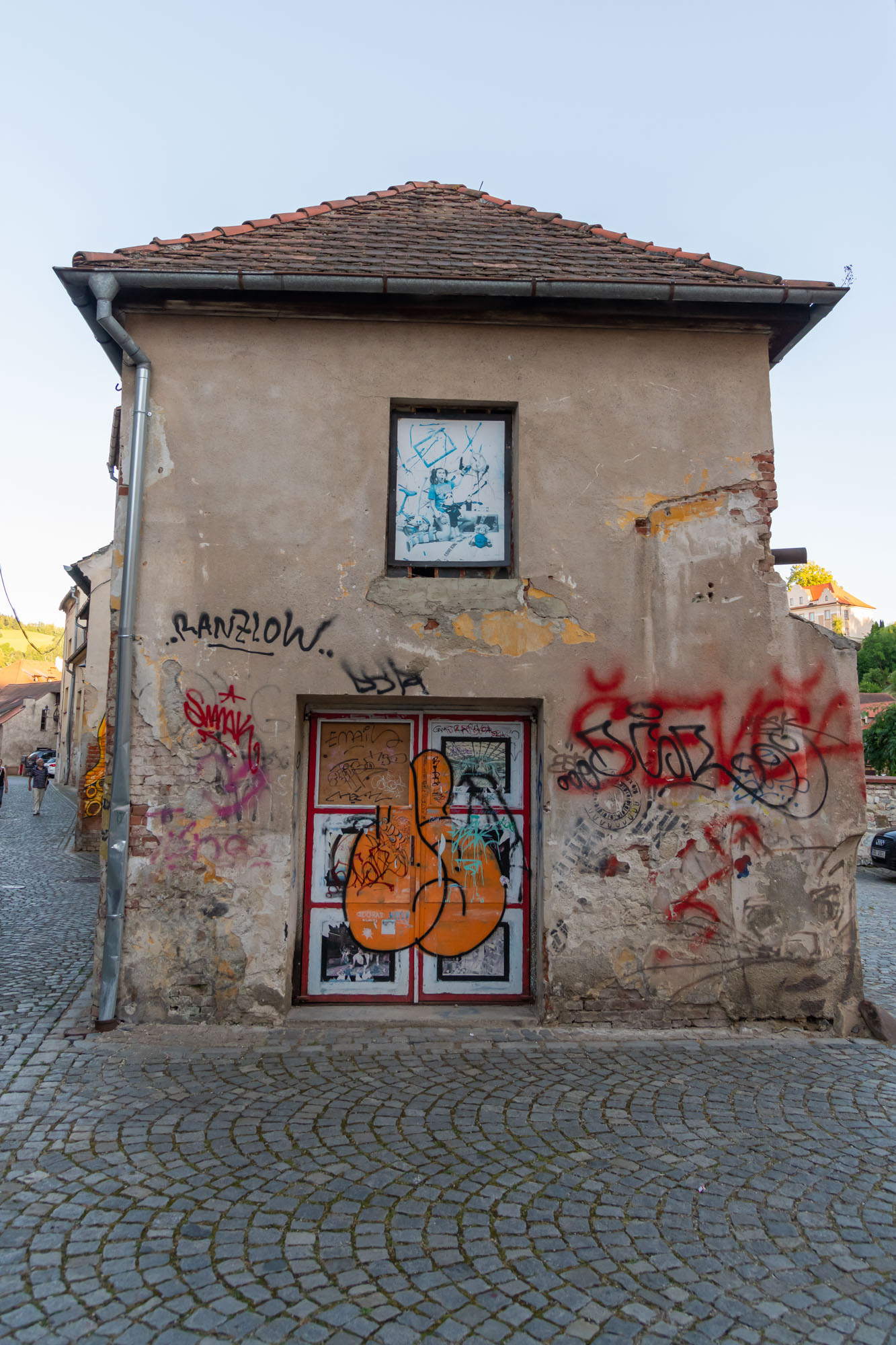
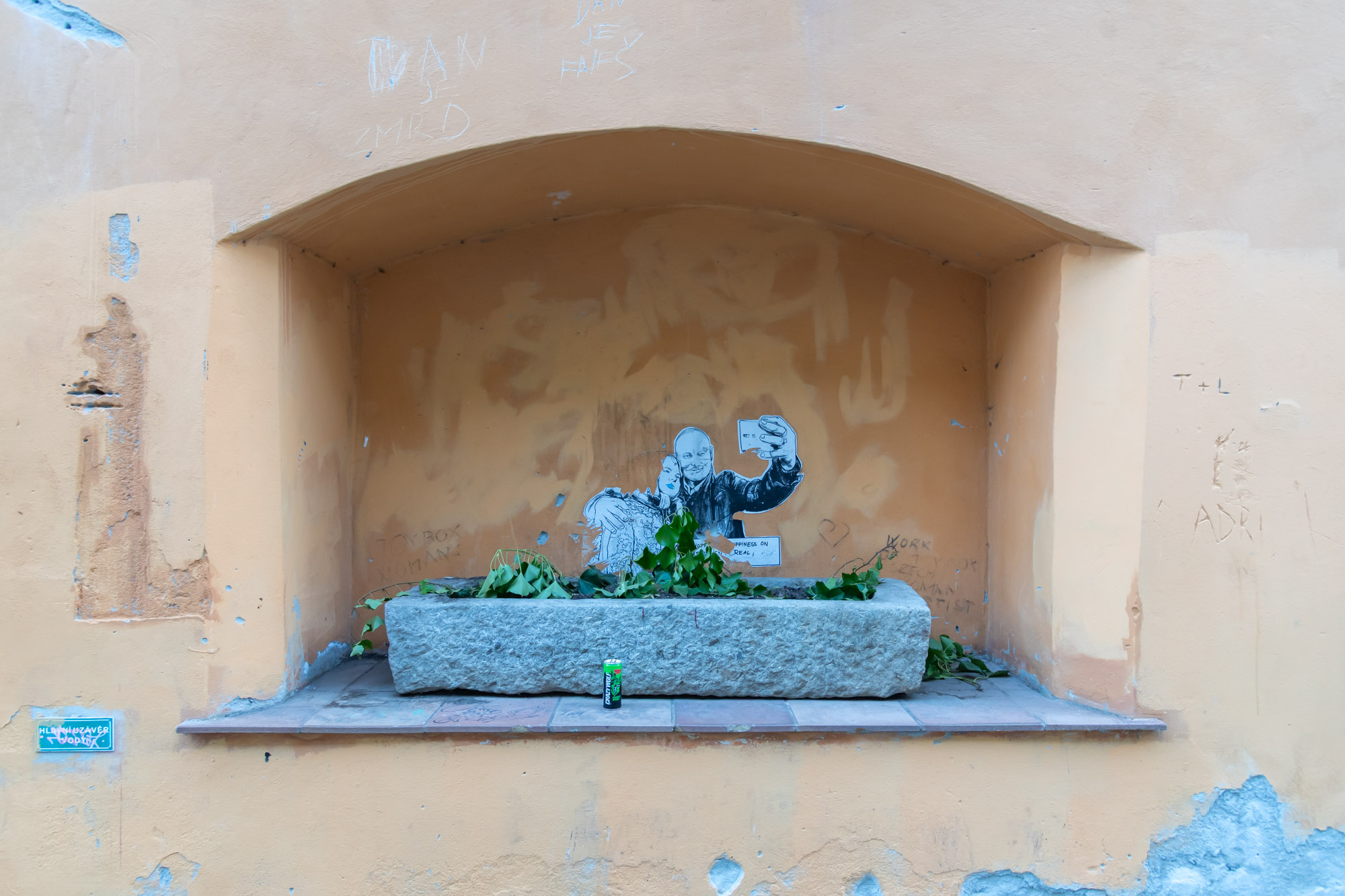
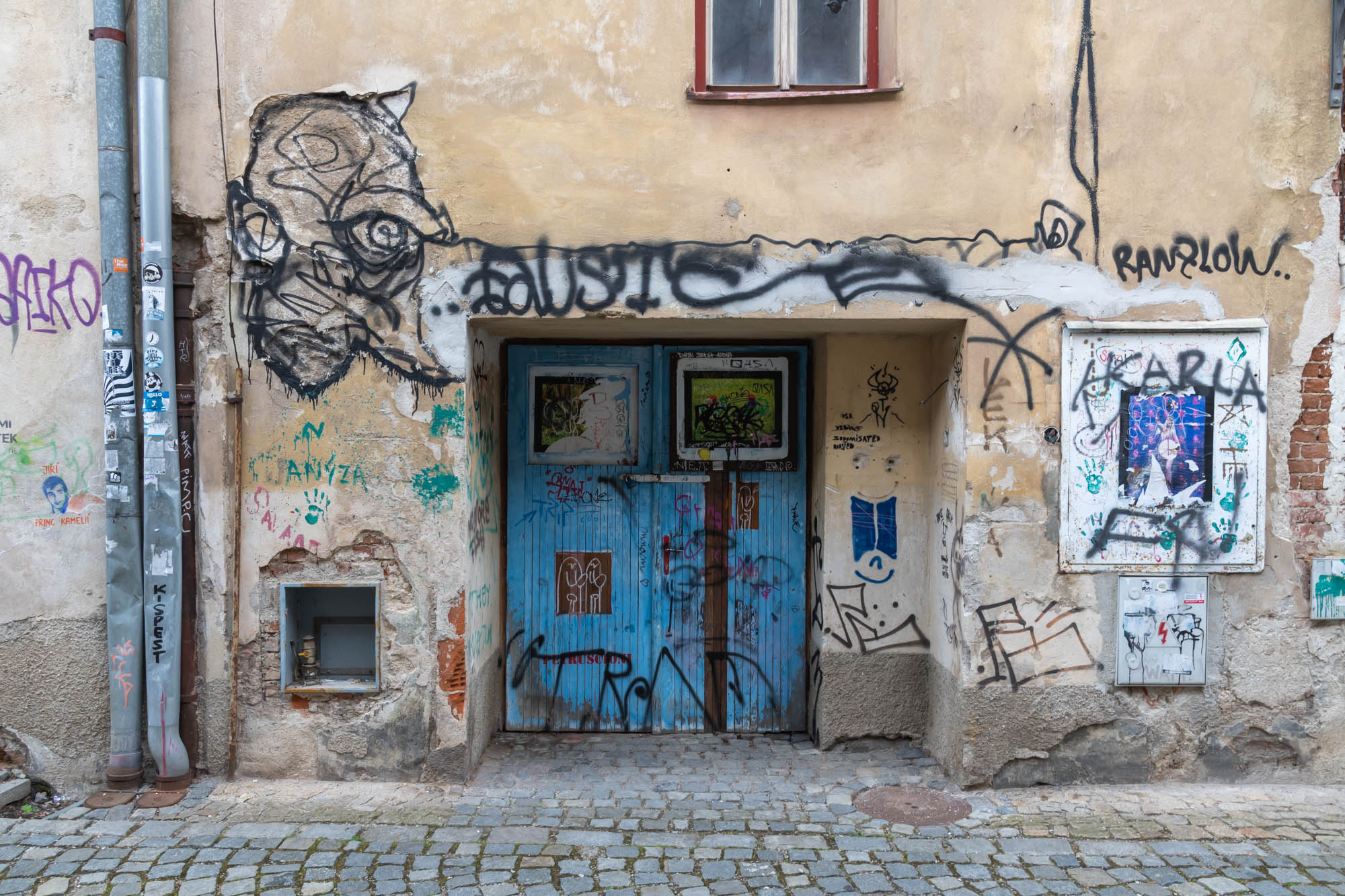
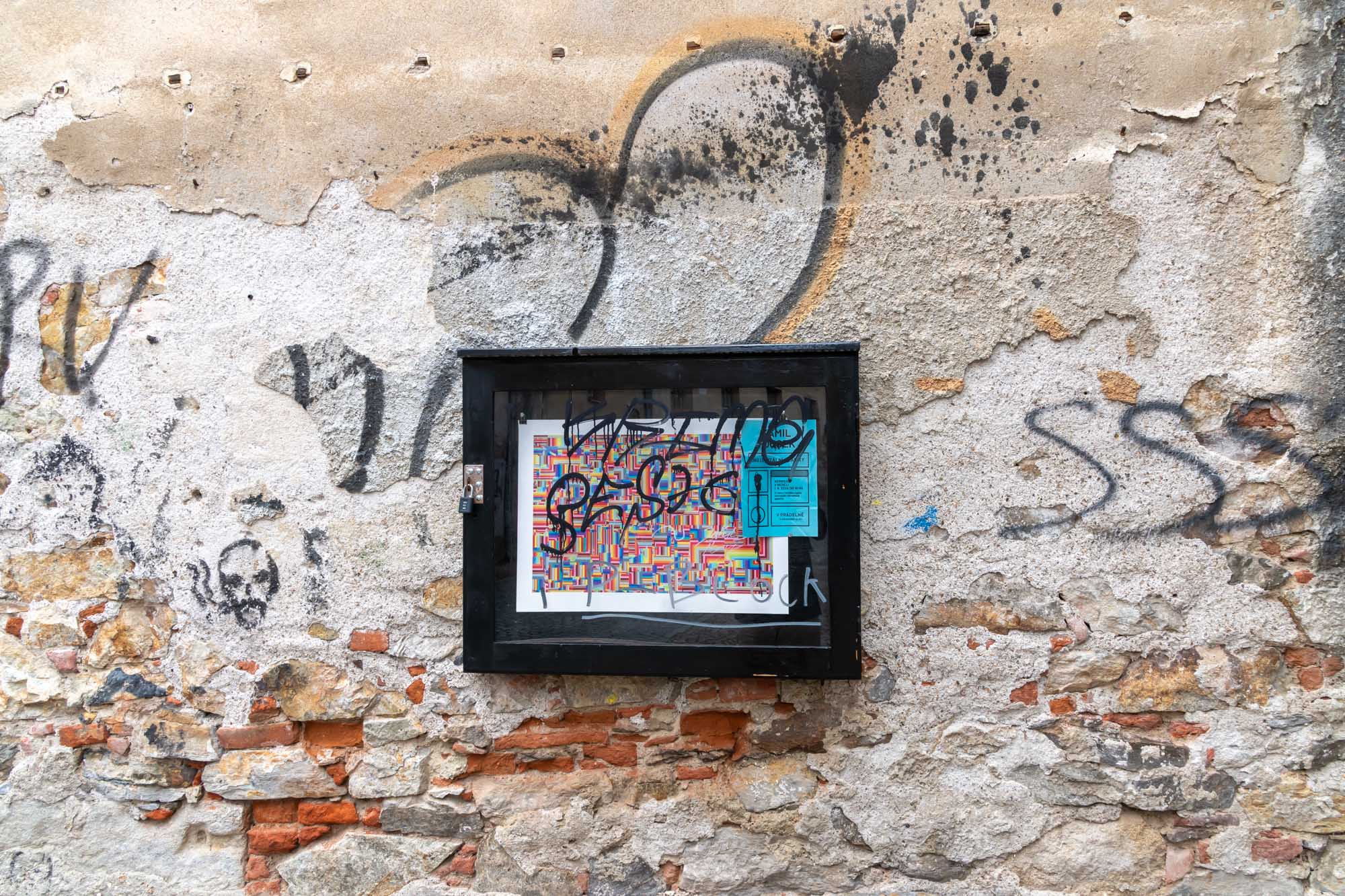
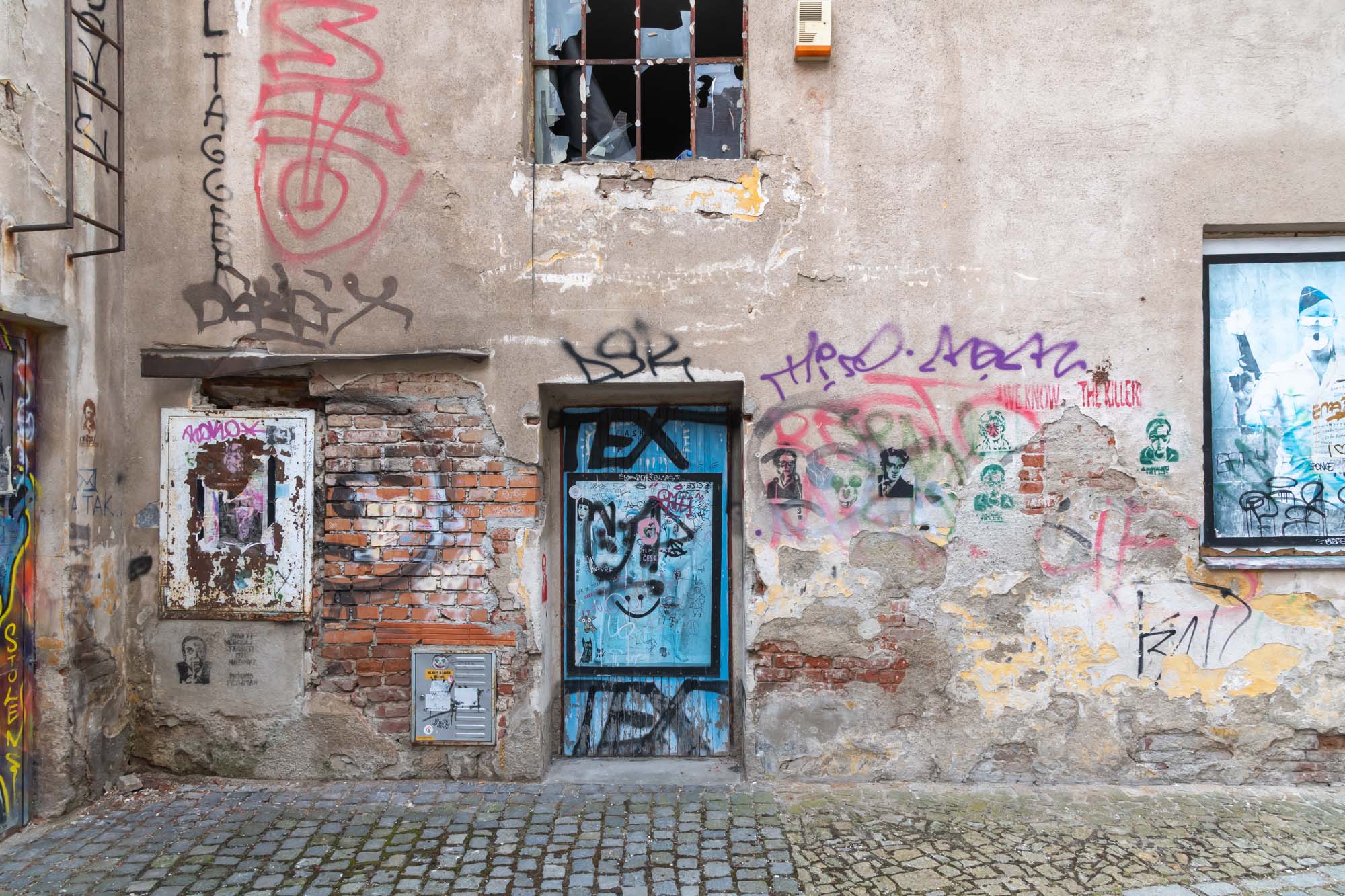
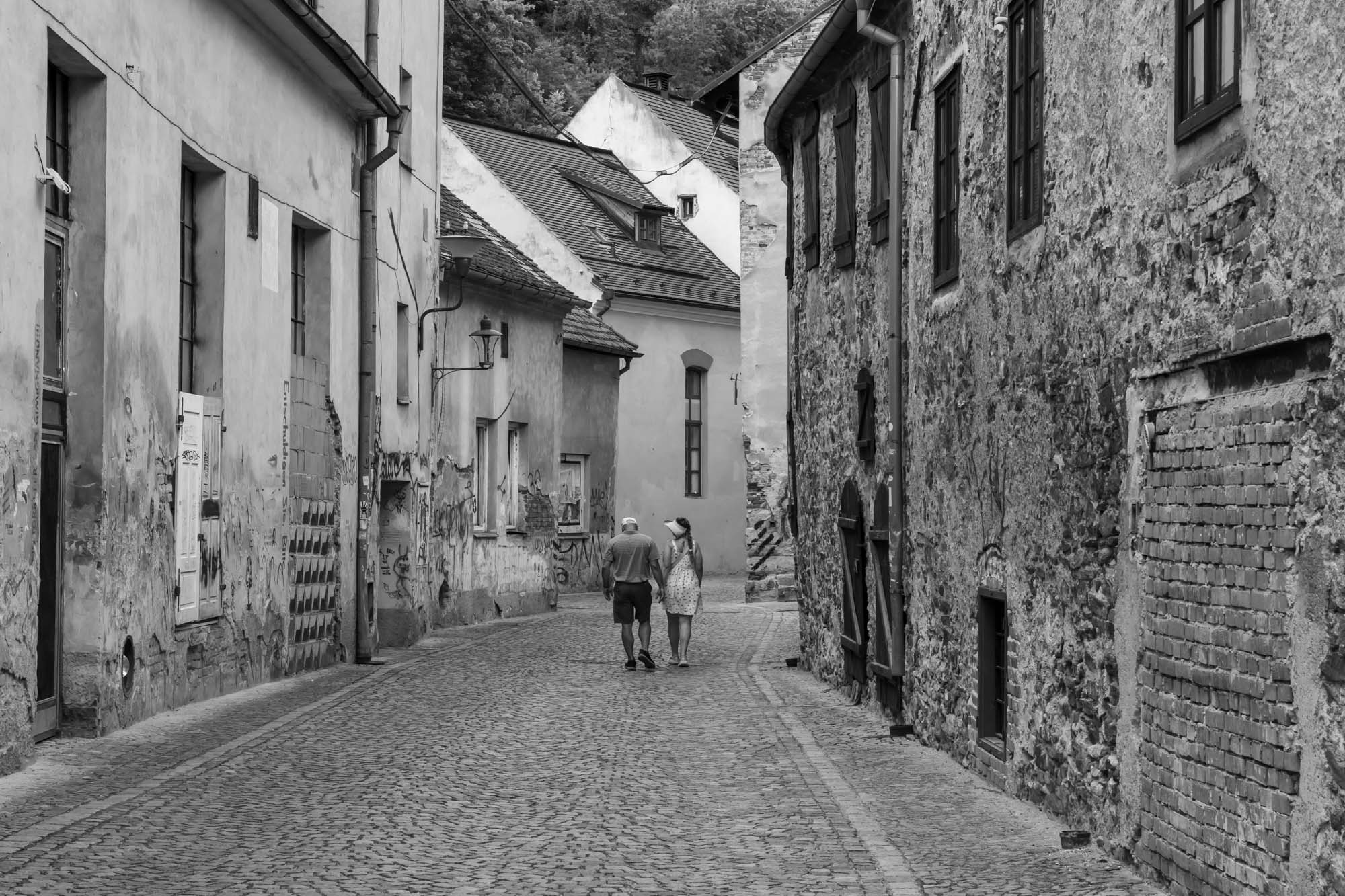
Understandably, the walking tour took us only to the touristy parts of the town and when I was wandering around, I found an area filled with graffiti. 

There are a couple of museums also in town, including an Egon Schiele Museum, but I did not get the time to visit those. I spent only one night in the area and ideally, I should have spent two days there. The beauty of this town is really captivating!

I was wandering around Prague yesterday when I stumbled upon the Banksy Museum (The World of Banksy), on my way to see the rotating Kafka head. A museum for the works of Banksy had never entered my imagination as it feels like an oxymoron. This is housed in a 15th century church and on the doorway, it is mentioned: “Just like Banksy usually presents his art at unusual places, our exhibition also takes place at an unusual location – a church right in the heart of Prague. Czech priest and church reformer Jan Hus used to preach here in the 15th century. The church and adjacent monastery were later disestablished during the reforms of Emperor Joseph II in the 18th century. In its most recent history, the church building served as a warehouse and a nightclub. Now, after centuries, it finally hosts another reformer – Banksy!”. I had to go in!

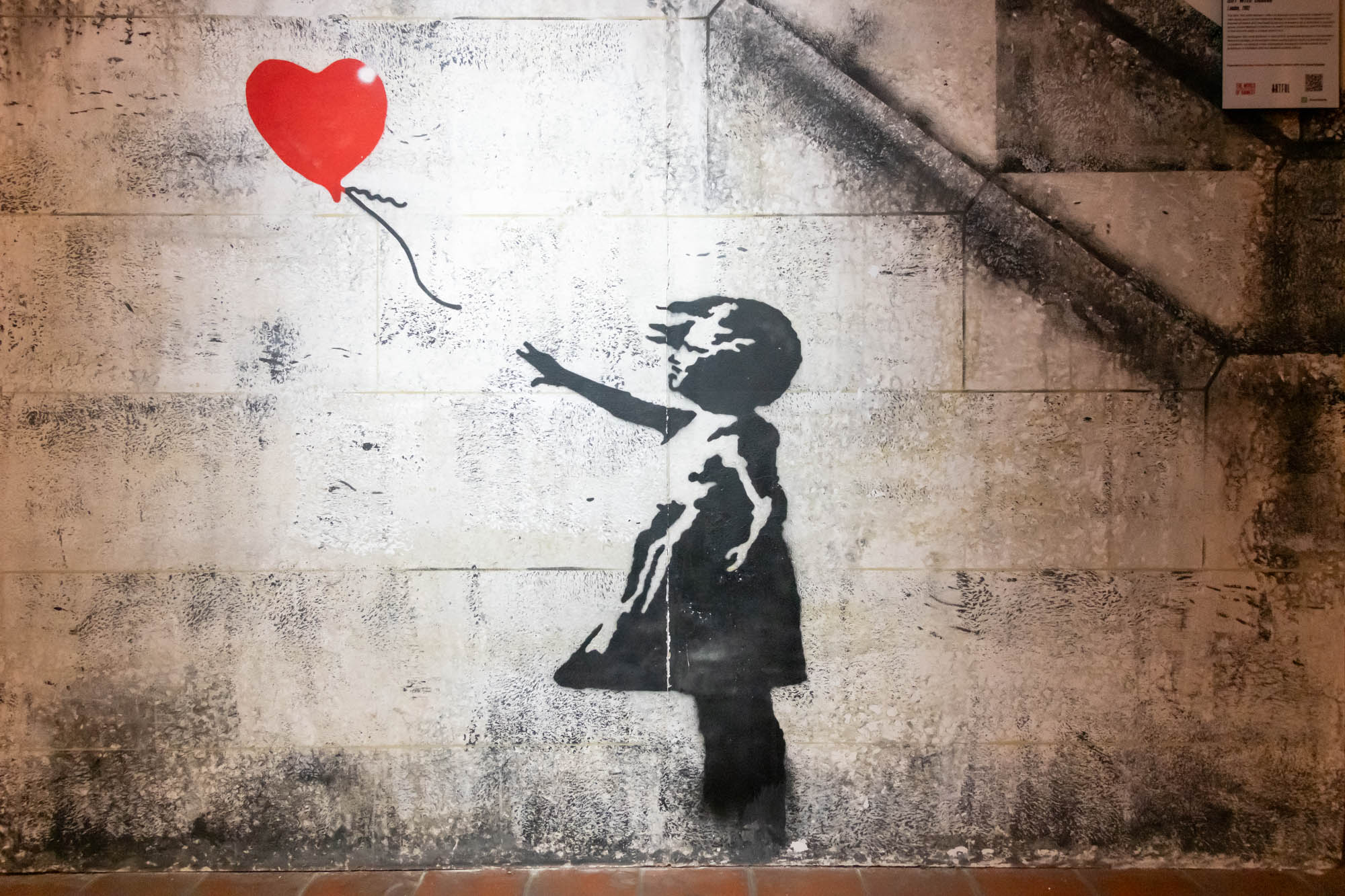
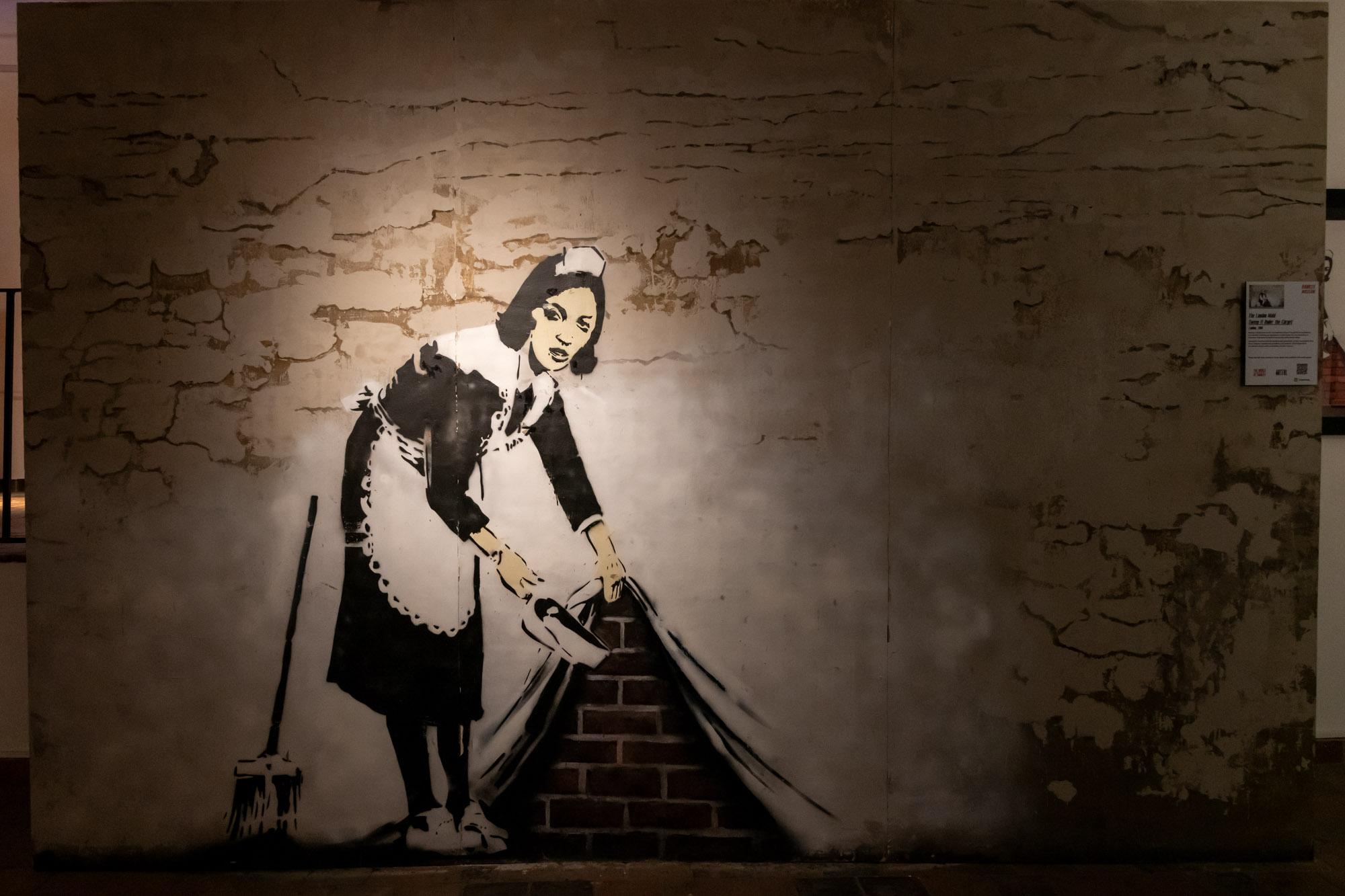
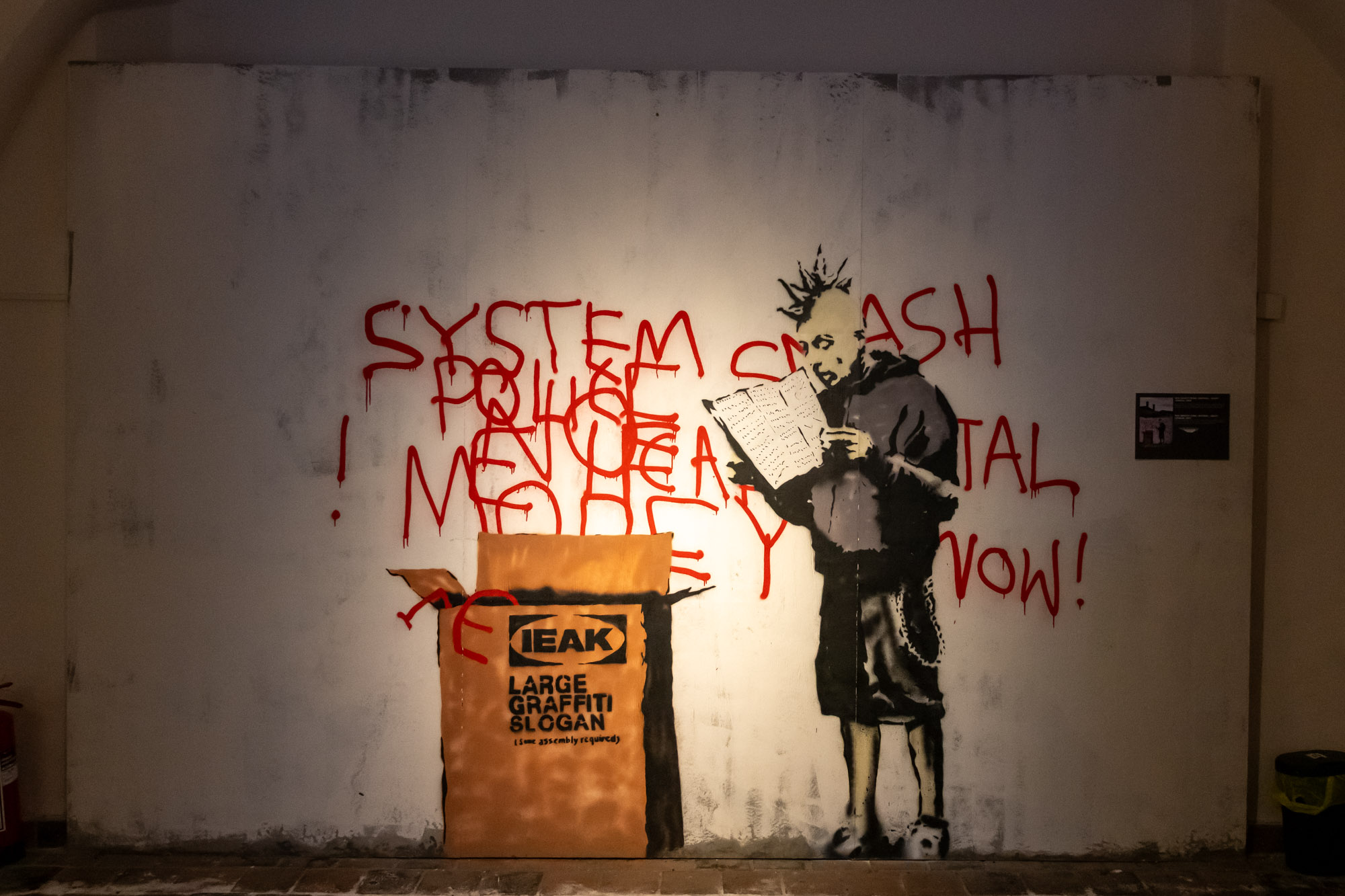
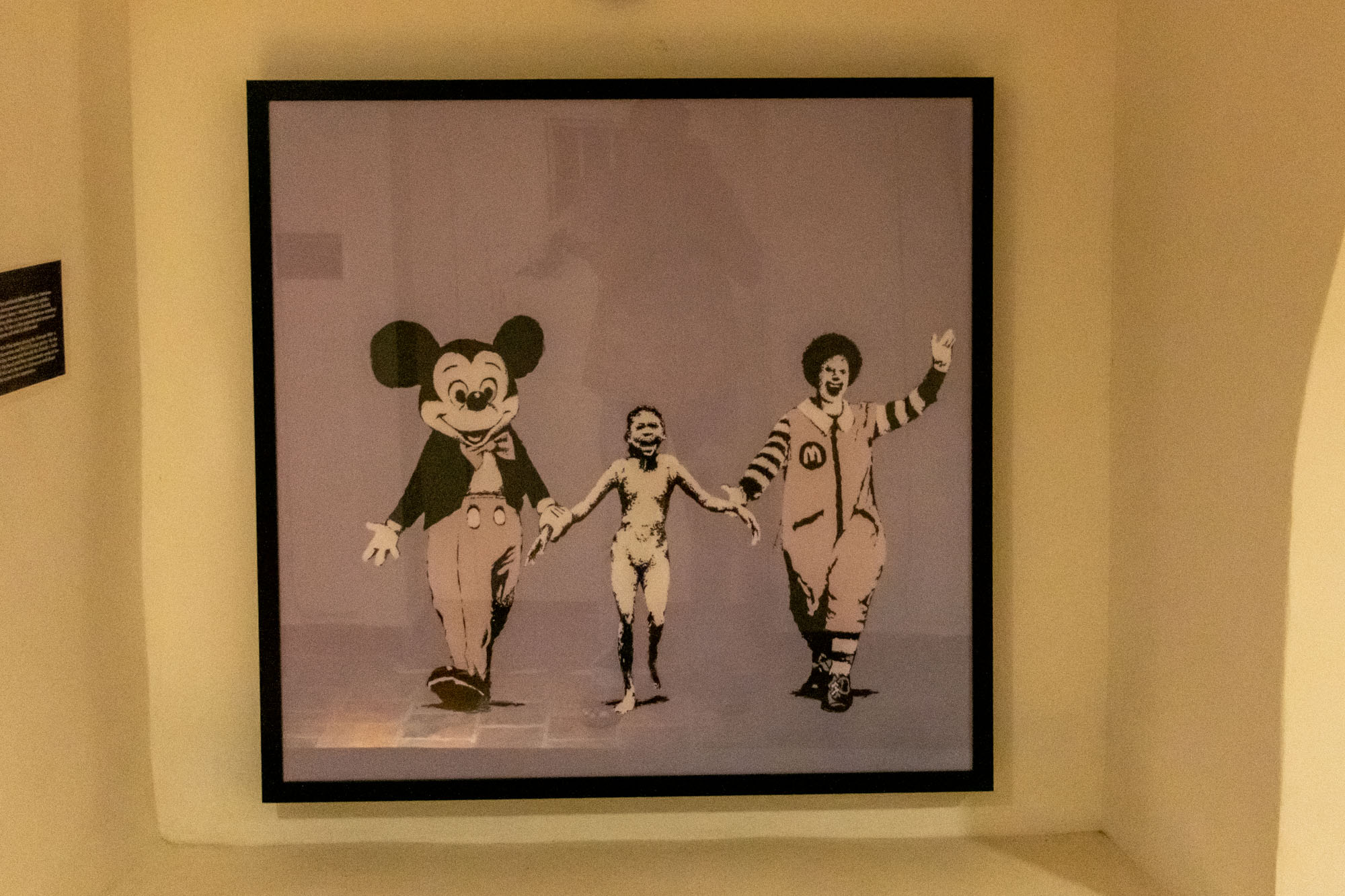
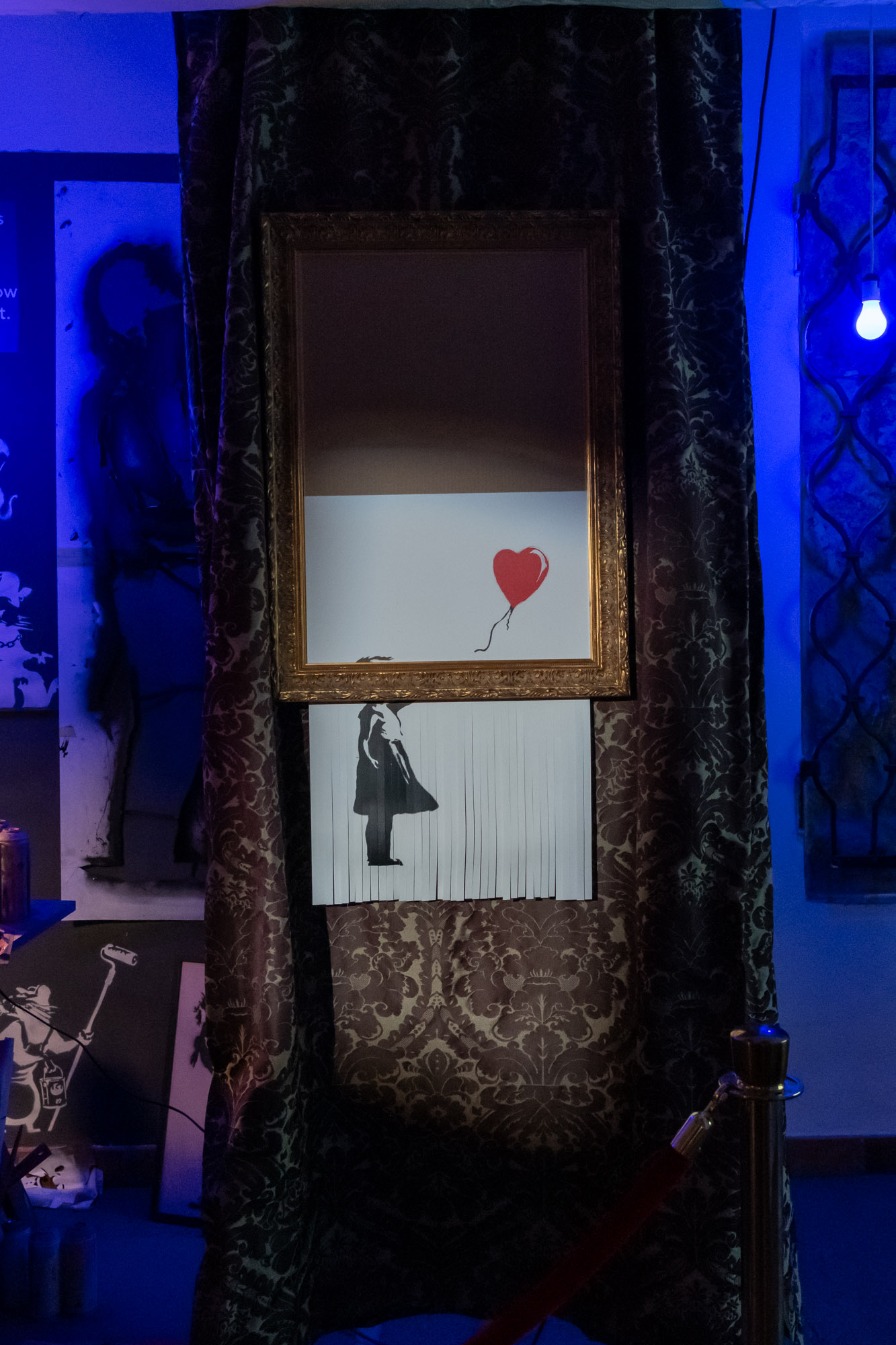
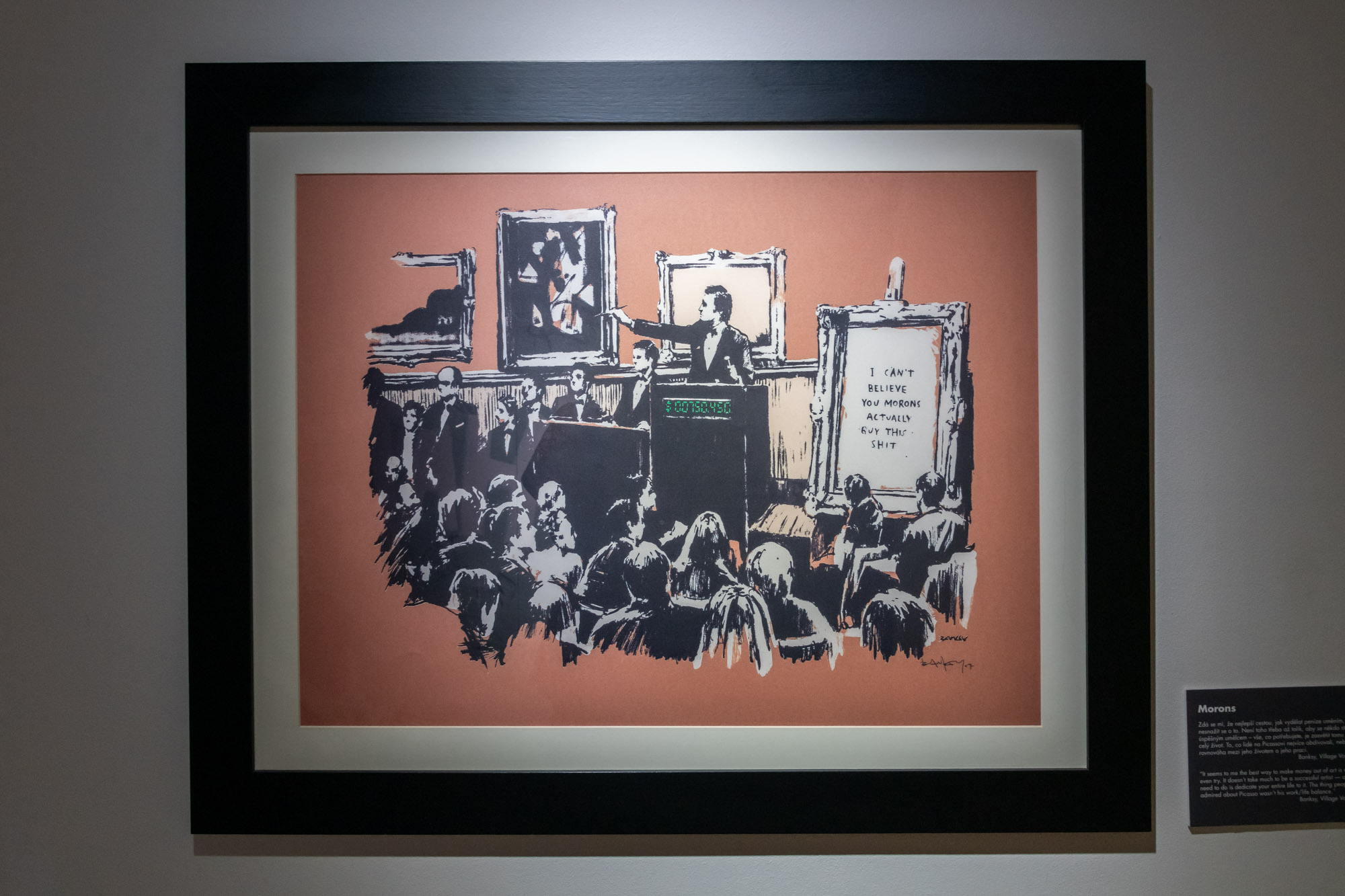
There are several works of Banksy organised inside the museum, and I guess most, if not all, are replicas. There are many videos as well and it was indeed a very good experience to see many works by Banksy at the same location. The show starts with the famous girl with a balloon, and I am reproducing some of the works that I could photograph. 

“Girl with Balloon” is one of Banksy’s most known works and was painted on the stairs near London’s Waterloo Bridge in 2002. This work announced Banksy’s arrival into the world of graffiti, and he has been instrumental in increasing the power and impact of the medium. 

“Sweep It Under the Carpet” from 2006. In the make believe world that we live in, which is becoming more and more about just appearances and covering up, this work needs no explanation.

We live in the era of DIY where we can just assemble everything ourselves with the set of instructions provided. Ironically, even art seems to be headed in that direction!

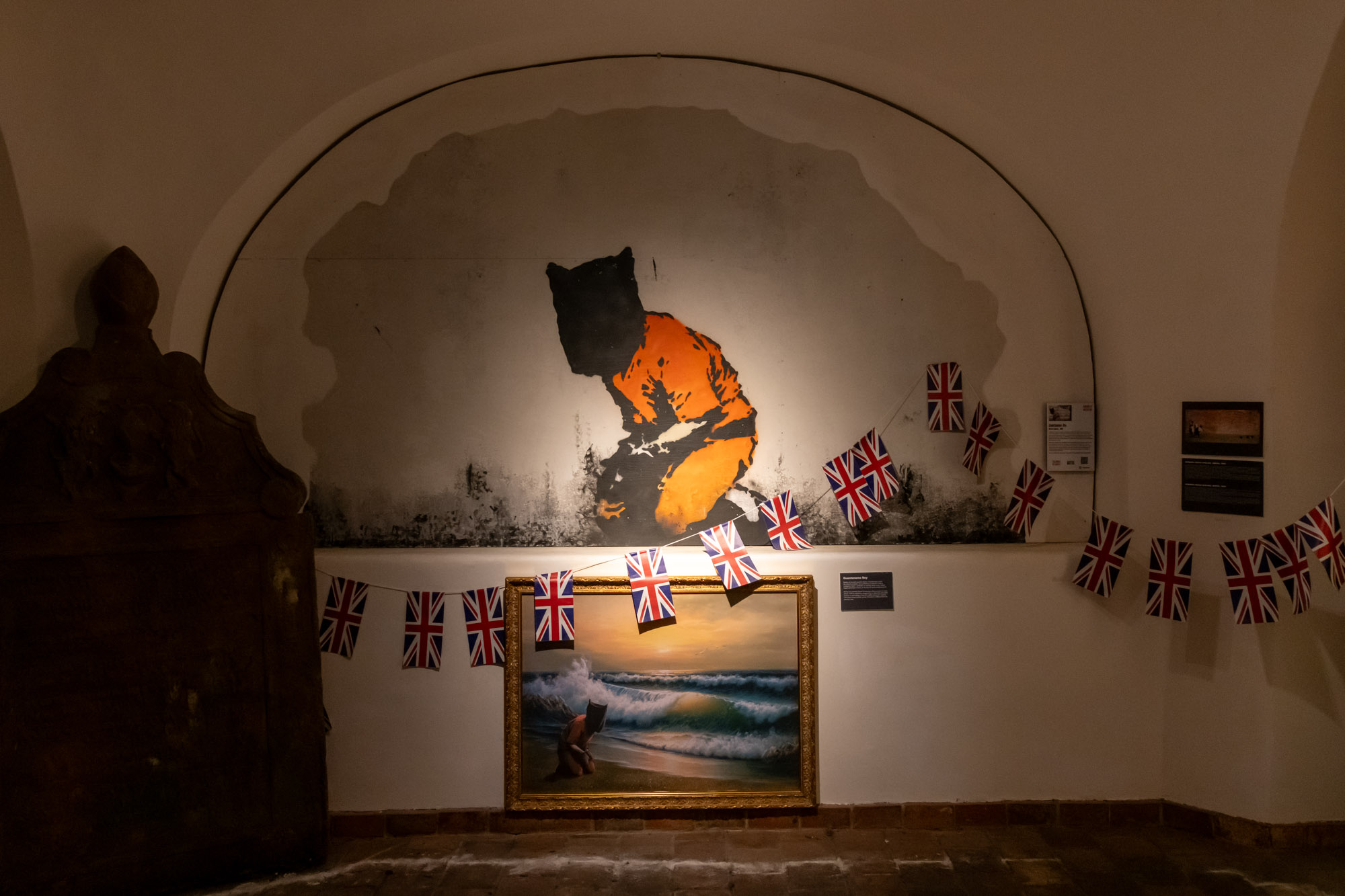
A work related to Guantanamo Bay; in the painting, the prisoner is placed on an idyliic seashore. 

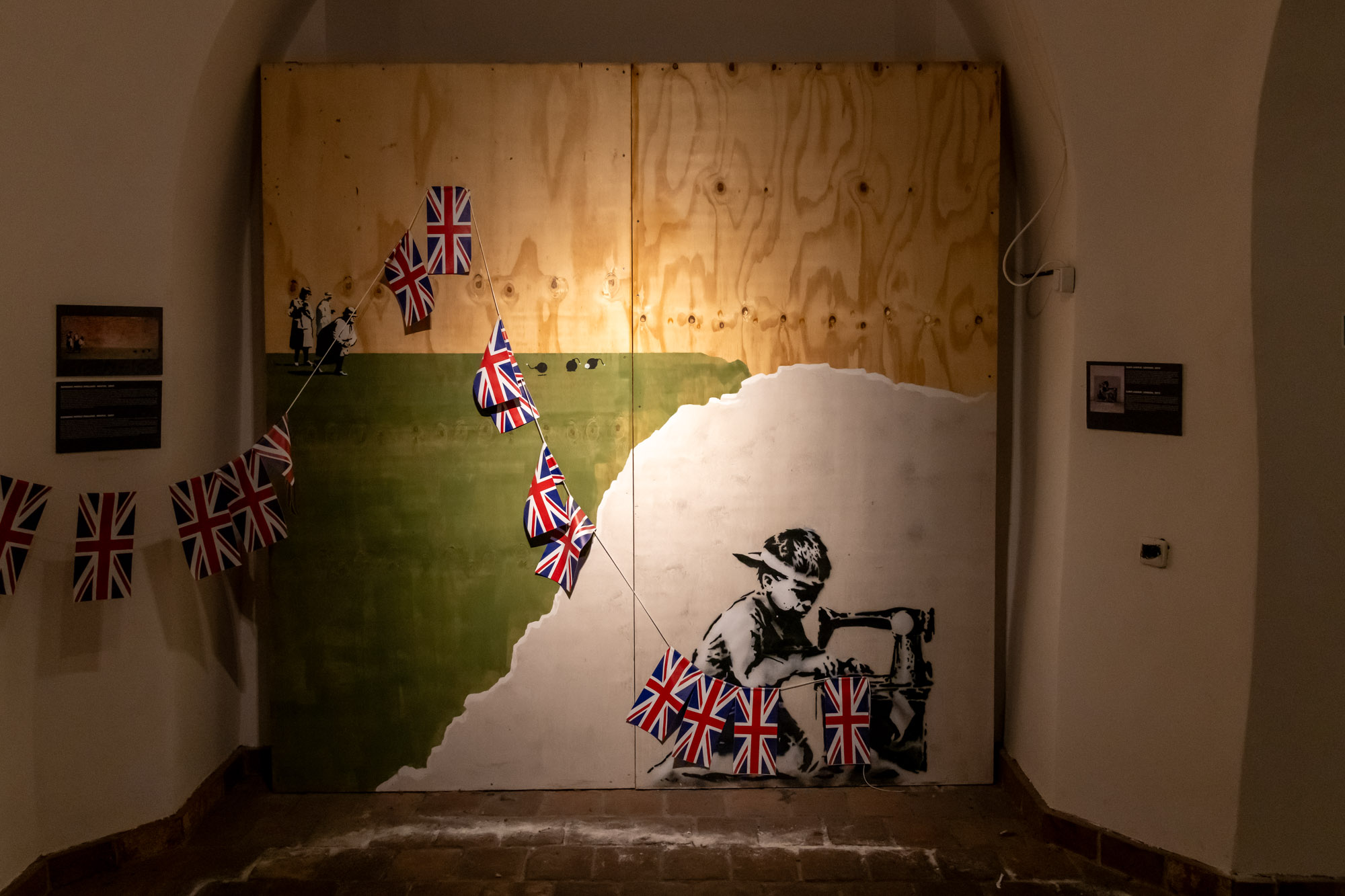
This was to expose the issue of using child (often slave) labour, so that the twin celebrations on the 2012 Olympic Games and Queen Elizabeth’s Diamond Jubilee could go on in all its pomp and gaiety. 

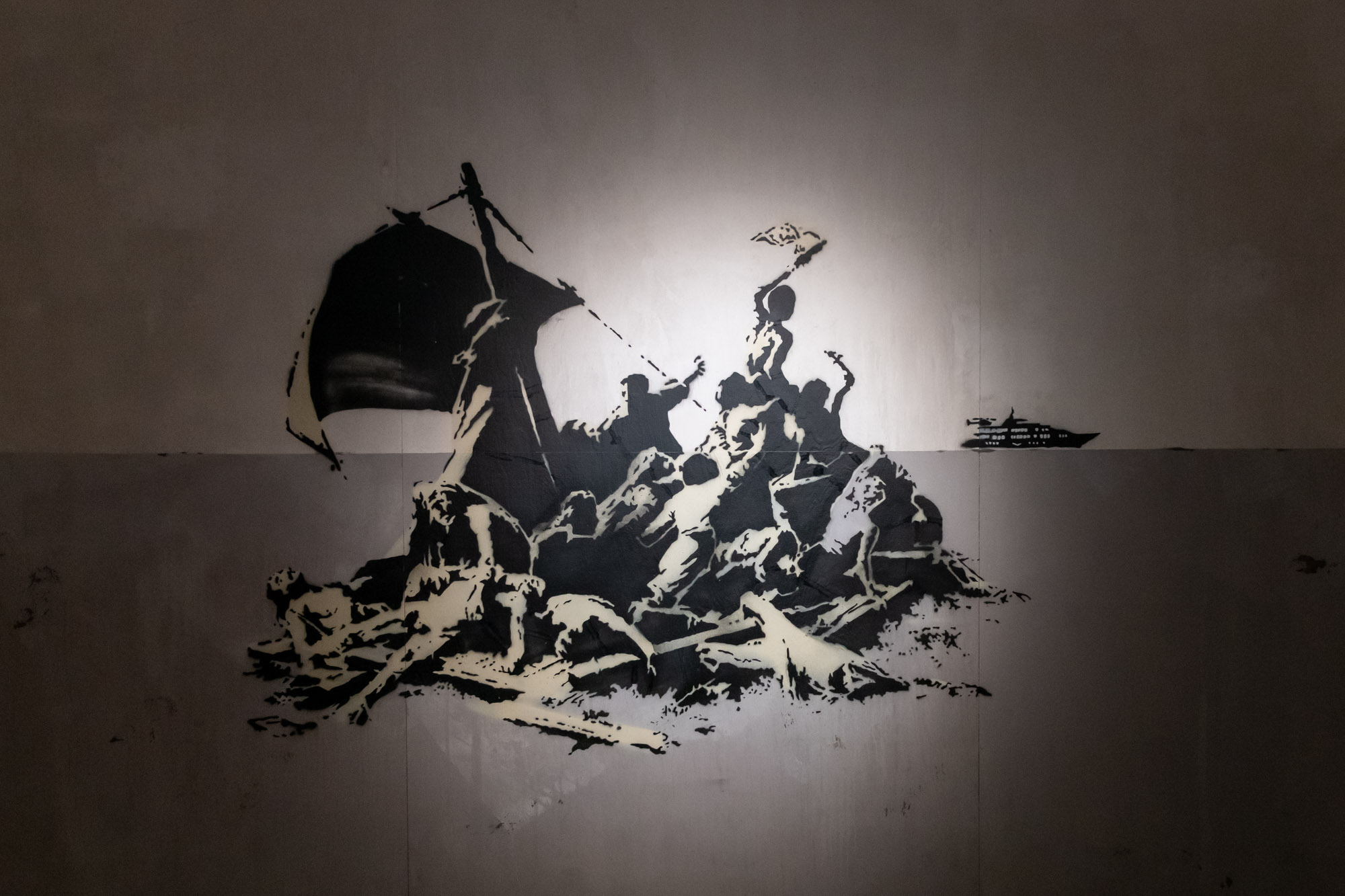
This is an artistic parody of Théodore Géricault’s “The Raft of the Medusa”. While Gerricault painted the plight of a bunch of shipwrecked soldiers, Banksy that projected that idea on to our times of the have and have-nots, with a luxury yacht thrown in.

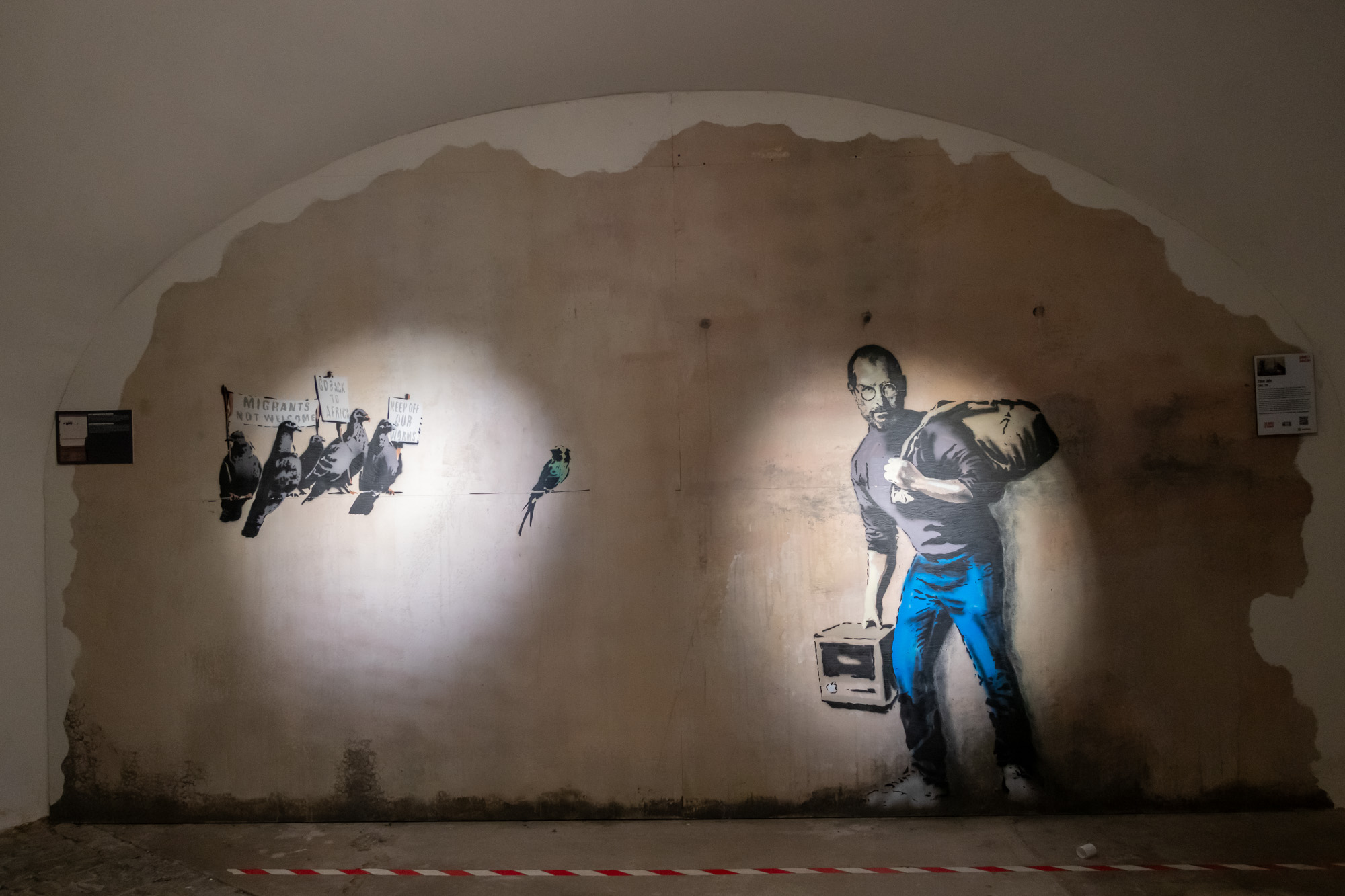
This artwork was executed in a refugee camp called “The Jungle” that existed in Calais in France between January 2015 to October 2016. In this mural, which was unveiled on 11 December 2015, Steve Jobs is shown carrying a typical black garbage bag as is often carried by refugees, slung over his shoulder and the original Apple computer in this other hand. At a time when the refugee crisis was at its peak with many countries looking down upon immigrants, Banksy was reminding the world that the founder of the most valuable company in the world, was himself the son for an immigrant from Syria. The sad truth is that this artwork is even more relevant today, than it was in 2015.

Capitalism, unabated.

On 5 October 2018, the “Girl with Balloon” went up for auction in Sotheby’s as a framed artwork and it sold for a record-breaking (for Banksy) price of GBP 1,042,000/-. Immediately after the final bid was accepted, a mechanical paper shredder hidden in the frame started destruct the painting, much to the dismay and horror of a room full of bewildered art collectors. The shredder malfunctioned when it was about half-way through and so the painting was not fully destroyed. It seems that Banksy had gifted this artwork to a friend in 2006 and he had installed the shredder then itself with a plan to destruct it, should it ever be sold in an auction. 

Three years later, this artwork, which was partially destroyed, was renamed as “Love Is In The Bin” and was sold at another auction at the same Sotheby’s for a yet another record-breaking price of GBP 18,582,000/-. 

Here Banksy is seen mocking the art collectors who buy artworks at astronomically high prices. I was tempted to compare this work with what happened with the Girl with Balloon. I had read about the incident at the time and wondered whether the purchaser would agree to buy it now that the work itself was damaged. It just showed how little I understood the brains of the moneyed that operate in the art world. After the event, there were some negotiations, and the buyer agreed to pay the full price. Sotheby’s labelled the whole episode as “the first artwork in history to have been created live during an auction”. It sems market watchers had speculated then itself that the self-destruction would increase the value of the painting. Looks like they were right because the artwork appreciated in value from 1 Million to 18.5 Million in just three years; a return in investment that even the best investors can only dream about. So, they are not “morons” as Banksy states in his work. This ability to pivot and take on challenges and convert them into opportunities is a unique aspect of capitalism. 

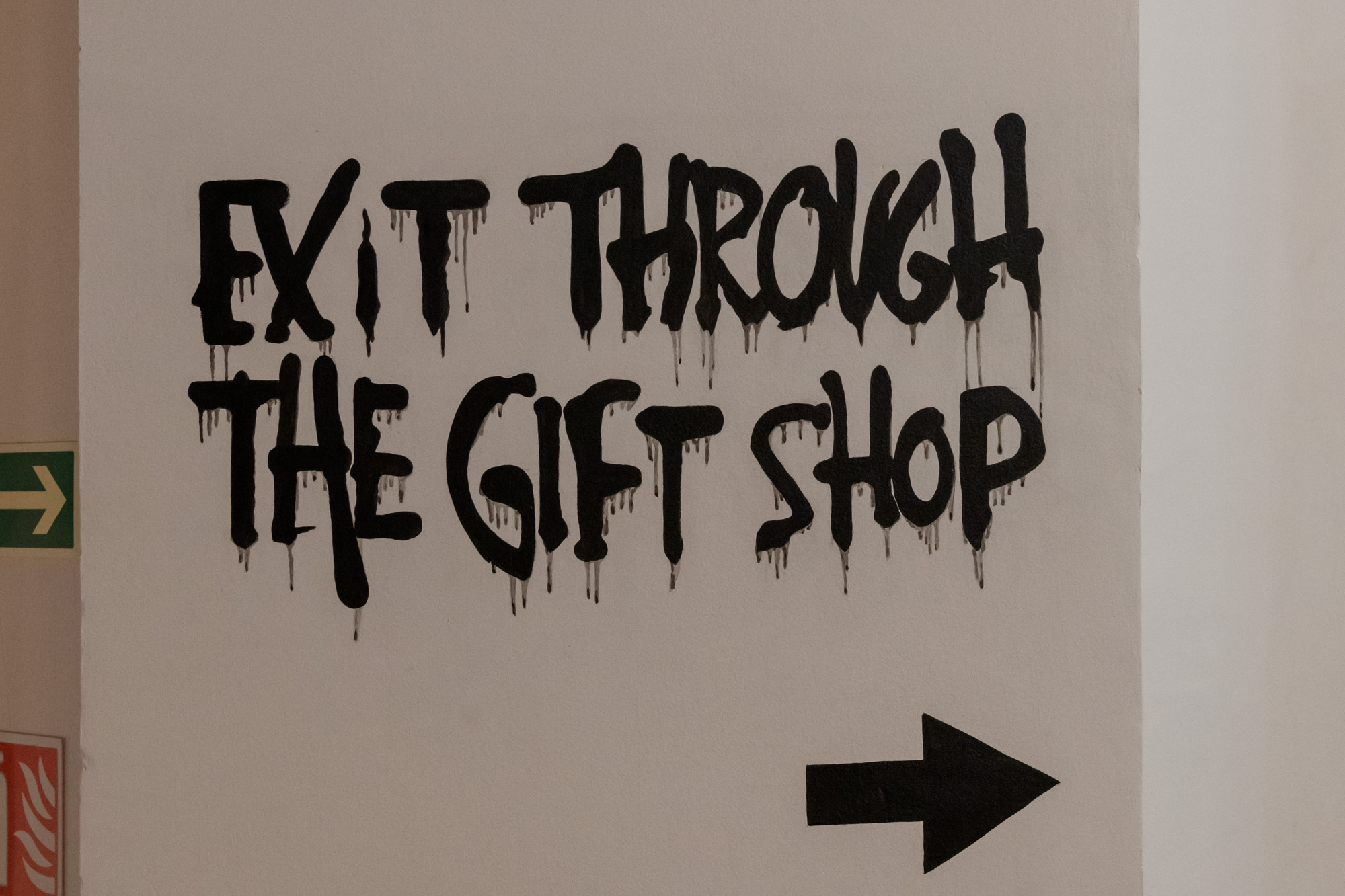
No, this is not an artwork artwork (yes, this is a Banksy work, but here it is actually meant to be functional)! The Banksy Museum is no different from other museums in this aspect and they too force the visitor to move through a shop, hoping to monetise the viewer’s receptive state of mind, coming after watching the exhibition. Banksy is a genius, and I felt this was an insult to him. Or maybe, as a friend remarked, when I sent him a photo of this, “That is the actual Banksy work there”. 

Yesterday, a chance encounter in the tram, enroute to the Van Gogh Museum resulted in me changing plans and heading to the Stedelijk Museum. This is a museum dedicated to modern art and is right next to the Van Gogh Museum, in Amsterdam. I have seen many Van Goghs in different museums and so I thought it would be good to check out what the Stedelijk had in store. 

They have three sections dedicated to period upto 1950, 1950-1980 and 1980 onwards. A large painting and an installation by Anselm Kiefer greet you as you enter the museum. These fantastic works speak about the futility of war and are just phenomenal. However, this piece is not about these works or the museum itself. There are many interesting pieces in the museum, and you can easily spend hours there. 

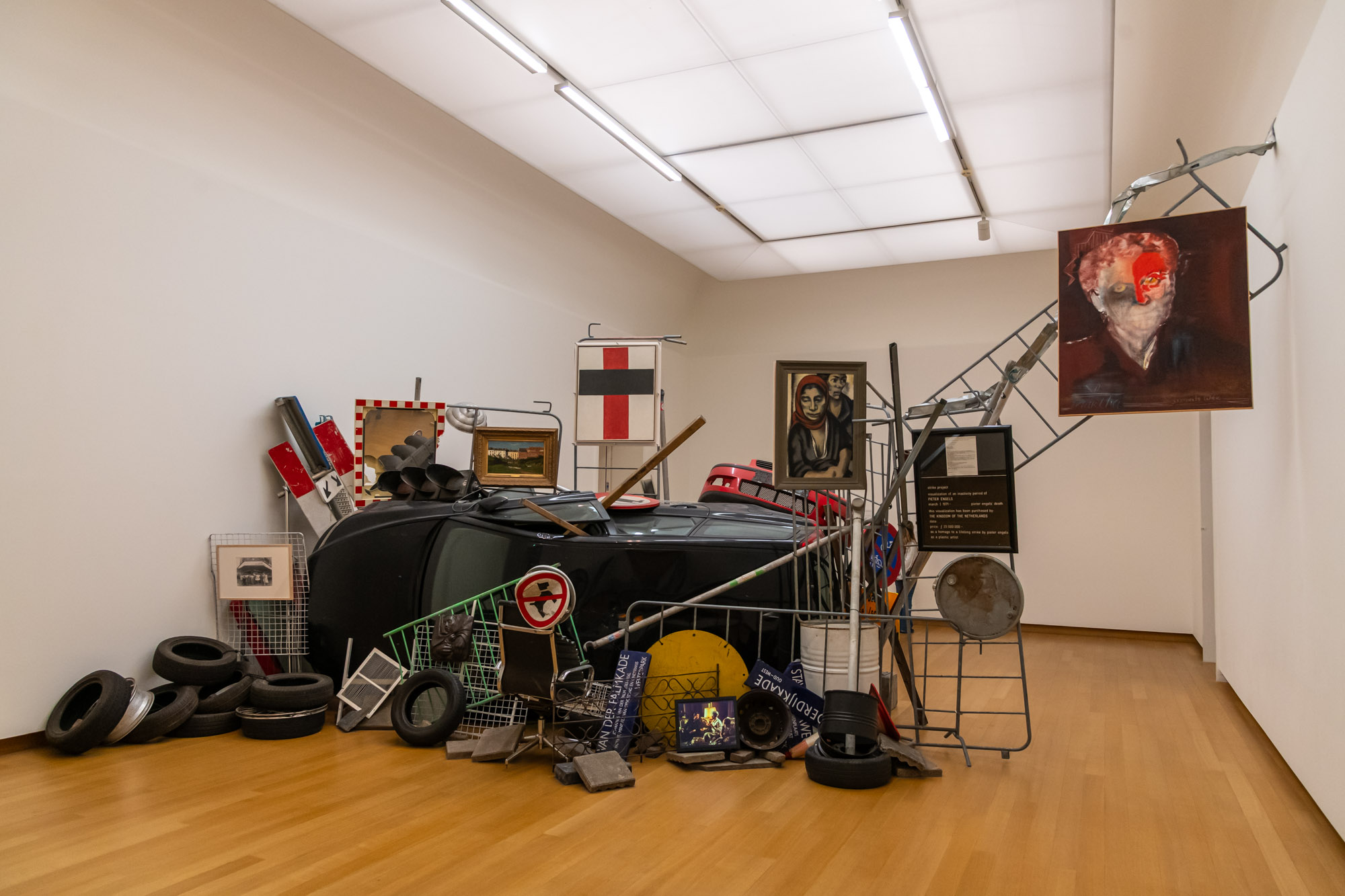
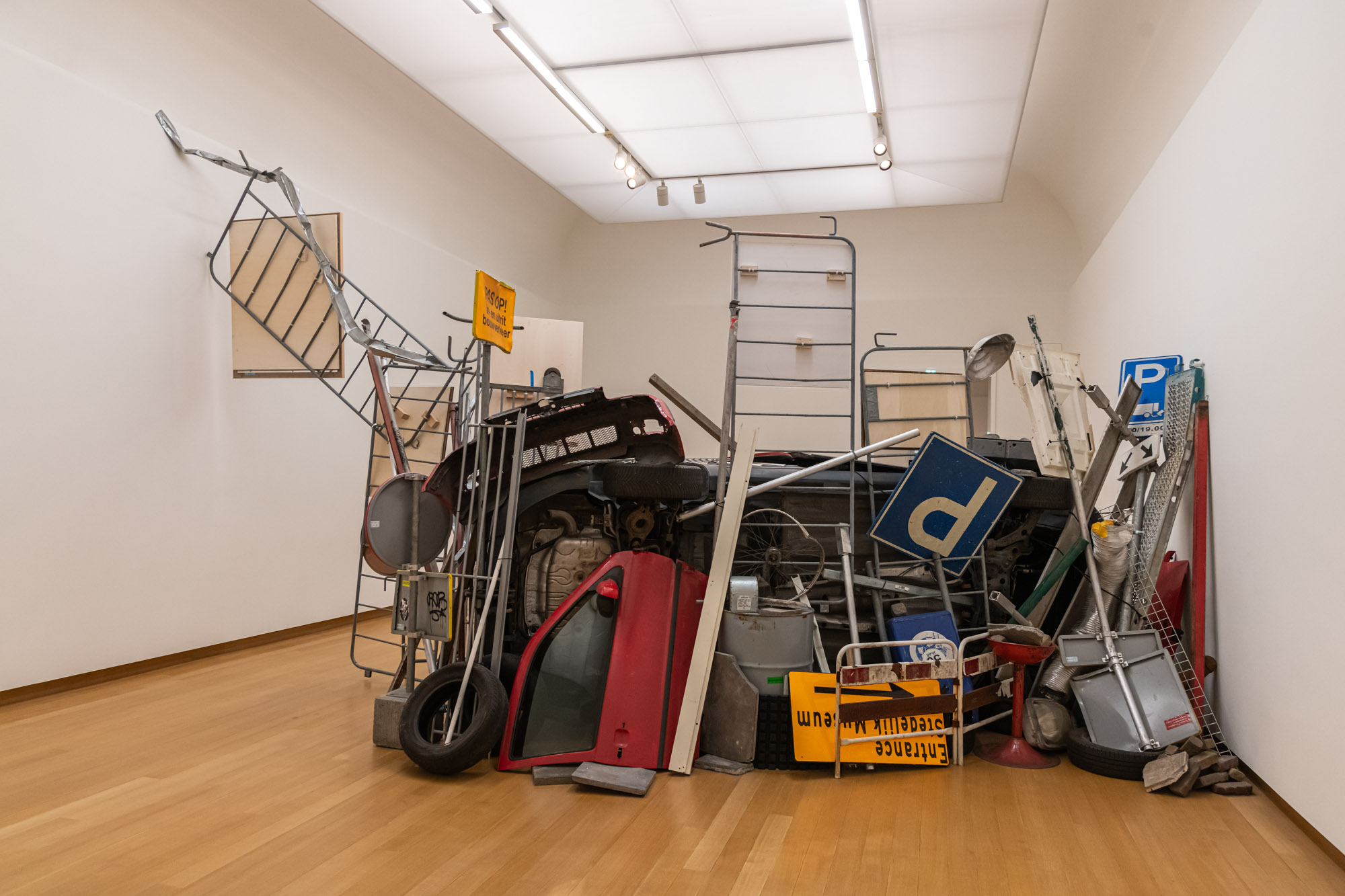
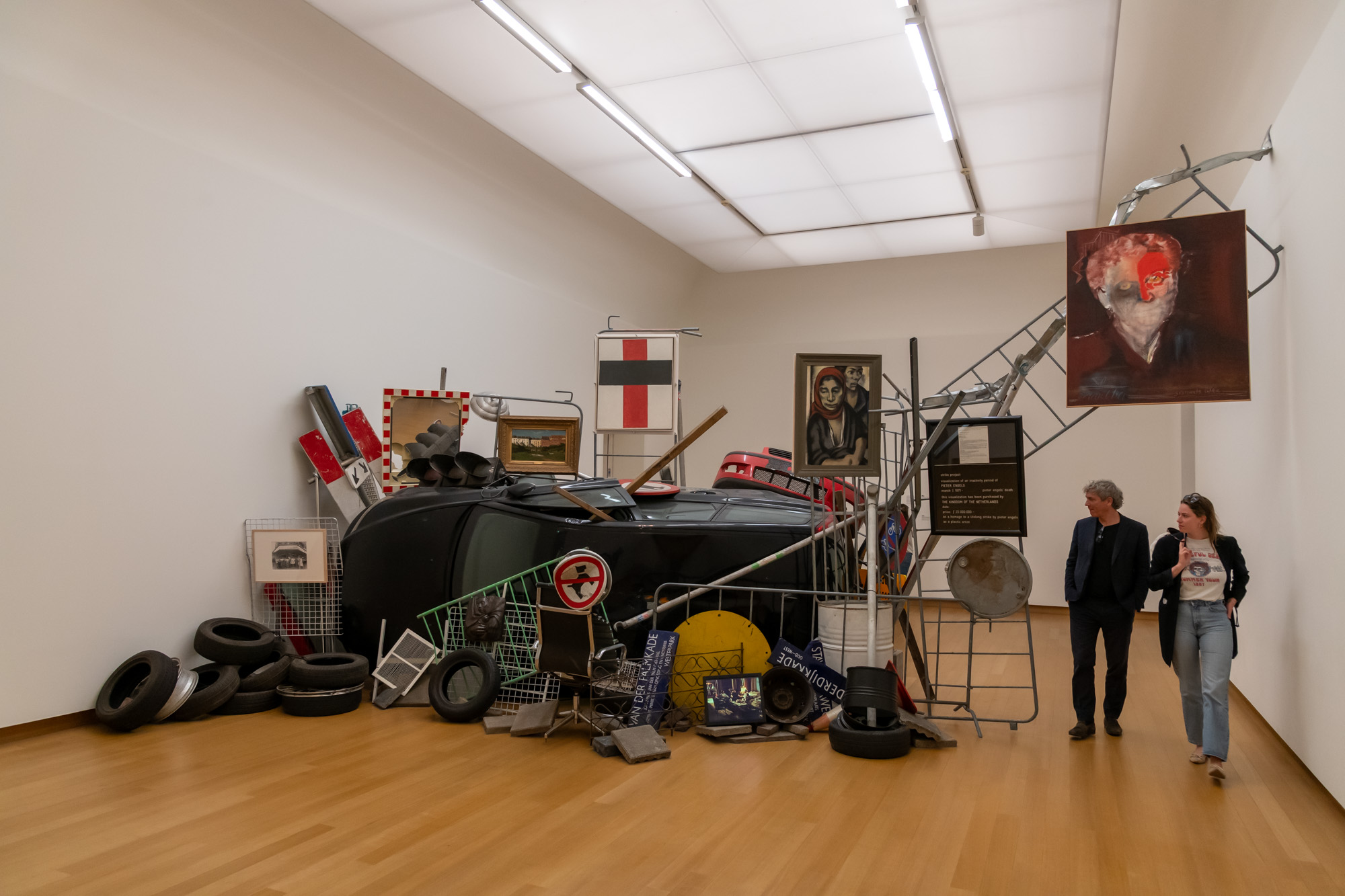
For me, one installation stood out and that was the central attraction for me in my visit to the museum. This was “Bakunin’s Barricade” by Ahmet Ogut. I wasn’t familiar with him, and a quick look on the internet made me realise that my lack of familiarity was clearly a pointer to my awareness about the art world. He is a Kurdish conceptual artist who studied art in Istanbul and Amsterdam and works mostly in Amsterdam now. 

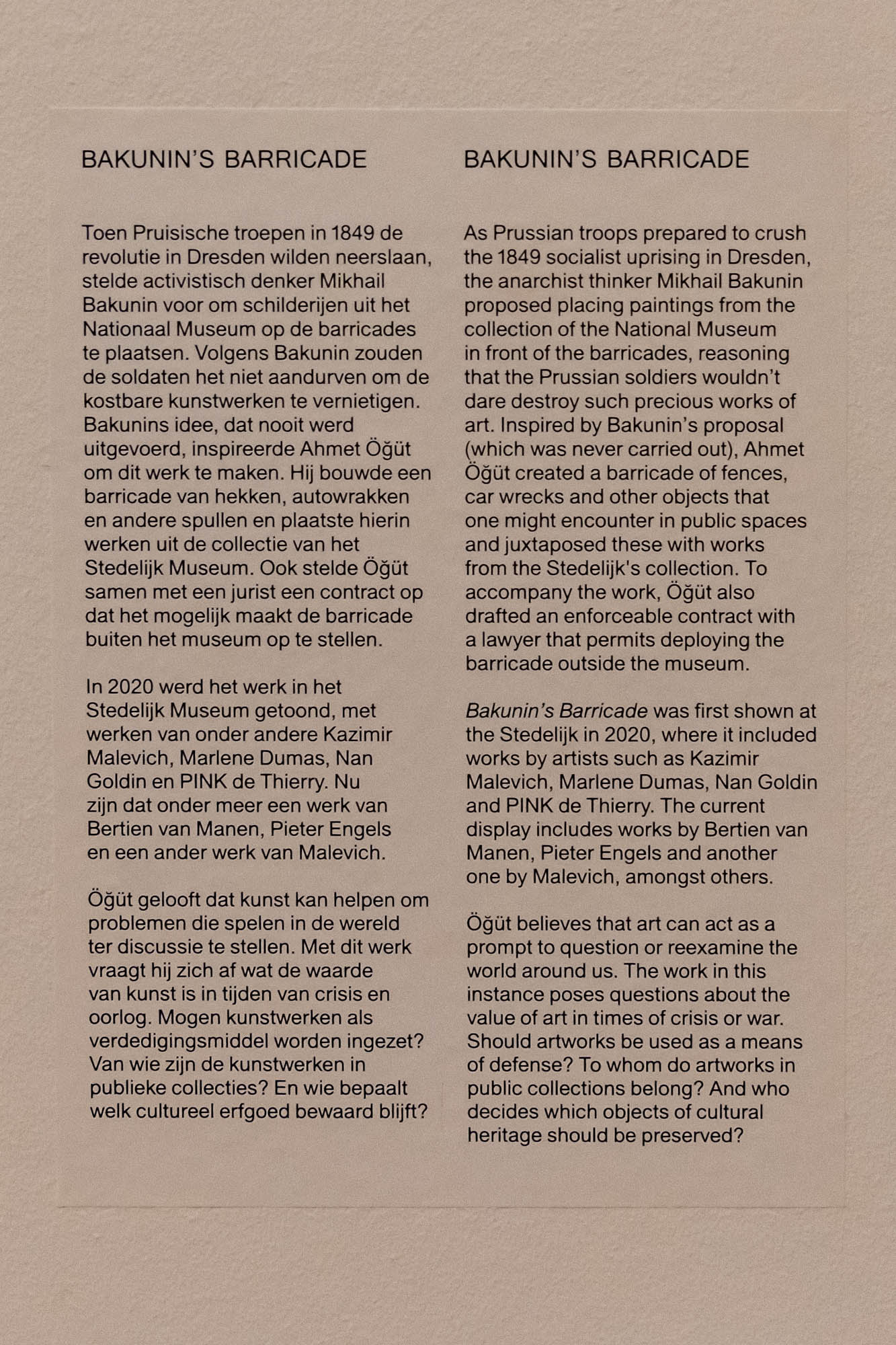
In 1848, there were Socialist uprisings in German states and it spread to Dresden in May 1849. The Municipal councillors in Dresden revolted against the King and with the help of the Municipal Guards, prepared themselves to stop the expected Prussian intervention. About 108 barricades were set up across the town. Mikhail Bakunin, the famous Russian anarchist was involved in this uprising, and he came up with a suggestion that they could place paintings from the National Museum in front of the barricades to protect them. His theory was that the Prussian soldiers would not dare to destroy those important works of art. However, there was not much support for this idea, and it was not carried out. 

Ahmet Ogut has taken inspiration from this event and made his work, Bakunin’s Barricade, as part of an exhibition titled “In the Presence of Absence” in 2015. The Stedelijk Museum procured this artwork in 2020 and as part of the procurement, a contract was signed between the museum and Ogut, and in the contract, it was mandated that the installation should be permitted to be deployed outside the museum, should anyone ask for it. The installation is a barricade as one that would be made by protestors in the streets and in front of the barricade, are works from famous artists like Kazimir Malevich, Marlene Dumas, Nan Goldin, PINK de Thierry and others. Ogut has recreated Bakunin’s idea in this installation. 

On 28 May 2024, a group of activists planning a protest against the human rights violations in Gaza, asked the museum to lend the artwork to them for using in a demonstration by students. They wanted Ogut’s artwork to play the role it was supposed to. The museum authorities were in a fix! They had signed a contract which specifically mandated that they should honour such requests, but it looks like they never expected anyone would actually make such a request. The contract also had a clause that the museum could decide, on a case-to-case basis, at their own discretion on whether a specific request was to be honoured or not. After mulling over the matter, they took a position that they could not take the risk of lending original artworks to be put on the barricade, as they might be damaged, but offered to provide replicas. Obviously, this was the same as refusing to lend the artworks as Bakunin’s whole premise was that government authorities would not destroy the barricades because the art works were original and thus precious. Nobody would have bothered about replicas. The museum authorities took the position that they had a responsibility to the people to protect original art works and could not jeopardise the safety of the art works by lending them to the protestors. 

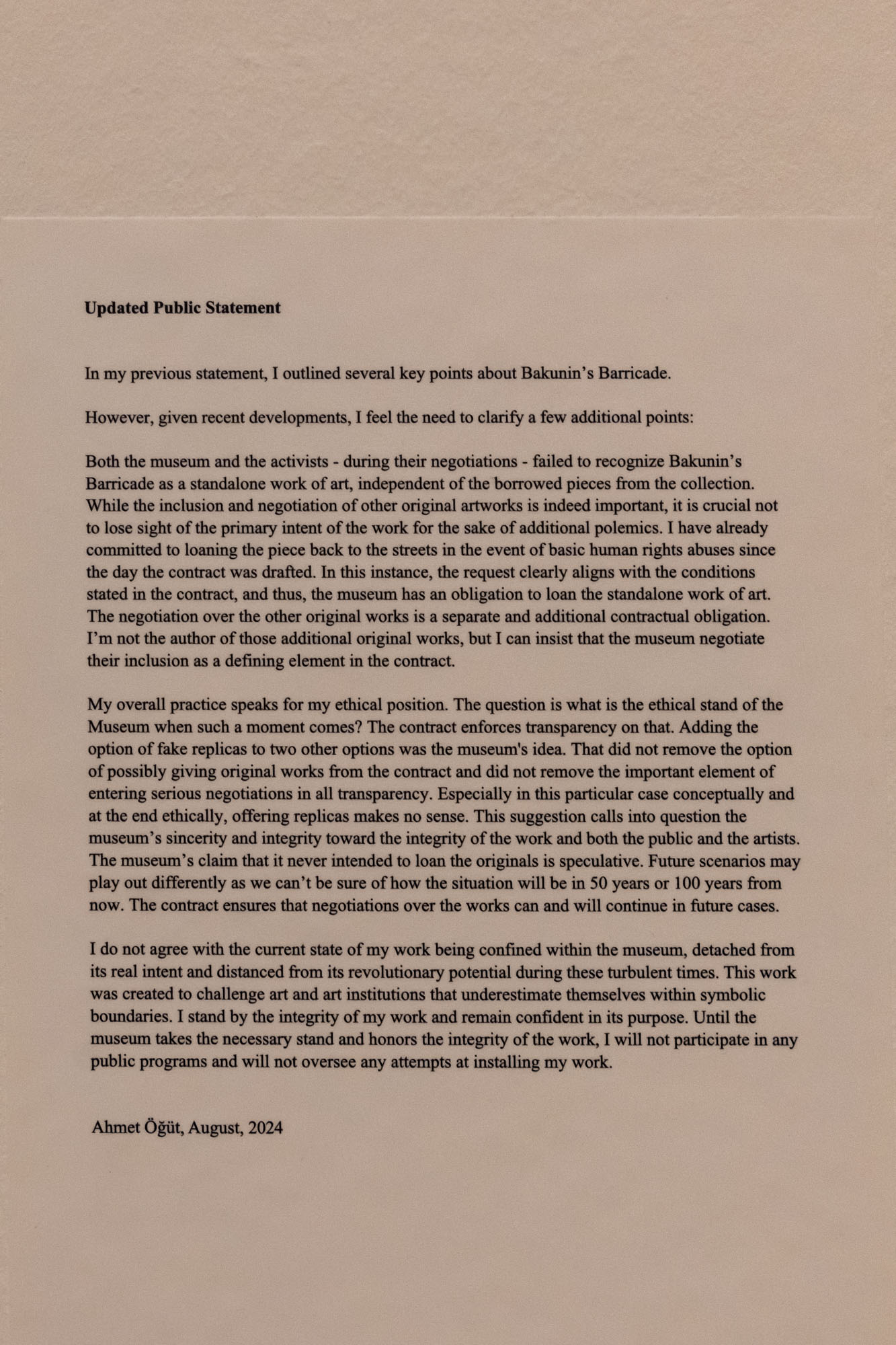
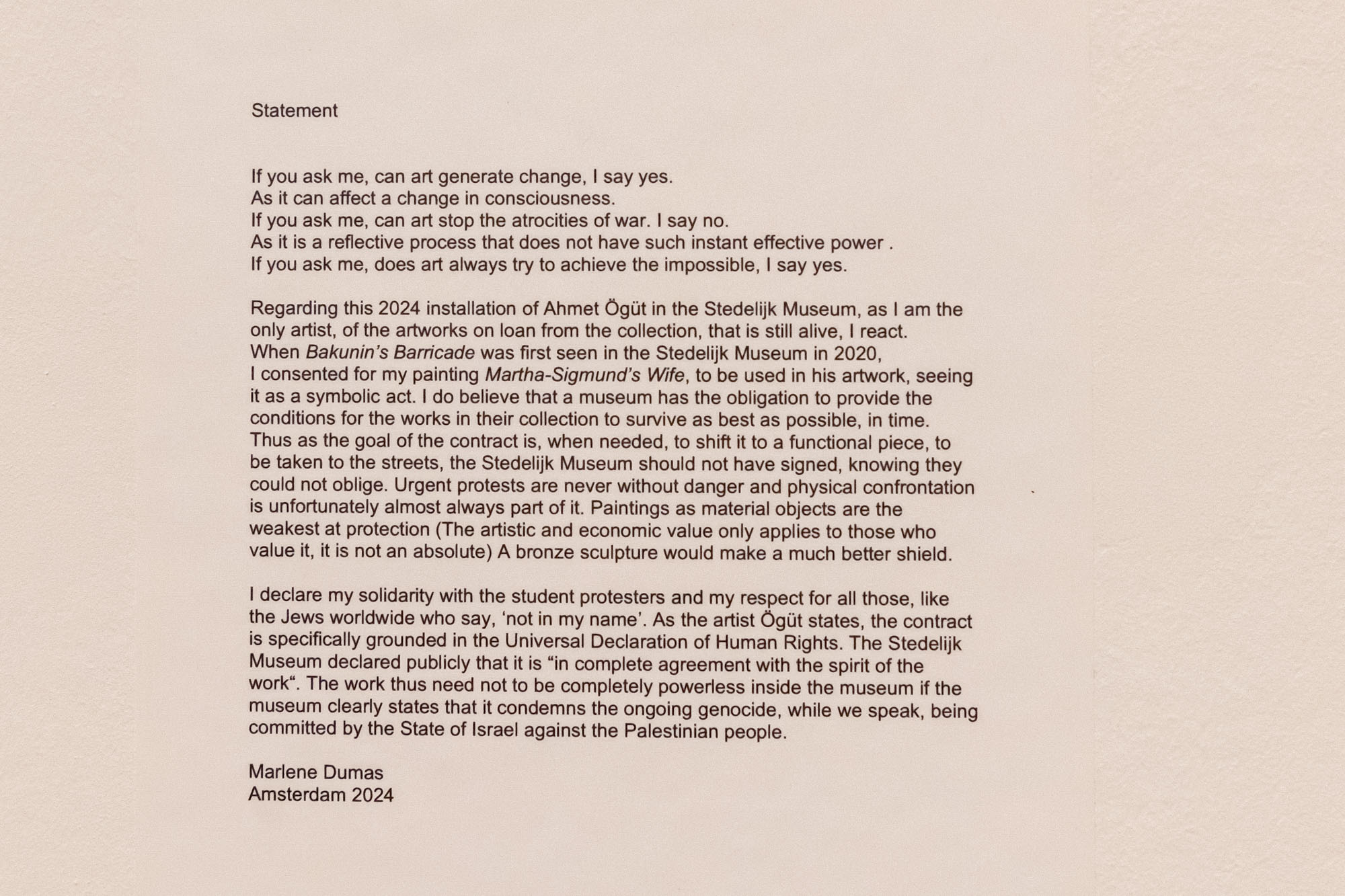
The protestors and Ahmet Ogut himself were not impressed; Marlene Dumas also was not convinced by the position taken by Stedelijk. The question that came up was why the museum had signed such a contract in the first place, if they had no intention of honouring it, especially when the request was made for an event to protest against the genocide in Palestine. Ogut contended that if the Museum did not want to lend artworks of others, they could have lent his work, just the Barricade. He felt that once other artists saw his Barricade being lent, they would have come forward and given their works as well. He condemned the position taken by Stedelijk and announced that he would not take part in any program nor oversee the installation of the Barricade elsewhere, till the museum changed its position. The group of activists didn’t mince their words and accused Stedelijk of preferring “economic interests over people”.

The museum authorities have now displayed all of this as part of the installation. The letters sent by the activists, the response by the museum, statements by Ahmet Ogut and Marlene Dumas are all displayed. In the audio commentary, the museum director asks a question to visitors on what they would have done, in this situation.

I found this to be a very remarkable artwork altogether. Firstly, the fact that an idea proposed and abandoned more than 175 years ago found relevance in a contemporary political action, is just astounding. Even more is the vision of Ahmet Ogut in coming up with this artwork and then inserting that clause in the contract. It speaks volumes of his genius and his politics. Clearly, the museum was caught totally unawares and I also suspect that the cause itself – that of protesting against Israel’s genocide – had something to do with the decision to not lend the artwork. 

The most intriguing aspect was the museum itself deciding to curate and present this issue in front of the public. In nine cases out of ten, museums would have just kept silent and hoped that the controversy would just die down over time and go away from public memory. However, in a very clever (or should I use the word cunning) move, the museum itself has chosen to project the issue and keep it in the public discourse. I found that quite unusual and interesting. I tend to agree with the position taken by Ahmet Ogut in this issue and the museum should have lent at least his work; but these days, integrity and justice are two concepts that are felt more by their absence than by their presence. 

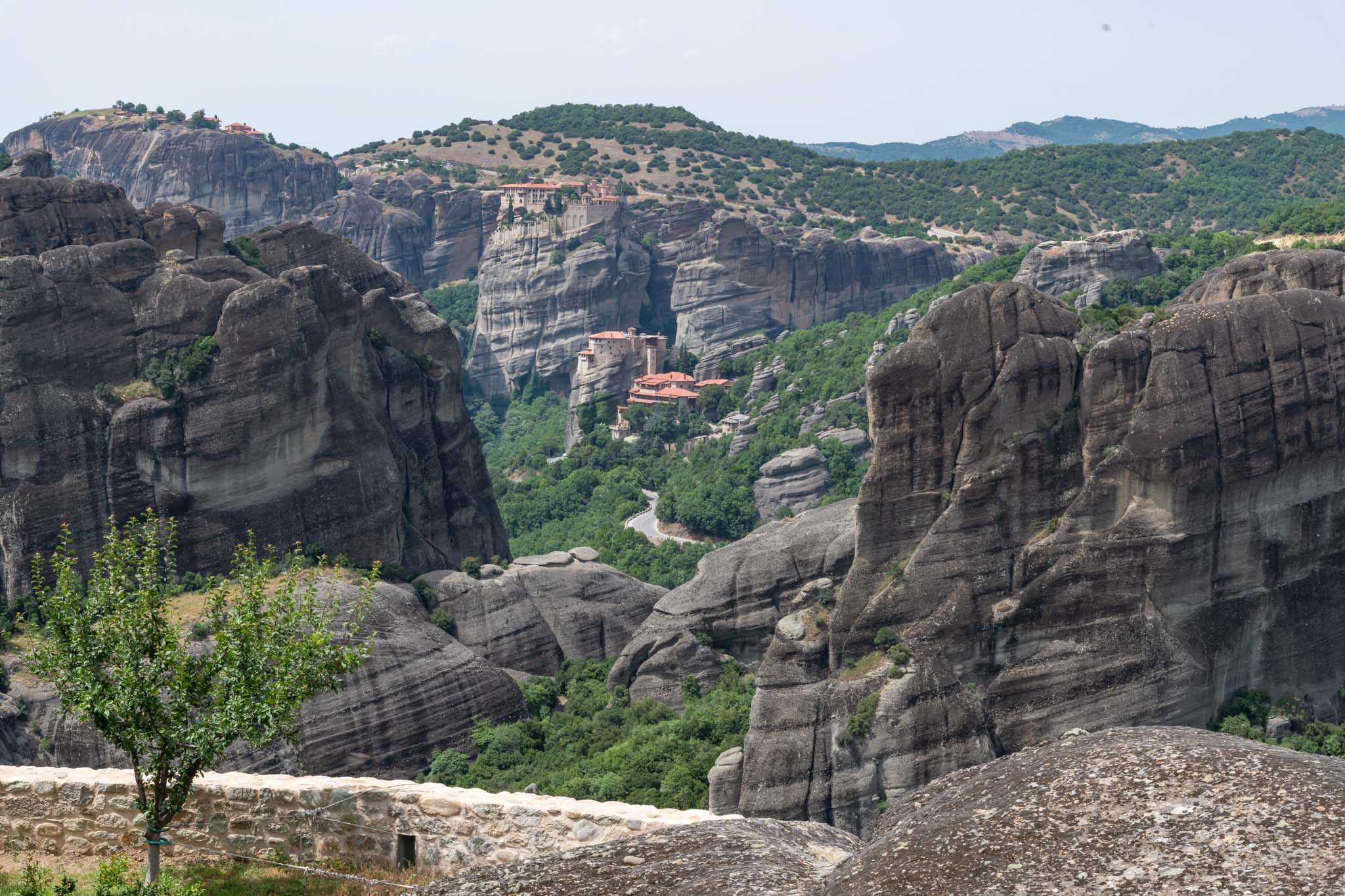
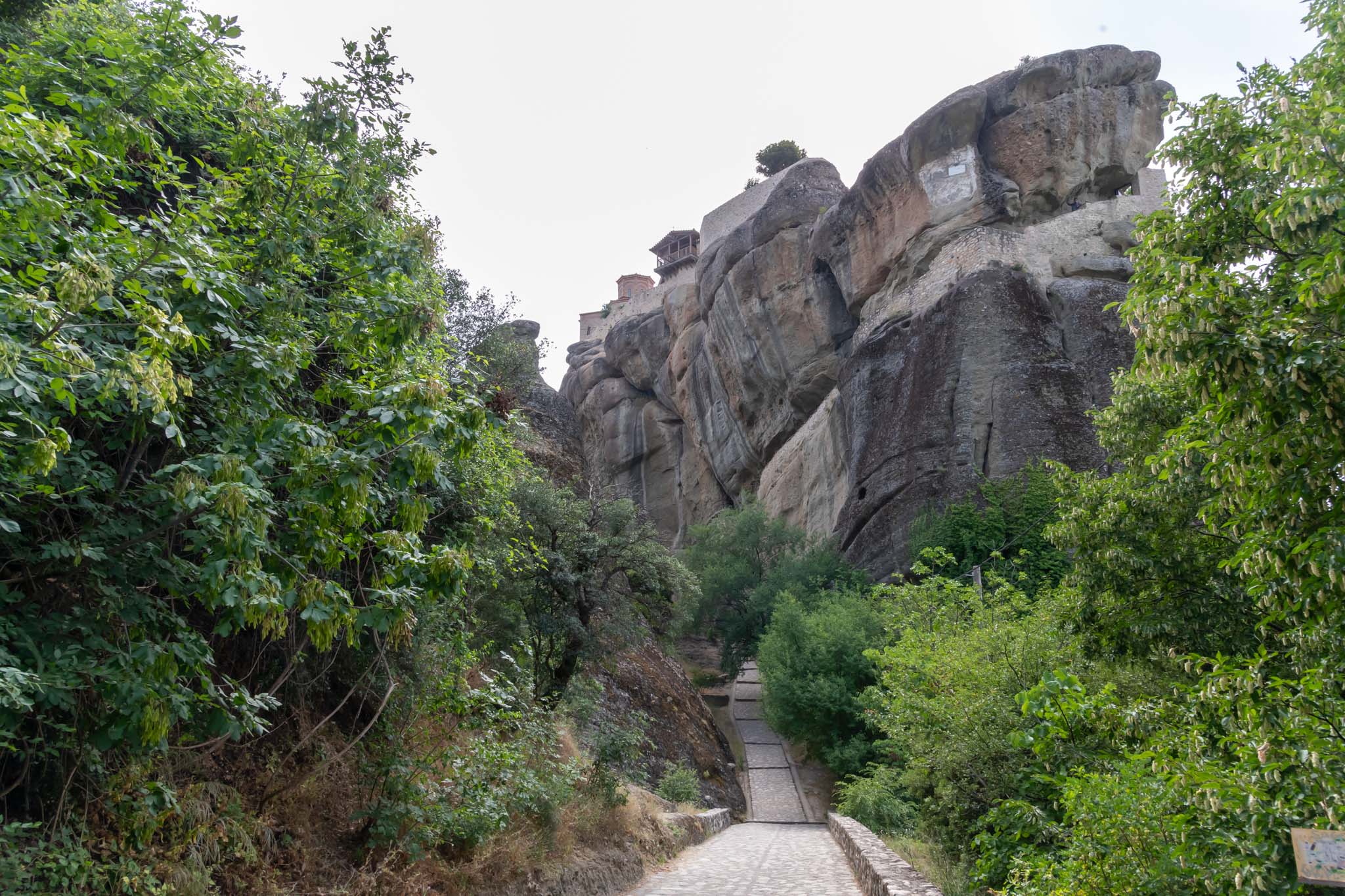
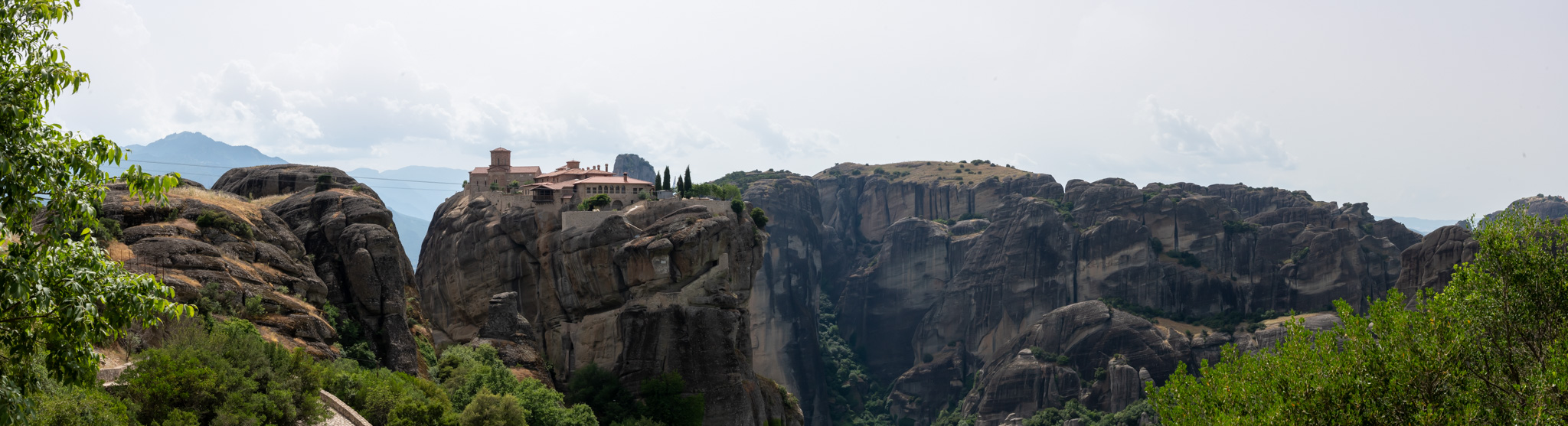
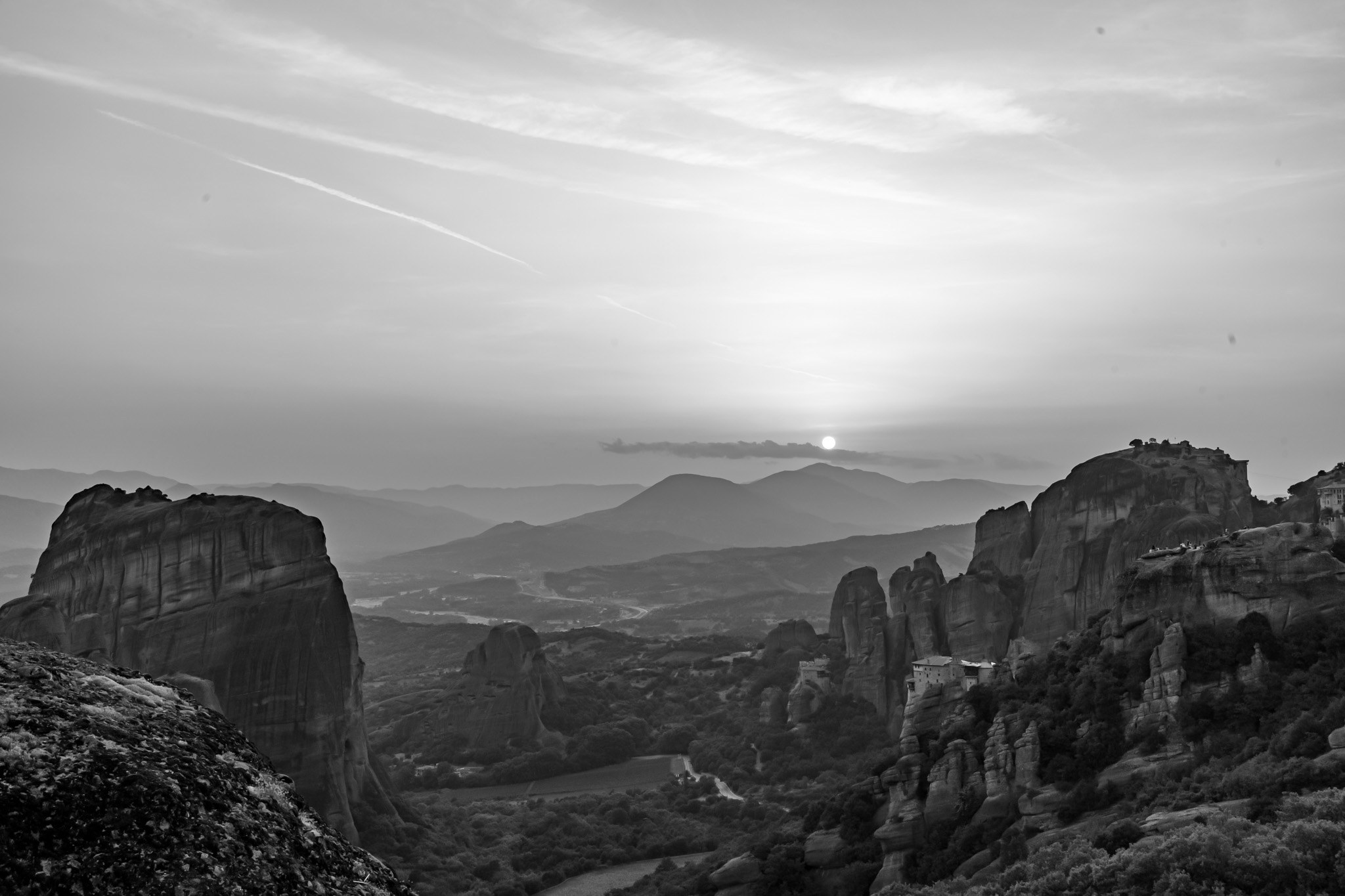
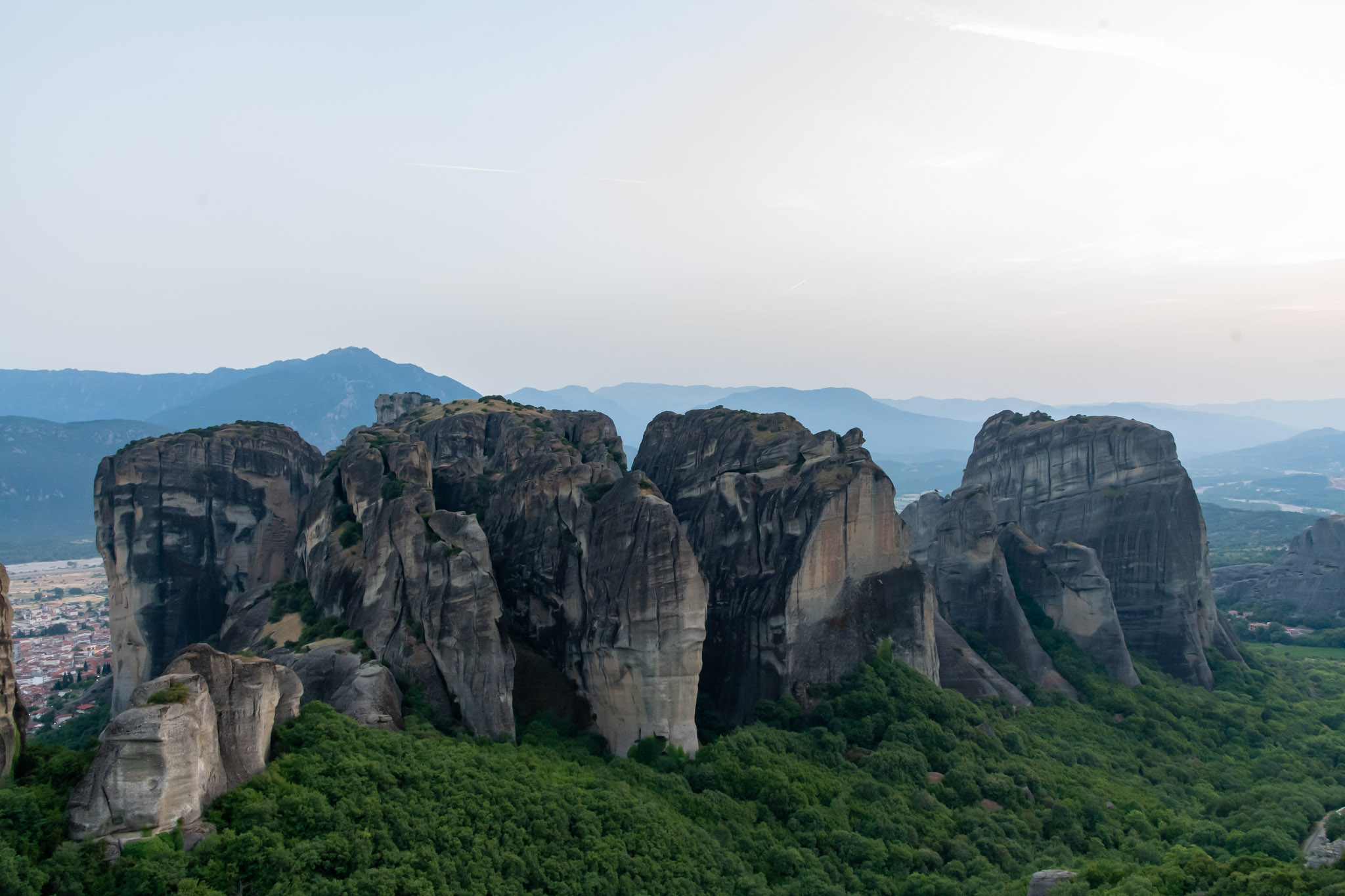
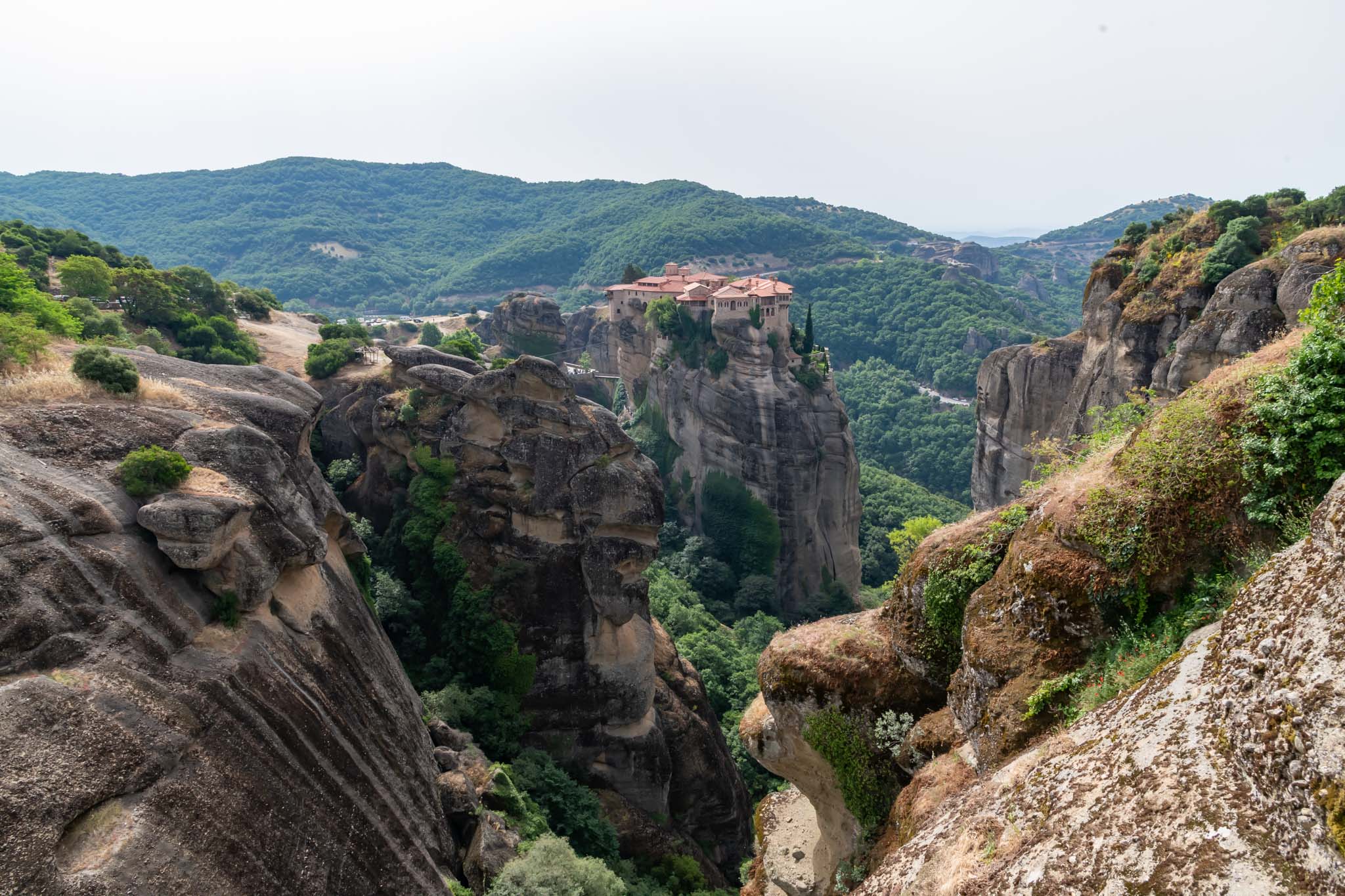
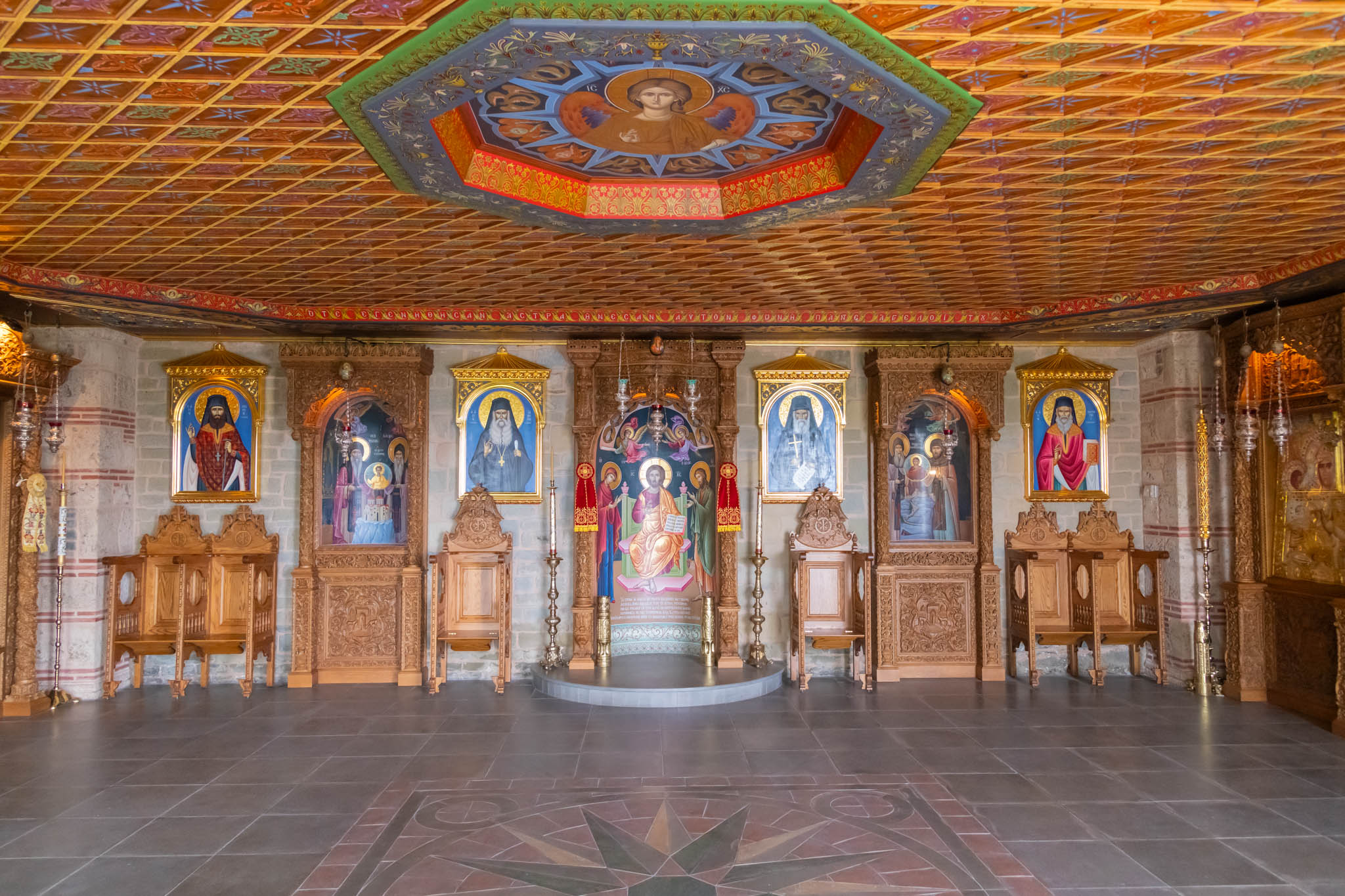
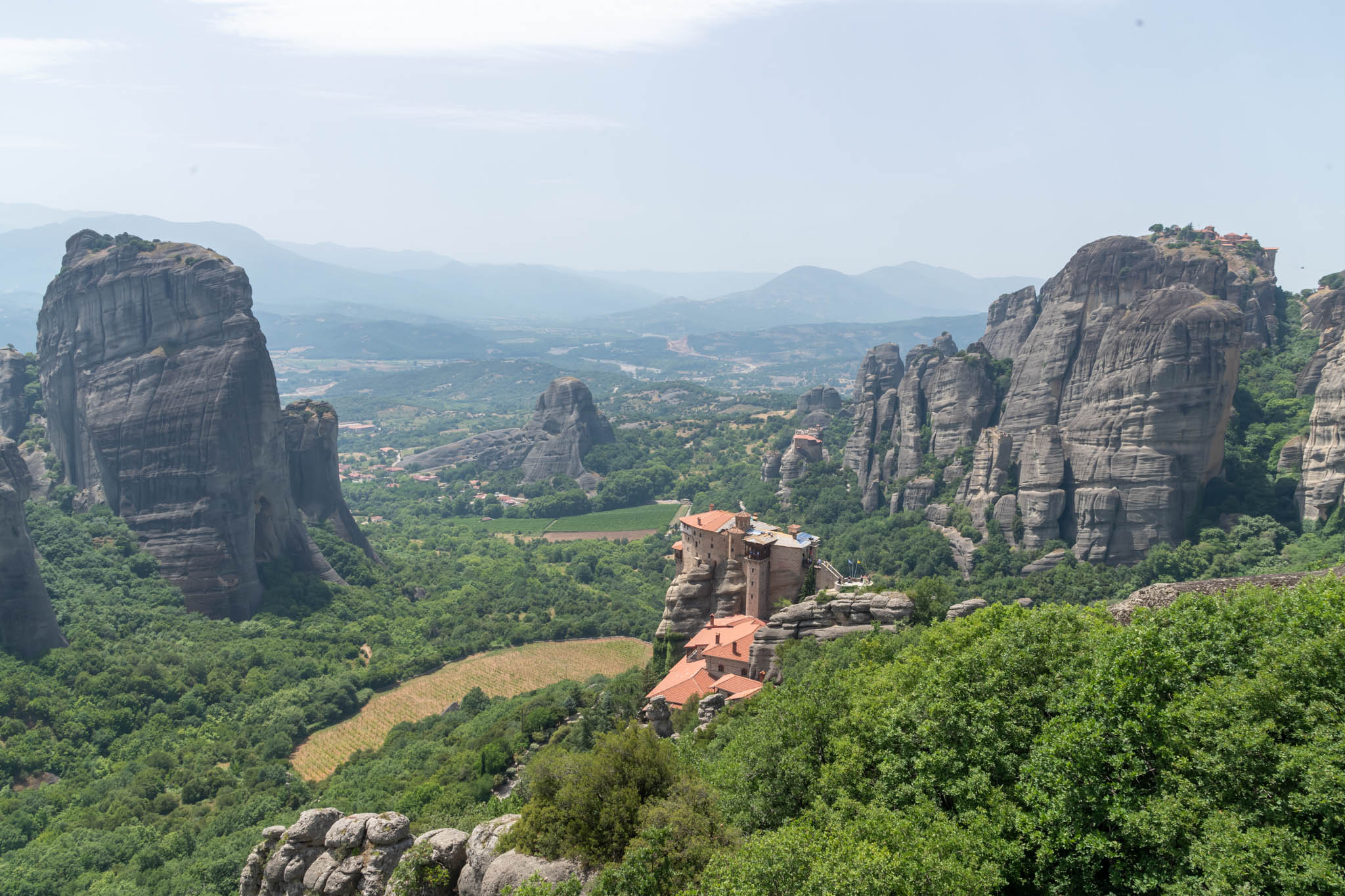
Floating Monasteries! What image does that phrase bring up, when you close your eyes? I actually pictured medieval buildings floating in air. Needless to say, this caught my fancy, and I decided to include it as part of our itinerary during our visit to Greece. I am talking about Meteora, which literally means “suspended in the air” in Greek; the land where twenty four monasteries were built on inaccessible peaks. Monks started settling in this region of Thessaly from the 11th century itself; some records says that monks with climbing skills had been living in rock caves since the 9th century. In the 14th and 15th centuries, these Christian monks faced increasing persecution as the Ottoman empire expanded and, in this period, these monasteries were built on inaccessible locations so that the monks would have a safe haven. How they managed to build in such places, is quite beyond me.

The town nearest to Meteora is Kalabaka, which is about three and a half hours’ drive from Athens. Kalabaka is basically a small, quaint one street town with some nice restaurants. There are day trips by bus from Athens but since we prefer to explore on our own and wanted more flexibility, we decided to rent a car and drive. We started from Athens by mid-morning and arrived at Kalabaka by around 3 pm. While there were twenty four monasteries that were set up during the medieval period, only six are operational now and they house about 17 monks and 40 nuns. The monasteries are all set up to handle the tourist traffic and you don’t see any monks or get to see the areas that they use regularly. These monasteries are closed on different days of the week and our plan was to spend the afternoon of Sunday and full day Monday at Meteora and cover the important monasteries, as all but one of the monasteries were open on those days. An additional point to be considered while planning the itinerary is that the monasteries close by 3 pm or 4 pm. On the day of arrival, we had planned to go to the Holy Trinity Monastery and so we rushed there, soon after check in.

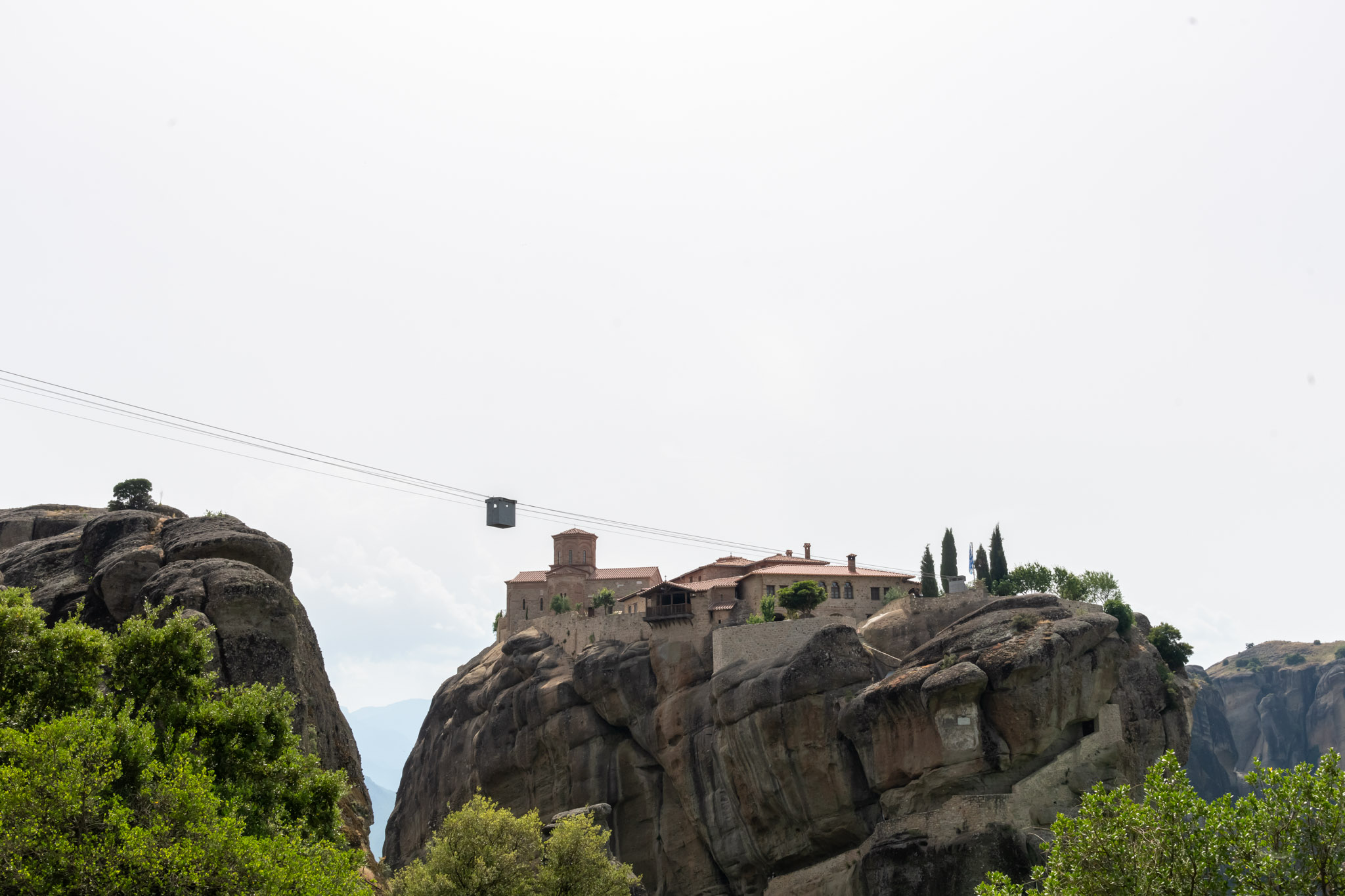
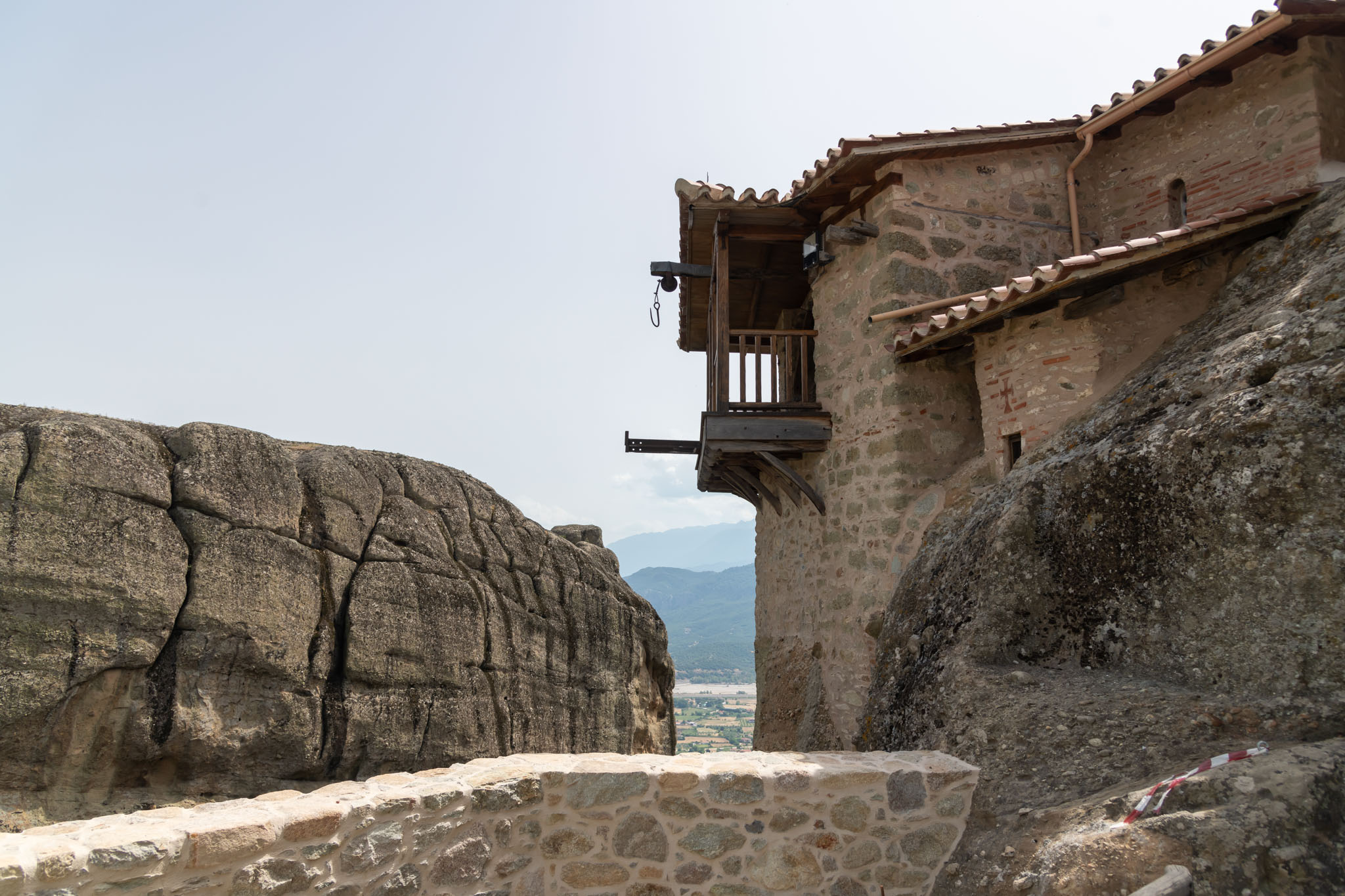
This monastery is also known as Agia Triada and is a difficult to access as it involves climbing up some 140 steps. It was set up in 1475-76 according to Wiki though local legend says that the monk, Dometius, the founder of the monastery, arrived at the site in 1438. During the initial times, it could only be accessed by ropes. This was the case with most monasteries, and it was only about 90 years back or so that the Greek government made roads that could help with the access to these monasteries. 

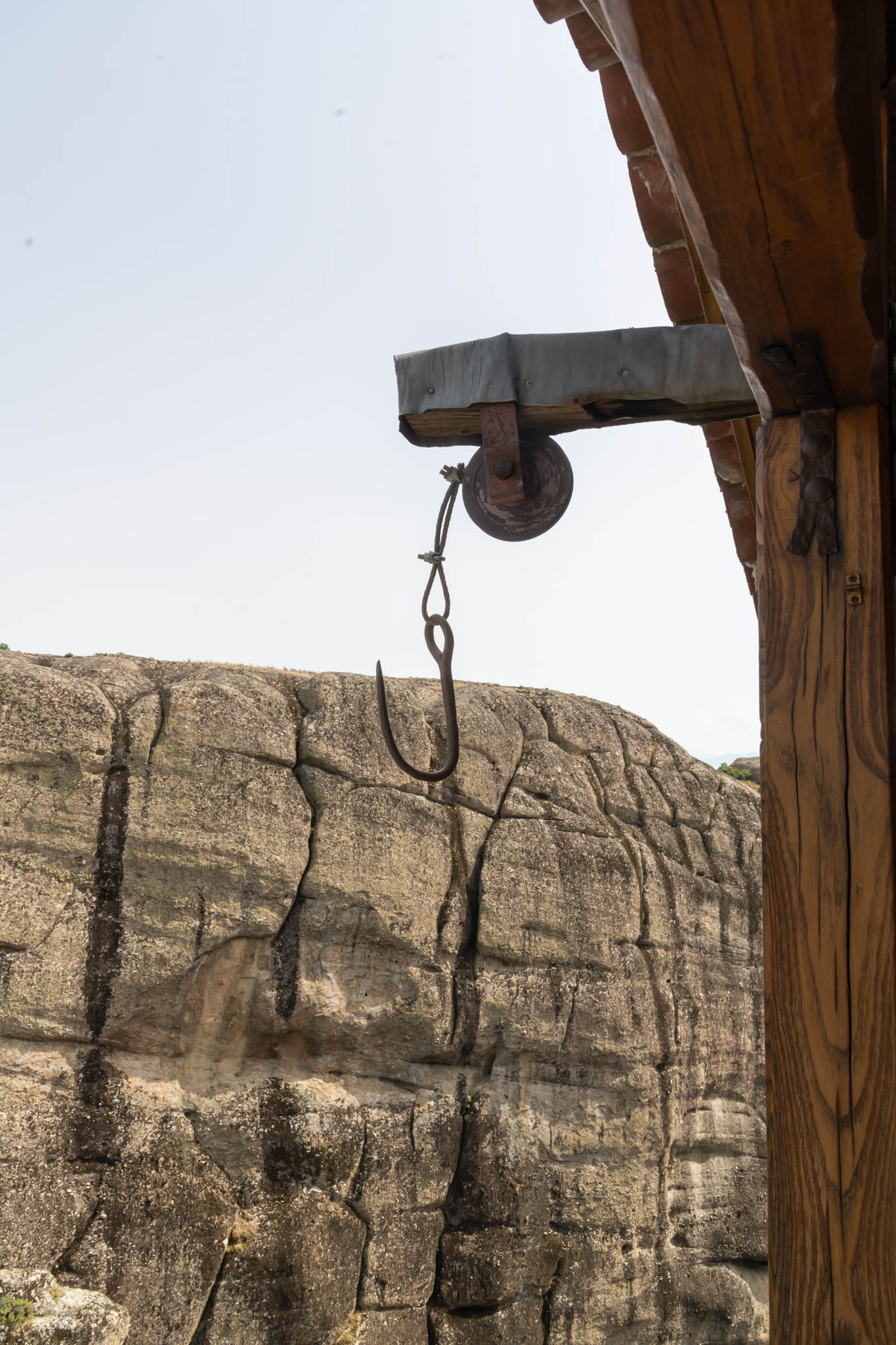
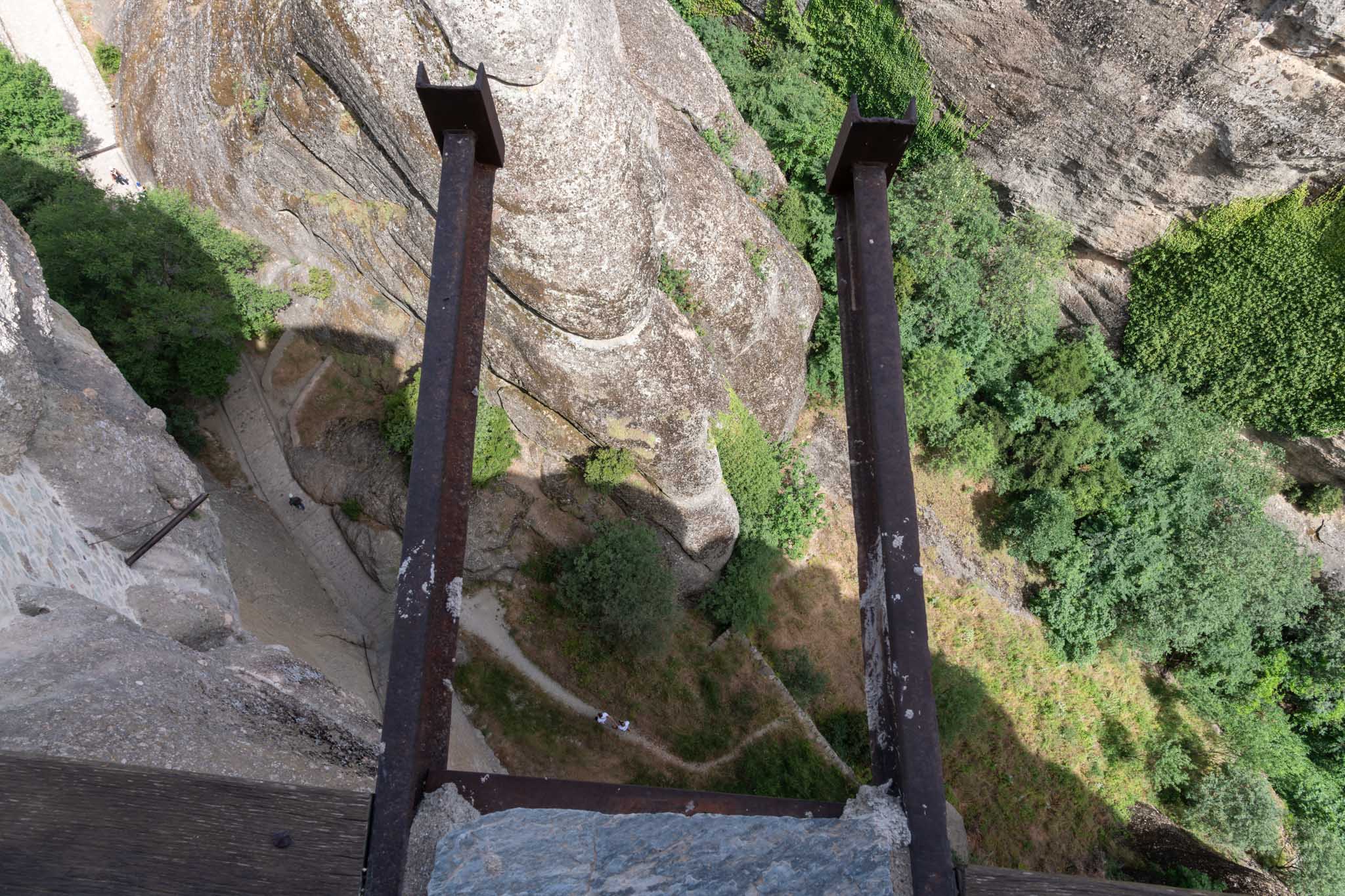
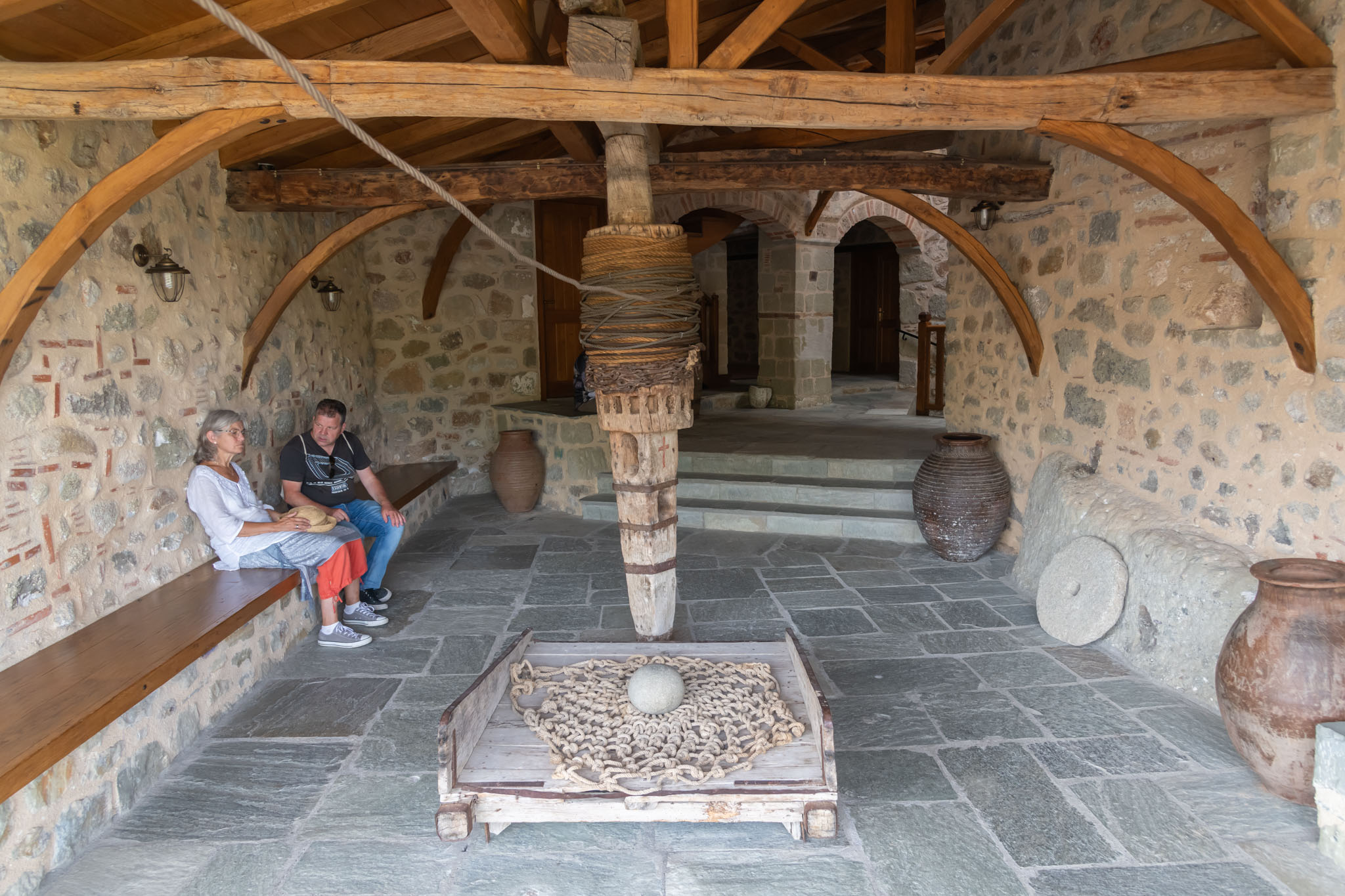
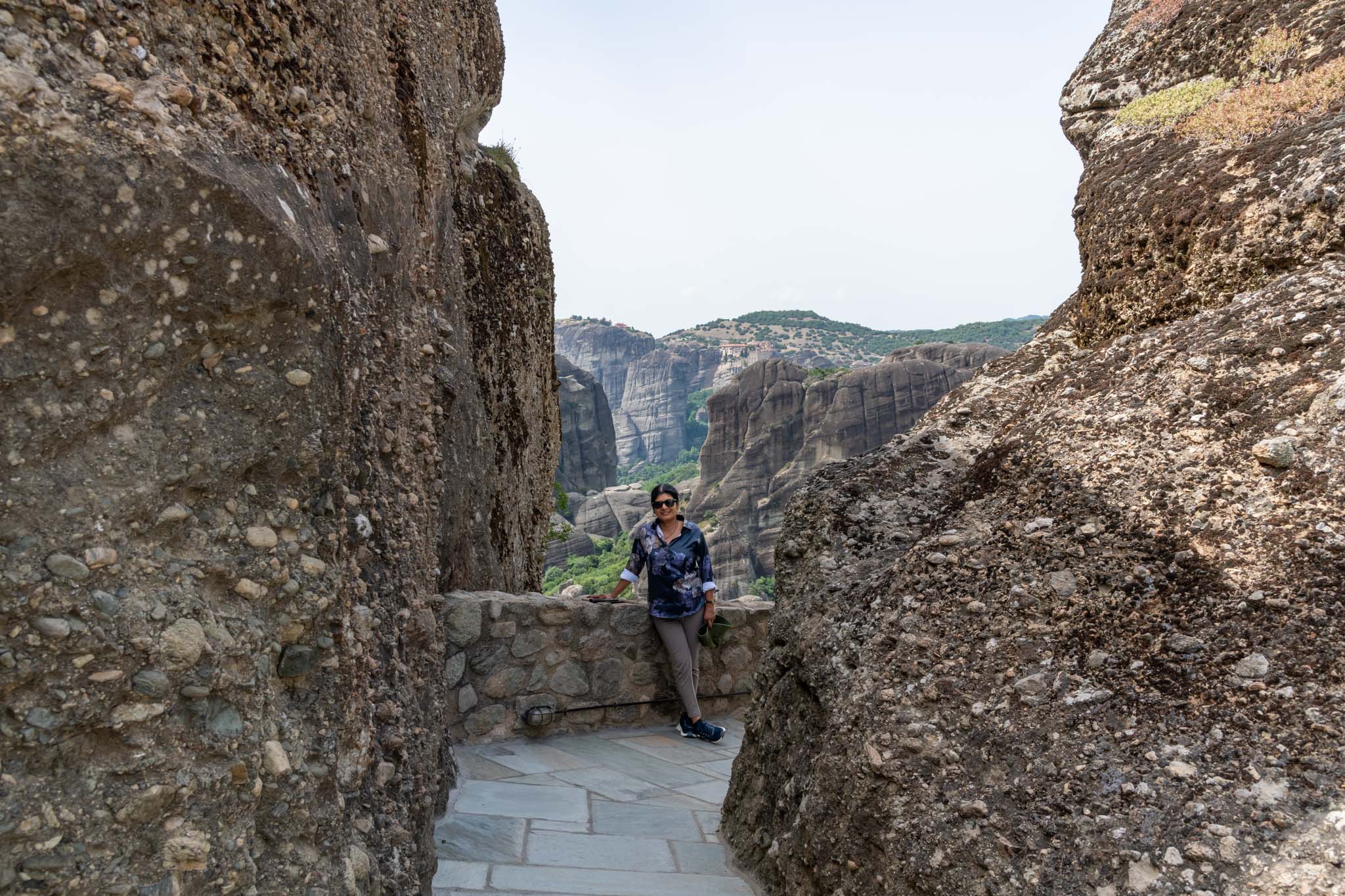
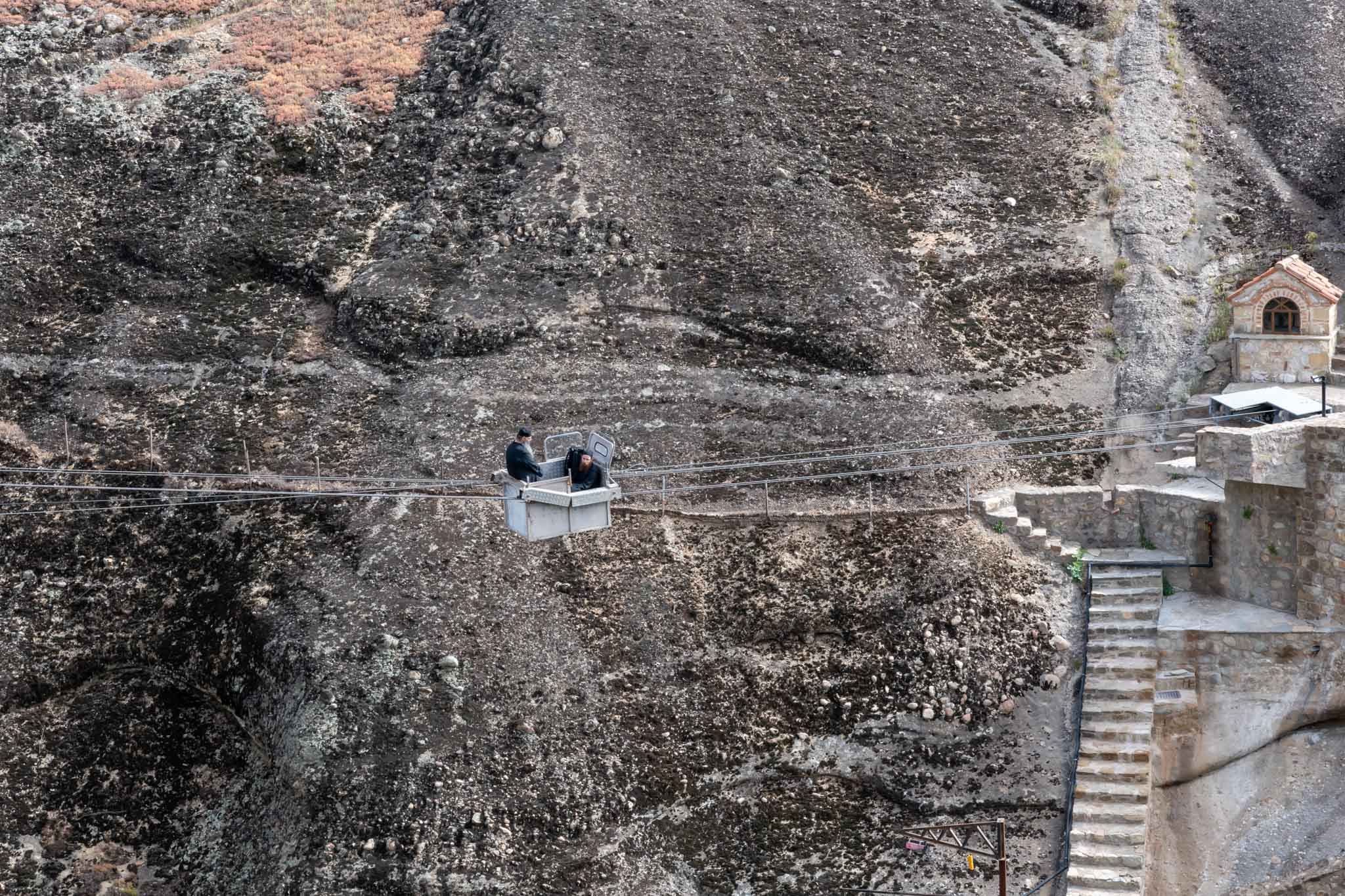
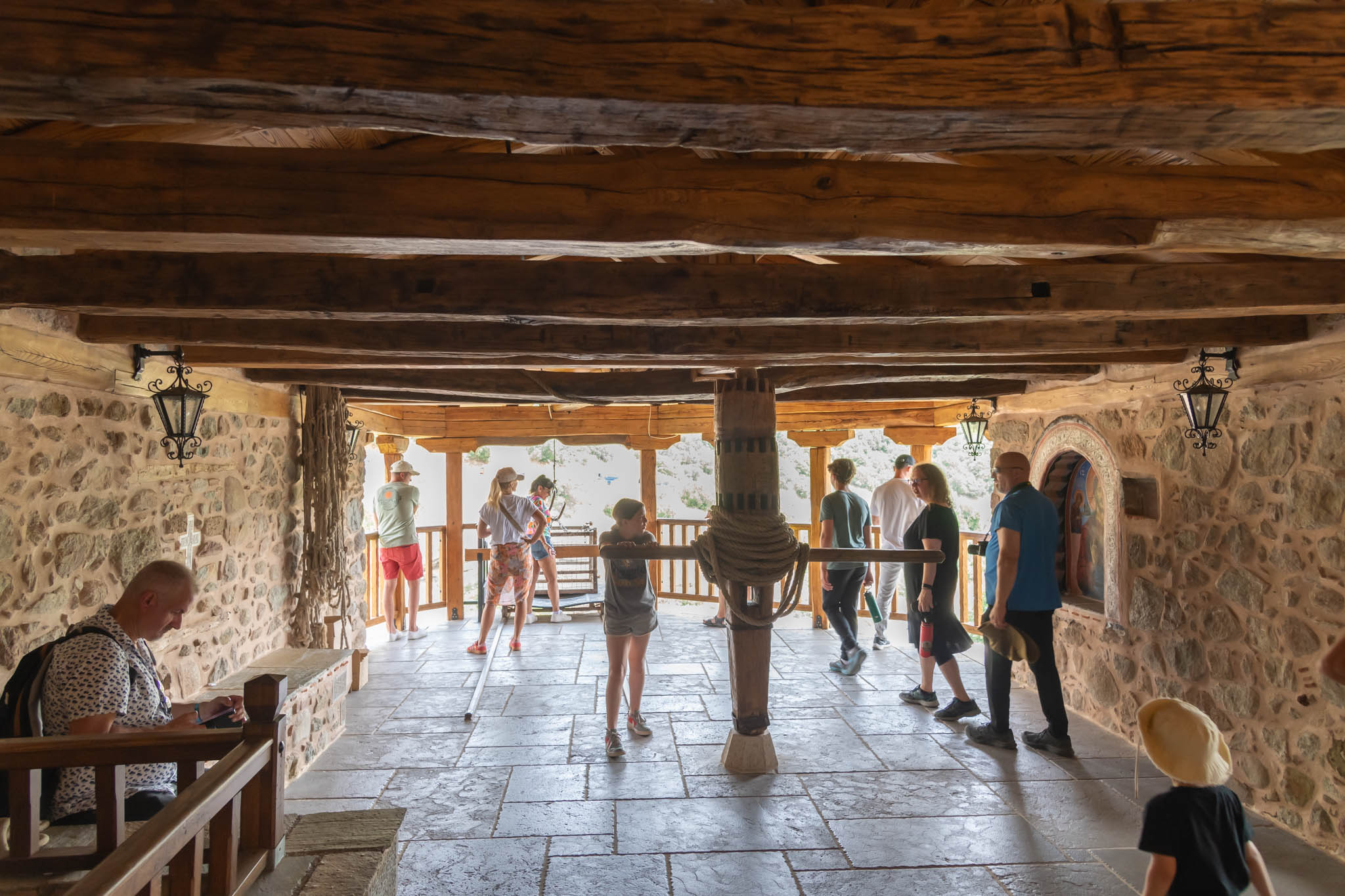
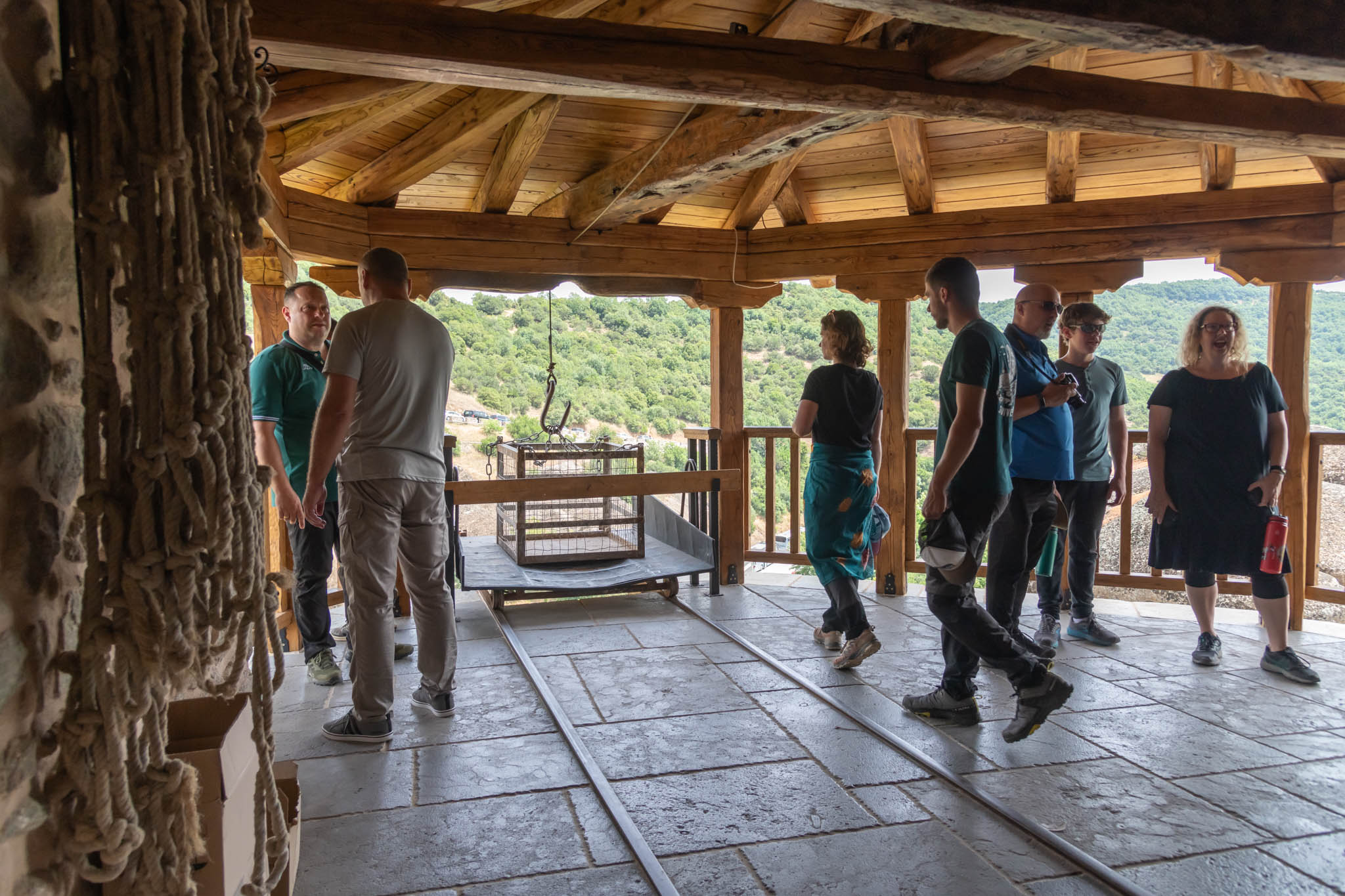
We made the climb up the 140 steps without too much trouble and there is a small courtyard on top and a chapel. The views were just breath taking and I don’t think I am capable of describing it. On the top, we found the arrangement used by monks in earlier times to haul up people and material. There is a large pulley like attached to a rope that passes over a hook dangling over a sheer drop, right to the bottom. People and material were then carried up in a rope net; the steps we used were added much later. Of course, prior to this arrangement, access was possible only through rope ladders and whenever the monks faced any threat, they simply pulled up the rope ladders and secured themselves. Some of these rocks are about 400 metres high and going up and down must have taken some effort! These days, there is also a small cable car type of arrangement from the car park directly to the monastery. This is used for transporting goods and the monks that can’t make the climb. 

The Monastery of Holy Trinity was featured in the 1981 James Bond film “For your eyes only” and couple of other films as well. 

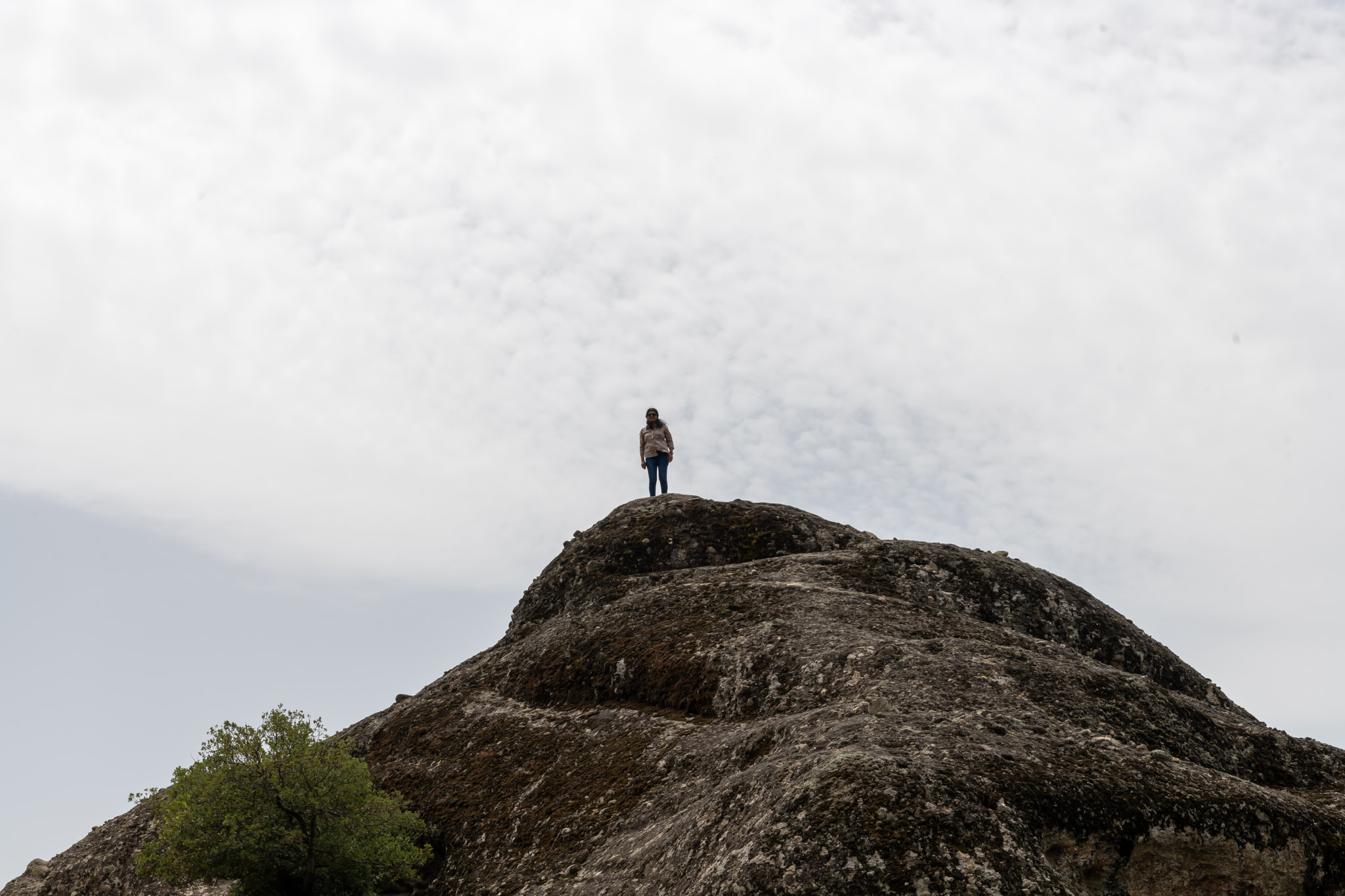
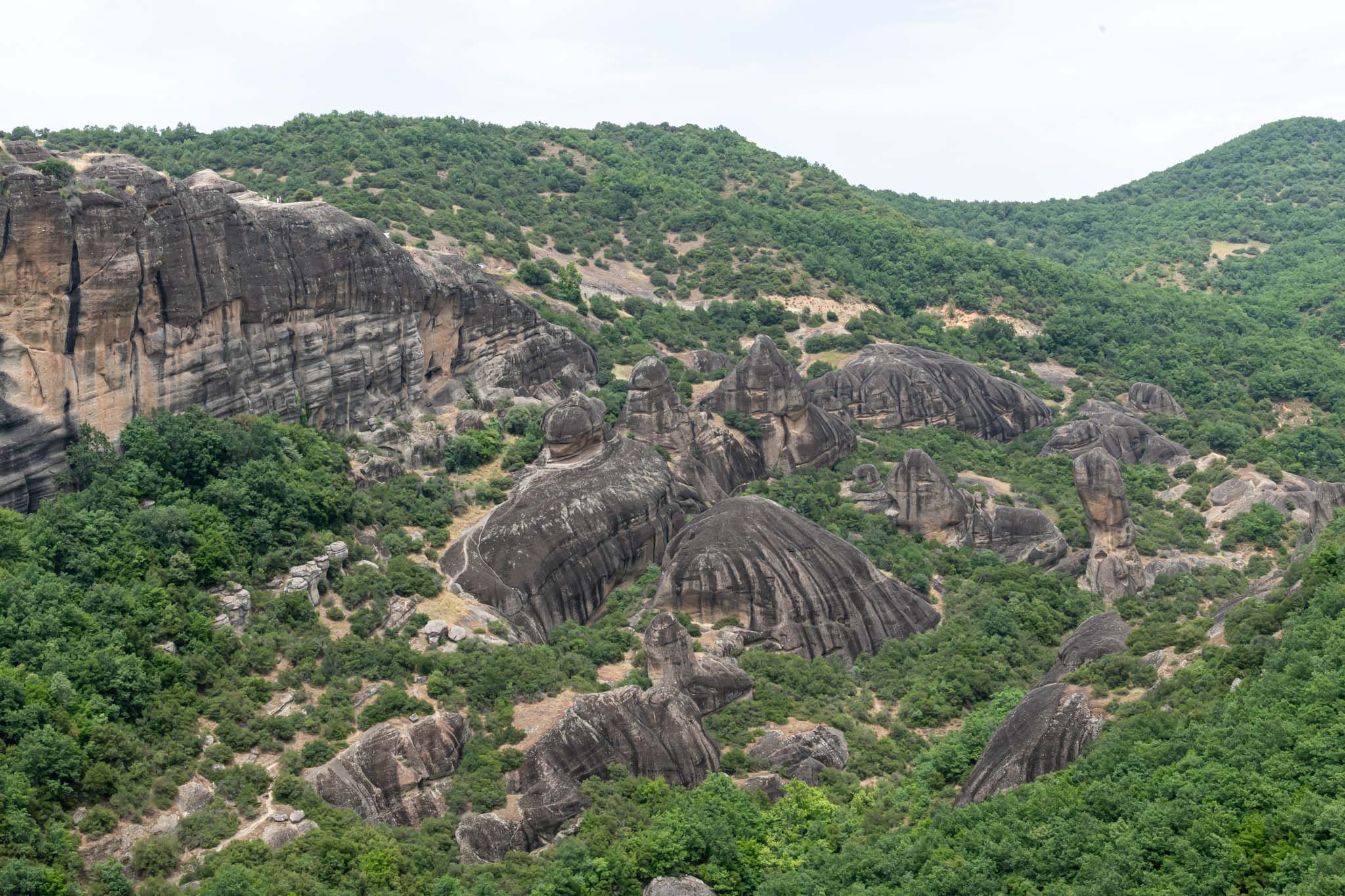
You can see many unusual and thus interesting rock formations as you drive around the mountains in Meteora. Wiki says that about 60 million years ago, a series of earth movements caused the seabed to go up, creating a high plateau. The rocks are mostly sandstone. There are many trails one can take in Meteora but we didn’t try any because of lack of time. There are many rocks that can be accessed from the road, or the car parks and climbers would really love it.

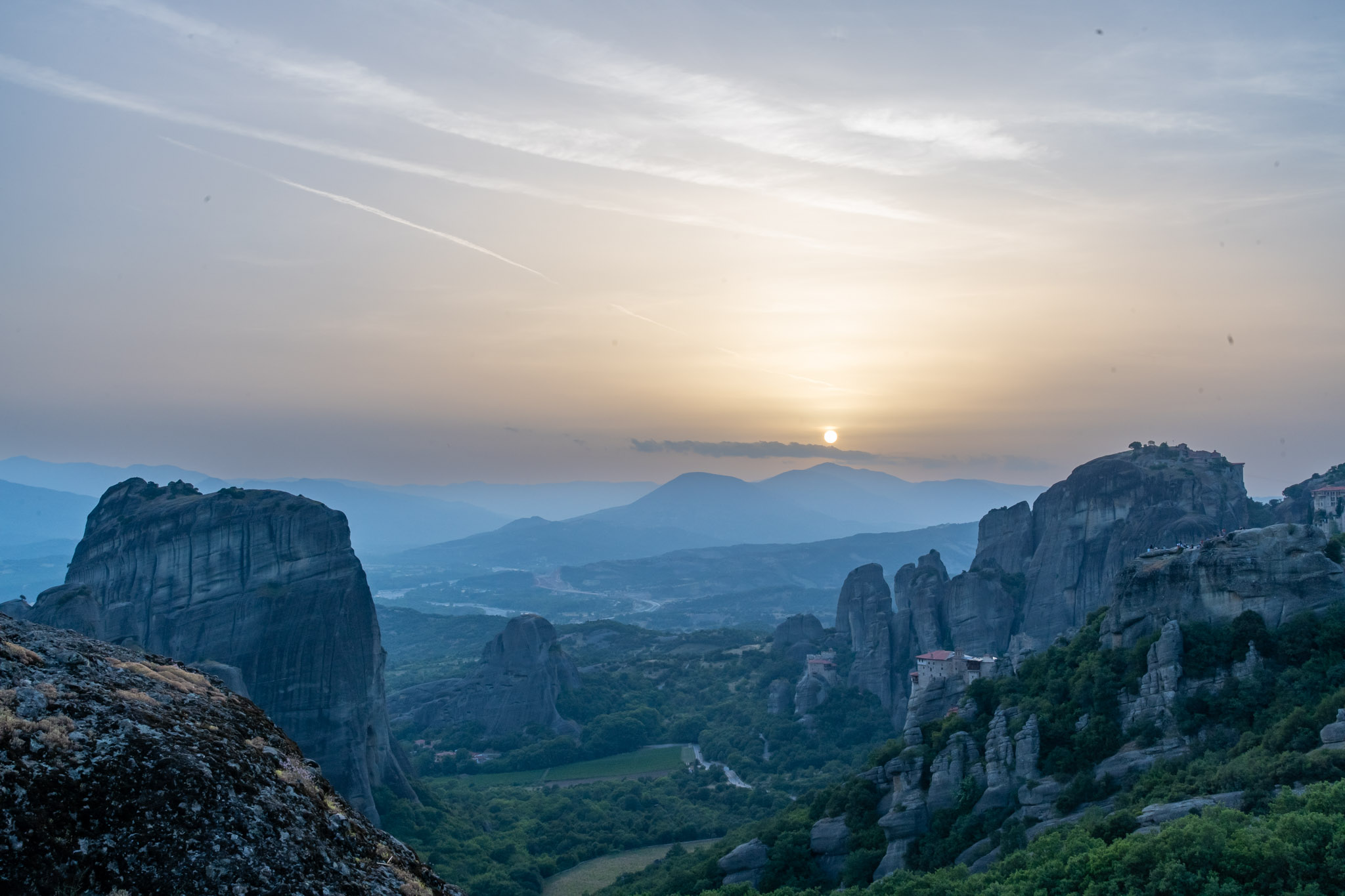
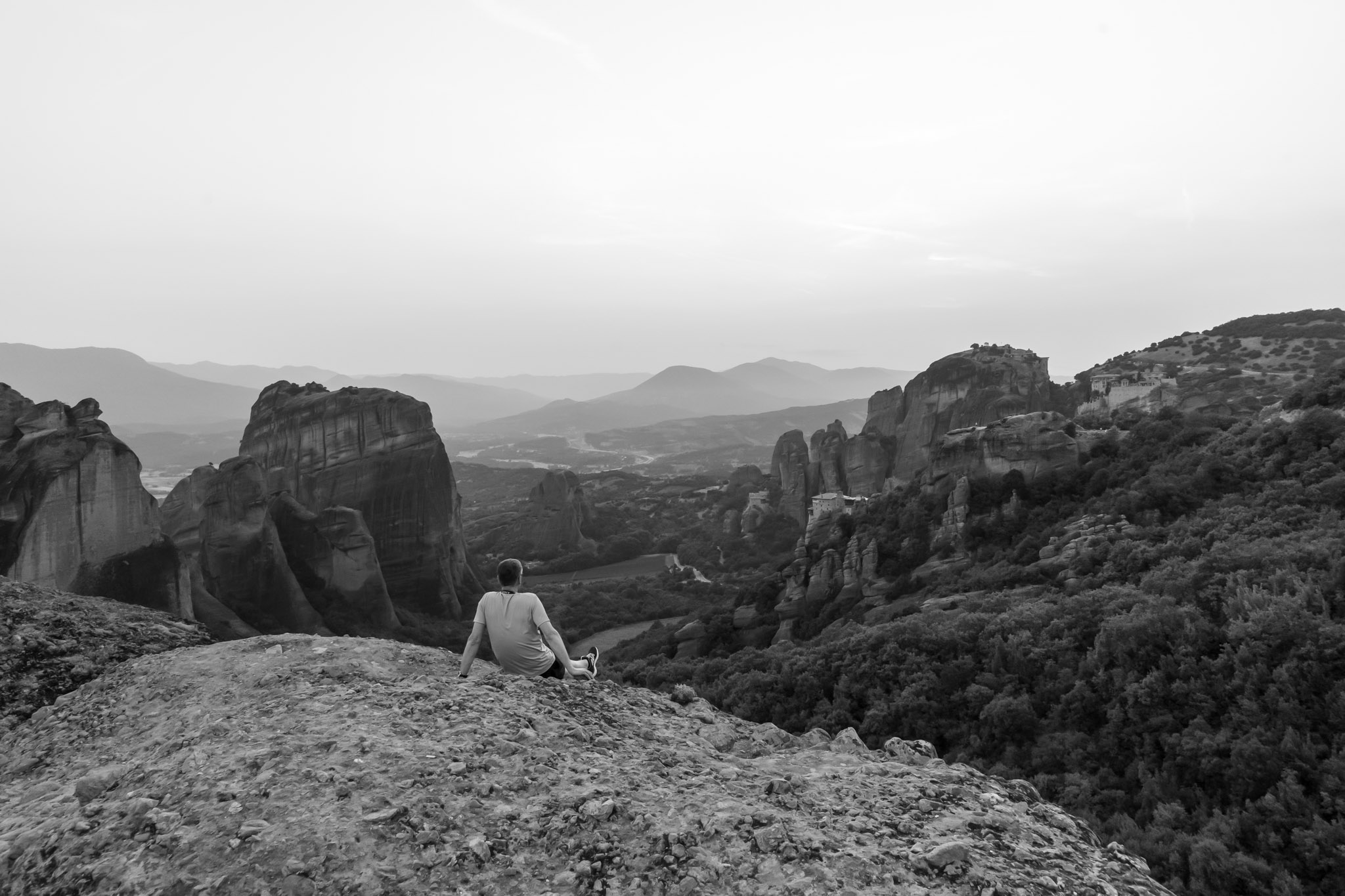
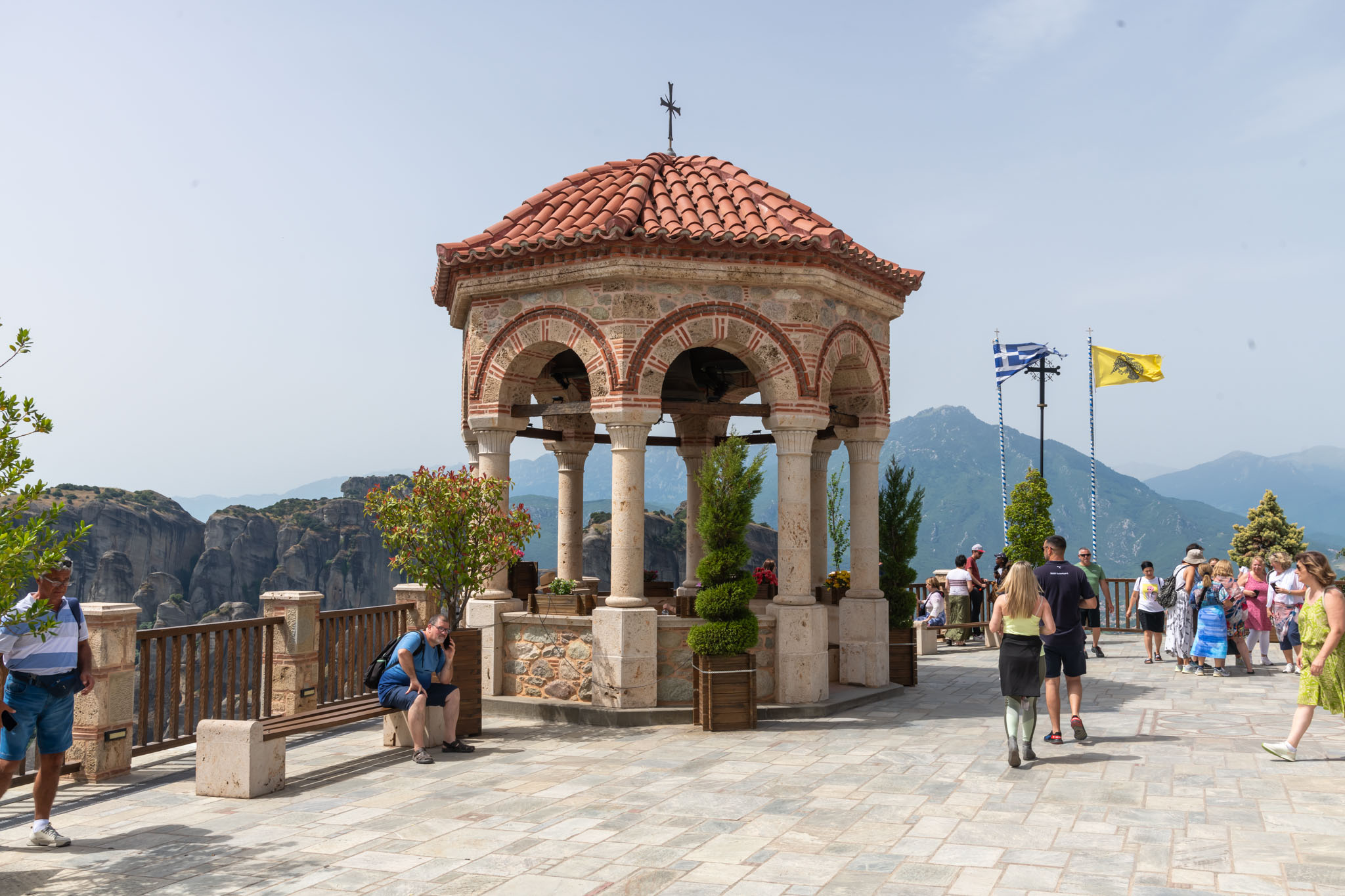
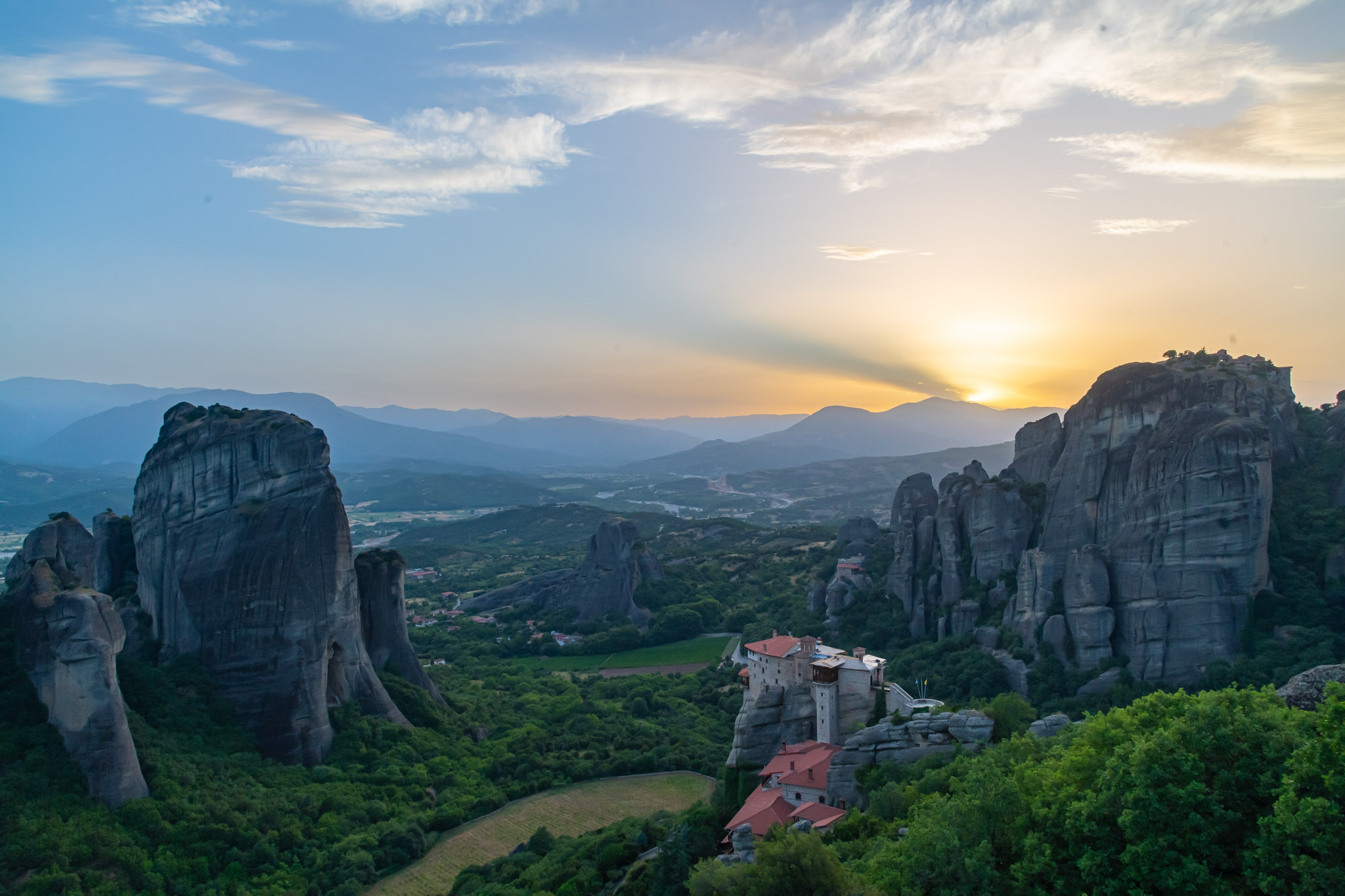
As can be expected, such a location has great sites to watch the sunset and there is enough information to be found on where to go, on the internet. After finishing the Holy Trinity Monastery, we went to Sunset Rock and the sunset was just amazing. It was so peaceful and quiet. No wonder that the monks came to this area, meditation comes rather naturally here. We made best use of our two evenings at Meteora and visited two spots and spent time there. There was a reasonable crowd in each location, and you had to arrive a bit early to get the best spots.

One interesting aspect I noticed is that there is no railing or any such protection anywhere. You are expected to behave reasonably and sensibly and watch out for your own safety. The drops are rather sheer and deep and a fall could definitely be fatal. On the second day evening, someone lost a bottle or something like that and it caused a little bit of consternation among those present – guess it struck everyone that it could be you instead of the bottle, if you aren’t careful!

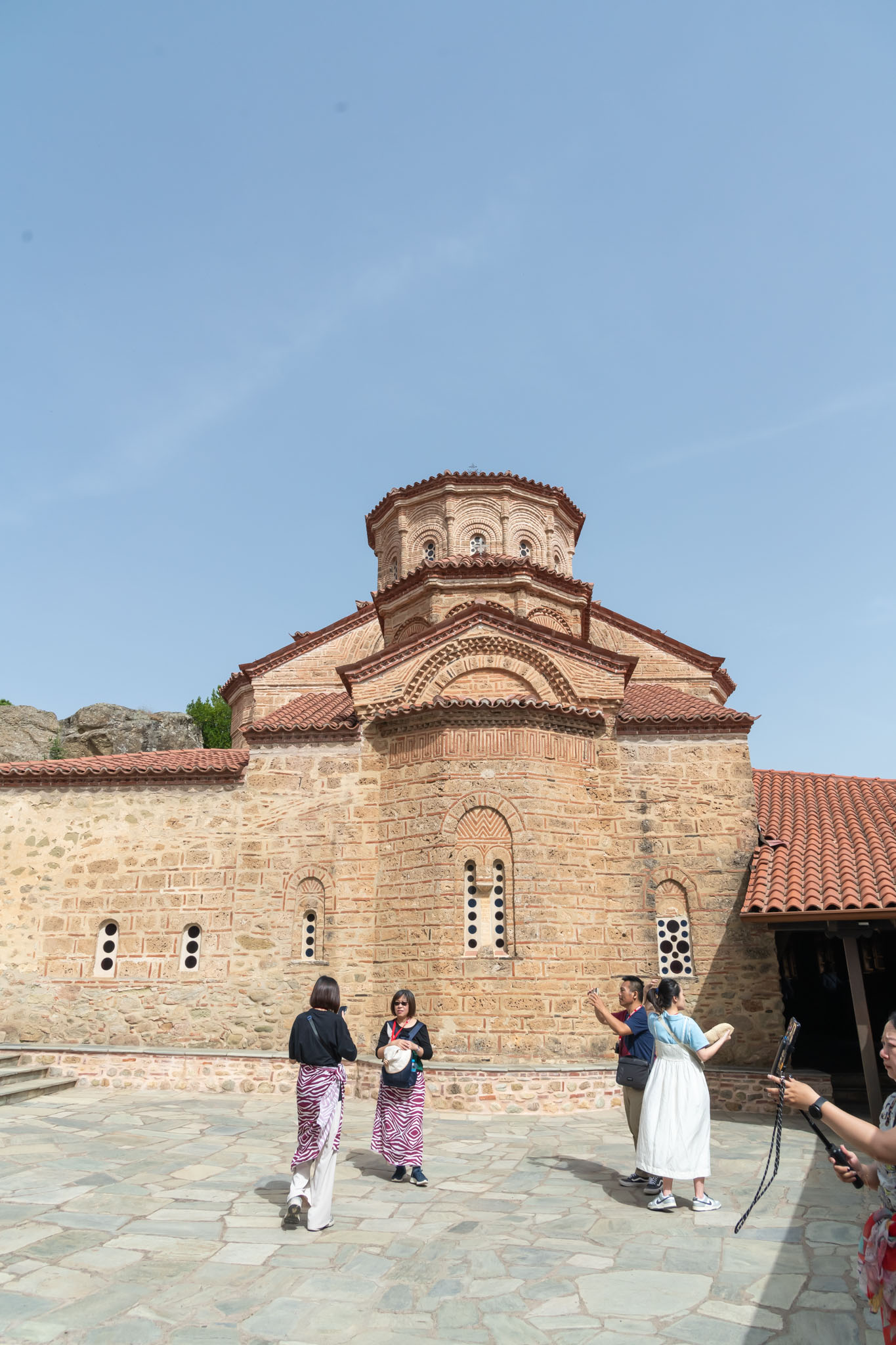
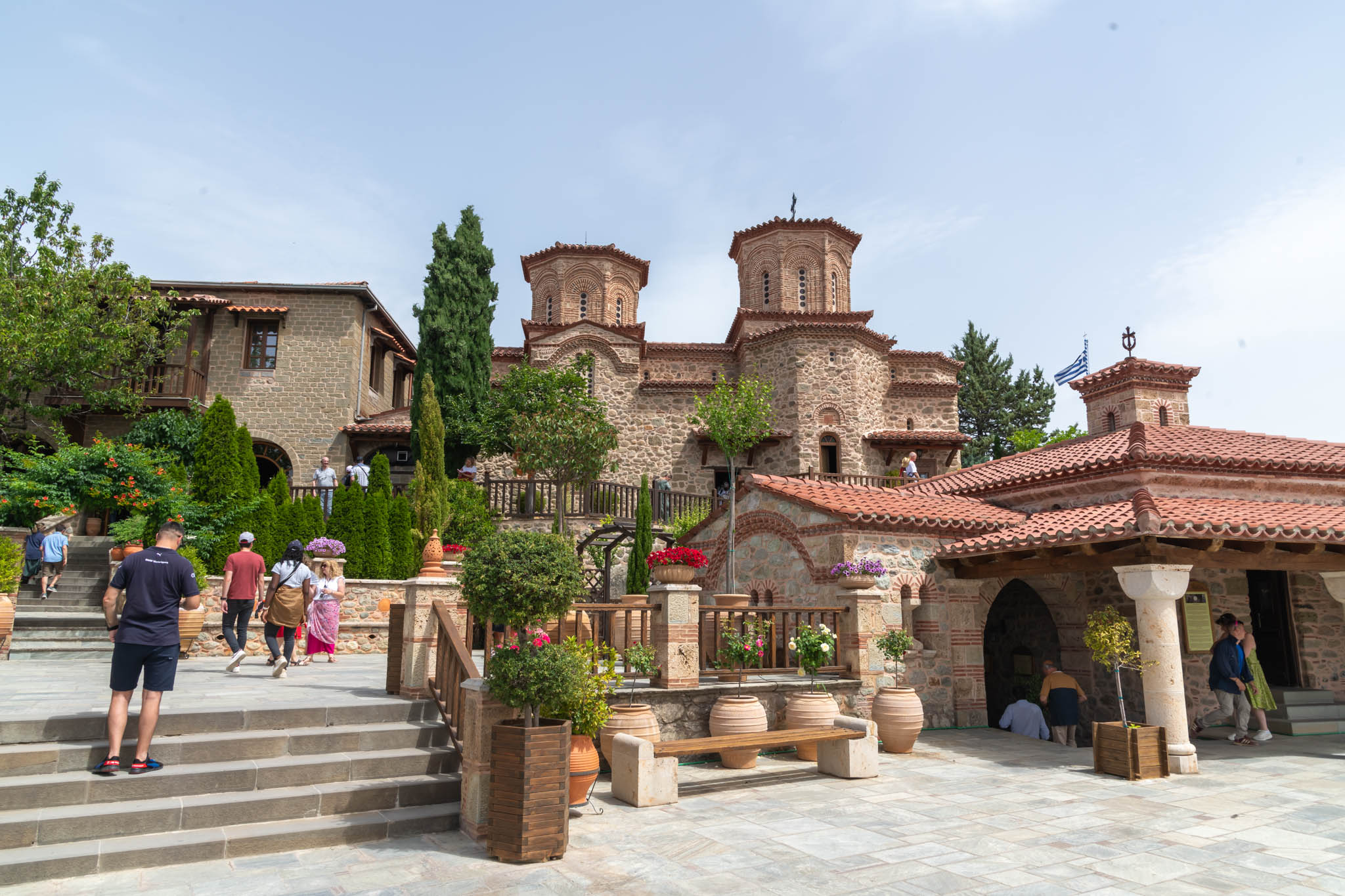
Next day morning, we set out to see the most famous of the Meteora monasteries – The Great Meteoron. It is the oldest and largest of the monasteries and was founded in 1356. We arrived early, as soon as the monastery was opening up, as this place could get crowded as the buses from Athens started arriving. Even then, we had to wait for a bit. This is quite a steep climb (more than 300 steps) and we overheard a Malayali family discussing the climb and in the end, the elderly parents decided to not attempt it. This monastery also has a cable car from the car park area, but I guess it is only for official use. We made it to the top without any trouble and the climb itself is worth it because of the views, especially that of the Monastery of Varlaam, which is quite nearby.

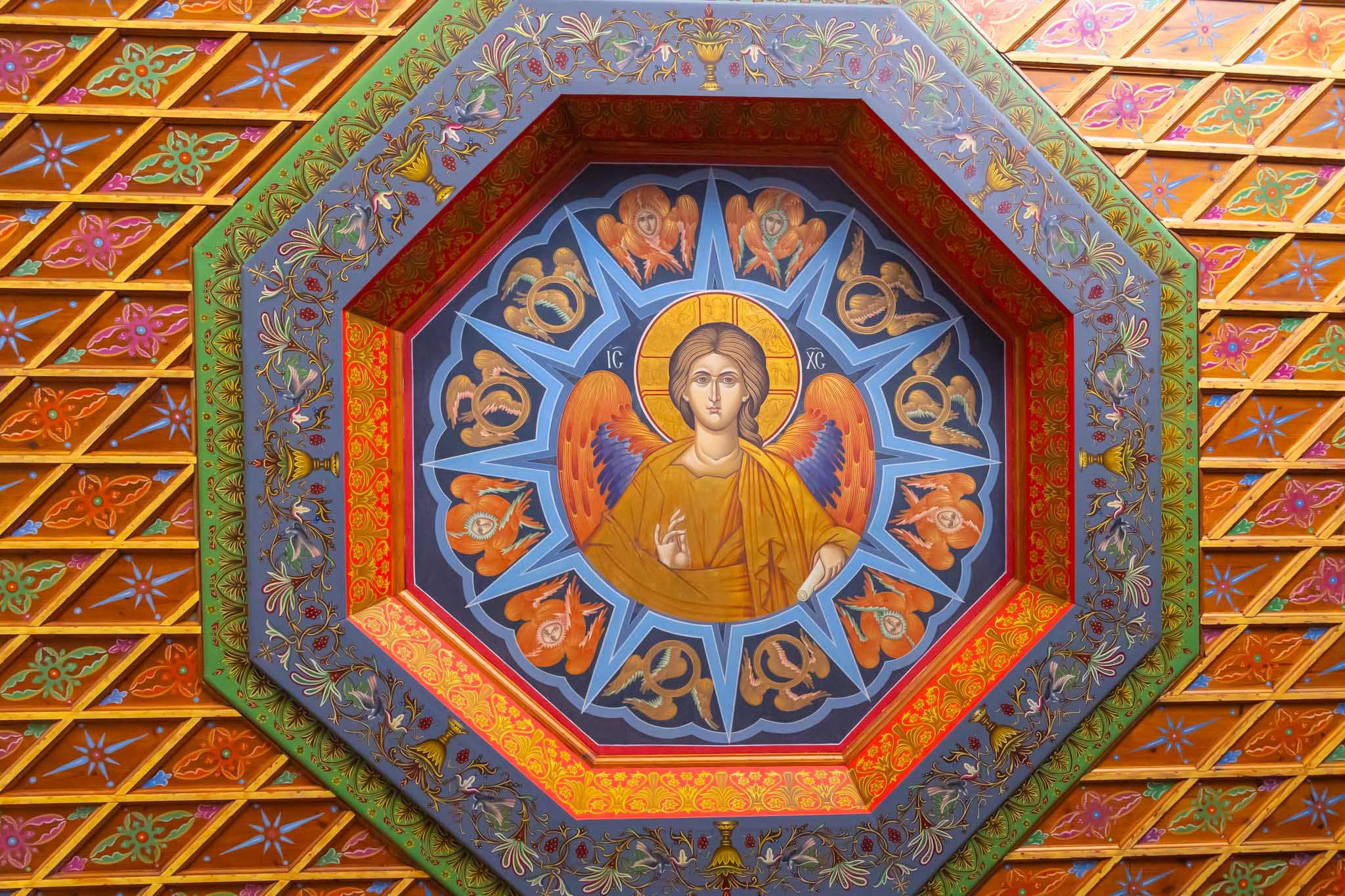
There are many buildings at the top including a beautiful church, courtyard, kitchen etc. Some of the areas have restricted access and there is no photography allowed inside the church (the image below is one I found on the internet), which is quite a pity as the interior of the church is quite rich and beautiful. There is also a museum inside the monastery and supposedly, the library at the Grand Meteoron is the largest in Meteora and it has about 1350 codices. 

Note: This photo of the interior of the church is sourced from the internet and not taken by me.

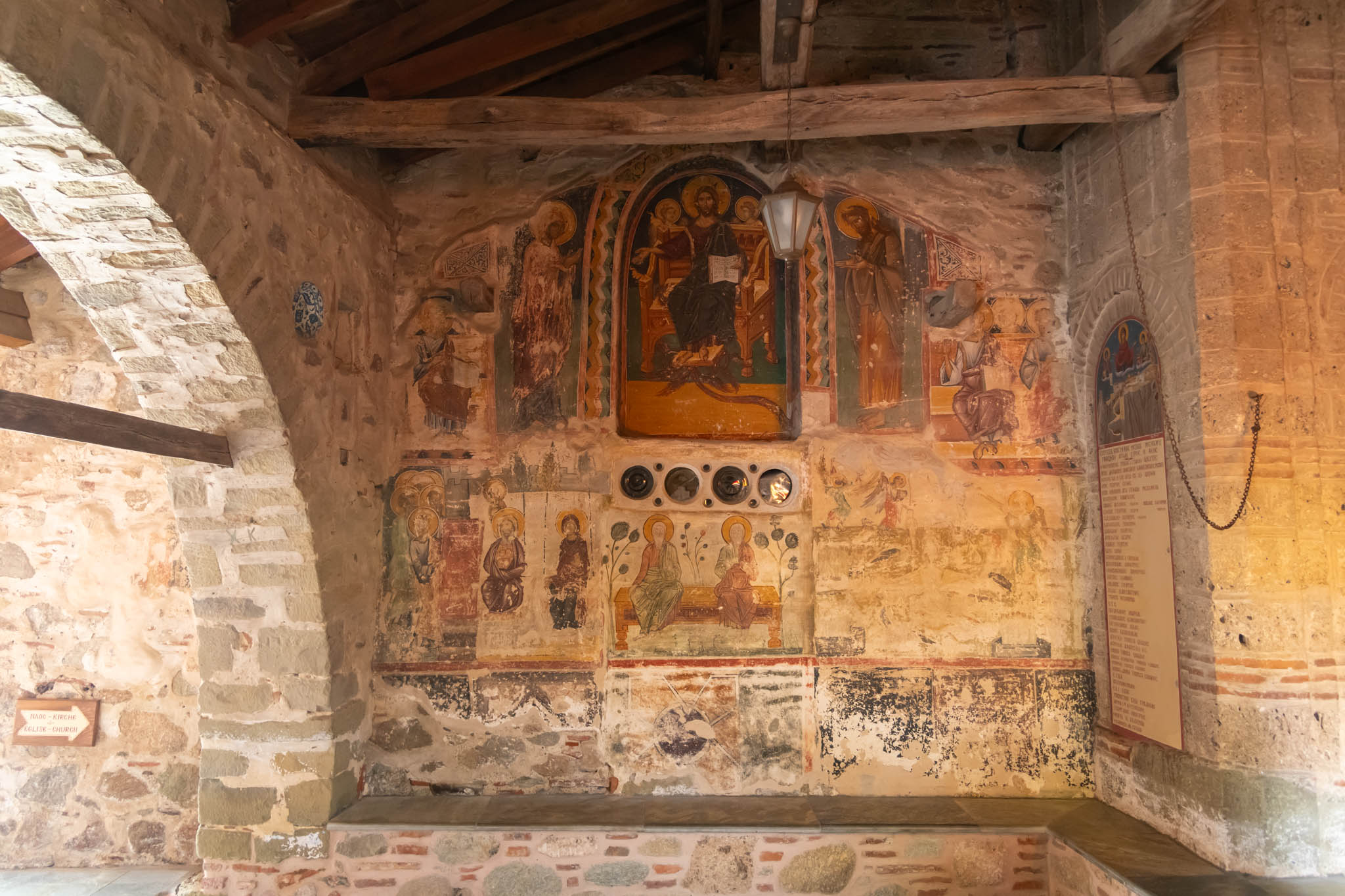
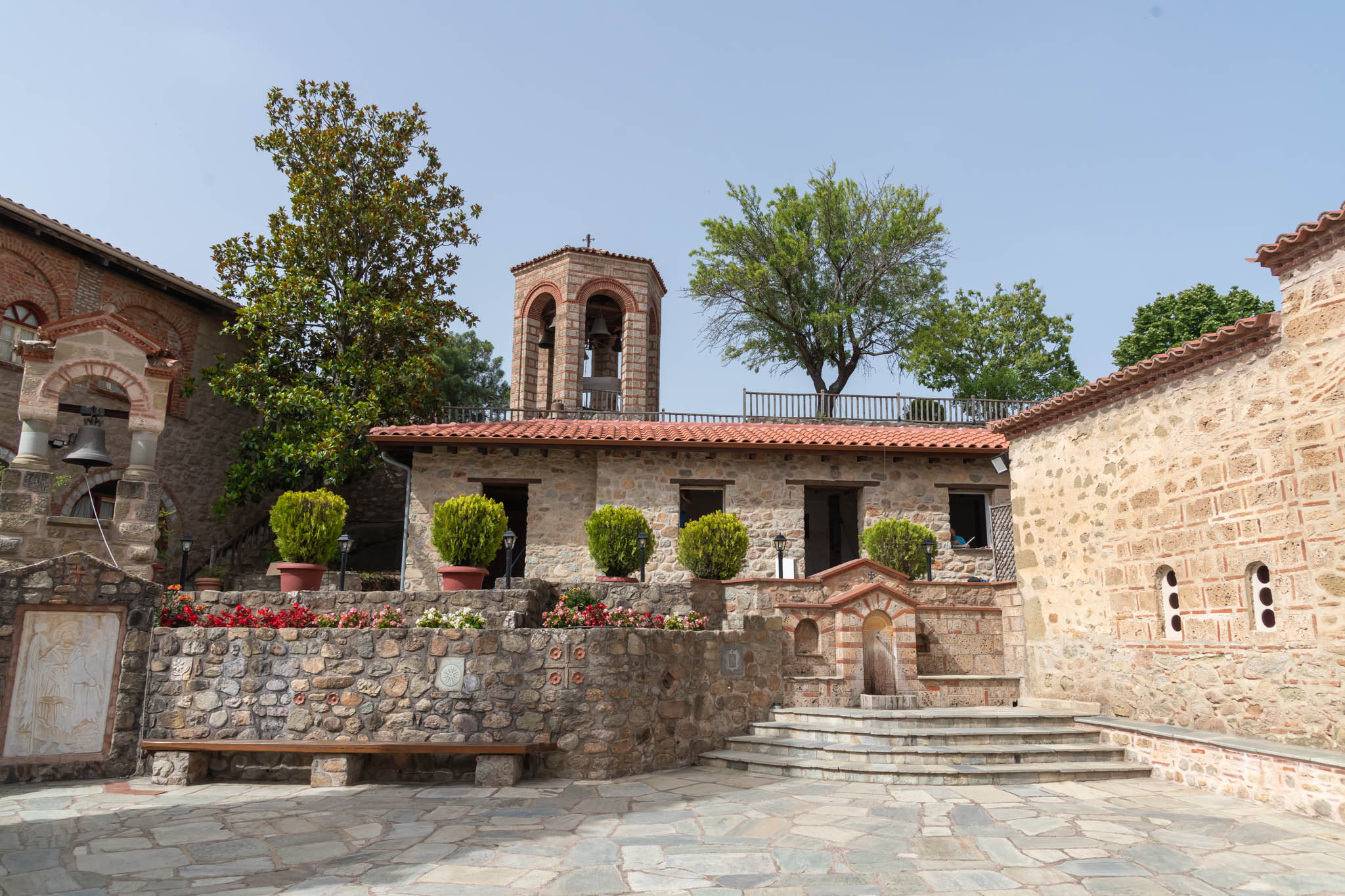
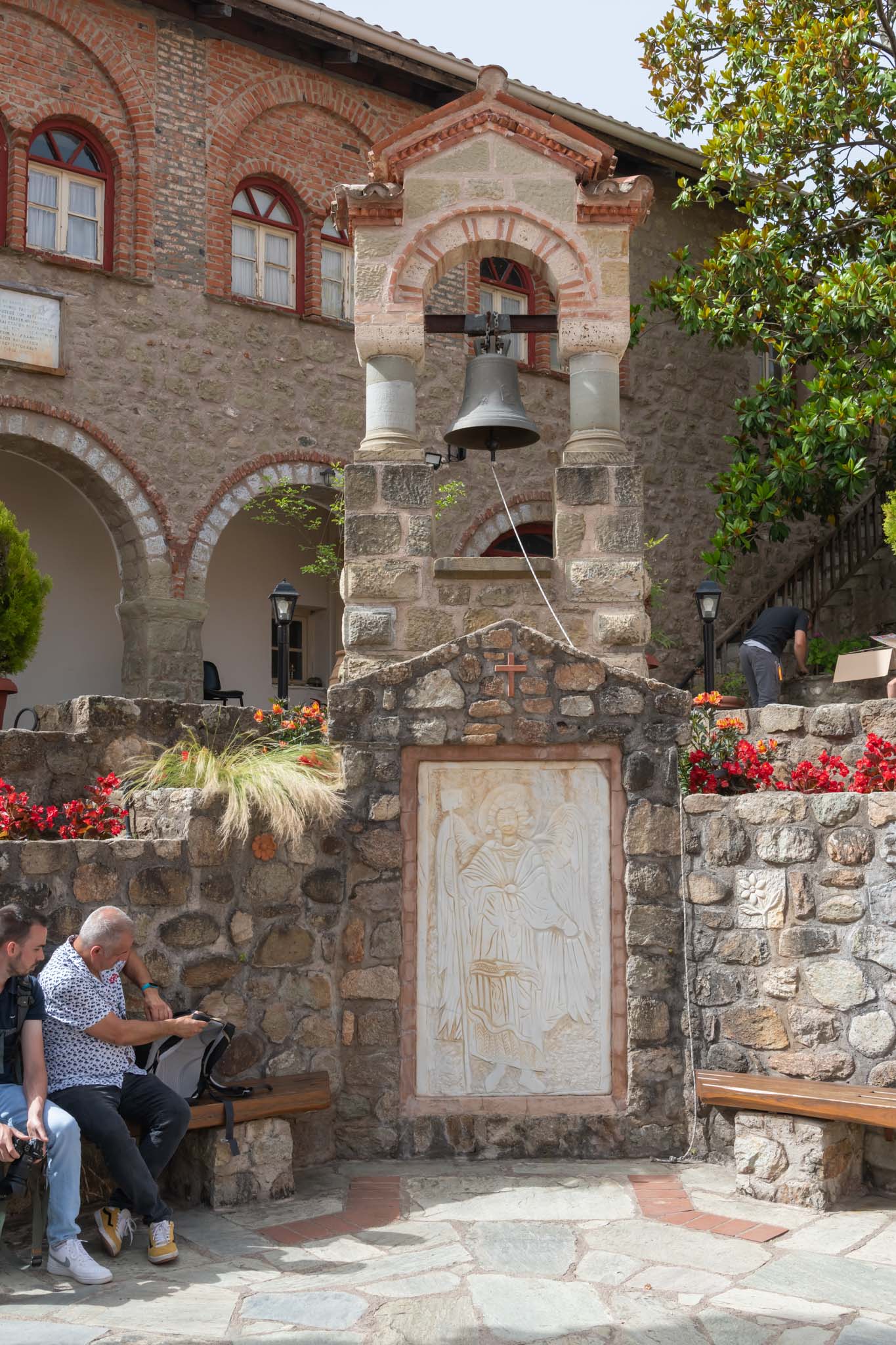
The courtyard had some beautiful frescoes and the rope net arrangement was seen here as well. 

View of Monastery of Varlaam from the Great Meteoron.

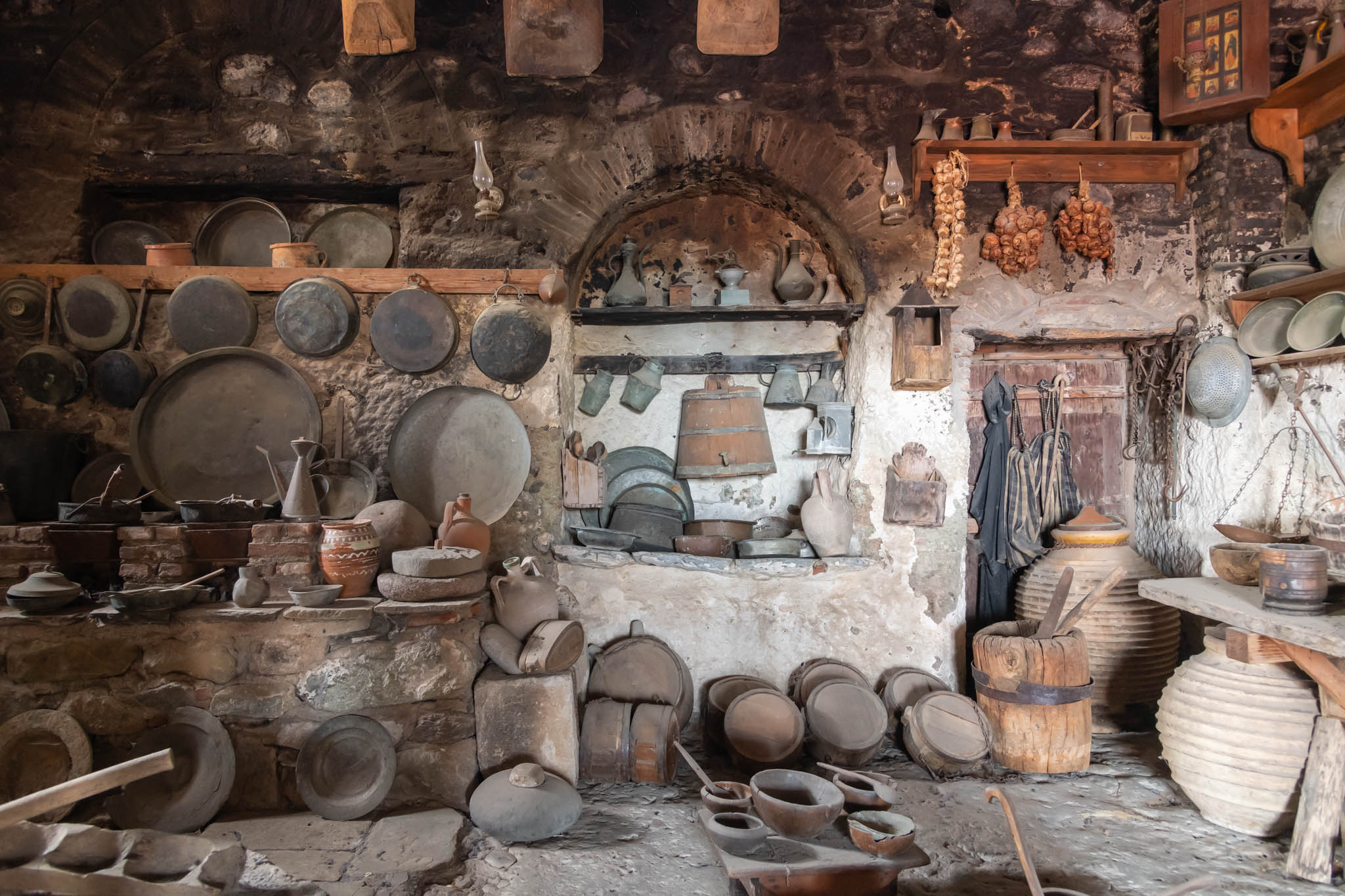
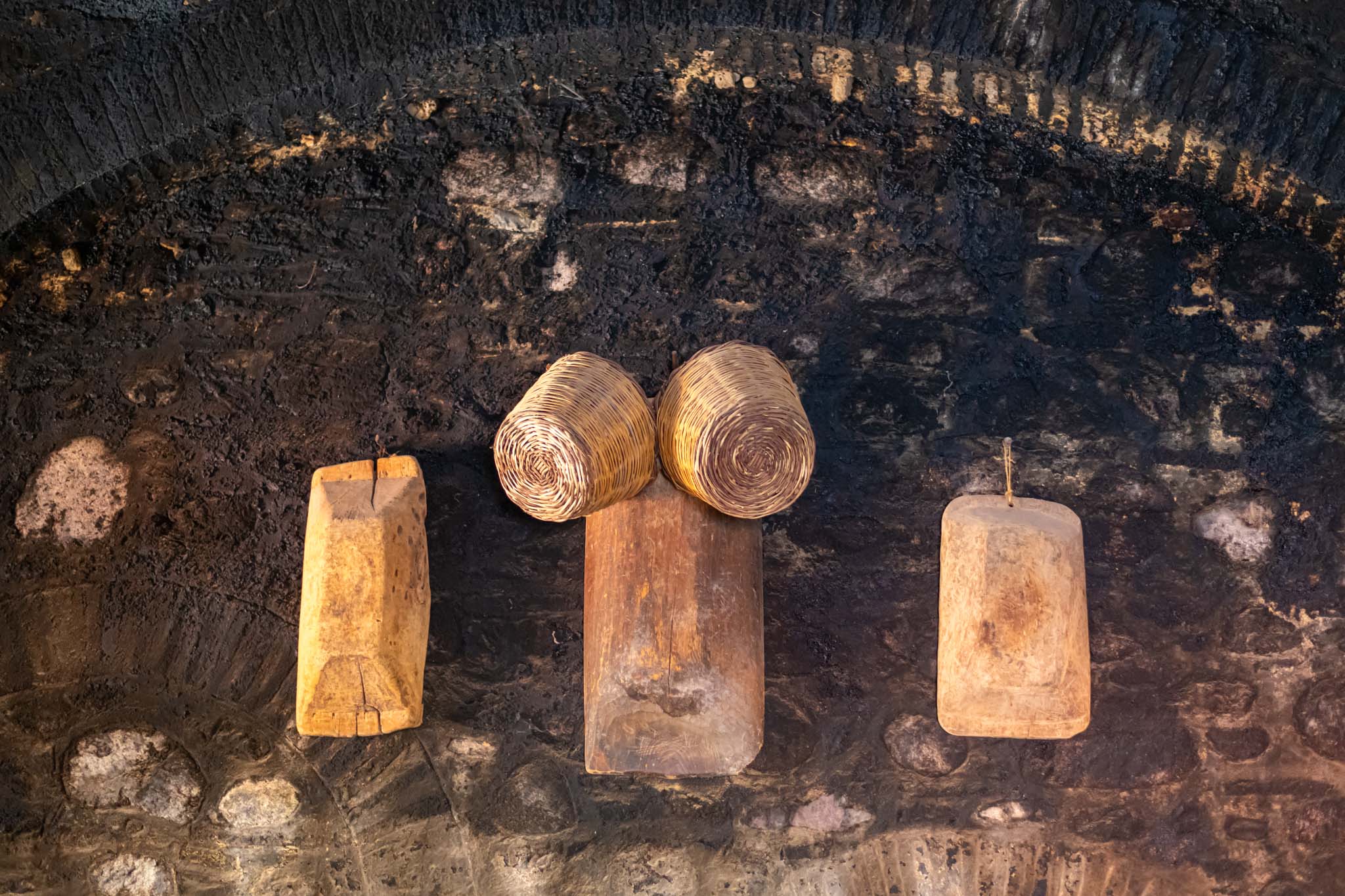
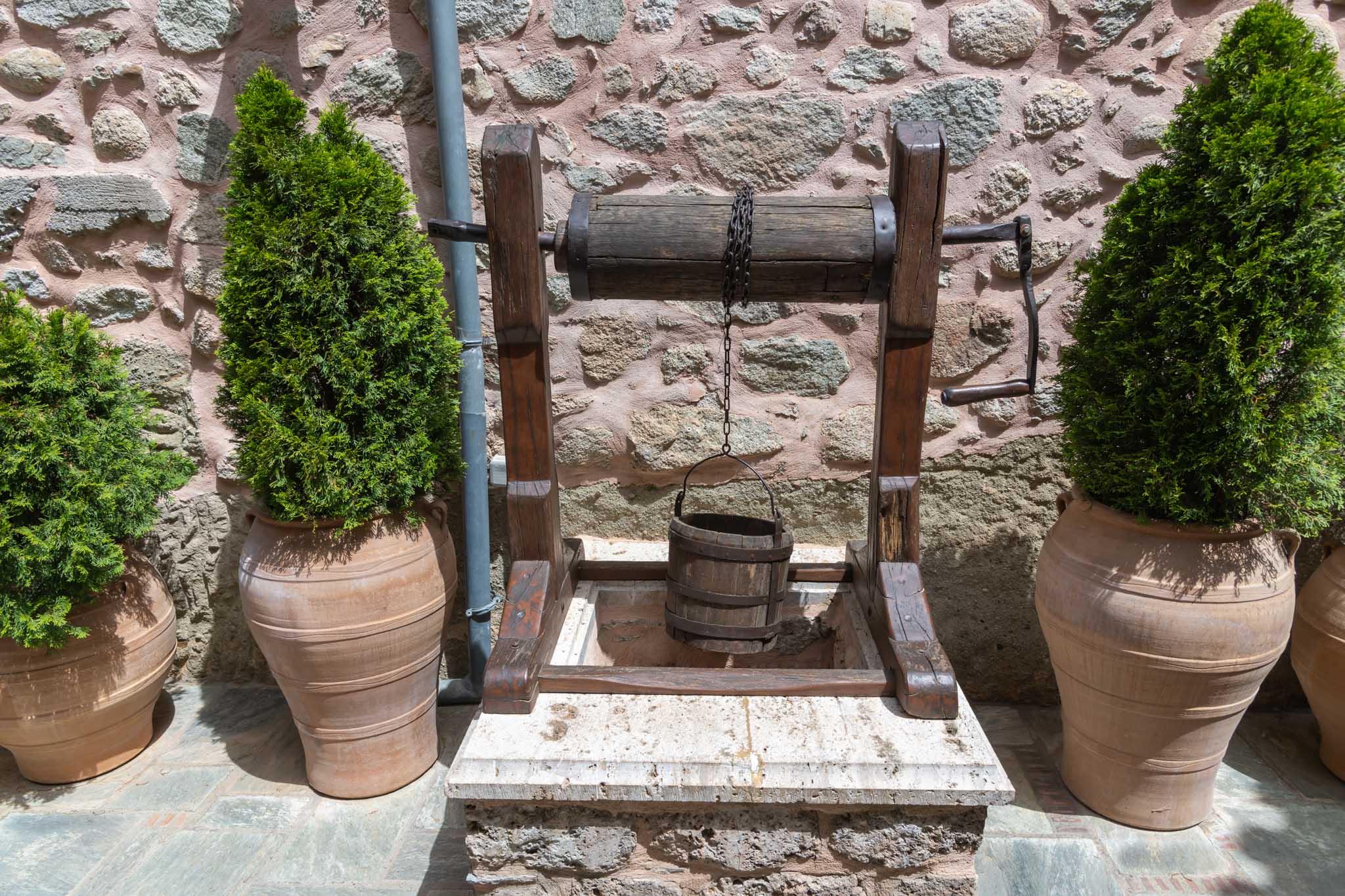
The kitchen was pretty large and had all kinds of utensils, baskets and all preserved as it might have been in the olden times. 

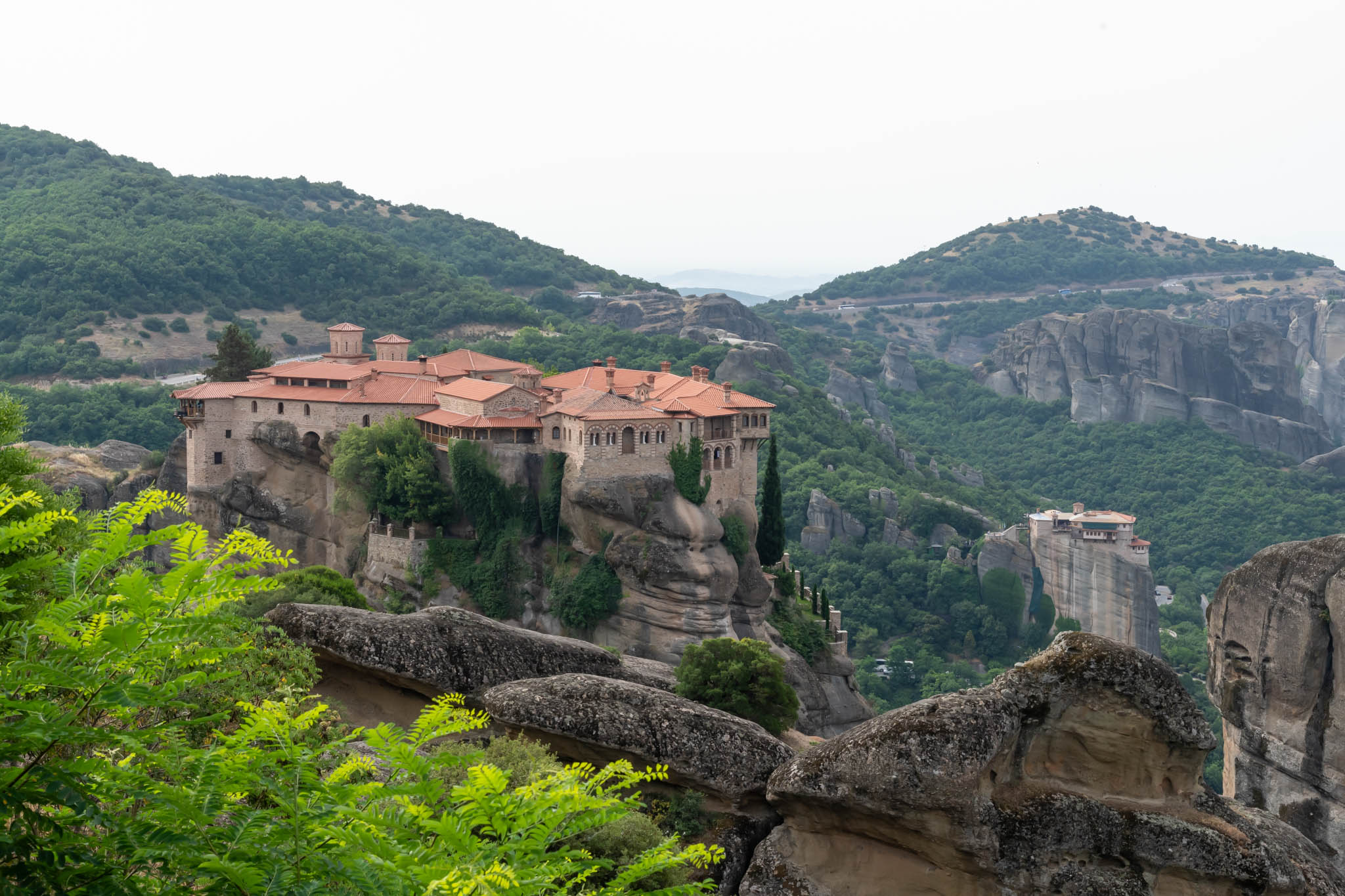
The Great Meteoron left us in awe, and we all felt it was well worth the effort. It was quite hot in Meteora in June and the sun was doing its best to make it even more uncomfortable. Next on the list was The Monastery of Varlaam. It is the second largest monastery in Meteora and was founded in the mid of the 14th century by a monk named Varlaam. After Varlaam died, the rest of the monks deserted the monastery, and it was abandoned for a century of so till two monk brothers named Theophanes and Nectarios reactivated it. 

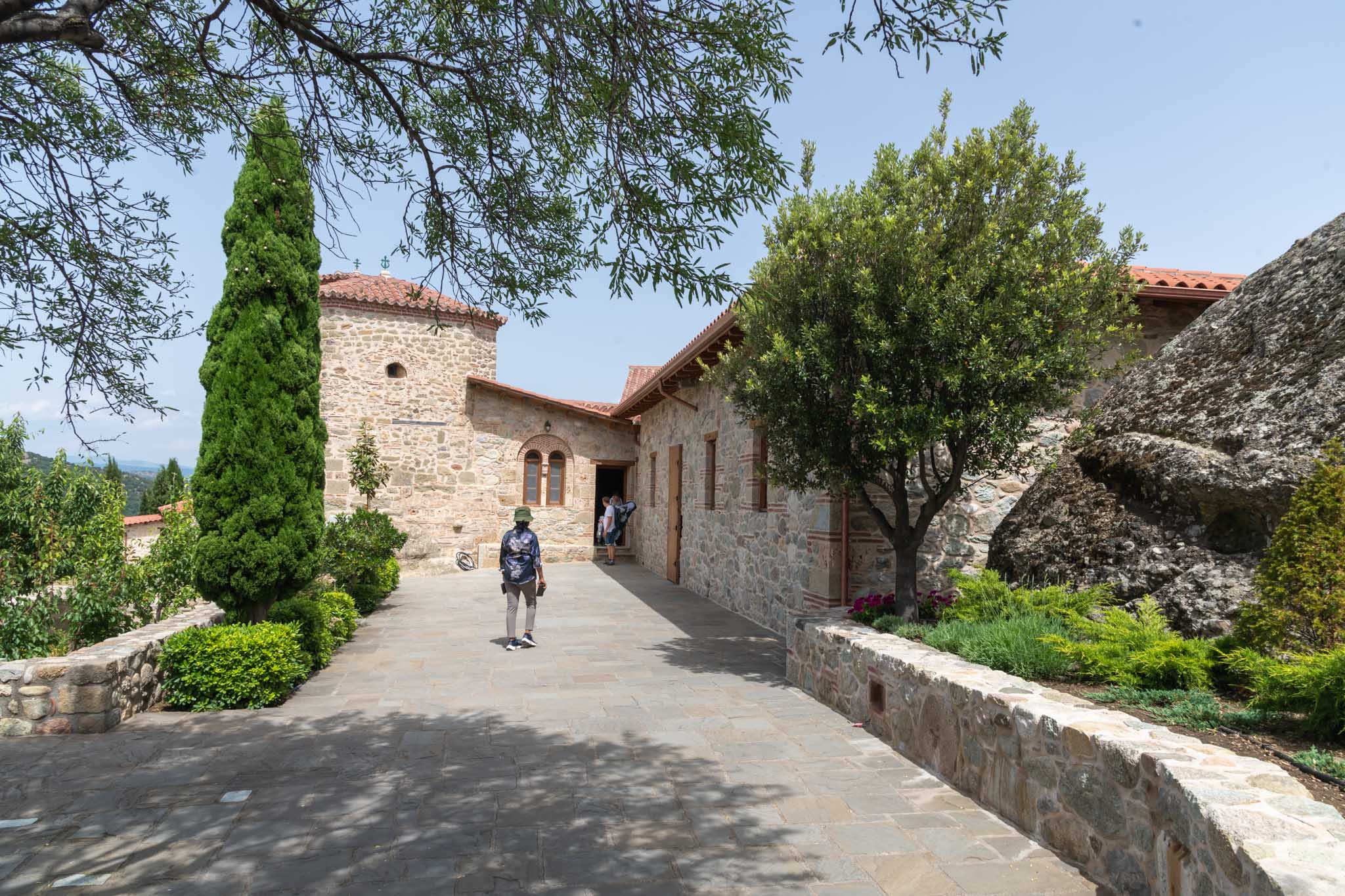
This is a beautiful monastery, and you have to go up some 200 steps or so before you step into a wonderful courtyard. 

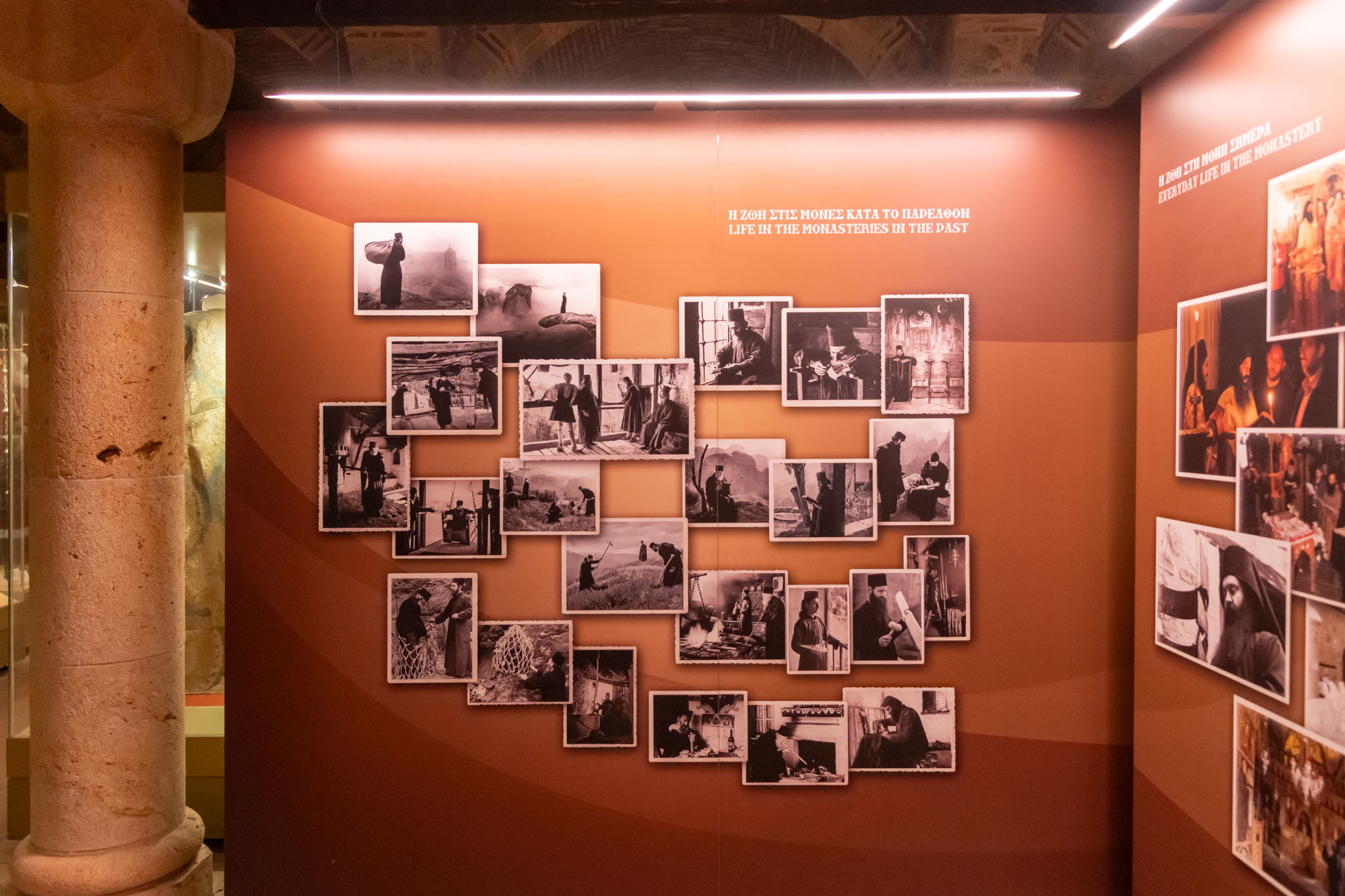
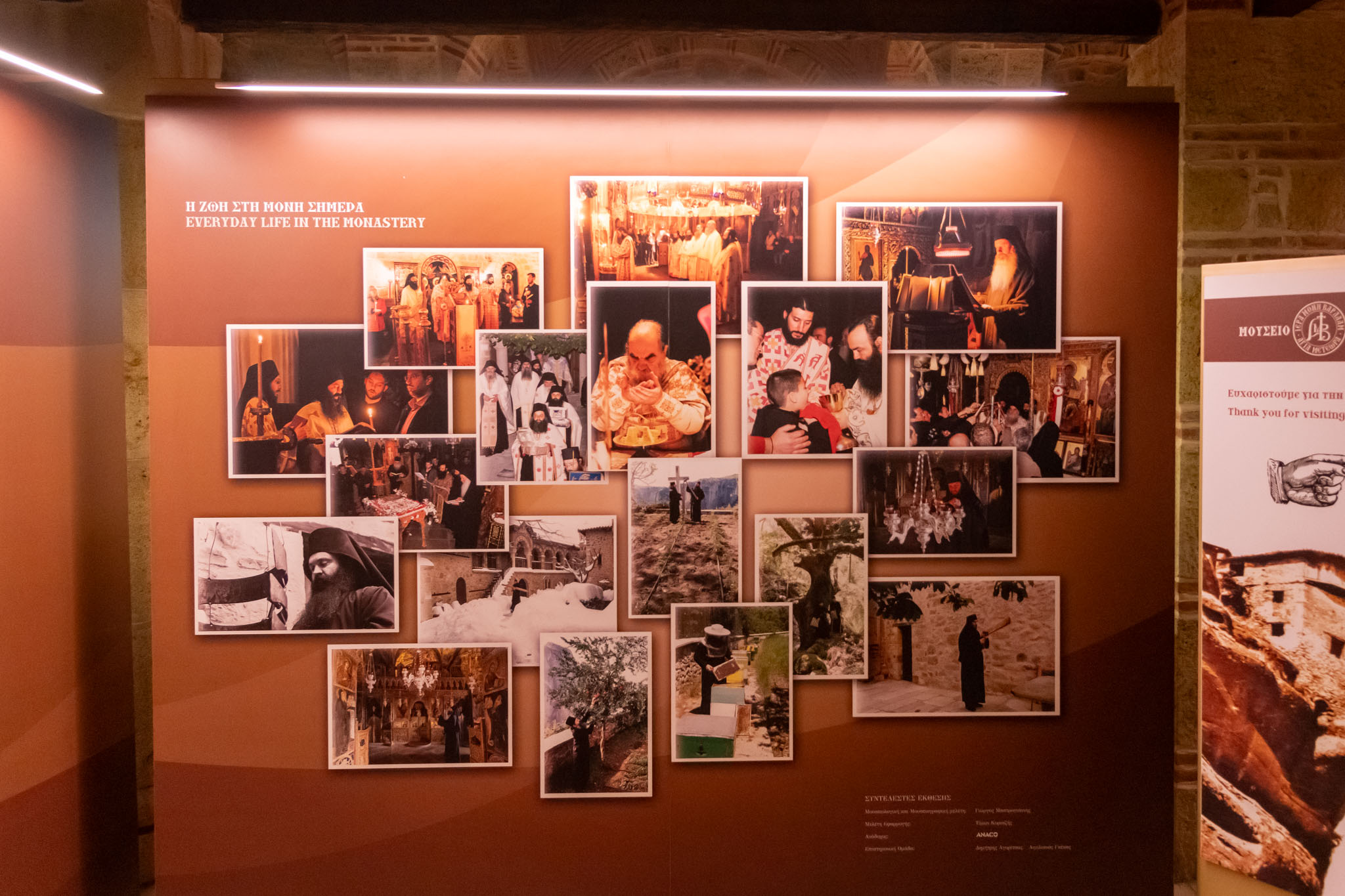
There is a small museum that brings out how life was, for the monks in the olden times. I found that quite interesting. I tried to imagine myself as a monk here, without the tourists milling around, contemplating the mysteries of the universe and time. If there is a ranking of locations suited for such an activity, this must definitely be one of the top-ranking ones.

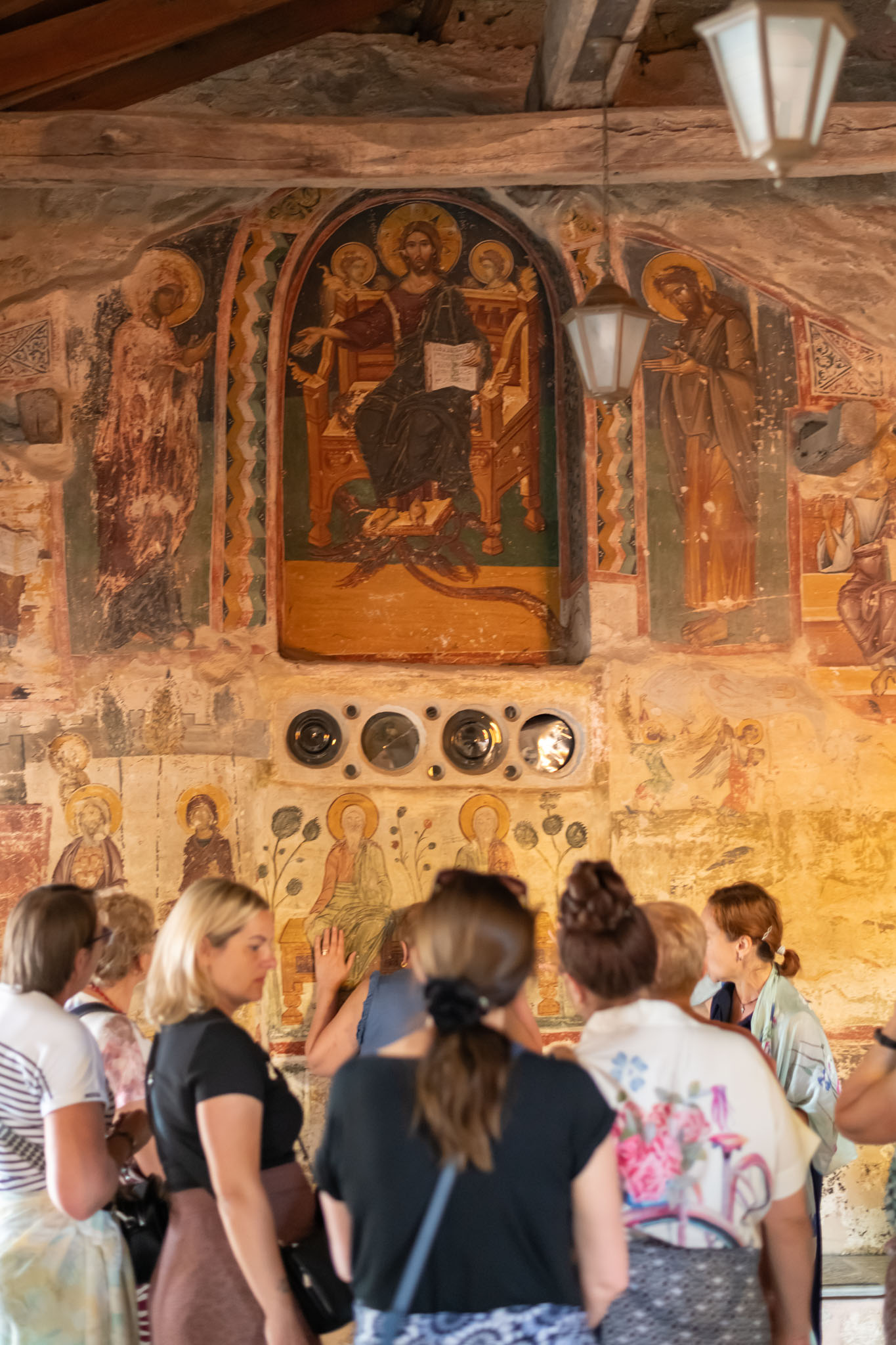
There is also a small room with beautiful frescoes and a fantastic ceiling.

Here too, photography is banned inside the church – which is quite a pity – and I reproduce an image I found from the internet.

Note: This photo of the interior of the church is sourced from the internet and not taken by me.

One key attraction at the Varlaam is a wooden barrel that was used to store rainwater. This is a huge barrel which can hold up to 12,000 litres. It is made entirely of wood and the locking system to make the planks watertight is quite clever. 

The lift arrangement used in other monasteries was found here as well.

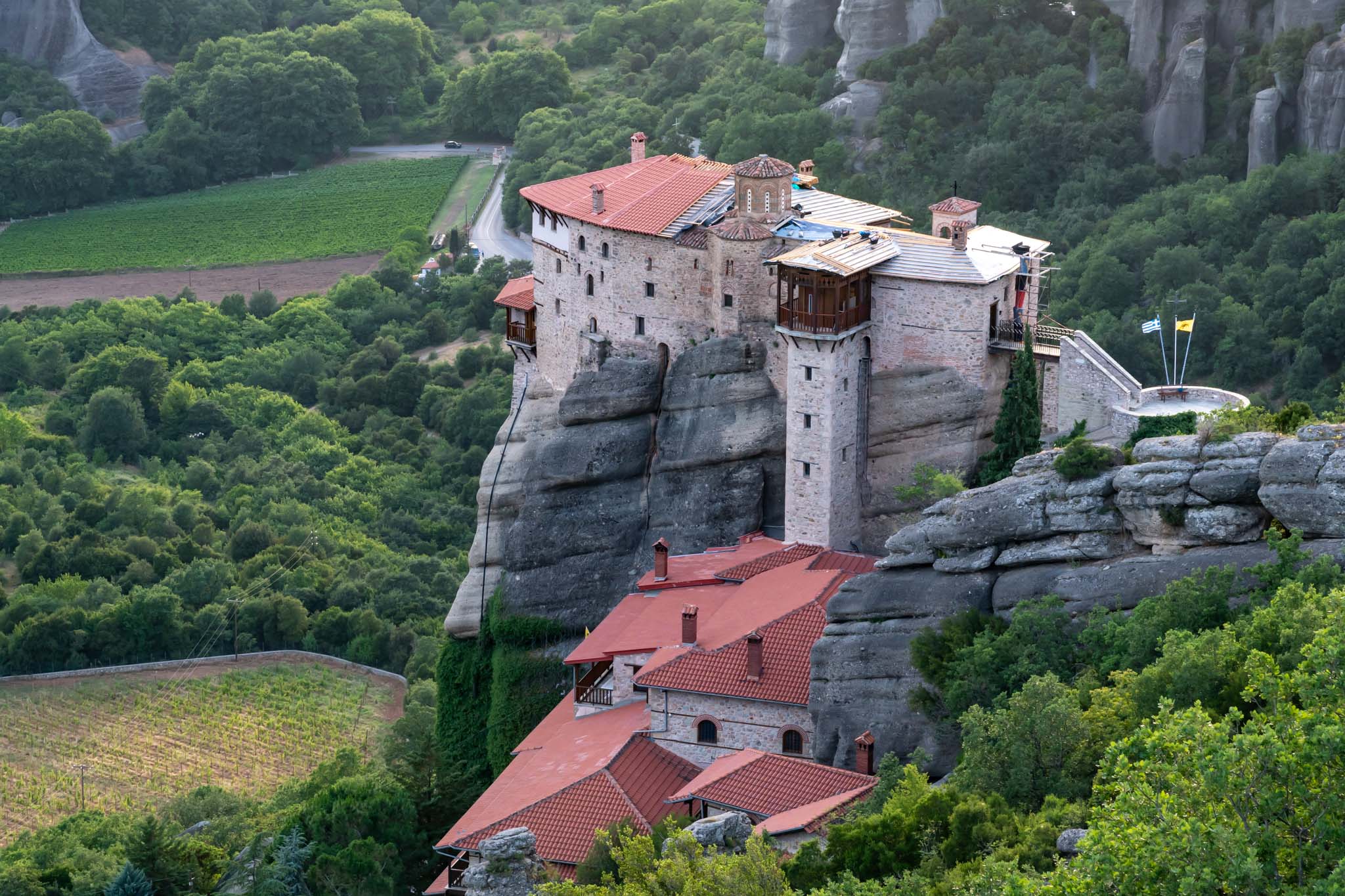
After lunch, we proceeded to the Monastery of St. Barbara or Roussanou. This is a small monastery, occupying the whole of the rock it stands on and was built in the 14th century. These days it is occupied by nuns and about 15 nuns live here. It is very easily accessible from the road and from the other side, there is a wooded path that leads to a bend further up the road. The Malayali family we had seen at The Great Meteoron came here as well and a nun came out to meet them. So, I assume a Malayali nun has made it to this remote monastery. We didn’t see them afterwards and so couldn’t check the veracity of this assumption.

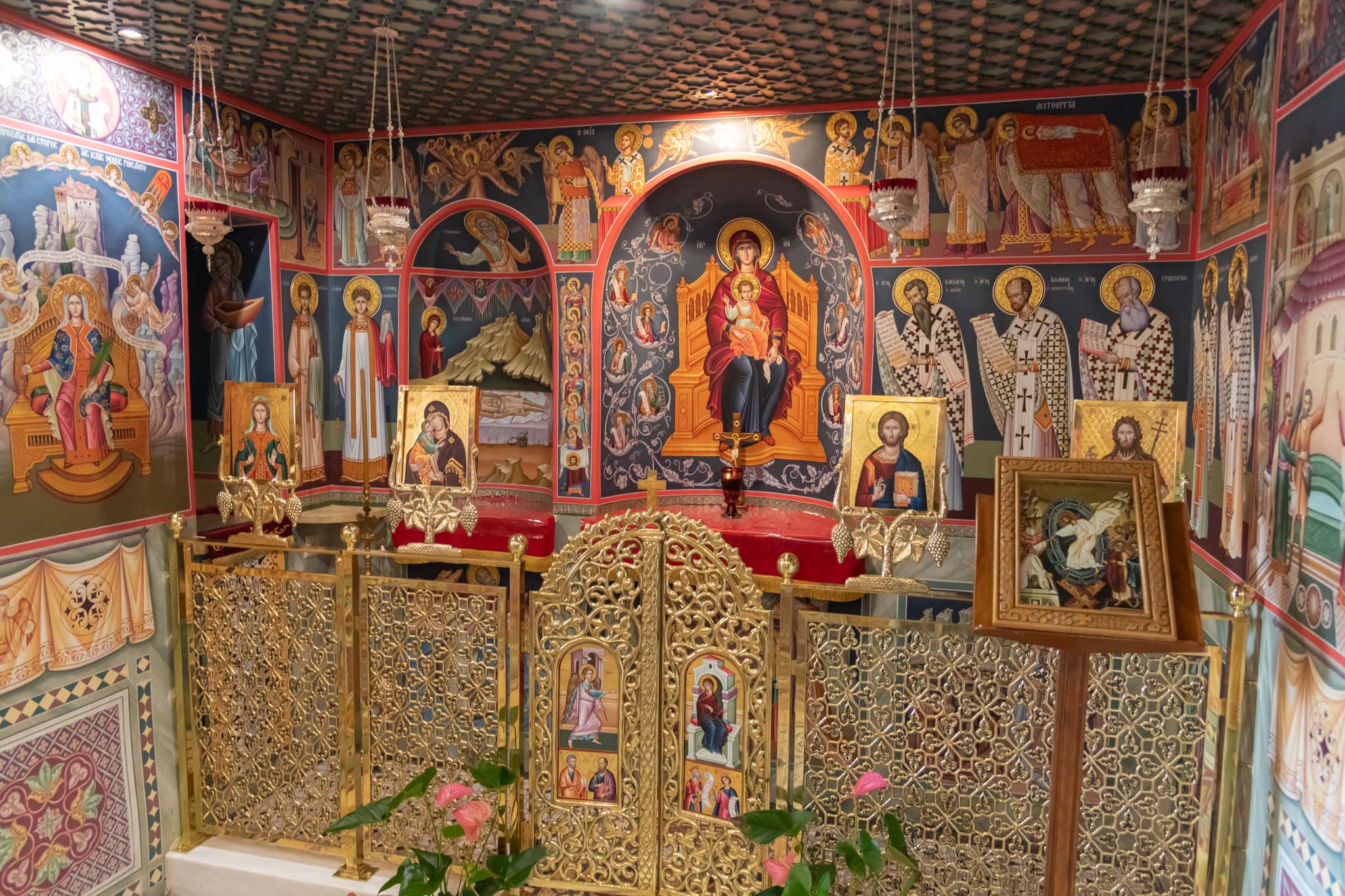
Photography wasn’t allowed inside the monastery, but I wasn’t aware of this and clicked a few photos before the clerk alerted me. 

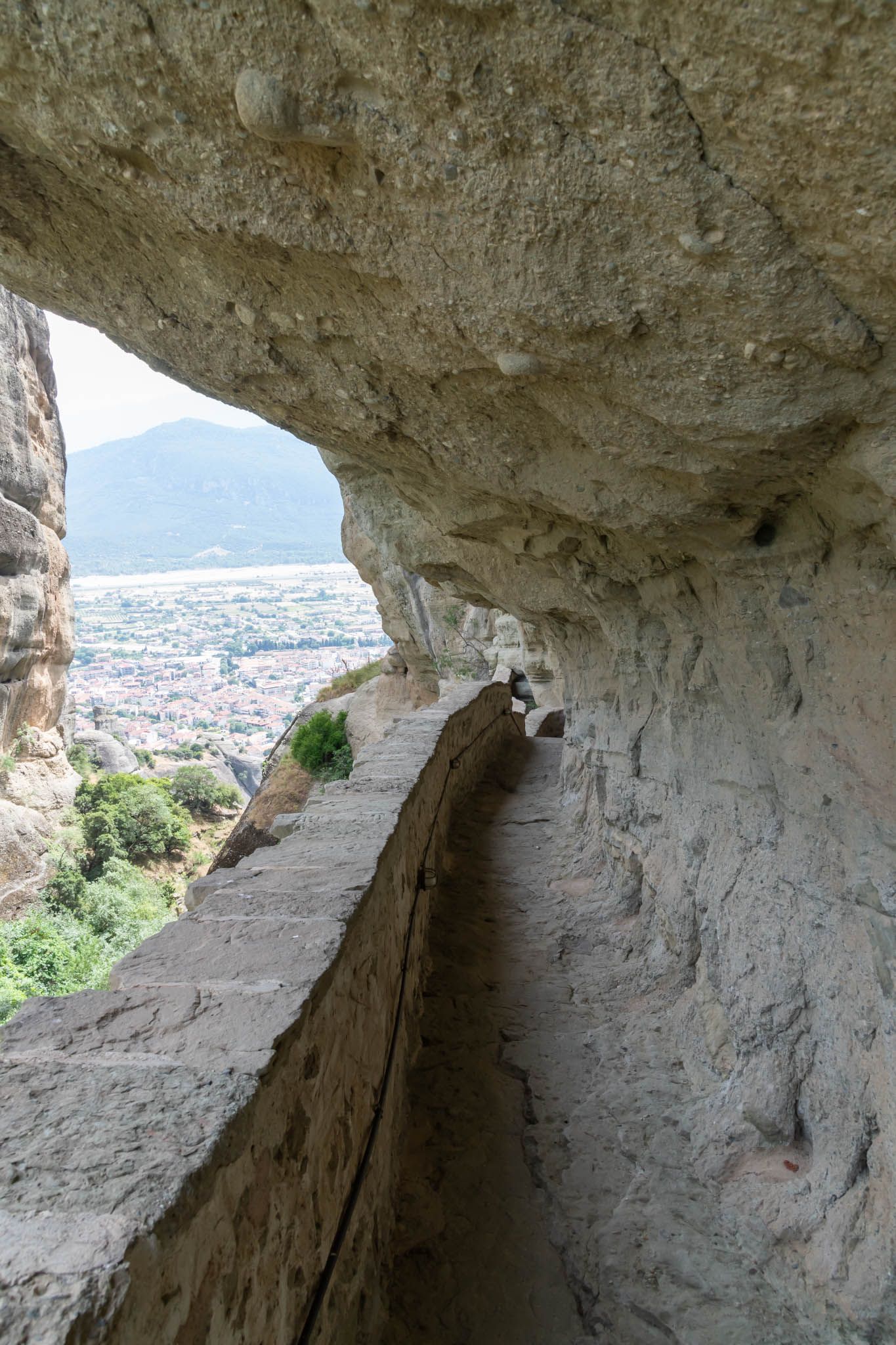
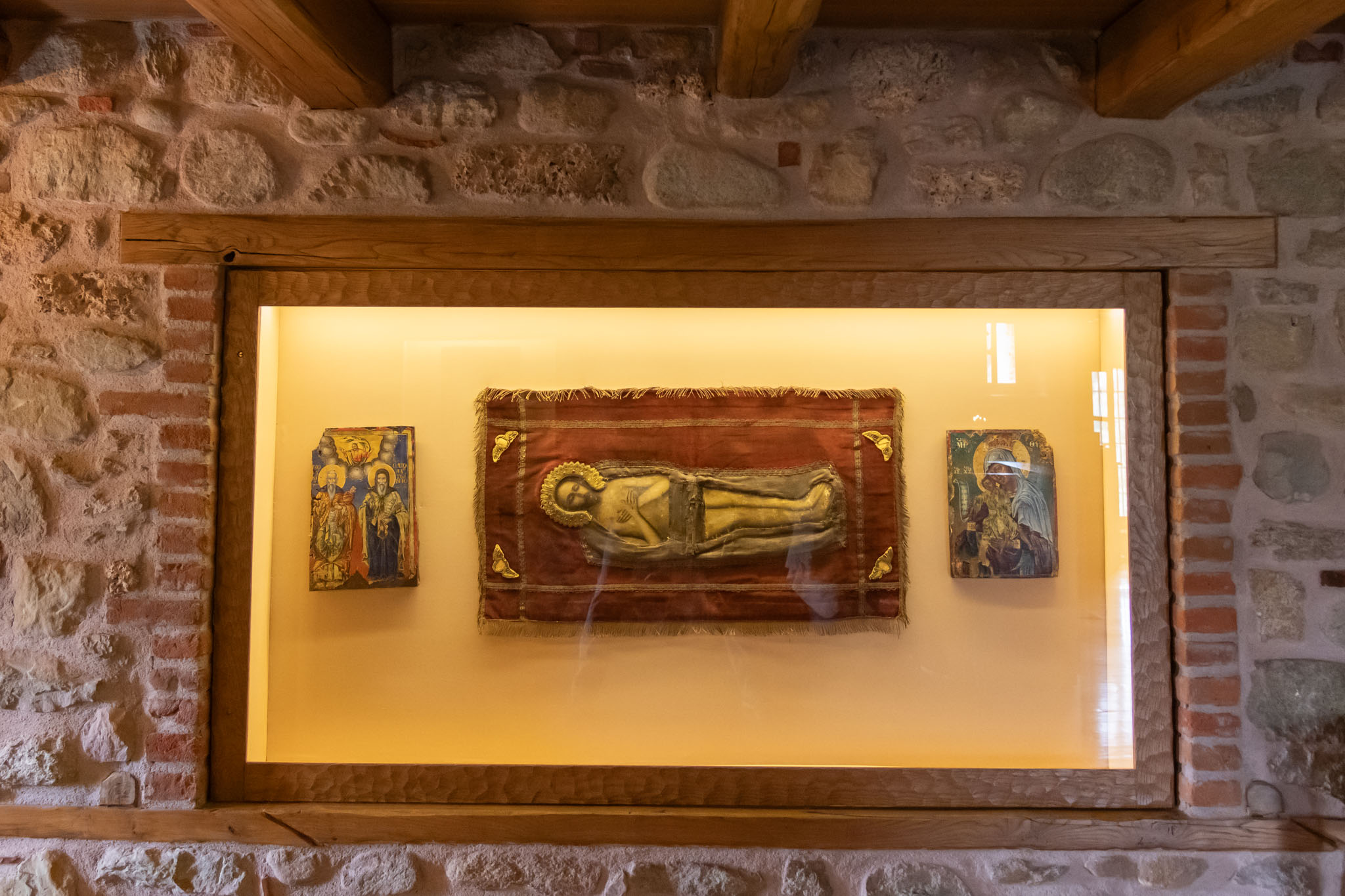
It has a nice small chapel and some displays in a room outside. The pathway through the woods, behind the monastery, is quite enjoyable.

This was the fourth monastery we visited, and we didn’t have enough time left, to visit the remaining two. The two days involved a lot of going up and down steps and we were happy we could handle it without any trouble. 

Meteora is a magical place indeed and I wasn’t disappointed that the experience didn’t do justice to the image that came into my mind when I heard of this place the first time. The town of Kalabaka is pretty nice too and I can easily see myself spending a week here trekking to the various monasteries and taking life easy, in between. It was our last evening at Meteora and we soaked in one more sunset before we said goodbye. 

“I first met him in Piraeus. I wanted to take the boat for Crete and had gone down to the port.” Thus starts the legendary work Zorba the Greek. A book that captured my imagination and caused me to wonder at the character and the author alike. My favourite of all that I have read of Nikos Kazantzakis. Yet, this was not his first book that I had read, and there is an interesting incident that led me to Zorba. In early 2001, I had been to Cyprus to meet a client and for some reason, we started talking about philosophy and the client (Costas) told me there was a Greek writer he respected quite a lot who turned to Zen Buddhism in the later part of life. I asked Costas whether he was talking about Kazantzakis, and he literally stood up in astonishment, that someone from such a distant land as India knew of Kazantzakis. I told him that I had read The Last Temptation of Christ and Report to Greco and explained to him that in my state Kerala, good many people knew Kazantzakis and his works, most of which had been translated into Malayalam. I also narrated to him the law-and-order situation that happened when a play based on The Last Temptation of Christ was staged at Thrissur. When Costas took me to meet his CEO, I was introduced as a man who had read Kazantzakis and the CEO asked me whether I had read Zorba and I hadn’t, at that time. Thereupon, Costas was given the responsibility to ensure that I was gifted a copy of Zorba the Greek before I left Cyprus and that was how I came upon Zorba. 

When we planned a trip to Greece recently, one of the important points in the itinerary was to visit Crete and go to Heraklion, Nikos Kazantzakis’ city. I wanted to reread Zorba one more time before I visited Crete but that was not to be. Kazantzakis was born in the city of Heraklion in Crete in 1883 and his roots went back to a village called Myrtia, which is near Heraklion. He was deeply spiritual and a free thinker and this meant he was often in conflict with the Greek Orthodox Church. The church did not appreciate Christ Recrucified and The Last Temptation of Christ and many from the clergy wanted him to be excommunicated, though that didn’t happen. While this was going on, it seems that Kazantzakis wrote to the Church as follows: “You gave me a curse, Holy fathers, I give you a blessing: may your conscience be as clear as mine and may you be as moral and religious as I.” What a man!

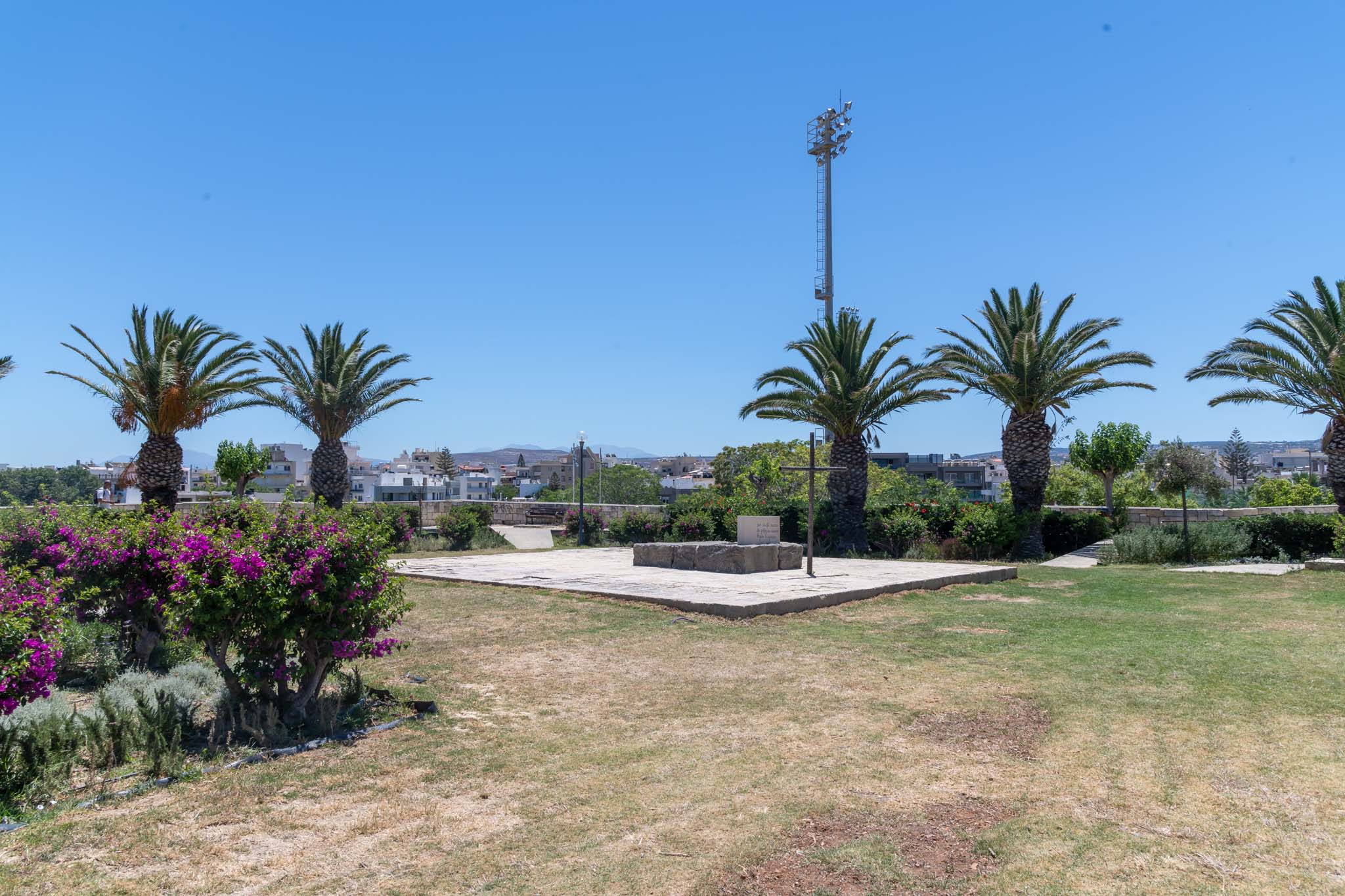
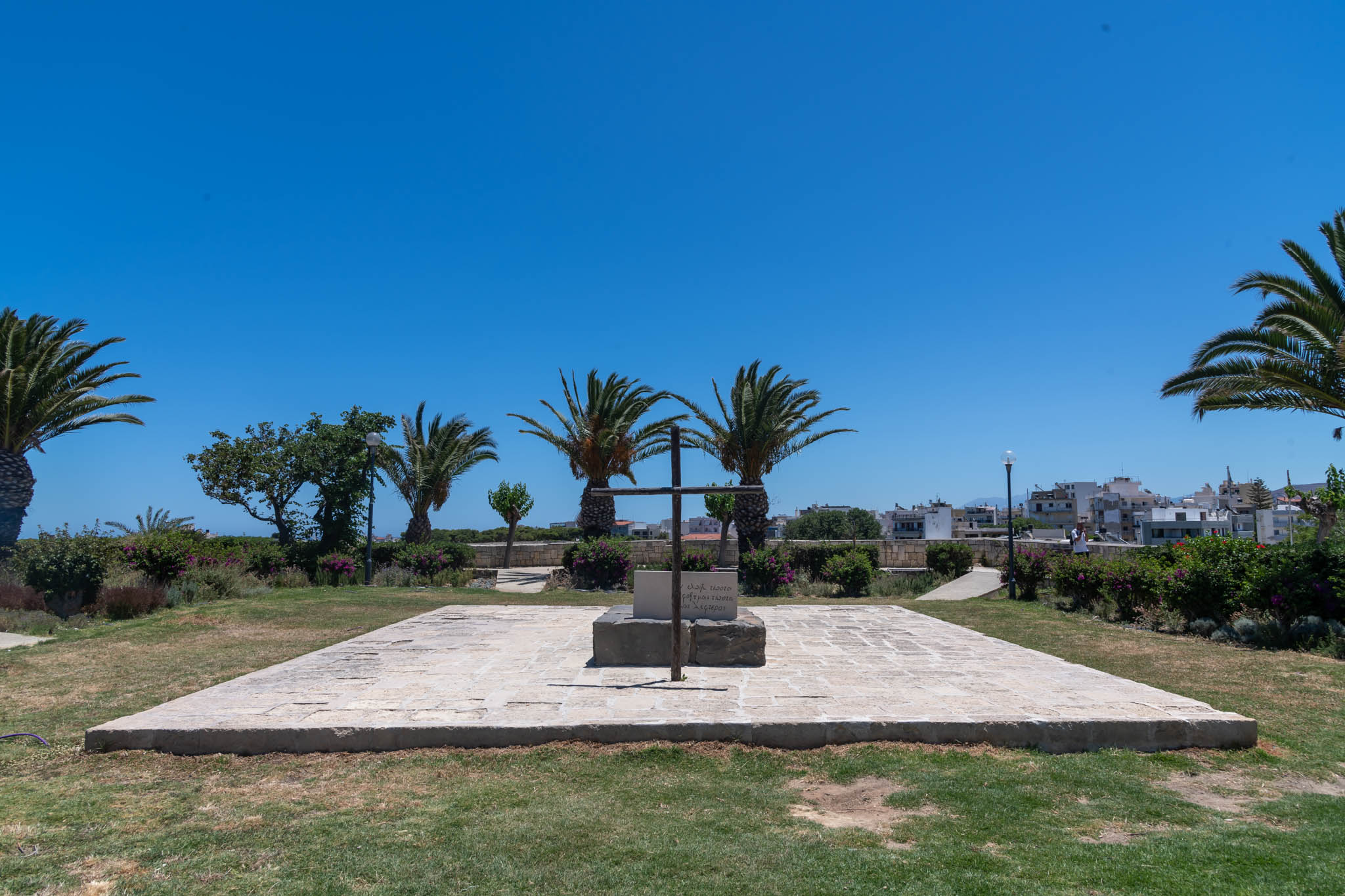
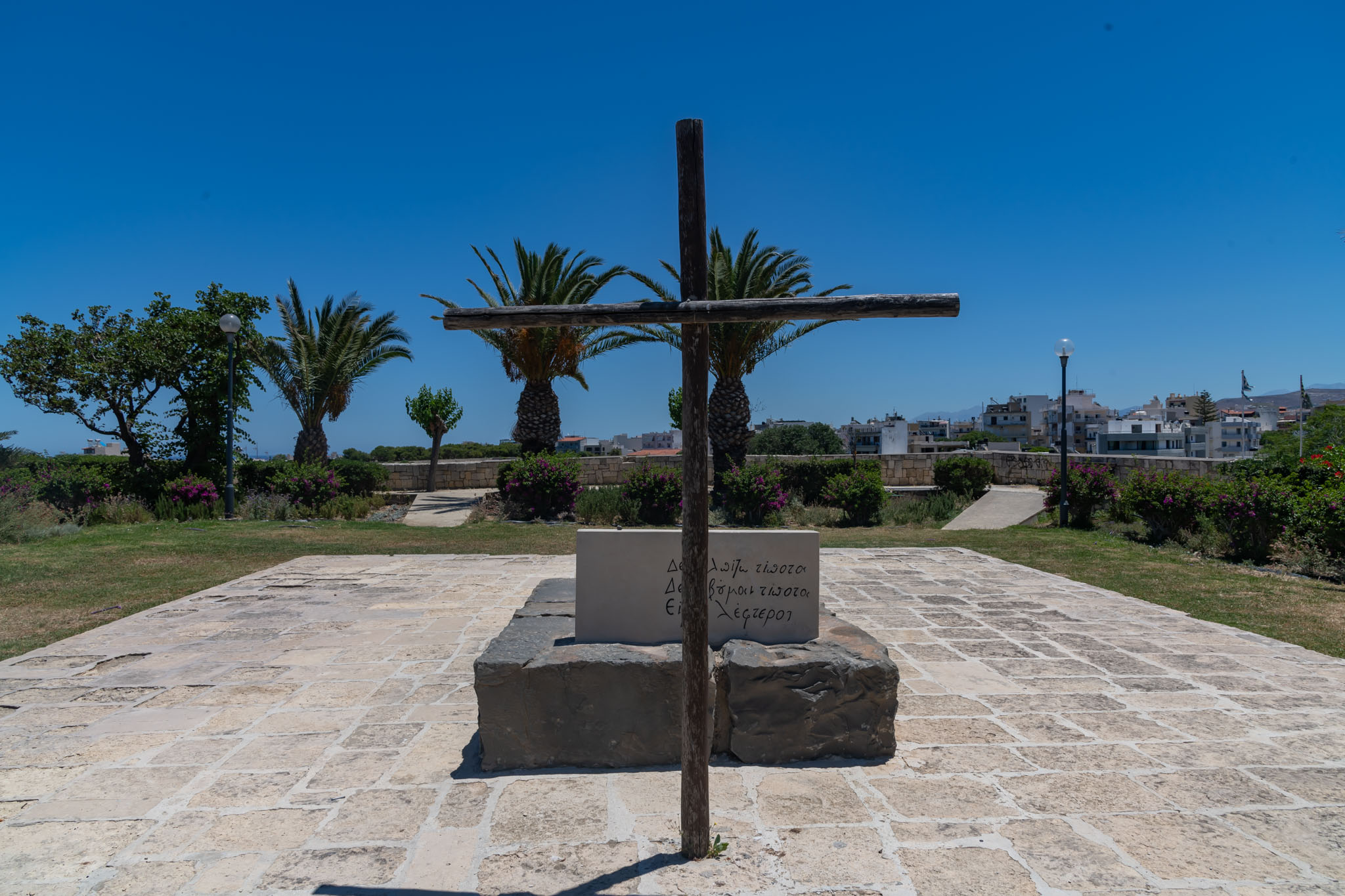
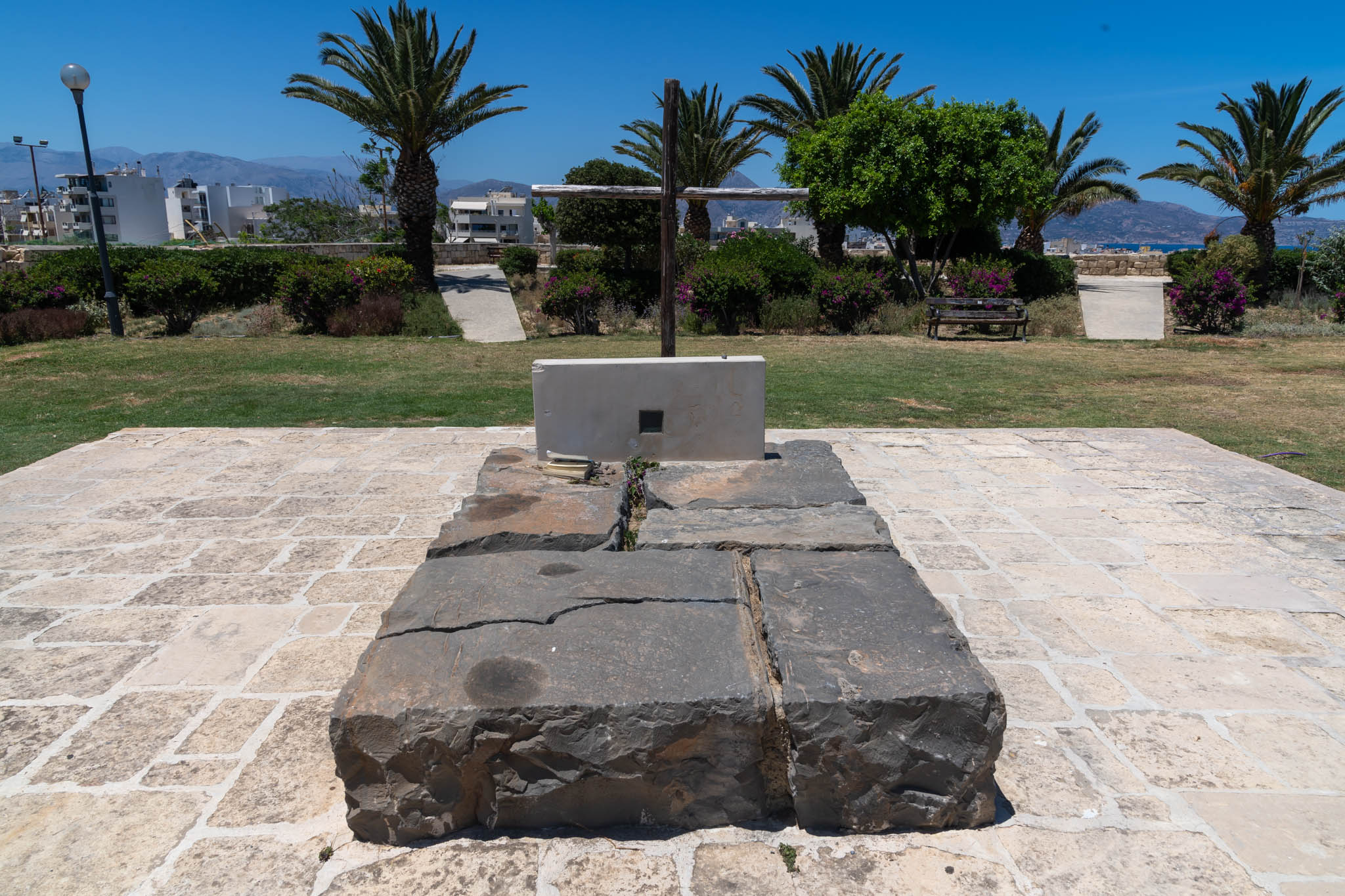
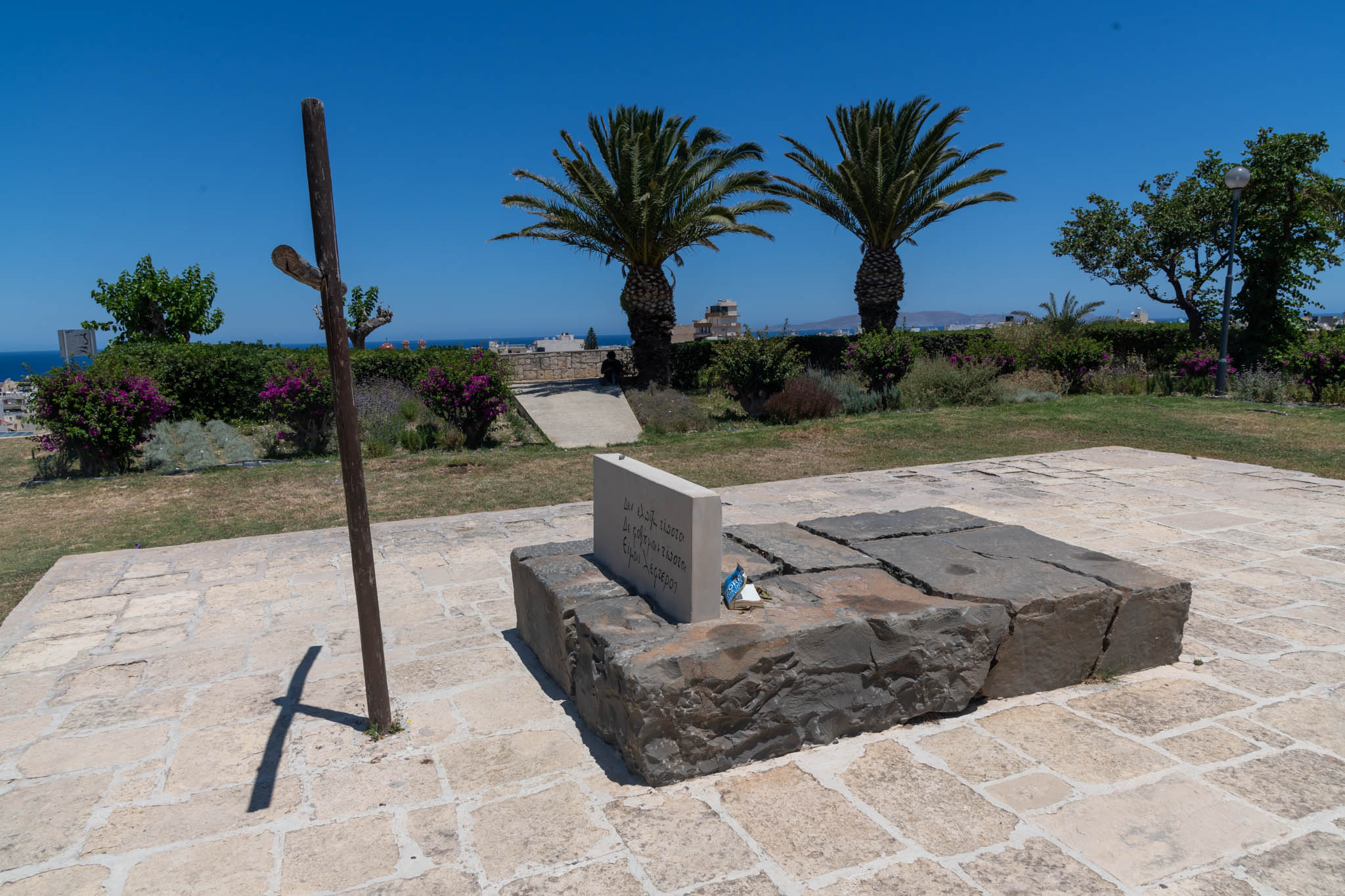
He passed away in Germany in 1957 and it was his desire to be buried in Heraklion. The clergy with their narrow mindset declined to give space in any cemetery for him. Thus, he was laid to rest near the old Venetian city walls of Heraklion, atop a hill. It is amazing how often religious leaders completely lose track of what they are supposed to propagate in the first place – love and humanity. 

We arrived at the location of his grave at around noon, and it was totally deserted. We parked at the base of the hill and walked up; I had doubts on whether the place was closed. There were no directions and we saw one building first with its gates shut and that didn’t look like what we were searching for. We walked past the building and soon came upon the solitary, simple grave. 

On the grave is written “I hope for nothing, I fear for nothing, I am free”, according to his wish.

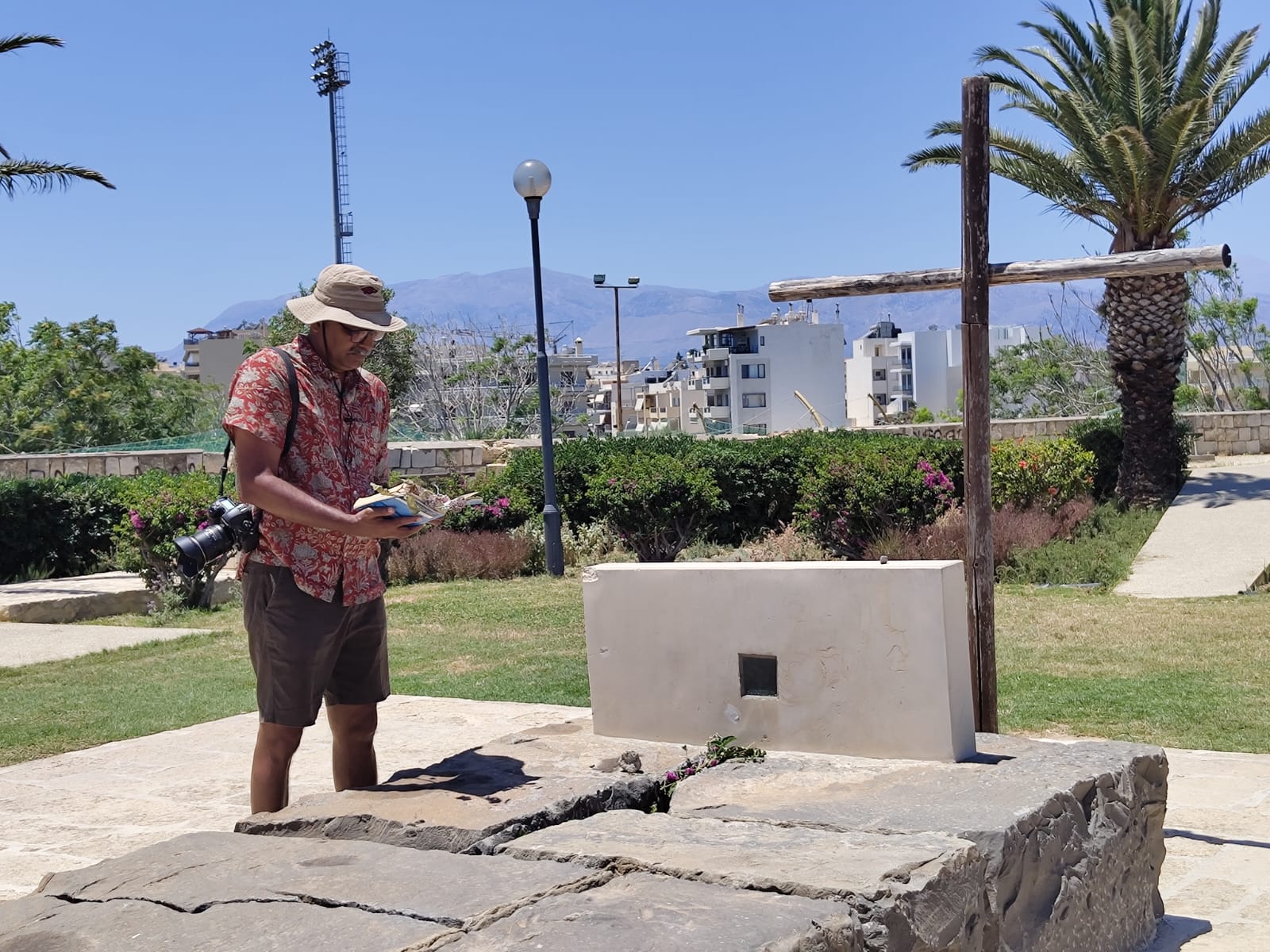
Someone had left a copy of an English edition of Zorba on the grave, and I stood there in the scorching sun and read the first few pages from the book. Somehow, it felt like an apt gesture. Earlier in the trip, we had been to the port of Piraeus in Athens to catch a boat to Hydra and as I read the first couple of lines, I felt like I was there in the little café that rainy morning. 

Photo: Sandhya

We spent a few minutes on that lonely hilltop, and I felt that Kazantzakis would indeed have preferred to have been buried there instead of a cemetery; the word freedom makes more sense there.

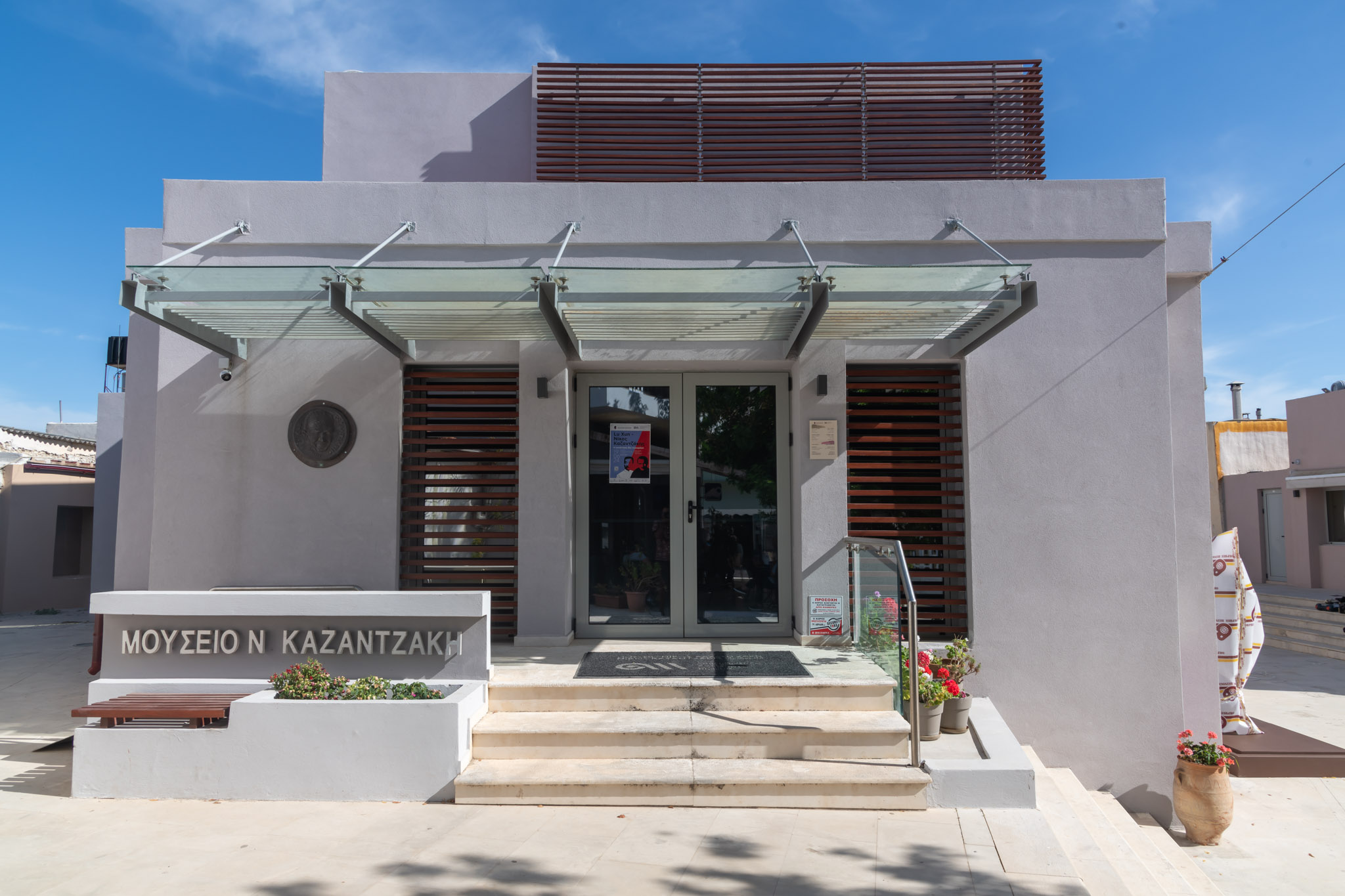
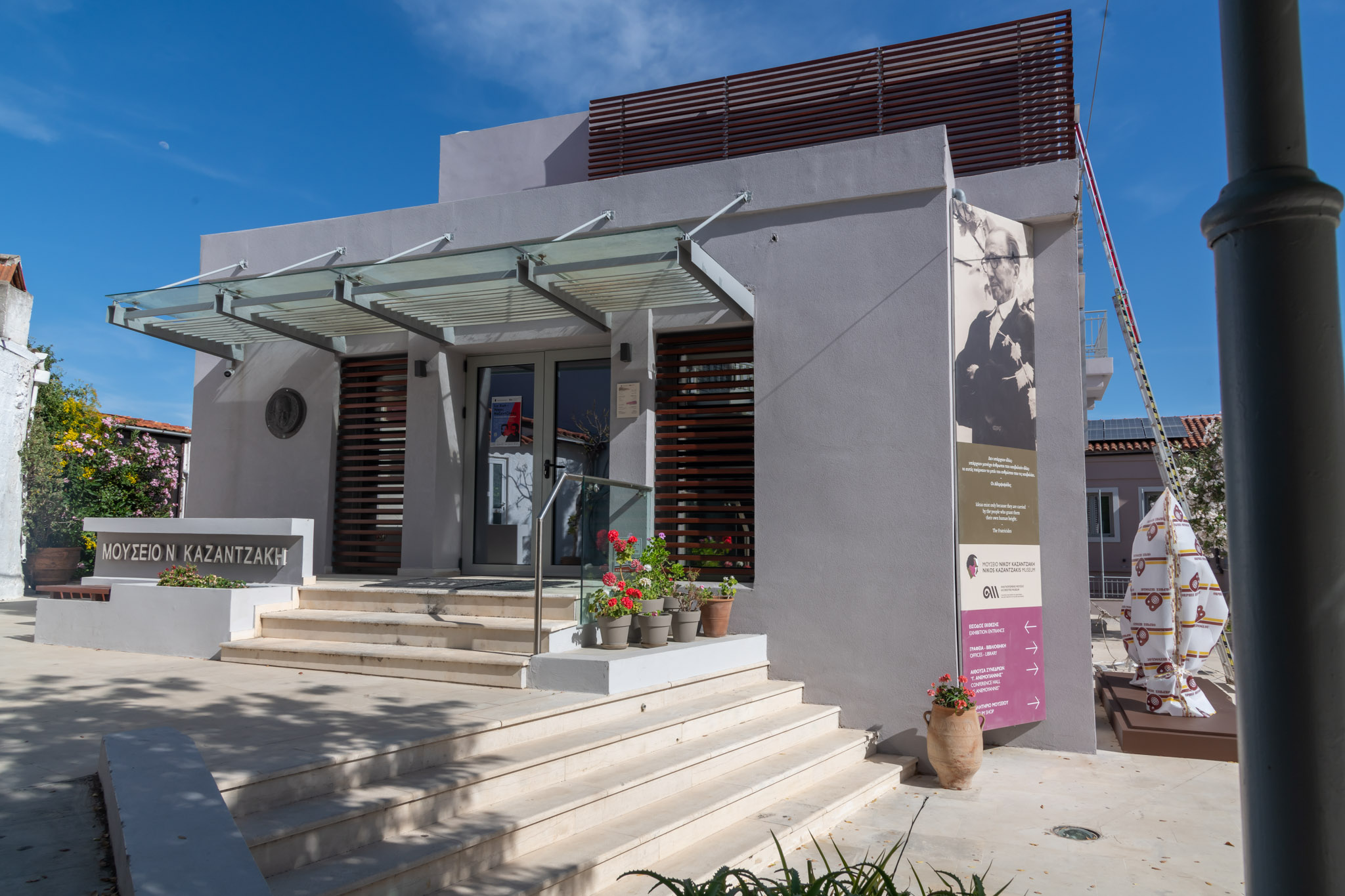
After a brief stop at Fort Koules (a Venetian fort built to protect the harbour), we set forth to the Nikos Kazantzakis Museum. This is in the village of Myrtia about 18 km from Heraklion. It was a pleasant drive through deserted, winding roads passing through small Greek villages. This museum was set up by Yorgos Anemoyannis, a Greek set designer, who was a cousin and friend of Kazantzakis, in 1983. He was helped quite a lot in his efforts to collect manuscripts and other display material by Eleni, Kazantzakis’ second wife. Anemoyannis converted his own house and purchased another small adjoining house that belonged to a relative to create the museum. The museum is managed by Nikos Kazantzakis Museum Foundation which is a non-profit private entity supervised by the Ministry of Finance and the Decentralized Administration of Crete. It stands on a small square with the essential coffee shop at hand. 

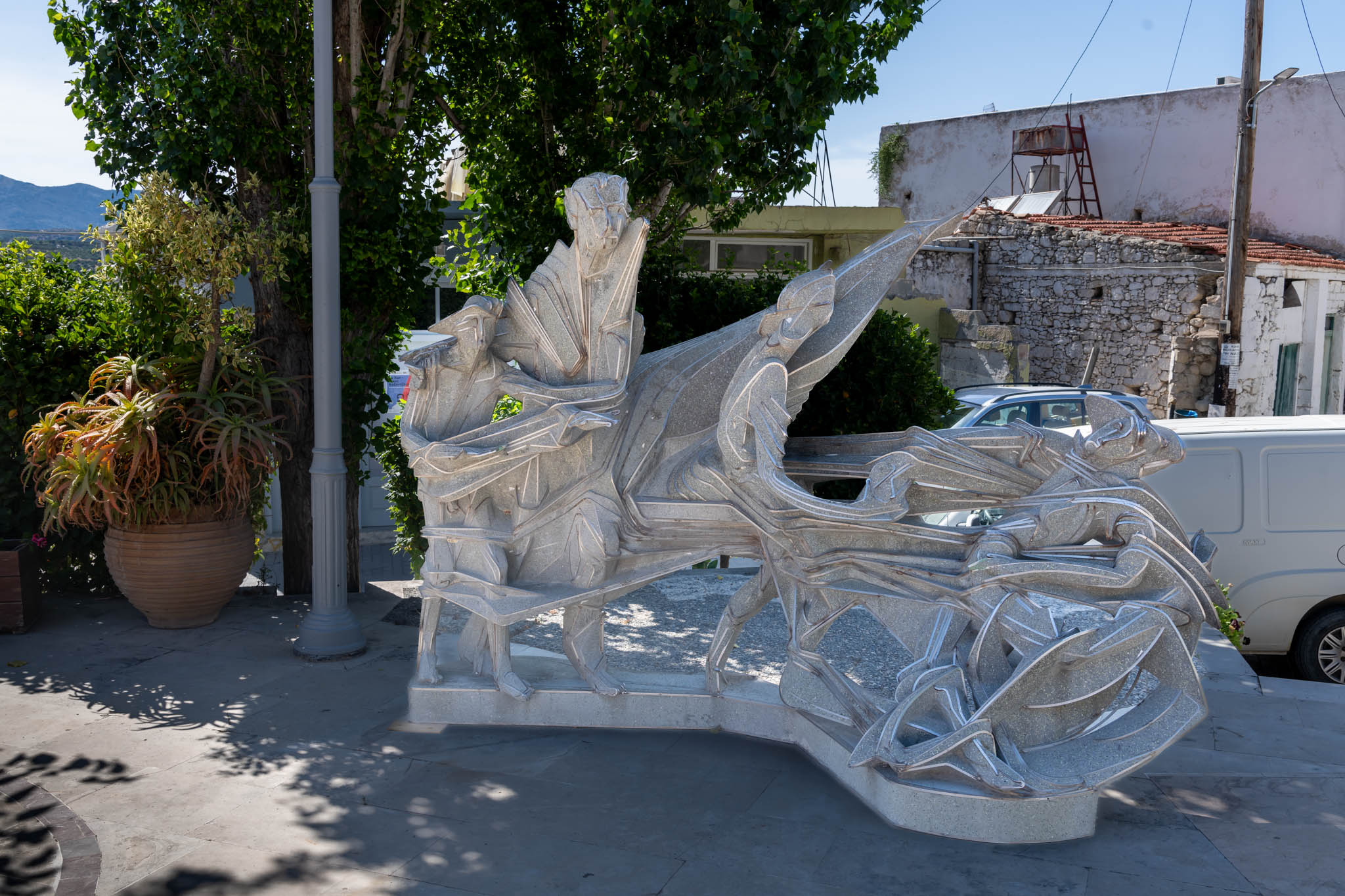
Kazantzakis was an admirer of the Chinese writer Lu Xun and it seems their styles were a bit similar, to the extent that they were called “Chinese Kazantzakis” and “Greek Lu Xun” by some friends. There is a museum in China set up in the memory of Lu Xun and these two museums collaborate with each other, facilitating a virtual meeting as Kazantzakis and Lu Xun never met in their physical lives. This sculpture installed in the square was donated by the Chinese museum.

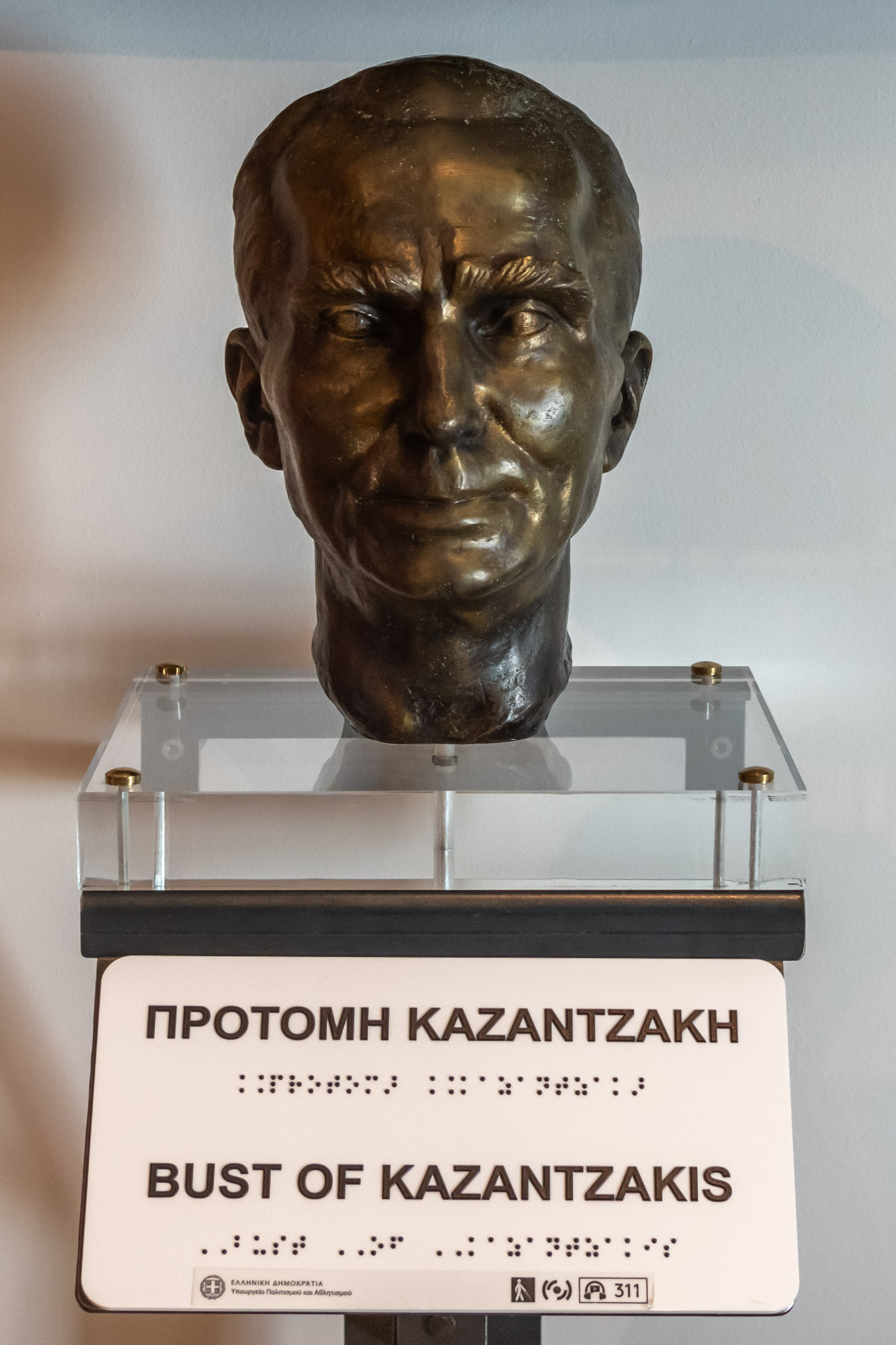
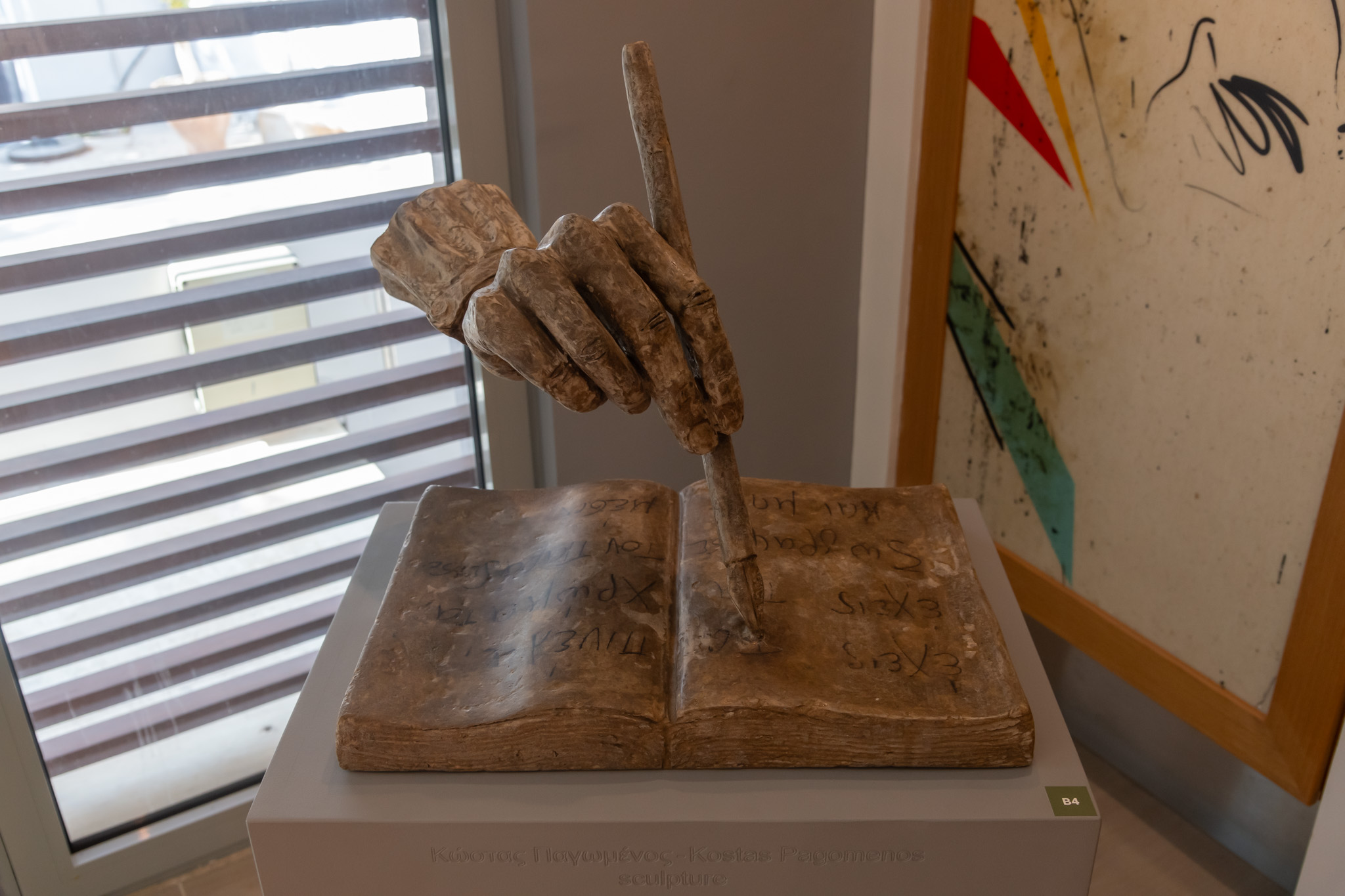
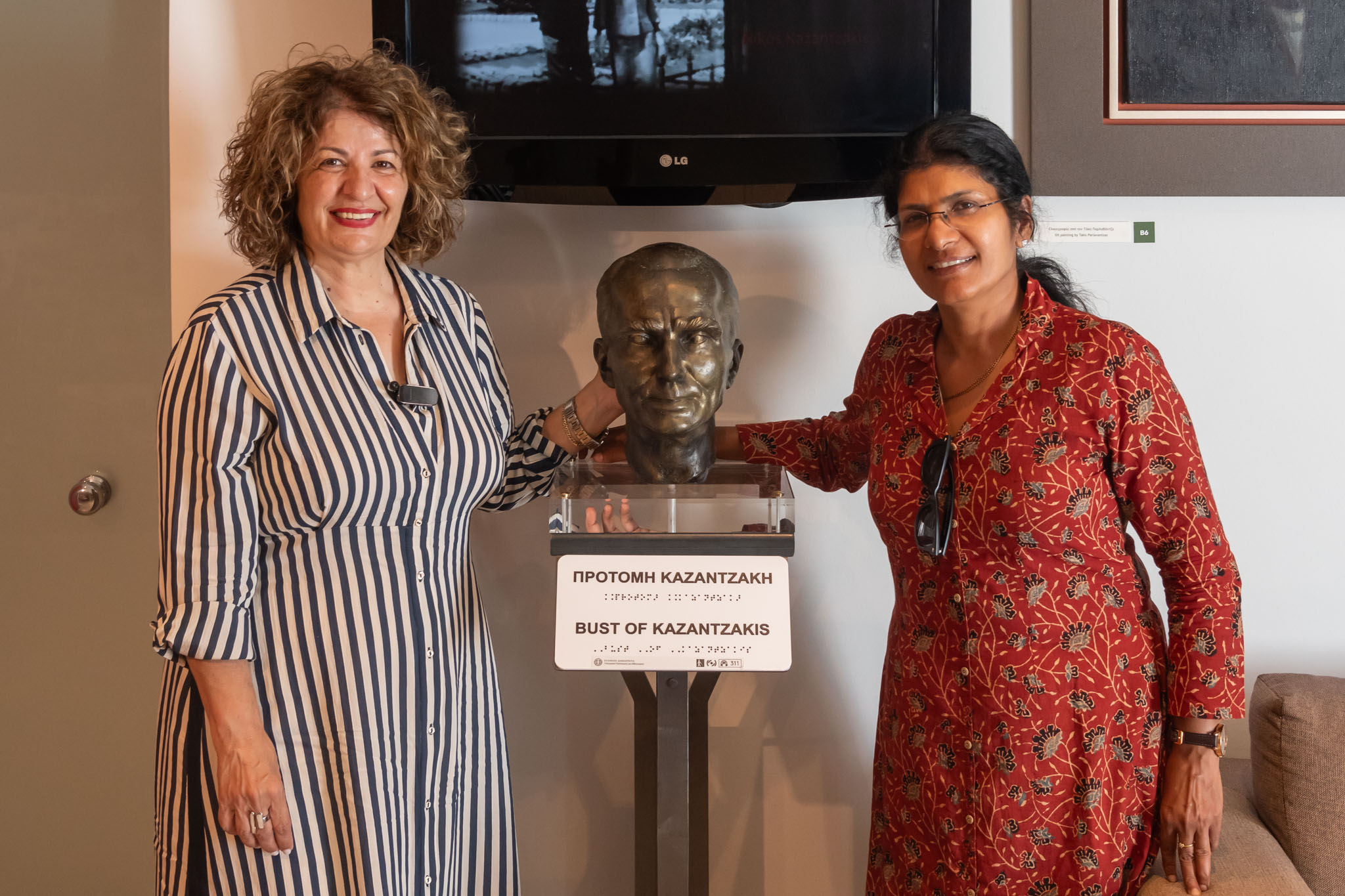
As you enter the museum, you are greeted by a bust of Kazantzakis and a sculpture of a hand holding a pen.

There is a small theatre inside where a 20-minute video on Kazantzakis was played. From the video, I learnt that the last published work of Kazantzakis is titled “Aniforos” and that it was published in 2022! It seems the book was written in 1946 but never published. On enquiry, I was told that the English version is yet to be released. 

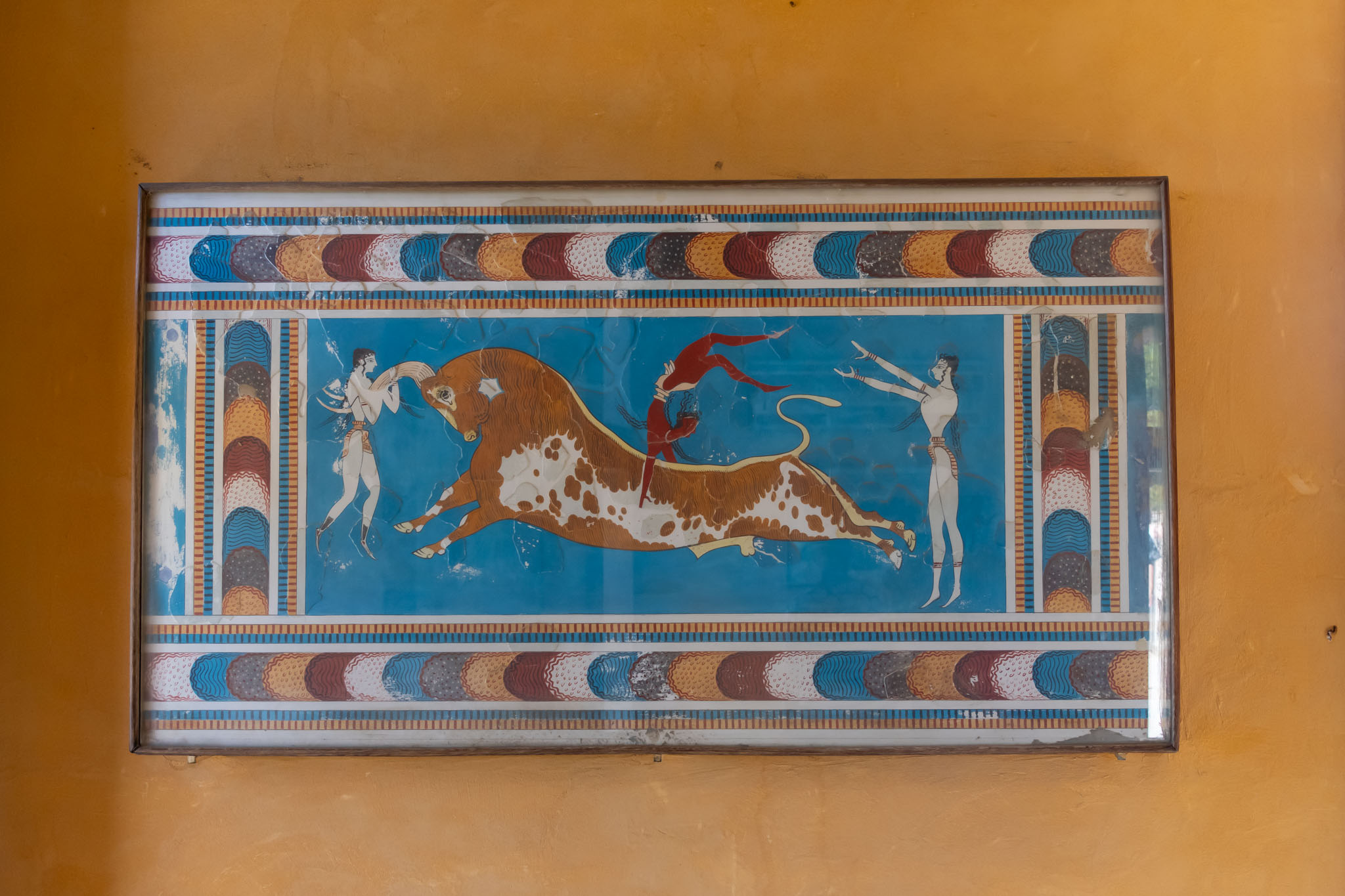
The museum has a lot of first edition copies, letters, personal effects of Kazantzakis displayed. I read the following in the museum: “Odysseus, he who sailed upon the octameters I was writing, had to be made to view the abyss with such a Cretan Glance without hope and fear, but also without insolence as he stood proudly erect on the brink of the precipice (from Report to Greco). The “Cretan Glance” with which all of Kazantzakis’s heroes are endowed is a particular moral stance, best summed up as the absence of fear and hope in the face of futility, the abyss and death. Kazantzakis conceived of it in a vision, while leaping at the Minoan bull leaping fresco, and believed that it resulted from the synthesis of diverse cultures and opposing perceptions.”

It was quite a coincidence that I had been to the Minoan site where this fresco had been discovered (Palace of Knossos) earlier in the day where a replica of the fresco can be seen even now. 

This fresco is supposed to date back to 1450 BC, and this was an important sport for Minoans. In this, a man faces a raging bull and then somersaults over its back to land on his feet behind the bull. As I was looking at the fresco, I was struck by the similarity of this sport to Jallikkettu from Tamil Nadu. In both, man is trying to establish his victory over a strong animal, the bull. But we digress, let us get back to the museum. 

Kazantzakis worked on a sequel to the Odyssey from 1924 to 1938 and he considered this to be his magnum opus. It has 33,333 lines and follows the structure of Homer’s Odyssey but is about a final journey undertaken by Odysseus after the end of the original work. His most famous works were all published after this – Zorba the Greek (1946), Christ Recrucified (1948), Captain Michalis (1953), The Last Temptation of Christ (1955) and Report to Greco (1961). In 1947 he moved to Antibes in France to concentrate on writing and as can be seen from the above, his output was prolific. Zorba got him international acclaim and I was struck by the fact that Kazantzakis was already 63 by the time it was published!

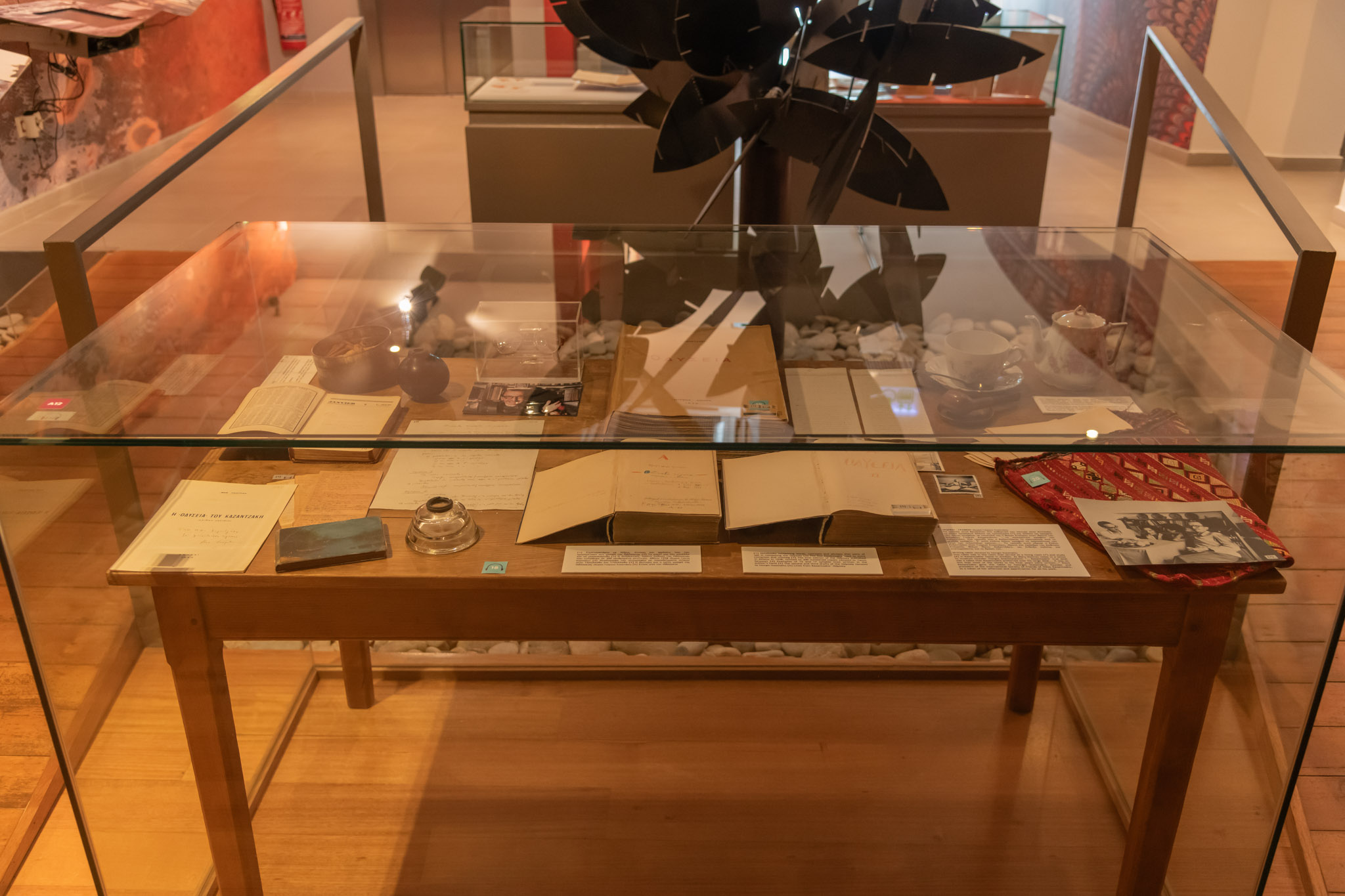
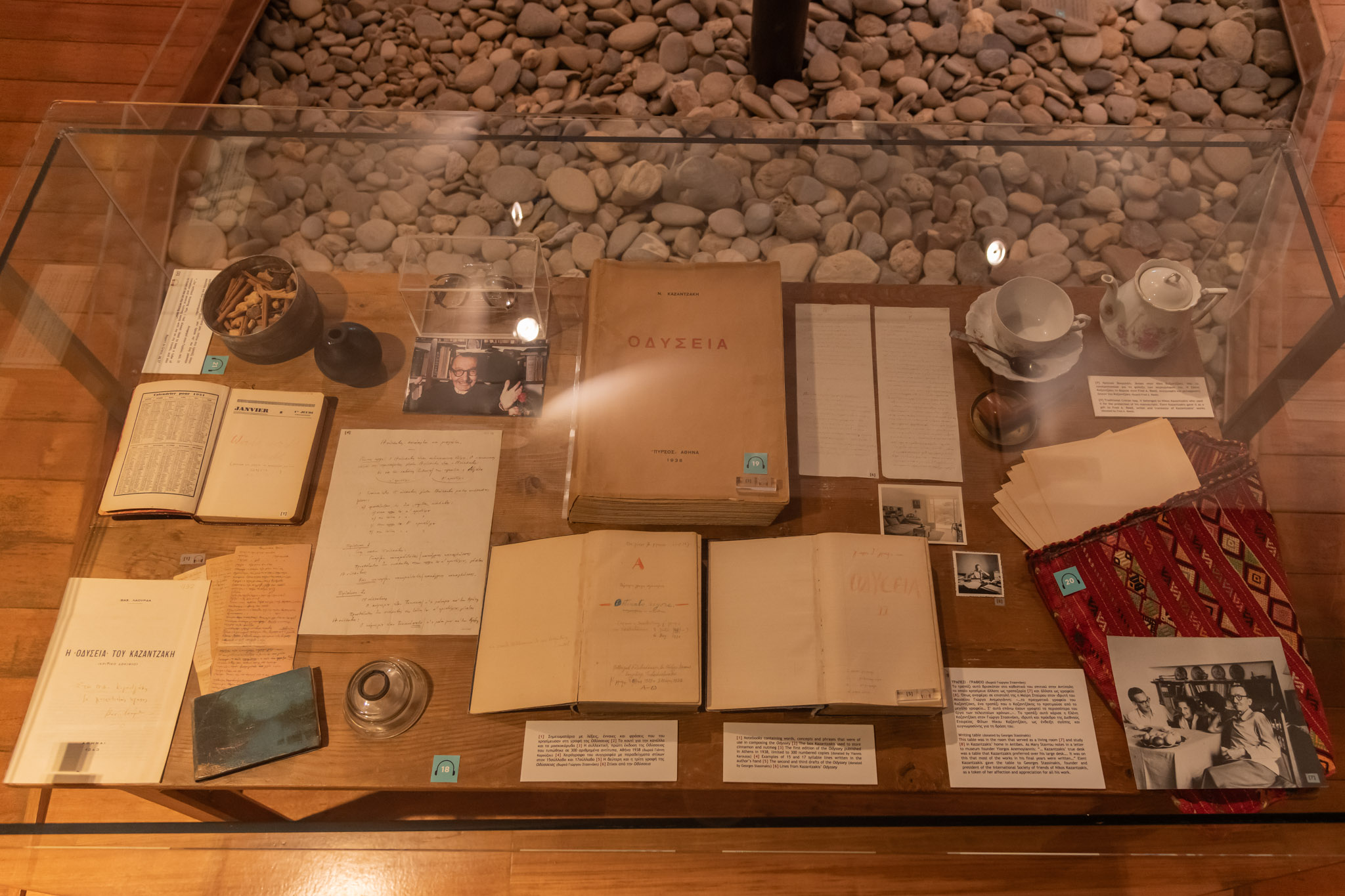
Even though he had a large desk at his house in Antibes, he preferred the table in the living room as his space to write and this table is displayed at the museum and on it, you can see the first edition of the Odyssey published in Athens in 1938 and limited to 300 numbered copies, notebooks containing concepts, words and phrases used in Odyssey and a box Kazantzakis used to store Cinnamon, Nutmeg etc.

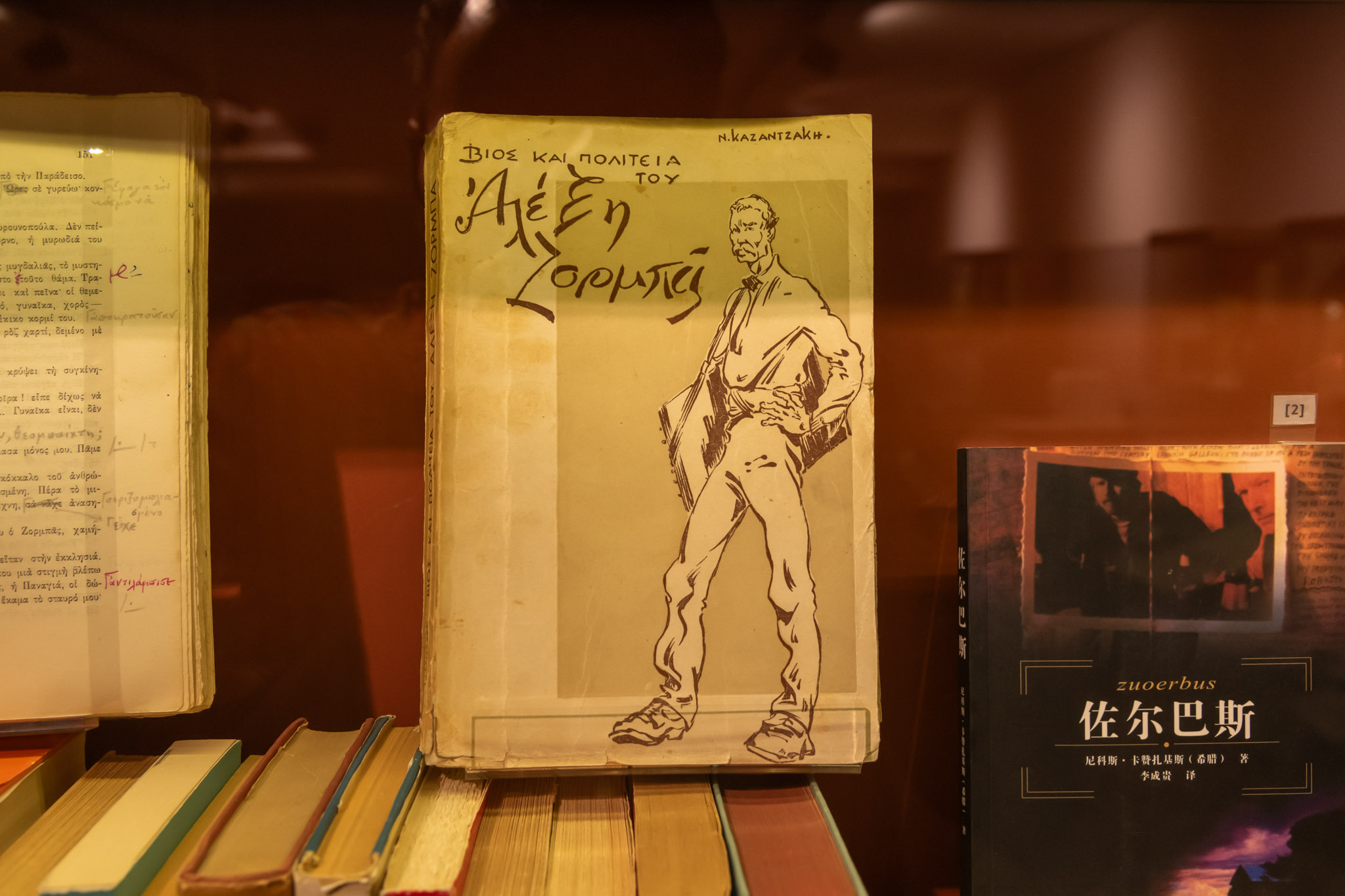
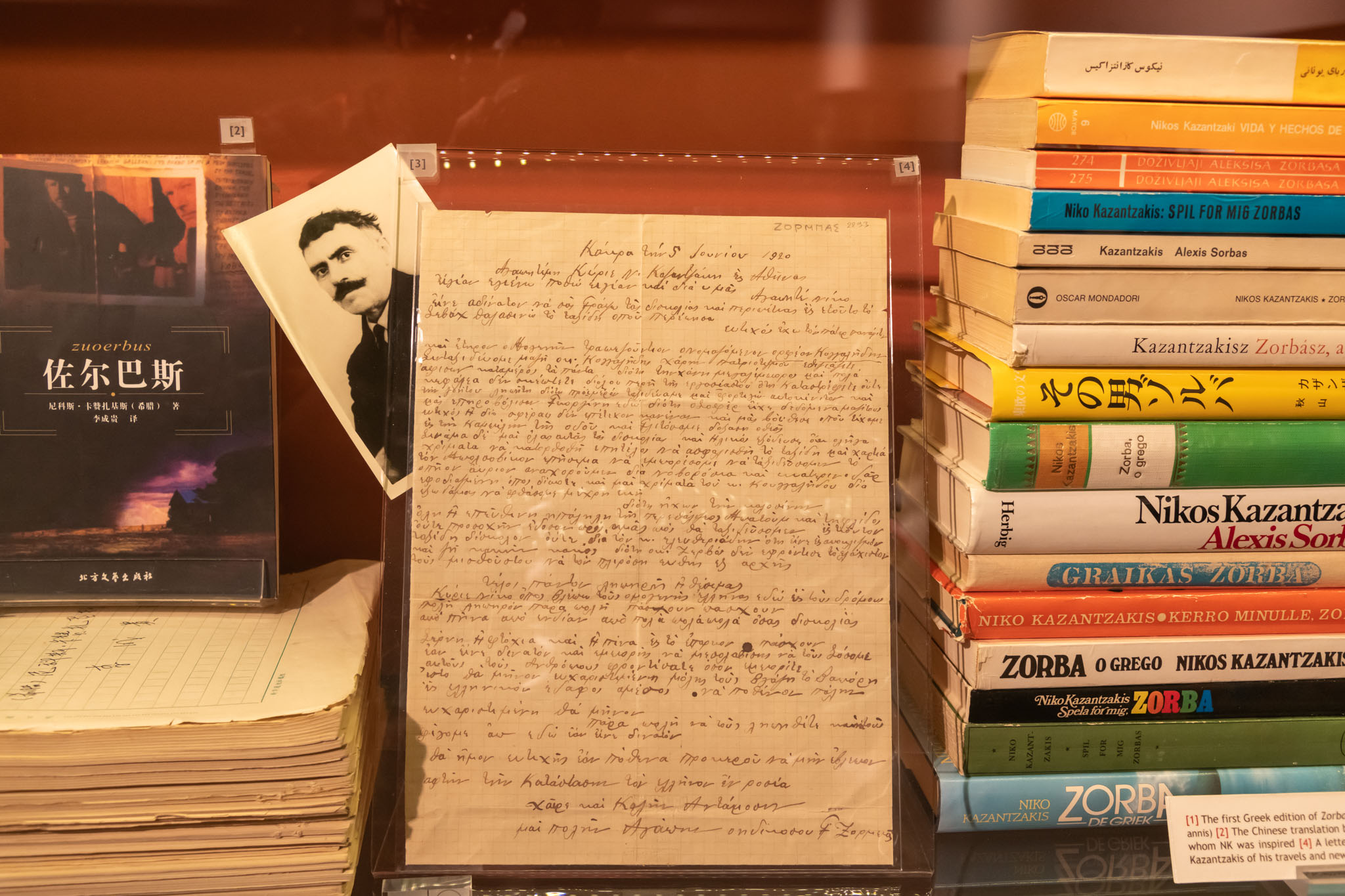
Yet another display is the first Greek edition of Zorba the Greek (which was originally titled Life and Times of Alexis Zorbas) along with a photograph of Yiorgis Zorbas, who inspired the character, Alexis Zorbas. However, it seems that Yiorgis Zorbas and Alexis Zorbas were actually poles apart in character! Yiorgis Zorbas was a friend of Kazantzakis and a letter he sent to Kazantzakis from Cairo in 1920 about his travels, is also displayed. 

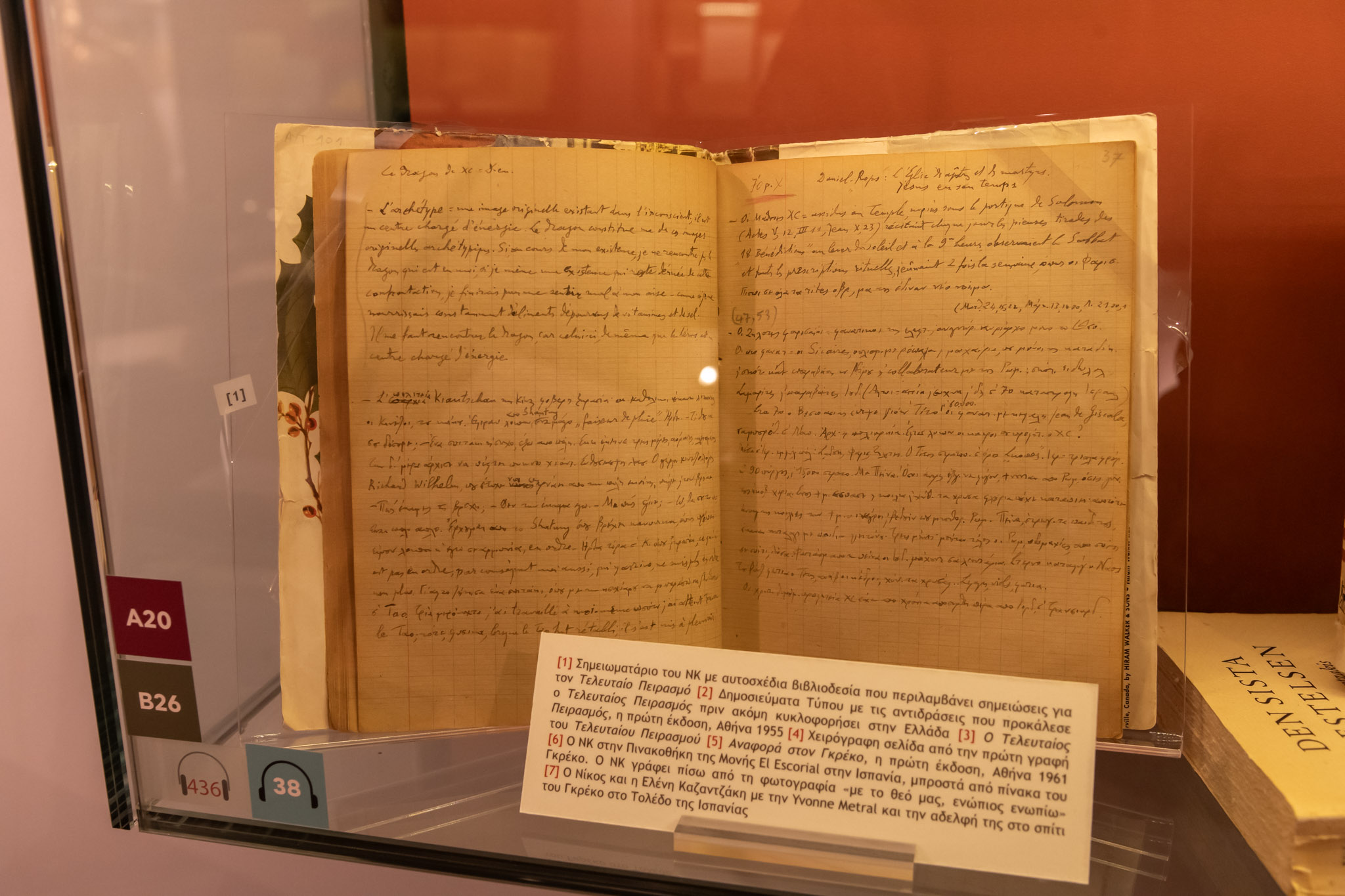
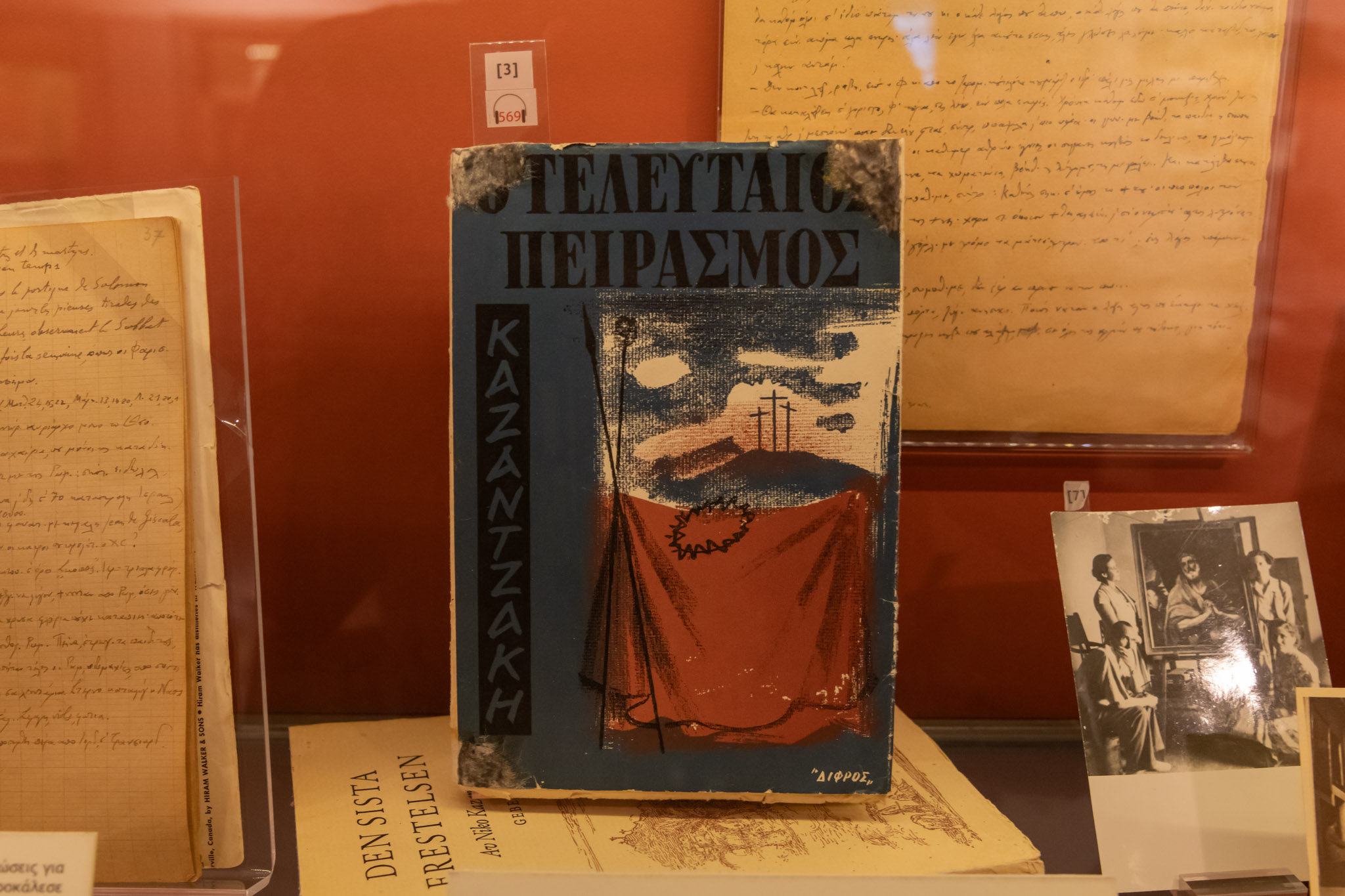
Yet another display that caught my attention was a notebook with notes for The Last Temptation of Christ (in Kazantzakis’ handwriting) and the first edition of the book.

The museum is not very large in size, but it is has a lot of memorabilia connected with Kazantzakis and one can easily spend 2-3 hours there. This is a tremendous initiative to honour a great writer and thinker.

To our good fortune, the Director of the museum, Ms. Marilena Milathianaki, was present when we visited. She was pleasantly surprised to see visitors from India and she said that it is very seldom that they get Indians coming over. In general, it is difficult to reach the museum as it is far from Heraklion and there is hardly any public transport (she said there is only one bus per day) and so you need to have some private means of transport to be able to visit. She spoke to us about their collaboration with the Chinese museum and even invited us for a function that was to take place on the 19th of June wherein a new sculpture was being unveiled with some talks and a musical program. Unfortunately, we were leaving on 19th morning and hence couldn’t accept her invitation. 

It was very educative and interesting to talk to her and she was also excited to hear about Kazantzakis’ popularity in Kerala. We congratulated her on the important work that they are doing, and she invited us to visit again whenever we are in Crete again. We parted with this gracious lady after taking a photograph.

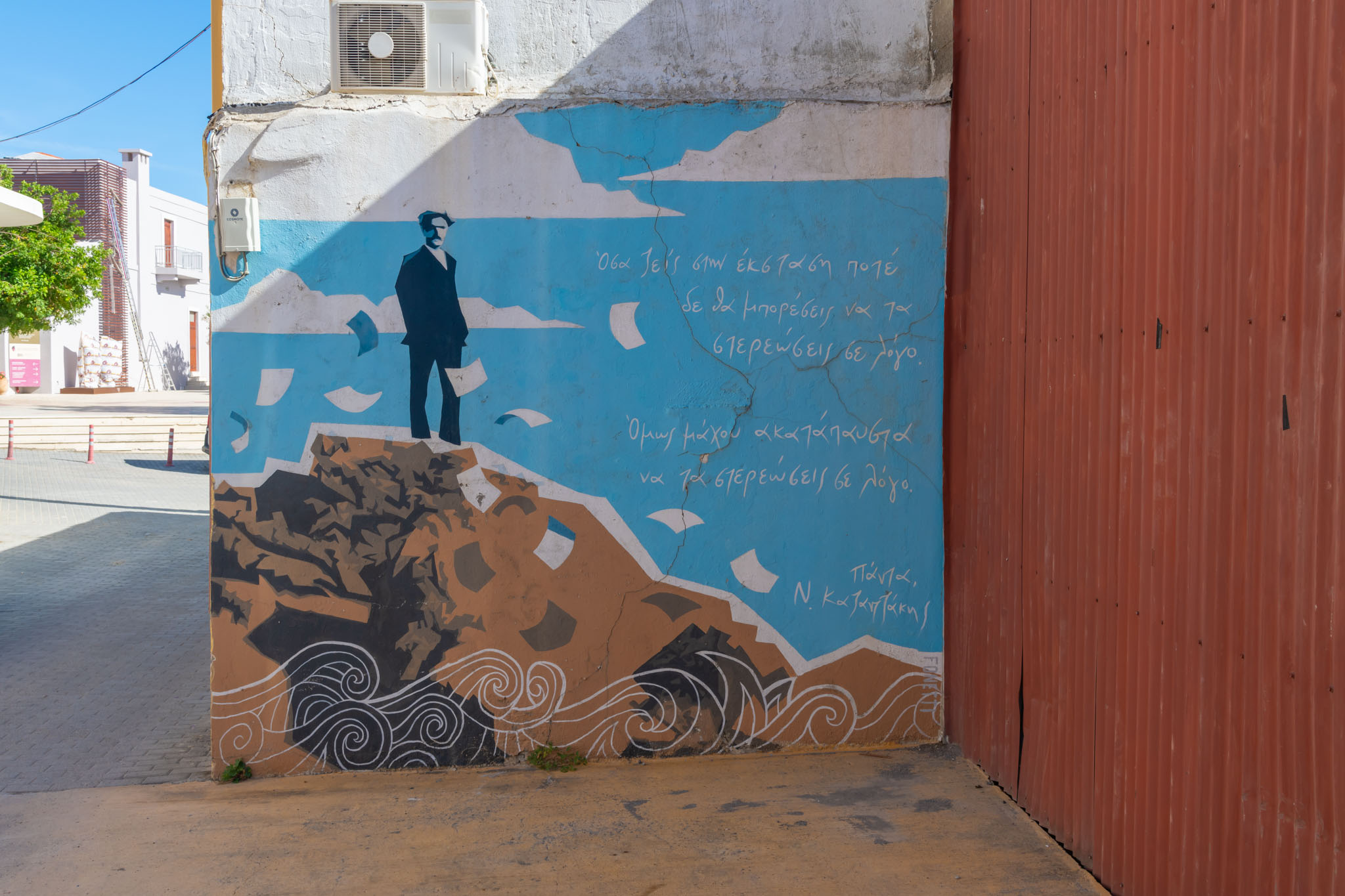
To me, this visit was the highlight of the entire trip to Greece. I felt that the Government should do more to ensure that the museum is easily accessible to the public and enlarge it; maybe they will, one day. Heraklion should be proud to be known as Kazantzakis’ city and I think they realise it, as the airport is named after him. As I walked back to our car, I turned back for a last look at the museum and saw this fantastic mural. Kazantzakis standing tall on the Cretan coast!

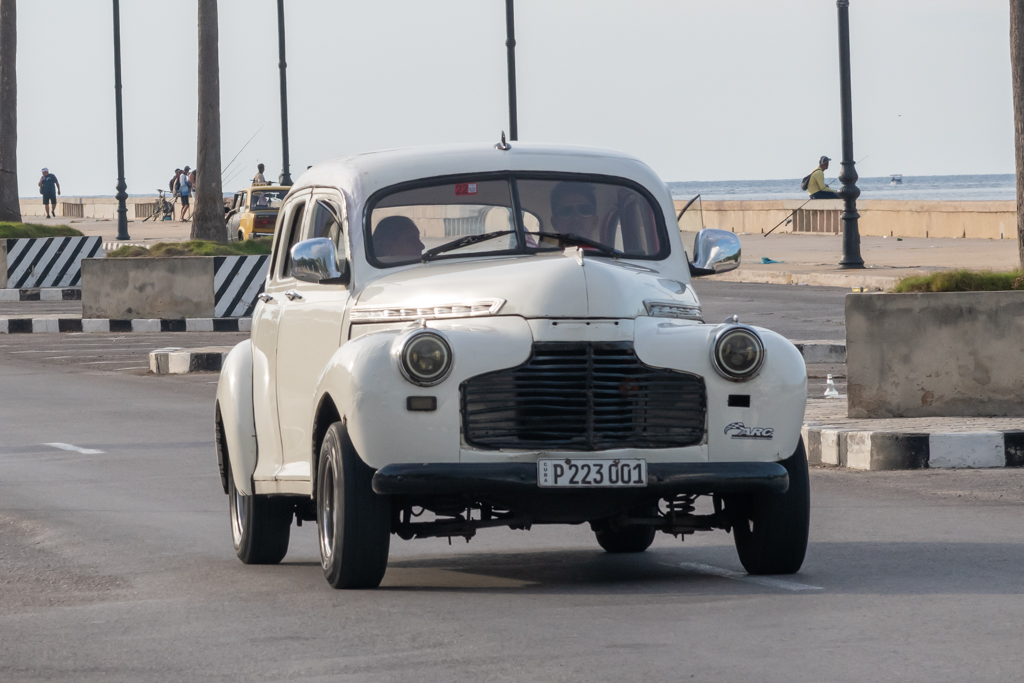
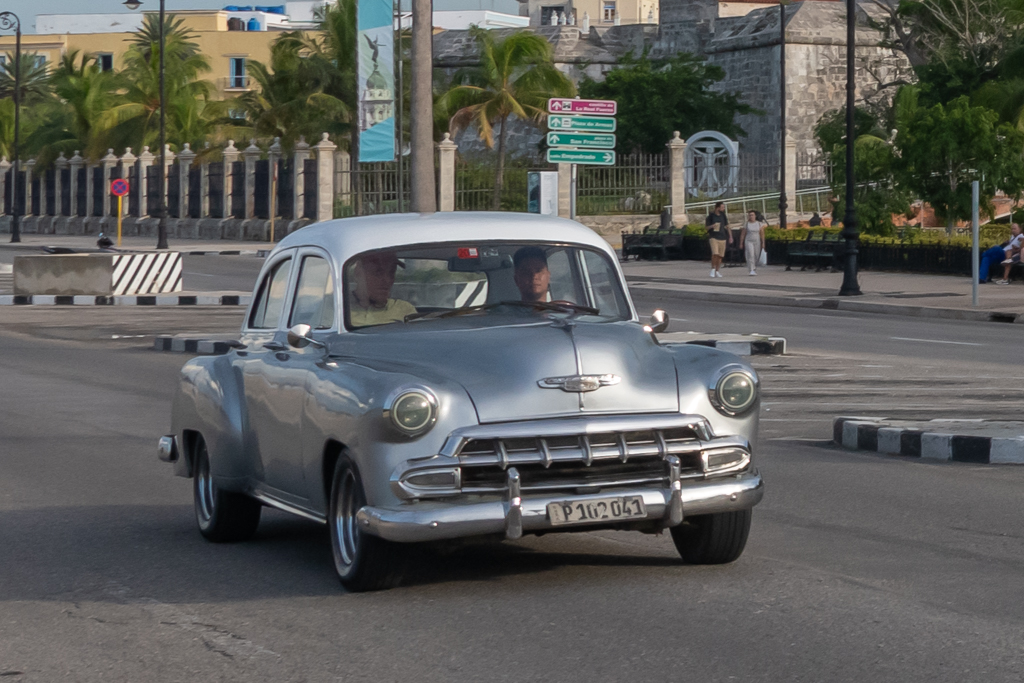
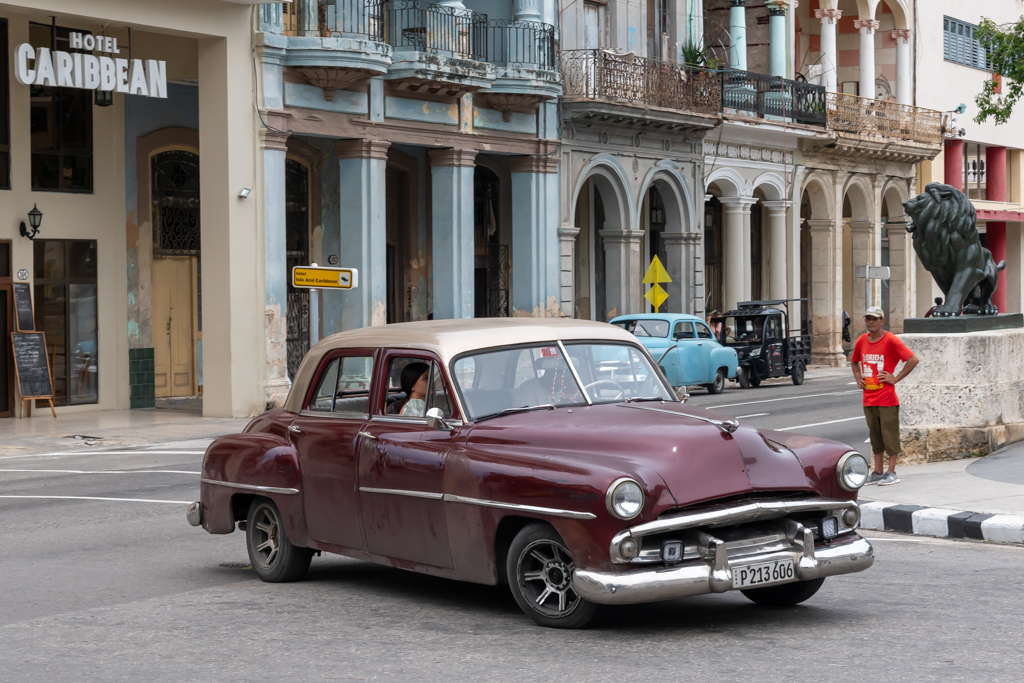
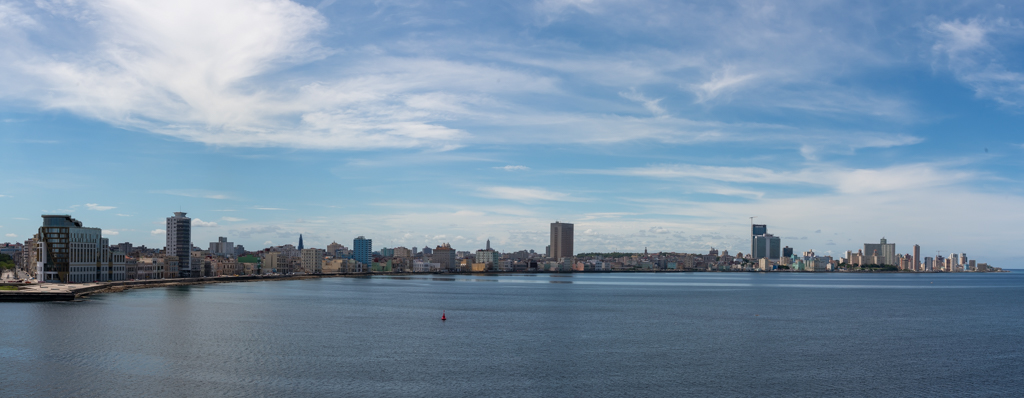
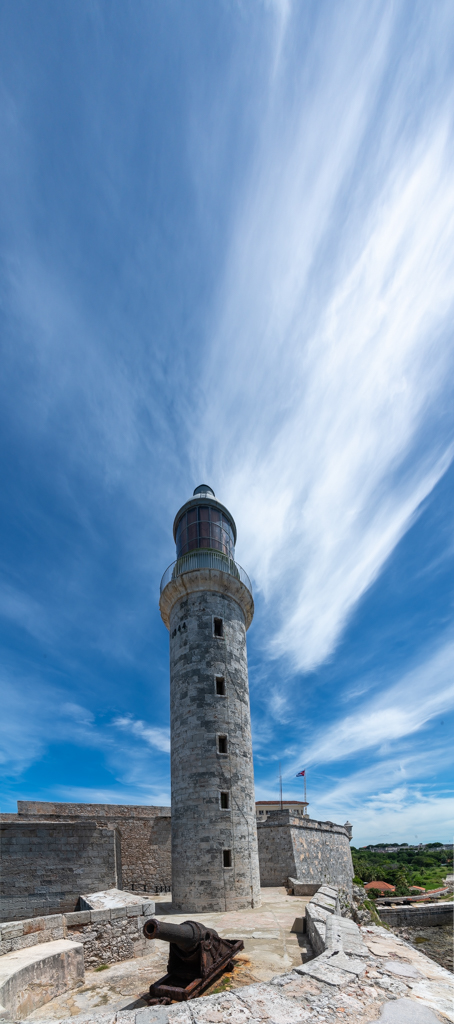
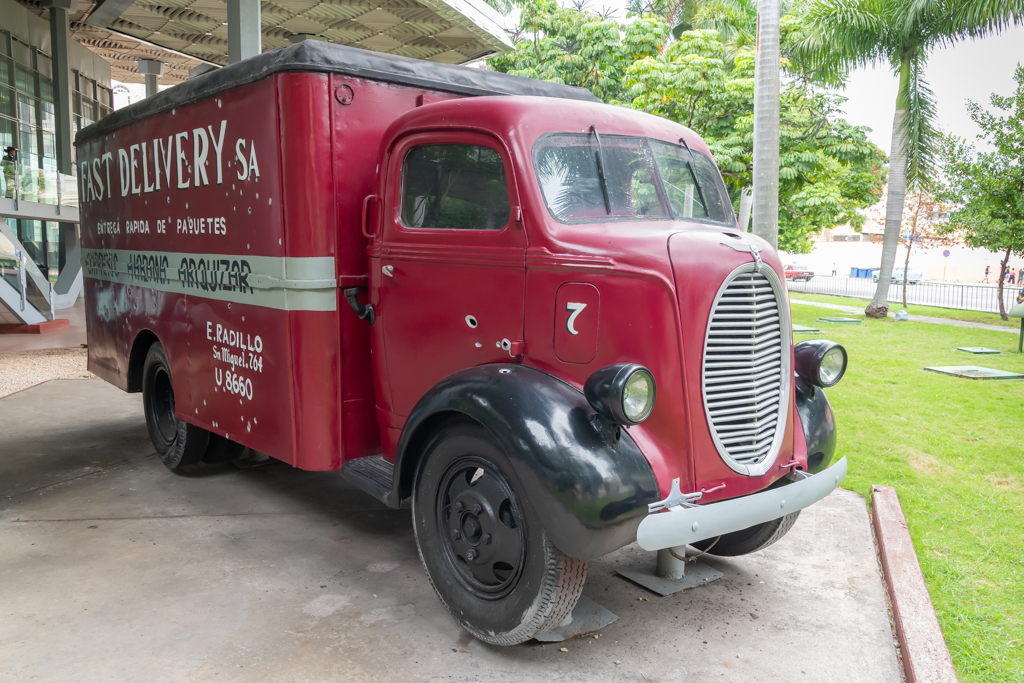
“He was an old man who fished alone in a skiff in the Gulf Stream and he had gone eighty-four days now without taking a fish.” Thus starts the story of Santiago and one of the most famous novels in modern literature – The Old Man and the Sea. This novella marked the highest point in Ernest Hemingway’s literary career, and such was its impact that the committee specifically mentioned this book when they awarded Hemingway the Nobel Prize for Literature in 1954 (a rare occurrence as the Nobel Prize is given for lifetime work and not any specific work). It is believed that Hemingway conceived this story during his time in Cuba, from the various stories he heard from the locals. Hemingway had a deep love affair with Cuba and even today, when you visit Havana after sixty years of his death, you find that Hemingway still lives on in Cuba. 

Hemingway is one of my favourite authors and in my travels, whenever I have come across a location connected with Hemingway, I have always made it a point to visit the place. I have been to his house in Key West[1] and to the bar he used to frequent in Venice. Thus, Hemingway was very much on my agenda when I landed in Havana. The first day itself, I went on a tour of old Havana with a guide and came across Hotel Ambos Mundos where Hemingway used to live when he first arrived in Cuba in 1932. This is a beautiful building in the heart of the historic and picturesque old town. Supposedly, Hemingway moved from here to a house outside Havana in 1939 when the view from his fifth-floor room was obstructed by a new building that came up. 


[1] Captured in my blog post: https://yezhuvath.wordpress.com/2016/10/04/key-west-in-a-day/

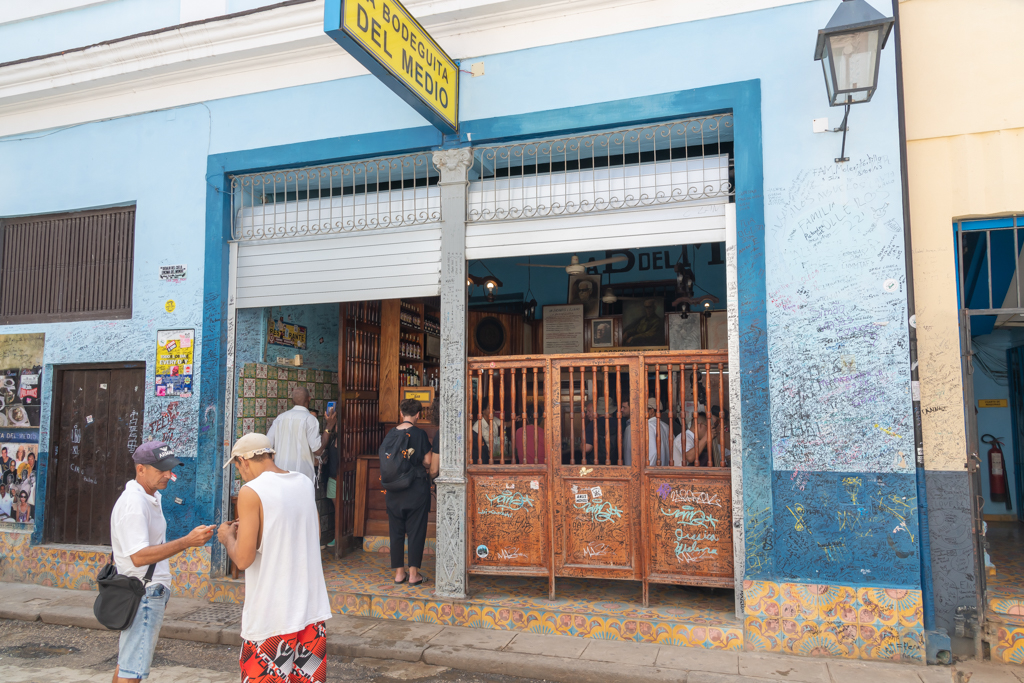
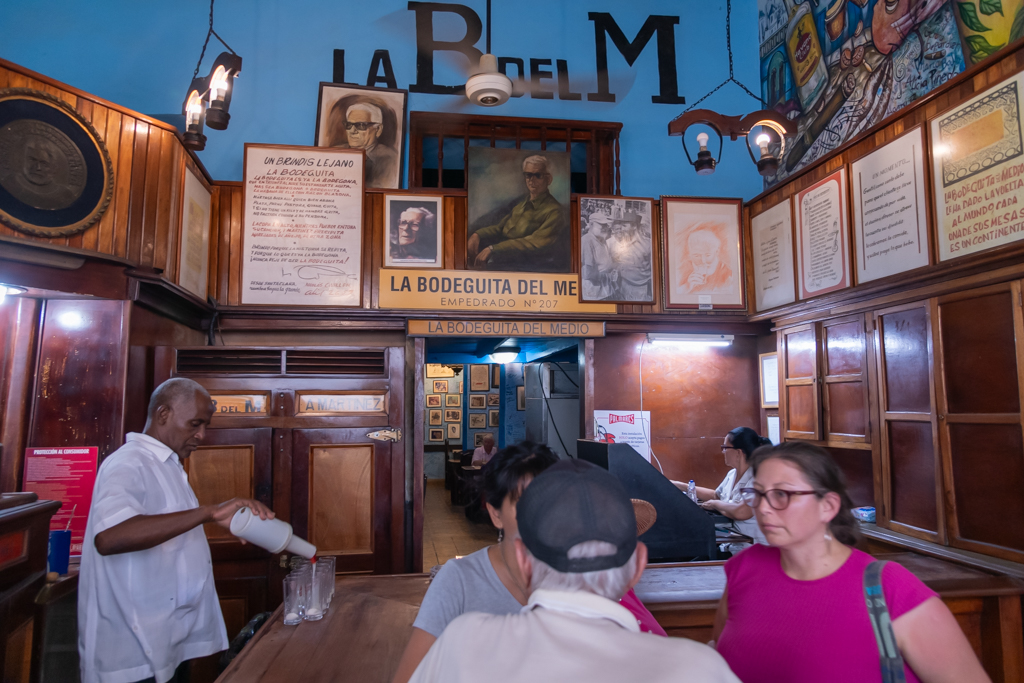
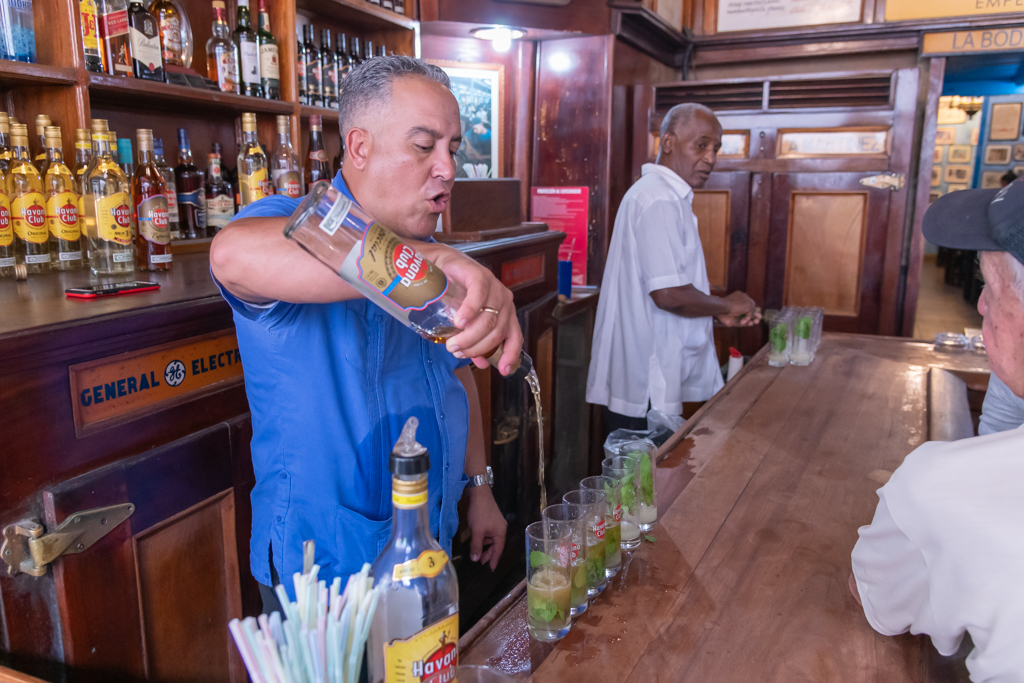
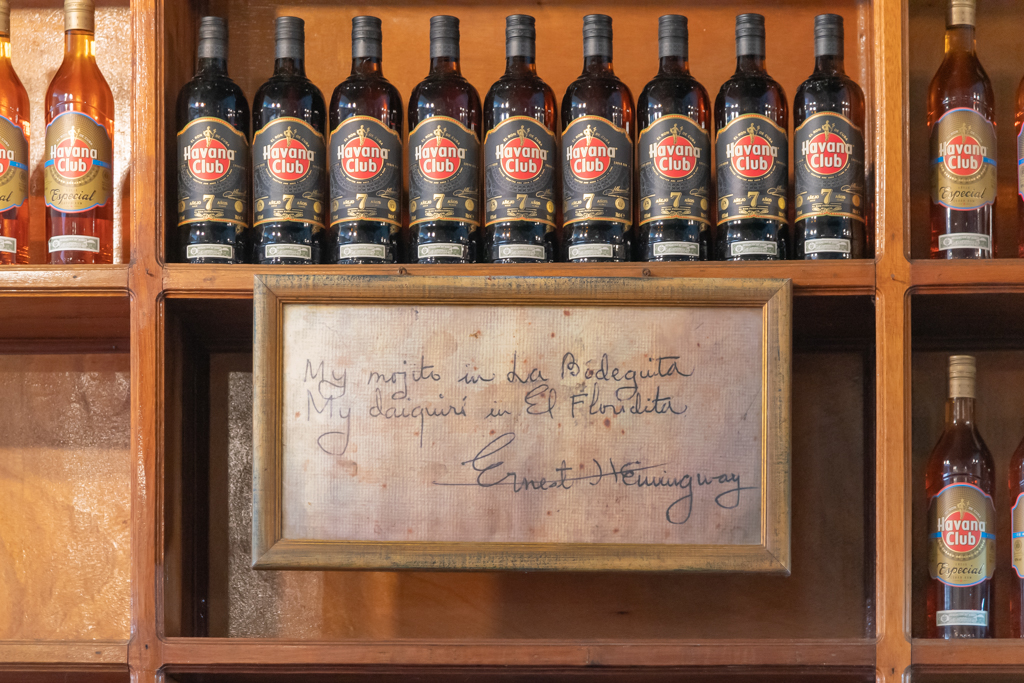
Very close to Hotel Ambos Mundos is La Bodeguita del Medio, a bar that claims to have invented the cocktail Mojito. Hemingway used to visit this bar (though not frequently) and they have a board that is supposedly signed by him. His biographer Philip Greene says it is unlikely this was actually signed by Hemingway as there are differences in the signature. In any case, La Bodeguita does brisk business because of this connection, and I too was a visitor there. The Hemingway connection must obviously be very profitable for them, given the high price (compared to going prices in Havana) they charged for my Mojito. Frankly, it did feel like a bit of a tourist trap.

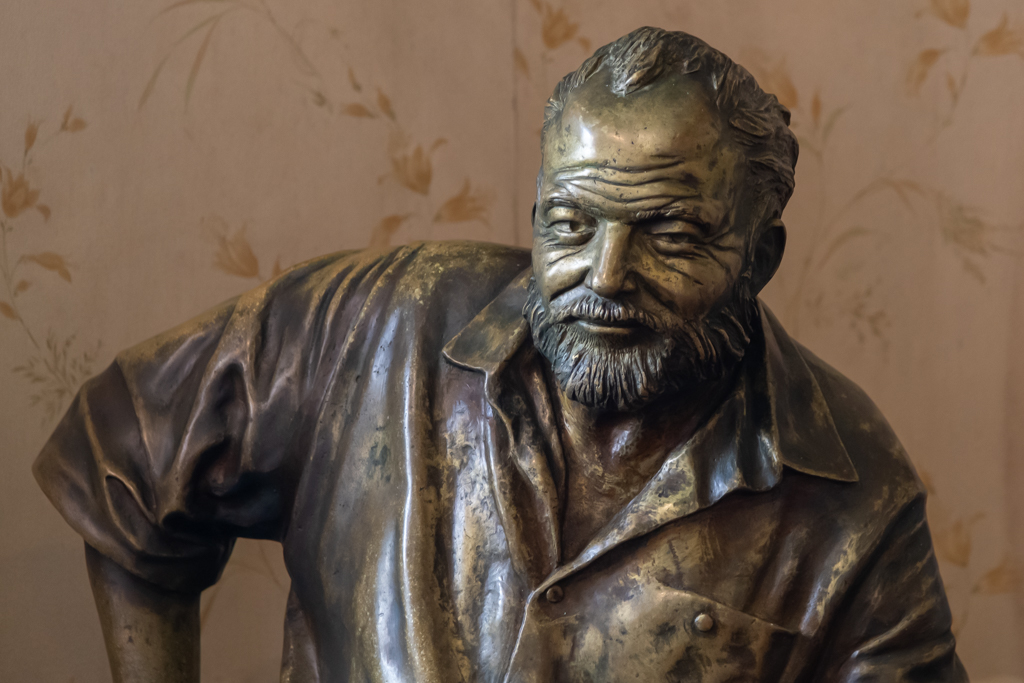
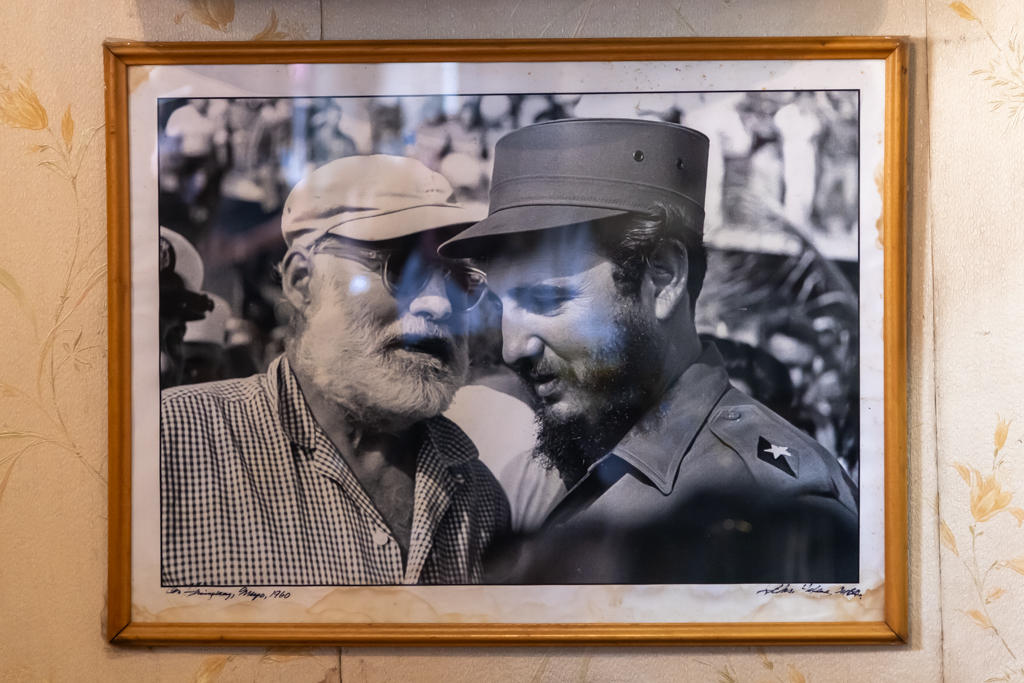
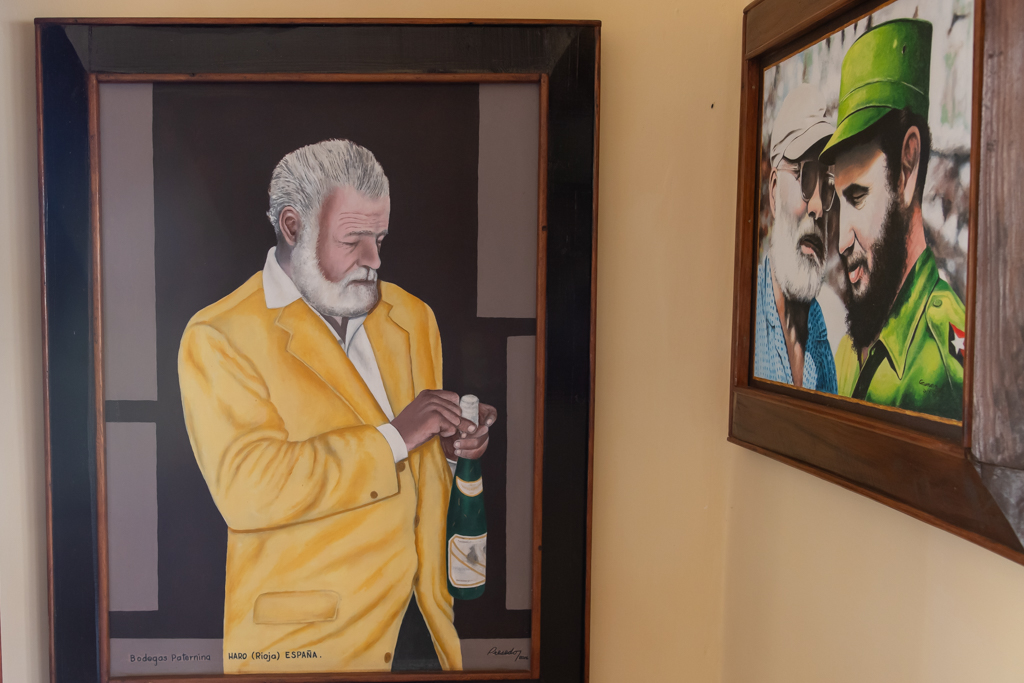
There is another restaurant and bar that Hemingway did use to frequent, named El Floridita, which is also in Old Town and just a short walk from Hotel Ambos Mundos. El Floridita holds the distinction of being the inventor of the cocktail Daiquiri. Unlike the La Bodeguita, this place had a different charm with the rather lifelike bust of Hemingway that you see at the end of the bar (sculpted in 2003 by Cuban artist  José Villa Soberón) and it does feel like you are in his presence. For me it was magical to sit at the bar and have a Daiquiri thinking of Hemingway and the times he must have spent at the bar. As mentioned, I had been to Harry’s Bar that Hemingway used to frequent in Venice. When I was there, I was having a Martini thinking about him and his novel “Across the river and into the trees”, parts of which he wrote in Harry’s Bar (the bar itself is mentioned in the book). However, my meditative musings at Harry’s Bar were rudely interrupted by the arrival of four, rather loud Americans who set about complaining about the bar promptly and about how it lacked a view. I was quite irritated and left quickly. Thankfully, El Floridita was a very different experience. People were friendly and there were many photos of Hemingway including a photo of Hemingway and Castro. Supposedly, that was the only time they met, during a fishing competition. However, Castro was quite an admirer of Hemingway and was instrumental in ensuring that his house was preserved and converted into a museum. 

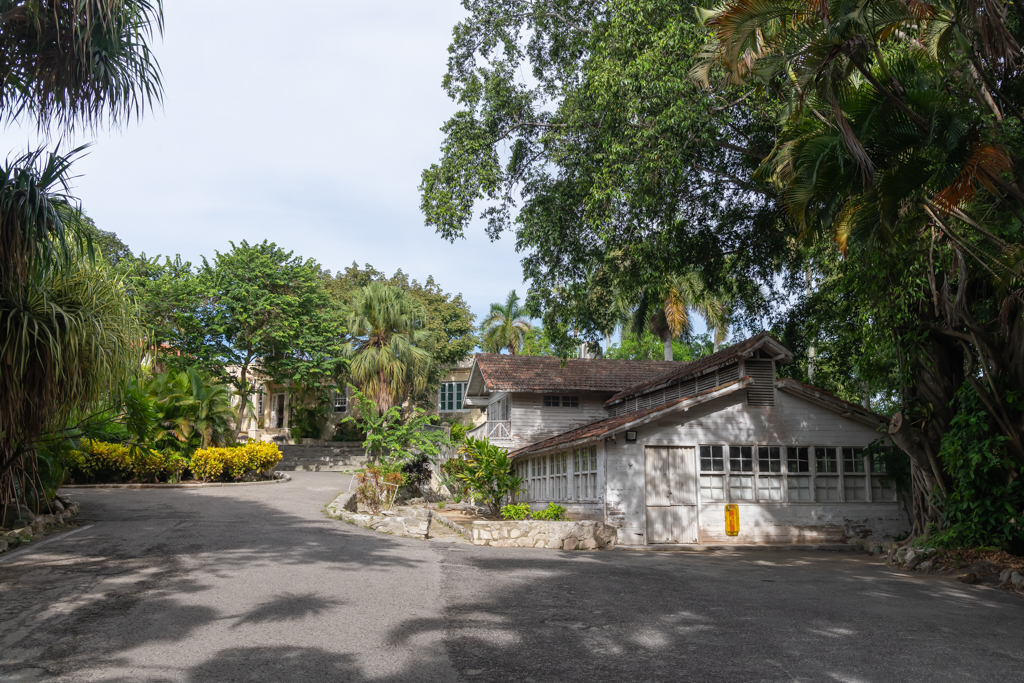
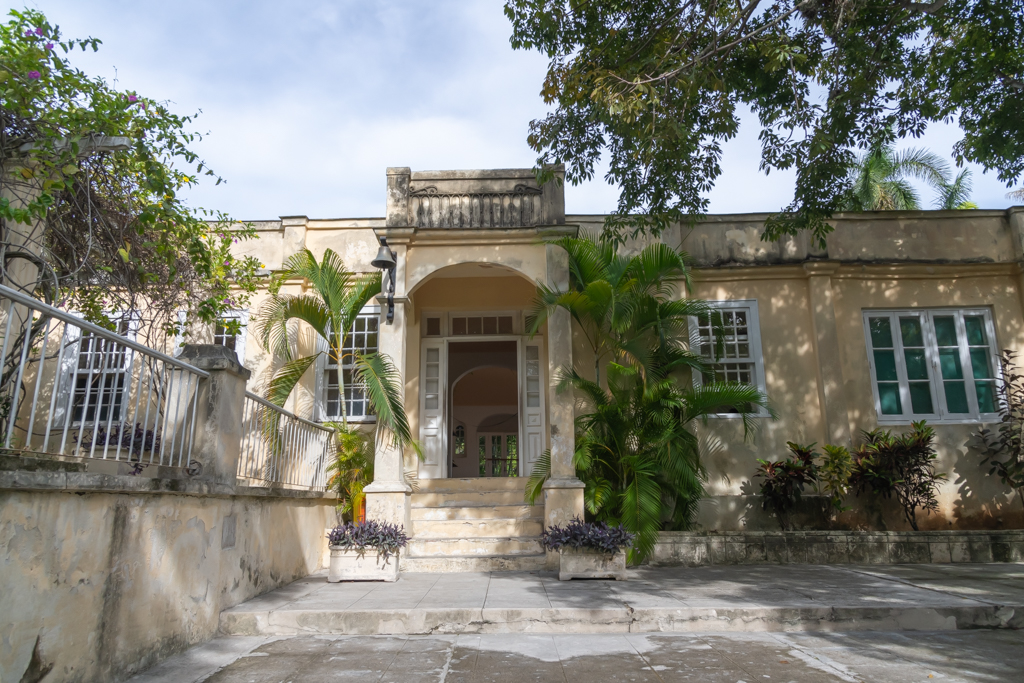
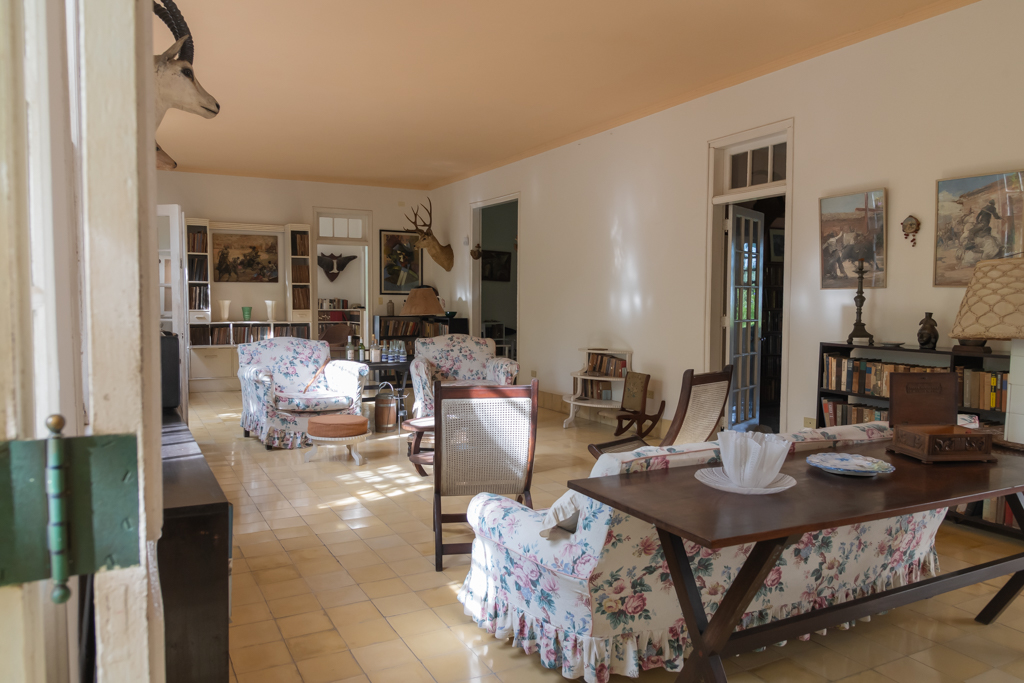
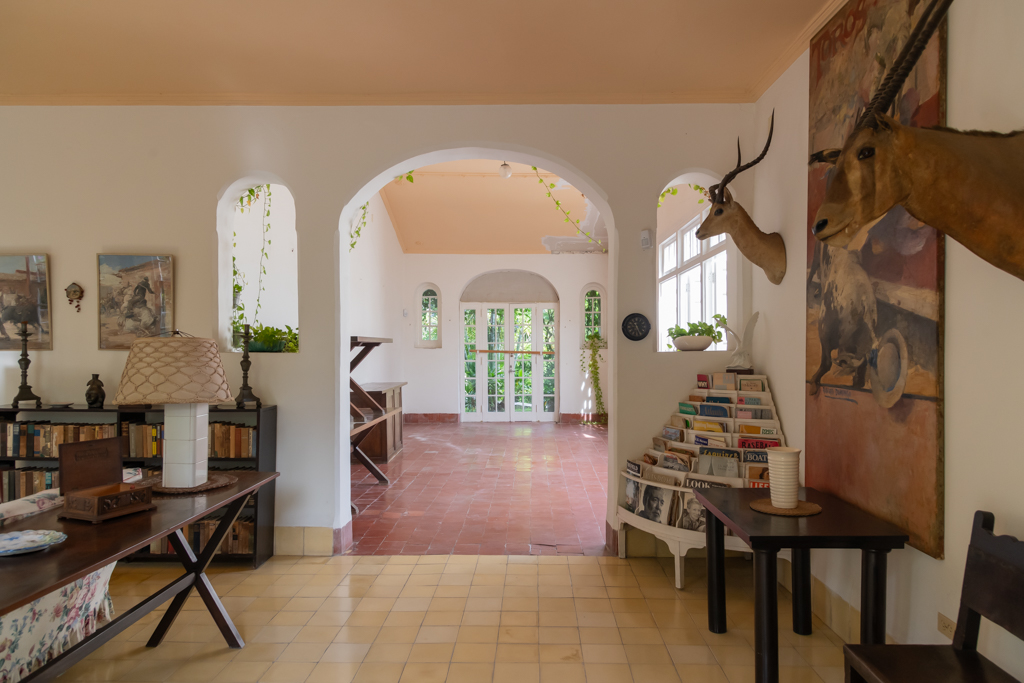
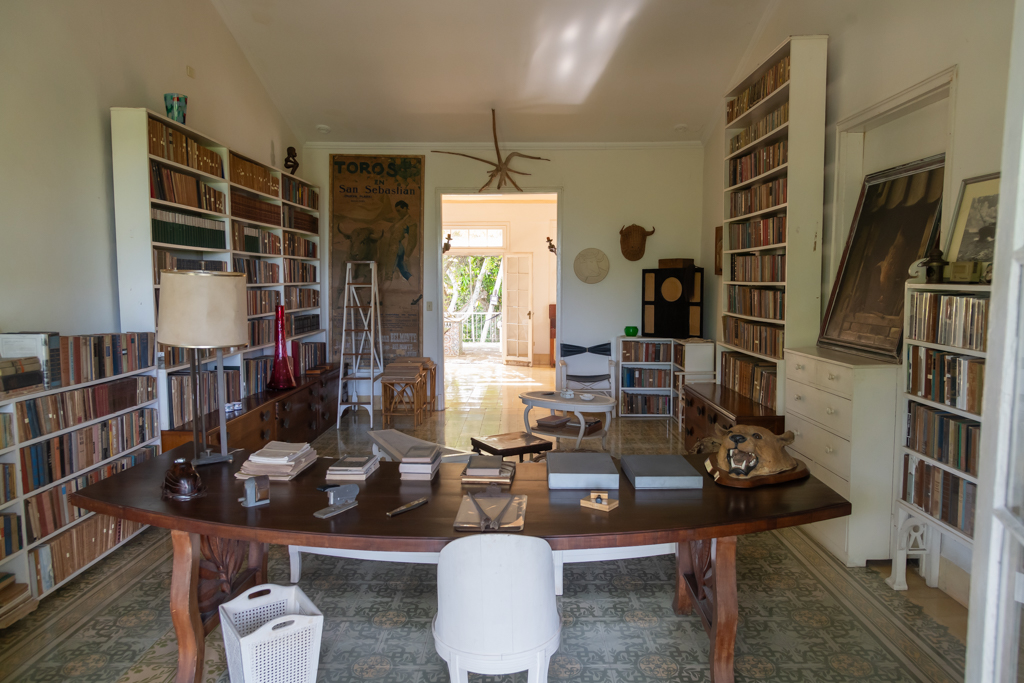
In 1939, Hemingway moved out to a farmhouse called Finca Vigía, which is just outside Havana. After Hemingway’s death in 1961, this was converted into a museum through the active intervention of Fidel Castro. Hemingway had wanted the house to go to the people of the locality after his death. It is now preserved as it was when Hemingway left Cuba in 1959. Unfortunately, you cannot enter the house itself as it is roped off; it seems visitors were carrying off memorabilia from the house and so the authorities banned entry for everyone. It is a small, unimposing house with an outhouse attached to it. 

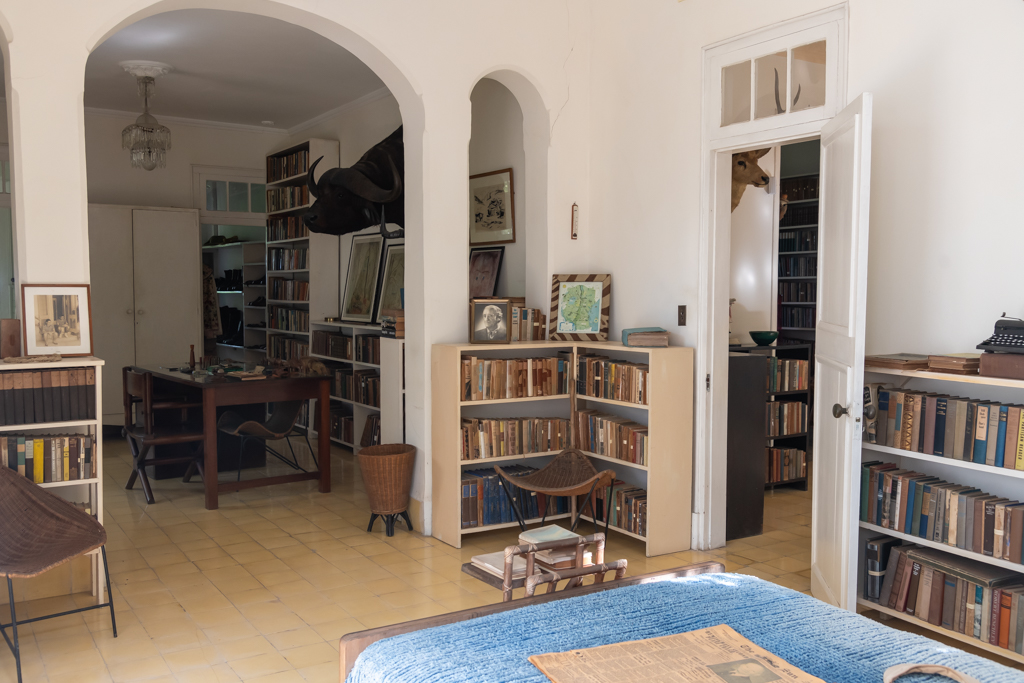
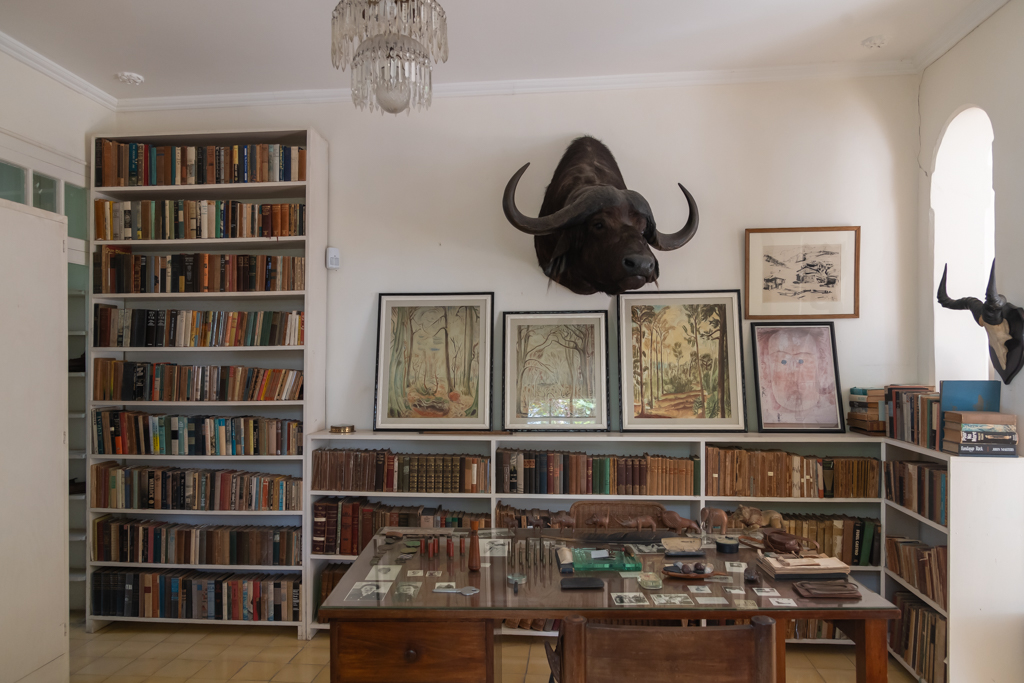
Hemingway was an avid hunter as well and often went to Africa on hunting trips and you can see some of his trophies on the walls. Another interesting aspect is that the house is filled with books, and you see them everywhere including the bathroom! There are about 9000 books in the house. 

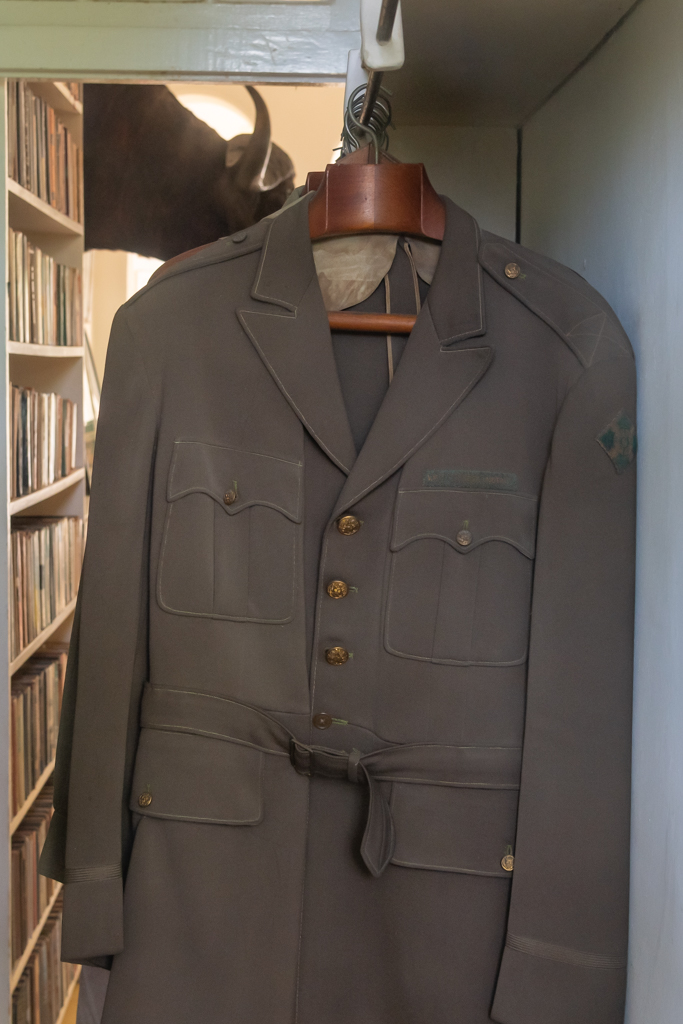
Uniform that Hemingway wore in the Spanish Civil War. 

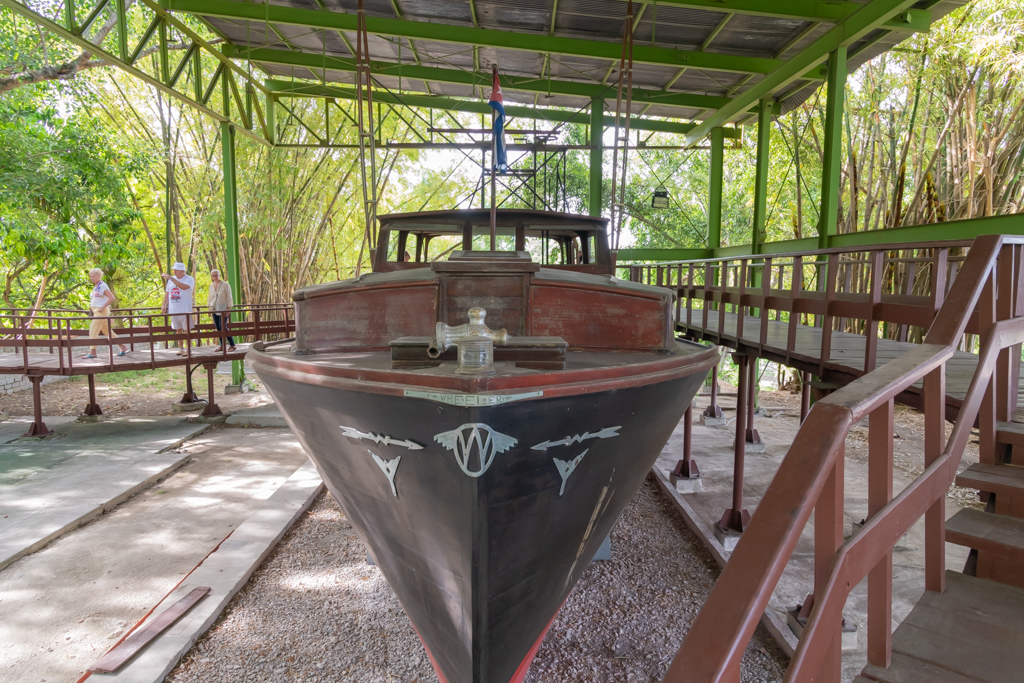
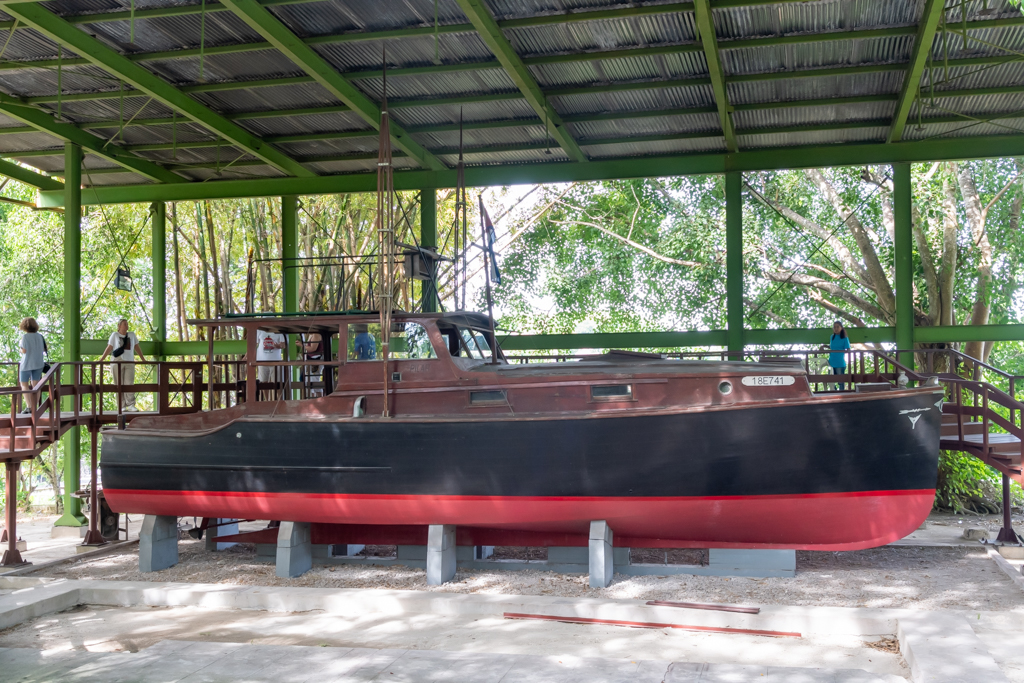
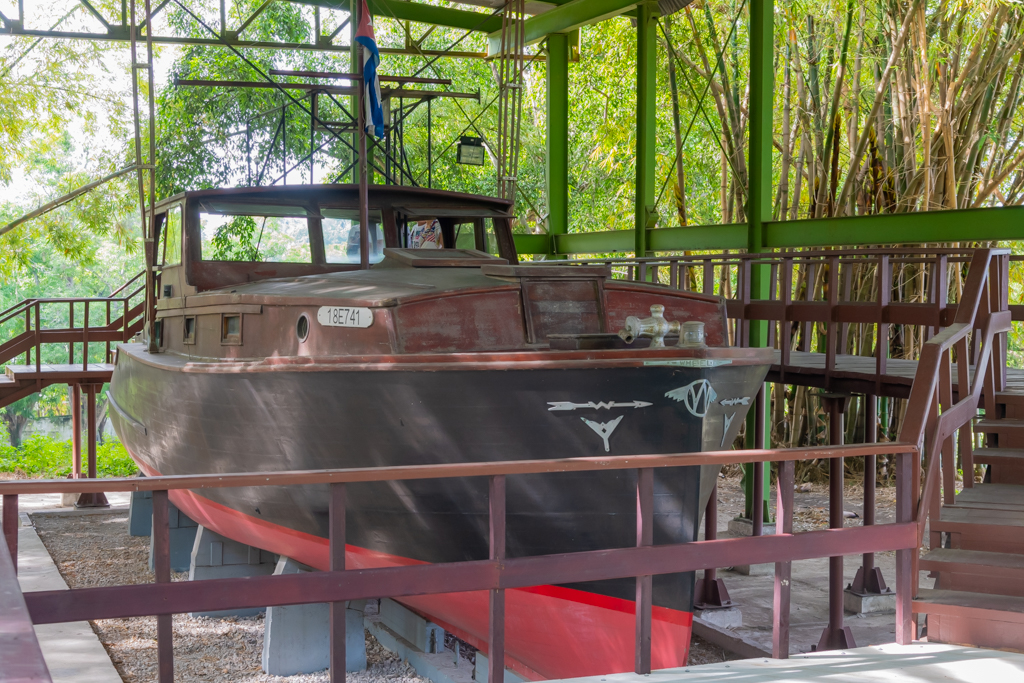
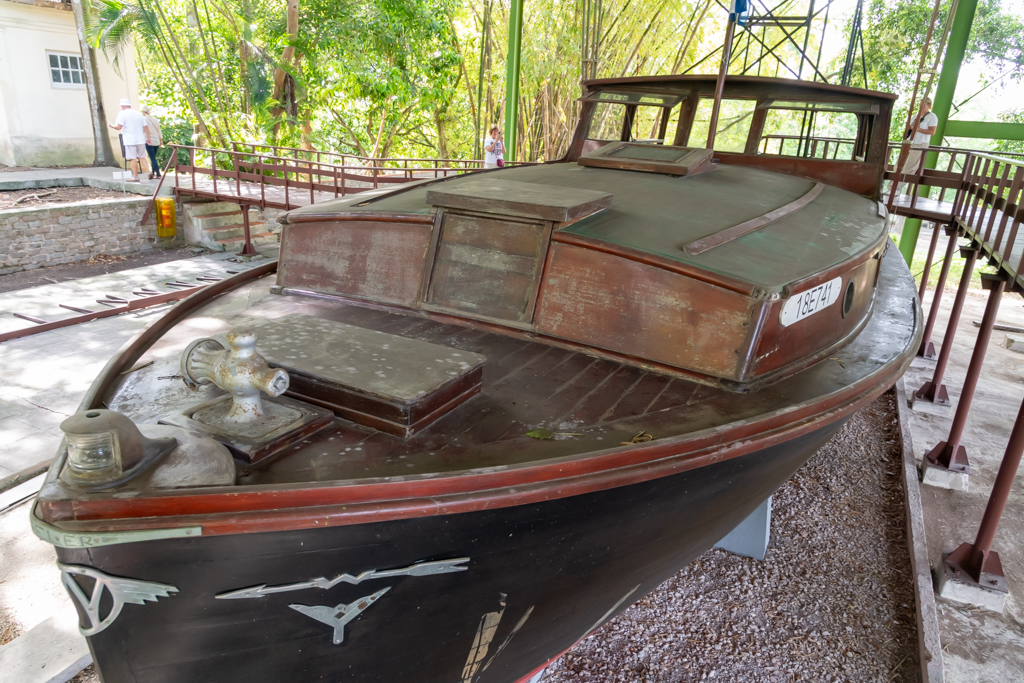
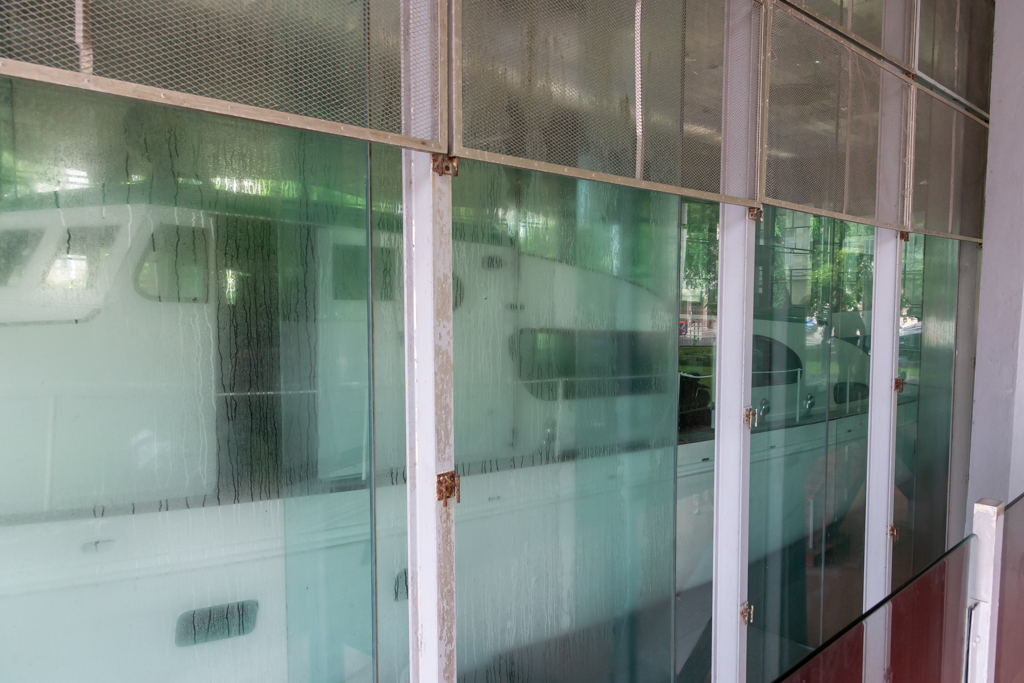
As anyone who has read Hemingway can make out, fishing was an important part of his life. In 1934, he acquired a yacht and named it Pilar. It was the nickname of his second wife, Pauline, and also the name of one of the characters in “For Whom the Bell Tolls”. He spent a lot of time on this boat and even used it to search for German U-boats; well, at least, that is what he claimed but Hemingway being the colourful man he was, there were allegations that this was just a fast one he pulled to get some extra gas rations. Whatever the case may be, he was very fold of Pilar and many of his works have been influenced by his experiences aboard this boat. When he left Cuba, he gifted the boat to his captain and friend Gregorio Fuentes, who donated it to the people of Cuba. Pilar is now on display at the museum.

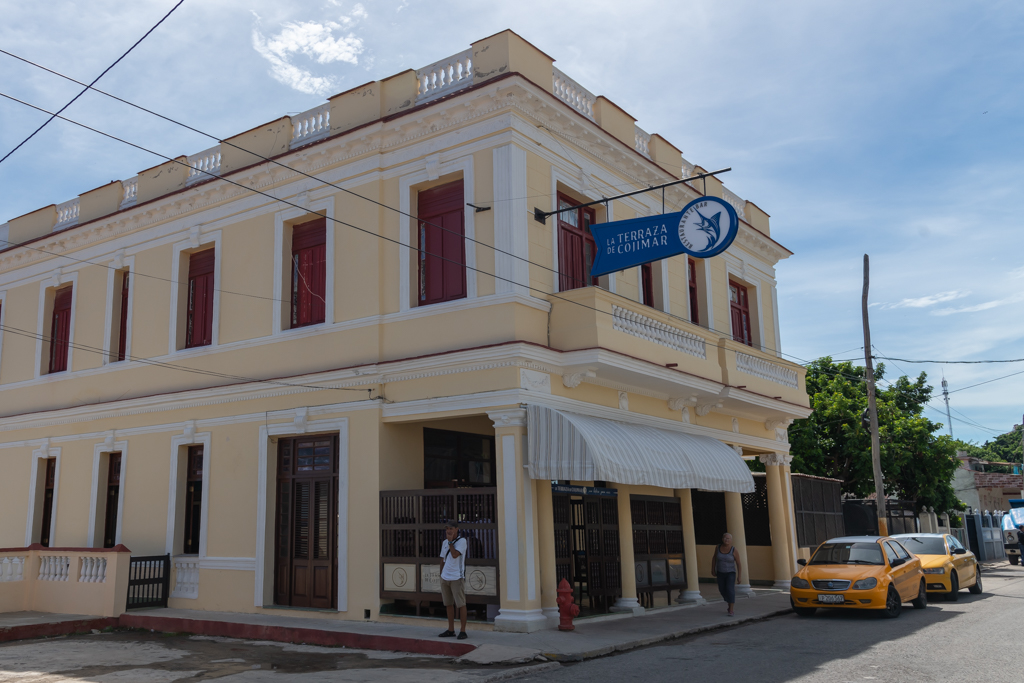
Hemingway used to frequent a small fishing village called Cojimar, which is a short distance away from Finca Vigía. One of his haunts was the restaurant La Terraza de Cojimar and that was my next stop. This is a beautiful restaurant right by the sea and there is a corner table that Hemingway used to sit at. It is now cordoned off and Hemingway is still there in the form of a small bust. The walls of the restaurant are lined with photographs including a couple with Castro. 

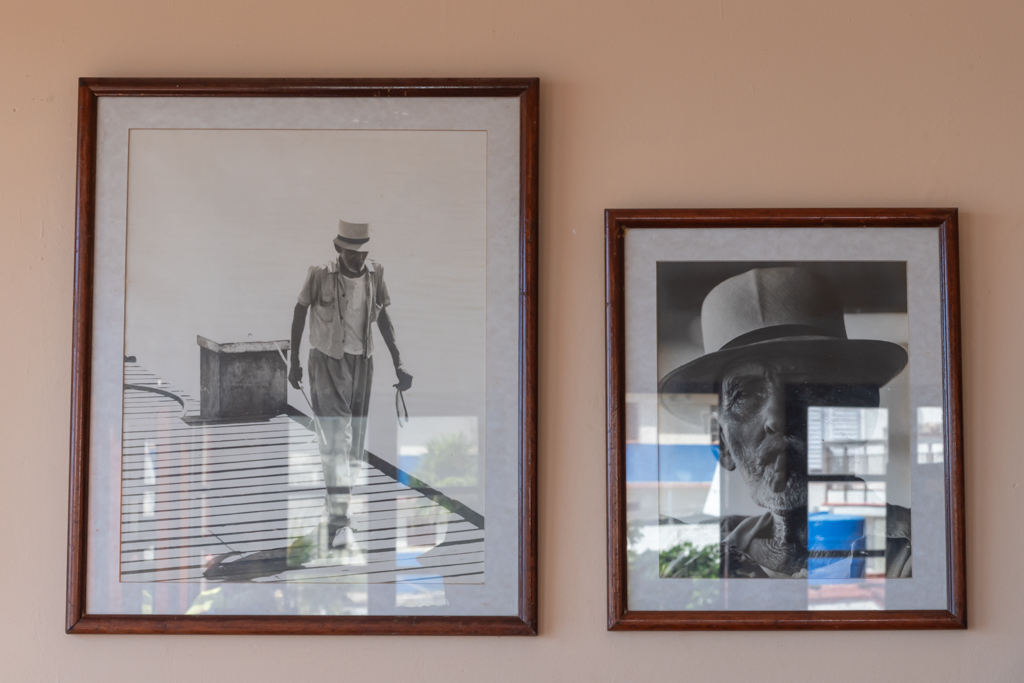
Hemingway spent a lot of time here with Gregorio Fuentes and also met a lot of fishermen here. It is likely he got the spark for The Old Man and the Sea from Cojimar. A story involving an old fisherman and a giant marlin had been part of the lore of the fisherfolk in Cojimar for several years. There is a photo of an old fisherman in the restaurant, and some say that Hemingway’s character is modelled on that man though my guide didn’t seem to agree with that. This restaurant is mentioned in the book quite a few times (The Terrace), including at the end where a woman sitting in the restaurant along with her friends, sees the spine of the fish. 

Hemingway considered The Old Man and the Sea to be his best work and he revised it countless times before he was happy for it to be published. Just before he wrote it, he had published “Across the river and into the trees” but that hadn’t been received well and Hemingway was hurt by the criticism. Personally, I was surprised to hear that this had not been received well as it remains one of my favorite Hemingway books. The Old Man and the Sea was a response to the critics and I read somewhere that Santiago was Hemingway himself, showing the critics that his skill and craft was still second to none. His first novel “The Sun Also Rises” was published in 1926 and it took him another 26 years to get to the pinnacle of his literary career with The Old Man and the Sea, while writing a series of great books along the way. 

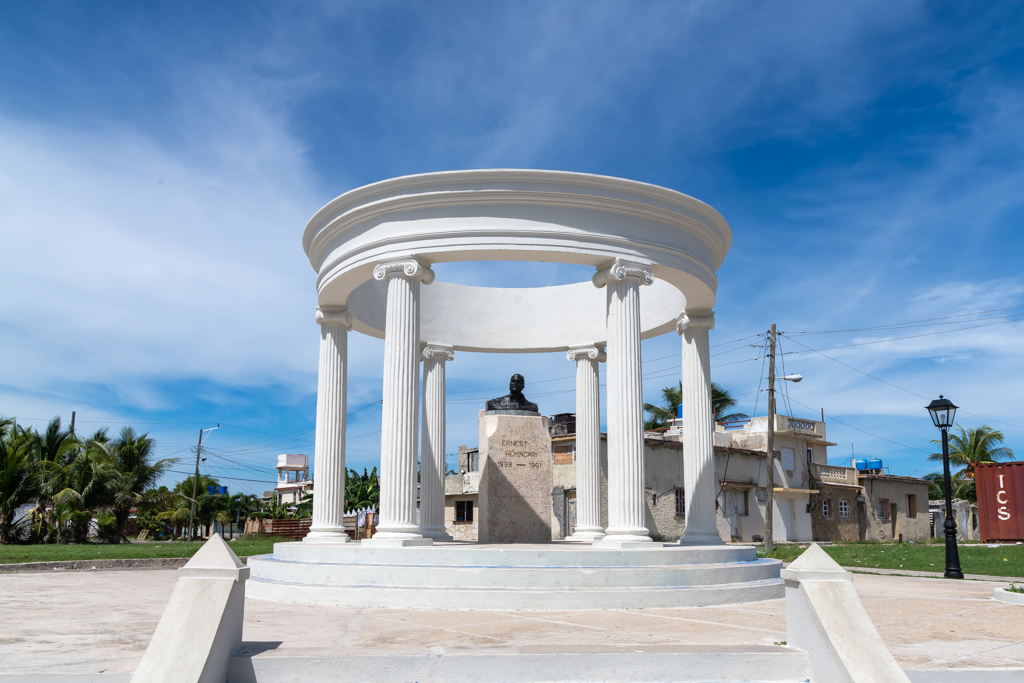
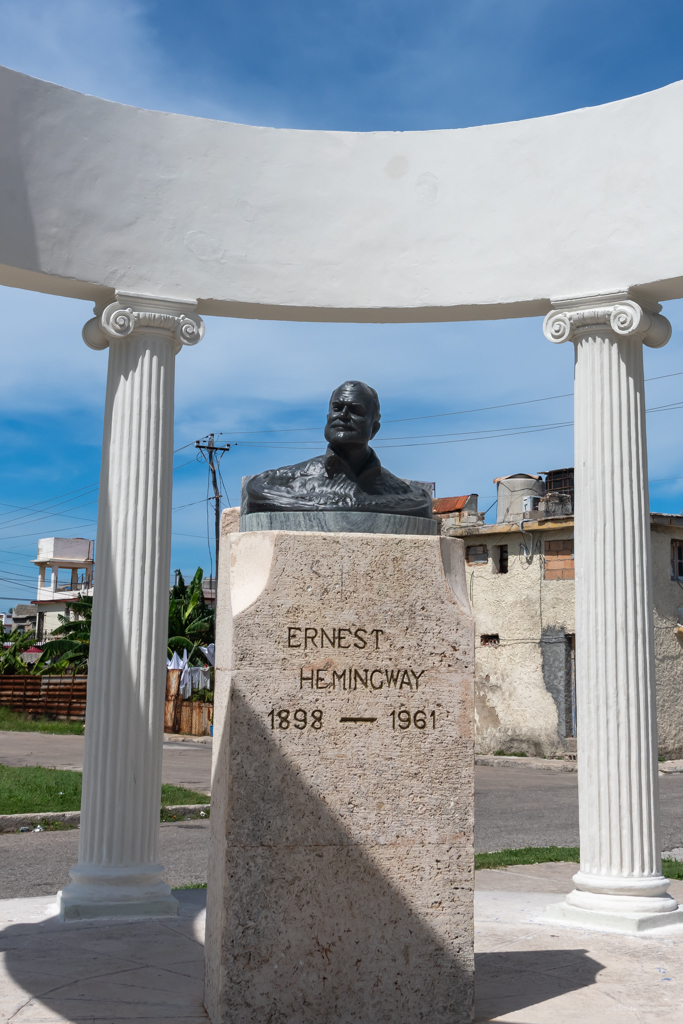
Hemingway was a man of the masses and was friendly with everyone around and the fishermen at Cojimar were no exception. When he died in 1961, they were so saddened that they decided to build a monument for him in Cojimar a year after his death. They were poor and had no money but somehow found a sculptor who was willing to make the bust free of cost. However, there was still the problem of finding money to buy the metal needed to make the statue. They solved that by melting the propellers and other fittings of their own fishing boats! 

I don’t think a grander monument can ever be built for a writer and off the top of my head, I couldn’t think of many writers who would have been honoured like this, by the masses. But then, that was Hemingway and his relationship with Cuba and its people. He lived life to the fullest, much like his style in writing – direct and without frills. He mingled with everyone regardless of who they were, and they loved him back in return; so, Hemingway lives on in Cuba. 

Muziris has a magical ring to it and is one of the few names that sound better to me in English than in Malayalam. It is somehow mystical and its relevance in Kerala history beckons one to make a visit. So, off I went last week to have a look at the Muziris Project. Ideally, I think one should spend two days here, taking in the sights at leisure but I had to fit everything in one day.
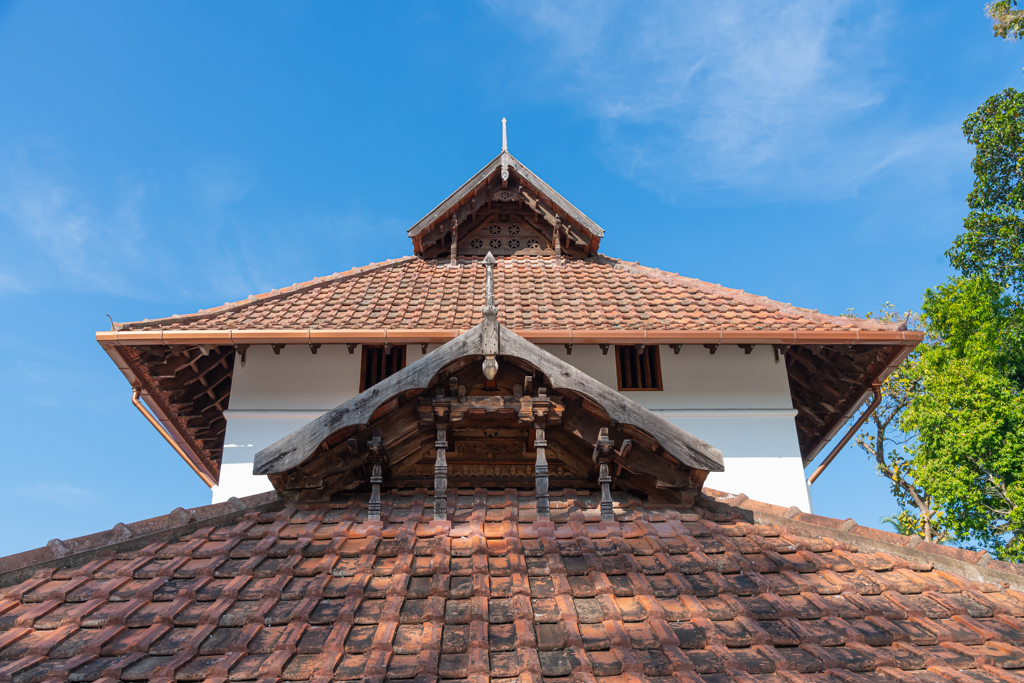
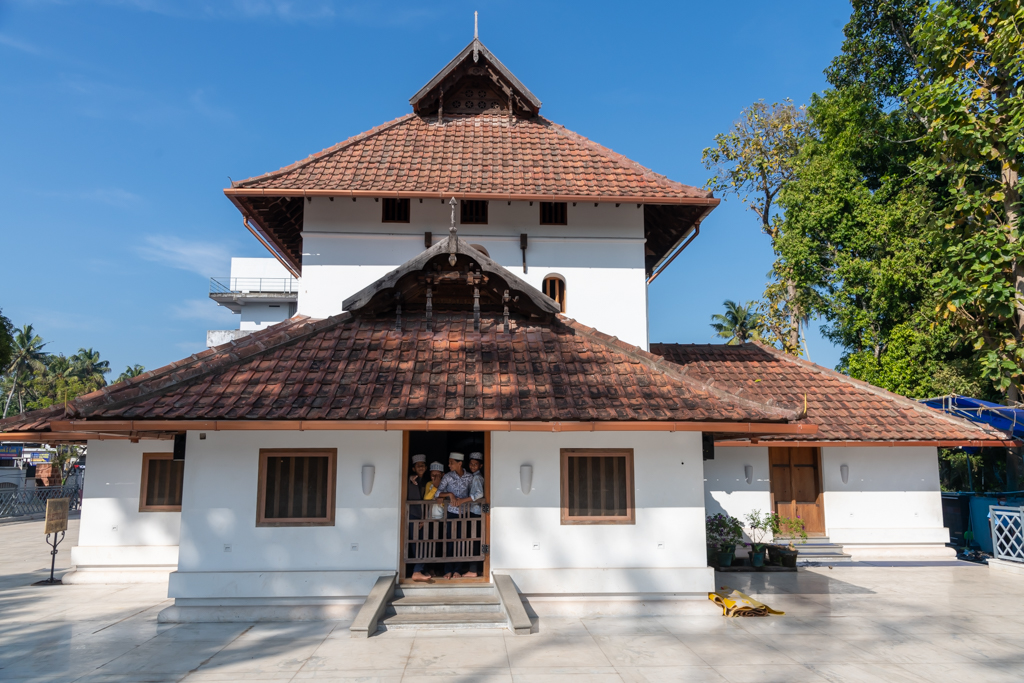
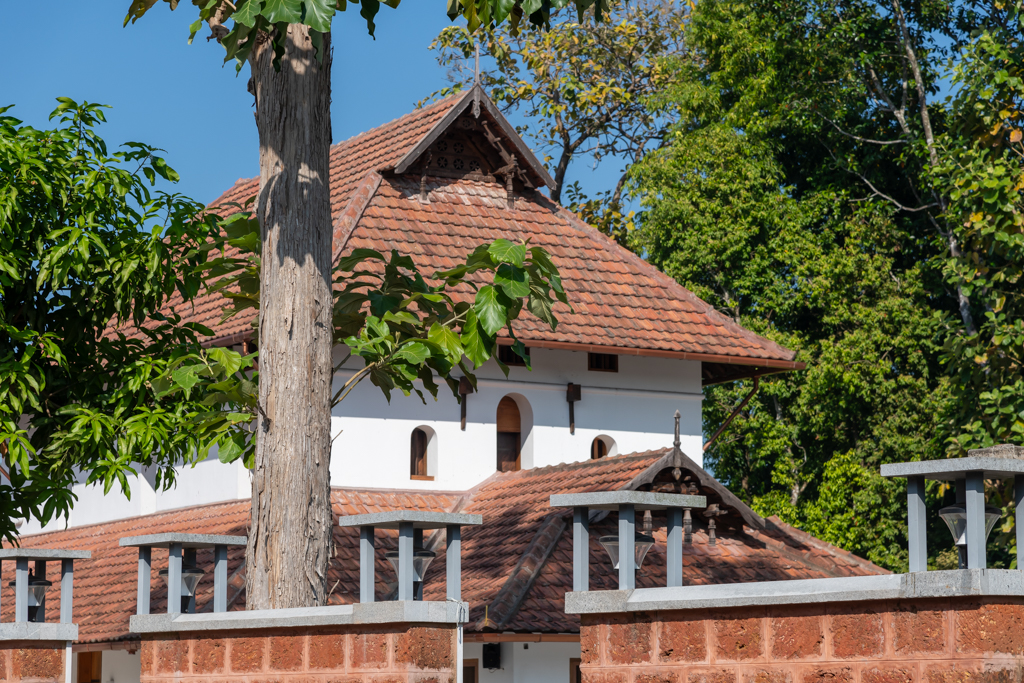
Cheraman Perumal, the then King of Kerala (Bhaskara Ravi Varma says Wikipedia), travelled to Saudi Arabia in the seventh century along with some Arab traders and met Prophet Mohammed. He then converted to Islam and died at Oman on his way back to Kerala. He had sent some letters through the Arab traders who were travelling with him, instructing the authorities to whom he had handed over his kingdom when he left for Arabia, to provide all help to the traders. Malik Dinar, who was one of the traders sought help to build a mosque and that is how the Cheraman Juma Masjid came to be. This was built in AD 643 (the date is contested though) at Kodungalloor and thus, is the oldest mosque in India. The mosque had undergone several reconstructions, which damaged the original structure built in traditional Kerala style. I was told that one of the reconstructions made it into a hideous structure like the new concrete mosques that we see everywhere. Thankfully, when the Muziris Heritage Project was launched by Kerala Tourism, they understood this aspect and have now restored the mosque to its original design. This work has been going on for many years and is still not finished. Without a doubt, it is the most beautiful mosque that I have seen in India. 

Inside the mosque, you can see the graves of Habib Ibn Malik and his wife. He was the nephew of Malik Dinar and took over the mosque from Malik Dinar. The mosque is quite small and there are carpets on the floor for devotees to pray. Photography is not allowed inside the mosque. 

The building is very beautiful and very well proportioned. There is a pond behind the mosque for ablutions. The authorities are now digging under the structure of the mosque to make more space for devotees. 

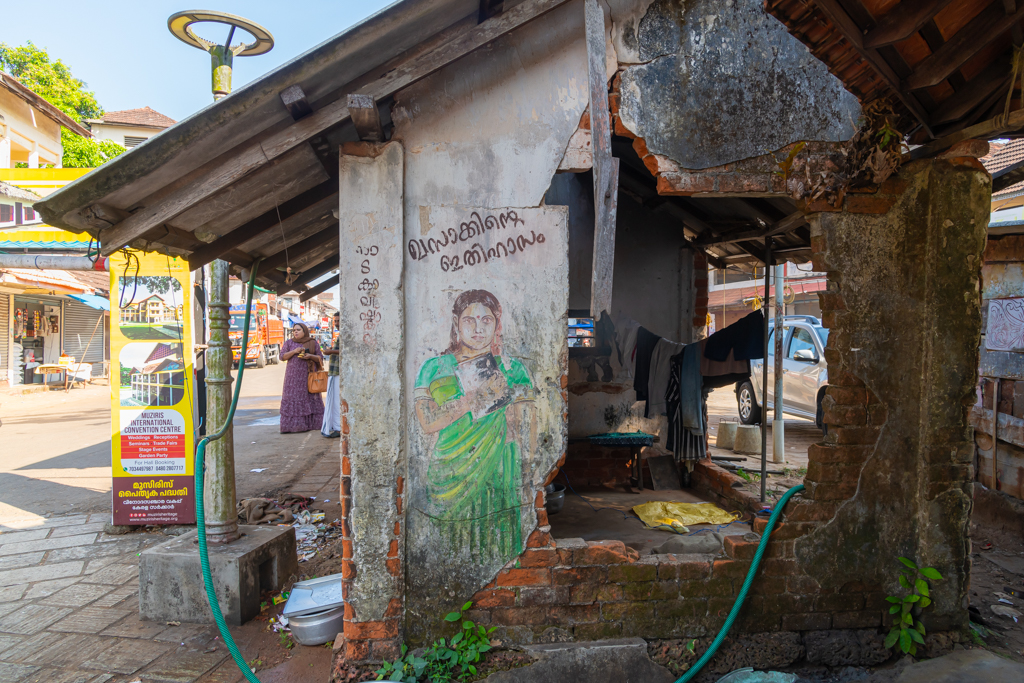
Next stop was the Kottappuram market and the fort. There is a nice walkway along the banks of the Periyar river, where the market ends. Just next to the market is a beautiful square. This must have been where all goods were unloaded after being brought on boats through the river and then distributed. All this has now been developed as part of the Muziris Project. You can still see some old buildings in the market.

The Kottappuram Fort is quite near to the market but there is nothing much to see there. It was built in 1523 by the Portuguese and then it changed hands going through the Dutch, Hyder Ali and the Travancore kings. You can just see a couple of walls and there is no information whatsoever to explain the significance. 
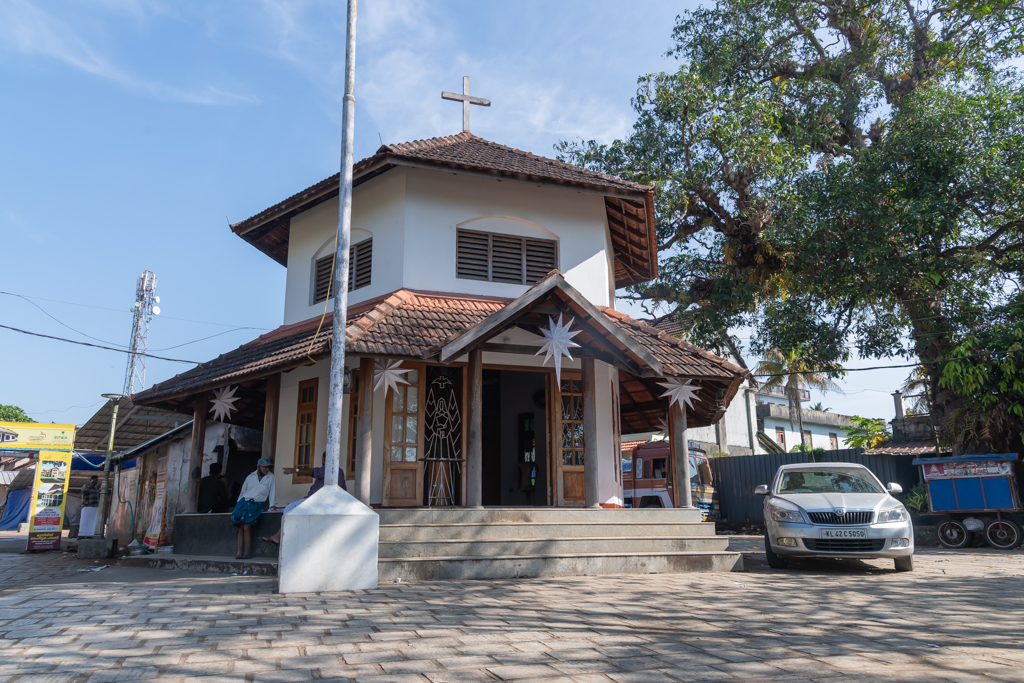
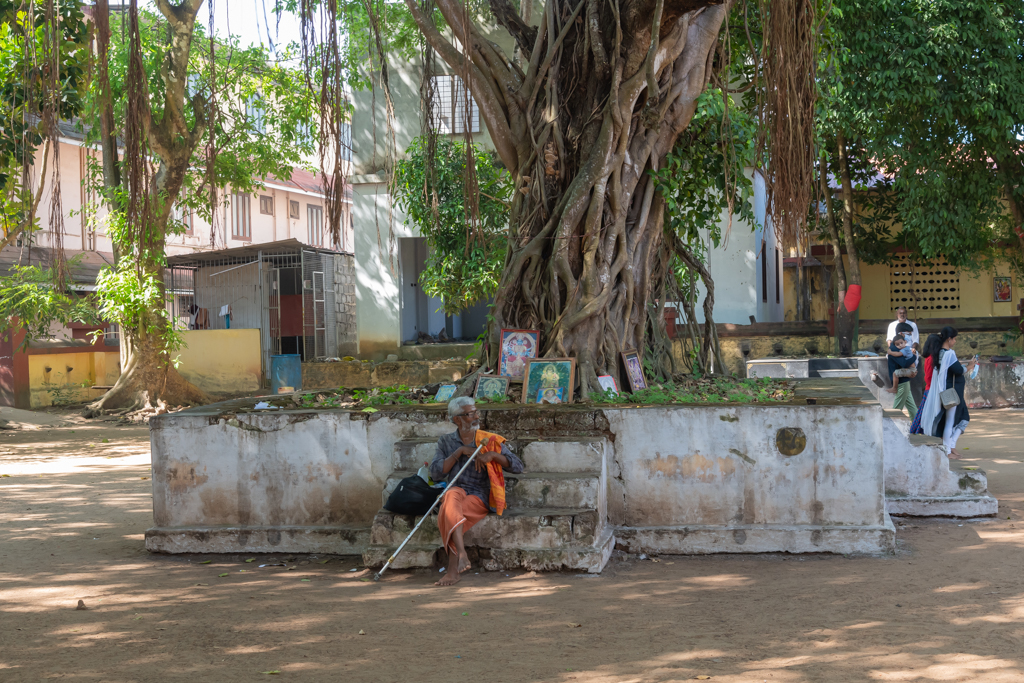
My first memory of the word Kodungalloor would perhaps have been associated with Bharani. It is in my list – to be at the temple on the day of the Bharani festival. Since I was at Muziris, I wanted to see the temple. It stands on a reasonably large plot of land and with enough trees that have resting places built around them. It was very calm and peaceful when I visited and I tried to imagine how it would be on the Bharani day with all the mass hysteria and the women all in a frenzy; it would be quite a sight. 

I clicked a couple of photos and then someone told me that you need special permission to take photos inside the temple compound. 
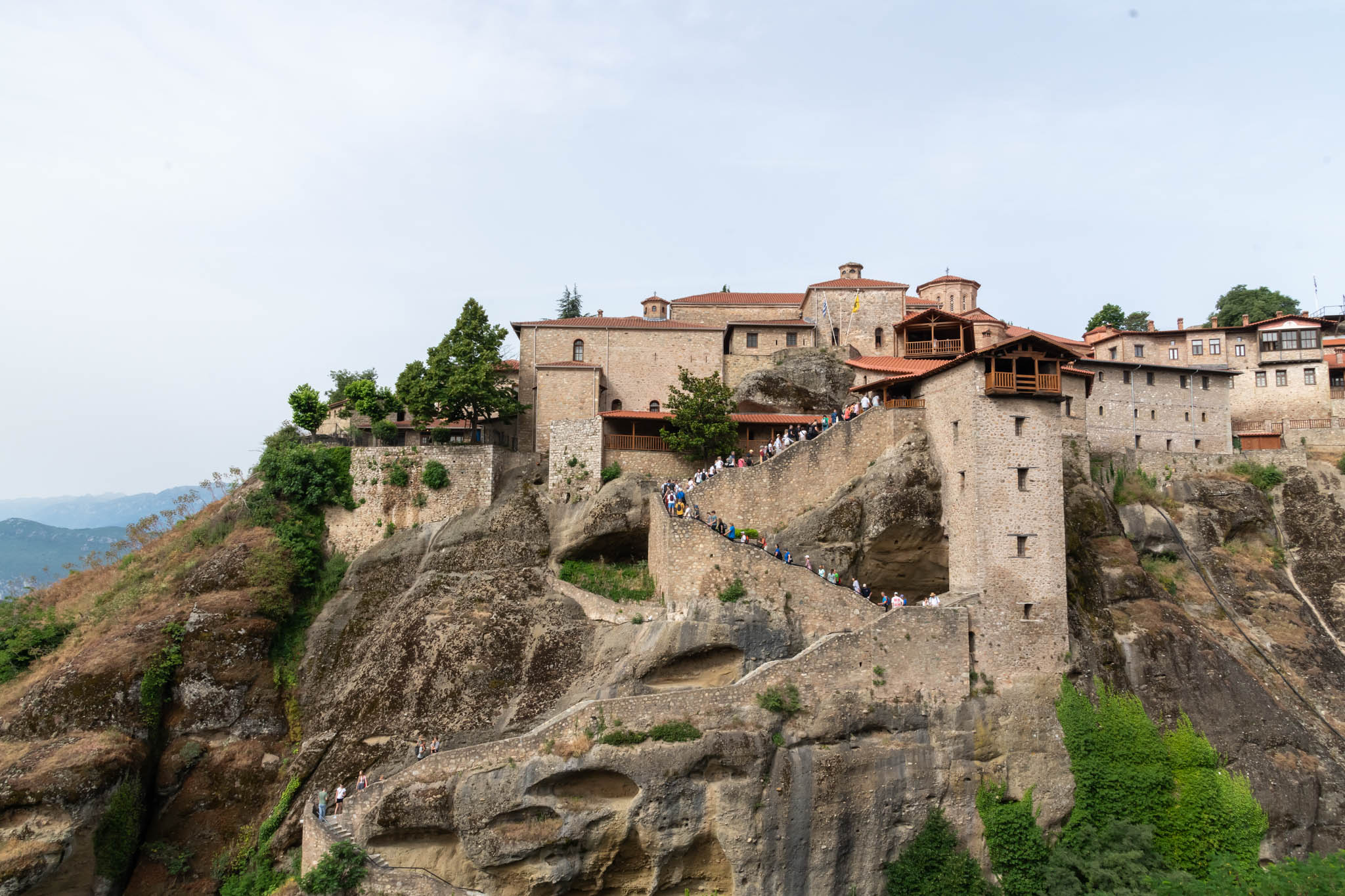
Paravur is just a few kilometres from Kodungalloor and is the seat of the famed Paliam family. They were the ministers of the King of Kochi and thus, had amassed huge wealth. They own a lot of property in Paravur and it seems the partition deed of their family, executed in 1956, is one of the biggest partition deeds in India. As part of the partition, two buildings have been brought under a Trust and is open for the public as museums. One is the palace that the male head of the family, called Paliath Achan (the minister) lived in, and the other is a traditional Naalukettu that the ladies of the family lived in. The buildings are maintained very well with detailed explanations provided for visitors. The Muziris Project has also appointed guides who take you around the buildings and they explained in detail about the history, the houses etc. The palace was built by the Dutch in gratitude for the help that Paliath Achan extended to them to beat the Portuguese. Hence the construction has significant European influences like very thick walls. The buildings themselves were more functional than ornamental. Unfortunately, no photography was allowed inside the buildings; I don’t understand why they don’t allow photography in such places, a pity indeed. 

Next was the visit to synagogues. Muziris had a significant Jewish population and in this vicinity itself there are three synagogues even now – Paravur, Chendamangalam and Maala. The Paravur Synagogue is one of the oldest synagogues in India and it is believed to have been built in 1105 AD by Malabar Jews. They were the earliest Jewish settlers in India, and it is rumoured that they were sailors from King Solomon’s period. However, the earliest that Jewish settlors can be traced back to, as per records, is 70 CE. So, they have been in Muziris area for more than 2000 years with the last Jew emigrating to Israel a few years back. The next set of Jews arrived in the 17th century from Iberia, and they were called Paradesi (foreign) Jews and the synagogue they set up in Kochi is called Paradesi Synagogue. The Paravur Synagogue was torn down by the Portuguese and then reconstructed in 1616 AD. This is the largest synagogue complex in India and the influence of Kerala architecture is quite visible. You enter the complex through a two-storied gate with some rooms (padippura), the upper floor of which is connected through a covered walkway (over a courtyard) to the main part of the synagogue. Women entered through this part and were separated from men as they stayed in an upstairs gallery. This was news to me as I have not seen this separation in any other synagogue. Later, I saw the same architecture in Chendamangalam Synagogue as well. 

The main area consists of a hall where there is a raised wooden platform called the Bemah or Tevah. This is a structure in the middle of the room, and it faces the Ark, which is a wooden structure along the wall that is closest to Jerusalem. The books of Torah were stored inside the Ark. The original Ark (from 1100 AD) used to be there at this synagogue, and it has since been removed and taken to a museum in Israel. A replacement Ark is in place now. The ceiling is from 1616 and is still surviving. It looks very solid with nice workmanship. The synagogue is not used for worship and the last service was conducted in 1958. Jews from Kerala left in large numbers after 1950, after the formation of the state of Israel and it seems that for prayers to take part in a synagogue at least 10 male members should be available and since the numbers dropped because of the migration, the synagogue ceased to be in active service. 

There was a group of American Jews visiting the synagogue the same time as us and they started singing some hymns. That was quite a nice experience – to listen to those songs in a temple that must have reverberated with such worship centuries ago. Muziris Project has provided guides here as well and they were also quite impressed by the singing. I asked the Americans about the separation between men and women in the synagogue and they said it was a practice followed by conservative Jews. 

Much to my irritation, photography was banned within the Paravur Synagogue as well and I had to be satisfied with a photo of the building from outside.

Chendamangalam Synagogue proved to be an exception to the silly “no photography” rule, and I was very thankful for that. This one also had a padippura though it was connected directly to the main room of the synagogue as there was no courtyard. The Ark, Bemah, ceiling and the upstairs gallery were all well maintained. This was also constructed by the Malabar Jews in 1420 AD. There were a few tombstones displayed in the yard of the synagogue. These tombstones were taken from the nearby Jewish Cemetery.

Muziris Heritage Project is a prestigious project of the Kerala Government to promote tourism and to protect our heritage. They have done a commendable job in maintaining many of these sites and providing guides everywhere as mentioned above. The guides themselves were quite enthusiastic and ready to help and explain. There was also some amount of information displayed in the Paliam houses and the synagogues. Unfortunately, not enough attention is being given to marketing or publicising information about these places. A guide at one of the synagogues told us that even during peak season they get only about 50 visitors in a day. This is because an average tourist doesn’t even get to hear of this. For instance, when I searched in Google for “Sights to see in Kochi” Muziris didn’t come up at all in the list of 30 provided by the first two listings – TripAdvisor and Thrillophilia. It is a shame that a location with such potential is being wasted like this. Any one of the four buildings – the two Paliam houses or the synagogues – is by itself enough to attract a good number of visitors. In addition are the possibilities of beautiful inland waterways. Government has bought a few boats, and these are slowly rotting away as they are not used at all. At the Kottappuram Fort, there is an office structure that has enough space for an Information Centre, but nothing is available there. A very sad situation indeed. 

As I drove back from Muziris, I was a bit sad as I reflected on the current situation in India. Muziris is a showcase of how we lived in harmony between all religions. Within stone’s throw, you have a very old temple, mosque, church, and synagogue. There was a lot of give and take between the religions and the people and subsequently, in their customs. For example, it seems that the Malabar Jews used “thali” when they got married. They even had prayers in Malayalam. From that period of co-existence, we have come to a situation of separation of minds and people and even possible ghettoisation. Very sad. 

I have been to places all around Cuba, like Miami, Key West, Nassau, Santo Domingo and Kingston but never made it to Cuba itself. So, when I went to US this September, I made it a point to hop across to Havana for a quick five-day trip. As one of the last few Socialist regimes still surviving, Cuba has always been a fascination and my interest was in trying to understand the life there. This meant I did not go to any of their famous beaches or popular tourist destinations like Varadero. I spent all my time in Havana, except for a day trip to Santa Clara to visit Che Guevara Mausoleum, trying to talk to the locals. My Spanish is limited to “Como Estas”, “Muchas Gracias” etc. and so I could have conversations only with those that could speak with me in English, even if they weren’t fluent in it. I was told that all Cubans learn English in School but since they have no reason to use it in daily life, most of them cannot hold a conversation in English. 

The most striking aspect of Cubans is their friendliness; they are genuinely nice people and want to help. Strangers will start a conversation with you and even if they want to sell you something and you tell them you don’t want to buy, they are not put off in any way and carry on the conversation with you. The only limiting factor is language. I wandered by myself through old Havana and parts of Central Havana with my camera dangling from my shoulders, but never did I feel threatened or in any danger at any point of time. Of course, there was a good level of poverty to be seen and people were trying to sell you something or the other (mostly cigars and local currency), but I never felt hassled or in any discomfort even though I didn’t know the local language. One genuinely felt they welcomed you and wanted you to be comfortable. This is very unlike the experience in other Caribbean countries I have visited as you always had to be on your guard in those places. South America is a completely different experience as you really are in danger in many cities – I remember going to a fine dining restaurant in Lima where they provided me a chain to secure my laptop bag to a chair while I ate!

Havana is well known for its classic cars. These are mostly cars that the Americans left when they moved out of Cuba after the revolution. Many are from the fifties and sixties and are beautifully maintained. With the privatization happening in the economy, you are allowed to operate one such car as a tourist taxi; you cannot operate more than one vehicle. They offer you two-hour cruises around the city and I set off in one as soon as I reached Havana. I could also see some old cars that were not maintained so well, and these were operating as shared taxis. I was in a green 1955 Dodge Custom Royal, which had a V8 engine (and thus a gas guzzler at 4 km per litre of petrol). The ride with the top down (when it wasn’t raining) was quite fun and is a “must do” activity in Havana even if it can be a bit of a hit on the wallet. Halfway into our ride, we ran out of petrol and my driver called his friend for help and he arrived in a yellow 1950 Cadillac, with a big can full of petrol. When we stopped for coffee, I saw a beautiful pink car and during the next four days, I saw many beauties on the road. 

Similar to the arrangement with cars, you can convert one house to a hotel, and these are called Casas. I stayed in one such Casa as I had read on the internet that government hotels are not so good, and all the hotels are government owned. When I arrived in Cuba, I learnt that there are some hotels that are owned by the government but operated by some international (not American) chains. I was happy that I stayed in the Casa as their service was very good and it was a very cosy arrangement. They organized taxis, provided me a SIM card, organized guides etc. and so it was smooth sailing. The Casa itself was about 4 km from the Old Town and I walked to the Old Town on one of the days. On the footpath I saw some artwork and on enquiry, I was told that some artist had donated his work to be installed on the footpath; I thought that was quite interesting.

Right on the entrance to Havana Bay is Castillo de los Tres Reyes del Morro (Morro Castle) which was built in 1589 to protect the city from raids. This is a nice castle that is well preserved and can be visited for a small fee. There are a few buildings inside with a small museum, which was rather dimly lit. The guns are not well preserved and were rusted and that set me thinking of whether guns would ever fall silent and rusted in our world. In a few days, I was reminded that will never be so with the start of the latest Israel-Palestine conflict with Israel butchering thousands of innocent people. 

To me, the main attraction was the lighthouse and the caretaker allowed me up the lighthouse after some persuasion. It was my first time inside a working lighthouse, and it provided panoramic views of the city. 

One of my key interests in Havana was to visit the Museum of Revolution as I was keen to see artifacts related to it. Long ago, I had read a book on the Cuban Revolution and had read that Fidel Castro, Raul Castro, Che Guevara, Camilo Cienfuegos and about 80 men had boarded their yacht Granma and had landed in Cuba to conduct the revolution but within a few days, their strength reduced to about 20. Yet, undeterred by this adversity, they went about their task and finally were successful in overthrowing the dictator Batista and establishing a socialist regime in Cuba. I was astonished at the determination of these people to have held fast to their dream and against such odds and persisted. Unfortunately, the Museum itself was closed for renovation (seems it has been going on for six months) and so I could not visit it. I had to console myself by visiting a small section of the museum that displayed various vehicles used by the revolutionaries, including the Granma. The yacht was designed to accommodate a maximum of 25 people, yet 82 people were on board when the crossing from Mexico to Cuba was done in 1956. I simply could not figure out how 82 could have lived on board this small yacht during the seven days it took to reach Cuba. It was kept inside a glass cage and because of condensation, photos weren’t clear. They didn’t have any big force, or much equipment and it was motivating to see what a small, dedicated band of people could achieve with meagre resources. 

Revolution was indeed a good thing for Cuba, if I were to compare Cuba with other Caribbean or Central American countries. There is a level of social equality and gender discrimination seems to be non-existent. The kind of glaring and jarring inequality that we see in places like India is not seen and that is something very soothing. I also gathered that there is no starvation or unemployment or homeless people in Cuba. This has all happened because of the Revolution and the Socialist structure that was set up by Fidel Castro and his team. Yet all is not well as I could see that people are not happy. I spoke with a few people, and this is the impression I got. Of course, I spoke with just a handful and that is no true cross section of the society, and it is likely that some of the views maybe biased. There seems to be a shortage of everything from food to medicines to anything that people would want. People say that there is no starvation, but they are on the brink – they can’t eat what they want, they eat what they get. Supposedly, the ration suffices for about two to three weeks and for the remaining part of 

the month, they must buy food or manage somehow. Some of the comments shook me up a bit and I reproduce some of those below:

  • “I am only surviving and not living, what kind of a life is this?”
  • “I have worked hard for thirty-five years and all I have to show for it is a small apartment outside Havana.”
  • “Health care quality is not very good as equipment and supplies are not there (but Doctors are very good).”
  • “Housing is a problem as people continue to live in the old houses they were in, when the revolution happened and there are not many new houses and so, often, there are 3-4 generations living in the same house and that means about 10-15 people in a small house.”
  • “I think Communism will fade out from Cuba as well as it has failed to create an economy; for instance, Cuba was a big exporter of sugar and coffee, but these are imported now. The only question is whether it will be a peaceful transition or a violent one.”
  • “I had thought I would never want to leave this country but now I want to, if I have a chance.”
  • “Fidel was good when he started out as he was a revolutionary but then as he got older, he became conservative and that was bad; every revolutionary becomes conservative as he gets old.”
  • “There is no middle class in Cuba only the powerful class and then the poor and very poor.”
  • “Market should be opened up as a free market is essential for the health of the economy.”
  • “Communism can only help meet the bare necessities of life and not people’s aspirations or wants and human nature has aspirations and wants.”

It seems that the situation got much worse after COVID; so much so that some folks told me there are two Cubas – one before COVID and one after. Tourism has been a mainstay for the economy, and it has dipped significantly with the number of tourists falling from about four to five million a year to one or one and a half. The American embargo is definitely the important reason for the difficulties being faced by Cuba, but I gathered that there is an opinion that the Government has also failed in moving with the times and being able to utilise the resources that the country has. For instance, Cuba was once an exporter of sugar and coffee but now is an importer. The black market is very rampant and good many people are engaged in it. It was depressing and sad to see people struggling like this and I hope the Government will rally around and make changes as needed because nobody deserves this. 

A very interesting aspect I came across in Cuba was about religion. Catholicism was banned after the Revolution but since 1992, there has been a gradual easing and three Popes have visited Cuba in 1998, 2012 and 2015. Most of the slaves in Cuba were brought from Nigeria and they practiced a religion called Yoruba and as was the custom with Spanish colonies, the slaves were all forcefully converted to Christianity. This is a common feature you see in all countries in Central and South America, with the terrible result that indigenous cultures have been wiped off. However, the Yoruba never gave up their belief and associated the Catholic saints with their gods in Yoruba and thus a new Afro-Cuban religion called Santería was born. So, while they seemed to be praying to the Christian saints, they were actually praying to their Yoruba gods. They also continued many rituals and when I was by a river, I saw some people engaged in some ritual. The Communist Government did not ban Santería outright, but the practitioners did go through some hassles as they needed police protection to conduct rituals and they were denied membership of the Communist Party.  However, the government promoted art forms associated with Santería as it was felt that could help forge a united Cuban identity. 

Today, Callejon de Hamel is a small alley in Central Havana that celebrates Afro-Cuban culture and Santería. Here you find murals, sculptures and on some days of the week, music and dance, all celebrating the Afro-Cuban culture. A Cuban painter, sculptor and muralist named Salvador Gonzalez Escalona painted the first mural here in 1990 and started off Callejon de Hamel as we see it now. He basically converted a slum area into a thriving location for art and culture. Salvador himself lived here till he passed away in 2021. 

It is a very small street but filled up completely with art. There is small house of worship where you can hold Santería rituals. It was kind of deserted when I went there, and a couple of tourists came in and left quickly. I was a bit nervous but ventured into the house of worship, without knowing what it was. When I went into one of the rooms, I met Jose, who is a guide there. He spoke excellent English and spoke to me at length about Santería and their beliefs. It is a polytheist religion and there are gods connected with various different qualities and situations (like Hinduism). Practitioners had to pray to the relevant God to get over their troubles. I am significantly over-simplifying it as it seemed to be a very complex religion based on what Jose said. He said he has been studying the religion for some years but hasn’t fully understood it yet. I saw some paintings of gods there and these had shapes of birds and such other natural elements. It is a very ritualistic religion and observance of rituals is deemed to be very important. For instance, initiation into the religion is a strict ritual with practitioners having to live by themselves for a period, wear white, not have sex, not be photographed etc. I saw a girl in white walk by and Jose told me she is undergoing the ritual. Jose introduced me to a priest and when he learned I am from India, he said he knows of Hinduism and that he has statues of Shiva, Ganesha and Brahma in his house. There is a small bar there as well, which is run by Salvador’s widow and Jose, and I sat there for long time talking about various things. I found to him to be very intelligent and sharp, and the conversation was most enjoyable. It was my last day in Havana, and I left in regret that I had missed their music.

The only time I ventured out of Havana City was to go to Santa Clara, which was about three hours’ drive from Havana. This is where a wing of the revolutionary forces led by Che Guevara won a decisive battle over Batista’s forces and it was this defeat that convinced Batista to flee the island. Che was killed in Bolivia and in 1995 a soldier revealed that Che’s body lay beneath Vallegrande’s airstrip in Bolivia. After two years of searching, Che’s body was discovered in 1997 and it was brought to Santa Clara and cremated there on 17 October 1997. Subsequently a mausoleum was built in memory of Che. There is a small museum inside the Mausoleum which showcases Che’s military uniform, and some of his personal equipment like weapons, medical equipment etc. Unfortunately, photography is not allowed inside the museum, and I couldn’t take any photos. Outside the Mausoleum, there is a huge statue of Che with one arm in a sling (his arm was in a sling during the battle of Santa Clara) and holding a rifle in the other. 

Though it is a very small museum, I spent a good amount of time there. Here was a man who was a true revolutionary – a man who became the symbol of resistance to power and authority, anywhere in the world. Someone who stepped down from power and a life of comfort and went to fight for the cause he believed and, in so doing, lost his life. A symbol of hope for all that fight injustice; so much so that protesters everywhere wear T-shirts with his face printed on it. I had read somewhere that his photo was the most reproduced image in the world. There was no one like Che and I doubt whether there will be anyone like Che in the future as well.

Tren Blindado is a national monument in Santa Clara dedicated to a decisive encounter that led to victory in the final battle of the Cuban Revolution. The Batista government had sent an armoured train to Santa Clara with 373 soldiers with arms and ammunition and necessary provisions. At the foot of the Loma del Capiro (a small hill in Santa Clara), eighteen revolutionaries led by Che Guevara attacked the train. They used Molotov Cocktails which made it impossible for the soldiers to get out and when the officers tried to move the train, Che bulldozed the tracks using a bulldozer he had taken from the university in Santa Clara. After a few hours, the soldiers and their officers surrendered and the arms from the train fell into the hands of revolutionaries who used it to capture Santa Clara. Thus, 18 revolutionaries defeated 373 soldiers – that is the power of conviction and commitment to a cause.

The monument itself was constructed by a Cuban sculptor Jose Delarra and it consists of an obelisk dedicated to Che and the cars from the derailed that have been converted into a museum and the bulldozer that they used to derail the train. The museum itself was closed for renovation and someone at the site told me that it has been closed for many months. Thus, there was nothing much to see at the site. 

Museums being closed seems to be a regular feature in Cuba; I had mentioned earlier about the Museum of Revolution being closed and now, Tren Blindado. Yesterday (Tuesday), I had gone to visit the Museum of Fine Arts and that was also closed, and I was told that it opens only on Thursdays, Fridays and Saturdays. In my travel experience, this was the first time I was coming across a museum that was open only three days a week. Quite near the Museum of Fine Arts is the house of the Spanish Governor of Cuba and that is a museum as well. The same story repeated there, and I could only visit two rooms. For a country that relies so much on tourism, the Cuban government is doing a pretty bad job on this front and if this is any yard stick to go by, it would be inefficient in other areas as well. 

I have not covered the Old Town and Hemingway’s legacy in Cuba in this post as that would have made this too long; I will write separate posts on that. The positive aspect I like about the current situation in Cuba is that there is no starvation and homelessness, very little crime and inequality. This is quite unlike the situation in some other Central American countries and is an outcome of the Revolution and Socialist policies that followed. However, it must be remembered that change is the only constant and it is imperative that the policies be changed appropriately to meet the new realities of today’s world. For the sake of the Cuban people, I hope this happens soon.