Posts Tagged ‘Spain’

21 May 2013

Seville, the land of flamenco and bull fighters, was also an important port with a river that connected it to the Atlantic, a 100 km away. It was from that Christopher Columbus set sail to East Indies and ended up discovering America. Immediately after the Moor invasion in the Eighth century, Seville was under the Caliphate of Cordoba. After Cordoba fell in AD 1031, Seville became a small kingdom by itself and was ruled by the Almohad dynasty. As with the rest of Andalusia, Seville also was under constant attack because of the Christian Reconquest and finally, it fell to Fernando III of Castille in AD 1248.

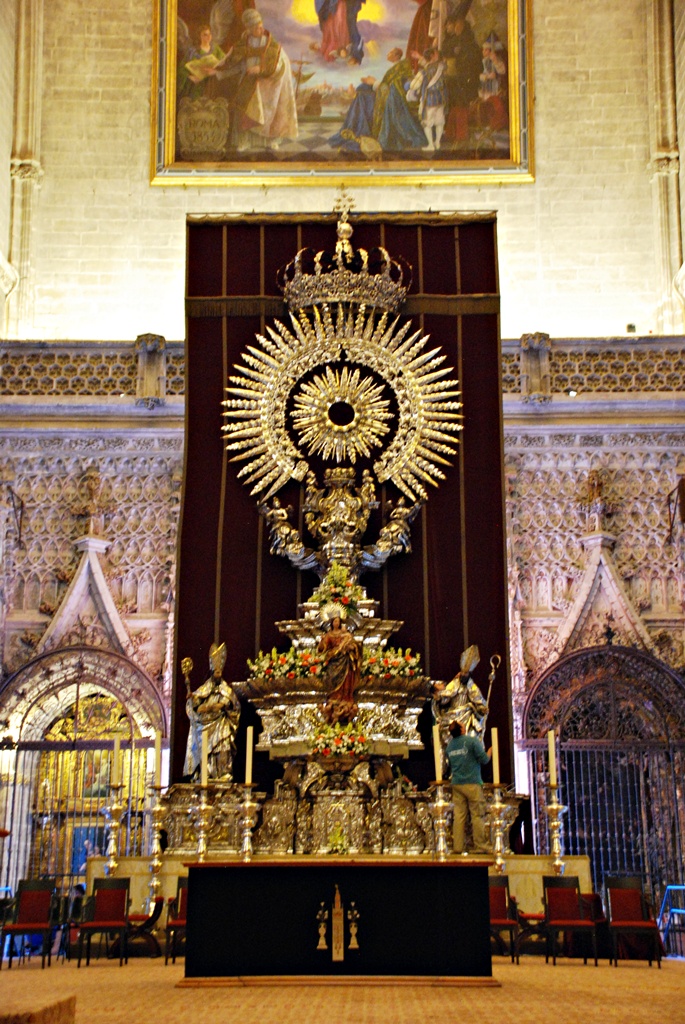
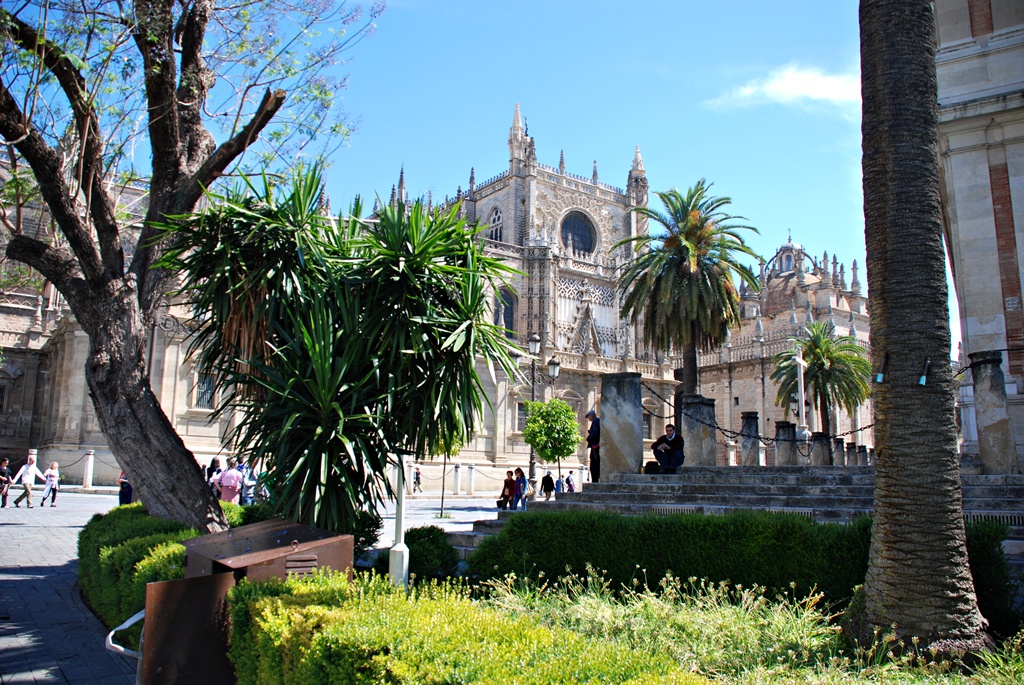
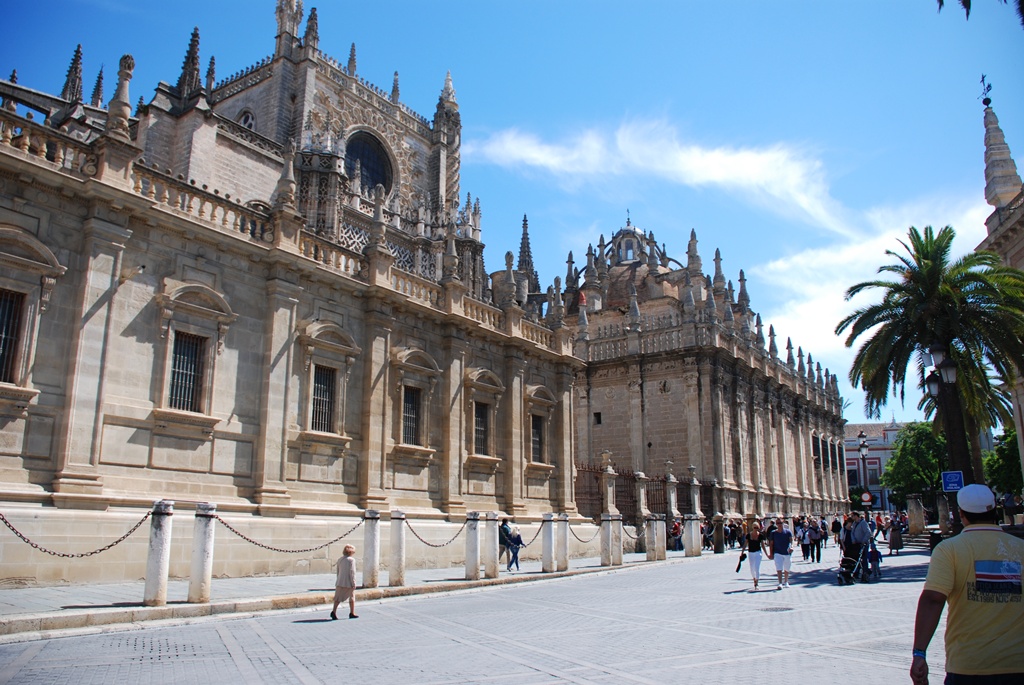
As per the guidebooks, the most important sight in Seville is the Cathedral and so that was our first stop for the day. The Cathedral is built on the location of an old mosque, which was demolished in AD 1401. The construction of the new church took more than a hundred years and was completed in AD 1507. The majestic minaret of the old mosque, called La Giralda, was kept intact and is part of the Cathedral. The building is huge and awe inspiring.
Spain_May13_ 001

Spain_May13_ 003

There was a queue to enter the Cathedral and joined up. The square around was already active with many buggies and such, available for fun rides around the town.
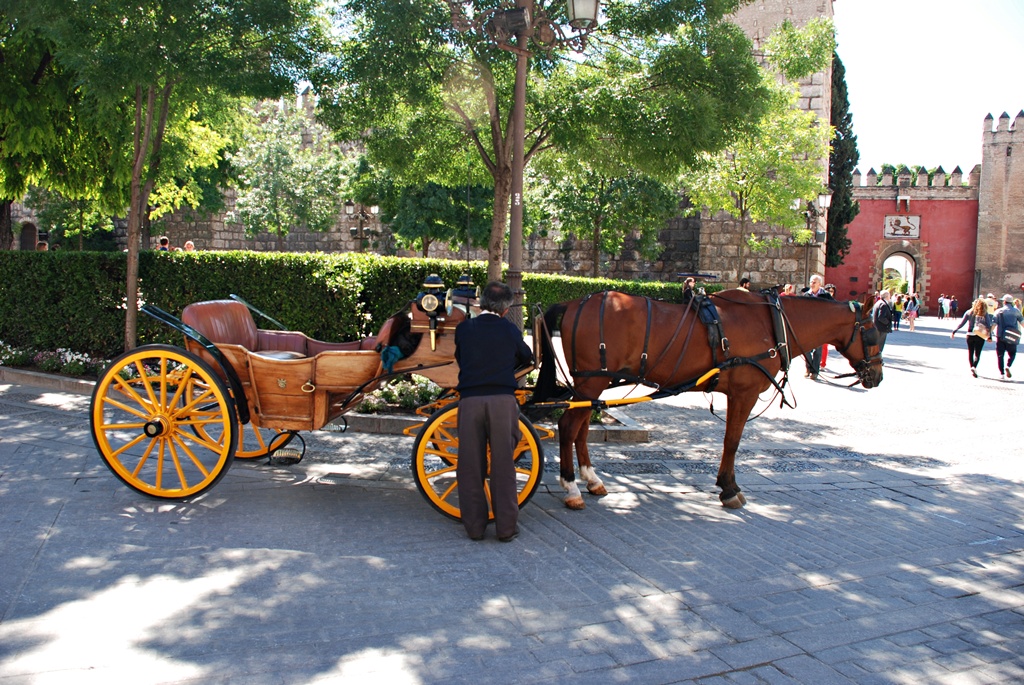
Spain_May13_ 010

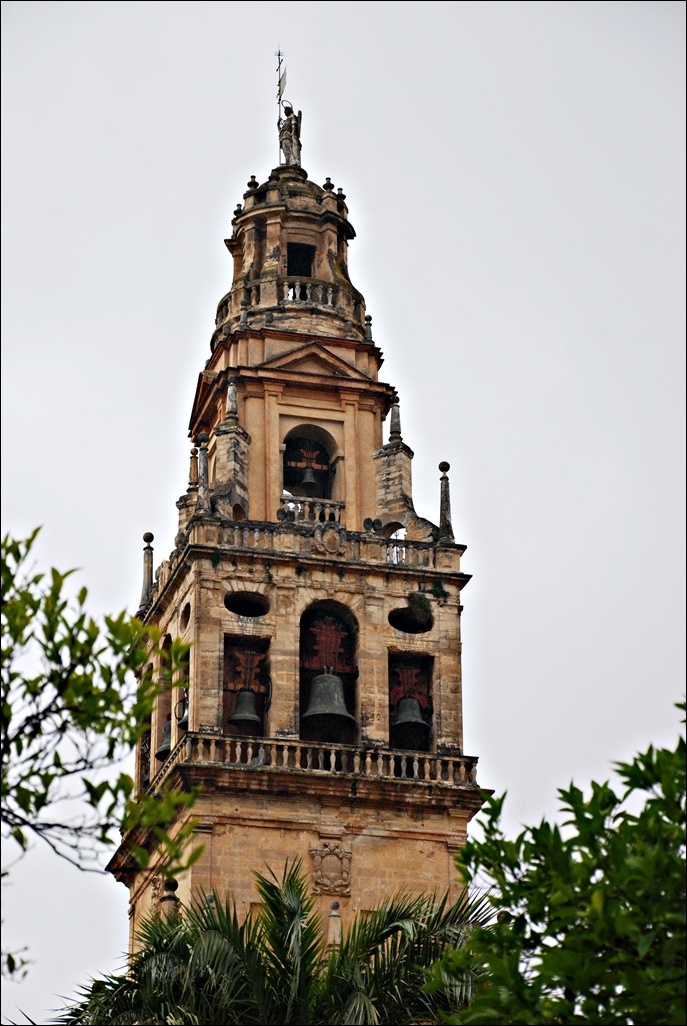
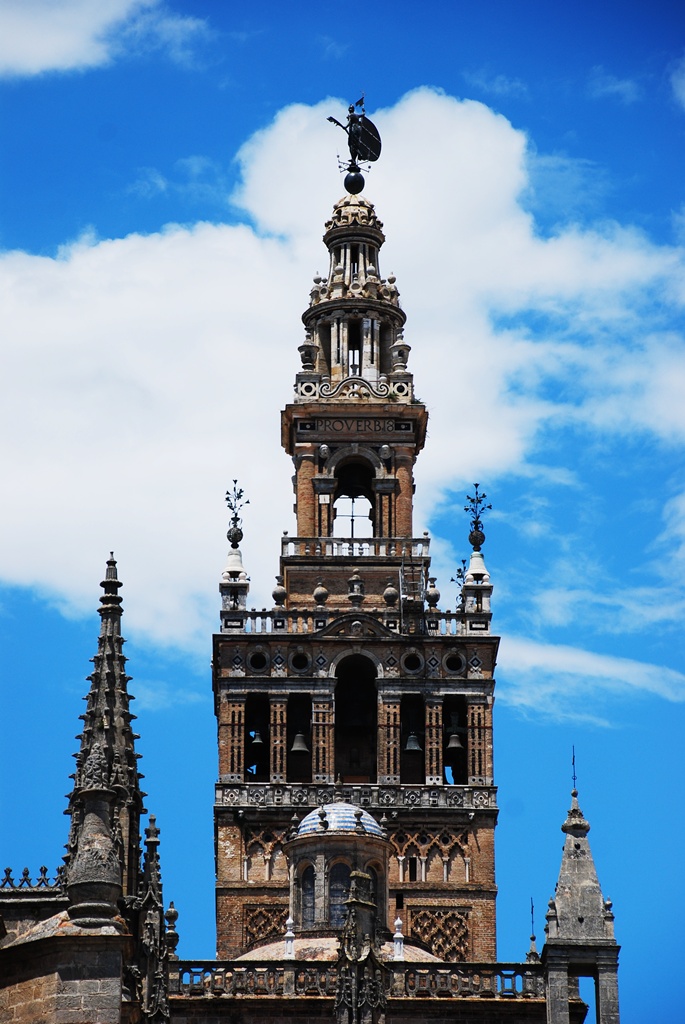
The La Giralda got this name after a weathervane, in the shape of a statue, was installed on top of the minaret in the Sixteenth Century. This statue represents the victory of Christian faith and that must be why it was placed on top of the minaret that represented Islam. A replica of the status is displayed as one enters the yard of the Cathedral.
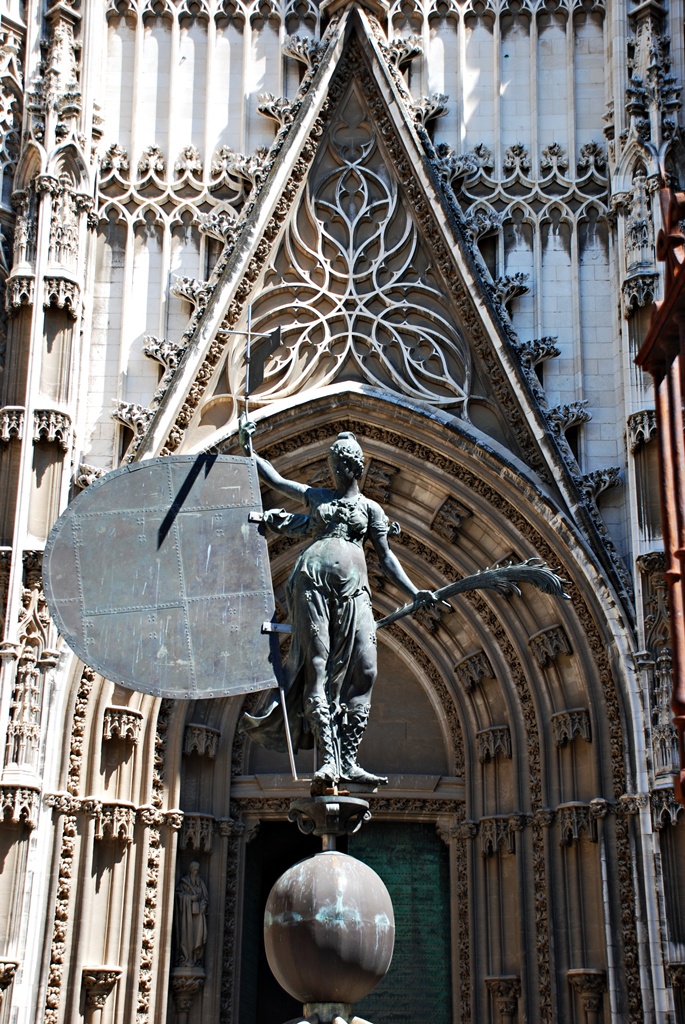
Spain_May13_ 018

This Cathedral was the largest in the world when it was commissioned and supposedly, the authorities wanted such an impressive building that everyone would think they were “mad”! In any case, it is a colossal structure with very many impressive chapels.
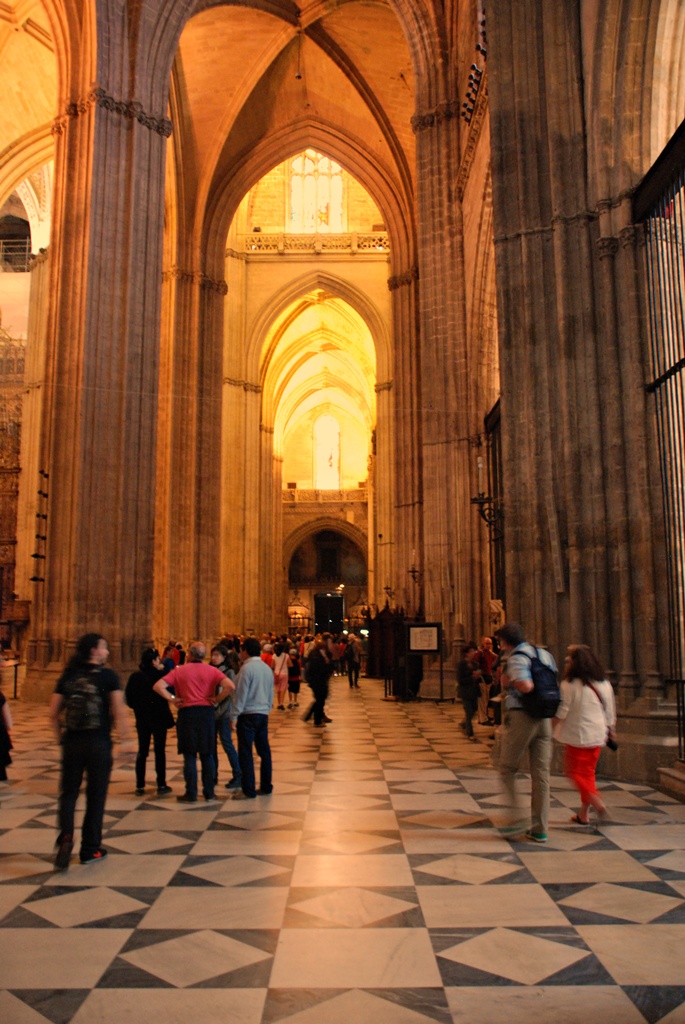
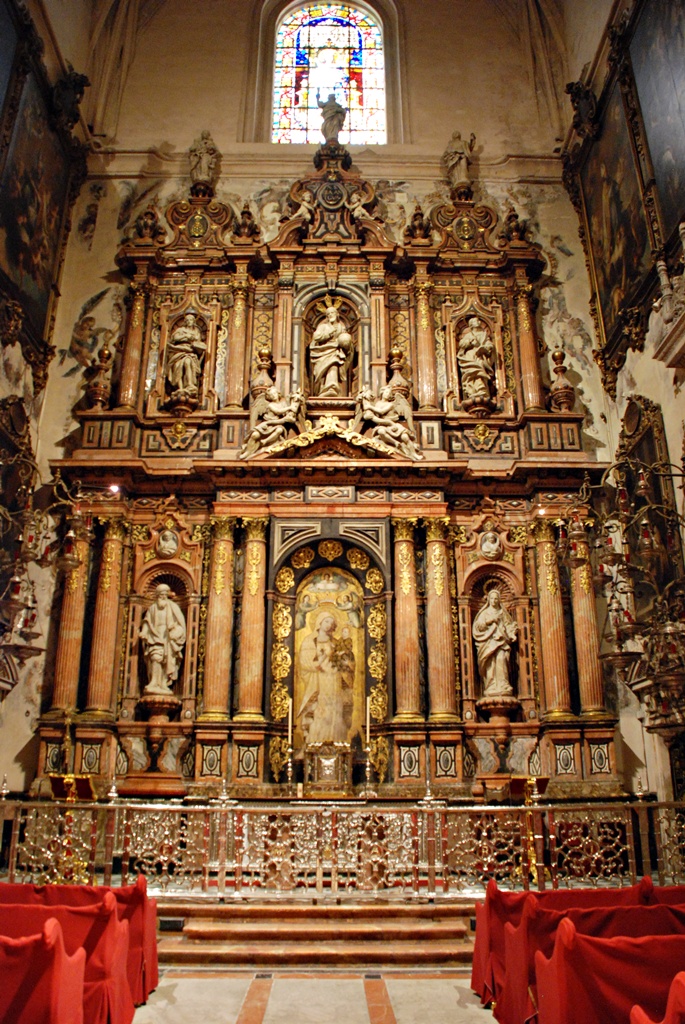
Spain_May13_ 029


Spain_May13_ 048

Spain_May13_ 125

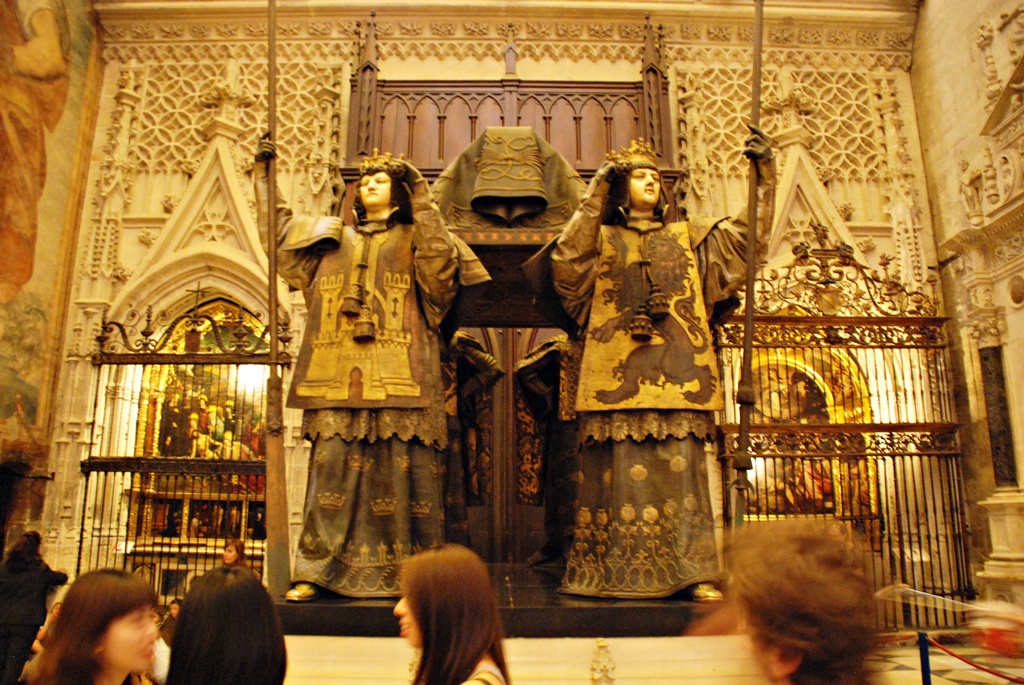
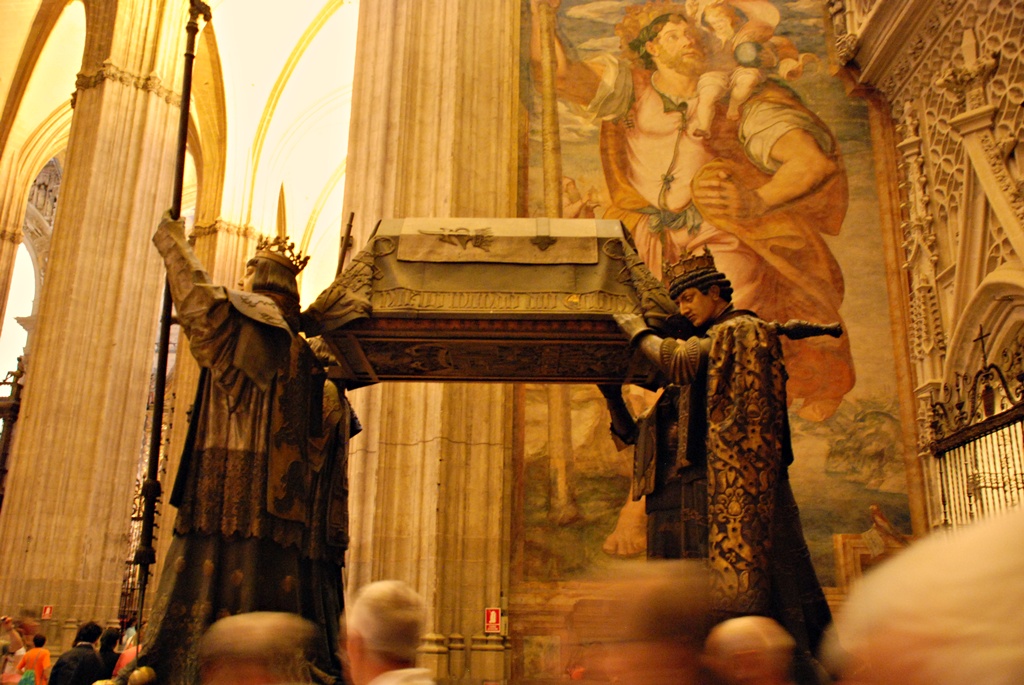
What attracted me the most was the tomb of Christopher Columbus. This tomb is supposed to contain his mortal remains though there is controversy on the subject as he was originally buried in the Dominican Republic and it is said that most of his remains are still there. The four pall bearers represent the four kingdoms of Spain – Castile, Leon, Aragon and Navarre. The significance of Columbus in Spain’s history is borne out by the fact that the Catholic Monarch, Queen Isabella herself is shown as the pall bearer representing Leon (on the front left with the oar in hand). The other pall bearer in the front holds a spear with a pomegranate, showing the fall of Granada (Granada means pomegranate in Spanish). I was very attracted to this tomb and I spent a lot of time around it. That I was standing close to a man (even if it were the remains) who was such an adventurer and visionary, was a special feeling.
Spain_May13_ 065

Spain_May13_ 051

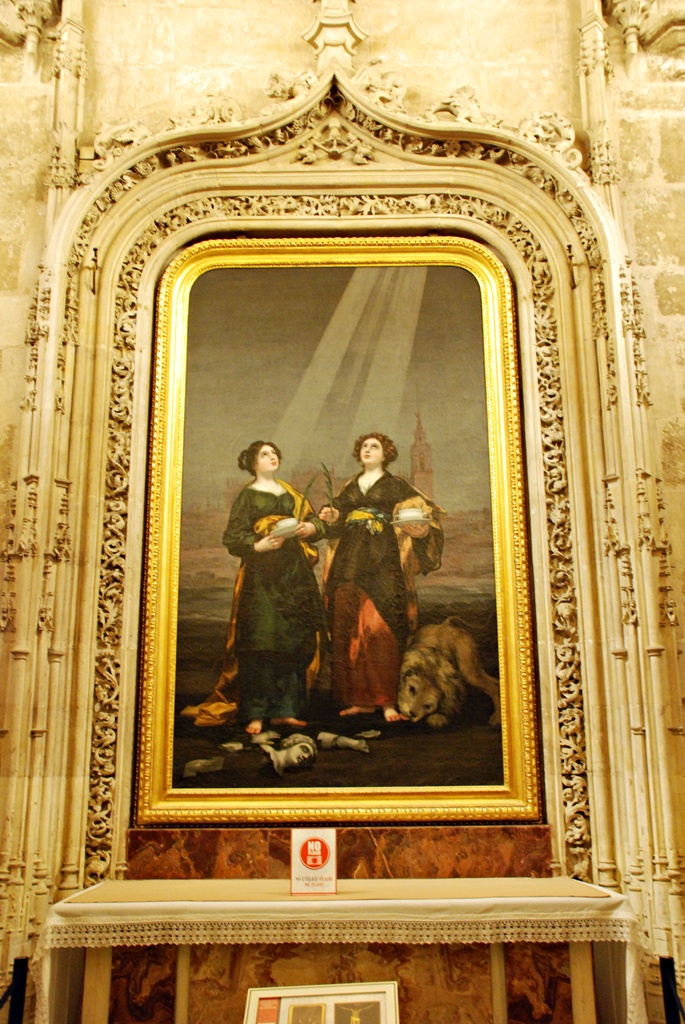
There are a good many chapels inside the Cathedral and many are very ornate. The one that attracted me the most was the Chapel of Saints Justa and Rufina. They were sisters who lived in Seville in the late Third Century and were ardent Christian believers. They refused to convert to pagan faith and the (pagan) authorities who ruled Seville at that time had the sisters tortured and killed them finally. During one of the pagan festivals, the pagans destroyed the utensils that the sisters had made and in retaliation, they broke a statue of Venus. According to legend, during their imprisonment, one of the sisters (Rufina) was thrown to the lions but the lions refused to attack her and licked her feet. These two incidents are represented in a painting placed in the altar of the chapel dedicated to them. I was wondering whether they would have thought that their story would be remembered 1200 years later and retold when a church was built. Supposedly, the resistance of the sisters represented the resistance of Seville. The La Giralda is also shown in the background in the picture.
Spain_May13_ 078

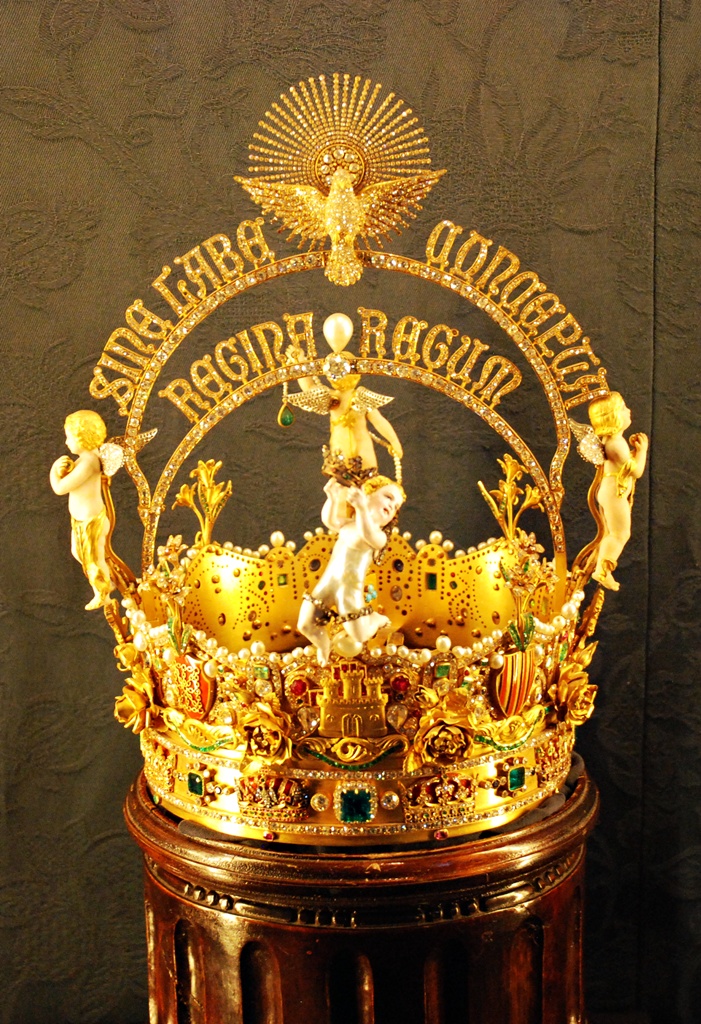
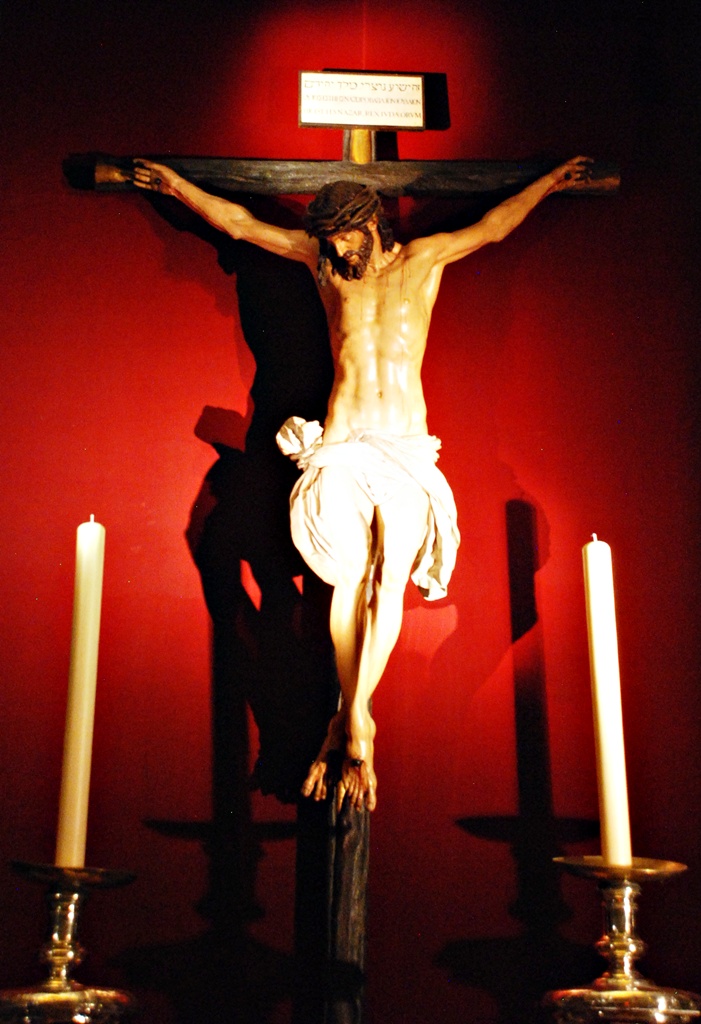
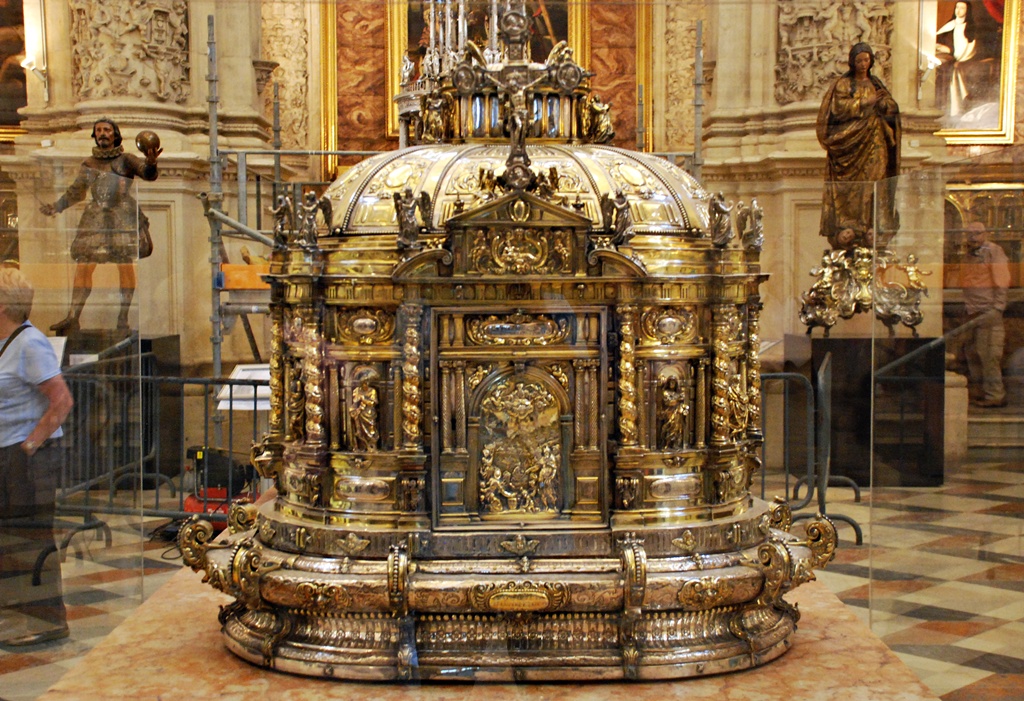
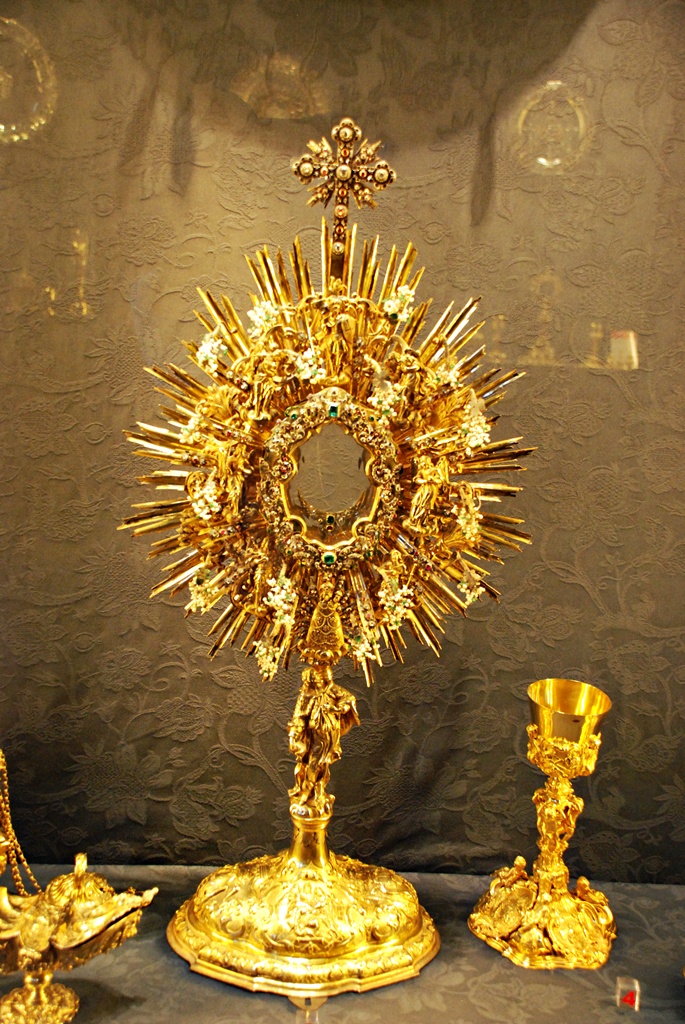
This Cathedral was meant to be a showpiece for Christianity and so is full of pomp and splendour. Many treasures that belong the Cathedral are also displayed. I guess this is to impress visitors as to glory of the faith. However, I could not help feeling that this was quite at loggerheads with what Jesus Christ had imagined.
Spain_May13_ 107

Spain_May13_ 115

Spain_May13_ 120

Spain_May13_ 096

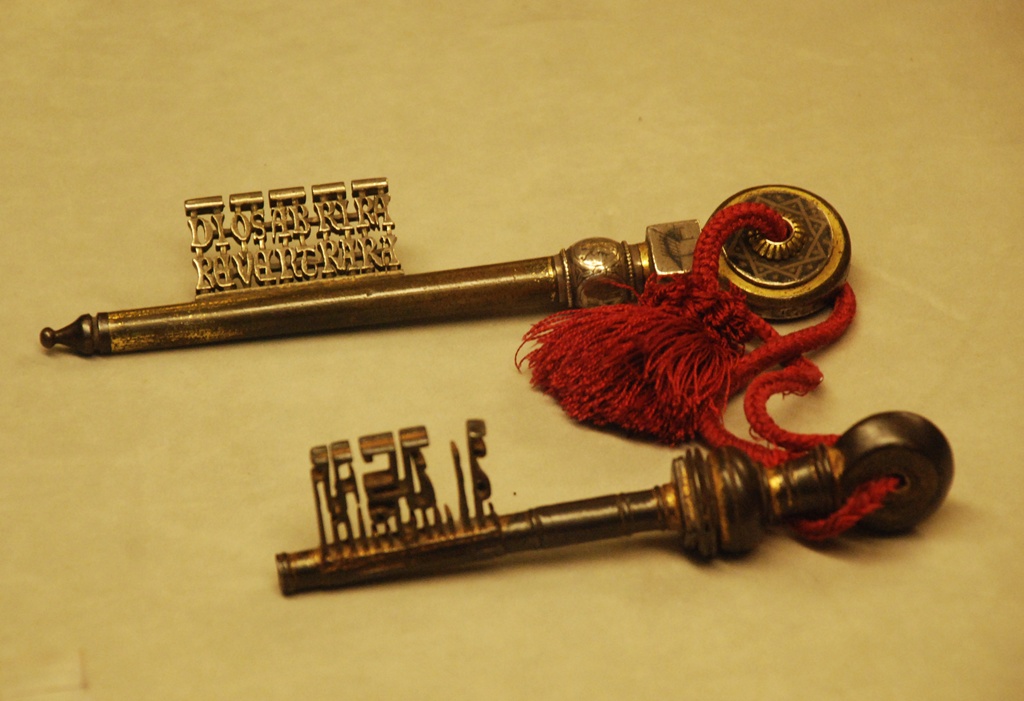
The keys of the city of Seville were also to be seen. These were the keys handed over to the Christian conquerors in AD 1248 when the city was captured.
Spain_May13_ 112

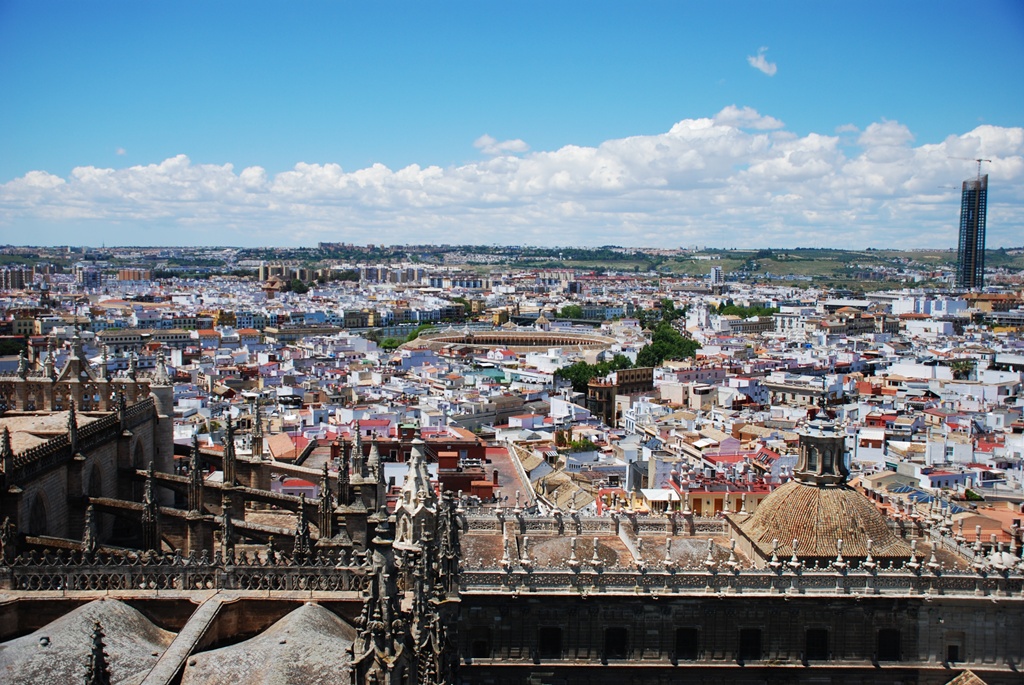
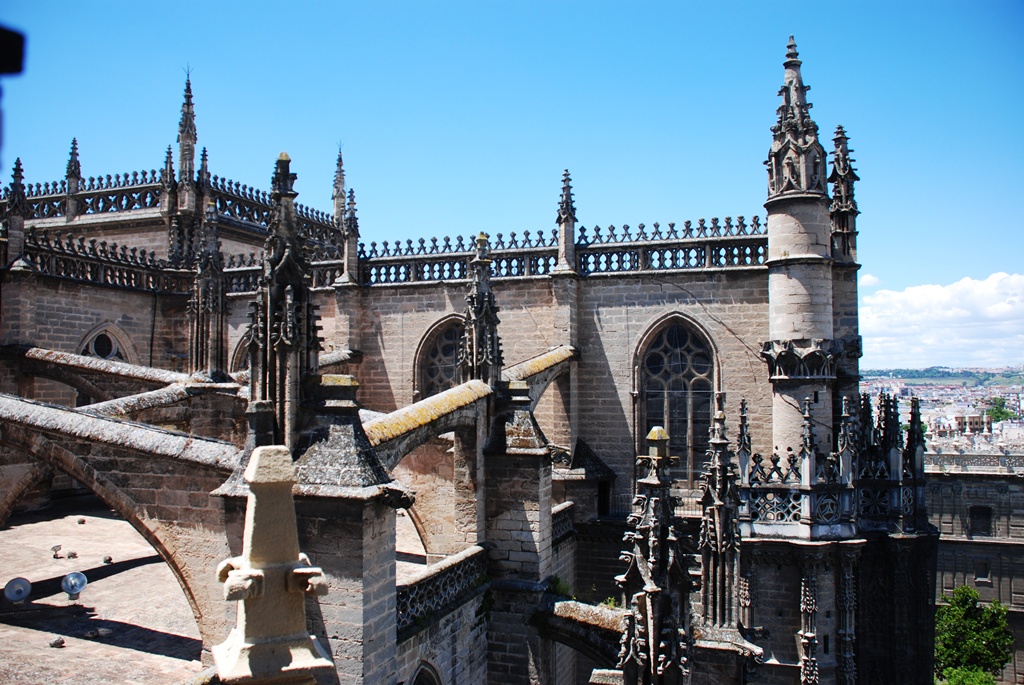
The La Giralda is about 90 metres high and it is possible to climb up to the bell tower. As can be expected, the views from the tower are fantastic.
Spain_May13_ 194

Spain_May13_ 145

Spain_May13_ 157

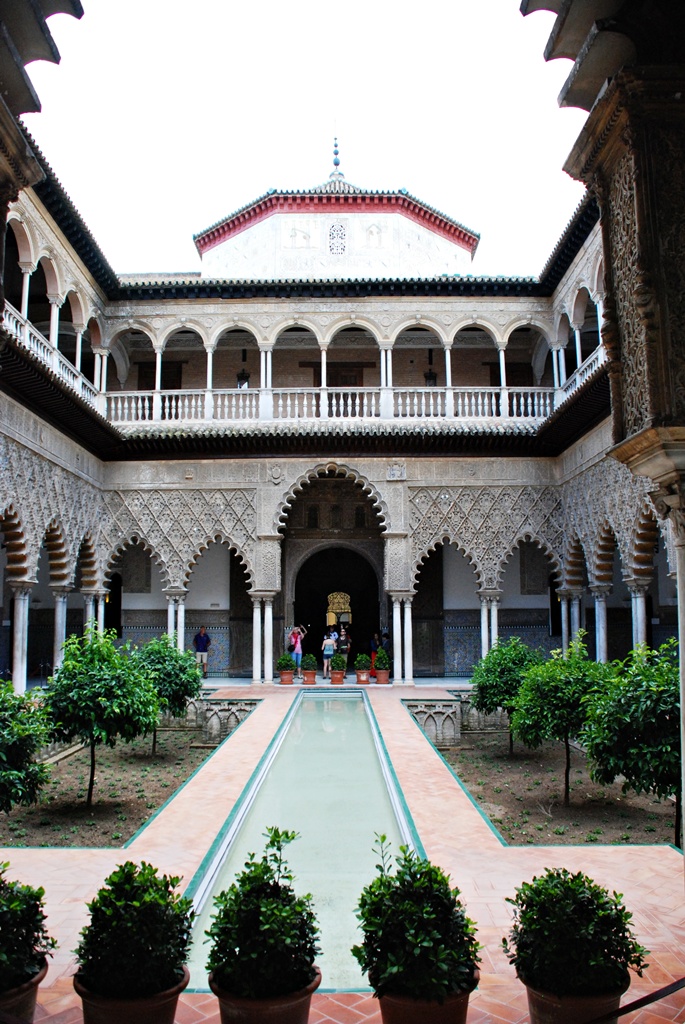
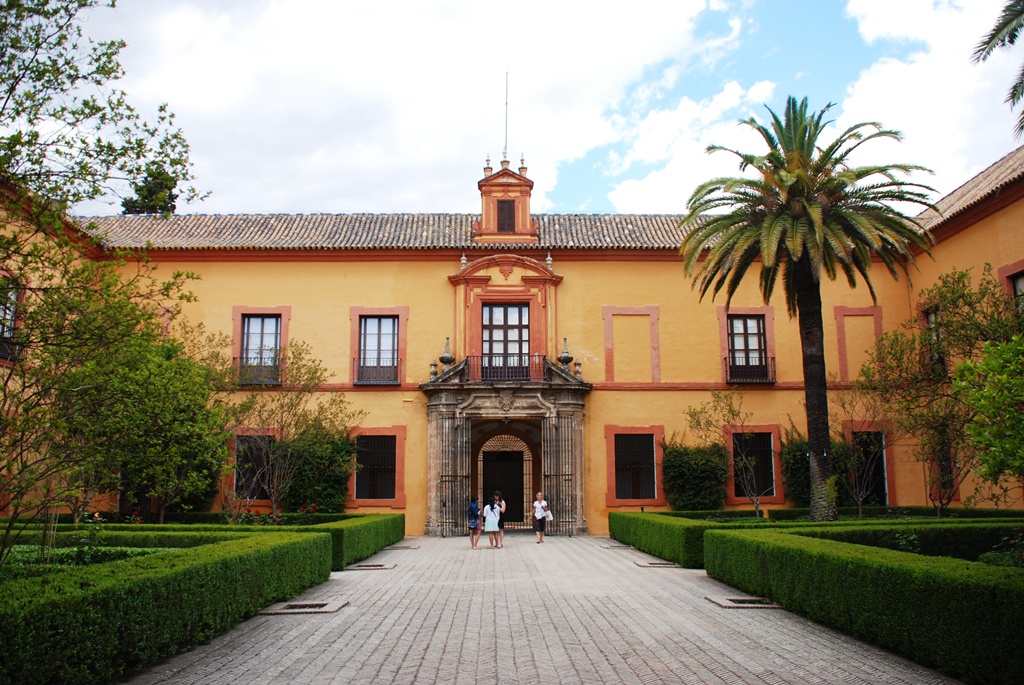
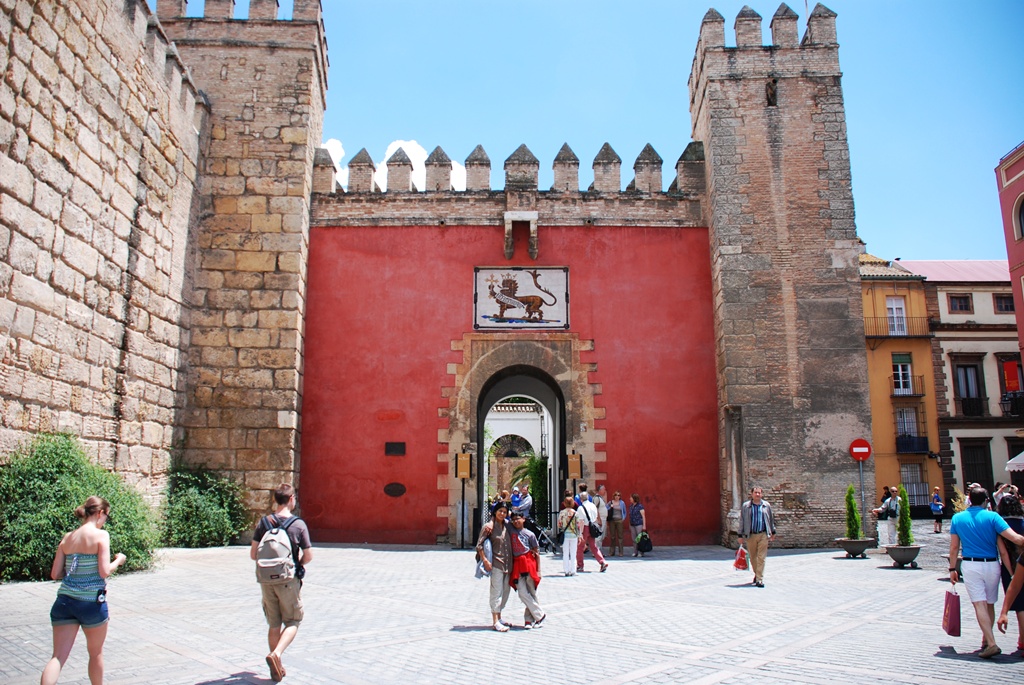
Right next to the Cathedral is the Alcazar, residence of many generations of Kings and Caliphs. This ancient building was first constructed in the Tenth Century and then renovated and rebuilt. Even today, a portion of this palace is used as the official residence of the royal family when in Seville.
Spain_May13_ 201

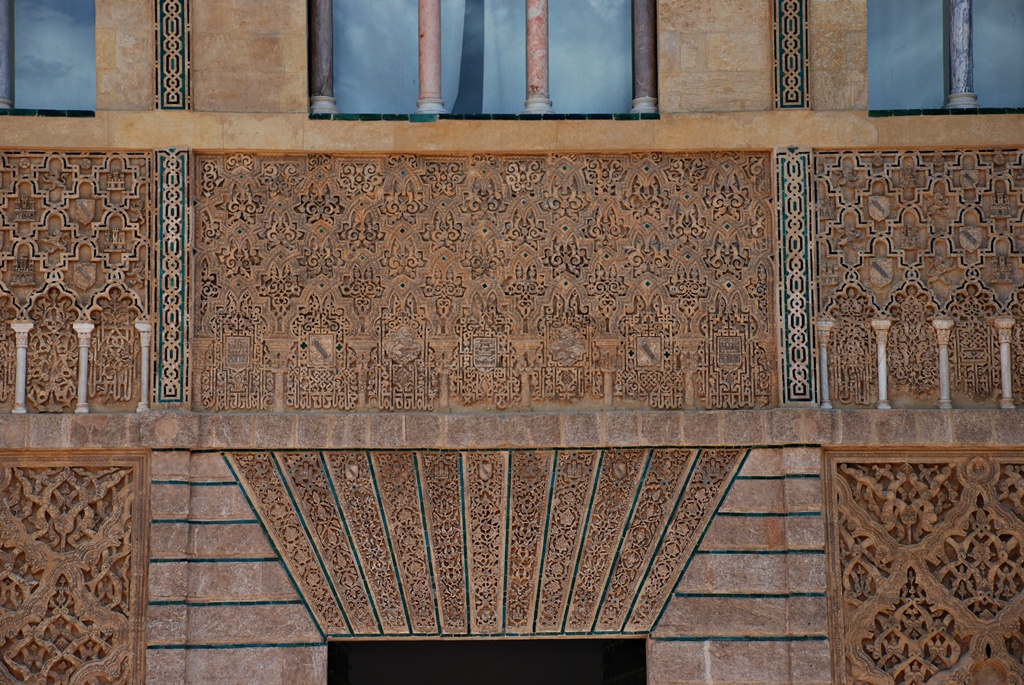
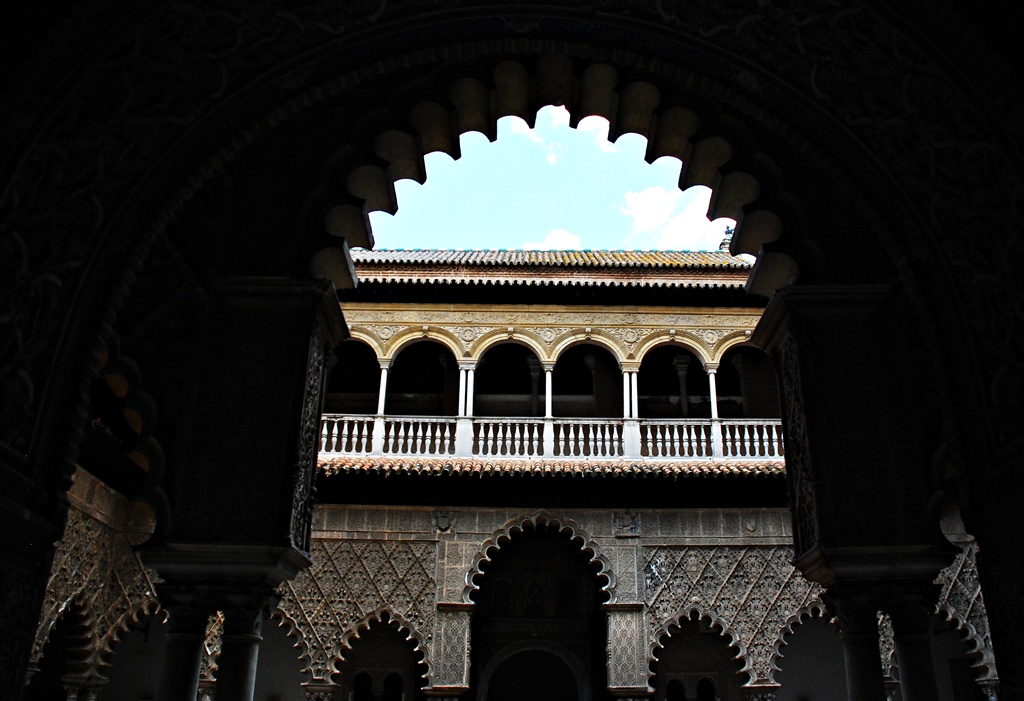
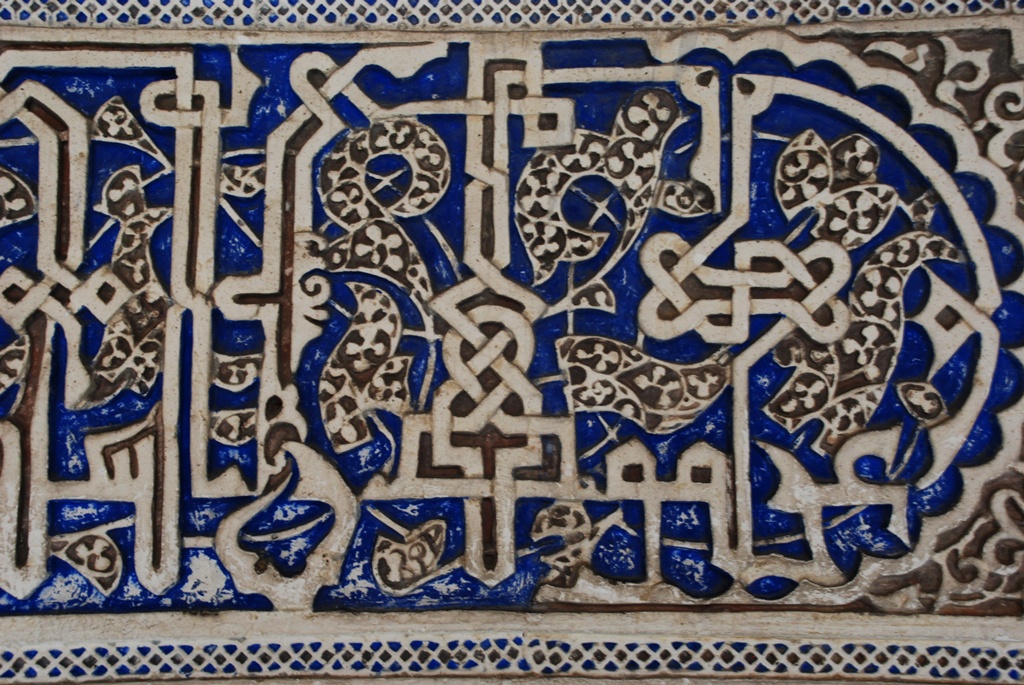
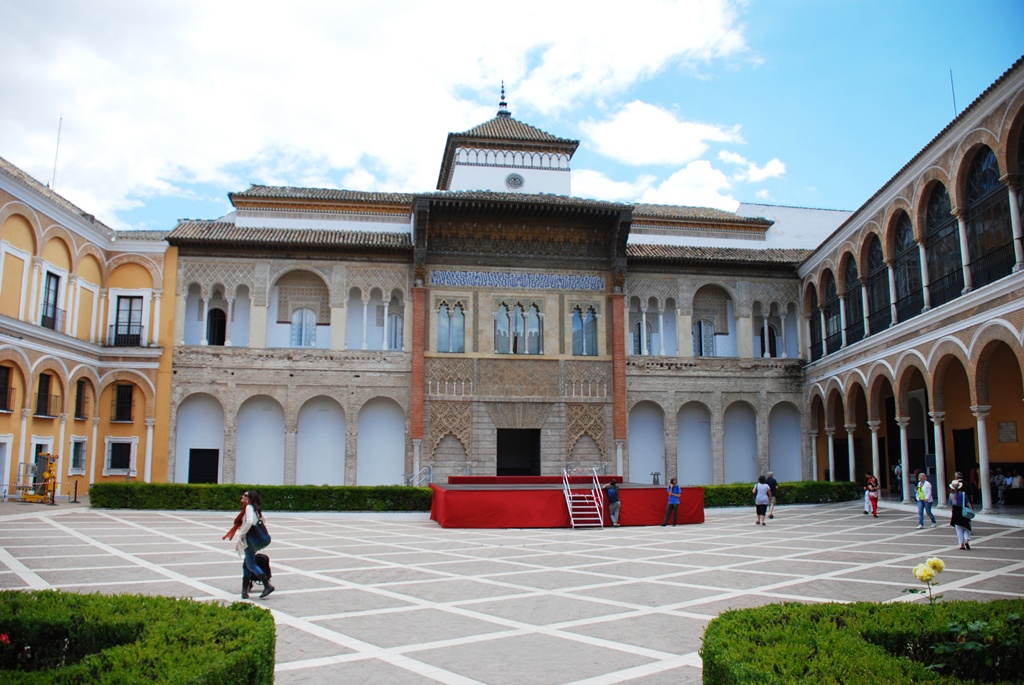
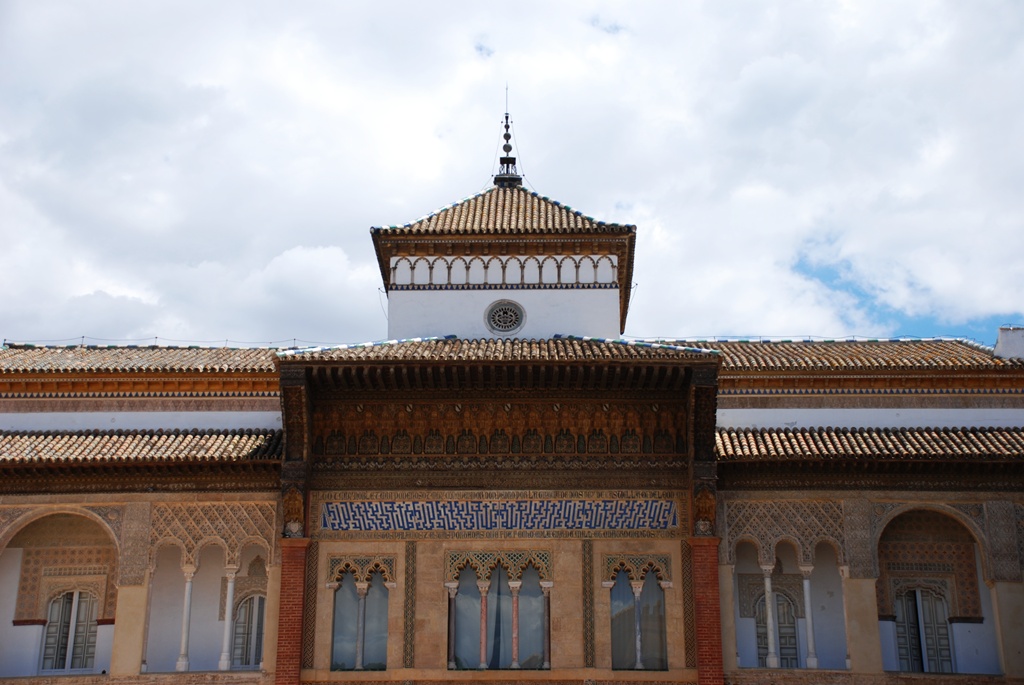
As one steps past the impressive gate, the Alcazar soars in front of the eyes in all its majesty. The façade is very Islamic as care was taken by Pedro I (Peter the First) of Castille, who rebuilt the palace. Pedro I was a Christian king who seems to have been quite an interesting personality. For starters, he seems to be referred to as Peter the Just and Peter the Cruel. The nobility and the aristocracy called him Peter the Cruel whereas the common people called him Peter the Just. Given that he lived in the Fourteenth Century and the subsequent recording of history must have been quite influenced by the nobility, I am inclined to believe that Peter must have been a king who understood the sufferings of the poor and supported them. He also seems to be the only Christian king who exhibited religious tolerance. When he rebuilt the Alcazar, he made sure that he used artisans who were proponents of Islamic architecture and he also used perishable material such as wood and plaster (supposedly, Quran reserves eternal structures for Allah). In some of the doorways, there are Arabic inscriptions that mean: “None but Allah conquers”, “Happiness and prosperity are benefits of Allah” etc. He appreciated the Islamic culture that existed in Seville at the time and it was evidenced in his dress and food. Peter also gave permissions to the Jews to build a synagogue in Toledo. I was quite impressed, especially when I contrasted this against the religious intolerance fostered by the Catholic Monarchs, who were to come later, who ushered in the black period of Spanish Inquisition. Incidentally, a friend told me later that there is still an office of the Inquisition in Seville (it is called by a different name these days).
Spain_May13_ 215

Spain_May13_ 222

Spain_May13_ 226

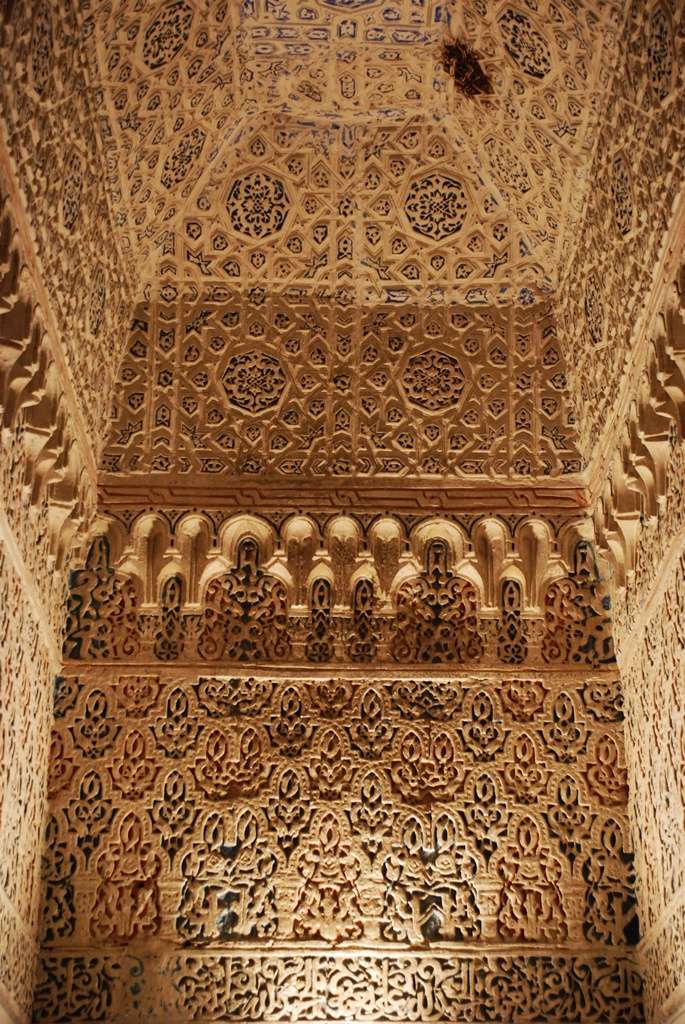
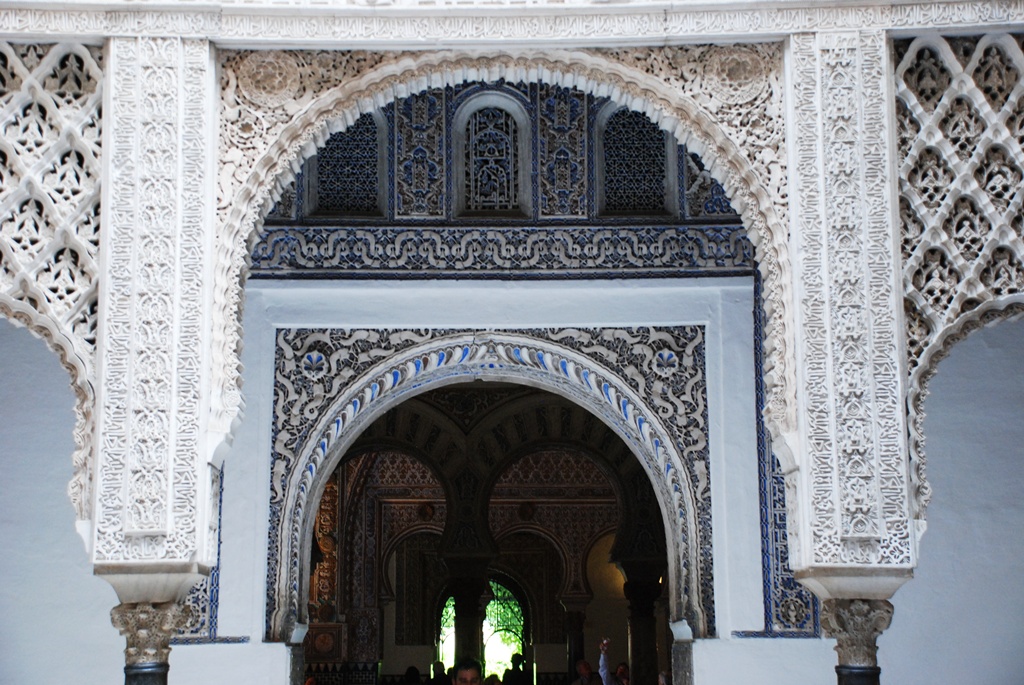
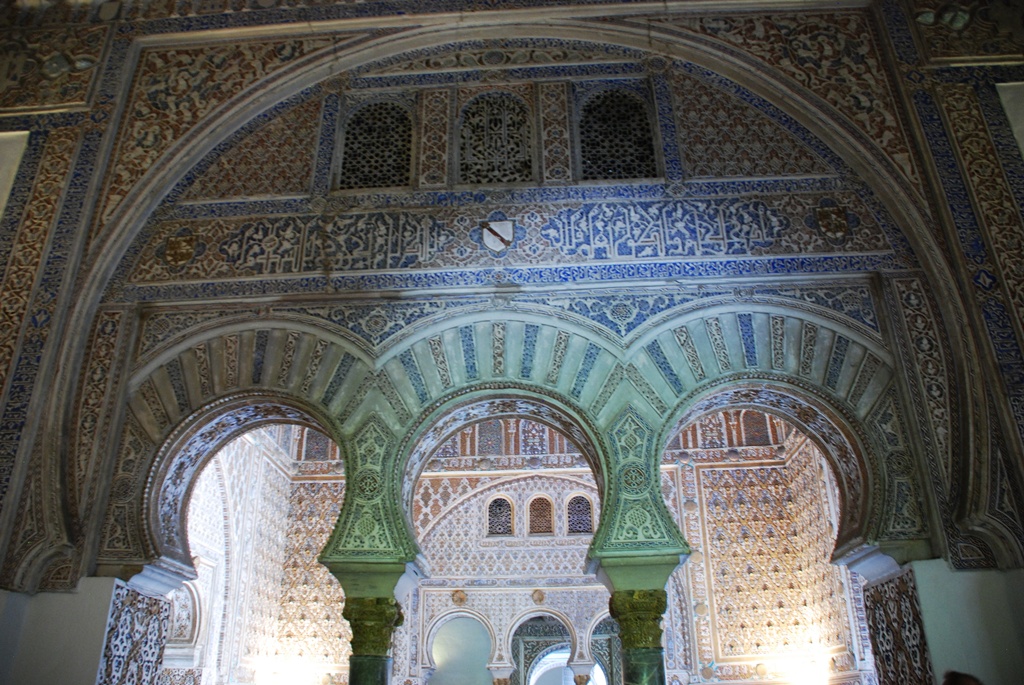
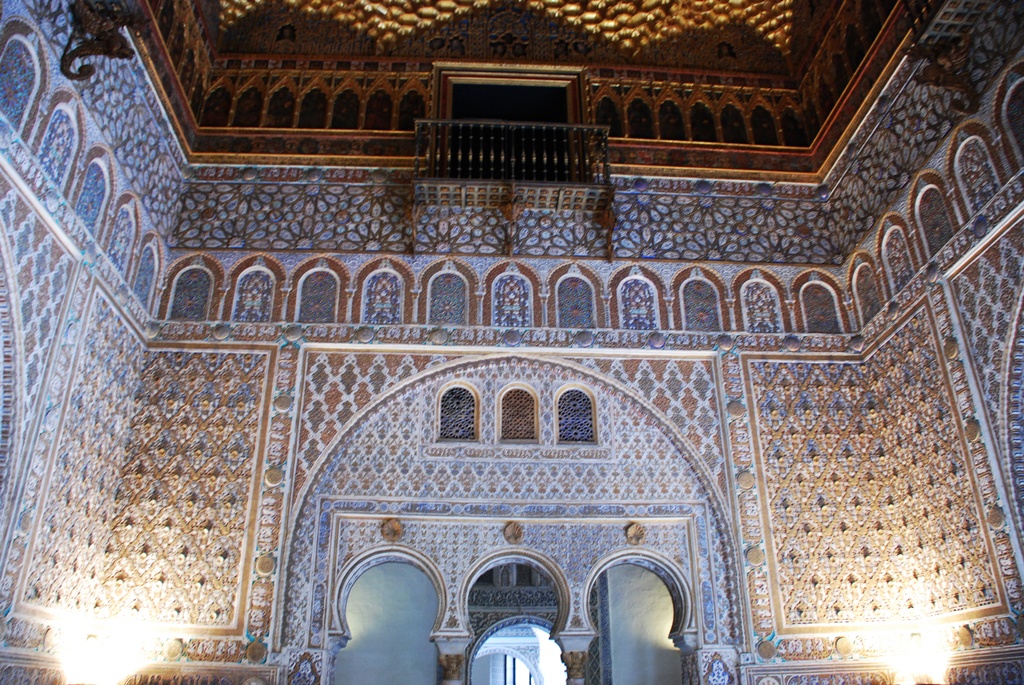
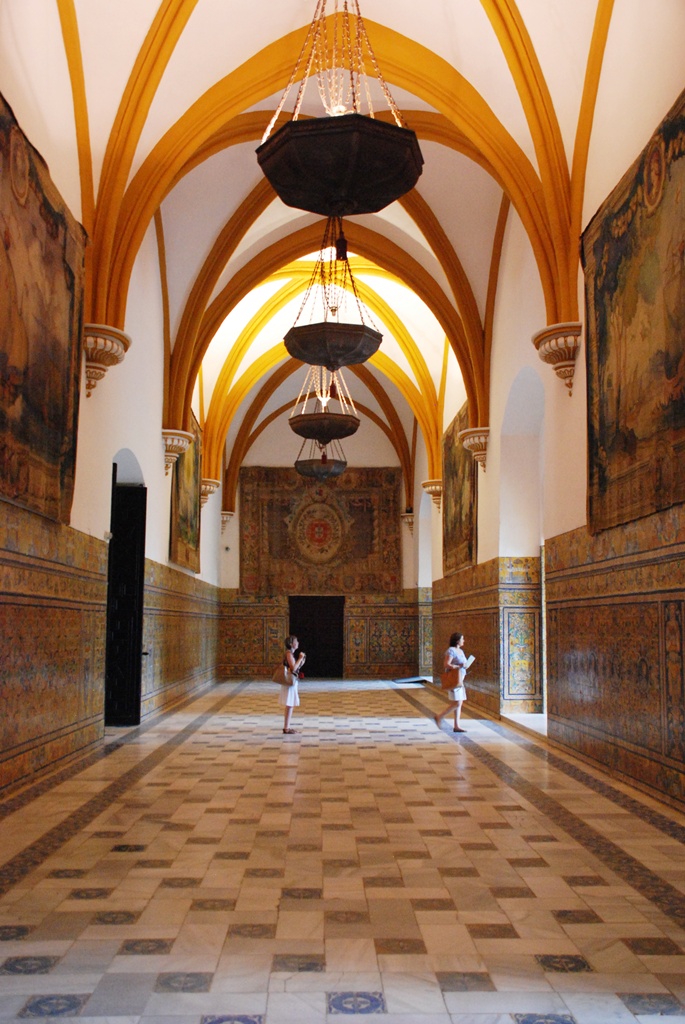
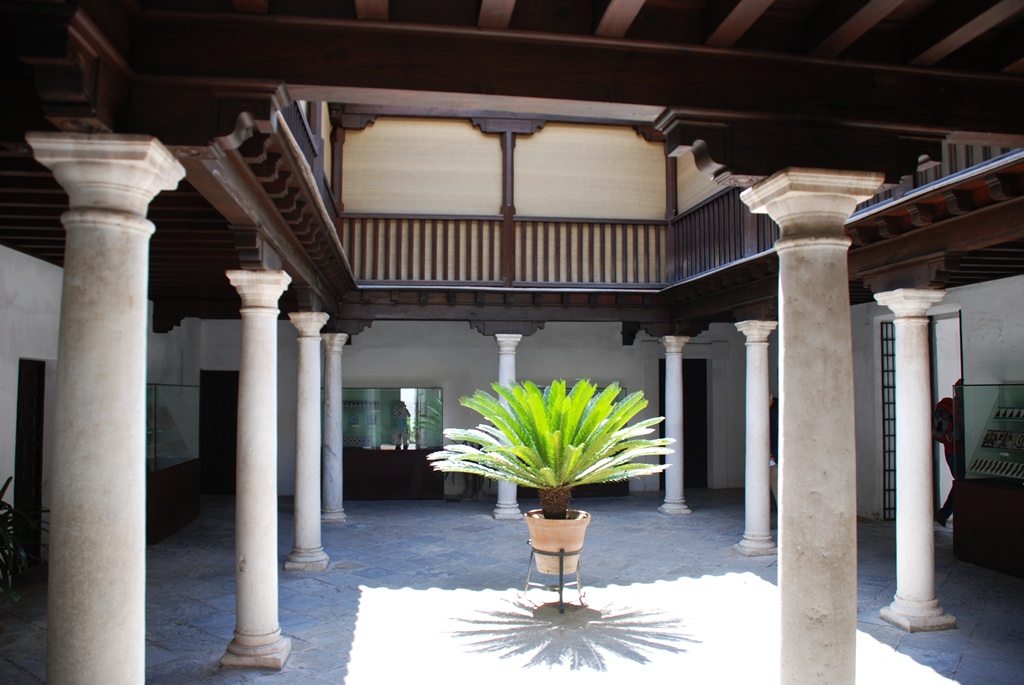
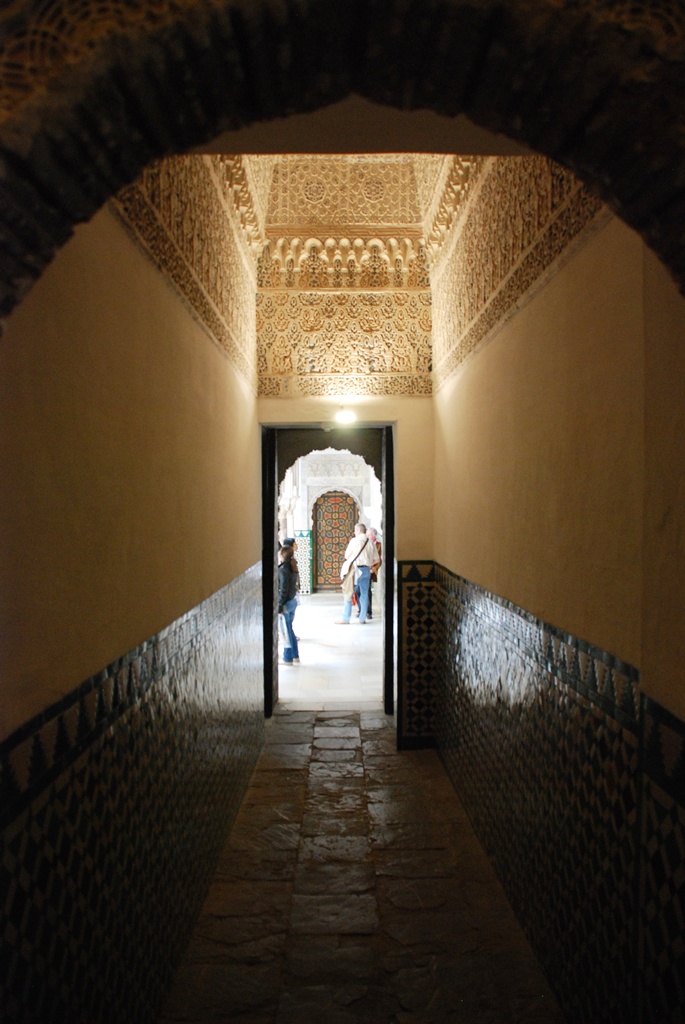
This palace is Seville’s answer to the Alhambra of Granada. The rooms are decorated with rich carvings and highly ornate walls and ceilings. I was just lost in the beauty of the place as I wandered from room to room. It was here that the Catholic Monarchs, Ferdinand and Isabella, spent time while preparing for their conquest of Granada. They used to meet with Christopher Columbus in this palace to discuss his expedition. The beauty of the whole place is breath-taking.
Spain_May13_ 247

Spain_May13_ 249

Spain_May13_ 253

Spain_May13_ 260

Spain_May13_ 275

Spain_May13_ 289

Spain_May13_ 299

Spain_May13_ 310

Spain_May13_ 312

Spain_May13_ 332

Spain_May13_ 341

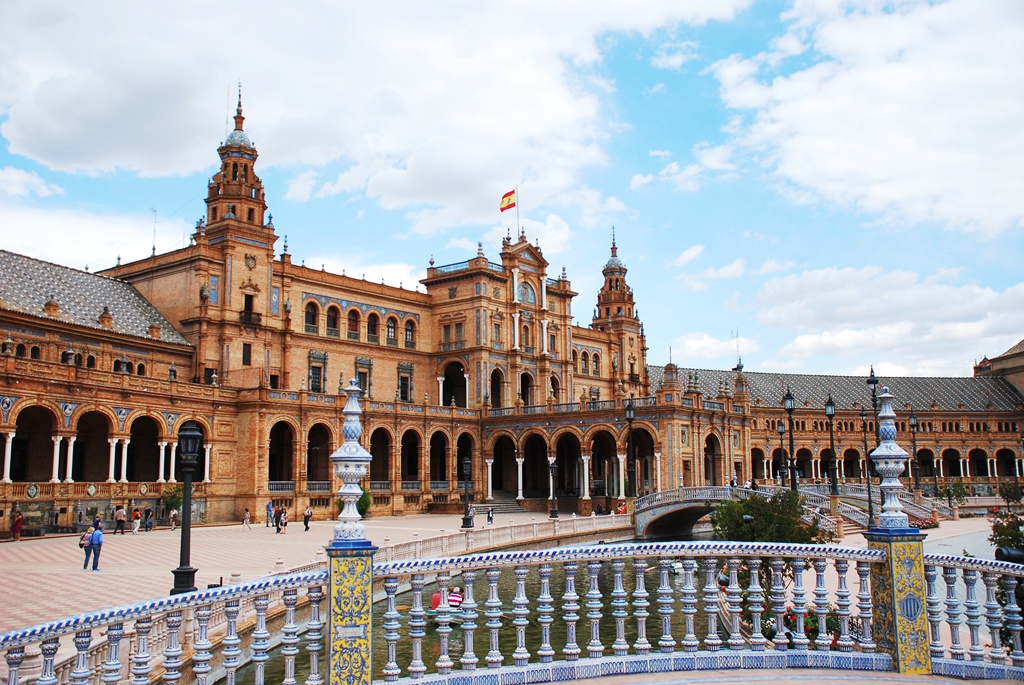
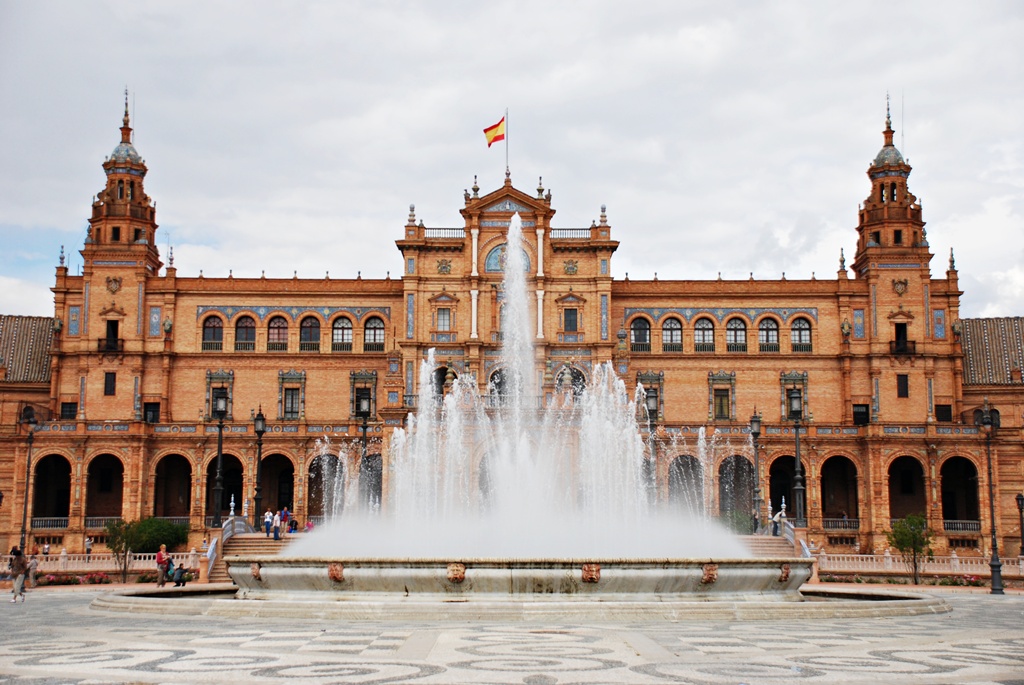
It was getting late by the time we finished the Alcazar and we decided to visit Plaza de Espana before calling it a day. Plaza de Espana is located in the Maria Luisa Park and was built in 1928 for the World Fair hosted by Seville in 1929. This is a beautiful semicircular building with many exquisite bridges and a very nice fountain in the centre.
Spain_May13_ 389

Spain_May13_ 404

We spent some time wandering around the Plaza and then headed back. Overall, it was a very satisfying day and the personality that stayed with me was Pedro I. He must have been an extraordinary man to have shown such tolerance in those days when everyone else seemed to be headed the other way. I was left wishing how better off we would be if only some of our current leaders could borrow a leaf from his book!
19 May 2013

There is great charm in taking a drive around the countryside and dropping in at various quaint towns you find on the way. I had heard of the white towns of Andalusia and was very interested to have a close look – I also remembered seeing them in some movie. The day being nice and sunny, we decided to explore white towns that day.

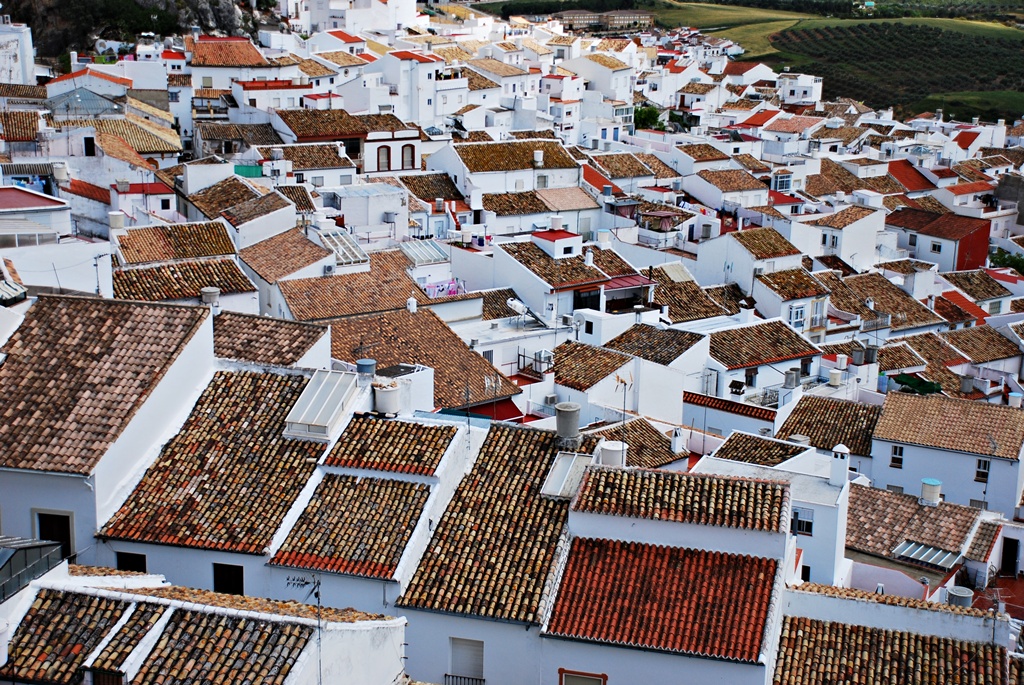
The white towns of Andalusia are located to the northern part of Malaga and Cadiz provinces and so we had an hour’s drive to the nearest one. During the Reconquest, the Moors started retreating up the mountains when their main cities in the plains fell to the Christians. They set up small villages in difficult to reach places and that allowed them to hold on much longer even after the major towns had all been captured. However, eventually, these villages were also captured and have now become towns. The walls of all buildings in these towns are white and hence the name “white towns”.

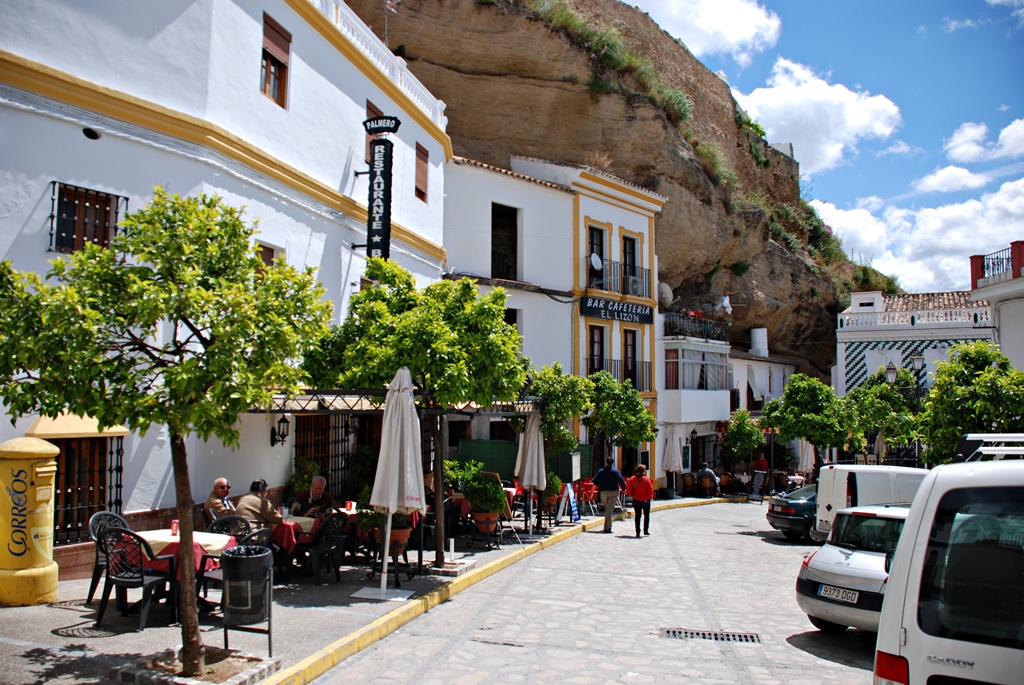
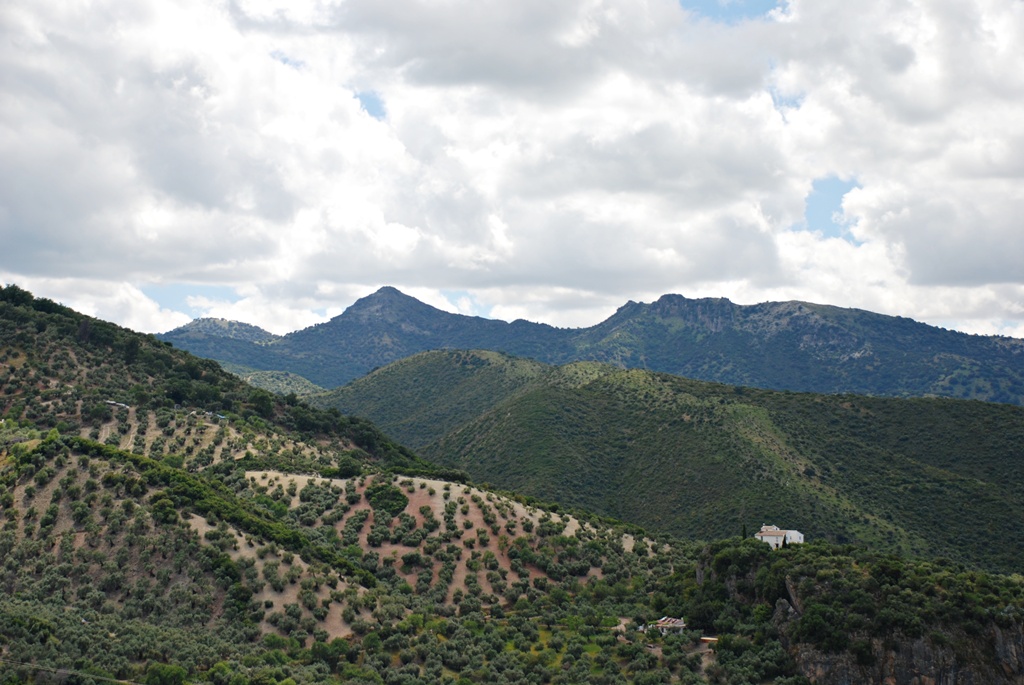
I had charted out a rough course and we set out accordingly. The first stop was planned to be Setenil de las Bodegas, a white town different from others. While others had set up their villages in hills and on the mountains, the people of Setenil had made their dwellings in the deep caves beneath the cliffs of the River Trejo. The drive along the countryside is very enjoyable, especially on a sunny day. The Andalusian countryside is fully utilised with olive plantations all across. We could also see a lot of wind mills on many of the hilltops.

Spain_May13_ 146

The drive, being through high country, is very enjoyable and you have great sights everywhere. I was in very good mood as I drove up to Setenil, little realizing the perils that lay ahead. As we approached the town centre, I noticed that the roads were getting narrower. Roads in old towns in Europe are generally narrow and I did not pay this much attention; nor did I notice that most cars on the road were small hatchbacks unlike the full sized sedan that we had rented. Soon, we found ourselves in a spot where the car could just pass and the road seemed to curve on ahead. It suddenly struck me that if the road narrows any further, our car would not pass. In a wave of panic, I had visions of the car being stuck and some recovery truck towing it away, the day wasted and the pocket a lot emptier. However, there was no option but to go ahead and so, we inched along and soon spied a plaza at the end of the road but as always, to get to that safe place, we had to go through a particularly narrow opening! Anyway, after losing much sweat and with the wing mirrors folded in and with great support from Sandhya and a few passersby, we finally passed through, albeit with a small scratch on one of the mirrors. A definite blow to my driver pride!

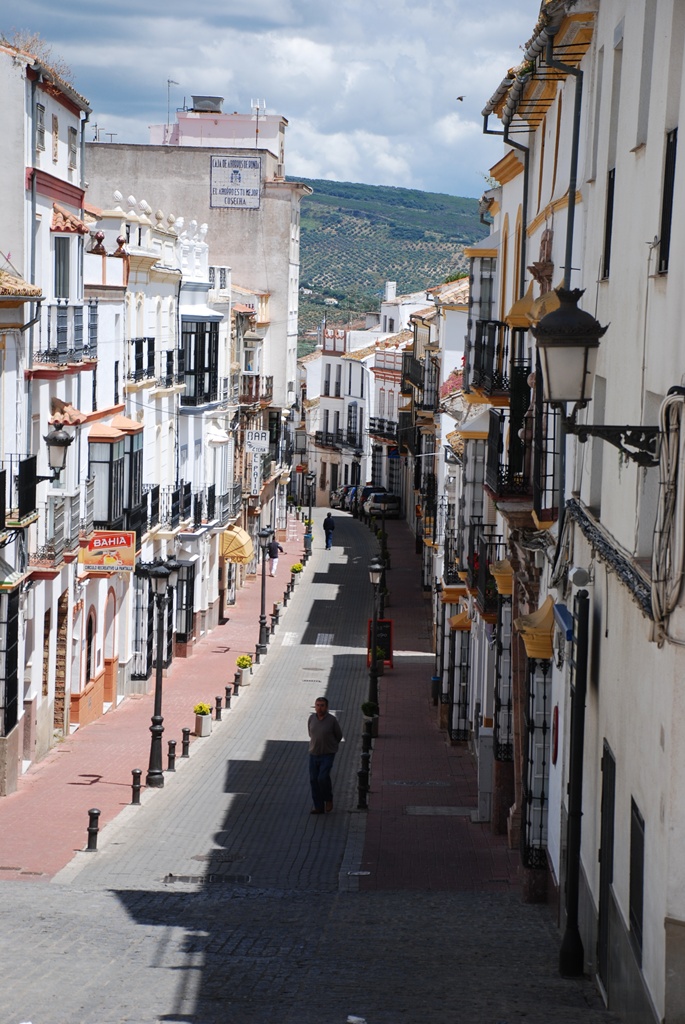
The effort was well worth it though, as the town was very beautiful with wonderful small walkways and tracks that led up and down various inclines. The cave dwellings have mostly been converted to bars and cafes. It was wonderful to walk around and we spent some time walking around. It was obvious to me that a gym would have no business in this town where you were climbing up or down all the time!

Setenil

Steneil_Street

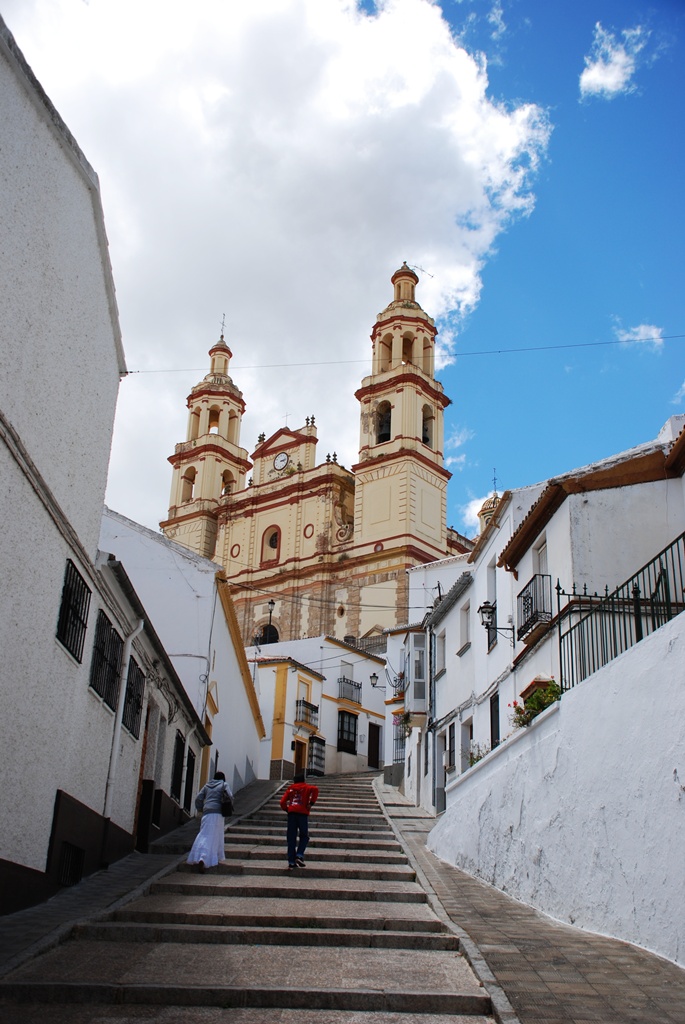
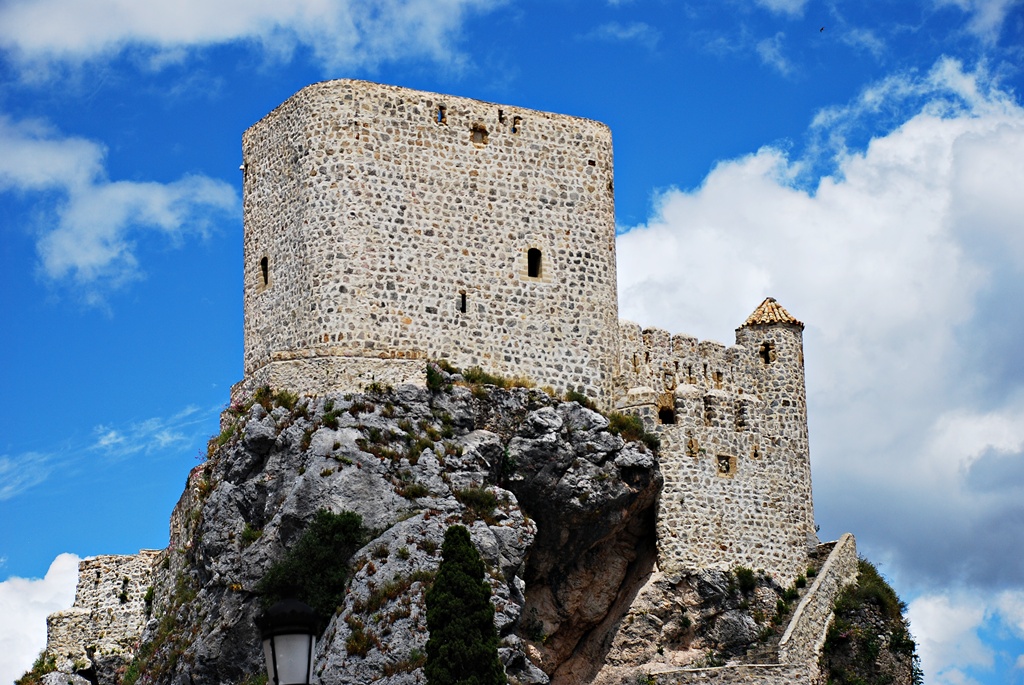
After some more excitement, which included driving into a dead end in a cave and some hair raising reversing, we drove on to our next destination – Olvera. This one turned out to have slightly wider streets than Setenil and so my blood pressure was in check when we got to the town square. There is a very nice church and castle in Olvera but both were closed when we got there and so could not go in.

Spain_May13_ 100

Spain_May13_ 105

Spain_May13_ 110

Spain_May13_ 116

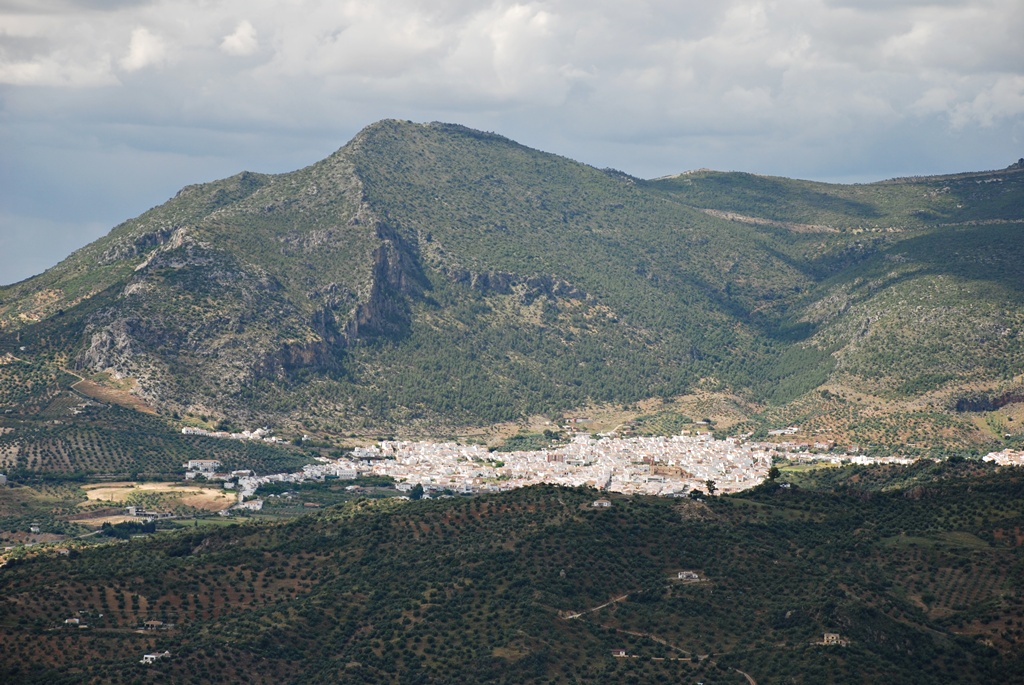
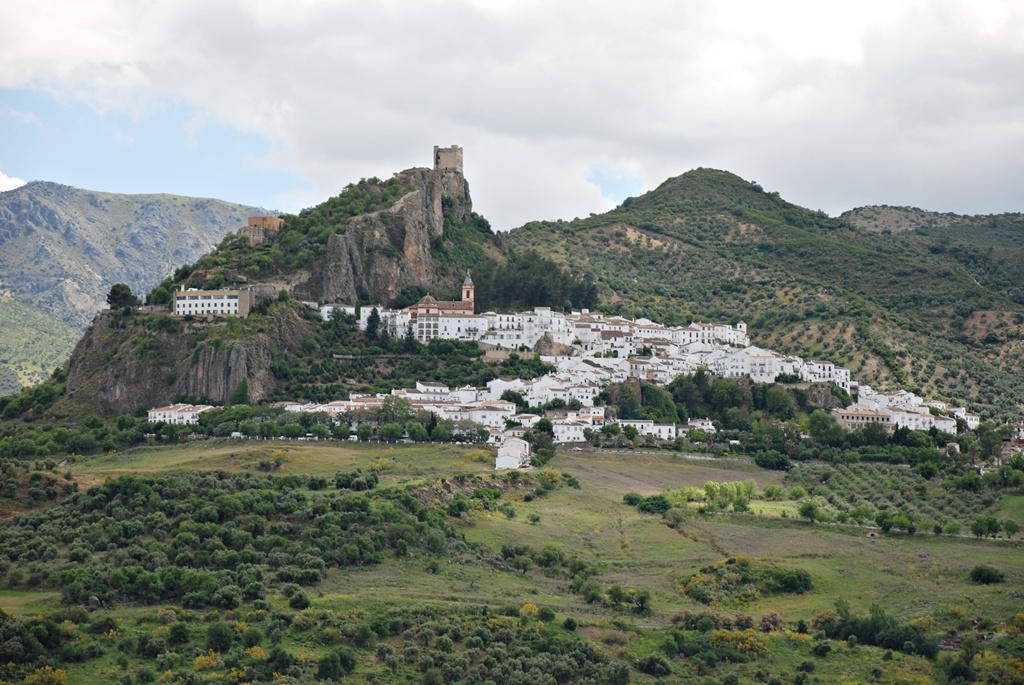
Next on the agenda was Zahara de la Sierra, a white town that seemed to be a must-visit based on what I read on the net. As we drove along, we passed some white towns and they are very beautiful to see, especially from a distance.

Spain_May13_ 214

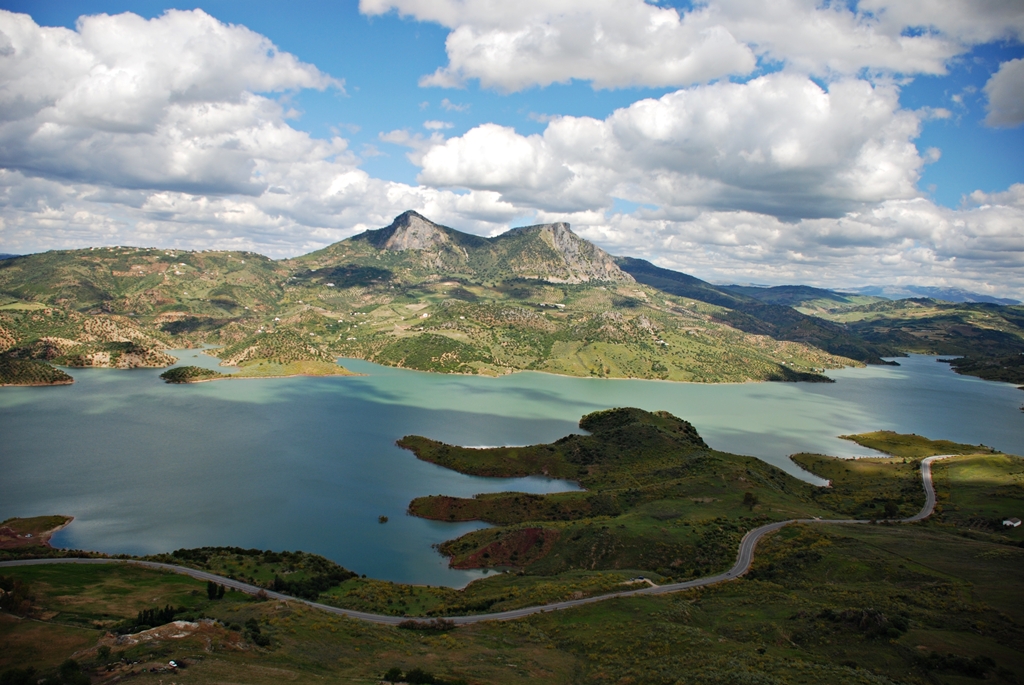
As we approached Zahara, we could see it in the distance and the view was fantastic indeed.

Spain_May13_ 136

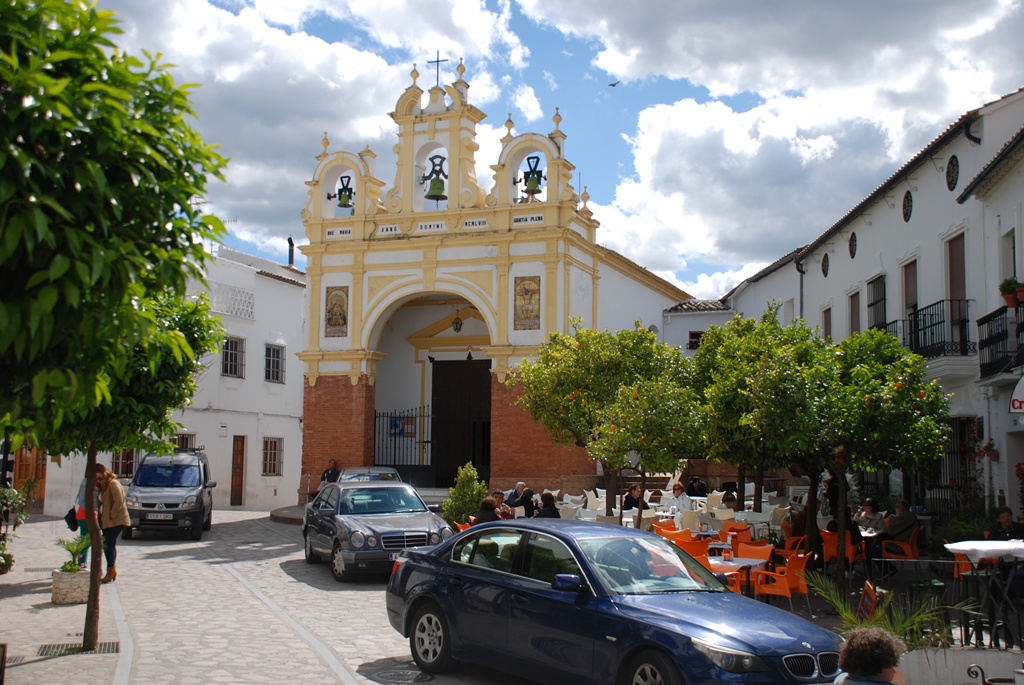
There is a reservoir in the valley beside the town. The drive was not so difficult as the roads were reasonably wide. There are some beautiful cafes in Zahara and it is a sheer please to relax by the roadside, drinking a coffee or beer. It was just great to wander around this small town and I was wondering how it would be to live in such a small town. The population must have been below one thousand.

Spain_May13_ 247

Spain_May13_ 175

Spain_May13_ 259

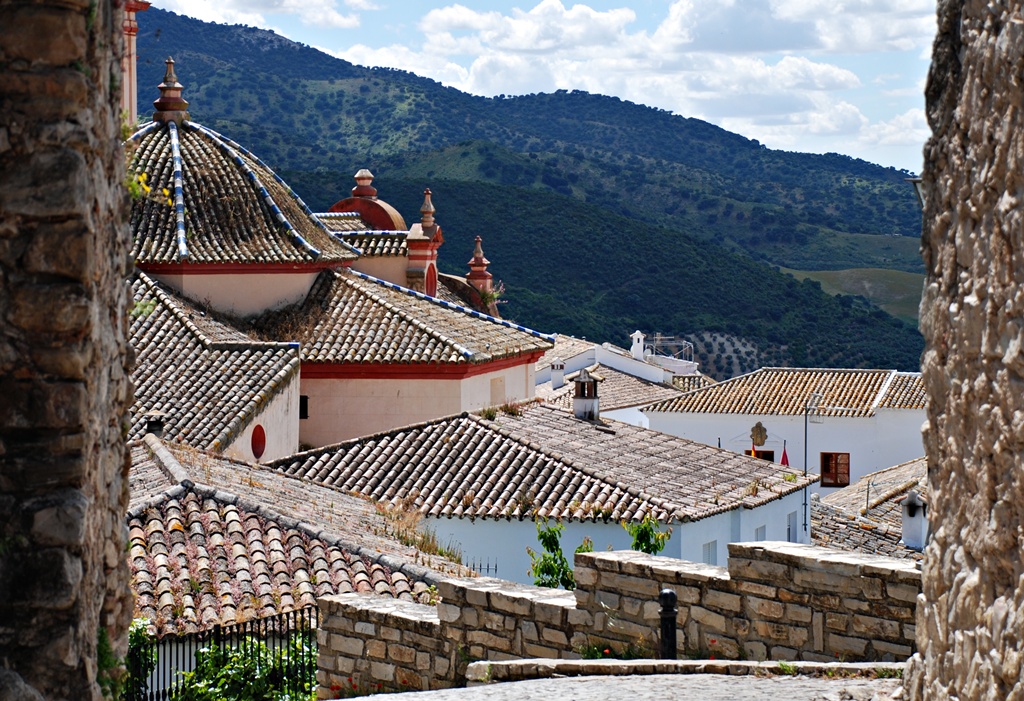
There is also a 12th century castle keep in Zahara and it is a steep 15 minute climb from the town centre. The views from this keep are simply out of the world, especially that of the reservoir.

Spain_May13_ 216

By this time, it was growing late and we headed back to our hotel. It was a delightful day and it would have been a great loss indeed, had we not done this drive around the white towns of Andalusia.

18 May 2013

A trip to Andalusia cannot be planned without a visit to Granada. This great city was the last Muslim Emirate that held out against the Christian Reconquest; the famous poet Lorca was born near this town and here rests the Catholic Monarchs. Granada was conquered along with the rest of Andalusia in 711 AD by the Moors but it did not achieve any real significance till the fall of Cordoba in 1236 and Seville in1248, to the conquering Christian armies. The Nasrid dynasty was set up in 1228 and they ruled Granada till its fall in 1492 to the Catholic Monarchs, King Ferdinand II of Aragon and Queen Isabella I of Castile. This was the longest lasting Muslim dynasty in the peninsula. Ibn Batuta, who visited Granada in 1350, described it as a powerful kingdom. The decline of Granada began with a civil war that started in 1482 as the prince rebelled against the then king. The Christian armies took advantage of this situation and Granada fell in 1492. Granada used to be a thriving centre for both Muslims and Jews and after capture by the Christian monarchs, the city entered into an era of religious persecution; with Muslims and Jews leaving Granada by the seventeenth century. It was interesting to think of how Spain turned from being a tolerant country when it was under the Muslims to an intolerant one, under the Christians.

After the founding of the Nasrid dynasty in 1228, the founder, Muhammad I al-Ahmar, felt the need to construct a fortress-palace complex and thus started the construction of world renowned Alhambra on top of a hill known as La Sabika, on the site of a fortress. Construction went on till the last decades of the 14th century. This palace complex is a great jewel of Islamic architecture with the Nasrid Palaces being the key attraction. I had read that the number of visitors to the Alhambra is strictly controlled and hence had booked tickets in advance, which meant that we did not have the flexibility to change the date of our visit and unfortunately the day turned out to be a very cold and cloudy day.

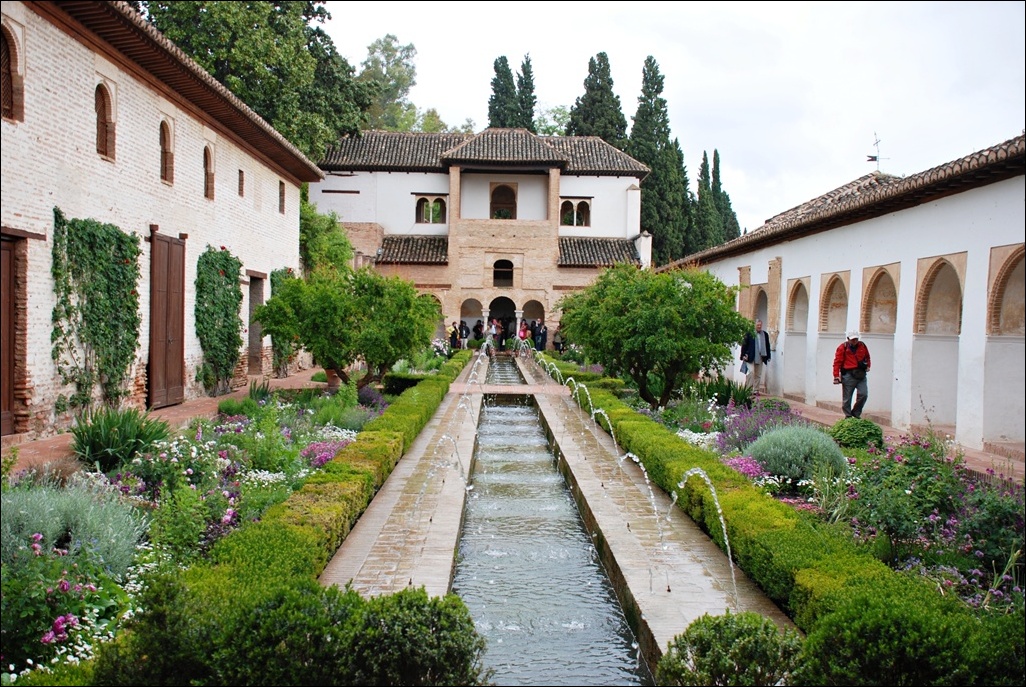
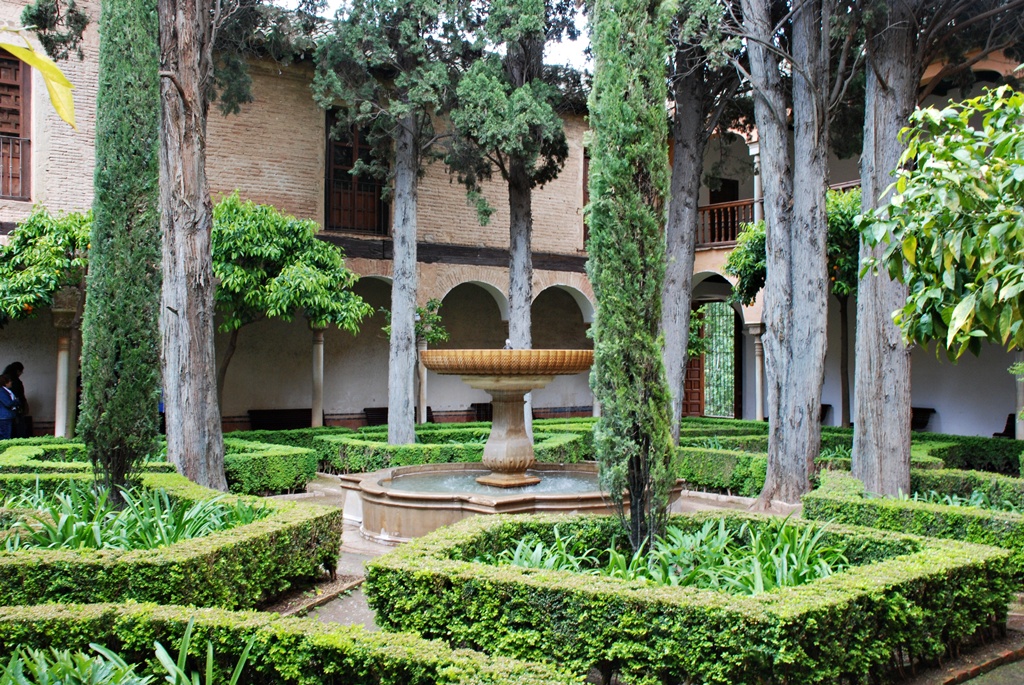
The star of Alhambra is the Nasrid Palace complex and we had booked for entry there at noon. So, we decided to visit the beautiful Generalife Gardens (literal meaning being Architect’s Garden) first. This garden has a small summer palace as well.

Granada_Journal_05

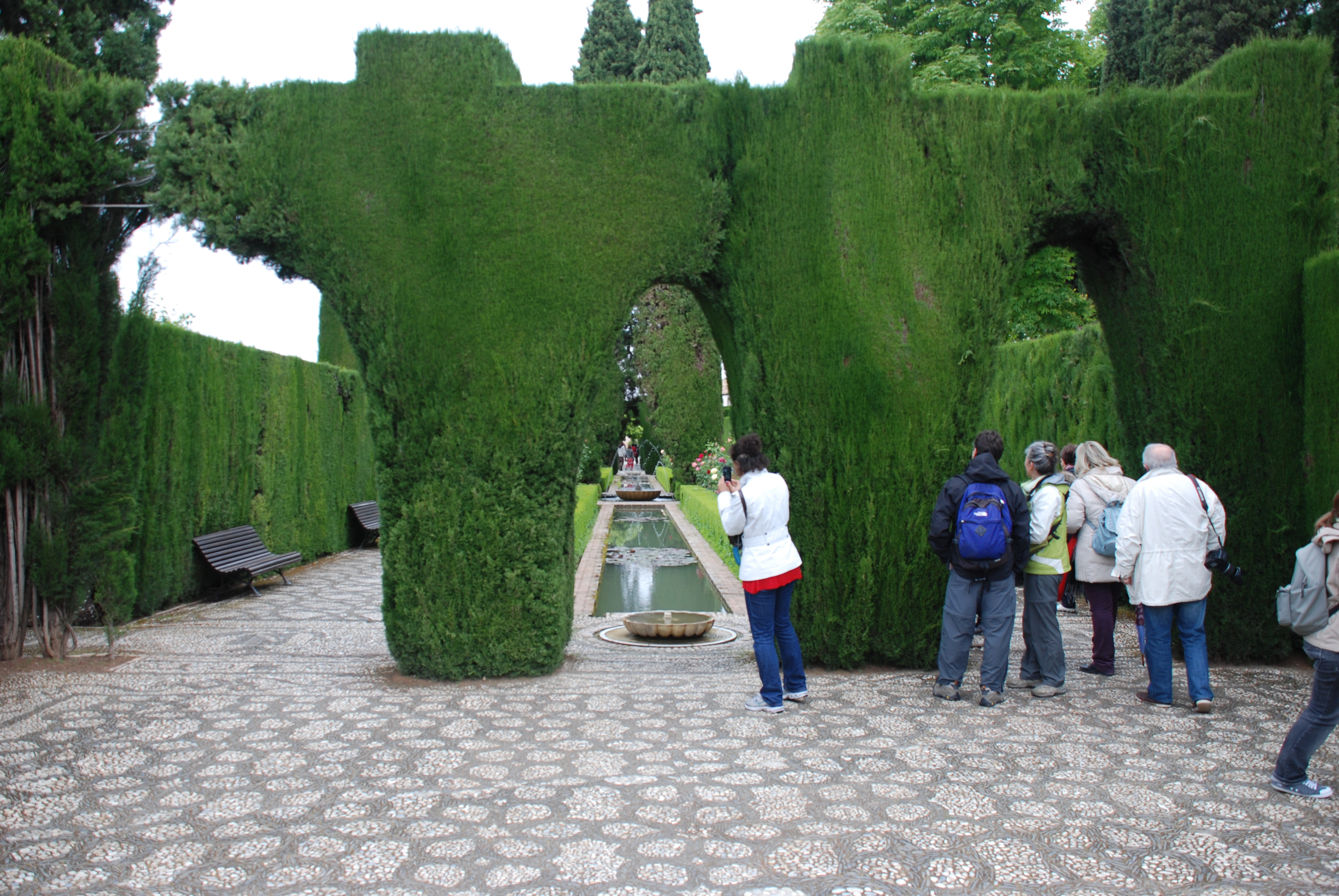
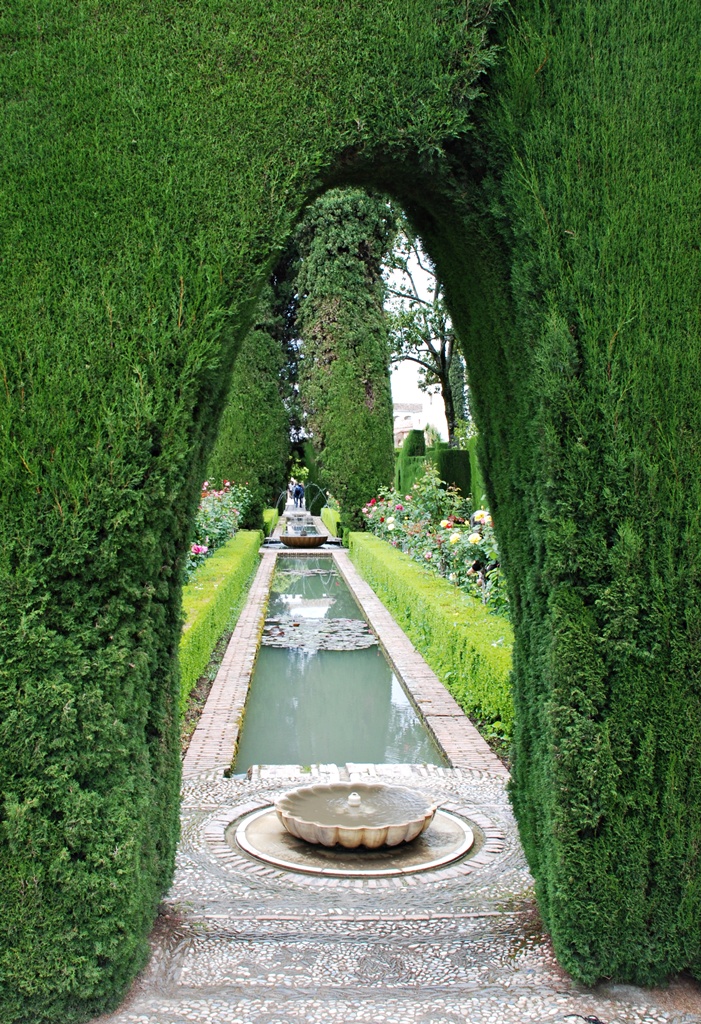
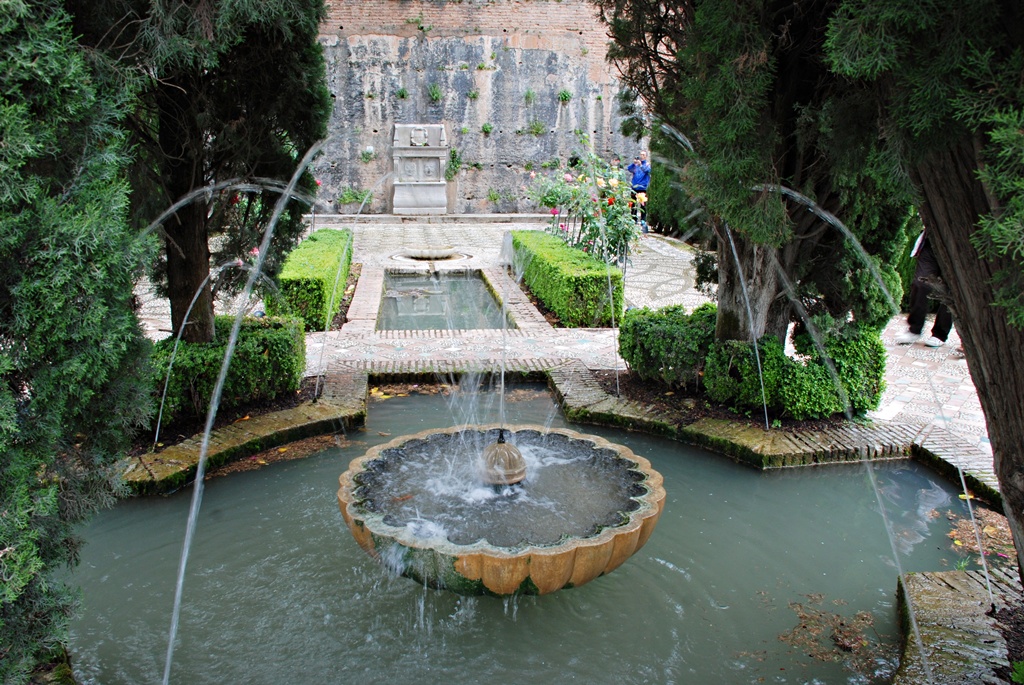
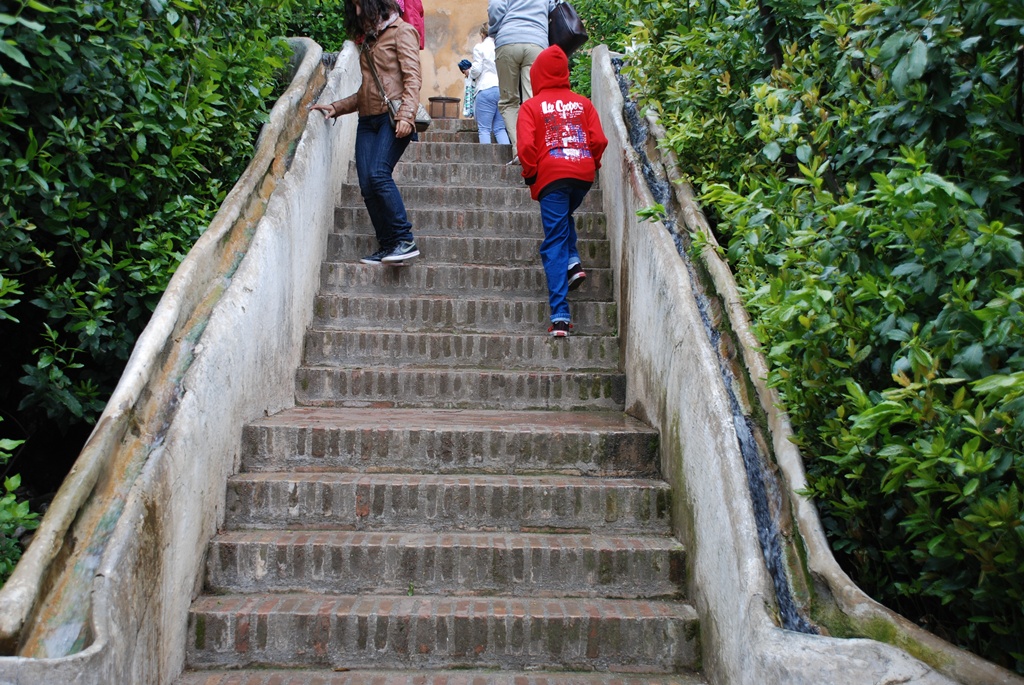
The gardens were continuously renovated and some of the fountains were installed in the 19th century. Overall, the garden is very beautiful and enchanting with fountains and water channels everywhere (even on the handrail of a staircase!).

Granada_Journal_01

Granada_Journal_02 Granada_Journal_03

Granada_Journal_07

What intrigued me was how they could have got the water up the hill so that all these water channels and fountains could work! This was a romantic hotspot for the royals and the last King caught his lover with the head of a noble family in this garden. As could be expected, the King was not impressed and soon, the prominent members of this clan were murdered.

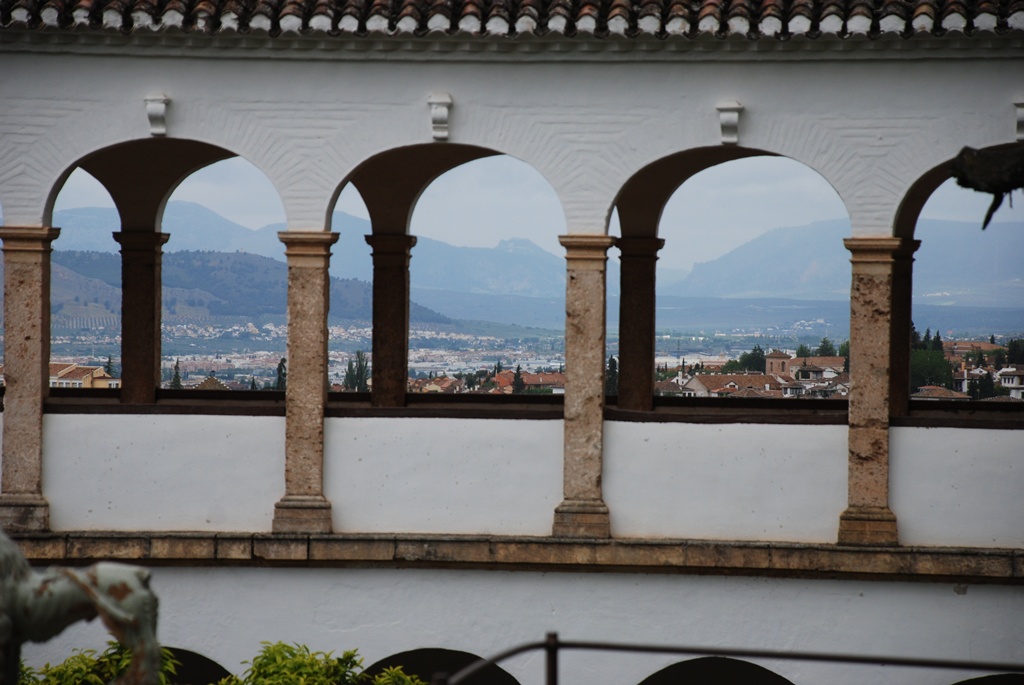
Since the garden is on a high point on the hill, there were fantastic views to be seen everywhere.

Granada_Journal_04

Granada_Journal_06

Unfortunately, with the temperature hovering around 5 degrees and with us not really properly dressed for that sort of weather (this was Spain after all!), we could not really give the garden the full attention it deserved.

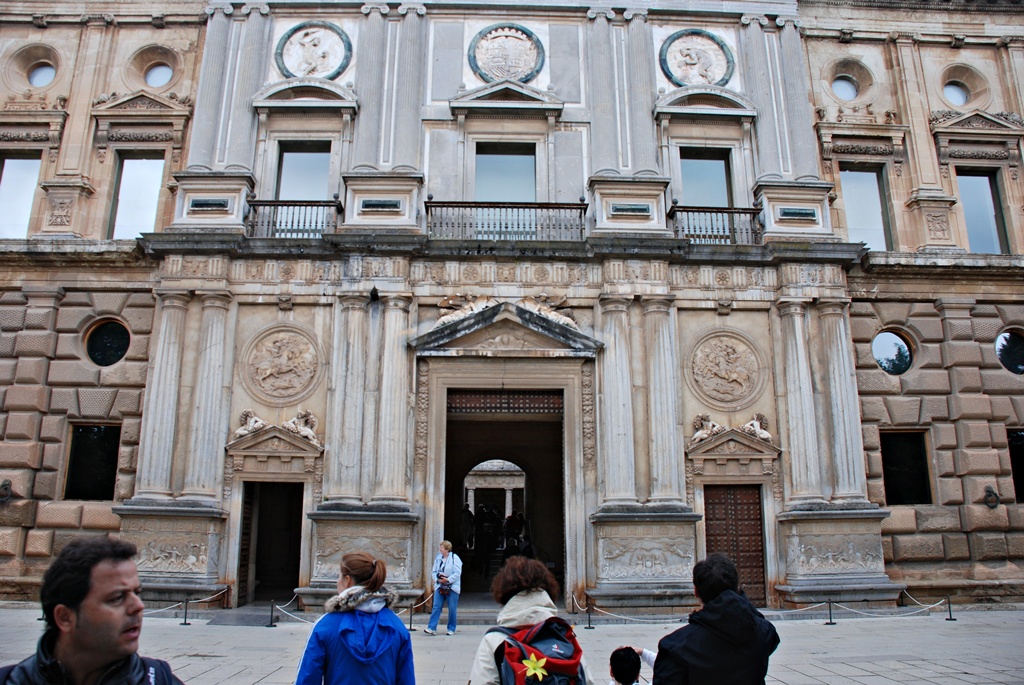
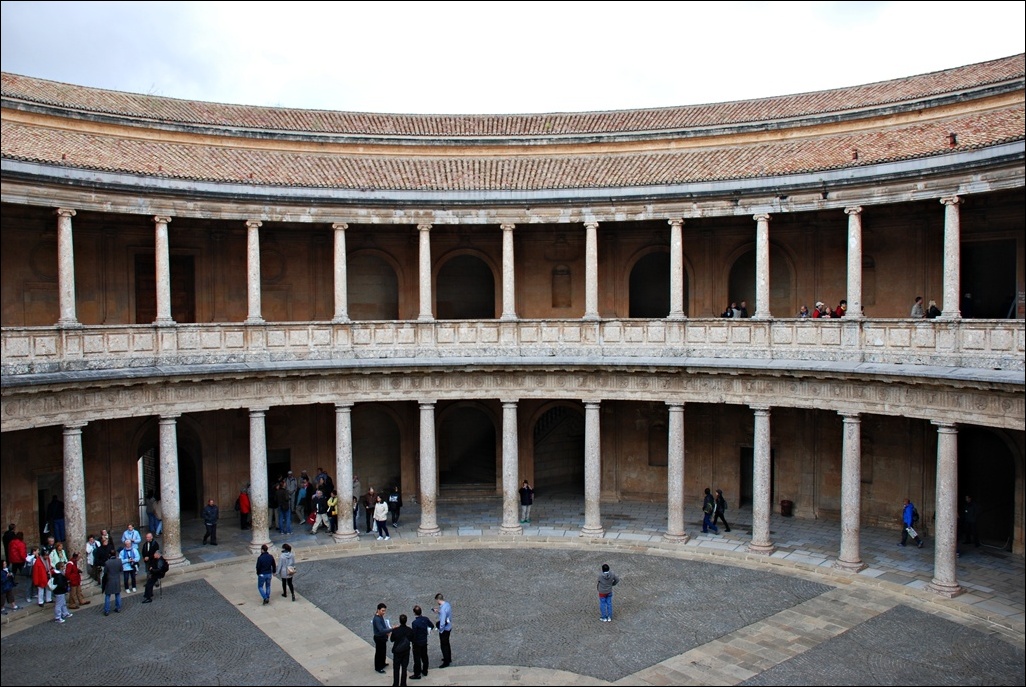
After fortifying ourselves with some hot chocolate, we wandered on to see the palace of Charles V. The Catholic Kings had taken up residence in Alhambra and had made some modifications to the rooms in the palaces to fit their needs. However, Charles V felt the need to construct a new palace and commissioned this in 1527. This is a square building with a circular patio inside. The exterior of the building is quite unimpressive, especially when compared with the other buildings around. The circular patio is quite interesting and has two floors.

Granada_Journal_09

Granada_Journal_08

The palace is a standing testimony of the intolerance of the Christian Kings that ruled Granada. The construction of the palace was funded using special taxes imposed on Muslims. However, the construction could not be completed as the Muslims stopped paying the taxes after some time!
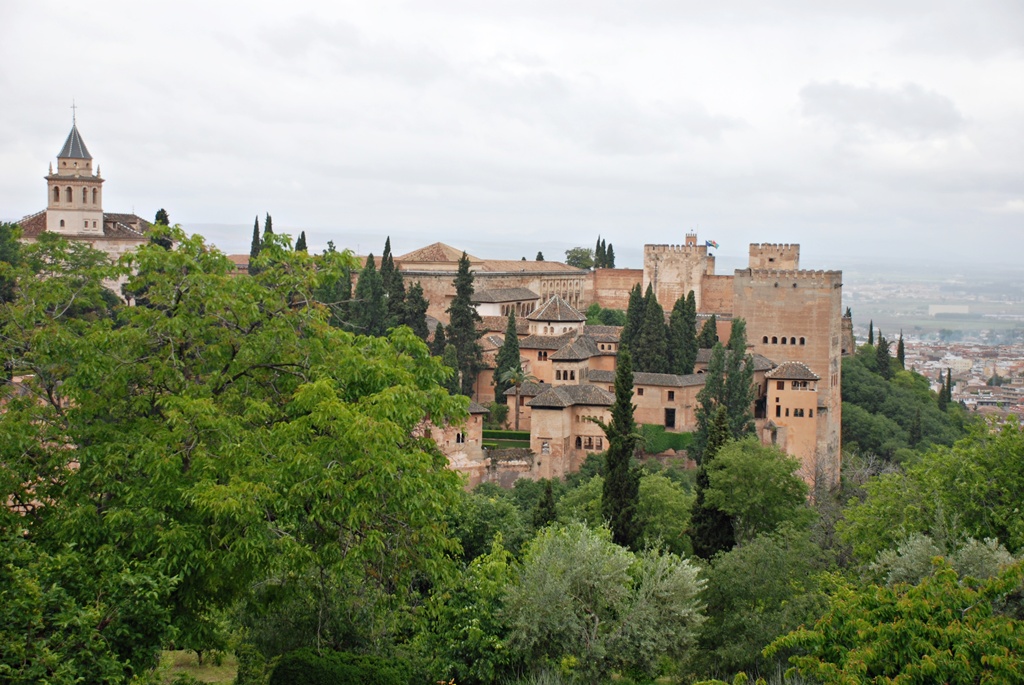
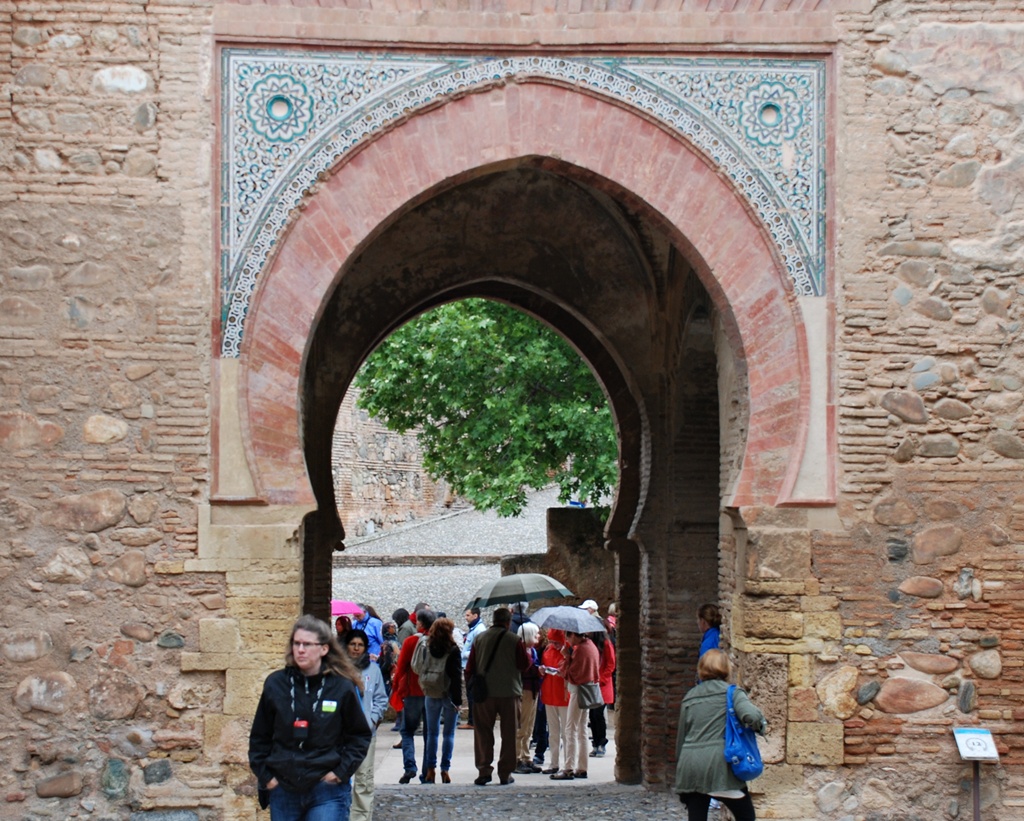
The Alhambra complex has many beautiful buildings and some fantastic views all around.

Granada_Journal_10

Granada_Journal_15

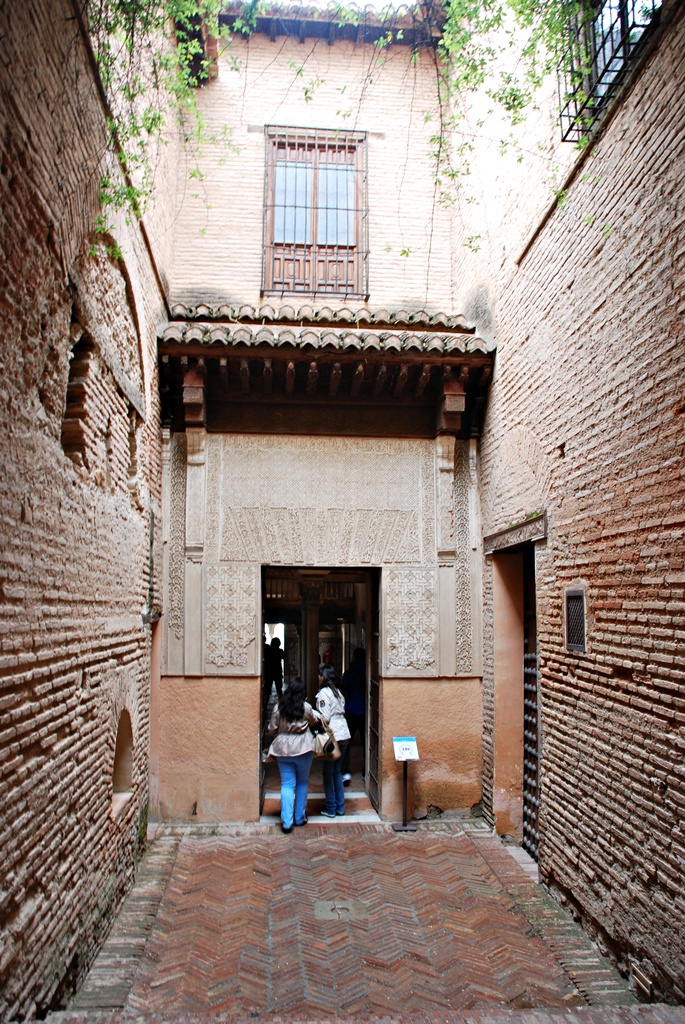
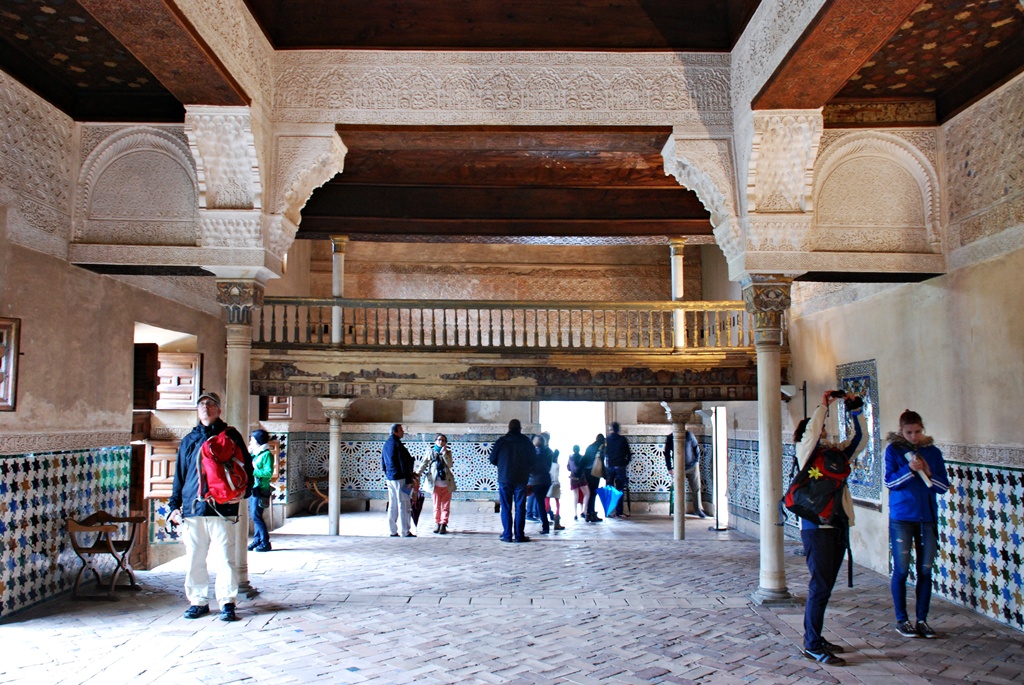
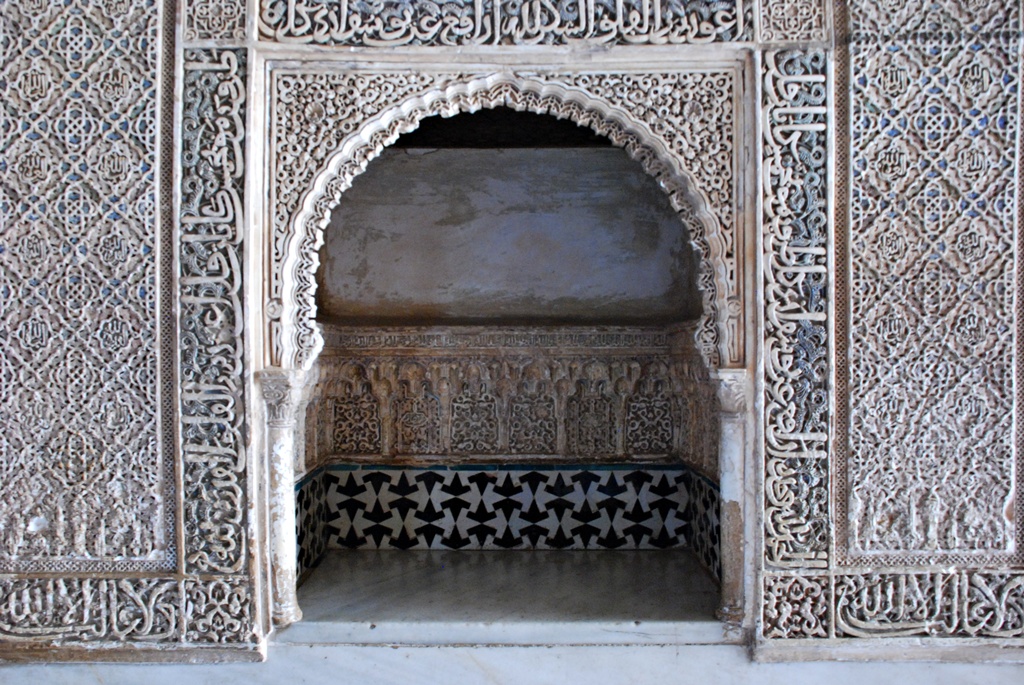
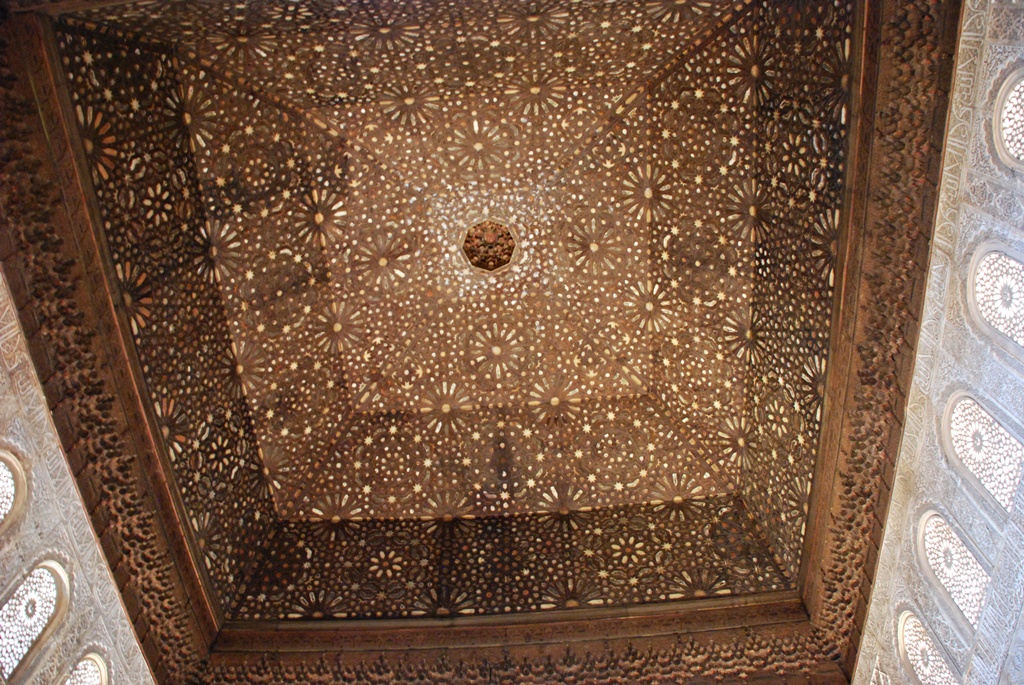
The entry into the Nasrid Palace complex itself is very nice and is a precursor to the beauty inside. You enter through a narrow courtyard into an antechamber (called Mexuar) where audiences with the Emir were held for the public and others. Even though this is a room meant for business, it is still decorated very well in the Islamic style with wooden ceiling and ornate walls. The patterns on the walls are very intricate and attractive.

Granada_Journal_11

Granada_Journal_12

Granada_Journal_14

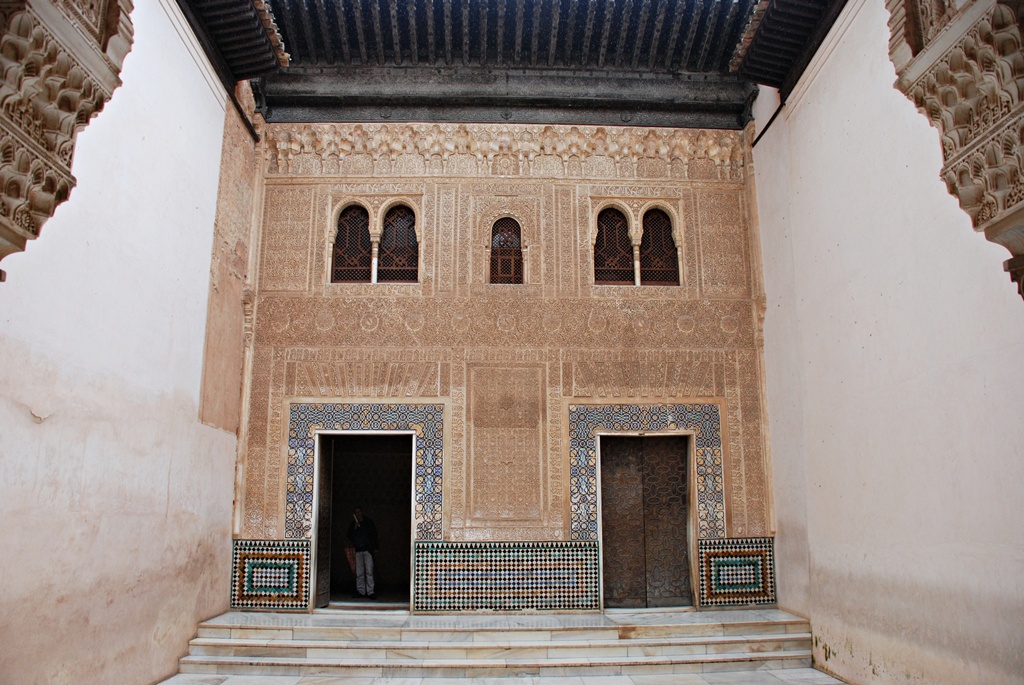
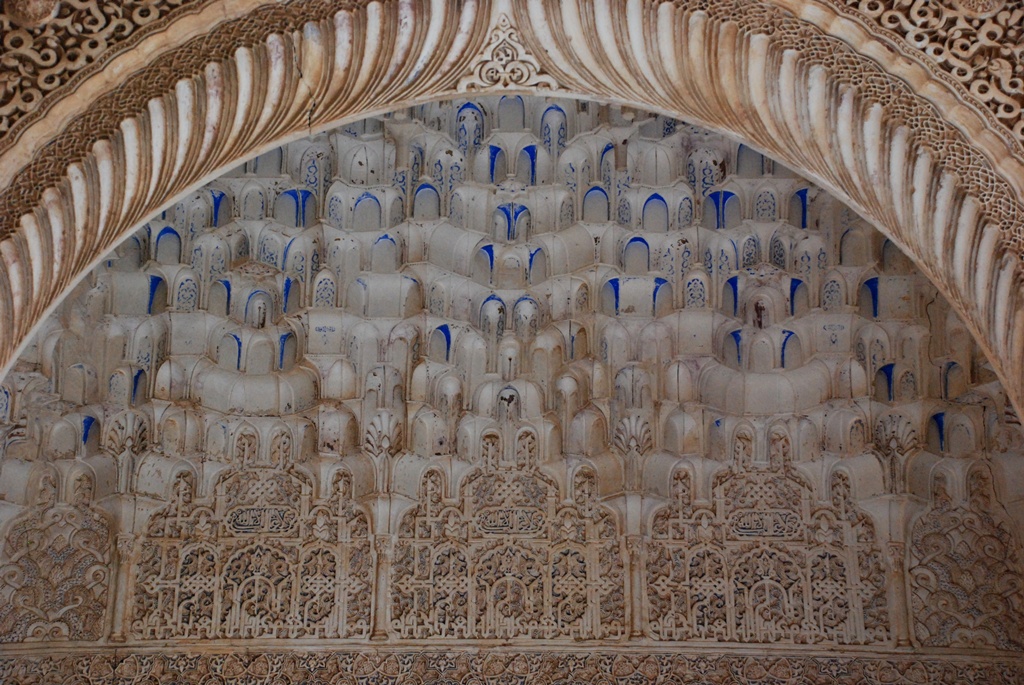
From the Mexuar, we entered a courtyard and then onto the first palace through a highly ornate and beautiful gateway.

Granada_Journal_16

Granada_Journal_17

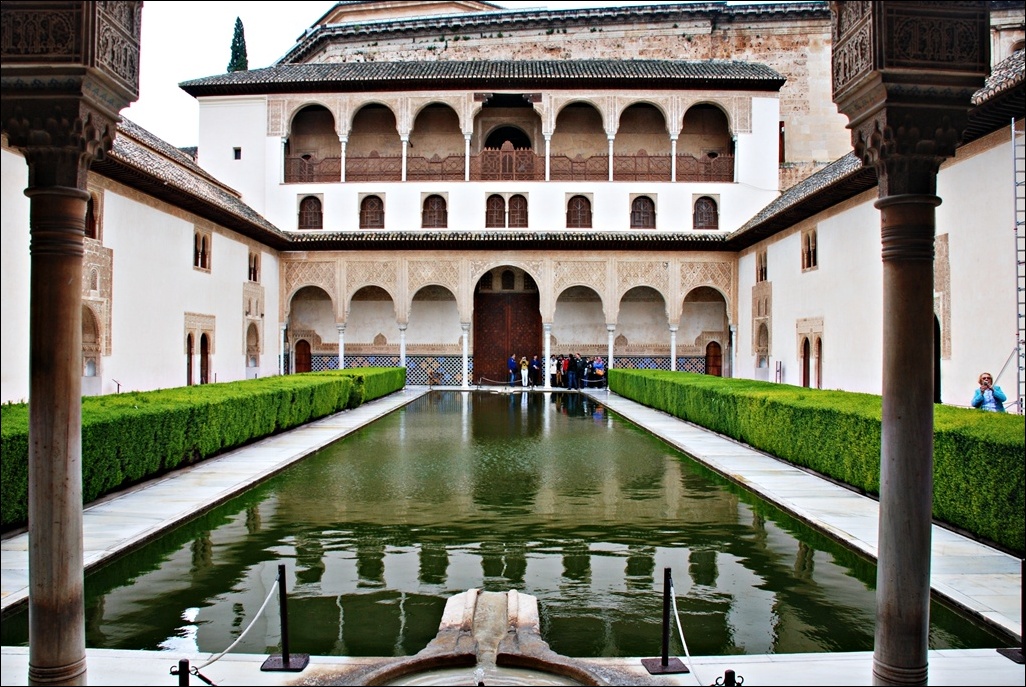
The palace itself is built around a wonderful courtyard, called the Patio of the Myrtles, of breathtaking beauty. This view is very popular and figures prominently in any search for images of Alhambra.

Granada_Journal_18

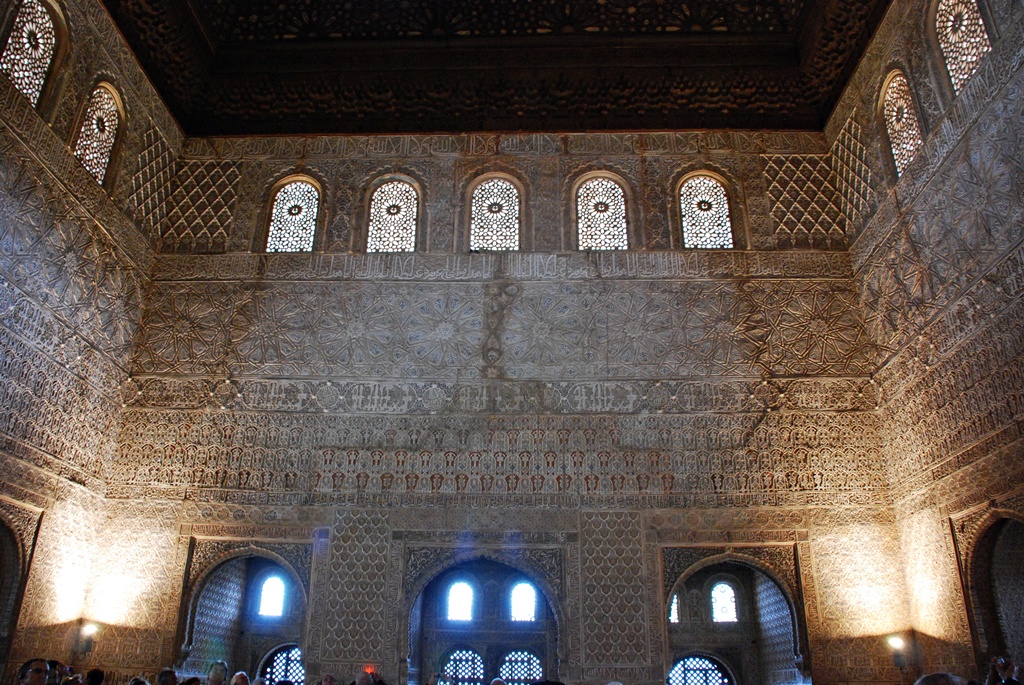
Next was the Hall of Ambassadors, the largest room in Alhambra. This immense hall has all its walls covered with highly ornate carvings and I am at a total loss for words to describe the beauty of this room; I hope the photographs will help in getting the point across. It was in this room that Christopher Columbus used to meet Ferdinand and Isabella to get sponsorship for his voyage of discovery.

Granada_Journal_19

Granada_Journal_20

Granada_Journal_21

Granada_Journal_22

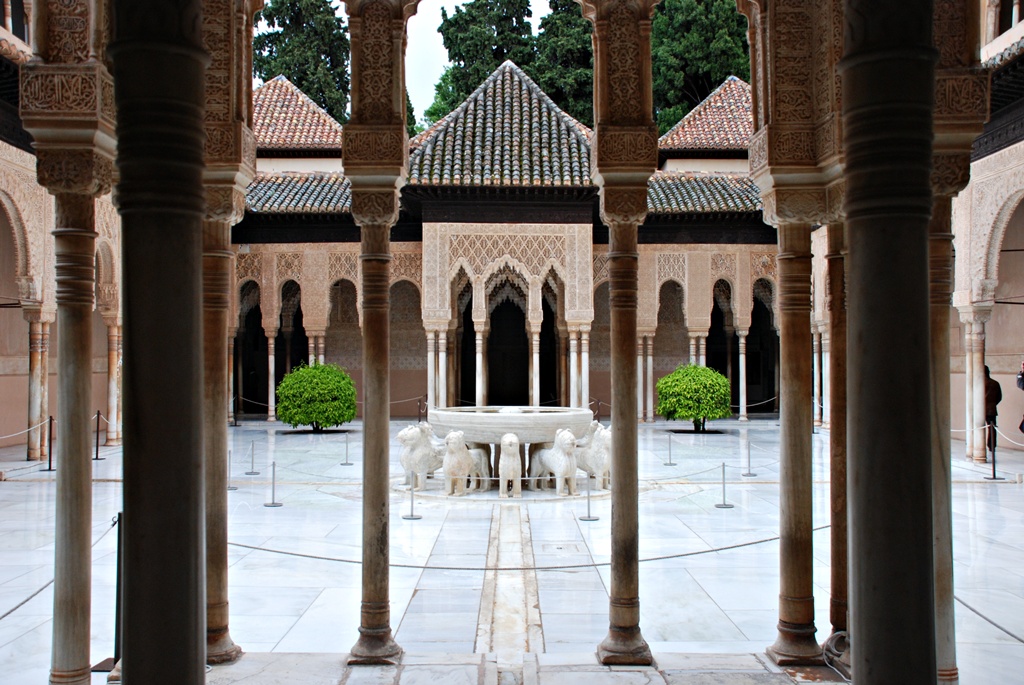
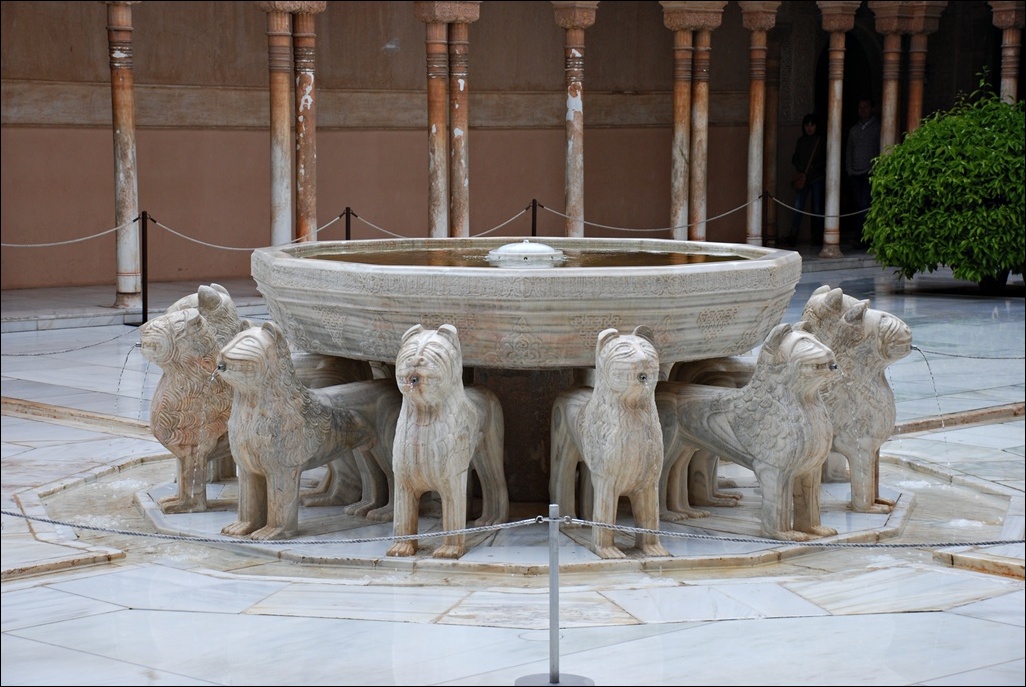
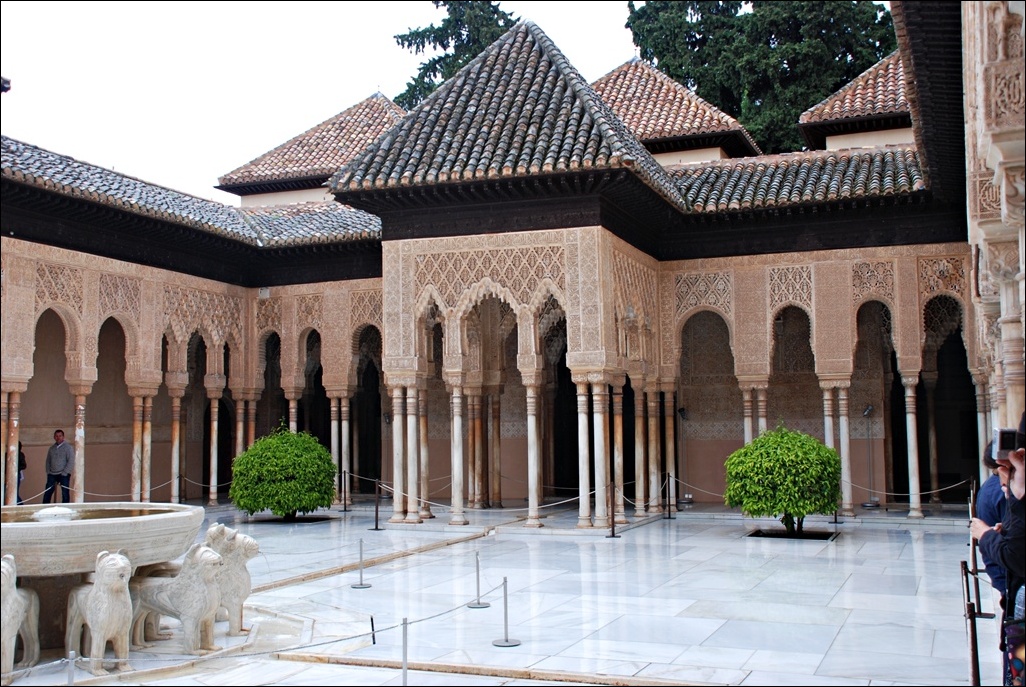
The next palace was the Palace of the Lions with its wonderful Courtyard of Lions. This is a courtyard laid out in Islamic style surrounded by the rooms of the palace. It is divided into four parts (representing four parts of the world, said the audio guide) with four water channels representing four rivers of paradise. There are about 124 columns supporting the roof and a gallery and these columns represent palm trees in an oasis. The fountain in the centre is supposed to be the Sultan himself providing well-being to all his subjects. It looks like there was a great need to keep stressing on the importance of the King; there was an inscription elsewhere in the palace about how the King was the one chosen by God. There are twelve lions in the fountain and this came from the household of a rich Jew; with the twelve lions representing the twelve tribes of Israel – a powerful testimony to the climate of friendship that existed between the two religions. The courtyard is enchanting and the pillars are very beautiful. To me, this courtyard was the highlight of the Nasrid palaces.

Granada_Journal_23

Granada_Journal_24

Granada_Journal_25

Granada_Journal_26

We passed through some more rooms of great beauty that spoke volumes about the craftsmanship of the people of those times. Washington Irving visited Alhambra and fell in love with the place. He lived in the Alhambra for some time and the result was his book: “Tales of the Alhambra”. We exited the palace through a very green courtyard with orange trees laden with the fruit.

Granada_Journal_27

Granada_Journal_28

I feel I am totally inadequate to the task of expressing the beauty of the Alhambra in words. It leaves a lasting impression on one’s mind and I was awe-struck by the craftsmanship and the detail involved. Yet, this gem of great beauty was almost lost in the 18th century when it was abandoned and became a haven for thieves and bandits. During the Napoleonic occupation, it was used as military barracks and was almost blown-up! Thankfully, the Alhambra survived and I am sure this is one of the main earners of tourism income for Andalusia.

With the weather being rather inclement and thoroughly disagreeable to folks that had just flown in from the wonderful (or so it seemed) 40 degree Celsius sun, we decided to cut short our visit and returned to our hotel with plans to come back another day to see the Cathedral and the Royal Chapel.

20 May 2013

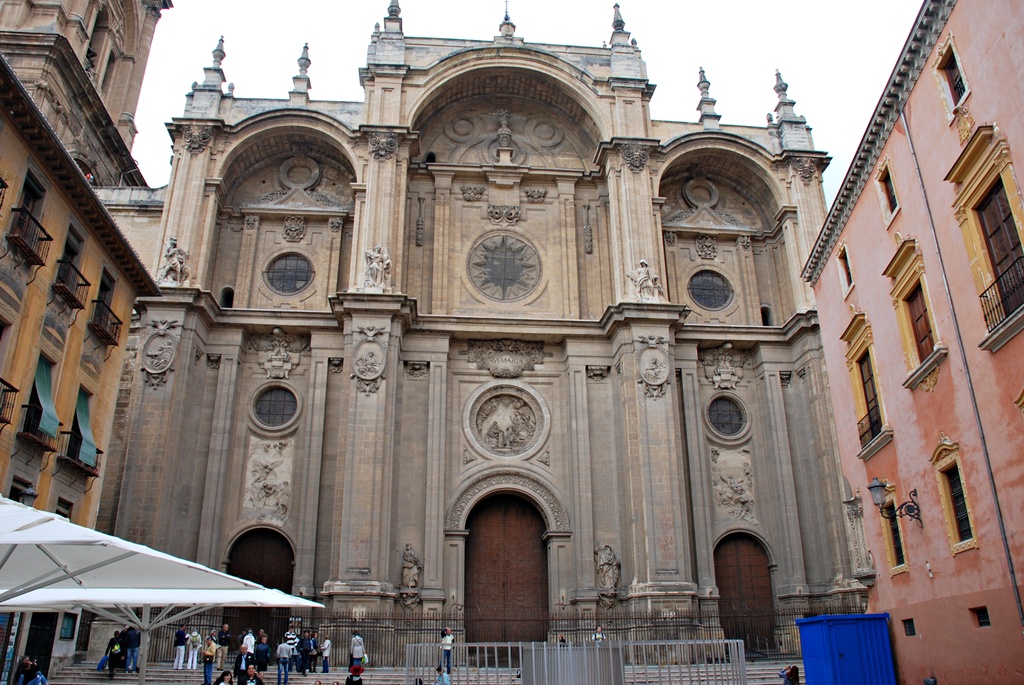
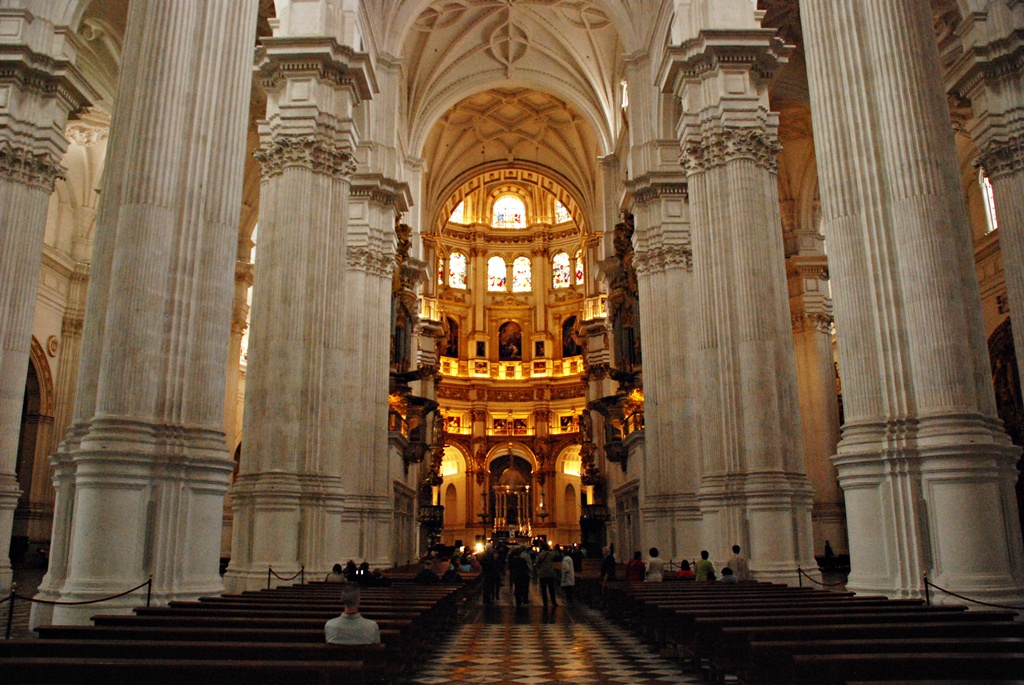
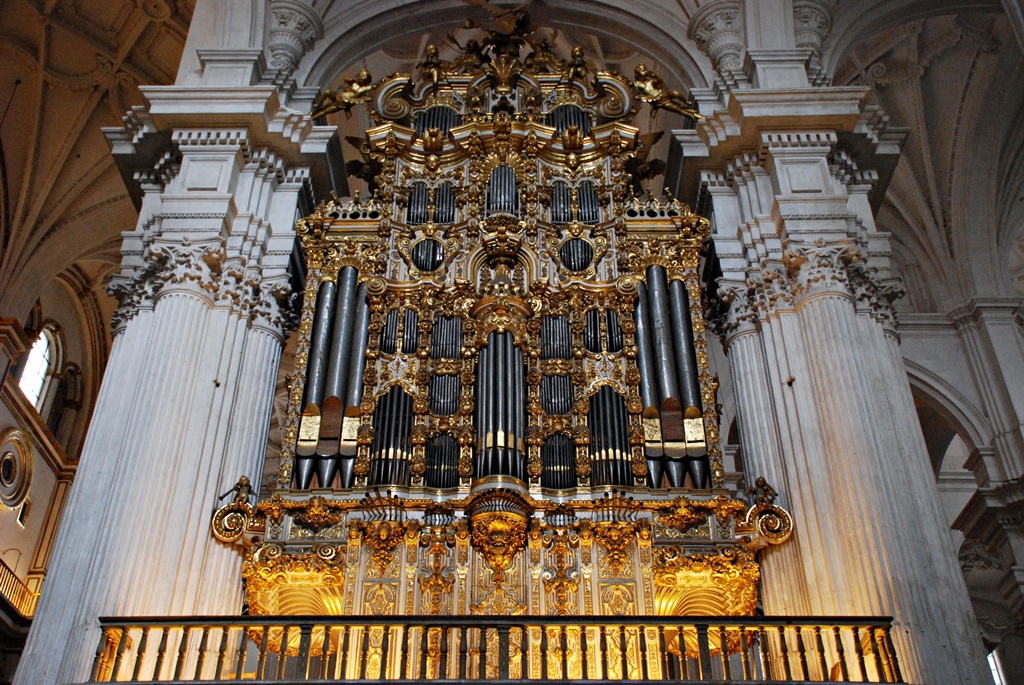
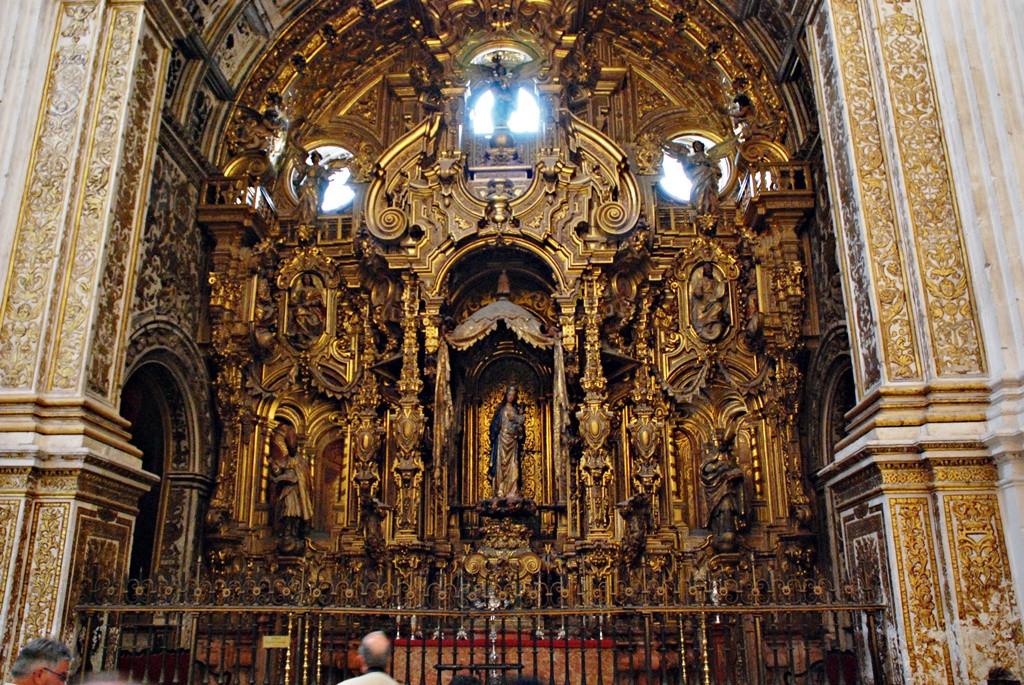
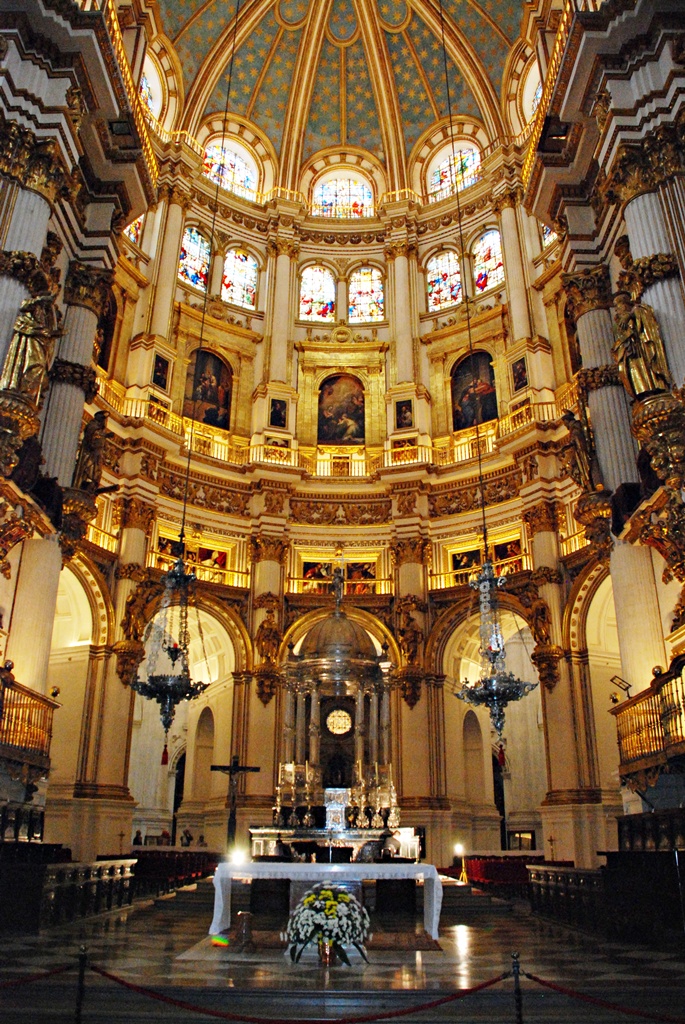
This was a bright day and after spending the morning walking around the countryside surrounding the hotel, we decided to drive into Granada to have a look at the Cathedral and the Royal Chapel. The Cathedral is rather large and very impressive as most Cathedrals in Europe. There are many chapels inside the Cathedral and the church organ and the altar are all impressive. This Cathedral is relatively new and was built in the 16th century after the capture of Granada in the Reconquest.

Granada_Journal_31

Granada_Journal_35

Granada_Journal_36

Granada_Journal_37

Granada_Journal_38

The Royal Chapel is also part of the Cathedral but has to be entered through an entrance in another street. The Catholic Monarchs – Queen Isabella I of Castile and King Ferdinand II of Aragon – have their final resting place in this Chapel. Modern Spain is built upon the basis of the conquests led by the Catholic Monarchs. Their marriage brought together two powerful Kingdoms and they were both deeply religious and committed to Christianity. They were constantly on the move and led the campaign against Granada; victoriously marching into Granada in 1492. Queen Isabella died in 1504 and King Ferdinand in 1516. There is a crypt under two marble monuments and in the crypt are two simple lead coffins. It was rather strange to think that two individuals that had such an impact in the history of a country and commissioned so many beautiful buildings and the voyage of Christopher Columbus, lay buried in such simple coffins (it seems the Queen wished for such austerity). Their crown and scepter were also kept on top of the coffins and I found that a bit bizarre – symbols of power and might coupled with symbol of the ultimate; kind of a contradiction, I felt. The tombs of the daughter, son-in-law and the grandson of the Catholic Monarchs are also present in the crypt. Photography was not allowed in the crypt and so I could not take any photo of this, somehow impressive, place.

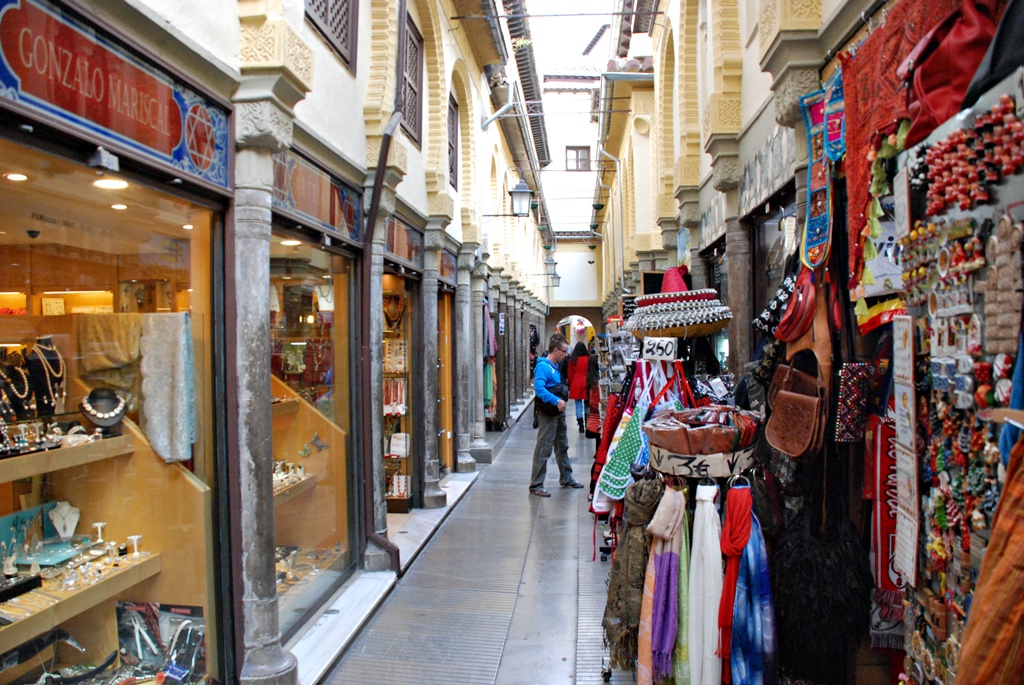
Right outside the Cathedral is the Alcaiceria, or the Muslim silk exchange. These comprise of a few narrow streets and very colourful shops.

Granada_Journal_30

We wandered around the town a bit, taking in the various sights and then drove back to the hotel.

17 May 2013

My earliest memory of the name “Cordoba” is from the book “The Just Men of Cordova” by Edgar Wallace, which I had read as a child. Of course, I was not even sure whether such a city existed at that time but it came to my mind when I was planning our itinerary for this trip. Cordoba (or Cordova, as it is often referred to in English) was once a city of great prominence in Andalusia. It was the capital of the Roman province that engulfed most of Andalusia and was captured by the moors in AD 711 and thus began the golden period of Cordoba. The Moors made Cordoba their capital and it became a Caliphate by itself later. The ninth and tenth centuries saw Cordoba at the height of its glory. It was one of the most populous cities in Europe at that time and had more than half a million people living in the city (incidentally, the population today is also around that number). It was a centre of learning in Europe and made great strides in political, cultural and financial fields. I read that the library in Cordoba was one of the largest of those times and carried around a million volumes! Guess this must have been a smaller version of Nalanda.

Interestingly during this part of the Muslim rule (ninth and tenth centuries), Cordoba exhibited a high level of tolerance and all religions – Islam, Christianity and Judaism – flourished in this city of great learning. After the fall of the Caliphate in AD 1031, Cordoba became part of a small region and its decline started. Many such small regions, called taifas, had started to come up in Andalusia with the decline of the Caliphate. These were ruled by some Islamic clans and they all fell to the “Reconquest” of the Christian kings by and by. The Muslim rulers that controlled Cordoba after the fall of the Caliphate were not progressive or tolerant and soon forced conversions started happening. As often happens when fanaticism or fundamentalism takes over, a city loses all its learning, knowledge, grandeur and ultimately, it declines. This was true then and true now as well, as we see this happening around us even today. By AD 1236, Cordoba fell to the Christian King Ferdinand III of Castille and that was the end of its time in the limelight. Today, Cordoba is mostly a tourist destination because of its great mosque and palace but is merely a shadow of what it once was.

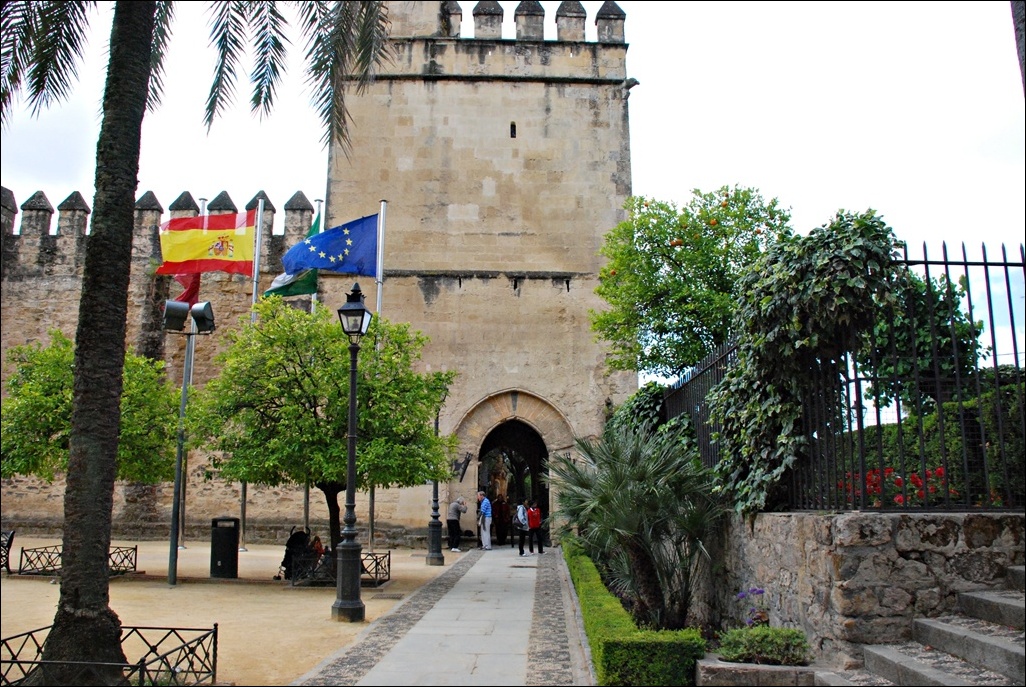
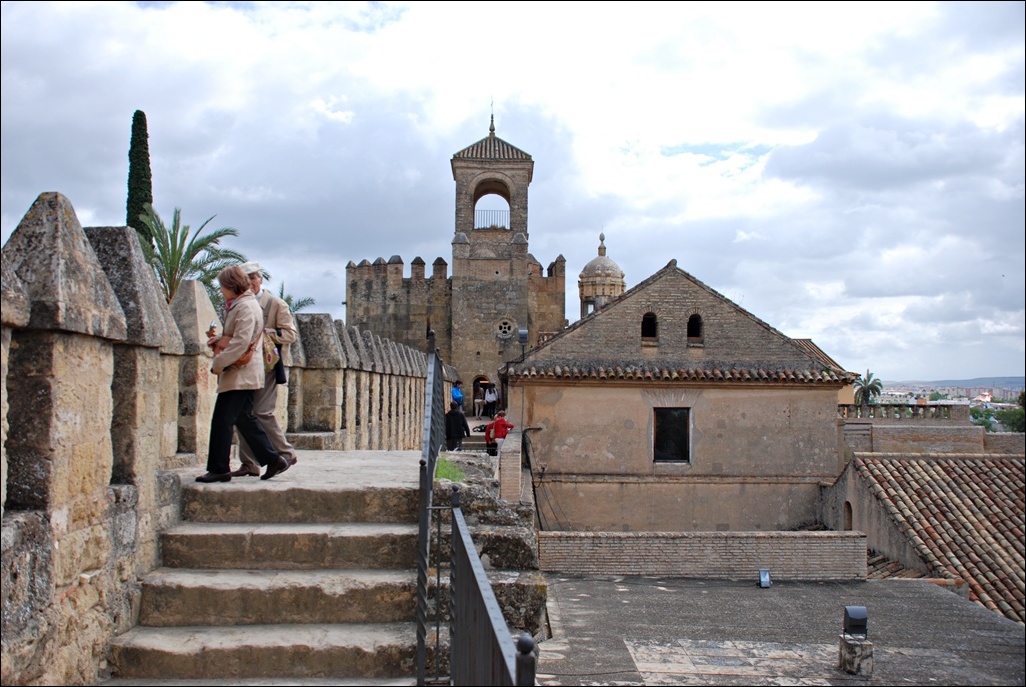
We were staying at a place called Loja, just about an hour and a half from Cordoba and drove to Cordoba in the morning. After some adventure, we found a parking garage and started off on foot. The weather was not very comfortable and it was a bit cold, though not raining. Our first stop was the Alcazar de los Reyes Christianos (Castle of the Christian Monarchs) built in AD 1328, on the site of an earlier, small Visigoth defensive structure and later the site of an Islamic fortress. Queen Isabella and King Ferdinand, the Catholic Monarchs, stayed in this castle for a long time when involved in the Reconquest, fighting against the Kingdom of Granada. Christopher Columbus used to visit them here, seeking financial support for his endeavour to discover India.

The castle became the headquarters of the Spanish Inquisition by the end of the fifteenth century and this meant that significant changes were made to the castle by converting rooms into cells, demolishing corridors etc. In the nineteenth century, it became a prison and in 1931, it was declared a protected monument. So, while the castle had four towers originally, there are only two that are in a condition to be visited now.

Spain_May13_ 004

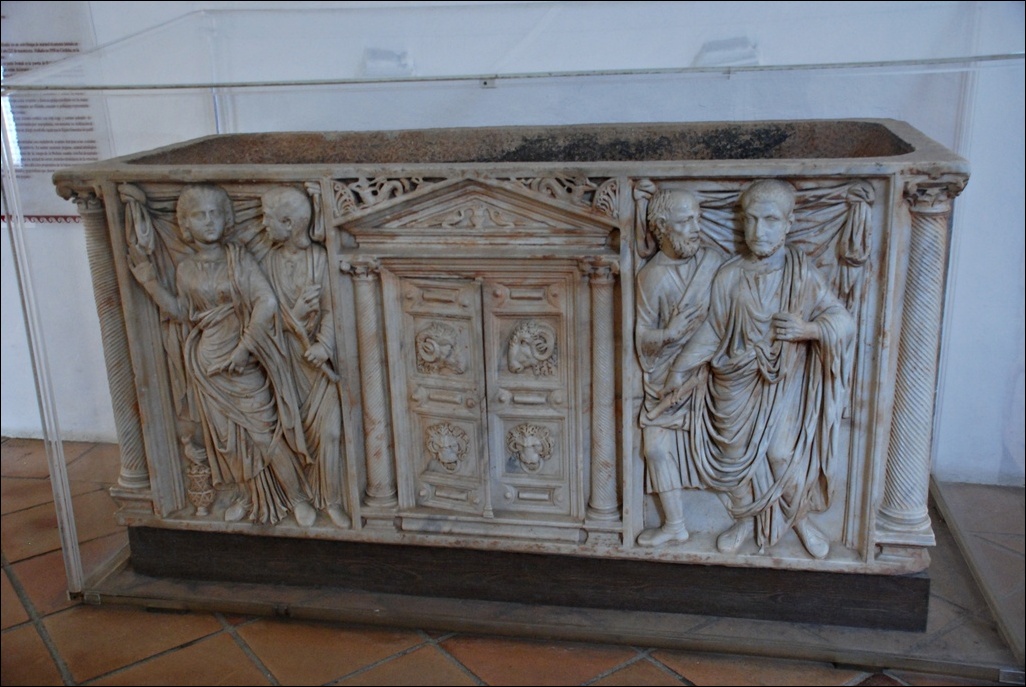
Entry to the building is through what is called the North Corridor and here we could see a third century Roman sarcophagus in remarkably good condition. The scene represented is that of the dead entering Hades (the nether world according to ancient Romans).

Spain_May13_ 018

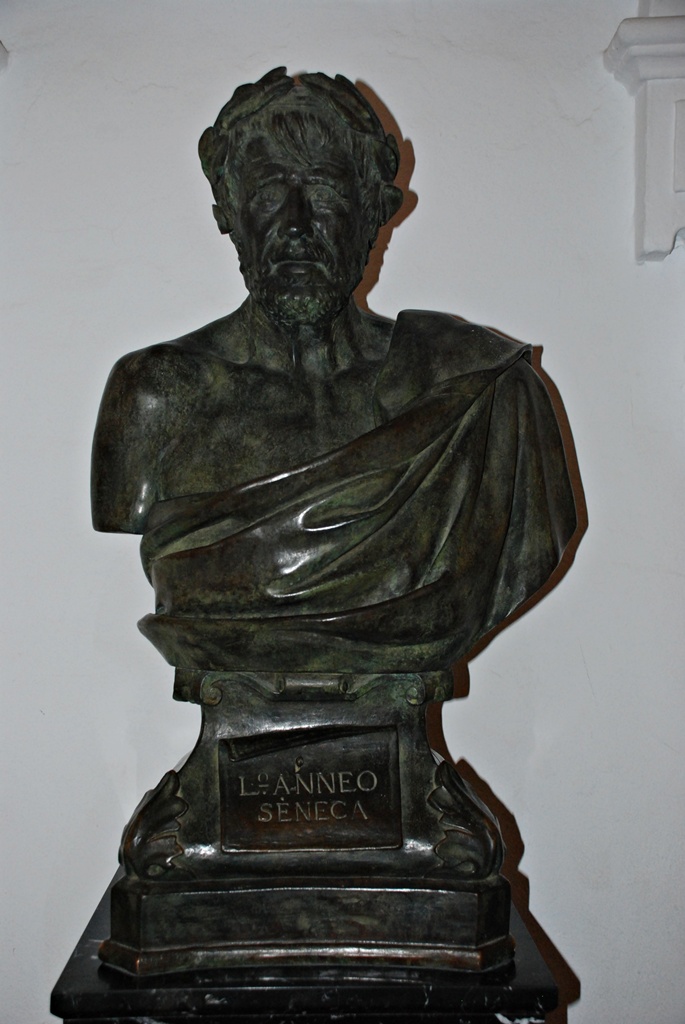
In the same corridor is also a statue of the philosopher Seneca, who was born in Cordoba.

Spain_May13_ 025

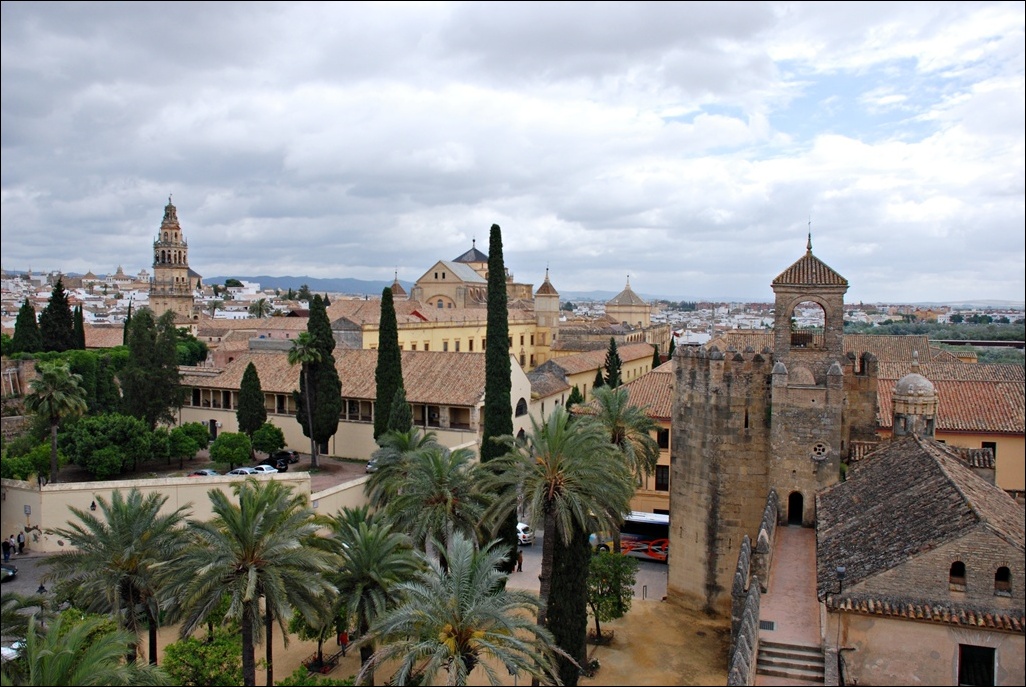
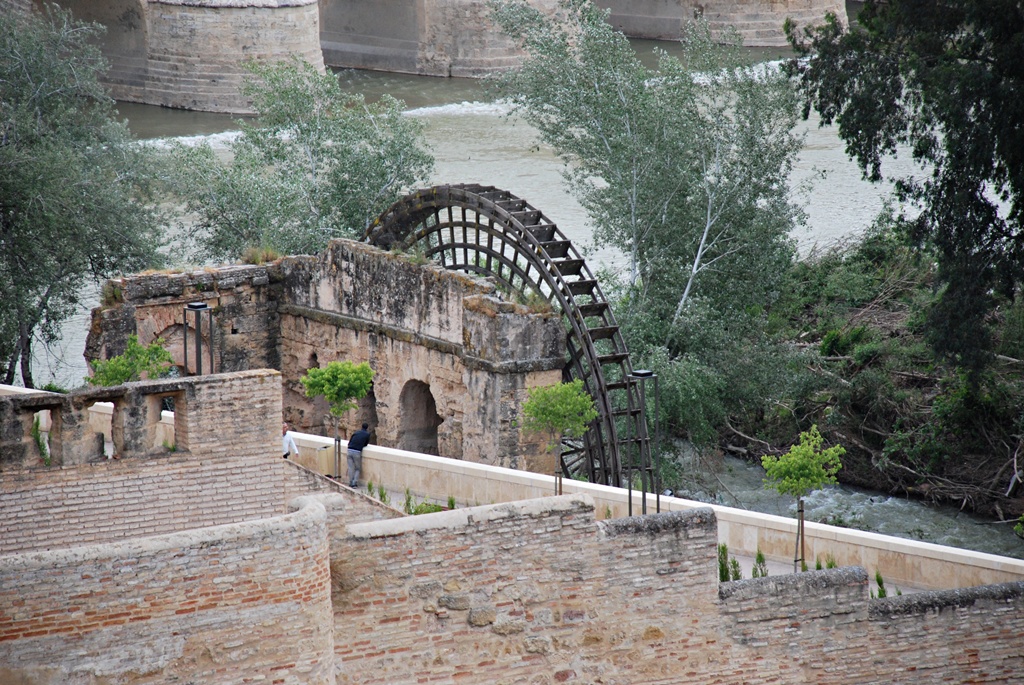
We climbed on top of one of the towers and there were beautiful view from there of the Cordoba city, especially of the tower of the Mezquita and other old buildings. We could also see the gardens of the Alcazar and the water wheel, which was used to water the vegetable gardens of the Alcazar.

Spain_May13_ 029

Spain_May13_ 045

Spain_May13_ 054


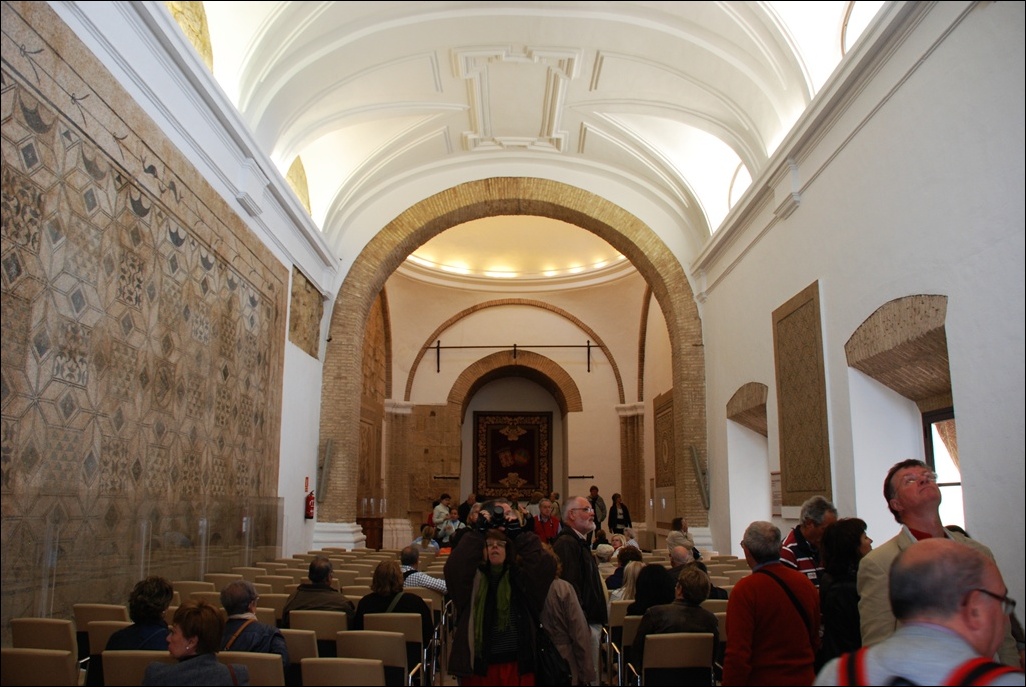
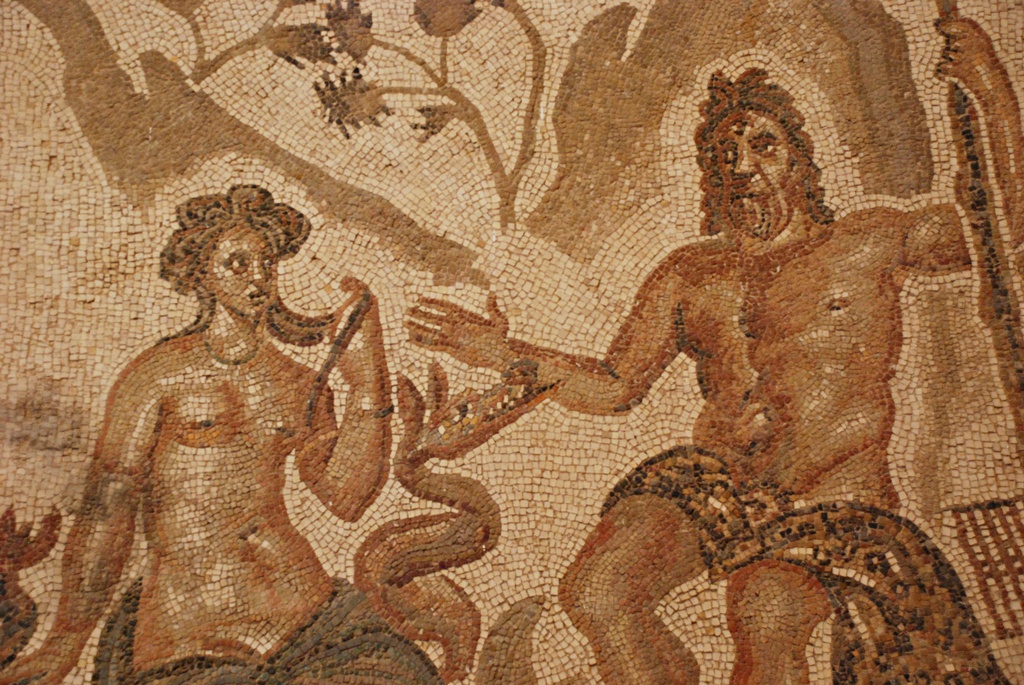
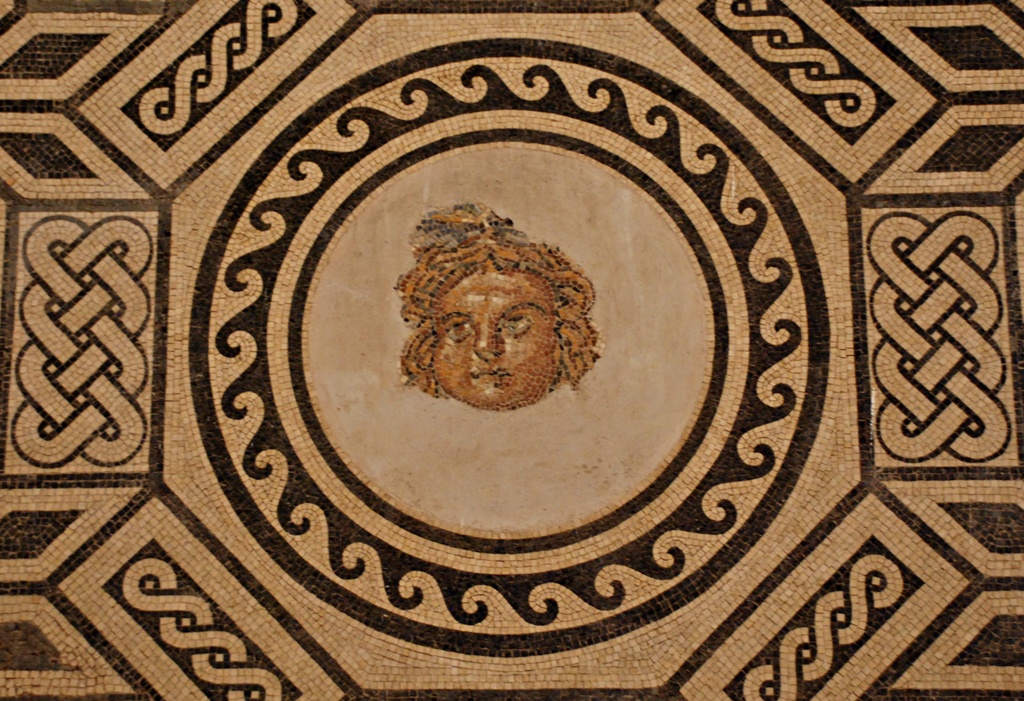
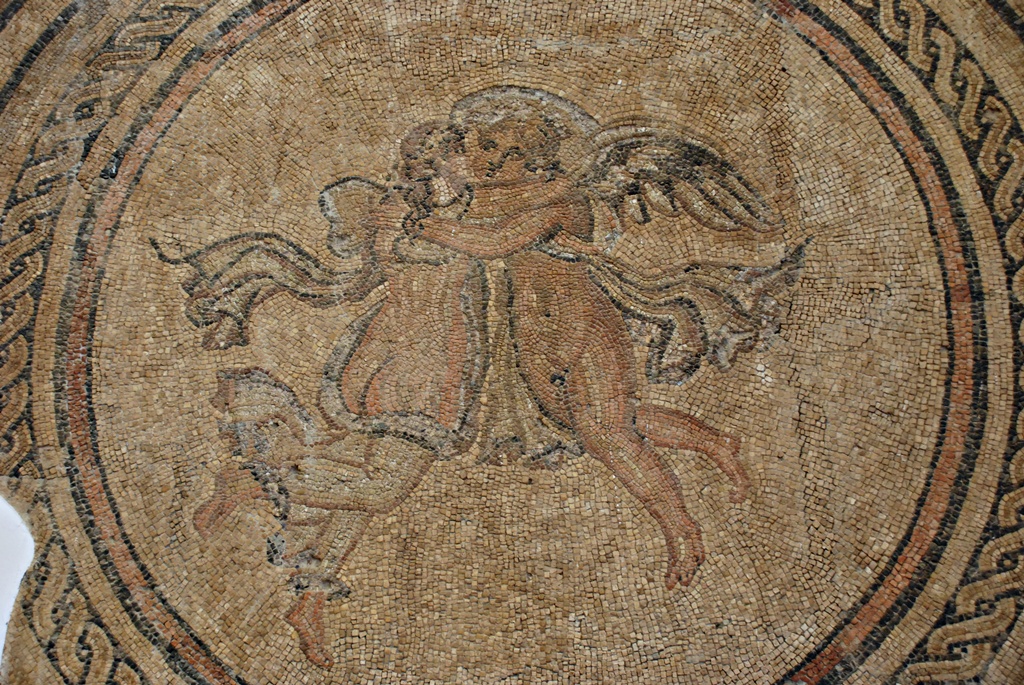
There is a chapel inside the castle and it now has a display of some beautiful Roman mosaics that date back to the second and third centuries. These are beautiful works of art, constructed using small pieces of stone and were part of the floors of Roman houses. It was quite amazing to think of the perfection in the work and commitment of the artists in assembling something like this, that too in those times.

Spain_May13_ 058

Spain_May13_ 083

Spain_May13_ 071

Spain_May13_ 066

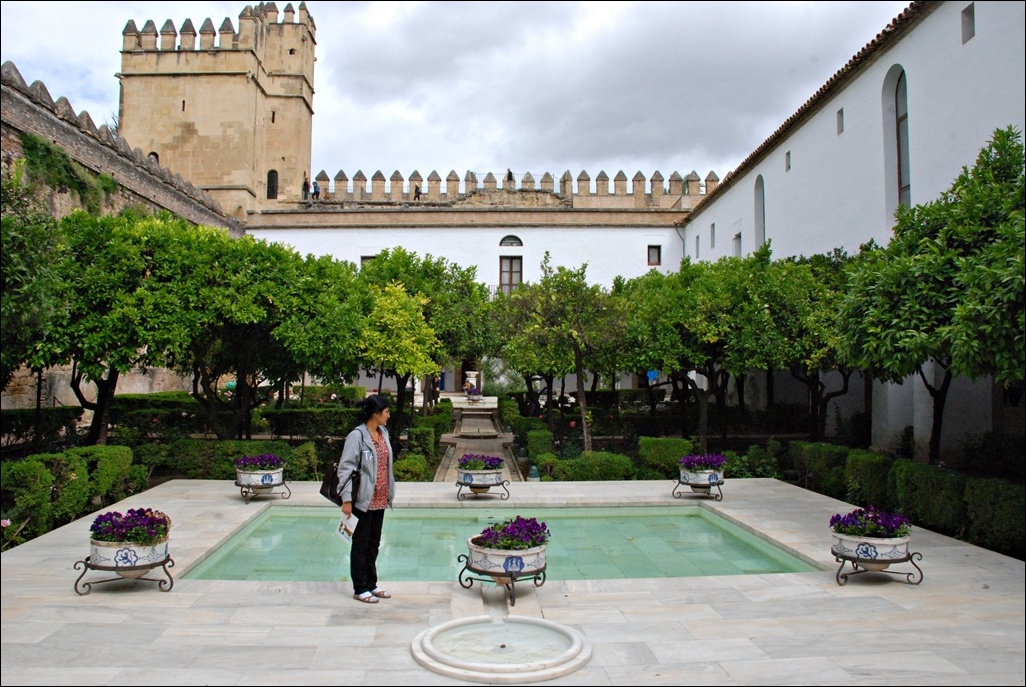
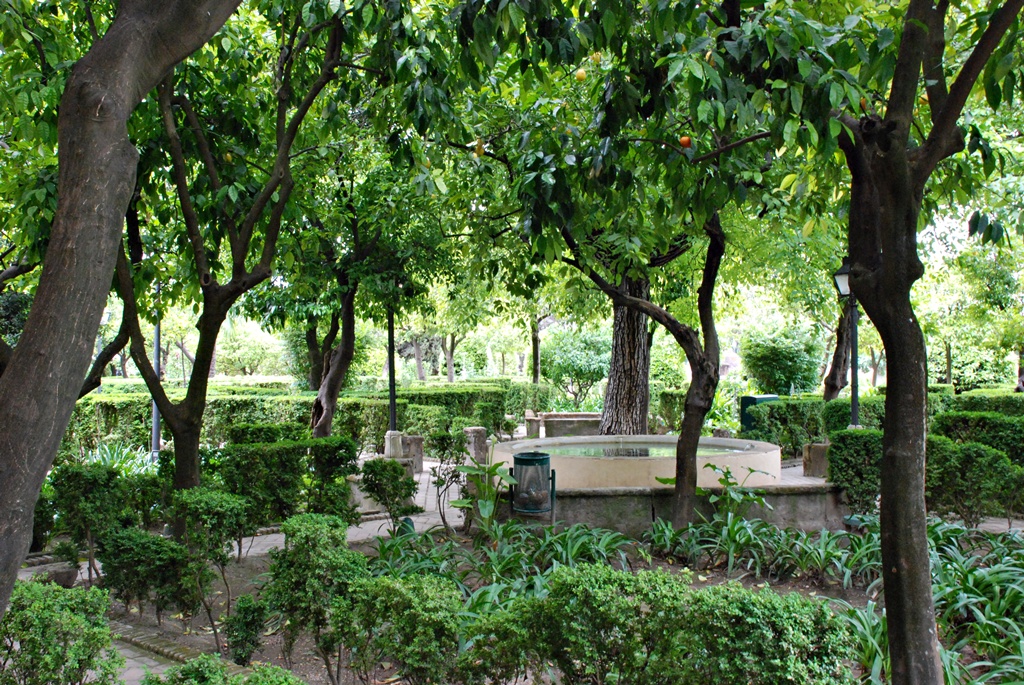
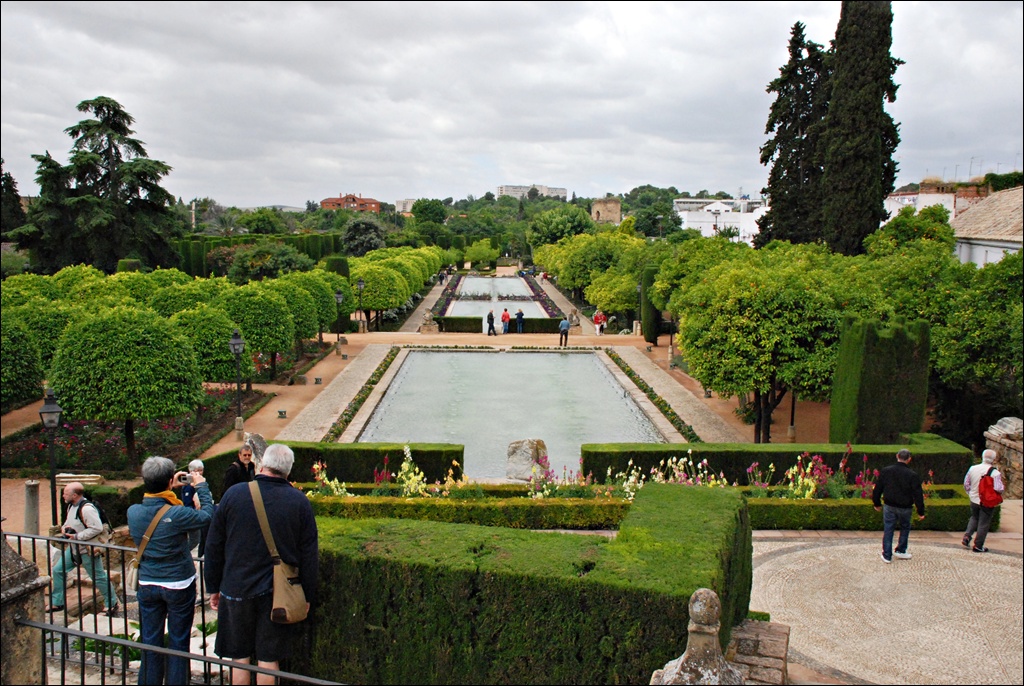
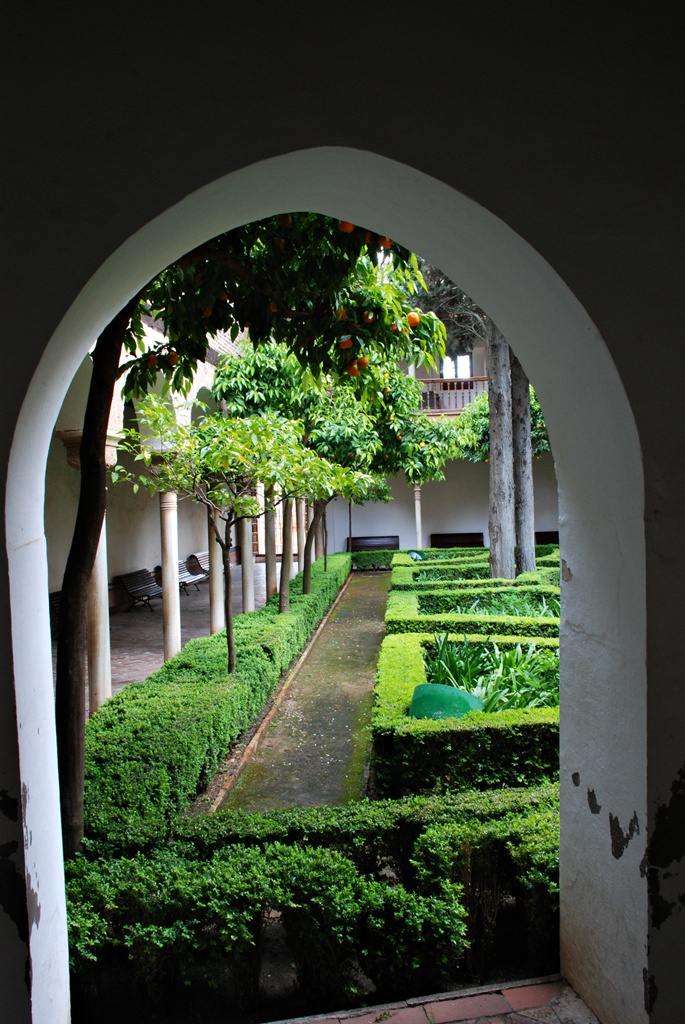
There is a beautiful courtyard and a very nice garden in the Alcazar and there were orange trees everywhere. The garden is very beautiful with a series of pools laid out. Life in this castle must have been good as it seems to have been built for comfortable living also and not just for warfare.

Spain_May13_ 096

Spain_May13_ 098

Spain_May13_ 101


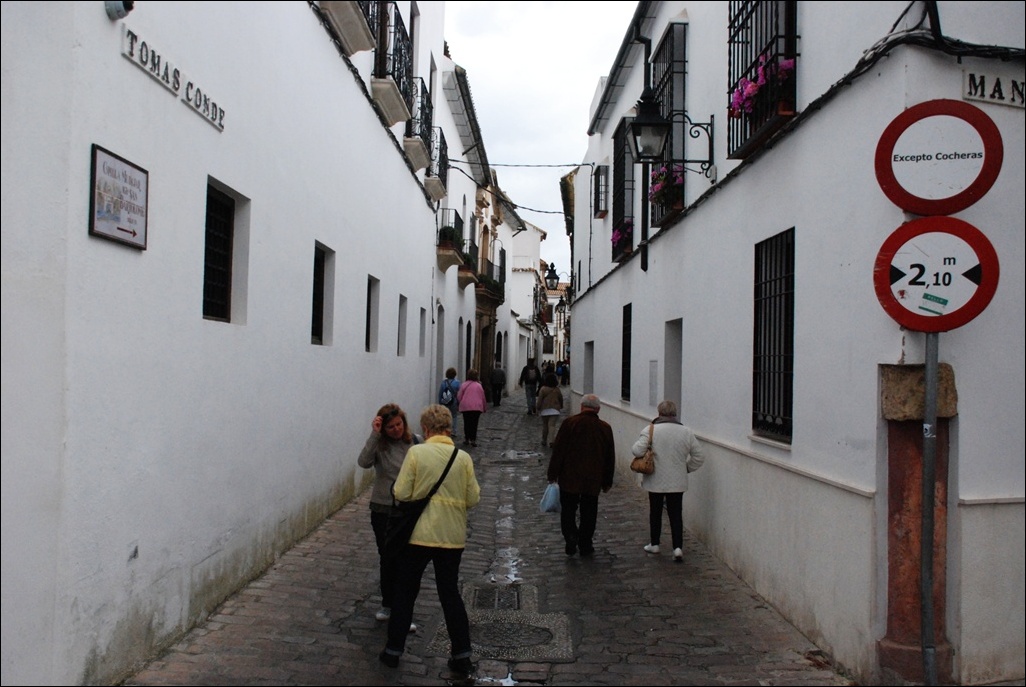
Since Cordoba was a thriving centre for Judaism, the existence of a Jew Town is but to be expected. This is a beautiful section of the town with narrow, winding streets with whitewashed houses. It is a wonderful feeling to wander through these narrow medieval streets and I have always enjoyed that experience. This Jew Town is well preserved and many houses had nice boxes of flowers on the windows.

Spain_May13_ 113

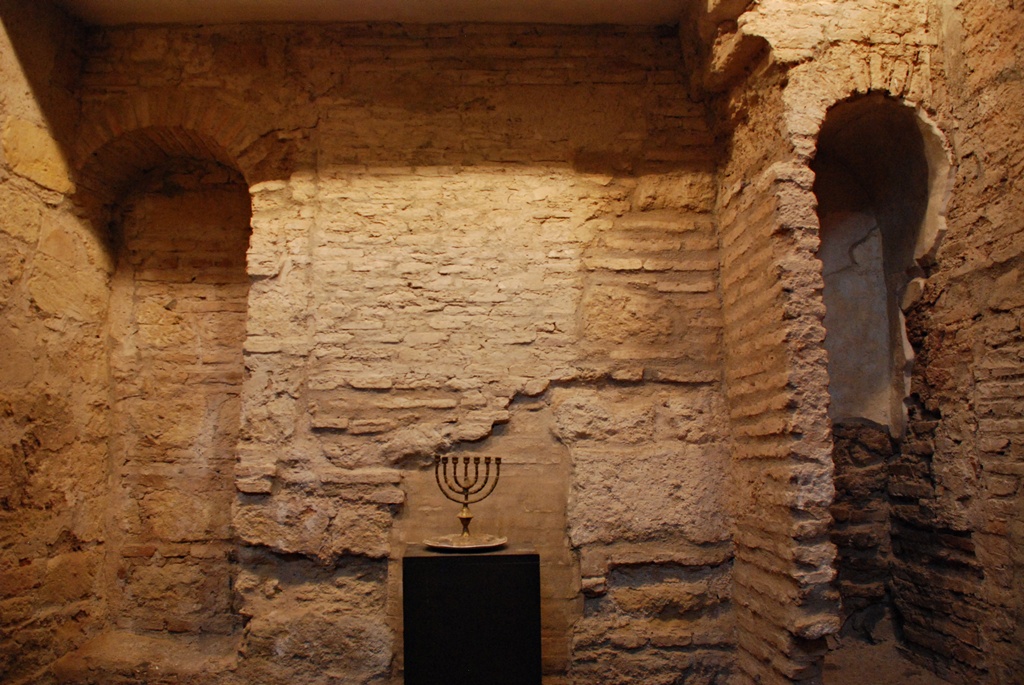
There is also a synagogue that dates back to medieval times – one of the only three surviving synagogues dating back to those times in Spain. There is a synagogue in Kochi and my two earlier efforts to visit that synagogue had come to naught as it was closed both times I went there. So, I was determined to visit this one. Unfortunately, it turned out to a little bit of a disappointment, with nothing much to see. The walls and the construction did look nice but there was nothing to indicate anything about the rituals, about which I was very curious; perhaps because this is not a practicing synagogue.

Spain_May13_ 124

Spain_May13_ 120

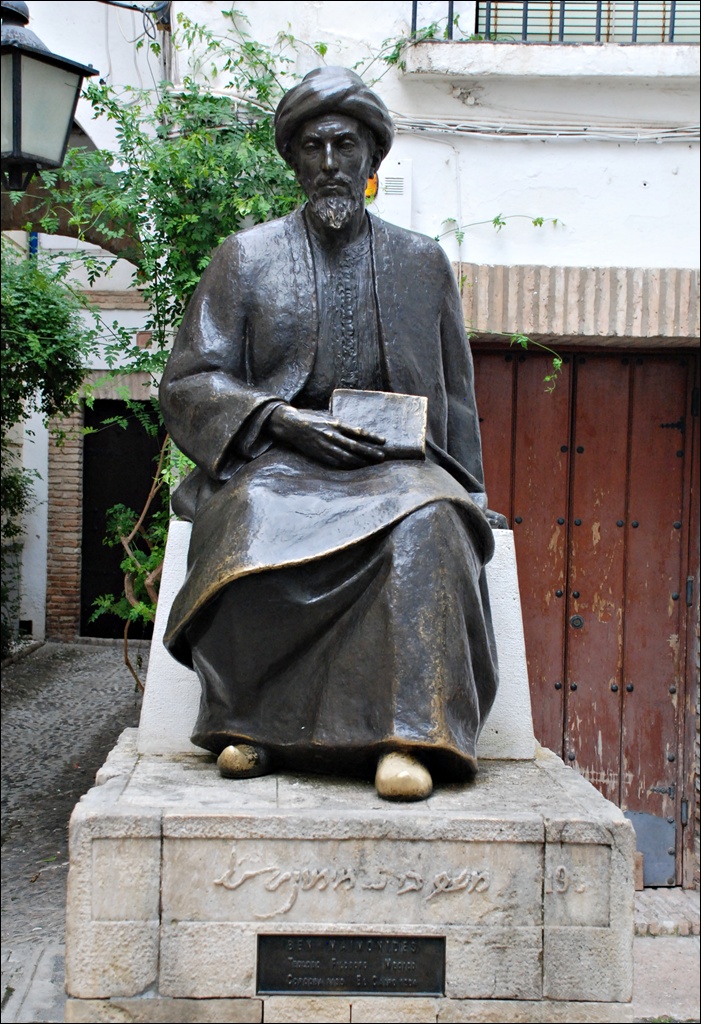
One of the greatest Jewish philosophers ever, was a teacher called Maimonides who was born in Cordoba in AD 1135. During the later period of Muslim rule, religious persecution forced many Jews to migrate from Cordoba and Maimonides also left Cordoba. Finally, he settled down in Egypt in AD 1166 and rose to prominence as the head of the Jewish community in Egypt. Interestingly, Egypt was under Muslim rule at that time! So, to be tolerant or not is an individual choice or mindset and not imposed by any religion. We came across a statue of Maimonides in the Jew Town.

Spain_May13_ 143

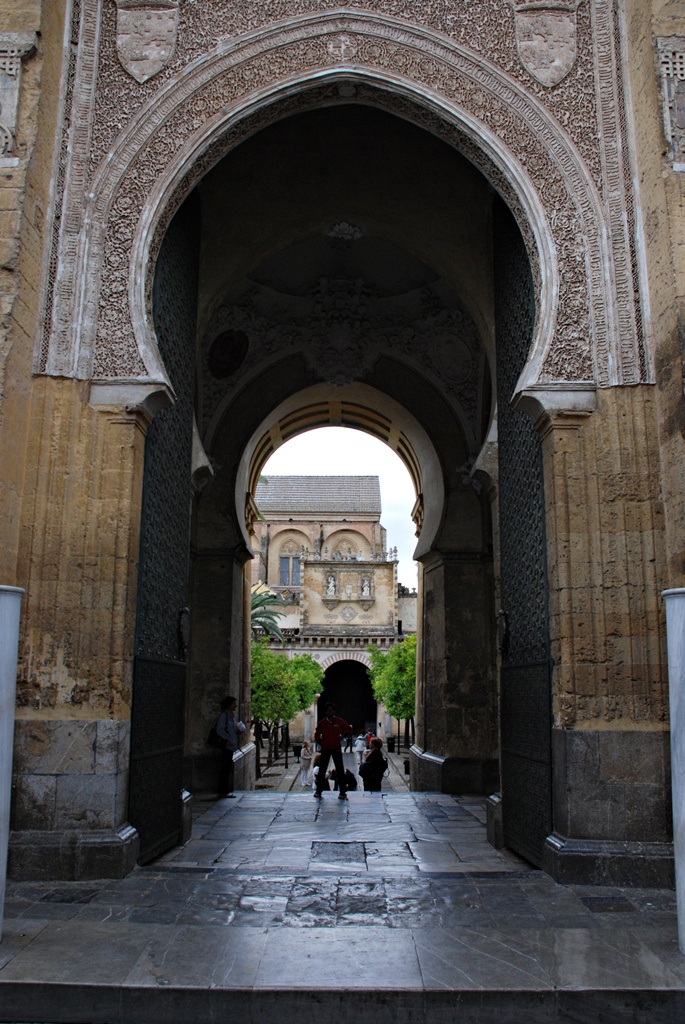
Next stop was the star attraction of Cordoba – the Mezquita or the Mosque-Cathedral of Cordoba.

Spain_May13_ 152

Spain_May13_ 154

This was the site of a Visigoth church and the construction of a mosque started in AD 785. It is fascinating to see how each conqueror established the temples of his faith on the very site that the vanquished prayed. Damascus was the beacon for all Muslim kingdoms of that period and Cordoba was part of the Caliphate of Damascus before it became a Caliphate by itself. So, it was no wonder that this grand mosque was inspired by the great Umayyad Mosque of Damascus. When we visited the mosque I did feel a resemblance to another mosque I had seen before and when I read about this, I realized it must have been the Umayyad mosque as I had visited it a couple of years earlier. The mosque went through four stages of expansion, growing in prominence as Cordoba excelled as a centre of culture and learning. It was not only the most important mosque for Islam in the Western world, but also a place of social, cultural and political practice. After its fourth expansion, it was so large that it could accommodate 40,000 people!

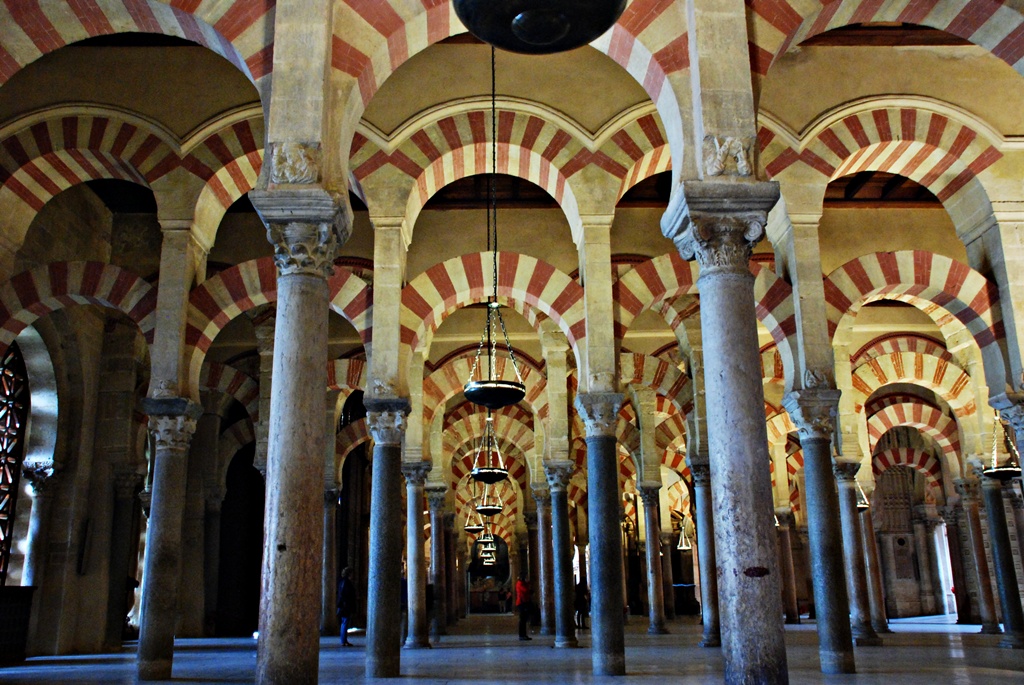
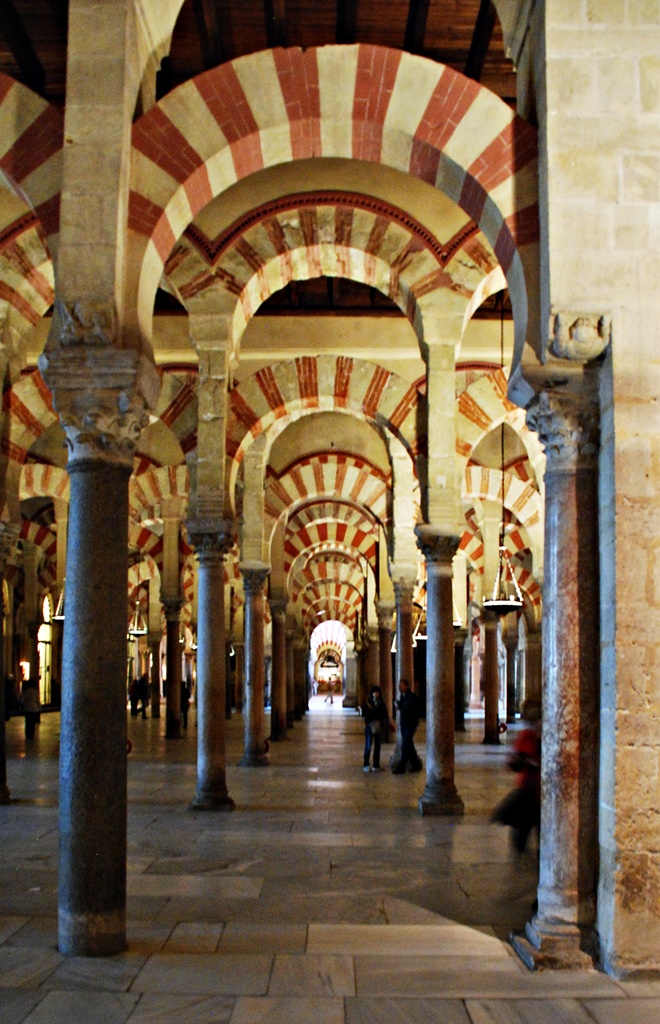
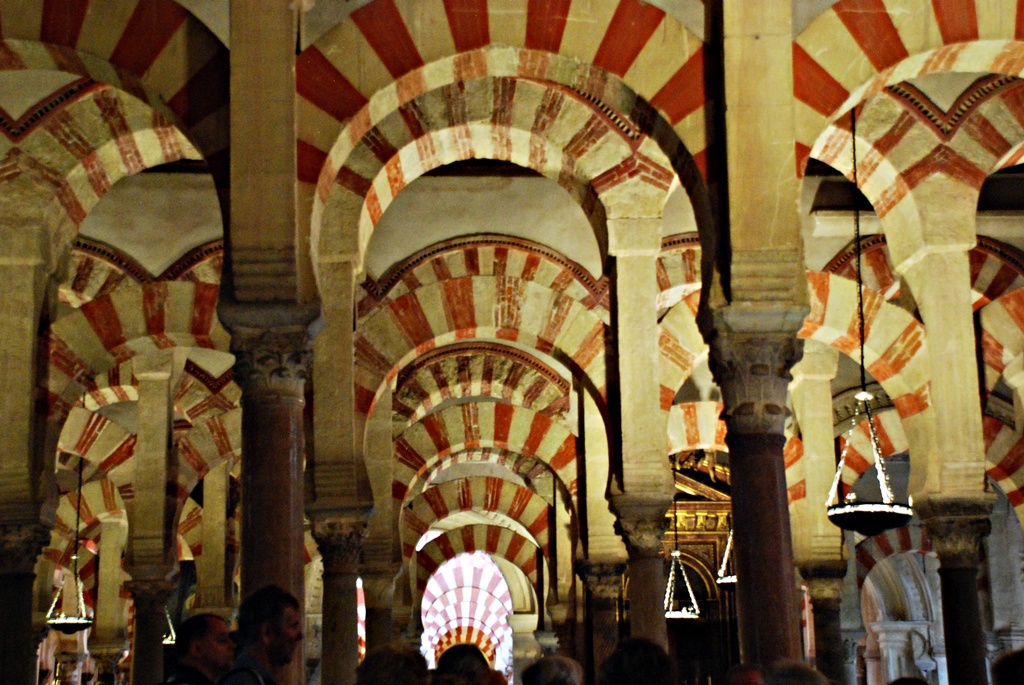
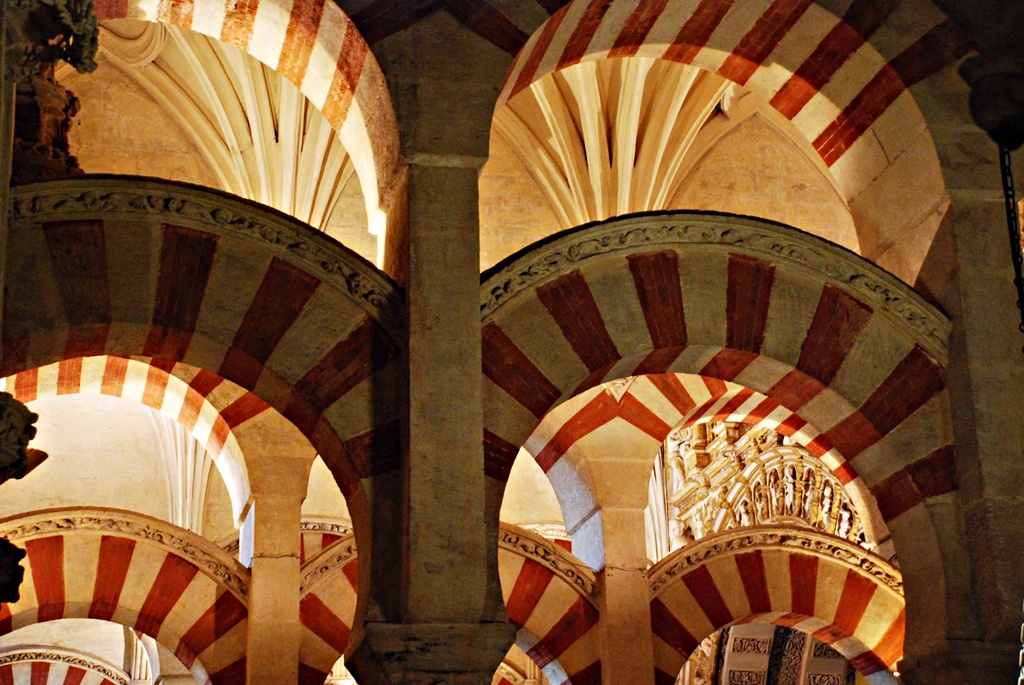
All this history is completely wiped off your mind as you enter the mosque, because you get blown away by the beauty and grandeur inside. It is made up of a series of columns and arches. There are 856 columns with two layers of arches of alternating sections of red and beige colour between these pillars. In the first phase of construction, red came from the use of brick and beige from stone but by the time it got to the last phase, paint was used. An overwhelming sense of awe struck me as I wandered through the mosque. It was so beautiful to look at with ornate wall work and colour everywhere. This is truly a very, very beautiful building and also very peaceful. Muslim architecture in its fullest glory and pomp is seen here. To anyone who is interested in photography, this place is at once a place of great excitement and great frustration. There are colours everywhere but light is very poor. I did not have a tripod but found a convenient bench, the backrest of which came in handy.

Spain_May13_ 170

Spain_May13_ 175

Spain_May13_ 188

Spain_May13_ 192

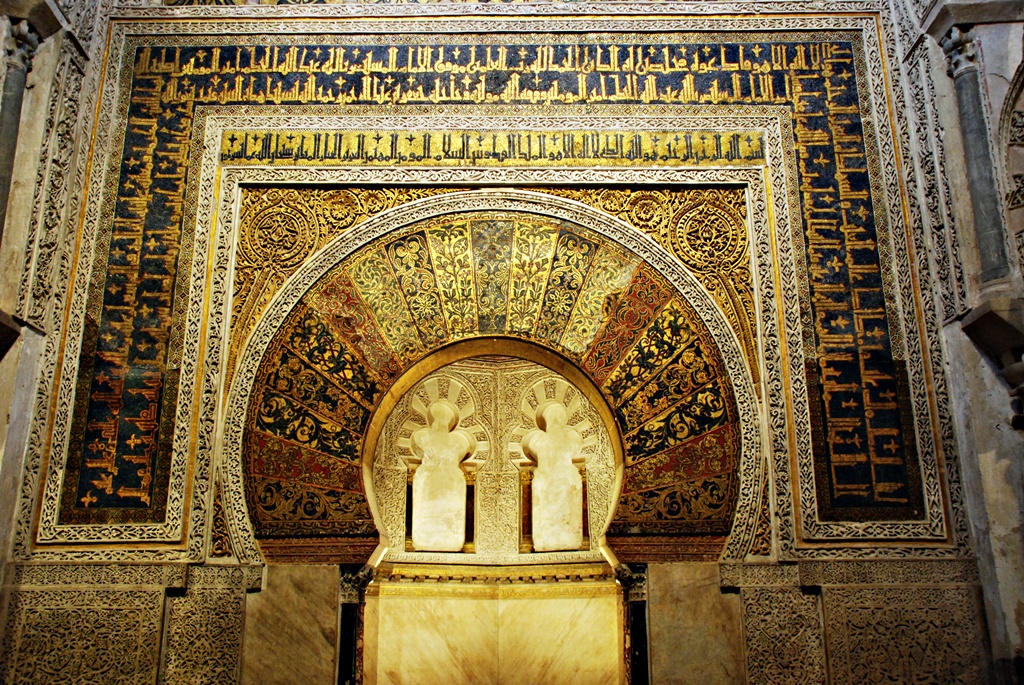
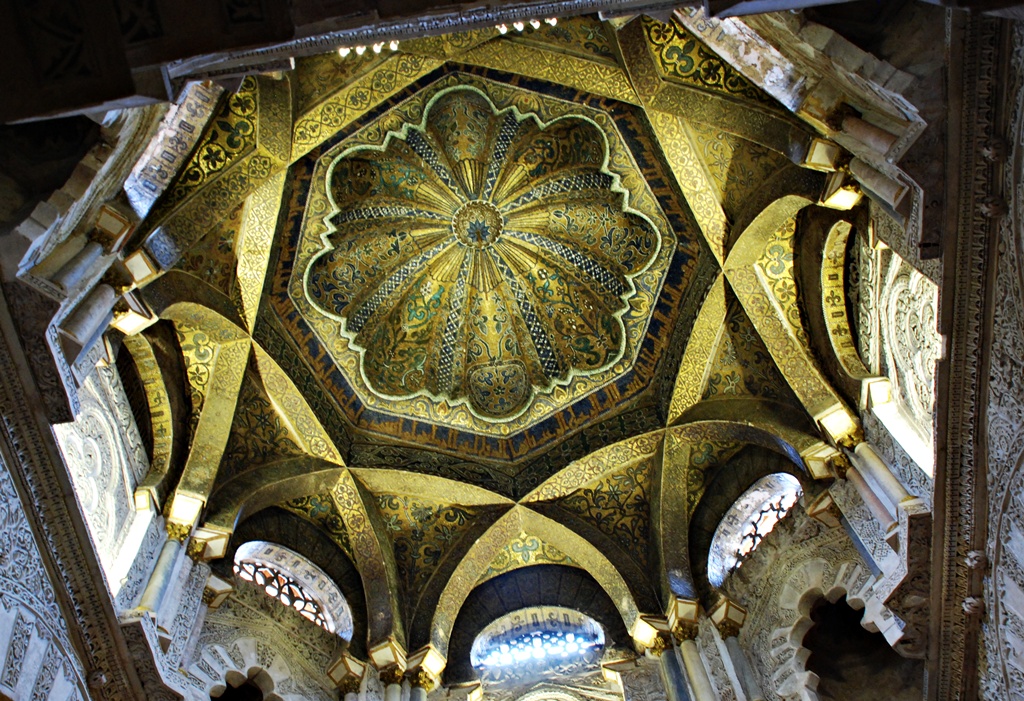
In all mosques, there is a semicircular niche in the wall, called mihrab, which indicates the direction of the Kaaba in Mecca. The mihrab in this mosque is beautifully done that it is breath taking. The roof about the mihrab is a dome with some fantastic ceiling work.

Spain_May13_ 209

Spain_May13_ 216

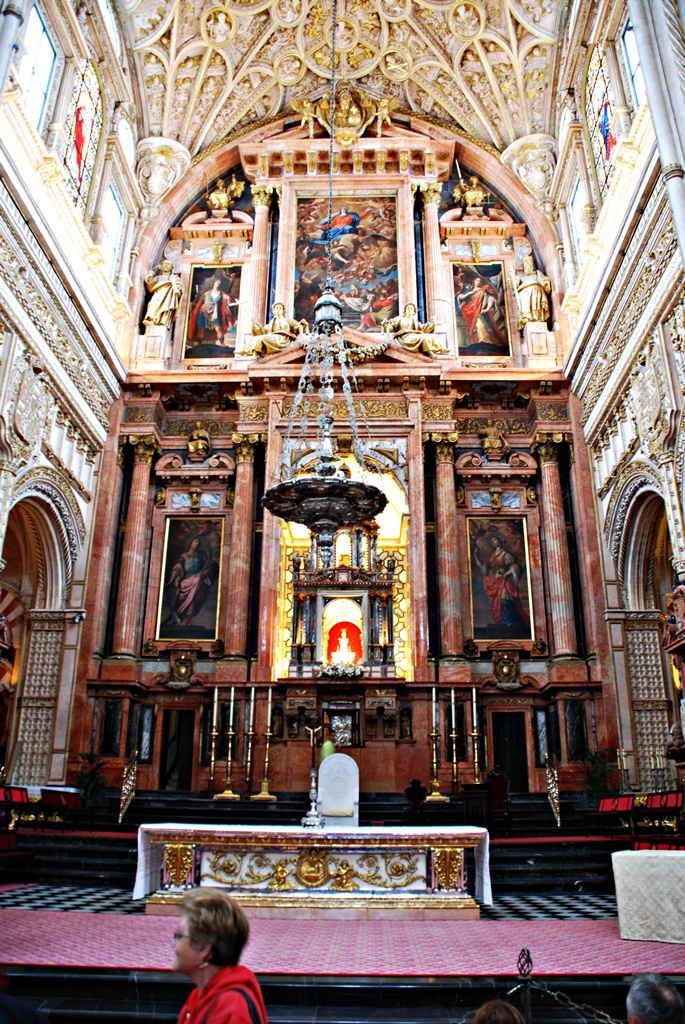
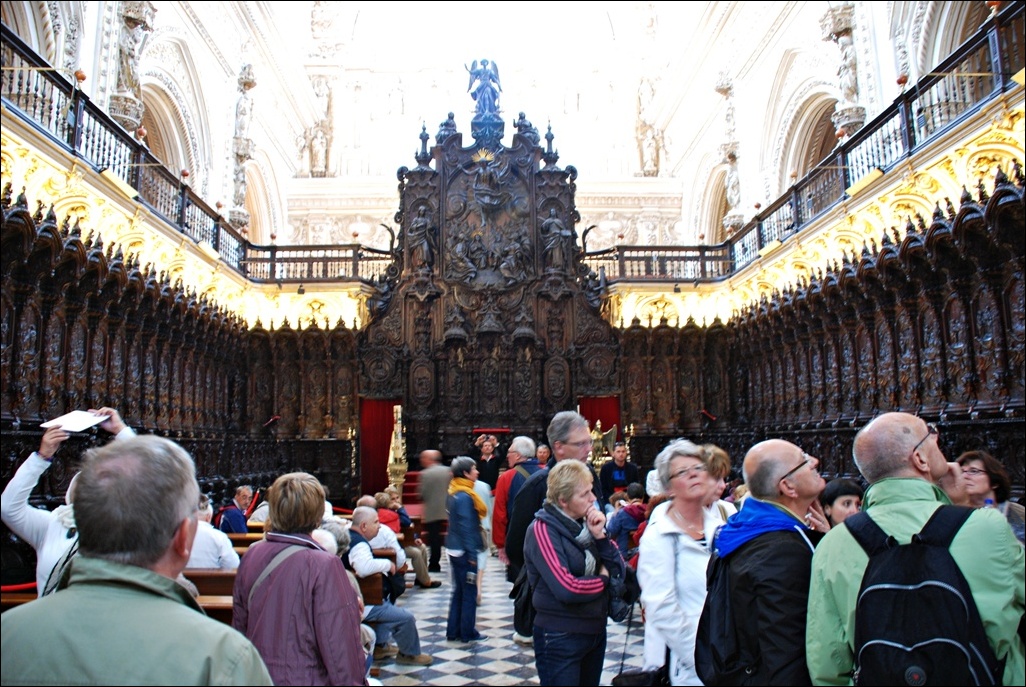
In AD 1236, after the Reconquest, the mosque was turned into a church. This led to various parts of the mosque being destroyed to accommodate Christian features; for instance, the minaret became the bell tower. Monarchs that followed added their own modifications with the most significant one being the insertion of a renaissance Cathedral nave installed right in the middle of the mosque with permission from the then King, Charles V. However, when the King actually saw the completed work, he was quite unhappy with the result and remarked: “they have taken something unique in all the world and destroyed it to build something you can find in any city”. Bang on! The altar and the choir look exactly like what you find in any Roman Catholic cathedral in Europe – ornate and rich.

Spain_May13_ 224

Spain_May13_ 222

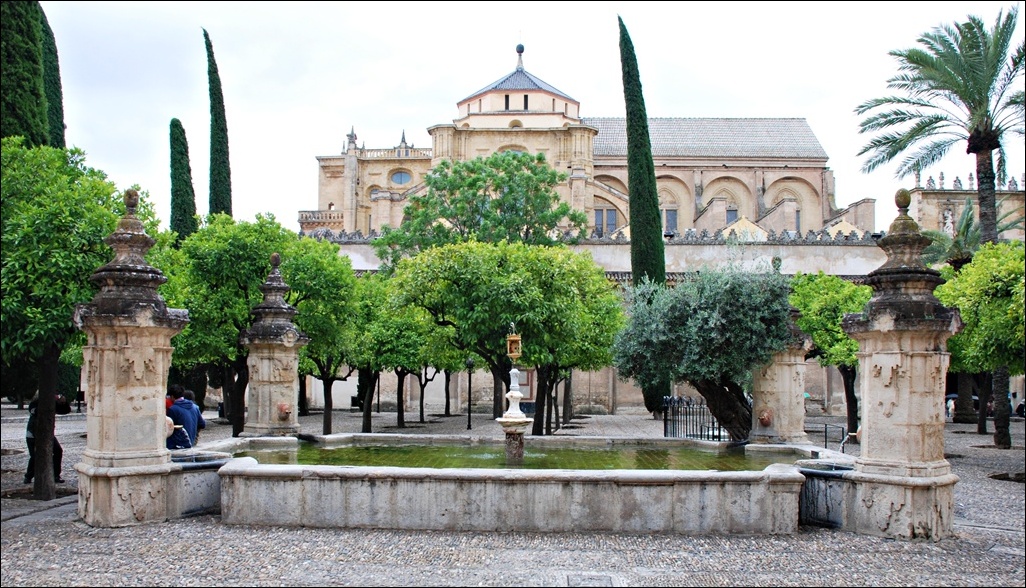
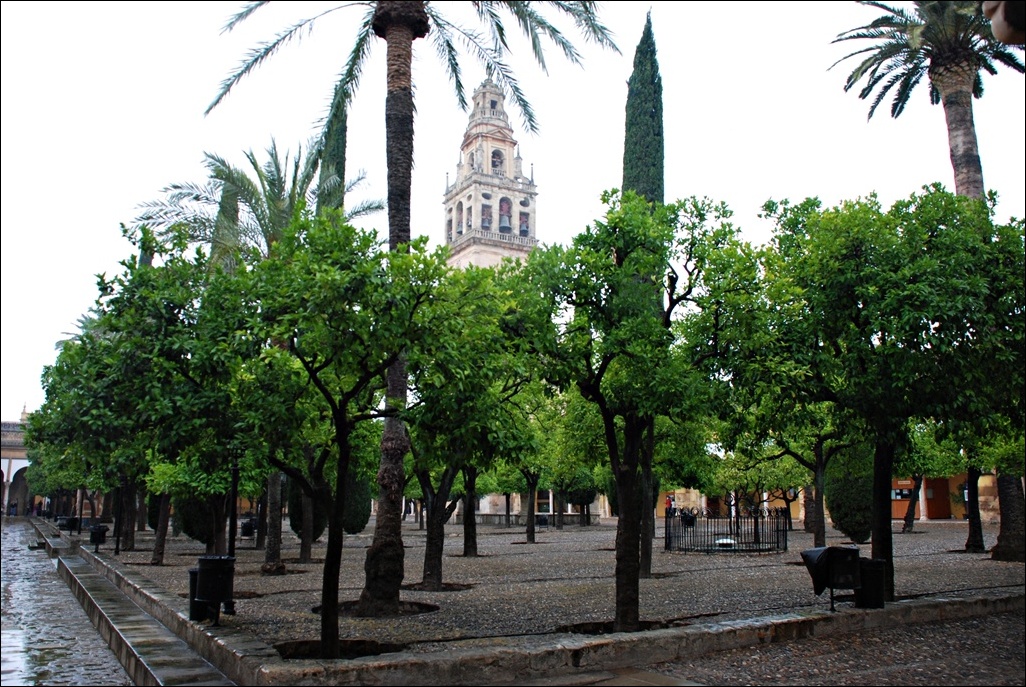
The courtyard used for ablutions by the faithful before they prayed in the mosque, has been converted into a courtyard with orange trees. The minaret could be seen from the courtyard but there was no access to the minaret itself.

Spain_May13_ 240

Spain_May13_ 245

As I stepped out of the mosque, I could not help feeling a sense of loss. A sense of loss for a brief period in time when men were tolerant and accommodative, when religion was understood to be path to salvation and not one to be used for spreading hatred and division. This exalted structure is a remnant of those times and then it fell as man’s morals fell. This fall was jarringly evident in the commentary provided in the audioguide that we had rented. The commentary consistently stressed the fact that the original location was that of a church (the Visigoth one) and that the mosque was an intrusion and the insertion of the current cathedral only set right the wrong (without saying it in so many words). The culmination was the comment when we got to the altar: “the roof was broken open to let in light as Christianity is all about light as compared to the shadows of Islam”. I may not have got the words exactly right but this was the clear message conveyed. What a sad state of affairs! No religion today is free of this evil as the high priests have all forgotten the fundamentals and are only focused on enhancing their power and strength.

The author of “Don Quixote”, Miguel de Cervantes, lived for sometime in Cordoba and there is an inn which actually figured in the novel. The inn exists even today and we had planned to visit it but rain gods had decided otherwise and we got back to the parking garage and drove back, still overwhelmed by the impressive Mezquita.

13 May 2013

Spain is a country with a very different or even unique history in Europe and my earliest recollections were what I had read about the Spanish Civil War or the unrest in Basque. In the last few years, I had also developed a taste for Spanish food, especially Tapas. So, this time around, we planned a holiday to Spain. However, it is impossible to cover all the important parts of Spain in 10 days and so we decided to restrict ourselves to Madrid and Andalusia, with plans to visit Cordoba, Granada, Seville and Toledo.

Spain’s history dates back to about 1000 BC when Phoenician traders arrived in the Southern and Eastern parts of Spain. Later, like most of Europe, Spain too came under the Roman rule from about 200 BC to 400 AD. Romans called the peninsula “Hispania” and as was customary of them, developed infrastructure in the country with roads, aqueducts, temples, theatres etc. They also brought in Christianity which became a very important aspect of Spanish life. Most of Spain was covered by forests at that time and it was the Romans who started to cut down the trees for timber. So, deforestation is not a new theme, it started 2000 years ago! As the Roman power waned, Visigoths – a Germanic tribe – gained the upper hand and controlled Spain till the Eighth century. Visigoths seem to have been people who were not as culturally developed as the Romans and left very little impact on the country. Their main contribution seems to have been in creating a fighting mindset, which made a few kings withstand and ultimately overthrow the Muslim invasion and rule.

The Visigoths were not very good rulers and so the country was strife torn and in generally poor shape when Tariq ibn Zayid, the Governor of Tangier, a province in Morocco, landed in Gibraltar with 10,000 troops, in AD 711. The troops were mostly of North African origin and the Moors captured most of the Spanish peninsula and the territory they controlled was called Al-Andalus. This included main cities of the time like Cordoba, Granada and Seville and even Madrid to the North. It was first part of the Caliphate of Damascus which controlled most of the Muslim world and later a Caliphate was established in Cordoba in 929 with the then ruler Abd ar-Rahman III giving himself the title of Caliph. This was the peak of the power and glory of Cordoba.

One kingdom, called Asturias, had held out against the Moors and they started what was called the “Reconquista” in AD 722, to recapture the territories lost to Muslims. This war lasted for 800 years and ended with the fall of Granada in AD 1492 when all of Spain came under Christian rule. I am not sure whether the war was fought on religious grounds or for the then rulers to gain power, but it is portrayed as a war between the believers of Christianity and Islam. An interesting point is that the Christian kingdoms were also fighting amongst themselves while fighting the Muslims. Christians gained the supremacy with the marriage of Queen Isabella, the Queen of Castile, to King Ferdinand II, King of Aragon, in AD 1469, which brought together two powerful kingdoms. They were very faithful to the Roman Catholic Church and managed to expel Muslims and Jews from the country. This royal pair is considered to be responsible for the unification and founding of modern Spain. By all accounts, they seem to have been astute rulers, who understood the great power of combining religion with the state. From whatever I read, I understood that Isabella had significant say in how the country was ruled and was not just a decorative queen. They set up the Inquisition, which led to the death of hundreds of thousands of “non-believers”. This even had repercussions in far away India (we had our own Inquisitions in Goa). When they took control of Spain, there were huge populations of Jews and Muslims in the country but in short time, they banned Judaism and persecuted Muslims and Jews so much that these religions became non-existent in the country. Fittingly, they are referred to as the Catholic Monarchs. I was amused to read that when the Moors ruled Spain, Jews flourished and that all religions were allowed to practise their beliefs and worship their gods. Christians had a bit of a tough time as they had a tax applied on them, but nothing that had any resemblance to Inquisiton, with its inhuman torture and cruelty, was ever applied. Medieval Christianity had very little tolerance as they strove to bring “light” into the life of people. The only exception seems to have been the Christian king Pedro I, who was the king of Castile and Leon from 1350 to 1369.

Ferdinand and Isabella ruled Spain together and one of their important acts was to commission the voyage of Christopher Columbus. This led to the colonization of much of the Americas and brought a lot of wealth to Spain by way of gold and silver. This wealth was soon frittered away and by the time Spain arrived on the twentieth century, it had lost much of its glory. A series of inept rulers had squandered away its strengths and the country was in tatters. In the 1931 elections, a government comprising of socialists, republicans and centrists came to power and the King left on an exile. In 1933, this government was toppled by right-wing parties but in 1936, a left-wing government took over with the Communists leading the government. However, Spain was split down the middle by this time and soon, the Civil War erupted. This was between the elected government on one hand and the right-wing groups led by the Spanish military on the other. The leader of the military was General Franco and he was supported by Nazi Germany. It is believed that half a million people lost their lives in the Spanish civil war; my own personal recollection of the brutality of that war having been acquired when I read Hemingway’s “For whom the bell tolls”. In 1939, Franco became the Dictator of Spain and he ruled till 1975. He had groomed a royal to take over power on his death and Juan Carlos I, became the ruler of Spain when Franco died in 1975. The King was a supporter of democracy and by 1977 Spain had its elections and became a democracy with Juan Carlos I continuing as the King of Spain (he is the current King as well). Somehow, I felt it a bit strange that such an important country as Spain could have remained a dictatorship till as late a period as 1975; especially in Europe; a continent that had democratic leanings as early as 1215 with the signing of Magna Carta.

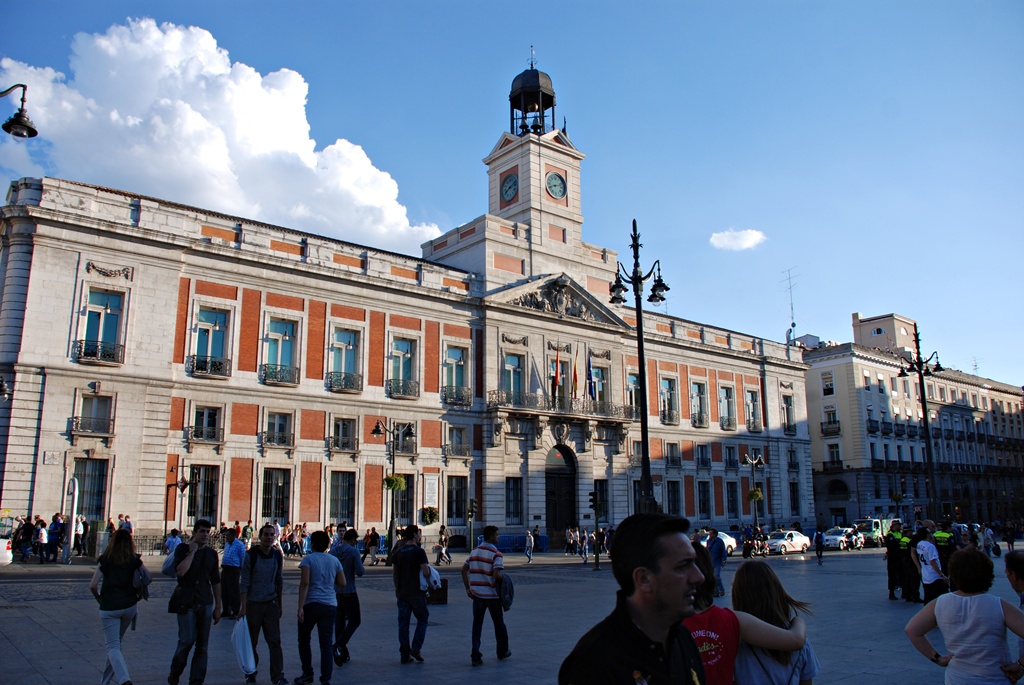
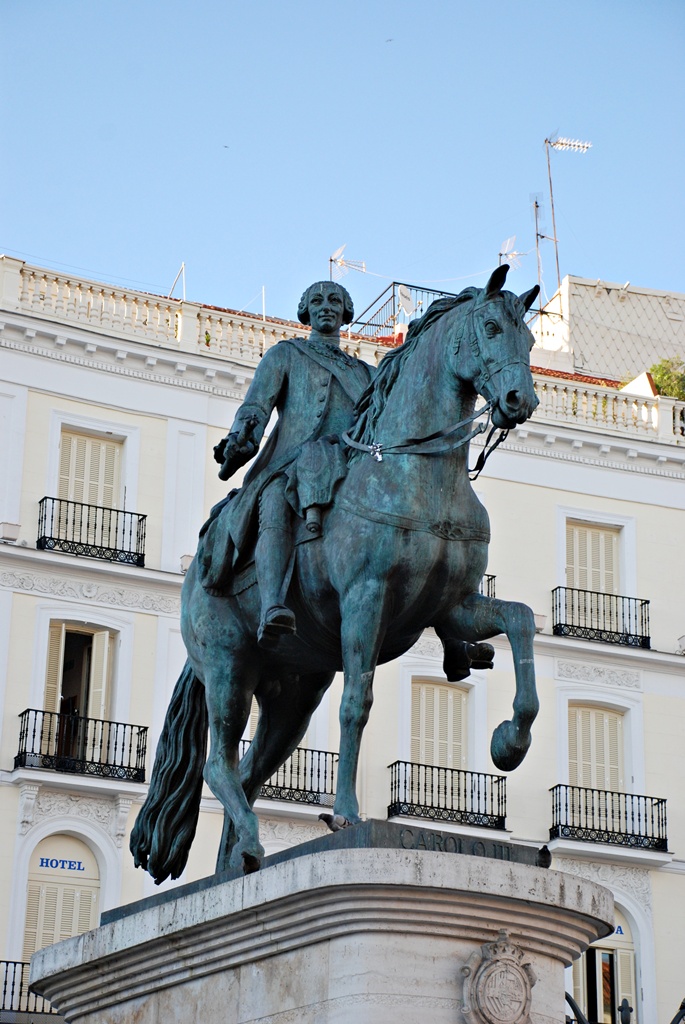
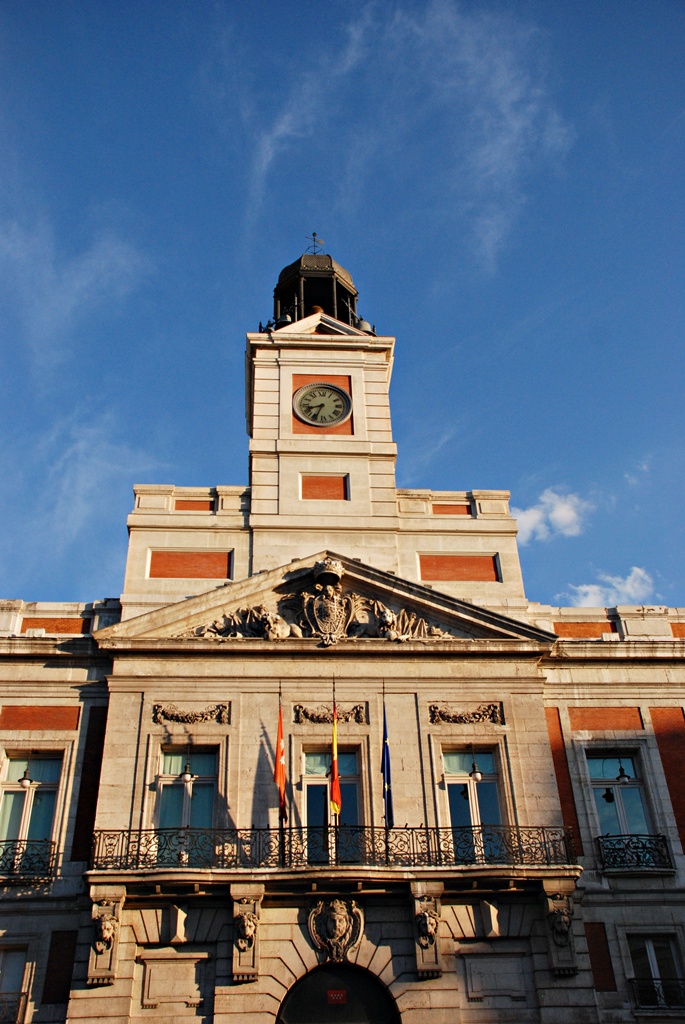
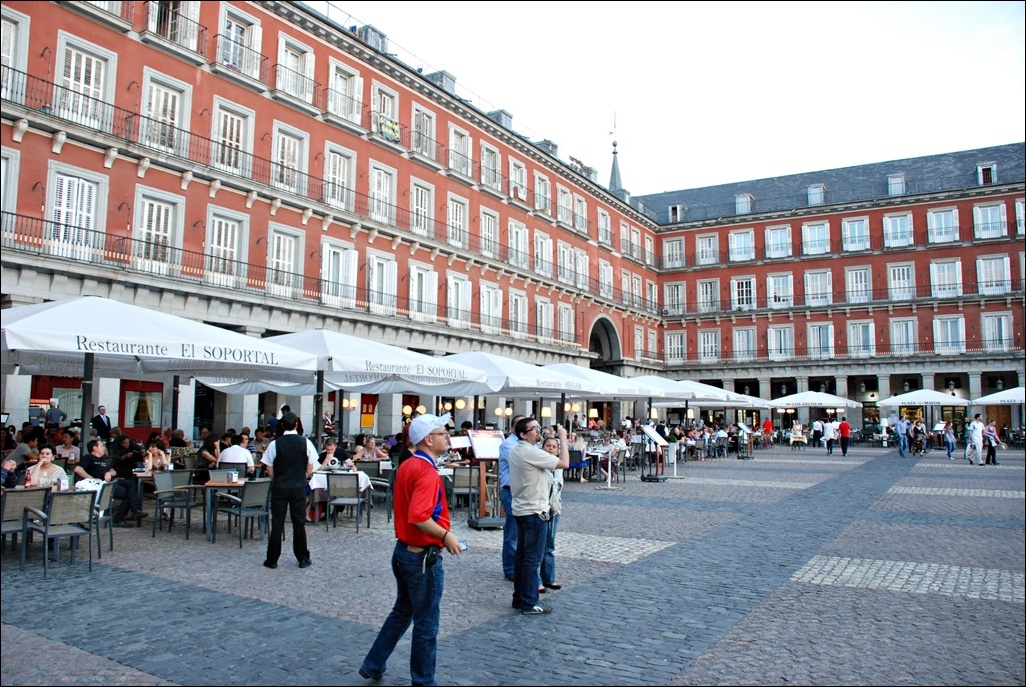
It was early evening when we got to Madrid and as it was still daylight outside, we went out for a stroll. We were staying in the city centre and so we could walk to Puerta del Sol; this is a busy plaza in Madrid and is considered the central point of Spain. Hence, this is the centre of the radial network of Spanish roads and considered KM 0. The square was very lively with a lot of people walking around. We could also see the statue of King Carlos III (called Charles III in English).

Madrid_Journal_01

Madrid_Journal_02

Madrid_Journal_04

From Puerta del Sol, Plaza mayor is a short walk away. This looks like Piazza San Marco in Venice; no, it looks like a poor cousin of Piazza San Marco. It seems this was a location where bullfights were held in the past as also executions during the Spanish Inquisition.

Madrid_Journal_06

14 May 2013

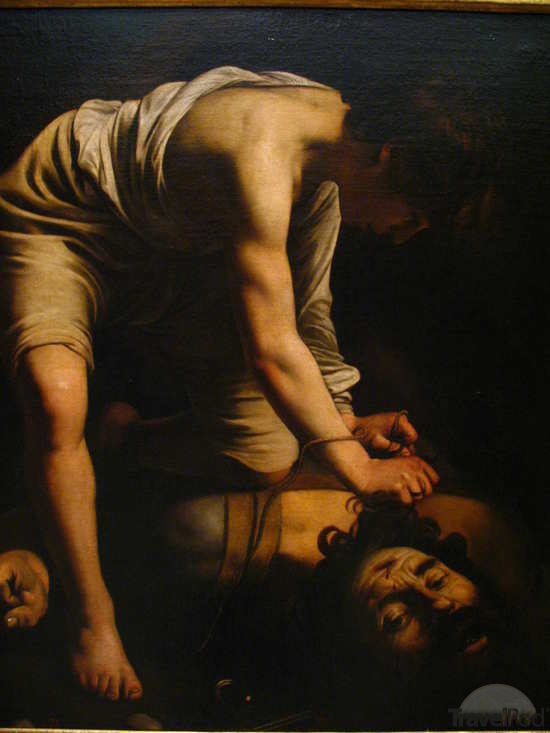
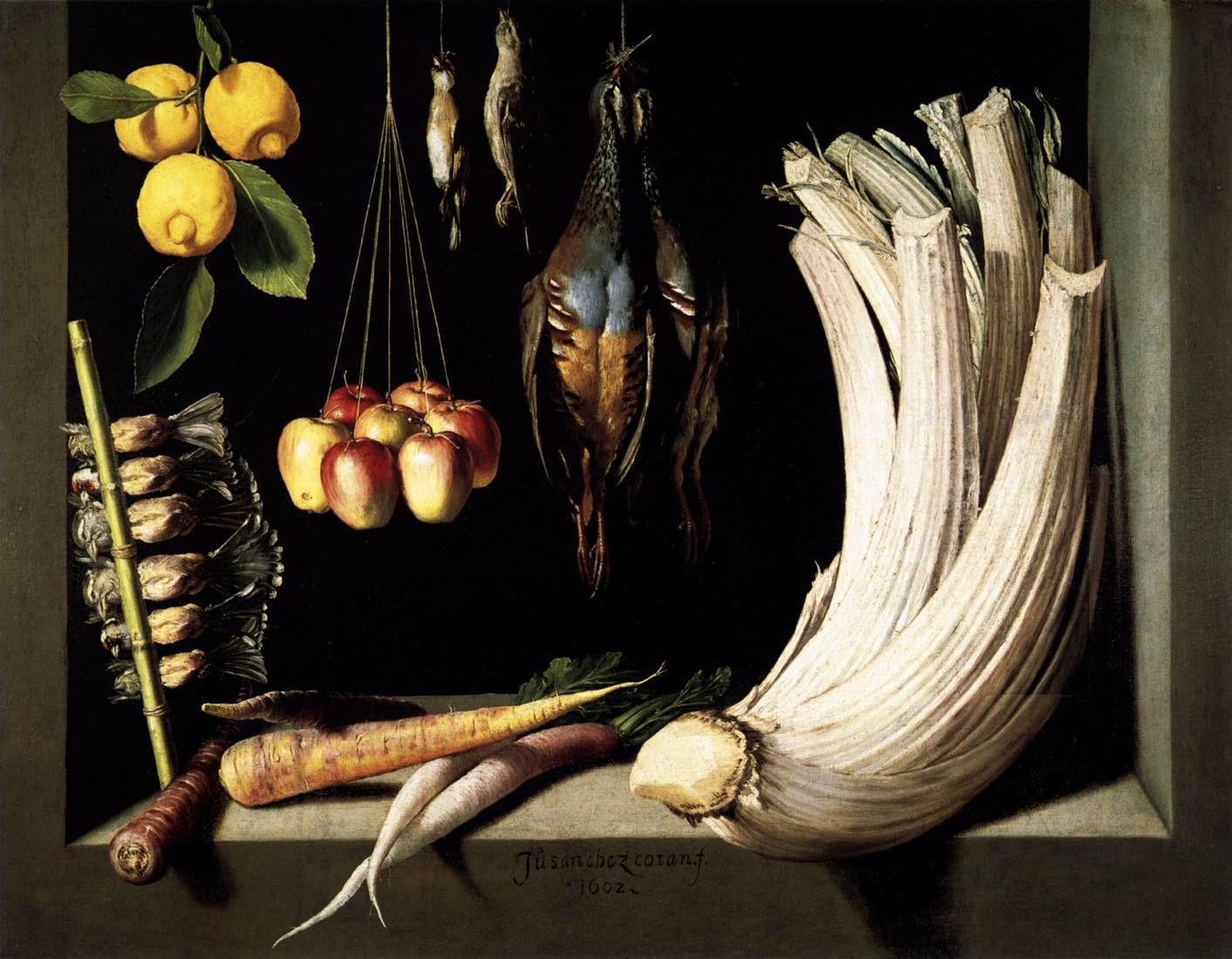
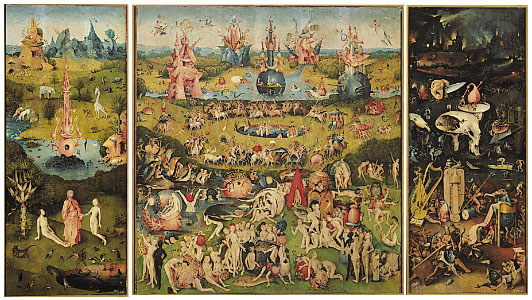
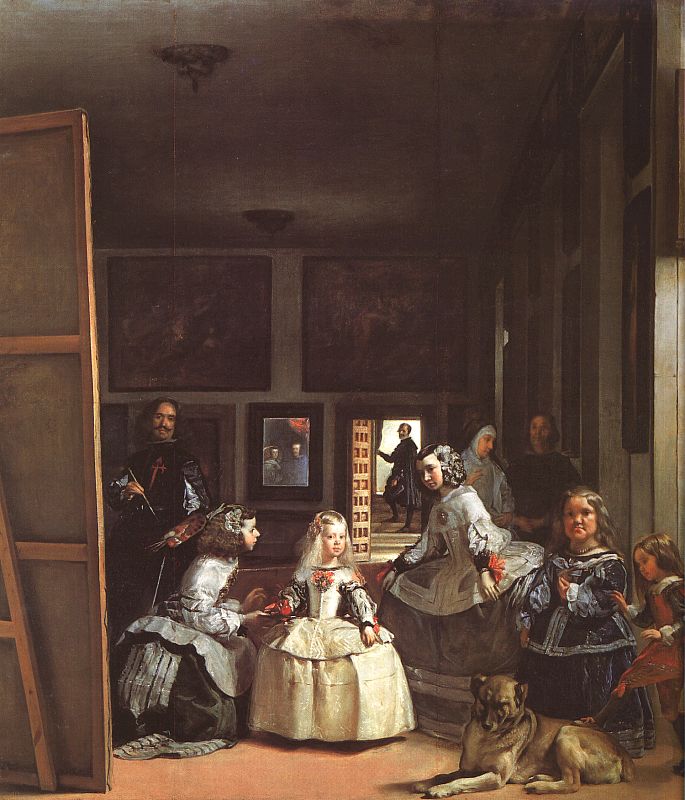
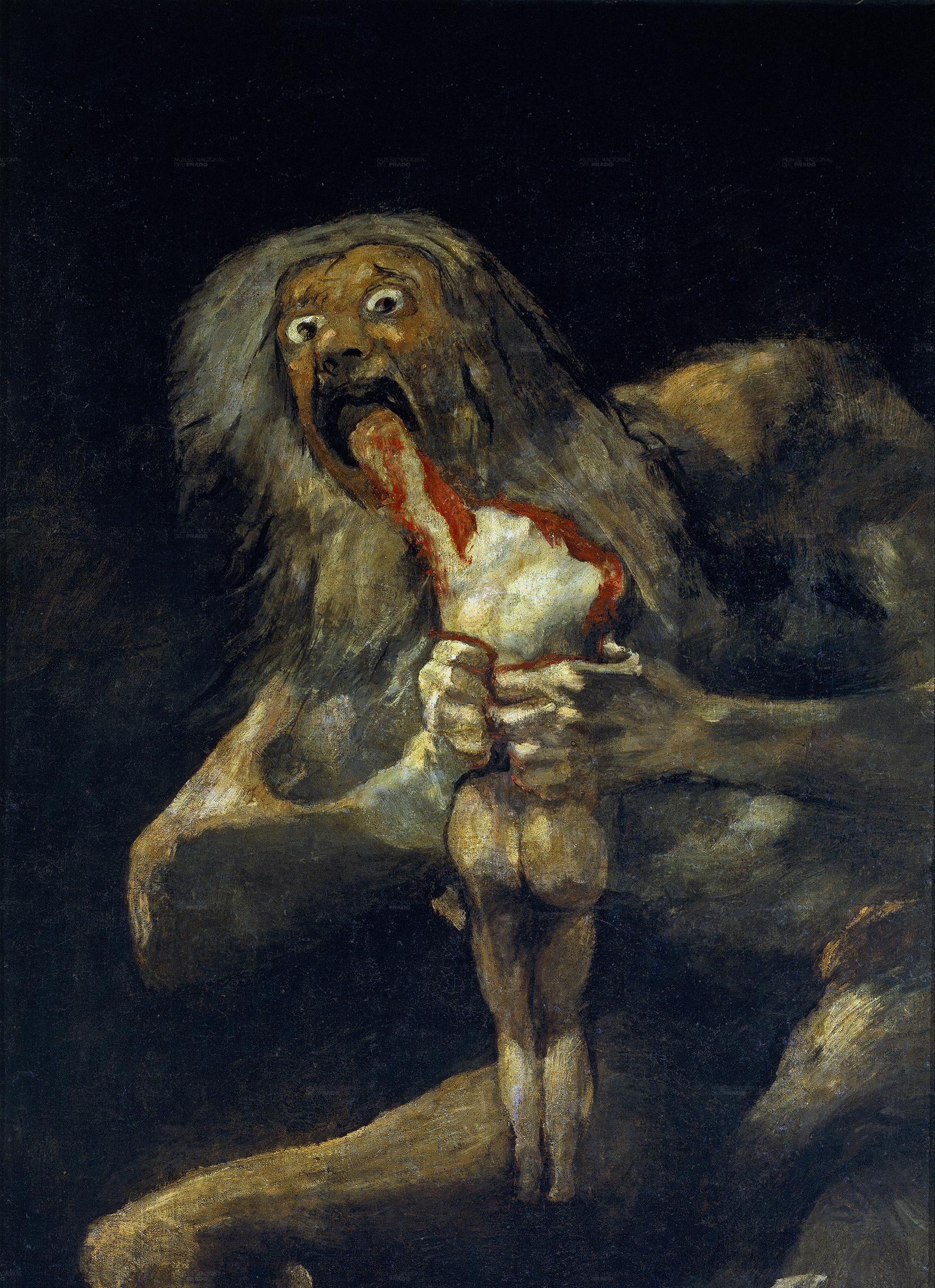
We set out to Musee del Prado – the most famous museum in Spain – first thing in the morning. This is a huge museum that has about 7,500 art pieces of which only about 1,500 are exhibited. Since we had only about three hours planned, we decided to focus our attention on the most important 50 paintings as defined by a pamphlet provided in the museum. These included works by Goya, Velazquez, Raphael, Titian, Caravaggio etc. What struck me about these paintings was how these artists had full mastery over lighting and composition. The masters seem to stand out in this aspect. Most of the paintings were on religious matters as the works were commissioned by the rulers, noblemen or the clergy. Hence the leeway available for the artists to paint other subjects was pretty limited. However, artists being artists, they did pull out some tricks by painting the holy figures like normal people or adding some impish point or the other in the painting, wherever they could get away with it. I think Caravaggio was a definite influence on this front. There were only few still life paintings produced in Spain at that time and this could be the reason for that; of course the Inquisition must have been going on for the most of the time and it would have been good strategy to just toe the line. Yet, there were some that were very different and what remained in my memory were the “black paintings” by Goya and “Garden of Earthly Delights” by Bosch. The latter looked almost like modern art and it is a triptych. In the third panel, there is an image of a monster that eats men in hell and I am very sure that I have seen that image used by some painter in India recently. I could not recall the exact work though. A famous painting by Velazquez, “Las Meninas”, is also part of the most important 50 and is quite interesting. This shows the image of the artist (shown holding the brush) making a painting of the king and the queen (reflected in the mirror behind the princess’ head) with the princess and her friends dropping in to visit. Photography was not allowed in the museum and the few photos given below are sourced from the internet.

Caravaggio_David Victorius over Goliath

Caravaggio: David Victorious over Goliath; Source: Internet

Sanchez Cotan_Still Life with Game, Fruit and Vegetables

Sanchez Cotan: Still life with game, fruit and vegetables; Source: Internet

Bosch_The Garden of Earthly Delights

Bosch: The garden of earthly delights; Source: Internet

Velazquez_Las Meninas

Velazquez: Las Meninas; Source: Internet

Three hours were nowhere near enough and I could not do justice even to the 50 paintings. I would have loved to spend some more time with the black paintings of Goya; he painted these towards the end of his life and by that time, he had a pretty bleak view on humanity and the human race.

Goya_Saturn Devouring his Child

Goya: Saturn devouring his child; Source: Internet

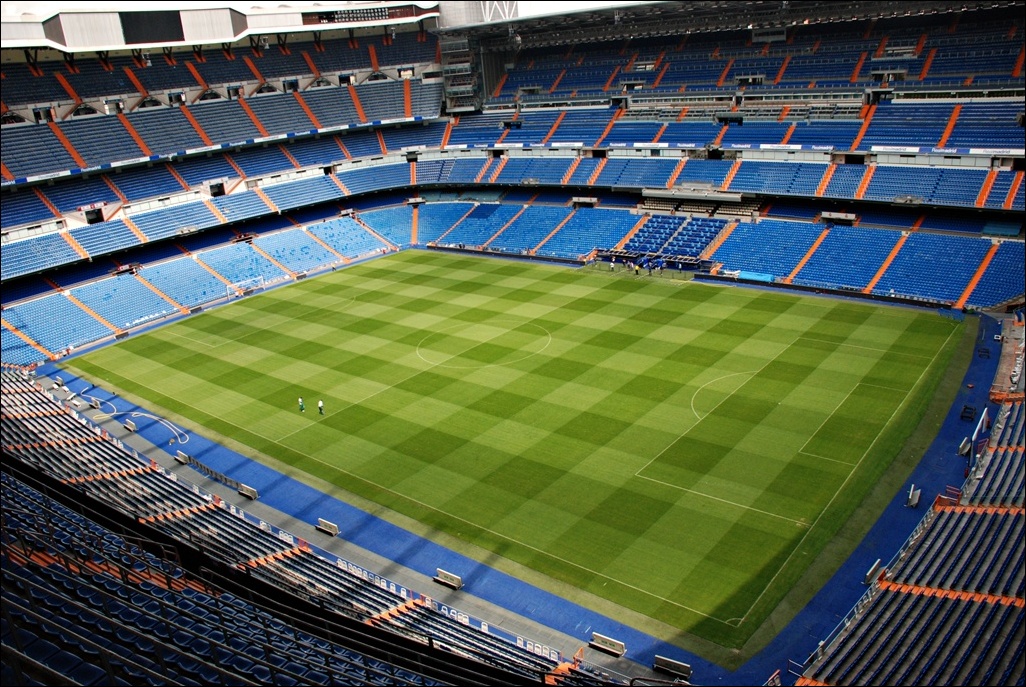
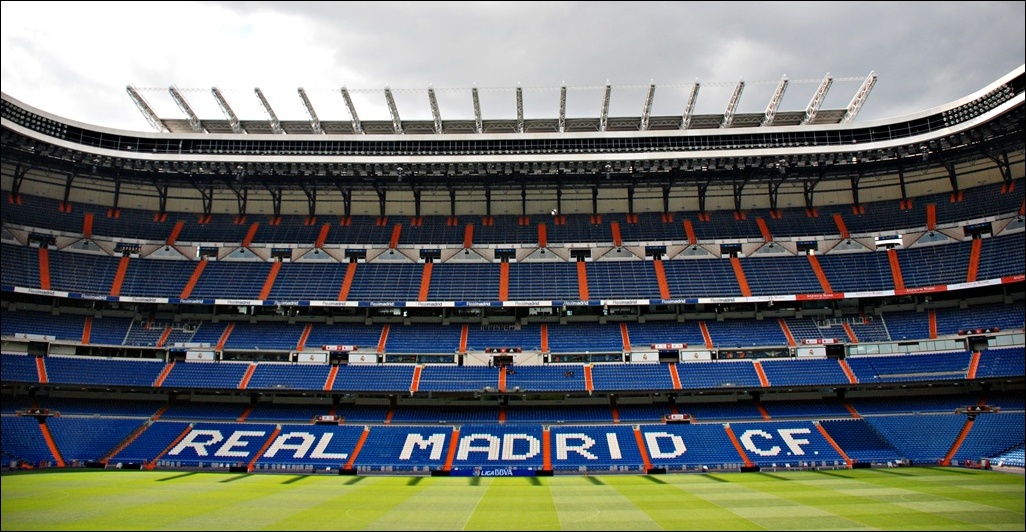
After lunch, we set out to see the stadium of Real Madrid football club. What struck me the most was their ability to sell their history and make money off it. The various trophies won by the club were exhibited and one could also see the players’ area and also get close to the pitch. It must be awesome to stand there on the field with a stadium full of fans howling and cheering.

Madrid_Journal_03

Madrid_Journal_07

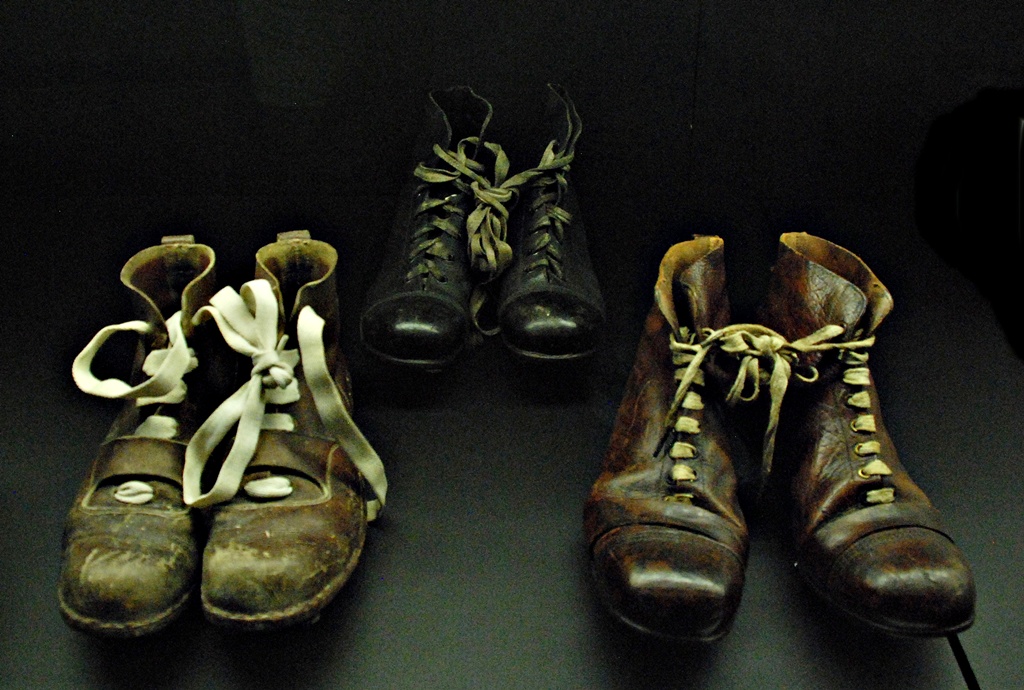
I got a good picture of some boots the club had used when they started about 100 years. This is my “still life”!

Madrid_Journal_05

By the time we were done with the stadium, it was drizzling a bit and we retired to our room.

15 May 2013

One of the most important attractions in Madrid, for me, was the Reina Sofia museum as that hosts a display of Salvador Dali’s and Picasso’s paintings, including “Guernica”. This was a keenly anticipated event and we set out for the museum in the morning. Alas, when we arrived there, we found that the museum was closed because of the local festival of San Isidro, who is the patron saint of Madrid. The museum had its weekly holiday on Monday and with this closure on Tuesday, it meant that we had miss out on it altogether. I was feeling a bit down and vowed to myself that I would make some time during my next visit to the city and make it there.

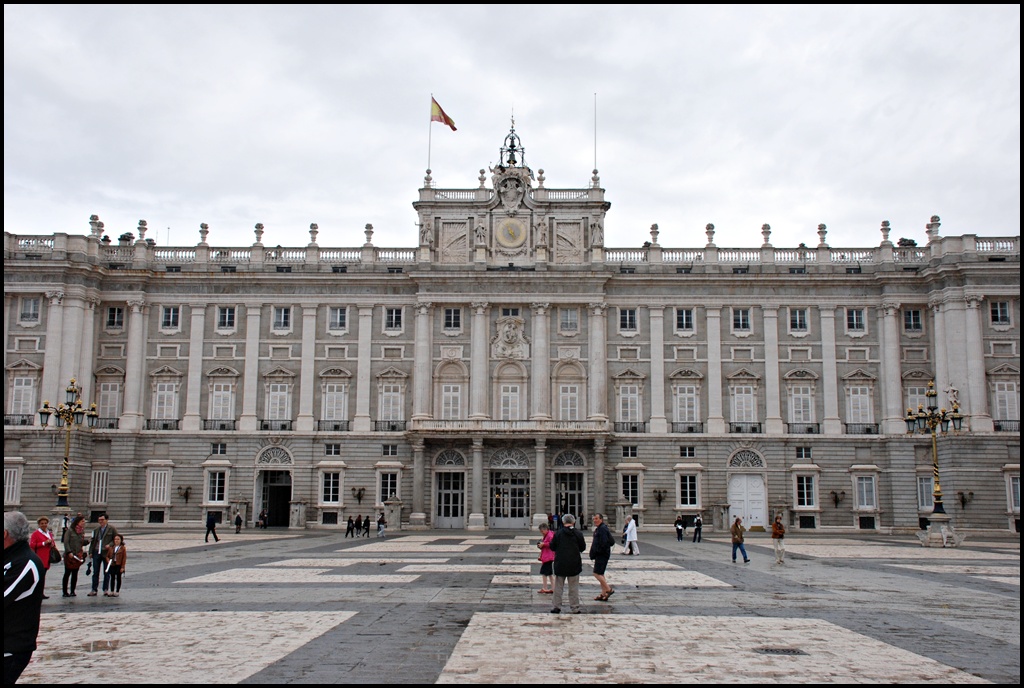
Fortunately, the palace was not closed and so we hopped on a taxi and drove there. The morning was cold and rainy and quite unlike what one expected of Spain. It is called Palacio Real (Royal Palace) and is built on the site of a 9th century fortress that was built by the ruler of Cordoba, when Madrid was still under the Moors. Later, a castle was built on this site in the 16th century and it burned down in 1734. King Felipe V ordered it rebuilt and the castle as we see it today was constructed between the years 1738 to 1755. As a result, there is not much by way of historical significance in this palace. The palace is used only occasionally for official functions as the royal family resides in another, smaller palace. This is a huge palace (supposed to be the largest in Europe by floor area) with around 3,000 rooms (thankfully, only a few are open to the public), many of which are very ornate and rich. One room called the Salon de Gasparini, stood out for its exquisite stucco ceiling and silk embroidered walls. The Throne Room was also quite impressive. Photography was not allowed inside the palace. The most interesting aspect of the palace was the variety of clocks that one found all over the place. Spanish monarchs seemed to have had a fascination with clocks and they even set-up a factory to manufacture clocks. In one room, there was a display of five Stradivarius violins. Stradivarius family made these violins in the 17th and 18th century and these are supposed by many, to be the finest stringed instruments ever made. It is amusing to think that even in this age of such technological development, instruments made three centuries ago are still unmatched. Antonio Stradivarius was the leading practitioner of the trade and his violins fetch millions of Dollars in auctions today.

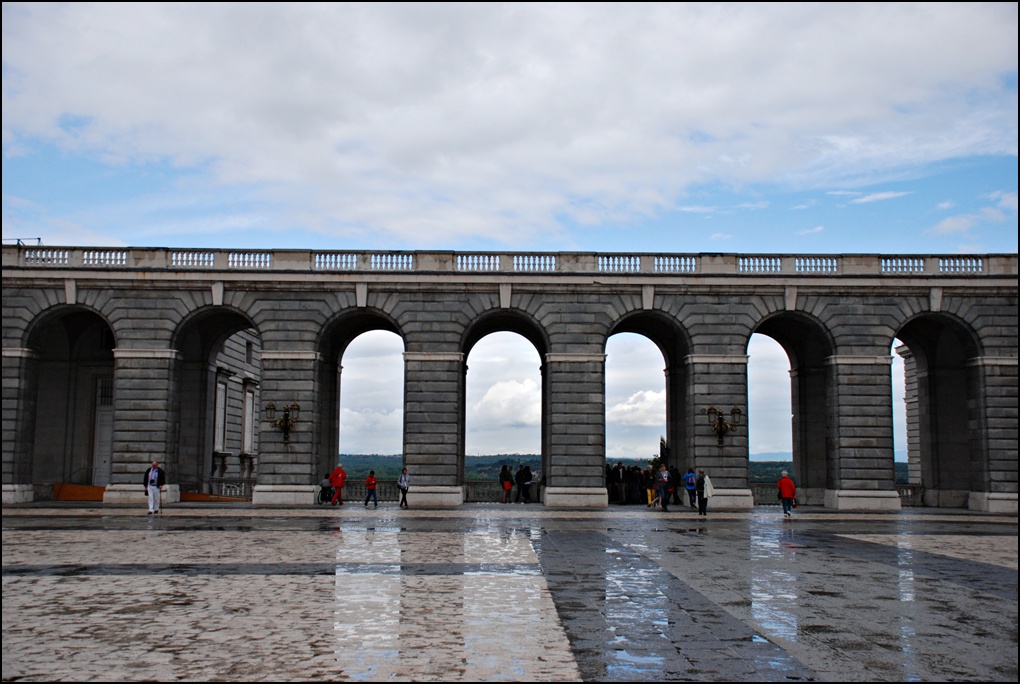
There is a large courtyard as one enters the palace it offers a very nice view of the palace and a wooded area beside the palace. When looking at the wooded area, you feel that you are somewhere in the countryside and not the middle of a large, bustling city.

Madrid_Journal_09

Madrid_Journal_10

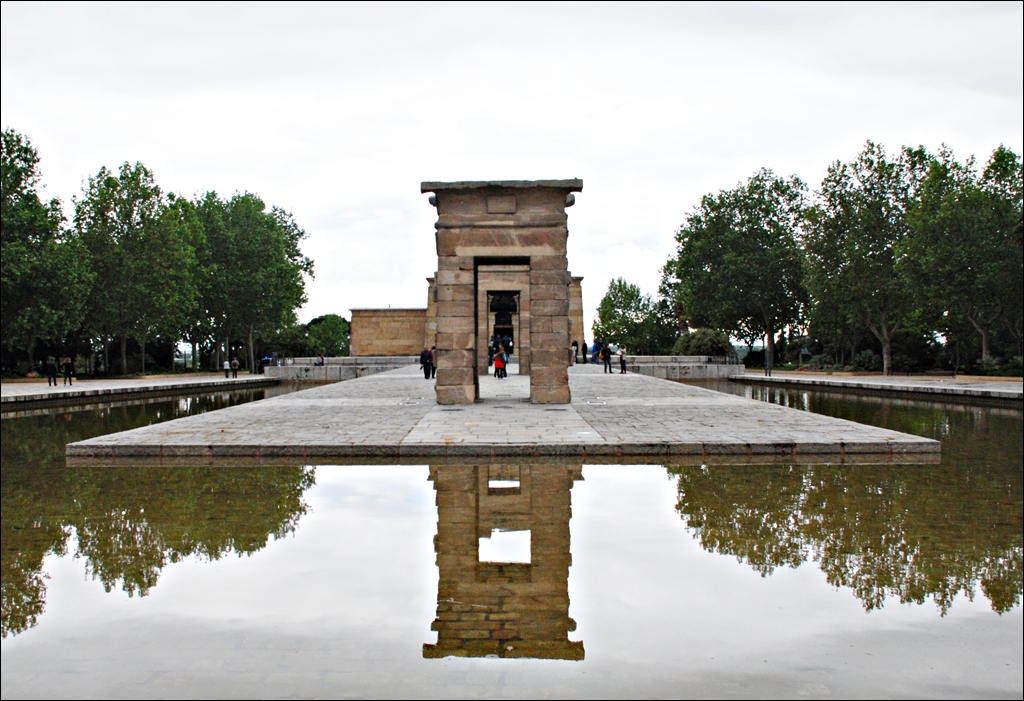
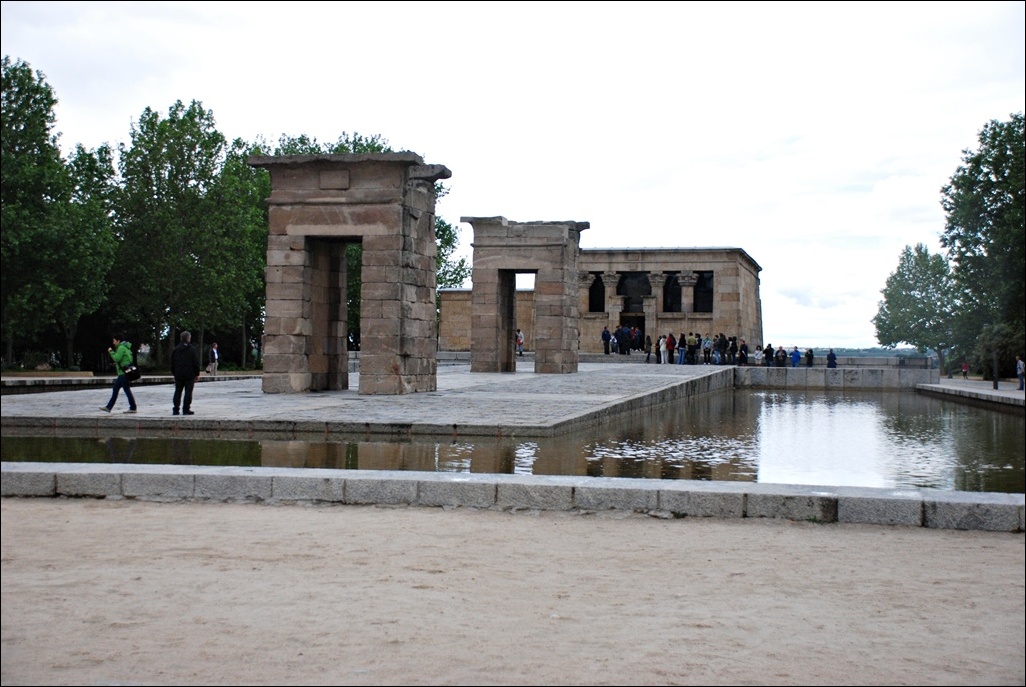
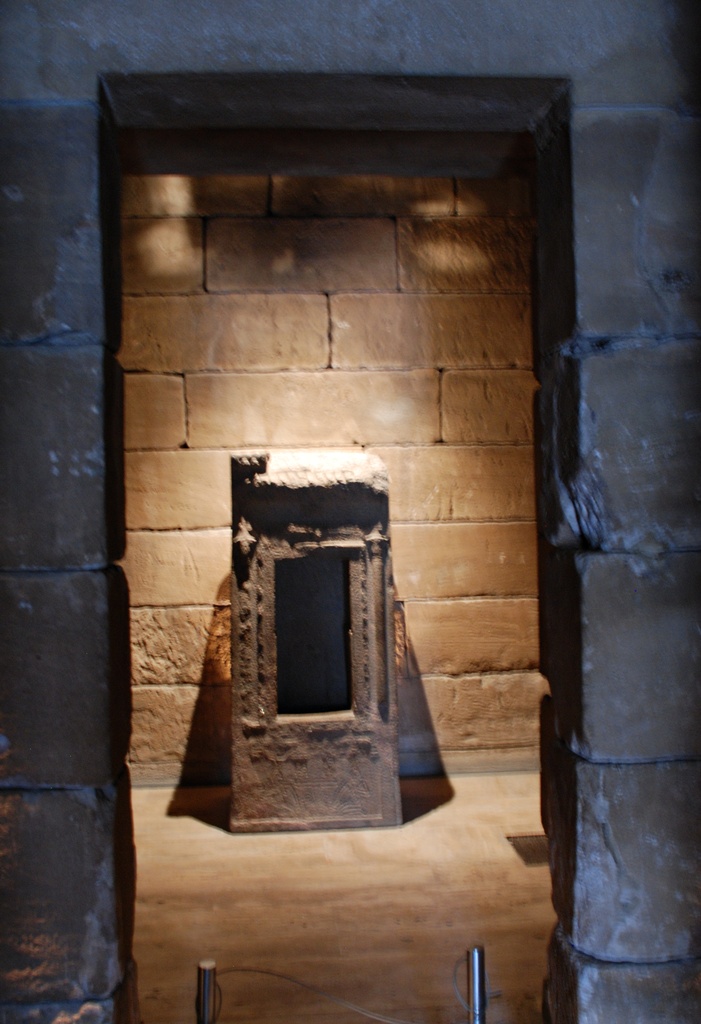
From the palace, we walked to a monument, which one can arguably say, is quite out of place! This is Templo de Debod, which is an ancient Egyptian temple that dates back to the 4th century BC. When the Aswan Dam was being built on river Nile, many temples were under the threat of being submerged in the waters and this was one such. The Egyptian government donated this temple to Spain, in gratitude for the help offered by Spain in saving the temples of Abu Simbel.  The temple was taken apart block by block and rebuilt in Spain in 1968. It stands on a beautiful park looks very beautiful, surrounded by water. There are two gateways and then the temple itself. There were Egyptian hieroglyphs on the inside walls of the temples and it led to a sanctum sanctorum. The light was very poor and so I could not get a good photograph. There was not much explanation provided and so one could not get much information on the temple. Overall, it was good to see the temple and I am sure that sunsets would be great here and when the light is right, a great photo location!

Madrid_Journal_12

Madrid_Journal_11

Madrid_Journal_08

As it was rainy and a bit cold, we went back to our hotel. With this, our tour of Madrid had ended and we were to leave for Andalusia the next day. One thing that struck me in Madrid this time as compared to my previous visits was the increase in number of people begging on the street. While this is, in no way comparable to what one sees on the streets of any average city in India, the numbers were much larger than what I had encountered any time before. A sign of the hard times that Spain is going through, I am sure. I had read somewhere that during colonization period, Spain frittered away all they wealth they plundered from the colonies, in construction. Centuries later, when Spain became part of EU and got access to large funds, construction boomed once again. Today, unemployment in Spain is at a depressing 27% and it is said that 50% of the youth are unemployed. A bad situation indeed and I hope that this great country finds its way out of these problems soon.