Yuval Harari sees religion as something that can cause people to come together and co-operate. An example of that theory is the site called the Hill of Crosses, which is situated in Lithuania and is just a small deviation from the Riga – Vilnius route. I had come across this site during my search and it was easy enough for me to visit as I was driving from Riga to Vilnius.
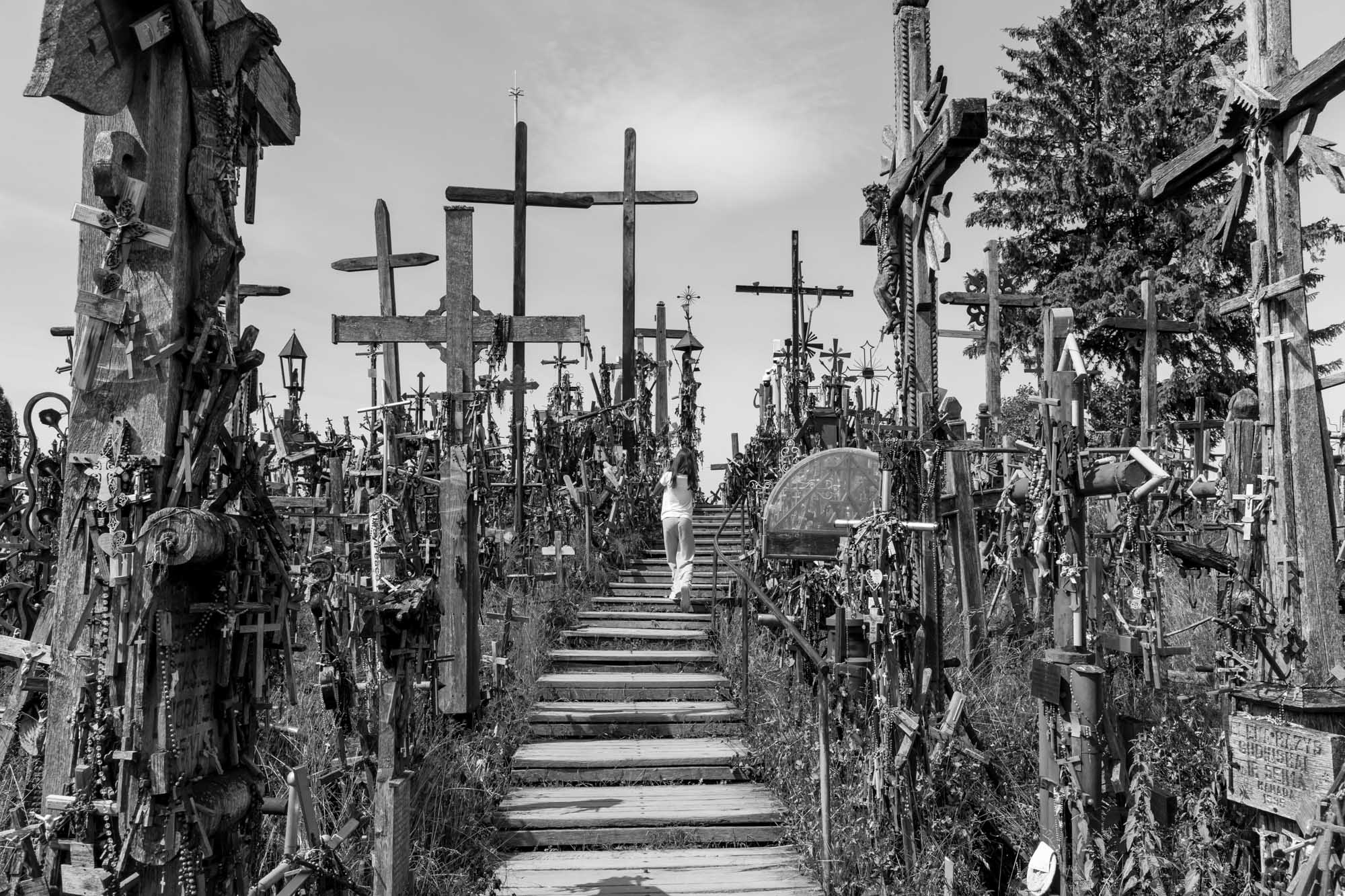
The name is actually a very truthful description of what it is – a hill full of crosses. It is full of crosses of all sizes and even some statues, rosaries etc. The actual number of crosses here is not known, with some estimates mentioning 150,000 as the number, which has increased form the estimate of 55,000 in 1990. Today, any visitor can choose to install a cross in the hill (provided it is less than a certain height) and you can see many vendors selling crosses on the way to the hill.
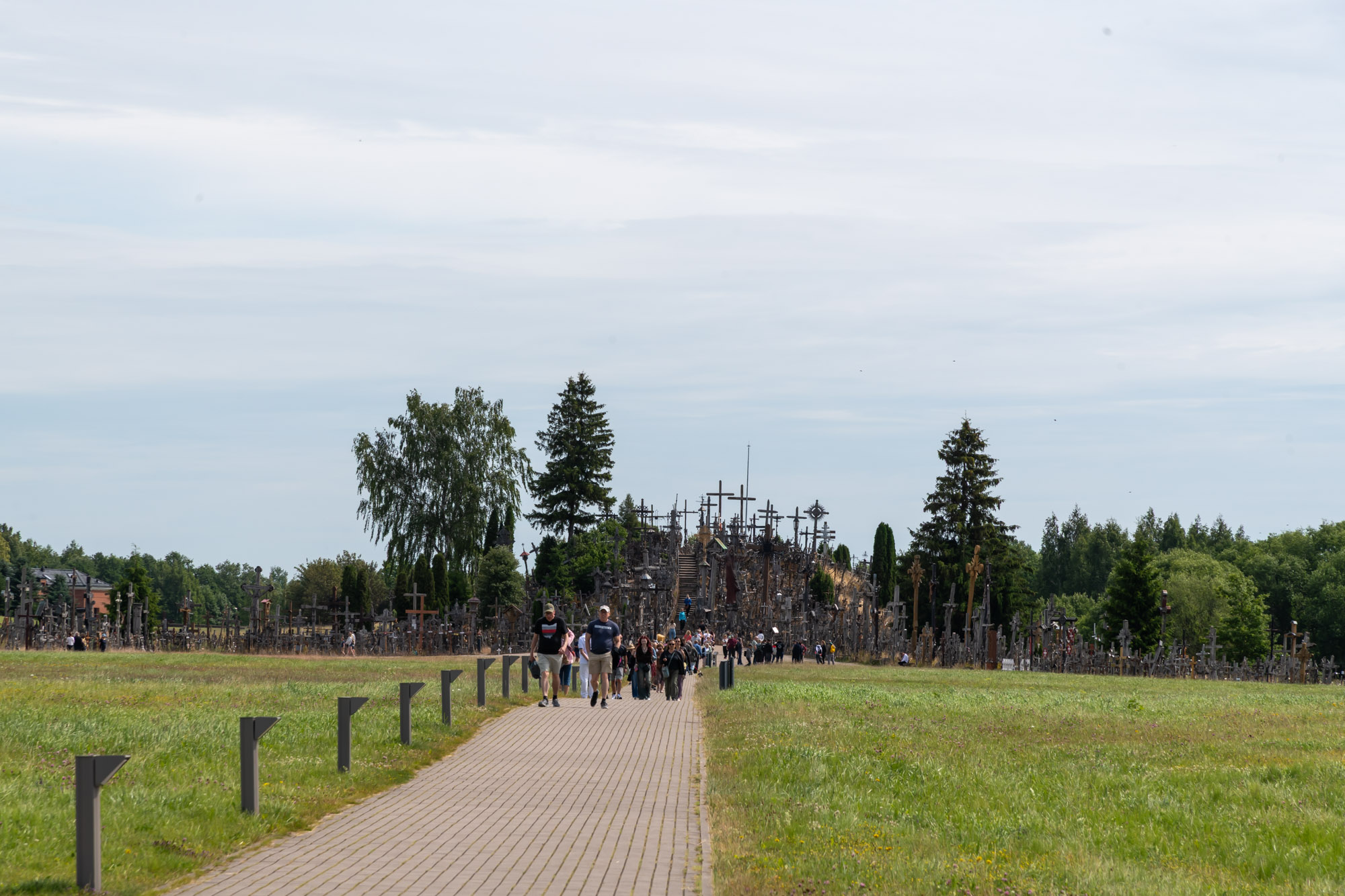
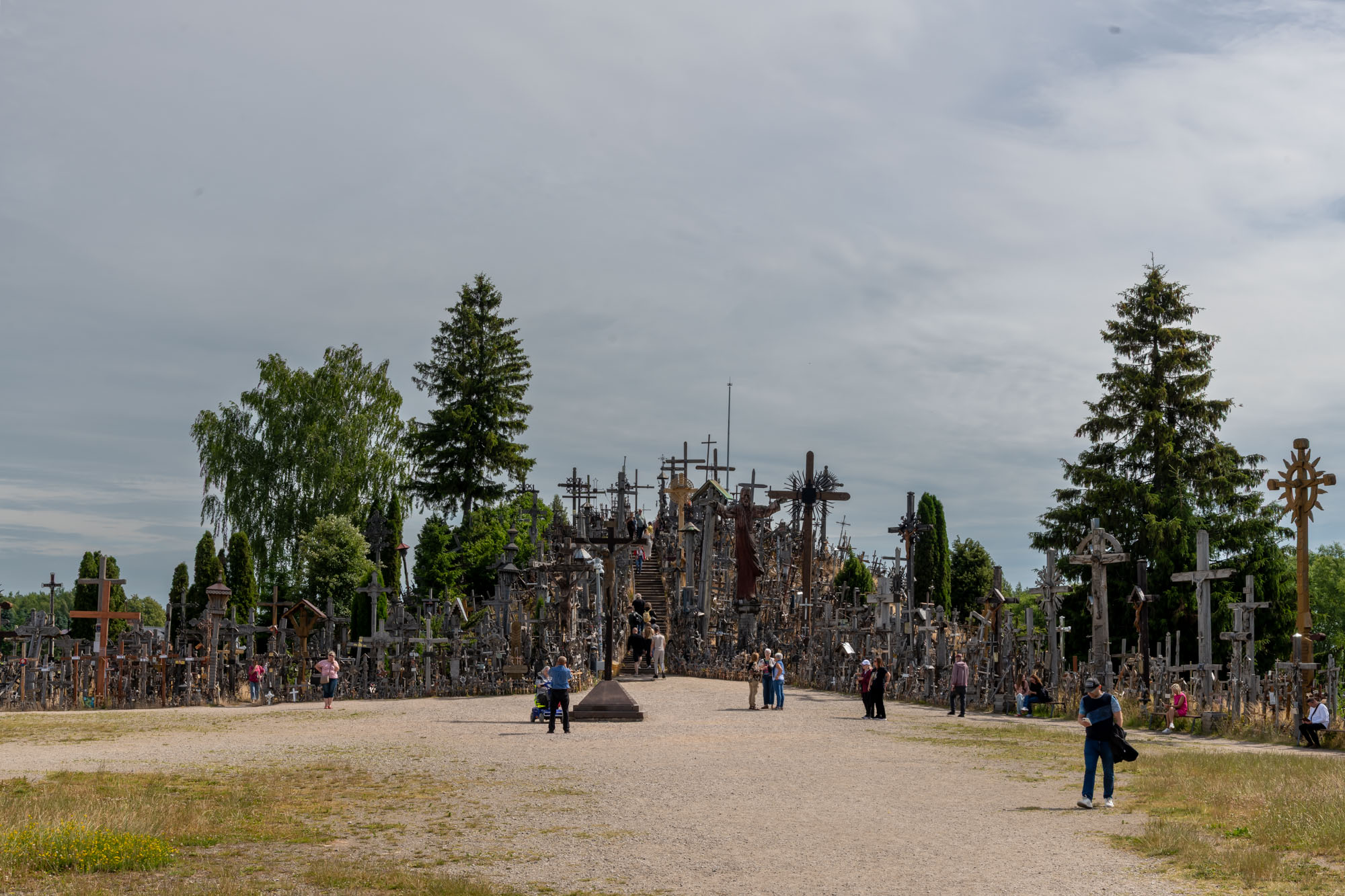
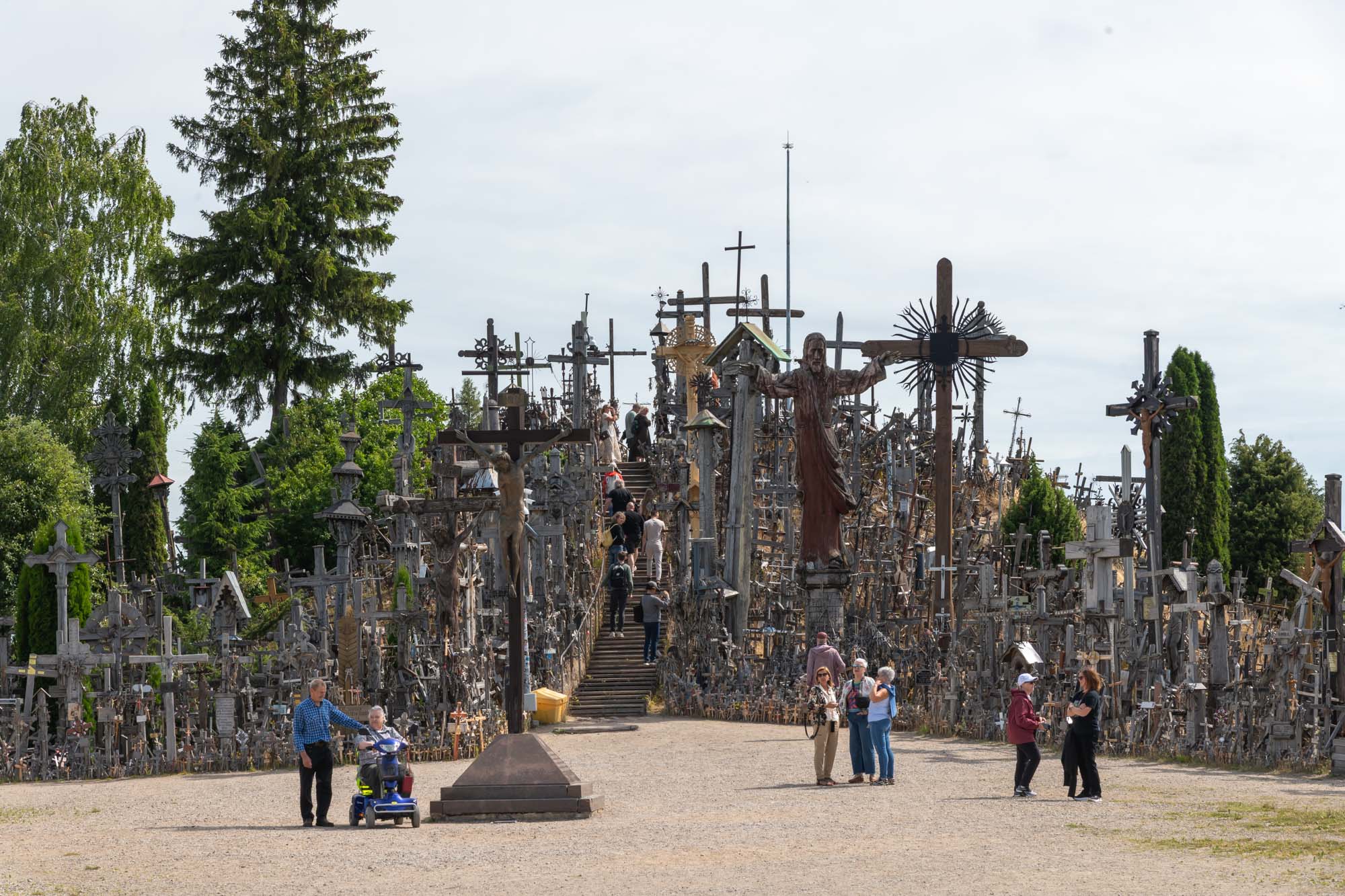
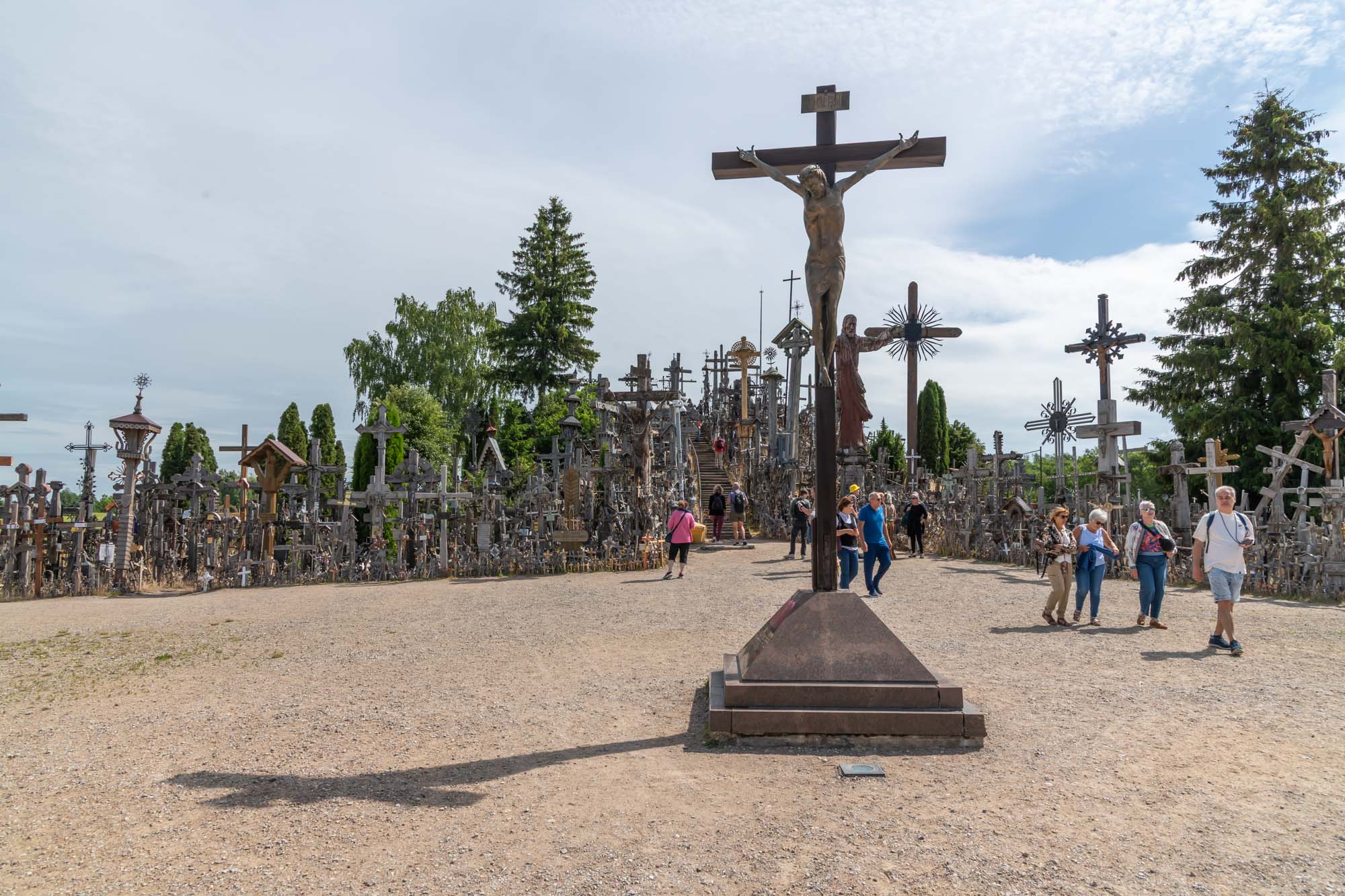
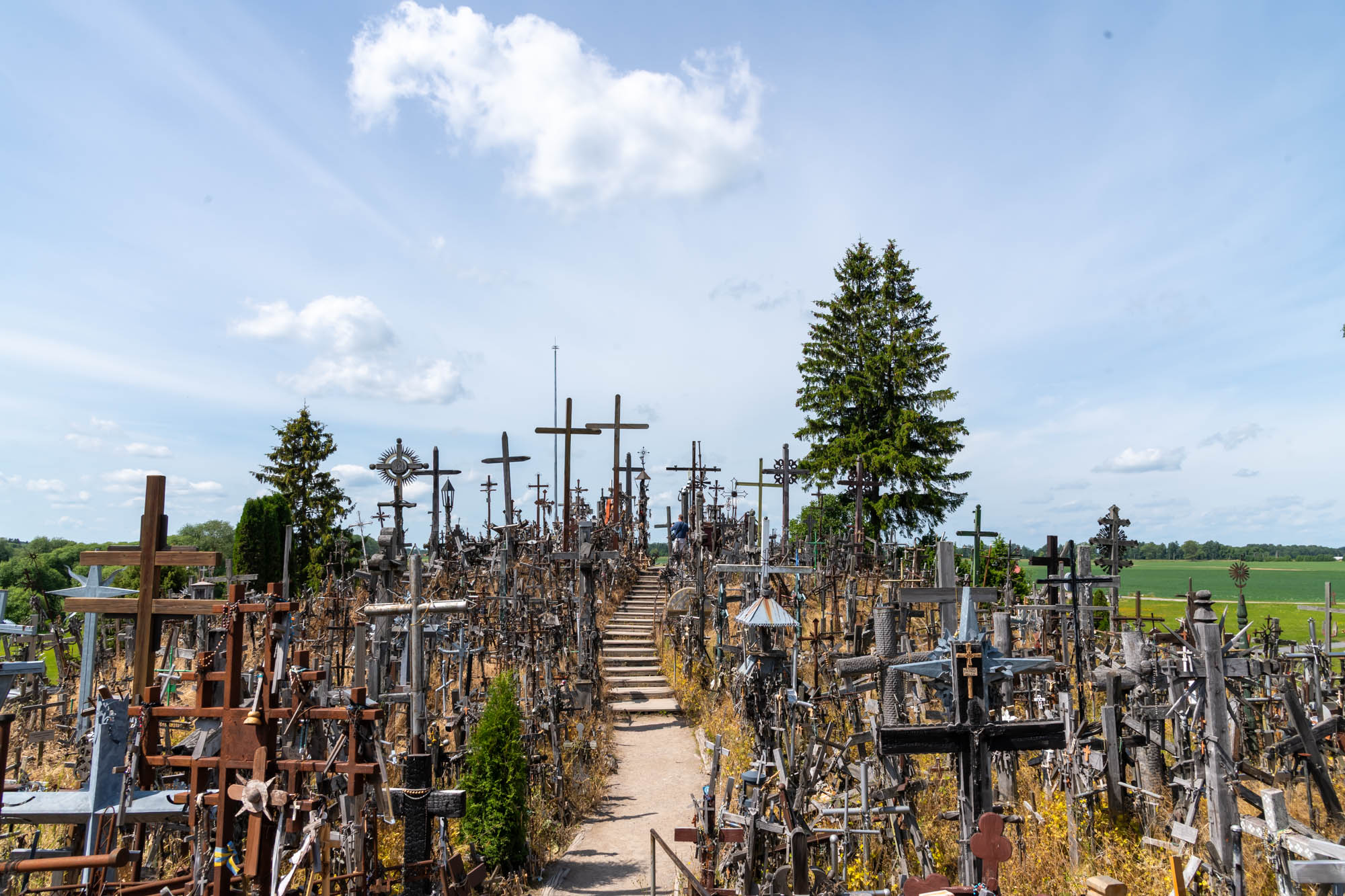
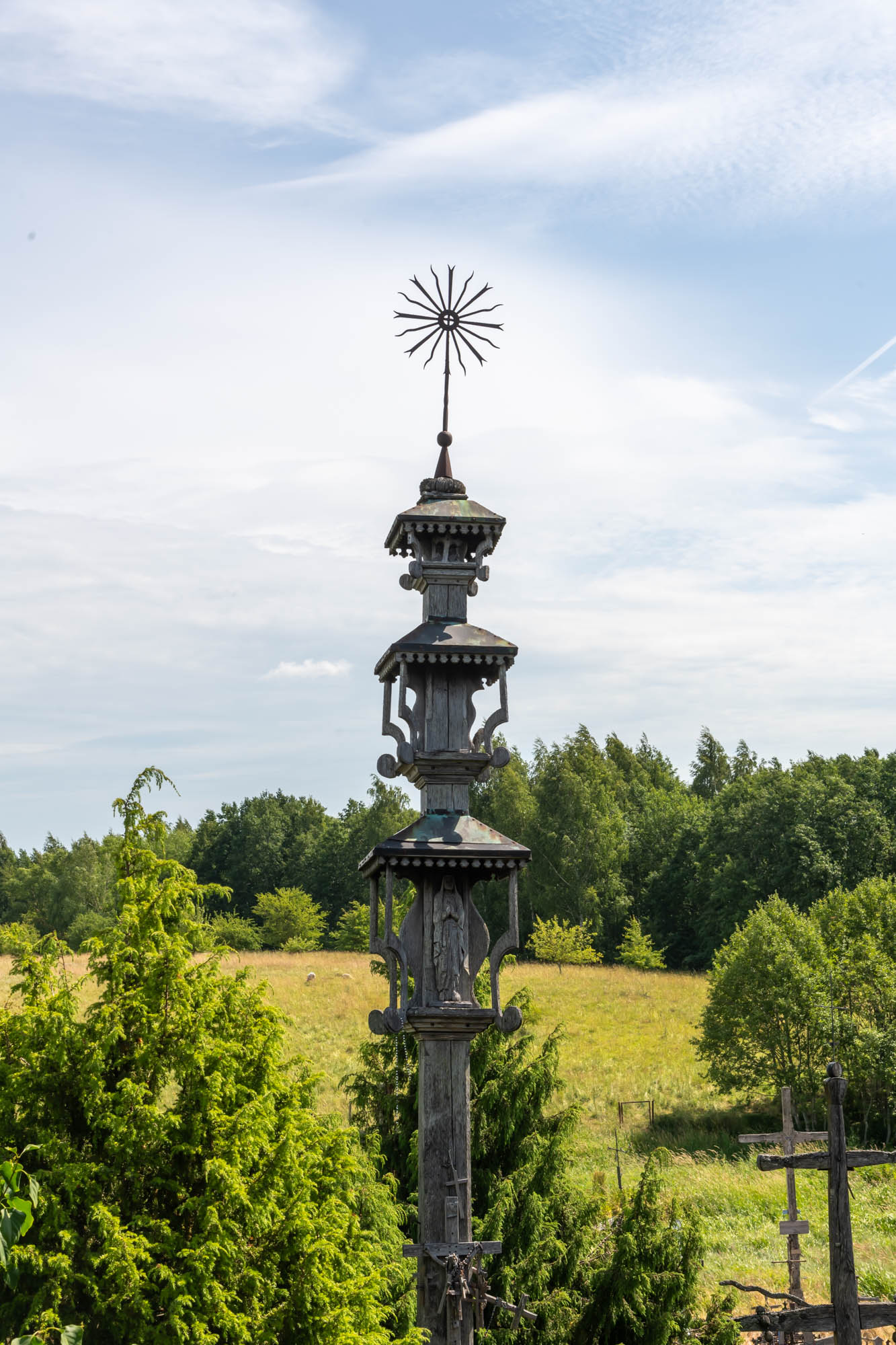
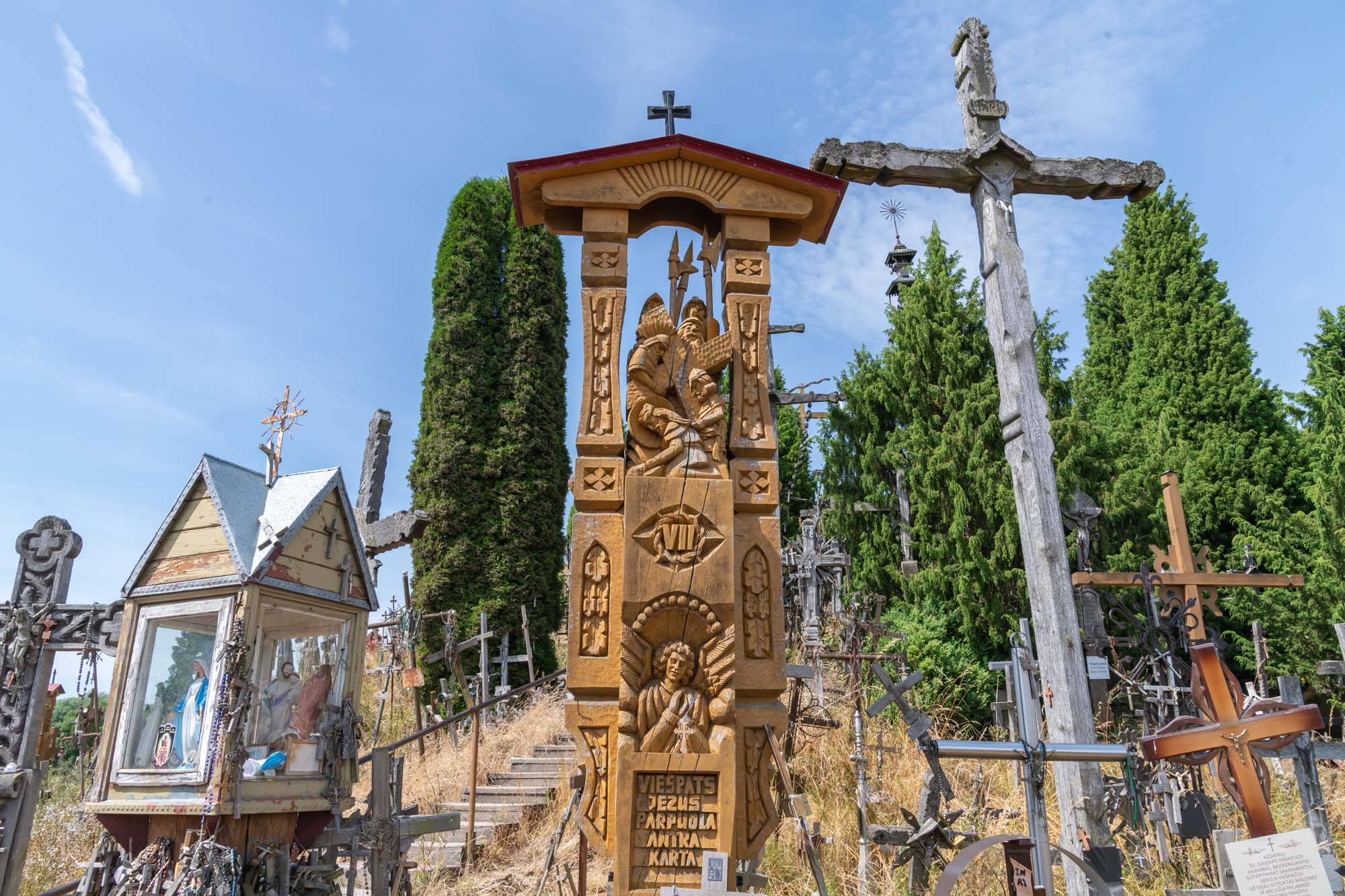
It is not clear as to how the practice of erecting crosses on this small hill began but it is believed that the first crosses started appearing after the rebellion of the Lithuanian and Polish people against the Russian empire in 1831. Lithuania was part of the Russian empire then. The 1831 revolution was unsuccessful, and families started outing up crosses on the site of an old hill fort, in memory of their loved ones that died in the revolution and whose bodies could not be found.
Lithuania became a free country in 1918, and the Hill continued to flourish. However, Lithuania became a part of the USSR in 1944 (what the Lithuanians call as Soviet occupation) and under the Soviet regime, religious freedom was not allowed. Priests and practitioners were persecuted and naturally, the Russians did not have any liking for the Hill. Visiting the Hill and erecting crosses there was declared illegal and could result in penalties and jail. The KGB was alert to the possibilities that the Hill presented and supposedly, they bulldozed it three times. Roads were blocked and access to the Hill denied.
Yet, people continued to bring crosses to the hill surreptitiously. For, to them, the Hill became a symbol of resistance. It was their site of protest against the occupation by Russia. Thus, a religious site transformed into a site of resistance.
After Lithuania became a free country in 1990, Hill of Crosses started flourishing once again. In 1993, Pope John Paul II visited the Hill and conducted a mass here. On his suggestion a monastery of the Franciscan order was set up behind the hill, at a short distance.
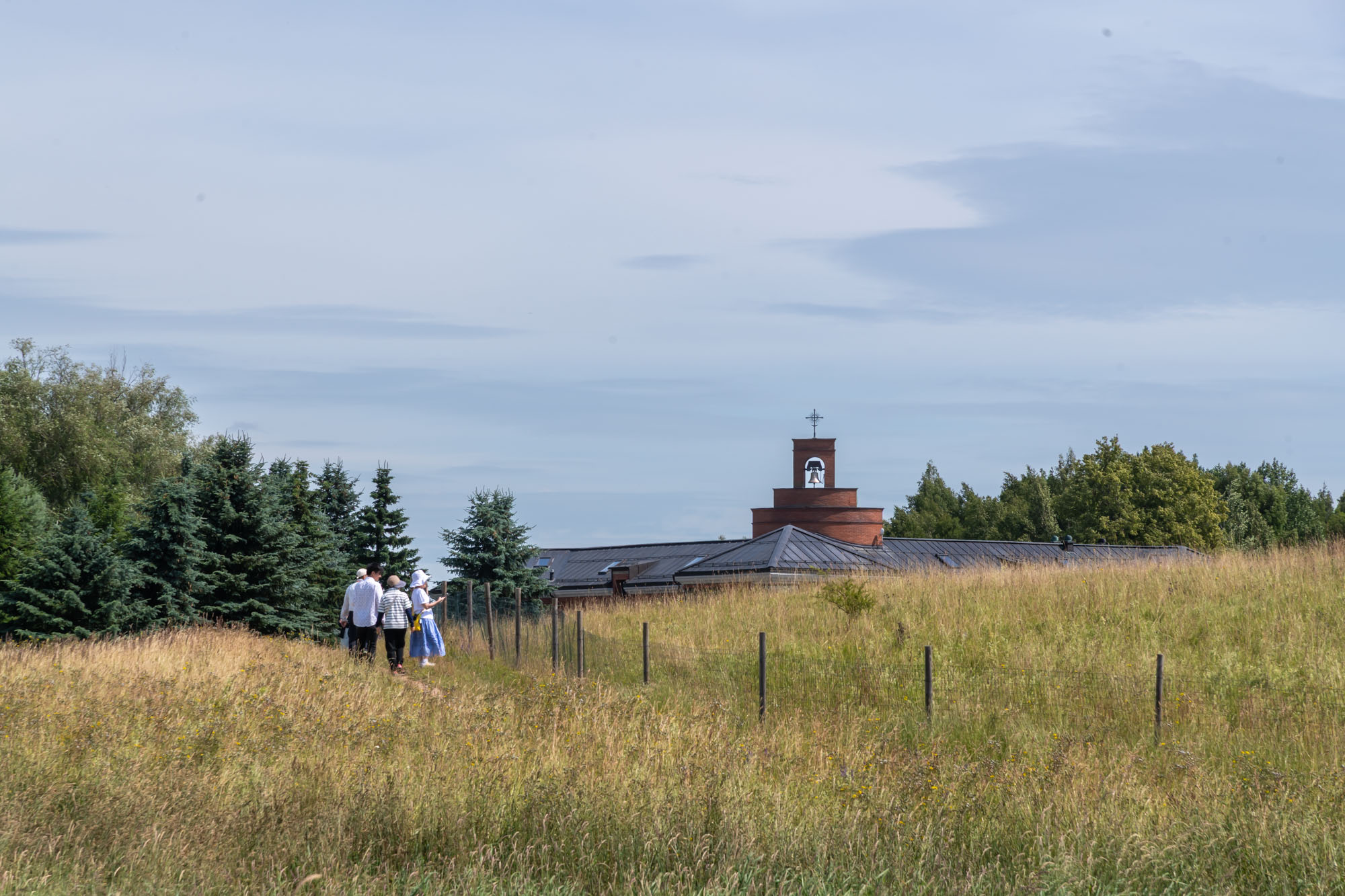
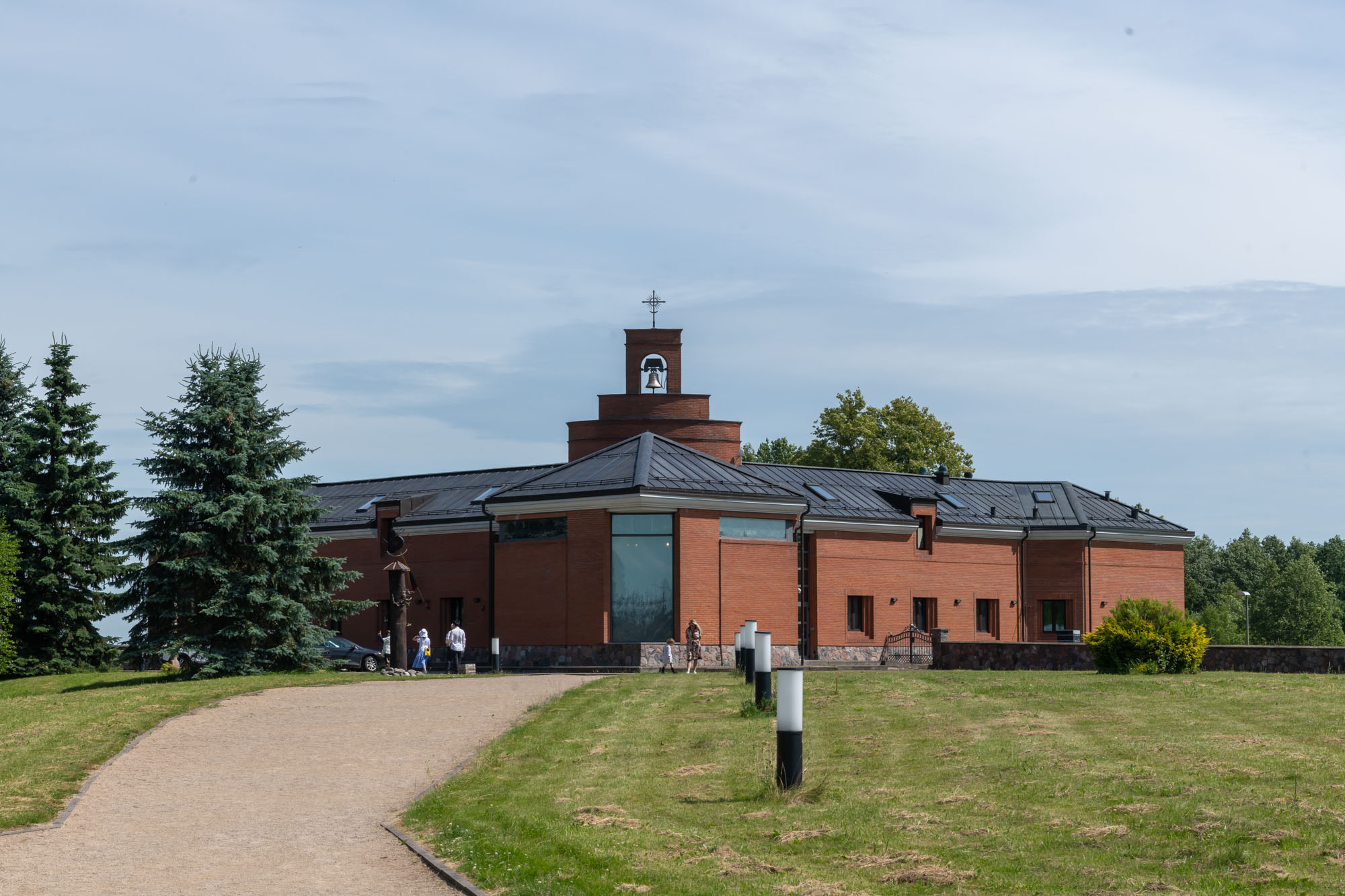
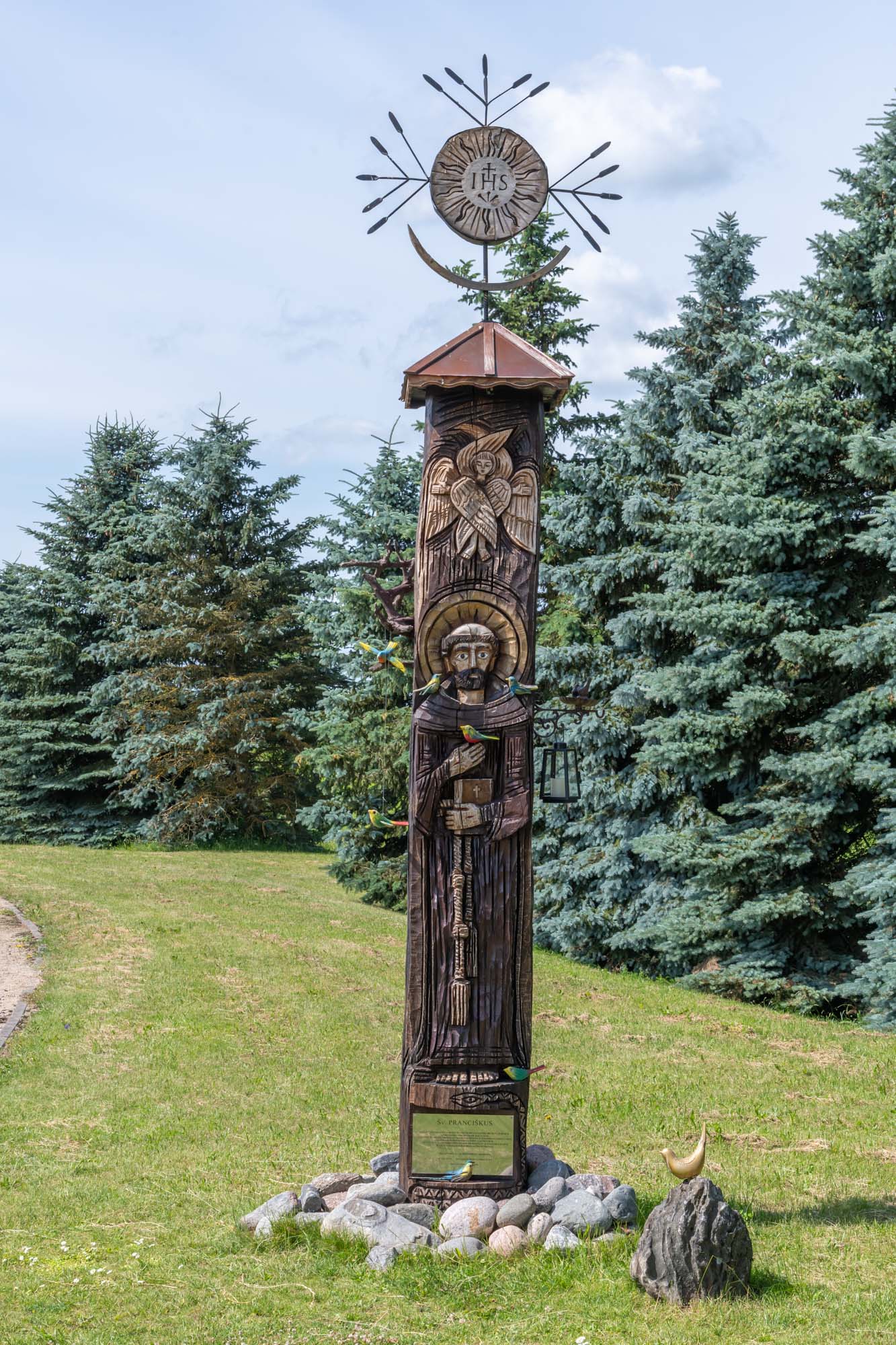
The Hill is not a beautiful or peaceful site, by any stretch of imagination. The crosses stand out everywhere and are even jarring to the eye. Yet, you find the spirit of a people here and you can feel it when you stand in that jungle of crosses.
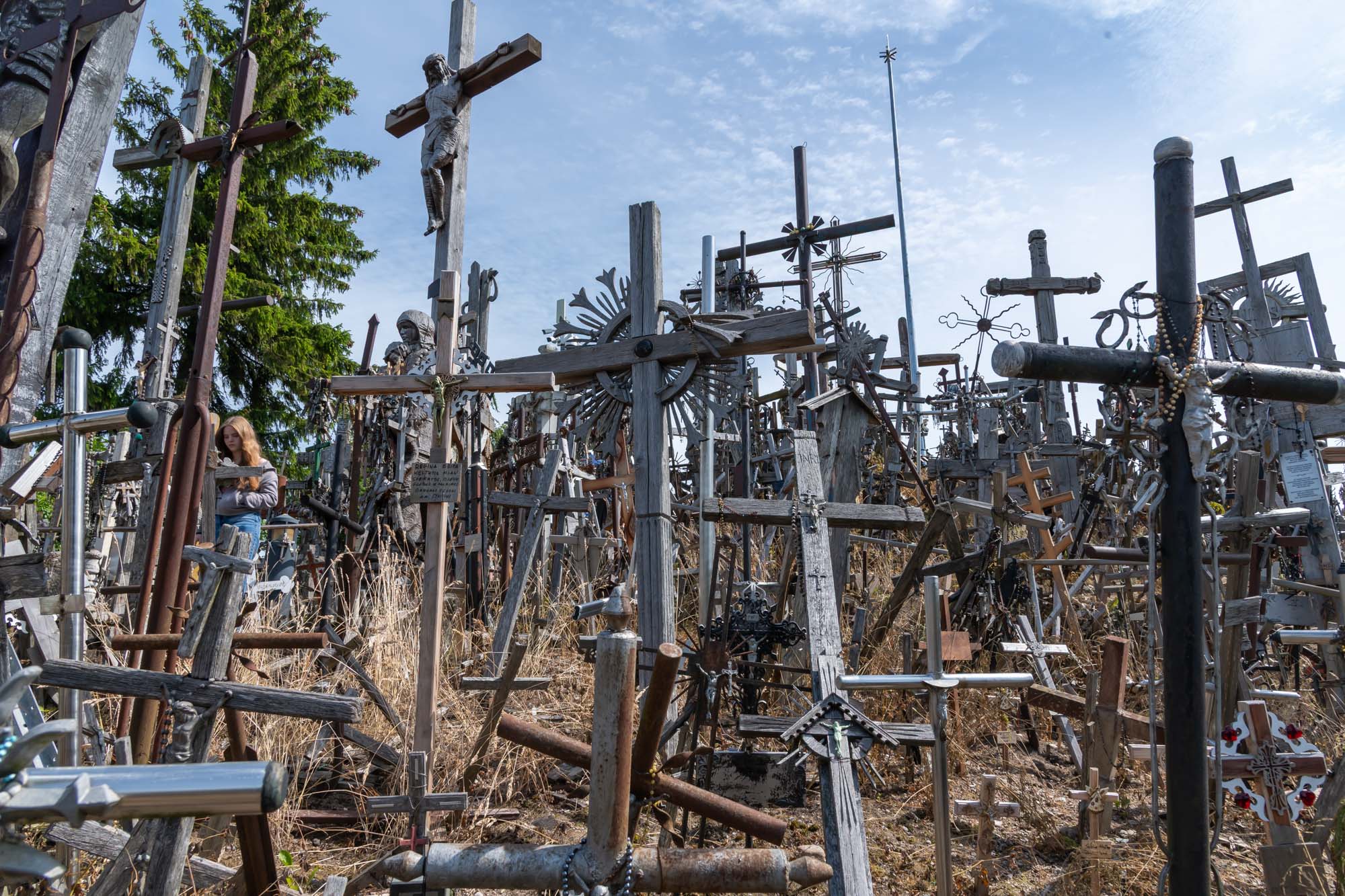
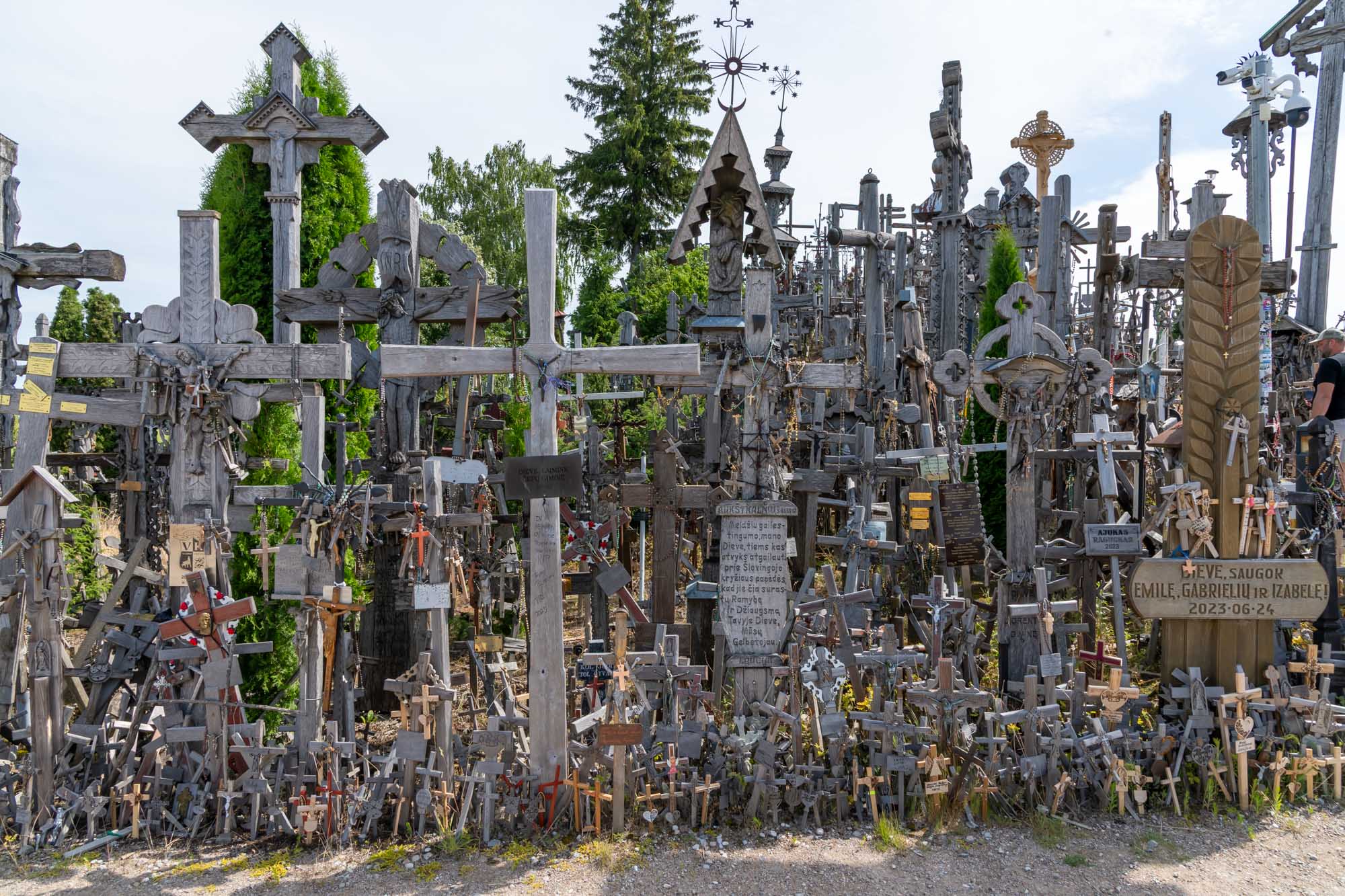
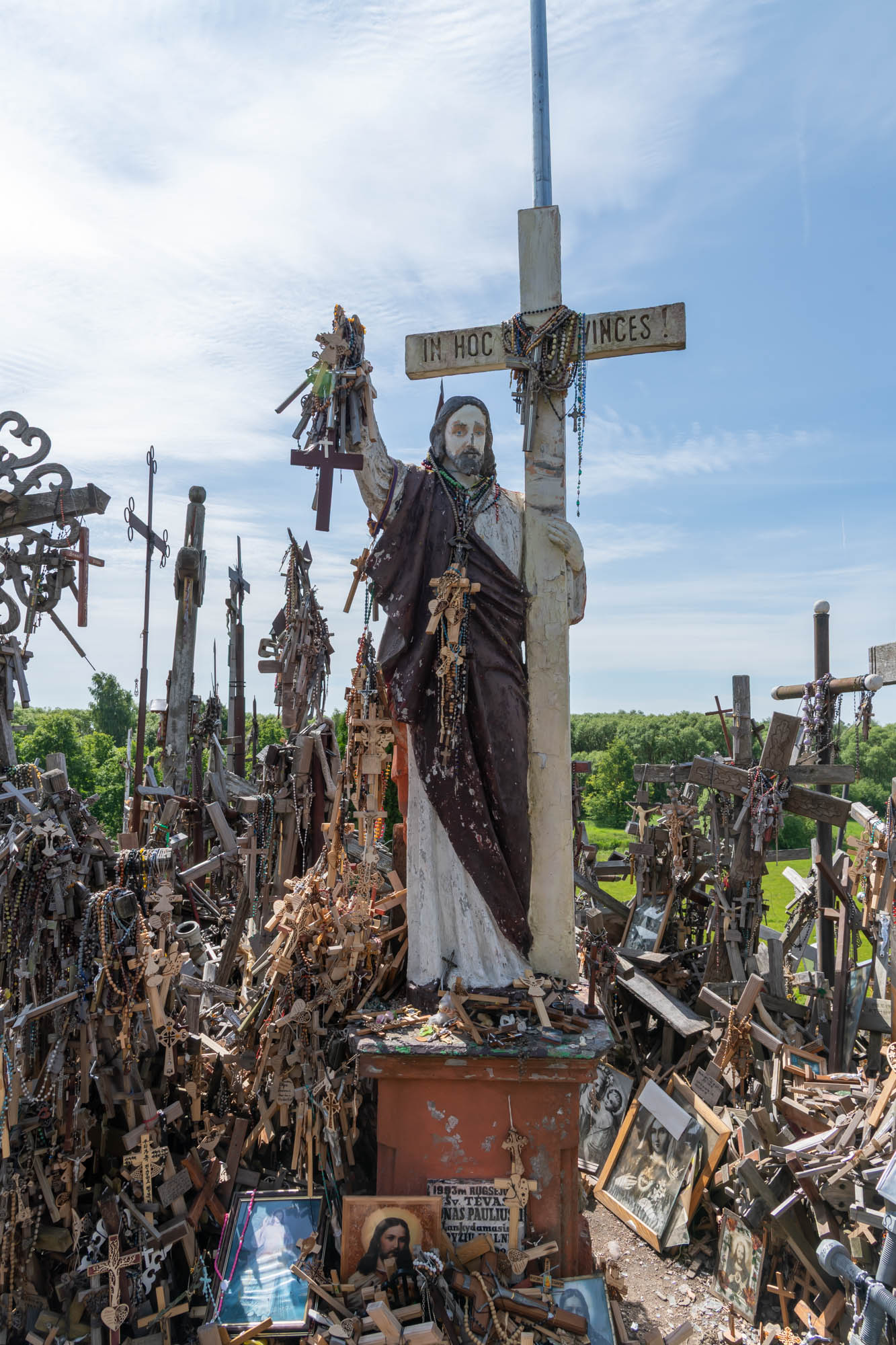
It is indeed true that you can never kill an idea using force; it will survive, as these crosses and the Hill have.
 Kaazhchakal