I have been to places all around Cuba, like Miami, Key West, Nassau, Santo Domingo and Kingston but never made it to Cuba itself. So, when I went to US this September, I made it a point to hop across to Havana for a quick five-day trip. As one of the last few Socialist regimes still surviving, Cuba has always been a fascination and my interest was in trying to understand the life there. This meant I did not go to any of their famous beaches or popular tourist destinations like Varadero. I spent all my time in Havana, except for a day trip to Santa Clara to visit Che Guevara Mausoleum, trying to talk to the locals. My Spanish is limited to “Como Estas”, “Muchas Gracias” etc. and so I could have conversations only with those that could speak with me in English, even if they weren’t fluent in it. I was told that all Cubans learn English in School but since they have no reason to use it in daily life, most of them cannot hold a conversation in English.
The most striking aspect of Cubans is their friendliness; they are genuinely nice people and want to help. Strangers will start a conversation with you and even if they want to sell you something and you tell them you don’t want to buy, they are not put off in any way and carry on the conversation with you. The only limiting factor is language. I wandered by myself through old Havana and parts of Central Havana with my camera dangling from my shoulders, but never did I feel threatened or in any danger at any point of time. Of course, there was a good level of poverty to be seen and people were trying to sell you something or the other (mostly cigars and local currency), but I never felt hassled or in any discomfort even though I didn’t know the local language. One genuinely felt they welcomed you and wanted you to be comfortable. This is very unlike the experience in other Caribbean countries I have visited as you always had to be on your guard in those places. South America is a completely different experience as you really are in danger in many cities – I remember going to a fine dining restaurant in Lima where they provided me a chain to secure my laptop bag to a chair while I ate!
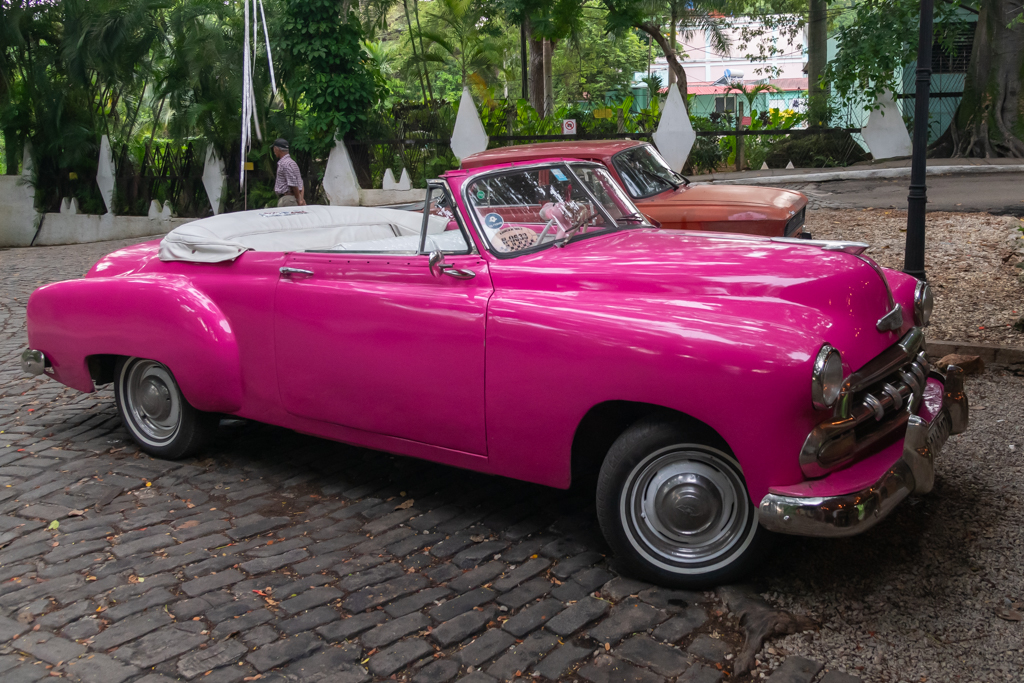
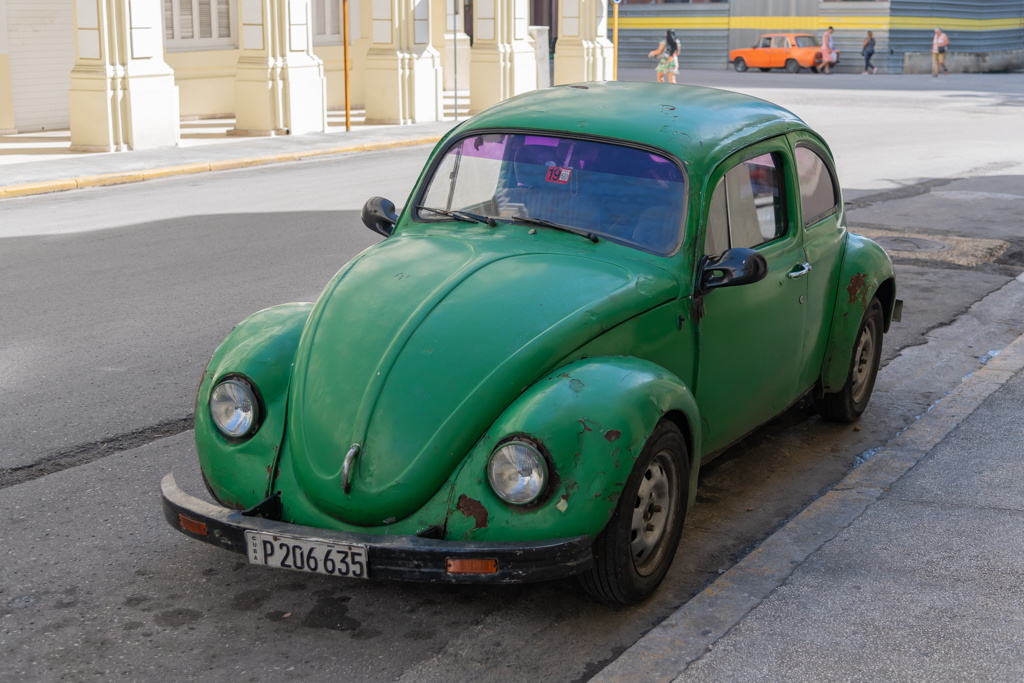
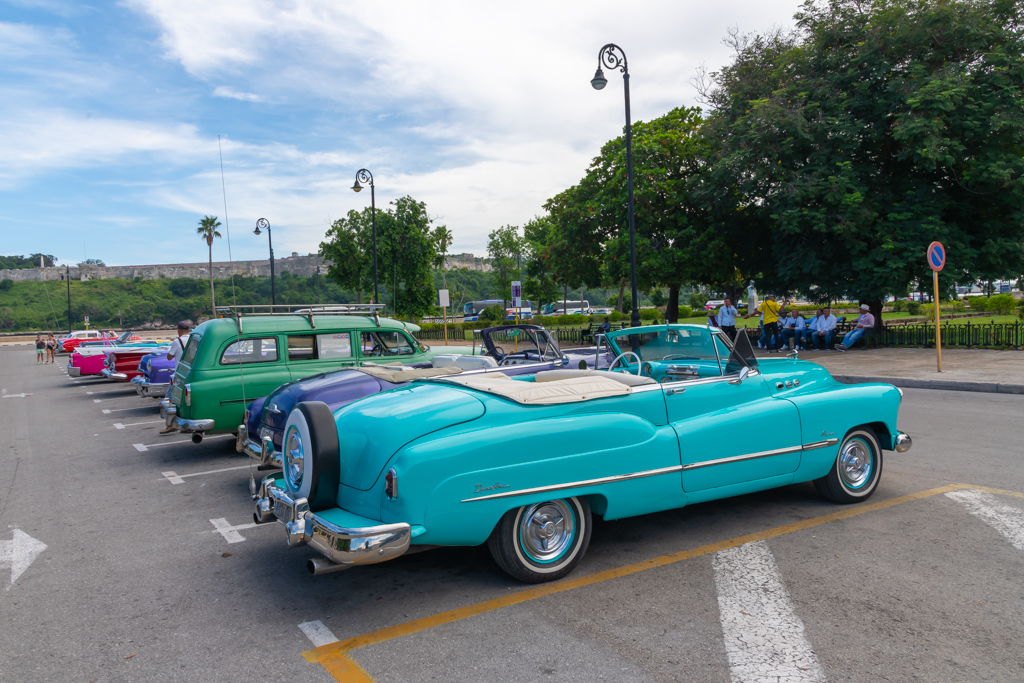
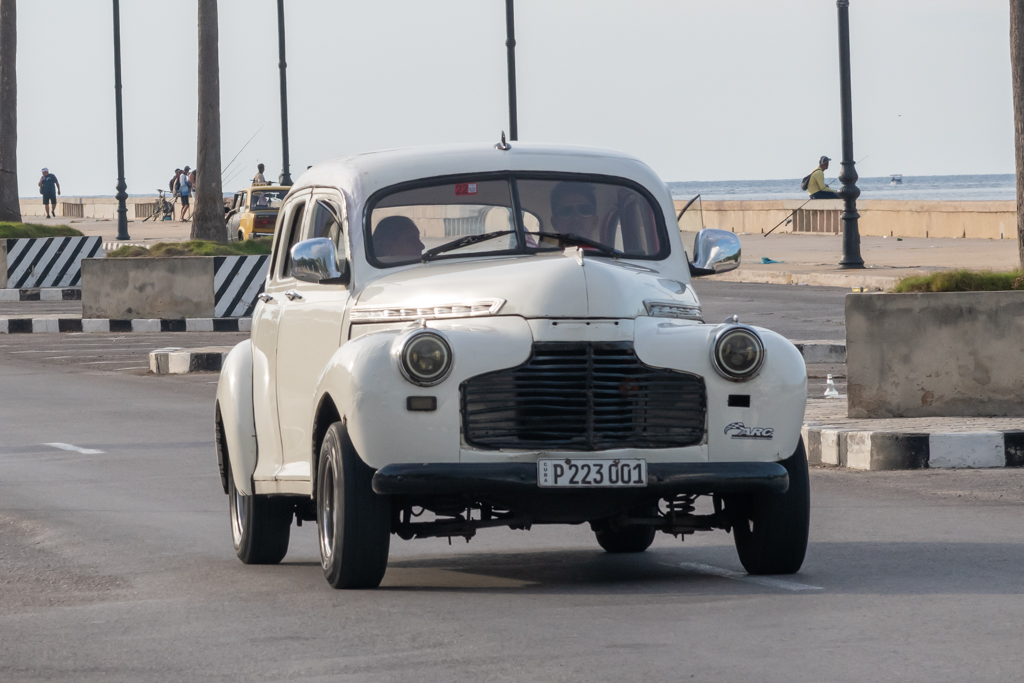
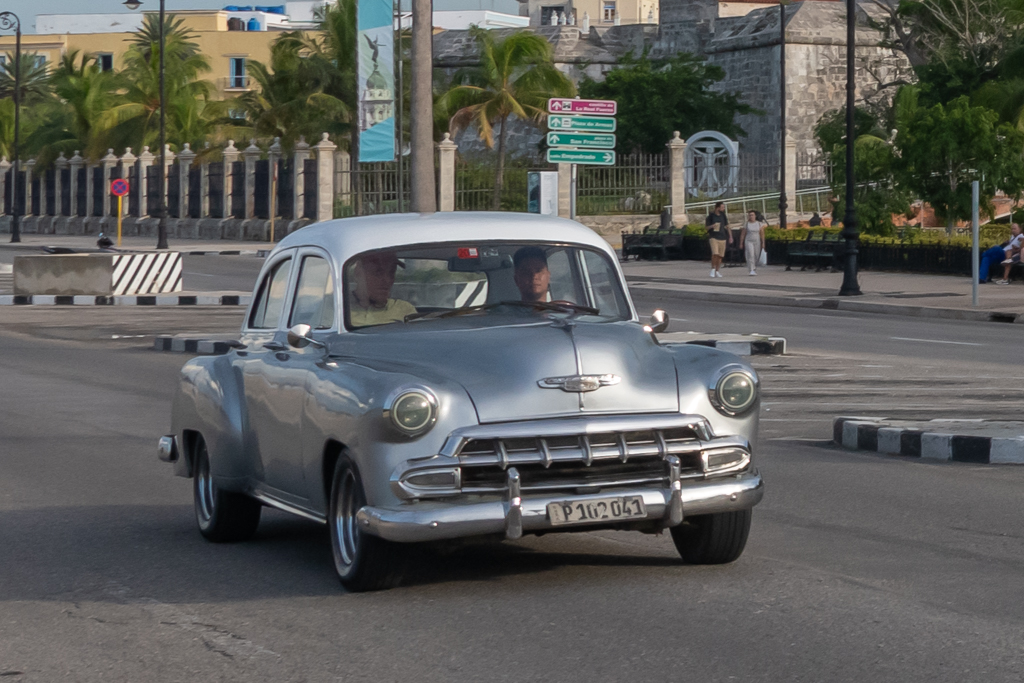
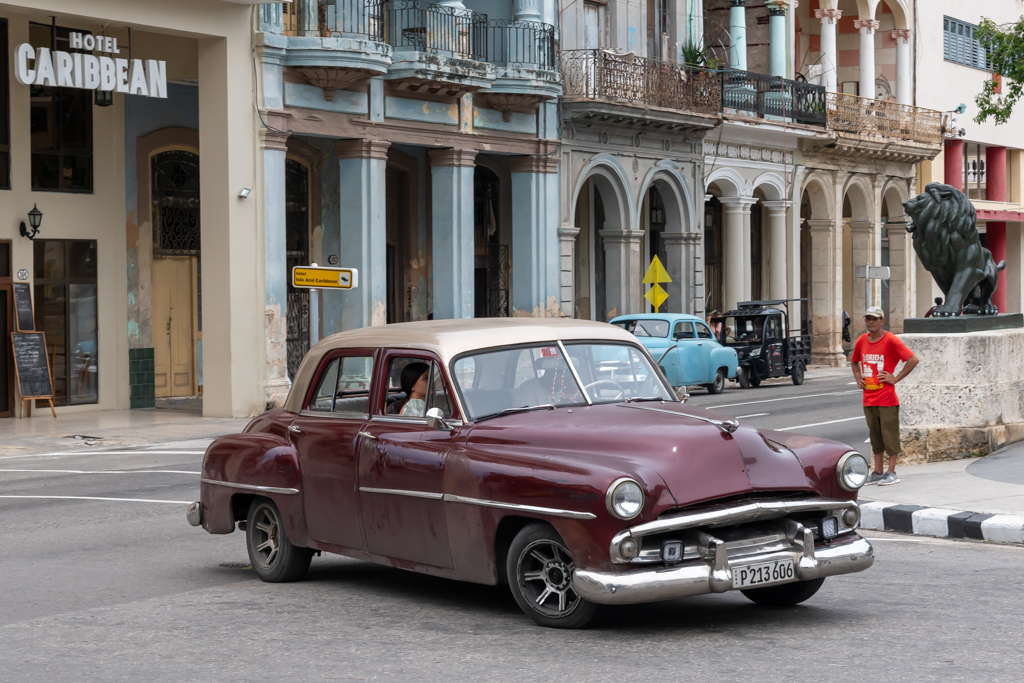
Havana is well known for its classic cars. These are mostly cars that the Americans left when they moved out of Cuba after the revolution. Many are from the fifties and sixties and are beautifully maintained. With the privatization happening in the economy, you are allowed to operate one such car as a tourist taxi; you cannot operate more than one vehicle. They offer you two-hour cruises around the city and I set off in one as soon as I reached Havana. I could also see some old cars that were not maintained so well, and these were operating as shared taxis. I was in a green 1955 Dodge Custom Royal, which had a V8 engine (and thus a gas guzzler at 4 km per litre of petrol). The ride with the top down (when it wasn’t raining) was quite fun and is a “must do” activity in Havana even if it can be a bit of a hit on the wallet. Halfway into our ride, we ran out of petrol and my driver called his friend for help and he arrived in a yellow 1950 Cadillac, with a big can full of petrol. When we stopped for coffee, I saw a beautiful pink car and during the next four days, I saw many beauties on the road.





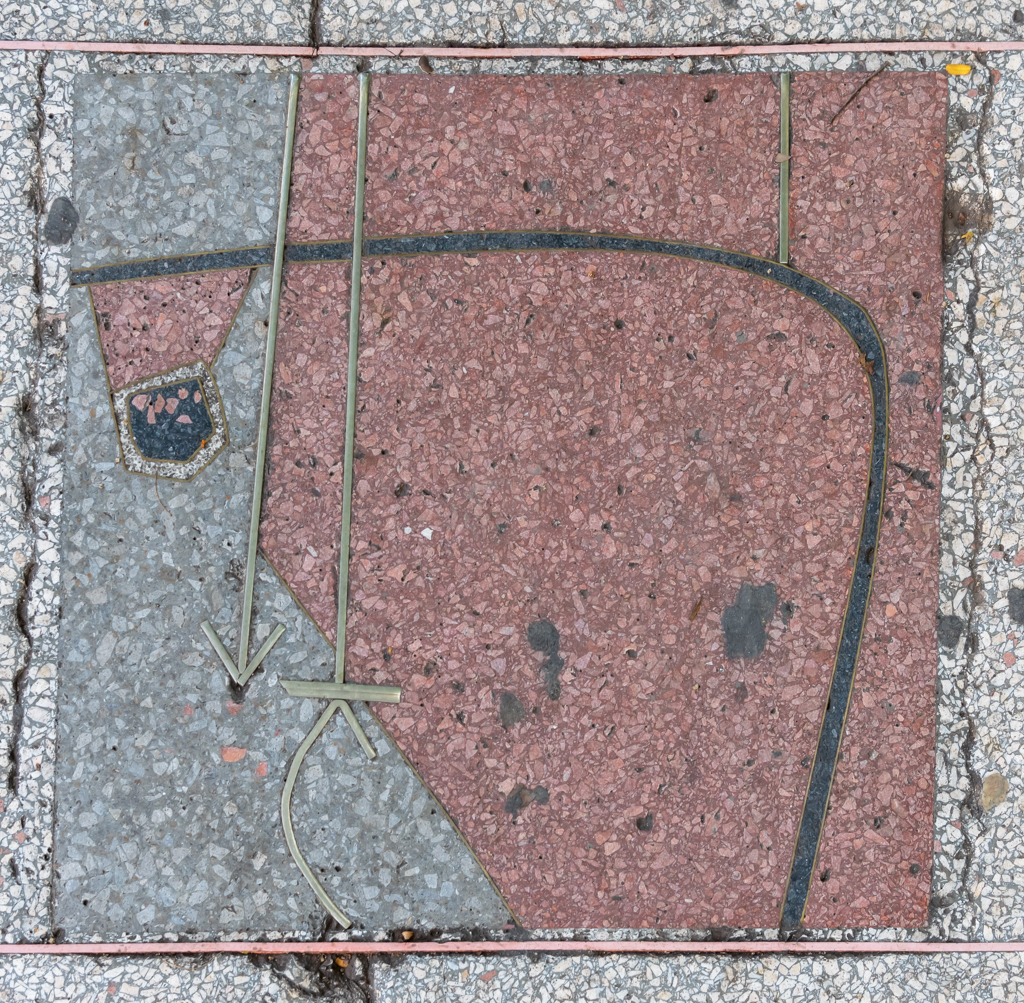
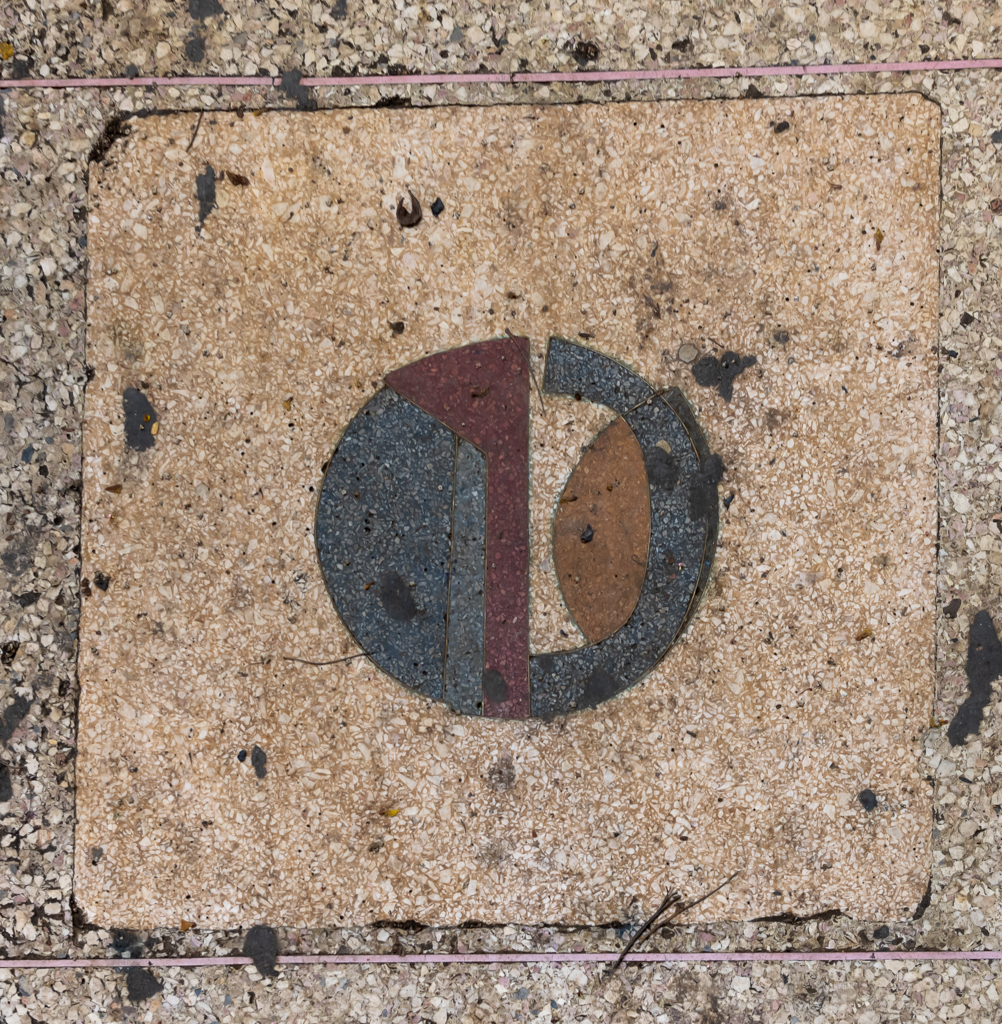
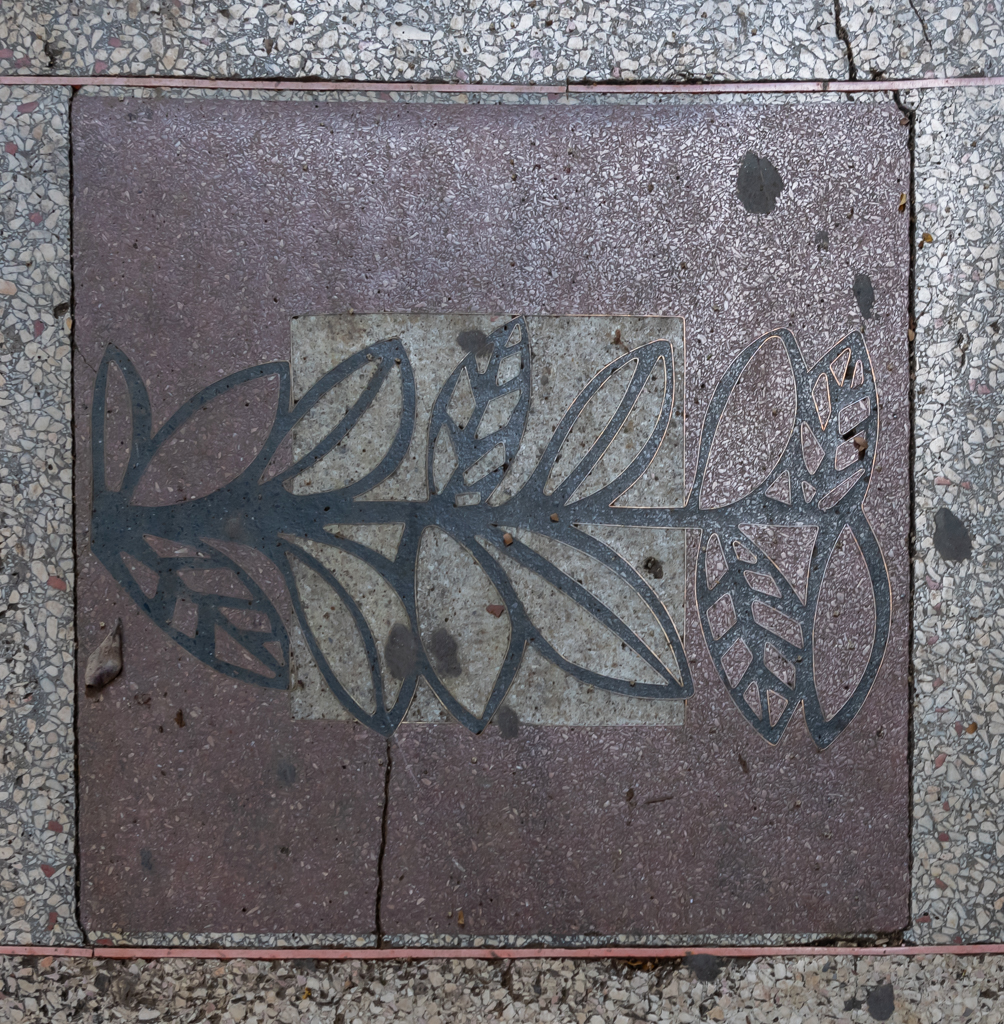
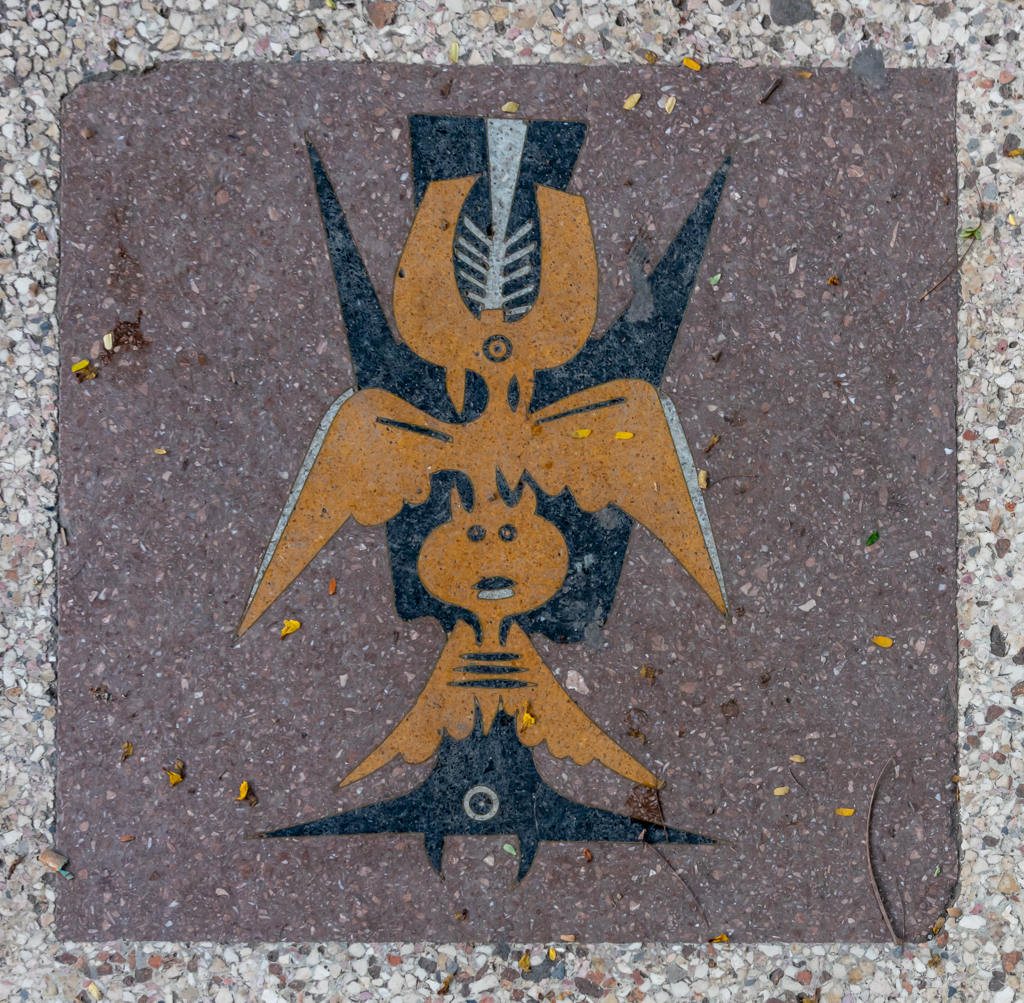
Similar to the arrangement with cars, you can convert one house to a hotel, and these are called Casas. I stayed in one such Casa as I had read on the internet that government hotels are not so good, and all the hotels are government owned. When I arrived in Cuba, I learnt that there are some hotels that are owned by the government but operated by some international (not American) chains. I was happy that I stayed in the Casa as their service was very good and it was a very cosy arrangement. They organized taxis, provided me a SIM card, organized guides etc. and so it was smooth sailing. The Casa itself was about 4 km from the Old Town and I walked to the Old Town on one of the days. On the footpath I saw some artwork and on enquiry, I was told that some artist had donated his work to be installed on the footpath; I thought that was quite interesting.



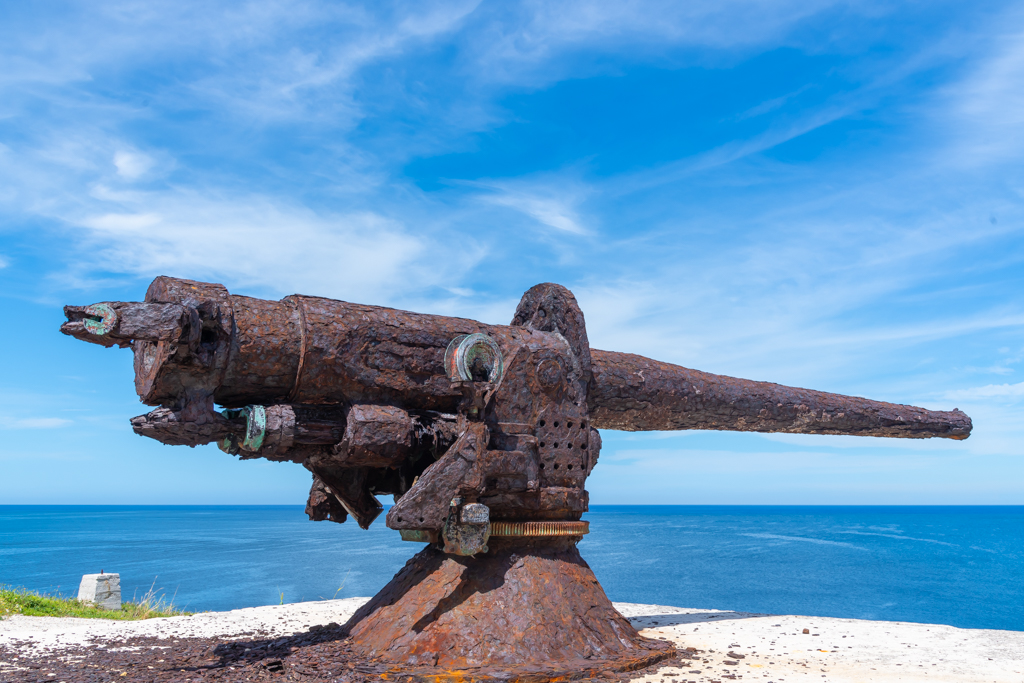
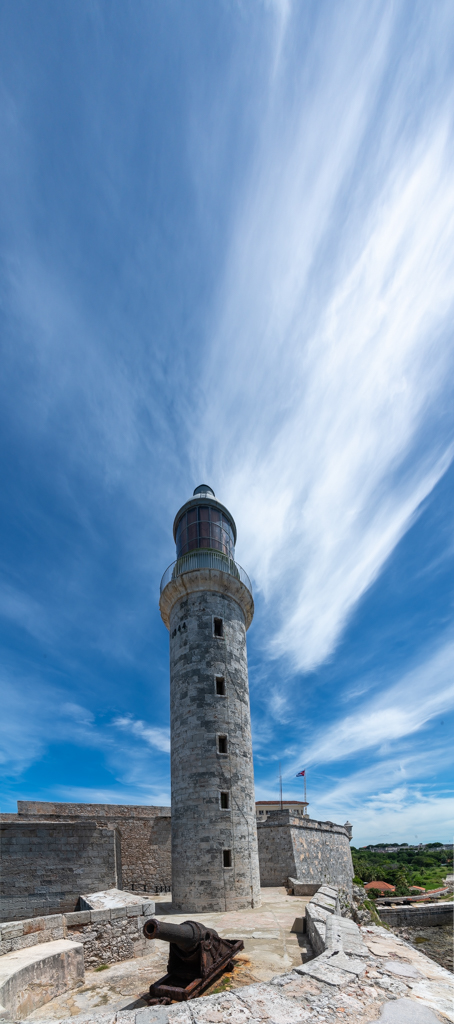
Right on the entrance to Havana Bay is Castillo de los Tres Reyes del Morro (Morro Castle) which was built in 1589 to protect the city from raids. This is a nice castle that is well preserved and can be visited for a small fee. There are a few buildings inside with a small museum, which was rather dimly lit. The guns are not well preserved and were rusted and that set me thinking of whether guns would ever fall silent and rusted in our world. In a few days, I was reminded that will never be so with the start of the latest Israel-Palestine conflict with Israel butchering thousands of innocent people.


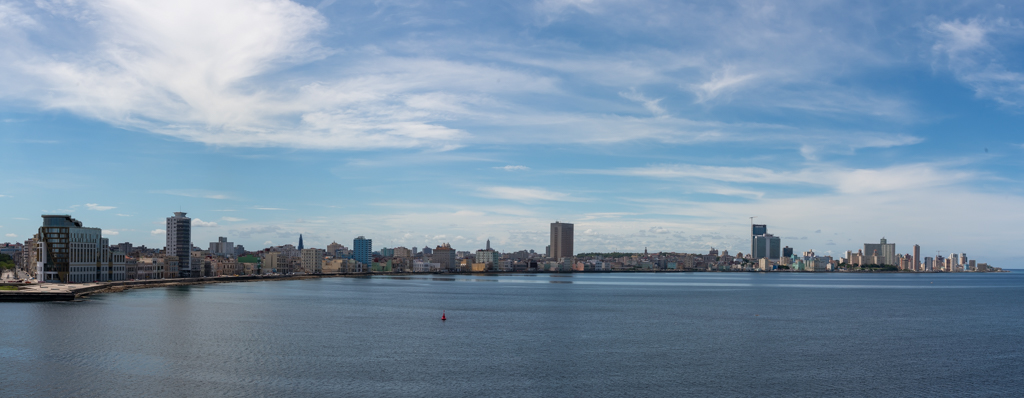
To me, the main attraction was the lighthouse and the caretaker allowed me up the lighthouse after some persuasion. It was my first time inside a working lighthouse, and it provided panoramic views of the city.

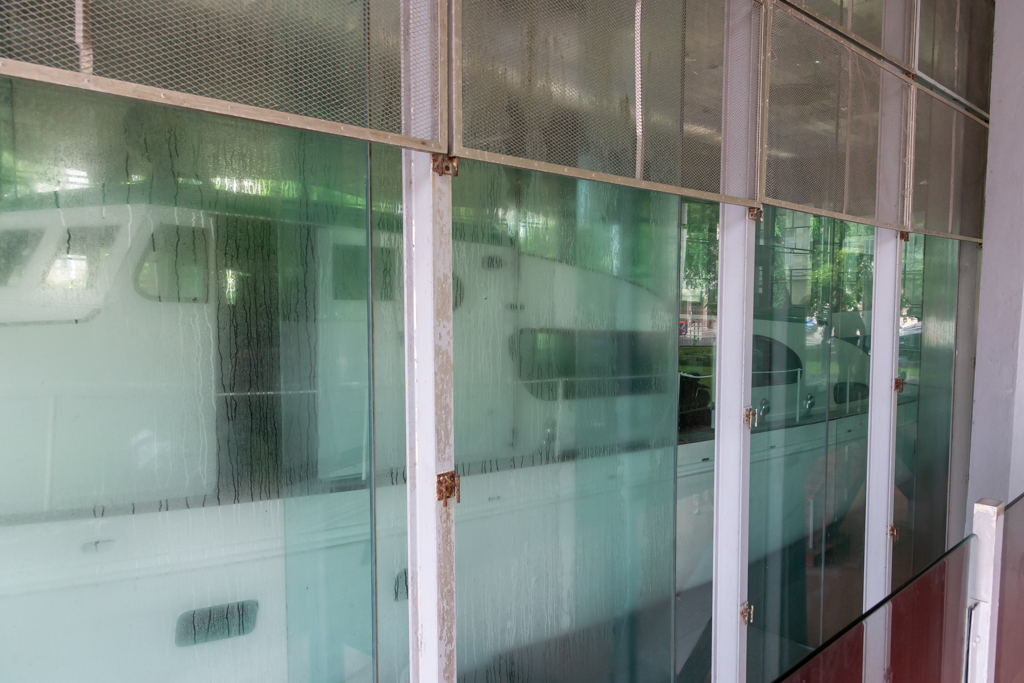
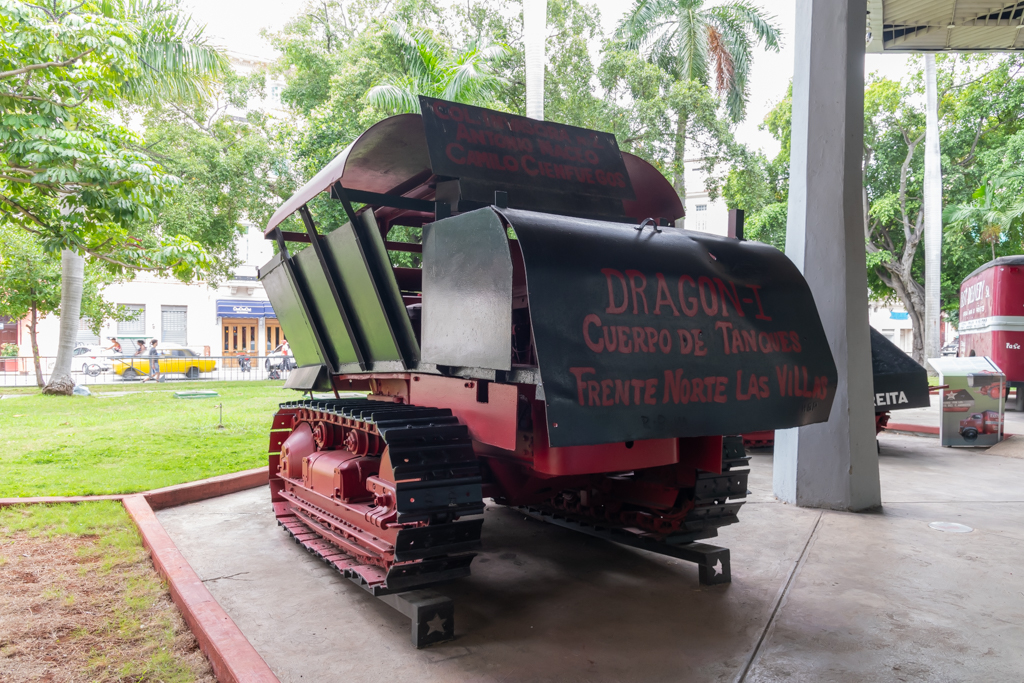
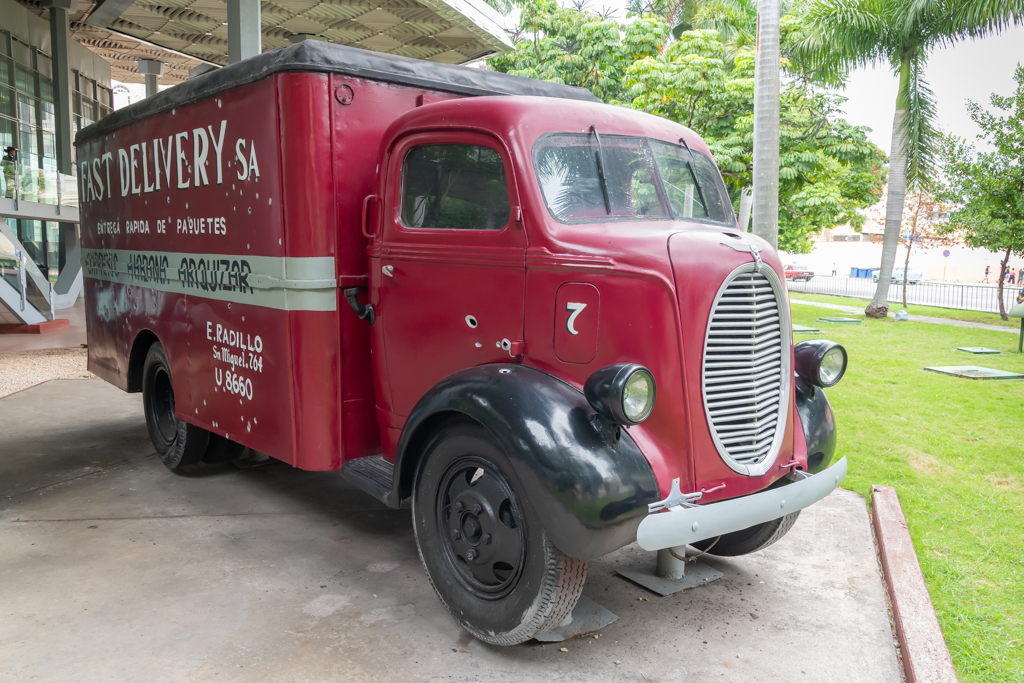
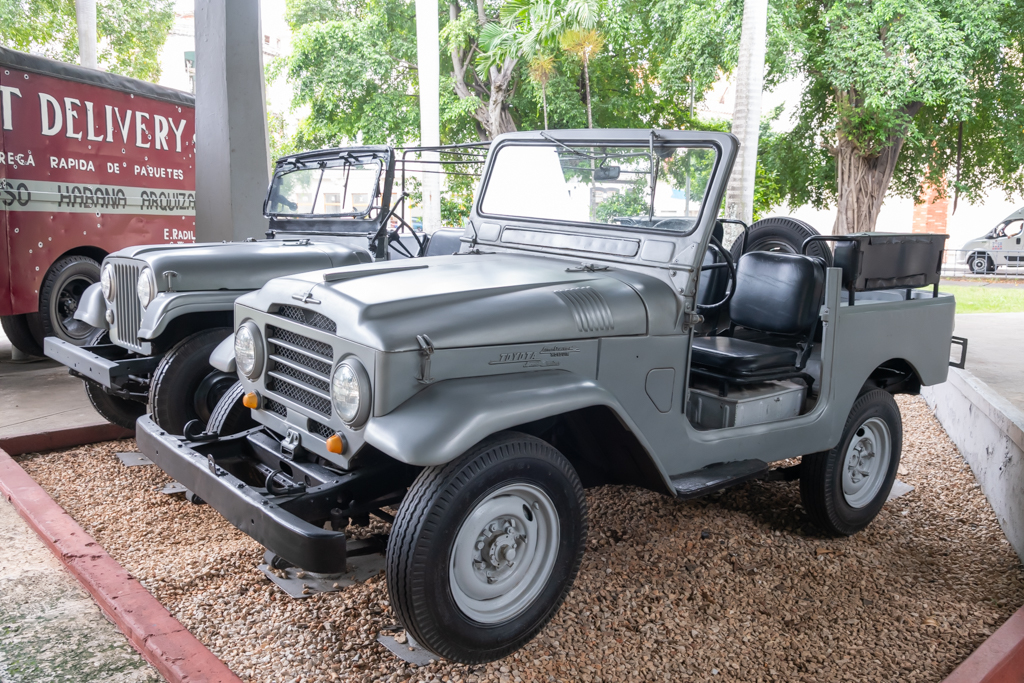
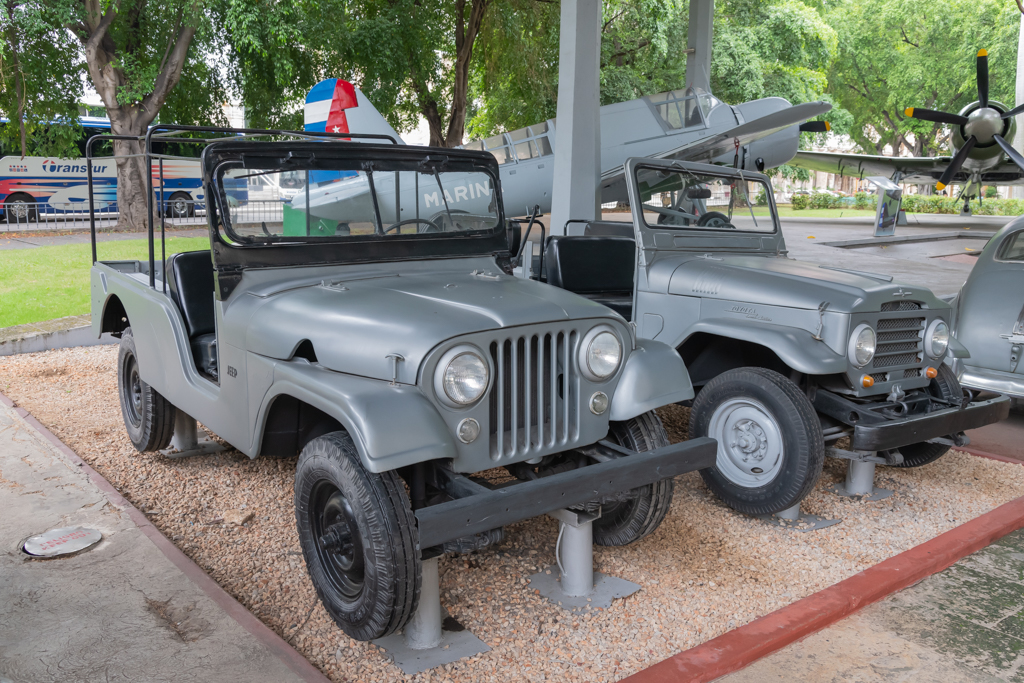
One of my key interests in Havana was to visit the Museum of Revolution as I was keen to see artifacts related to it. Long ago, I had read a book on the Cuban Revolution and had read that Fidel Castro, Raul Castro, Che Guevara, Camilo Cienfuegos and about 80 men had boarded their yacht Granma and had landed in Cuba to conduct the revolution but within a few days, their strength reduced to about 20. Yet, undeterred by this adversity, they went about their task and finally were successful in overthrowing the dictator Batista and establishing a socialist regime in Cuba. I was astonished at the determination of these people to have held fast to their dream and against such odds and persisted. Unfortunately, the Museum itself was closed for renovation (seems it has been going on for six months) and so I could not visit it. I had to console myself by visiting a small section of the museum that displayed various vehicles used by the revolutionaries, including the Granma. The yacht was designed to accommodate a maximum of 25 people, yet 82 people were on board when the crossing from Mexico to Cuba was done in 1956. I simply could not figure out how 82 could have lived on board this small yacht during the seven days it took to reach Cuba. It was kept inside a glass cage and because of condensation, photos weren’t clear. They didn’t have any big force, or much equipment and it was motivating to see what a small, dedicated band of people could achieve with meagre resources.





Revolution was indeed a good thing for Cuba, if I were to compare Cuba with other Caribbean or Central American countries. There is a level of social equality and gender discrimination seems to be non-existent. The kind of glaring and jarring inequality that we see in places like India is not seen and that is something very soothing. I also gathered that there is no starvation or unemployment or homeless people in Cuba. This has all happened because of the Revolution and the Socialist structure that was set up by Fidel Castro and his team. Yet all is not well as I could see that people are not happy. I spoke with a few people, and this is the impression I got. Of course, I spoke with just a handful and that is no true cross section of the society, and it is likely that some of the views maybe biased. There seems to be a shortage of everything from food to medicines to anything that people would want. People say that there is no starvation, but they are on the brink – they can’t eat what they want, they eat what they get. Supposedly, the ration suffices for about two to three weeks and for the remaining part of
the month, they must buy food or manage somehow. Some of the comments shook me up a bit and I reproduce some of those below:
- “I am only surviving and not living, what kind of a life is this?”
- “I have worked hard for thirty-five years and all I have to show for it is a small apartment outside Havana.”
- “Health care quality is not very good as equipment and supplies are not there (but Doctors are very good).”
- “Housing is a problem as people continue to live in the old houses they were in, when the revolution happened and there are not many new houses and so, often, there are 3-4 generations living in the same house and that means about 10-15 people in a small house.”
- “I think Communism will fade out from Cuba as well as it has failed to create an economy; for instance, Cuba was a big exporter of sugar and coffee, but these are imported now. The only question is whether it will be a peaceful transition or a violent one.”
- “I had thought I would never want to leave this country but now I want to, if I have a chance.”
- “Fidel was good when he started out as he was a revolutionary but then as he got older, he became conservative and that was bad; every revolutionary becomes conservative as he gets old.”
- “There is no middle class in Cuba only the powerful class and then the poor and very poor.”
- “Market should be opened up as a free market is essential for the health of the economy.”
- “Communism can only help meet the bare necessities of life and not people’s aspirations or wants and human nature has aspirations and wants.”
It seems that the situation got much worse after COVID; so much so that some folks told me there are two Cubas – one before COVID and one after. Tourism has been a mainstay for the economy, and it has dipped significantly with the number of tourists falling from about four to five million a year to one or one and a half. The American embargo is definitely the important reason for the difficulties being faced by Cuba, but I gathered that there is an opinion that the Government has also failed in moving with the times and being able to utilise the resources that the country has. For instance, Cuba was once an exporter of sugar and coffee but now is an importer. The black market is very rampant and good many people are engaged in it. It was depressing and sad to see people struggling like this and I hope the Government will rally around and make changes as needed because nobody deserves this.
A very interesting aspect I came across in Cuba was about religion. Catholicism was banned after the Revolution but since 1992, there has been a gradual easing and three Popes have visited Cuba in 1998, 2012 and 2015. Most of the slaves in Cuba were brought from Nigeria and they practiced a religion called Yoruba and as was the custom with Spanish colonies, the slaves were all forcefully converted to Christianity. This is a common feature you see in all countries in Central and South America, with the terrible result that indigenous cultures have been wiped off. However, the Yoruba never gave up their belief and associated the Catholic saints with their gods in Yoruba and thus a new Afro-Cuban religion called Santería was born. So, while they seemed to be praying to the Christian saints, they were actually praying to their Yoruba gods. They also continued many rituals and when I was by a river, I saw some people engaged in some ritual. The Communist Government did not ban Santería outright, but the practitioners did go through some hassles as they needed police protection to conduct rituals and they were denied membership of the Communist Party. However, the government promoted art forms associated with Santería as it was felt that could help forge a united Cuban identity.
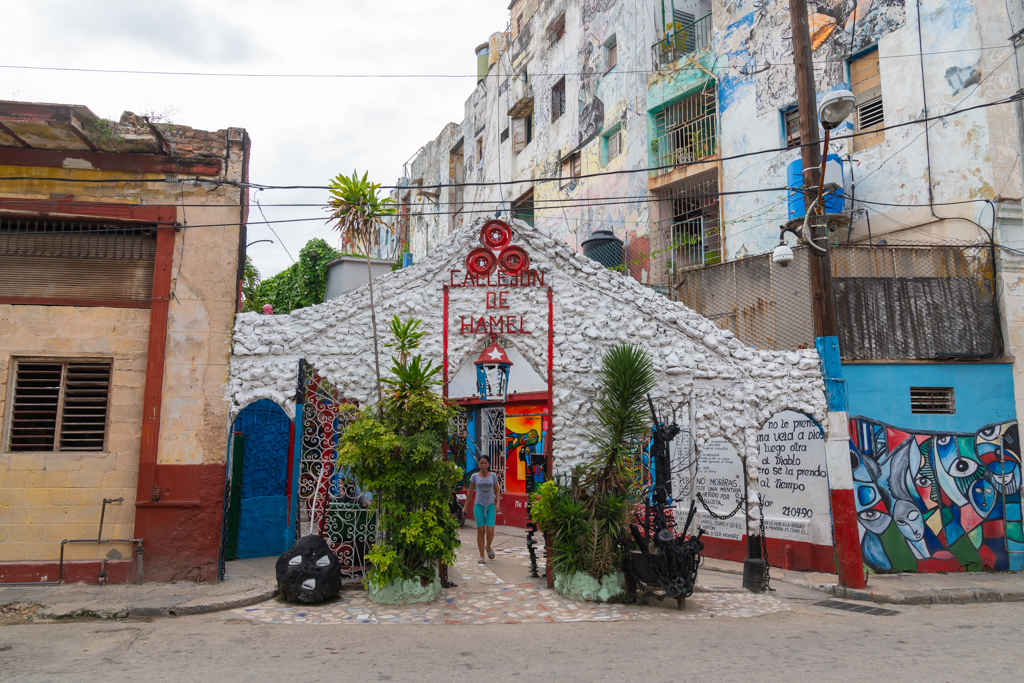
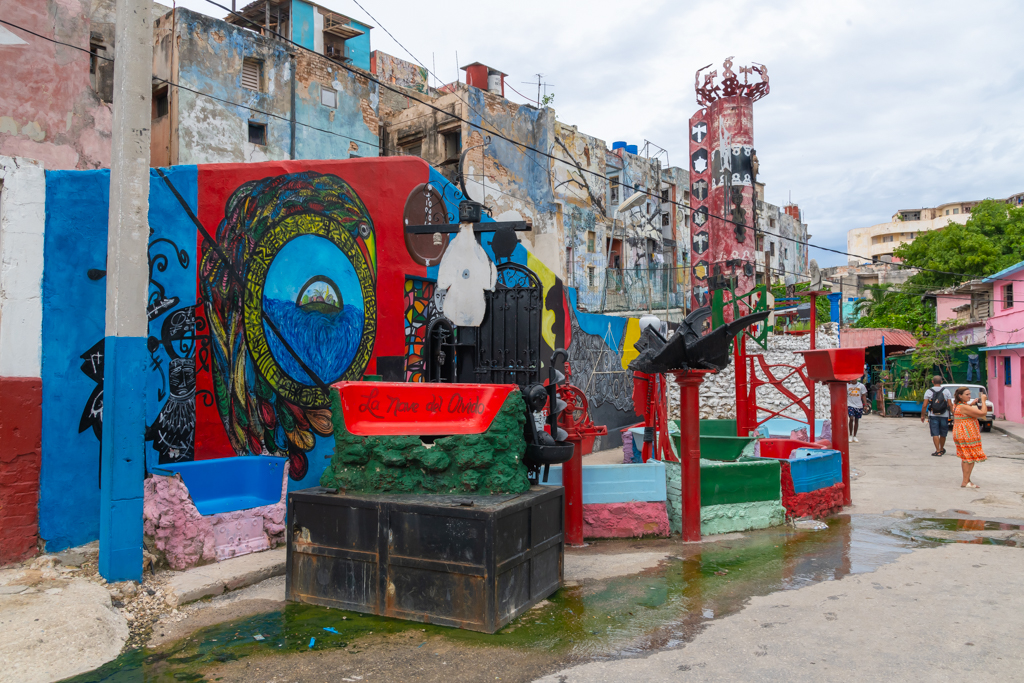
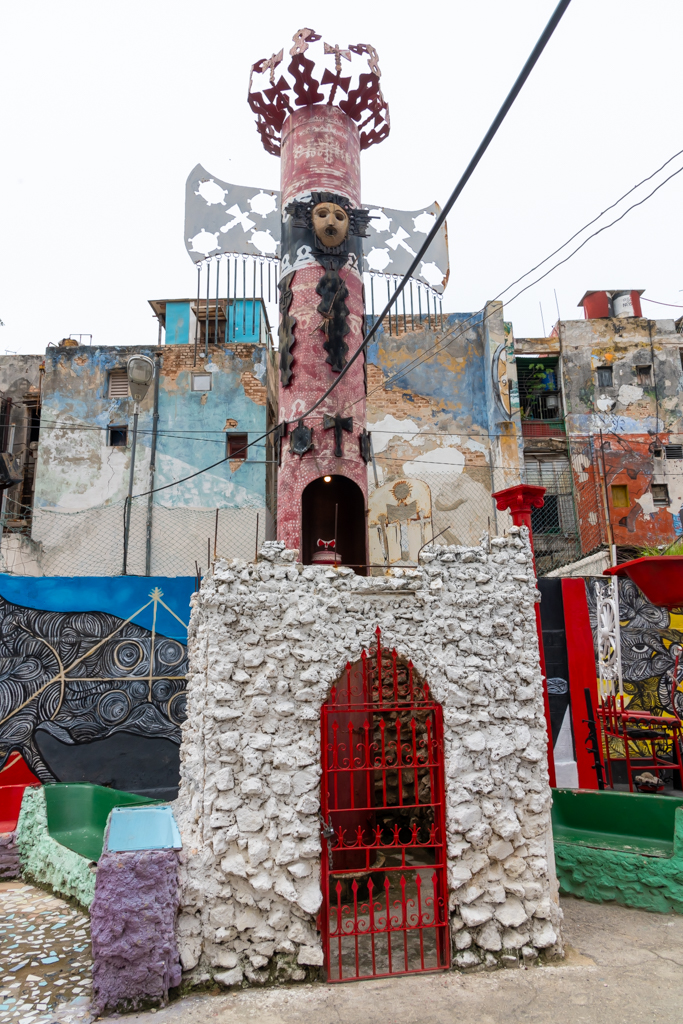
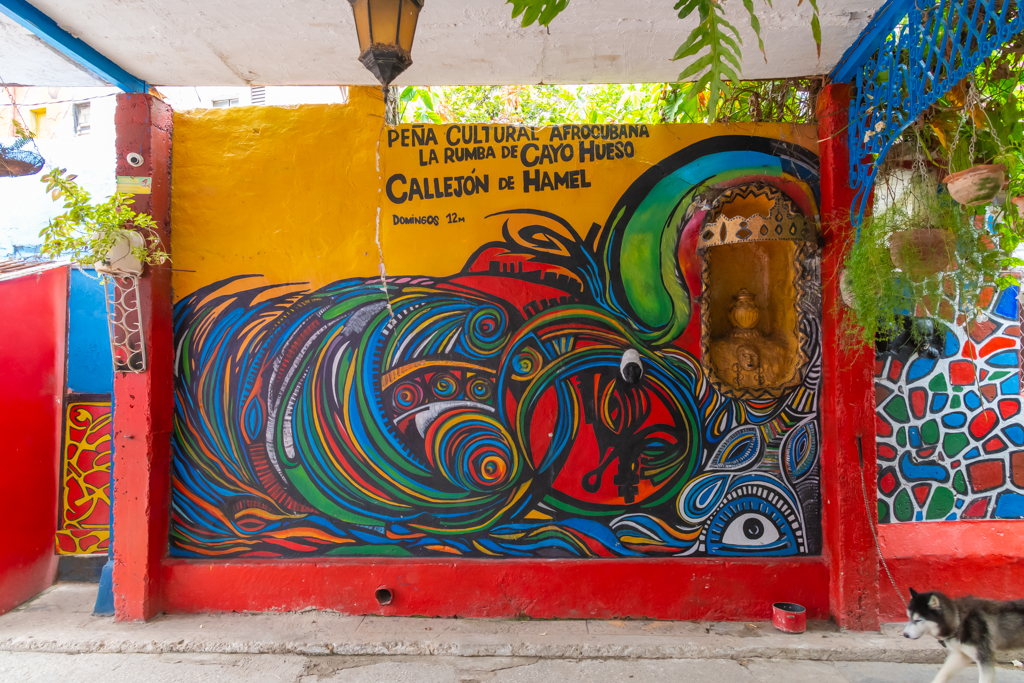
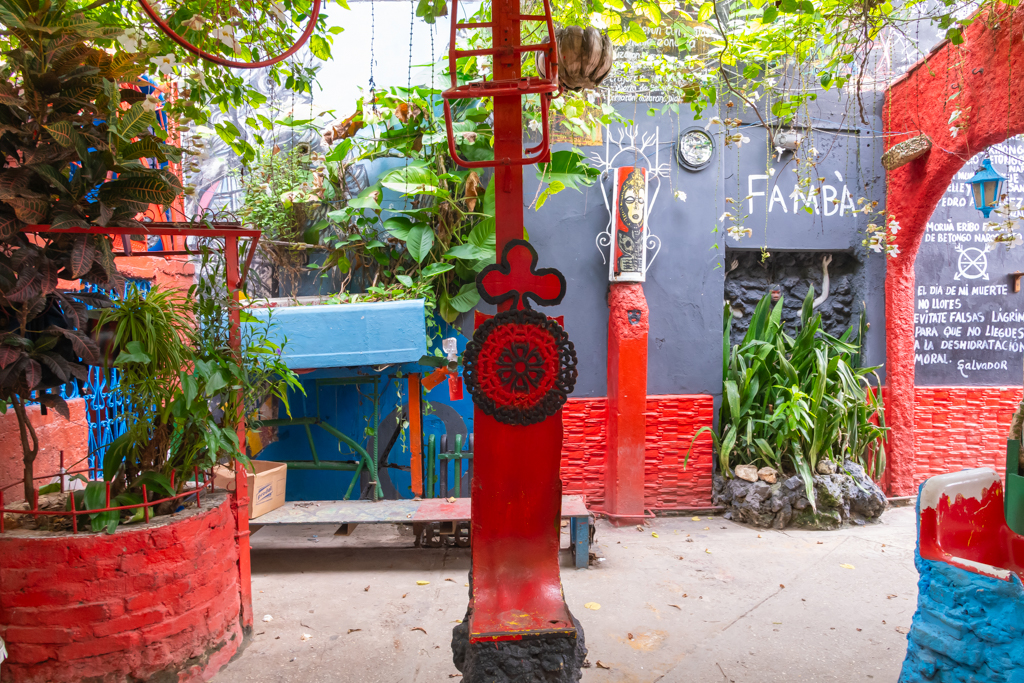
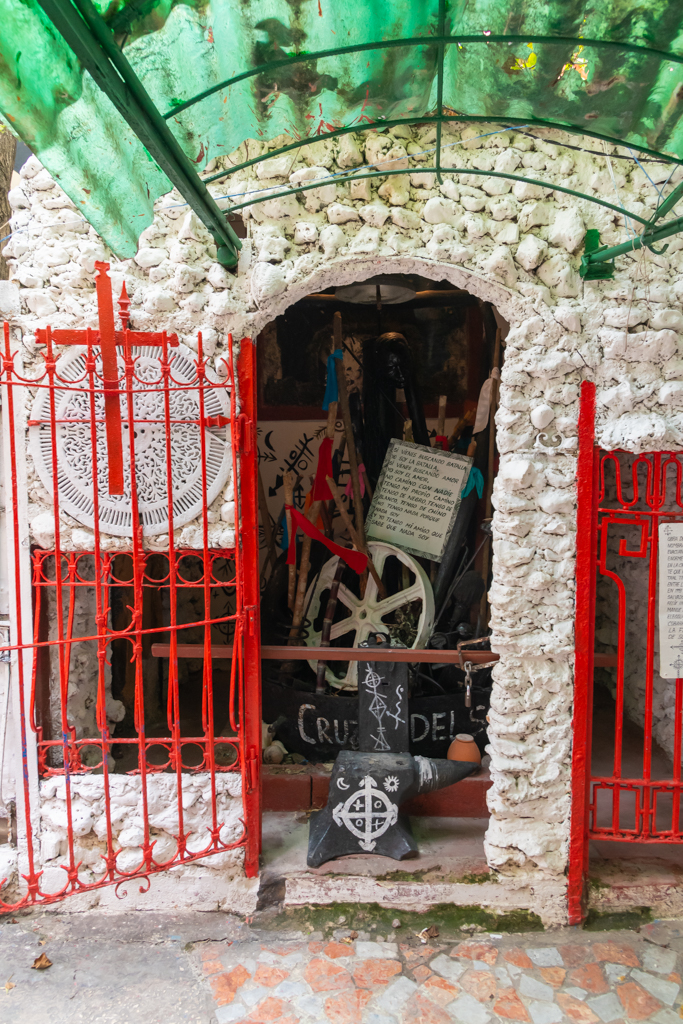
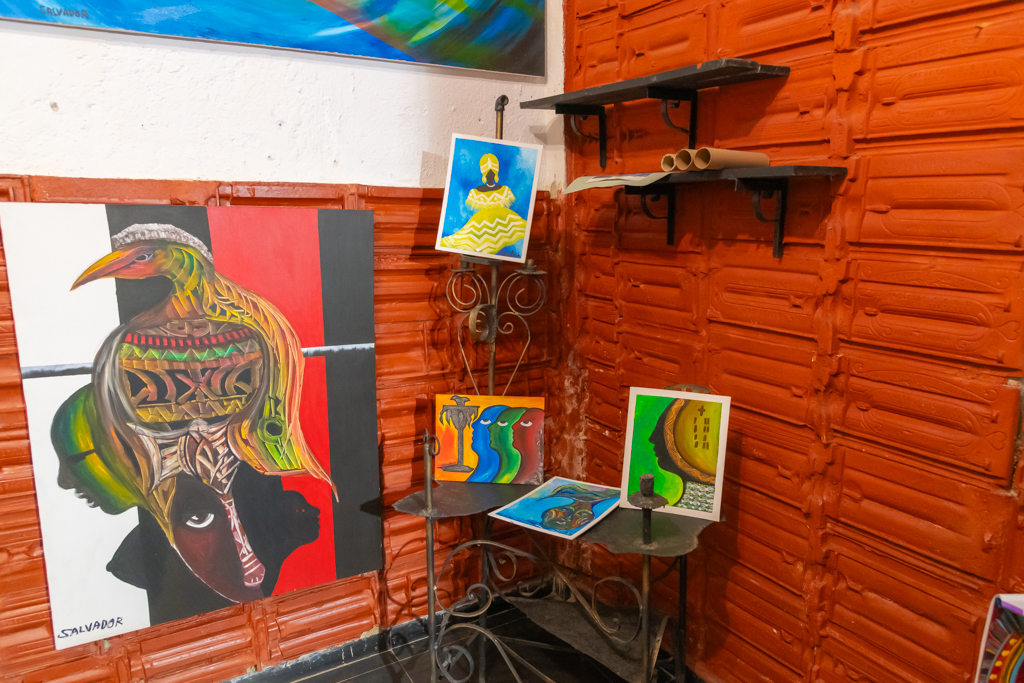
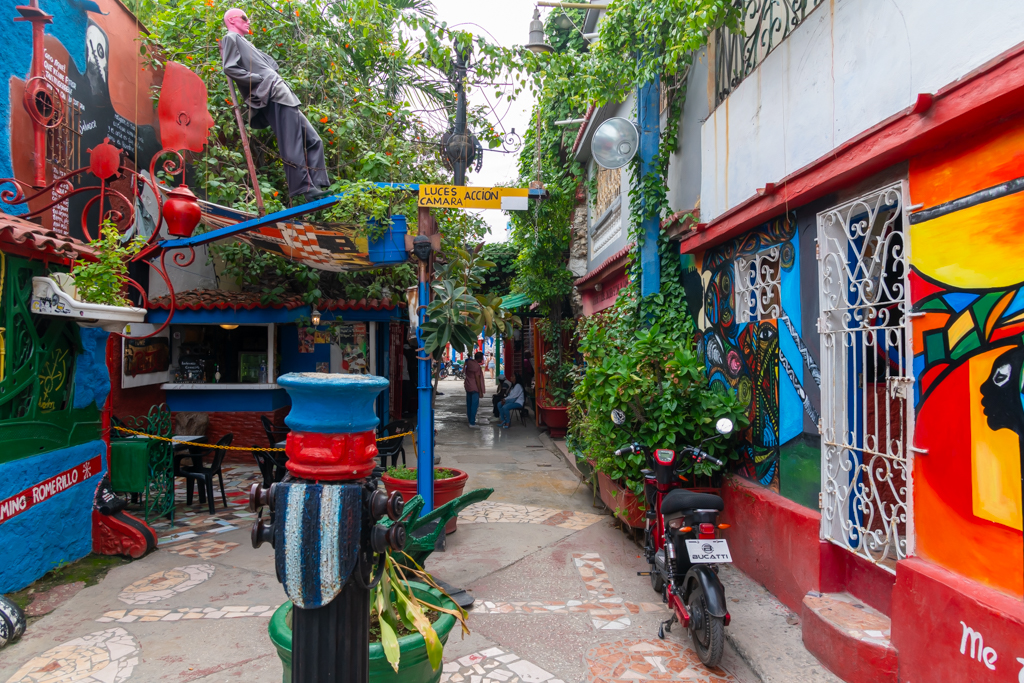
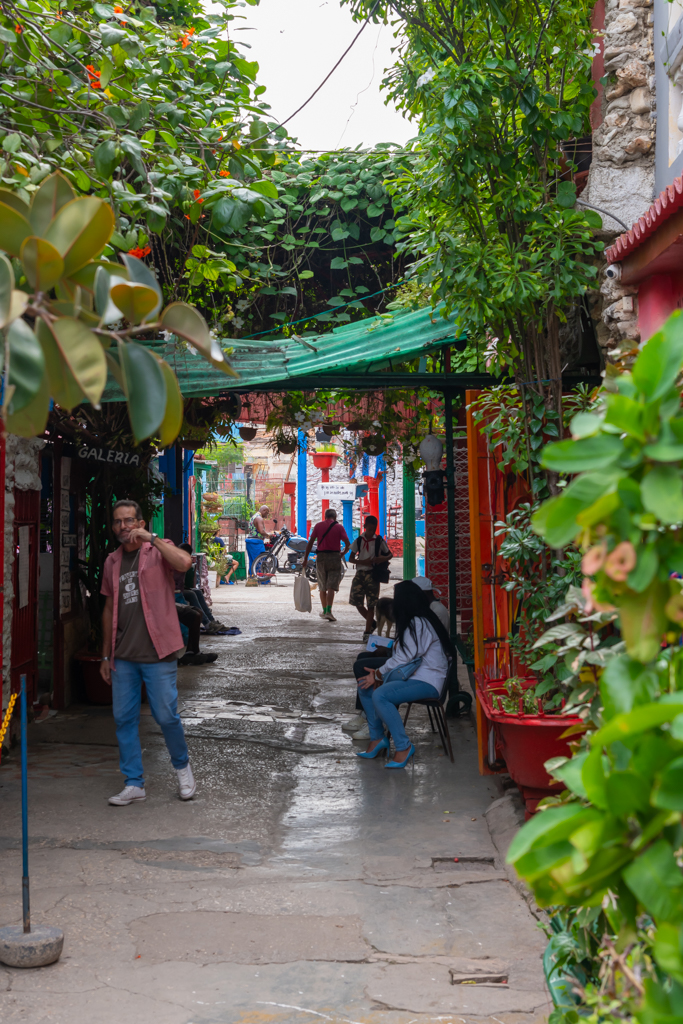
Today, Callejon de Hamel is a small alley in Central Havana that celebrates Afro-Cuban culture and Santería. Here you find murals, sculptures and on some days of the week, music and dance, all celebrating the Afro-Cuban culture. A Cuban painter, sculptor and muralist named Salvador Gonzalez Escalona painted the first mural here in 1990 and started off Callejon de Hamel as we see it now. He basically converted a slum area into a thriving location for art and culture. Salvador himself lived here till he passed away in 2021.
It is a very small street but filled up completely with art. There is small house of worship where you can hold Santería rituals. It was kind of deserted when I went there, and a couple of tourists came in and left quickly. I was a bit nervous but ventured into the house of worship, without knowing what it was. When I went into one of the rooms, I met Jose, who is a guide there. He spoke excellent English and spoke to me at length about Santería and their beliefs. It is a polytheist religion and there are gods connected with various different qualities and situations (like Hinduism). Practitioners had to pray to the relevant God to get over their troubles. I am significantly over-simplifying it as it seemed to be a very complex religion based on what Jose said. He said he has been studying the religion for some years but hasn’t fully understood it yet. I saw some paintings of gods there and these had shapes of birds and such other natural elements. It is a very ritualistic religion and observance of rituals is deemed to be very important. For instance, initiation into the religion is a strict ritual with practitioners having to live by themselves for a period, wear white, not have sex, not be photographed etc. I saw a girl in white walk by and Jose told me she is undergoing the ritual. Jose introduced me to a priest and when he learned I am from India, he said he knows of Hinduism and that he has statues of Shiva, Ganesha and Brahma in his house. There is a small bar there as well, which is run by Salvador’s widow and Jose, and I sat there for long time talking about various things. I found to him to be very intelligent and sharp, and the conversation was most enjoyable. It was my last day in Havana, and I left in regret that I had missed their music.







The only time I ventured out of Havana City was to go to Santa Clara, which was about three hours’ drive from Havana. This is where a wing of the revolutionary forces led by Che Guevara won a decisive battle over Batista’s forces and it was this defeat that convinced Batista to flee the island. Che was killed in Bolivia and in 1995 a soldier revealed that Che’s body lay beneath Vallegrande’s airstrip in Bolivia. After two years of searching, Che’s body was discovered in 1997 and it was brought to Santa Clara and cremated there on 17 October 1997. Subsequently a mausoleum was built in memory of Che. There is a small museum inside the Mausoleum which showcases Che’s military uniform, and some of his personal equipment like weapons, medical equipment etc. Unfortunately, photography is not allowed inside the museum, and I couldn’t take any photos. Outside the Mausoleum, there is a huge statue of Che with one arm in a sling (his arm was in a sling during the battle of Santa Clara) and holding a rifle in the other.

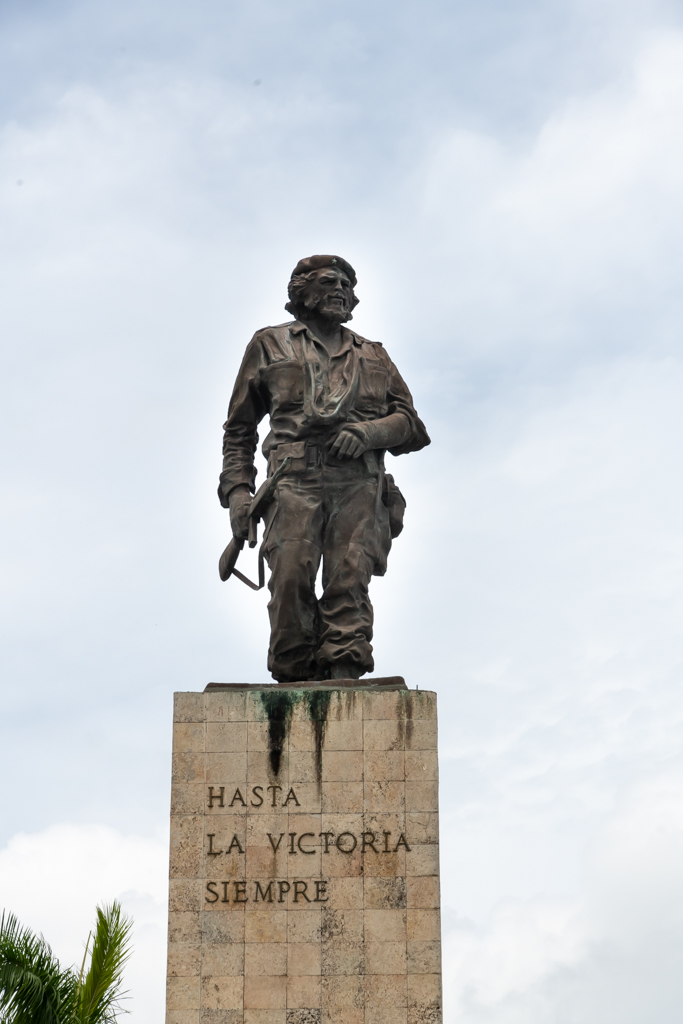
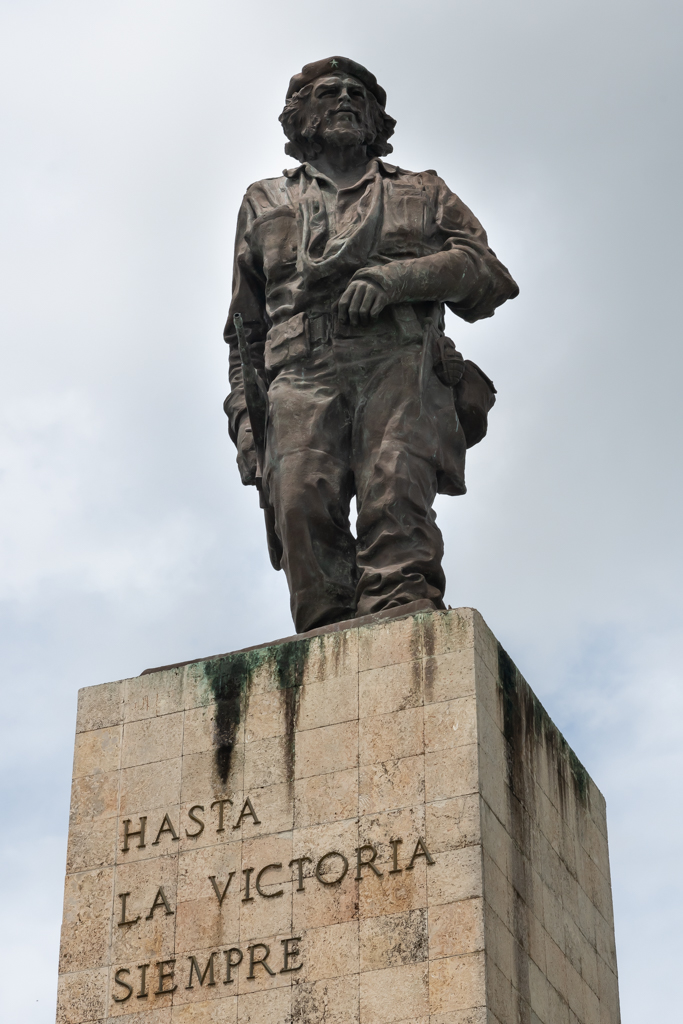
Though it is a very small museum, I spent a good amount of time there. Here was a man who was a true revolutionary – a man who became the symbol of resistance to power and authority, anywhere in the world. Someone who stepped down from power and a life of comfort and went to fight for the cause he believed and, in so doing, lost his life. A symbol of hope for all that fight injustice; so much so that protesters everywhere wear T-shirts with his face printed on it. I had read somewhere that his photo was the most reproduced image in the world. There was no one like Che and I doubt whether there will be anyone like Che in the future as well.
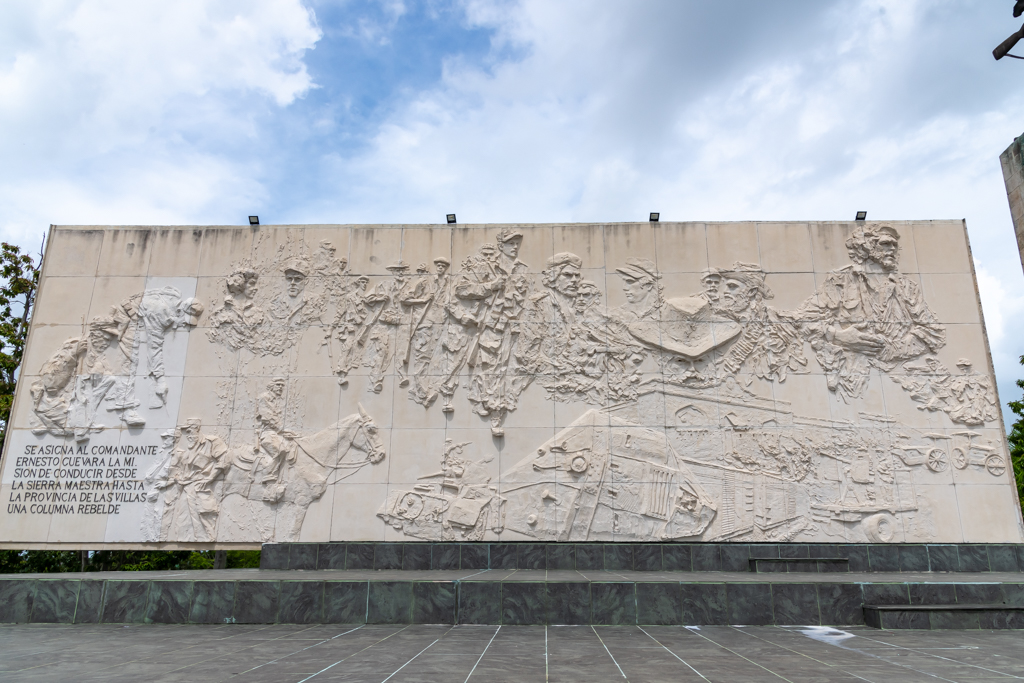
Tren Blindado is a national monument in Santa Clara dedicated to a decisive encounter that led to victory in the final battle of the Cuban Revolution. The Batista government had sent an armoured train to Santa Clara with 373 soldiers with arms and ammunition and necessary provisions. At the foot of the Loma del Capiro (a small hill in Santa Clara), eighteen revolutionaries led by Che Guevara attacked the train. They used Molotov Cocktails which made it impossible for the soldiers to get out and when the officers tried to move the train, Che bulldozed the tracks using a bulldozer he had taken from the university in Santa Clara. After a few hours, the soldiers and their officers surrendered and the arms from the train fell into the hands of revolutionaries who used it to capture Santa Clara. Thus, 18 revolutionaries defeated 373 soldiers – that is the power of conviction and commitment to a cause.
The monument itself was constructed by a Cuban sculptor Jose Delarra and it consists of an obelisk dedicated to Che and the cars from the derailed that have been converted into a museum and the bulldozer that they used to derail the train. The museum itself was closed for renovation and someone at the site told me that it has been closed for many months. Thus, there was nothing much to see at the site.


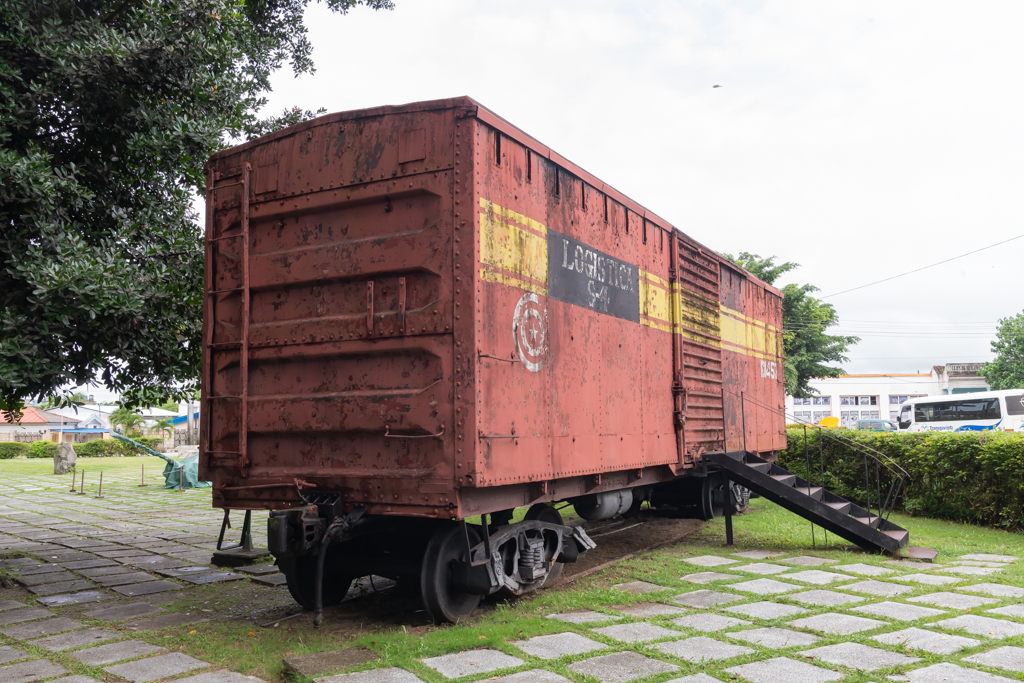
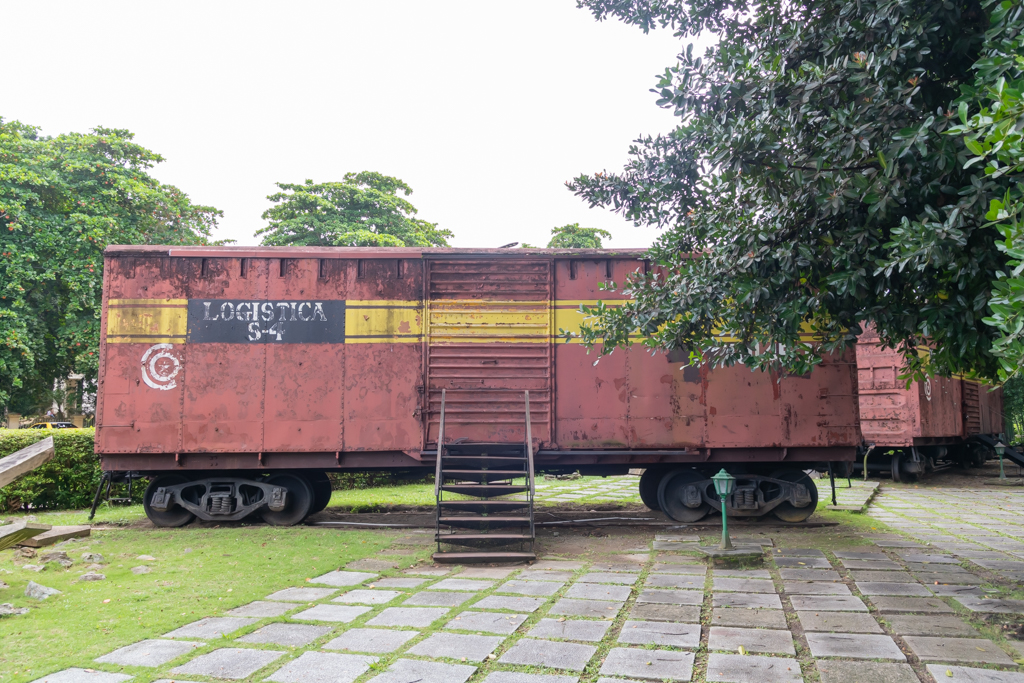
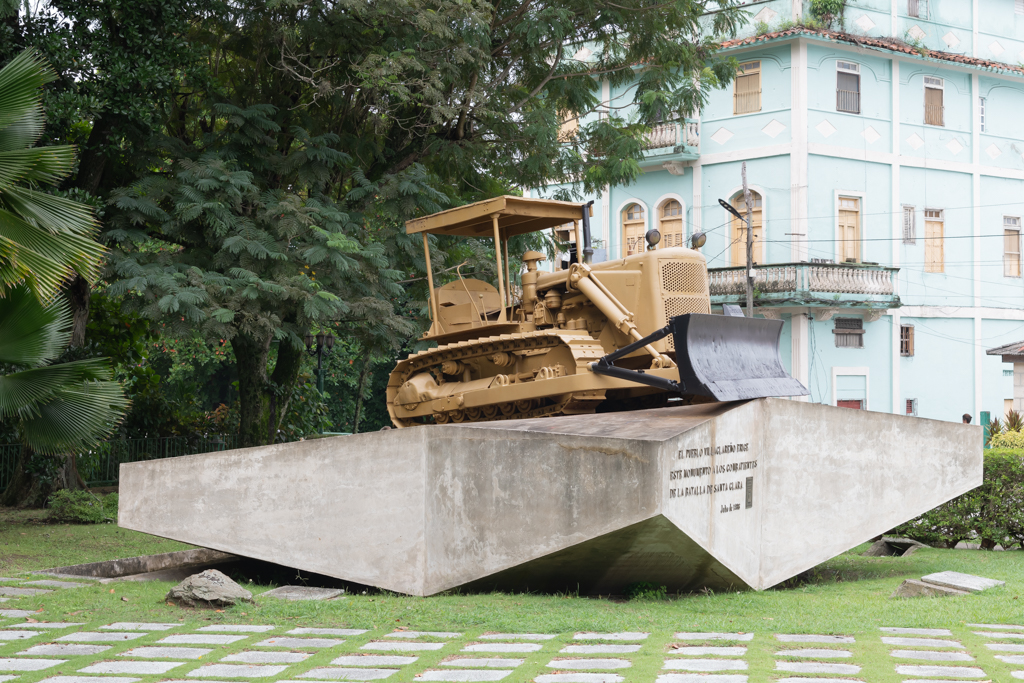
Museums being closed seems to be a regular feature in Cuba; I had mentioned earlier about the Museum of Revolution being closed and now, Tren Blindado. Yesterday (Tuesday), I had gone to visit the Museum of Fine Arts and that was also closed, and I was told that it opens only on Thursdays, Fridays and Saturdays. In my travel experience, this was the first time I was coming across a museum that was open only three days a week. Quite near the Museum of Fine Arts is the house of the Spanish Governor of Cuba and that is a museum as well. The same story repeated there, and I could only visit two rooms. For a country that relies so much on tourism, the Cuban government is doing a pretty bad job on this front and if this is any yard stick to go by, it would be inefficient in other areas as well.
I have not covered the Old Town and Hemingway’s legacy in Cuba in this post as that would have made this too long; I will write separate posts on that. The positive aspect I like about the current situation in Cuba is that there is no starvation and homelessness, very little crime and inequality. This is quite unlike the situation in some other Central American countries and is an outcome of the Revolution and Socialist policies that followed. However, it must be remembered that change is the only constant and it is imperative that the policies be changed appropriately to meet the new realities of today’s world. For the sake of the Cuban people, I hope this happens soon.
 Kaazhchakal