Posts Tagged ‘Art’

3 January 2016

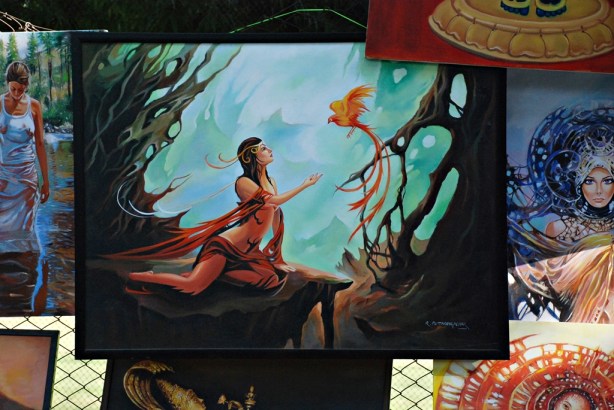
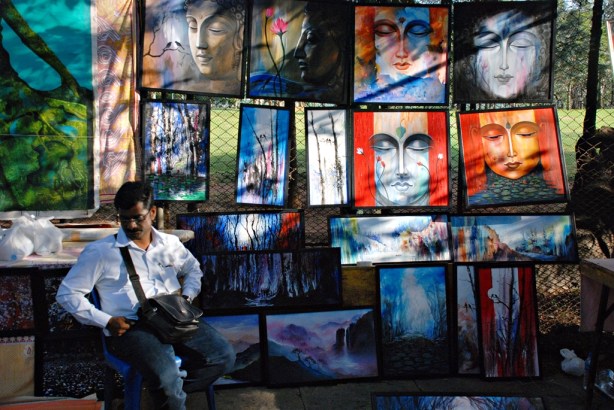
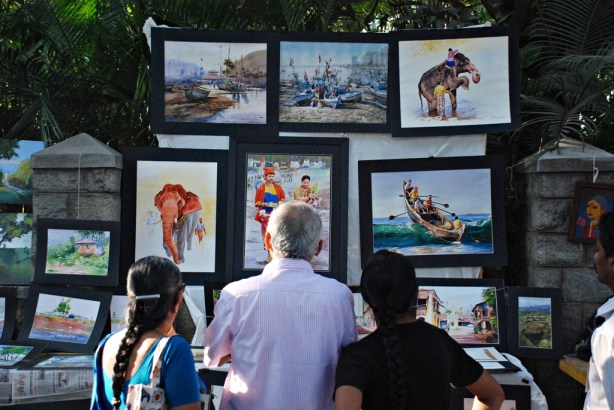
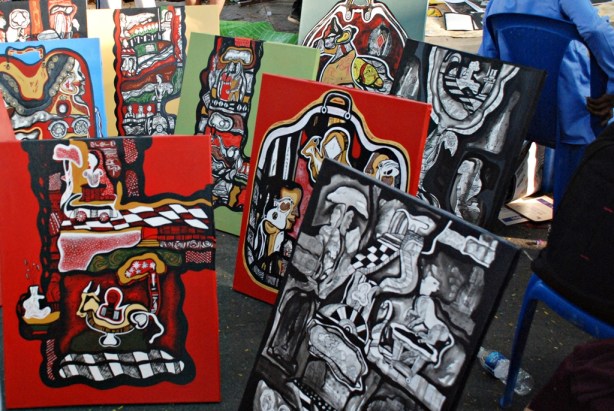
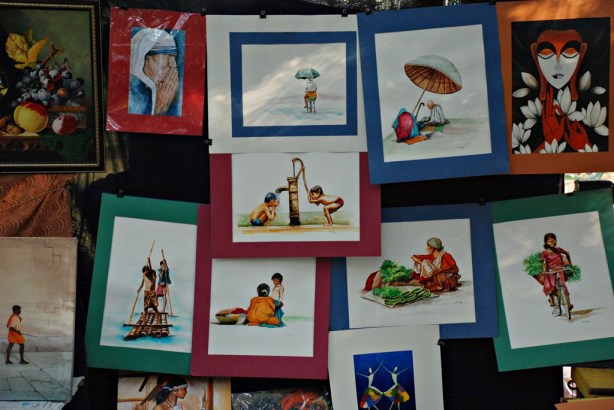
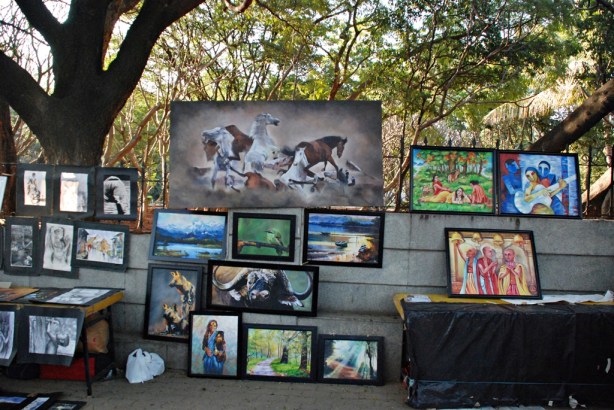
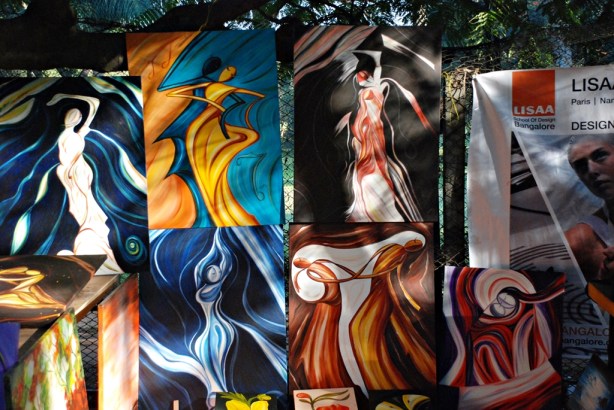
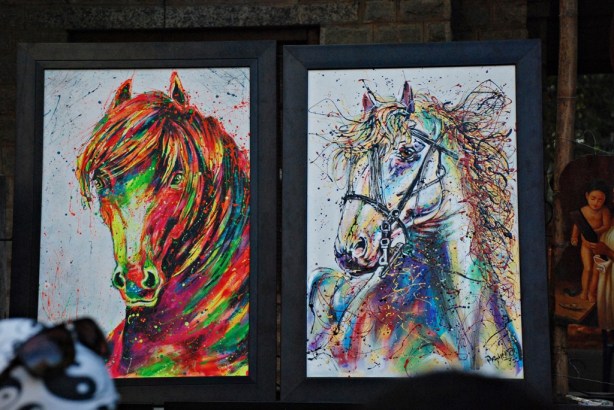
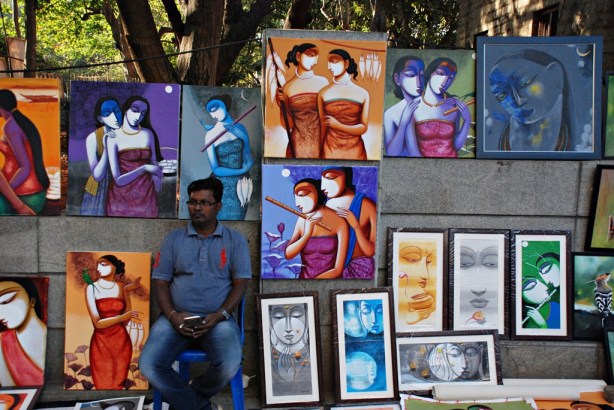
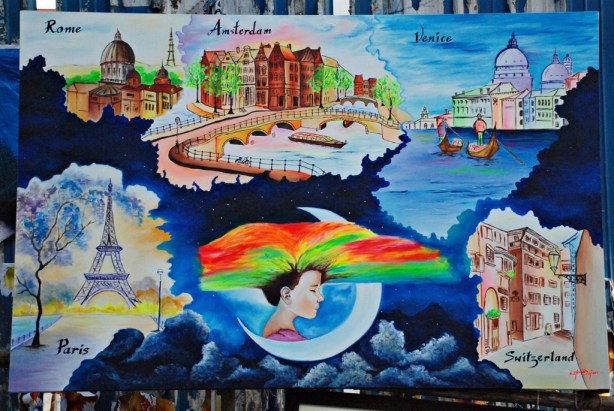
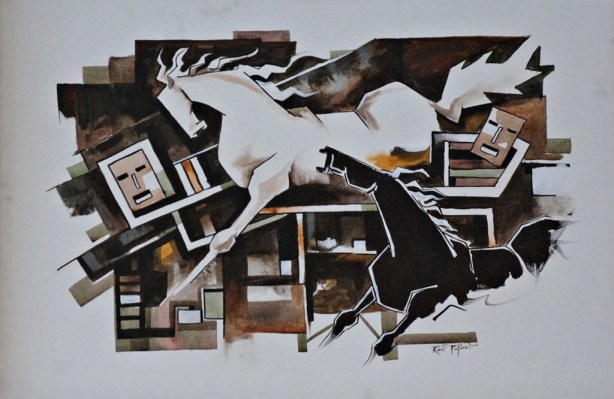
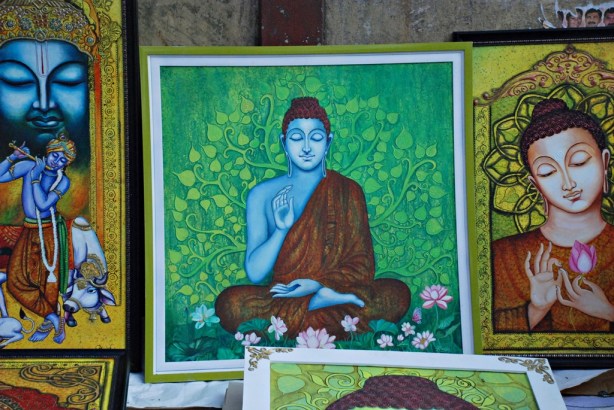
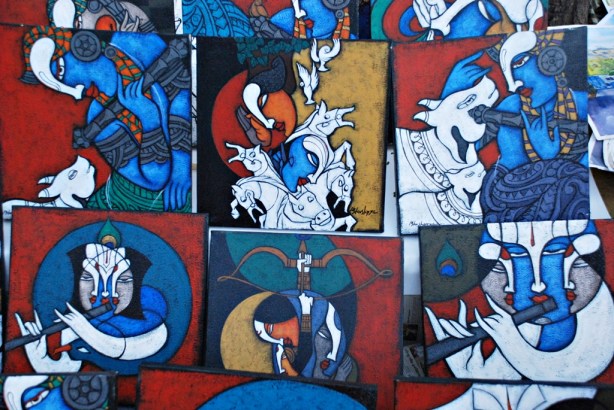
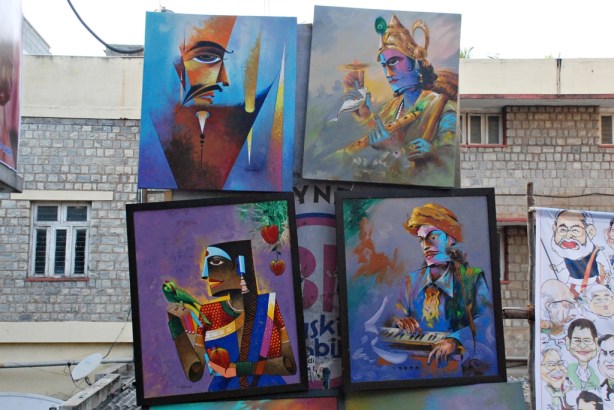
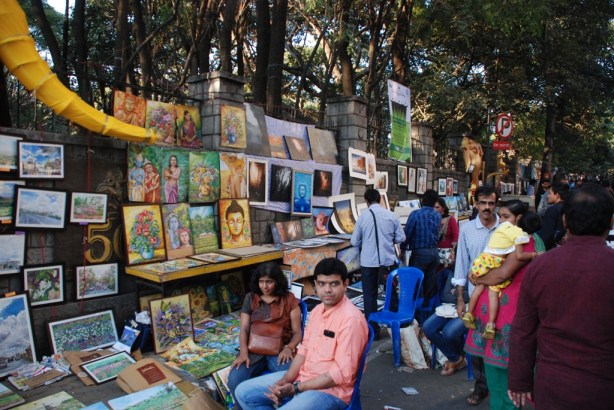
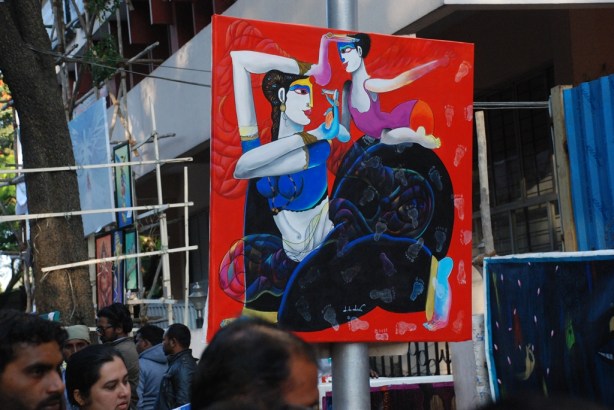
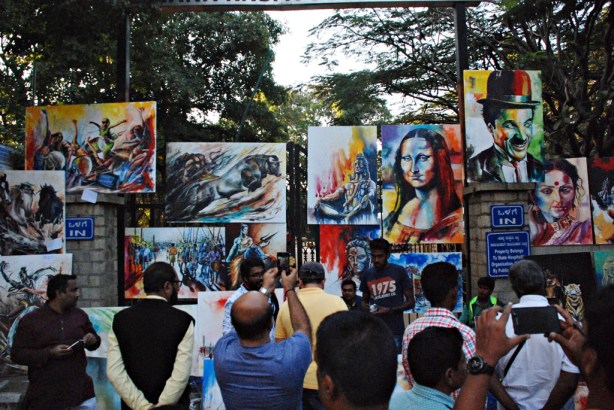
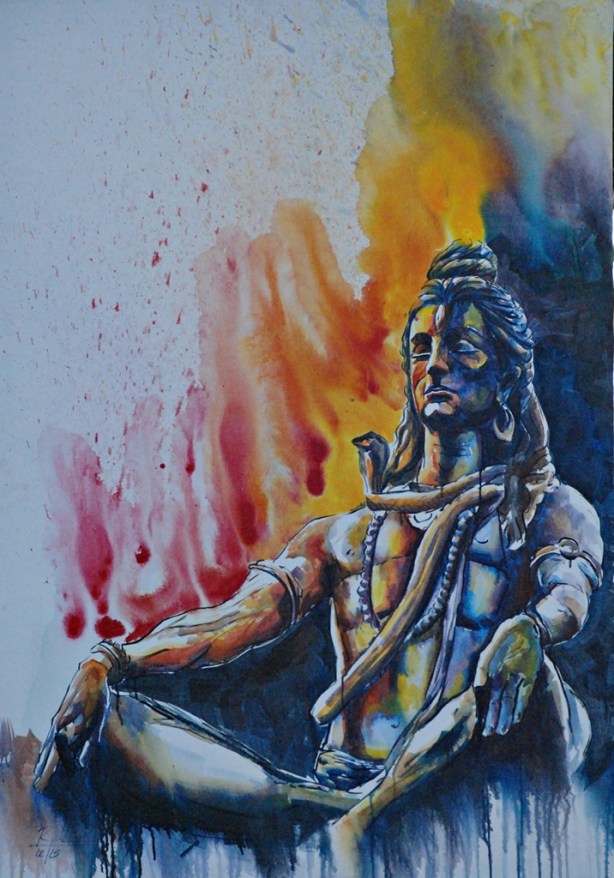
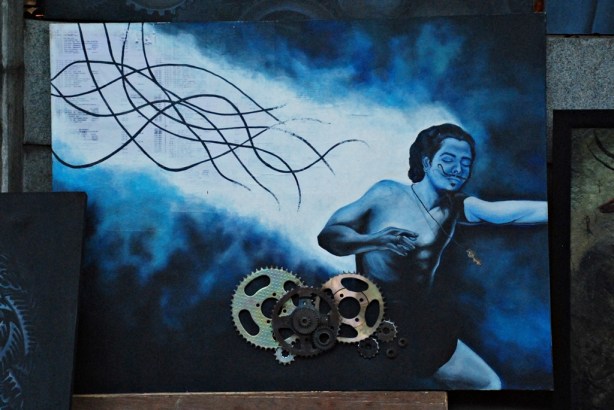
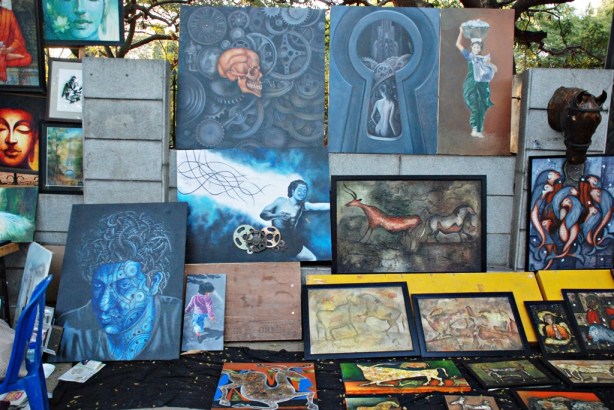
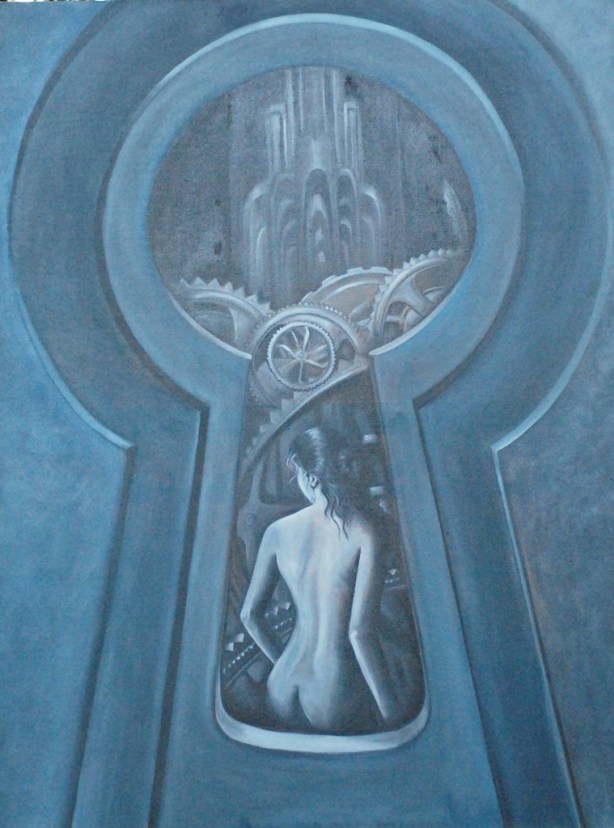
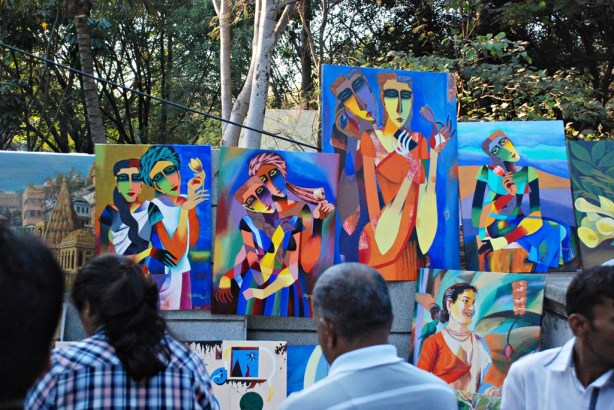
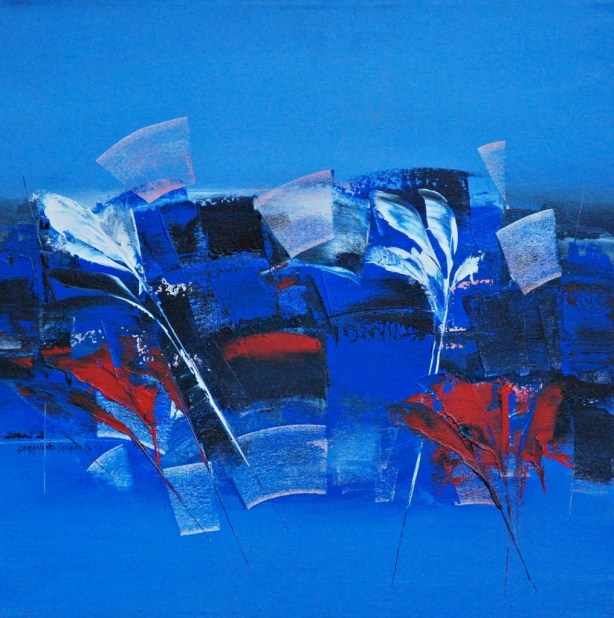
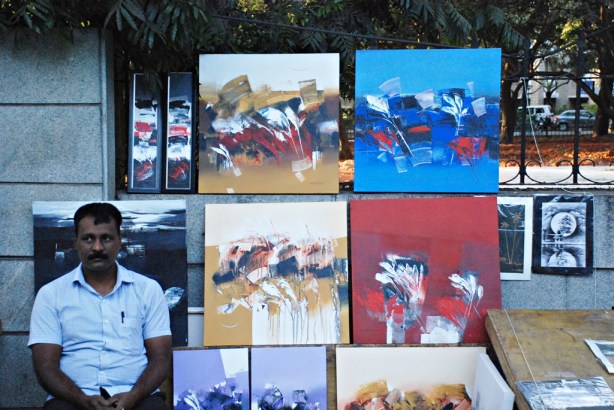
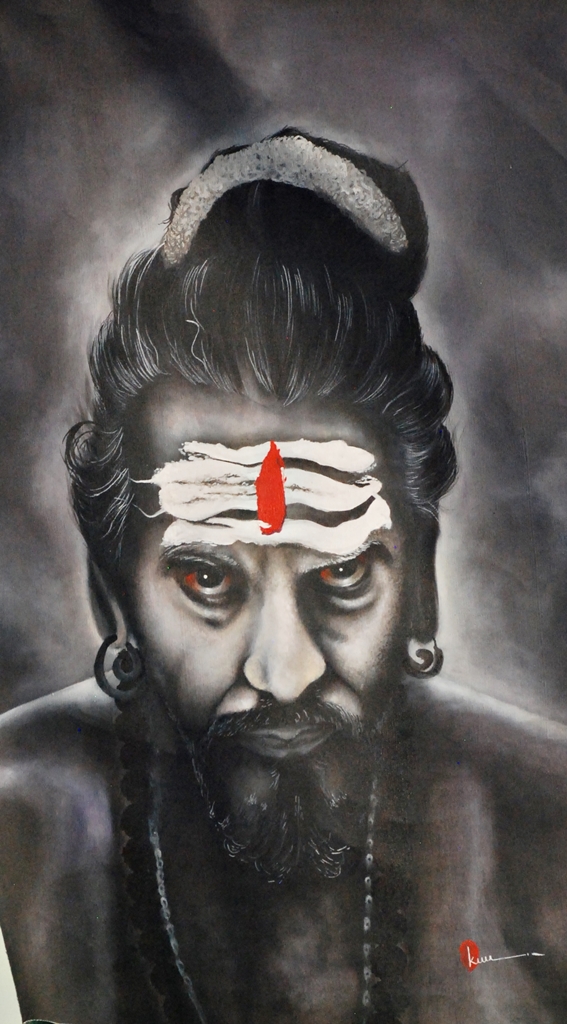
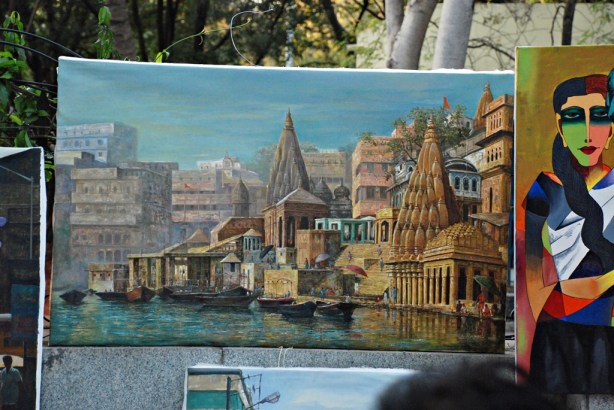
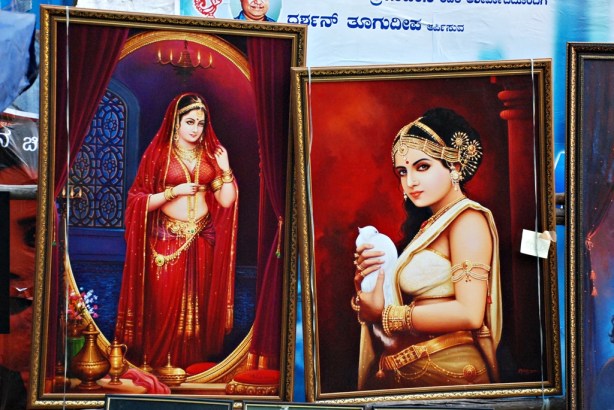
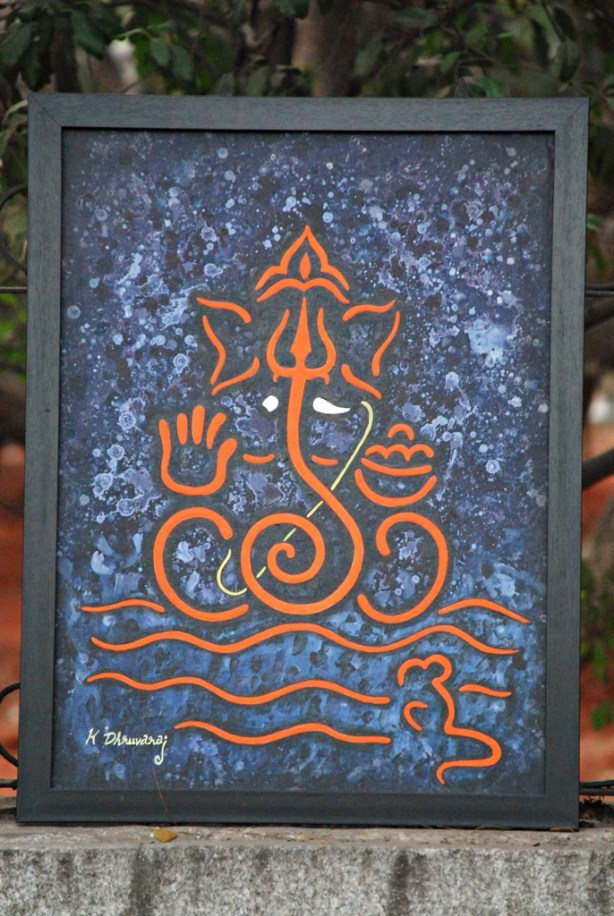
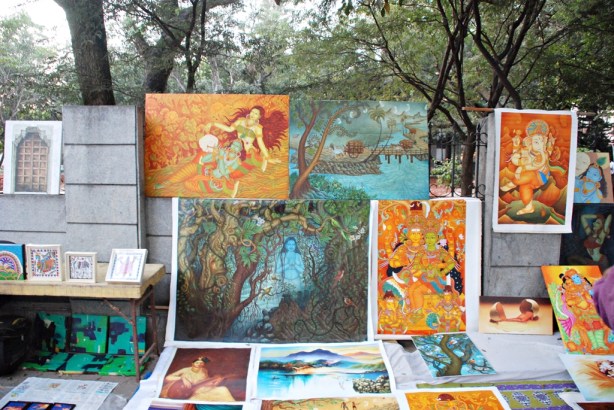
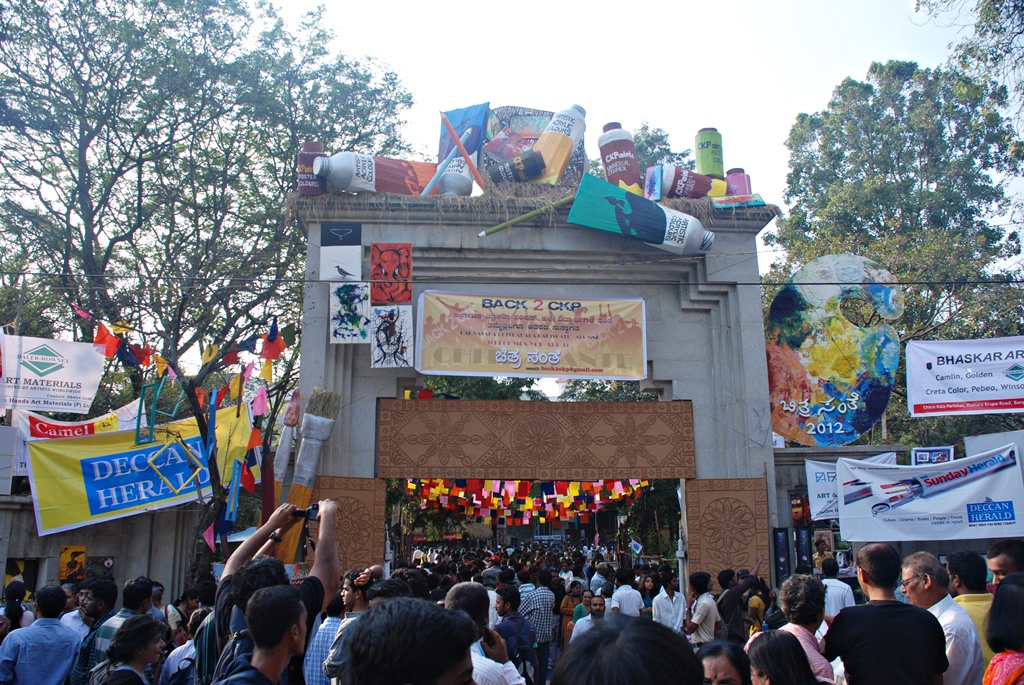
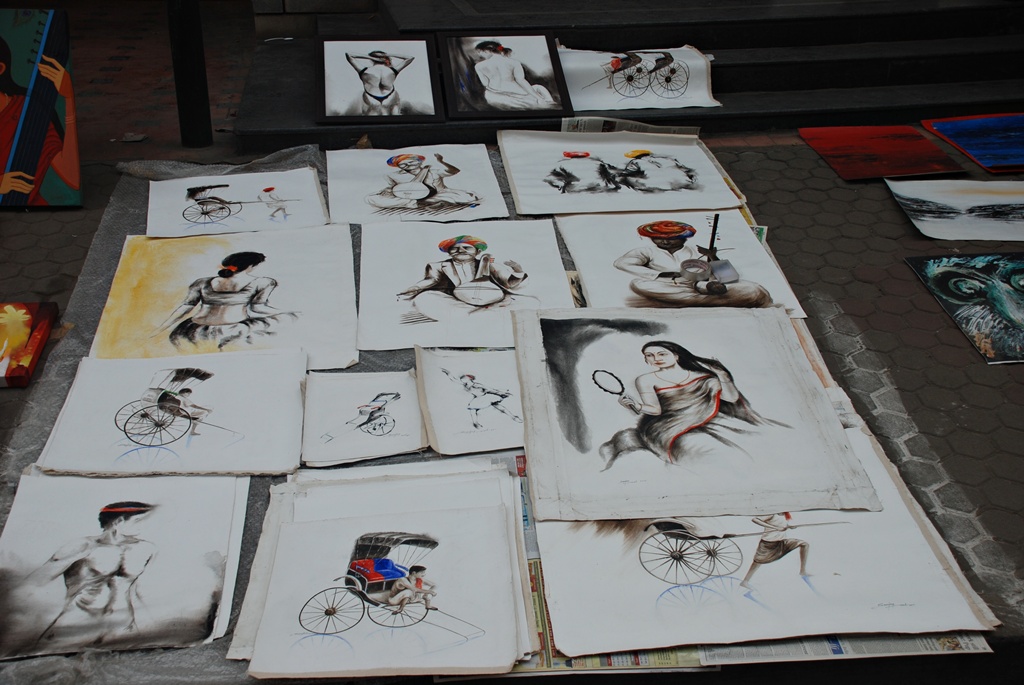
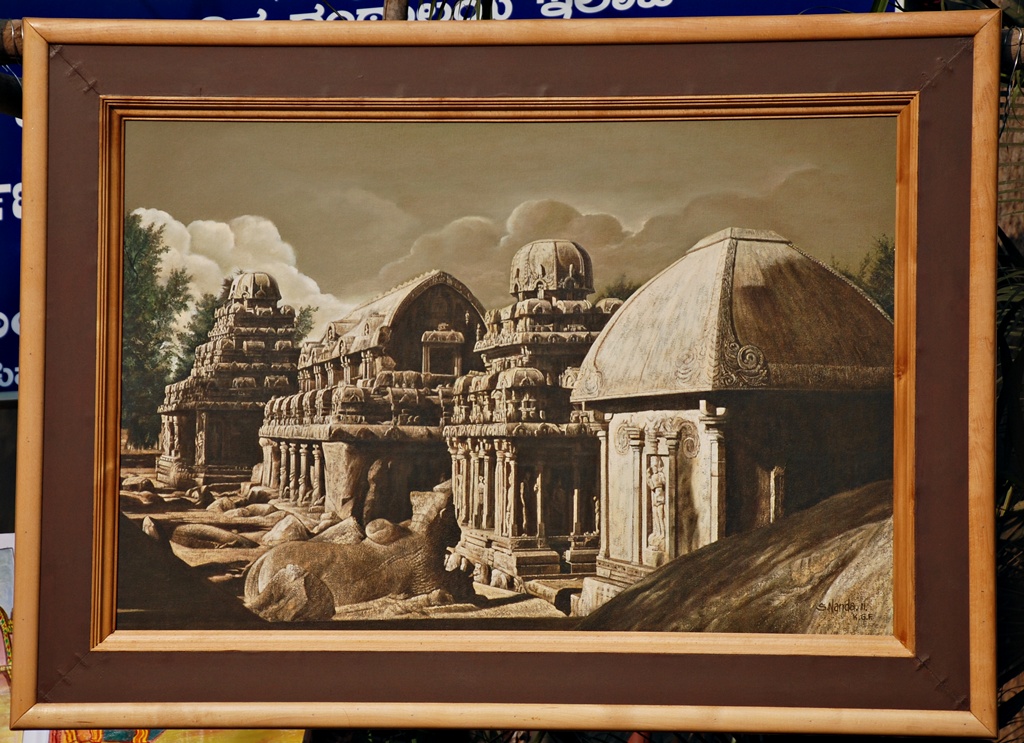
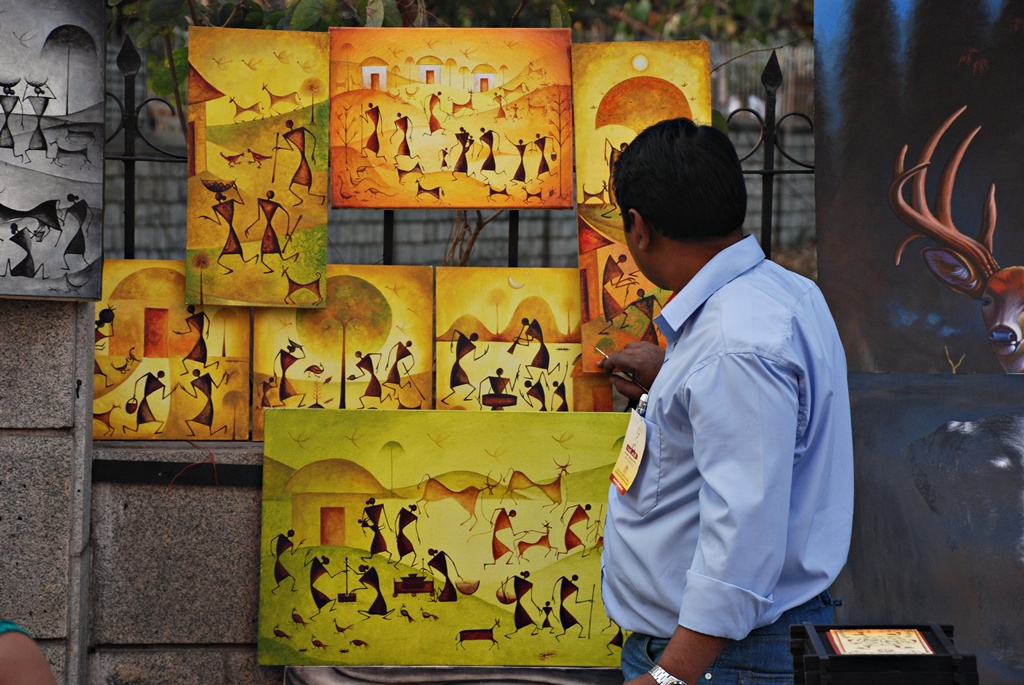
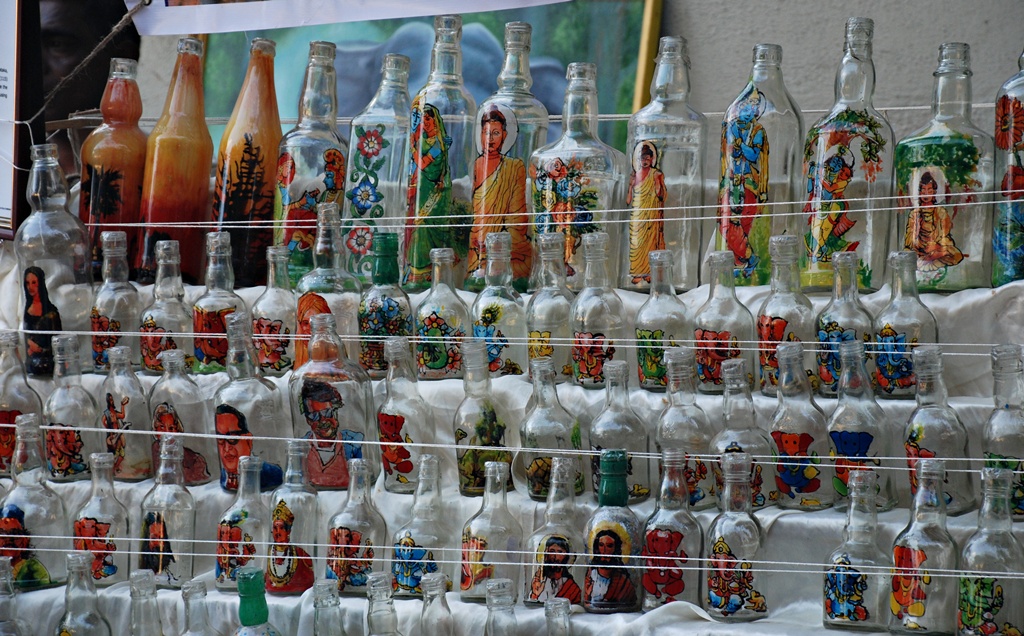
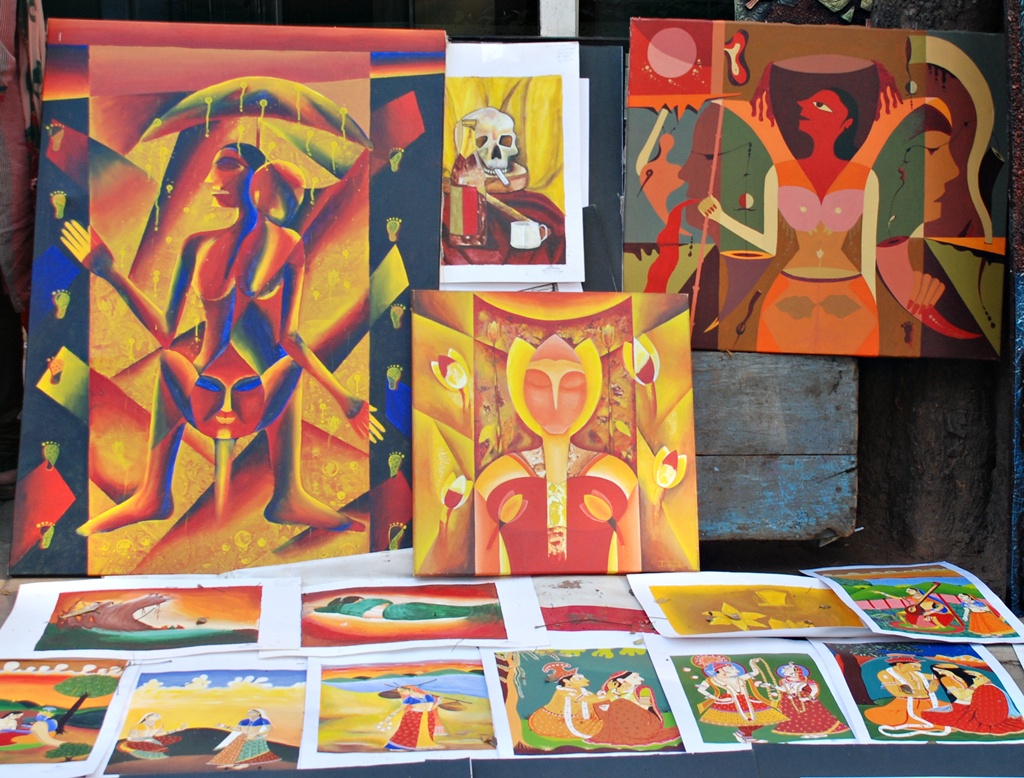
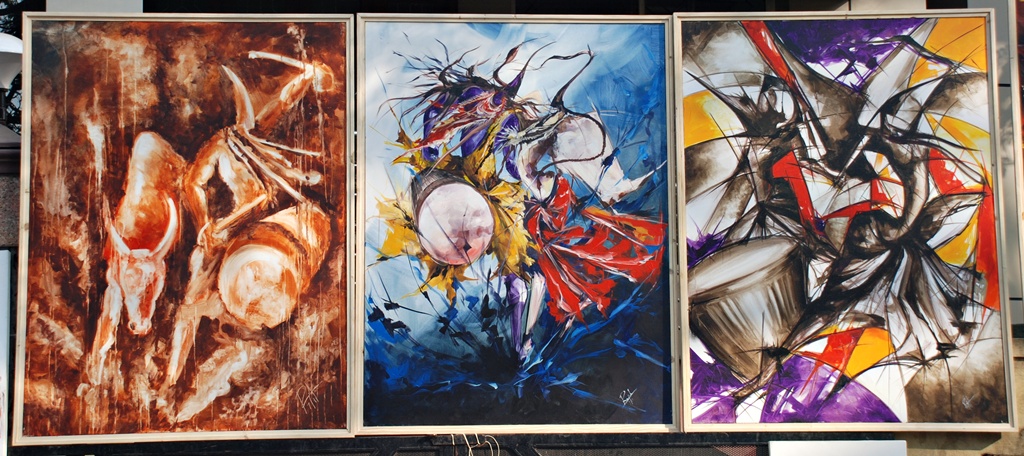
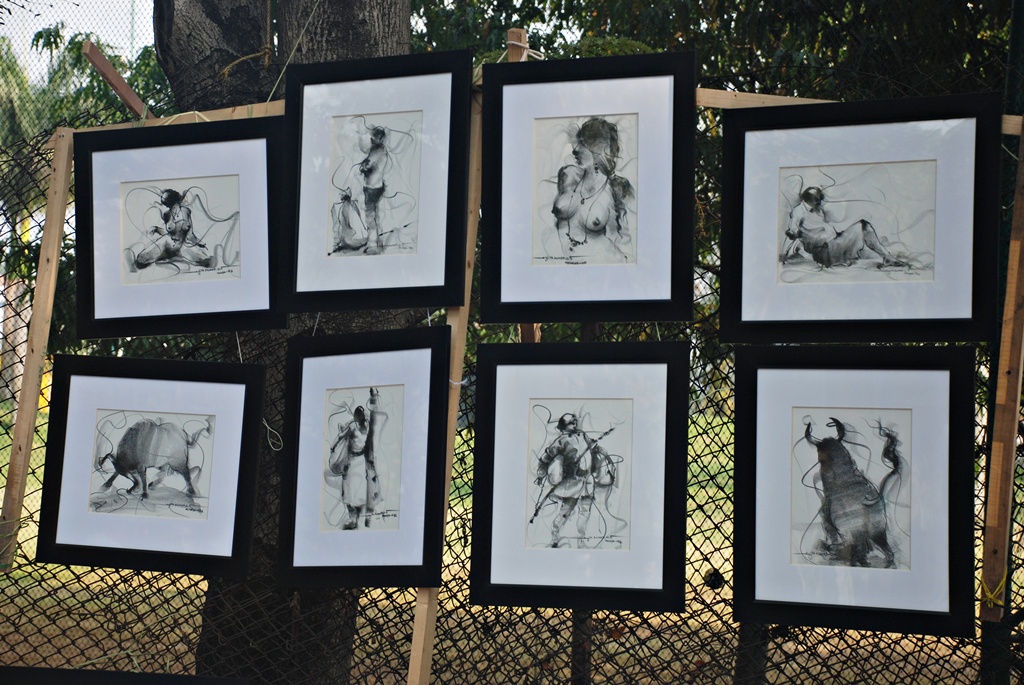
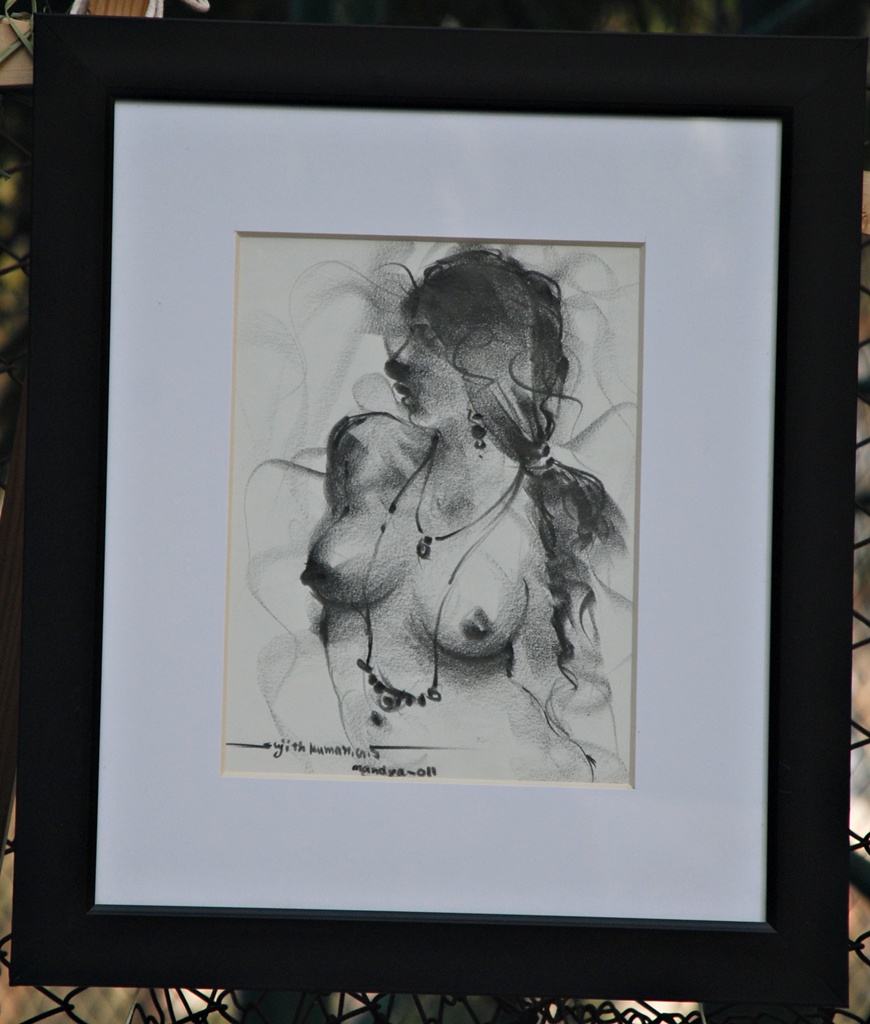
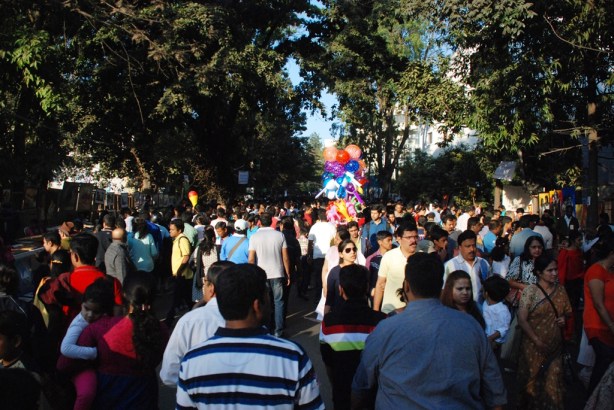
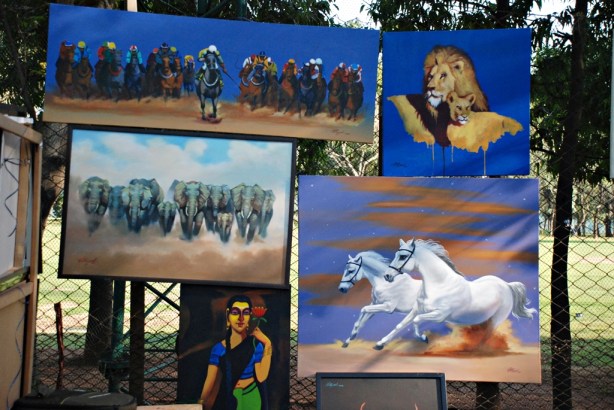
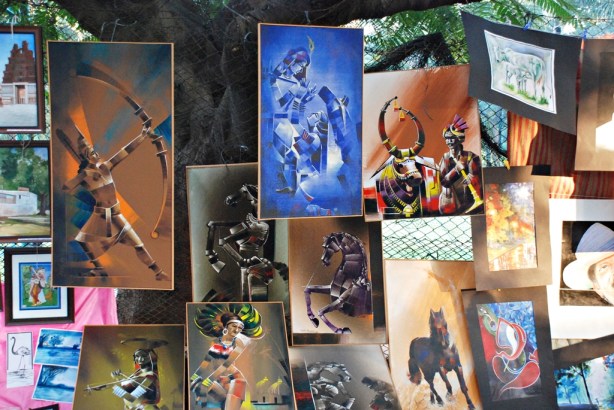
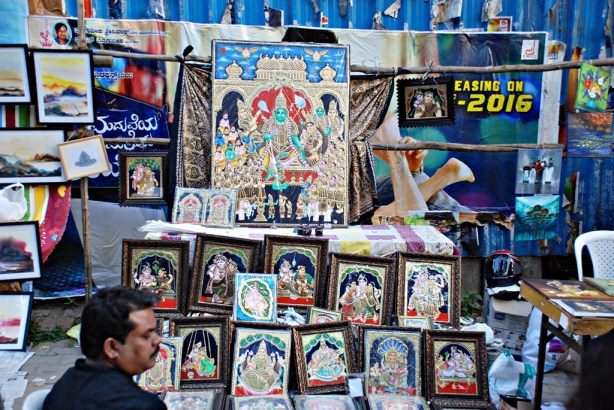
Chithra Santhe is an annual exhibition of paintings organised by the Karnataka Chitrakala Parishath. However, it is no ordinary exhibition; it is not held in any air-conditioned gallery but is an open air event held in a location created by blocking off the Kumar Krupa Road! You can see paintings everywhere you look and the variety is just incredible. You can find anything from abstract to Tanjore paintings and murals. Most people are likely to find a piece of art that attracts them and also fits their wallet.

I had visited the event four years back and had the good fortune to be at Bangalore while the event was on this time. However, we had not factored in the growth and so, were a bit short on time. While walking around, I heard an announcement that about 1,300 to 1,500 artists are participating in this year’s event. The crowd had also grown as compared to our last visit and I was very happy to see that even if it meant constant jostling and shouldering to cut through.

DSC_0590

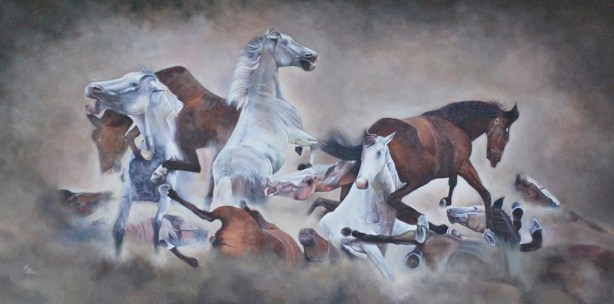
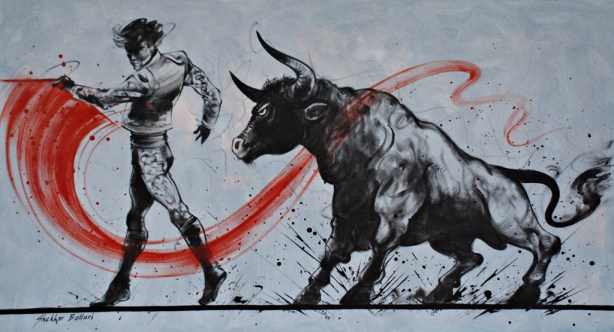
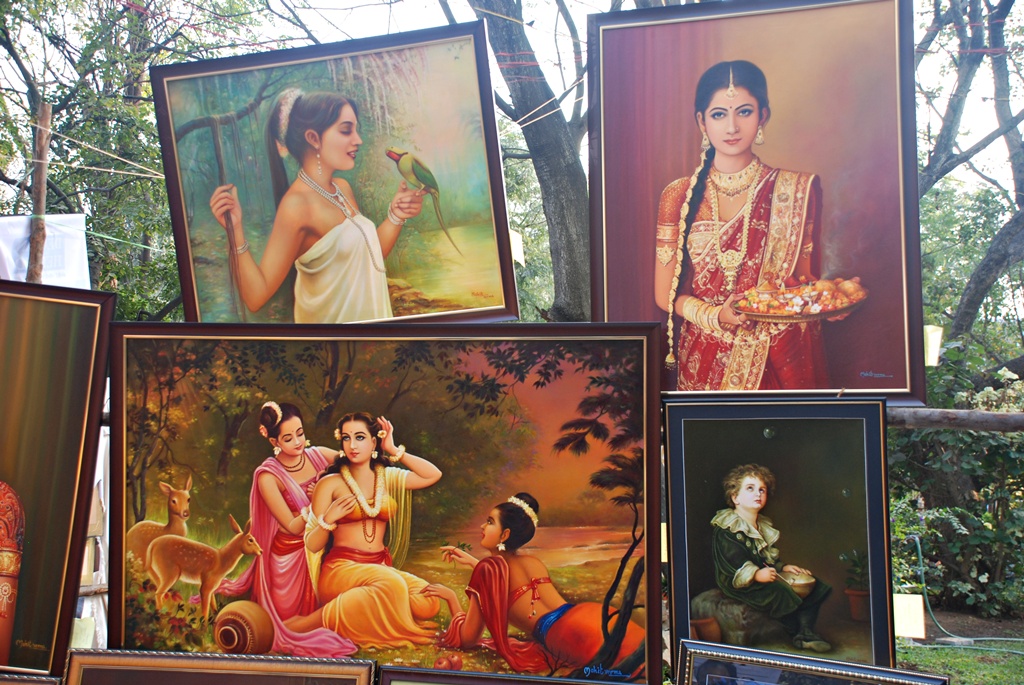
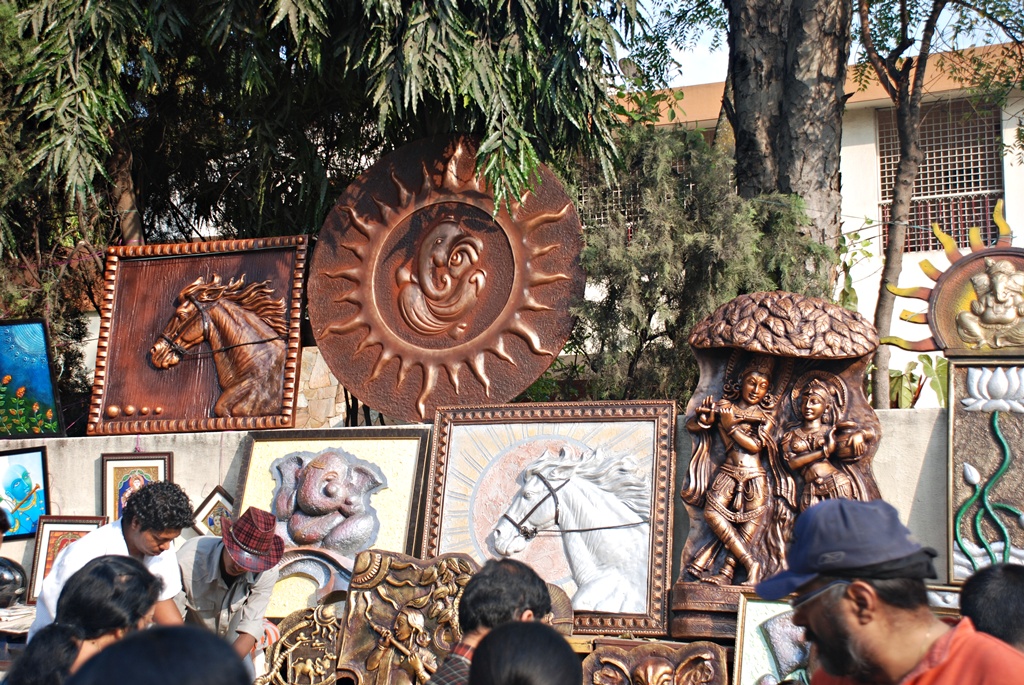
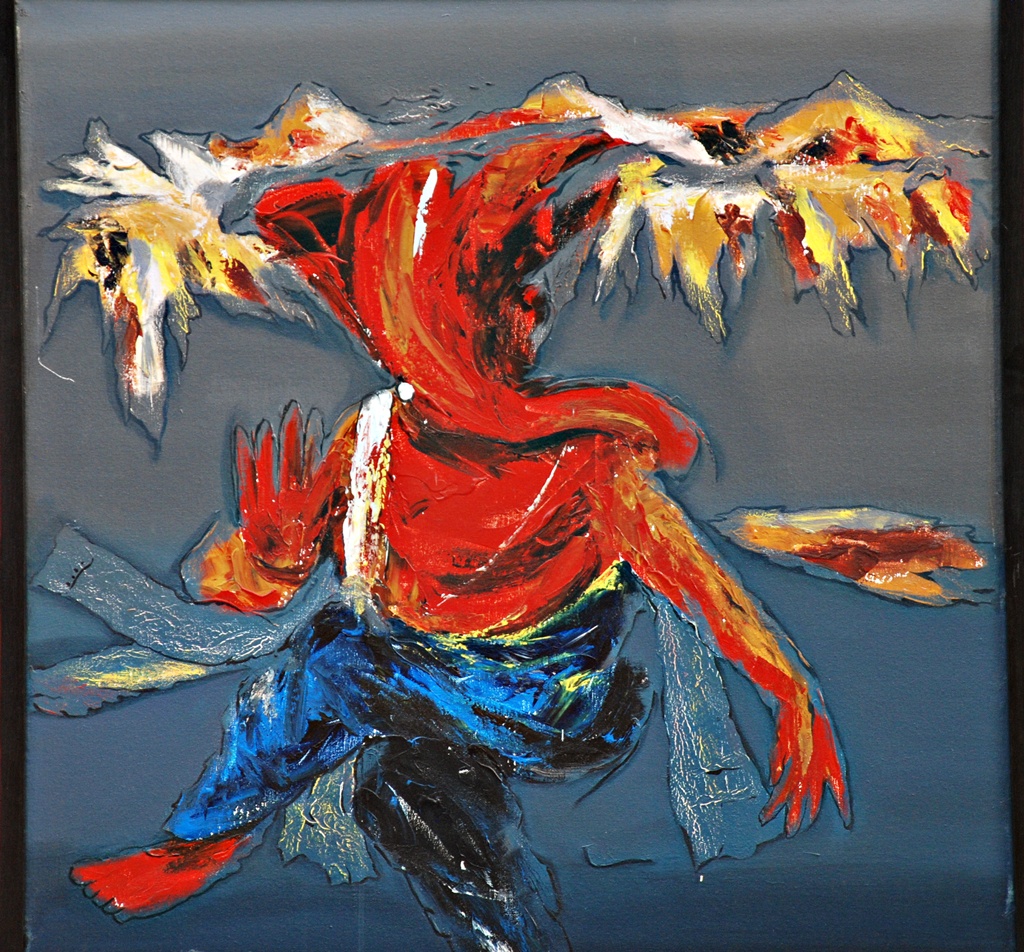
Most of the paintings were well crafted with most of the subjects being traditional. There were only very few works that could be classified as modern art as most paintings were focused on being pleasing to the eye. I do, however, feel that such events are very important in developing a culture of appreciation for the arts. The Chitrakala Parishath deserves a huge round of applause for organising the event. This is the 13th year of the Santhe and I would recommend this as a “must visit” event.

DSC_0540

DSC_0542

DSC_0544

DSC_0547

DSC_0549

DSC_0551

DSC_0557

DSC_0558

DSC_0559

DSC_0562

DSC_0564

DSC_0565

DSC_0567

DSC_0571

DSC_0582

DSC_0583

DSC_0586

DSC_0587

DSC_0589

DSC_0599

DSC_0602

DSC_0604

DSC_0605

DSC_0606

DSC_0611

DSC_0613

DSC_0615

DSC_0616

DSC_0620

DSC_0621

DSC_0626

DSC_0629

DSC_0633

DSC_0635

DSC_0636

DSC_0638

DSC_0640

DSC_0642

DSC_0644

DSC_0647

DSC_0649

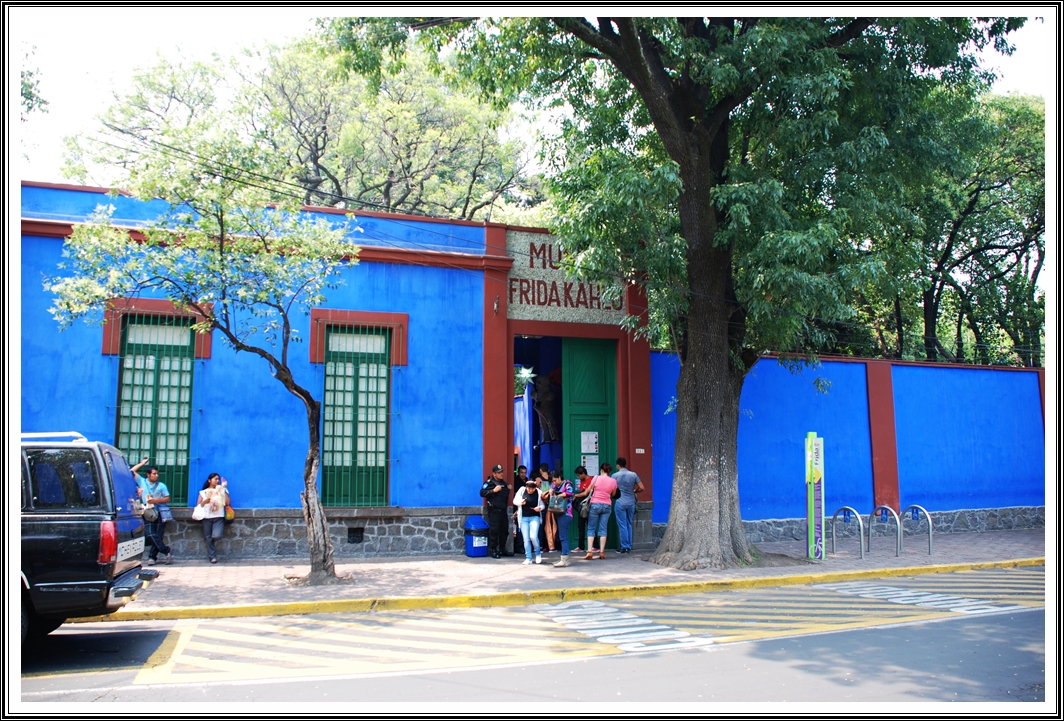
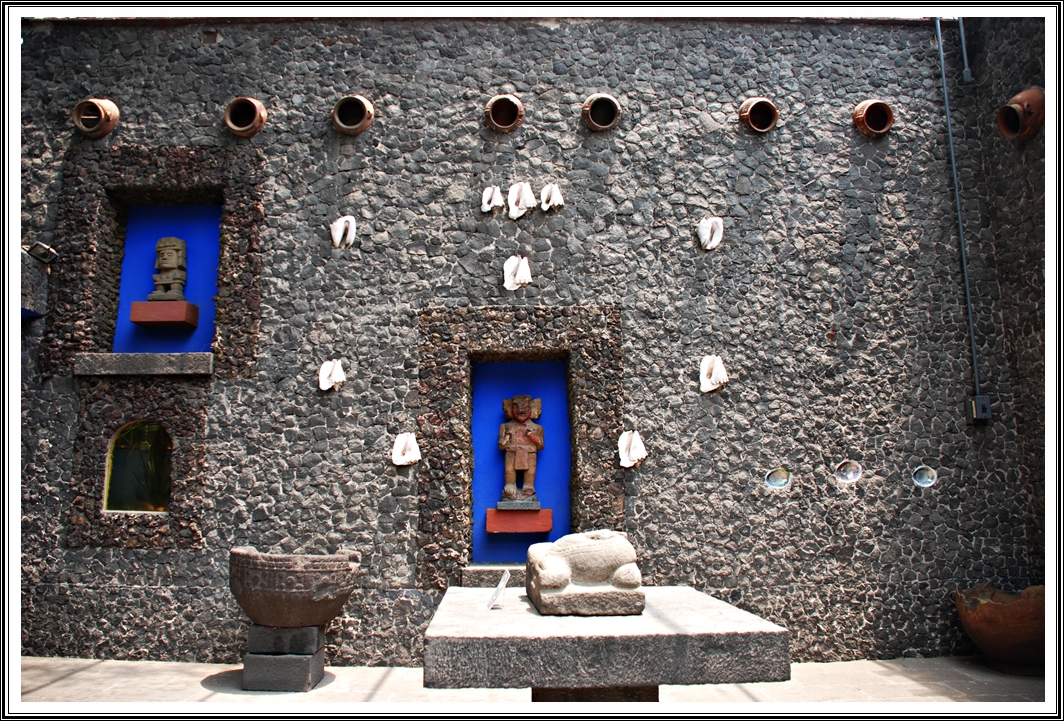
During a recent trip to Mexico City in May 2014, I found myself with a couple of days to spare and I set off to the Coyoacan neighbourhood of Mexico City to have a look at the Frida Kahlo Museum, otherwise known as the Blue House. Another interesting spot in the area is the house where Leon Trotsky spent his last days and I planned to visit that as well. I had read a bit about Frida Kahlo and was curious to see her house and works and so preferred that over other attractions like the National Gallery.

The house looked plain enough from outside though it was apparent how it got its name.

DSC_0594


Thankfully, they allowed photography inside the house and had an audio guide as well. The moment I set inside, I felt that I am at a place with a different feel to it. The colours were bright and it felt as if you yourself were in the frame of a painting! I do not know whether it was because of the reading I had done on Frida, which made me understand her as a very intense person, I could feel a strange energy in the house and even in the grounds.

DSC_0374

DSC_0379

DSC_0582


This was where she was born, lived most of her life and died. She had a bad accident when she was quite young and that affected her mobility in her later life and she was often sick as well. She married the famous artist Diego Rivera and they had a tempestuous relationship. Each had various affairs on the side and separated once but remarried after a short while. The house had actually been bought by Diego Rivera to help Frida’s father tide over some financial difficulties but the house is quintessentially Frida. After she died,  a grief stricken Diego decided to make it a museum for her and even though he himself was a famous and important artist in his own right, the place has been maintained as a memorial to Frida Kahlo.

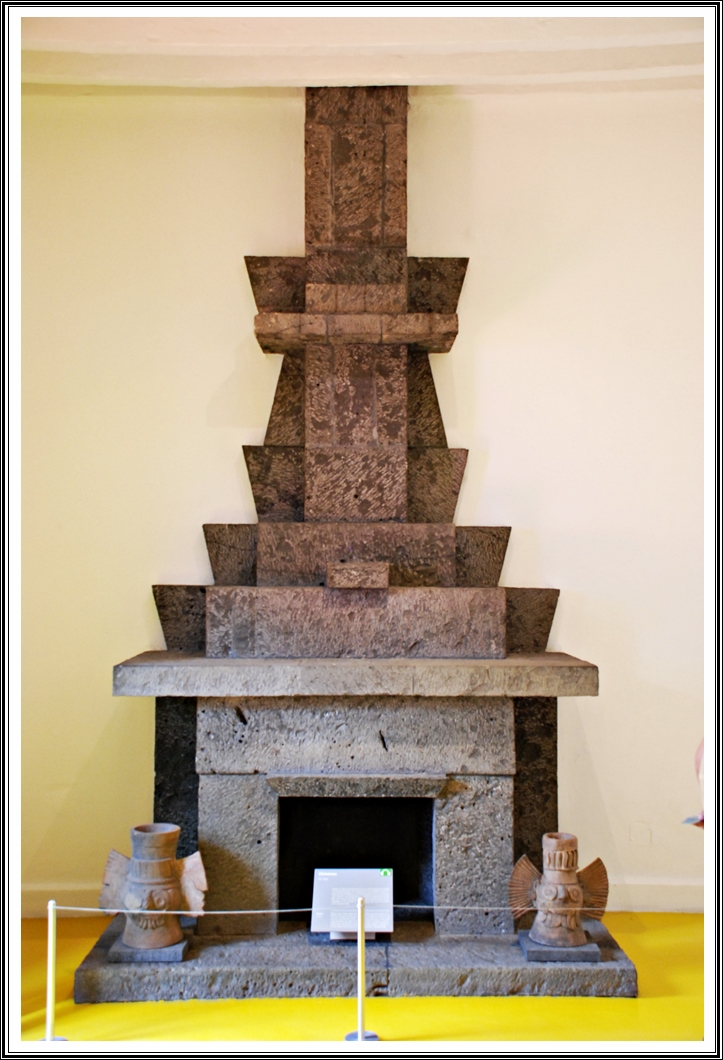
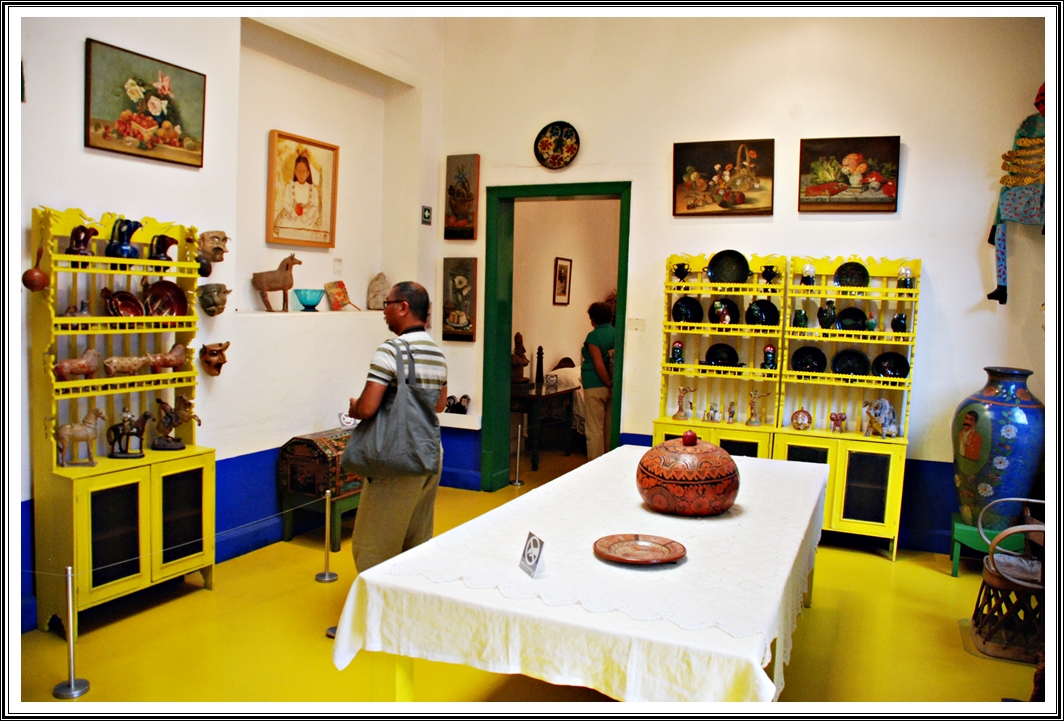
As one set foot inside the house, the first sight is a beautiful fireplace designed by Diego Rivera. Both Frida and Diego had a deep interest in the folk art of Mexico and the design of the fireplace brings out this aspect. The flooring was of a bright yellow, in keeping with the rather bright blue outside. I was wondering how it would be to be surrounded by such bright colours all the time, especially when I contrasted with the pastel shades that I am used to at home.

DSC_0388

Various finished and semi-finished paintings were displayed in the room. Frida was always deeply unhappy about her inability to be a mother and that often affected her works. For instance, the wife of the Mexican President commissioned her to do a painting and she did a still life. However, it was done on a specially made frame the shape of a womb and the fruits were also representative of female genitalia. The President’s wife reportedly refused to pay for the painting!

DSC_0488


There is another unfinished work titled “Frida and the Cesarean”, which also depicts the deep frustration she had on this matter.

DSC_0397

Frida’s father was a photographer and was a big influence in her life. There is a painting in the front room itself.

DSC_0389


Both Frida and Diego were taken up by Marxism and invited Trotsky to Mexico. Trotsky and his wife stayed with them at the Blue House initially and the later on shifted to another house nearby. The photograph below shows Trotsky with Frida and Diego.

DSC_0506


After Trotsky’s death, Frida and Dieg became Stalin’s followers. There were a couple of works that showed her involvement with Marxism.

DSC_0405                                                                                     “Marxism will bring health to the sick”


DSC_0418                                                                                                                    “Stalin and Frida”

Frida was emotionally quite high strung and was physically unwell as well, many a time. Yet she had a strong will and fought to overcome her adversities. Many of the luminaries of the time were frequent guests of Frida and Diego and they had affairs with some of them as well. Diego’s affairs were all very public whereas Frida was more discreet. I read that Frida was always tormented by Diego’s unfaithful nature but I was a bit amused by that as by all accounts, she herself had enough affairs on the side (supposedly she even had one with Trotsky) as well!

There were many finished and unfinished paintings and sketches all around the house and even the unfinished works held some sort of attraction for me. Overall, I felt strangely drawn to some energy that this woman had left in the house and her works even after sixty years of her death.

DSC_0470                                                                                                                   “Long Live Life”


DSC_0475                                                                                                              “Colour Palette”


DSC_0458                                                                                                          “Pedregal Landscape”


DSC_0468                                                                                                                  “The Brick Kilns”


DSC_0424                                                                                       “Portrait of Arija Muray” (Unfinished)


DSC_0455                                                                                                                           “Ruin”


DSC_0449                                                                                                                              “Head”

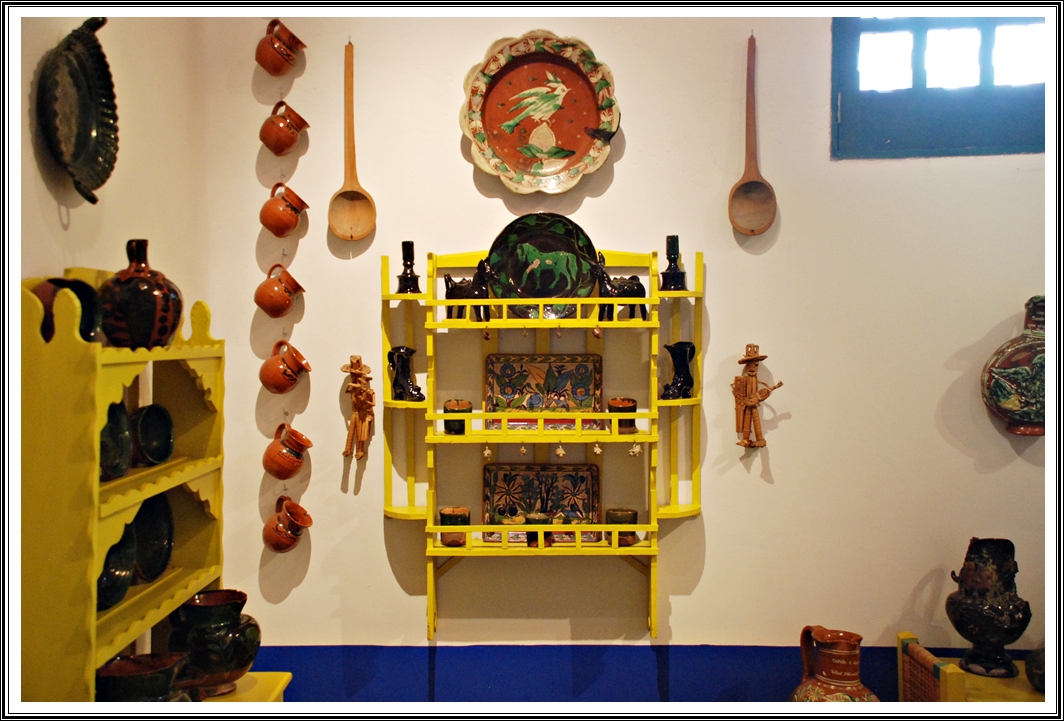
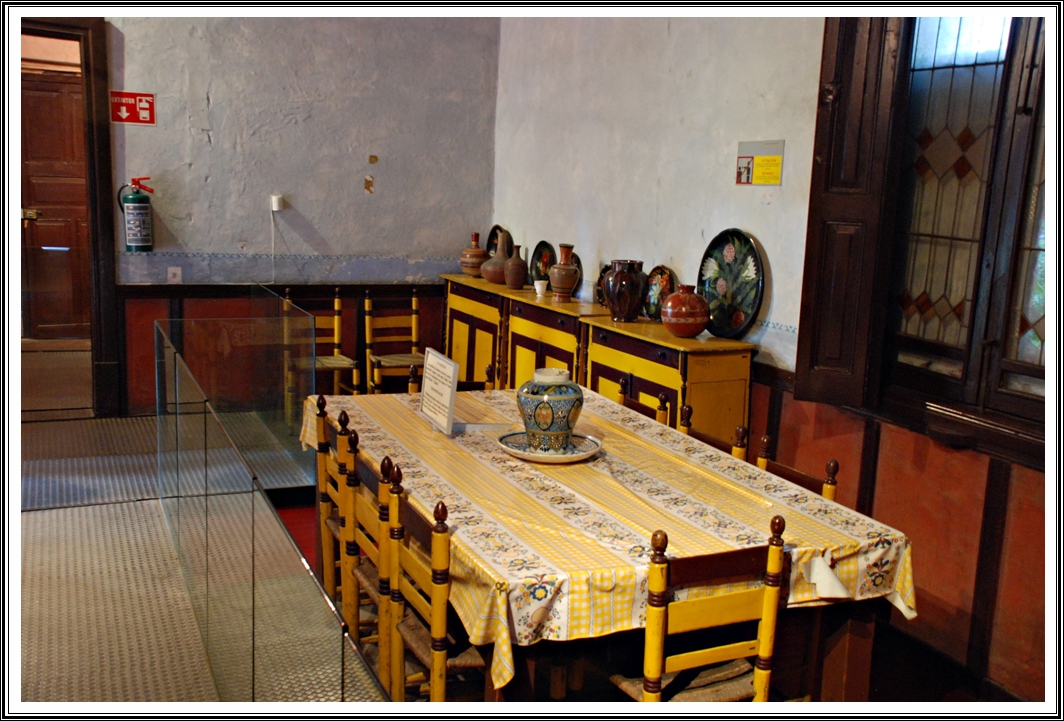
The house is full of bright colours and beautiful objects. There were many traditional utensils and in the kitchen, they used traditional methods for cooking.

DSC_0544

DSC_0534

DSC_0547


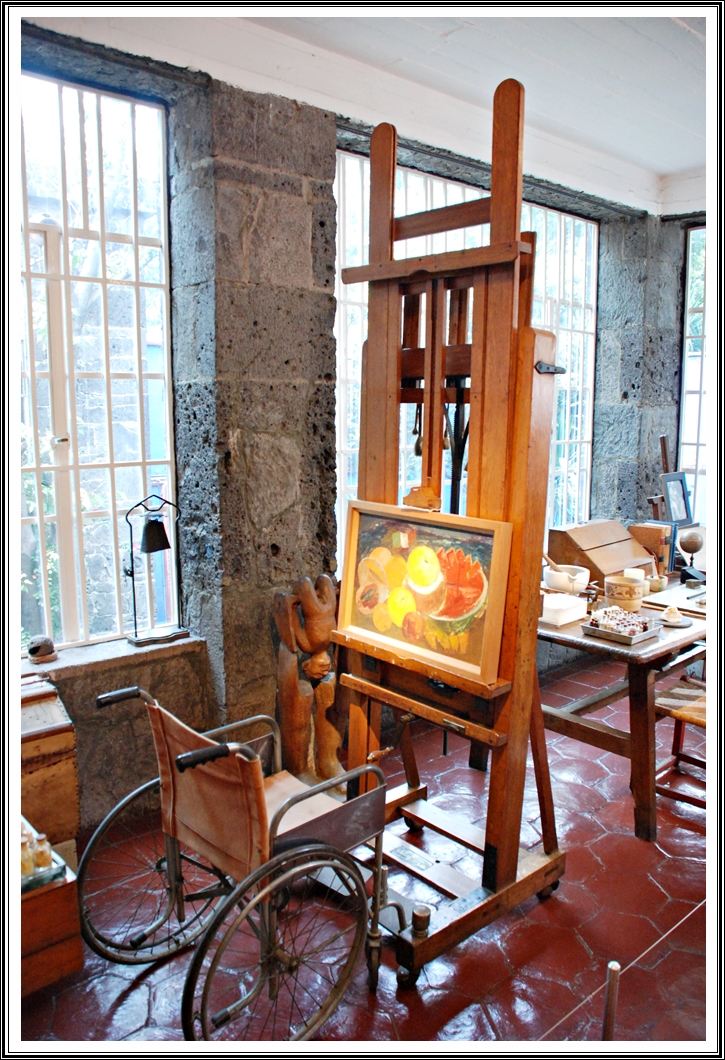
Frida’s studio is on the first floor and I heard in the audio guide that Frida was so unwell many a day that she had to be carried up. The studio itself is brightly lit with sunlight streaming in from all sides.

DSC_0552

DSC_0554


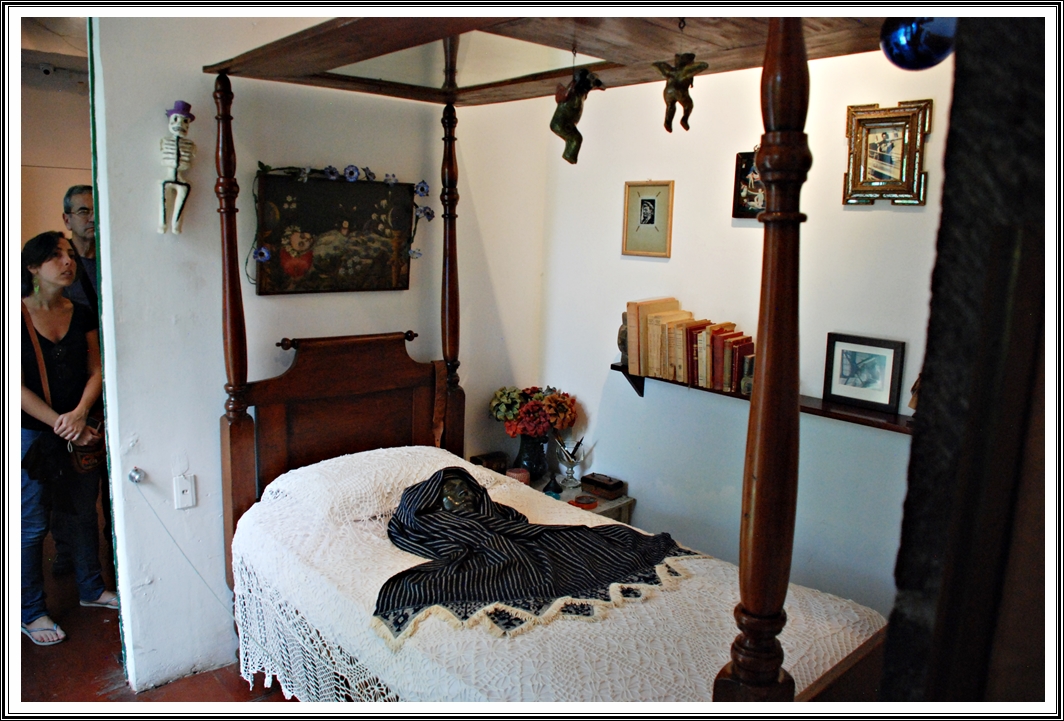
Her bedroom is filled with many objects and there is a small ante-chamber that had a day-bed.

DSC_0557

DSC_0571


Inside the bed room is an urn designed in the traditional Mexican tribal style. This contains the ashes of Frida and to me it somehow was a bit strange and unsettling to think that her ashes were there inside that urn.

DSC_0569

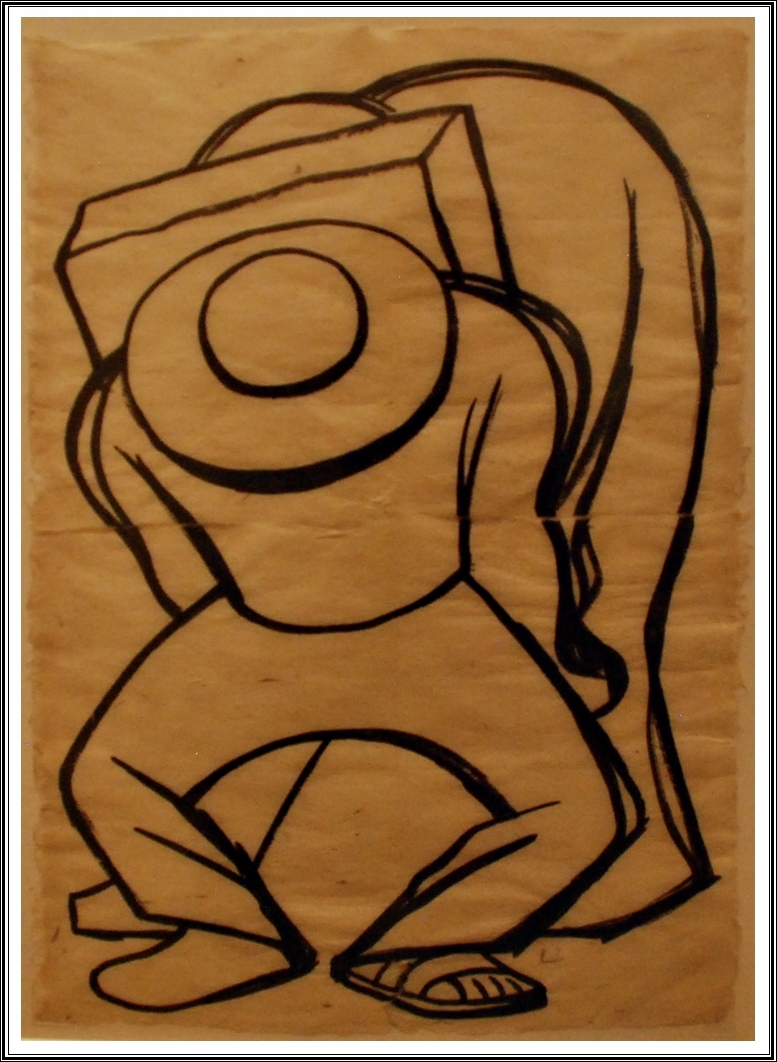
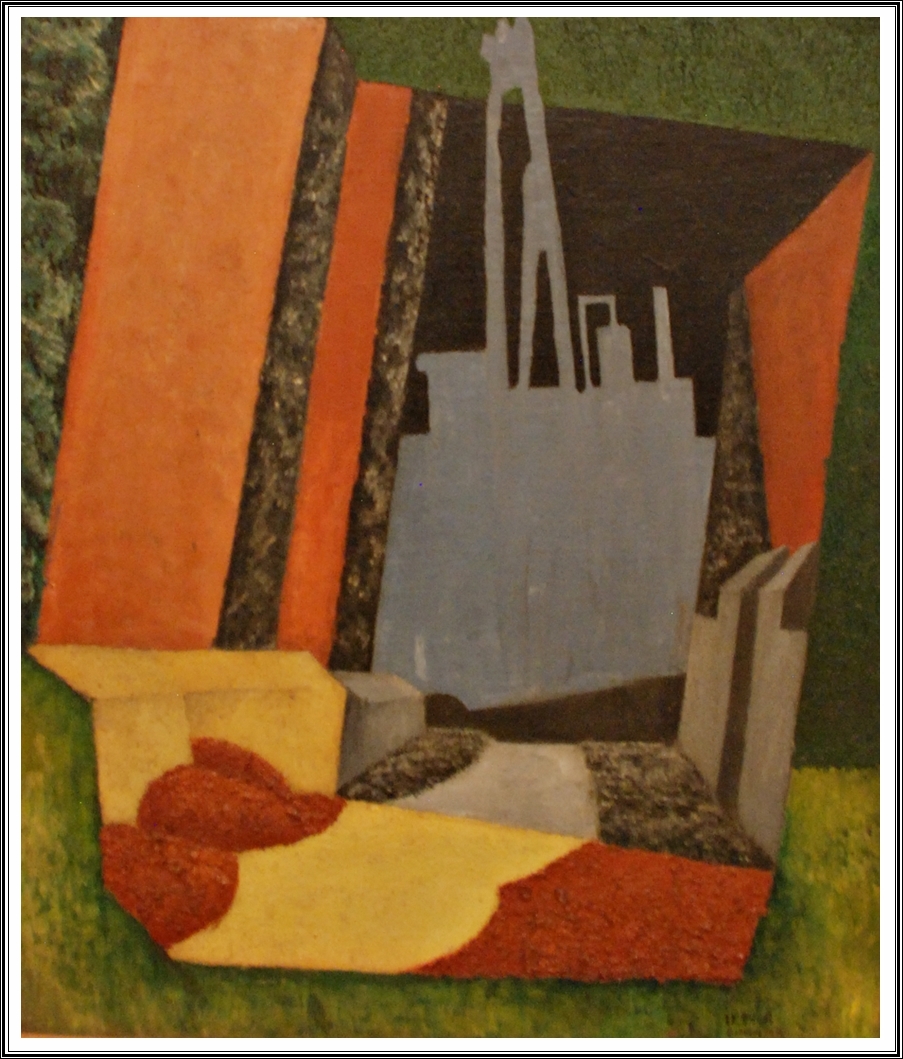
There were a few of Diego Rivera’s works also in the museum.

DSC_0527                                                                                                                “The Porter”

DSC_0510                                                                                                                  “Landscape”

DSC_0514                                                                                             “Landscape with Locomotive”

DSC_0519                                                                                                      “The Seated Woman”

DSC_0523                                                                                                           “The Alarm Clock”

I stepped out once again in to the garden for a final look around and spent a few minutes contemplating on the life of this very gifted artist and wondered whether she would have been happy in her life. Intense people are often quite unhappy when they are down and reasonably high when they are feeling happy. In the house is a photograph of Frida Kahlo and I felt it captures her intensity very well.

DSC_0532


Perhaps, these extremes are reflected in her work and in the house itself!

DSC_0581

DSC_0585

DSC_0574

With these thoughts, I bid adieu to the Blue House and walked to the Trotsky Museum, which is quite close to the Frida Kahlo Museum.

If Frida’s house is painted blue, Trotsky’s is all painted red from the outside.

DSC_0691

There is a small but nice garden in the house and the house itself is quite small and very modest. One would never expect that a man like Leon Trotsky, who was a key actor in an event that changed the course of the world – the Russian Revolution – would have lived here.

DSC_0686

DSC_0675


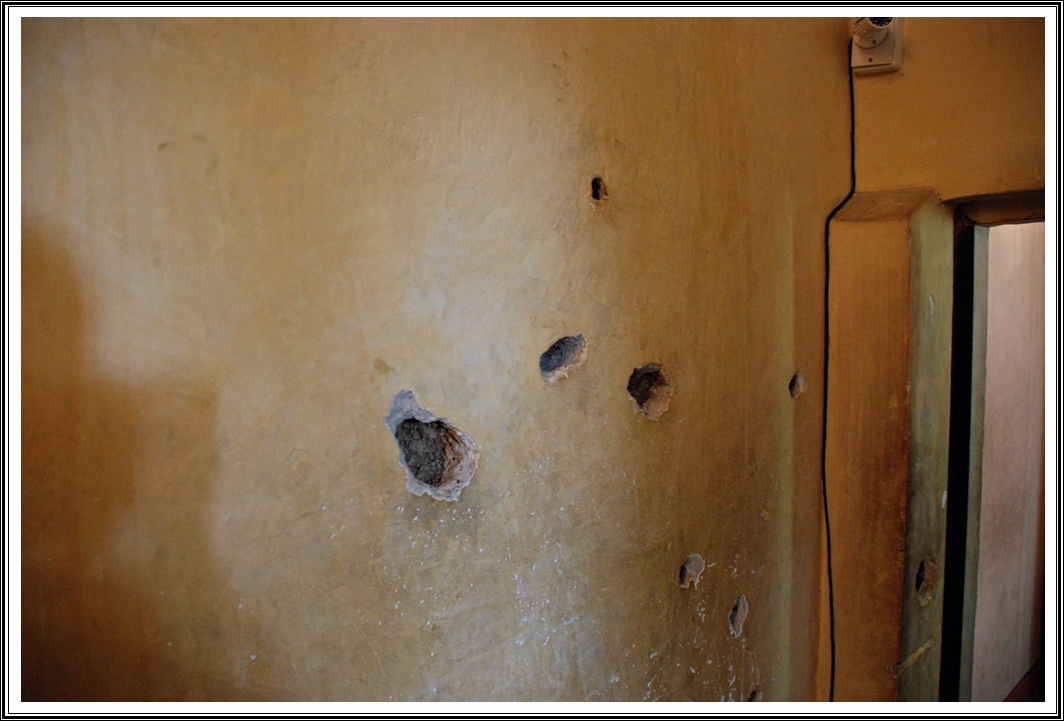
In 1929, Trotsky had a fall-out with Stalin and had to leave Russia. Stalin, was of course, in a drive to remove that could be a potential threat to him and his hold on power. Trotsky and his wife lived in different parts of Europe till 1937 and they went to Mexico on the invitation of Frida Kahlo and Diego Rivera. They even stayed with them will 1939 and then moved to another house in 1939. In May 1940, an attempt was made on Trotsky’s life, but he survived. The bullet holes from that assassination attempt can be seen on the walls even today. However, a second and successful attempt was made on August 20, 1940 and Trotsky was killed while he sat working on his desk.

DSC_0604                                                                                          Photo of Trotsky reading a book

DSC_0639                                                                                                               Dining room

DSC_0625                                                                                                                           Kitchen

DSC_0654                                                                       Trotsky was working on this desk when he was killed

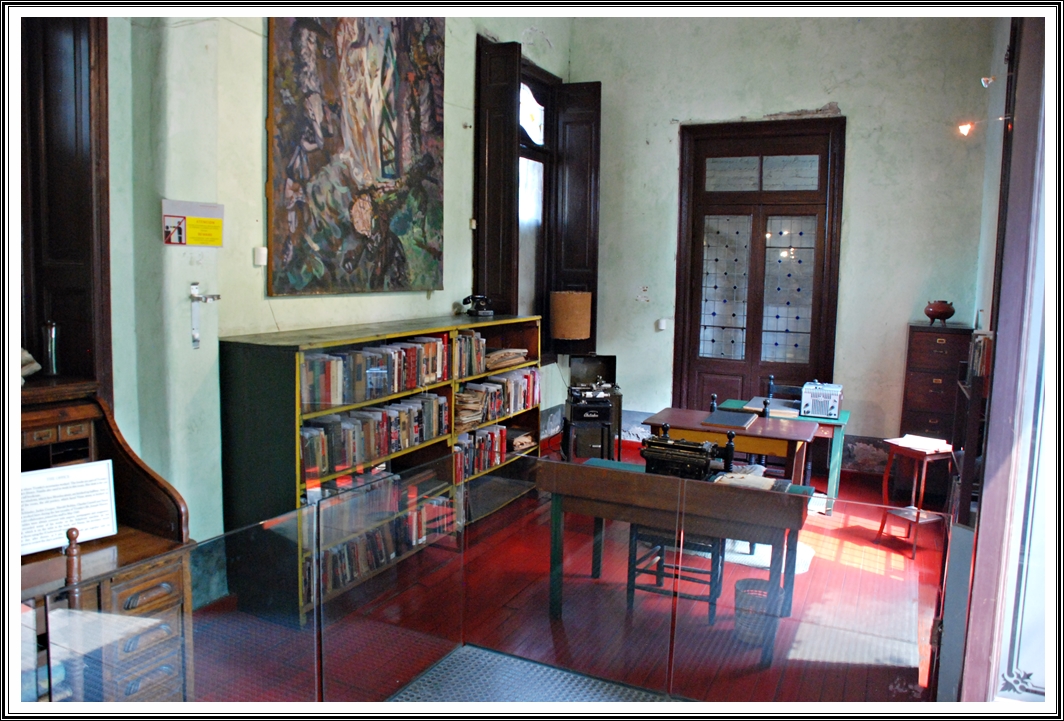
DSC_0638                                                                                                                    Office

DSC_0665                                                                             Bullet marks from the first assassination attempt

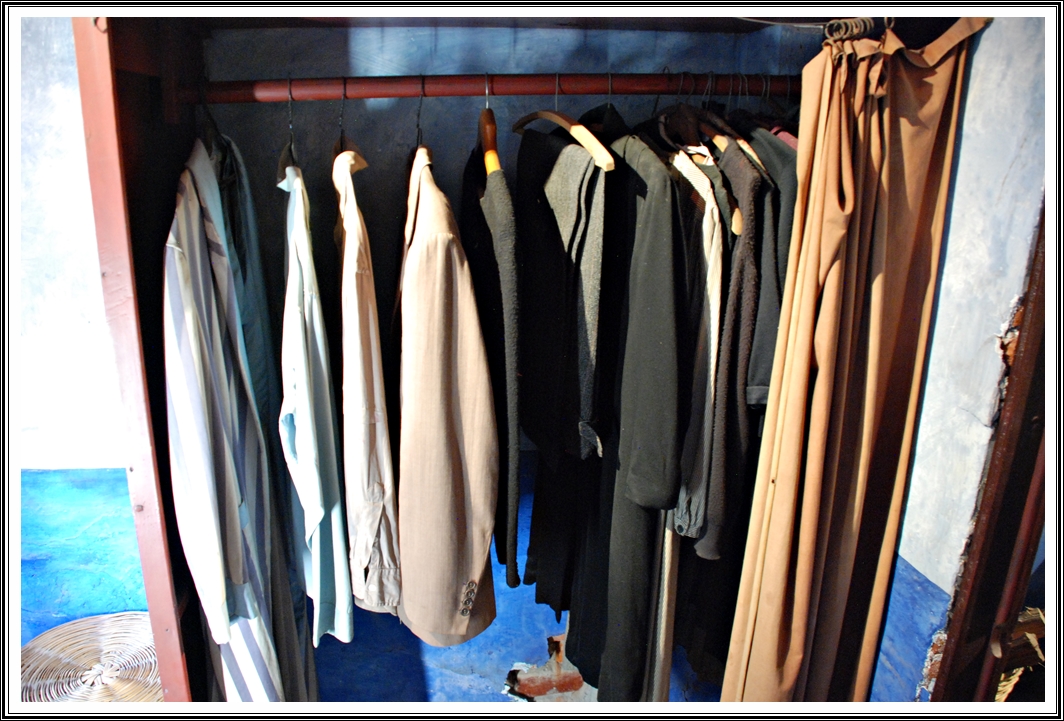
DSC_0667                                                                                                            Trotsky’s clothes

DSC_0681                                            Trotsky and his wife (who passed away in 1982) are buried in the grounds of the house.


In these very humble surroundings, lived a man who dedicated his life to the uplift of the working classes. He was the founder of the Red Guard and I thought about what I had read in John Reed’s “Ten days that shook the world”. In those days when the revolution was actually carried out, two men stood out as the key leaders who made a difference. Without them, the Bolshevik Revolution would definitely have failed. They were Lenin and Trotsky. It was evident that Trotsky had the same impact as Lenin and it must have been true because the book was written in 1919, well before any propaganda regime took over. Stalin is mentioned only twice in the book (and one is just in a list of members in some committee) whereas Trotsky is a presence throughout. Sure enough, Stalin banned the book and any mention of Trotsky soon became anathema in Soviet Russia.

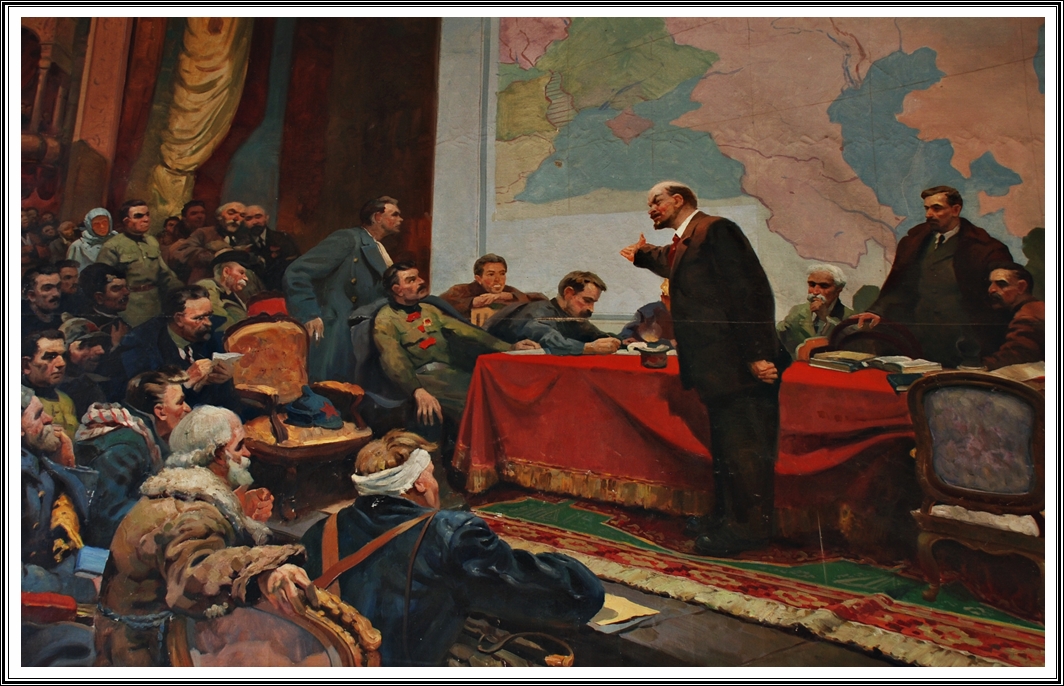
There is a large painting just at the entrance of the museum and it depicts a meeting as part of the VIII Congress of the Soviets of Russia that was held in December, 1920. Lenin and Stalin are both present whereas Trotsky is absent, quite curious as Trotsky would definitely have been present, given his stature in the party. However, a closer look shows an empty chair with a green cap on it – just the one that Trotsky used to wear!

DSC_0688

To me, this painting captured all that went wrong with a noble Revolution. Ultimately, man is greedy and power corrupts; even Stalin, who was a participant in the Revolution himself, was not above it. How right was George Orwell when he wrote in “Animal Farm” – “All animals are equal; bust some animals are more equal than others”.

21 May 2013

Seville, the land of flamenco and bull fighters, was also an important port with a river that connected it to the Atlantic, a 100 km away. It was from that Christopher Columbus set sail to East Indies and ended up discovering America. Immediately after the Moor invasion in the Eighth century, Seville was under the Caliphate of Cordoba. After Cordoba fell in AD 1031, Seville became a small kingdom by itself and was ruled by the Almohad dynasty. As with the rest of Andalusia, Seville also was under constant attack because of the Christian Reconquest and finally, it fell to Fernando III of Castille in AD 1248.

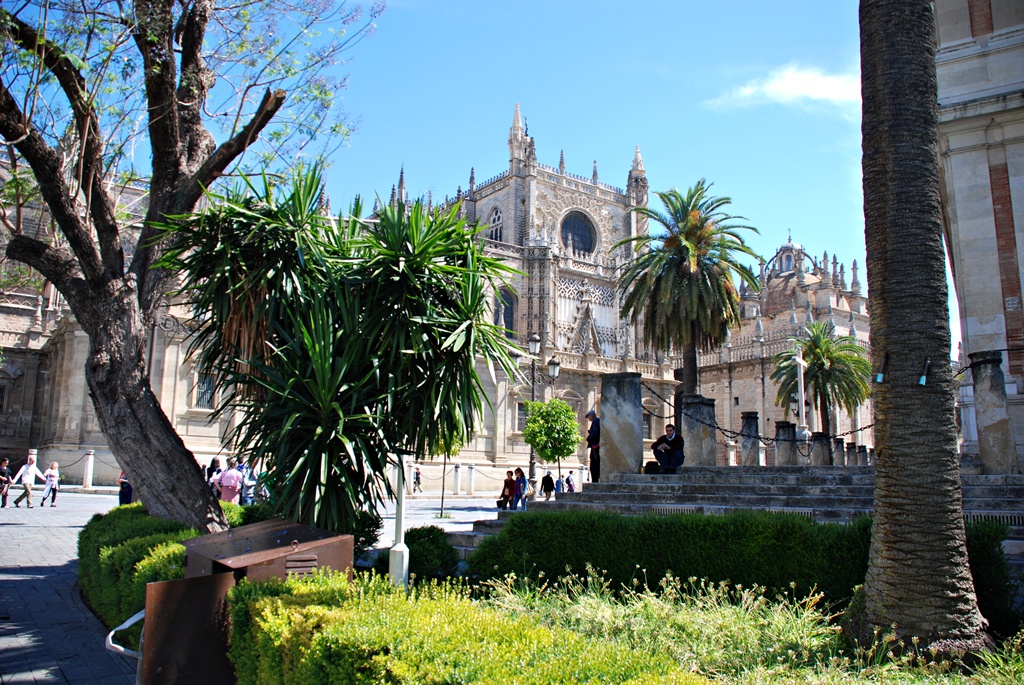
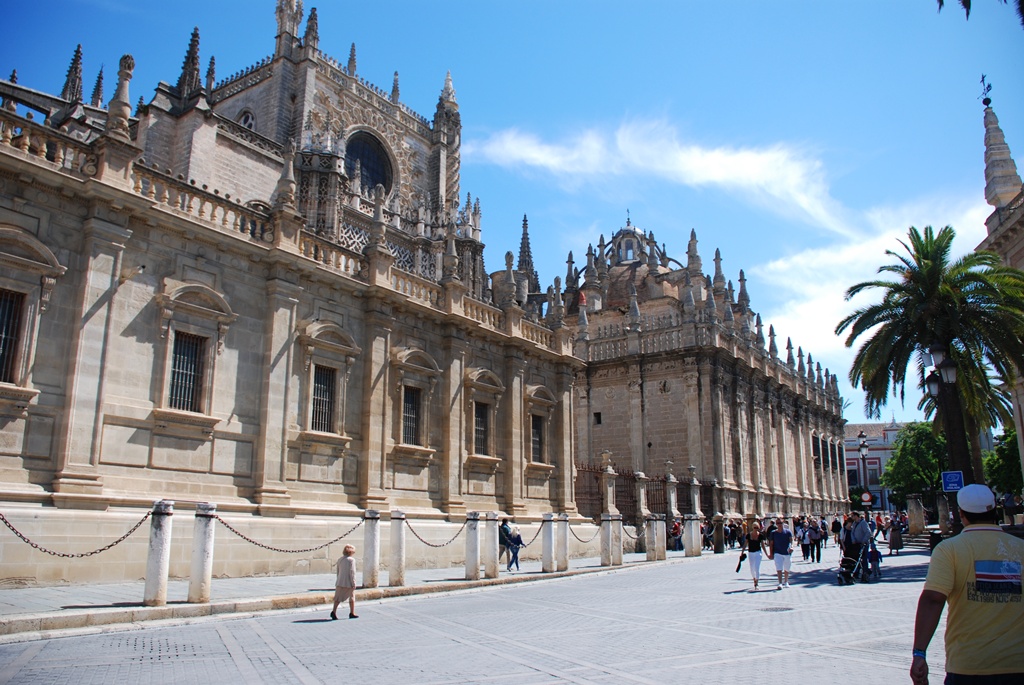
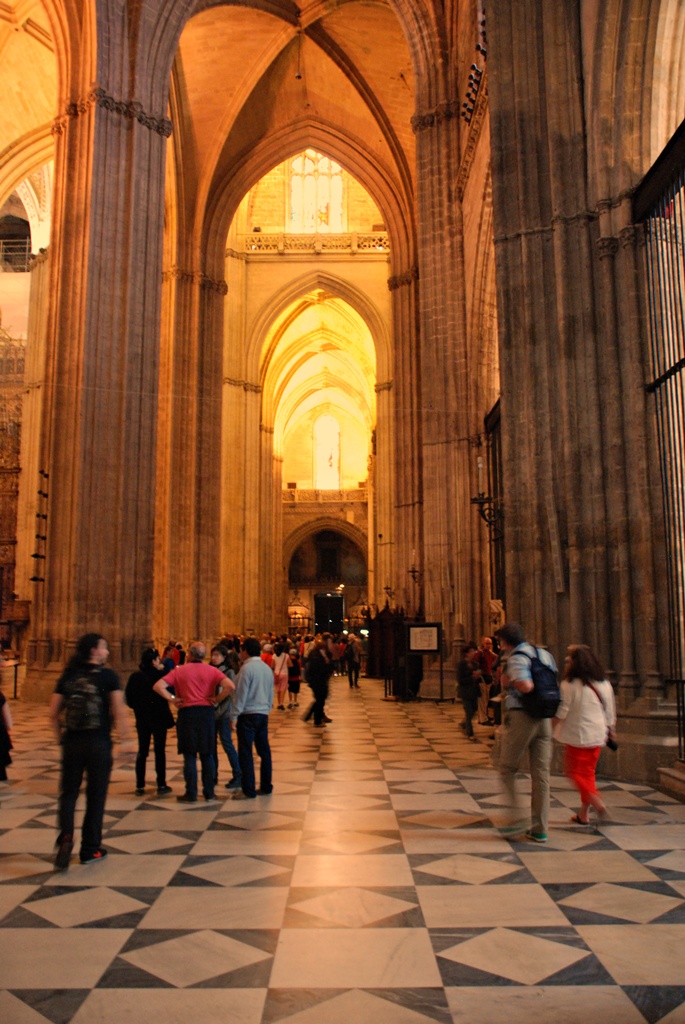
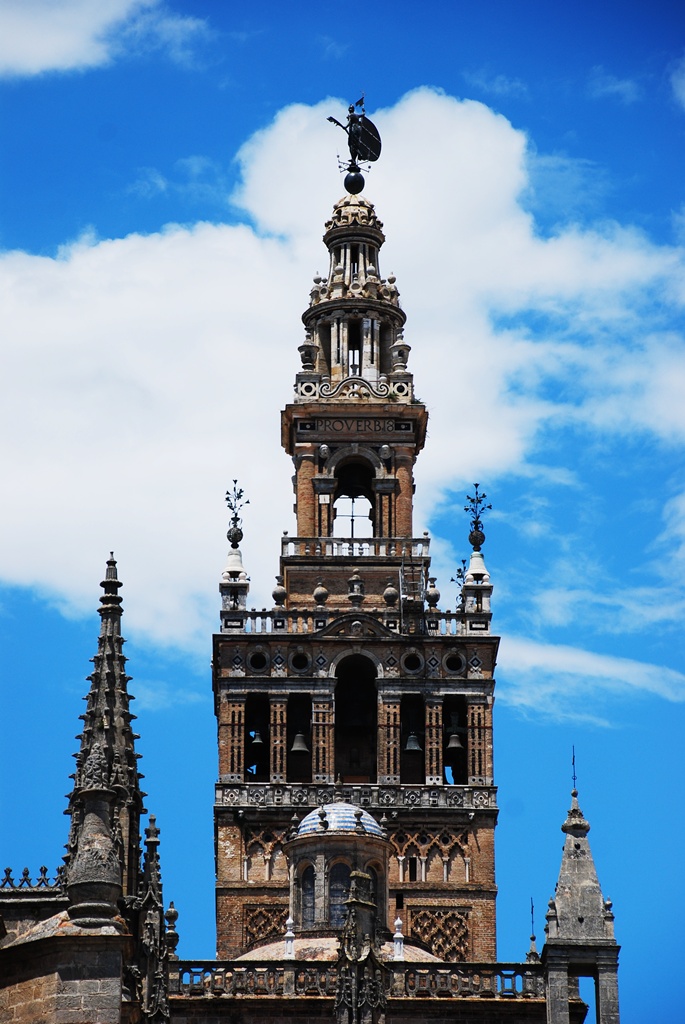
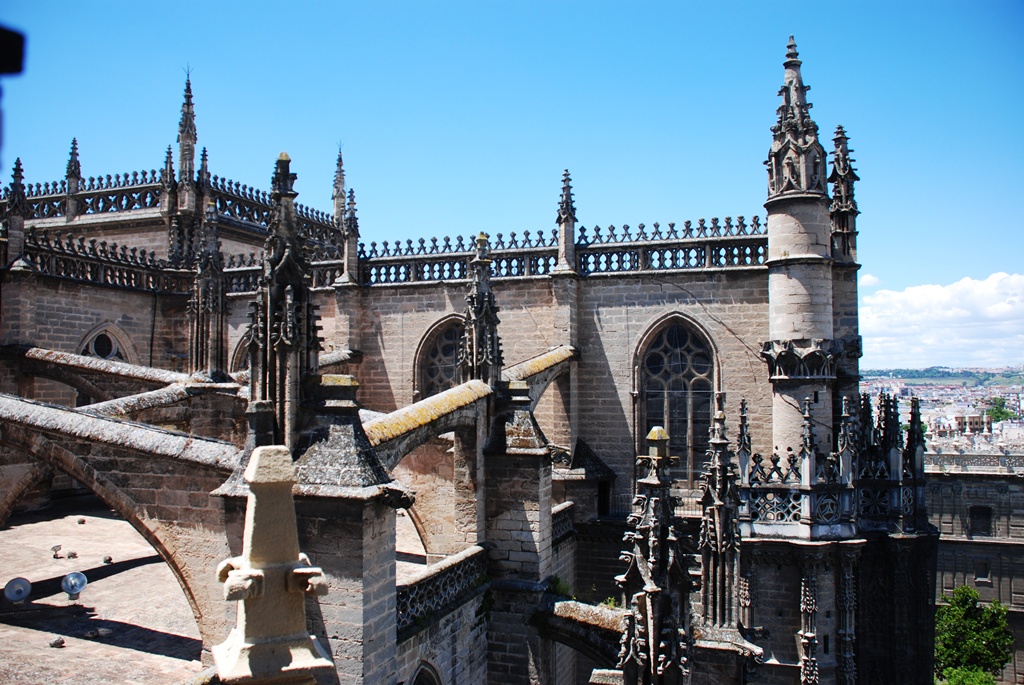
As per the guidebooks, the most important sight in Seville is the Cathedral and so that was our first stop for the day. The Cathedral is built on the location of an old mosque, which was demolished in AD 1401. The construction of the new church took more than a hundred years and was completed in AD 1507. The majestic minaret of the old mosque, called La Giralda, was kept intact and is part of the Cathedral. The building is huge and awe inspiring.

Spain_May13_ 001

Spain_May13_ 003

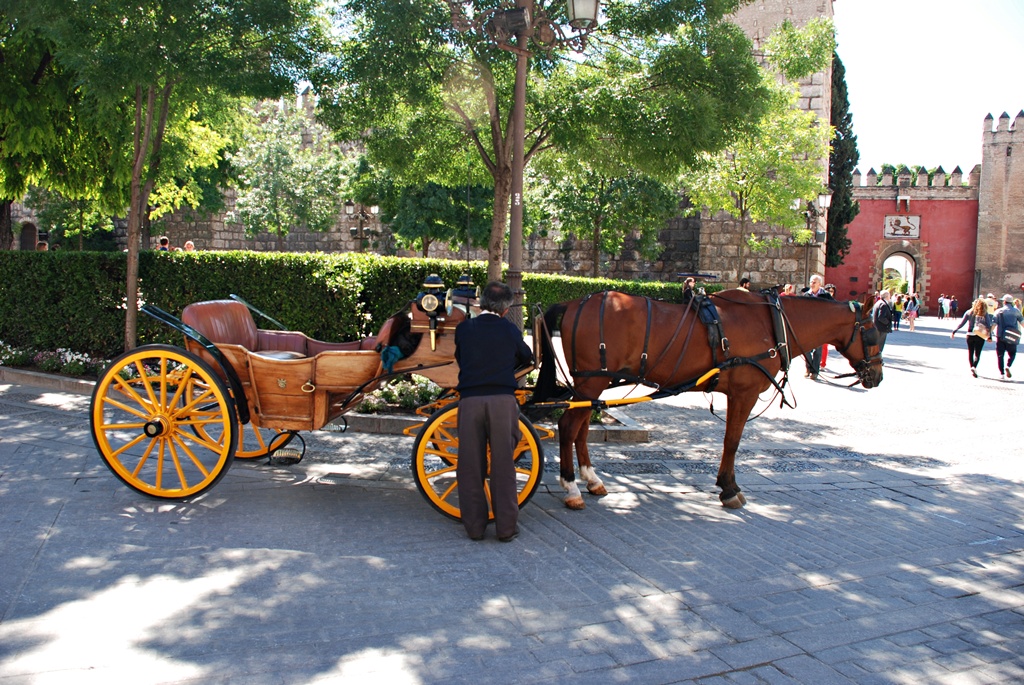
There was a queue to enter the Cathedral and joined up. The square around was already active with many buggies and such, available for fun rides around the town.

Spain_May13_ 010

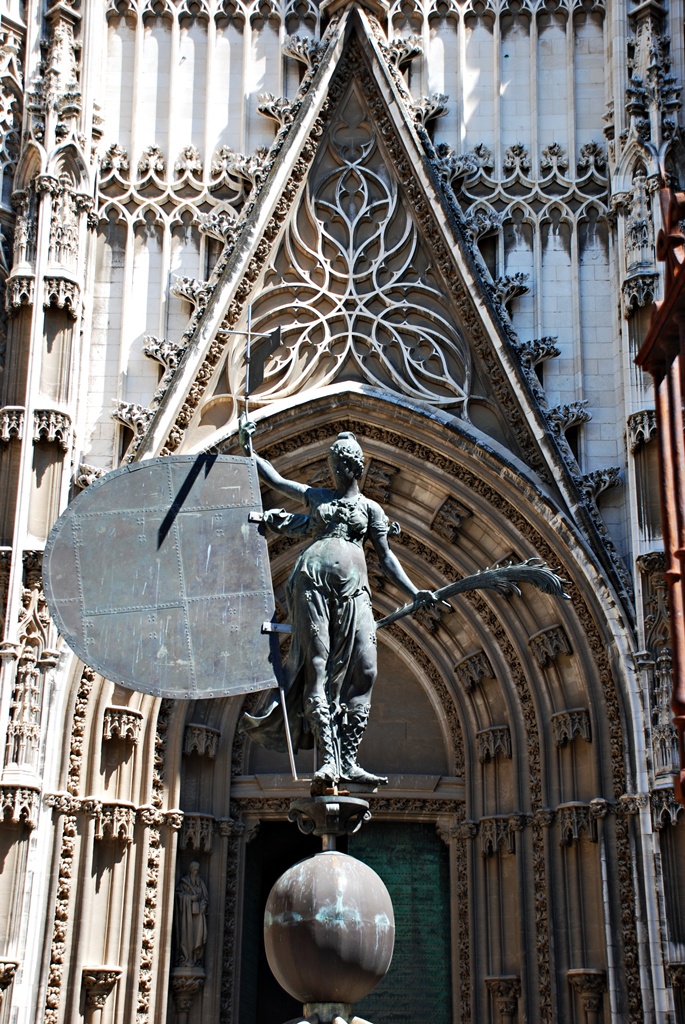
The La Giralda got this name after a weathervane, in the shape of a statue, was installed on top of the minaret in the Sixteenth Century. This statue represents the victory of Christian faith and that must be why it was placed on top of the minaret that represented Islam. A replica of the status is displayed as one enters the yard of the Cathedral.

Spain_May13_ 018

This Cathedral was the largest in the world when it was commissioned and supposedly, the authorities wanted such an impressive building that everyone would think they were “mad”! In any case, it is a colossal structure with very many impressive chapels.

Spain_May13_ 029


Spain_May13_ 048

Spain_May13_ 125

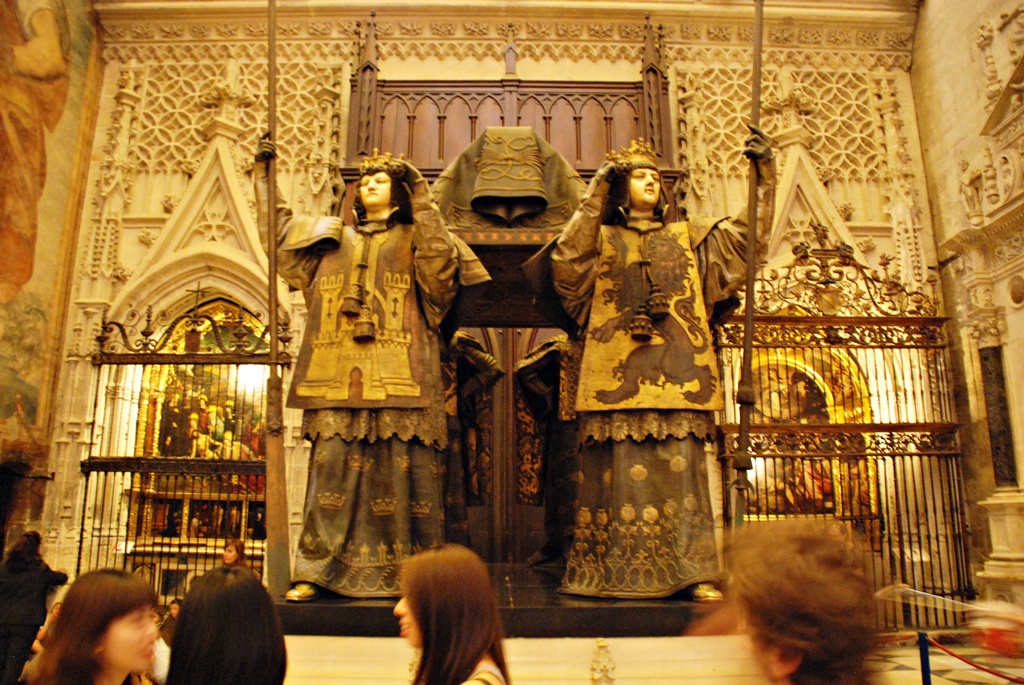
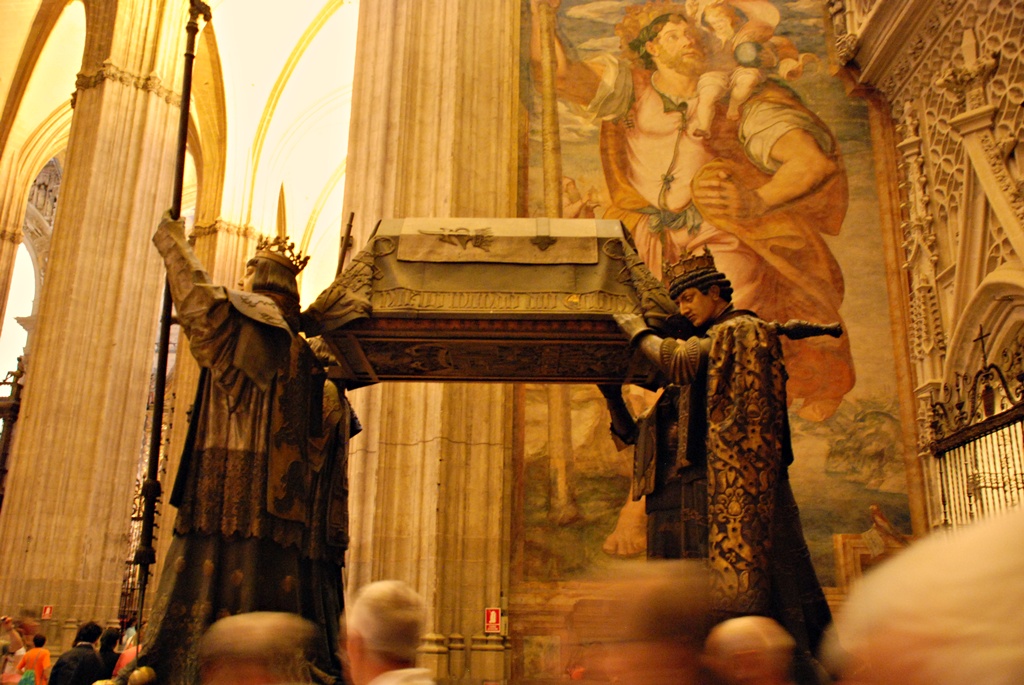
What attracted me the most was the tomb of Christopher Columbus. This tomb is supposed to contain his mortal remains though there is controversy on the subject as he was originally buried in the Dominican Republic and it is said that most of his remains are still there. The four pall bearers represent the four kingdoms of Spain – Castile, Leon, Aragon and Navarre. The significance of Columbus in Spain’s history is borne out by the fact that the Catholic Monarch, Queen Isabella herself is shown as the pall bearer representing Leon (on the front left with the oar in hand). The other pall bearer in the front holds a spear with a pomegranate, showing the fall of Granada (Granada means pomegranate in Spanish). I was very attracted to this tomb and I spent a lot of time around it. That I was standing close to a man (even if it were the remains) who was such an adventurer and visionary, was a special feeling.

Spain_May13_ 065

Spain_May13_ 051

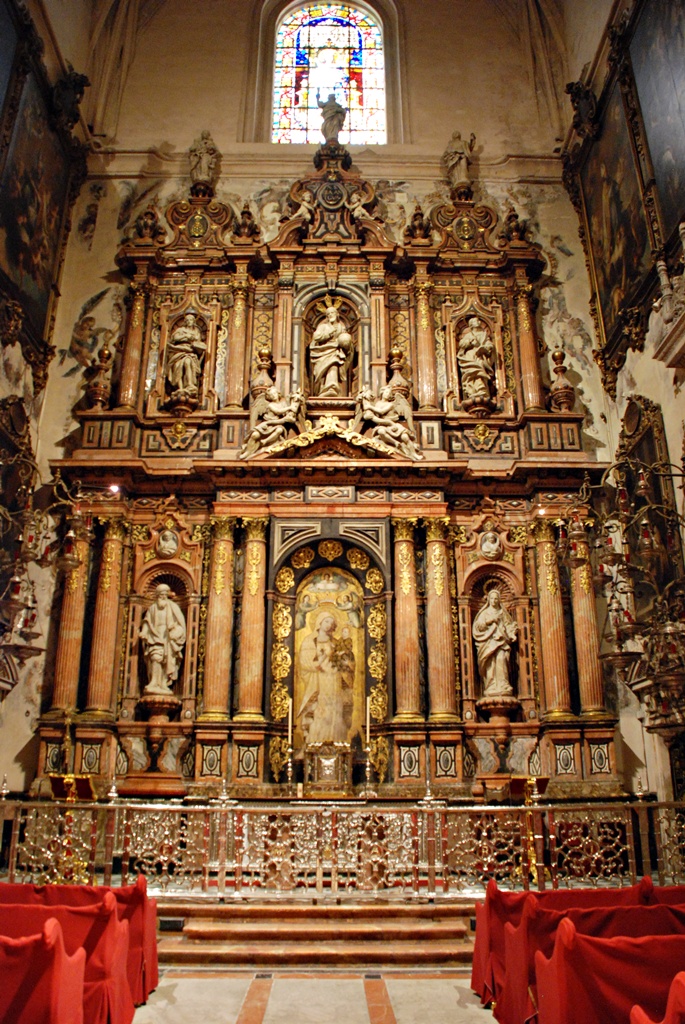
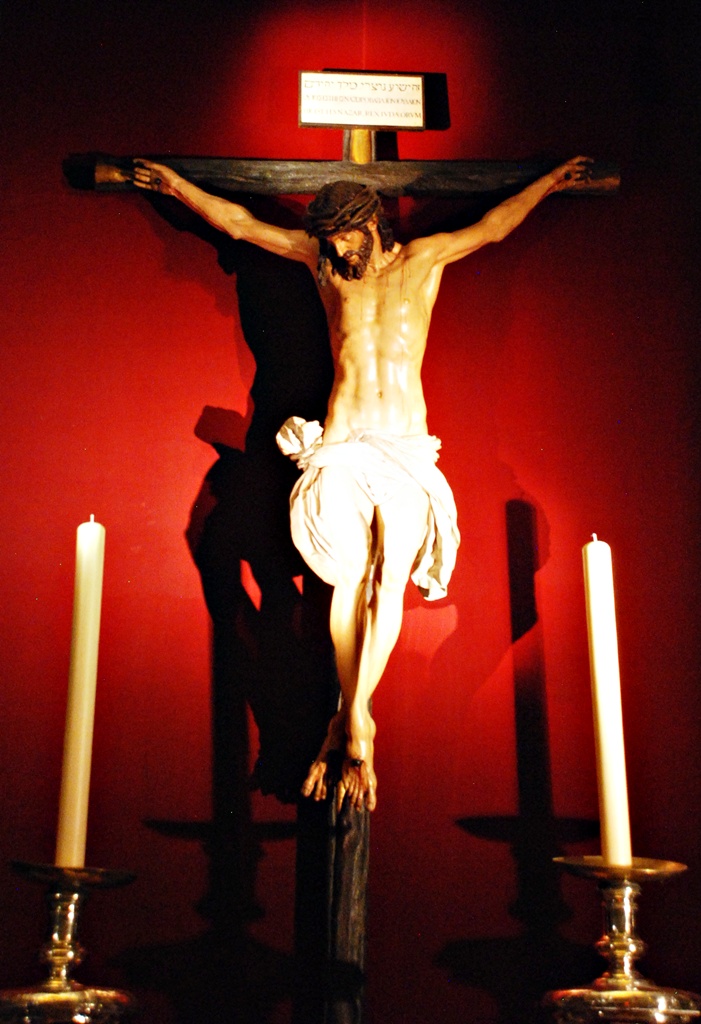
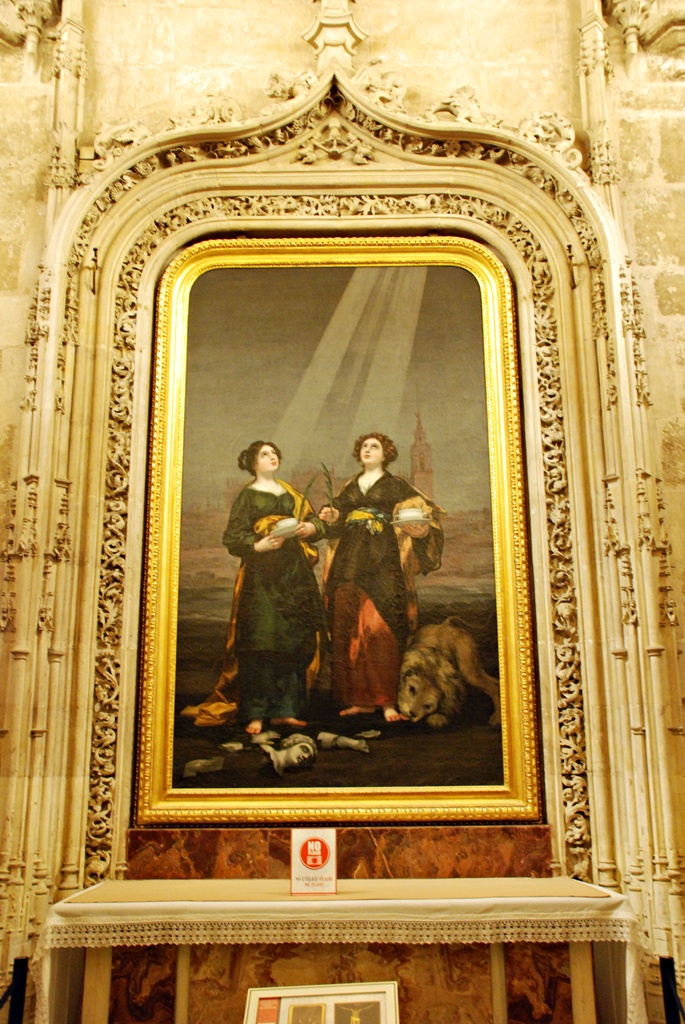
There are a good many chapels inside the Cathedral and many are very ornate. The one that attracted me the most was the Chapel of Saints Justa and Rufina. They were sisters who lived in Seville in the late Third Century and were ardent Christian believers. They refused to convert to pagan faith and the (pagan) authorities who ruled Seville at that time had the sisters tortured and killed them finally. During one of the pagan festivals, the pagans destroyed the utensils that the sisters had made and in retaliation, they broke a statue of Venus. According to legend, during their imprisonment, one of the sisters (Rufina) was thrown to the lions but the lions refused to attack her and licked her feet. These two incidents are represented in a painting placed in the altar of the chapel dedicated to them. I was wondering whether they would have thought that their story would be remembered 1200 years later and retold when a church was built. Supposedly, the resistance of the sisters represented the resistance of Seville. The La Giralda is also shown in the background in the picture.

Spain_May13_ 078

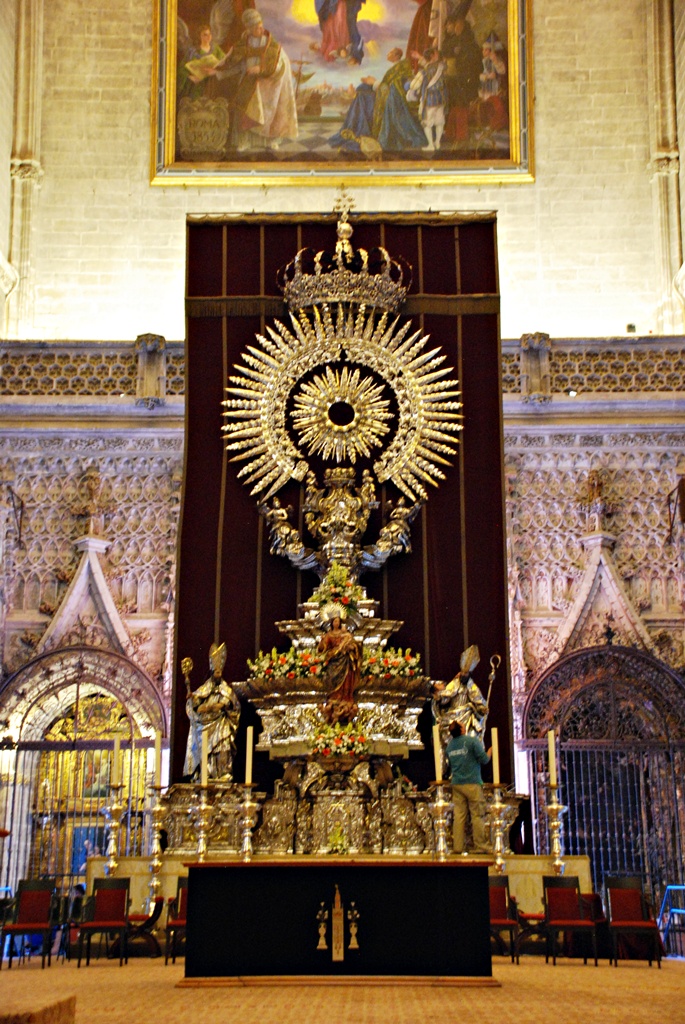
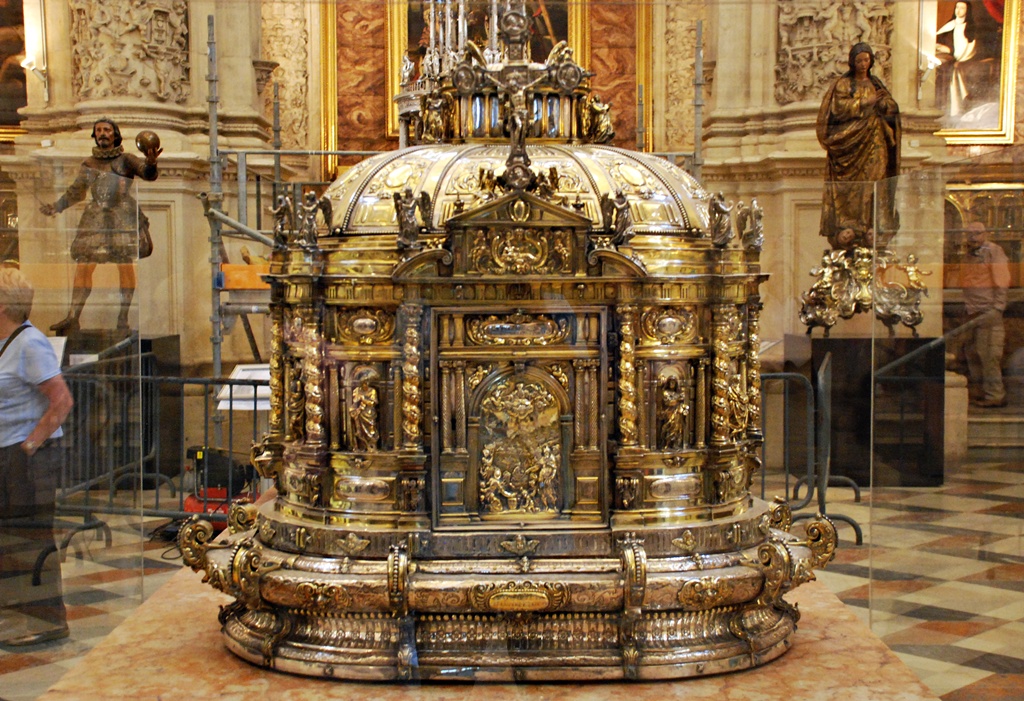
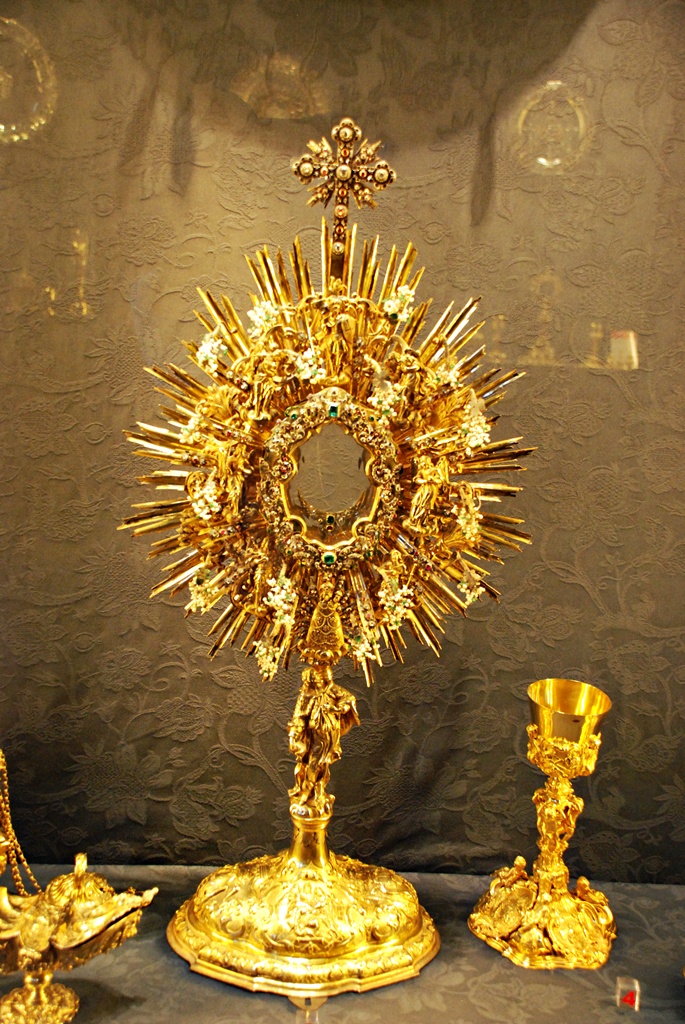
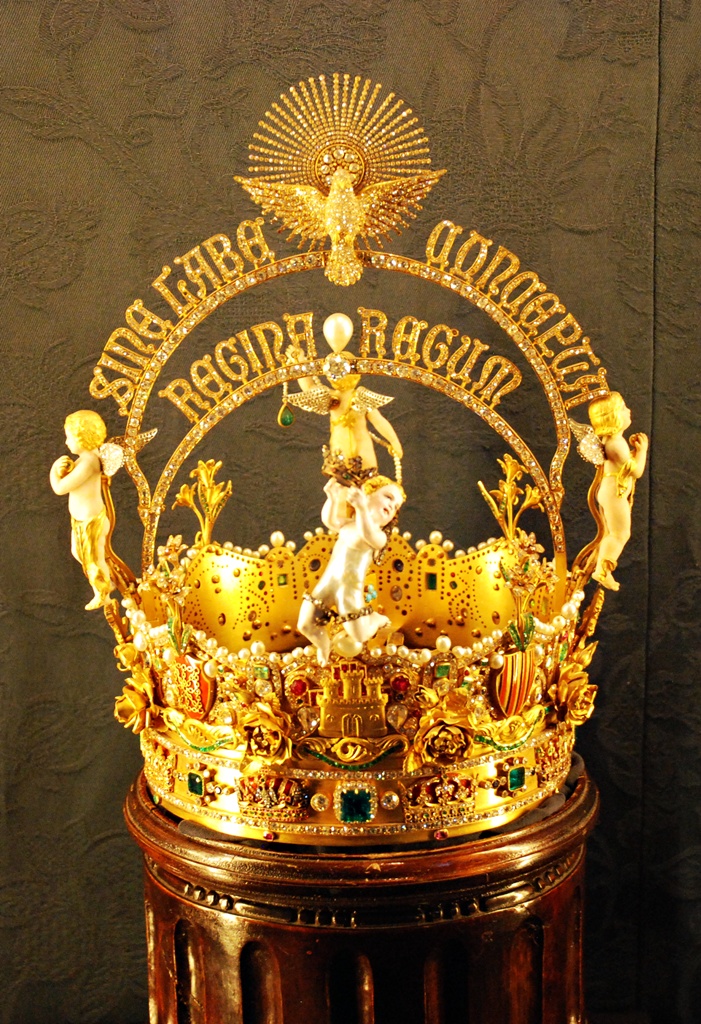
This Cathedral was meant to be a showpiece for Christianity and so is full of pomp and splendour. Many treasures that belong the Cathedral are also displayed. I guess this is to impress visitors as to glory of the faith. However, I could not help feeling that this was quite at loggerheads with what Jesus Christ had imagined.

Spain_May13_ 107

Spain_May13_ 115

Spain_May13_ 120

Spain_May13_ 096

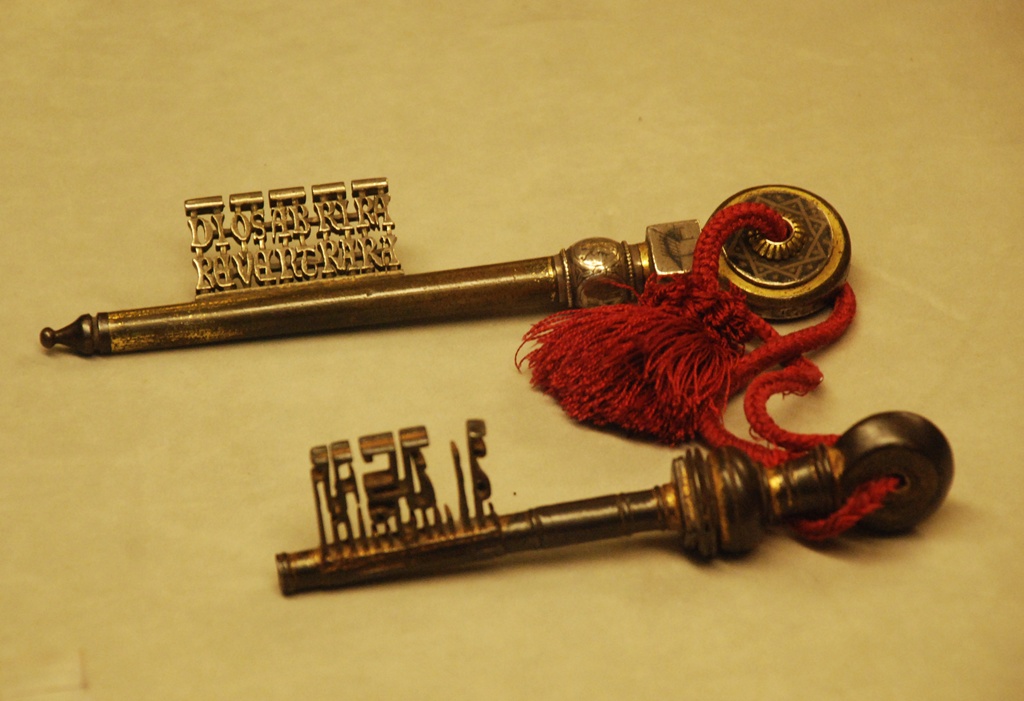
The keys of the city of Seville were also to be seen. These were the keys handed over to the Christian conquerors in AD 1248 when the city was captured.

Spain_May13_ 112

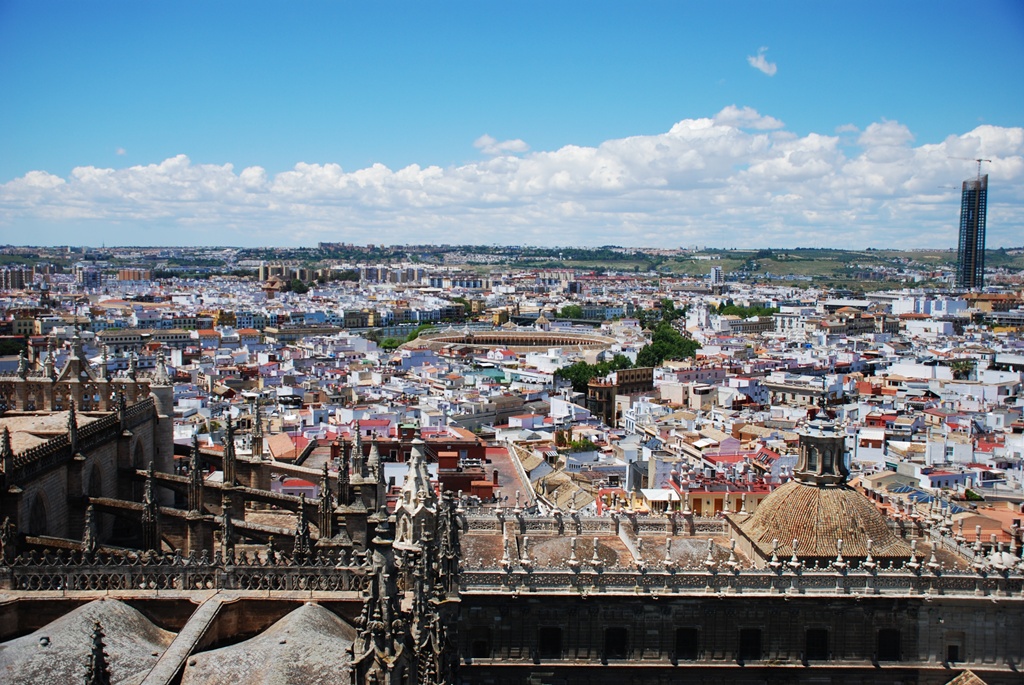
The La Giralda is about 90 metres high and it is possible to climb up to the bell tower. As can be expected, the views from the tower are fantastic.

Spain_May13_ 194

Spain_May13_ 145

Spain_May13_ 157

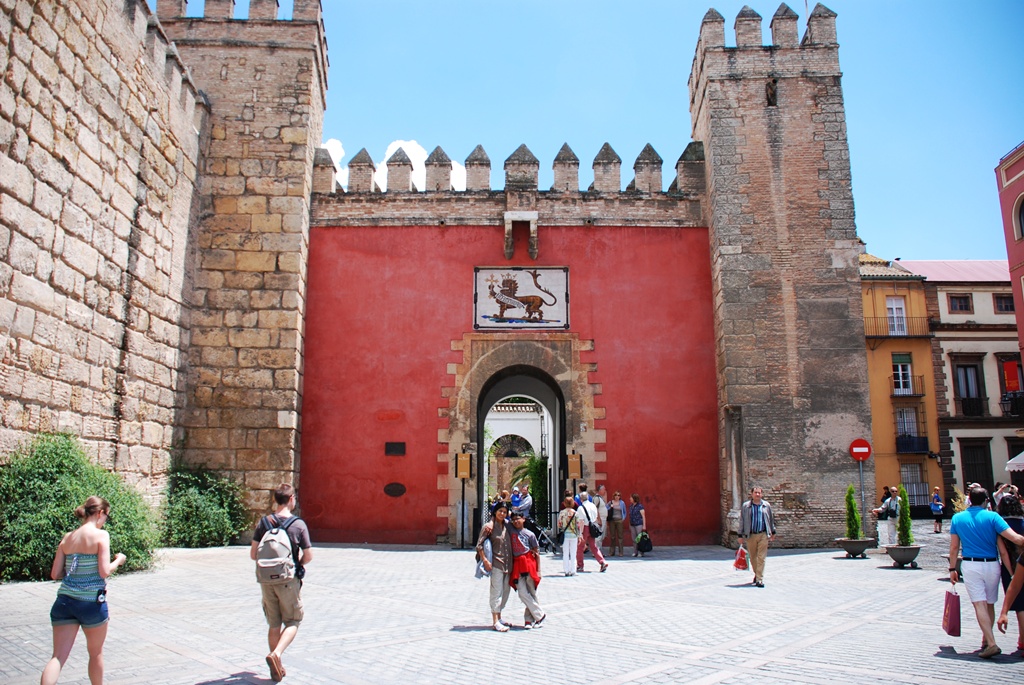
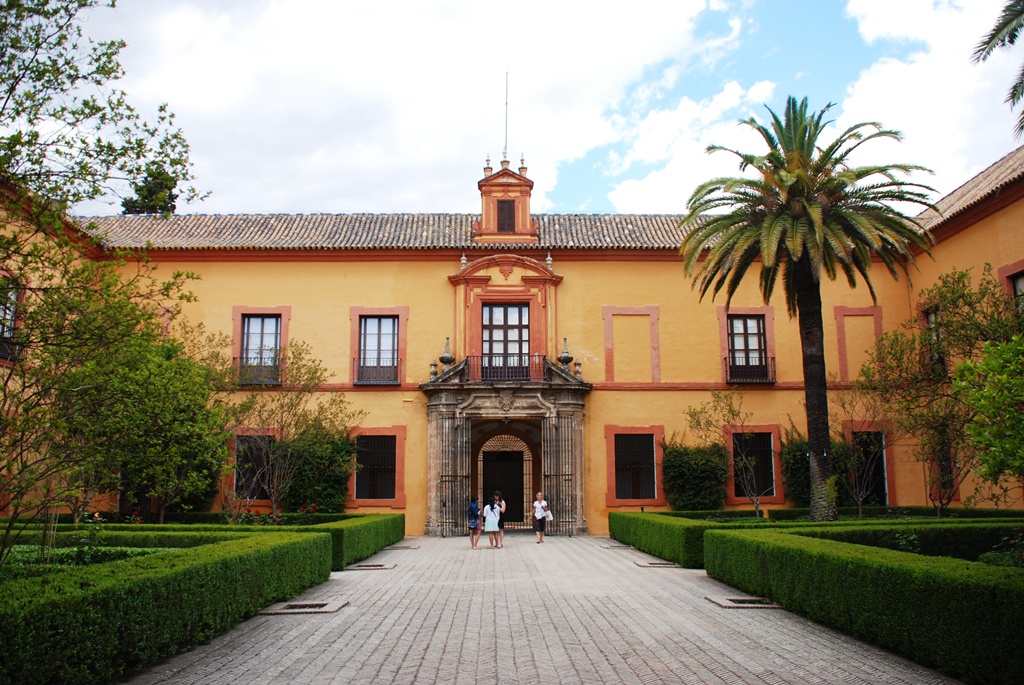
Right next to the Cathedral is the Alcazar, residence of many generations of Kings and Caliphs. This ancient building was first constructed in the Tenth Century and then renovated and rebuilt. Even today, a portion of this palace is used as the official residence of the royal family when in Seville.

Spain_May13_ 201

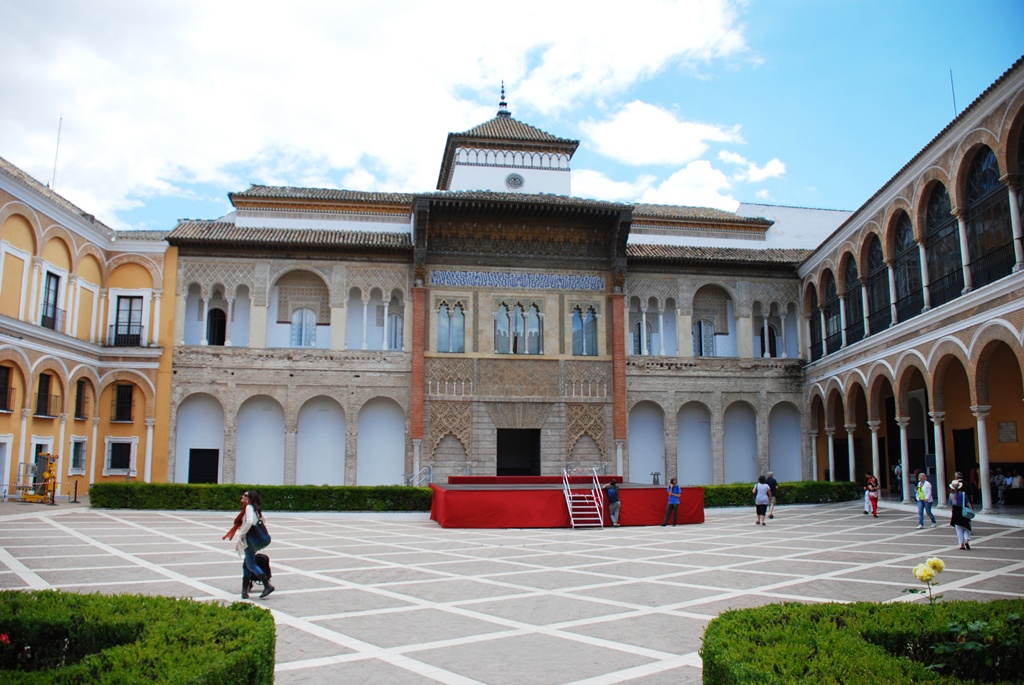
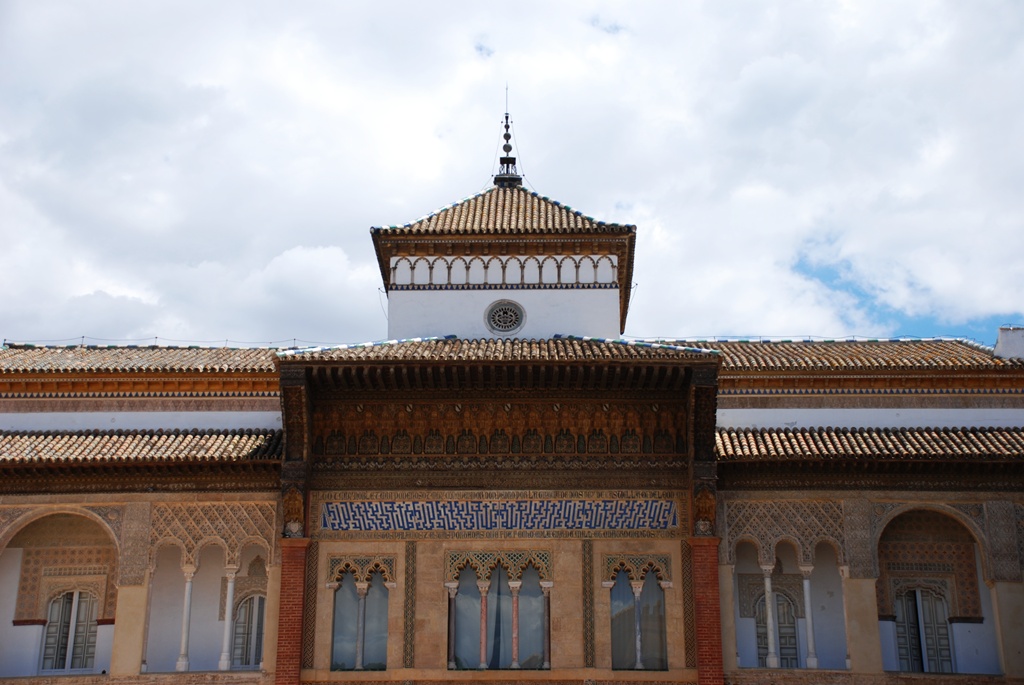
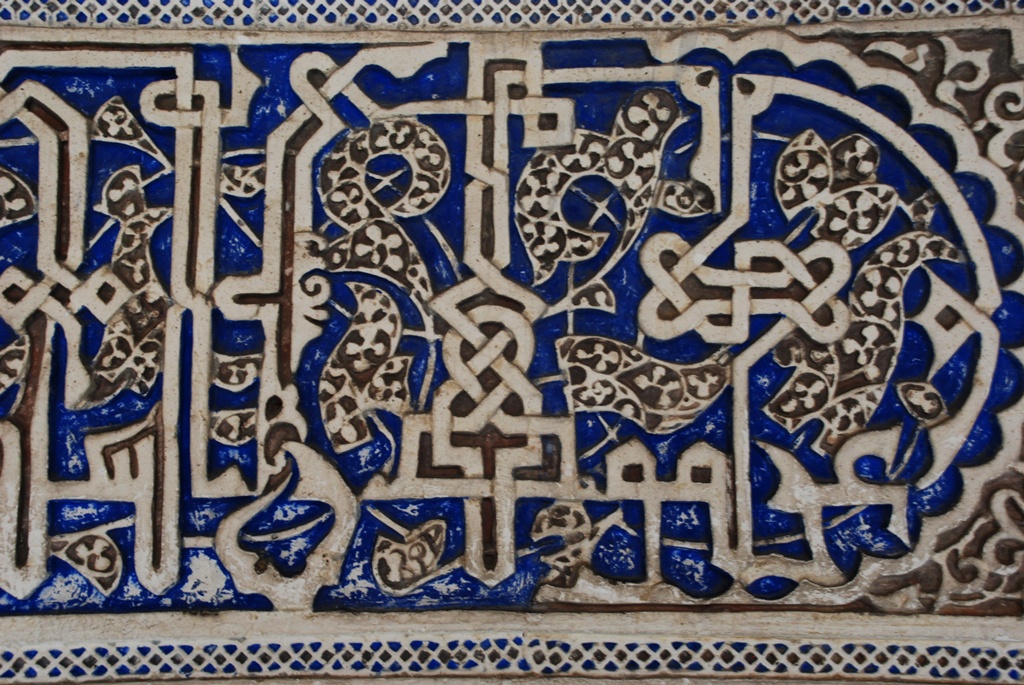
As one steps past the impressive gate, the Alcazar soars in front of the eyes in all its majesty. The façade is very Islamic as care was taken by Pedro I (Peter the First) of Castille, who rebuilt the palace. Pedro I was a Christian king who seems to have been quite an interesting personality. For starters, he seems to be referred to as Peter the Just and Peter the Cruel. The nobility and the aristocracy called him Peter the Cruel whereas the common people called him Peter the Just. Given that he lived in the Fourteenth Century and the subsequent recording of history must have been quite influenced by the nobility, I am inclined to believe that Peter must have been a king who understood the sufferings of the poor and supported them. He also seems to be the only Christian king who exhibited religious tolerance. When he rebuilt the Alcazar, he made sure that he used artisans who were proponents of Islamic architecture and he also used perishable material such as wood and plaster (supposedly, Quran reserves eternal structures for Allah). In some of the doorways, there are Arabic inscriptions that mean: “None but Allah conquers”, “Happiness and prosperity are benefits of Allah” etc. He appreciated the Islamic culture that existed in Seville at the time and it was evidenced in his dress and food. Peter also gave permissions to the Jews to build a synagogue in Toledo. I was quite impressed, especially when I contrasted this against the religious intolerance fostered by the Catholic Monarchs, who were to come later, who ushered in the black period of Spanish Inquisition. Incidentally, a friend told me later that there is still an office of the Inquisition in Seville (it is called by a different name these days).

Spain_May13_ 215

Spain_May13_ 222

Spain_May13_ 226

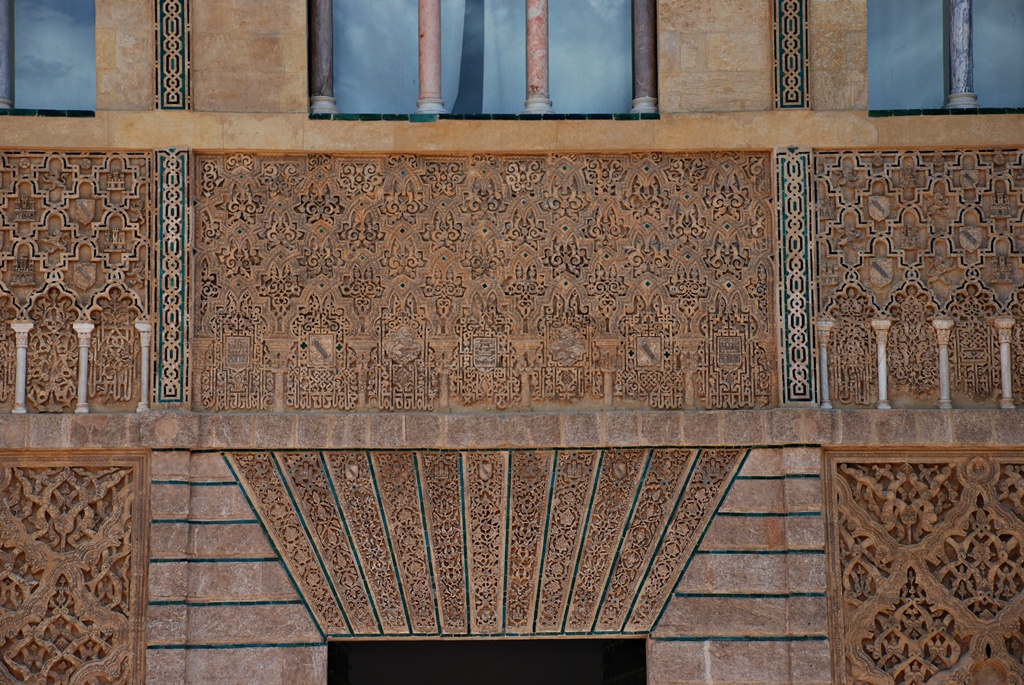
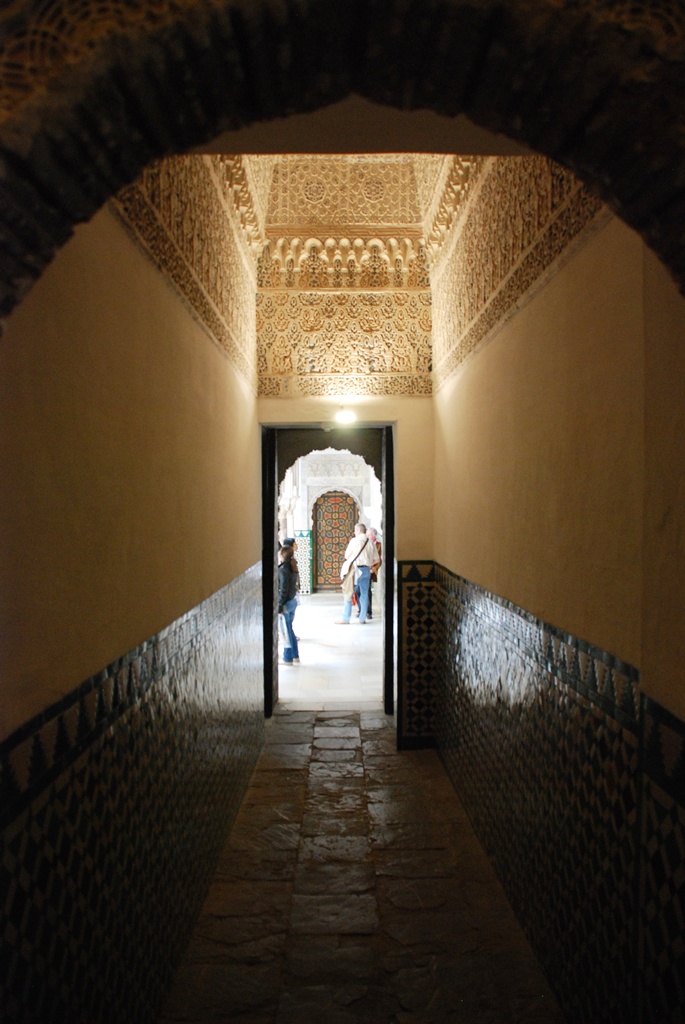
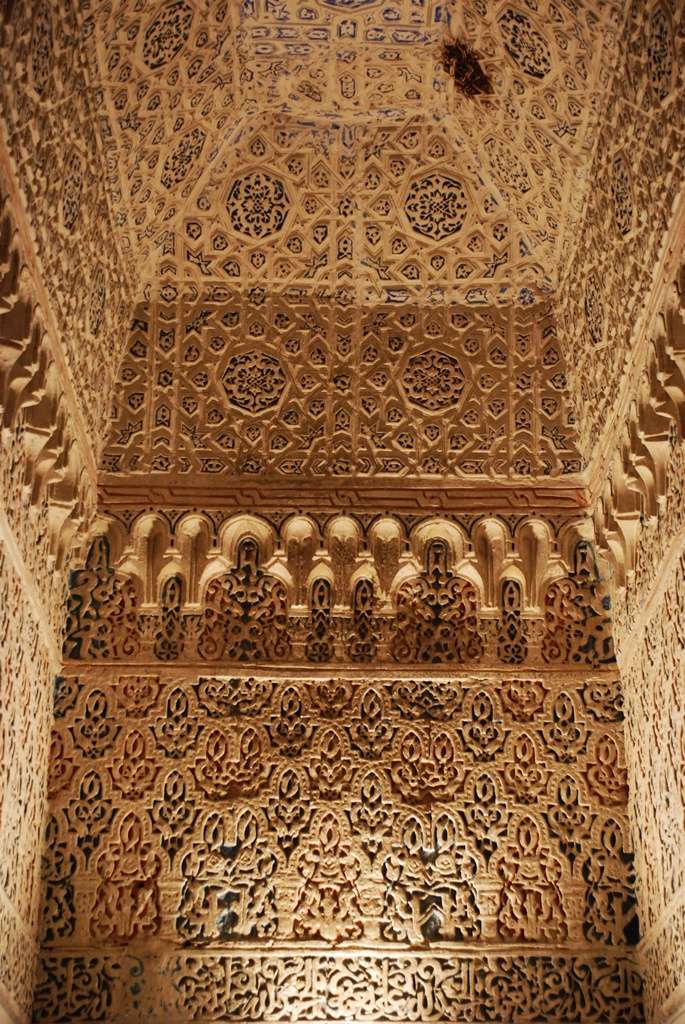
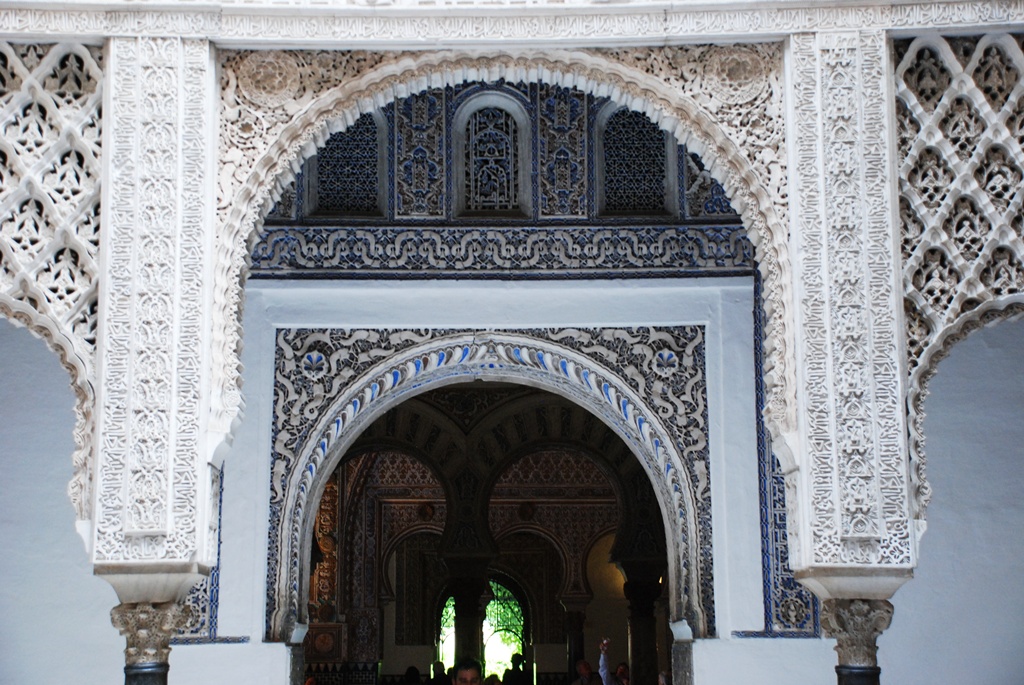
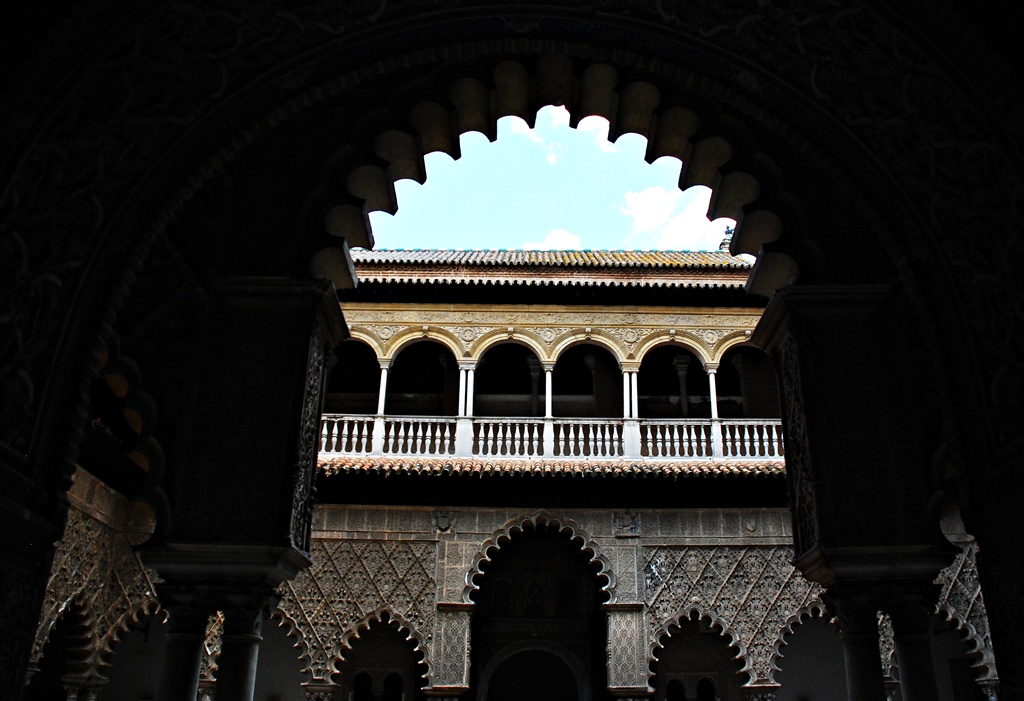
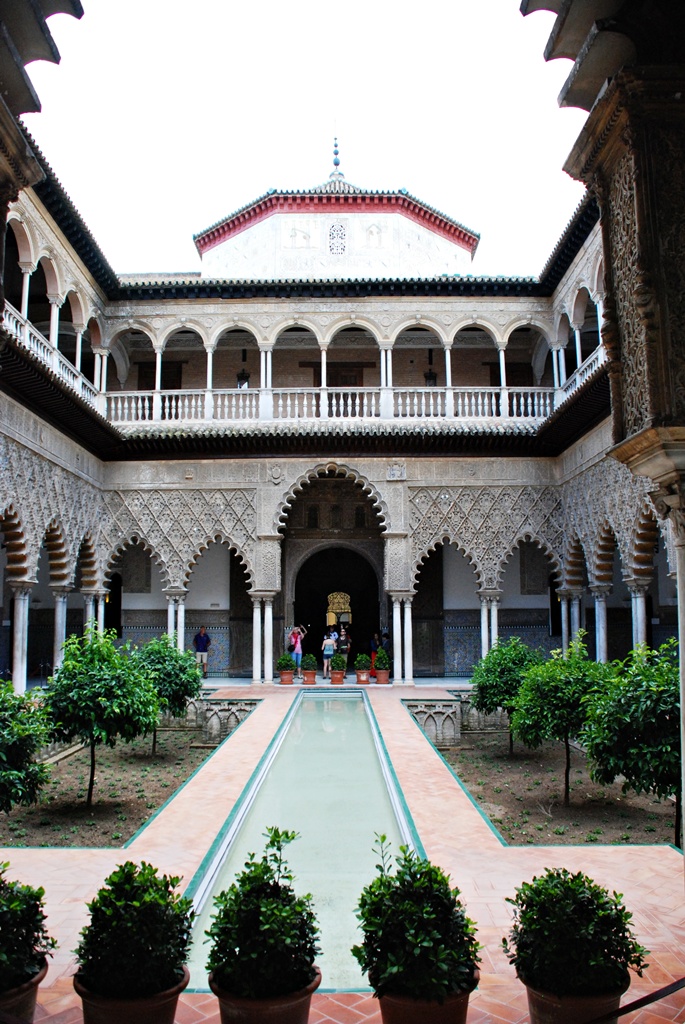
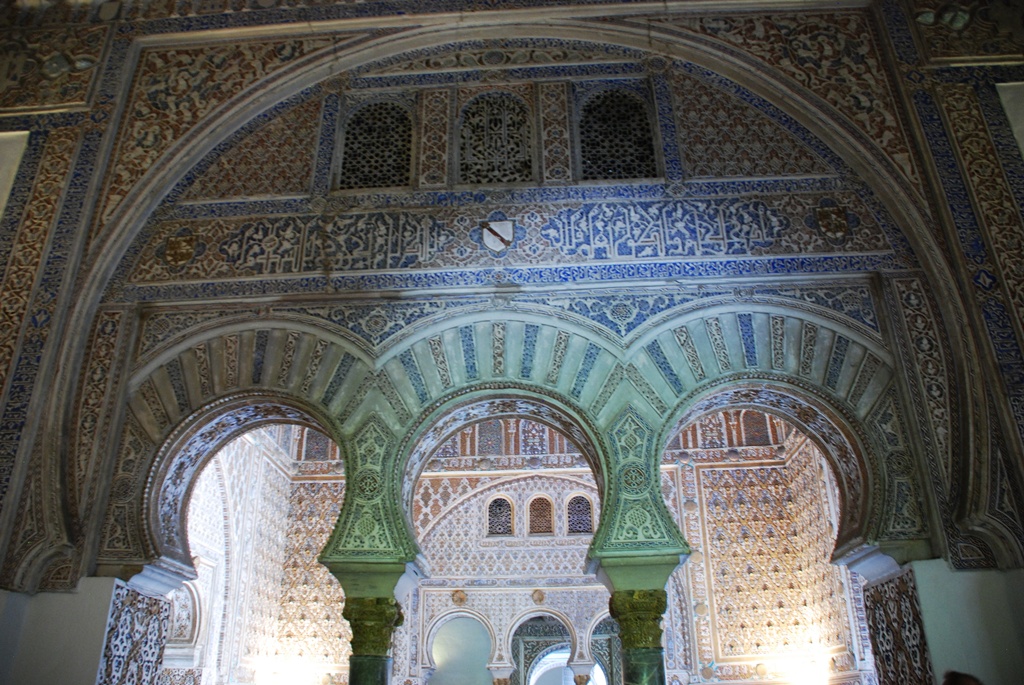
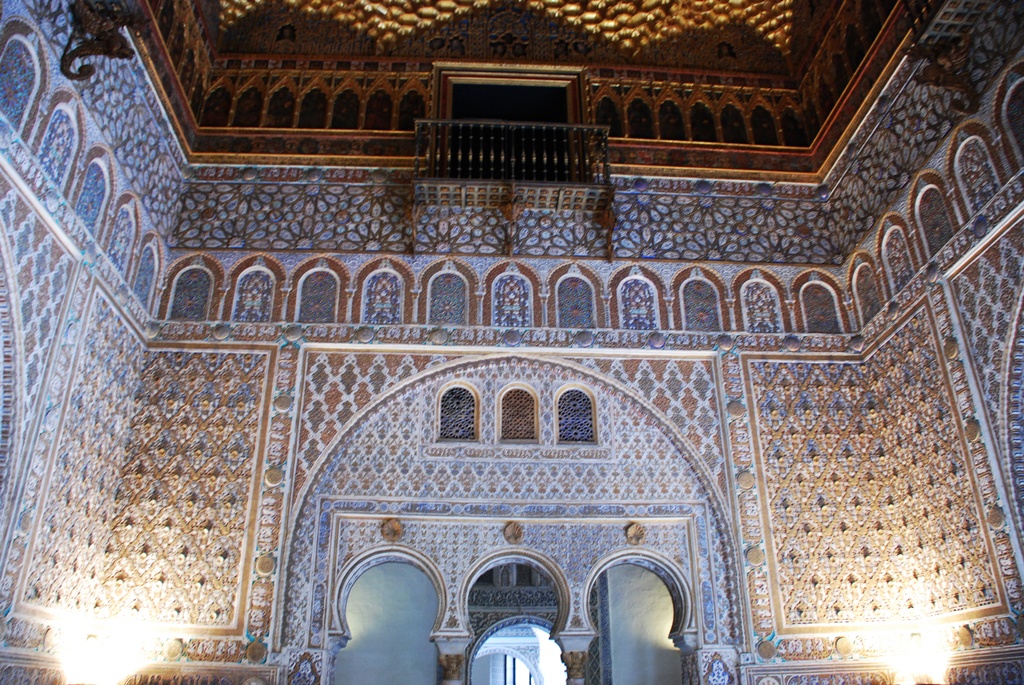
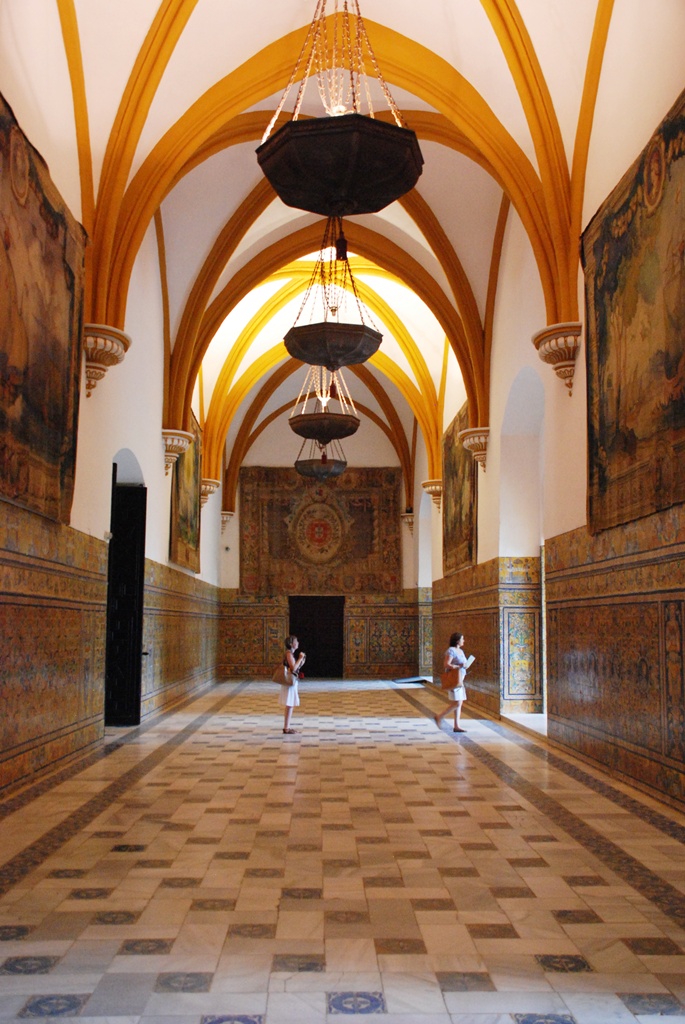
This palace is Seville’s answer to the Alhambra of Granada. The rooms are decorated with rich carvings and highly ornate walls and ceilings. I was just lost in the beauty of the place as I wandered from room to room. It was here that the Catholic Monarchs, Ferdinand and Isabella, spent time while preparing for their conquest of Granada. They used to meet with Christopher Columbus in this palace to discuss his expedition. The beauty of the whole place is breath-taking.

Spain_May13_ 247

Spain_May13_ 249

Spain_May13_ 253

Spain_May13_ 260

Spain_May13_ 275

Spain_May13_ 289

Spain_May13_ 299

Spain_May13_ 310

Spain_May13_ 312

Spain_May13_ 332

Spain_May13_ 341

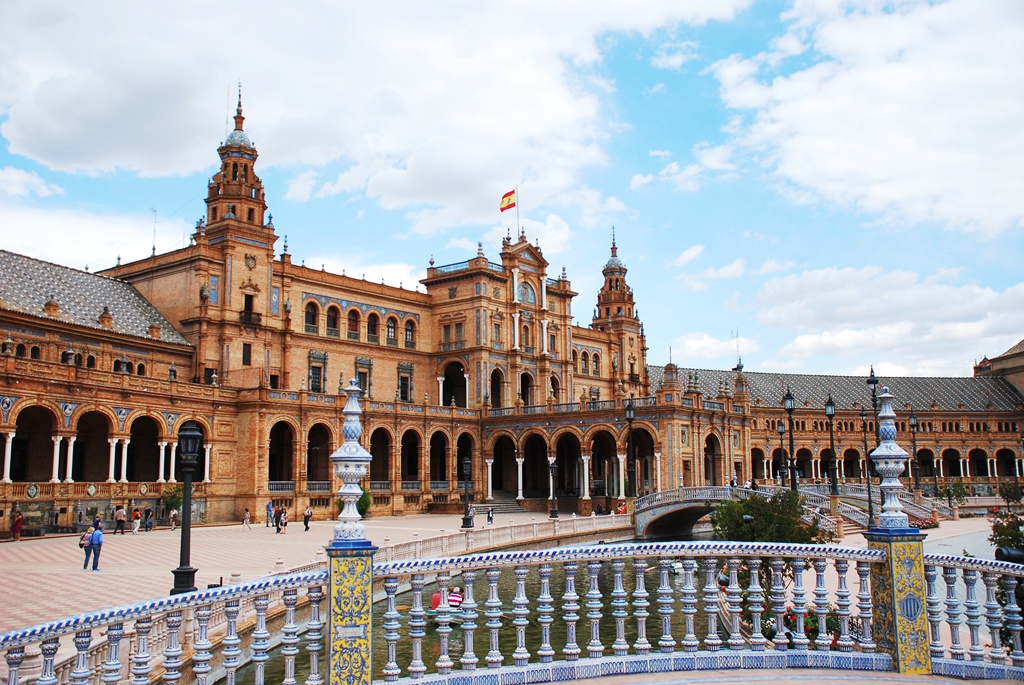
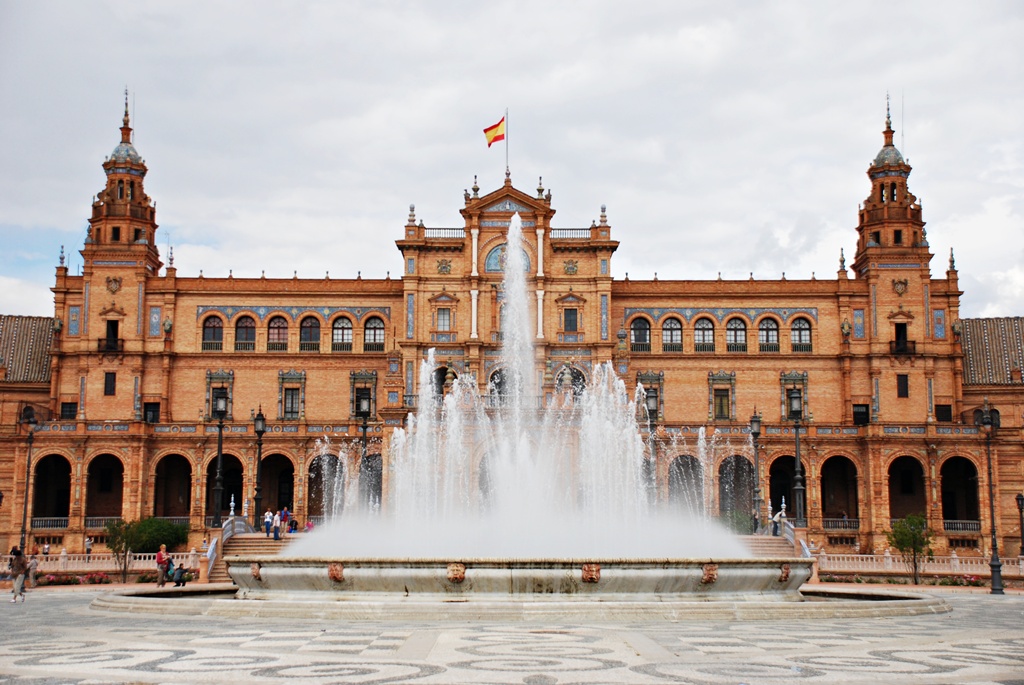
It was getting late by the time we finished the Alcazar and we decided to visit Plaza de Espana before calling it a day. Plaza de Espana is located in the Maria Luisa Park and was built in 1928 for the World Fair hosted by Seville in 1929. This is a beautiful semicircular building with many exquisite bridges and a very nice fountain in the centre.

Spain_May13_ 389

Spain_May13_ 404

We spent some time wandering around the Plaza and then headed back. Overall, it was a very satisfying day and the personality that stayed with me was Pedro I. He must have been an extraordinary man to have shown such tolerance in those days when everyone else seemed to be headed the other way. I was left wishing how better off we would be if only some of our current leaders could borrow a leaf from his book!

13 May 2013

Spain is a country with a very different or even unique history in Europe and my earliest recollections were what I had read about the Spanish Civil War or the unrest in Basque. In the last few years, I had also developed a taste for Spanish food, especially Tapas. So, this time around, we planned a holiday to Spain. However, it is impossible to cover all the important parts of Spain in 10 days and so we decided to restrict ourselves to Madrid and Andalusia, with plans to visit Cordoba, Granada, Seville and Toledo.

Spain’s history dates back to about 1000 BC when Phoenician traders arrived in the Southern and Eastern parts of Spain. Later, like most of Europe, Spain too came under the Roman rule from about 200 BC to 400 AD. Romans called the peninsula “Hispania” and as was customary of them, developed infrastructure in the country with roads, aqueducts, temples, theatres etc. They also brought in Christianity which became a very important aspect of Spanish life. Most of Spain was covered by forests at that time and it was the Romans who started to cut down the trees for timber. So, deforestation is not a new theme, it started 2000 years ago! As the Roman power waned, Visigoths – a Germanic tribe – gained the upper hand and controlled Spain till the Eighth century. Visigoths seem to have been people who were not as culturally developed as the Romans and left very little impact on the country. Their main contribution seems to have been in creating a fighting mindset, which made a few kings withstand and ultimately overthrow the Muslim invasion and rule.

The Visigoths were not very good rulers and so the country was strife torn and in generally poor shape when Tariq ibn Zayid, the Governor of Tangier, a province in Morocco, landed in Gibraltar with 10,000 troops, in AD 711. The troops were mostly of North African origin and the Moors captured most of the Spanish peninsula and the territory they controlled was called Al-Andalus. This included main cities of the time like Cordoba, Granada and Seville and even Madrid to the North. It was first part of the Caliphate of Damascus which controlled most of the Muslim world and later a Caliphate was established in Cordoba in 929 with the then ruler Abd ar-Rahman III giving himself the title of Caliph. This was the peak of the power and glory of Cordoba.

One kingdom, called Asturias, had held out against the Moors and they started what was called the “Reconquista” in AD 722, to recapture the territories lost to Muslims. This war lasted for 800 years and ended with the fall of Granada in AD 1492 when all of Spain came under Christian rule. I am not sure whether the war was fought on religious grounds or for the then rulers to gain power, but it is portrayed as a war between the believers of Christianity and Islam. An interesting point is that the Christian kingdoms were also fighting amongst themselves while fighting the Muslims. Christians gained the supremacy with the marriage of Queen Isabella, the Queen of Castile, to King Ferdinand II, King of Aragon, in AD 1469, which brought together two powerful kingdoms. They were very faithful to the Roman Catholic Church and managed to expel Muslims and Jews from the country. This royal pair is considered to be responsible for the unification and founding of modern Spain. By all accounts, they seem to have been astute rulers, who understood the great power of combining religion with the state. From whatever I read, I understood that Isabella had significant say in how the country was ruled and was not just a decorative queen. They set up the Inquisition, which led to the death of hundreds of thousands of “non-believers”. This even had repercussions in far away India (we had our own Inquisitions in Goa). When they took control of Spain, there were huge populations of Jews and Muslims in the country but in short time, they banned Judaism and persecuted Muslims and Jews so much that these religions became non-existent in the country. Fittingly, they are referred to as the Catholic Monarchs. I was amused to read that when the Moors ruled Spain, Jews flourished and that all religions were allowed to practise their beliefs and worship their gods. Christians had a bit of a tough time as they had a tax applied on them, but nothing that had any resemblance to Inquisiton, with its inhuman torture and cruelty, was ever applied. Medieval Christianity had very little tolerance as they strove to bring “light” into the life of people. The only exception seems to have been the Christian king Pedro I, who was the king of Castile and Leon from 1350 to 1369.

Ferdinand and Isabella ruled Spain together and one of their important acts was to commission the voyage of Christopher Columbus. This led to the colonization of much of the Americas and brought a lot of wealth to Spain by way of gold and silver. This wealth was soon frittered away and by the time Spain arrived on the twentieth century, it had lost much of its glory. A series of inept rulers had squandered away its strengths and the country was in tatters. In the 1931 elections, a government comprising of socialists, republicans and centrists came to power and the King left on an exile. In 1933, this government was toppled by right-wing parties but in 1936, a left-wing government took over with the Communists leading the government. However, Spain was split down the middle by this time and soon, the Civil War erupted. This was between the elected government on one hand and the right-wing groups led by the Spanish military on the other. The leader of the military was General Franco and he was supported by Nazi Germany. It is believed that half a million people lost their lives in the Spanish civil war; my own personal recollection of the brutality of that war having been acquired when I read Hemingway’s “For whom the bell tolls”. In 1939, Franco became the Dictator of Spain and he ruled till 1975. He had groomed a royal to take over power on his death and Juan Carlos I, became the ruler of Spain when Franco died in 1975. The King was a supporter of democracy and by 1977 Spain had its elections and became a democracy with Juan Carlos I continuing as the King of Spain (he is the current King as well). Somehow, I felt it a bit strange that such an important country as Spain could have remained a dictatorship till as late a period as 1975; especially in Europe; a continent that had democratic leanings as early as 1215 with the signing of Magna Carta.

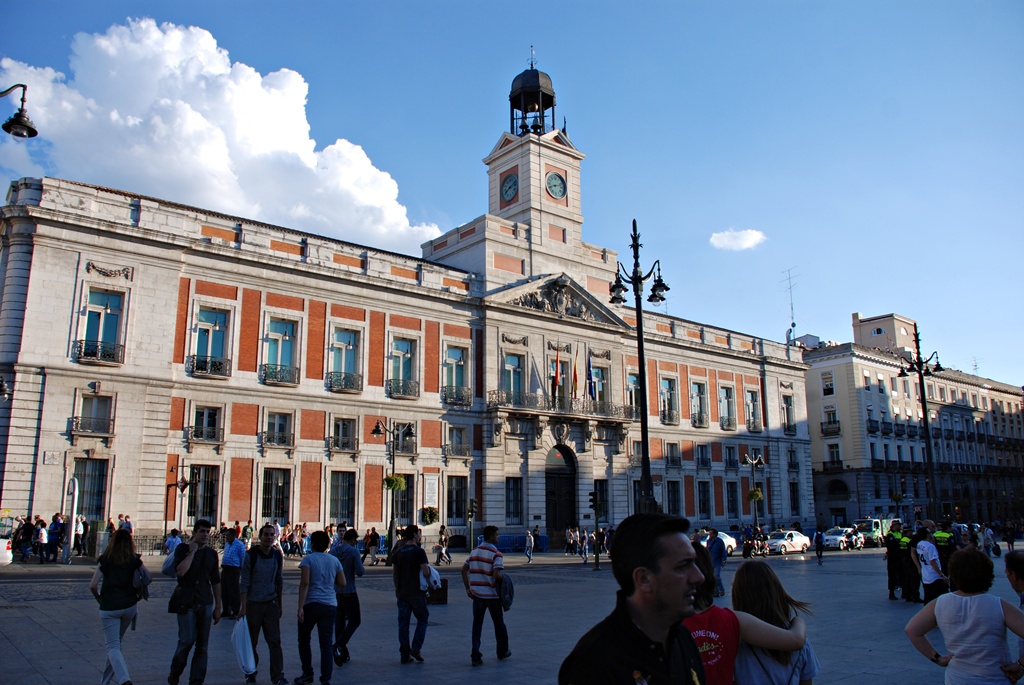
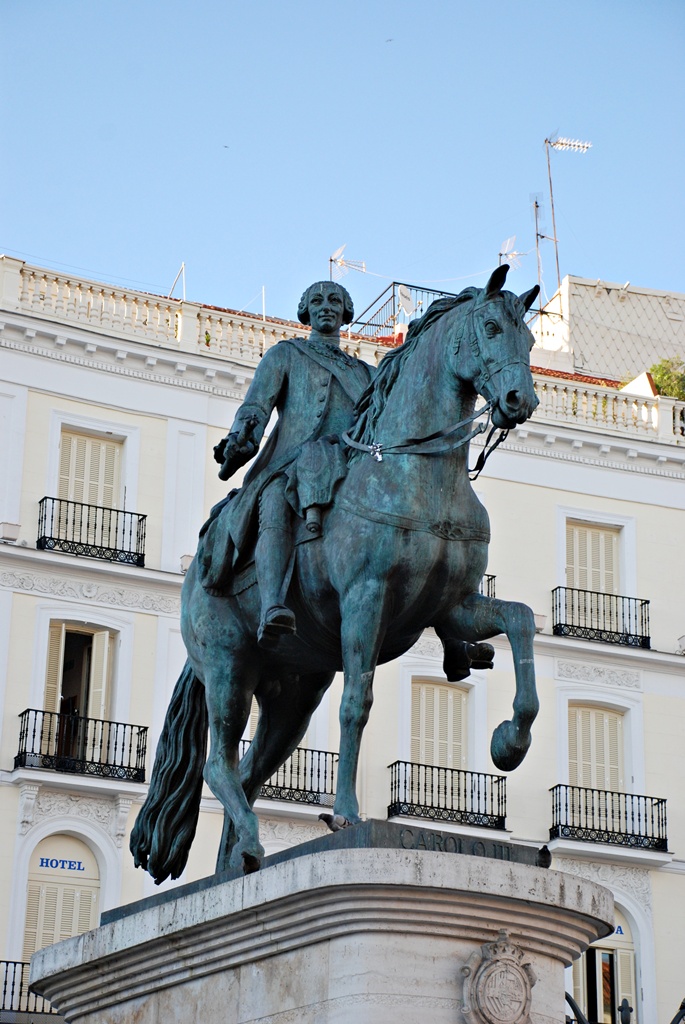
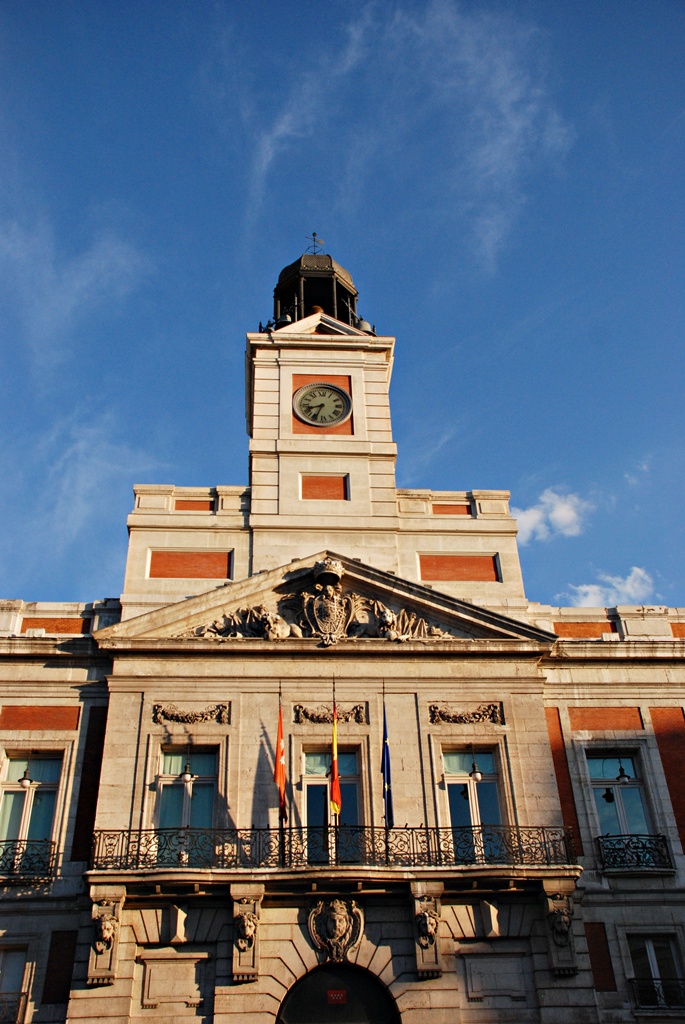
It was early evening when we got to Madrid and as it was still daylight outside, we went out for a stroll. We were staying in the city centre and so we could walk to Puerta del Sol; this is a busy plaza in Madrid and is considered the central point of Spain. Hence, this is the centre of the radial network of Spanish roads and considered KM 0. The square was very lively with a lot of people walking around. We could also see the statue of King Carlos III (called Charles III in English).

Madrid_Journal_01

Madrid_Journal_02

Madrid_Journal_04

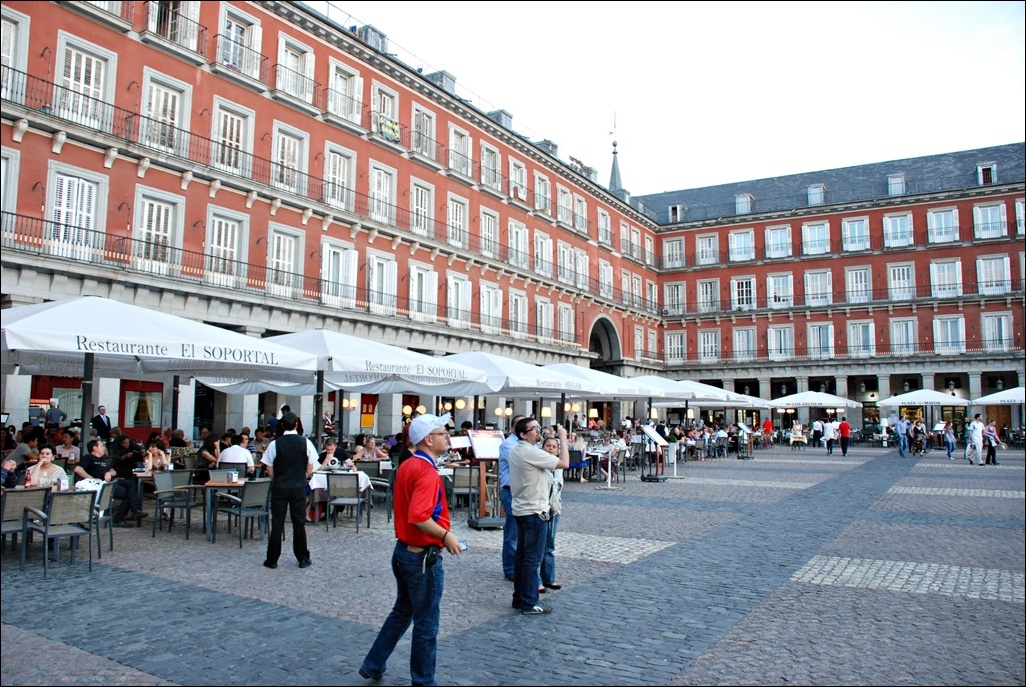
From Puerta del Sol, Plaza mayor is a short walk away. This looks like Piazza San Marco in Venice; no, it looks like a poor cousin of Piazza San Marco. It seems this was a location where bullfights were held in the past as also executions during the Spanish Inquisition.

Madrid_Journal_06

14 May 2013

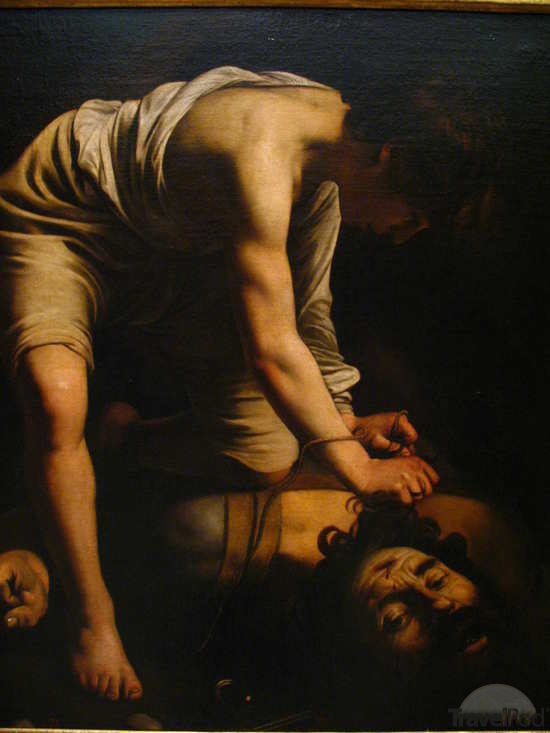
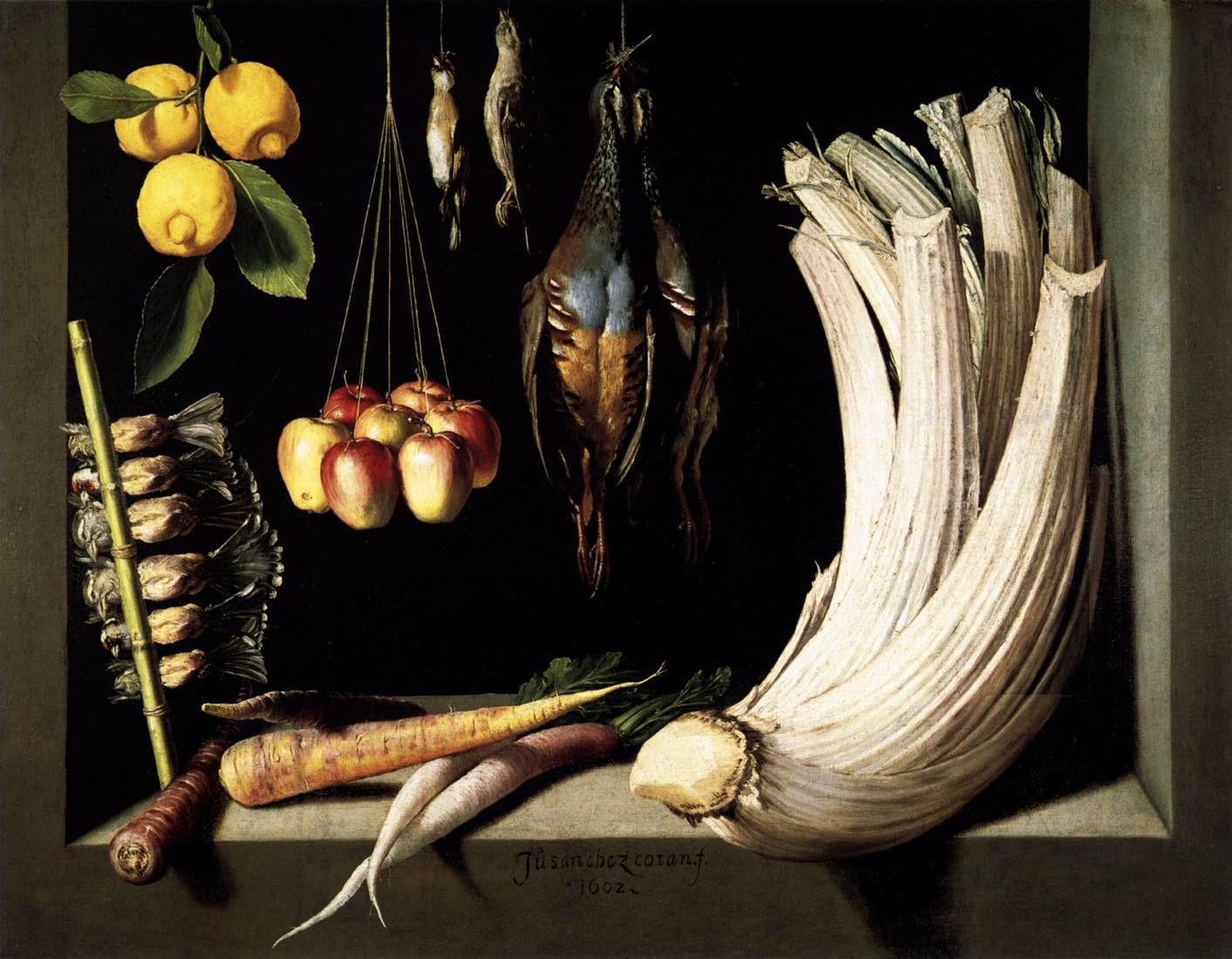
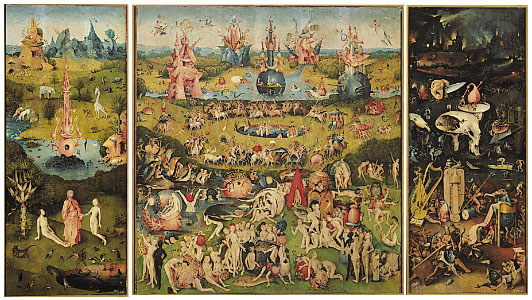
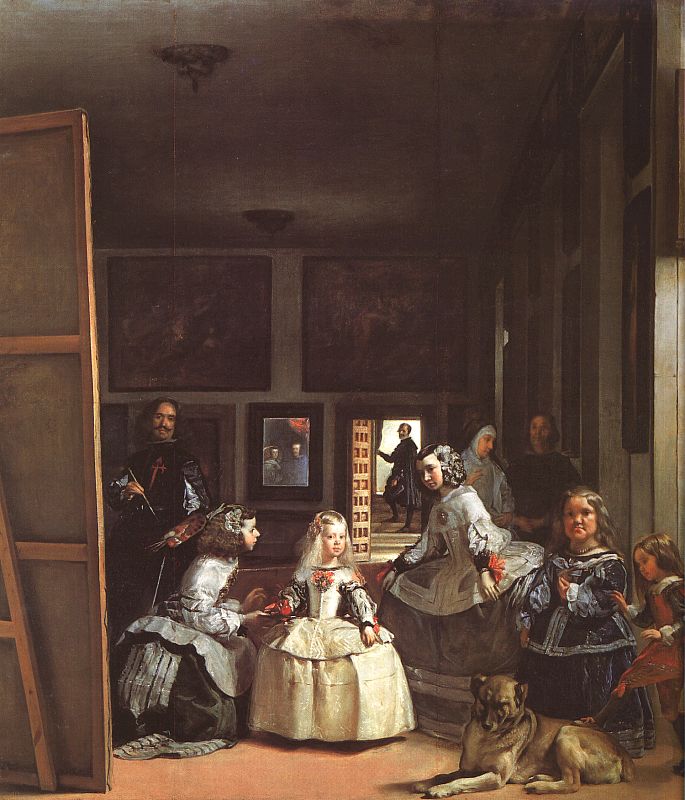
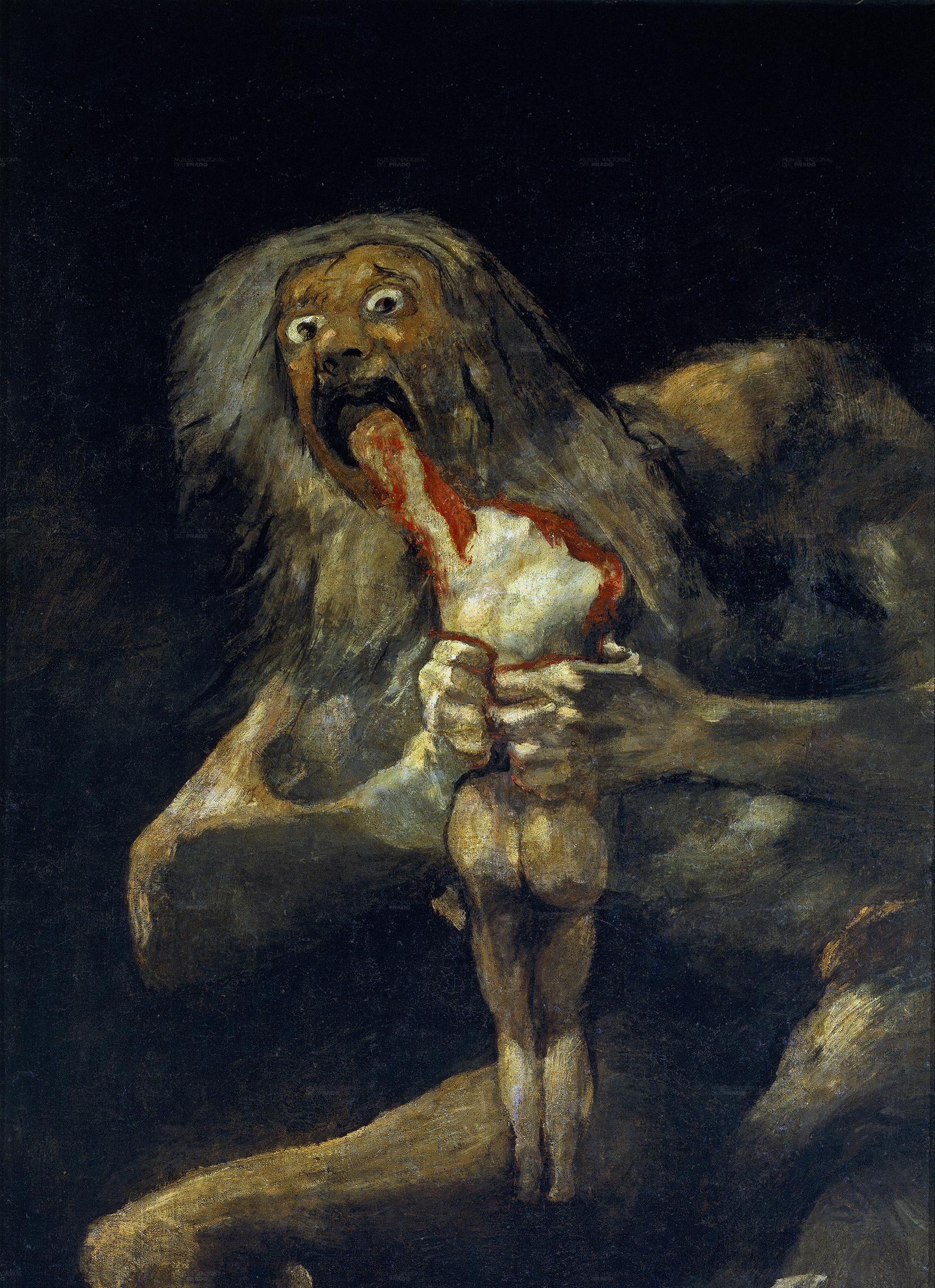
We set out to Musee del Prado – the most famous museum in Spain – first thing in the morning. This is a huge museum that has about 7,500 art pieces of which only about 1,500 are exhibited. Since we had only about three hours planned, we decided to focus our attention on the most important 50 paintings as defined by a pamphlet provided in the museum. These included works by Goya, Velazquez, Raphael, Titian, Caravaggio etc. What struck me about these paintings was how these artists had full mastery over lighting and composition. The masters seem to stand out in this aspect. Most of the paintings were on religious matters as the works were commissioned by the rulers, noblemen or the clergy. Hence the leeway available for the artists to paint other subjects was pretty limited. However, artists being artists, they did pull out some tricks by painting the holy figures like normal people or adding some impish point or the other in the painting, wherever they could get away with it. I think Caravaggio was a definite influence on this front. There were only few still life paintings produced in Spain at that time and this could be the reason for that; of course the Inquisition must have been going on for the most of the time and it would have been good strategy to just toe the line. Yet, there were some that were very different and what remained in my memory were the “black paintings” by Goya and “Garden of Earthly Delights” by Bosch. The latter looked almost like modern art and it is a triptych. In the third panel, there is an image of a monster that eats men in hell and I am very sure that I have seen that image used by some painter in India recently. I could not recall the exact work though. A famous painting by Velazquez, “Las Meninas”, is also part of the most important 50 and is quite interesting. This shows the image of the artist (shown holding the brush) making a painting of the king and the queen (reflected in the mirror behind the princess’ head) with the princess and her friends dropping in to visit. Photography was not allowed in the museum and the few photos given below are sourced from the internet.

Caravaggio_David Victorius over Goliath

Caravaggio: David Victorious over Goliath; Source: Internet

Sanchez Cotan_Still Life with Game, Fruit and Vegetables

Sanchez Cotan: Still life with game, fruit and vegetables; Source: Internet

Bosch_The Garden of Earthly Delights

Bosch: The garden of earthly delights; Source: Internet

Velazquez_Las Meninas

Velazquez: Las Meninas; Source: Internet

Three hours were nowhere near enough and I could not do justice even to the 50 paintings. I would have loved to spend some more time with the black paintings of Goya; he painted these towards the end of his life and by that time, he had a pretty bleak view on humanity and the human race.

Goya_Saturn Devouring his Child

Goya: Saturn devouring his child; Source: Internet

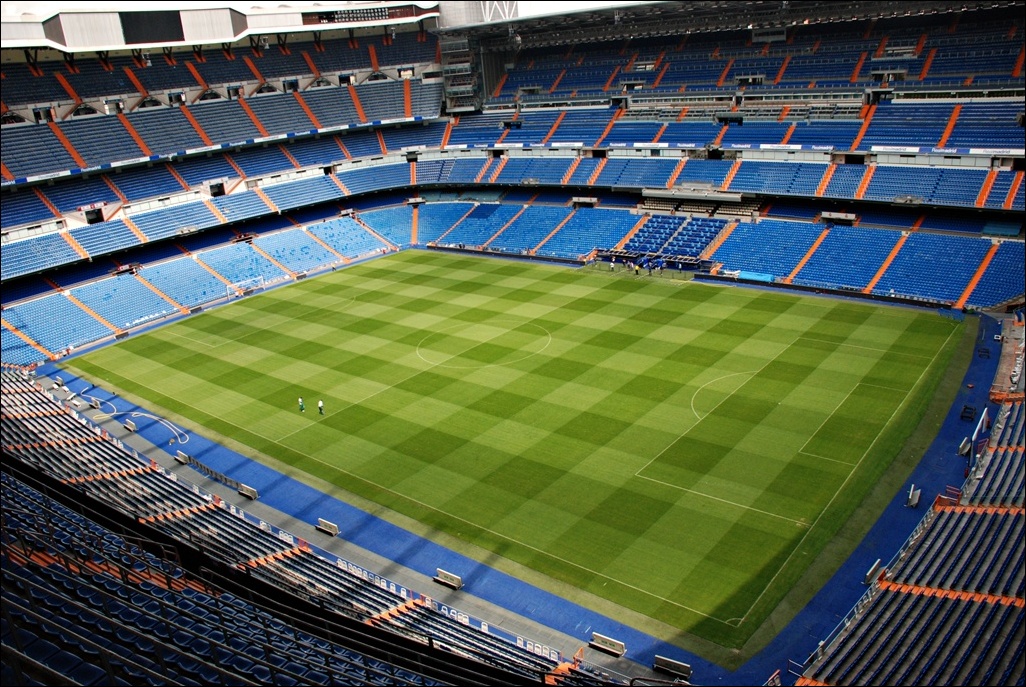
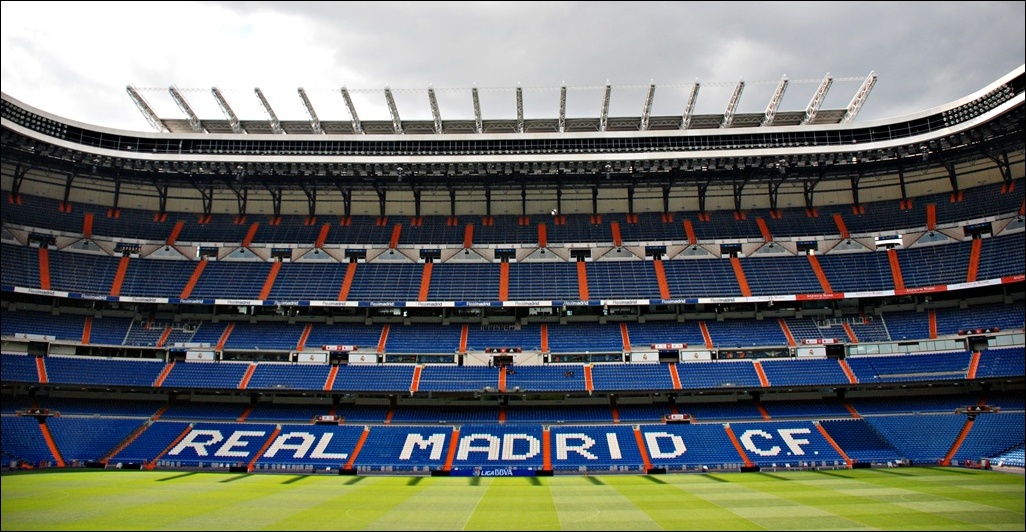
After lunch, we set out to see the stadium of Real Madrid football club. What struck me the most was their ability to sell their history and make money off it. The various trophies won by the club were exhibited and one could also see the players’ area and also get close to the pitch. It must be awesome to stand there on the field with a stadium full of fans howling and cheering.

Madrid_Journal_03

Madrid_Journal_07

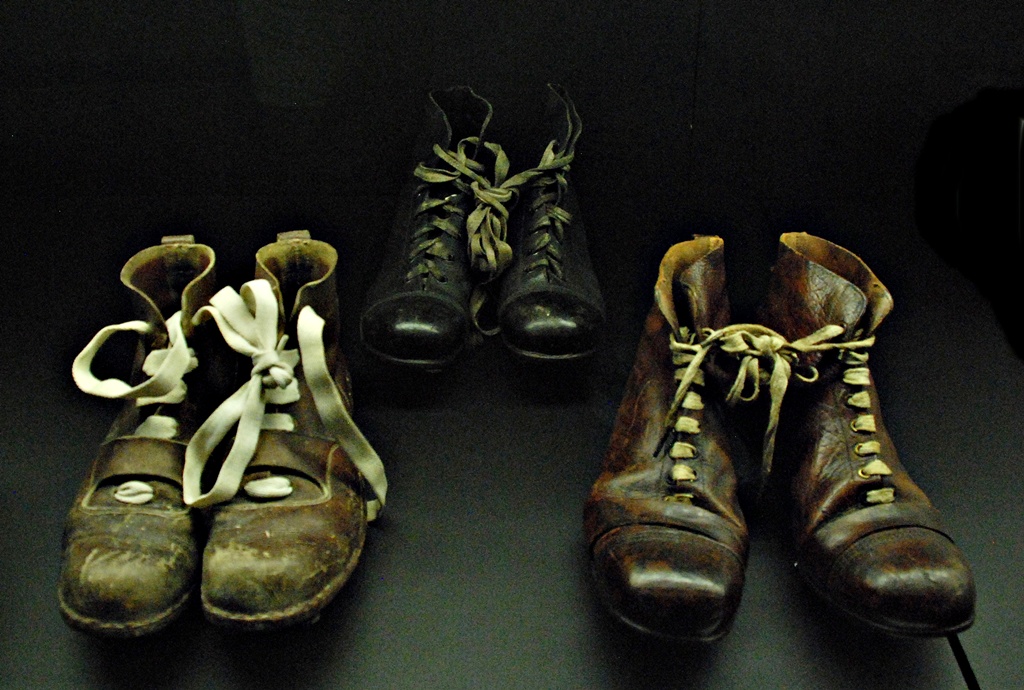
I got a good picture of some boots the club had used when they started about 100 years. This is my “still life”!

Madrid_Journal_05

By the time we were done with the stadium, it was drizzling a bit and we retired to our room.

15 May 2013

One of the most important attractions in Madrid, for me, was the Reina Sofia museum as that hosts a display of Salvador Dali’s and Picasso’s paintings, including “Guernica”. This was a keenly anticipated event and we set out for the museum in the morning. Alas, when we arrived there, we found that the museum was closed because of the local festival of San Isidro, who is the patron saint of Madrid. The museum had its weekly holiday on Monday and with this closure on Tuesday, it meant that we had miss out on it altogether. I was feeling a bit down and vowed to myself that I would make some time during my next visit to the city and make it there.

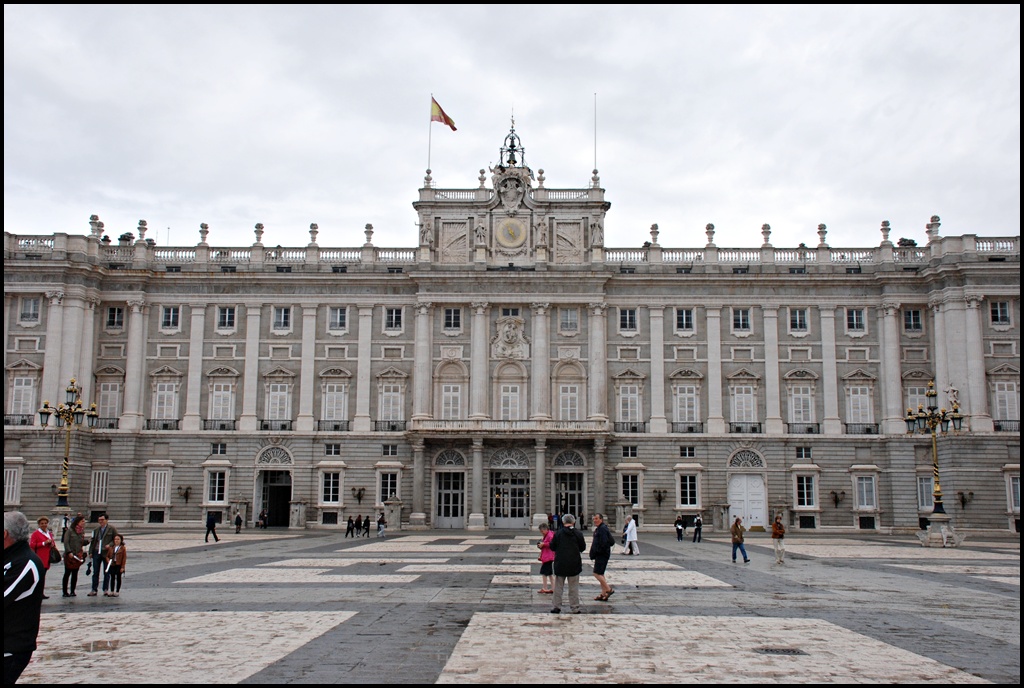
Fortunately, the palace was not closed and so we hopped on a taxi and drove there. The morning was cold and rainy and quite unlike what one expected of Spain. It is called Palacio Real (Royal Palace) and is built on the site of a 9th century fortress that was built by the ruler of Cordoba, when Madrid was still under the Moors. Later, a castle was built on this site in the 16th century and it burned down in 1734. King Felipe V ordered it rebuilt and the castle as we see it today was constructed between the years 1738 to 1755. As a result, there is not much by way of historical significance in this palace. The palace is used only occasionally for official functions as the royal family resides in another, smaller palace. This is a huge palace (supposed to be the largest in Europe by floor area) with around 3,000 rooms (thankfully, only a few are open to the public), many of which are very ornate and rich. One room called the Salon de Gasparini, stood out for its exquisite stucco ceiling and silk embroidered walls. The Throne Room was also quite impressive. Photography was not allowed inside the palace. The most interesting aspect of the palace was the variety of clocks that one found all over the place. Spanish monarchs seemed to have had a fascination with clocks and they even set-up a factory to manufacture clocks. In one room, there was a display of five Stradivarius violins. Stradivarius family made these violins in the 17th and 18th century and these are supposed by many, to be the finest stringed instruments ever made. It is amusing to think that even in this age of such technological development, instruments made three centuries ago are still unmatched. Antonio Stradivarius was the leading practitioner of the trade and his violins fetch millions of Dollars in auctions today.

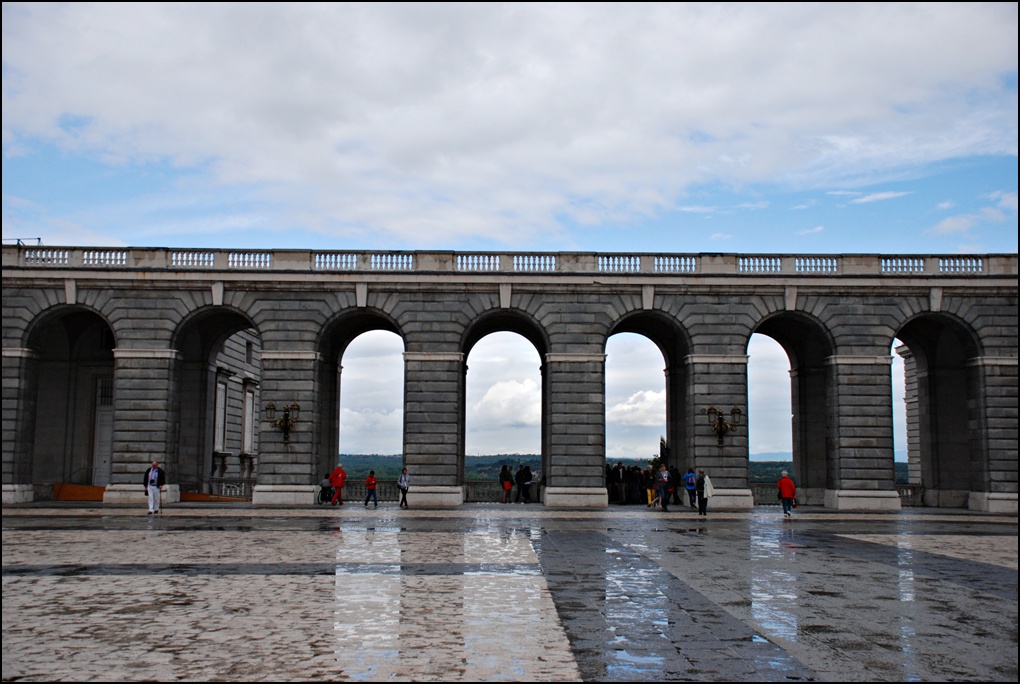
There is a large courtyard as one enters the palace it offers a very nice view of the palace and a wooded area beside the palace. When looking at the wooded area, you feel that you are somewhere in the countryside and not the middle of a large, bustling city.

Madrid_Journal_09

Madrid_Journal_10

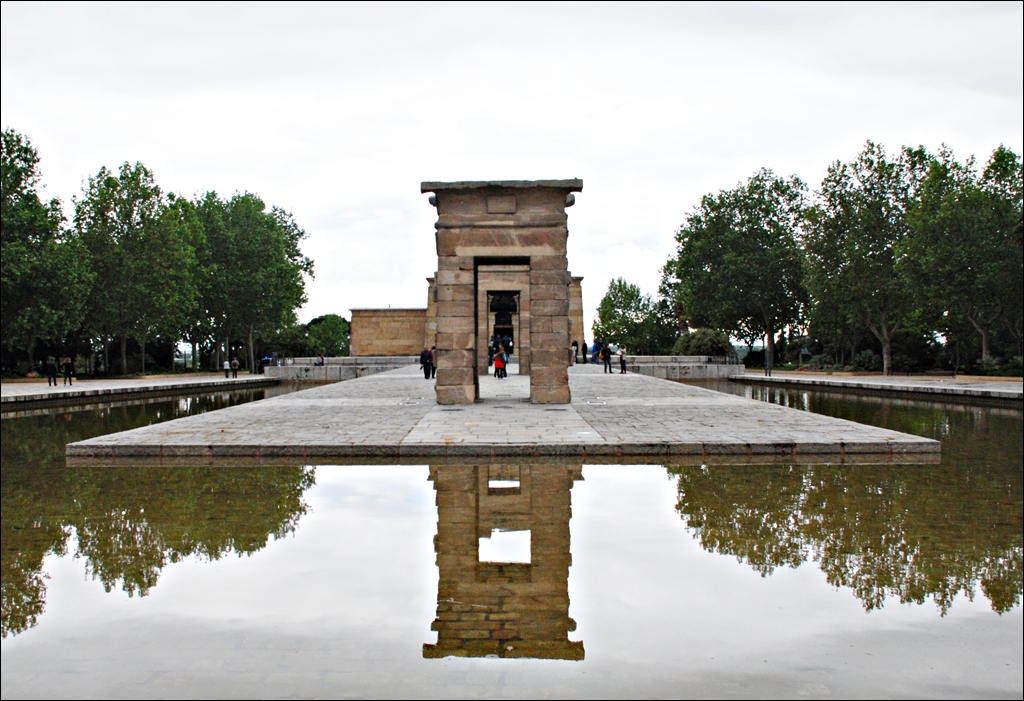
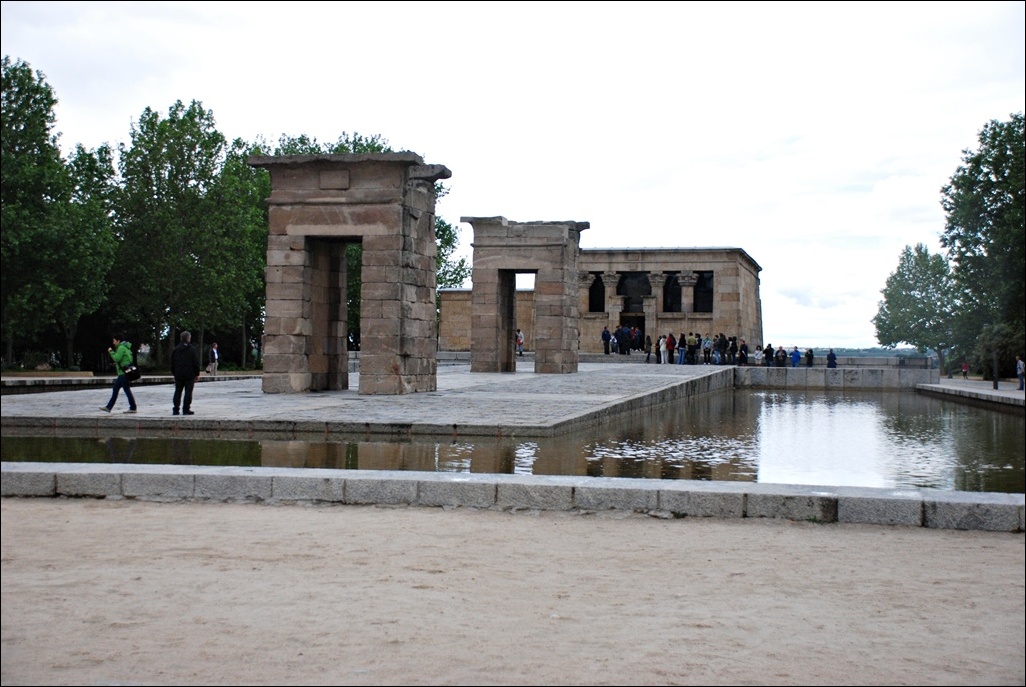
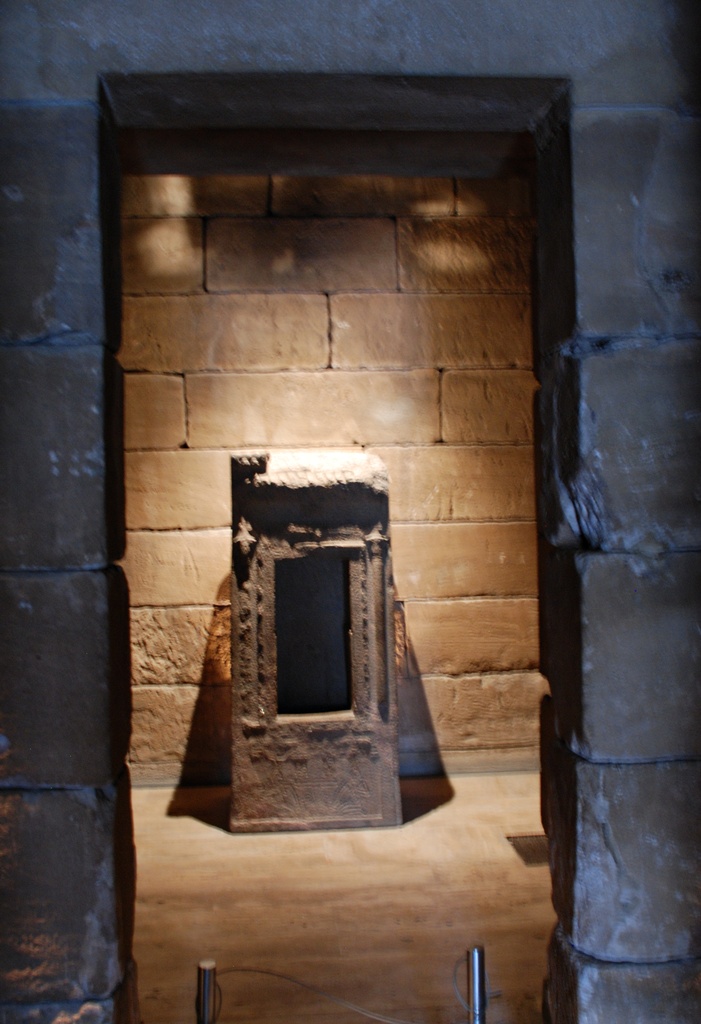
From the palace, we walked to a monument, which one can arguably say, is quite out of place! This is Templo de Debod, which is an ancient Egyptian temple that dates back to the 4th century BC. When the Aswan Dam was being built on river Nile, many temples were under the threat of being submerged in the waters and this was one such. The Egyptian government donated this temple to Spain, in gratitude for the help offered by Spain in saving the temples of Abu Simbel.  The temple was taken apart block by block and rebuilt in Spain in 1968. It stands on a beautiful park looks very beautiful, surrounded by water. There are two gateways and then the temple itself. There were Egyptian hieroglyphs on the inside walls of the temples and it led to a sanctum sanctorum. The light was very poor and so I could not get a good photograph. There was not much explanation provided and so one could not get much information on the temple. Overall, it was good to see the temple and I am sure that sunsets would be great here and when the light is right, a great photo location!

Madrid_Journal_12

Madrid_Journal_11

Madrid_Journal_08

As it was rainy and a bit cold, we went back to our hotel. With this, our tour of Madrid had ended and we were to leave for Andalusia the next day. One thing that struck me in Madrid this time as compared to my previous visits was the increase in number of people begging on the street. While this is, in no way comparable to what one sees on the streets of any average city in India, the numbers were much larger than what I had encountered any time before. A sign of the hard times that Spain is going through, I am sure. I had read somewhere that during colonization period, Spain frittered away all they wealth they plundered from the colonies, in construction. Centuries later, when Spain became part of EU and got access to large funds, construction boomed once again. Today, unemployment in Spain is at a depressing 27% and it is said that 50% of the youth are unemployed. A bad situation indeed and I hope that this great country finds its way out of these problems soon.

January 24 & 25, 2013

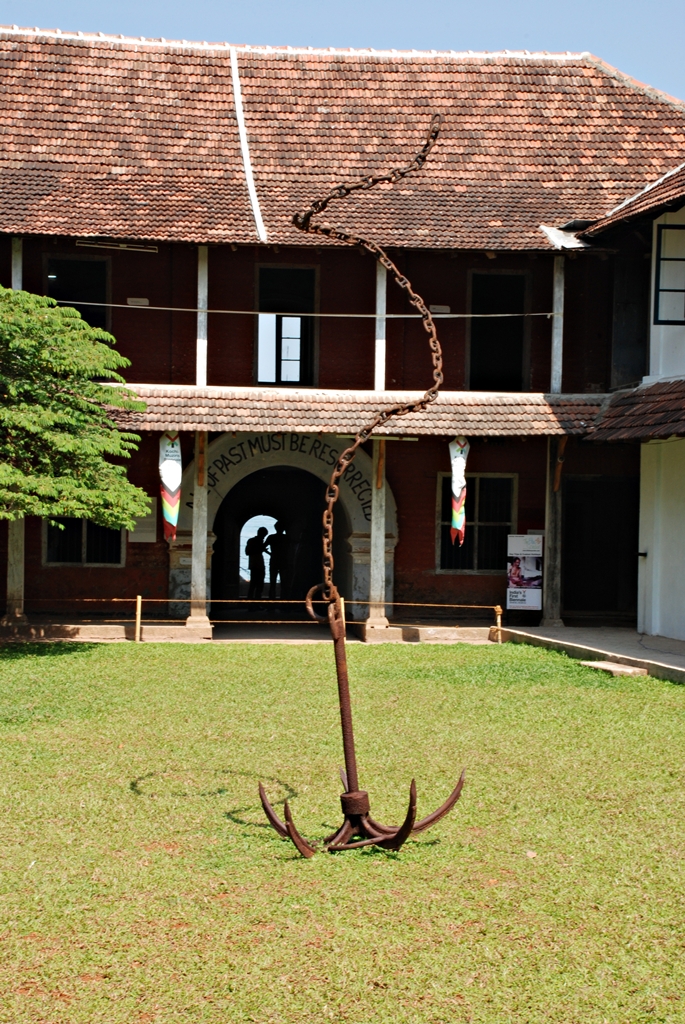
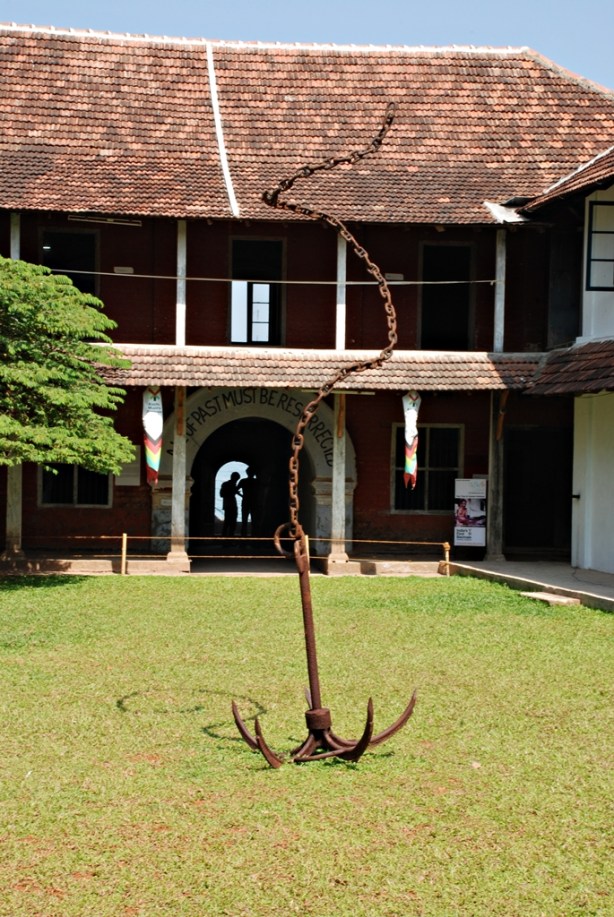
An unexpected change of plans left me with a few extra days at Kerala and off I went to Kochi, with a couple of friends, to catch up on the rest of the Biennale. I had spent about a day and a half in my earlier visit but could only see a portion of the Biennale. Since we set off early, we reached Fort Kochi by around 11 and decided to start with the Pepper House this time as we were sure that if we started with the Aspinwall House, we would spend all of our time there only. As is the proper course of action on these sort of jaunts, we started with a leisurely coffee in the quaint little café inside Pepper House. The first exhibit that catches your eye is a rusted anchor with a broken chain that reaches upwards, as if the scene is frozen, as the anchor is dropped. I felt that an anchor is something that really connects one with Kochi and Muziris with all its history of maritime trade. This is installed in the open courtyard and the position of the sun was such that the chain threw a shadow in the shape of a question mark. I am not sure whether this was intended but it was a fitting opener for the rest of the day.
Kochi_Jan13_ 002

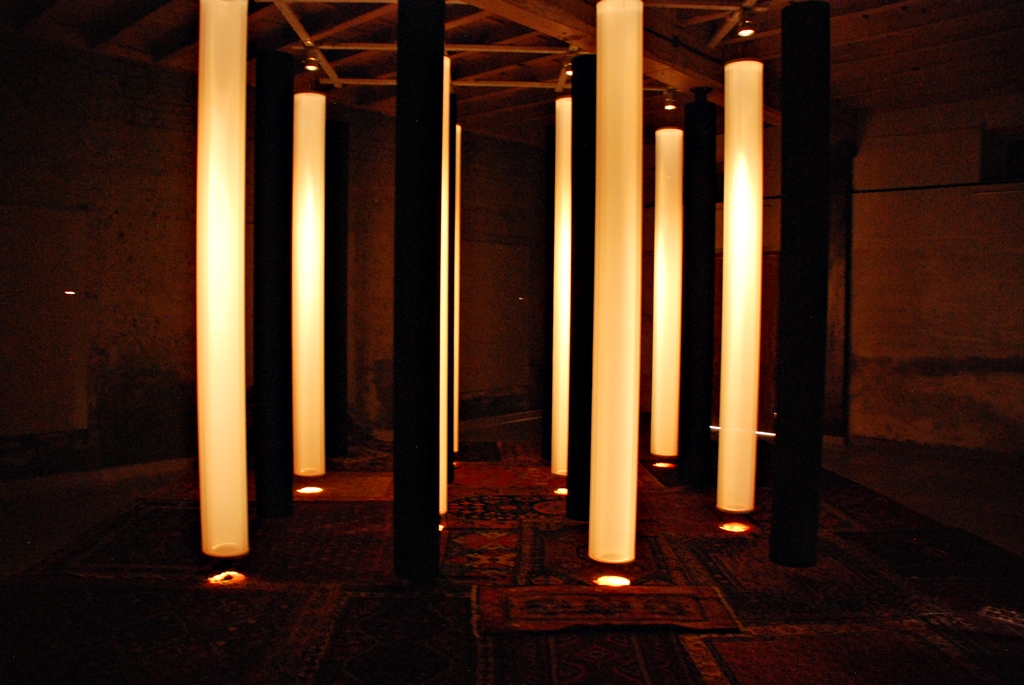
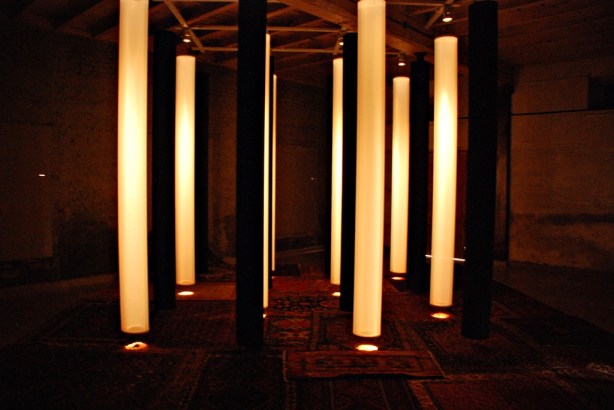
The next was an installation by an Iranian artist, Hossein Valamanesh. This consisted of many Persian carpets laid crisscross on the floor with alternate columns of black and white hung from the ceilings. The white columns were provided with internal lighting. We had to remove our shoes before we entered and that very act somehow brought a feeling that one was entering a holy or a revered space. The rugs added to that feeling. Since there was no other light in the room apart from the white columns, one’s attention was automatically drawn to the circular patches of light falling on the carpets from the white columns. I found the interleaving of the bright and the dark quite interesting and the overall feel was one of peace and quiet. Those portions of the rugs, under the unlit, black columns were not visible at all; they were in the dark, unseen and hence unsung. Sections falling under the white tubes that have been lit from above, are in glory. Funny enough, I was reminded of a young Australian Christian missionary I had met in Brigade Road many years ago, who insisted that I had to accept Christ as my god and “come into the light”. So, what shall we do with the unlit tubes?
Kochi_Jan13_ 012

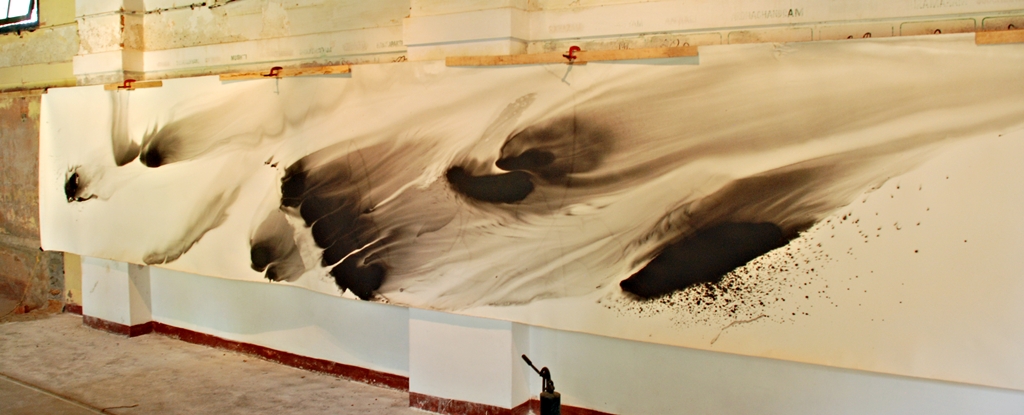
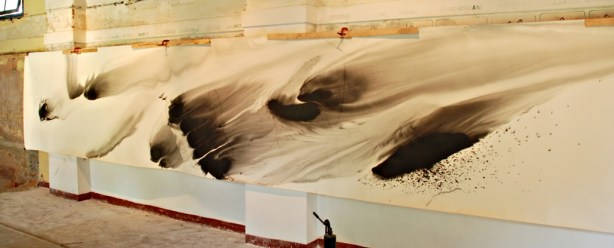
An ink painting by Clifford Charles was next. The explanation talked about the artist’s preoccupation with water as a substance. The painting itself was titled “Steps from Villa Sebollini, Belaggio” and it seems that the work was started in Belaggio and finished in Fort Kochi. Apart from the fact that I have been to Belaggio and Fort Kochi, I could not connect with the art work at all.
Kochi_Jan13_ 022

Physiognomy is the study of a person’s character or personality from his or her external appearance, especially the face. This was an ancient science, much used by the Greeks. In modern times, a Swiss Pastor by name of Johann Lavater revived this science and Lavater himself was given to the quest of reconstructing Jesus Christ’s face or his “true image”. He tried to do this by reverse engineering what the physical appearance of the face of a person like Christ could have been and then giving these instructions to various artists. The instructions themselves (a copy was displayed) were very specific. However, he was never satisfied with the images these artists produced as he felt that they were always influenced by the existing images of Christ.

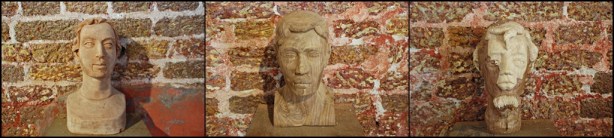
In the Biennale, a Dutch artist by name of Gert Jan Kocken has retraced the steps of Lavater and has commissioned three sculptors (Vinu VV, Anoop Kottekatt & Sanul KK) to create faces based on the descriptions. The only difference being that the artists were not told that the description was that of Jesus Christ. Perhaps, the artist was trying to take away the influence that Lavater always objected to.

It was interesting to see the output of these artists. One did indeed look like the Christ we see in pictures and one looked a bit like Abraham Lincoln! I thought it would be interesting to apply this technique to the Hindu Gods and see the output. I am sure it would lead to a lot of issues. We are so bound to the images that we are used to. For instance, one is so used to the South Indian depiction of well rounded Gods and Goddesses that it is somehow irritating to see the lean frames as painted by some North Indian painters. I can only imagine the frustration that Lavater must have caused in the artists by insisting that they had to forget the image that they were used to.
cats

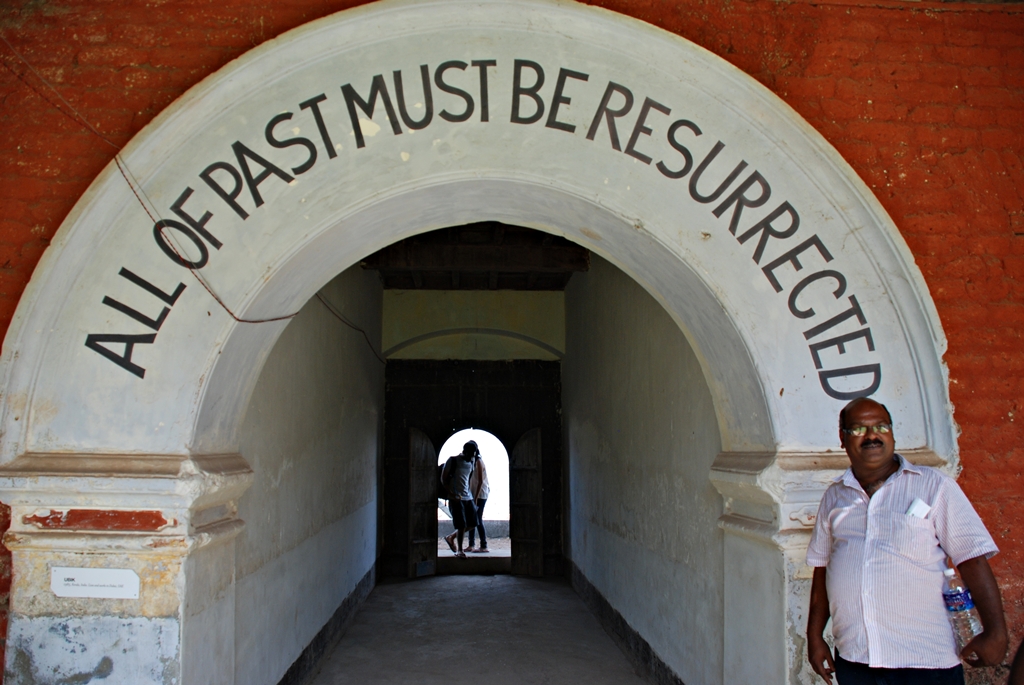
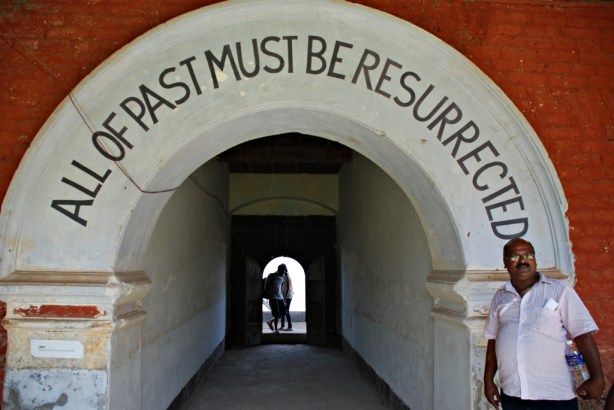
As we were going around the courtyard, we came to a doorway that led to the pier and the words “All of past must be resurrected” were painted over it. We were a bit confused at first as to whether these words were part of the building even before the Biennale started or whether it was done for the Biennale. It was only as we read the explanation provided that we realized that it was part of an installation by an artist named UBIK. As you pass under the arch, you enter a short corridor and then emerge out of an old door on to the pier, which overlooks the modern port of Vallaarpaadam. The view shifts from a dilapidated old building to spanking new infrastructure. The corridor was what I connected with. I viewed that as “transitory land”, a neither-here-nor-there position; something which I often find myself in when I look at the nostalgia tinted past and the reality of the present.
Kochi_Jan13_ 051

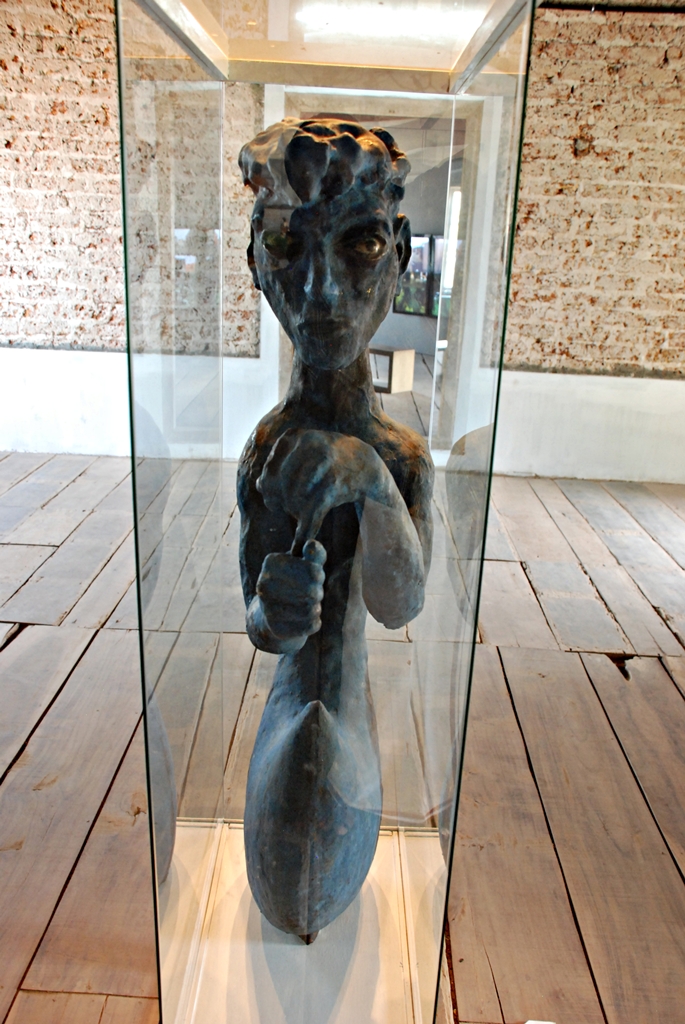
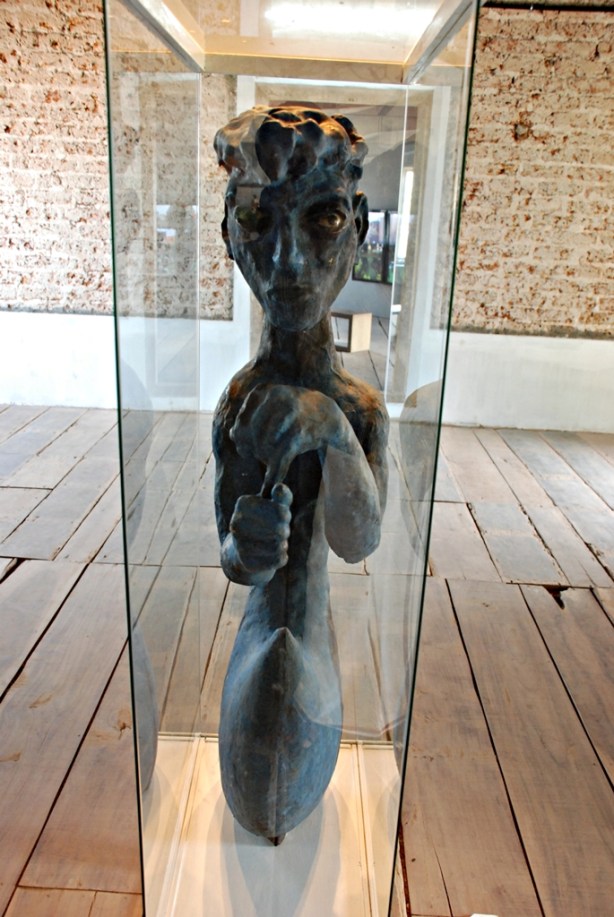
I had heard about KP Krishnakumar and a friend had spoken very highly of his work. His work, called Boatman, was displayed at Pepper House. Sculptures have never really resonated with me but I could connect a little bit more with this. It was quite expressive and the face kept drawing me back to the work.
Kochi_Jan13_ 070

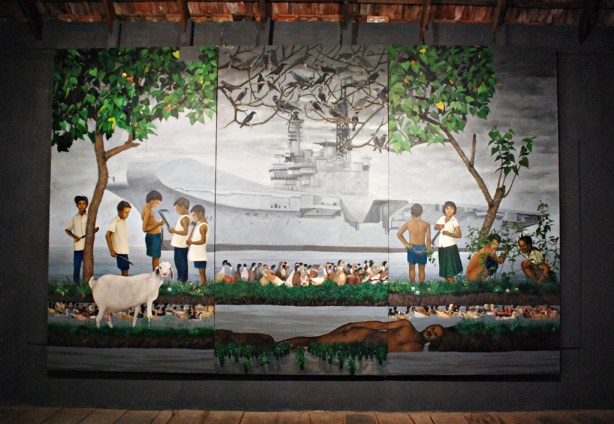
In the same room was a very large painting by KP Reji. This depicted the legend of “Thoombinkal Chathan”, a Dalit, who sacrificed himself to save a paddy field from flooding. The painting is split into three panels with a huge naval ship (looked like an aircraft carrier) in the background. While the panels on the two sides looked similar, with depictions of a green tree, children etc. the one in the centre was different with the tree looking dead with crows sitting on the branches eating dead fish. The children are obviously school-going children but they have in their hands some implements which can be tools or weapons, depending on how you look at it. There were a multitude of images in the painting and I felt that I could not understand what the artist was trying to convey fully, though I felt I got the overall gist; I felt drawn to the picture and spent a long time with it. It made me think about these myths that we repeat with admiration and pride, about the man who was brave enough to sacrifice himself for what is ostensibly the common good; but we seldom reflect on the fact that it is often for the good of the landlord only. Invariably, the ones that are the “heroes” in such stories are the downtrodden, mostly from “lower” castes. They are made into heroes for that one act, and then relegated back into their old status. Their progeny gain nothing but the right to feel proud about a story – a story that will be kept alive by the powerful as they need more such “heroes” to be ready for other deeds.
Kochi_Jan13_ 076

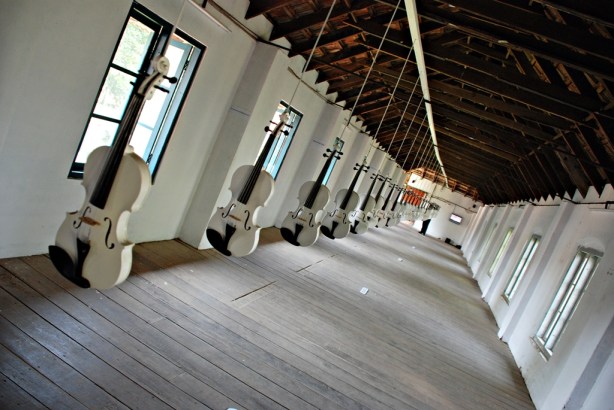
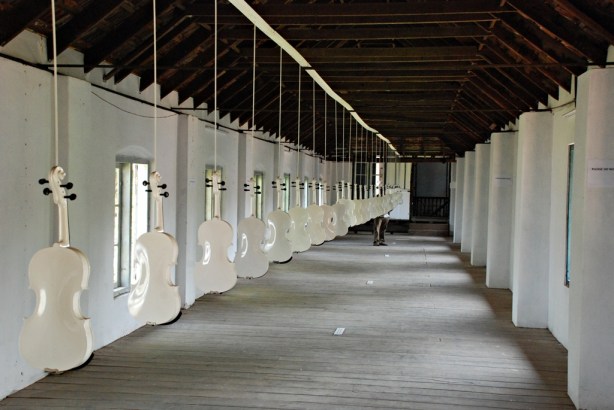
In the very next room was a very nice visual treat. Thirty white violins had been suspended from the ceiling in a neat row. There was also a video that showed violins exploding with the accompanying sound. This installation is by an artist named Ibrahim Quraishi. The overall visual impact was very nice and it was good feel to walk alongside these violins but I could not get what the artist was trying to convey. The long room with its whitewashed walls and the white violins gave a peculiar feel.
Kochi_Jan13_ 099

Kochi_Jan13_ 096

Next stop on the agenda was Aspinwall House and we proceeded there after lunch. Last time, I had seen Vivan Sundaram’s installation but I had not seen the video he had made using the installation. The video was made by having the camera zoom in and out and move at different angles around the installation. Water was poured onto the installation and dried black pepper seeds were floating on the water, in some of the videos. Overall, it gave me the sense of a city going under flood waters or that of small islands and the visuals were captivating. This video was arranged in three large panels and projected on to the floor. So, it gave a sense of one standing over the land and watching the happenings from a vantage point. To me, it conveyed a sense of disquiet and calamity.
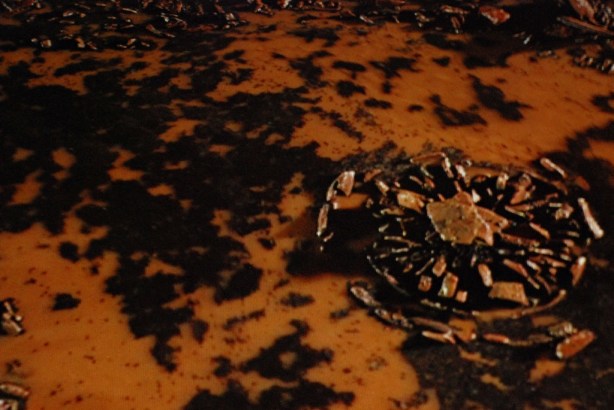
Kochi_Jan13_ 141

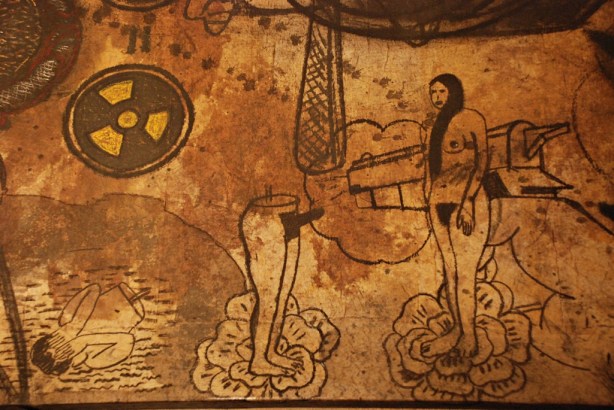
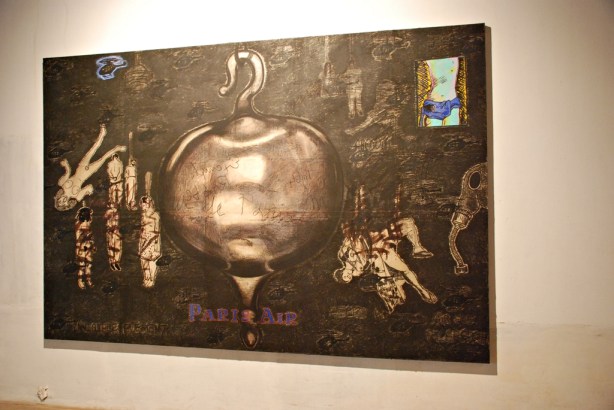
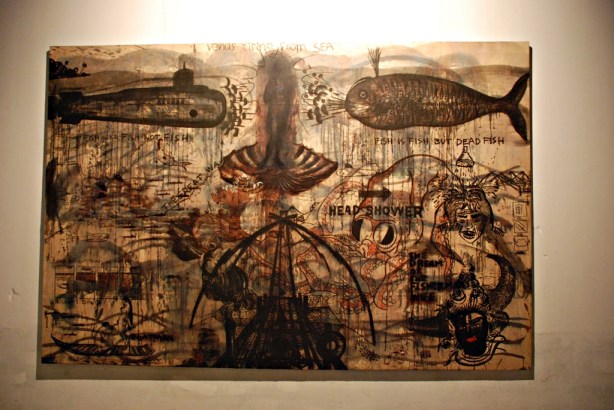
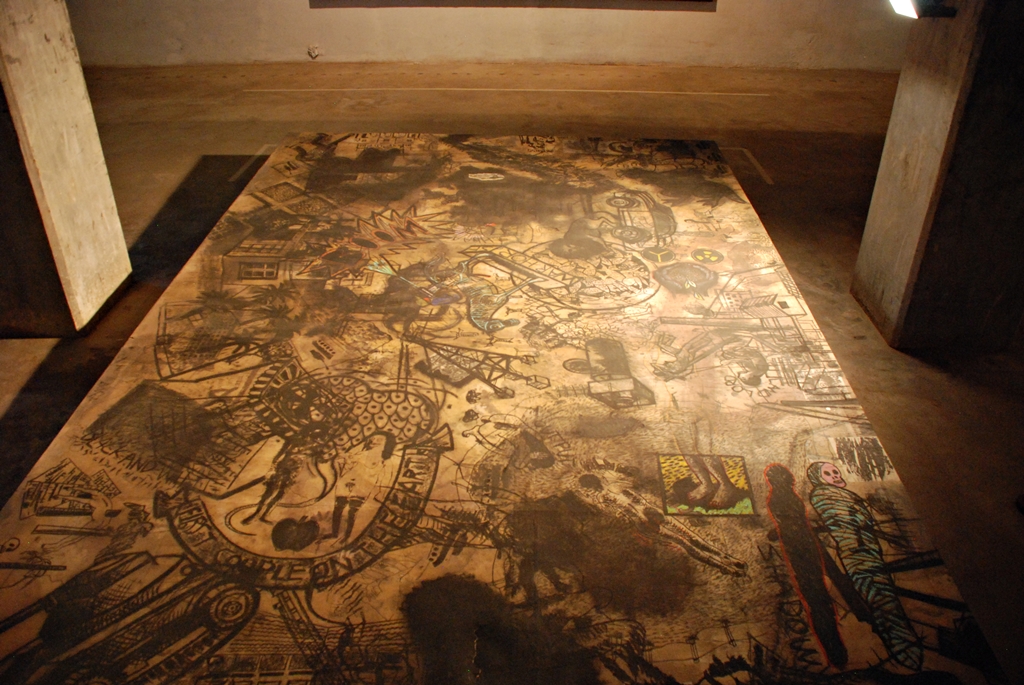
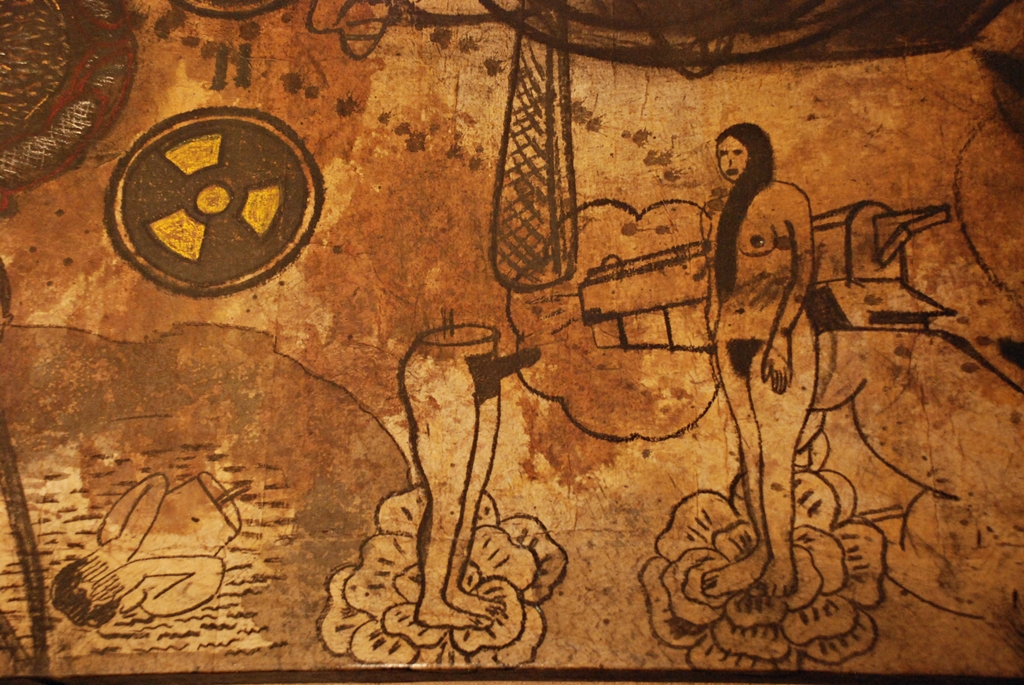
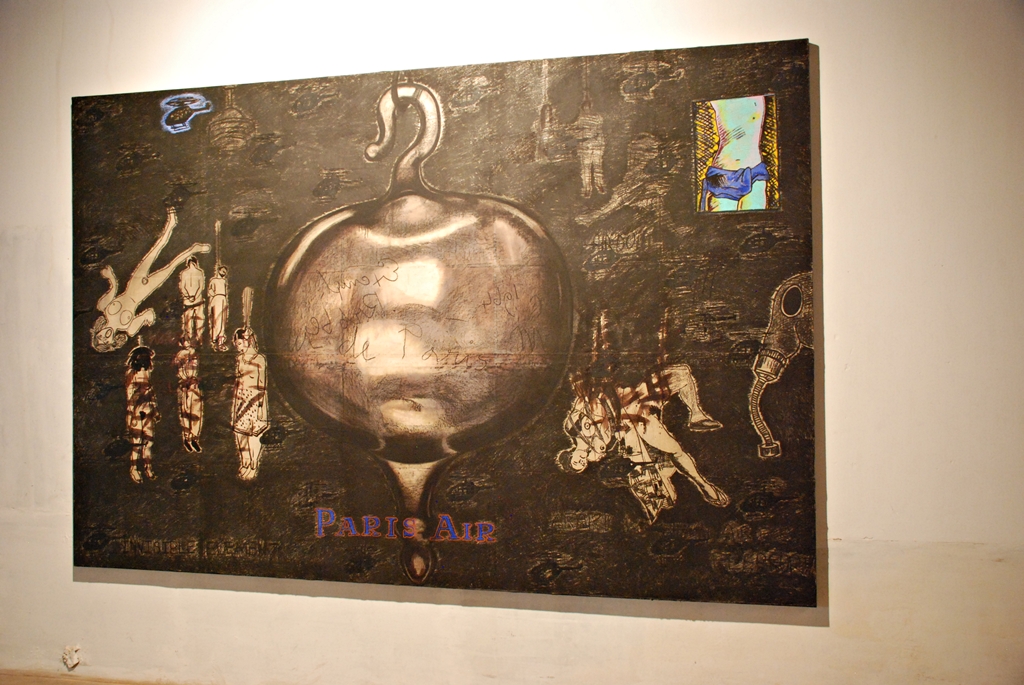
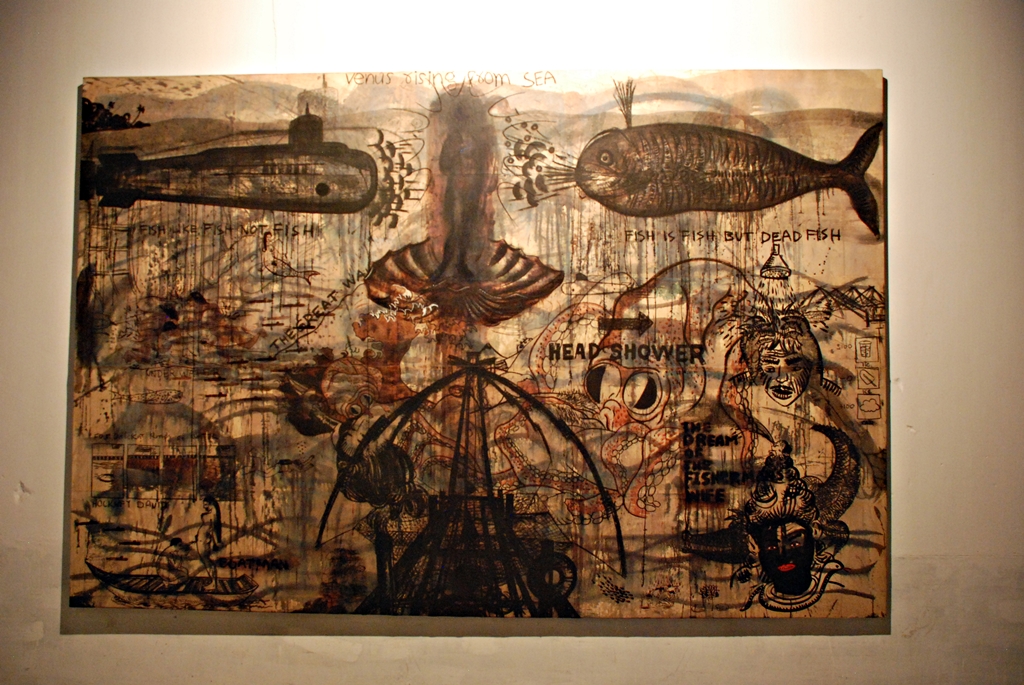
From the calamity that befell a great city, we moved on to a work depicting the five basic elements – Earth, Water, Fire, Air & Sky. The artist (T. Venkanna) is talking to us about how we abuse these five elements. There are five wooden discs suspended from the ceiling with etchings of such destructive items as battle tanks, airplanes, submarines etc. coupled with five large canvases. These are hung on walls and also placed on the ceiling and the floor. The canvases are filled up with charcoal drawings and collages of very many images. The images are pretty strong and bring out the conflicts and the acts of abuse. It conveys a sense of horror and doom about where we are headed.  Many of images were very disturbing indeed.
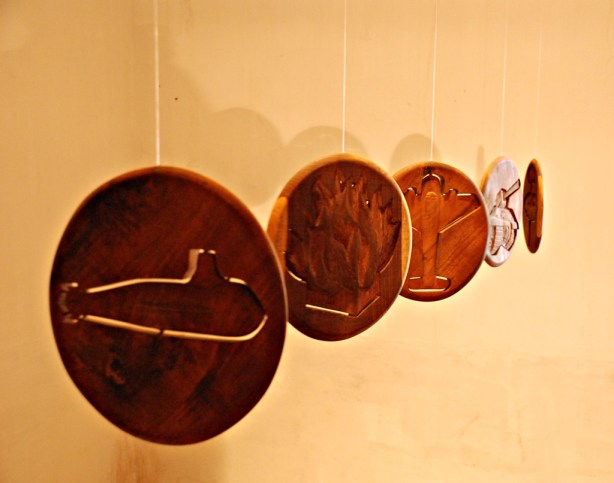
Kochi_Jan13_ 162

Kochi_Jan13_ 173

Kochi_Jan13_ 177

Kochi_Jan13_ 185

Kochi_Jan13_ 187

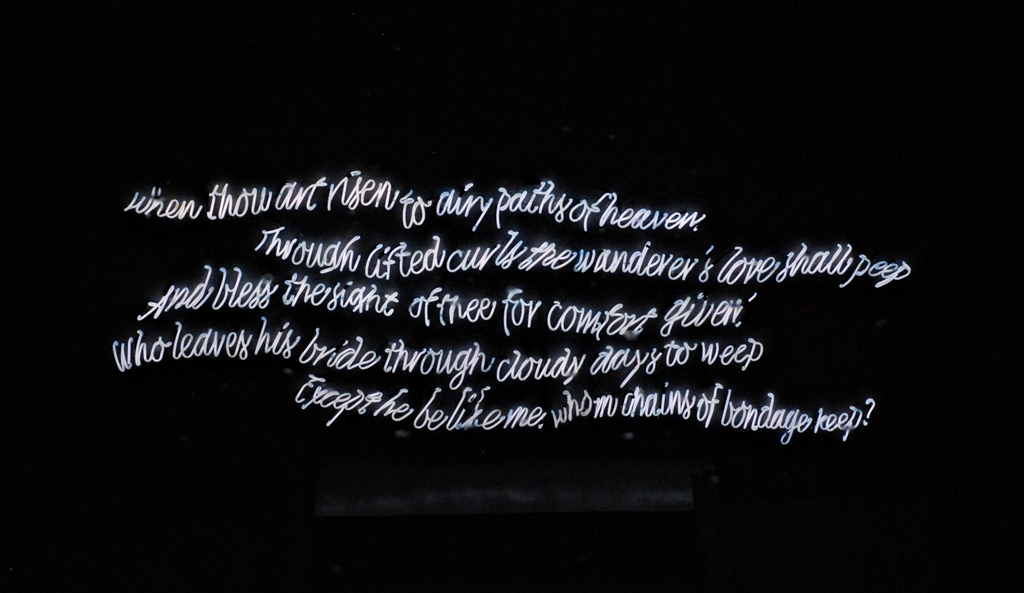
I was not going through the exhibits in any particular sequence and the next one I saw was a work involving Kalidasan’s Meghasandesam. This was by an artist Alfredo Jaar and it consisted of one verse from Meghasandesam written with neon lighting and fixed on to one wall. The room was totally dark and the floor was filled with water; a wooden walkway provided access to the room. The text was inverted and so unreadable when one looked at the wall but was reflected clearly in the water. The verse itself is English translation from Sanskrit and the work is titled “Cloud for Kochi”.
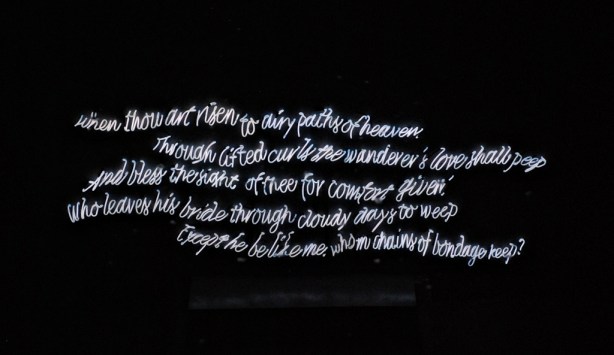
Kochi_Jan13_ 198

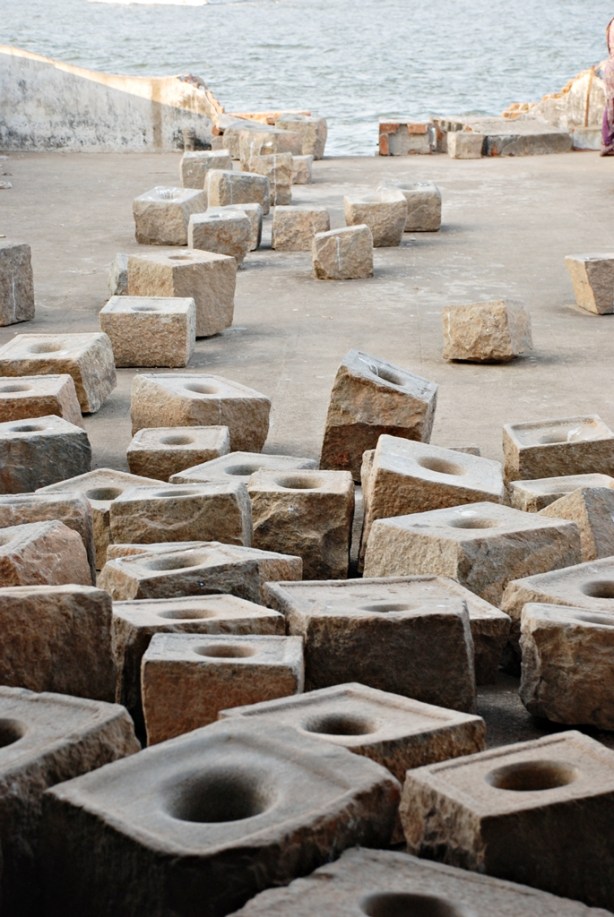
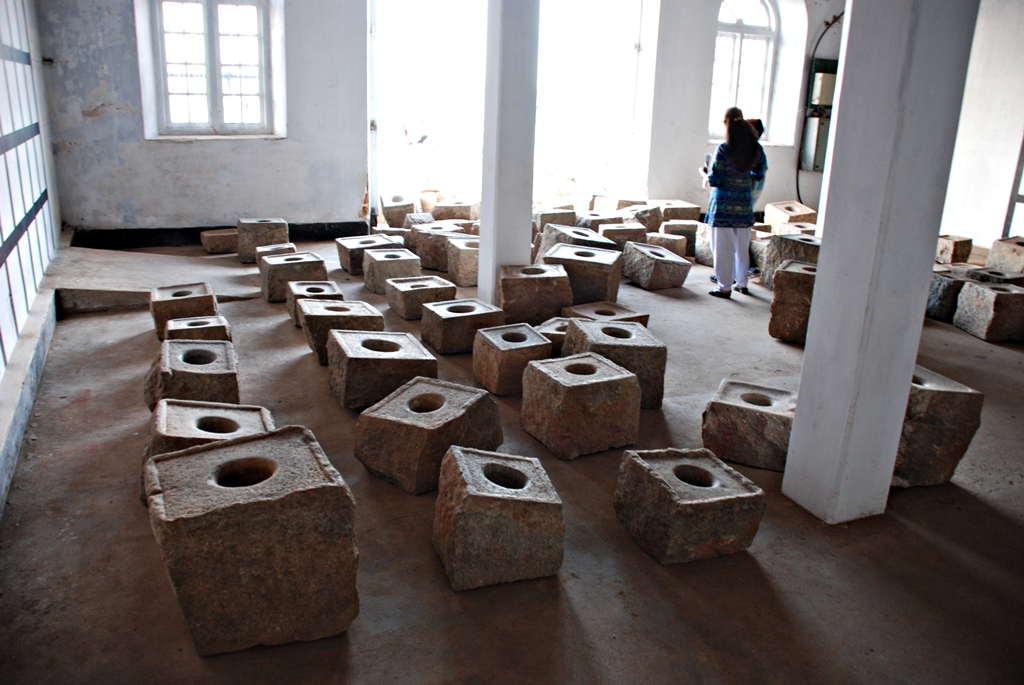
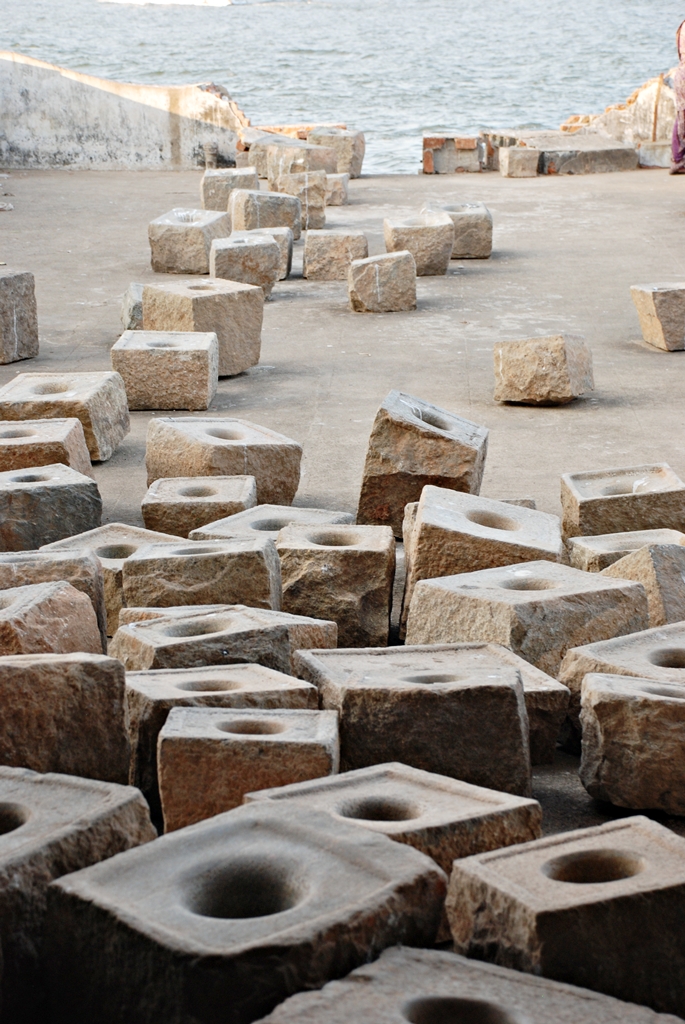
What happens to things that we have no more any use for? This is the theme of an installation by Sheela Gowda and Christoph Storz. They have collected 170 grinding stones and then strewn them around in random fashion, leading to the pier, almost as if the stones are falling into the sea. Before the days of the electric mixers, the grinding stone was an integral part of each house. Once we all adapted to the convenience of the electric mixers, these were no longer needed and thus, were abandoned. Once abandoned, these become part of urban debris and we no longer notice these stones, which were once critical for us to make food. I liked this installation quite a lot and spent some time sitting there. The obvious connect to me was to people even in our own lives, who share the fate of these grinding stones. What struck me was how these artists had thought up this connection. We also had grinding stones in our houses when we were young but I have never bothered to think about what happened to those later. There was also a grid of black and white on one wall in the room in which the grinding stones were lying. Items are relevant only when they are able to fulfill their utilitarian role, a rather black-and-white concept.
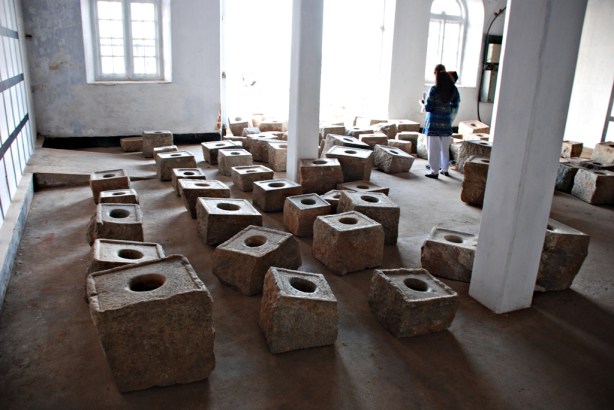
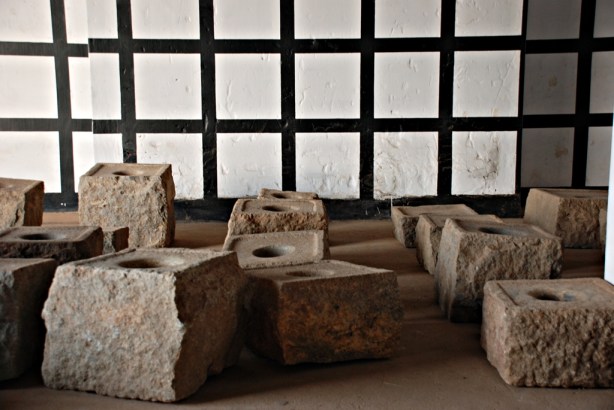
Kochi_Jan13_ 248

Kochi_Jan13_ 253

Kochi_Jan13_ 255

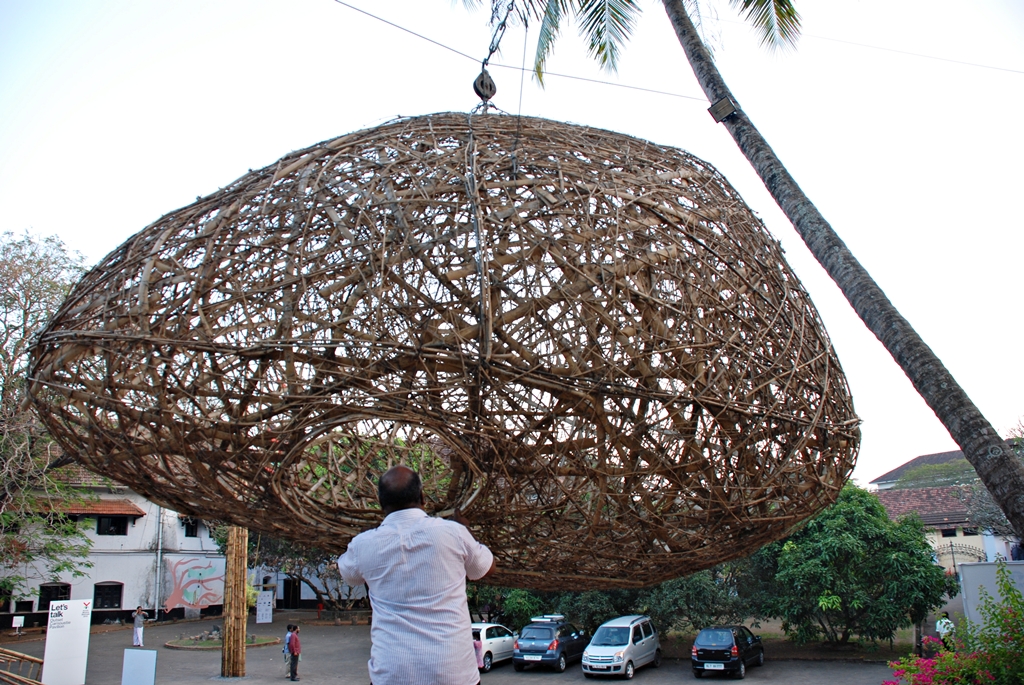
The first sight that greets you as you enter Aspinwall House is an installation by Srinivasa Prasad – a  cocoon suspended in mid-air with steps made of gunny sacks leading up to it. The cocoon itself is made of bamboo, wire and thorns and there is an opening in the cocoon into which, one can insert one’s head. Supposedly, you leave bad memories and thoughts in the cocoon. Finally, the cocoon is supposed to be taken down and burnt, erasing all those bad thoughts. How fortunate, if it were so easy! Out of curiosity, I went up the steps and tried to leave some thoughts in the cocoon but my thoughts seemed too wedded to me.
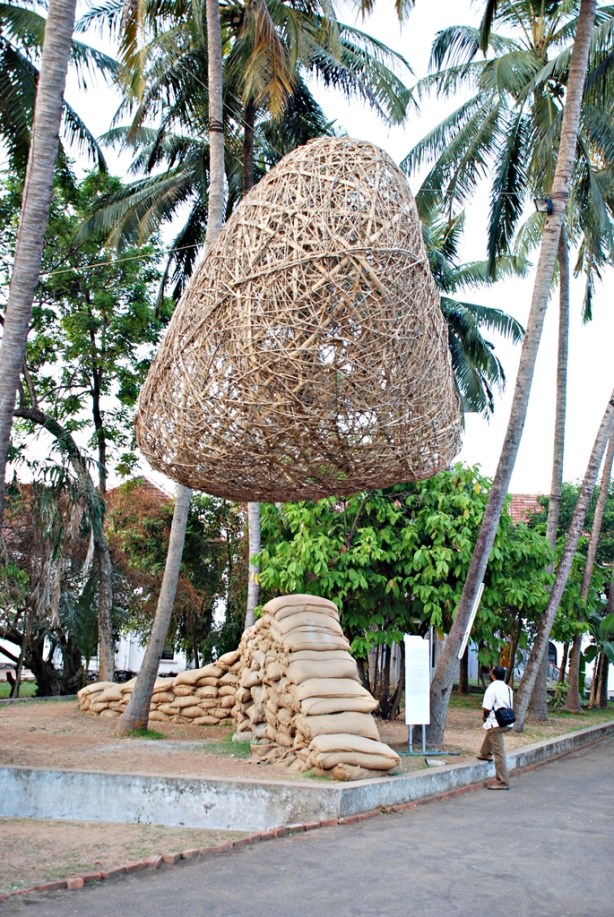
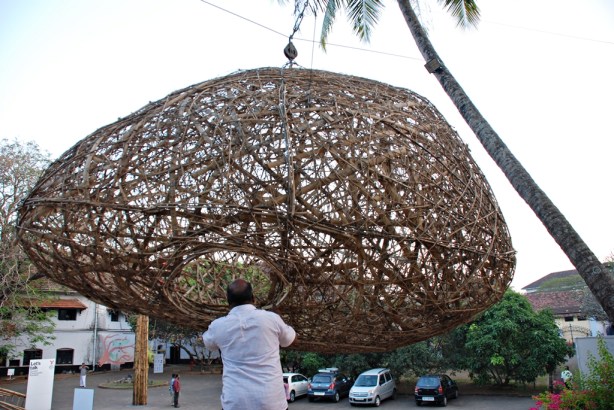
Kochi_Jan13_ 278

Kochi_Jan13_ 283

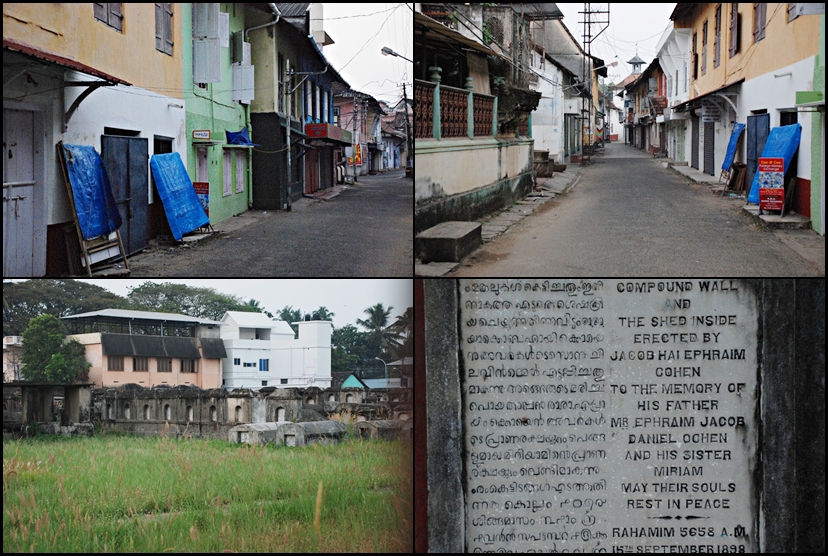
By this time the day was gone and we were pretty tired as well. The next day morning, we got up very early and decided to have a drive around Fort Kochi and Mattancherry taking in the early morning sights. We wandered around the deserted streets leading to the synagogue. I have been there before but had not got a chance to go inside the synagogue. It was odd to walk around a part of Kerala where you could see Hebrew writing and Star of David on the walls. There is also an old burial ground here. There was a plaque set into the wall of the cemetery that spoke about who had erected the wall – the Malayalam used was a bit odd, perhaps because it was written more than a century ago.
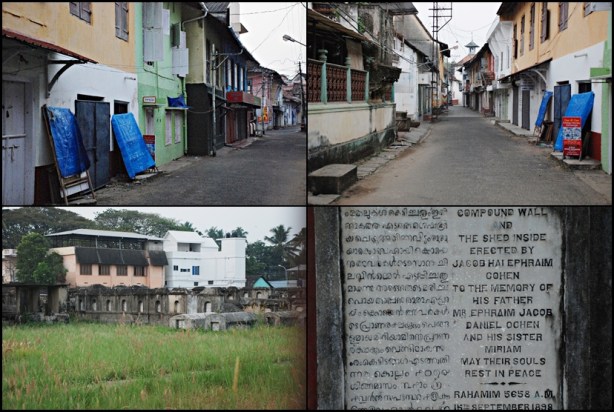
cats_1

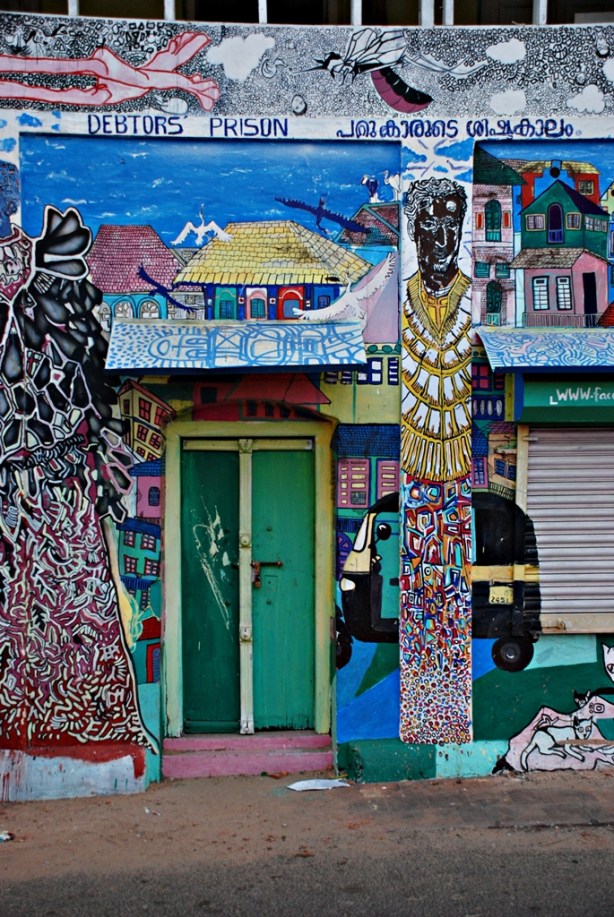
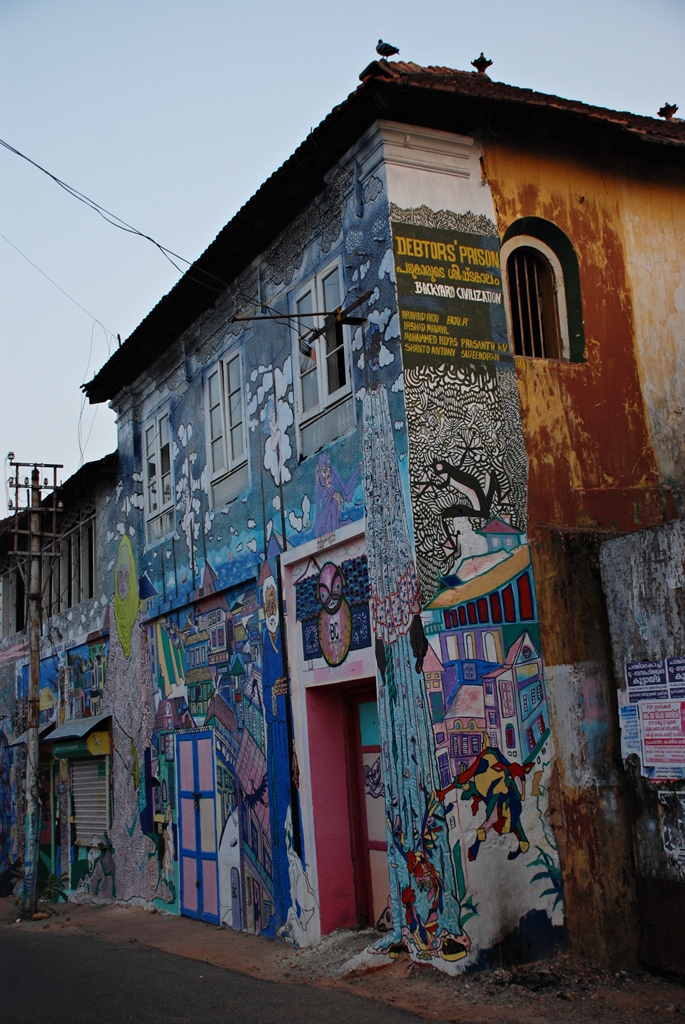
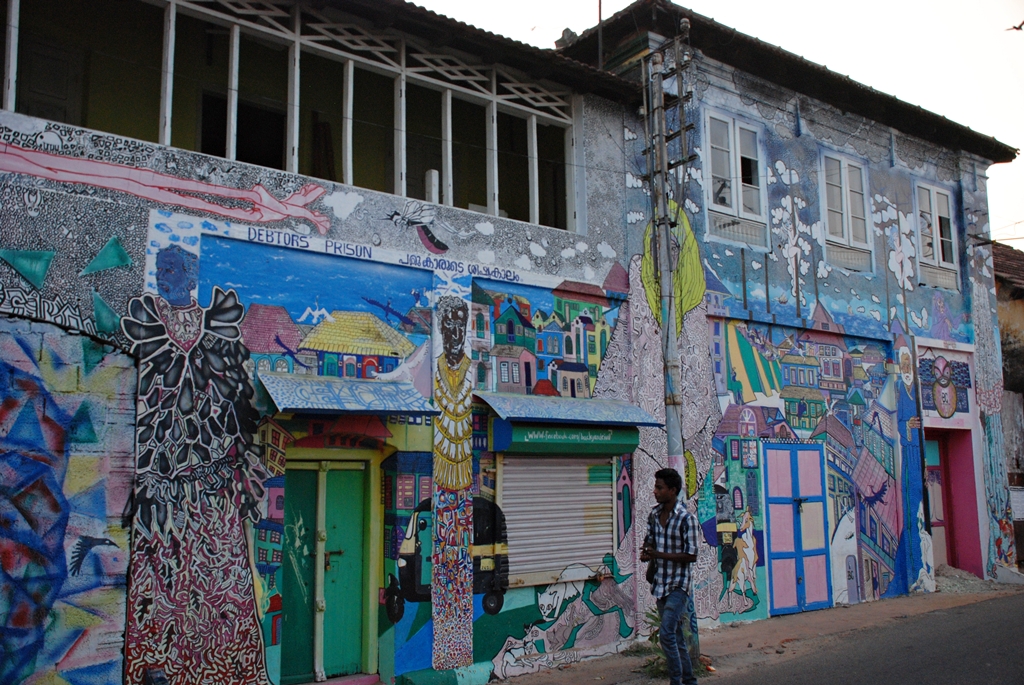
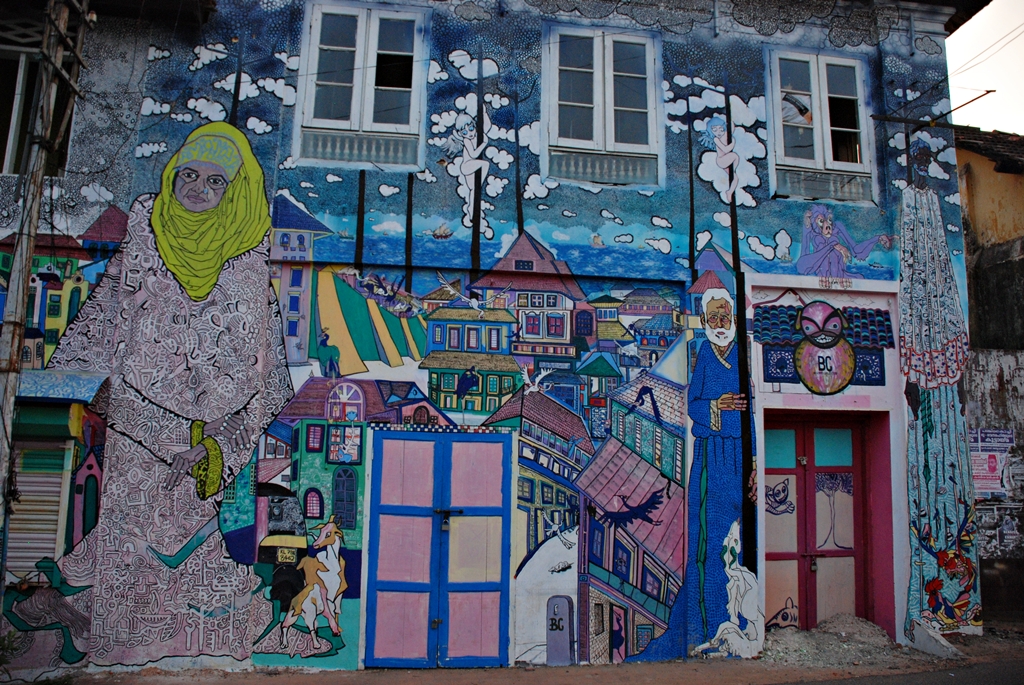
We saw a building in Fort Kochi with a beautiful mural painted on it. The work was titled “The Debtor’s Prison”. Curiously, it had Kamala Suraiyya’s image also in it. I am not sure whether this was done as part of the Biennale but it was quite an interesting work.
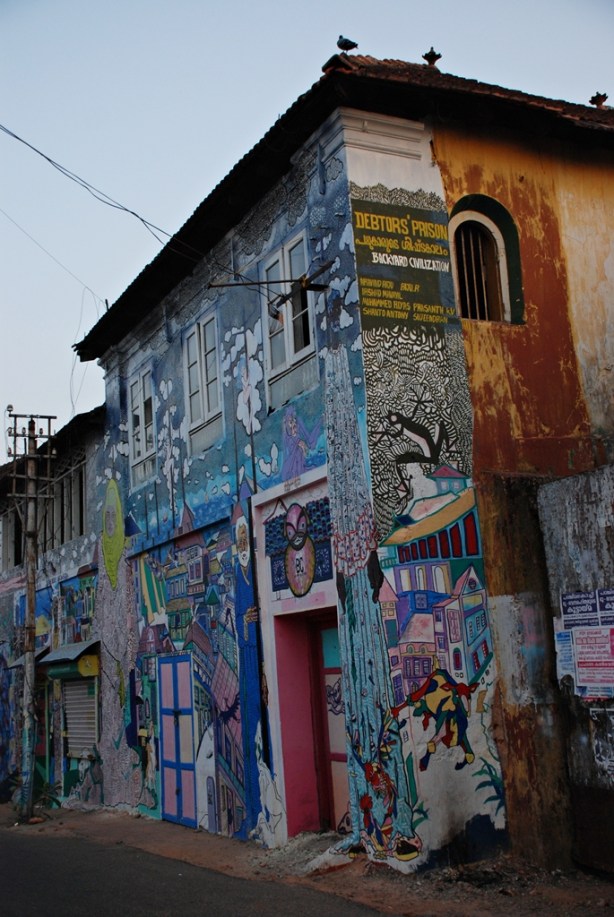
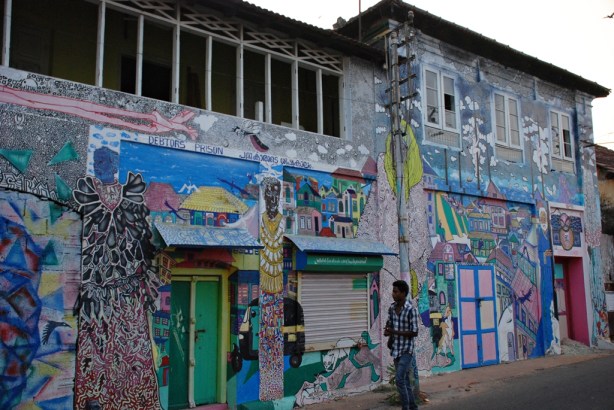
Kochi_Jan13_ 342

Kochi_Jan13_ 351

Kochi_Jan13_ 356

Kochi_Jan13_ 360

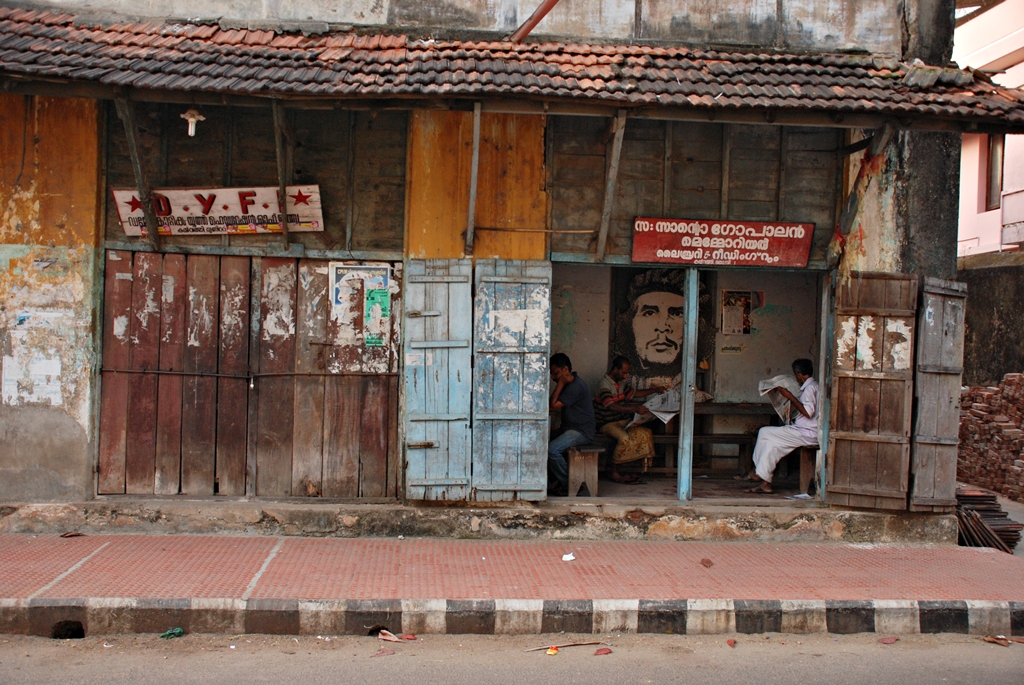
Further along the road, we saw a reading room that is quite characteristic of Kerala. It reminded me of a work that I had seen during my previous visit to the Biennale.
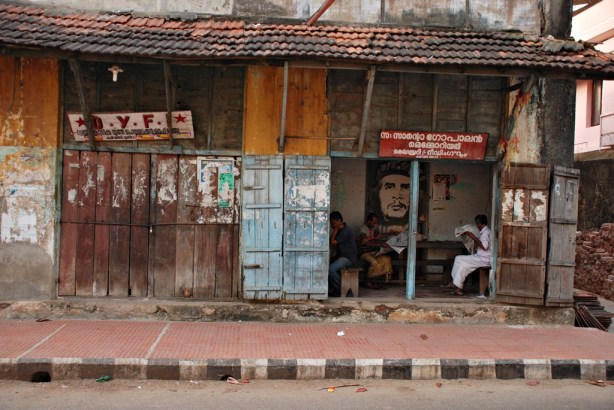
Kochi_Jan13_ 365

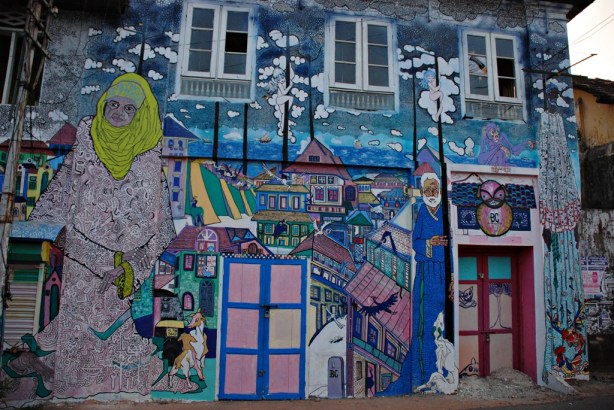
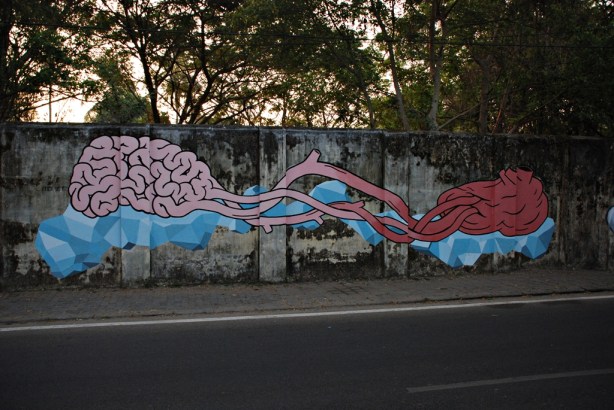
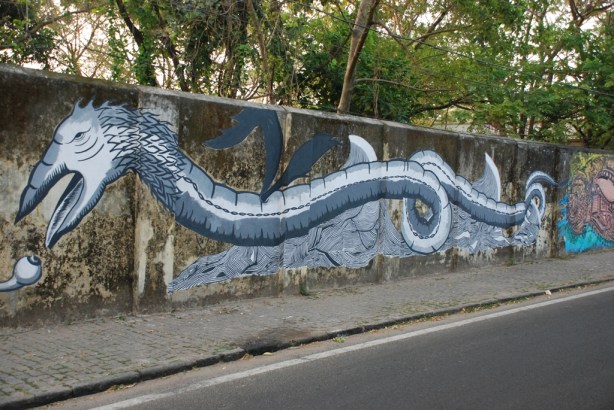
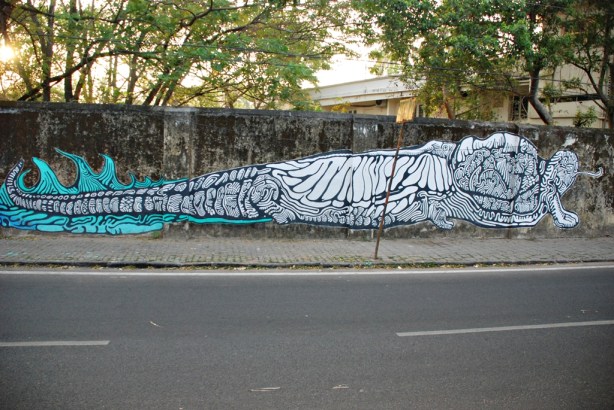
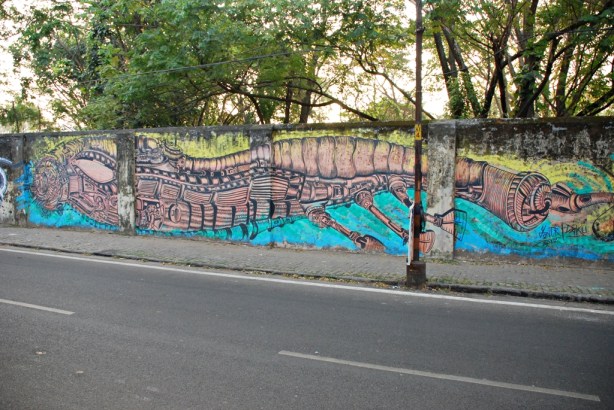
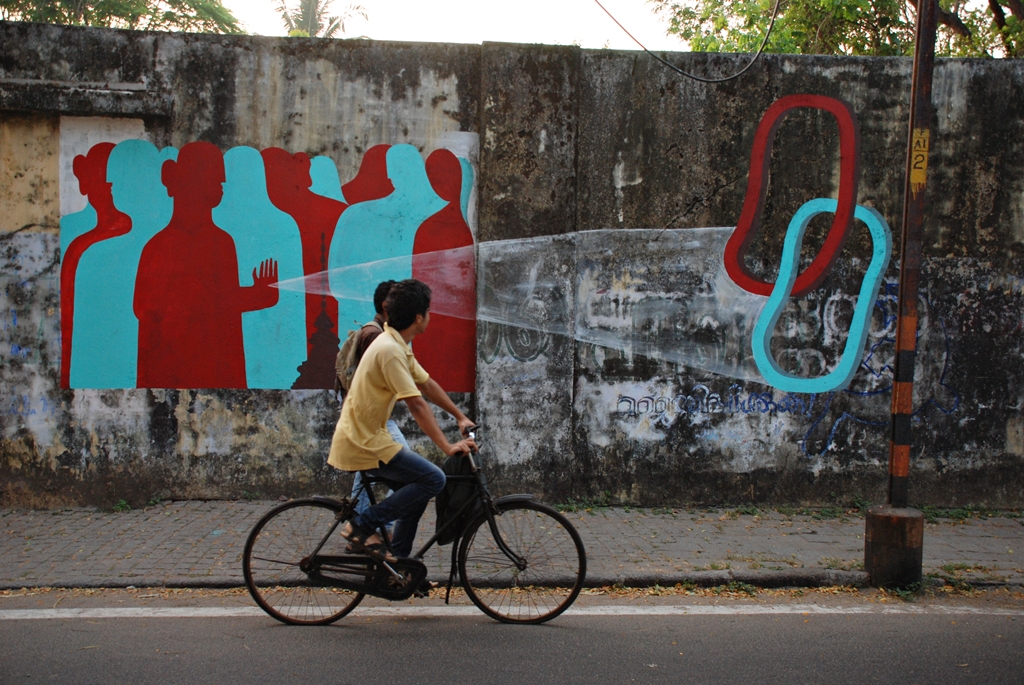
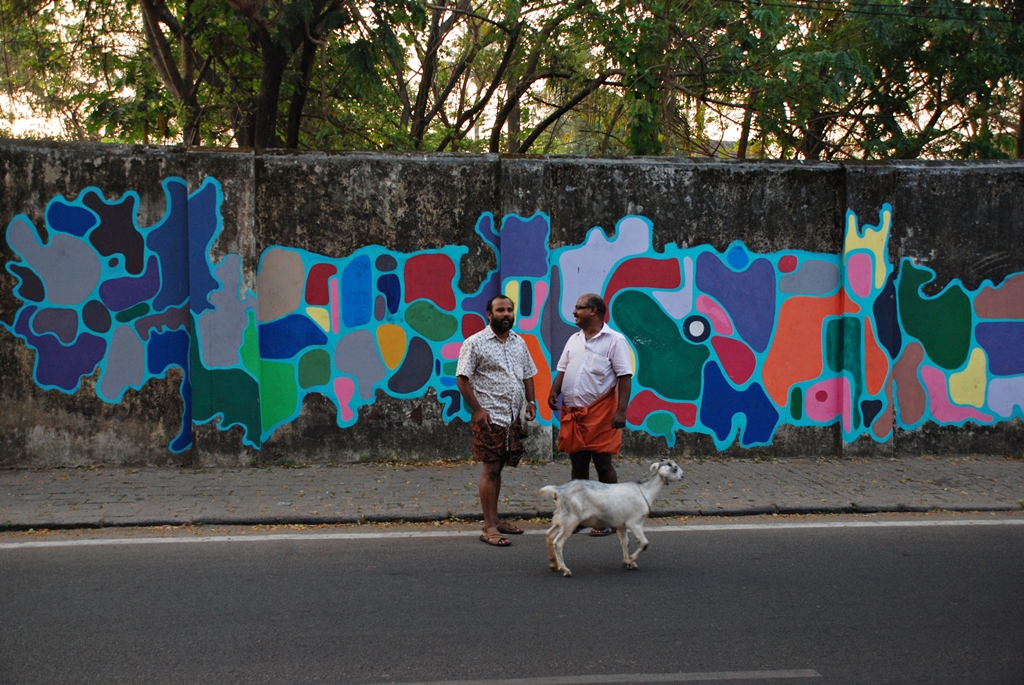
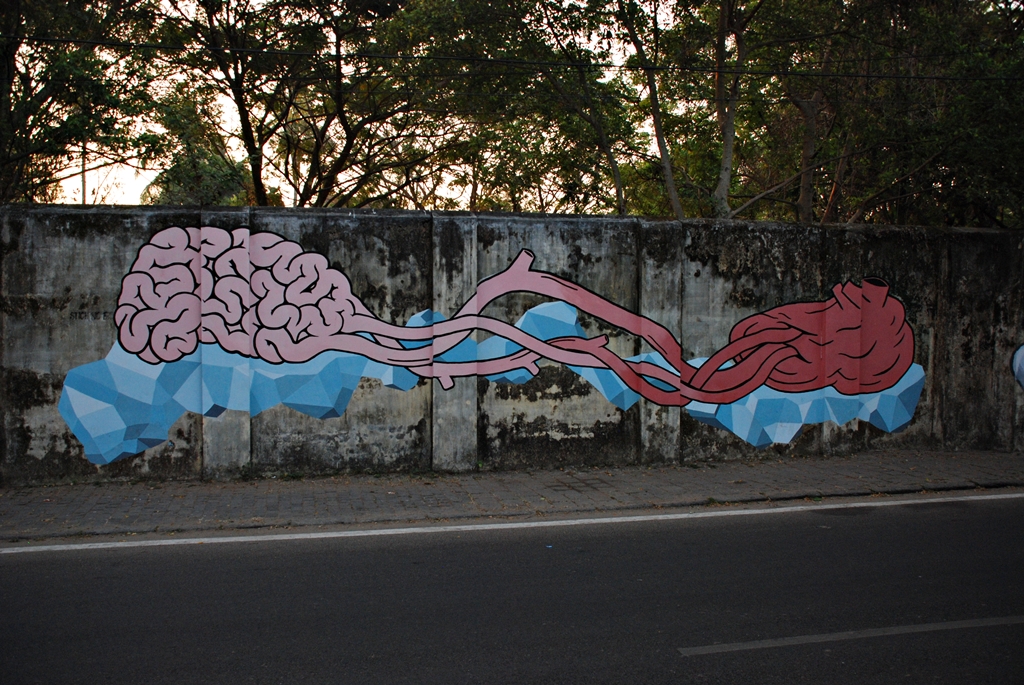
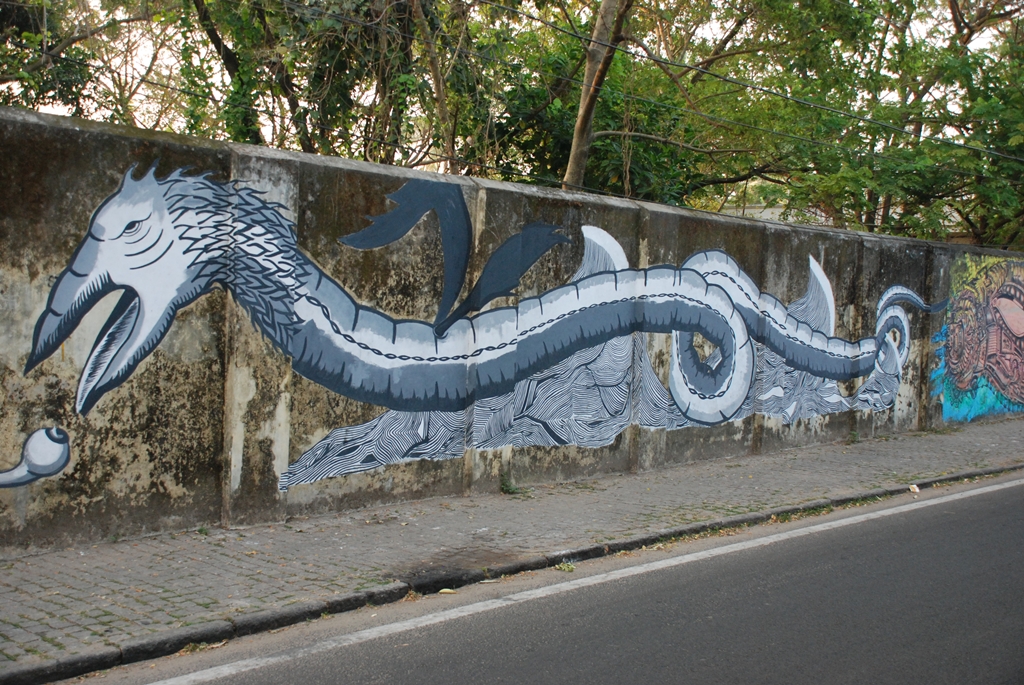
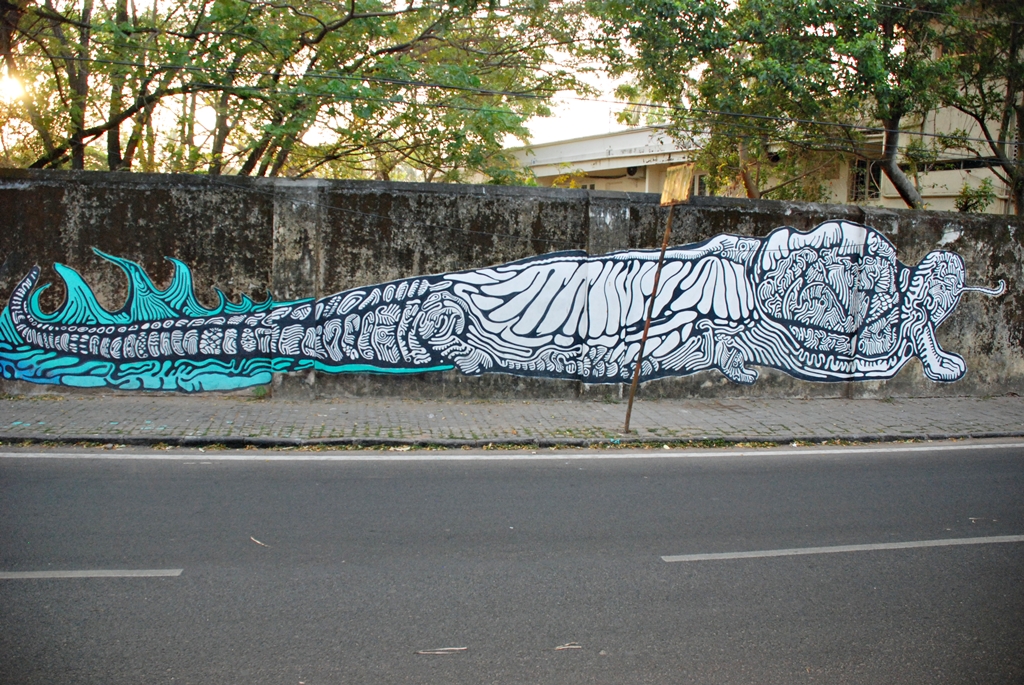
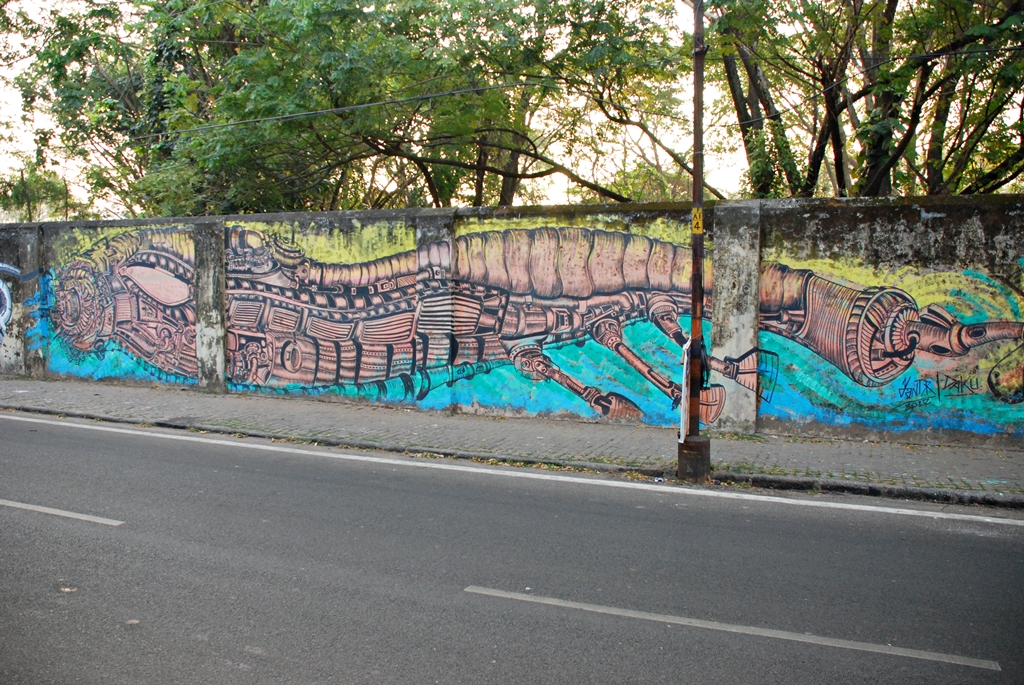
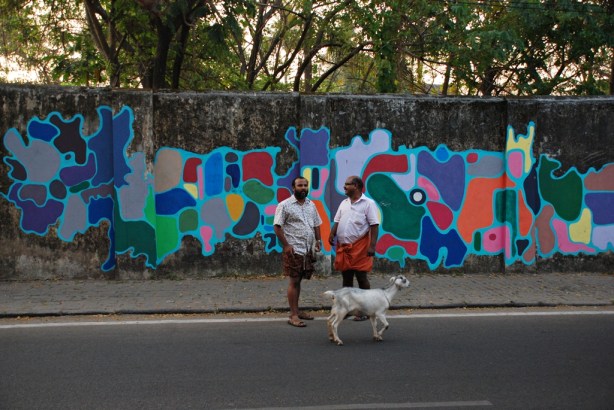
There were many paintings on the walls along the street. I guess most of those were done by people in connection with the Biennale. Some of the graffiti style paintings reminded me of similar work I ahd seen in the streets of London.
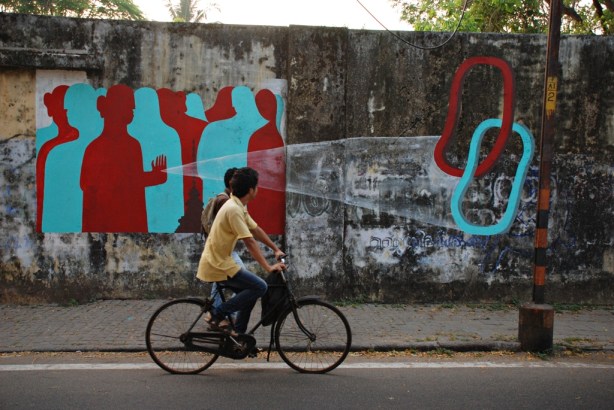
Kochi_Jan13_ 371

Kochi_Jan13_ 382

Kochi_Jan13_ 389

Kochi_Jan13_ 406

Kochi_Jan13_ 411

Kochi_Jan13_ 413

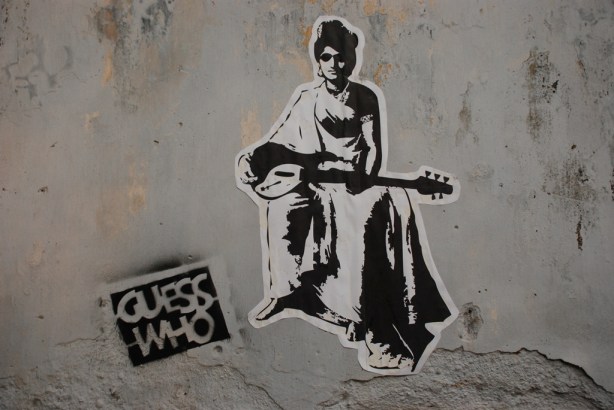
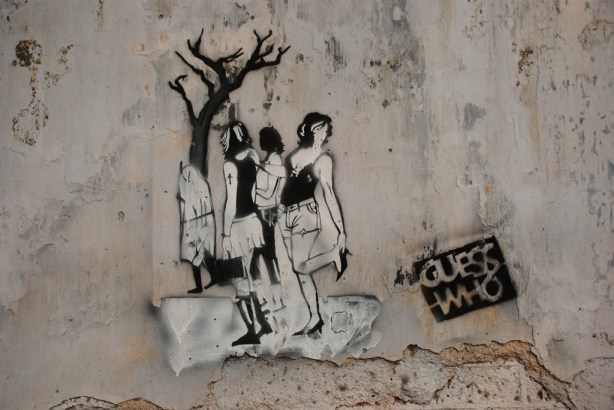
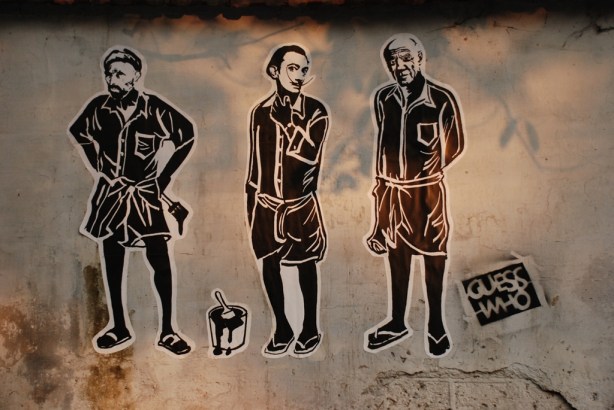
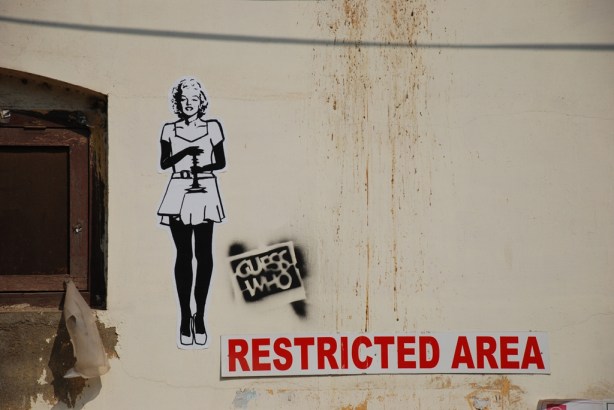
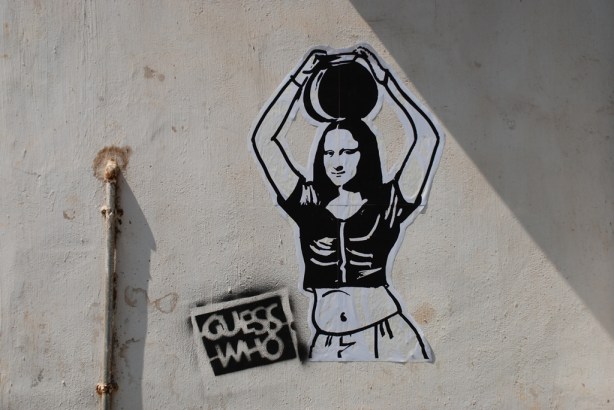
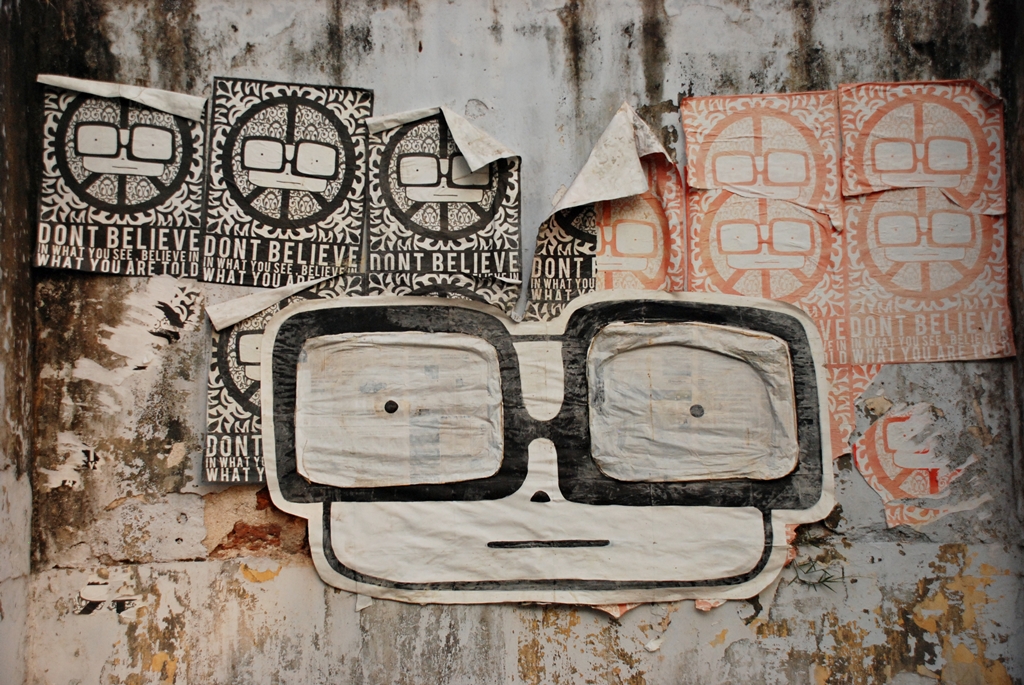
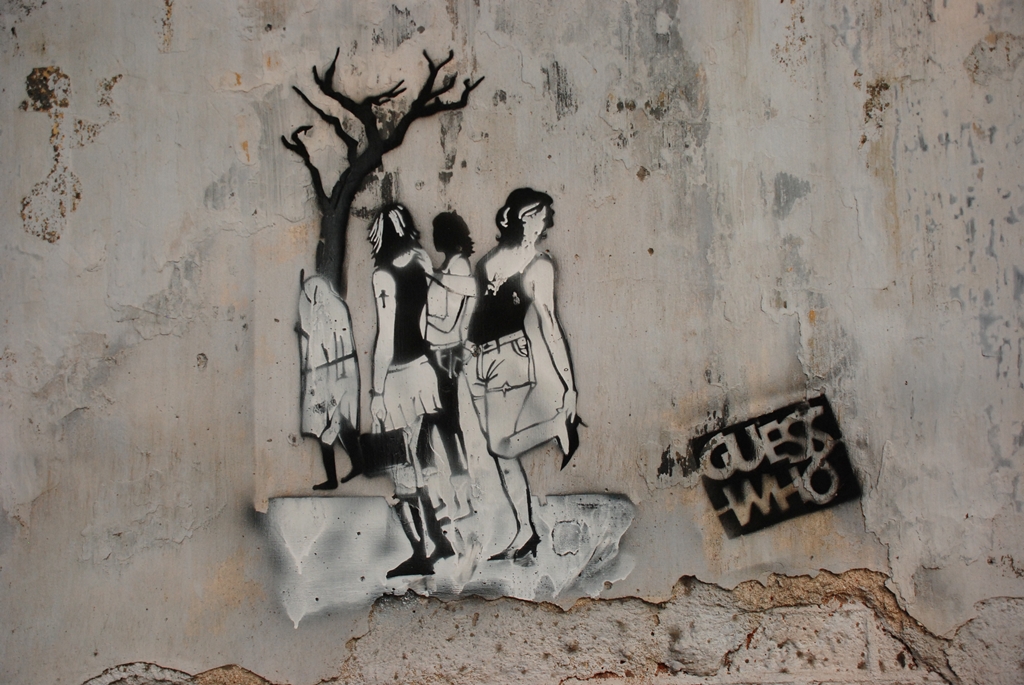
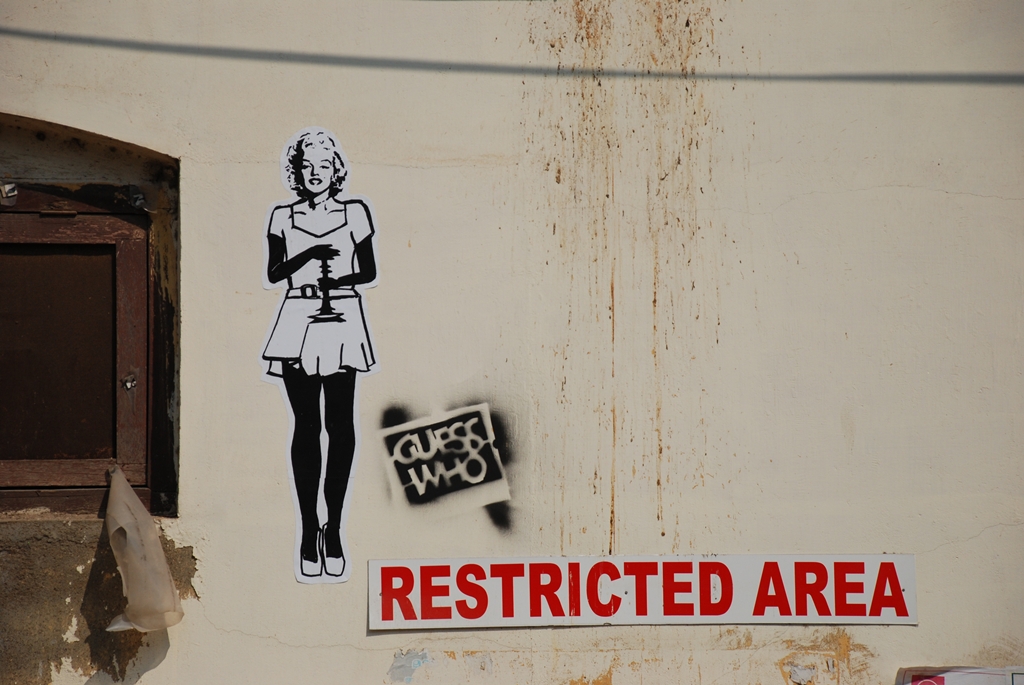
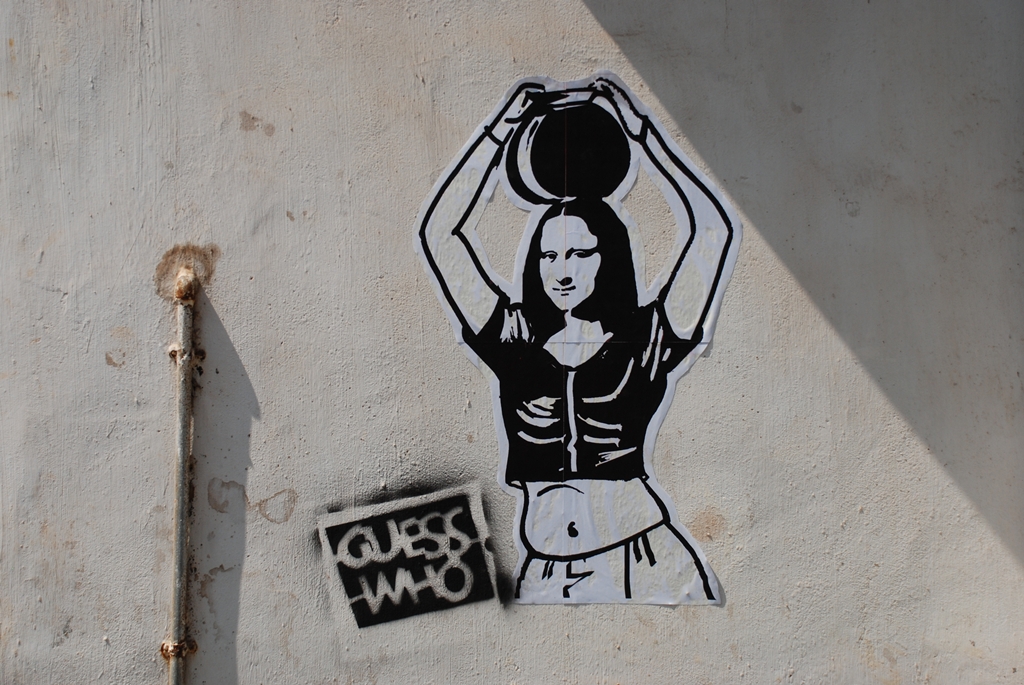
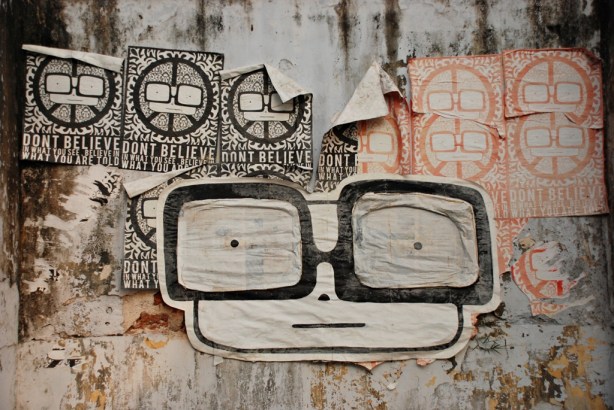
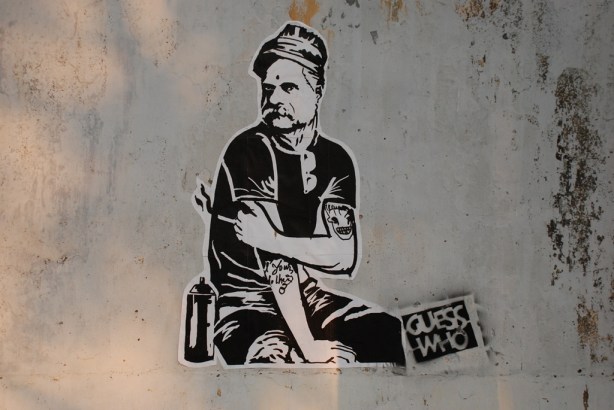
Opposite to these paintings we noticed a series titled “Guess Who” and the images were just fantastic. A poster exhorted one to not believe what one saw but to believe what one was told. The pictures were quite eye catching and later on, we saw some more such images near other venues of the Biennale. There was no indication as to who the artist was, but it has obviously been done by someone who wanted to set people thinking. I could not make up my mind on whether this person was for or against the Biennale.
Kochi_Jan13_ 404

Kochi_Jan13_ 400

Kochi_Jan13_ 393

Kochi_Jan13_ 394

Kochi_Jan13_ 397

Kochi_Jan13_ 421

Kochi_Jan13_ 496

The early morning outing was quite a nice experience and the overall ambience of Fort Kochi and Mattancherry with all those old buildings and all the art work around can only be experienced and not explained.

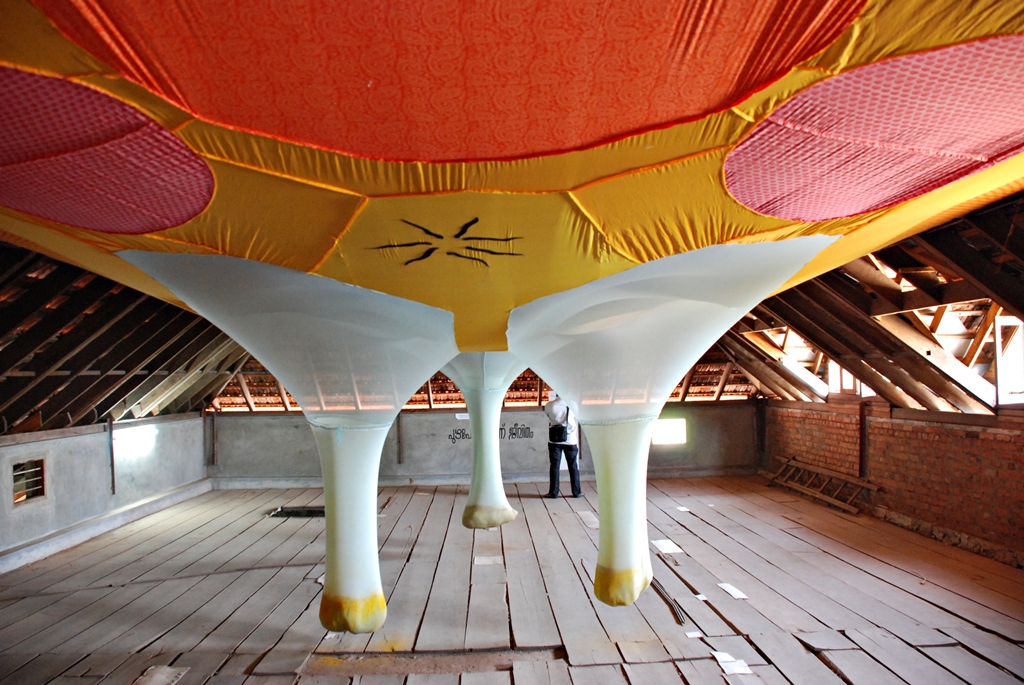
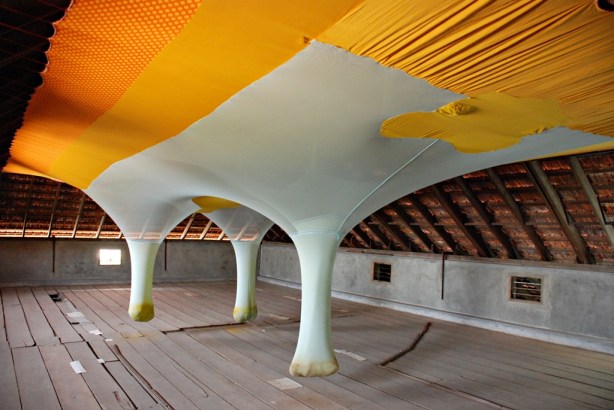
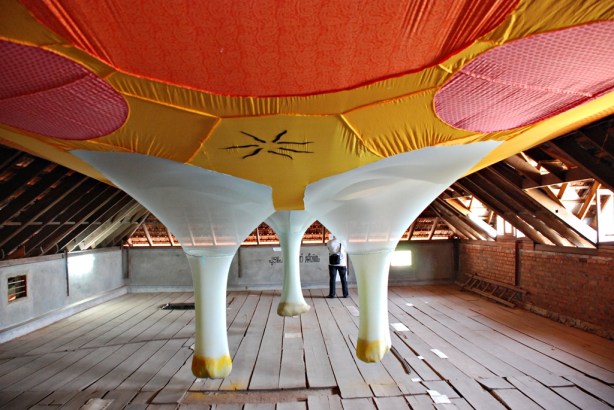
Moidu’s Heritage is yet another endearing venue and we started there in the morning. In the attic there is an installation by a Brazilian artist called Ernesto Neto titled “Life is a river”. It is made up of cotton fabric and sacks of spices are hung in the fabric. Overall, it had conveyed a strange, colourful picture. From some angles, it looked like the udder of a giant cow. This was totally beyond my abilities of comprehension and I drew a total blank. The overall experience was enjoyable but I could not fathom what the artist meant or how the installation connected with its title.
Kochi_Jan13_ 439

Kochi_Jan13_ 442

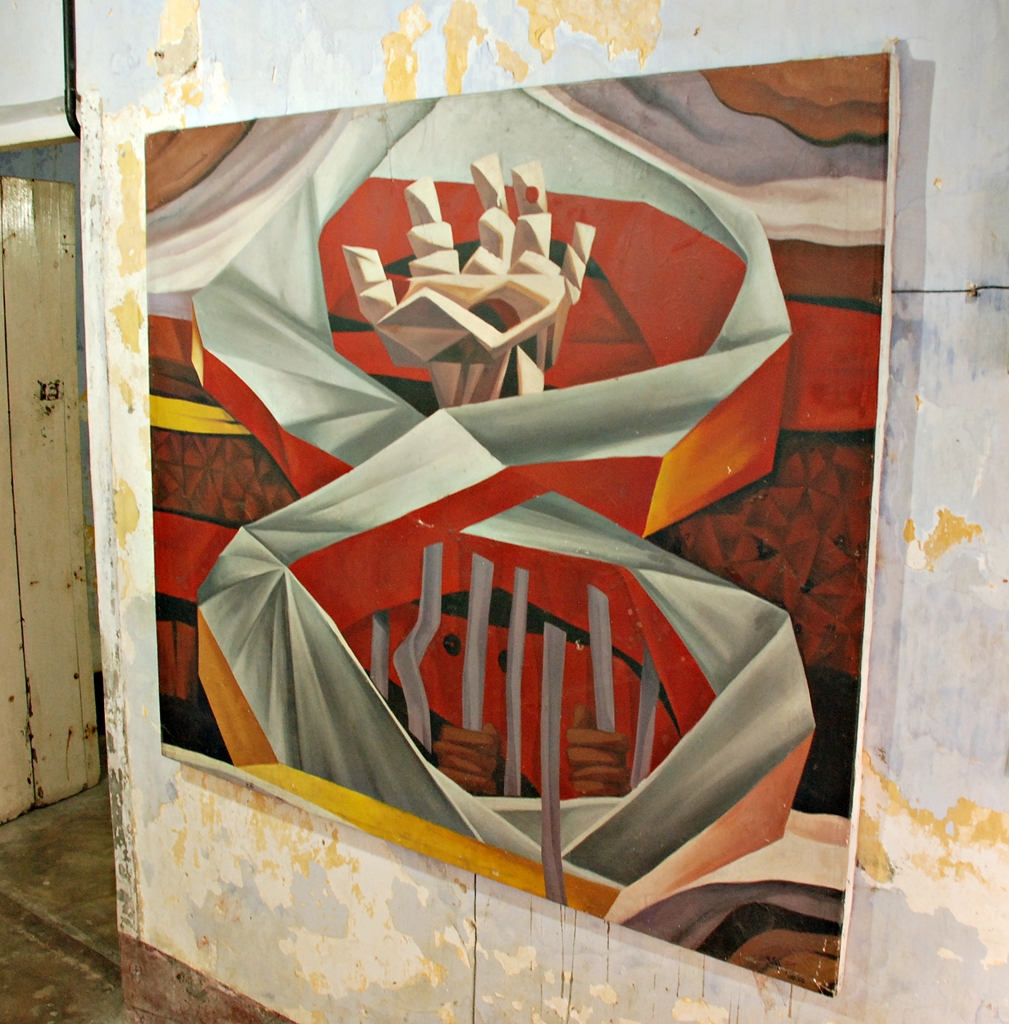
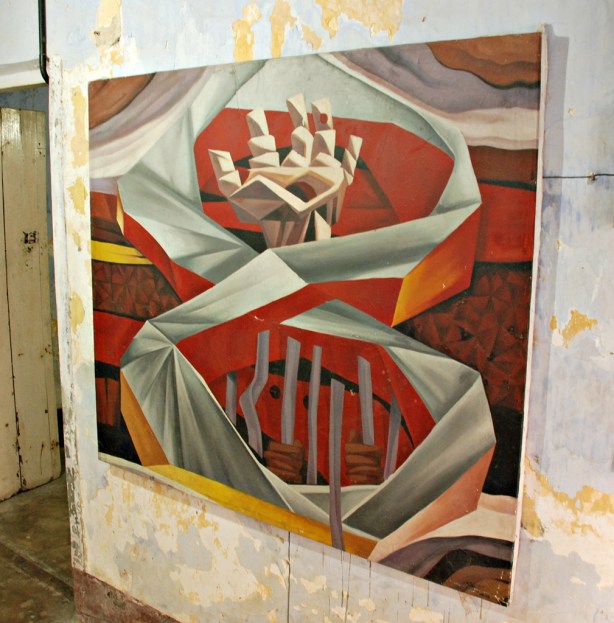
Since I had not been able to make it to the synagogue last time I was in Mattancherry, I went there to have a look around. Unfortunately, it had slipped my mind that it was a Friday and so, once again, I could not get inside the synagogue. I saw that there was a KMB venue – Mandalay House – on the street leading to the synagogue and I dropped in. It was a venue dedicated to the struggle of the Burmese people against the military dictatorship there. The “8888 Uprising” started on 8th August, 1988 and was put down brutally by the military junta. Sitt Nyein Aye, who was a student and a celebrated artist in Burma, had taken part in the uprising and had flee to India in the aftermath of the struggle. He made a painting with the figure 8, while at Manipur, in 1990. The painting was remade in 2000 and when the organizers of KMB were looking at this painting, they discovered an amazing fact. In their own words: “When we began working on the exhibition, we realized this painting needed restoration as it had a small tear in it. Two conservators Harriet Pearson and Mark Coombs, then living in Bombay, began studying the work. The identified other things, like older re-touchings, splashes of dirt and water that discoloured the red layers, and bird droppings. This led us to ponder the peculiar history of this work. How it had been painted in a small border town, two years after the uprising, and how later, Sitt Nyein Aye had used it in demonstrations and protest marches on the streets of Delhi. This work was never meant for the wall. It had had a life on the streets. That the conservators decided to let the work be, deciding to mend the tear, but leaving this surface intact as a testimony of its history, is a credit to them.” To me, it became much more than a painting when I read this explanation. It was a piece that embodied the resistance of a people denied freedom in their own land, a symbol of the undying human spirit, an object to be revered.
Kochi_Jan13_ 517

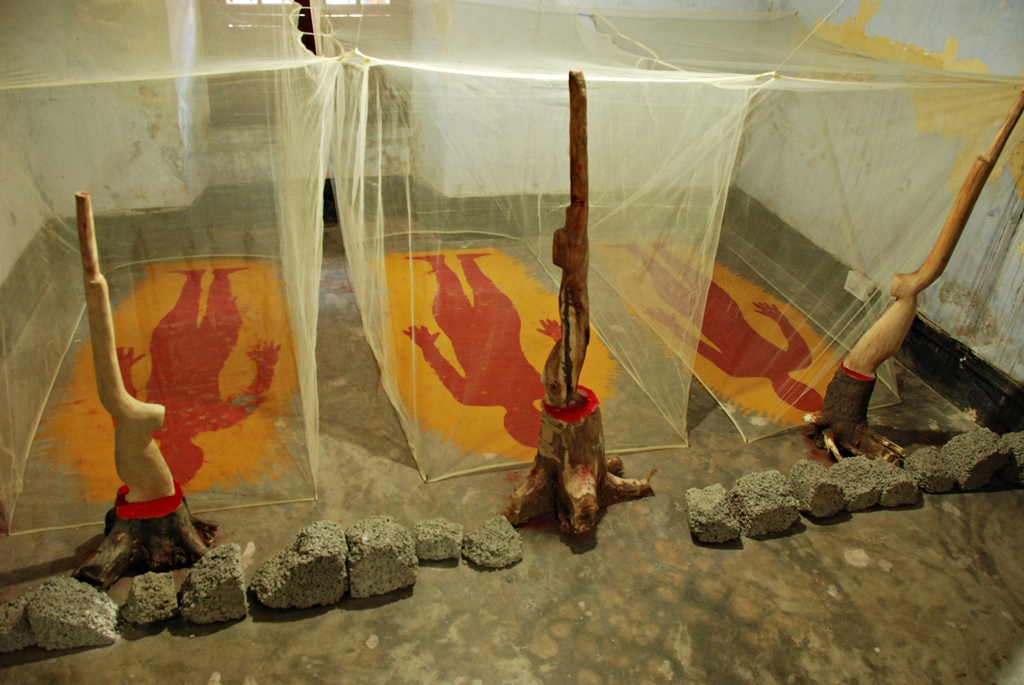
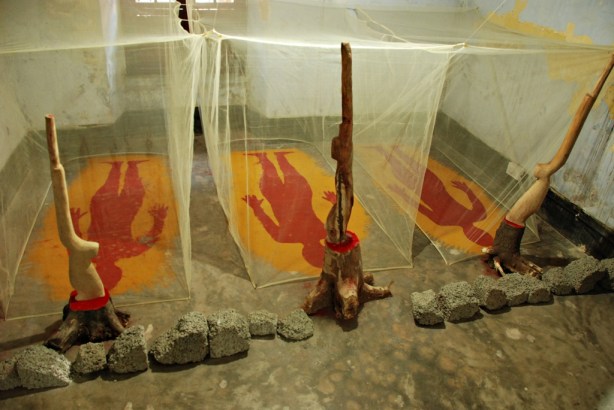
The whole of Mandalay House was dedicated to the Burmese struggle and in the next room was an installation by Htein Lin, called “Dream of a gun-tree revolution”. It seems many Burmese students had crossed into India with the hope that the Indian government would support an armed struggle and give them weapons. Instead, they found themselves in refugee camps with all the associated ills; food was scarce but for some reason they got a lot of turmeric powder. They kept asking for guns but supposedly, the Indian government just kept sending mosquito nets so that they could sleep well. Some students even made guns out of tree limbs for training. Ultimately, the government never sent arms and the idea of the “gun-tree revolution” fizzled out. The installation was amusing with its mosquito nets, wooden rifles etc. Yet, what it showed was the death of a dream. Of course, it is worth pondering whether it was proper for the Indian government to send them arms!
Kochi_Jan13_ 536

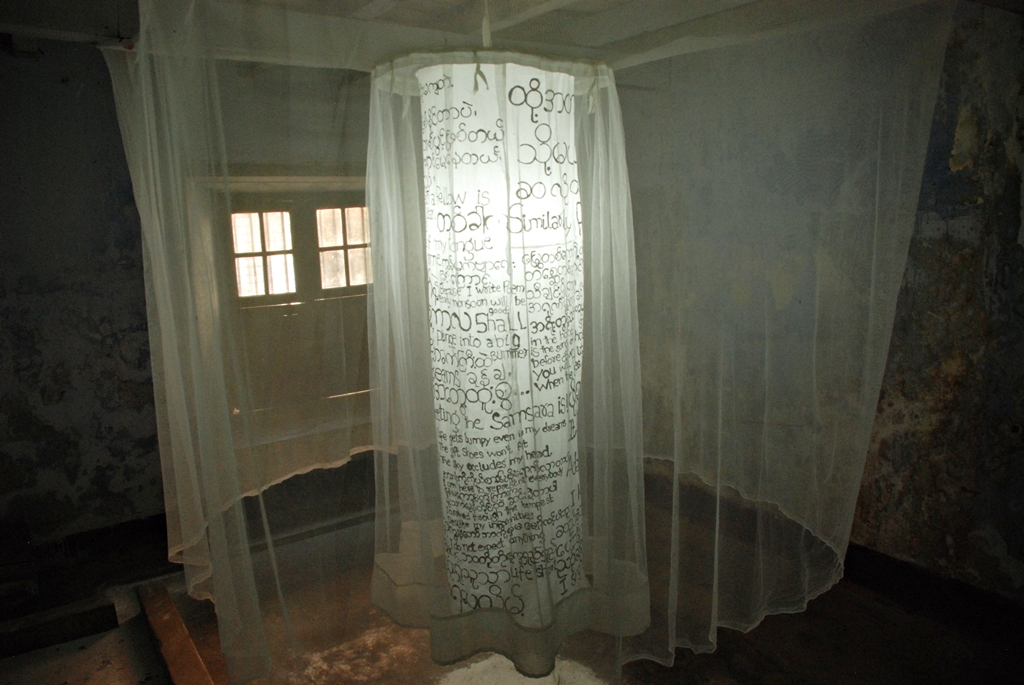
Htein Lin seems taken up by nets. The next installation was dedicated to a book called “Bones will crow” – an anthology of contemporary Burmese poems published in 2012. It is supposed to be a meditative space with text and drawings on the nets, the point being that these stories will not die and will be told, however much they are oppressed.

Kochi_Jan13_ 528

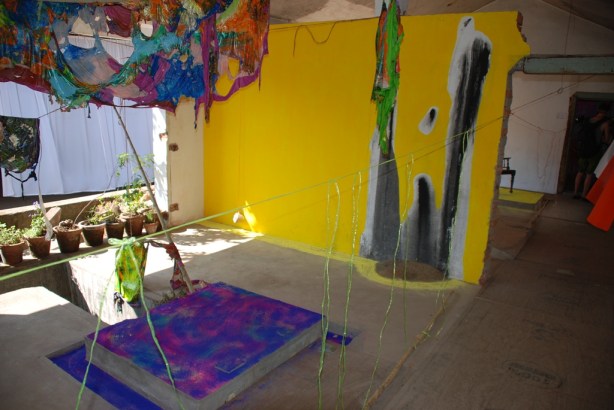
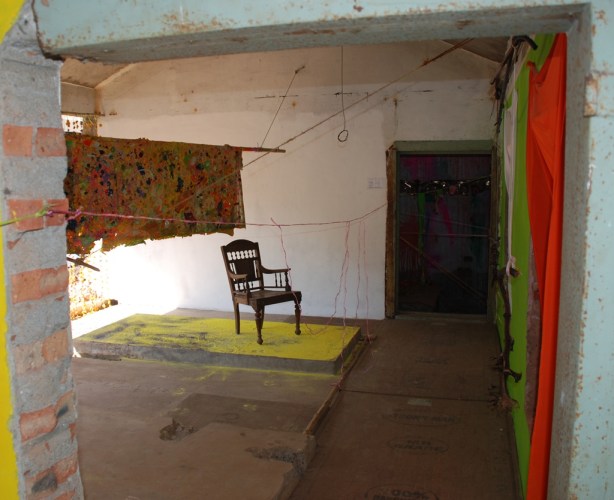
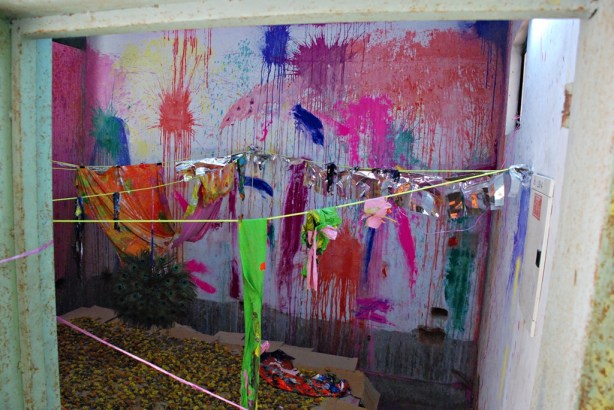
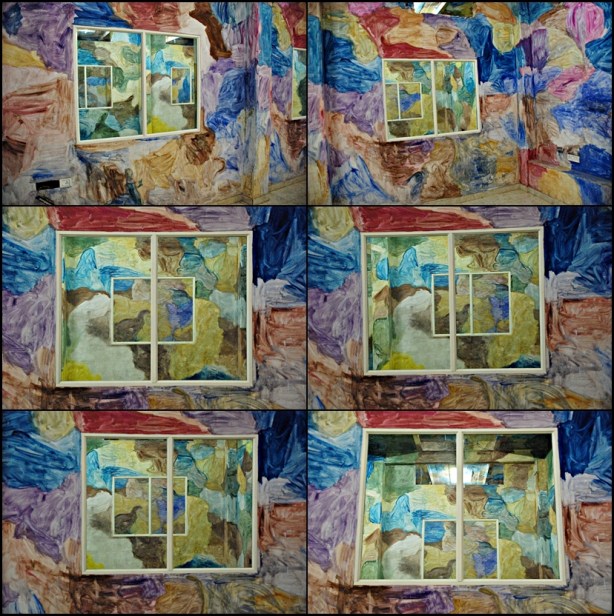
After this, I went back to Aspinwall House as I had seen photos of a fun-looking installation by Zhang Enli that I wanted to see. This was a couple of rooms, the walls of which were painted with water colours. There were some windows through which you could see into the other room. The colours used were bright, fun colours and the feeling was one of gaiety and light-heartedness.
cats_2

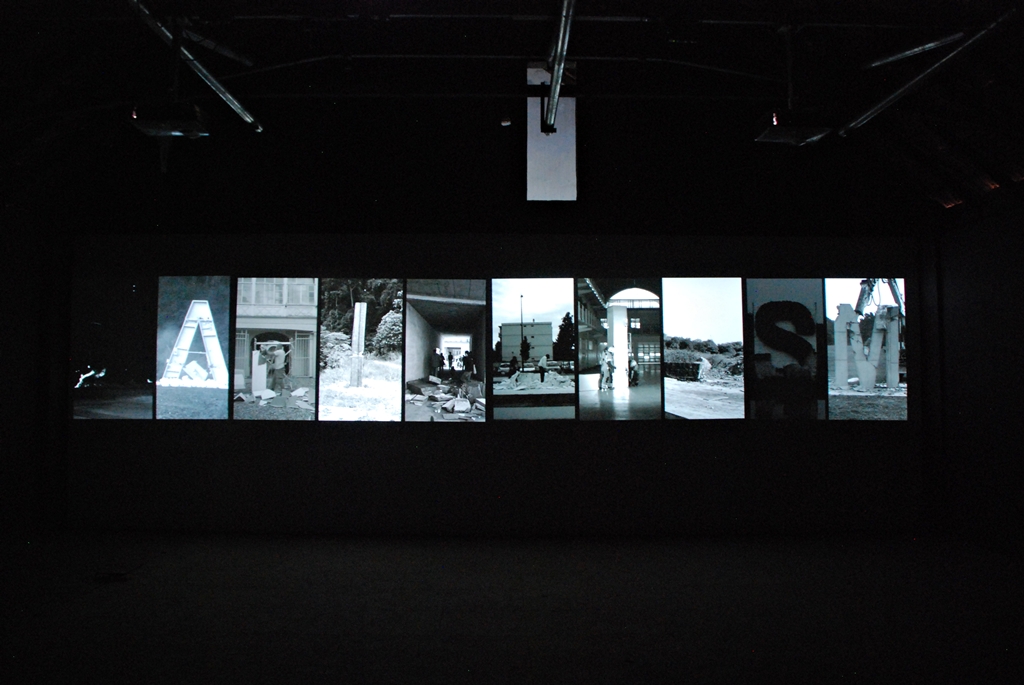
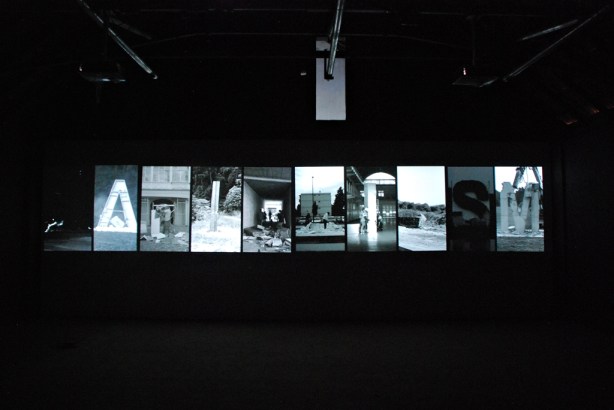
I had been told to watch a video installation by a path breaking Spanish artist, Santiago Sierra. This was titled “Destroyed Word”. This work took two years to make and was made across 10 countries. Each letter of the word “KAPITALISM” was constructed in one country and so it tool ten different countries to make up the word. The materials used were relevant to that country. Each letter was installed and then destroyed using different means. The video showed the destruction of all the letters simultaneously, thus showing the destruction of the word itself. The travails that capitalism is going through currently must have prompted the artist to create this work. Or did he mean that Capitalism leads to globalization and thus the loss of the “indigenous relevance”? I am not sure whether Capitalism would be defeated that easily – it will adapt and move on, with all its cunning. The new avatar is “Conscious Capitalism!” An oxymoron?
Kochi_Jan13_ 596

There were still some more venues to be visited and some more works to be seen even in the venues I had visited. However, all good things come to an end and so too, my visit to Kochi-Muziris Biennale. To me, this was a great event which provided a fantastic opportunity to view many world-class art works. A point that needs particular mention is the selection of venues. Most of the venues were rickety old buildings which conveyed great character. Indeed, these buildings are remnants from a time when commerce was centred around maritime trade in Kochi. I doubt whether the ambience would have been as appealing as this had the venues been sleek, modern buildings.

In these times, as our society seems to fall lower and lower in matters of ethics and values, I feel that art has a great role to play. This problem can only be solved through an improvement in our overall culture and art and the awakening it creates, is one part of the solution. An event like Biennale is a dire need in Kerala today and to organize such an event, despite all the challenges, is a wonderful achievement that needs to applauded. Bose Krishnamachari and  Riyaz Komu deserve rich praise for staying the course and going through with the event and for all the wonderful work in the curation, selection of venues etc. The Kochi-Muziris Biennale was a cherished experience for me and I thank the organizers for this; it is my fervent hope that the event would be back in this wonderful location in two years’ time.
After much debate and discussion, the Kochi-Muziris Biennale (KMB) opened on December 12, 2012. I had been following the news and had decided to make a visit. A few months back, I had visited one of the sites of Sydney Biennale and was curious to see how we would fare.

Art and its modern movements had been largely alien to me in general. I was always a bit curious on what these scribbles and strokes were about and it started getting the better of me four or five years back. At that time, I connected back with an old friend, Jayaraj, and I had frequent discussions and arguments with him and his wife, Sripriya, about the art pieces that we saw when we visited museums like Tate Modern. I started from whether these could be called works of art in the first place. Soon, Jayaraj introduced me to one of his artist friends, Murali Cheeroth and Murali too became a victim of my constant barrage on this matter. Through these discussions and the patience of the trio, I started to realize how art has become much more socially and politically committed and relevant in these modern times. I started to realize why it is important to know the various happenings in the society that the artist lives in and his or her reactions to those, their political positions etc. to fully understand their art. I started to realize why it is important to have clarity on my own thoughts and positions to better appreciate modern art. I also started to understand that seeing more and more art and assimilating what one can, is very important.

The main venue of KMB is Aspinwall House, in Fort Kochi. This is set in a very picturesque location, by the water. Such old abandoned venues are perfectly suited for this sort of an event that invites participation by the public. The first exhibit that we viewed was a video installation by Justin Ponmany called “Done and Dusted”. I cannot say that I understood much of this despite the introduction provided at the door of the hall. So, I started out right, being bewildered!

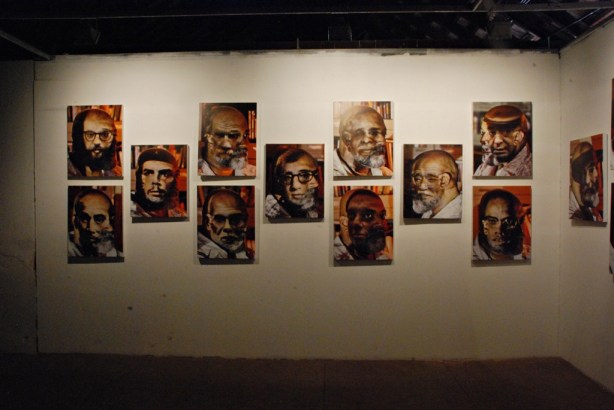
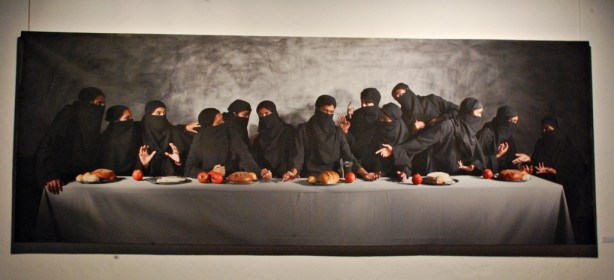
In the very next hall were two photographs by Vivek Vilasini. The first was a series of photographs which had Vivek’s own face juxtaposed with faces of famous personalities like Gandhi, Che Guevera, Sree Naryana Guru, Mother Teresa, Ambedkar, Vaikkom Muhammad Basheer, VKN etc. The whole impact was quite interesting and it was well exhibited. It made me reflect on the various influences in my own life. The next was titled “Last Supper – Gaza” and the visual impact itself was quite stunning; not to speak of the emotions and thoughts it stirred up. I could not but marvel at the imagination of the artist and his ability to bring together these thoughts of conflicts and brutality into a frame that denotes such tranquility.

 Kochi Biennale_Dec 2012_ 076

Kochi Biennale_Dec 2012_ 060

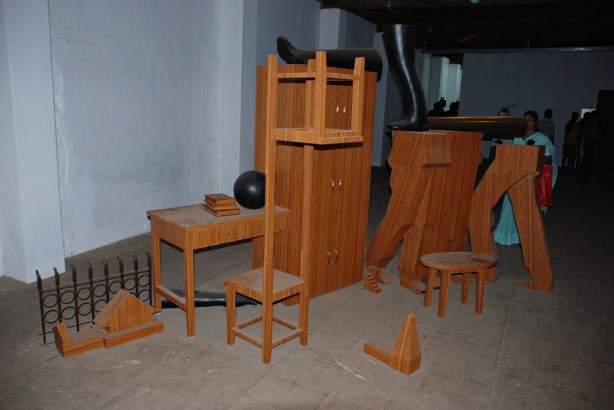
Next was an installation by Sumedh Rajendran, which I have to confess I did not understand at all. It had various legs, tables, inverted chairs etc. but I could not get what was intended and hence did not enjoy this much.

Kochi Biennale_Dec 2012_ 081

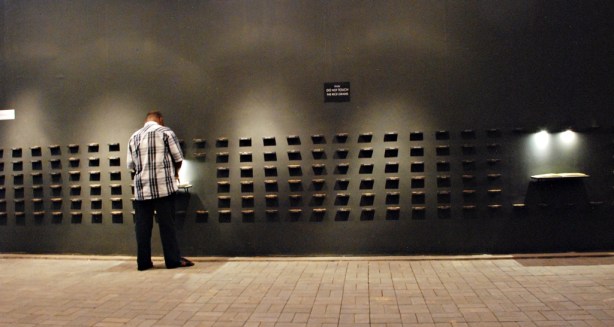
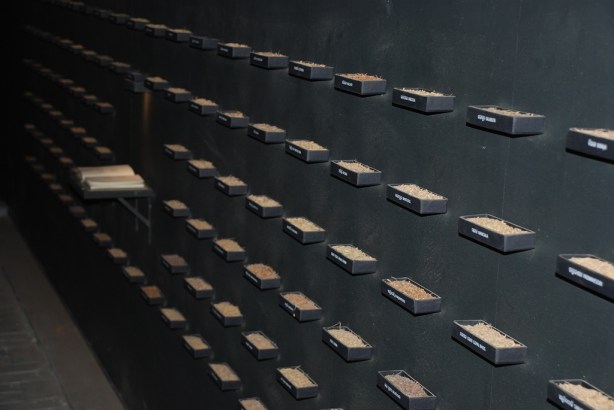
The next section was taken up by Amar Kanwar. I had heard of him but was not very familiar but Murali had recommended it highly and had insisted that I spend enough time on this. The installation is titled “The Sovereign Forest” and it consists of very many things including two movies, books, a seed collection and some photographs. The central theme is about destruction and displacement that happens when large factories and other projects take up the fields owned by indigenous people and it is based on stories from Orissa. As one enters the room, what strikes the eye is a collection of rice seeds. This is arranged in small, open boxes fixed to the wall. 266 varieties of indigenous rice seeds found in Orissa are exhibited here. I guess some of these are extinct while some are still cultivated. If we continue the way we are, most will soon be extinct.

Kochi Biennale_Dec 2012_ 095

Kochi Biennale_Dec 2012_ 087

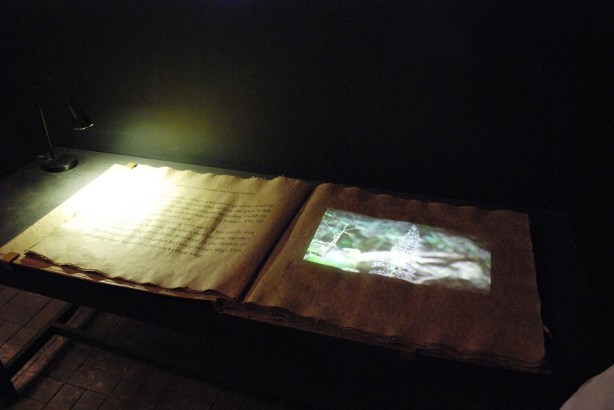
There are three large books on hand made paper with writing on one page and video projection on the other side. I had never seen a piece like this and it was very interesting. I wanted to go through all the books but could not finish even one book as there were a lot of people around.

Kochi Biennale_Dec 2012_ 101

The story captured in the book “The Counting Sisters and Other Stories” is connected with the movie “The Scene of Crime”. The movie itself is 42 minutes long and I watched it two times. The quality of the video and the shots are amazing. There is no dialogue or narrative apart from the few short sentences that appear from time to time. The sound track is original with sound as present in the scenes being recorded, with no music added. Scenes move along slowly with small gaps between different shots; yet it is a very gripping movie with a powerful story. It reaches deep inside you and disturbs and evokes thoughts about how to have a balanced concept on development. The injustice of and trauma caused by what passes for “development” comes through very clearly. The rape and destruction of our land and our people by the custodians themselves, is hard to digest. What came to my mind was the statement made by the Chairman of Vedanta a few days back on how India could increase its GDP by a few percentage points if it were to “liberalise” its mining laws – the very same Vedanta which has often been accused of completely unfair practices and abuse of the people of Orissa. Even to my untrained eye, it was evident that Amar Kanwar is at a different league as an artist and my friend, who was with me, remarked that he is actually an activist. His socio-political commitment and position appealed to us. There was another short video called “A Love Story” and that also had a similar tale to tell. How soon before the images and sounds that we know of and are familiar with, are gone?
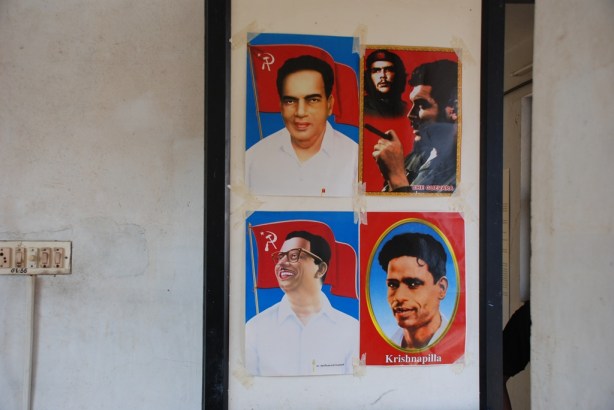
Next, we saw an installation by a South African artist, Clifford Charles, called “Talking Skins”. It was spread over five rooms and each room had a theme of its own. One room was a replica of reading rooms managed by the Communist Party that are seen in many parts of Kerala and one was called “Absence of Labour” and the other three experimented with colours, memories, our sense of protection etc. This one also stumped me and I was totally out of my depths here. I guess my sense of aesthetics needs more work.

Kochi Biennale_Dec 2012_ 109


Kochi Biennale_Dec 2012_ 114


Kochi Biennale_Dec 2012_ 117


Kochi Biennale_Dec 2012_ 123

Kochi Biennale_Dec 2012_ 126

By now, we were starting to run out of time and it was pretty evident that we would have to pick and choose what we could look at before the end of the day and there were three more artists that we wanted to see – Vivan Sundaram, Subodh Gupta and Tallur.

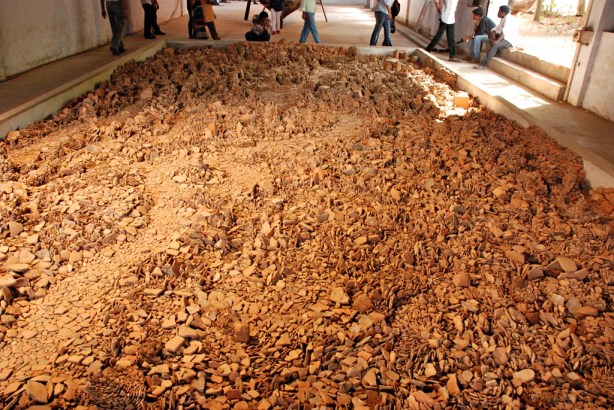
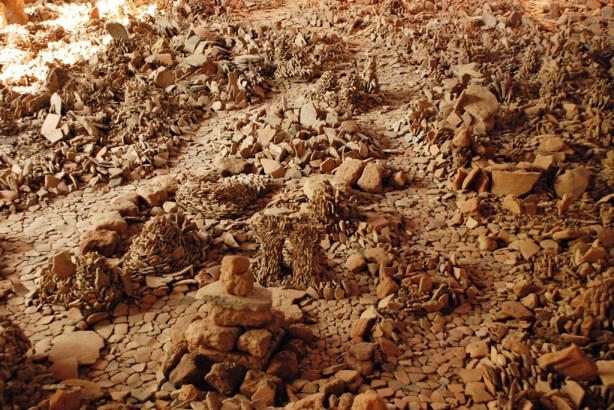
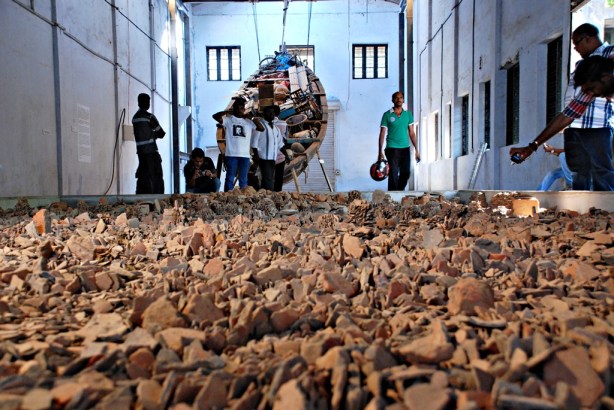
Muziris was an ancient seaport in Kerala that dated back to 1st Century AD. Muziris was a very important town in its time and three major world religions – Judaism, Christianity and Islam – arrived in India through this port. Muziris was destroyed in a major flood in river Periyar in 1341 AD and the exact location of the town was forgotten later. Vivan Sundaram has created a miniature city using thousands of small clay tile pieces dug up from the archaeological site of Pattanam, which is currently believed to be the site of Muziris. This is a large installation laid out in a rectangle of about 25 feet by 10 feet and what struck me first was the enormity of the artist’s imagination. Each piece is not more than two or three inches long and to contemplate such a large installation made of these small pieces, does require a special mind. The “city” has nice boulevards, circles, temples, orderly spaces, clutter, everything. I felt the structures were European, perhaps to show the connection between Muziris and Europe.

Kochi Biennale_Dec 2012_ 140

Kochi Biennale_Dec 2012_ 171

I tried to get a “low” shot by placing the camera almost at the level of the tiles and that image was somehow disturbing to me.

Kochi Biennale_Dec 2012_ 133

I felt that there is more to this work than what I could comprehend and this definitely calls for a revisit. Towards the end of the day, we also saw a video on this work but by that time, I had “art deluge” and so I could not concentrate on that; again, one for the next visit.

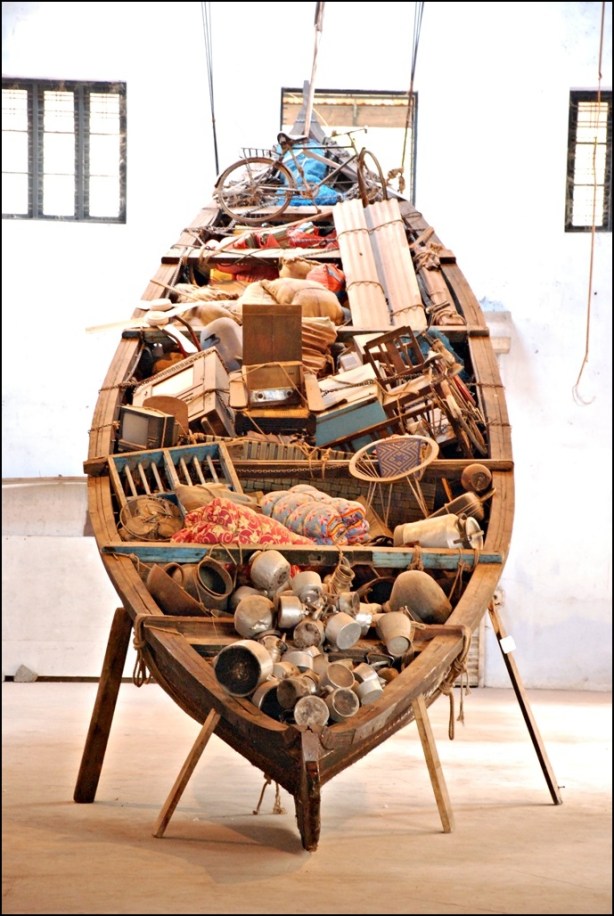
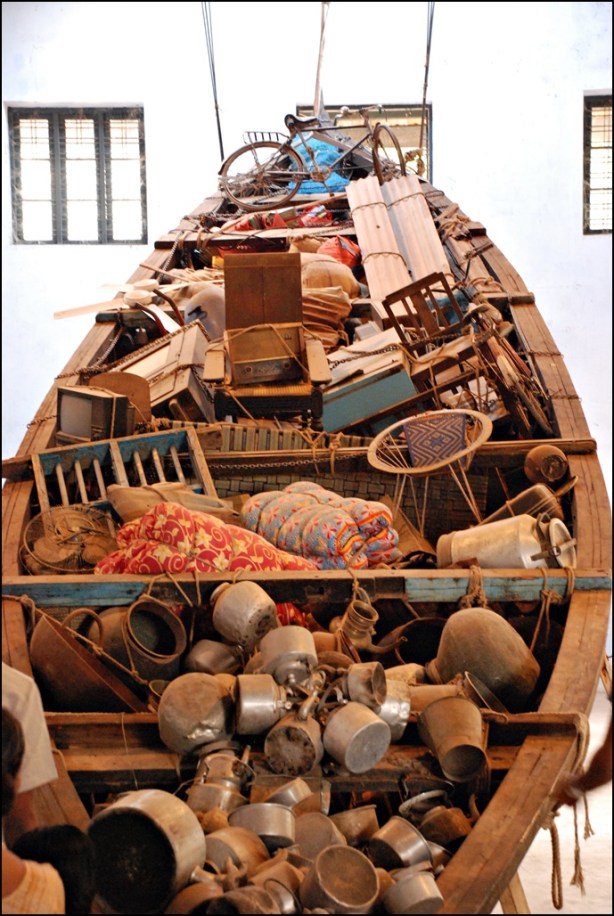
After looking at this city, which was lost in flood waters, you look up to see a massive boat – an installation by Subodh Gupta. It is very difficult to explain the exact feeling that one gets when you see the continuity of the two installations. A city, which one deems to be “permanent” is lost and we take refuge in a boat, which is at best a transitory location. All our material possessions are crammed into the boat. In the boat, we try to create a place of refuge. It conveyed many things to me – our tendency to withdraw in times of hardship, our unwillingness to let go, how we carry on with all baggage from the past and much more. The overall impact was quite significant and we spent a lot of time in that room. The boat is a regular fishing boat and looks quite large, especially within the confines of the room.

Kochi Biennale_Dec 2012_ 144

Kochi Biennale_Dec 2012_ 174

The connectivity between these two pieces of art is stunning and it is very evident why these two artists are so highly respected.

The last one for the day was an installation by Tallur LN. I had seen an image of this installation in a magazine and was shot from the exact same angle as the photograph below.

Kochi Biennale_Dec 2012_ 202

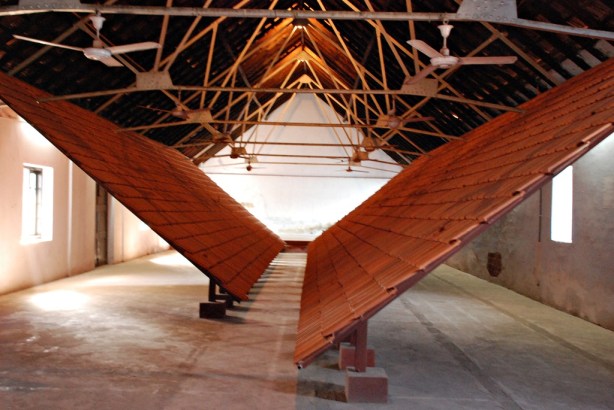
I could not at all comprehend what this was about and hence had wanted to see it. The explanatory note posted near the installation spoke about how man’s innermost desire is about conquest and that is evident even in the practice of Hatha Yoga, which is about conquering one’s body and mind. The note then went on to speak about how missionaries of Basel Mission set up tile factories to provide employment for the people they converted into Christianity. Later, these tile factories came under the British Government; at the same time, they set up a museum in Bombay and they wanted to create an ethnological collection there and Hatha Yogi figures were also made for the museum. After I read this note and saw the installation from a different angle, it became very interesting. I felt that this observation by the artist about man’s preoccupation with conquests and conquering is very profound indeed and various thoughts crossed my mind as I walked around the piece.

Kochi Biennale_Dec 2012_ 190

Kochi Biennale_Dec 2012_ 193

Unfortunately, we ran out of time and we were tired as well; though our hearts and minds were full. There is much more to be seen and I would definitely want to go back and spend a couple more days at KMB. The curators, Bose Krishnamachari and Riyaz Komu, deserve credit for putting such a great event together, with so little support from the Government. The opportunity to see the works of so many world class artists in one location is very rare and is indeed a boon for all of us.

I have written only very little about the thoughts, feelings and emotions that passed through me as I watched the art works; I would need many, many pages if I were to do that. Vivek Vilasini brought thoughts about the influences in my life, Amar Kanwar made me think of the dichotomy between development and nature, Vivan Sundaram and Subodh Gupta about the permanency of the transitory and vice versa, Tallur about our deepfelt need for conquest and so on.  It is quite possible that the thoughts and ideas that came to my mind had no connection with what the artist intended but that is fine as what counts is my interpretation and the value I derive from the experience; that is the beauty of art and the space it provides. KMB was a very singular experience indeed and I hope to return to view the rest of Kochi-Muziris Biennale 2012.

Art is often the preserve of the elite and most art related organizations also continue in that vein; but the Karnataka Chithra Kala Parishath (CKP) strives to be different by organizing an event called “Chithra Santhe” every year. A literal translation of Chithra Santhe means Picture Market and CKP calls it “Art for All”. This is the ninth such event happening at Bangalore. While we had heard about this a couple of years back, we had never visited it and so we were determined to go this time.
The event itself lasts for just one day and is organized in the road (Kumara Krupa Road) where CKP is located. The road, which is about a kilometre and a half long, is closed off for the day and art works are exhibited on pavements on both sides of the road. This road, incidentally, is where the Chief Minister has his official residence and it is all the more impressive that they manage to hold this event here.
The first thing that struck me as we arrived at Kumara Krupa Road was the crowd. The road was quite packed and I could well believe the press report that I had read in the morning which had said that the organisers were expecting around 200,000 people to turn up. There were people everywhere – some were buying, some just looking or some posing for portraits. I could also see some people with cameras. The most important aspect I noticed was that the crowd consisted mostly of ordinary people and not the elite or intelligentsia; so the event seems to have met the objective of the organisers.
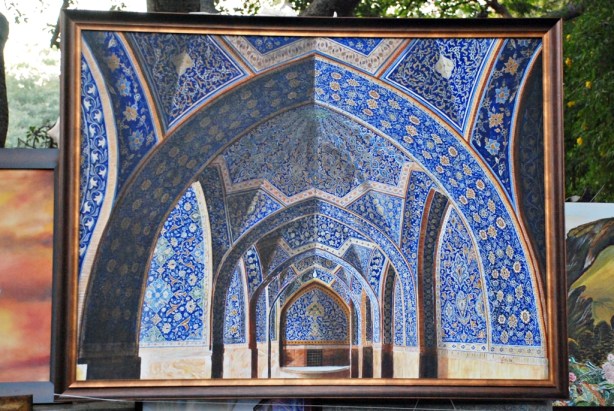
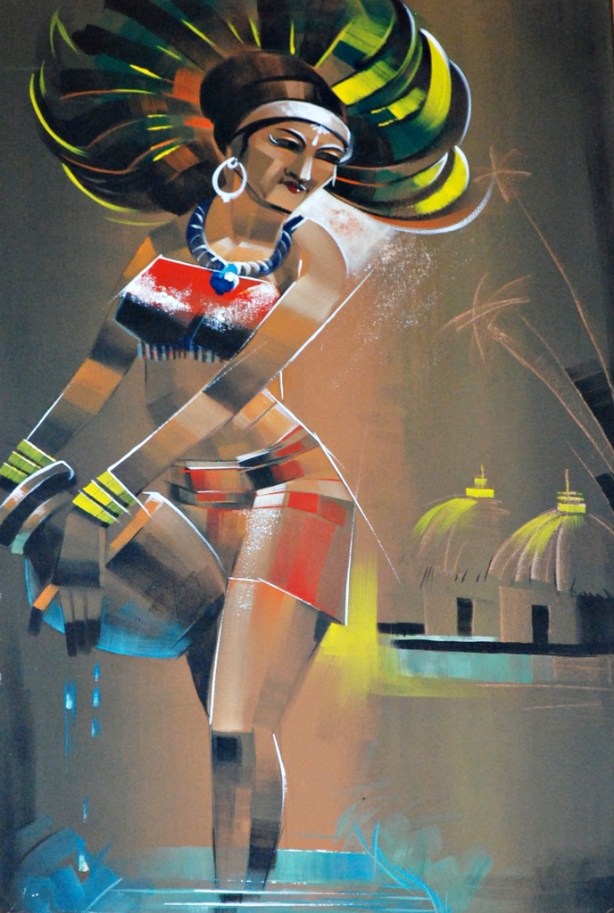
The whole event was a riot of colours and was dominated by paintings. There were some handicraft items as well but those were very few. The paintings themselves were of many different types with sceneries and life-like depictions making up for the bulk of the works on display. An interesting item was a display of bottles with paintings on them. There were works from 800 artists or so and many seem to have come from places outside Karnataka as well. Sale prices for the paintings were very varied as well with a range from Rs. 300 to 75,000.

There were some abstract works also on display and some of them were quite eye catching. In particular, I like some pencil drawings and a couple of paintings – some of the themes were quite bold indeed.

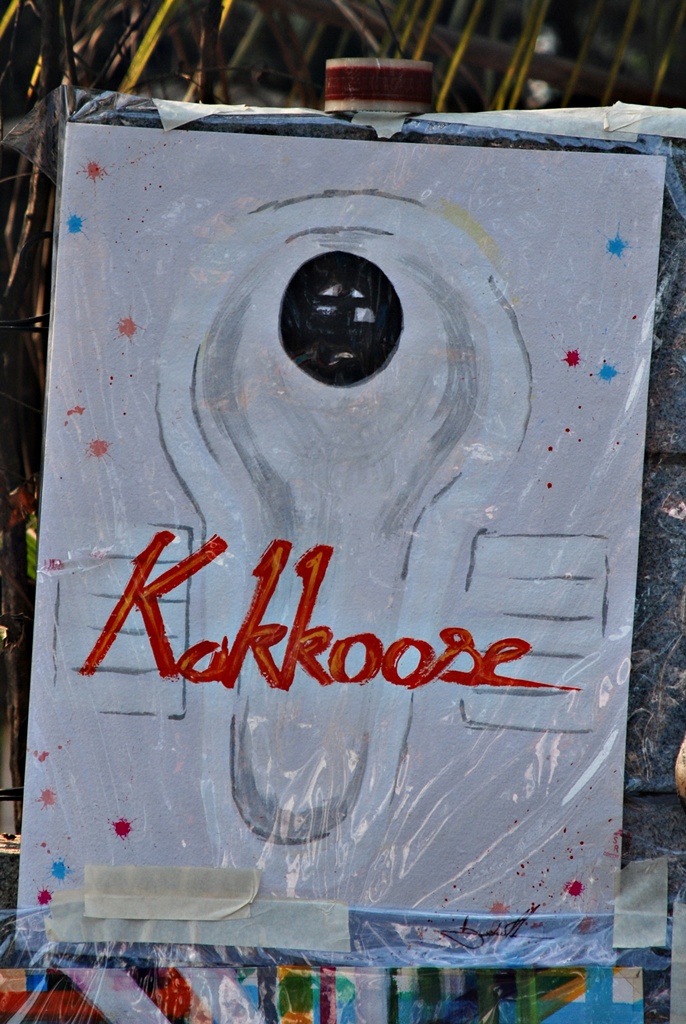
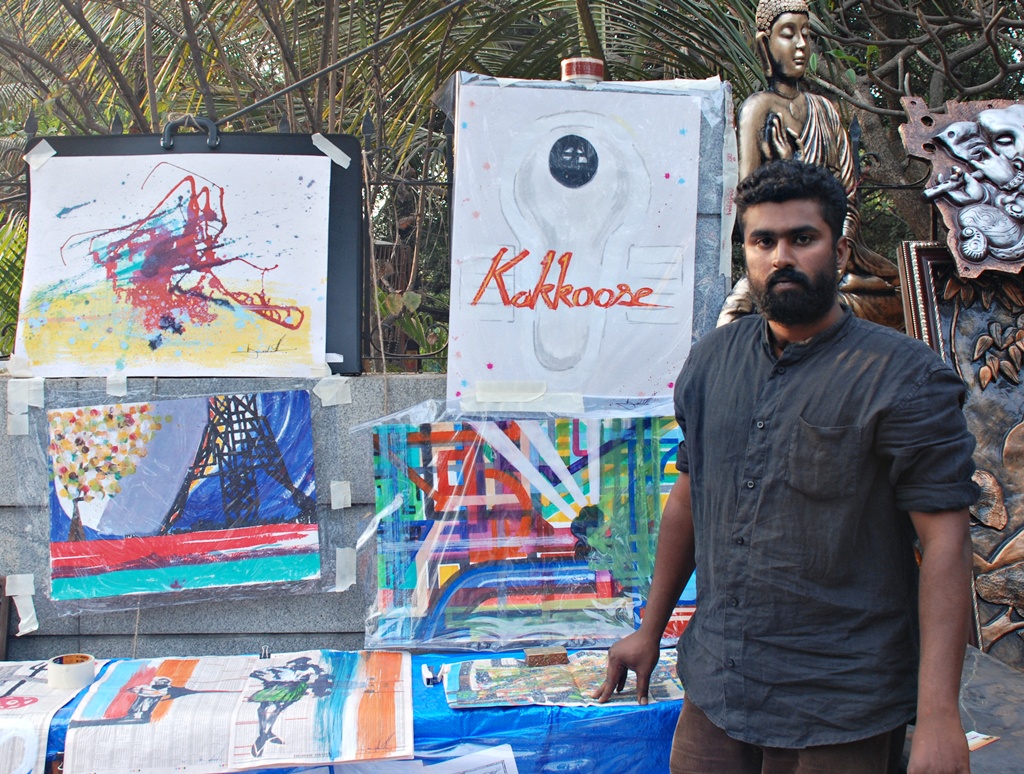
One artist and his work stood out and I had a brief chat with him. His name was Bharath and what caught my eye was that his work was quite different from all others. The most prominent piece was the painting of a toilet and that reminded me of Duchamp’s work. I asked Bharath about the idea behind the painting and he said that he drew it today morning as he wanted to “shock” the spectators that come for the event. He had not heard of Duchamp’s exhibition of the inverted urinal and if he is to be believed, this is original thought from him. Another painting he had was done on a page of “The Economic Times” and this was done because he found it interesting that a businessman could use it to check his stocks while a street vendor could use it to pack “pakodas”. Brief as it was, I enjoyed the conversation with him.

Overall, the event was quite enjoyable and Sandhya and I left with a sense of satisfaction after spending a couple of hours. This initiative from CKP is quite commendable and I hope they keep this up!